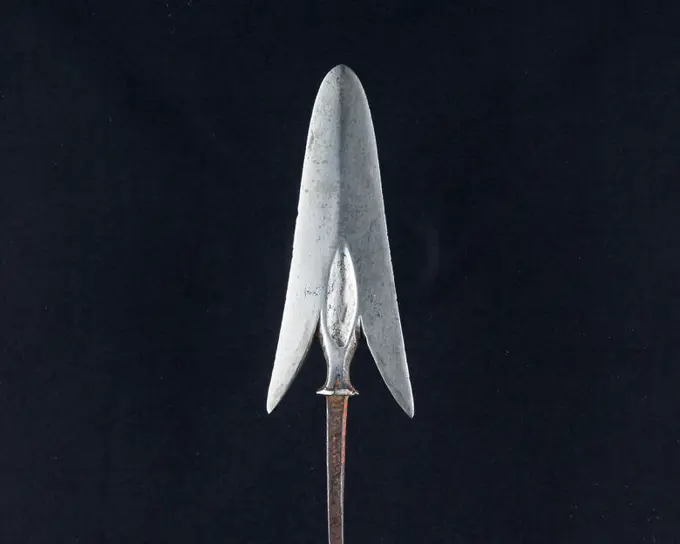
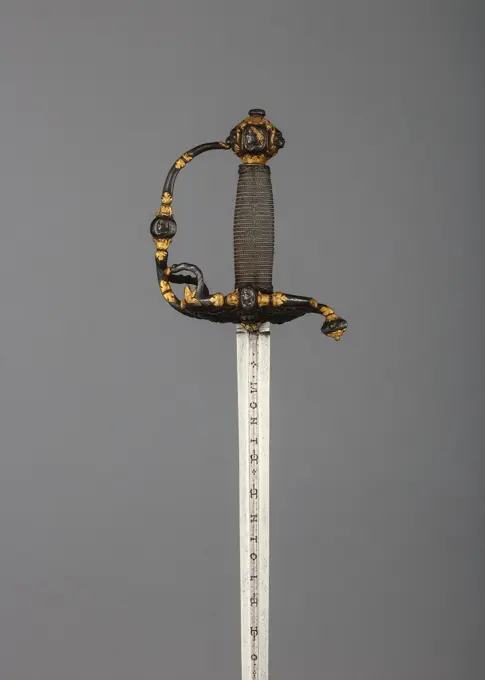
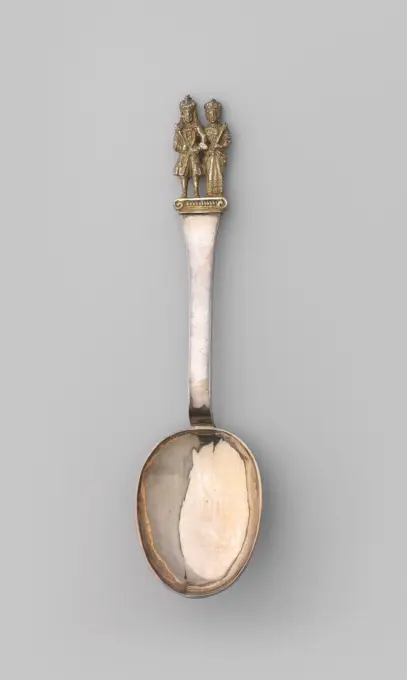
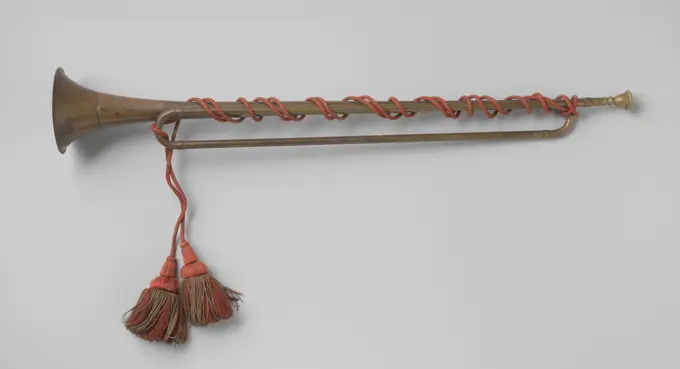
Antique Tools and Weapons

Detailed images of historical tools and ornamental weapons made from wood and metal, showcasing craftsmanship from different eras.
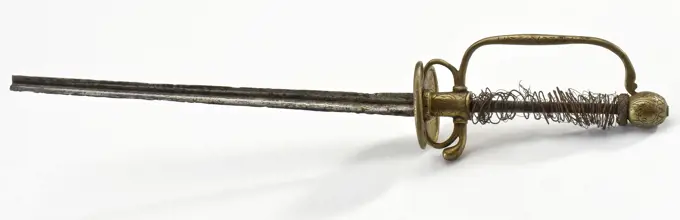
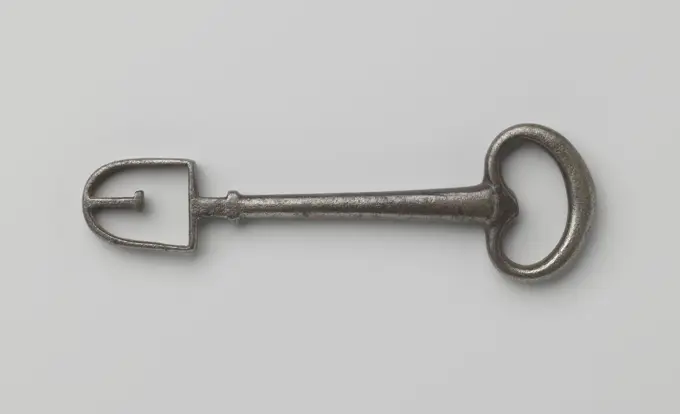
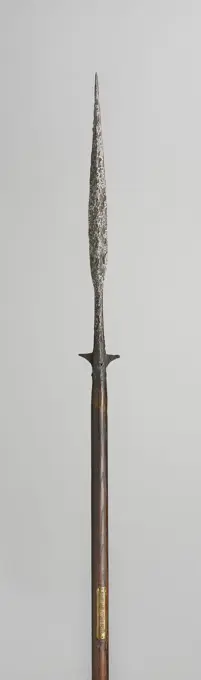
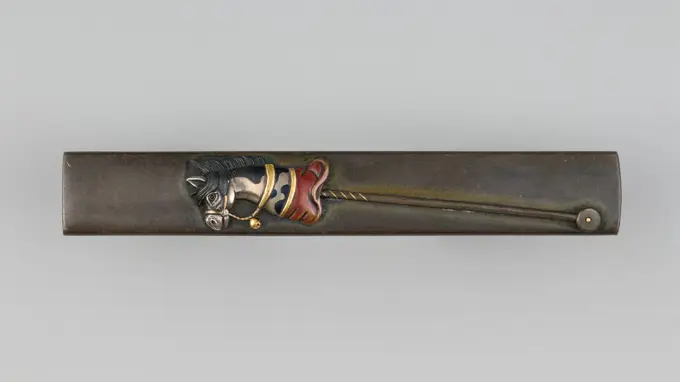
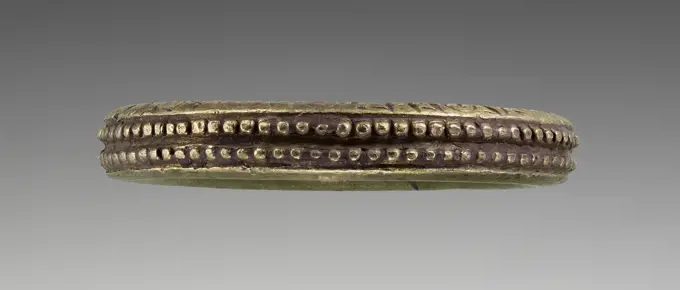
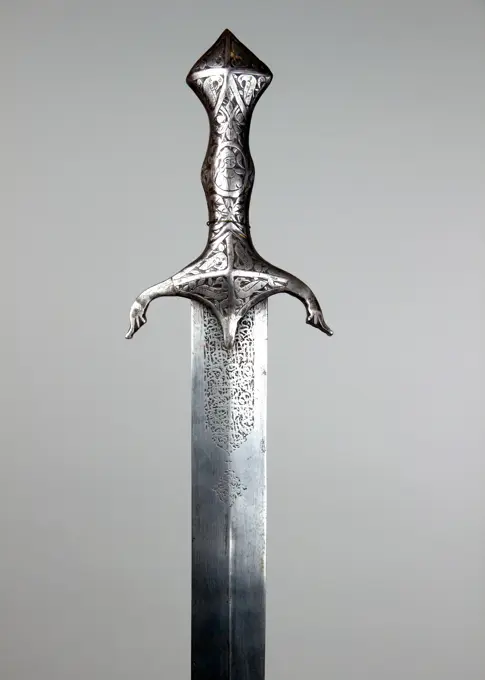
Early Dutch-style ornamental dunes from the end of the seventeenth century, jewelery sword weapon weapon fragment ground find bronze wrought iron metal, cast forged Decorative dangles Heftgroep composed of at least six parts and made of bronze wood and metal wire wound and braided in different ways. In the cast parts decoration relief. The baffle plate is solid and dense. The blade is triangular eroded three-edged archeology knife saber sword decoration status symbol personal equipment defense clothing accessory militaria
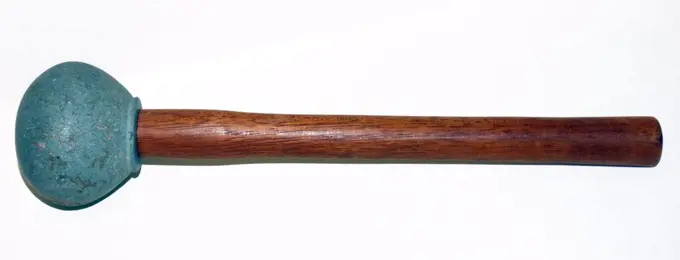
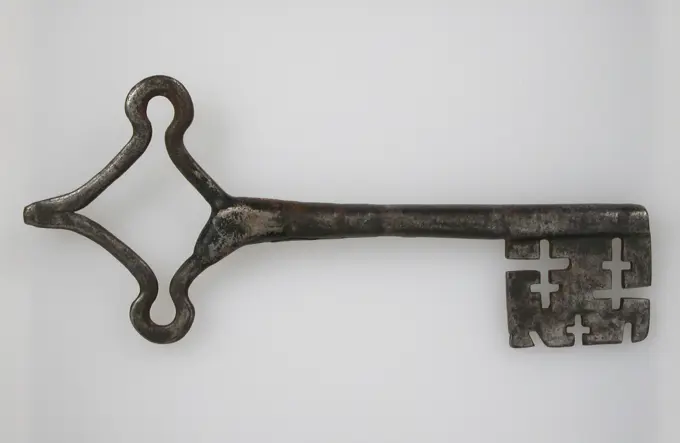
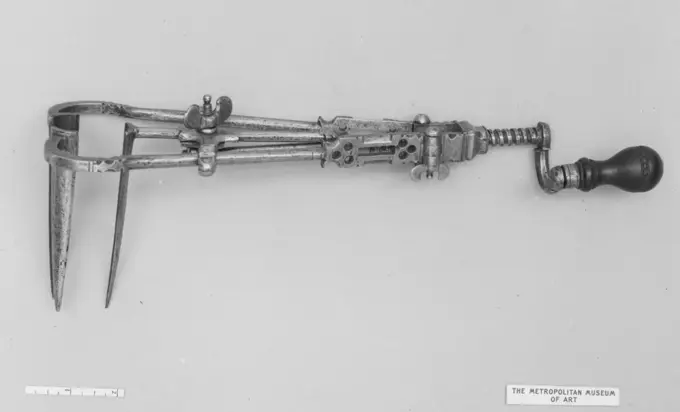
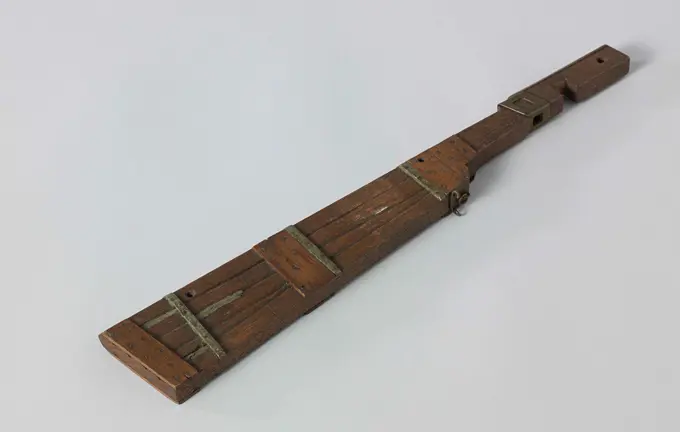
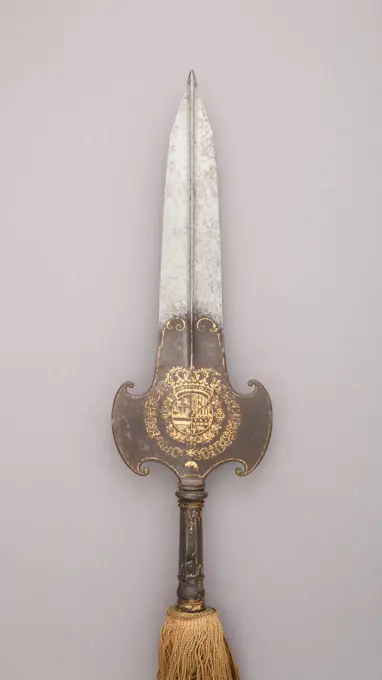
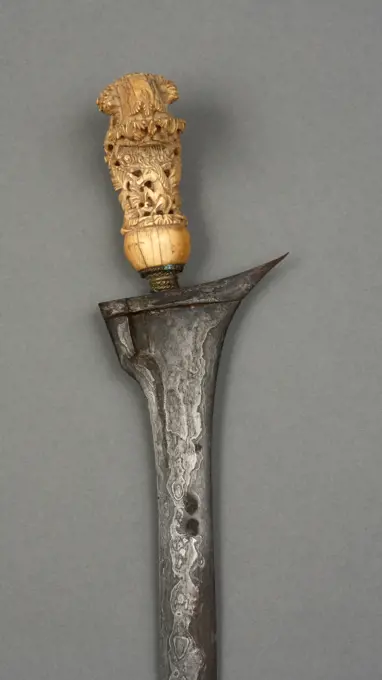
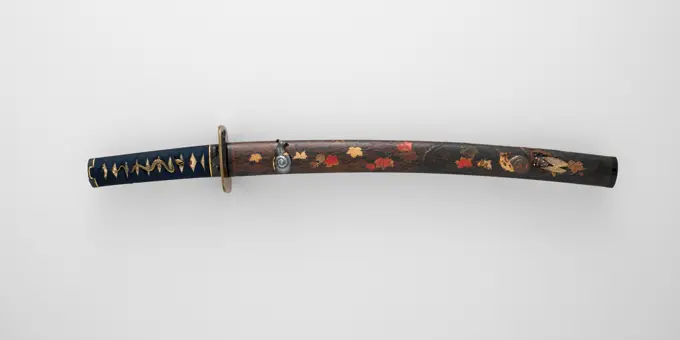
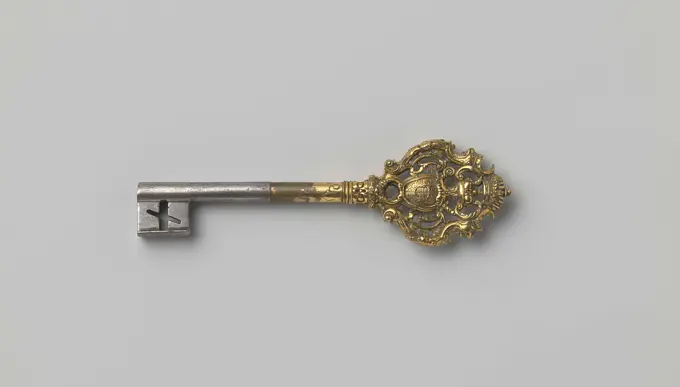
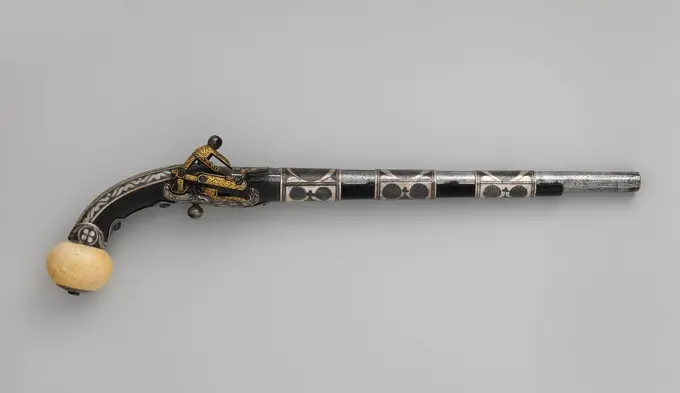
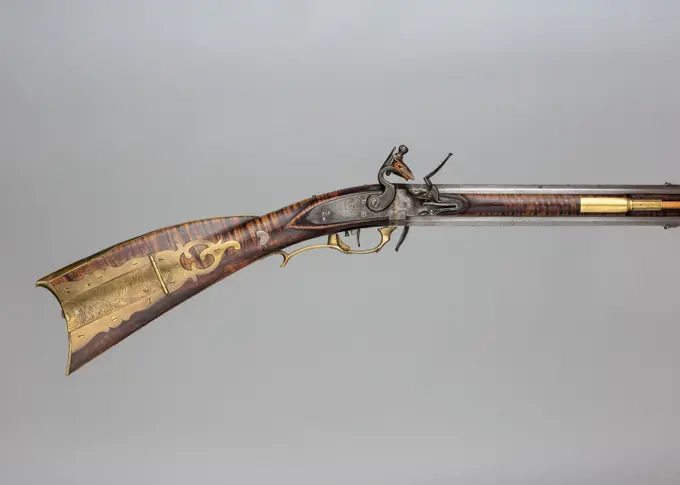
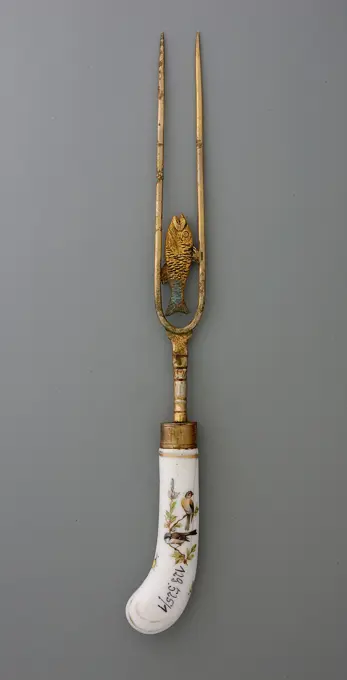
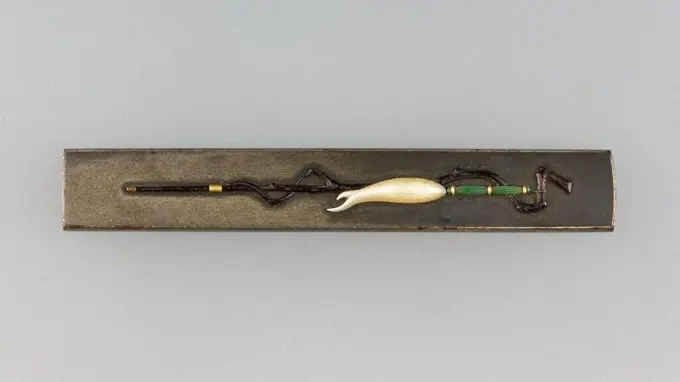
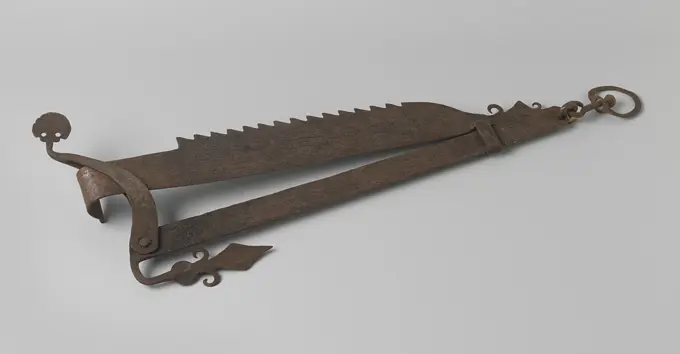
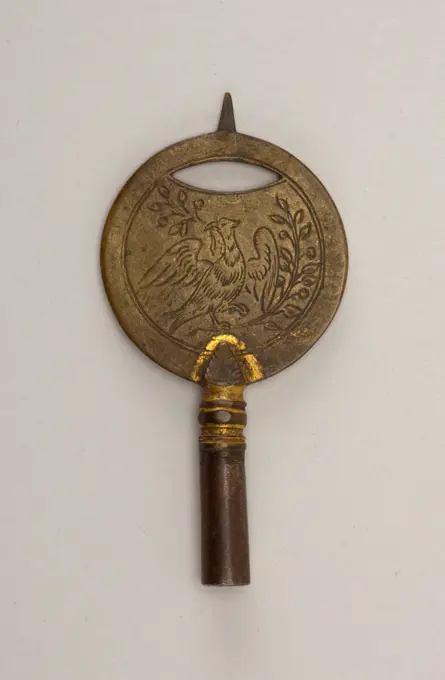
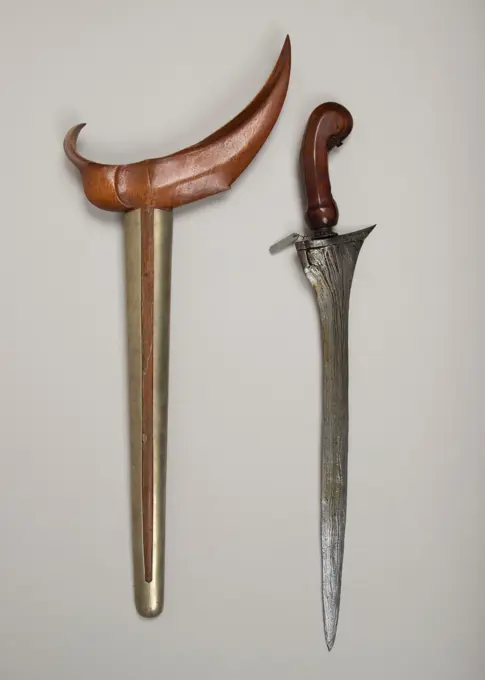
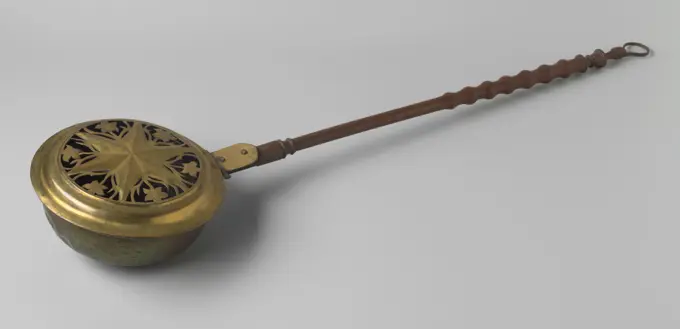
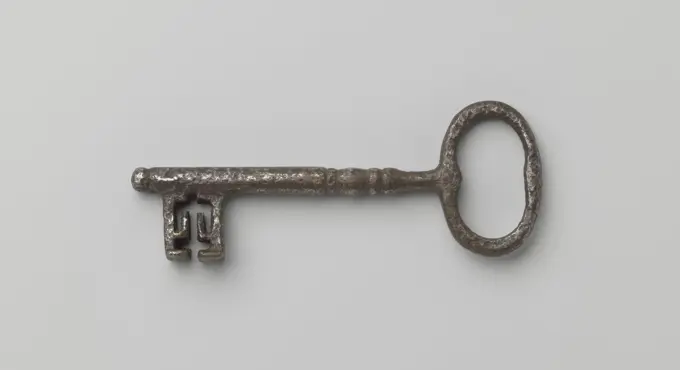
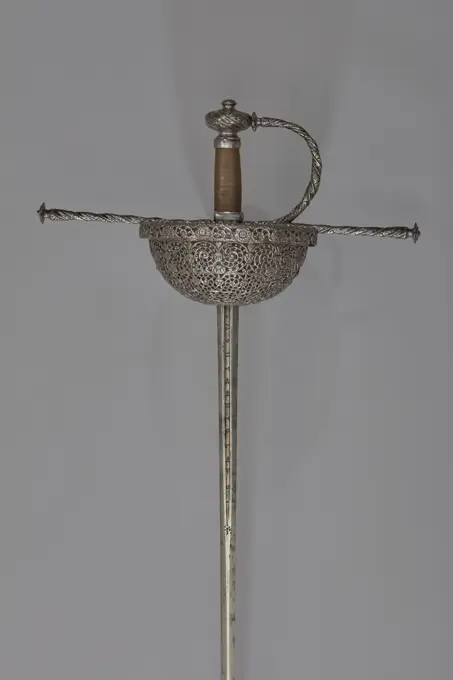
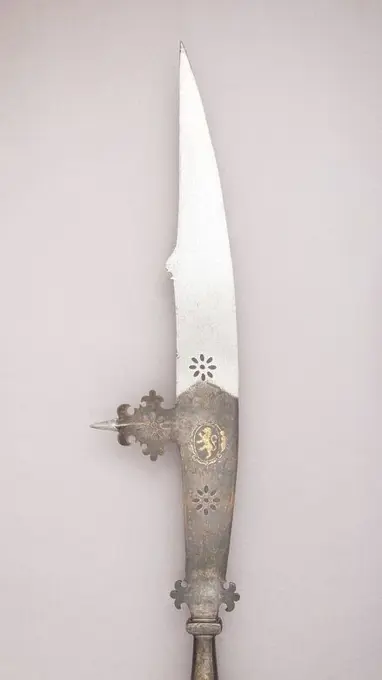
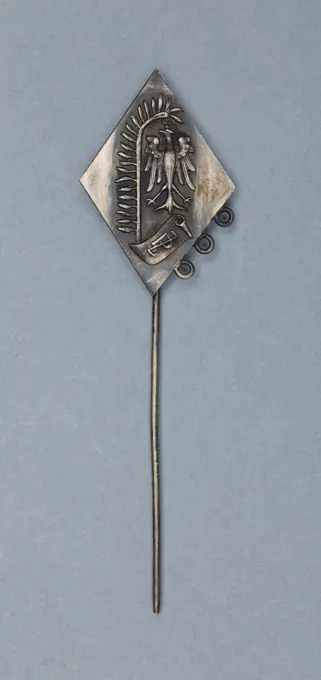
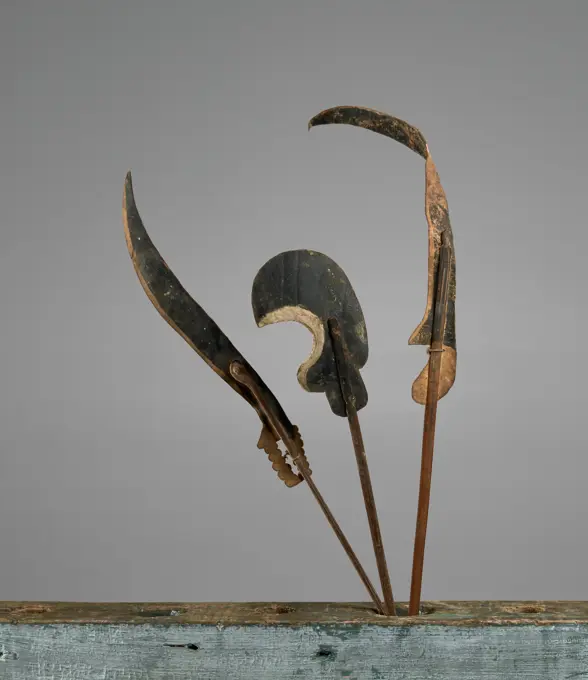
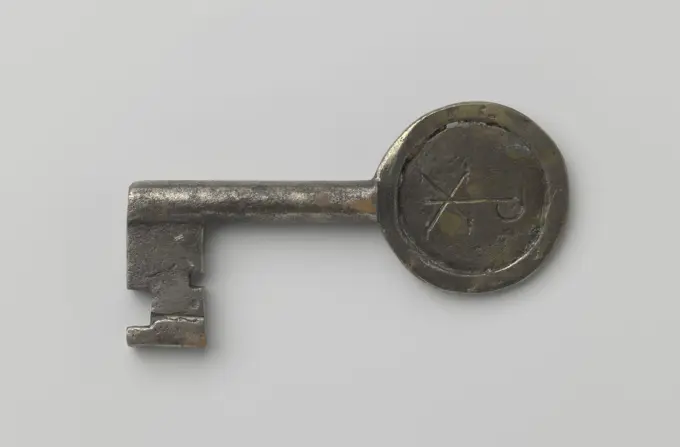
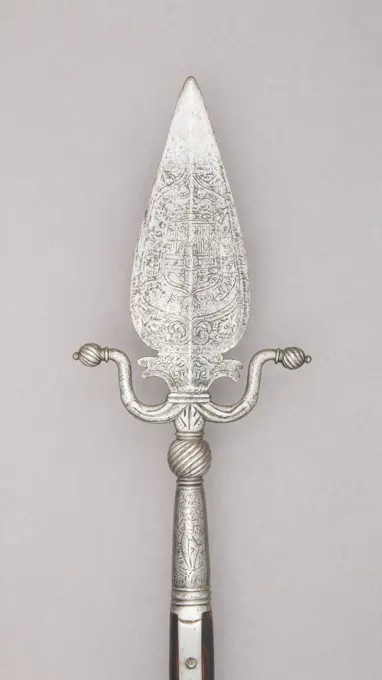
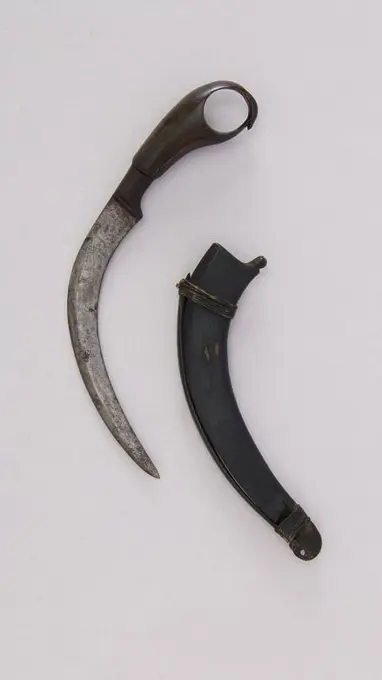
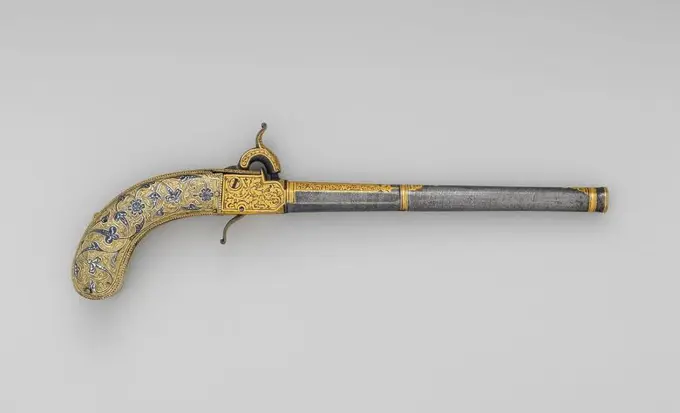
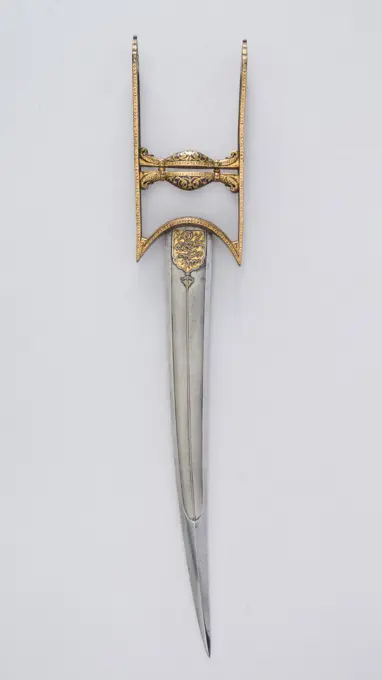
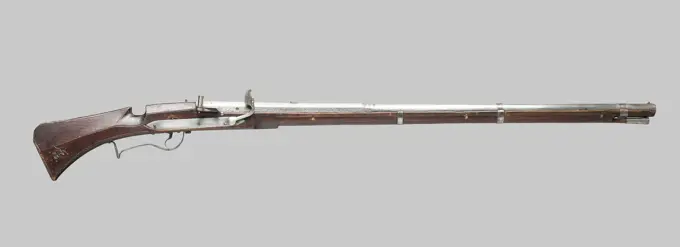
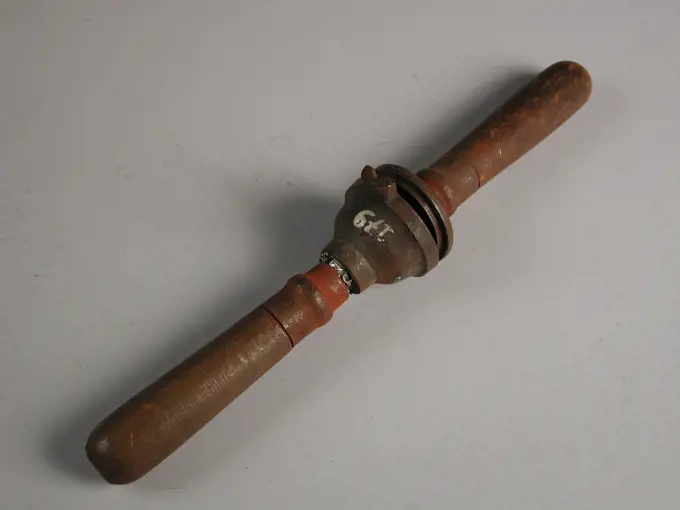
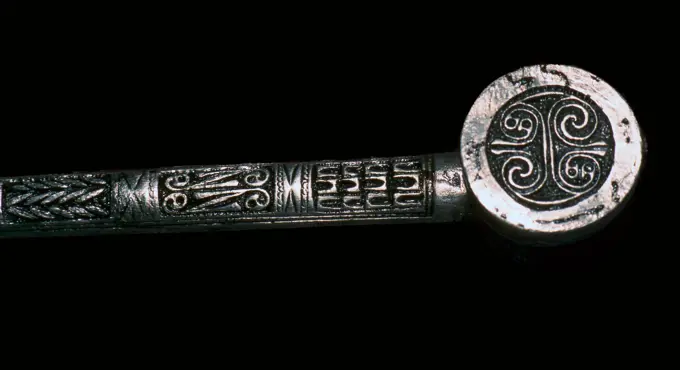
Sliding key, c. 1600 - c. 1699 Sliding key with bean -shaped eye. The rejuvenating shaft down has a small thickening at the bottom. Beard coat of arms.  iron (metal) Sliding key with bean -shaped eye. The rejuvenating shaft down has a small thickening at the bottom. Beard coat of arms.  iron (metal)Key 14th century German The decoration of Gothic iron locks and keys was often elaborate and of the highest standard of workmanship. The motifs were frequently drawn from Gothic architecture, reproducing on a miniature scale complicated tracery patterns and even tiny statuettes. A number of these tiny locks were compound, with some of the mechanisms concealed from view, and required two or even three keys used in sequence to open them. It has been suggested that the greatly expanded use of locks on doors, or coffrets and other types of storage chests was a result of the increasing urbanization of life and the new emphasis on material wealth and private ownership which developed in the late Middle Ages.. Key 463316Sleutel.Key, in the ring a V.Knife with Sheath. Culture: Chinese. Dimensions: L. with sheath 11 1/2 in. (29.2 cm); L. without sheath 10 3/4 in. (27.3 cm); W. 3/4 in. (1.9 cm); Wt. 2.6 oz. (73.7 g); Wt. of sheath 2 oz. (56.7 g). Date: 18th-19th century. Museum: Metropolitan Museum of Art, New York, USA.Vaginal dilator and speculum 17th century probably German. Vaginal dilator and speculum. probably German. 17th century. Steel. Metalwork-SteelModel of a Rudder with a Double Head.Simple model of stir with square roaring king cut from one piece of wood. Two places are marked on the head for the stirring pins. Sound campsites on the back and bottom.Traditional wooden pocket knife on a black background. Traditional wooden pocket knife on black backgroundCup-Hilted Rapier hilt, Spanish; blade, German ca. 1675 The rapier was the principal civilian sidearm throughout the sixteenth and seventeenth centuries. Designed for cut-and-thrust fencing of progressively complex techniques, the rapier is characterized by a double-edged blade with an acute point and an elaborate guard for the hand. The guards, usually of iron or steel, were subject to a variety of embellishment. They were engraved, chiseled, gilded, damascened, and encrusted in gold and silver in keeping with fashionable styles. Unless otherwise noted, the materials, attributions, and dating given here refer to the hilts. Rapier blades, invariably of steel, bear a variety of makers marks denoting their origin in the two principal centers of blademaking, Toledo in Spain and Solingen in Germany. View more. Cup-Hilted Rapier. hilt, Spanish; blade, German. ca. 1675. Steel, copper wire. SwordsPartisan ca. 1715 Spanish. Partisan 26755Gun box with flint lock, anonymous, c. 1750 - c. 1800  Tander box with iron lock plate whose left can be opened, pan with fire steel are located in front of the Iron Haan. The flask is made of wood and decorated with various curly motifs of silver thread. No tractor bracket, the tractor is next to the drawer and has a straight connection to the lock. Two pedestals under the final plate on which the tinder box can rest. West-Europa kolf: wood (plant material). slot: iron (metal). kolf: silver thread inlay (process)  Netherlandskriss- Indonesian DaggerDagger second half 17th century Indian, Deccan Animal-head daggers came into fashion at the Mughal court in the second quarter of the seventeenth century. Horses were the most popular subject, followed by nilgai (a large antelope from India), lions, tigers, goats, and camels, usually carved from nephrite jade, serpentine, marble, or ivory. This dagger is exceptional in that its hilt is made entirely of iron. The lions mane retains traces of silver, and its deep-set eyes were formerly jeweled.. Dagger 26564Knife with gilded handle inlaid with mother -of -pearl, anonymous, 1500 - 1600 Mess with blade of iron, which is gilded to handle and decorated with leaf motifs during the transition. The iron lift is completely gilded and is crowned with a sphinx. The middle part of the handle is inlaid with mother -of -pearl. West-EuropaItaly iron (metal). gilding (material). mother of pearl gilding / engraving / inlay (process) Mess with blade of iron, which is gilded to handle and decorated with leaf motifs during the transition. The iron lift is completely gilded and is crowned with a sphinx. The middle part of the handle is inlaid with mother -of -pearl. West-EuropaItaly iron (metal). gilding (material). mother of pearl gilding / engraving / inlay (process)Hunting cordlasKey 15th century German The decoration of Gothic iron locks and keys was often elaborate and of the highest standard of workmanship. The motifs were frequently drawn from Gothic architecture, reproducing on a miniature scale complicated tracery patterns and even tiny statuettes. A number of these tiny locks were compound, with some of the mechanisms concealed from view, and required two or even three keys used in sequence to open them. It has been suggested that the greatly expanded use of locks on doors, or coffrets and other types of storage chests was a result of the increasing urbanization of life and the new emphasis on material wealth and private ownership which developed in the late Middle Ages.. Key 468843Sword, 1900s. Africa, 20th century. Iron, leather, wood, metal, and plant fiber; overall: 99.3 cm (39 1/8 in.).Basket-Hilted Broadsword with Scabbard (Schiavona). Italian, Venice. Date: 1690-1710. Dimensions: Overall L. 109.2 cm (43 in.). Steel, bronze, and leather. Origin: Venice. Museum: The Chicago Art Institute, Chicago, USA. Mounting for a Short Sword (Wakizashi) Swordsmith  Shigetake Japanese blade, 18th century; mounting, 19th century The mounting features a scabbard lacquered to resemble tree bark and decorated with maple leaves and an ornament in the shape of a cicada. With a snail that forms the cord knob (kurigata) and snakes as hilt ornaments (menuki), it is likely that the design refers to a popular East Asian hand game (Japanese: san-sukumi ken, ) that was introduced to the West as Rock Paper Scissors. The third element would be a frog. In China, the snail is replaced by a centipede, which, interestingly, appears on the sword guard (tsuba) here. The maker of the blade, Shigetake (), was active in Edo during the 18th century, but the lineage to which he belonged is unclear. View more.  Mounting for a Short Sword (Wakizashi). Japanese. blade, 18th century; mounting, 19th century. Steel, wood, lacquer, rayskin (same), thread, copper-gold alloy (shakud), gold, copper-silver Dagger with Sheath late 17th century Hilt, Indian, Mughal; blade, Turkish or Indian From the sixteenth century on, pierced blades were popular in Turkey, Arabia, Iran, and India, and there are a number of examples in the Metropolitan Museum's collection. In several respects the blade of this dagger is similar to that of accession number 22.107a, b, dated to the eighteenth-nineteenth century, notably in the pierced leaf forms below the lobed section that contains a slot for the "rolling balls"--which here are tiny polished rubies and emeralds that were strung on a wire dropped through a hole at the top of the blade before the tang was welded on. The same feature also occurs on a late sixteenth- or early seventeenth-century Ottoman dagger in the Landesmuseum Württemberg, Stuttgart, and on another almost identical example in the Rüstkammer of the Staatliche Kunstsammlungen Dresden, all of which indicates that dagger blades in this style were probably produced over a long period of time. IKey, so-called chamber key with Franz Ludwig Von Erthal arm, Frostbishop of Würzburg and Bamberg.key, So-Called Chromotive Key of Bronze and Gilt, with the Coat of Arms of Franz Ludwig von Erthal, Frostbishop of Würzburg and Bamberg (1779- 1795). The Renewed Handle and Beard Are Iron. Note: Manufactured to a Design from Approx. 1740 From The Hofschouwer Johann Wolfgang van der Auweraa (1708-1756).Corner part of a stove, 1660 Cast iron corner part of a stove. Decorated with a lion's head and other motives. Germany iron (metal) casting Cast iron corner part of a stove. Decorated with a lion's head and other motives. Germany iron (metal) castingMiquelet Pistol. Culture: Caucasian, possibly Georgia or Circassia. Dimensions: L. 17 1/2 in. (44.45 cm). Date: dated A.H. 1263/A.D. 1846-47.The barrel is signed in both Russian and Arabic, suggesting that the pistol was made in Tbilisi in Georgia or Circassia, which were then under Russian control. Kubachi, the other major armsmaking center in the Caucasus, did not fall under Russian domination until the 1860s. Museum: Metropolitan Museum of Art, New York, USA.Vintage rusty hacksaw on a metallic backgroundFlintlock Swivel-Breech Longrifle ca. 1830-40 David Boyer Based on his surviving work, Boyer seems to have specialized in swivel breech over-and-under rifles, like this example. A swivel breech mechanism has two barrels, placed one above the other, which are rotated manually, or swiveled, after each shot. The architecture of this rifle, especially the downward curving "Roman-nose" form of the buttstock, the style of the patch box, and other details of the decoration, relate closely to rifles made by members the Angstadt family in neighboring Berks County, suggesting that Boyer may have trained in their workshop, or another in that area, probably in the 1820s. Although Boyers known rifles are firmly rooted in the style of the early nineteenth century, he had a long career and is still recorded as a gunsmith in the federal census of 1870.. Flintlock Swivel-Breech Longrifle. American, Orwigsburg, Schuylkill County, Pennsylvania. ca. 1830-40. Steel, wood (curly maple, hickory), brass, sil'Elephant Tusks on Stands'. Siam, Bangkok, late 19th century. Dimensions: height: 246,0 cm and 249,0 cm. Museum: State Hermitage, St. Petersburg.Yeah to fish; Korzec (Porcelain and faience manufacture; 1790-1832); 19th century (1801-00-00-1901-00-00);Fish fork, two,; Koenigliche Porzellanmanufaktur (Meissen; 1807/14-1918); 19th century (1801-00-00-1901-00-00);Flint gun, Westerhof, 1720 - 1740 flintlock pistol Part of a couple. The lock is unadorned except for a signature and a brand. The loop is etched at the top with arabesks in relief; equipped with an inscription and stamped on the left with Het Wapen van Utrecht; The sight grain has silver relief decoration in the form of a grotesque mask. The flask is cut with, among other things, praise. The batter is of yellow -picker, previously gilded, with accorded ornaments on a granular surface, the two loading stokkers excepted, and consists of: on the screw plate on either side of a human figure, one of which runs into a dragon's head; an angular tractor bracket with acanthus decoration; a thumb plate framed by praise with a mask at the bottom; The Kolfkap with a Lion's head decorated with Acanthusranken as a central flask cover plate; The loading stick is equipped with a gilded, yellow cap. Utrecht wood (plant material). brass (alloy). gilding (material). silver (metal) cutting / striking (meKnife Handle (Kozuka). Culture: Japanese. Dimensions: L. 3 13/16 in. (9.7 cm); W. 9/16 in. (1.4 cm); thickness 1/4 in. (0.6 cm); Wt. 1.1 oz. (31.2 g). Date: 18th century. Museum: Metropolitan Museum of Art, New York, USA.Chimney hook. An iron fire hook. (Cremaidre)Key; 1909-2-255Sleutel, anonymous, c. 1590 - c. 1596  Key, normal standard shape. The key is complete.  iron (metal) forging  Nova Zembla. Saving HuysKris with Sheath 16th-19th century Javanese. Kris with Sheath 31387Bed pan with six -pointed star, anonymous, c. 1700 - c. 1800 The object consists of six parts: the container, the lid, the hinge, the attachment for the handle, the stem and the hanging ring. The handle is made of colored beech wood, the other parts of copper plate. The container has a round -turned edge without strengthening iron wire. The attachment is riveted on the bin. On the attachment, the hinge hinged by a removable marker was sounded. In the convex lid, the center point of which has remained visible, and that at the bottom has turned around a red -copper reinforcement with vertical edge, a six -pointed star from a stamp shape is punched in the intervening fields a sawn and granulated decor in the shape of a Narcis. The stem is profiled at the bottom, ribbed at the top and has a button in the form of a vase at the end. Low Countries brass (alloy). copper (metal). beech (wood) casting / cutting / sawing / granulation The object consists of six parts: the container, the lid, the Key with oval eye, c. 1700 - c. 1800 Key with oval eye, simply profiled shaft and dual beard. Heavily bitten by a stainless -free agent.  iron (metal) Key with oval eye, simply profiled shaft and dual beard. Heavily bitten by a stainless -free agent.  iron (metal)Incomplete, copper stopper of tap with handle in three-step shape, stop closure part ground find copper brass metal, Yellow-metal almost solid tapered rod in which hole in the shape of three-pass double spigot as end stop. The handle has been partly demolished leaving only two half circles of the three-pass archeology Rotterdam rail tunnel crane holder component barrel of wine beer Soil discovery: trajectory of the Rotterdam tunnel.Partisan. Culture: French. Dimensions: L. 7 ft. 9 3/4 in. (263.5 cm); L. of head 22 in. (55.9 cm); W. 6 in. (15.2 cm); Wt. 6 lbs. 6.6 oz. (2455.1 g). Date: ca. 1690. Museum: Metropolitan Museum of Art, New York, USA.Stone mace head from Late Bronze Age tombs in Cyprus. Dated 12th Century BC.Key 16th-17th century probably Italian The hollow shank of this key indicates its probably use as a key for a strong room, treasury, or even a prison, rather than as a key for a lock that could be opened from both sides, as a door key.. Key. probably Italian. 16th-17th century. Wrought iron. Metalwork-IronSistrum, Egypt, Roman period, 1st or 2nd century AD. The Egyptian gods Hathor and Bes are shown on the handle.RapierNail of wood with round button. Ship part, pin made of wood with round button, similar to NM-7722-2. On the nail bank, which was placed on the railing of the ship and was provided with a number of holes, the korvine agents could be put on it, it could be running. The korvine agents could also be attached to the servant behind the mast, the diameter of the Korvijnagel was the same as those of the ropes that were attached to it.Fauchard. Culture: Italian, Venice. Dimensions: L. 8 ft. 11 1/2 in. (273.1 cm); L. of head 35 1/16 in. (89 cm); W. 7 11/16 in. (19.5 cm); Wt. 7 lbs. 11.4 oz. (3498.3 g). Date: ca. 1550. Museum: Metropolitan Museum of Art, New York, USA.Model of a Bench Vice, Rijkswerf Vlissingen, c. 1830 - c. 1858 demonstration model Wooden model of a wrought iron parallel bank screw. The tailed tail makes it possible to tighten it firmly on the leg of the workbench with a smashed Kram. Scale 1: 2 (derived). Flushing wood (plant material). brass (alloy)Kris with Sheath. Culture: Indonesian, Sumbawa. Dimensions: L. with sheath 17 15/16 in. (45.6 cm); L. without sheath 16 1/2 in. (41.9 cm); L. of blade 13 1/2 in. (34.3 cm); W. 4 1/2 in. (11.4 cm); Wt. 8.5 oz. (241 g); Wt. of sheath 9.1 oz. (258 g). Date: 18th-19th century. Museum: Metropolitan Museum of Art, New York, USA.Patriotic badge from World War I Little Ski, W.Opium Pipe, 1800s. China, Qing dynasty (1644-1911). Wood, jade and silver decoration; overall: 62.2 cm (24 1/2 in.).Rkangling 19th century Tibetan The thighbone of a lama priest is the original form of the metal trumpets in this case. A single rkang-gling ('leg bone flute') is used with a pellet drum to escape epidemics. Pairs signal the entry of ritual dancers, and perform rituals connected with fierce deities. The head of a chu-srin (Sanskrit: makara), a sea monster or a dragon, often provides a decorative metalwork bell. When the rkang-gling is made of metal, bosses decorated with trefoils cover the joints where the sections of cooper and/or silver tube are joined. The trefoil, a three cusped design, is an emblem of power and authority and is used as the head of a scepter. The chu-srin and dragon are associated with water and rain and may decorate the rkang-gling. Listen to experts illuminate this artwork's story Listen Play or pause #9358. Rkang-gling Supported by Bloomberg Philanthropies We're sorry, the transcript for this audio track is not available at this time. We are working to make it avPistol with a Dutch rock castle (to steam) Allison, RobertLucerne Hammer. Swiss. Date: 1550-1600. Dimensions: Spike L. 41.9 cm (16 1/2 in.)object needs to be measured and weighed. Iron and wood. Origin: Switzerland. Museum: The Chicago Art Institute, Chicago, USA.Plumber wrench on whiteHammered Silver Miniature Scepter () 8th-mid-16th century Peru; north or central coast (). Hammered Silver Miniature Scepter () 308942Fork, Steel, horn, mother-of-pearl, brass, Two-tined fork, curved shoulders and baluster neck. Handle hexagonal in section; bone inlaid with circular motifs of mother-of-pearl and brass. Brass mounts decorated with circular motifs., possibly France, ca. 1650, cutlery, Decorative Arts, ForkArrowhead (Yanone). Culture: Japanese. Dimensions: L. 13 3/8 in. (34 cm); L. of head 4 3/4 in. (12.1 cm); W. 1 1/2 in. (3.8 cm); Wt. 2.7 oz. (76.5 g). Date: 18th century. Museum: Metropolitan Museum of Art, New York, USA.Two PinsBox c 1790-1840 United States. Maple . Artist unknownPuppet (Wayang Klitik) of a Sword(Pedang)Pipe key, c. 1800 - c. 1900 Pipe key whose handle consists of a circular border, which contains a disc, on one side with S.H. With cross, on the other side with X.P. Inganglift.  iron (metal) Pipe key whose handle consists of a circular border, which contains a disc, on one side with S.H. With cross, on the other side with X.P. Inganglift.  iron (metal)Linstock with the Arms of Phillip II of Spain ca. 1585-90 Spanish. Linstock with the Arms of Phillip II of Spain 25919Knife (Korambi) with Sheath. Culture: Malayan (possibly Sulawesi). Dimensions: H. with sheath 6 1/4 in. (15.9 cm); H. without sheath 5 3/4 in. (14.6 cm); W. 1 1/4 in. (3.2 cm); Wt. 2 oz. (56.7 g); Wt. of sheath 0.7 oz. (19.8 g). Date: 18th-19th century. Museum: Metropolitan Museum of Art, New York, USA.Knife (Piha Kaetta) 18th-19th century Sri Lankan. Knife (Piha Kaetta) 31547Dagger (Chilanum). Culture: South Indian. Dimensions: H. 14 1/2 in. (36.8 cm); W. 3 3/8 in. (8.6 cm); Wt. 10.9 oz. (309 g). Date: 17th century. Museum: Metropolitan Museum of Art, New York, USA.Dagger (Choora) with Sheath Indian, Khyber, Mahsud Tribe 19th centuryFaucille blade. Bronze Age. Copper alloy, cast iron. Coming from: Lit de la Seine. Paris, Carnavalet museum. Bronze age, copper alloy, hawk, cast iron, blade, tool, protohistory, protohistoricWheellock Rifle Made 1580-1620 Nuremberg. Steel, brass, fruitwood, and staghorn .Handle. Egypt, Late Period - Roman Period (711 BCE - 200 CE). Arms and Armor. BronzeTwo sabres (kastanes) and a knife (piha-kaetta).Following an unsuccessful invasion of Kandy in 1764, the VOC troops nevertheless succeeded one year later in penetrating the kings centre of power. Peace negotiations failed and the troops plundered the palace and the city. The booty included many costly jewels and arms, including these three ornate weapons that were probably the kings personal property.Dubbelloops Flint gun, Anonymous, 1660 - 1665 flintlock pistol Dubbelloops flint gun or dock gun; Part of a couple. The two locks are attached to the left and right; The right lock serves the top run; The ditches are engraved with praise and have a dragon head on the Haan; provided with an inscription. The two runs are mounted above each other; Cheap on the back with praise against a granular background. The flask has a grooved frontade and the chest of the chest. The iron batter is unadorned, except the bracket crop that is decorated in the same way as the loop; The flask hood is engraved with praise; The chest of drawers has an iron roof. Maastricht iron (metal) engraving / granulationFlintlock Wall Piece.WALBUS with flint slot model 1844, kill. Length approx. 180 cm with drawn loop, flint slot, caliber 20.4 mm. Condition is good, unusable.Percussion Pistol. Culture: Caucasian, probably Tbilisi, Georgia or Dagestan. Dimensions: L. 14 3/4 in. (37.47 cm); Cal.51 in. (12.95 mm). Date: mid-19th century; barrel, dated A.H. 1207/A.D. 1792-93; lock, ca. 1825-50. Museum: Metropolitan Museum of Art, New York, USA.Eared Spear 1200-1400 Switzerland. Steel and oak .Knife Handle (Kozuka) late 18th-early 19th century Inscribed by Iwama Masayoshi A kozuka is a handle of a by-knife that is part of a sword mounting. It is kept in a slot on the reverse of a katana scabbard, often with a matching kgai (hairdressing tool).. Knife Handle (Kozuka). Japanese. late 18th-early 19th century. Copper-silver alloy (shibuichi), copper-gold alloy (shakud), gold, silver, copper. Sword Furniture-KozukaRing Inscribed with a Dedication to Hera (Goddess of Marriage); Argolid, Greece; about 575 B.C; Gold; 2.2 cm (7,8 in.)Sword, 1900s. Africa, 20th century. Iron, snakeskin, and leather; overall: 62.9 cm (24 3/4 in.).Slightly decorated iron key with heart-shaped eye, hollow key handle, decorated collar and beard with cross-shaped notches, key iron value iron, hand forged Key with heart-shaped eye (handle) and decoration on top hollow keysteel decorated collar key beard with cross-shaped notches and light asymmetrical keyhole cross-section Hang-en-sluitwerkHalberd for the Bodyguard of Wolf Dietrich von Raitenau, Prince-Archbishop of Salzburg Made 1580-1600 Salzburg. Steel and oak .Padlock 16th-18th century German (). Padlock. German (). 16th-18th century. Iron, copper alloy. Metalwork-IronSword (Pulouar) 19th century Persian. Sword (Pulouar). Persian. 19th century. Steel. SwordsDagger (Katar) 18th century South Indian, Mughal The watered steel blade has a chiseled medallion at the top of both sides decorated with an inscription that reads: "Help from Allah and a speedy victory. So give the glad tidings to the believers" (Qur'an 61:13).. Dagger (Katar) 24301Matchlock Musket Made 1590-1610 Germany. Walnut and steel .A fork in a caseFlint gun, Jan Krans Jr., 1705 - 1710 flintlock pistol Part of a couple. The yellow -cut lock plate is engraved with war trophies and a signature; The pan is rainproof. The barrel is provided on top of a yellow -cut ridges engraved with praise, the head of a monster, a signature and a crowned oval shield blazed with three sickles with the open side to the left; On the back the yellow -lying side surfaces are engraved with acanthus leaves; The tail of the loop is covered with a loader and grooved for a rear visor; The sight grain is also made of yellow; Not on the bottom with IC and a rosette or star, as is the case with 145-A. The flask is easily cut with, among other things, praise. The cast and fitted batter of yellow buyer is partially engraved with praise work and consists of a tractor bracket that ends in a leaf, a crowned, oval thumb plate with a men's bust on it frame by praise, an ajour processed screw plate consisting of praise and tire work around two grabs on both sides of aTwo-piece bronze mold for lid, cast molding tool tools base metal bronze wood iron h 33,3, cast cast Two-piece bronze mold for casting lid with cap for pot of core, Rotterdam tin casting tin tin Meeuws Druy craft Molds are from the originally 18th century Rotterdam tinnegieter J Druy. The large molds that were not signed or dated were the property of the tinker guild and were rented to the small tin caster.Door handle 15th century German. Door handle 468790Pictish or Irish disc-headed pin, 6th century. Artist: UnknownKey; 1909-2-274Flint gun, Jan Bijlaard, 1700 - 1708 flintlock pistol Part of a couple. The tail of the lock plate is kicked; Non -decorated except for a engraved strict beads under the pan and the signature. The round run is flattened on top and is wider at the Tromp; On the back of a ring with a deep keep for the rearvizier that extends to the tail of the loop; Iron visor grain; 142-A is stamped at the bottom with a brand in the form of a chair under a crown. The flask made of gust of walnut is easily cut. The previously gilt, yellow -headed batter consists of two loading stokkers in relief, the tractor bracket, a symmetrical screw plate of leaf vines with fetched relief decoration on either side of a mask, a white, oval thumb plate framed by acanthus vranks and an unpaved and an acanthus leaf on the bottom, and an acanthus leaf on the bottom with stepped tracks and an octagonal pump cover with a ball on it; The loading stick has a hood of cow horn. Rotterdam iron (metal). walnut (hardwood). brass (Arrowhead (Yanone). Culture: Japanese. Dimensions: L. 11 1/4 in. (28.6 cm); L. of head 3 3/4 in. (9.5 cm); W. 1 5/8 in. (4.1 cm); Wt. 1.9 oz. (53.9 g). Date: 18th century. Museum: Metropolitan Museum of Art, New York, USA.Smallsword possibly French mid-17th century By the early seventeenth century, the rapier, a long slender thrusting sword, began to dominate as the gentlemans weapon of choice. During the course of the century, however, as civilian fencing techniques became more specialized and refined, the rapier developed into a lighter, trimmed-down weapon known by about 1700 as the smallsword. Smallswords, often richly decorated, remained an integral part of a gentlemans wardrobe until the wearing of swords in civilian settings went out of fashion at the end of the eighteenth century, at which time pistols were replacing swords as arms most frequently used in personal duels. The majority of smallsword hilts are made of silver or steel, but many also employ a wide variety of luxurious materials, such as gold, porcelain, and enamel. At their best, smallswords combine the crafts of swordsmith, cutler, and jeweler to create an elegant weapon that was also a wearable work of art. View more. Smallsword. pDagger (Qama) with Sheath 18th-19th century Caucasian. Dagger (Qama) with Sheath 31513Chinese Altar Tray. Dated: c. 1939. Dimensions: overall: 23 x 30.7 cm (9 1/16 x 12 1/16 in.) Original IAD Object: overall: 13 1/2" long, 3 1/2" high, 3 5/8" wide. Medium: watercolor and graphite on paperboard. Museum: National Gallery of Art, Washington DC. Author: Vera Van Voris.Plenty of Retro styled golden color keysPriming Flask second half 17th century Indian Zoomorphic priming flasks of carved ivory, such as these, were among the first Mughal decorative arts to reach Europe, with numerous examples listed in princely collections of art and natural history dating from 1650. These small containers held fine-grain gunpowder used to set off (or prime) the main charge in the barrel. The flasks are typically carved with fantastic animals that merge into one another. The observed naturalism is characteristic of Mughal art.. Priming Flask 30360Knife Case; silk, metallic; Bequest of Richard Cranch Greenleaf in memory of his mother, Adeline Emma Greenleaf; 1962-58-11-cCarving knife with handle of nude male torso probably Flemish first quarter 17th century View more. Carving knife with handle of nude male torso. probably Flemish. first quarter 17th century. Steel, ivory. Metalwork-SteelMemory spoon with egg -shaped container and stem crowned with Willem III and Mary, Anonymous, 1689 spoon The egg -shaped container is connected by means of a grooved needle, bent at the onset and then straight steel, which broadens to the end and which has a cast crown in the form of an ionic capital, on which King William III And queen Mary with scepters and crowns are standing. On the underside of the bin is engraved: so the Dapperheijt and good // of Willem and Marija // den Britten Heijl, // and Hollants Vreugt // that sigh God's kerck stern, // in her salvation, by this pair / / crowned the great miracle // year. // on April 21, 1689. Amsterdam silver (metal) engravingSleutel.A key with decorated ring.Knife with Blue Patterned Porcelain Handle, porcelain, vitreous enamel, silver, steel, Sabre-shaped blade, plain bolster, small silver ferrule. Pistol-shaped white porcelain handle with dark blue floral and scrolled design., France, ca. 1700-1800, cutlery, Decorative Arts, knife, knifeKlaroen.Couter claro with rope with brushes at the endsCeremonialShield