Antique Trinkets and Collectibles

An assortment of unique antique items including boxes, vases, and medallions. Displaying different materials like silver and glass, highlighting craftsmanship.
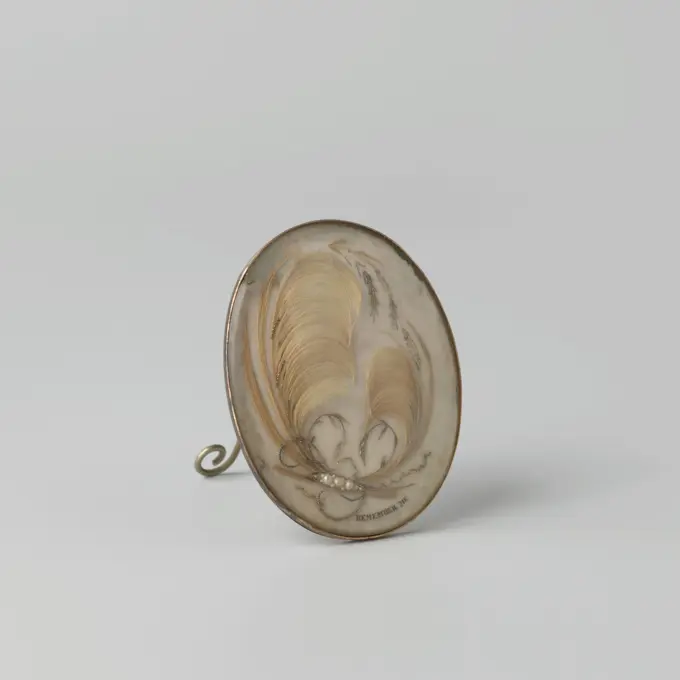
Oval medallion in which a branch made of gray hair, anonymous, 1800 - 1900 Oval medallion in which branches made of gray hair, in copper standard. With the caption: Remember Me. England (possibly) copper (metal). Oval medallion in which branches made of gray hair, in copper standard. With the caption: Remember Me. England (possibly) copper (metal).
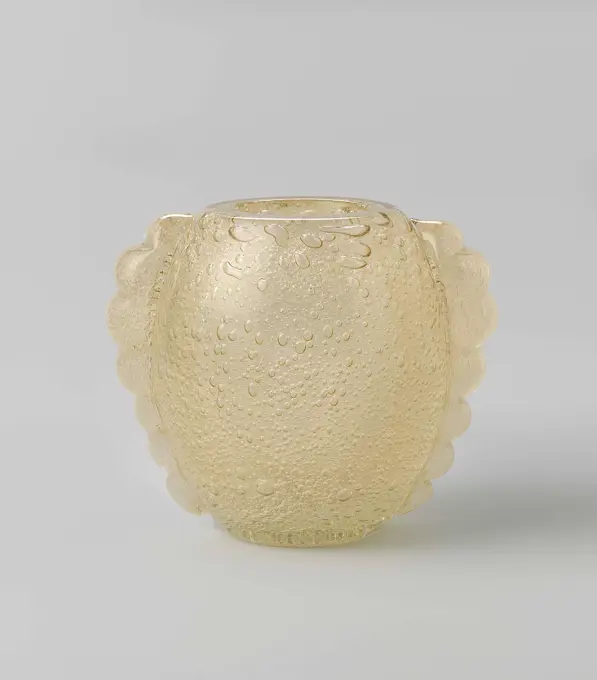
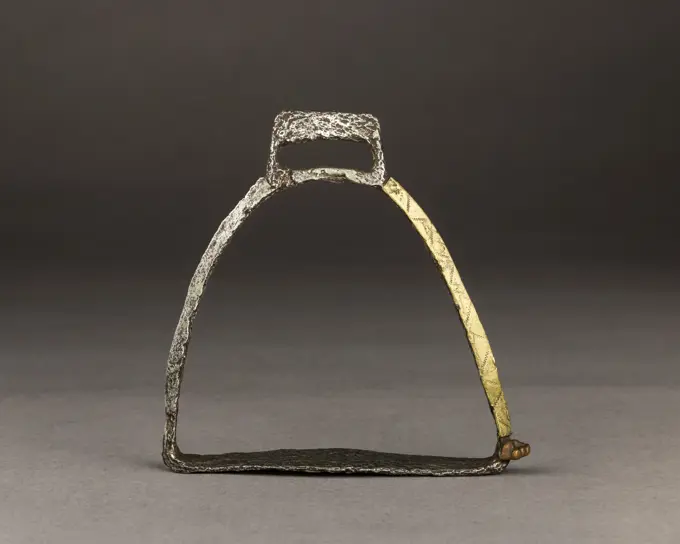
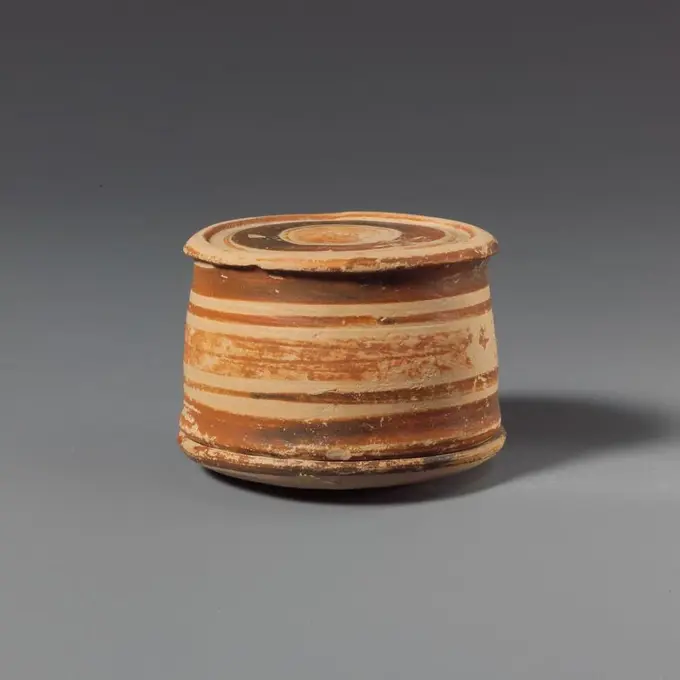
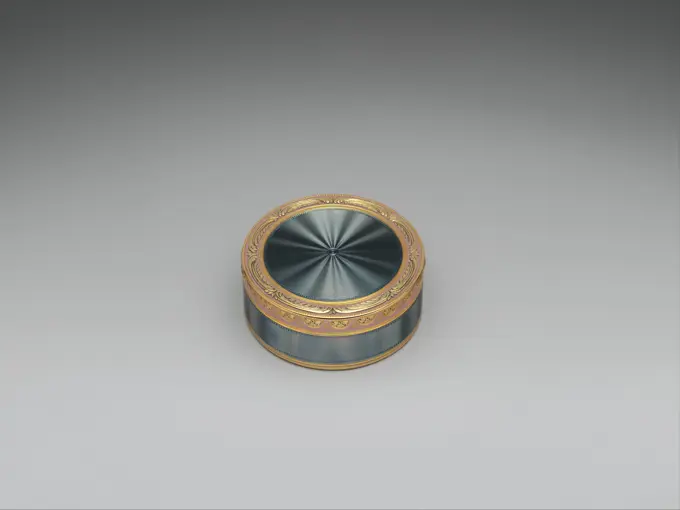
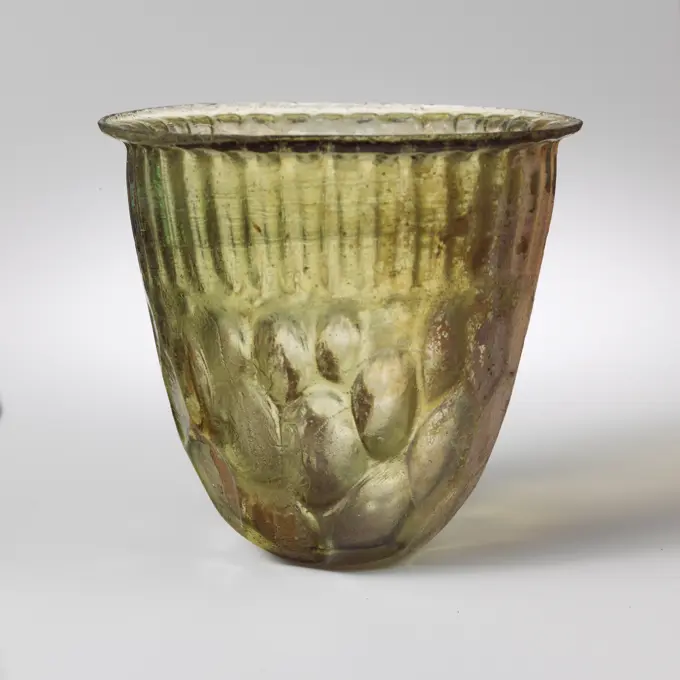
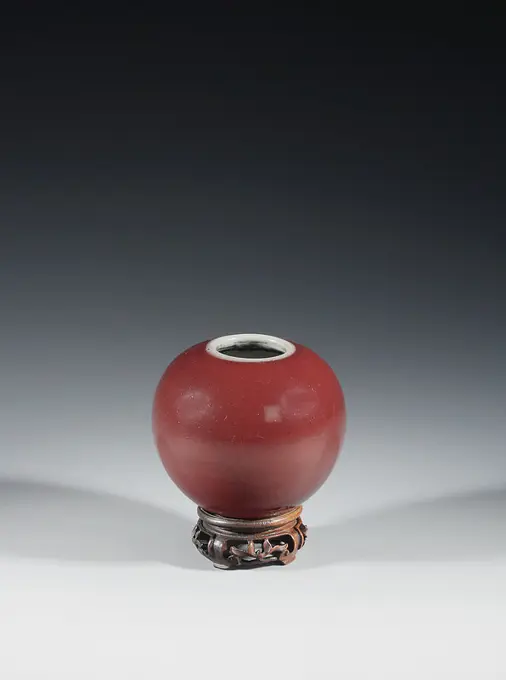
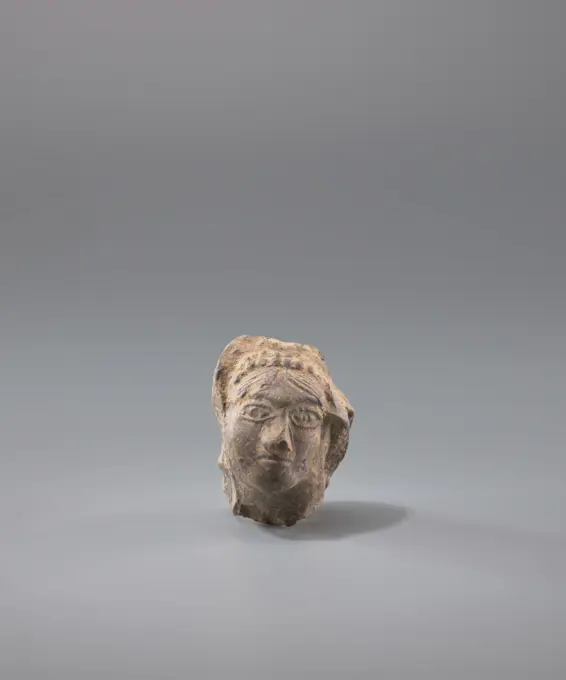
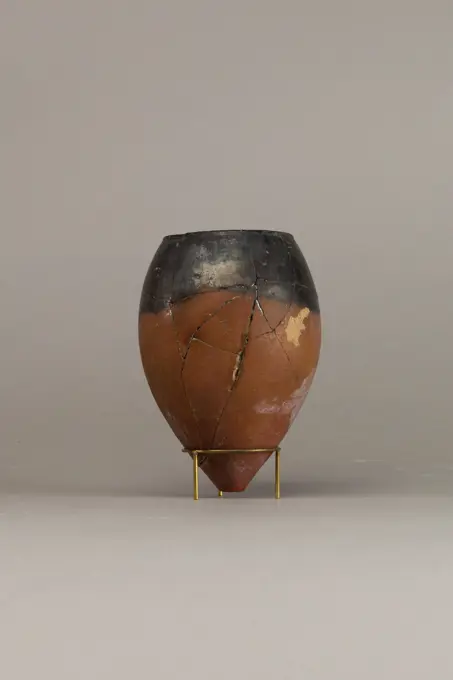
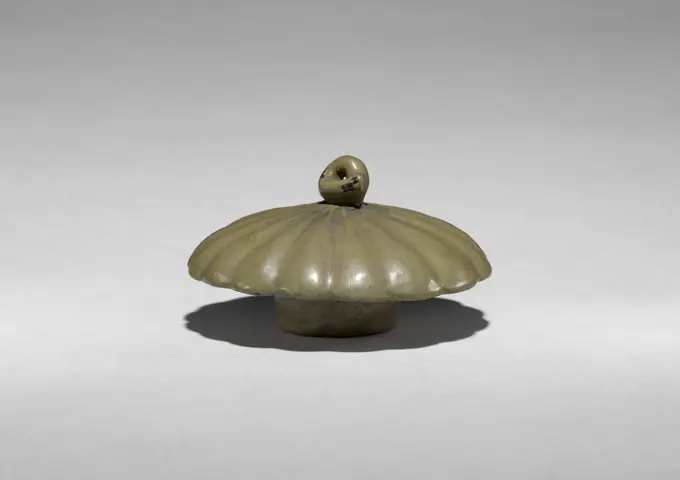
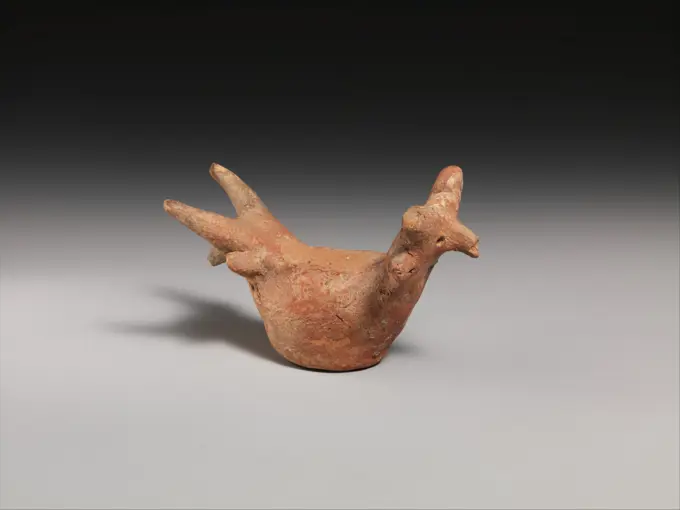
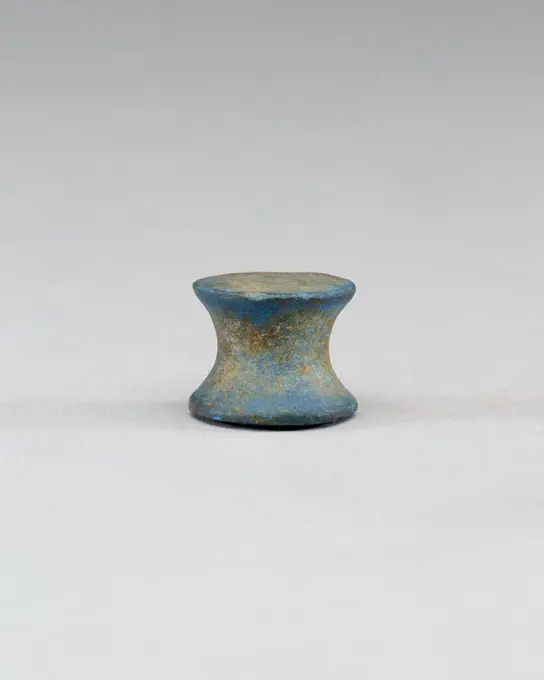
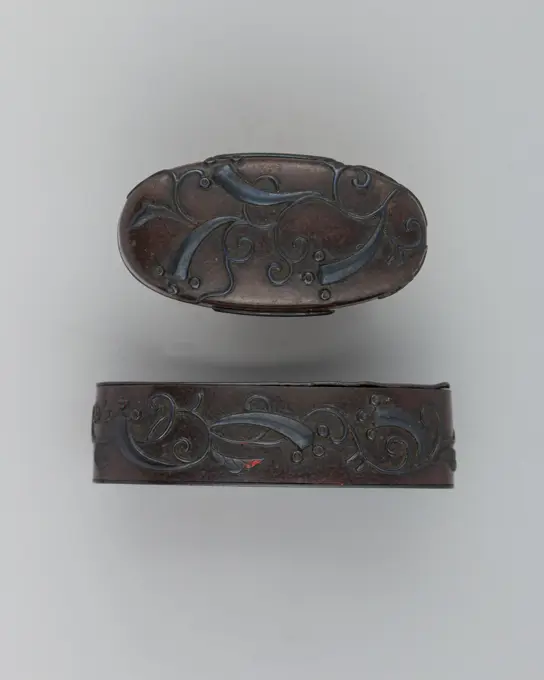
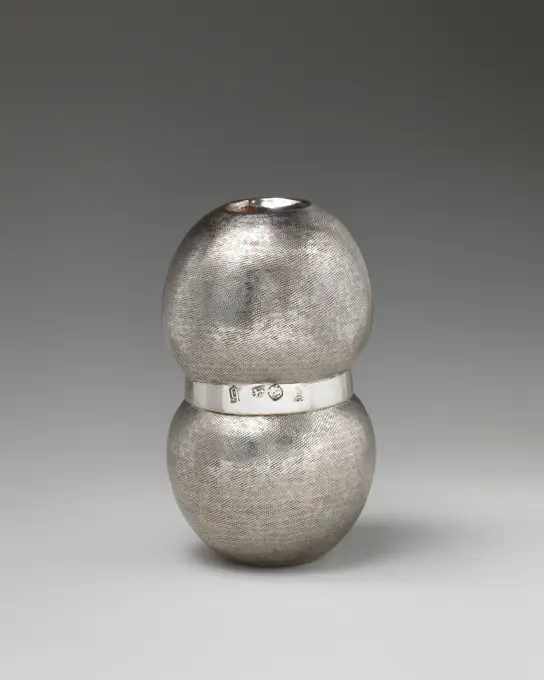
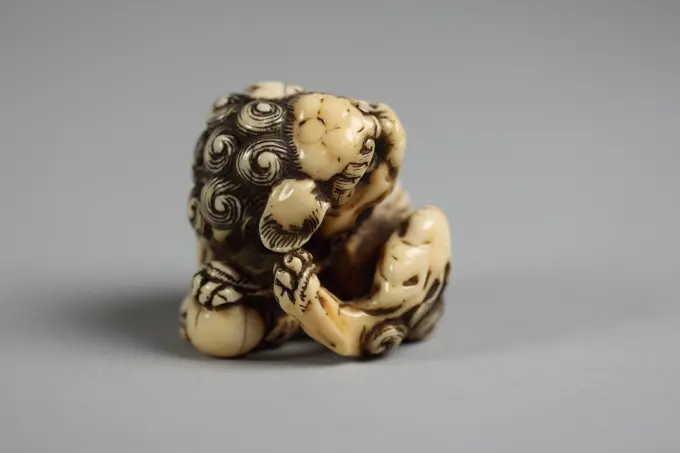
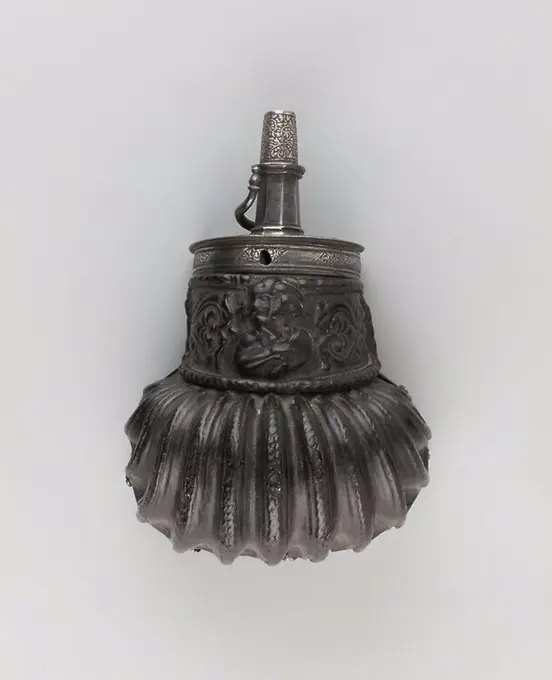
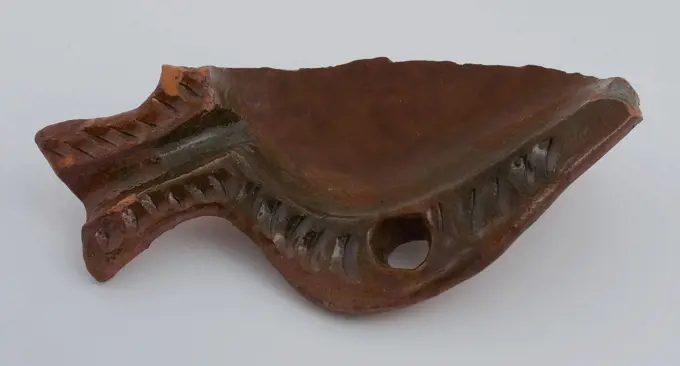
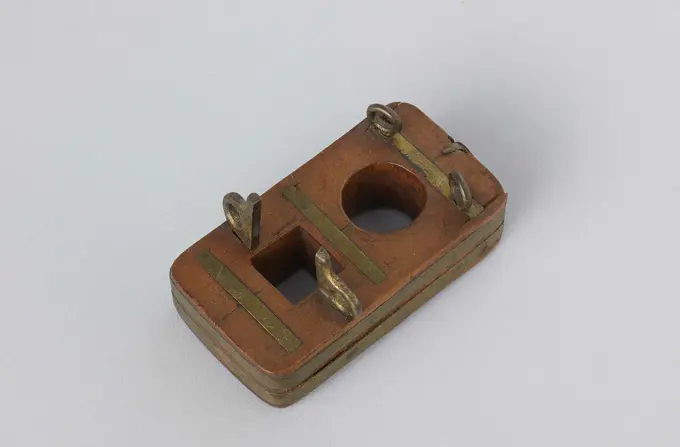
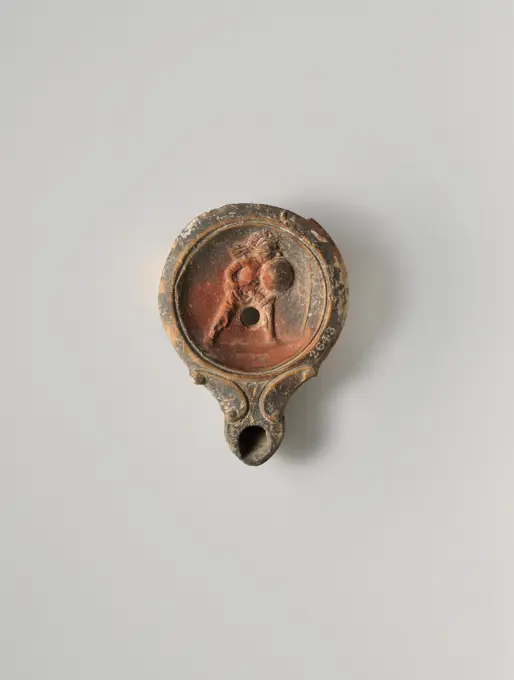
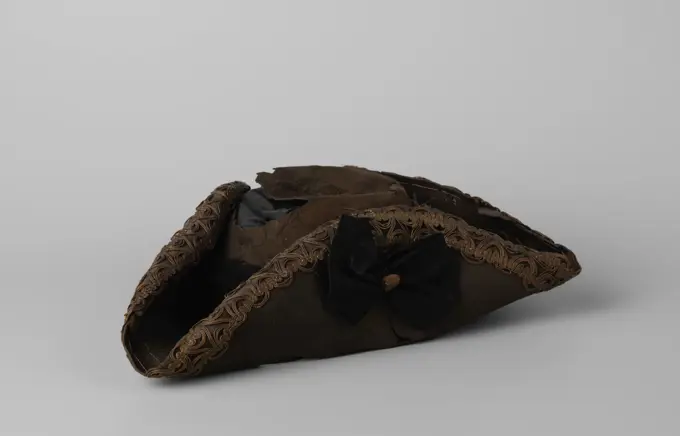
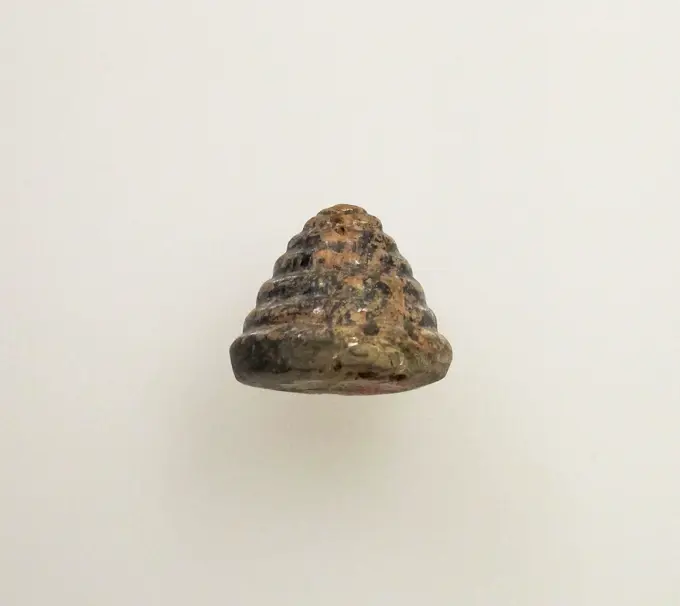
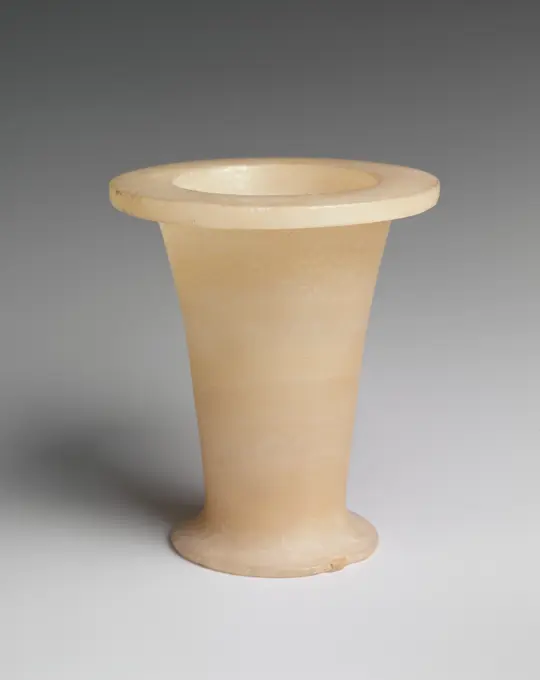
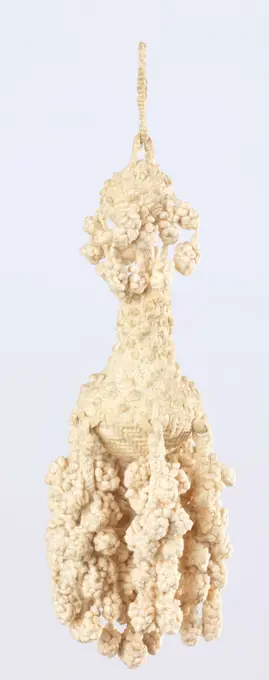
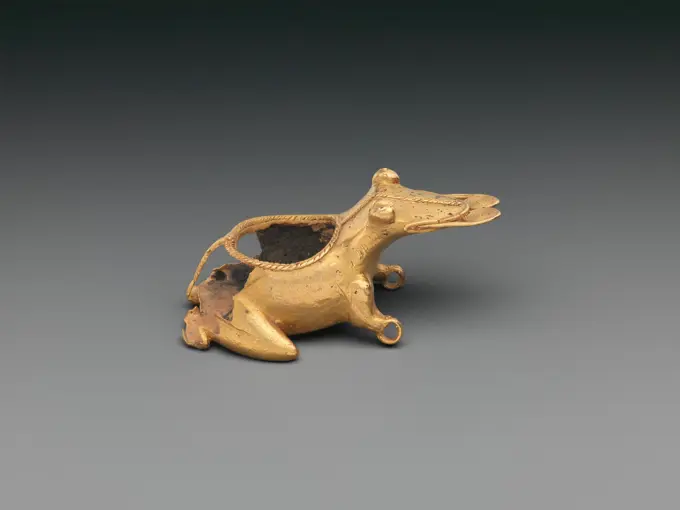
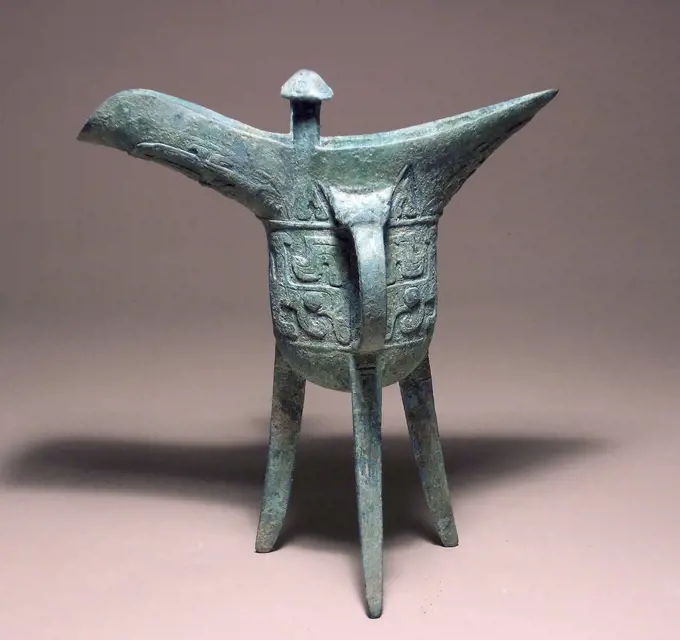
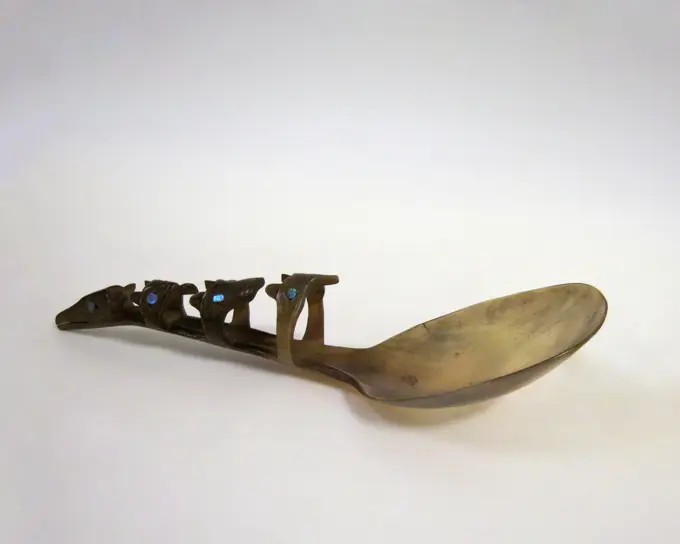
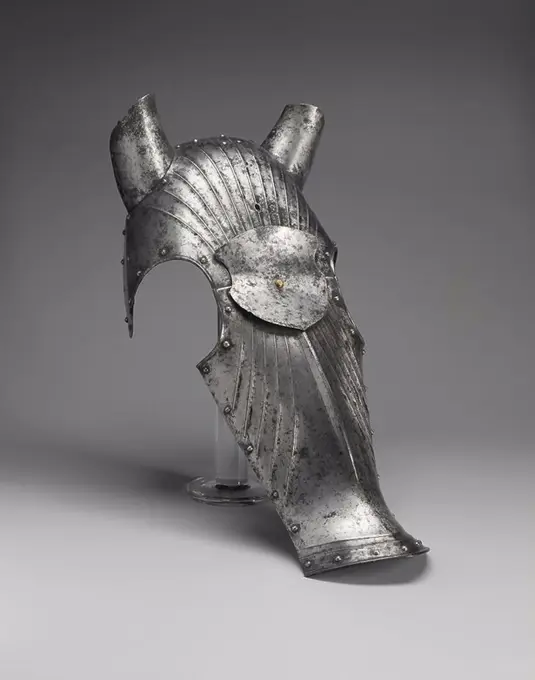
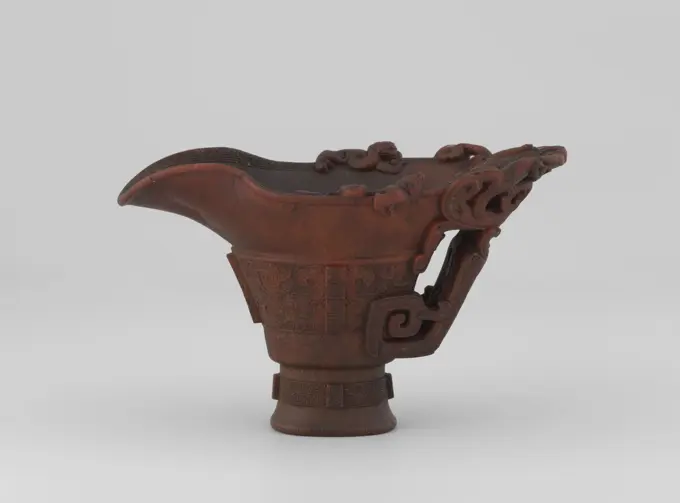
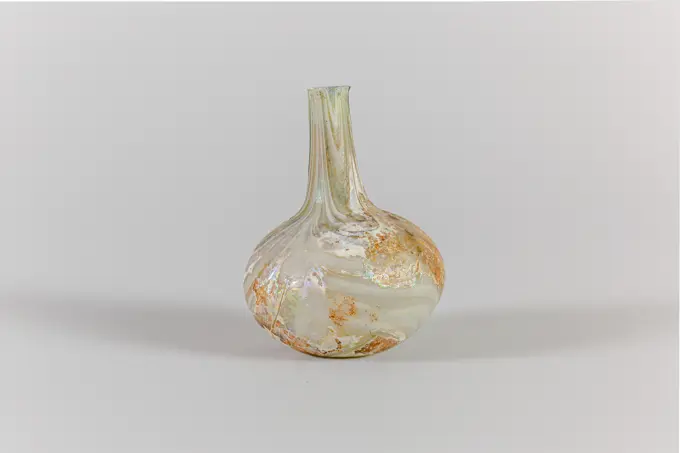
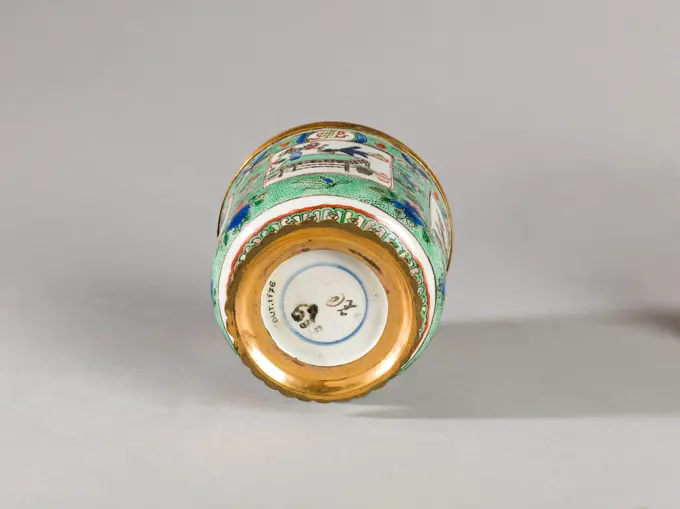
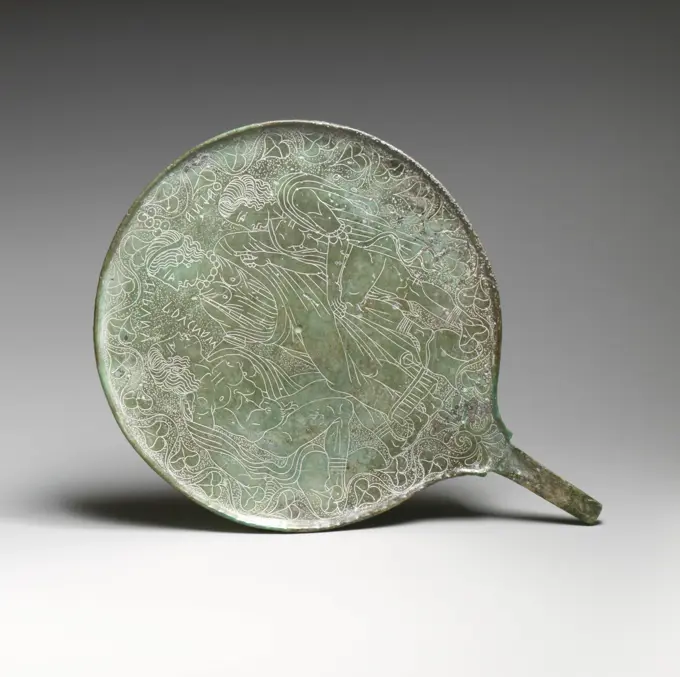
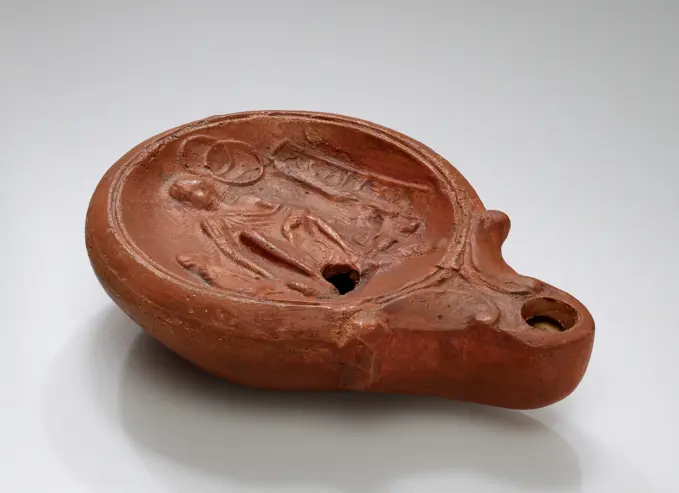
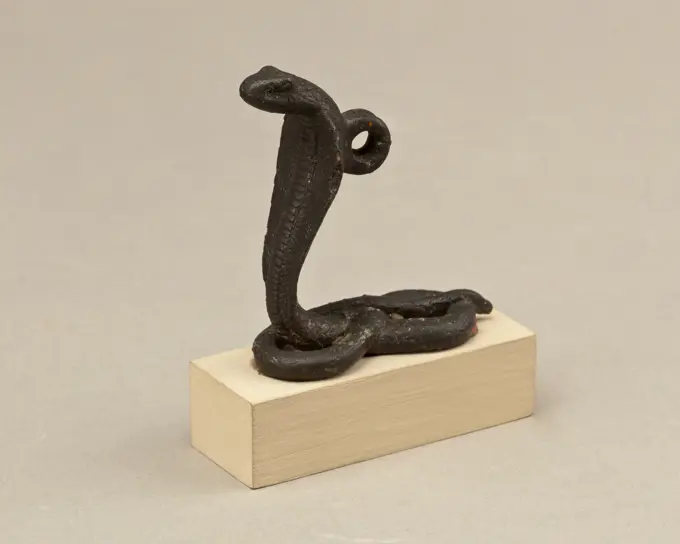
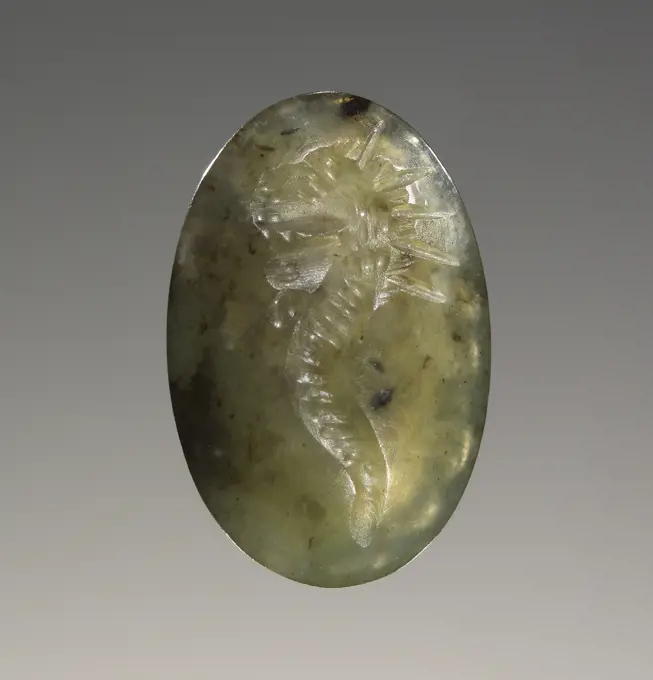
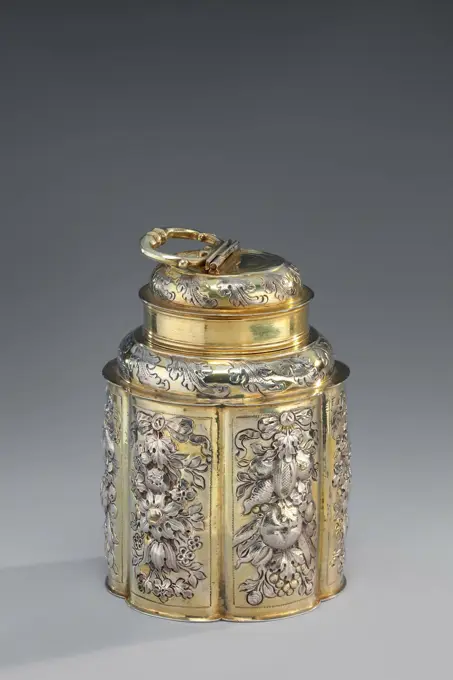
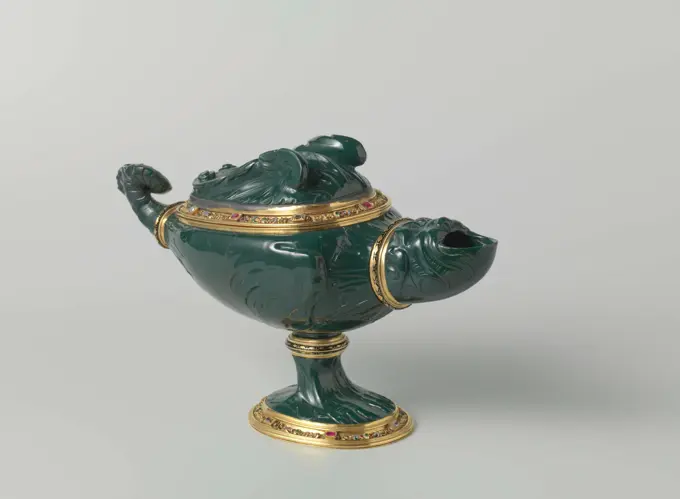
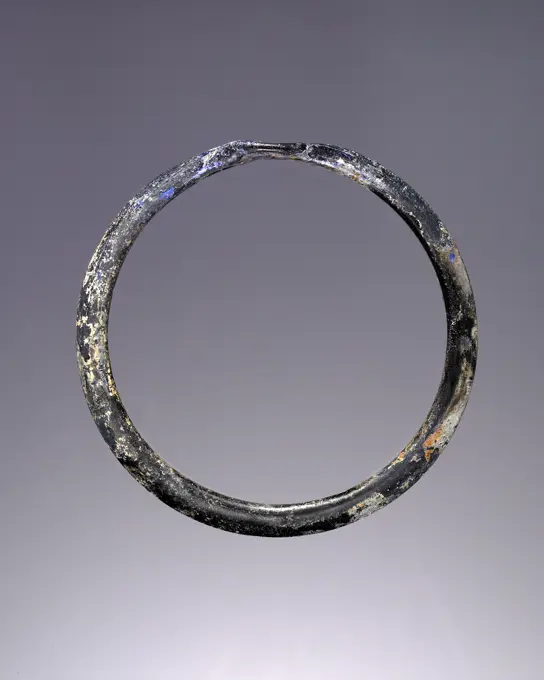
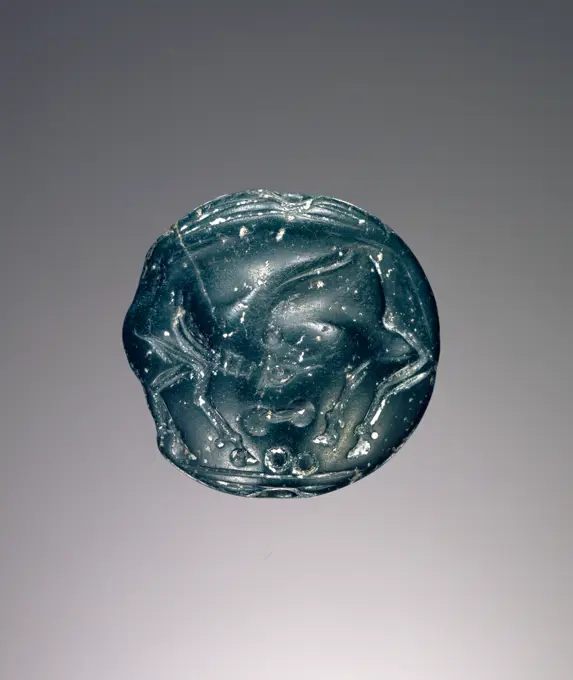
Inkstone in the form of a qin (zither) China. Inkstone in the form of a qin (zither). China. Stone (slaty shale). Song dynasty (960-1279). InkstoneBox 1771-72 Magdalen Feline. Box. British, London. 1771-72. Silver. Metalwork-SilverVase of yellow glass with a decoration of air bubbles. Flat ground. Sideways flattened spherical body with two heavy, lobed ears. Decoration of air bubbles in the body and the ears. The signature Daum Nancy France and the Lorraine cross etched on the bottom with the needle.Oval medallion in which a branch made of gray hair, anonymous, 1800 - 1900 Oval medallion in which branches made of gray hair, in copper standard. With the caption: Remember Me. England (possibly) copper (metal). Oval medallion in which branches made of gray hair, in copper standard. With the caption: Remember Me. England (possibly) copper (metal).Stirrup 10th-11th century German One of the branches of this stirrup retains part of its decoration consisting in a brass applique strip engraved with a zigzag motif, and a cast bronze terminal. This type of stirrup is typical of the Germanic populations living in central Europe in the 10th-11th century.Horses had a great importance in the society of the Germanic cultures living in these areas, in both social and religious aspects. Equestrian equipment, like stirrups, spurs and bits, are regularly found in their burials, among the goods warriors wanted to bring with them to the afterlife. The elite would sometimes even be accompanied by sacrificed horses, a meaningful practice at that time, considering the high economic value of horses.. Stirrup. German. 10th-11th century. Iron, copper alloys. Cologne. Equestrian Equipment-StirrupsFragment pipe head. Fragment pipe head with floral fashed motif. Of the excavations at the Hofstede Arentsburg 1827-1831 under the supervision of professor Reuvens.Terracotta pyxis (box). Culture: Cypriot. Dimensions: H. 1 5/16 in. (3.3 cm); diameter 1 3/4 in. (4.5 cm). Date: late 7th-6th century B.C..Small pyxis with black and red bands. This may be a Cypriot adaptation of a Protocorinthian type. Museum: Metropolitan Museum of Art, New York, USA.Snuffbox 1773/74 Charles Le Bastier French In eighteenth-century Europe, Paris led the production of high-quality luxury goods. Parisian goldsmiths made a wide range of small, personal articles such as snuffboxes; étuis to hold sealing wax, tweezers, or utensils for sewing; souvenirs, which contained thin ivory tablets for note taking; and shuttles for knotting lace. Gold snuffboxes and boxes decorated with portrait miniatures were prized and frequently given as royal gifts, often to ambassadors or members of the court in lieu of cash payments for their services. Coveted and admired, these boxes were produced from a variety of materials. The best were skillfully made of gold and embellished with diamonds, enameled decoration, lacquer, and other luxurious materials. By the middle of the century, the taking of snuff had become an entrenched social ritual, and the snuffbox, too, had become an important social prop. Snuffboxes were considered highly fashionable accessories, with some merchGlass beaker 4th-5th century A.D. Roman Translucent light green.Rim folded out and up, cracked off; conical body, tapering downwards; small, flattened bottom.On body, upper zone of thirty-five vertical ribs, extending upwards to underside of rim, with an irregular honeycomb pattern below extending across bottom.Intact; pinprick bubbles and blowing striations; patches of dulling, pitting, and iridescent weathering.With sides ribbed and grooved.. Glass beaker 245247Small spherical vase on stand. unknown, craftsmanWomans head - figurine fragment. unknown, craftsmanButton from the wreck of the East Indians Hollandia, Anonymous, 1700 - in or before 1743 button Knoop. (1) flat, plain, bevelled rim (1.7d, 0.1t) Netherlands bone (material)   SecondReduced housing model: trough. Terracotta. Cernuschi Museum, Asia Museum of Asia in the city of Paris.Cut. Brown-Vert cover sandstone. Cernuschi Museum, Asia Museum of Asia in the city of Paris.Lamp. UnknownButton from the wreck of the East Indians Hollandia, Anonymous, 1700 - in or before 1743 button Knoop. (1) slightly domed, bevelled rim (1.6d, 0.3t), plain, rim raised underneath, key-shank Netherlands copper (metal)   SecondBaluster with stabbed C and S-Voluten, Anonymous, c. 1740 - c. 1760 S-shaped baluster with stabbed C and S-Voluten with rocaille shells. Northern Netherlands wood (plant material) S-shaped baluster with stabbed C and S-Voluten with rocaille shells. Northern Netherlands wood (plant material)Black-topped red ware jar ca. 3850-2960 B.C. Predynastic Period. Black-topped red ware jar. ca. 3850-2960 B.C.. Pottery. Predynastic Period. From EgyptSgabello Side Chair; Italy; carved walnut woodNazi chess set. This chess set glorifies Nazi Germanys terratorial ambitions during World War II. The pieces are shaped like weapons. The text in the border lists the countries that Germany had attacked in 1939 and 1940. This set may have been presented in 1941 by SS Commander Heinrich Himmler to Anton Mussert, leader of the NationaalsocialistischeBeweging (NSB), the National Socialist Movement in the Netherlands.Lid for a Water Container with Shell and Seaweed, c. 1914. Seifū Yohei IV (Japanese, 1872-1951). Lacquered wood;Wine Pot (lid), 918-1392. Korea, Goryeo period (918-1392). Pottery; overall: 17.8 cm (7 in.). As early as the seventh century, the practice of drinking tea and wine became an important part of elite culture in Korea. Elites of the Goryeo period commissioned a variety of types of utensils and vessels including this elegant pot, not only to make their drinking experience more exciting, but also to show their appreciation of nature.Terracotta figurine in the form of a zoomorphic askos (vessel) ca. 1900-1800 B.C. Cypriot Vases, or askoi, were commonly made in this shape. This, however, is a solid figurine.. Terracotta figurine in the form of a zoomorphic askos (vessel). Cypriot. ca. 1900-1800 B.C.. Terracotta; hand-made. Middle Cypriot I. VasesBrush Holder 1850-1920 Japan Various metals are inlaid in relief on the dark rough surface of cast iron, creating effects of light and color in the naturalistic decoration. Moonlight seems to glisten on the web of silver that fans over the cylindrical form. A spider, realistically shaped in shibuichi (an alloy of copper and silver), scurries toward the outer edge of the web, where a dragonfly of gold and copper is seen caught on the other side.. Brush Holder. Japan. 1850-1920. Cast iron with relief inlay in silver, gold and shibuichi. Meiji period (1868-1912). MetalworkSpool-Shaped Game Piece. Dimensions: H. 1.2 cm (1/2 in.); Diam. 1.4 cm (9/16 in.). Dynasty: Dynasty 18, early. Reign: reign of Thutmose I-early sole Thutmose III. Date: ca. 1504-1447 B.C..The first room that the Museum's excavators cleared in the family tomb of Neferkhawet was the east chamber. In the northwest corner of this room they found a mis-matched partial set of gaming pieces. The two types, conical and spool-shaped, are common components of the board games senet and 20-squares which were usually combined in a single game box with the game boards on opposite sides, and a drawer for the gaming pieces and the throw sticks or knuckle bones that were used like dice to determine how the pieces were moved on the boards. The eight gameing pieces, five conical and three spool-shaped, were lying on their sides next to the outlined remains of an insect-eaten game box. Museum: Metropolitan Museum of Art, New York, USA.Sword-Hilt Collar and Pommel (Fuchigashira) late 18th-early 19th century Japanese A fuchigashira is a pair of matching sword fittings comprising the fuchi (collar at the base of the grip of the sword hilt) and kashira (pommel cap at the end of a sword hilt).. Sword-Hilt Collar and Pommel (Fuchigashira). Japanese. late 18th-early 19th century. Iron, copper-gold alloy (shakud). Sword Furniture-Fuchi-KashiraBowl (common name). Enameled covered sandstone. Cernuschi Museum, Asia Museum of Asia in the city of Paris.Tassel (Italy); linenCzarka. nieznany warsztat północno mezopotamski, workshopLamp ca. 1850-1640 B.C. Middle Kingdom. Lamp. ca. 1850-1640 B.C.. Fine light red pottery. Middle Kingdom. From Egypt, Memphite Region, Lisht North, cemetery south of pyramid, below House A3:1, Pit 312-321 (joined underground), MMA excavations, 1913-14. Dynasty 12One of a Pair of Cuffs 300 B.C.-A.D. 400 Thailand. One of a Pair of Cuffs. Thailand. 300 B.C.-A.D. 400. Bronze. Late period. MetalworkDouble cup 1685/86 Thomas Cory British. Double cup. British, London. 1685/86. Silver. Metalwork-SilverComb. Egypt, Coptic Period (500 - 1000 CE). Jewelry and Adornments; combs. WoodNetsuke of a Karashishi early-middle 18th century Japan. Netsuke of a Karashishi. Japan. early-middle 18th century. Ivory. NetsukeFire iron with copper buttons, c. 1400 - c. 1950   iron (metal). copper (metal)   iron (metal). copper (metal)Powder Flask. Italian. Date: 1560-1590. Dimensions: H. 17.8 cm (7 in.). Steel, iron, silver, wood, and leather. Origin: Italy. Museum: The Chicago Art Institute, Chicago, USA.Collar or disc candlestick from brass, anonymous, c. 1575 - c. 1625 The candlestick is composed of two cast and turned parts: the foot with the lower part of the trunk and the fat catcher and then the upper part of the trunk and the candle holder. The upper half has been held in the foot with a pin. The lower part consists of a round -profiled base, a baluster -shaped trunk and a fat catcher profiled at the bottom, the collar. The upper part consists of a baluster -shaped trunk and a profiled cylindrical holder, which has two in the middle of the wall in each other's extended round holes. The turning rings can be seen at the bottom of the foot. Northern Netherlands (possibly) brass (alloy) casting The candlestick is composed of two cast and turned parts: the foot with the lower part of the trunk and the fat catcher and then the upper part of the trunk and the candle holder. The upper half has been held in the foot with a pin. The lower part consists of a round -profiled base, a balusteCarving fork, Gorham Manufacturing Company, Providence, Rhode Island, USA, founded 1818, Horn, silver, Large, small carving fork (c,d): bone handles with silver boar's head terminals and hinged metal rest on shaft; sharpener., 1900, cutlery, Decorative Arts, Carving fork, Carving fork, Gorham Manufacturing Company, Providence, Rhode Island, USA, founded 1818, Horn, silver, Large, small carving fork (c,d): bone handles with silver boar's head terminals and hinged metal rest on shaft; sharpener., 1900, cutlery, Decorative Arts, Carving forkBaluster with stabbed C and S-Voluten, Anonymous, c. 1740 - c. 1760 S-shaped baluster with stabbed C and S-Voluten with rocaille shells. Northern Netherlands wood (plant material) S-shaped baluster with stabbed C and S-Voluten with rocaille shells. Northern Netherlands wood (plant material)Prayer Nut with Original Case and Pouch, Adam Dircksz (workshop of), c. 1500 - in or before 1531 Open worked, bullet -shaped nut, consisting of two hollow halves, just a Calvary and a cross -bearing. The Calvary group consists of the three crosses, placed for a landscape with trees and a tower -shaped structure with Judas right hanging on a tree branch, in the middle a man running to the left and all left Peter () By hand under the head, As if he is sleeping, in the Hof of Getsemane. Before Christ's cross in profile to the left is a young man with lance, which he aimed for the blind longinus with large turban, which is on horseback. Furthermore, on the left, also seen on the back, a rider with Vaan, on the far right in the background, a rider blazing on a horn, a rider with turban, behind this a man with the sponge on a reed and on the Foreground a rider to the left with the fist up and a shield on the back. In the front front of the group of Mary, supported by St. Jan and two holy womBoys in Lotus Pond. Culture: China. Dimensions: W. 4 3/4 in. (12 cm). Date: 13th-14th century. Museum: Metropolitan Museum of Art, New York, USA.Fragment of earthenware grease trap or pointed plate, edge fragment with gutter, grease trap baking utensil holder soil find ceramic earthenware glaze lead glaze, hand shaped molded glazed fried edge fragment of earthenware spit dish or grease trap Wide gutter in the shape of fish tail along the edge decorated with nail impressions the corner round eye. Oblong dish with rounded corners Oblique side wall and wide top edge. Red shard internally glazed. Restoration is repainted archeology underground pit Rotterdam City Triangle Blaak Groenendaal indigenous pottery frying grilling grease hearth kitchen food preparation lighting Soil discovery: underground pit Groenendaal direction Blaakstation 1977.06.08.Basin with Figural Imagery. Dimensions: H. 5 1/8 in. (13.0 cm)Diam. 20 1/2 in. (51.1 cm). Date: early 14th century.A limited number of basins were produced with this distinctive scallop-shaped edge during the Ilkhanid period in Iran. Its intricately inlaid surface, worked entirely in gold and silver, comprises figural imagery within a radiating geometric framework. Musicians, courtiers, and polo players are among the diverse and lively inhabitants of its interior. Considering its celebration of courtly pastimes, intricate drawing, and high-quality craftsmanship, this basin was likely created for a patron of high status. Museum: Metropolitan Museum of Art, New York, USA.Bathing scraper. unknown, craftsmanModel or a toppass cap. Rectangular donkey head with two brass brackets around. Four eyes at the bottom; The two that flank the mast are quite heavy.Fragment of pipe signs statue, c. 1400 - c. 1950   pipe clay   pipe clayTerracotta oil lamp ca. A.D. 50-100 Roman, Cypriot Loeschcke Type 4. Mold-made. On discus, in high relief, a gladiator (thrax), wearing a crested helmet, holding a round shield and short sword, advancing right; before him, a slender (training) post; ground line below; a single groove around edge of discus; plain, sloping, narrow shoulder. Volutes flanking slightly pointed nozzle. Incised base ring, and broad base.Broken, with most of base and underside missing, but discus and nozzle complete.. Terracotta oil lamp. Roman, Cypriot. ca. A.D. 50-100. Terracotta; mold-made. Early Imperial. TerracottasSqueeze of long-haired felt, trifled with low round bulb and raised edges, deposited with silver-colored passing element and decorated with a (added) black satin bow with copper knot. Stitch or tricorne of long-haired felt. Model: Thoratively with low round bulb and raised edges. Still remains of the long-haired brown felt on top of the globe. Around the bulb is a 5 cm wide edge long-haired black felt. The interior of the sphere is paper, about which a natural mesh. Wide breeding Entrée. Decoration: Switched off with wide, silver-colored passing element that is sewn with large stitches. Between the sphere and the edge in one place remnants of a white ostrich. On one side in the middle a (added) black satin bow on which a copper knot decorated with flowers. At the back of the 'Rich Orange' knot.Spindle whorl. Spindle whorl. Glass. GlassFragment Pijpenkop with piece of stem from the wreck of the East Indians Hollandia, Anonymous, 1700 - in Or Before 1743  Pipe, bowl, heelmark: crowned 47; fragment, 2hsm3. Netherlands pipe clay   SecondBatter of a Missaalband, Anonymous, c. 1450 - c. 1500 Ten fittings of a missal band, from brass. The ten volumes are cut from copper plate, driven, engraved and sponed. A copper button with seven facets has sounded on each of them. They are equipped with holes on the corners or along the edge to be able to stock nails, with which they were contested on the book band. Four corner pieces have a rim turned backwards on two sides. The remaining four have that only on the top or bottom (these were placed against the back of the book). Two sides of each corner piece are trimmed with an open edge of cross flowers. The field in the middle is taken by three stilled tiflines. The ornament on the center pieces consists of a plant with three leaves and two flowers in a pot on the corners. The four parts in between are taken by fantasy drugs. Germany (possibly) brass (alloy) cutting / engraving Ten fittings of a missal band, from brass. The ten volumes are cut from copper plate, driven, engraved anOintment Jar ca. 1550-1458 B.C. New Kingdom The shape of this tall, flaring jar first appeared during the Pyramid Age, more than 1000 years before this example was made. Originally, it probably had a round, flat lid and was used to store a cosmetic oil or ointment for moisturizing the skin. The jar was excavated by the Museum's Egyptian Expedition in 1916. It had been placed near the head of a coffin along with a number of other objects that came to the Museum when the finds were divided with the Egyptian Antiquities Service. These include two other alabaster jars (16.10.421, 16.10.424), another smaller ointment jar of serpentine (16.10.422), two pottery vessels (16.10.427-.428), a small ivory cosmetic box (16.10.425), and three ivory combs (16.10.428-.430).. Ointment Jar. ca. 1550-1458 B.C.. Travertine (Egyptian alabaster). New Kingdom. From Egypt, Upper Egypt, Thebes, Asasif, Courtyard CC 41, Pit 3, Burial B 4, Between head of coffin and wall, MMA excavations, 1915-16. Dynasty 18, eaMatch case -Tassel (Italy); linenHead - figurine fragment. unknown, craftsmanShabti ca. 380-343 B.C. Late Period. Shabti 561160Bird Plaque, 1523-1028 BCE, 3 x 1 11/16 x 1/4 in. (7.62 x 4.29 x 0.64 cm), Partially calcified pale green jade, China, 16th-11th century BCEFrog Pendant A.D. 550-850 Greater Coclé This pendant, in the form of a frog, is suggestive of a range of frog species in the area where it was likely fabricated (see image 1). It is made of cast metal, likely an alloy of gold with copper. Its carbonized ceramic core is partially preserved. The frog looks forward. Its spherical eyes are at the top corners of its head, and they have linear indentations in their centers. The frogs tongue projects outward, illustrated as two spirals that are connected to the center of the mouth and at its ends by a thick, curved band of metal (see image 2). There is a plain band of metal that outlines the mouth. Another band has a chevron design, and it extends from the mouth down the center of the head and then connects with another chevron band forming a circle on the back of the frog (see image 3). The internal diameter of this circular band is 3.1 cm. The chevron band along the central axis resumes at the rear of the frog, where it emerges out of the Walking stump button with three medallions in which symbols of music, painting and sculpture, Louis Métayer, 1750  The cast, round button rests on a smooth tire with profiled top edge, with which he was attached to the rotting. He broadens to the vaulted top and has been burned slightly along the lower and upper edge. The wall is articulated by three twisted columns that spread on a leaf volume. A shell motif is shown in the midst of volutes under each column; There are small engraved fields of grille work between these motives. The columns wear arches built up from C-Voluten with a cabochon in the middle; In between, they are each crowned by an ever-formed, asymetric vase with flour against a engraved stock of rosettes with rosettes, closed off at the top by a C-Volut. One of the vases is decorated with a leaf mask. The three fields between the columns show successively: two a whistle and a bagpipe playing boys in a landscape with a lute and a music magazine at the bottom of the arch Half of a mold. Square mold of rosette with diagonally on every corner acorn and central half of pine cone. Middle left and right a metal pen and mid above the casting hole. Reverse: square with sloping sides and flat bottom.Roman era. Gladiator. Lamp. Clay. 1st century. Urso, Osuna, Seville, Spain. National Archaeological Museum, Madrid. Spain.Seal early 20th century China. Seal. China. early 20th century. Jade. SealsAncient China: Wine Jug (Jue), Shang Dynasty, 1600 -1027 BC, Tripod vessel in bronze.Spoon, 19th century, 9 1/2 x 3 3/8 in. (24.13 x 8.57 cm), Bighorn sheep horn, abalone, United States, 19th centuryShaffron. Southern German, Nuremberg. Date: 1510-1530. Dimensions: 23 1/4 x 11 1/4 in. Steel and leather. Origin: Nuremberg. Museum: The Chicago Art Institute, Chicago, USA.Jar. White paste sandstone, greenish glaze. Cernuschi Museum, Asia Museum of Asia in the city of Paris.Model Spear. Egypt, Late Period - Ptolemaic Period (711 - 30 BCE). Arms and Armor; spears. BronzeButton from the wreck of the East India hollandia.knoop. (1) ID. NG 1980-27H1239 (1.9D)Carved rinor horn cup imitating bronze object with decorations of dragons, anonymous, c. 1700  China . cutting  China . cuttinganthropomorphic figurine, Chalcolithic, fifth millennium BC, Bulgarian National Archaeological Museum, Sofia, Republic of Bulgaria, Europe.Cleopatra Pot. Date: 1887-1888, Paris. Dimensions: 14 cm x 12.9 cm. Museum: Van Gogh Museum, Amsterdam. Author: PAUL GAUGUIN.Glass mosaic perfume bottle 1st century A.D. Roman Translucent pale blue, with opaque white trails and faint translucent purple streaks.Very small everted rim; cylindrical neck, expanding downwards; squat, globular body; uneven, flat bottom.Striped mosaic pattern of applied trails wound round on a blue ground and then tooled in four upward strokes into a festoon pattern around body.Intact, except for slight chipping to rim; pitting of surface bubbles, dulling, iridescence, and thick, layered weathering.. Glass mosaic perfume bottle. Roman. 1st century A.D.. Glass; blown, trailed, and tooled. Early Imperial. GlassTwo Pieces of Bone from the Wound in Henry Casimir Is Hip, niet van toepassing, 1612 - 1640  Piece of leg from the hip wound on which Hendrik Casimir I died at Hulst on 12 July 1640. Piece of leg, looks sawn on one side. Netherlands bone (material)   HollyZwieńczenie kraty okiennej. unknown, authorCarafe with neo -Renaissance and neo -gothic ornaments, anonymous, c. 1850 - c. 1900  Mushroom -shaped, faceted stop. Europe glass glassblowing / grindingBlack ceramic bowl handmade. Mouth Diameter 148 mm Height 42 mm Base diameter 43 mm Thickness 4 mm - Late Bronze period from the archaeological site of " Ecce Homo" in Alcala de Henares - " Burgo de Santiuste Museum " (Madrid). SPAIN.Ring: Gazelle Eating Thicket, 1391-1353 BC. Egypt, New Kingdom, Dynasty 18, reign of Amenhotep III to Akhenaten. Polychrome faience (yellow and purple); diameter: 2.5 cm (1 in.).Anonymous. Covered pot, green family decor. Porcelain, golden bronze frame. 1st quarter of the 18th century. Museum of Fine Arts of the City of Paris, Petit Palais. 122743-13Anonymous cut (common name), 0900. Grisish paste covered sandstone, celadon covers; hollow decor. Cernuschi Museum, Asia Museum of Asia in the city of Paris.Garland (part of a set) 18th century French. Garland (part of a set) 189614 French, Garland (part of a set), 18th century, Wood, gilt, Overall (confirmed): 27 1/4  11 13/16  2 1/8 in. (69.2  30  5.4 cm). The Metropolitan Museum of Art, New York. Gift of J. Pierpont Morgan, 1906 (07.225.358b)Lazio Viterbo Viterbo Museo Civico48. Hutzel, Max 1960-1990 Views of paintings (Middle Ages through 18th c.), frescoes, a tabernacle, coffin, sculpture reliefs, portal fragments, busts, sculpture, tapestry found in the Pinacoteca, Second floor gallery and Second floor cloister sequences. Antiquities: Many views of Etruscan and Roman fragments, sculpture, sarcophagi, pottery, masks, jewelry and other objects found in the Storeroom sequence (inventory numbers on back of prints), and the Cloister, Second floor Cloister, Valle Giulia, Sala Romana and Sala Etrusca sequences. General Notes: There are eight separate numerical sequences for this location. The cloister as an architectural structure, rather than museum site, is documented in the record and file for S. Maria della Verita, Cloister, all views of which are stored in Medieval core collection. Five views from the Museo Civico Second floor cloister sequence are stored in Medieval. German-born photographer and scholar Max Hutzel (1911-Bronze mirror ca. 350-300 B.C. Etruscan Zipunu flanked by Prucnas and ThalnaEtruscan inscriptions identify the rather obscure characters depicted here. At the center is Zipunu, a lesser Etruscan goddess often associated with Turan (Latin: Venus). She is flanked by the obscure Etruscan heroes Prucnas and Thalna. The engraver paid meticulous attention to details of the eyes, hair, fingernails, footwear, jewelry, and musculature. The figures are set off against an unusual stippled background.. Bronze mirror 251234 Etruscan, Bronze mirror, ca. 350300 B.C., Bronze, 9 1/4 x 6 11/16in. (23.5 x 17cm). The Metropolitan Museum of Art, New York. Rogers Fund, 1922 (22.139.61)Shokudai);  2 after. 19th century (1868-00-00-1912-00-00);Jelec of the Polish SaberLazio Viterbo Viterbo Museo Civico01. Hutzel, Max 1960-1990 Views of paintings (Middle Ages through 18th c.), frescoes, a tabernacle, coffin, sculpture reliefs, portal fragments, busts, sculpture, tapestry found in the Pinacoteca, Second floor gallery and Second floor cloister sequences. Antiquities: Many views of Etruscan and Roman fragments, sculpture, sarcophagi, pottery, masks, jewelry and other objects found in the Storeroom sequence (inventory numbers on back of prints), and the Cloister, Second floor Cloister, Valle Giulia, Sala Romana and Sala Etrusca sequences. General Notes: There are eight separate numerical sequences for this location. The cloister as an architectural structure, rather than museum site, is documented in the record and file for S. Maria della Verita, Cloister, all views of which are stored in Medieval core collection. Five views from the Museo Civico Second floor cloister sequence are stored in Medieval. German-born photographer and scholar Max Hutzel (1911-Candlestick, Pricket. Culture: South Netherlandish. Dimensions: Overall: 16 x 7 1/4 in. (40.6 x 18.4 cm). Date: 15th century. Museum: Metropolitan Museum of Art, New York, USA.Tapa (Siapo) Samoan. Tapa (Siapo). Barkcloth, pigment, 49 1/2 x 59 in. (125.7 x 149.9 cm).   Arts of the Pacific IslandsLamp. UnknownCenser (kôro). unknown, craftsmandisco decorado, Carratiermes, Montejo de Tiermes, siglo IV - III a.C, museo Numantino de Soria, Soria, Comunidad Autónoma de Castilla, Spain, Europe.Coiled and rearing cobra 664-30 B.C. Late Period-Ptolemaic Period. Coiled and rearing cobra 570742Engraved Gem, Roman Empire; 2nd - 4th century; 1.4 x 0.9 cm (9,16 x 3,8 in.)Bottle. Wolter, Conrad (ante 1721), goldsmith. In the form of a sample, from Jasper with golden frame, set with precious stones in motifs from email. The vessel has been compiled from five parts. The sample has a widely opened mush that can be used as a lamp.Sickle Blade, 1980-1801 BC. Egypt, Middle Kingdom, Dynasty 12. Flint; overall: 5 cm (1 15/16 in.).Bracelet. Unknown. Incense burner (Koro) of stoneware with a cylindrical body, three short feet and a flat shoulder, painted on the glaze in blue, red, green, yellow, black and gold. On the wall a band with napkin interrupted by three medallions of flower rinks (peony, prunus, chrysanthemum, aster). On the shoulder a band with stylized flowers. A flower drink on every foot. The silver lid with a cartouche twice with a lotus plant in relief and in the center an openworked flower rosette. On the underside the manufacturers brand 'Toyosai Sei'. Satsuma.Caneware Jar, c. 1795. Wedgwood Factory (British). Stoneware; overall: 8.3 cm (3 1/4 in.).Lentoid engraved seal. UnknownKashira; gin; Bequest of George Cameron Stone; 1936-4-658-a,b