Antique Trinkets and Collectibles

An assortment of unique antique items including boxes, vases, and medallions. Displaying different materials like silver and glass, highlighting craftsmanship.
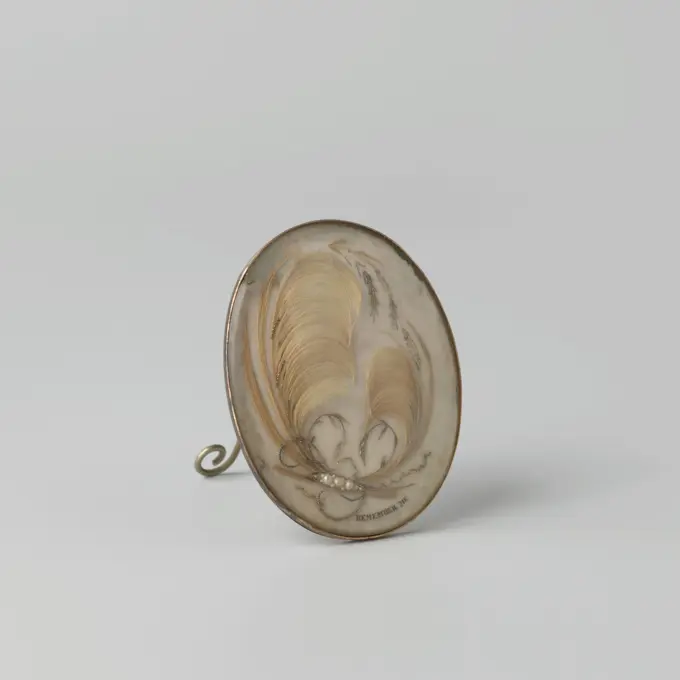
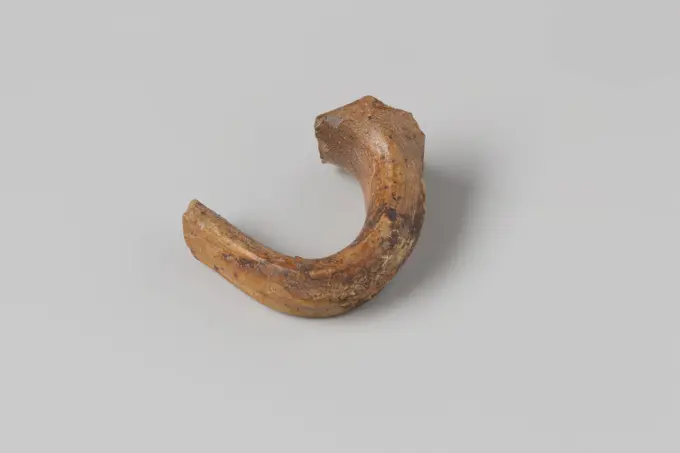
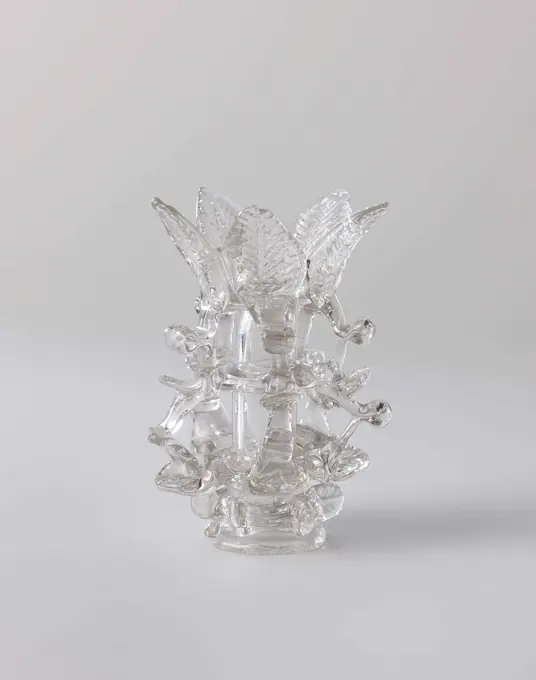
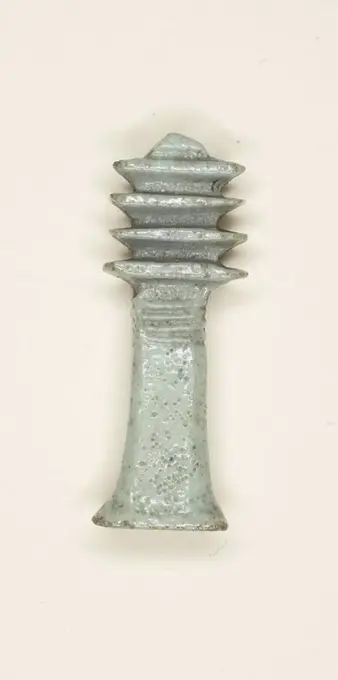
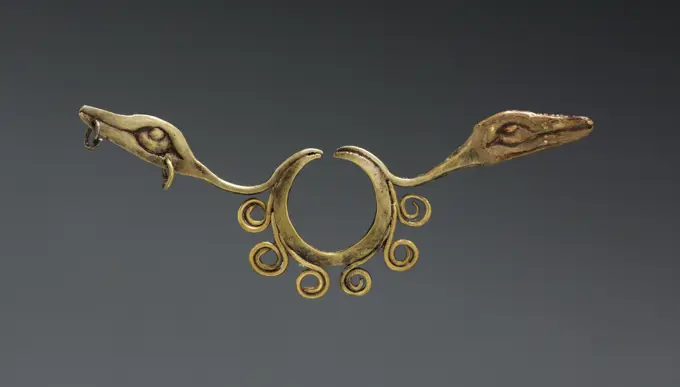
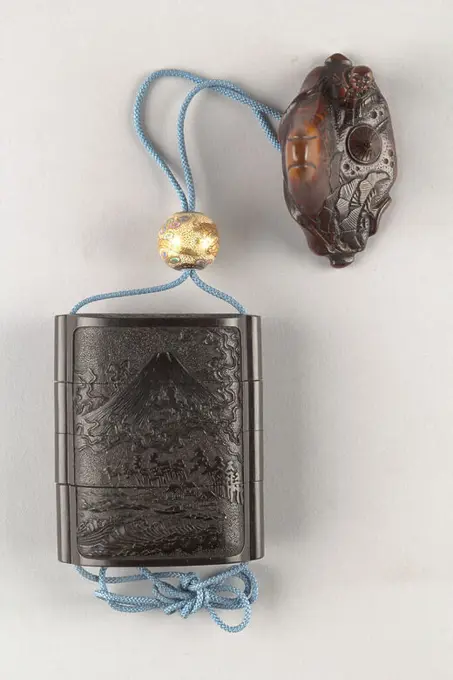
Oval medallion in which a branch made of gray hair, anonymous, 1800 - 1900 Oval medallion in which branches made of gray hair, in copper standard. With the caption: Remember Me. England (possibly) copper (metal). Oval medallion in which branches made of gray hair, in copper standard. With the caption: Remember Me. England (possibly) copper (metal).
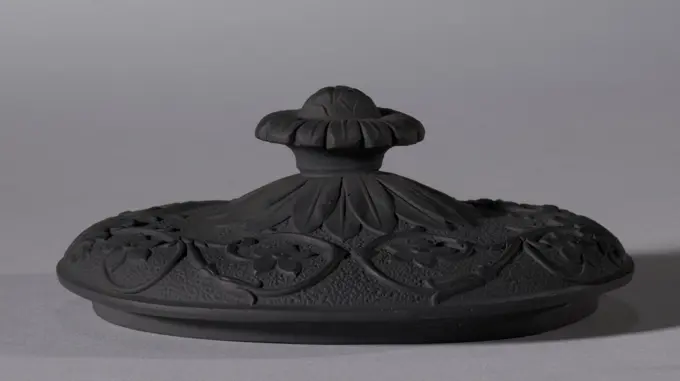
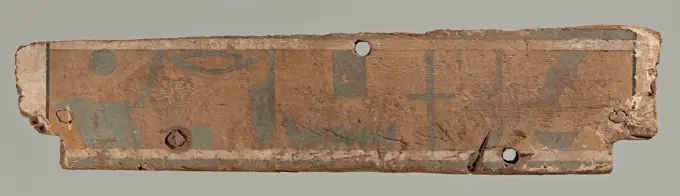
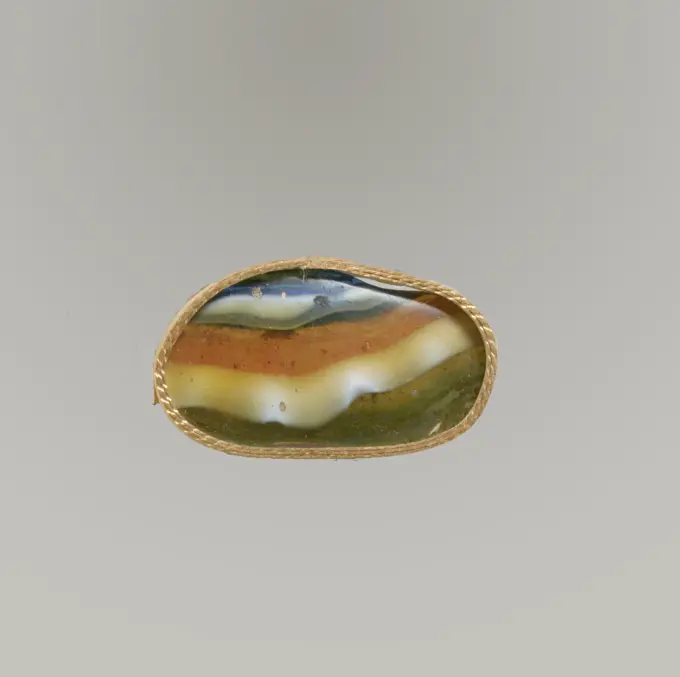
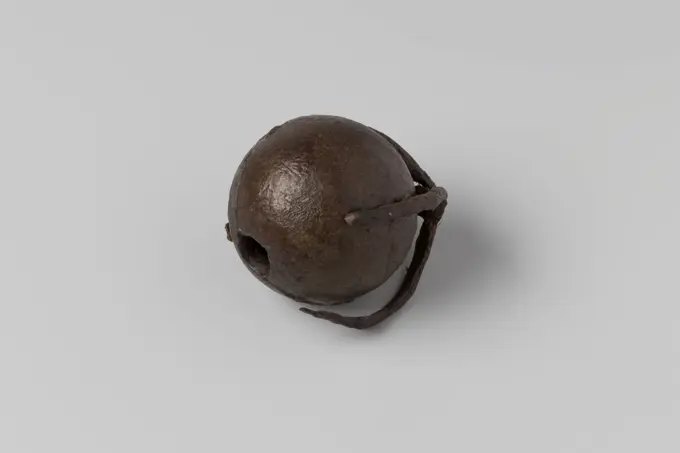
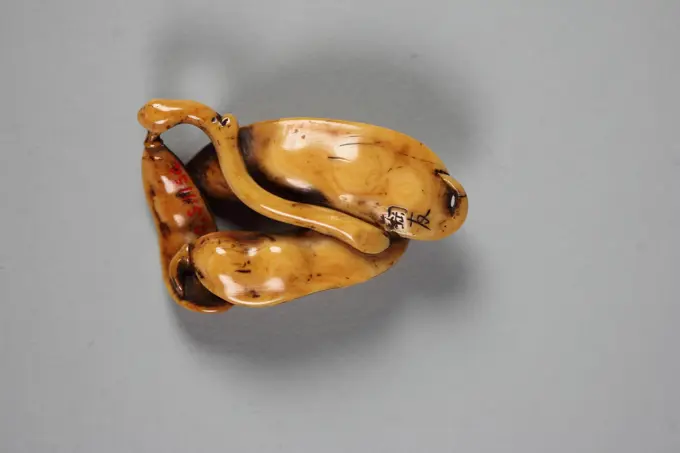
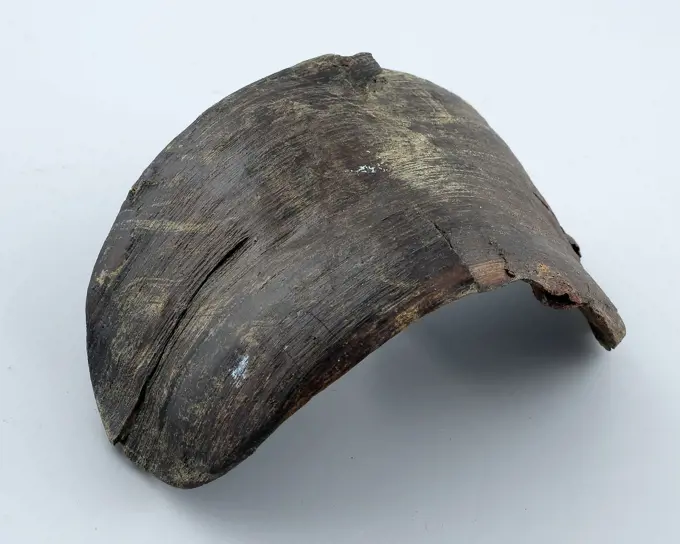
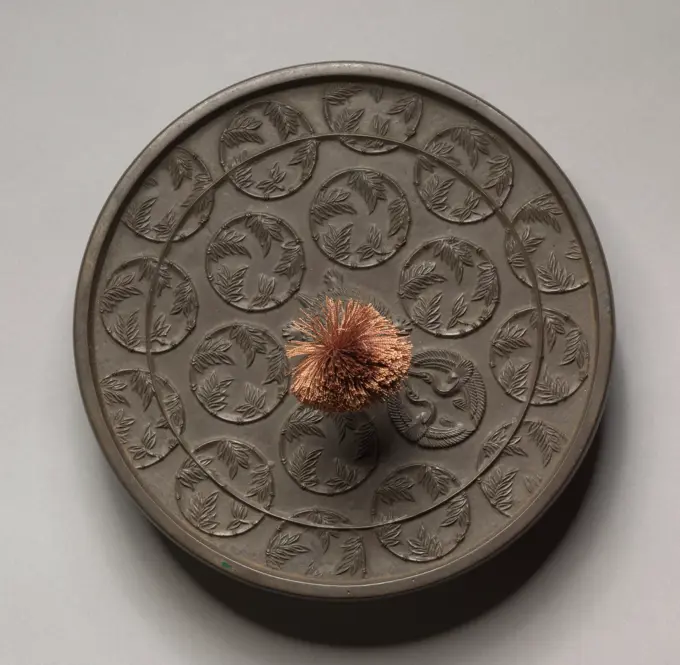
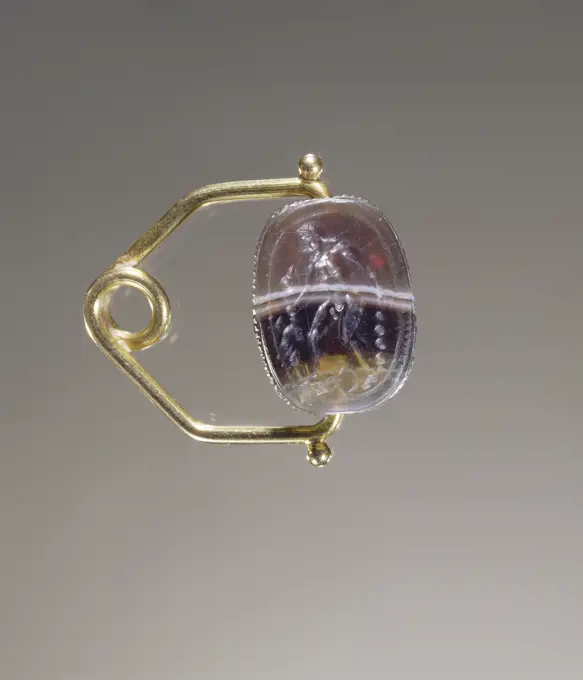
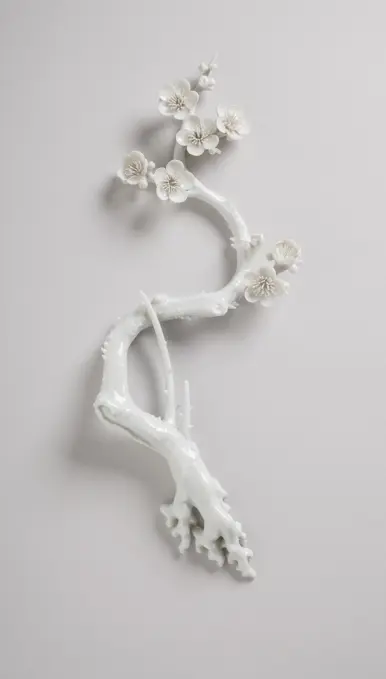
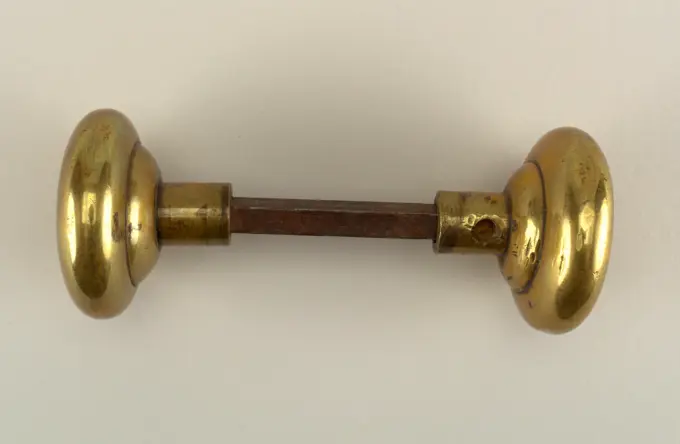
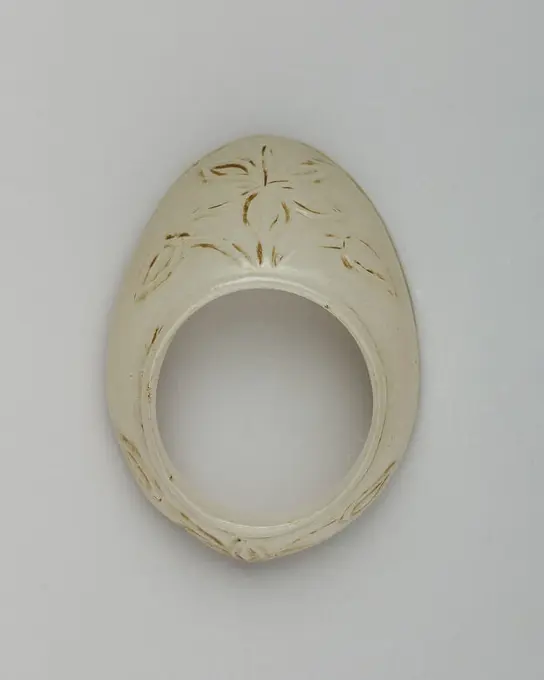
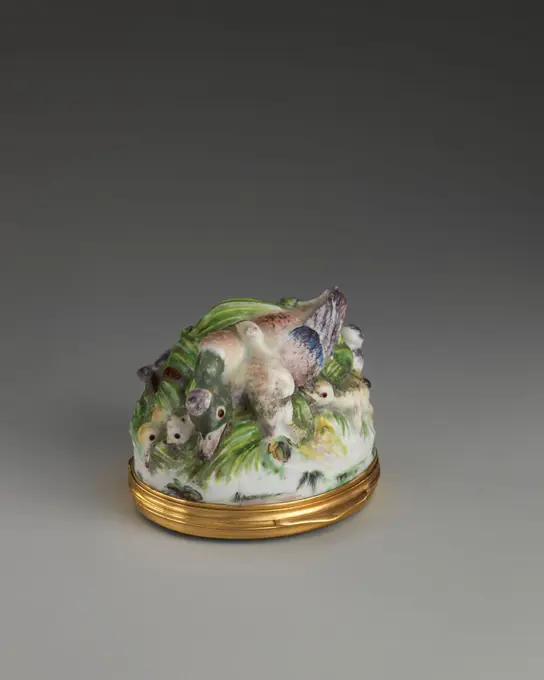
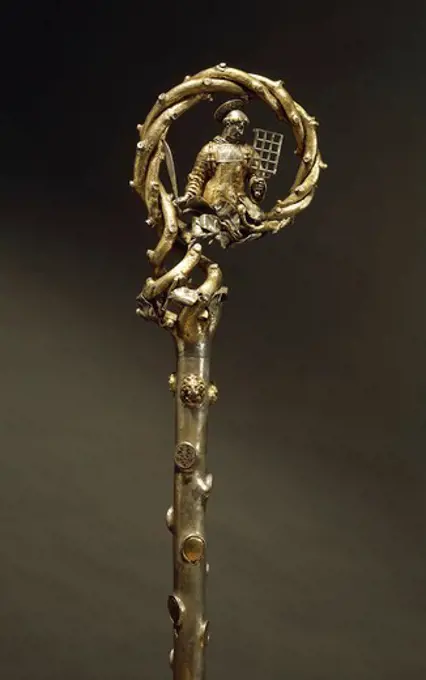
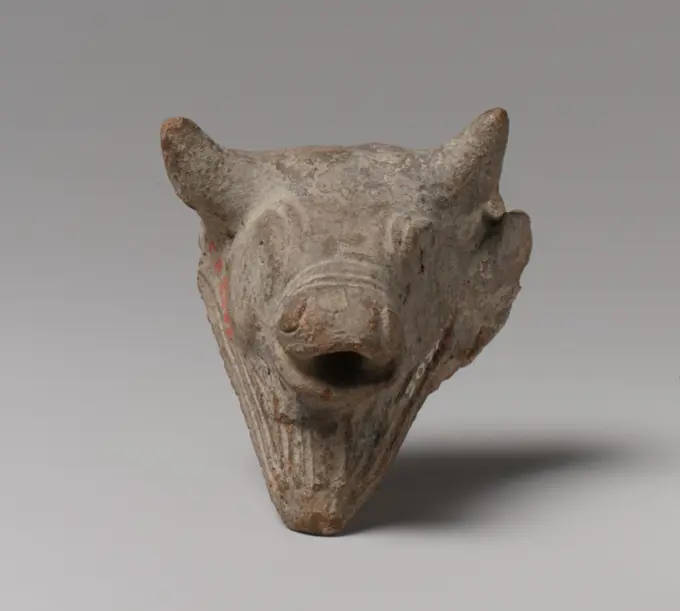
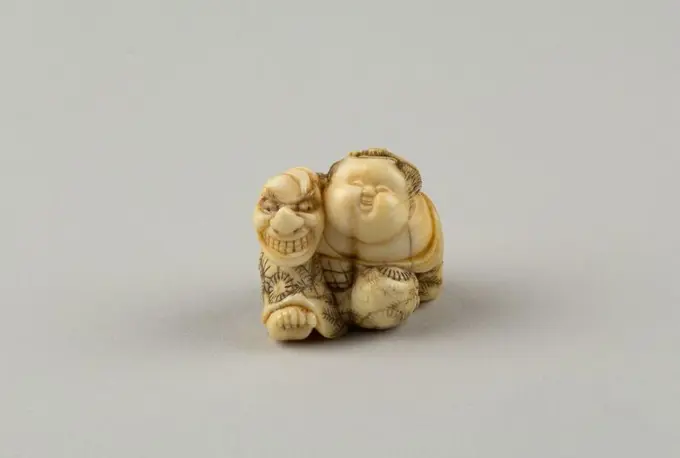
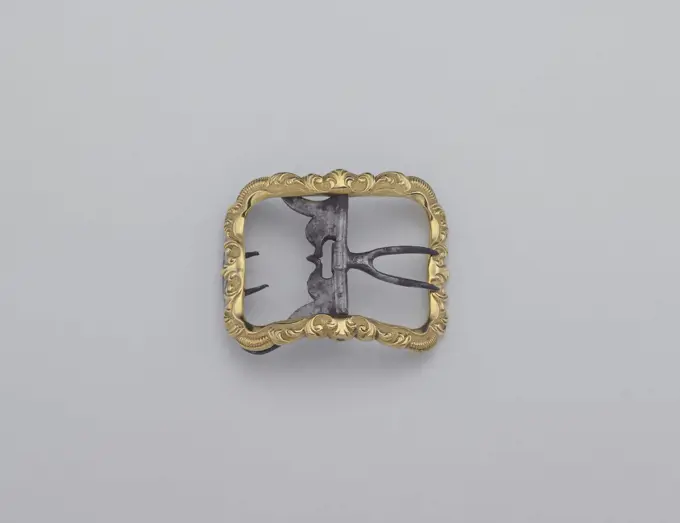
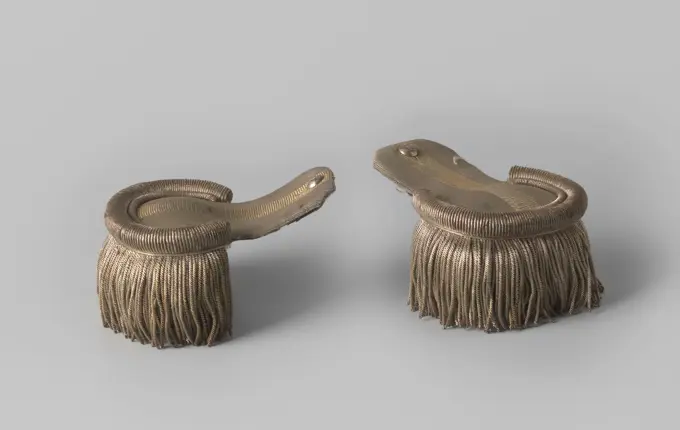
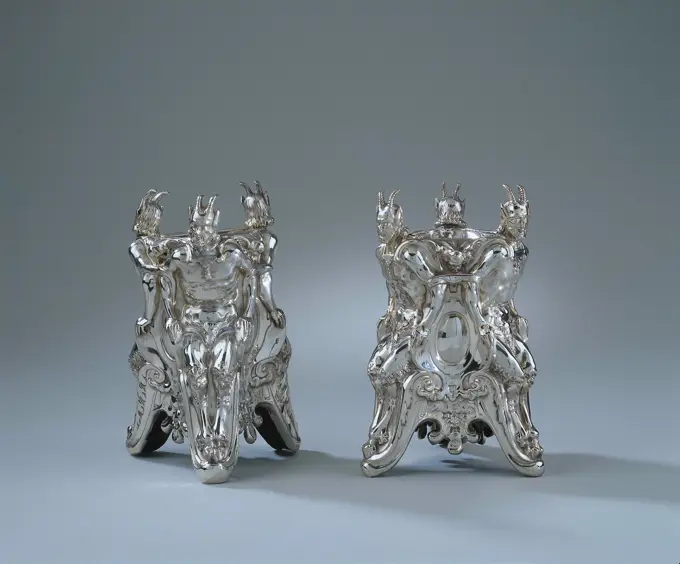
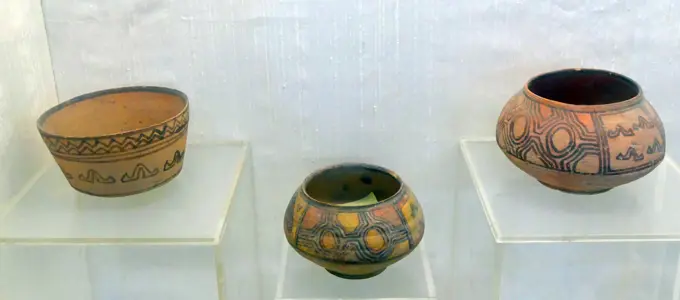
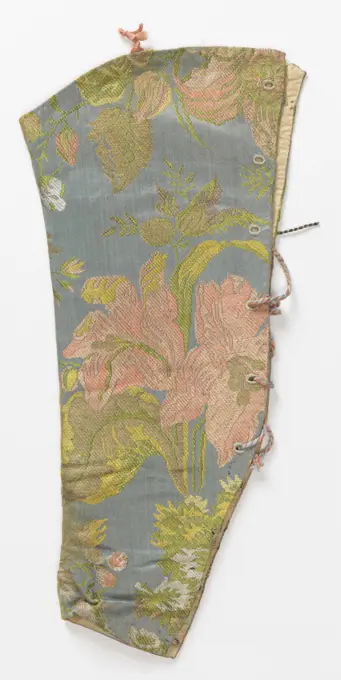
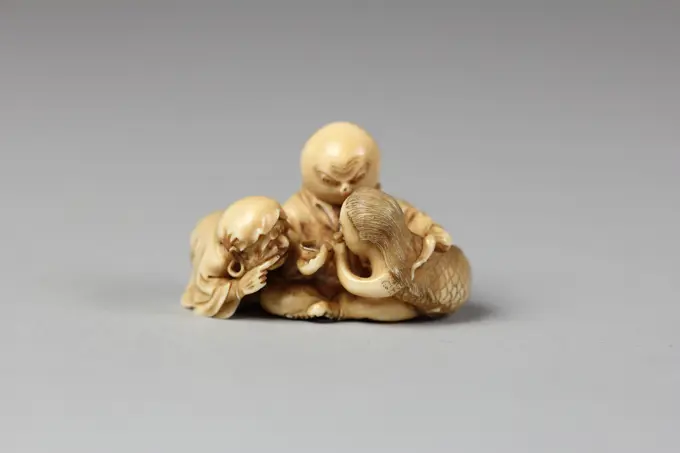
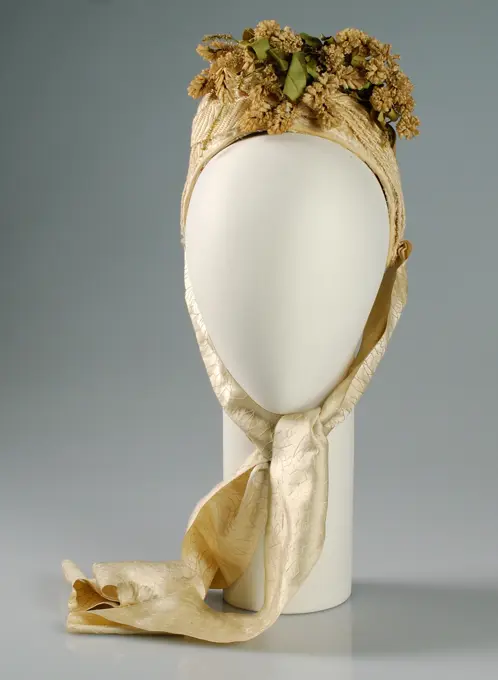
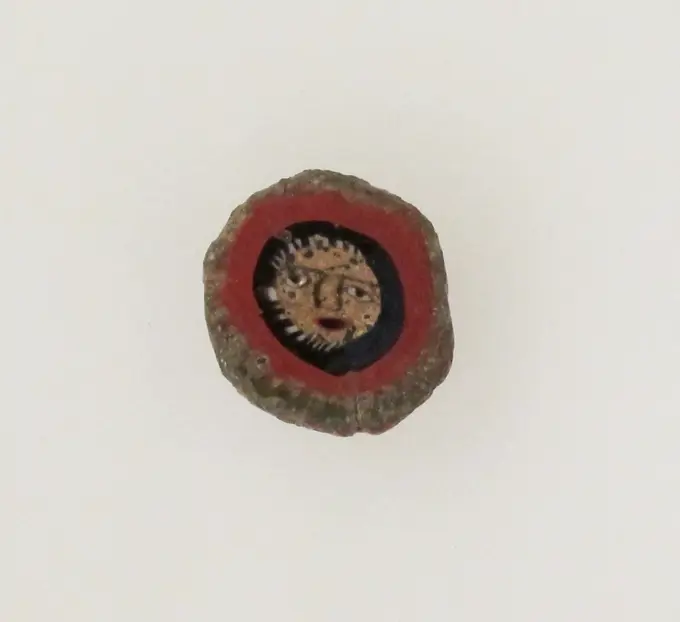
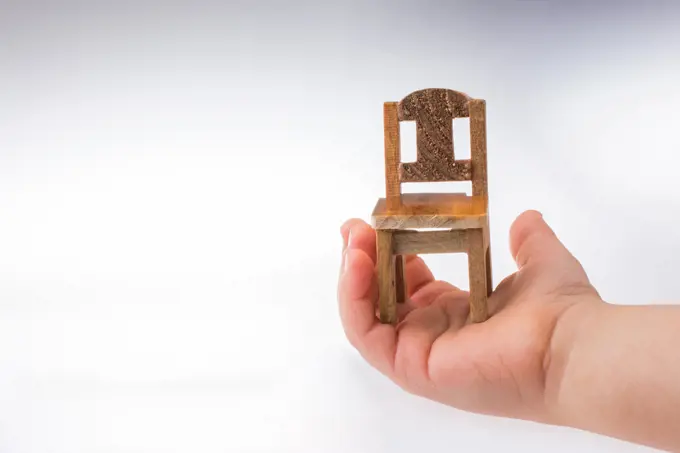
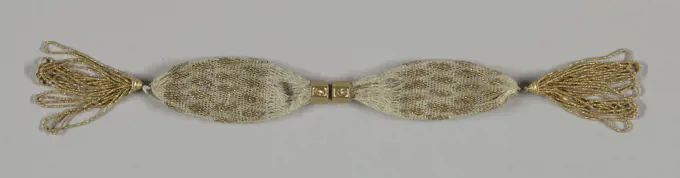
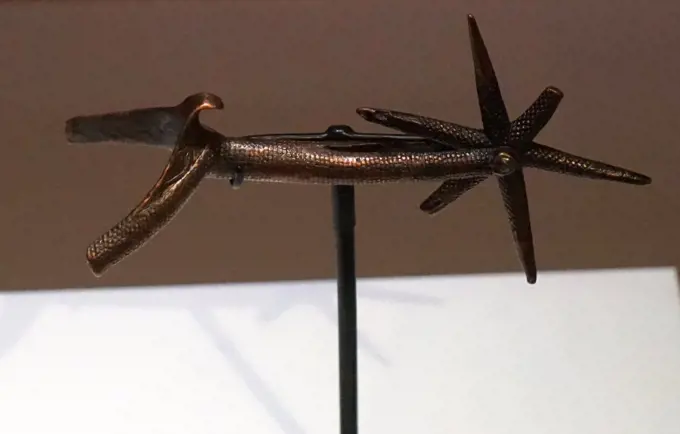
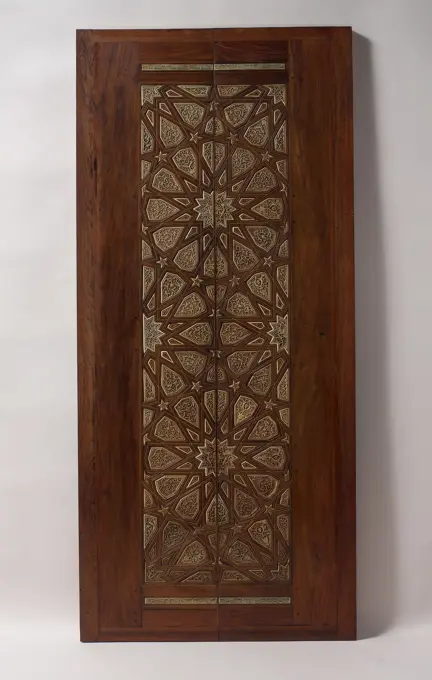
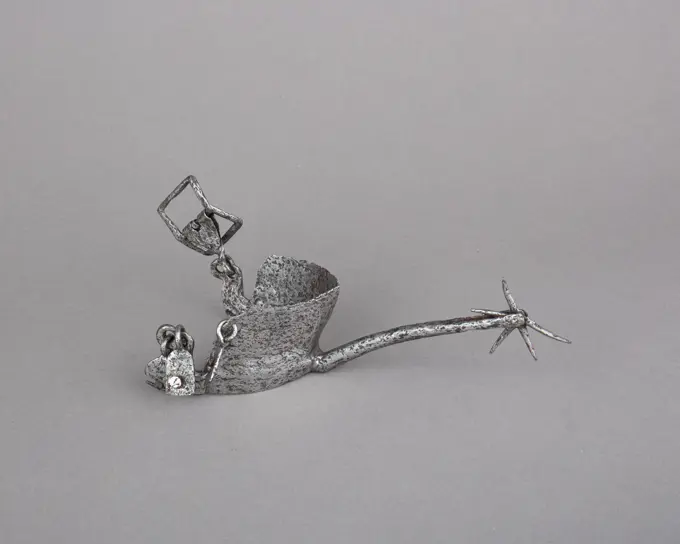
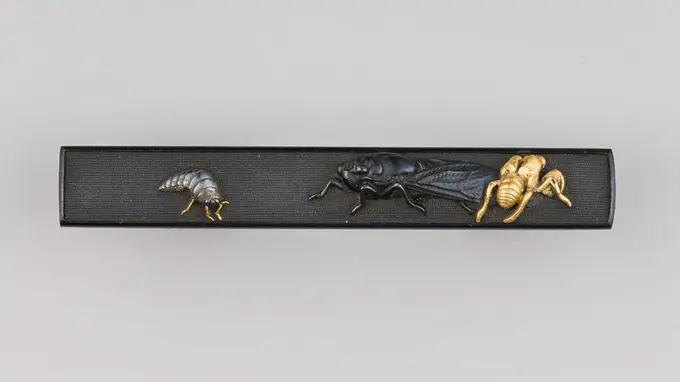
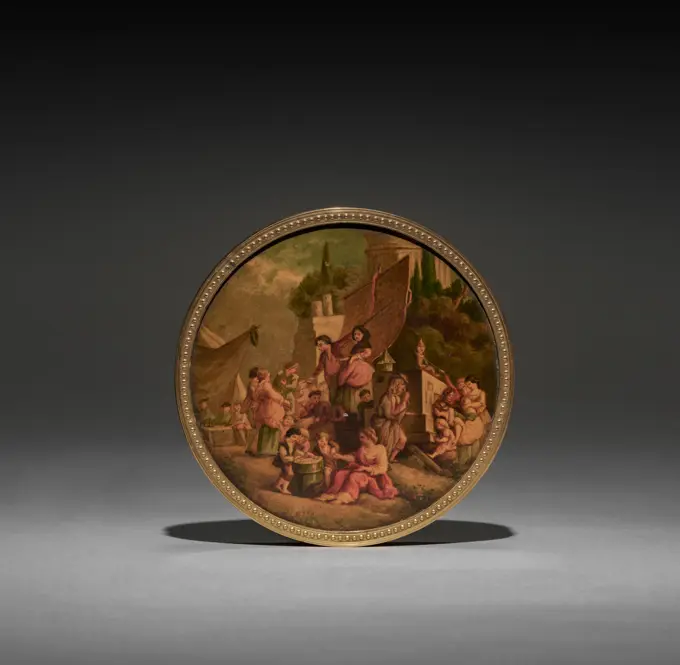
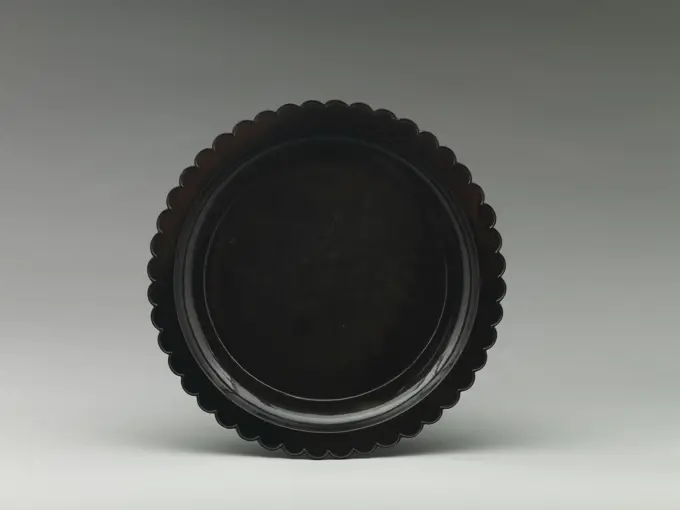
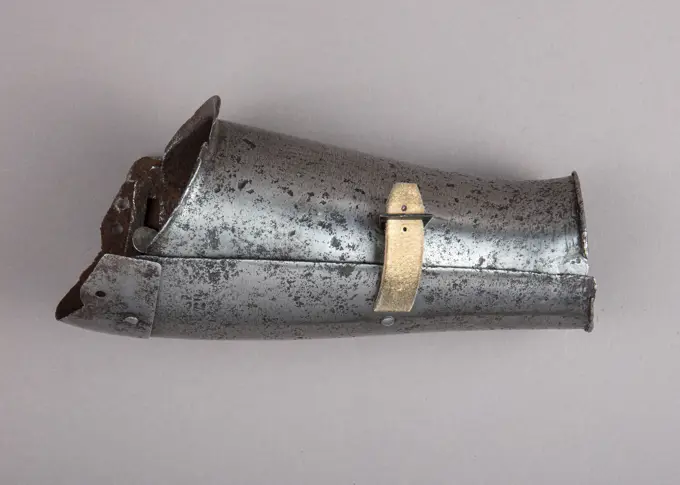
Lower Right Forearm (Vambrace) and Elbow (Couter) Defense ca. 1400 Italian This is part of a large find of medieval armor discovered in 1840 in the ruins of the fortress of Chalcis, on the Greek island of Euboea (then a Venetian colony called Negroponte). The fortress had been captured and destroyed by the Turks in 1470. Now divided largely between the Ethnological Museum, Athens, and The Metropolitan Museum of Art, the Chalcis hoard contains many rare and unusual elements of fourteenth- and fifteenth-century armor. Of particular importance are the variety of headpieces and the many fragments of brigandines (armor for the torso constructed of small plates riveted to layers of fabric), some of which retain portions of their original velvet covering. The Chalcis armor provides a unique picture of the armament used in the Aegean, one of the easternmost military outposts of the Venetian empire.. Lower Right Forearm (Vambrace) and Elbow (Couter) Defense. Italian. ca. 1400. Steel. Armor PartTeapot (cover), c. 1810. Elijah Mayer (British, c. 1770-1805). Black basalt; overall: 13.7 x 26.6 x 14.3 cm (5 3/8 x 10 1/2 x 5 5/8 in.).A fragment of the box sarcophagus - a fragment of the peak wall from the feet;  around 2055-1650 BC ; Average state (-2060-00-00--1650-00-00);Glass mosaic bowl fragment late 1st century B.C.-early 1st century A.D. Roman Body fragment.Translucent honey brown, cobalt blue, and opaque white.Part of broad, convex side.Mosaic pattern formed from sections of a single cane in brown ground with white and blue threads in wavy lines.Many bubbles; polished exterior with only slight pitting; dulling, pitting, creamy weathering, and iridescence on interior and edges.. Glass mosaic bowl fragment. Roman. late 1st century B.C.-early 1st century A.D.. Glass; cast. Early Imperial. GlassHand grenade from the wreck of the East Indians Princesse Maria, Anonymous, 1682 - 1686 hand grenade Cast iron hand grenade, round hollow ball that was filled with powder and a round opening in which a (wooden) tube had been stuck with lightly flammable material. The grenade was bound to keep the stop in place. Middelburg iron (metal). wood (plant material). rope   Scilly IslandsMale Figure, late 1800s-early 1900s. Central Africa, Republic of the Congo or Democratic Republic of the Congo, Teke people. Wood, cloth, organic material, and copper alloy; overall: 23.5 x 7.5 x 8 cm (9 1/4 x 2 15/16 x 3 1/8 in.); without base: 23.3 cm (9 3/16 in.).Bogini taoistyczna. unknown, craftsmanEdamame (Soy Beans) late 18th-early 19th century Okatomo Japanese Edamame literally means stem beans, because the soya beans were boiled while still attached to the stem. The artist has captured the fluid form of edamame through simple yet graceful light staining, which increases the shadowy effect of the cluster.. Edamame (Soy Beans). Okatomo (Japanese, active late 18th-early 19th century). Japan. late 18th-early 19th century. Ivory. Edo period (1615-1868). NetsukeBrush holder with Gathering at the Orchid Pavilion 18th-19th century China Makers of decorative arts often embellished the surfaces of vessels with famous stories. This brush pot depicts statesman and calligrapher Wang Xizhi and his friends assembling at Kuaiji in A.D. 353 to celebrate the spring purification festival by drinking wine and writing poems, an event renowned as the Gathering at the Orchid Pavilion. More than just an appealing landscape with figures, the decoration signaled that the owner of the brush holder understood and appreciated history.. Brush holder with Gathering at the Orchid Pavilion. China. 18th-19th century. Jade (nephrite). Qing dynasty (1644-1911). JadeWooden bottom of small tub or basket, oval in shape, component ground find timber, sawn planed stabbed Oval wooden bottom of basket or tub Along the edges remnants of iron nails Curled by dehydration archeology Rotterdam City triangle Groenendaal underground pit package store market cellar archaeological find in the soil Rotterdam underground pit Groenendaal from the 15th to the 16th century layer 1975-09-26.Base of a Footed Buff Ware Vessel late 8th-9th century This fragment decorated with a bird surrounded by ibexes and other scattered motifs has three small feet, indicating that it served as the base of a vessel. Its glaze eroded greatly while it was buried, leaving only the black outlines of the figures and a touch of the yellow body color.. Base of a Footed Buff Ware Vessel. late 8th-9th century. Earthenware; polychrome decoration under transparent glaze (buff ware). Attributed to Iran, Nishapur. Excavated in Iran, Nishapur. CeramicsBasket-epergne. Friedman, Eduard (fl. 1881-1920), goldsmiths companyModels of shot bundles (grapeshot), anonymous, c. 1750 - c. 1800 scale model A bullet bundle or grape. Linen bag with bullets or scrap on a wooden disc. Netherlands wood (plant material). linen (material). iron (metal)Mirror, 794-1185. Japan, Heian period (794-1185). Bronze; diameter: 17.8 cm (7 in.).Gem in the Form of a Scarab Beetle; Etruria; 400 - 375 B.C; Onyx; 0.7 × 1.2 × 0.9 cm (1,4 × 1,2 × 3,8 in.)Milk with a wooden ear; Malcz, Karol (1797-1867); 1930s (0-00-00-0-00-00);Candlestick: knight with a Dragon, anonymous, anonymous (rejected attribution), c. 1175 - c. 1225 A naked man's figure with shield and lance kneels on the highly skinned back of the winged dragon, the latter he pushes in the flood of the dragon. A zigzags -wise built up in curls ending rank ornament with palm -like fillings on the branches runs from the man's back to the end of the dragon. It also continues on the back of the dragon. At the top, this decoration transfers to the slippery, and the Vet Vanger and the candle pin articulated from below and on the top of four excellent ribs. The dragon stands on two stocky legs with claws, from which one has a kind of track -shaped appendix. The neck has a curly decoration at the bottom. The tail ends in a palmet. The upper part of the back is granulated. It is enclosed by a band with engraved rosettes and deposited by a row of engraved feathers. The two rows of springs of the wings ending at the tail connect to this. The neck, legs and tailOne hinge;  XVII century (1601-00-00-1700-00-00);Fragmentary dish of pottery with lead glaze .. Fragmentary dish of pottery with lead glazing. The dish has an ingrangled floral decoration in blue. The dish is just like BK-1979-23-B and BK-1979-23-C soil finds from Noord-Holland.Weight (noshi-osae) in the Form of a Plum Branch. Japan, first half 19th century. Ceramics. Hirado Mikawachi ware; porcelain with transparent glazeDoor KnobArcher's Ring. Culture: Indian. Dimensions: L. 1 7/16 in. (3.7 cm); W. 1 1/16 in. (2.7 cm); Wt. 0.3 oz. (8.5 g). Date: 17th-18th century. Museum: Metropolitan Museum of Art, New York, USA.Bonbonnière. Culture: British, Chelsea. Dimensions: Overall: 1 7/8 × 2 1/4 in. (4.8 × 5.7 cm). Factory: Chelsea Porcelain Manufactory (British, 1745-1784, Transitional (Brown Anchor) Period, ca. 1758-1759). Date: ca. 1756. Museum: Metropolitan Museum of Art, New York, USA.Ear Ornaments with Ibis 1200-1450 Ica Valley. Gold with garnet inlay . IncaPriesthood. Prioslick with top piece in the form of Linga.Mary Berner, Vessel, 1935 1942 VesselSilversmith's art, 16th century. Engraved silver crosier of Leo X with bust of Saint Lawrence, 1500-1525.Bull's head mask ca. 600-480 B.C. Cypriot The mask is mold-made. It has short horns, impressed circles for nostrils, small oblique eyes with a groove around them, and a deep groove for the open mouth.. Bull's head mask 241346Salt first half 16th century possibly British. Salt. possibly British. first half 16th century. Silver gilt. Metalwork-SilverPotty of earthenware, c. 1400 - c. 1950 Round, light gray pot of earthenware, without a base, with narrow neck and angular belly.  earthenware Round, light gray pot of earthenware, without a base, with narrow neck and angular belly.  earthenwareClose-up of a crystal vase, Nancy, FranceNetsuke of Okame Holding a Mask. Culture: Japan. Dimensions: H. 1 in. (2.5 cm); W. 1 1/16 in. (2.7 cm). Date: 19th century. Museum: Metropolitan Museum of Art, New York, USA.Maker: Joseph Richardson, Sr., American, 1711-1784, ShoeBuckle, ca.1740-50, Gold, iron, 1 5/8 × 1 7/8 in. (4.13 × 4.76cm), Made in Philadelphia, Pennsylvania, American, 18thcentury, JewelryEpaulet of silver wire, with one gold stripe and with torsades (thin fringes), part of a militia uniform, becker (tailor), c. 1809 - c. 1829 Epaulet of silver thread, with one golden stripe and with torsades (thin fringes), part of a militia uniform. Amsterdam silver thread. Epaulet of silver thread, with one golden stripe and with torsades (thin fringes), part of a militia uniform. Amsterdam silver thread.. Throughout the ages, salt was treated with respect: it was expensive and was ascribed curative properties. Salt-cellars were thus often ornate works of art fashioned from costly materials. These salts have a basic triangular shape. Each corner consists of a satyr or faun, a mythological creature with a human body and the legs, ears and horns of a goat.Hand drum (kundu), 20th century, 8 1/2 x 26 3/4 x 6 1/2 in. (21.59 x 67.95 x 16.51 cm), Wood, rope, pigment a, Papua New Guinea, 20th century, Hand drums accompany clan songs performed at important community events. The drum sound represents spirit and ancestor voices. The Iatmul believe they are descended from a giant crocodile; this important animal appears many times on this instrument. The open-ended design carved around both halves of the drum represents the gaping jaws of two crocodiles, symbolic of sky and earth. These opposing realms are linked by the drum's handle, another crocodile.Censer decorated with graces. The parts are driven out of sheet metal, with the exception of the switch chains and molded button. The round with thirteen graces decorated cockpit is riveted on a raised octagonal foot. Kuip and lid are equipped with three pairs of eyes. The lid has the shape of a round tower line, the lantern, which is decorated, which is ornamented with cut-out scooped, on the convex openwork with nine lobes. The convex center of the ring carrier has been restored in many places. The chains have been updated.Carnavalet Museum, Medals CollectionAnimal figurine;  III-II century BC () (-300-00-00--201-00-00);Collection of terracotta Harappa ceramics from the Indus Valley Civilisation at Mohenjo-Daro, Pakistan. The Indus Valley Civilisation was a Bronze Age culture, (33001300 BCE; mature period 26001900 BCE) mainly in the north-western regions of South Asia, extending from what today is northeast Afghanistan to Pakistan and northwest IndiaEagle Pendant 11th-16th century Veraguas Avian pendants cast in gold, called águilas (eagles) by the invading Spanish, were symbols of mythological power in the region now known as Veraguas, Panama. Leaders in the Caribbean region widely exchanged such pendants and wore them to emulate the natural prowess of birds of prey. The supernatural birds have fanciful, hybrid features such as neck ornaments, elaborate crests, and other protuberancesthat complicate the identification of a recognizable species. The sound effects made by the pendants were important: some birds have bells for eyes, while others have bell chambers for bodies. In ceremonies the audience could have heard a ruler before they saw him or her.. Eagle Pendant. Veraguas. 11th-16th century. Gold (cast). Panama. Metalwork-AluminumBlack-Figure Lip Cup; Attributed to the Workshop of the Phrynos Painter (Greek (Attic), active 560 - 540 B.C.); Athens, Greece; about 550 B.C; Terracotta; 15 × 29 × 20.9 cm (5 7,8 × 11 7,16 × 8 1,4 in.)Cup plate. American; New England. Date: 1823-1833. Dimensions: Diam. 9.5 cm (3 3/4 in.). Pressed glass. Origin: New England. Museum: The Chicago Art Institute, Chicago, USA.Fireplace of baked earth, divided into two ovals with wide edges with a vase with flowers in it. Fireplace of baked earth, divided into two ovals with wide edges with a vase with flowers in it.Glass aryballus (oil bottle) with bronze suspension chain 1st-2nd century A.D. Roman Translucent blue green; handles in same color.Collar rim folded out, down, round, and up, with outward flange at top; cylindrical neck with tooling marks around base; globular body; rounded bottom; two opposed ring handles applied to top of body, with tooled groove at outer edge of pad.Intact, except for tiny weathered chip on rim; few bubbles; slight soil encrustation, dulling, and some iridescent weathering on exterior, soil deposits and brownish weathering on interior.Attached to each handle, a circular bronze ring made by bending length of wire into circle, held in place by twisting the overlapping ends; attached to rings two long bronze chains, square in profile, both attached at other ends to another ring of tear-drop, also attached to this ring is another short length of bronze chain and then another circular bronze ring.Since the ancients did not have soap, they used olive oil to help cleanse tTerracotta fragments of a kylix (drinking cup) second quarter of the 5th century B.C. Attributed to the Comacchio Painter Interior, youth with stick and woman carrying a box; Obverse, male with staff, youth with himation draped over head, woman with casket, youth leaning on staff, handle palmette, in field, fillets and jumping weight, Reverse, drapery of figure with staff. Terracotta fragments of a kylix (drinking cup) 667664Gold diadem. Culture: Cypriot. Dimensions: Other: 6 3/16 in. (15.7 cm). Date: 4th century B.C..The diadem was made for funerary use. Museum: Metropolitan Museum of Art, New York, USA.Fragment of a statue of an infant offered to Endovelicus. 1st-2nd centuries AD. From Sao Miguel da Mota. Terena. Alandroal, Evora, Portugal. National Archaeology Museum. Lisbon, Portugal.Door handle, anonymous, c. 1700 - c. 1800 Pokhout door handle. Netherlands hackia Pokhout door handle. Netherlands hackiaSleeve, Medium: silk, lined with linen Technique: satin weave with discontinuous supplementary weft patterning (brocade), 18th century, costume & accessories, SleeveEar of a jug of the wreck of the East Indies Hollandia, Anonymous, 1700 - in or Before 1743  Stoneware, Rhenish, Frechen-ware, jug; fragm, handle, sim. NG 1978-9H172. Cologne stoneware   SecondCandle holder (). High foot, made up of five akanthus leaves. Hollow strain with two rings and a disc. Smooth wires laid vertically along the trunk five in loops. A pinched wire along the top edge.Amulet of a Djed Pillar. Egyptian. Date: 1070 BC-656 BC. Dimensions: 1.9 × 0.6 × 0.5 cm (3/4 × 1/4 × 3/16 in.). Faience. Origin: Egypt. Museum: The Chicago Art Institute, Chicago, USA. Author: Ancient Egyptian.Vase with three pink branches with leafwork. Porcelain vase, painted on the body with three pink branches passing on the mouth in ears, to which green, pink-generated leaves that together form the mouth opening. Marked with KL in green; Inserted and engraved the model no 6643 and the letters.; In the edge the letter I including a number 5.Offering Table. Egypt, 2687 - 1081 BCE (surface has a modern inscription). Furnishings; Furniture. CalciteColumn ca. 1400 North Italian. Column 468560China, Shanghai, Shanghai Museum. Ancient china and porcelain collection. Peony and pearl design pillow, Dengfeng ware, circa Song Dynasty AD 960-1127.Lazio Roma Grottaferrata Museo21. Hutzel, Max 1960-1990 German-born photographer and scholar Max Hutzel (1911-1988) photographed in Italy from the early 1960s until his death. The result of this project, referred to by Hutzel as Foto Arte Minore, is thorough documentation of art historical development in Italy up to the 18th century, including objects of the Etruscans and the Romans, as well as early Medieval, Romanesque, Gothic, Renaissance and Baroque monuments. Images are organized by geographic region in Italy, then by province, city, site complex and monument.Head with high hairstyle and earrings. Terracotta head with high, crooked hairstyle. A simple effect with large, disc-shaped earrings and a very dominant, but hardly any hairparty. On base.VASIJA PUNICA PROCEDENTE DE GIRIDALLE. Location: MUSEO ARQUEOLOGICO-COLECCION. JAEN. SPAIN.Carved Box, 1680-1700. America, late 17th century. Oak; overall: 23.6 x 67.1 x 43.2 cm (9 5/16 x 26 7/16 x 17 in.).Nose Ornament, c. 500-200 BC. Peru, North Highlands, Chavín de Huantar(), Chavín style (1000-200 BC). Hammered and cut gold; overall: 2.3 x 5.2 cm (7/8 x 2 1/16 in.). There seems to be a link between Chavín religion and appearance of the Andes’ first large precious-metal objects, made using revolutionary new metallurgical processes. Chavín may have developed these technical innovations to express the inexpressible, the "wholly other" nature of its religion. In many areas, elite men and women wore the ornaments as emblems of their ties to this religion, and eventually were buried with them. These 16 objects, along with three others not in the museum’s collection, are said to have come as a group from Chavín itself.Tile; tin-enamelled earthenwareNetsuke of Daruma Admonishing a Mermaid Serving Sake to an Octopus 19th century Japan. Netsuke of Daruma Admonishing a Mermaid Serving Sake to an Octopus 59897Bonnet ca. 1880 Balch, Price & Company American. Bonnet 168763Custard Cup And Cover; tin-glazed earthenware; a) H x W x D: 5.2 × 7 × 9.1 cm (2 1/16 × 2 3/4 × 3 9/16 in.) b) H x W: 4.4 × 6 cm (1 3/4 × 2 3/8 in.)Cover of tin flapkan or jug, anonymous, c. 1590 - c. 1596 lid Cover of tin flapkan or jug. The piece that should be attached to ear has been broken down with a piece of stone jug in it.  tin (metal) casting / striking (metalworking)  Nova Zembla. Saving HuysBlue Salt Boat. Dated: c. 1936. Medium: watercolor and graphite on paper. Museum: National Gallery of Art, Washington DC. Author: Margaret Stottlemeyer.M OTEK of the second caretaker of the unknown lock;  19th-20th centuries (1900-00-00-1900-00-00);Barani Łeb (ornament), Salomon star (Masonic emblem), Freemasonry Lodge, Freemasonry, Division (Masonic symbol), FreemasonryGlass mosaic face bead 1st century A.D. Roman, Egyptian Translucent grayish green and opaque red ground, with details in opaque white and red, and translucent deep purple, appearing black.Section of an almost hexagonal mosaic composite bar; flat with rough edges; hole horizontally through bead.Circular female face with variations on either side; hair rendered as alternating vertical black and white stripes on forehead and down one side of head; almond-shaped eyes, eyebrows, nose, and open mouth with red lips; circular frame in purple.Intact but some cracks in surface; slight dulling and pitting, and weathering around edge.. Glass mosaic face bead. Roman, Egyptian. 1st century A.D.. Glass. Early Imperial. GlassChild holding a brown color wooden  toy chair on white backgroundMiser's purse, Medium: silk, metal Technique: netting, Netted white silk ornamented evenly with gold beads in small cone pattern. Two hexagonal gold rings engraved with floral and scroll motifs, control a side opening. Long tassels of gold beads at each end., France, 1820-40, costume & accessories, Miser's purseRowel Spur found in the drained moat of the Tower of London. A spur is a metal tool designed to be worn in pairs on the heels of riding boots for the purpose of directing a horse. Dated 19th CenturyPair of Minbar Doors ca. 1325-30 A minbar, or pulpit, consists of a podium reached by stairs with doors such as these at its base. It is used in mosques by imams, prayer leaders, to deliver the sermon at the main service of the week, at noon on Friday. These doors, with the intricate geometric inlay typical of the Mamluk period, are thought to come from the fourteenthcentury mosque of Saif alDin Qawsun in Cairo. They were one of the earliest bequests to the Museum, donated by Edward C. Moore, a designer at Tiffany and Co. who was inspired by Islamic art. Listen to experts illuminate this artwork's story Listen Play or pause #6675. Pair of Minbar Doors, Part 1 Play or pause #6676. Pair of Minbar Doors, Part 2 Supported by Bloomberg Philanthropies We're sorry, the transcript for this audio track is not available at this time. We are working to make it available as soon as possible.. Pair of Minbar Doors. ca. 1325-30. Wood (rosewood and mulberry); carved, inlaid with carved ivory, ebonyAgtersteven of the ship Holland., 1800 - 1850 fragment Piece of wood, eaten by pole worms (). Round holes, partly covered with white material (lime). With paint stamp on which weapon (from the Prince of Orange (Willem II as crown prince)) Attached to this to this, yellowed, with text in brown pen. Perhaps from the period of the Belgian uprising (Vgl other transferred objects). Inscription: 'Agtersteven of the ship Holland'. Marked; paint stamp: weapon under Kroon. Netherlands wood (plant material). paper. lacquer (coating)Rowel Spur (Right) 15th century Bohemian In the 15th century, rowel spurs with very long necks were of common use in western Europe. At this period, the elevated war saddles and the very specific riding style, with long stirrup leathers and legs extended forward, had the consequence of taking away the riders feet from the horses flank. Thus, these long necks gave them easier access without having to disturb the riders position. Wide heel bands like this, completely surrounding the back of the foot, are a typical Bohemian characteristic found on many spurs made in this area during the 15th century. They could have given extra protection to the heel at a time when some types of greaves, armor parts protecting the lower half of the leg, stopped at the ankle level. More luxurious examples were usually adorned with engraving and intricate pierced decoration.. Rowel Spur (Right). Bohemian. 15th century. Iron. Equestrian Equipment-Spurssmall idol, Retortillo, pre-Roman, Museum of prehistory and archeology (MUPAC), Santander, Cantabria, Spain.Carnavalet museum, tokens collectionTsuba in the Kaga School style. unknown, craftsmanKnife Handle (Kozuka). Culture: Japanese. Dimensions: L. 3 13/16 in. (9.7 cm); W. 9/16 in. (1.4 cm); thickness 5/16 in. (0.8 cm); Wt. 1.2 oz. (34 g). Maker: Hideoki (Japanese). Date: 19th century. Museum: Metropolitan Museum of Art, New York, USA.Ornament farm cart, carved Dutch lion in garden, with freedom hat, ornament wood carving sculpture sculptures oak wood, Ornament with carved Dutch lion in garden with freedom hat as part of farm wagon driving status adorn Dutch lion Dutch garden freedom hatGolden Artifact In The Gold Museum In La Candelaria, The Old Town Of Bogota, ColombiaCover for a Snuff Box, 1780-1800. After François Boucher (French, 1703-1770). Gold or gilt metal mounts; top with Vernis Martin style enameled decoration; sides and bottom enamel over gilt engine turned design; interior lined in tortoiseshell;Stirrup. Culture: West Slavic. Dimensions: H. 5 7/8 in. (14.9 cm); W. 4 1/2 in. (11.4 cm); D. 1 1/8 in. (2.9 cm); Wt. 2.4 oz. (68 g). Date: 10th-11th century.Horses had great importance in Slavic society, in both its social and religious aspects. Equestrian equipment, like stirrups, spurs and bits, are regularly found in their burials, even after their Christianization, among the goods warriors wanted to bring with them to the afterlife. The elite would sometimes even be accompanied by sacrificed horses, a meaningful practice at that time, considering the high economic value of horses. Museum: Metropolitan Museum of Art, New York, USA.Dish with chrysanthemum-petal rim 11th-13th century China The shape of this thin-cored lacquer dish has parallels with ceramics manufactured in northern China during the Song period, such as Ding ware from Hebei. The gilt decoration on its surface adds another level of subtle beauty. Much of the gilt decoration on this dish has worn off with age and use, but a floral spray design and geometric scroll can still be seen in the center and on the rim, respectively.. Dish with chrysanthemum-petal rim 40175Flowerpot. unknown, craftsmanBracelets, 1800s. India. Silver;Case (Inro) with Design of Mount Fuji (obverse); Dragon in Clouds and Waves (reverse). Artist: Gantai (1782-1865). Culture: Japan. Dimensions: H. 1 5/8 in. (4.1 cm); W. 2 3/4 in. (7 cm); D. 1 1/2 in. (3.8 cm). Date: 19th century. Museum: Metropolitan Museum of Art, New York, USA.Antique orange glass and metal carving bottle on wooden panel, Jodhpur, Rajasthan, India Copyright: xSafatxAli/DinodiaxPhotoxModel or a Two-Blade Parabolic Propeller. Model of a double-leaf parabolic screw in a frame on a base board. The pressure surface of the screw blades is curved in the form of a parabola. The screw probably does not belong in this frame, where a much larger screw can in. The model has a diameter of 85 mm, the hub has a diameter of 8 mm and is probably too long in relation to the true size to fit into the frame. Scale 1:20 (derived).The Hunters Palette Portions of a Ceremonial Palette 3250 B.C. Two fragments of a grey mudstone palette decorated with a hunting scene.Plate. Culture: American. Dimensions: Diam. 6 5/16 in. (16 cm). Maker: Possibly Boston & Sandwich Glass Company (American, 1825-1888, Sandwich, Massachusetts). Date: 1880-88. Museum: Metropolitan Museum of Art, New York, USA.Korea, Daegu, Dragon shaped jug, TerracottaEyewear history, fassamano scissors and metal glasses, XIX centuryPendant of an ibis wearing an atef crown 664-30 B.C. Late Period-Ptolemaic Period The ibis was sacred to the scribal god Thoth, a deity also closely associated with the moon.This striding bird wears an atef crown, often seen worn by the funerary god Osiris, topped by the sun disk of the solar deity Re.Along with the cat, falcon, and Apis bull, the ibis was one of the sacred animals most frequently represented in statuettes of copper alloy during the first millennium B.C. The popularity of the ibis cult is attested by the thousands of mummies of this bird found in animal catacombs throughout Egypt. Figures such as this one have been found alongside the mummies in the catacombs, as well as in caches related to temples and shrines. The loop on the back suggests that it was meant to be carried or suspended.. Pendant of an ibis wearing an atef crown. 664-30 B.C.. Cupreous metal. Late Period-Ptolemaic Period. From EgyptModel of A 24-Pounder Howwzer on a Ship's Carriage, Jochem Pietersz. Asmus, Jochem Pietersz. Asmus, 1800 demonstration model Model of a 24 pound of a hemician on a role horse. The Houwitser is 19.6 cm long and has a 33 mm caliber. The inscriptions are engraved on the barrel, along with crossed anchors and palm branches. The loop has two ears. The very short role horse consists of two parallel cheeks with two stairs, connected by a vertical calf, a crossbar and the axle bodies; The sole plate is on the axle bodies. The target block can be pushed back and forth on the sole plate and secured in different positions by means of pins in a border on the inside of the cheeks. The ash bodies are attached to the cheeks with brackets, which can be removed. The double wooden wheels are all of equal dimensions. Scale 1: 6 (scale on model). Amsterdam wood (plant material). brass (alloy)   RotterdamVase (usual name). Bronze. Cernuschi Museum, Asia Museum of Asia in the city of Paris.Block engraved seal; Crete, Greece; about 1850 B.C. - 1550 B.C; Tufa; 1.6 × 1.4 × 0.4 cm (5,8 × 9,16 × 3,16 in.)Panel 6th-7th century A medallion filled with a lion, a symbol of Christ, is flanked by cross-inscribed medallions. Holes on the underside suggest that the panel formed the crest of a piece of furniture or of a barrier.. Panel 453633