Antique Trinkets and Collectibles

An assortment of unique antique items including boxes, vases, and medallions. Displaying different materials like silver and glass, highlighting craftsmanship.
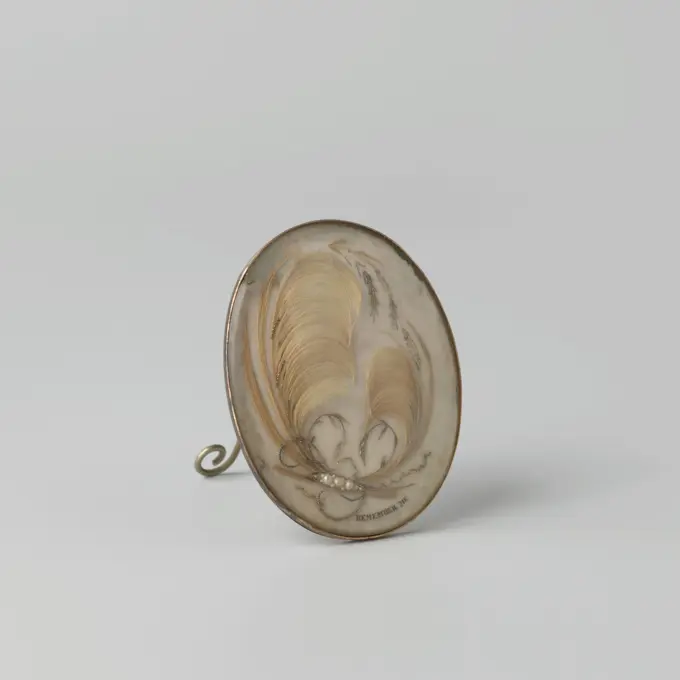
Oval medallion in which a branch made of gray hair, anonymous, 1800 - 1900 Oval medallion in which branches made of gray hair, in copper standard. With the caption: Remember Me. England (possibly) copper (metal). Oval medallion in which branches made of gray hair, in copper standard. With the caption: Remember Me. England (possibly) copper (metal).
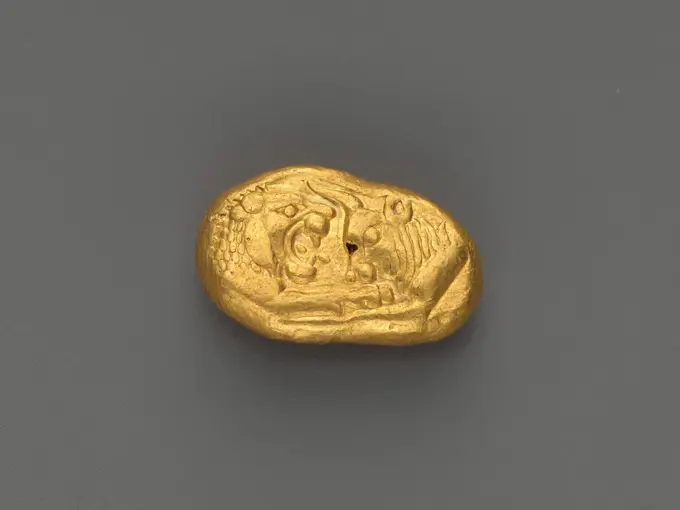
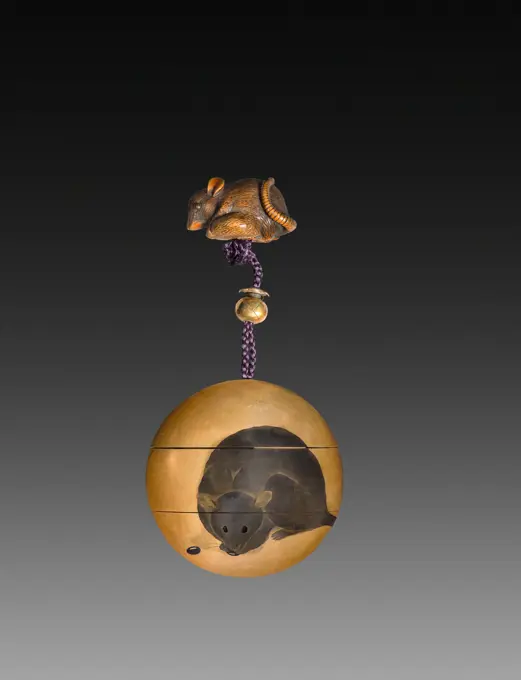
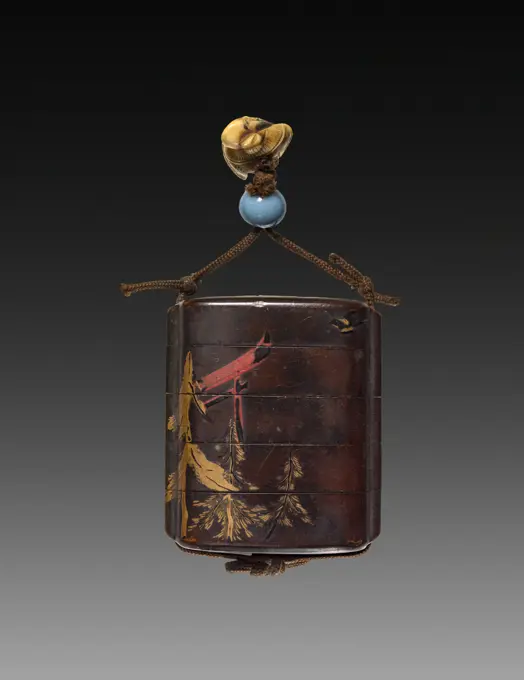
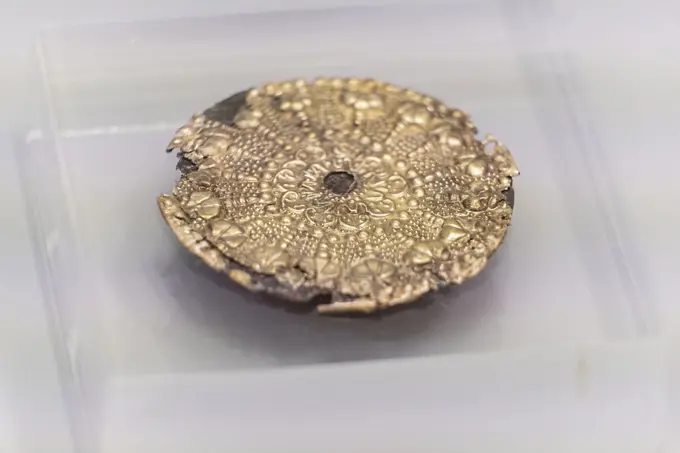
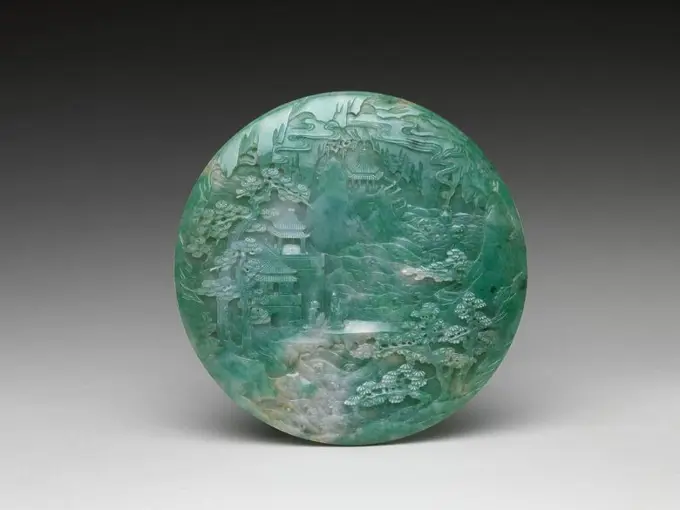
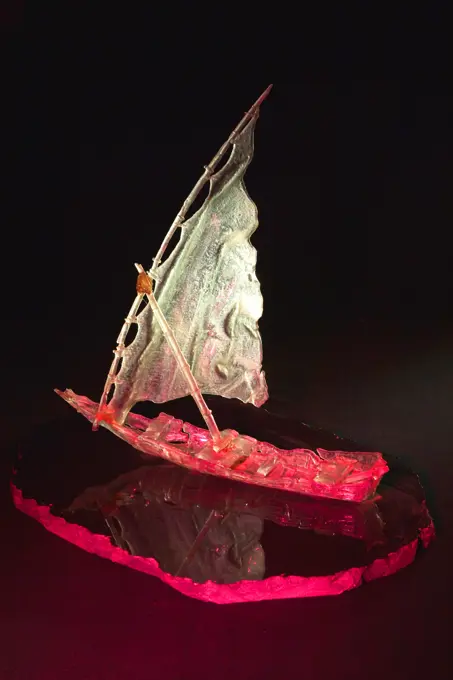
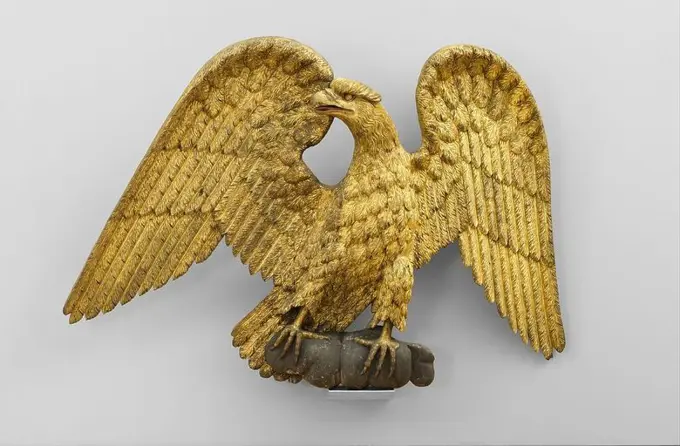
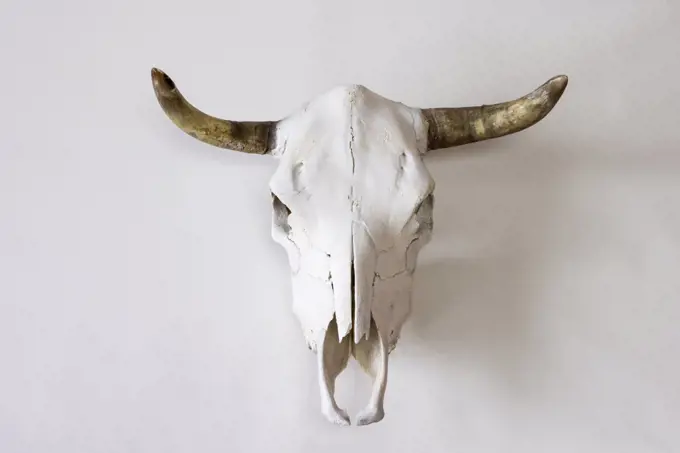
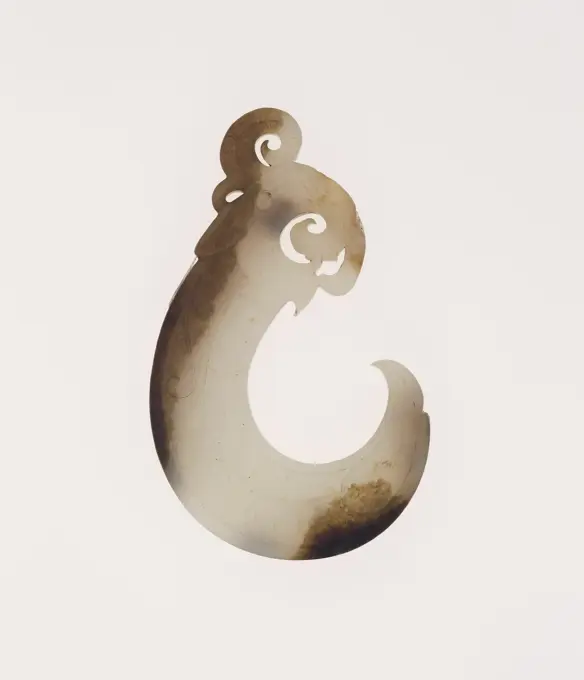
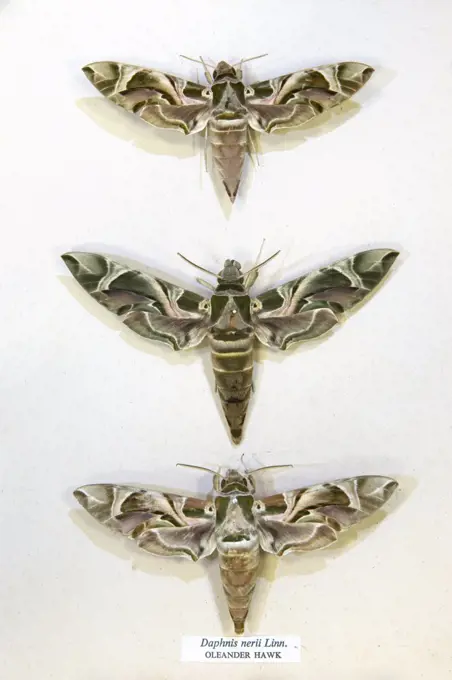
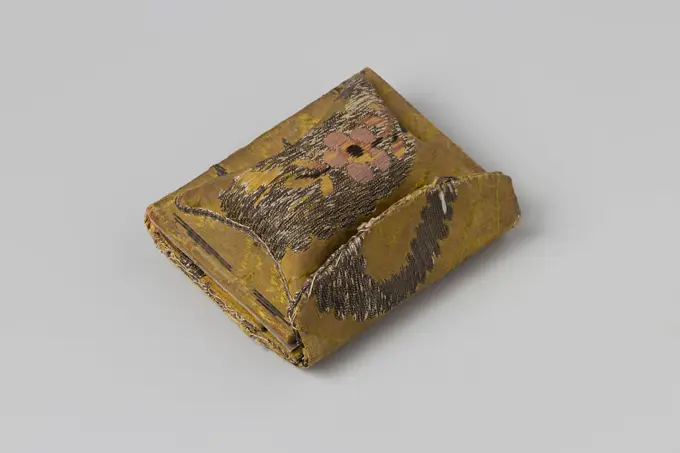
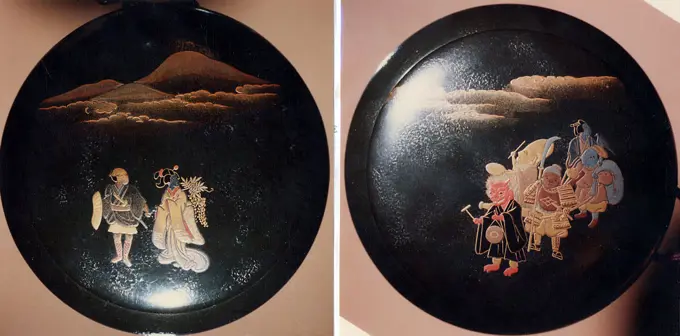
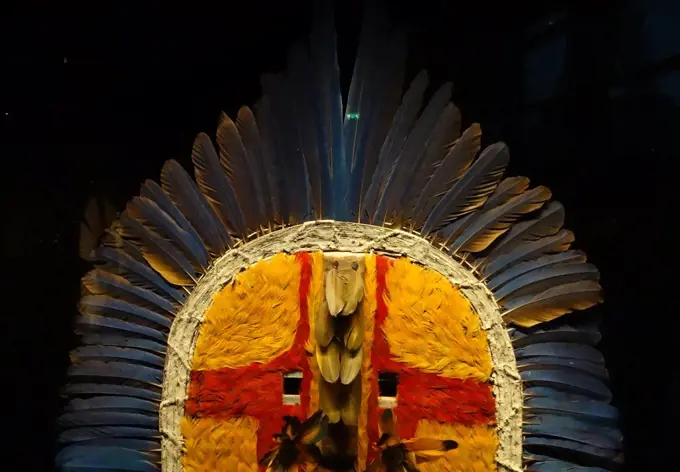
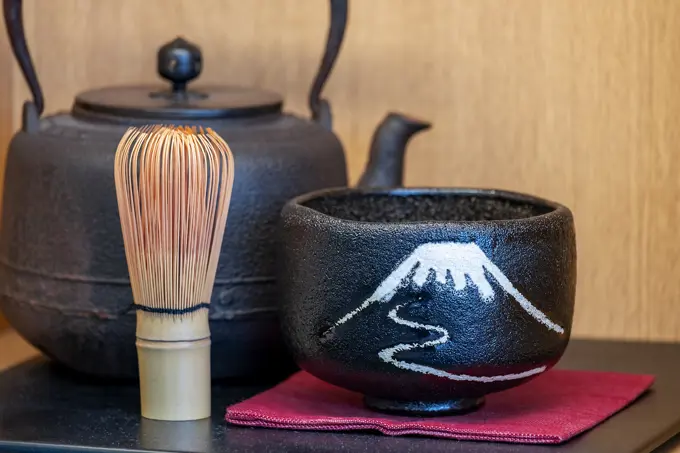
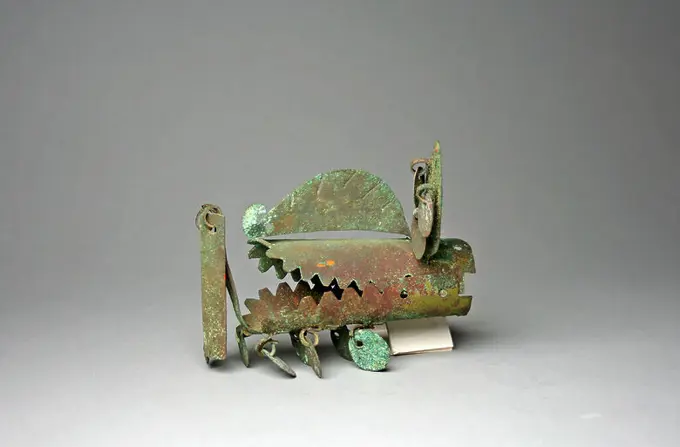
Animal Ornament. Culture: Moche (Loma Negra). Dimensions: H. 3 5/8 x W. 3 3/4 in. (9.2 x 9.5 cm). Date: 390-450. Museum: Metropolitan Museum of Art, New York, USA.. The object consists of a large number of parts. The tribe is occupied by six of spitting and supporting bars, which form a chapel with the twelve-angle pedestal on a six-sided console, ending in a lion's head with pull ring, and with the roof of twelve pinnacles. On the pedestal Maria with the child, standing on the crowbar and surrounded by a ray wreath. On the hood, a striker composed of six bars is applied, overtending in a rod, to which the oval hanging ring is screwed. Every time six arms are attached to the pedestal, the cover and the center of the bars. These are bent twice and have eleven or five leaves (the arms of resp. The wreaths below and middle and from the upper wreath). The fat catchers have a vertical knurled edge on the underside with crossbloem motifs. The candle holders are sixteen with a perforated side on front and back and have a vertically annular bottom.A padlock with two entries and a key. .Gold stater ca. 560-546 B.C. Lydian Foreparts of lion and bull confronted. Gold stater. Lydian. ca. 560-546 B.C.. Gold. Archaic. CoinsInro, late 1800s. Japan, Meiji period (1868-1912). Lacquer; diameter: 8.4 cm (3 5/16 in.).Golden Artifact (Lime Container And Stick) In The Gold Museum In La Candelaria, The Old Town Of Bogota, ColombiaEngraved Gem. UnknownInro with Shrine Gate and Figure Shooting Bird, mid-1800s to early 1900s. Japan, Edo period (1615-1868) to Meiji period (1868-1912). Lacquered wood, ivory, blue bead, gold leaf, pigment; box: 8.8 x 5.2 x 2 cm (3 7/16 x 2 1/16 x 13/16 in.); figure: 1.7 x 1.7 cm (11/16 x 11/16 in.).Madrid, M.A.N. Arte Prehistórico. Cabeza de toro de Costix. Periodo Protohistórico. Islas Baleares.Hence the bridge;  IV-III century BC (-400-00-00--201-00-00);Guttmann's depositdisco decorado, Carratiermes, Montejo de Tiermes, siglo IV - III a.C, museo Numantino de Soria, Soria, Comunidad Autónoma de Castilla, Spain, Europe.Carved Intaglio Gemstone with Figures of Pegasus and aDogLabret Cap 10th-16th century Tairona. Labret Cap. Tairona. 10th-16th century. Gold. Colombia. Metal-OrnamentsTable screen with landscape scene. Culture: China. Dimensions: H. 6 13/16 in. (17.3 cm); W. 9/16 in. (1.5 cm). Date: 18th-19th century. Museum: Metropolitan Museum of Art, New York, USA.Cap 1854 American. Cap 168813Ancient column pillar replica on a green gradation backgroundJambhala. unknown, craftsmanEmbroidered finger;  18th century (1701-00-00-1800-00-00);Hat of brown felt with upright edge and lightly sunken ball with brown grosgrain with bow, rose descat, c. 1938 - c. 1940 Hat of brown felt with raised edge and lightly sunken ball with brown grosgrain with bow. Model: loose sphere and edge. The ball consists of one piece of felt with a seam in the middle behind. The bulb is sunk. The edge stands up lightly and is completely founded. Unsurbed. Brown rip ribbon and brown hatelic. Decoration: Around the ball a 5 cm wide ribbon of brown grosgrain that is stricted on the right and frayed at the ends. Paris whole: Felt (textile). ribbon:. entrance:. confirmation: twill Hat of brown felt with raised edge and lightly sunken ball with brown grosgrain with bow. Model: loose sphere and edge. The ball consists of one piece of felt with a seam in the middle behind. The bulb is sunk. The edge stands up lightly and is completely founded. Unsurbed. Brown rip ribbon and brown hatelic. Decoration: Around the ball a 5 cm wide ribbon of brown grosgrain tSculpture of ship glass art on black background  India Copyright: xDxKanani/DinodiaxPhotoxA single Chanterelle mushroom on a blue backgroundRoof-end tile, 8th-10th century, Unknown Korean, 5 5/8 × 6 × 3 1/4 in. (14.29 × 15.24 × 8.26 cm), Stoneware, Korea, 8th-10th centuryHunting horn, 1849 The curved Hoorn has a tappeling body, a mouthpiece and a widening border. With foam and leaf work, continuous patterns are applied to the wall. Several predators are included in the recesses: on one side a dog attacks a deer, on the other fight lions, a fox and an eagle with each other. With Foedraal. Utrecht silver (metal) gilding The curved Hoorn has a tappeling body, a mouthpiece and a widening border. With foam and leaf work, continuous patterns are applied to the wall. Several predators are included in the recesses: on one side a dog attacks a deer, on the other fight lions, a fox and an eagle with each other. With Foedraal. Utrecht silver (metal) gildingmotorcycle helmets, Sa Bassa Blanca Museum (msbb). Yannick Vu and Ben Jakober , Alcudia, Majorca, Spain.Tassel 16th century French. Tassel 213557Shoes 18th century Italian. Shoes 98404Figure of an Eagle. Culture: American. Dimensions: 69 x 91 1/4 x 14 in., 185lb. (175.3 x 231.8 x 35.6 cm, 83.9kg). Date: 1800-1830.The American bald eagle was adopted by the United States Congress for the national seal in 1782. It soon became the most popular of patriotic decorative motifs. This carved-and-gilded eagle, with its wings proudly spread, is posed on a rocklike base. One of the largest of its type, it may have been the work of a carver of ship figureheads; however, it does not appear to have been used as a ship's ornament or placed on the outside of a building, as it shows no signs of weathering. Museum: Metropolitan Museum of Art, New York, USA.Roman clay vessels containing remains of colors for frescoes, from Pompei, Italy, 1st CenturyA steer skull photographed on a white studio background.Dragon Pendant 400 BCE-200 BCE China. Jade .Propagate with playing children. For a stump, to which floral guide builds hang, is a knap, which is patch; He holds the upwardly directed right hand against the leg a thumped child, which is on the stump above him, in addition to a second child, which embraces it. An iron pin sticks in the handle.Sword Guard (Tsuba) with Mice and Rice, c. 1615-1868. Japan, possibly Edo period (1615-1868). Bronze; average: 6.7 x 7 cm (2 5/8 x 2 3/4 in.).Spider Ornament 6th-7th century Moche (Loma Negra). Spider Ornament 315198Lalka z ruchomymi kończynami. warsztat koryncki, workshopMacro shot of a old coin 3 kopeck 1932. A coin is found in the earth. Metal Aluminum bronze. Russian coins. Russian money. Russian currency. Money concept. Macro shot of a old coin 3 kopeck 1932. A coin is found in the earth. Metal Aluminum bronze. Russian coins. Russian money. Russian currency. Money concept Copyright: xZoonar.com/OvchinnikovaxOlgax 10878445Oleander Hawkmoth / Army Green Moth (Daphnis nerii) museum specimens showing variations in size and colouration, Tyne and Wear Archives and MuseumsOsho Garden, Pune, maharashtra, india Copyright: xNxSharma/DinodiaxPhotoxSewing tub of silver brocade, also pincushion and notebook, equipped with a mirror. Sewing pane of silver thread and silk embroidered, also a pincushion, notebook and two velvet flaps (for pins). At the back a box to store a scissor. Under the mirror a paper with English text.Pair of Sword-Grip Ornaments (Menuki) 19th century Inscribed by Osozuka Hisanori Japanese These menuki feature a design of a quail.. Pair of Sword-Grip Ornaments (Menuki). Japanese. 19th century. Gold, copper-gold alloy (shakud). Sword Furniture-MenukiCase (Inrō) with Design of Procession of Children, the Leader in the Guise of Ōni (Demon) (obverse); Lady and Servant (reverse) 19th century Japan. Case (Inrō) with Design of Procession of Children, the Leader in the Guise of Ōni (Demon) (obverse); Lady and Servant (reverse) 58869Medals by Shimmel and Madden. London Design Biennale 2018, London, United Kingdom. Architect: Various , 2019.Ottoman fashion turban for sufi dervish manWooden Cara mask from Mexico, the masks represent their enemies, Tapirape Karajás and Kayapo, killed in combat. Dated 20th CenturyTraditional matcha tea set for sale, Hiroshima, Japan