Antique Vessels and Artifacts

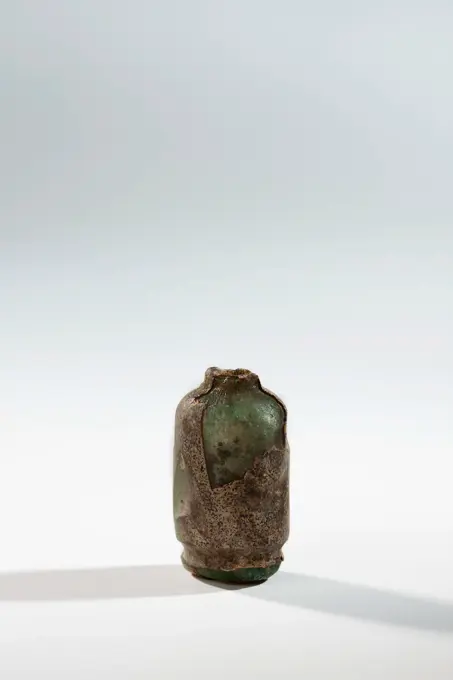
A collection of small bottles and decorative items, featuring various materials like glass and metal, showcasing intricate designs and historical significance.
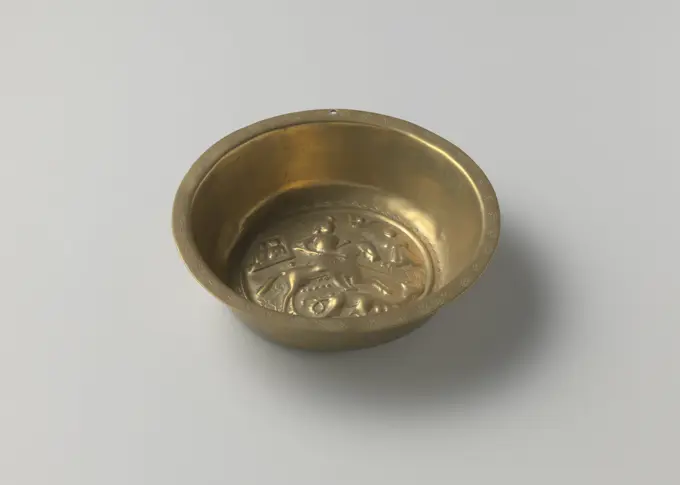
Pelvis with Saint Joris, Anonymous, 1500 - 1600 In the flat of the pelvis, with the help of a stamp shape, a representation of the Holy Joris has been punched in a fight with the dragon with the dragon with the princess, the royal couple and angel in the background. This is surrounded by a punched edge of stylized leaf ornament. An edge of rosettes is punched on the board. The hanging ring at the rear and the hole in the edge were installed later. Neurenberg (possibly) brass (alloy) casting In the flat of the pelvis, with the help of a stamp shape, a representation of the Holy Joris has been punched in a fight with the dragon with the dragon with the princess, the royal couple and angel in the background. This is surrounded by a punched edge of stylized leaf ornament. An edge of rosettes is punched on the board. The hanging ring at the rear and the hole in the edge were installed later. Neurenberg (possibly) brass (alloy) casting
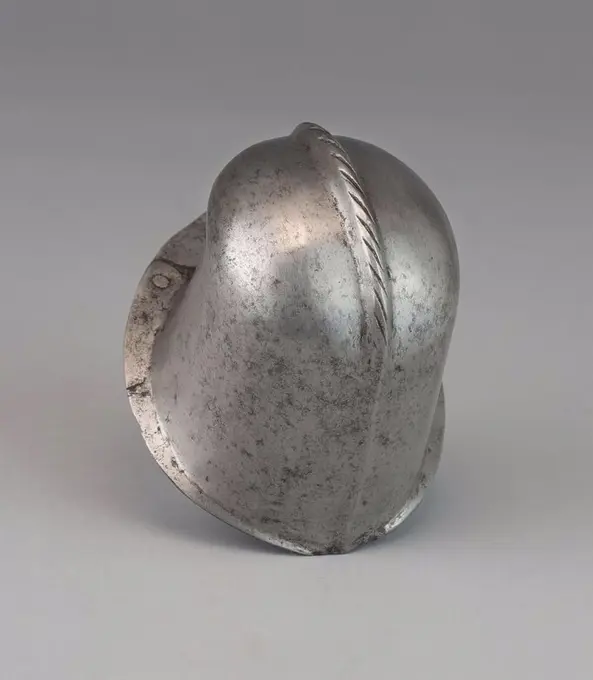
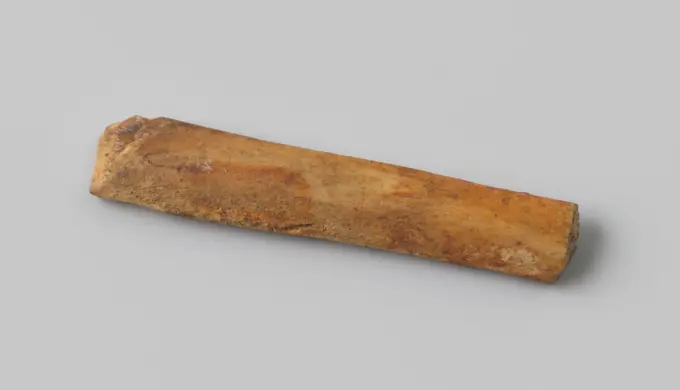
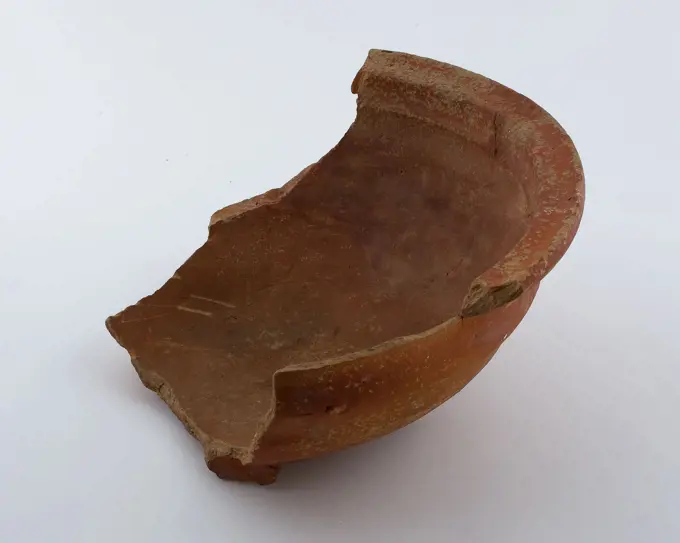
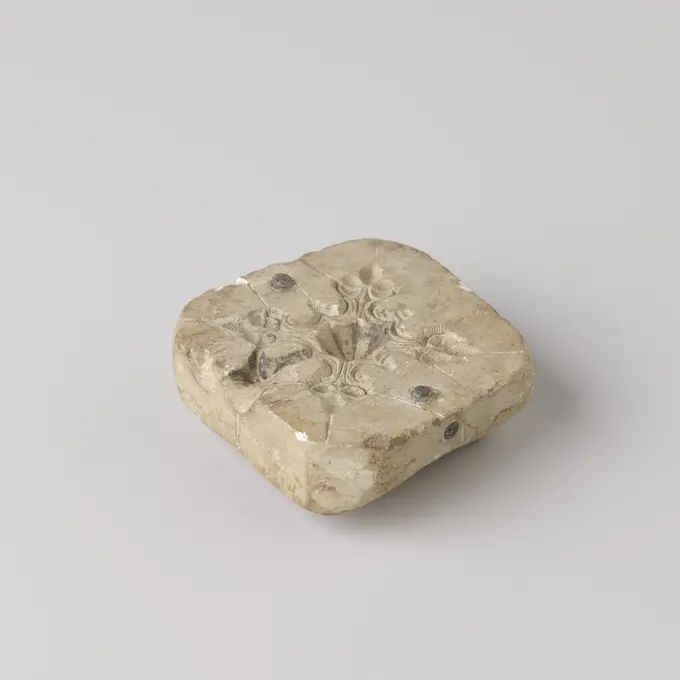
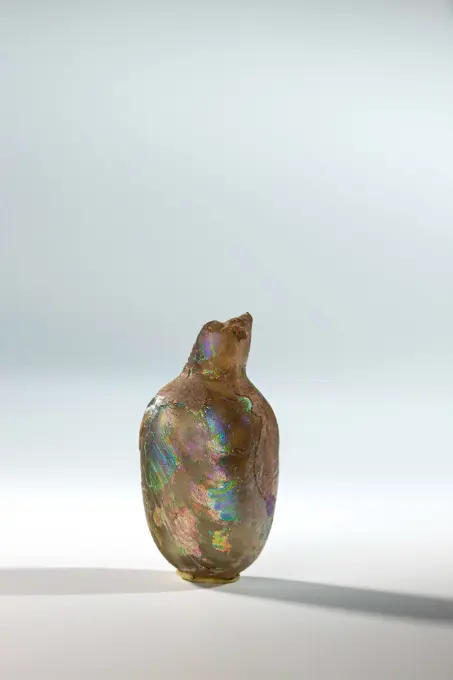
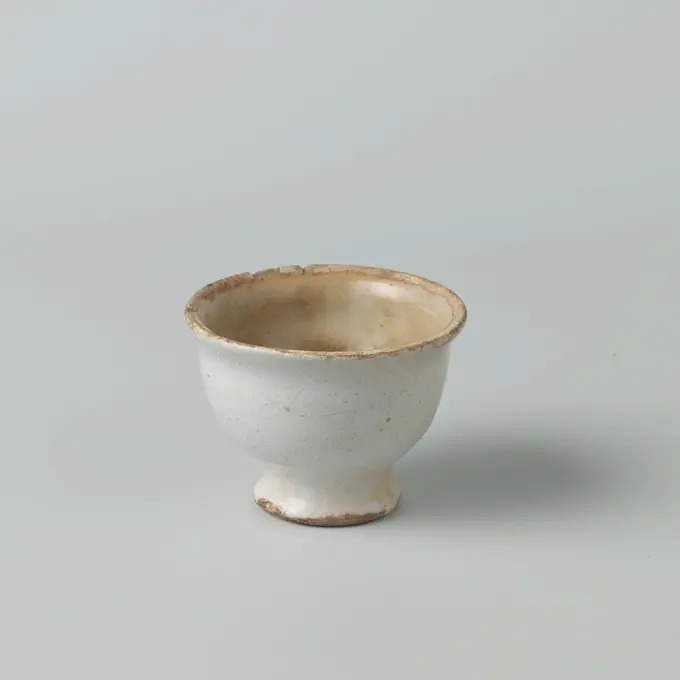
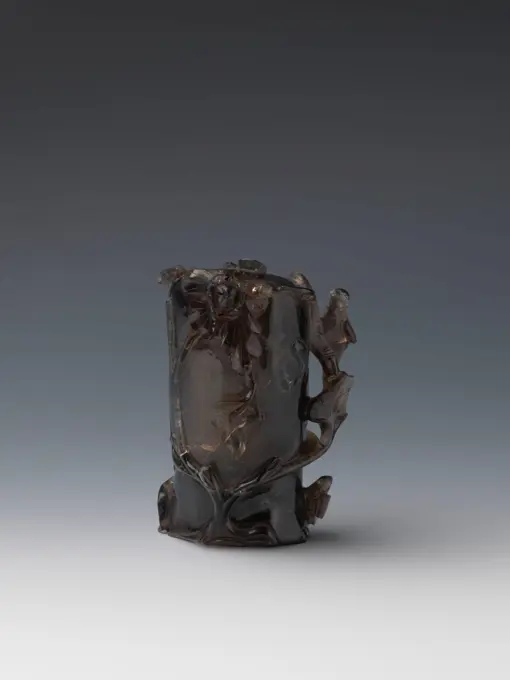
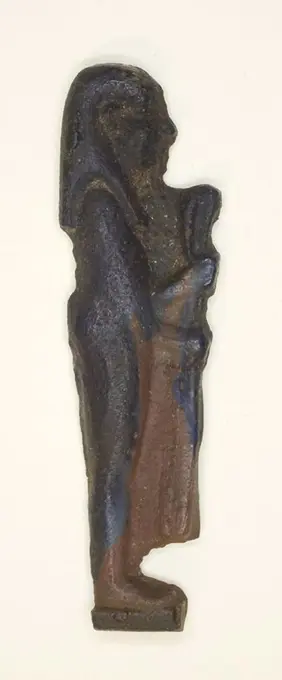
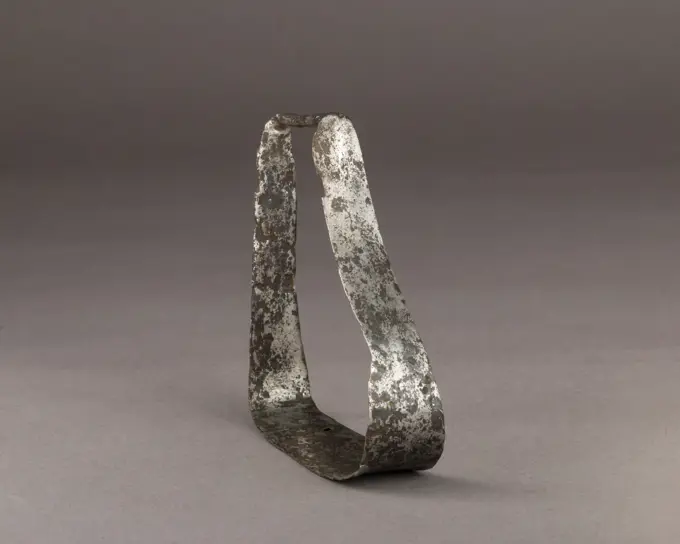
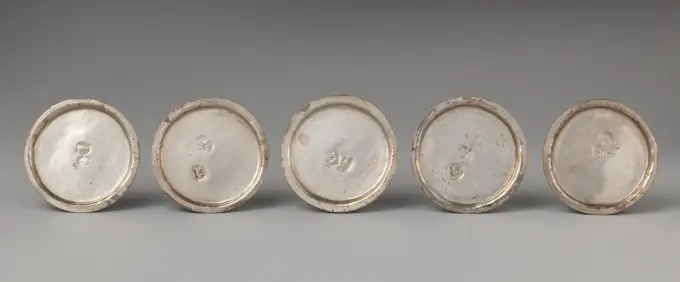
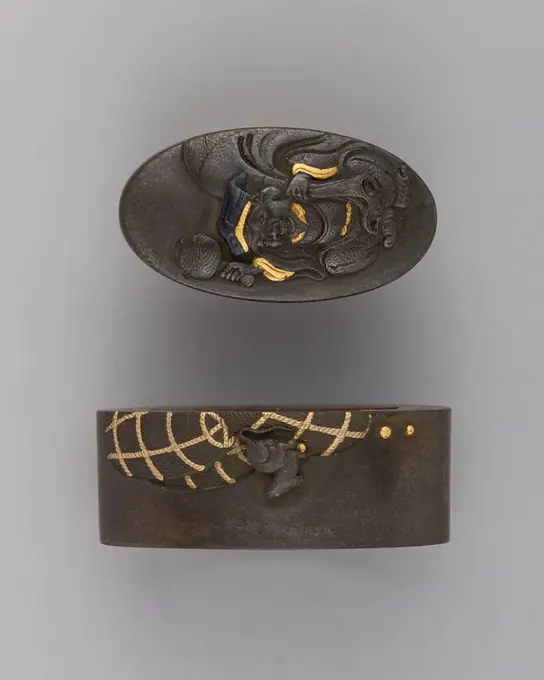
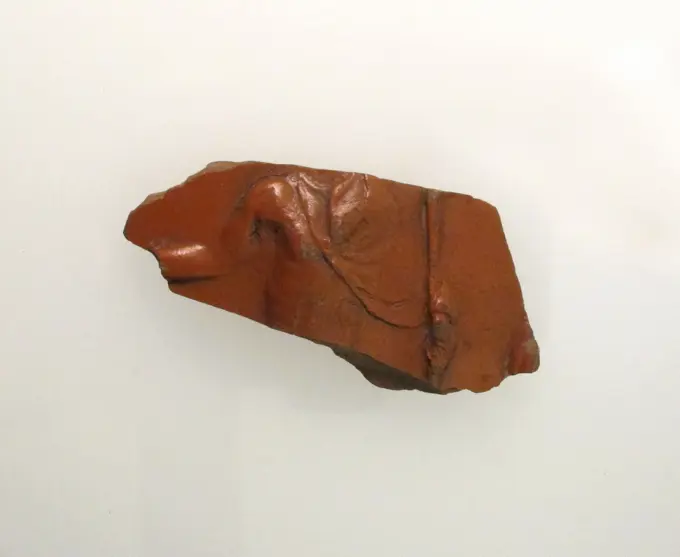
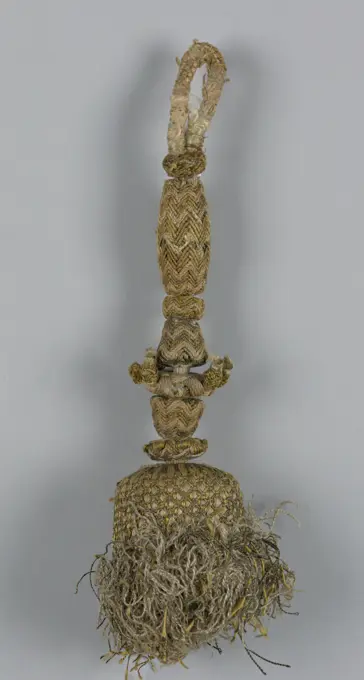
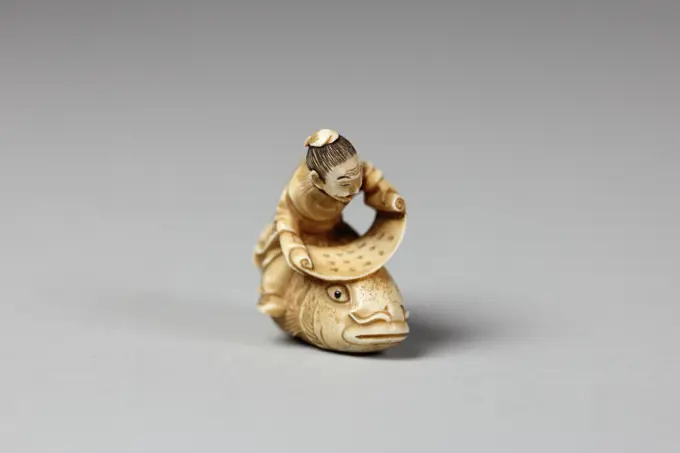
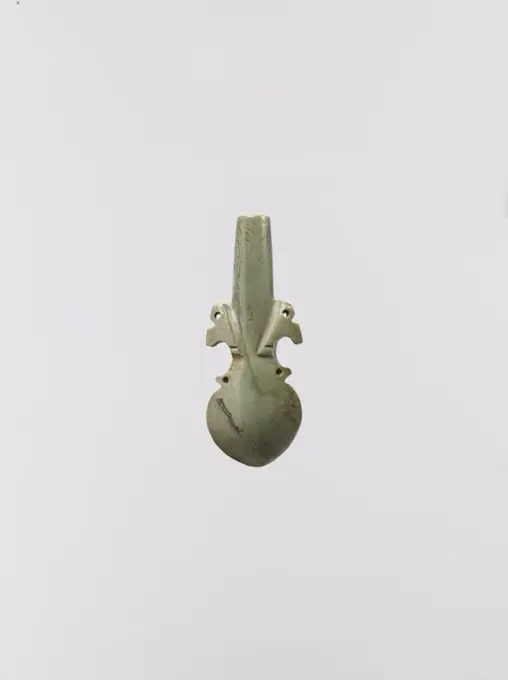
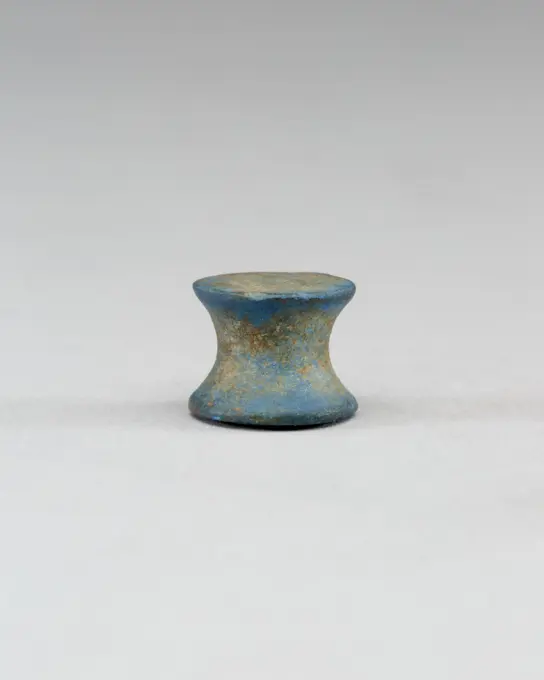
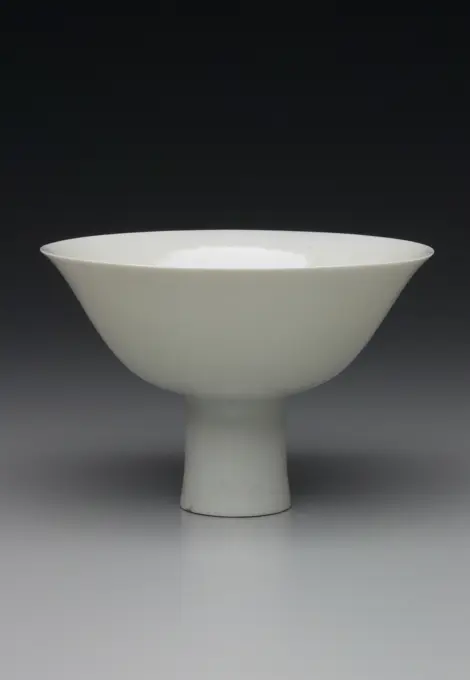
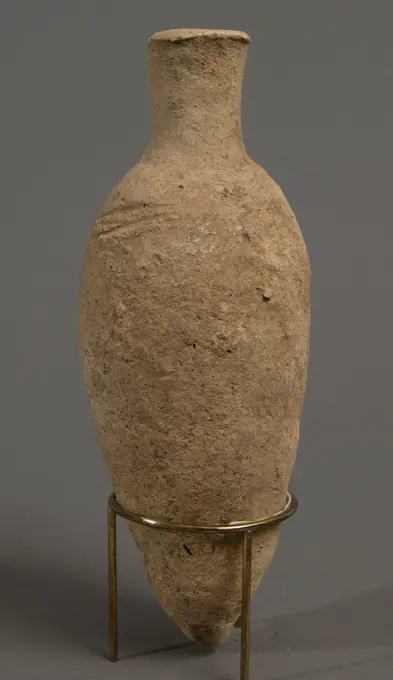
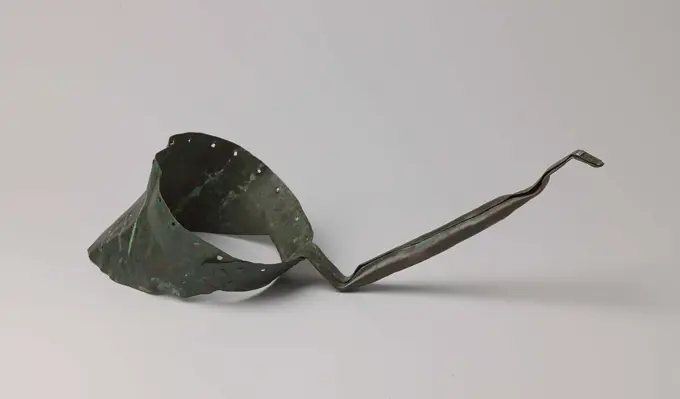
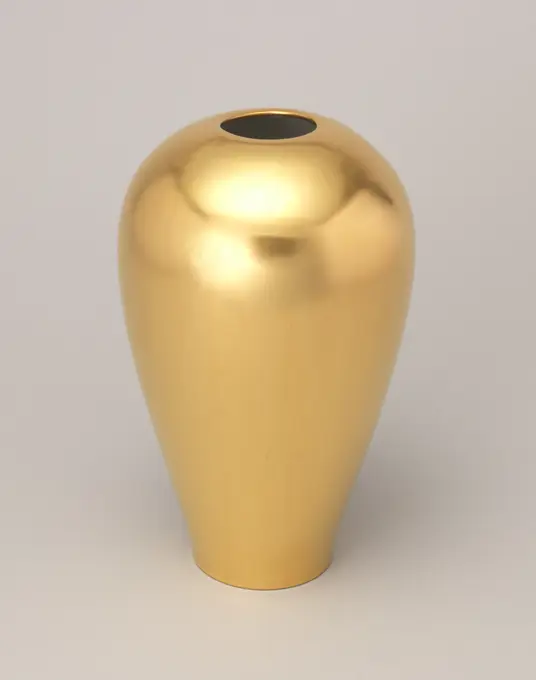
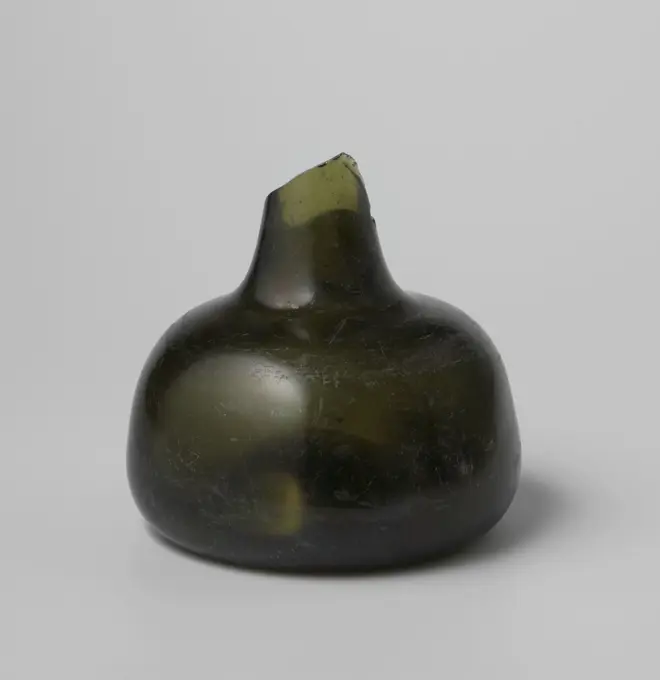
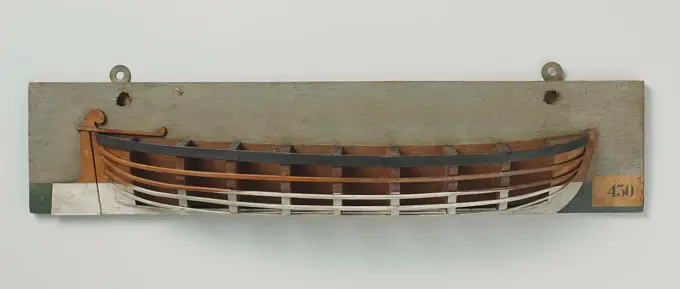
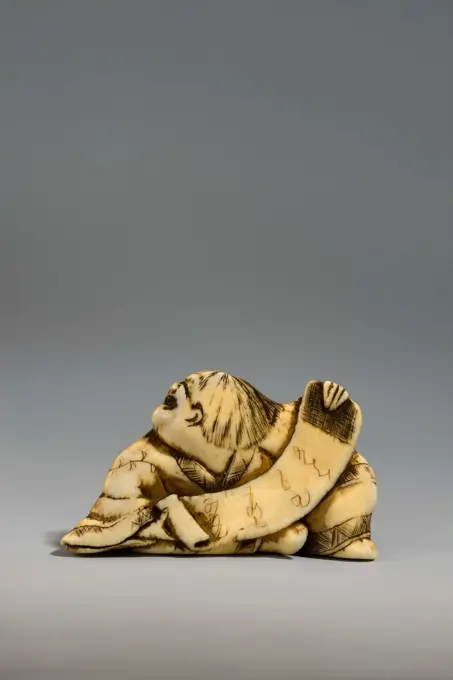
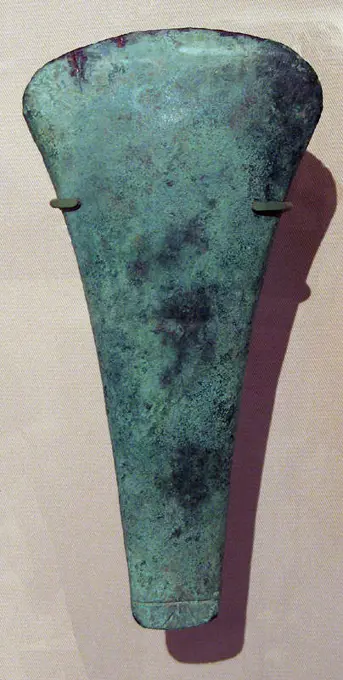
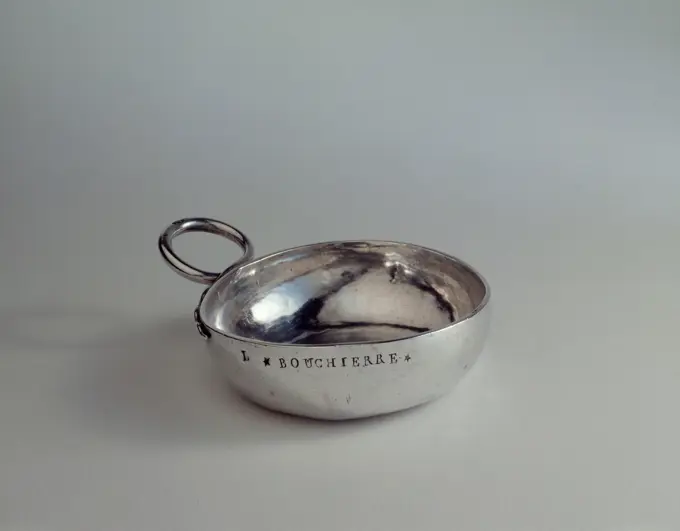
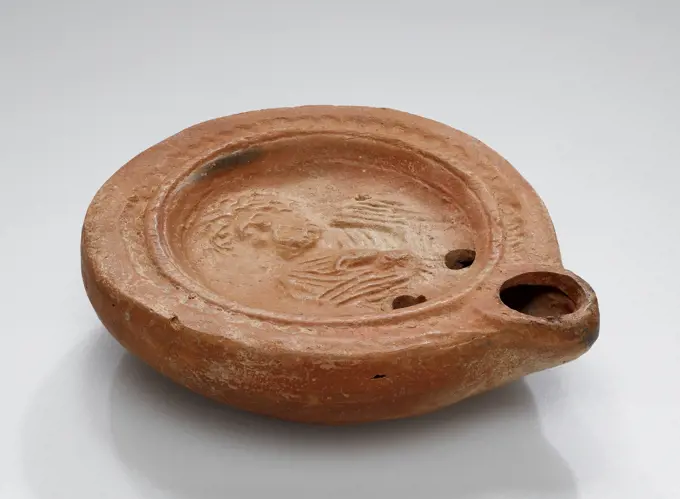
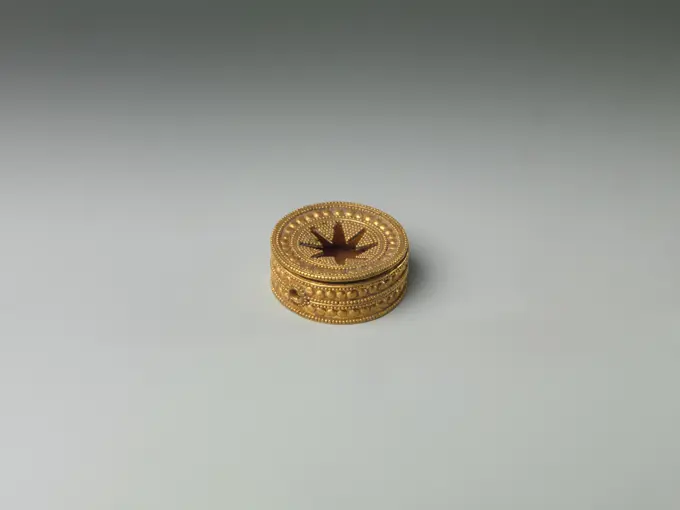
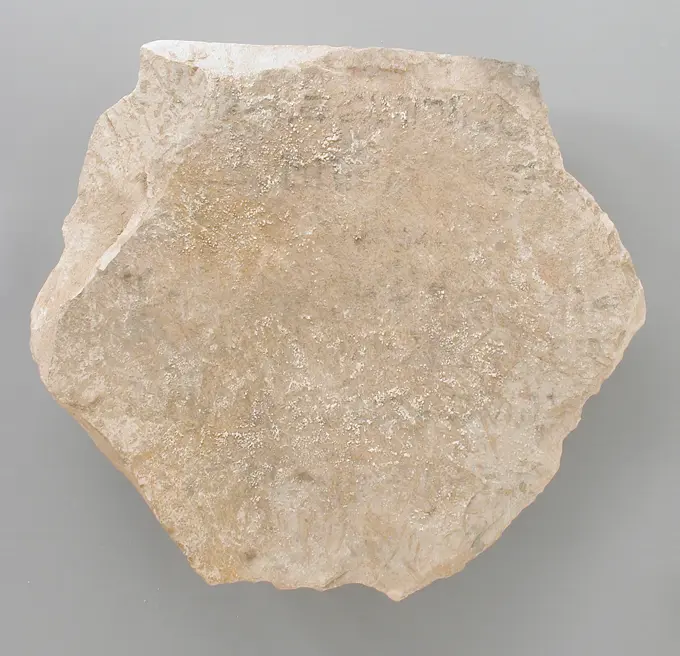
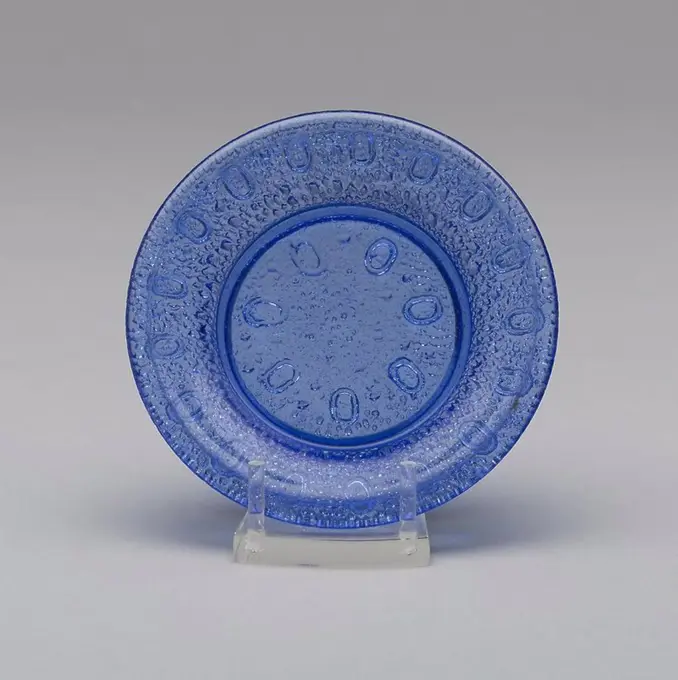
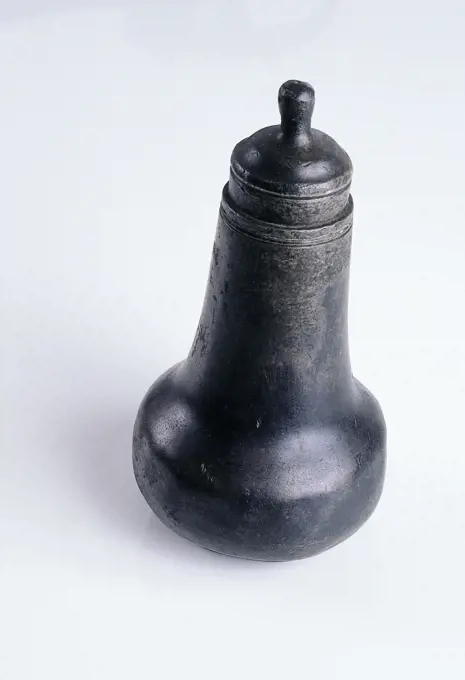
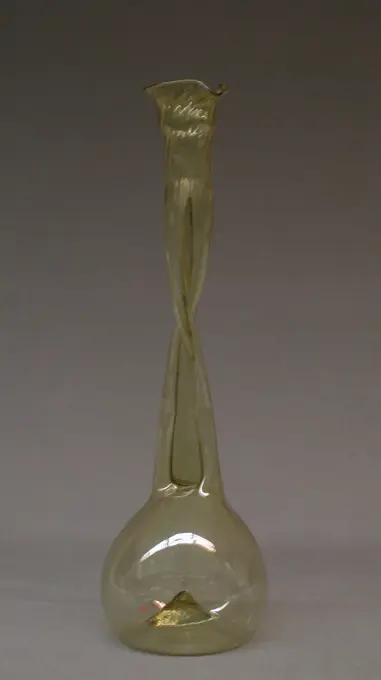
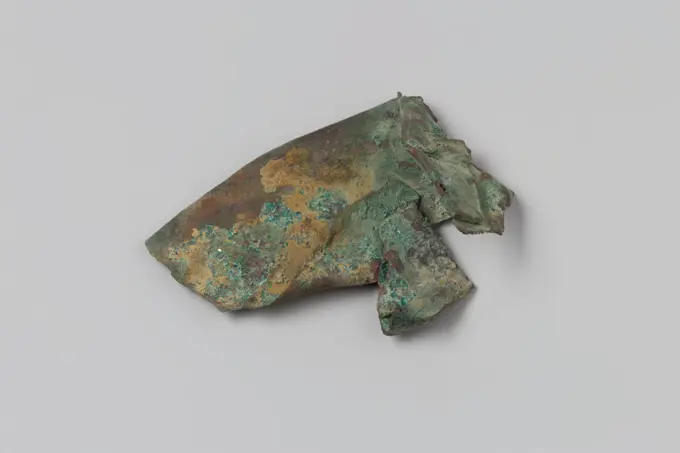
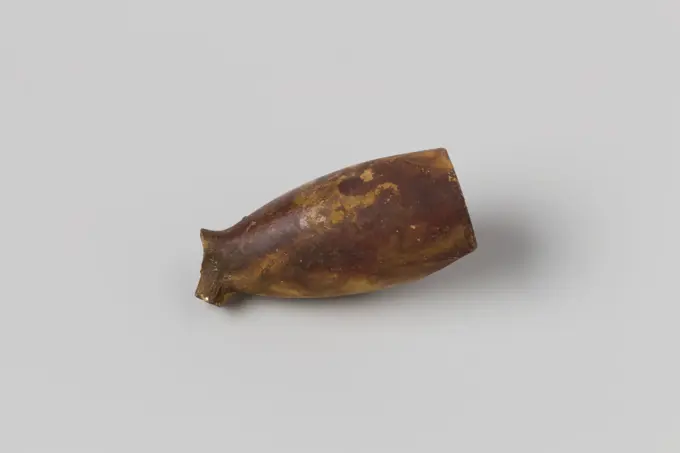
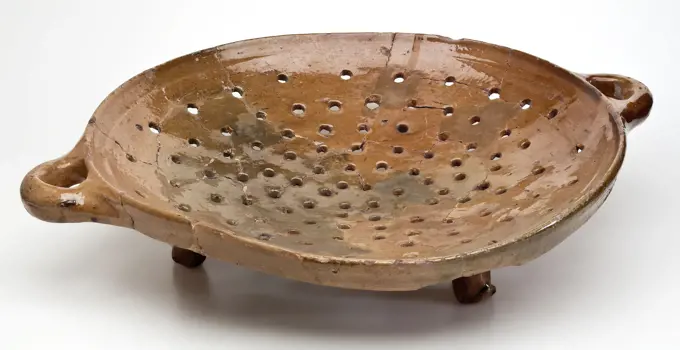
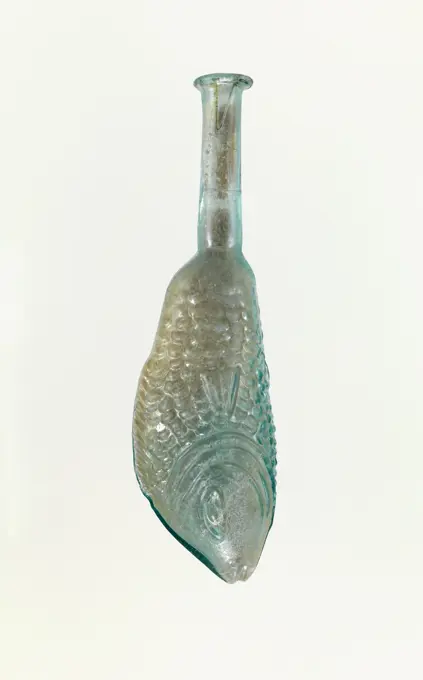
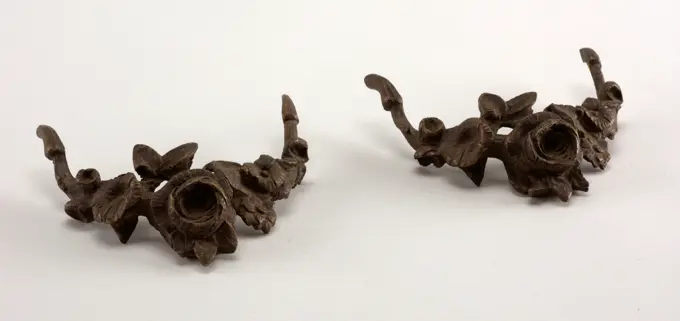
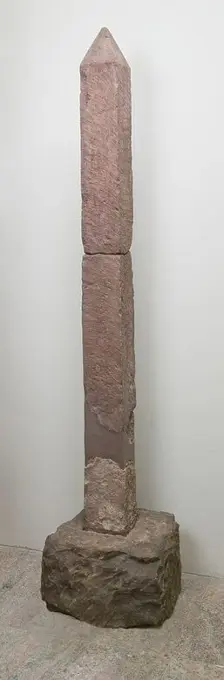
Small bottle. unknown, craftsmanCodpiece. Southern German. Date: 1500-1600. Dimensions: 12.7 x 10.2 cm (5 x 4 in.); diameter: 8.3 cm (3 1/4 in.). Steel. Origin: Germany. Museum: The Chicago Art Institute, Chicago, USA.Bottle. unknown, craftsmanSmall bottle. unknown, craftsmanBrokerage Stick of Abraham Hof Teyn, Daniël le Feber (Attributed to), 1793  Black ebony profiled broker's stick with a silver cachet on both sides, on the thick side with the crowned Amsterdam weapon worn by two lions, on the other side the letters RMS surrounded by a pearl edge. Marked: on the edge of the large cachet: DLP. Inscription: On the edge of the big cachet: Abraham Hofteyn. Amsterdam silver (metal). ebony (wood) engraving / striking (metalworking)  AmsterdamPelvis with Saint Joris, Anonymous, 1500 - 1600 In the flat of the pelvis, with the help of a stamp shape, a representation of the Holy Joris has been punched in a fight with the dragon with the dragon with the princess, the royal couple and angel in the background. This is surrounded by a punched edge of stylized leaf ornament. An edge of rosettes is punched on the board. The hanging ring at the rear and the hole in the edge were installed later. Neurenberg (possibly) brass (alloy) casting In the flat of the pelvis, with the help of a stamp shape, a representation of the Holy Joris has been punched in a fight with the dragon with the dragon with the princess, the royal couple and angel in the background. This is surrounded by a punched edge of stylized leaf ornament. An edge of rosettes is punched on the board. The hanging ring at the rear and the hole in the edge were installed later. Neurenberg (possibly) brass (alloy) castingDatplood from the wreck of the East Indians Hollandia, Anonymous, 1700 - in Or Before 1743 sounding lead Tools and instruments, navigation, sounding lead; fragm, octagonal faceted, cut off at both ends. Netherlands lead (metal)   SecondJar. Brown-Vert cover sandstone. Cernuschi Museum, Asia Museum of Asia in the city of Paris.Fragment straight steel of glass from the wreck of the East Indians Hollandia, Anonymous, 1700 - in Or Before 1743 drinking glass Glass, stem glass, stems, plain; fragm, circular, tapering, hollow core, eroded. Netherlands glass   SecondRound plate. Round plate of tin. The thin edge has turned.Bowl of tin. Small, untangled bowl of tin, with a narrow edge.Fragment animal rib from the wreck of the East Indians Hollandia, 1700 - in or before 1743  Faunal remains: bones; indetermined bones; fragm of rib.  bone (material)   SecondDeep bowl on stand fins of red earthenware, bowl bowl earthenware ceramic pottery, hand-turned fried Deep bowl on wide stand fins. Hemisphere body Outstanding upper edge shallow groove in edge Unglazed Smoothed bottom at the bottom Stand fins with clear finger impressions. Restoration is repainted archeology underground pit Rotterdam City Triangle Blaak Groenendaal indigenous pottery food serving cooking kitchen table Soil discovery: underground pit Groenendaal direction Blaak from large waste pit at ± 4 meters -N..P 1977.06.27.Pijpenkop from the wreck of the East Indians Hollandia, Anonymous, 1700 - in Or Before 1743  Pipe, bowl, whole market illegible; fragment. Netherlands pipe clay   SecondHalf of a mold ,, 1500 - 1600  Square rosette of rosette with diagonal on every corner of glans and centrally half of Pijnappel. In the middle left and right a metal pen and in the middle above the casting hole. Reverse: square with sloping sides and flat bottom. Netherlands .Bottle. unknown, craftsmanCup at high foot. Semi-spherical head of unforded faience, on a high foot.Relief from the tomb of Queen Neferu: female attendant carrying a sunshade (see 26.3.353-1) ca. 2051-2030 B.C. Middle Kingdom. Relief from the tomb of Queen Neferu: female attendant carrying a sunshade (see 26.3.353-1). ca. 2051-2030 B.C.. Limestone, paint. Middle Kingdom. From Egypt, Upper Egypt, Thebes, Deir el-Bahri, Tomb of Neferu (TT 319, MMA 31), MMA excavations, 1923-25. Dynasty 11Lime Container in the Form of a "Mloko" Drum 500 B.C.-A.D. 300 Indonesia (Java, Lumajang, Pasiran). Lime Container in the Form of a "Mloko" Drum. Indonesia (Java, Lumajang, Pasiran). 500 B.C.-A.D. 300. Bronze. Bronze and Iron Age period. MetalworkVase on the base;  XVIII-XIX century (1701-00-00-1900-00-00);Utensil. unknown, craftsmanRound edge, c. 1700 - c. 1800 Round of Tin plate. The thin edge has turned. Low Countries tin (metal) Round of Tin plate. The thin edge has turned. Low Countries tin (metal)Bottle. China. Date: 700 AD-799 AD. Dimensions: H. 22.5 cm (8 7/8 in.); diam. 10.6 cm (4 3/16 in.). Stoneware with ivory glaze. Origin: China. Museum: The Chicago Art Institute, Chicago, USA.Amulet of the God Imsety (one of the four Sons of Horus). Egyptian. Date: 780 BC-343 BC. Dimensions: 5 × 1.25 × .25 cm (2 × 1/2 × 1/8 in.). Glass. Origin: Egypt. Museum: The Chicago Art Institute, Chicago, USA. Author: Ancient Egyptian.Violin-shaped Chinese tael weight from the wreck of the Dutch East India ship 't Vliegend Hart, , 1700 - 1735 weight Copper Tael or Qiangal weight with Chinese and European inscriptions with which gold and other valuables were weighed. Violin weight, Violin-Shaped Weights China copper (metal)Glanssteen, anonymous, c. 1600 - c. 1825 Flattened spherical body, one side of which is inserted. Northwest Europe glass glassblowing Flattened spherical body, one side of which is inserted. Northwest Europe glass glassblowingLeft Stirrup early 15th century German The purpose of the asymmetrical shape of this stirrup was to accommodate the foot better and giving the rider more comfort and stability. The front of the suspension bar was adorned with a plaque, now lost.. Left Stirrup. German. early 15th century. Iron. Equestrian Equipment-StirrupsPart of a brick from the wreck of the East Indians' t Vliegend Hart, Anonymous, 1700 - 1735 brick (clay product) Part of a rectangular, yellow -brown brick. Brick.  brick (clay product)Makelaarsstokje from F.A. Gluysteen, broker in Amsterdam, widow H. de Groot, c. 1837  The baluster -shaped, multiple profiled ebbony stick has a wide and a narrow end, both contained in a cast silver cap. The caps have a straight, smooth wall and a lightly burned, slightly excellent top, the edge of which is marked with a fine cable. The large cap is decorated in relief with the crowned city coat of arms of Amsterdam, the Leeuwen, the Kleine with the letters MKLRSG in monogram within a pearl edge for the Amsterdam broker's guild. On the wall of the small cap, the year 1837 is engraved, above a circular filet edge; On the wall of the large cap the name Frederik Anthony Gluysteen, above a circular file edge. Amsterdam silver (metal). ebony (wood)   AmsterdamRomano-German glass beaker with sea creature decoration, 300 AD.Pot Stand. Dimensions: diam. 10 cm (3 15/16 in). Dynasty: Dynasty 18. Reign: Joint reign of Hatshepsut and Thutmose III. Date: ca. 1479-1458 B.C.. Museum: Metropolitan Museum of Art, New York, USA.Pointed Pendant. China. Date: 700 BC-500 BC. Dimensions: 3 × 1 × 1/8 in. Jade. Origin: China. Museum: The Chicago Art Institute, Chicago, USA.Bowl. UnknownShabti of Siptah ca. 1194-1188 B.C. New Kingdom, Ramesside. Shabti of Siptah 559264Ribbon of cream -colored mesh, c. 1900 - c. 1915 Ribbon of cream -colored mesh. Nijmegenfrance silk. Ribbon of cream -colored mesh. Nijmegenfrance silk.Shards of a Martavan from V.O.C. ship De 'Witte Leeuw', Anonymous, Before 1613  Shards of a Martavaan from V.O.C. ship De 'Witte Leeuw', 65 present. southeast Asia porcelain   Sint-HelenaPadlock. A ball-shaped iron padlock. Very rusted and violated.Five miniature dishes 18th century Possibly by George Manjoy British. Five miniature dishes. British, London. 18th century. Silver. Metalwork-Silver-MiniatureSword-Hilt Collar and Pommel (Fuchigashira). Culture: Japanese. Dimensions: Fuchi (a); H. 1 1/2 in. (3.8 cm); Wt. 1 oz. (28.3 g); kashira (b); H. 1 5/16 in. (3.3 cm); Wt. 0.5 oz. (14.2 g). Date: ca. 1615-1868. Museum: Metropolitan Museum of Art, New York, USA.StampButton from the wreck of the East Indians' t Vliegend Hart ,, 1700 - 1735 button Knot of PaarlMoer. Middelburg mother of pearlStampMadrid, M.A.N. Arte prehistórico. Hendedor del arenero Dos Hermanos.Vase Fragment 1st century B.C.-1st century A.D. Roman Part of draped figure.. Vase Fragment 250296StewTassel (Spain); wood core, silk, linen, metallic threadNetsuke of the Sage, Kinkō Carrying a Scroll and Seated on a Carp 18th century Japan. Netsuke of the Sage, Kinkō Carrying a Scroll and Seated on a Carp 59810Box with Geometric Patterns. Culture: China. Dimensions: Diam. 3 in. (7.6 cm). Date: 18th century.The dense, precise surface decoration of this small porcelain box resembles work in carved lacquer, demonstrating the consummate skill with which Qing-dynasty artists manipulated porcelaneous material. It was most likely used to hold incense, cosmetics, or paste for sealing documents and other types of records, including certificates of ownership for paintings. Museum: Metropolitan Museum of Art, New York, USA.Kohl Flasks. Dimensions: 2 x 3/4 in. (5.1 x 1.9 cm). Date: probably 10th-12th century.These charming objects were designed to hold kohl, a black cosmetic powder applied around the eyes. In the past, kohl was widely used by men and children as well as women. It was thought not only to accentuate the beauty of the eyes, but also to guard against the glaring sun, ward off evil, and discourage eye disease. The narrow drill hole at the top of these flasks would have accommodated a slender stick to collect the cosmetic. Museum: Metropolitan Museum of Art, New York, USA.Spool-Shaped Game Piece ca. 1504-1447 B.C. New Kingdom The first room that the Museum's excavators cleared in the family tomb of Neferkhawet was the east chamber. In the northwest corner of this room they found a mis-matched partial set of gaming pieces. The two types, conical and spool-shaped, are common components of the board games senet and 20-squares which were usually combined in a single game box with the game boards on opposite sides, and a drawer for the gaming pieces and the throw sticks or knuckle bones that were used like dice to determine how the pieces were moved on the boards. The eight gaming pieces, five conical and three spool-shaped, were lying on their sides next to the outlined remains of an insect-eaten game box.. Spool-Shaped Game Piece. ca. 1504-1447 B.C.. Egyptian blue. New Kingdom. From Egypt, Upper Egypt, Thebes, Asasif, Tomb of Neferkhawet (MMA 729), northwest corner, east chamber, MMA excavations, 1934-35. Dynasty 18, earlyAttic Red-Figure Oinochoe Fragment; Attributed to the Manner of the Berlin Painter (Greek (Attic), active about 500 - about 460 B.C.); Athens, Greece; 5th century B.C; Terracotta; 3.4 cm (1 5,16 in.)Bronze spearhead, from Amorgos Island, GreeceTassel (Italy); linenOffering Bowl with a LotusScrollPot 4th-7th century Coptic. Pot 477273TorsoWijwater bucket, five -sided, anonymous, c. 1475 - c. 1525 The five -sided bucket with the attachments is cast. Four sides have a profiling derived from the architecture. The fifth is smooth and forms the back. The bucket is heading towards the upper edge and at the hollow foot. Two sides have a attachment, the straight top of which is serrated by ciseling. The renewed handle is confirmed in these documents. One attachment has been restored. Southern Netherlands brass (alloy) casting The five -sided bucket with the attachments is cast. Four sides have a profiling derived from the architecture. The fifth is smooth and forms the back. The bucket is heading towards the upper edge and at the hollow foot. Two sides have a attachment, the straight top of which is serrated by ciseling. The renewed handle is confirmed in these documents. One attachment has been restored. Southern Netherlands brass (alloy) castingDishes, part of a wooden gift jug. Display, part of a wooden gift jug for beer. The spout belongs to NM-7654-1 to -3. This object was found by Carlsen in the vicinity of NG-NM-7651, 7652 and 7653.Hat of gray -green textile with ribbon, anonymous, c. 1800 - c. 1900  Europe textile materials  Europe textile materialsStudy Models of Parts of the Body. This group of small models of parts of the body are carefully copied after famous sculptures, in particular by Michelangelo, in Florence and Rome. They came from the workshop of the Nijmegen sculptor Johan Gregor van der Schardt, who had a successful career in Italy, Nuremberg, and Copenhagen. They are extremely rare examples of the, in part autograph, study material of a 16th-century sculptor.Temple. Culture: Mezcala. Dimensions: Height 4-3/8 in.. Date: 1st-8th century. Museum: Metropolitan Museum of Art, New York, USA.Healey Vase; Manufactured by Chryso-Ceramics (United States); Decorated by Misses Healy, Emily Healey, Mary Healey (American, b. 1852); USA; gilt porcelainBerkmeier with two riding one flat studs, anonymous, c. 1625 - c. 1675 Bircheniier with outstretched bottom, on low, spun of a wire. The light convex chalice blown as a whole with the trunk, which is occupied with two rows of very large flat studs. The transition from the chalice to the trunk indicated by a smooth thread. Low Countries glass glassblowing Bircheniier with outstretched bottom, on low, spun of a wire. The light convex chalice blown as a whole with the trunk, which is occupied with two rows of very large flat studs. The transition from the chalice to the trunk indicated by a smooth thread. Low Countries glass glassblowingWine bottle from the wreck of the East Indians' t Vliegend Hart ,, 1700 - 1735  Uivid bottle with broken neck of green glass with red (port) wine. Netherlands glassArchitectural Fitting (Gong). China, Qishan county, Shaanxi province. Date: 770 BC-481 BC. Dimensions: . Bronze. Origin: China. Museum: The Chicago Art Institute, Chicago, USA.Half Model of a Landing Craft.Polychromed mold model (starboard) of a peak hole sloop, wide stir with tiller. The seam runs to both ends. Double nod.Purse Handle; engraved silverKanzan holding an unfolded scroll with text; netsuke. unknown, sculptorOfferbus, Carel desires, 1927 Offer bus belonging to a four -part sacrament service. The sacrificial bus rests on a flat base plate with a raised edge, and is made up of one cylinder. The top is closed by a stepped part, in which a sloping edge is slid. Voorschoten silver (metal). Offer bus belonging to a four -part sacrament service. The sacrificial bus rests on a flat base plate with a raised edge, and is made up of one cylinder. The top is closed by a stepped part, in which a sloping edge is slid. Voorschoten silver (metal).Ax Blade 1500-1000 B.C. India These anthropomorphic figures, harpoons, ax blades (celts), and antennae swords were cast and hammered from unalloyed copper. They may be dated to 1500 to 1000 B.C. Given that pure copper is a relatively soft metal and most of the objects show little or no signs of wear, it seems likely that their function was largely dedicatory. Hoards of such objects have been found across north India, the greatest concentration being in Uttar Pradesh. The findspots suggest they were ritually deposited in rivers or marshes, though several related antennae swords were recorded in late Indus Valley civilization (ca. 1500 B.C.) burials at Sanauli.. Ax Blade. India. 1500-1000 B.C.. Copper. Metalwork. Rectangular drum of smooth silver with hinged lid. Signature and dated.Bowl 15th century China. Bowl. China. 15th century. Porcelain with white glaze (Jingdezhen ware). Ming dynasty (1368-1644). CeramicsWaist clamp;  XVII-XVIII century (1601-00-00-1800-00-00);Jean Roffay. "Taste-vin". Money. 1777-1799. Museum of Fine Arts of the City of Paris, Petit Palais. 74385-14 Silver, silverware, bottleneck, TastevinCarnavalet museum, tokens collectionTassel (Italy); linenLamp, North Africa; 1st - 4th century; Terracotta; 2.4 x 7.7 x 10.2 cm (15,16 x 3 1,16 x 4 in.)A cylindrical container made from environmentally friendly recycled materials for takeaway food. Fast food dishes. Cup of bright green glass with many air bubbles, cylindrical body, half in the mold blown with vertical ribs.Fork, late 19th century, 11 3/4 x 1 3/8 in. (29.8 x 3.5 cm), Wood, United States, 19th centuryBox-form ornament with granulation 6th-4th century BC Ptolemaic Period This box-form ornament has an opening in the form of an eight-pointed star on its upper surface. Ornaments like these with their extensive granulation are probably pre-Ptolemaic.. Box-form ornament with granulation 551306Club (skullcracker) 1870-75 Central Plains Sioux. Club (skullcracker) 319029Ostracon with an Unidentified Hymn. Egypt, New Kingdom, 19th and 20th Dynasty (1315 - 1081 BCE). Tools and Equipment; ostraka. LimestoneCup plate. American. Date: 1830-1840. Dimensions: diam. 8.9 cm (3 1/2 in.). Pressed glass. Origin: United States. Museum: The Chicago Art Institute, Chicago, USA.Souvenir After Józef Czapski  BloodVase fragment Roman Head of a youth.. Vase fragment 250298Tinsmith: Dirck Jansz Messchaert II of Dirck Jansz Messchaert I, Pewter feeding bottle, feeding bottle utensils equipment ground find tin, cast Narrow foot pear shaped body removable cap with suction pipe Profile edges at neck and cap some spots gold patina mark underneath: rose with crown in which DIM in rose F metallurgical archeology Rotterdam sick child childcare drink Soil discovery Rotterdam 1942.Flask 17th century Italian, Venice (Murano) During the Renaissance, Venetian glassmakers, working on the island of Murano, were celebrated across Europe for their fine and sparkling work. Called cristallo” emulating the clarity of rock crystal, in the hands of the most skilled glassblowers the medium could be delightfully manipulated, variously stretched paper-thin flat, or playfully twisted, or blown into molds with spectacular patterns.. Flask. Italian, Venice (Murano). 17th century. Glass. GlassExcerpt of copper from the wreck of the East Indians Hollandia, 1700 - in or before 1743  Parts of artefacts; eroded fragments: materials; copper. Netherlands copper (metal)   SecondFragments Straight Steel of Glass from the Wreck of the East Indians Hollandia, Anonymous, 1700 - in Or Before 1743 drinking glass Glass, stem glass, stems, plain; fragm of lower end, circular, solid. Netherlands glass   SecondFragment Pijpenkop from the wreck of the East Indians Hollandia, Anonymous, 1700 - in Or Before 1743  Pipe, bowl, heelmark: coat of arms of the city of Amsterdam; fragm, 2hsm1,2. Netherlands pipe clay   SecondColander of red earthenware on three legs, two lying sausage ears, colander kitchen equipment earthquake ceramic earthenware glaze leadglaze, hand-turned pierced glazed baked Colander of red earthenware leaded glaze bowl-shaped with three legs of which one restoration in plaster two lying sausage ears archeology Valckensteyn Poortugaal Albrandswaard indigenous pottery food nutrition cooking food prepare seven kitchen Soil discovery: canal at kitchen castle Valckensteyn at Poortugaal now Albrandswaard 1961.Coconut from v.o.c.-ship the 'white lion'. Coconut from v.o.c.-ship the 'white lion'. Cracked. Hole on the bottom.Glass bottle in the shape of a fish 1st-2nd century A.D. Roman Translucent blue green.Rim folded out, round, and in; tall cylindrical neck, expanding slightly downward, with horizontal tooled indent around base; uneven sloping shoulder; lentoid body, molded in the shape of a fish, ending with its mouth as a slightly pointed bottom.Dorsal fin along one edge, showing eleven spikes on proper left side and nineteen smaller and less distinct spikes on right side; small protrusion on other edge, perhaps also indicating a small fin under belly of fish; four-part fins at sides, with three crescent-shaped gills between scales on body and plain face; almond-shaped eyes with relief pupils; mouth with angular ridges and prominent lips; crescent-shaped and knob-like scales arranged in rows on body .Broken and repaired on neck , with part of rim missing, numerous cracks on proper left side of body; pinprick bubbles; some pitting, dulling, and faint iridescence on exterior; thick soil encrustation anMount; 1904-18-10-a,bStructure of wood in concretion, which also includes a glass shard, from the wreck of the East Indies' t Vliegend Hart, c. 1700 - c. 1735 concretionary stone The concretion encloses a large, greenish glass fragment. Moreover, the concretion has been against wood, because on one side you can clearly see wood structure. Filled with rubber. Concretion.  glass. concretionary stone. wood (plant material). rubber (material)BracketObelisk. Dimensions: total 199.5 cm (78 9/16 in); shaft h. 170.5 cm (67 1/8 in), w. 15.2 cm (6 in), d. 15 cm (5 7/8in); base h. 29 cm (11 7/16 in), w. 42 cm (16 9/16 in), d. 35 cm (13 3/4 in). Date: 304-30 B.C.. Museum: Metropolitan Museum of Art, New York, USA.Leerer Keramikteller auf einem monochromen braunen Hintergrund Empty ceramic plate on a monochrome brown background. Empty plate with cutlery on a dining table LicenseRF Copyright: xZoonar.com/TetianaxChernykovax 23261740Ice glass cup, anonymous, c. 1550 - c. 1650 Small cup of ice glass, with inserted soil. Ribbed stand ring of clear glass. Cylindrical body. Low Countries glass glassblowing Small cup of ice glass, with inserted soil. Ribbed stand ring of clear glass. Cylindrical body. Low Countries glass glassblowing