Antique Vessels and Artifacts

A collection of small bottles and decorative items, featuring various materials like glass and metal, showcasing intricate designs and historical significance.
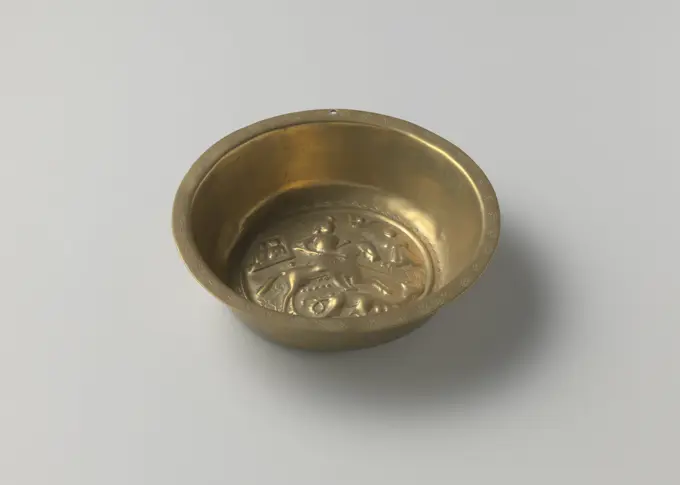
Pelvis with Saint Joris, Anonymous, 1500 - 1600 In the flat of the pelvis, with the help of a stamp shape, a representation of the Holy Joris has been punched in a fight with the dragon with the dragon with the princess, the royal couple and angel in the background. This is surrounded by a punched edge of stylized leaf ornament. An edge of rosettes is punched on the board. The hanging ring at the rear and the hole in the edge were installed later. Neurenberg (possibly) brass (alloy) casting In the flat of the pelvis, with the help of a stamp shape, a representation of the Holy Joris has been punched in a fight with the dragon with the dragon with the princess, the royal couple and angel in the background. This is surrounded by a punched edge of stylized leaf ornament. An edge of rosettes is punched on the board. The hanging ring at the rear and the hole in the edge were installed later. Neurenberg (possibly) brass (alloy) casting
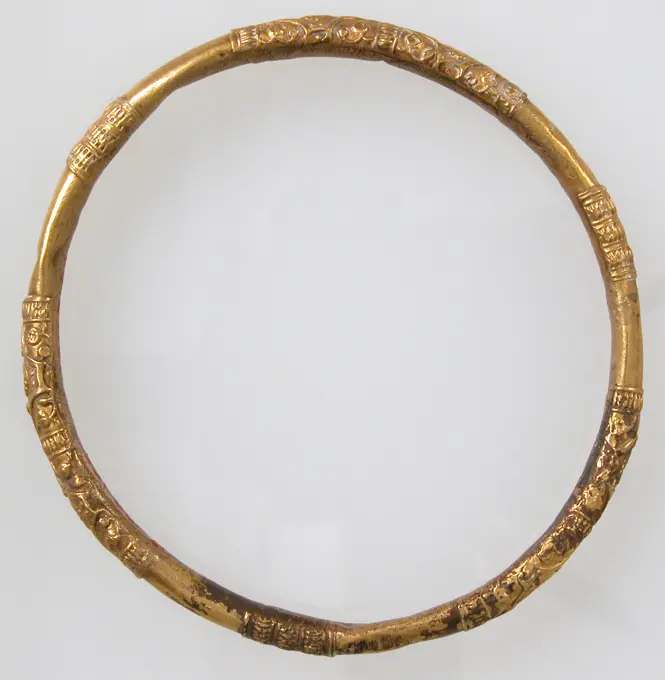
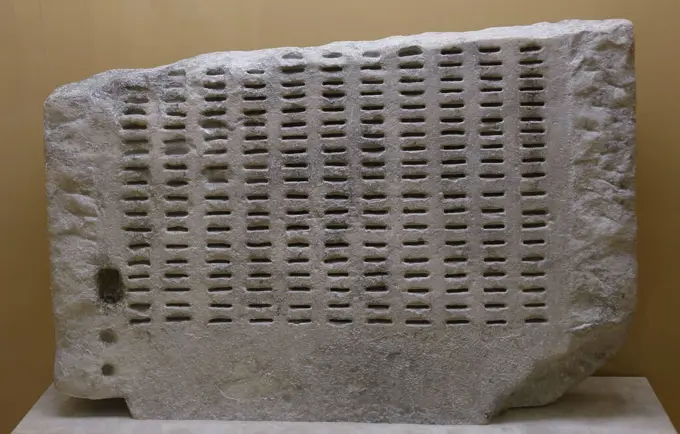
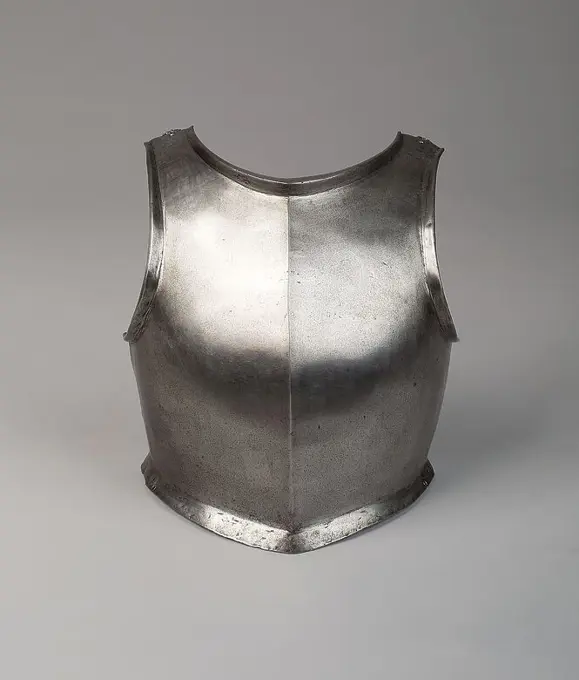
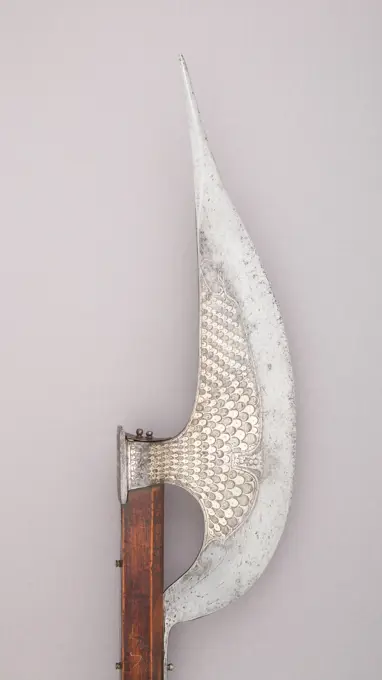
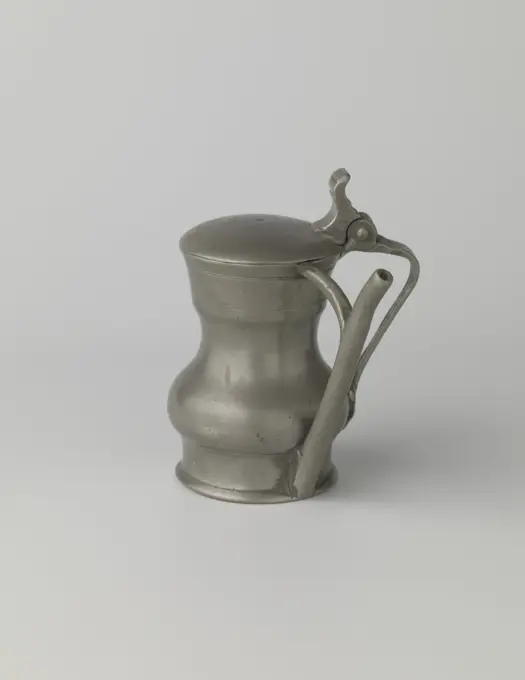
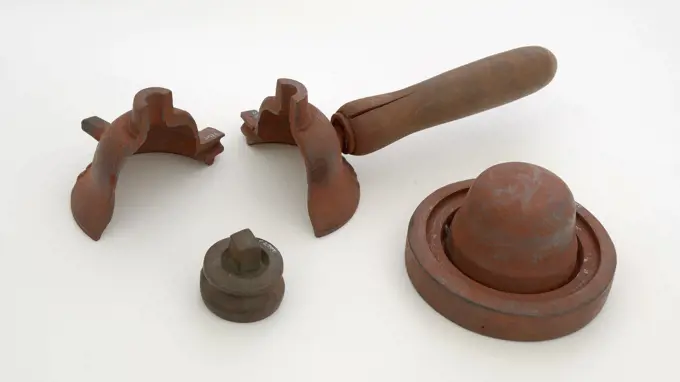
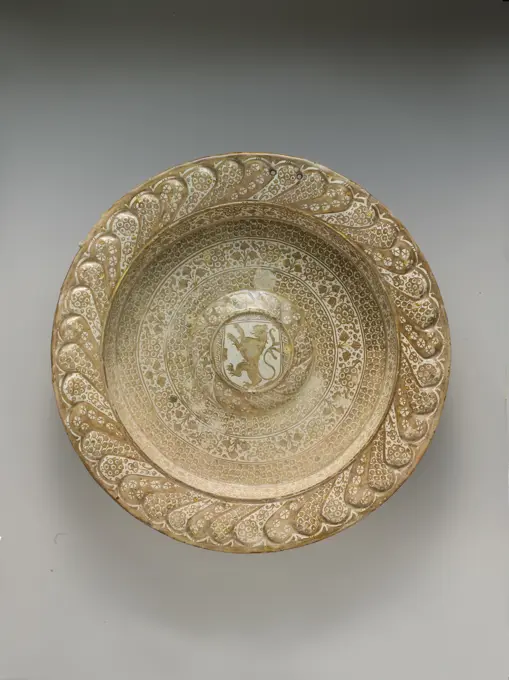
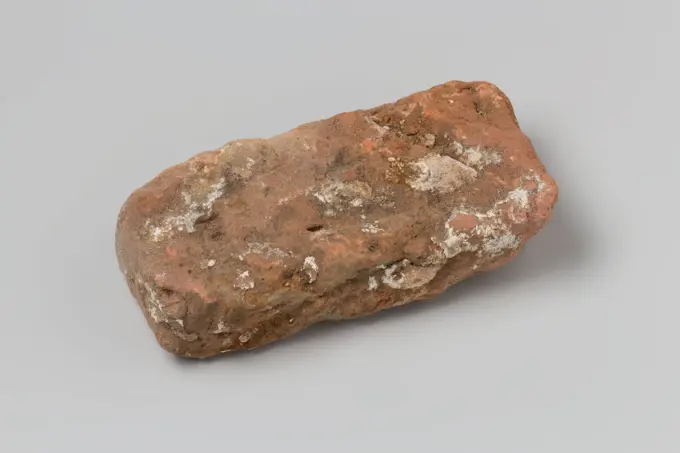
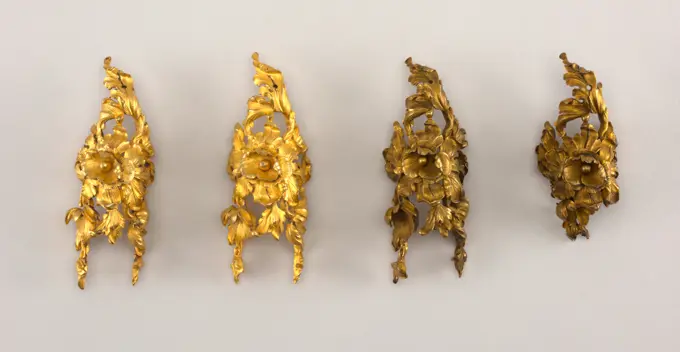
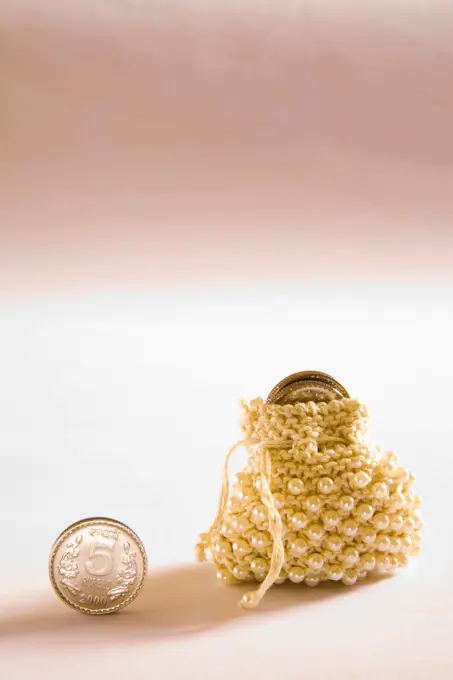
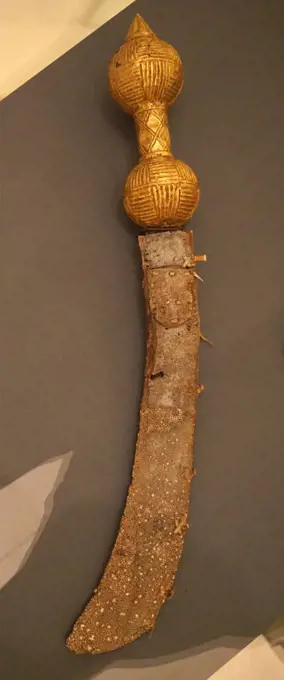
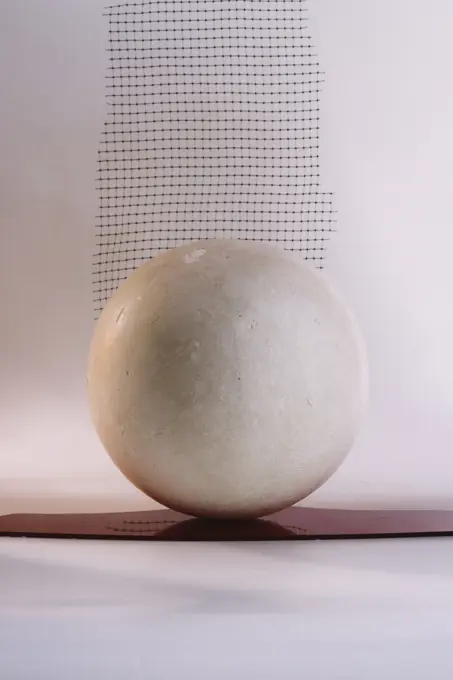
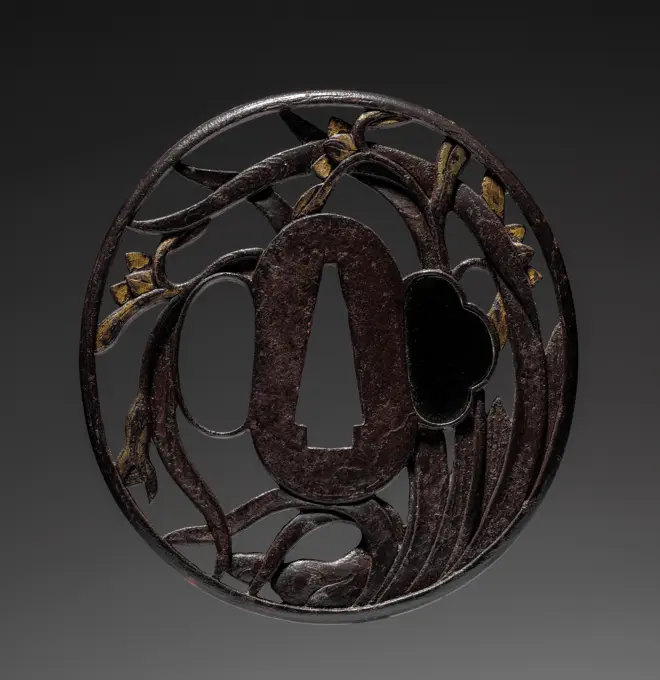
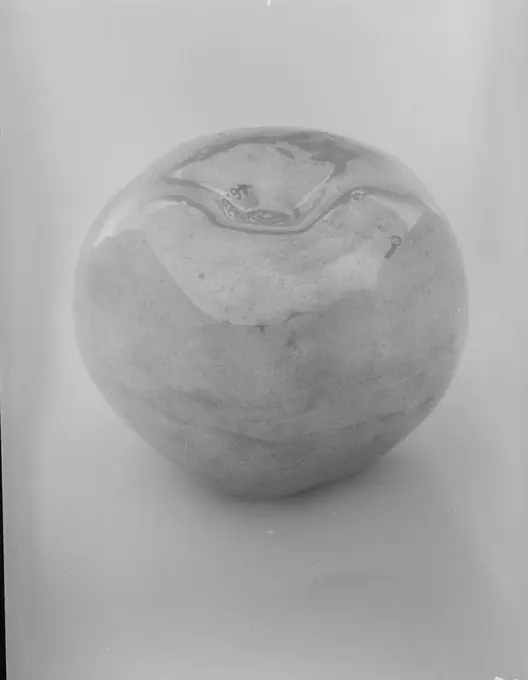
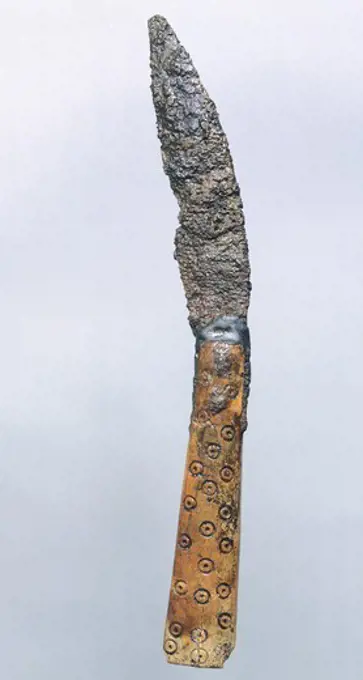
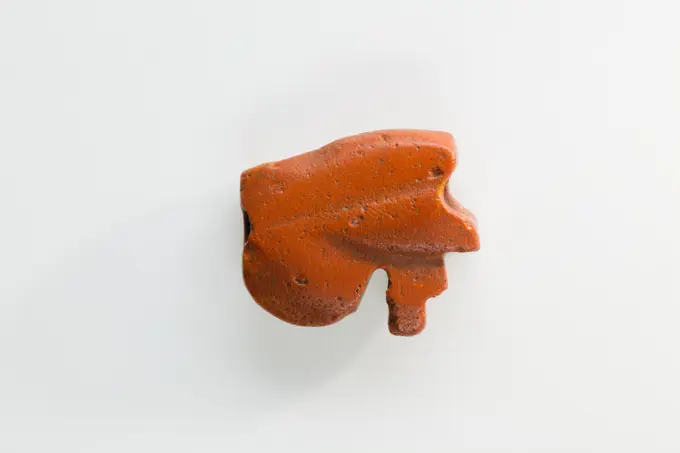
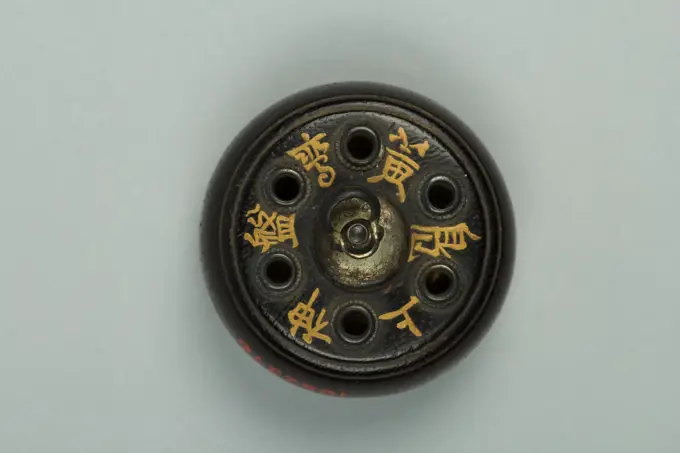
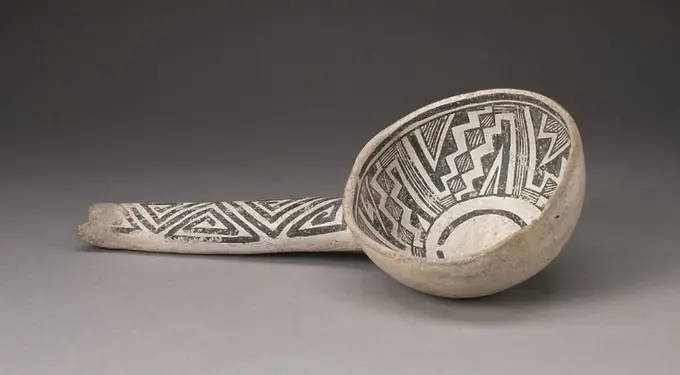
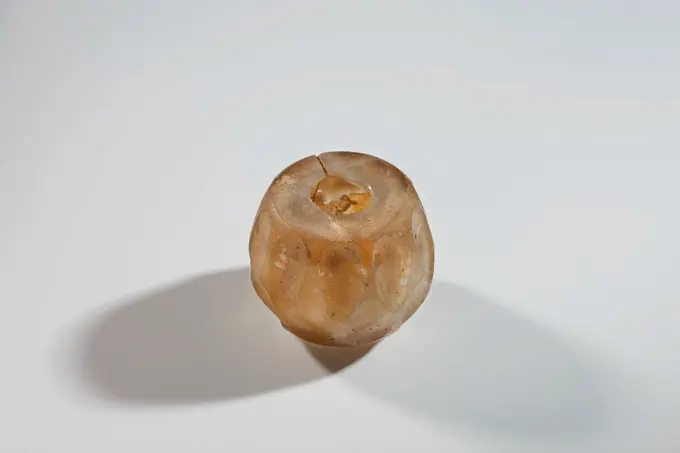
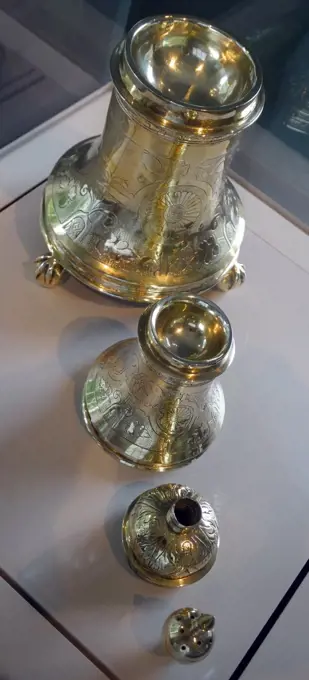
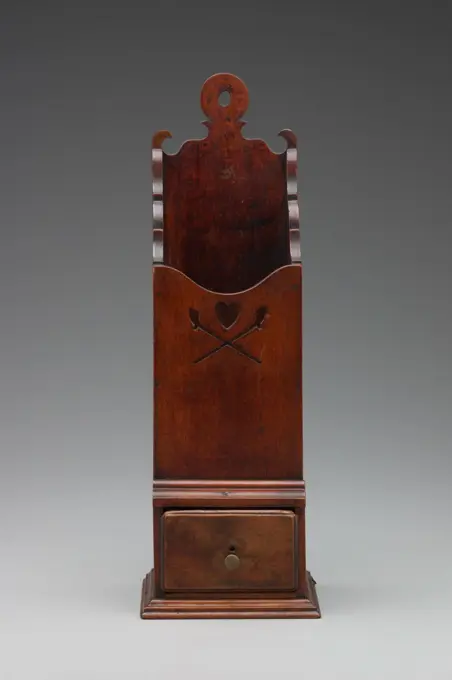
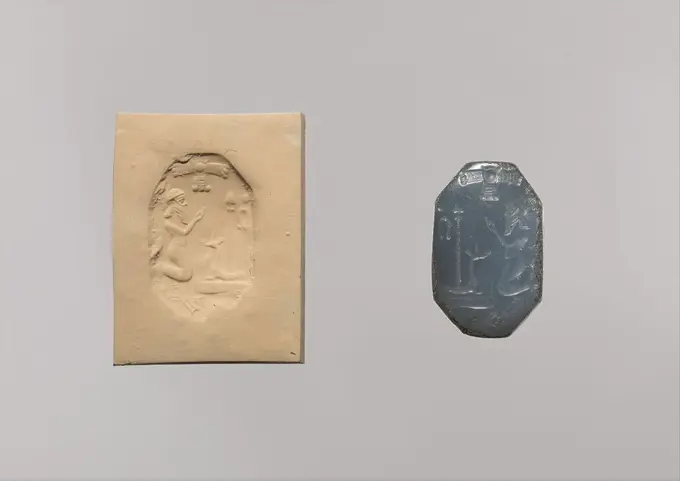
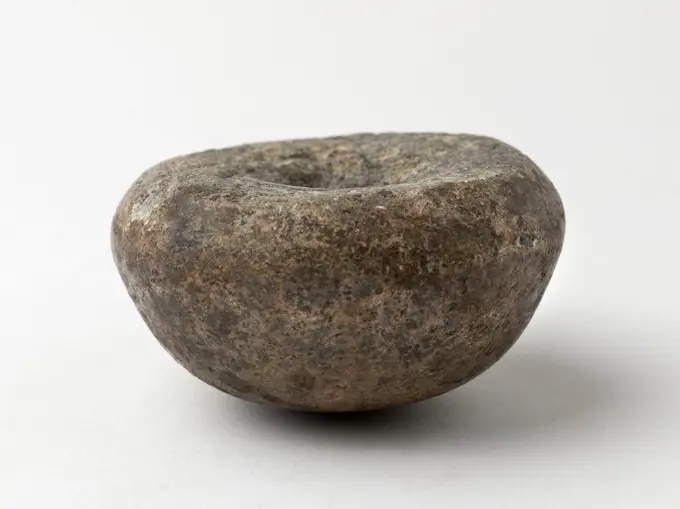
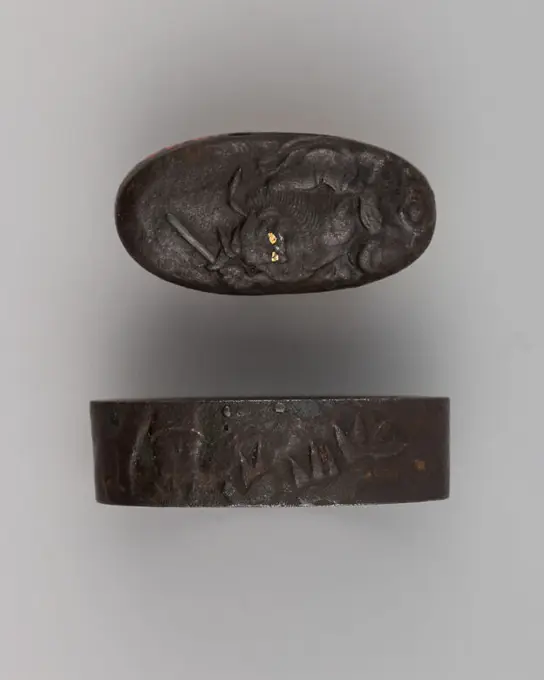
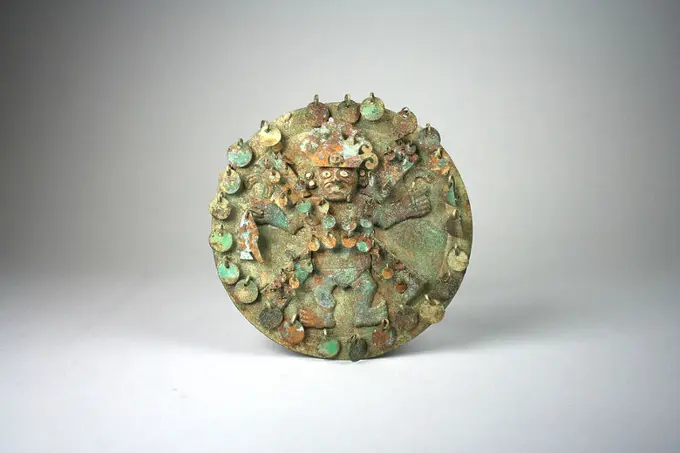
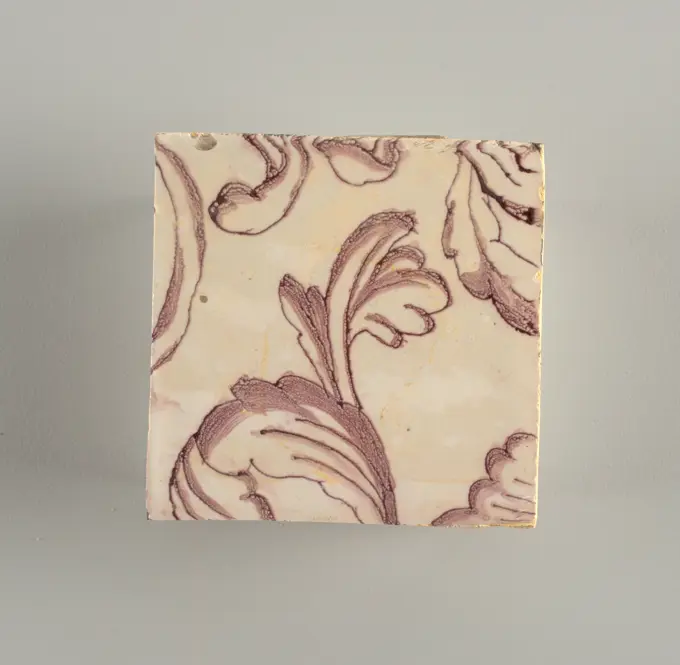
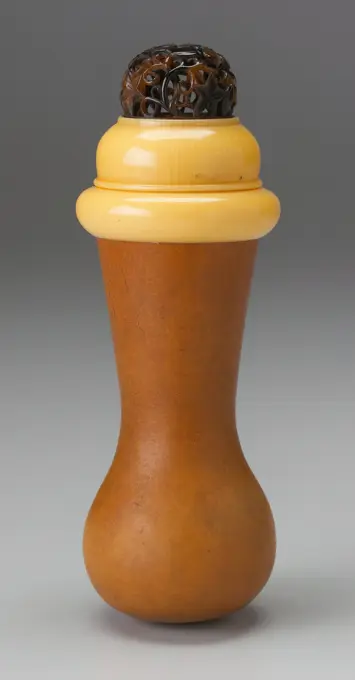
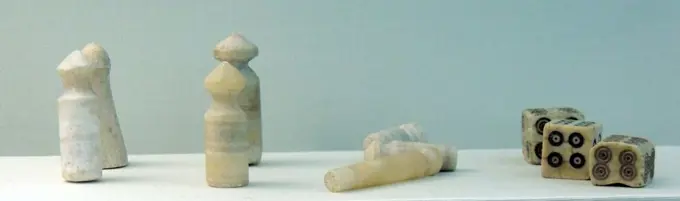
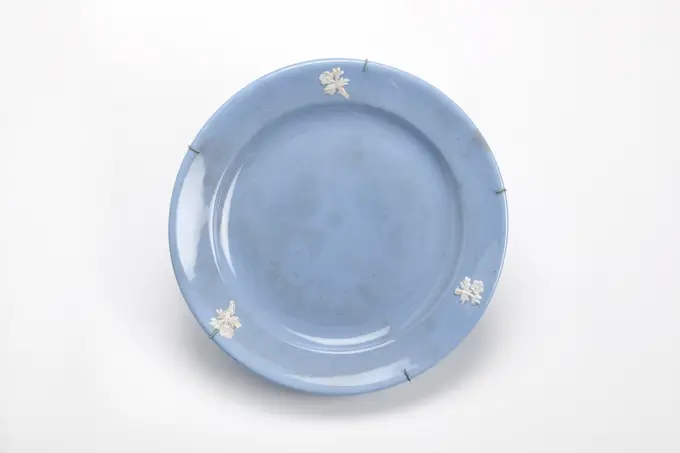
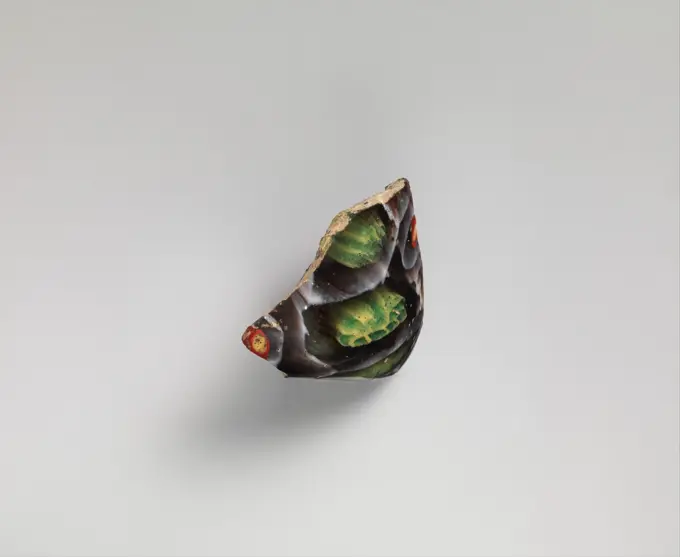
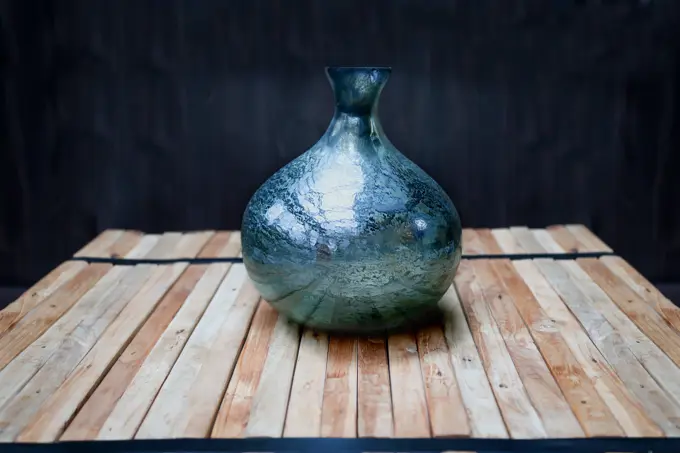
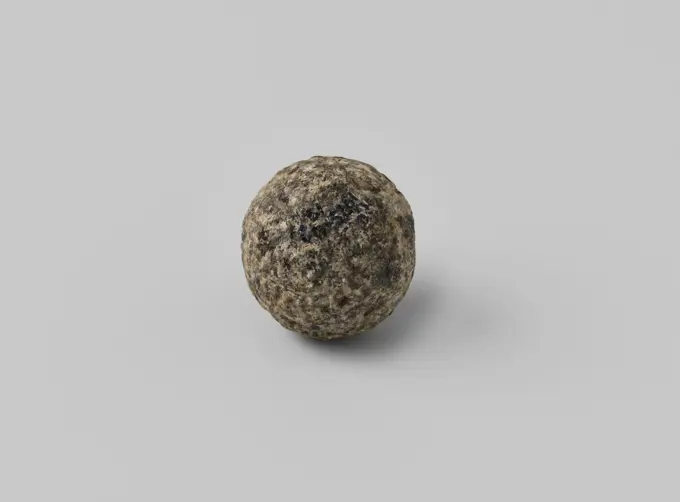
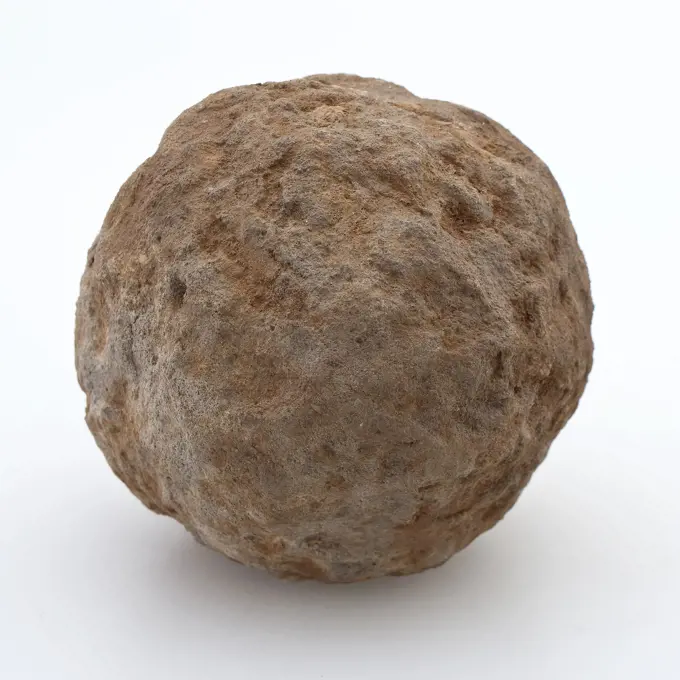
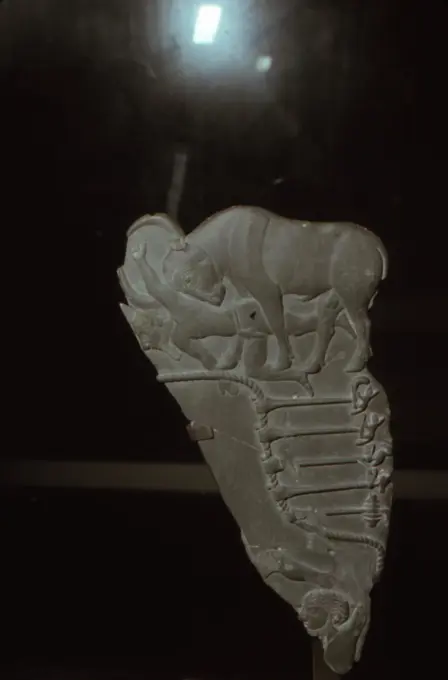
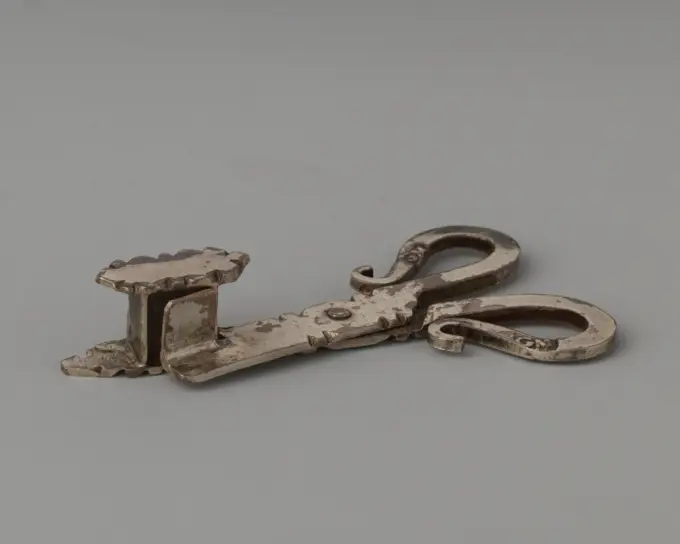
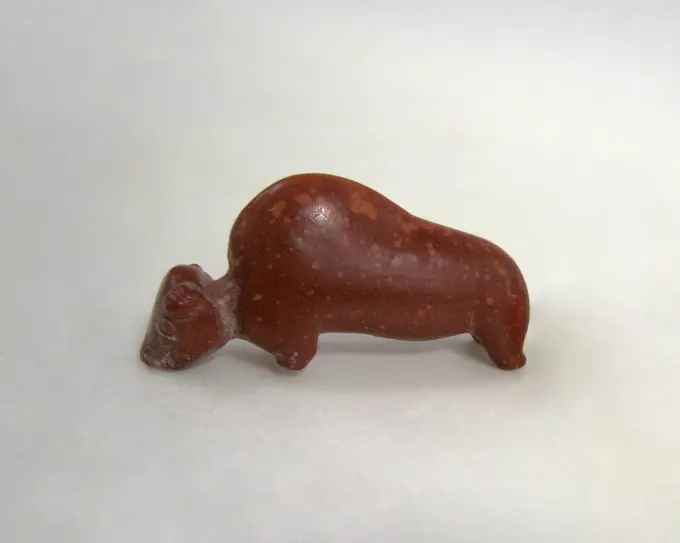
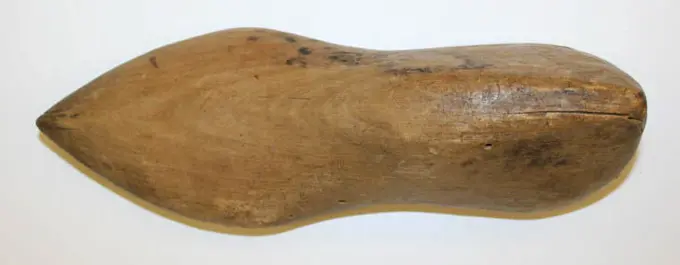
Shoemaker's lasts early 19th century American. Shoemaker's lasts 102282Bracelet 16th century Spanish. Bracelet 464038 Spanish, Bracelet, 16th century, Gold, Overall: 2 11/16 x 1/4 in., 0.4oz. (6.9 x 0.7 cm, 10g). The Metropolitan Museum of Art, New York. Gift of J. Pierpont Morgan, 1917 (17.190.155)Ancient Greece. Fragment of a kleroterion, a randomization device used by the Athenian polis that allowed for the selection of citizens to hold various public offices. Marble. 2nd century BC. Museum of the Ancient Agora. Athens, Greece.Alabaster vase of Pepi IIBreastpate. Spanish or northern Italian. Date: 1470-1530. Dimensions: . Steel. Origin: Spain. Museum: The Chicago Art Institute, Chicago, USA.Axe (Berdiche) ca. 14th-15th century possibly Turkish. Axe (Berdiche) 35947Plate;  horse. IV-Bone. III thousand BC ; Early body period (-3100-00-00--2686-00-00);Stone dishes, Polish-French excavations in Edfu (Egypt)Tuitkan van Tin with lid, anonymous, 1600 - 1650 Tuitkan van Tin. A baluster -shaped body rests on the foot and at the bottom of the foot the spout, which is attached to the lip edge halfway with a cross connection. The lid is slightly arched and has a simple thumb rest, which passes into the handle via a double -cacky hinge. Netherlands tin (metal) casting Tuitkan van Tin. A baluster -shaped body rests on the foot and at the bottom of the foot the spout, which is attached to the lip edge halfway with a cross connection. The lid is slightly arched and has a simple thumb rest, which passes into the handle via a double -cacky hinge. Netherlands tin (metal) castingJan van der Pol, Four-piece bronze mold for lid of tap jug with initials JVDP and 1751, cast molding tool tools base metal bronze wood, cast turned Four-piece bronze mold for pouring lid for tap jug. signed IVDP and 1751 (Jan van der Pol, some of the initials have disappeared in the edge of the core) Rotterdam tingieterij tin staining tin Meeuws Druy craft Shapes are from the originally 18th century Rotterdam tinnegieter J Druy . The large molds that were not signed or dated were the property of the tinker guild and were rented to the small tin caster.Dish (brasero) with Heraldic Lion late 15th-early 16th century Spanish, Valencia The motif of the rampant lion, such as the example depicted at the center of this dish, figured prominently on Iberian coats of arms. However, by the late fifteenth century, such emblems were also used as decorative motifs conveying a general sense of prestige, rather than as crests identifying specific noble families.. Dish (brasero) with Heraldic Lion. Spanish, Valencia. late 15th-early 16th century. Tin-glazed and luster-painted earthenware. Ceramics-PotteryConsole with cut ornament, anonymous, c. 1400 - c. 1950 A sliced oak console. Netherlands oak (wood) A sliced oak console. Netherlands oak (wood)Red-brown brick from V.O.C. ship De 'Witte Leeuw', Anonymous, 1613 brick (clay product) Brick. With white attack.  brick (clay product)RoundBoxFioel van Vaatwerk from the wreck of the East Indians Hollandia, Anonymous, 1700 - in Or Before 1743  Vessel part, finial; baluster with a conical knop, broken off underneath. Netherlands glass   SecondThimble. Culture: French. Dimensions: Height: 3/4 in. (1.9 cm). Date: ca. 1760. Museum: Metropolitan Museum of Art, New York, USA.Small candlestick of brass, anonymous, c. 1800 - c. 1900 Foot, trunk and fat catcher are cast in one whole. The trunk has one knot. The candle pin is inserted in the fat catcher. Three dragons are sounded on the foot, which serve as legs. Foot, trunk and fat catcher are equipped with fine grooved rings. Netherlands brass (alloy) casting Foot, trunk and fat catcher are cast in one whole. The trunk has one knot. The candle pin is inserted in the fat catcher. Three dragons are sounded on the foot, which serve as legs. Foot, trunk and fat catcher are equipped with fine grooved rings. Netherlands brass (alloy) castingPendant (France); fire-gilt bronzeConcept, growth Indian currency coin five rupees and batua India Copyright: xNirmalaxMishra/DinodiaxPhotoxClay Ring, 400-999, 1 5/8 x 1 1/4 in. (4.13 x 3.18 cm), Earthenware, Mexico, 5th-10th centurySwords used by Akan society chiefsDish. Culture: Italian, Venice (Murano) and Austria. Dimensions: 2 3/4 × 11 1/2 in. (7 × 29.2 cm). Date: mid-16th century.After a print of 1547 by Enea Vico (1523-1567) from a drawing by Frans Floris (1516-1570) of a fresco by Francesco Salviati (1510-1563) in the Galleria Doria Pamphilj, Rome. Museum: Metropolitan Museum of Art, New York, USA.Bottle;  IX-XI century (801-00-00-1100-00-00);Semerau -Siemianowski, Władysław - collection, bottles, gift (provenance), art of IslamLA NEGRA RUBIA 1933 BRONCE PULIDO. Author: CONSTANTIN BRANCUSI (1876-1956). Location: PRIVATE COLLECTION. France.security ball on white backgroundSword Guard, 1615-1868. Japan, Edo period (1615-1868). Iron (Choshu type); diameter: 7.6 cm (3 in.).Figure of an Apple. Culture: British (American market). Dimensions: H. 2 3/4 in. (7 cm); Diam. 3 3/8 in. (8.6 cm). Date: 1800-1830. Museum: Metropolitan Museum of Art, New York, USA.Shallow Bowl, one of a pair, 18th century, 1 5/8 x 7 7/8 x 7 7/8 in. (4.1 x 20 x 20 cm), Tou-ts'ai ware Porcelain with underglaze blue and overglaze polychrome enamel décor, China, 18th century, The Yung-cheng reign (1723-36) was an era of extraordinary technical refinement in overglaze enamel decoration. Both of these shallow bowls bear a six-character imperial Yung-cheng mark in underglaze blue on the bottom. The interior of each vessel is decorated with a central medallion containing the character shou wishing longevity, surrounded by evenly spaced clusters of flowers encircled by an interlocking tendril pattern. Similar flowers and tendrils decorate the exterior wall of each dish. Typical of the tou-ts'ai palette, the motifs are outlined with cobalt blue pigment under a transparent glaze, and then filled with red, yellow, green, and blue enamels over the transparent glaze. The creation of overglaze enamelware was an exacting process requiring at least two firings for each vessel.Goldweight Two Joined Shells, 19th-20th century, 1 1/16 x 1 1/4 in. (2.7 x 3.18 cm), Brass, Ghana, 19th-20th centuryIron and bone knife, from the Dnepropetrovsk Region, Ukraine. Scythian Civilization, 4th Century BC.Toy dessert plate - Inconnu / UnknownBronze ring, 9th century, necropolis of Momoitio, Garai, Arkeologi Museoa, museum aqueologico, Bilbao, Bizkaia, Pais Vasco, Spain.Wedjat eye amulet ca. 1070 BC or later Third Intermediate Period or later A number of small amulets or other items were found in the excavation of Nespekashuty's tomb, spanning its long use life. See the discussion under 23.3.468.. Wedjat eye amulet. ca. 1070 BC or later. Red jasper (). Third Intermediate Period or later. From Egypt, Upper Egypt, Thebes, Deir el-Bahri, Tomb of Nespekashuty (TT 312, MMA 509), MMA excavationsNetsuke with Inscription 19th century Japan. Netsuke with Inscription. Japan. 19th century. Wood. Edo (1615-1868) or Meiji period (1868-1912). NetsukeContent measure of 1/2 liters, Anonymous, c. 1825  Spans contents of 1/2 liters. Netherlands wood (plant material)   NetherlandsDipper or Ladle with Interlocking Zigzag and Step-Fret Designs. Ancestral Pueblo (Anasazi), Black-on-white; West-central New Mexico, United States. Date: 1100-1300. Dimensions: 28.6 × 5.7 × 13.3 cm (11 1/4 × 2 1/4 × 5 1/4 in.). Ceramic and pigment. Origin: New Mexico. Museum: The Chicago Art Institute, Chicago, USA.Olivares de Duero comb ceramics, Valladolid Museum - Provincial Museum of Antiquities, Autonomous Community of Castile and Leon, Spain.Sword-Hilt Collar and Pommel (Fuchigashira). Culture: Japanese. Dimensions: Fuchi (a); H. 1 1/2 in. (3.8 cm); Wt. 1.1 oz. (31.2 g); kashira (b); H. 1 7/16 in. (3.7 cm); Wt. 0.7 oz. (19.8 g). Date: ca. 1615-1868. Museum: Metropolitan Museum of Art, New York, USA.Small bottle. unknown, craftsmanMirror and case, shagreen, ca. 1800, Decorative Arts, Mirror and caseYeah for paper;  19th/20th century (1890-00-00-1910-00-00);Craft, Japanese Art, Varia, Export productsSeal paste box late 17th-early 18th century China. Seal paste box 49350Salt condiments silver-gilt, 1614, EnglishPipeboxChalcedony scaraboid seal ca. 450-400 B.C. Greek, Ionian Gazelle, perhaps in the act of rising.. Chalcedony scaraboid seal. Greek, Ionian. ca. 450-400 B.C.. Chalcedony, white. Classical. GemsTAZONES O CUENCOS VIDRIADOS. Location: ALFARERIA. VALL DE UXO. Castellón. SPAIN.fresh blueberry on white rustic wood table macroStamp seal: worshiper kneeling before mushhushshu-dragon and standard. Dimensions: Seal Face: 2.41 x 1.55 cmHeight: 3.12 cmString Hole: 0.2 cm. Date: ca. 6th-5th century B.C..This stamp seal depicts a kneeling figure before divine symbols. The figure, bearded and wearing a diadem, raises his hands in a gesture of prayer and supplication. Before him can be seen a couchant mushhushshu, the composite dragon associated particularly with Babylon's chief deity Marduk, whose spade "standard" rises from its back. It is possible that the mushhushshu and spade standard represent a real altar before which the figure kneels, but other elements of the composition are abstract divine symbols: behind the standard sits a symbol resembling the Greek letter "omega," and above the scene is a winged disc. Many Neo-Babylonian seal designs show a standing or kneeling worshipper with raised hands before divine symbols or an altar. In some cases the figure is beardless and clearly a priest; in others, as hereFielding the linen. Glass, 900-1100. Paris, Carnavalet museum. 77959-10 Medievale archeology, thousand-year-old, linen, straightening, medieval, ironing, glass, xeme centuryGlass pendant in the form of a bunch of grapes late 2nd-1st century B.C. Greek, Eastern Mediterranean Translucent greenish yellow.Pendant shaped like an elongated bunch of grapes; integral suspension loop at top with horizontal hole through one half of mold. Vertical mold seams visible at sides and over loop.Complete except for half of suspension loop; some pinprick bubbles; dulling.. Glass pendant in the form of a bunch of grapes. Greek, Eastern Mediterranean. late 2nd-1st century B.C.. Glass; cast in a two-part mold. Late Hellenistic. GlassSeal 1850-70 Probably New England Glass Company. Seal 7361Kemirinot from V.O.C. ship De 'Witte Leeuw', Before 1613 nut (plant material) Kemirinot from V.O.C.-ship De 'Witte Leeuw'  nut (plant material)   Sint-HelenaSword-Hilt Collar (Fuchi). Culture: Japanese. Dimensions: H. 1 7/16 in. (3.7 cm); Wt. 0.6 oz. (17 g). Date: 18th century. Museum: Metropolitan Museum of Art, New York, USA.Disk. Culture: Moche (Loma Negra). Dimensions: Diameter 6-1/8 in. (15.5 cm). Date: 390-450. Museum: Metropolitan Museum of Art, New York, USA.Asian tea pot at comfortable loungeTile Wall Facing (Holland); tin-glazed earthenware, underglazeCricket Container, 6 1/8 x 2 1/8 x 2 1/8 in. (15.56 x 5.4 x 5.4 cm) (overall), Gourd, ivory, tortoise shell, ChinaAlabaster gaming pieces. New Kingdom 1500-1000 BC.empty wooden round podium on a table and shadows on a wall. copy space for product presentation and sale promotion. empty wooden round podium on a table and shadows on a wall. copy space for product presentation and sale promotion.Snuff Box with Portrait of Nicholas Pancras, Perpète Evrard, 1743Work pillow;  1. PO. 19th century (1801-00-00-1850-00-00);Dinner plate - St. Johns Stone Chinaware Company (founded 1873) St. Johns Stone Chinaware Company (founded 1873)TONELETE DE CERAMICA PARA LLEVAR AGUA, PROCEDENTE DE PANTOJA (TOLEDO), EN EL MUSEO DE SANTA CRUZ.Glass mosaic box (pyxis) fragment late 1st century B.C.-early 1st century A.D. Roman Translucent streaky purple, turquoise blue, partially mixed with opaque yellow and appearing green, opaque white, yellow, and red.Vertical side to cylindrical body, curving in to flat bottom.Mosaic pattern formed from polygonal sections of two canes: one in a purple ground outlined in white and surrounding a circular cluster of green rods outlined in yellow; the other in a purple ground with a white circle and a central yellow dot surrounded by red.Polished exterior; slight pitting of surface bubbles on exterior; dulling and creamy weathering on interior and jagged edges.. Glass mosaic box (pyxis) fragment 257367anthropomorphic plate, schist, 3600-2500 BC, Herdade da Comenda, Montemor-o-Novo, Portugal, Huelva Museum, Huelva, Andalusia, Spain.Fragment of a Herm 200 BCE-101 BCE Greece. terracotta . Ancient GreekTassel 17th century Italian. Tassel. Italian. 17th century. Linen. Textiles-TrimmingsA glass vase on a wooden table. A glass vase on a wooden table.Amulet  HatchesAegirine; , Feldspar. minerals. Africa; Malawi; Zomba District; Mt. MalosaBullet from the wreck of the East Indians Princesse Maria, Anonymous, 1682 - 1686 bullet (ammunition) Round bullet of granite -like stone. Specky surface. Shot. Middelburg .Toy dinner plate - Spode SpodeDish with Lotus and Peonies. China. Date: 960 AD-1279. Dimensions: H. 6.0 cm (2 3/8 in.); diam. 29.9 cm (11 3/4 in.). Ding ware; porcelain with underglaze molded decoration; copper rim. Origin: China. Museum: The Chicago Art Institute, Chicago, USA.Small natural cannonball, irregular and stained, cannonball bullet projectile ammunition founding stone stone largest, archeology militariaStand for Tiered Boxes, late 1700s. Japan, Edo period (1615-1868). Red lacquer over a wood core, with litharge painting and engraved gold designs (Ryukyuan);Concept, kaudi shell on white background India Copyright: xNirmalaxMishra/DinodiaxPhotoxStone ball a white background Stone ball a white background. 3d rendering Copyright: xZoonar.com/RomanxBudnikovx 10639994Goldweight Scorpion, 19th-20th century, 1/2 x 1 3/8 x 1 1/2 in. (1.27 x 3.49 x 3.81 cm), Brass, Ghana, 19th-20th centuryEarthenware fragment, terra sigillata with lion's head, bowl bowl crockery holder soil find ceramic pottery, Edge fragment of cream bowl with spout. Terra sigillata Tuit is decorated with strongly stylized head probably lion head archeology Rotterdam milk dairy food preparation kitchen Soil discovery area New construction Rotterdam.Palette with bull goring man, circa late 4th millennium BC. Artist: Unknown.Walnut and walnut comb (Juglans regia), walnut combRoman era. Perfume flasks. unguentarium. Roman Hispania. Spain. 2nd century. National Archaeological Museum, Madrid. Spain.human skull for Halloween useCigaretteBox. Designer Edward C. Sloan, American, 1894-1987Retailer: Brown-Williamson Tobacco Corporation Maker: General Electric Plastics Dept.chocolate ball isolated on whiteGoldsmith's art, Flanders, 16th century. Enamelled gold set with a baroque pearl and diamonds jewel in shape of a lizard, mm. 9x66.5Old corkscrew and bottle of winePeat crown with eight hooks, anonymous, c. 1700 - c. 1799 Cleft crown or wildlas of yellow buyer, for the ceiling; Buitenring with five hooks; Three hooks on the inner bar. Amsterdam brass (alloy) Cleft crown or wildlas of yellow buyer, for the ceiling; Buitenring with five hooks; Three hooks on the inner bar. Amsterdam brass (alloy)Miniature snuffers ca. 1690 Possibly by George Middleton British. Miniature snuffers. British, London. ca. 1690. Silver. Metalwork-Silver-MiniatureBuffalo Sculpture, 1 5/8 x 2 7/8 x 3/4 in. (4.13 x 7.3 x 1.91 cm), Catlinite, United StatesHIGA - FIGURA EN FORMA DE PUÑO USADA COMO AMULETO. Location: PRIVATE COLLECTION. MADRID. SPANIEN.Glass mosaic bowl fragment late 1st century B.C.-early 1st century A.D. Roman Rim fragment.Translucent honey brown, blue, and opaque white.Vertical, flattened rim; convex curving side, tapering downward.Body decorated with mosaic pattern formed from irregular sections of a single cane in brown ground with blue bands and white lines and streaks.Exterior polished, with pitting of surface bubbles; creamy weathering on rim, interior, and edges.. Glass mosaic bowl fragment. Roman. late 1st century B.C.-early 1st century A.D.. Glass; cast. Early Imperial. GlassOld worn and scratched iron, european power plugFinger ring - Ancient Figures Josiah Wedgwood Josiah WedgwoodGunlock (Flintlock) for a Carronade with a Double Flint, anonymous, c. 1820 flintlock On the right canons lock (flint lock) with brass house and iron lock mechanism, rooster and pandel. De Haan has two couple of lips, which can turn around a bolt with a wing nut: he has two flints, in case one became unusable. The lock is mounted with a pin in the lock support and a bolt right through it. The pan has a hole through which the spark is led to the Zundgat. The deduction runs through a ring. The confirmation pin has been adjusted. United Kingdom brass (alloy). iron (metal). ropeTassel 17th century Italian. Tassel. Italian. 17th century. Linen. Textiles-TrimmingsCandlestick. Culture: American. Dimensions: H. 10 1/8 in. (25.7 cm). Manufacturer: Boston & Sandwich Glass Company (American, 1825-1888, Sandwich, Massachusetts). Date: ca. 1845-65. Museum: Metropolitan Museum of Art, New York, USA.Grzechotka w kształcie owocu granatu. unknown, authorStoop with veurvest, Willem van Strant, c. 1727 - c. 1742 Rectangular stew with five holes. The top has sealed corners. There is a corresponding test in De Stoof (BK-NM-11177-163-B). The stove is marked: stk. = Amsterdam, Mt. = Willem van Strant. Amsterdam silver (metal) Rectangular stew with five holes. The top has sealed corners. There is a corresponding test in De Stoof (BK-NM-11177-163-B). The stove is marked: stk. = Amsterdam, Mt. = Willem van Strant. Amsterdam silver (metal)Chocolate dough in round metal baking pan on marble table flat layMarble, Inscribed. Egypt, 1st Dynasty (circa 3050 - 2850 BCE). Tools and Equipment; marbles. Marble