Antique Vessels and Artifacts

A collection of small bottles and decorative items, featuring various materials like glass and metal, showcasing intricate designs and historical significance.
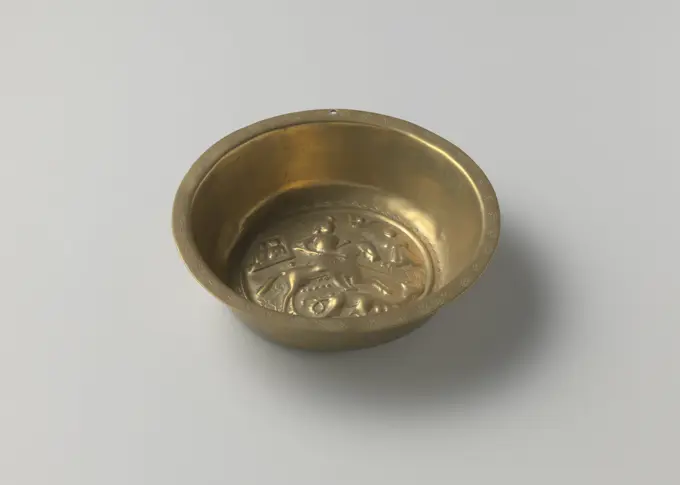
Pelvis with Saint Joris, Anonymous, 1500 - 1600 In the flat of the pelvis, with the help of a stamp shape, a representation of the Holy Joris has been punched in a fight with the dragon with the dragon with the princess, the royal couple and angel in the background. This is surrounded by a punched edge of stylized leaf ornament. An edge of rosettes is punched on the board. The hanging ring at the rear and the hole in the edge were installed later. Neurenberg (possibly) brass (alloy) casting In the flat of the pelvis, with the help of a stamp shape, a representation of the Holy Joris has been punched in a fight with the dragon with the dragon with the princess, the royal couple and angel in the background. This is surrounded by a punched edge of stylized leaf ornament. An edge of rosettes is punched on the board. The hanging ring at the rear and the hole in the edge were installed later. Neurenberg (possibly) brass (alloy) casting
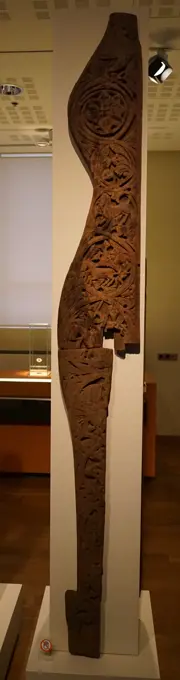
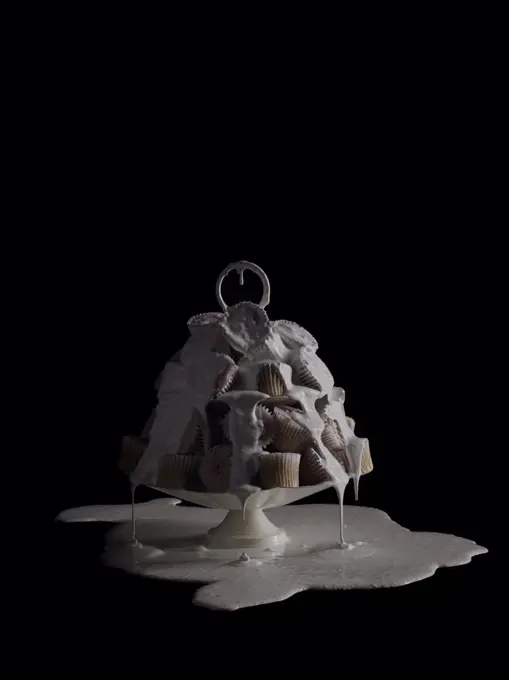
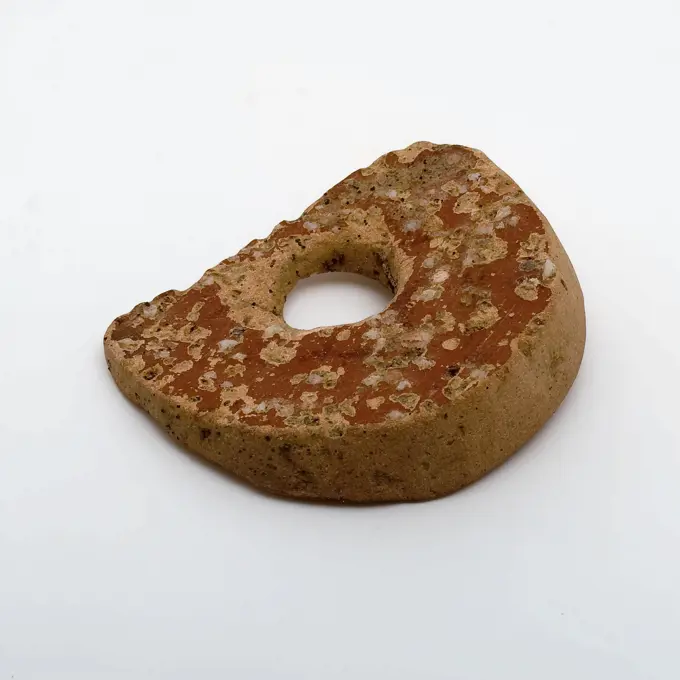
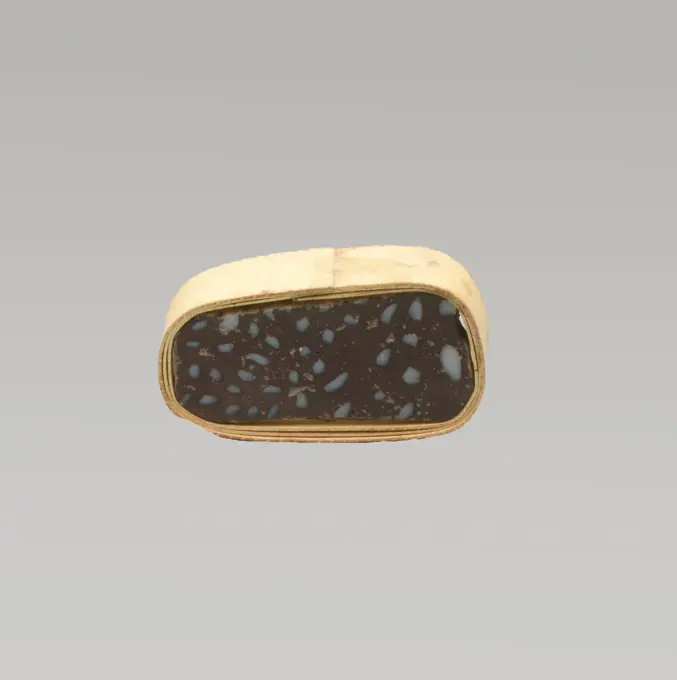
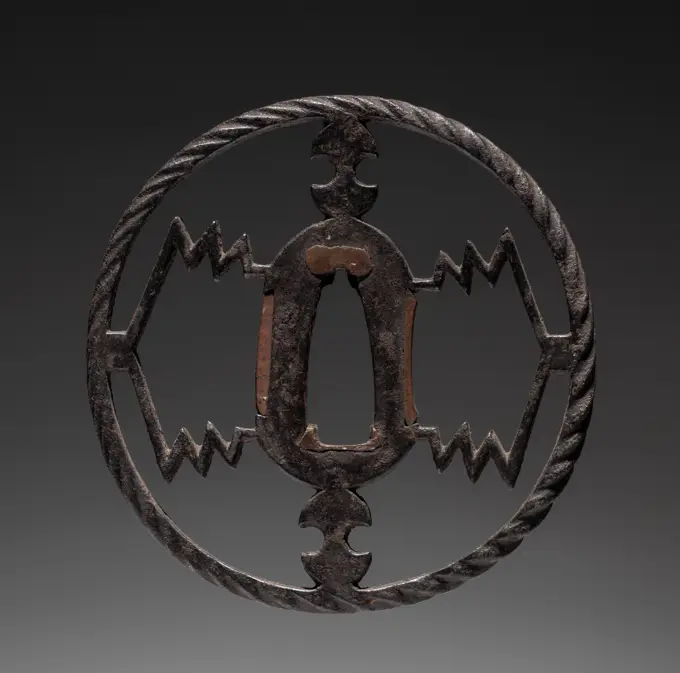
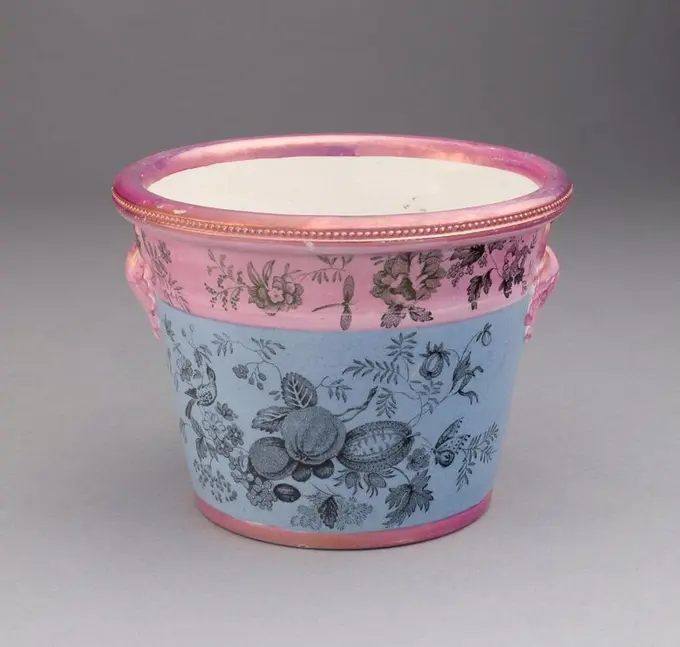
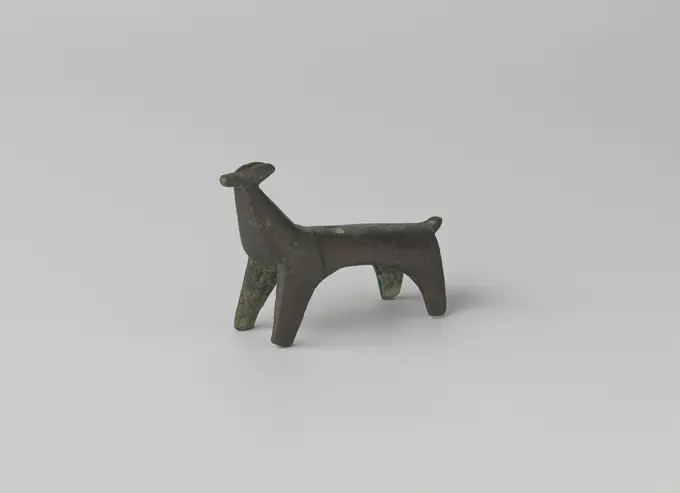
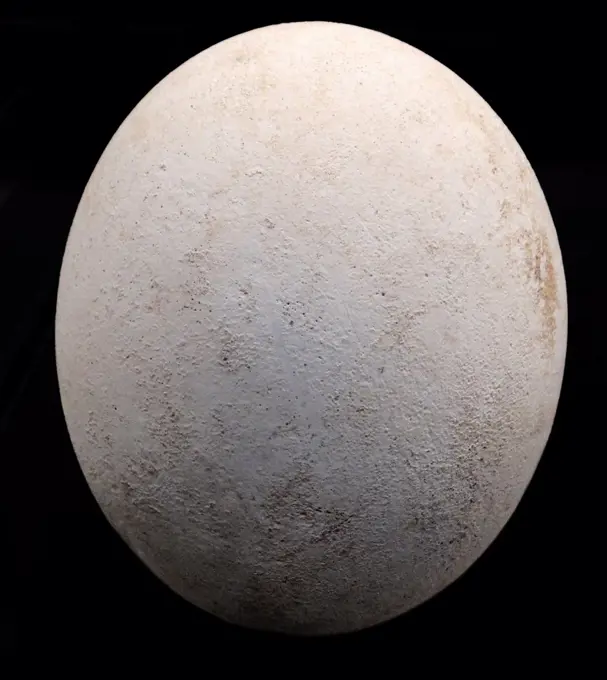
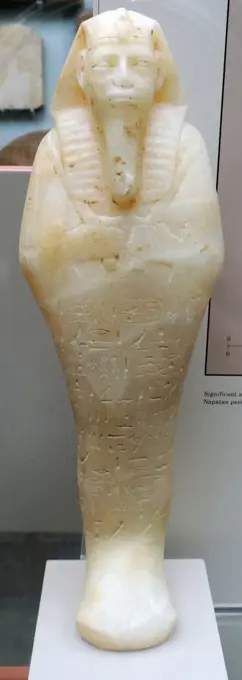
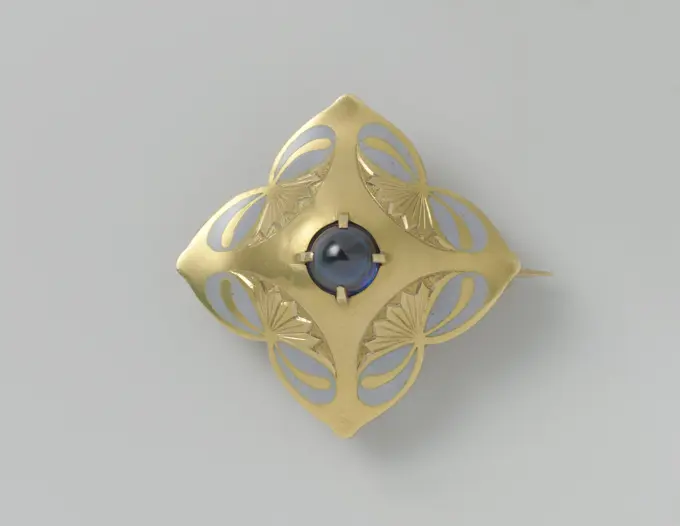
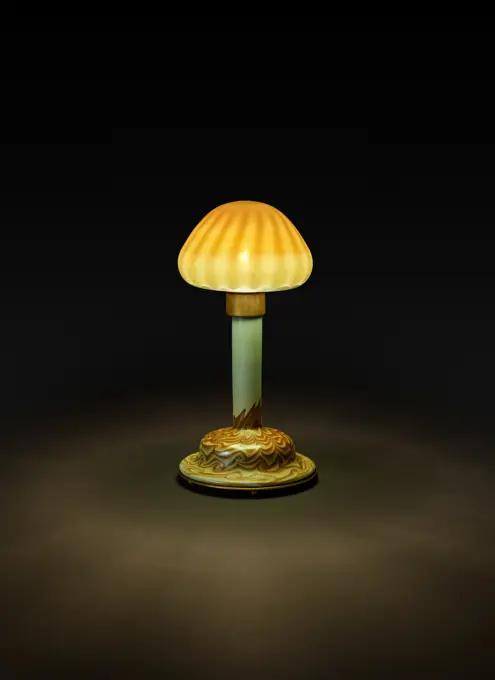
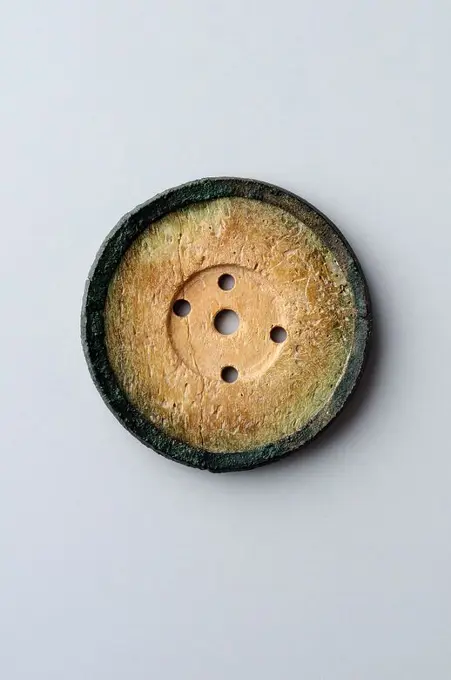
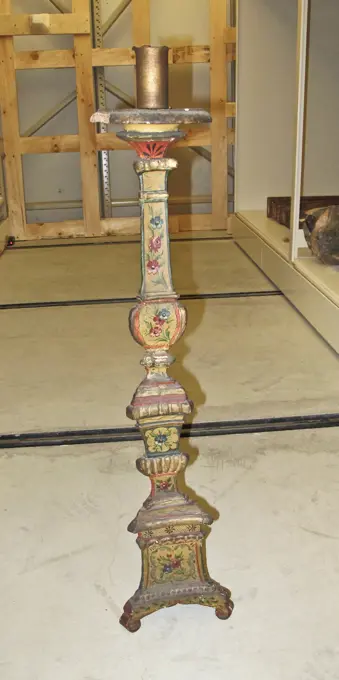
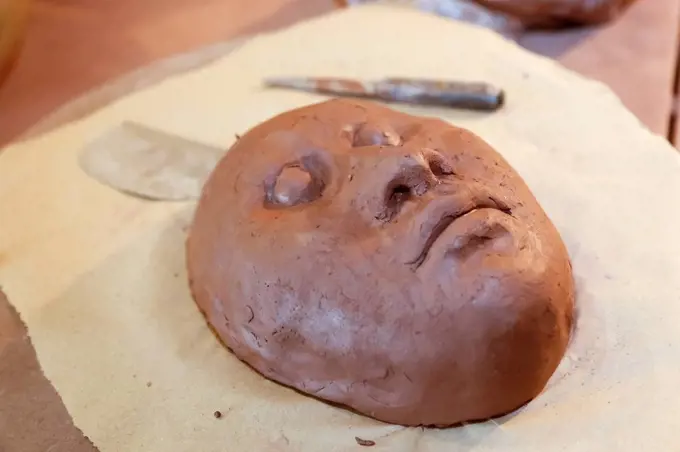
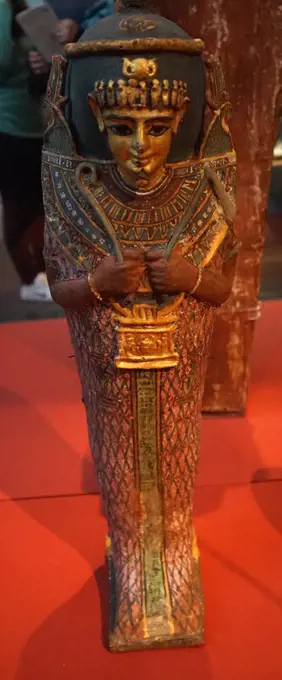
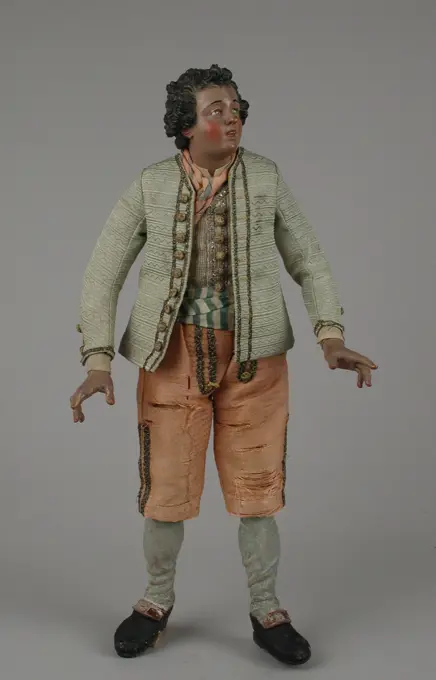
Collar ca. 1850 American. Collar. American. ca. 1850. LinenContent measure of 1 Ned Maatje, Anonymous, c. 1825  Turned wooden content of 1 deciliter. Netherlands wood (plant material)   NetherlandsAntique Stone Pinecone Antique Stone Pinecone Ornament DecorationZoomorphic carved Gothic doorpost from an Icelandic 13th-14th century church. woodenLoaf of shiny Milk bread on Taupe BackgroundMinature vase China 18th century View more. Minature vase. China. 18th century. Porcelain with copper red glaze (Jingdezhen ware). Qing dynasty (1644-1911). CeramicsGolden Artifact From Muisca Tribe In The Gold Museum In La Candelaria, The Old Town Of Bogota, ColombiaTile Wall Facing (Netherlands); tin-glazed earthenware, underglazeParasol with a deck of black chantilly side on a white taf side, lined with white ponjé side, cut ivory stick, anonymous, c. 1840 - in or after c. 1860 Black Chantilly-side parasol with mulets in the middle, switching edge of medallions and scalloped outer edge with hanging tulips, placed close together, on a white taf side. The lining is made of white ponjé side with a strip of mechanical blonde side. The stick is made of ivory, cut like a knots trunk, around which thin climbing drinks swing in relief. No hook. Halfway through the stick can be screwed loose. On top of a round button of ivory. Chantillyivory carver: France (possibly) deck:. deck: Silk. Lining: Silk. Stok: Ivory. Baleen: Metal cutting Black Chantilly-side parasol with mulets in the middle, switching edge of medallions and scalloped outer edge with hanging tulips, placed close together, on a white taf side. The lining is made of white ponjé side with a strip of mechanical blonde side. The stick is made of ivory, cut likePaint poured over cake standDetail of a Chimney Pot on Casa Milà, 'La Pedrera'. Antoni Gaudí, 1906-1912.King oyster mushroomsKerosene lamp HasagEggcup - Shelley, 1925-1929 Shelley, 1925-1929Glasses of the Remonstrant Pastor A. Geesteranus (1593-1658) .Garbread glasses with silver frame and round, cut glasses. The glasses are embedded in silver rings that are open at the top and bent so that a loop is created where a string or iron wire can be achieved through and attracted to closing the ring. The outer edge of the glass is sloping sloping. The nosebow stands with curls on the rings.Squeezed tea bag on white backgroundPottery spinklos made from fragment terra sigillata rubbing plate, spinklos soil finds ceramic earthenware, drilled sanded Pottery spun or spinning stone. Made from fragment of terra sigillata rubbing bowl with cobblestone stone blasted bowl Soft red shard The bowl is made in Germany or Southern Europe archeology Poortugaal Albrandswaard indigenous spinning wool wool processing textile clothing reuse Soil discovery Poortugaal Hofterrein slot L1 just before draining 1971.07.26.Blue glass inner box of vial, anonymous, c. 1400 - c. 1950 Blue glass inner box made of vial.  glass Blue glass inner box made of vial.  glassGlass mosaic inlay fragment late 1st century B.C.-early 1st century A.D. Roman Deep purple, appearing reddish brown, and opaque white.Flat, roughly rectangular revetment plaque.Marbled mosaic pattern in purple ground with multiple white rods.Chipped at all four corners; polished upper side; pitting of surface bubbles; thick creamy weathering on underside and edges.The glass imitates Egyptian porphyry.. Glass mosaic inlay fragment. Roman. late 1st century B.C.-early 1st century A.D.. Glass; cast. Early Imperial. Glasstree tea houseSword Guard (Tsuba), c. 1615-1868. Japan, possibly Edo period (1615-1868). Iron; diameter: 8 cm (3 1/8 in.).Snail on top of one US dollar coin against gray backgroundMassageroller Massageroller auf weißem Hintergrund Copyright: xZoonar.com/SimoneVoigtx 1102458Mirror, Engraved and silvered glass, Rectangular panel, broken in irregular edge at bottom. Decorated with figure of 'Flora' engraved from back in dull silver heightened with mirror silver. Figure in dancing pose, wearing short tunic with garland diagonally across torso, and holding wreath in upraised right hand and flower in left., Italy, Probably Venice, Italy, mid- 17th-early 18th century, glasswares, Decorative Arts, MirrorStone (England)Stone Temple Model 1st-8th century Mezcala. Stone Temple Model 317486zungenförmige Platte zungenförmige Platte Copyright: xZoonar.com/Tolox 22568767Flower Pot. England, Staffordshire. Date: 1810-1820. Dimensions: 10.2 x 8.3 cm (4 x 3 1/4 in.). Lead-glazed earthenware with lustre decoration. Origin: Staffordshire. Museum: The Chicago Art Institute, Chicago, USA.Ornament, part, c. 1800 - c. 1850 In the midst of ornament, representing a green sun with radiant flames. Stone goods with different colors of glaze. Canton stoneware. glaze vitrification In the midst of ornament, representing a green sun with radiant flames. Stone goods with different colors of glaze. Canton stoneware. glaze vitrificationImage in the form of an animal, possibly a candlestick. The object has the shape of a four-legged animal with an elongated body, a small head and two ears and a short tails. A round hole in the back (to confirm the tribe of the candlestick).Ostrich Egg (1750-1550 BC) from Lachish, Ostriches were native to the Levant, and were often included in tomb deposits. Tel Lachish ( the site of an ancient Near East city) is located in the Shephelah region of IsraelGrahal-Manzara. Carnavalet 2013-2016 collection sites. Numismatics. Right bust of Louis XVI to the naked pass, right.Headdress ornament 13th century China. Headdress ornament 41913Powder Horn 1750-83 American This powder horn is engraved with a map of the forts in the Hudson and Mohawk Valleys from Albany to the Great Lakes. It is also decorated with the royal arms of Great Britain.. Powder Horn 29562Six loom-weights, three disc-shaped and three cubes Minoan, 2100-1450 B.C. Found at Petras and Palaikastro.A sample of yellow sapphires found in Sri Lanka. Dated 19th CenturyWeaver (Ploceus sp) bird nest, Uebersee-Museum, Bremen, GermanyGray Mask by Pablo Picasso, Ceramic, 13 March 1959, 1881-1973Box in the Form of a Swaddled Dog. England. Date: 1765-1775. Dimensions: L. 4 3/8 in. (11.1 cm). Enamel on copper with metal mounts. Origin: England. Museum: The Chicago Art Institute, Chicago, USA.Hat of vice-admiral merchant, with a bullet pierced at bombing of Antwerp. Top hat, black from (partly perish) castor. Back to top Excellent, something arched. Bottom on the back damaged. A hole on top. Remainder of narrow band to the hat inside: natural leather sweatband and white silk inside on bottom stamp: Supra Fyne Vilte J.J. Froger in Hoeden Vijhendam and Hoek Van de Beursstraat No 30 Amsterdam Water test. Including paper bottom with idem, including cardboard soil, then felted bottom on which second inscription wrote by hand: VIIII. / Jinperme. Explanation: in the evening of the 28.October 1830 on the Deck ZM. Korvet comet, day of the (etc.).fragment of old metal candlestick macro closeup fragment of old metal candlestick macro closeup Copyright: xZoonar.com/SofiiaxPotaninax 21425519Calcite Shabit of King Taharqo 664 B.C.ParsnipBrooch, Lodewijk Willem van Kooten (II), c. 1908 - c. 1911 Brooch of gold, decorated with stylized flowers in relief, with gray enamel and with a star-sapphire in the middle. Amsterdam gold (metal). sapphire (mineral). Brooch of gold, decorated with stylized flowers in relief, with gray enamel and with a star-sapphire in the middle. Amsterdam gold (metal). sapphire (mineral).Mushroom Night Lamp, c. 1896-1902. Tiffany Glass & Decorating Company (American, New York, 1892-1902), Tiffany Studios (American, New York, 1902-1932). Favrile glass; overall: 32.4 cm (12 3/4 in.); diameter of base: 17 cm (6 11/16 in.). This small night lamp is made almost entirely of Louis Comfort Tiffany's signature Favrile glass. In the 1880s when Tiffany began collaborating with glass artists on new types of production, his aesthetic ambitions were realized in the development of Favrile glass, deliberately named to sound French, expensive, and handmade.” Largely through Tiffany's marketing ability, Favrile glass became America’s greatest contribution to the Art Nouveau style. His works were exhibited at international expositions; galleries in major European cities, where his creations were bought by many museums; and in his store in Manhattan, known as the Tiffany Glass and Decorating Co., later Tiffany Studios. From the outset, Tiffany used Favrile glass in mosaic panels, staineDecorative pottery - bowls, plates covered with glazed on a gray background. Traditional decorative ceramic handcrafted. Flat lay. The porcelain dishes, bowls handmade on a gray marble table with space under text.DecanterCracked egg shellBone Button with five holes. Diameter 1.2 cm Thickness 0, 3 cm - Medieval period from the archaeological site of the " Calle seises " in Alcalá de Henares - " Burgo de Santiuste Museum " (Madrid). SPAIN.Spool of brown string in hand on white backgroundJapanese box, Anonymous, 1816 - 1848 box Black lacquered wooden box with lid, on which the portrait of a man (G.A.G.P. van der Capellen, Minister of Coloningen 1814, Governor General 1816-1826), Best to the left in uniform. Underside coat of arms, cross with four equally long arms, on the left arm a turret of a church (); Hold on by Beast (Half Leeuw, Half Arend), on which 2 knighthoods are hanging including a spell on the ribbon ('Pietate et Fortitudine'); A crown above the shield. The side of the box has a circular gold line on both parts. Marked; under: coat of arms etc. Japan wood (plant material). lacquer (coating). mother of pearl lacquering  JapanScrub brush, S-shape, wooden handle with plastic bristles, white background,Candleholder (2 of 2), 1700s. Italy, Florence, 18th century. Carved and painted wood; overall: 78.7 cm (31 in.). easter chocolate bunny with reflection on white backgroundClay mask in art studioGrowthGoldsmith's art, Italy, 19th century. Coral Neapolitan parure, around 1860.Painted and gilded mummy case for an deceased infant.Man second half 18th century Attributed to Giuseppe Gori In 1964, Loretta Hines Howard generously presented to the Museum over 140 Neapolitan crèche figures, dating from the second half of the eighteenth century. The varied assortment includes figures from the three traditional scenes of a complete Neapolitan presepio: the Nativity, with angels, shepherds, and sheep; the procession of the three Magi, with their colorful retinue of attendants; and the varied and gay crowd of country and town people thronging the tavern, or inn, of Bethlehem  the diversorium mentioned by St. Luke, where on the Holy Night there was no place for Mary and Joseph. Averaging between twelve and fifteen inches in height, according to the position they were to take in perspective in the stage set, the figures are pliable and can be given poses at will, according to their facial expressions. Their bodies are made of tow and wire, their arms and legs are finely carved of wood, and their heads and shoulders are mo