Antique Vessels and Jars

Display of antique pottery and metal vessels, including jars and decorative pieces, highlighting craftsmanship and historical artifacts.
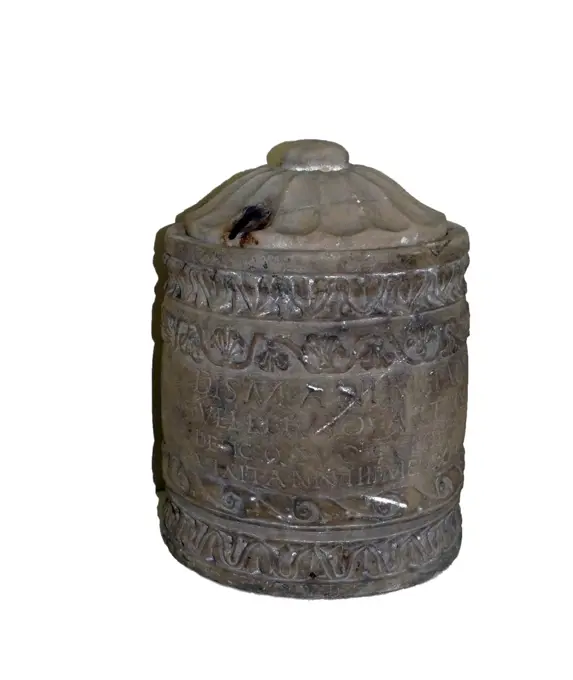
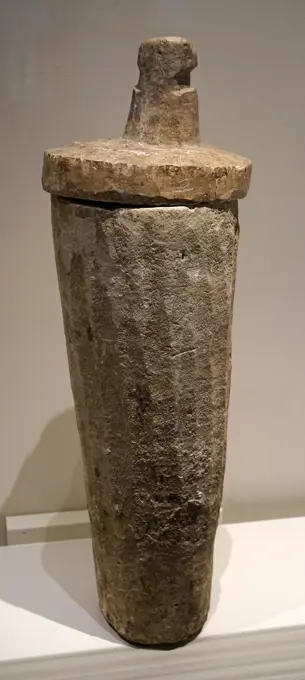
Marble ash-chest of Isias. Dated 125 AD
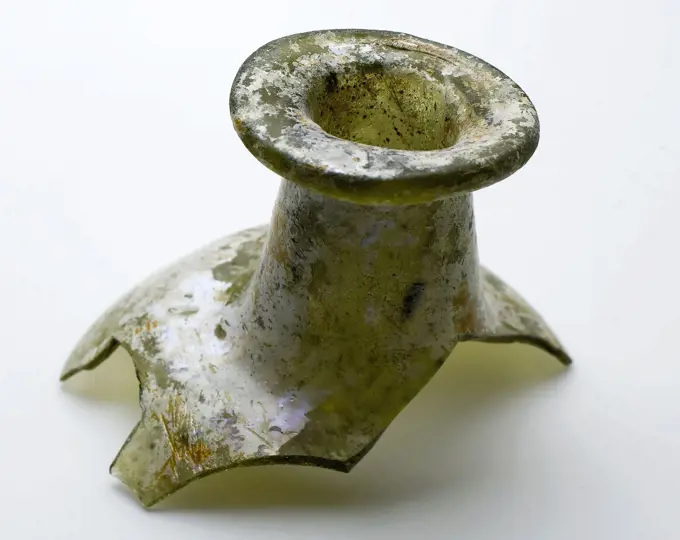
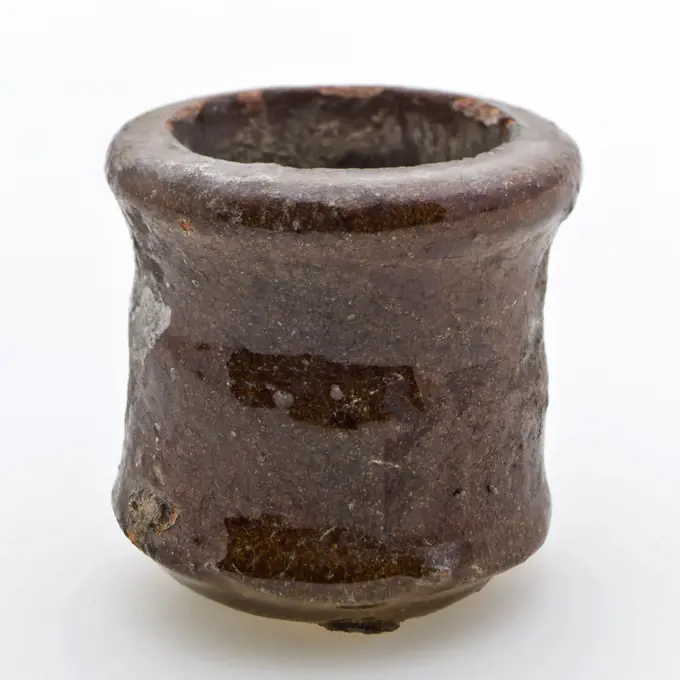
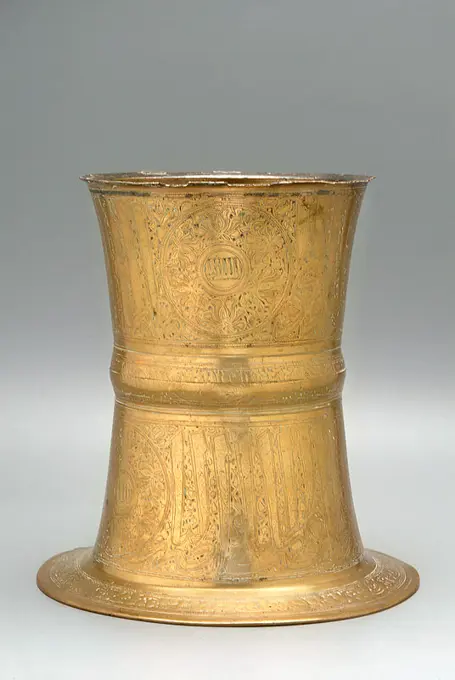
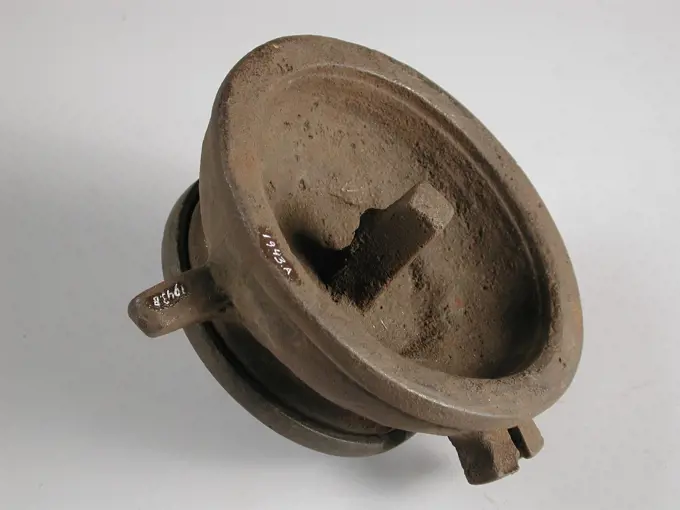
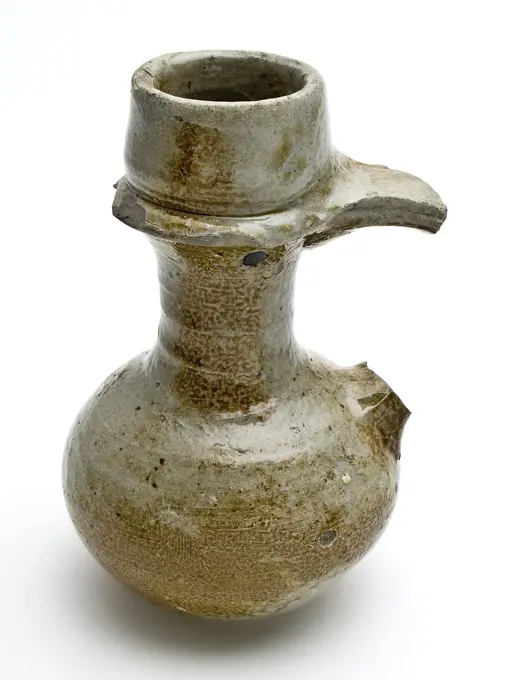
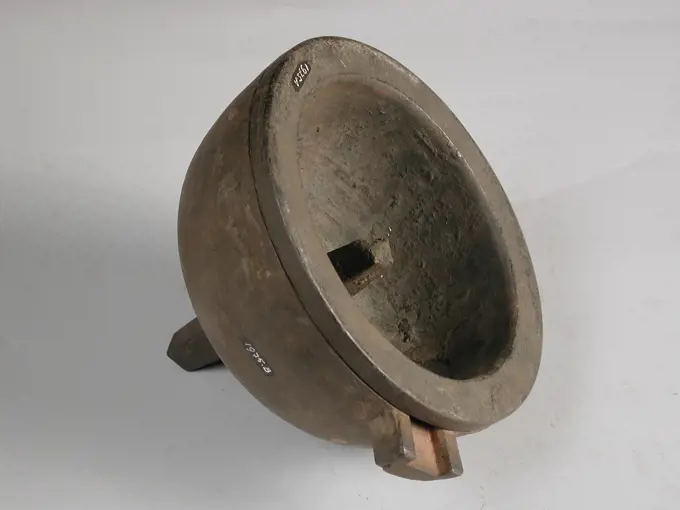
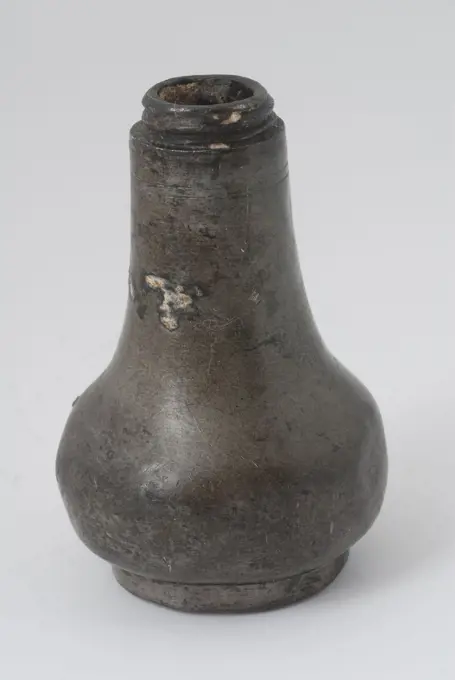
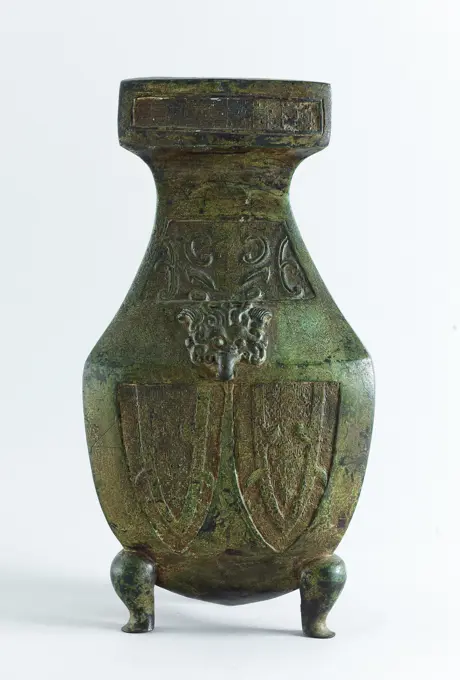
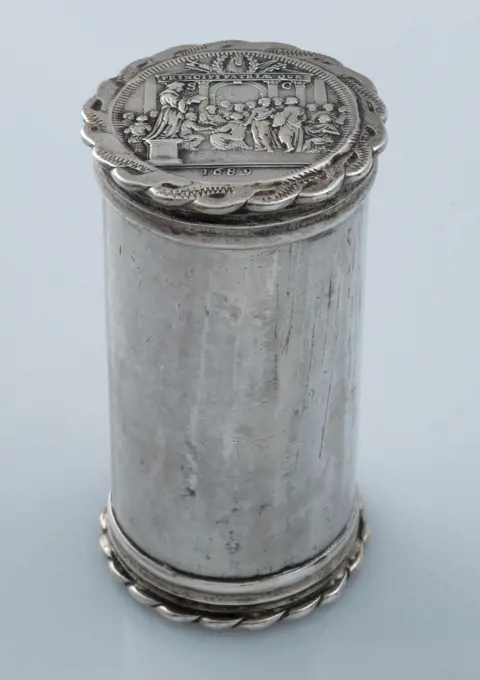
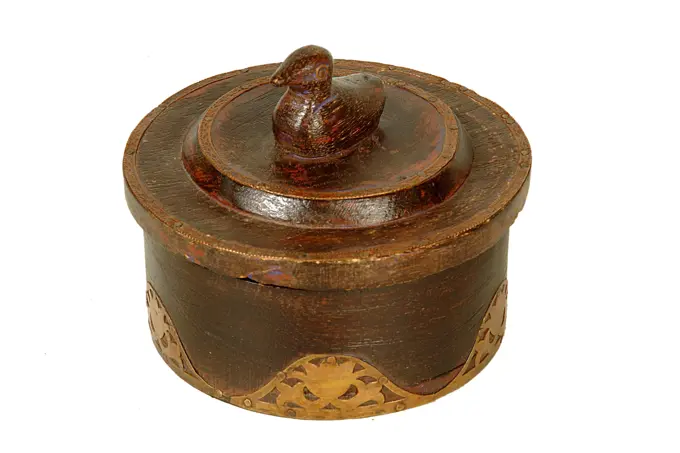
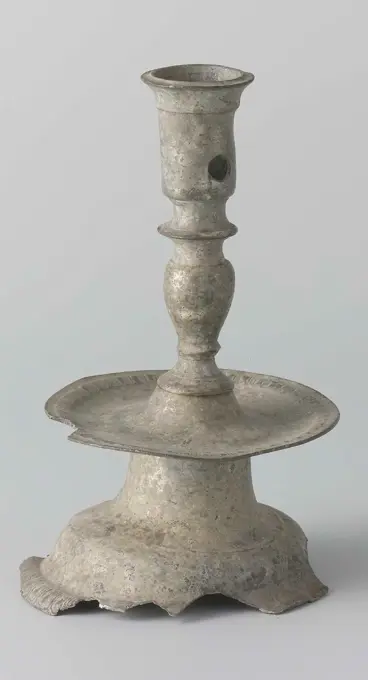
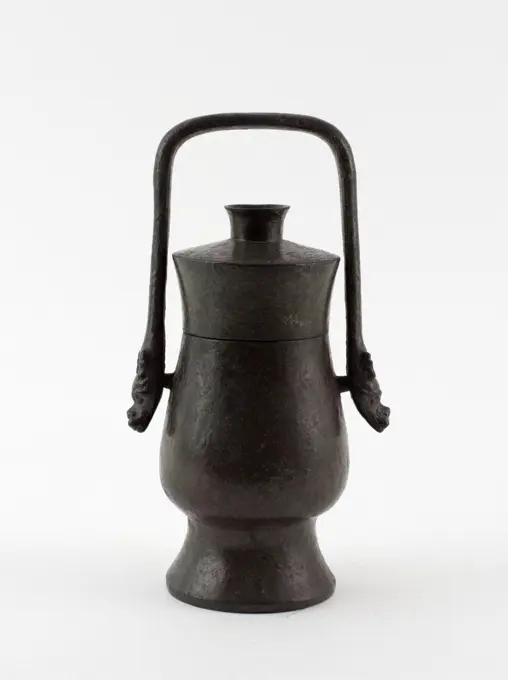
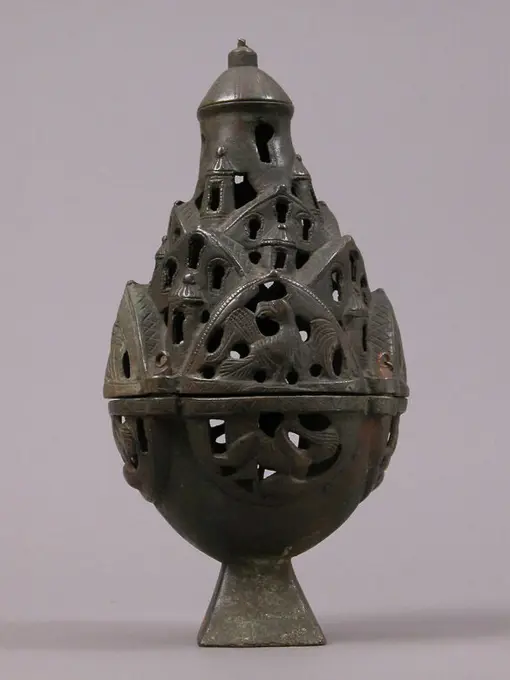
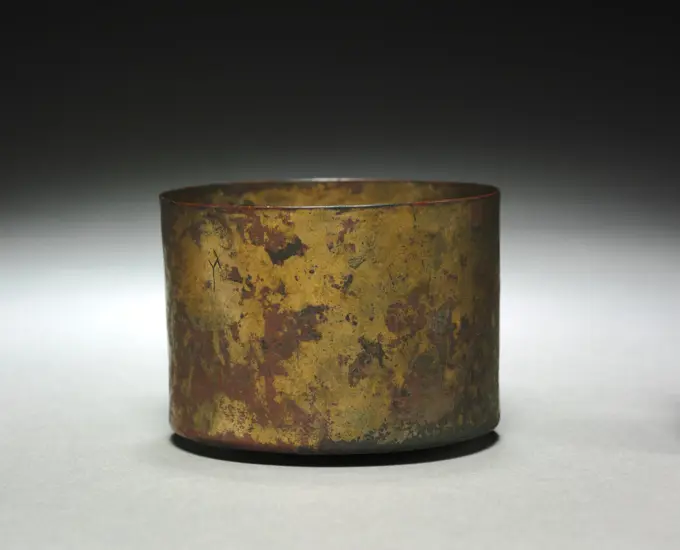
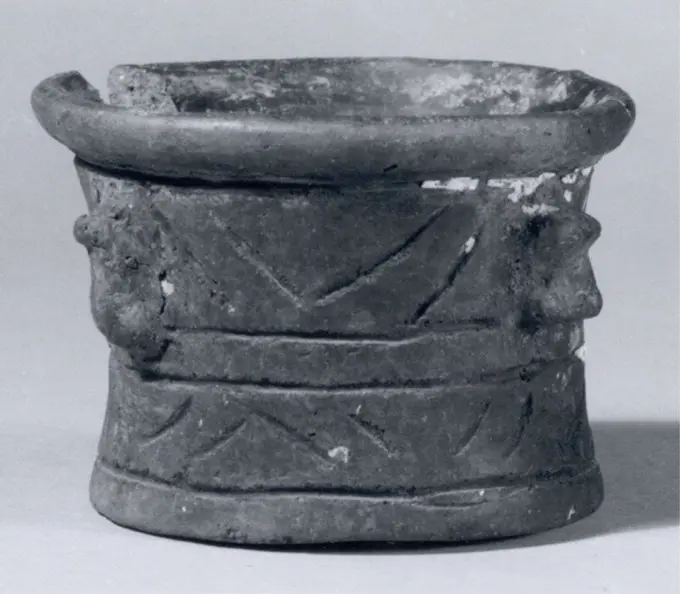
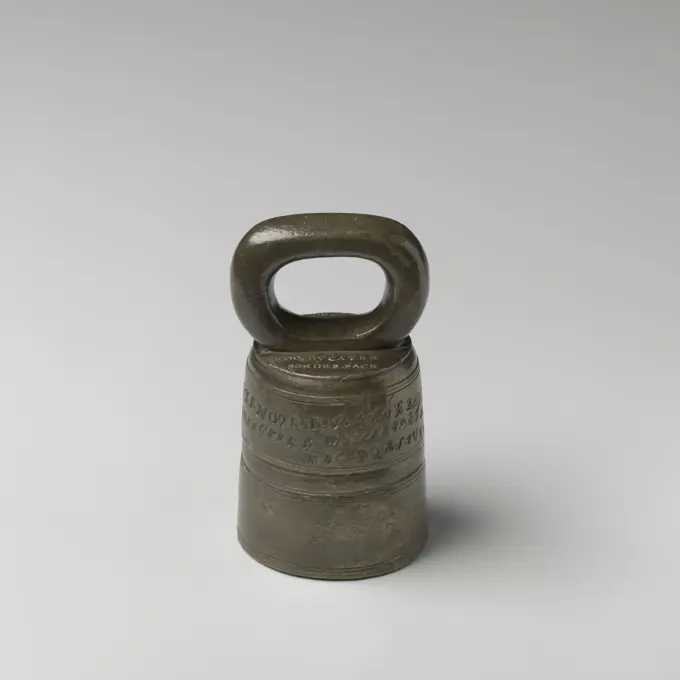
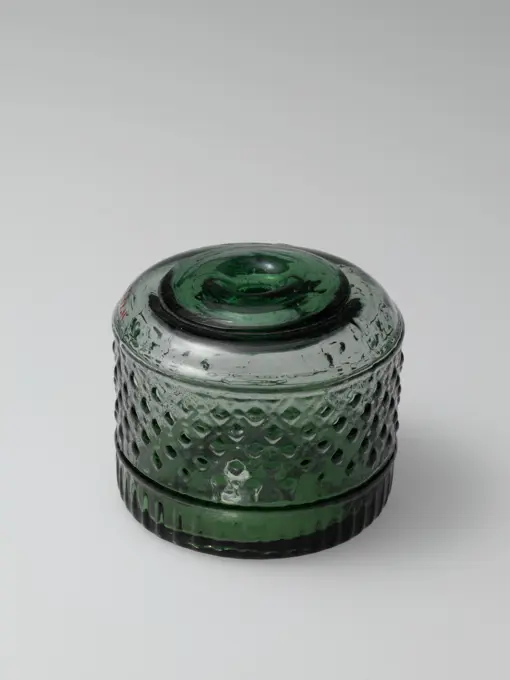
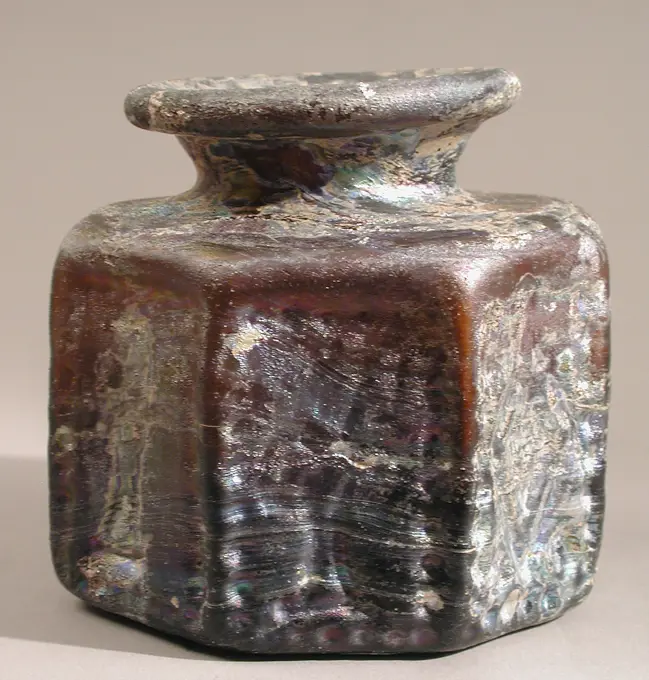
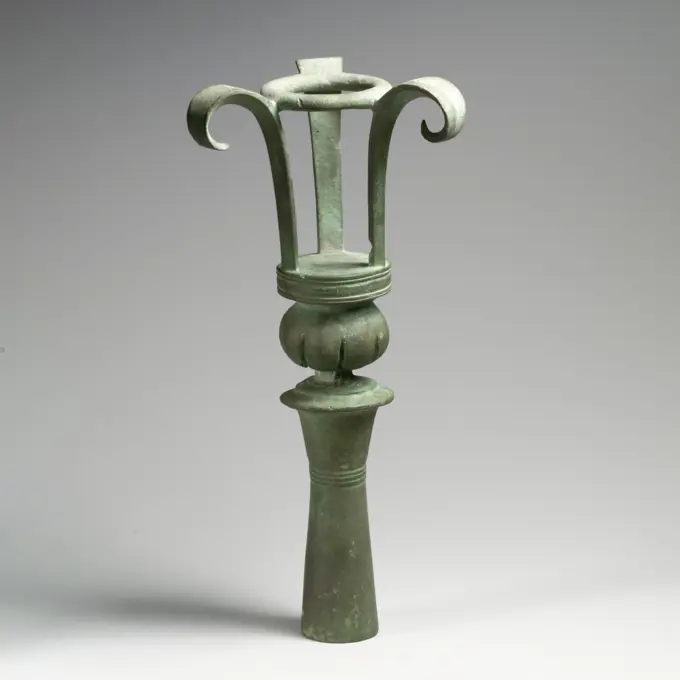
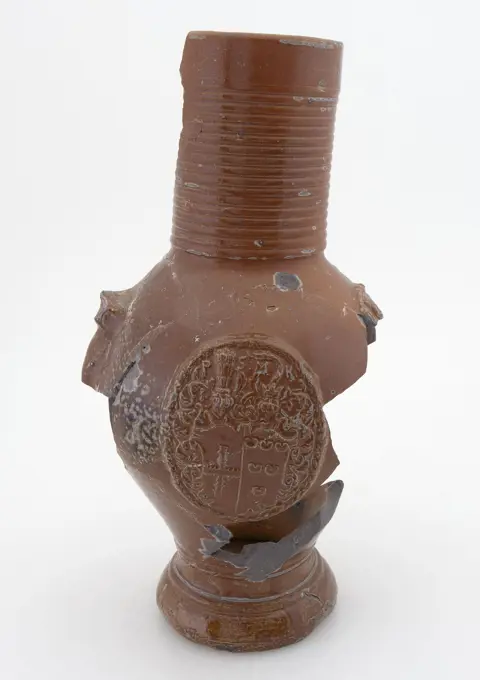
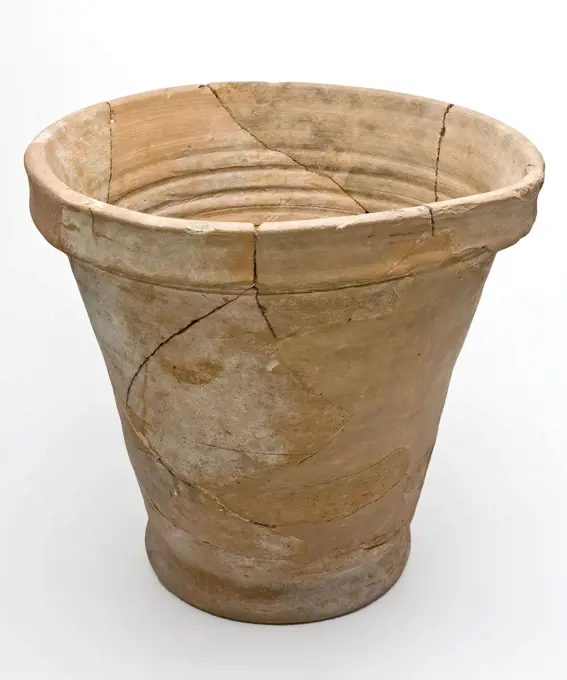
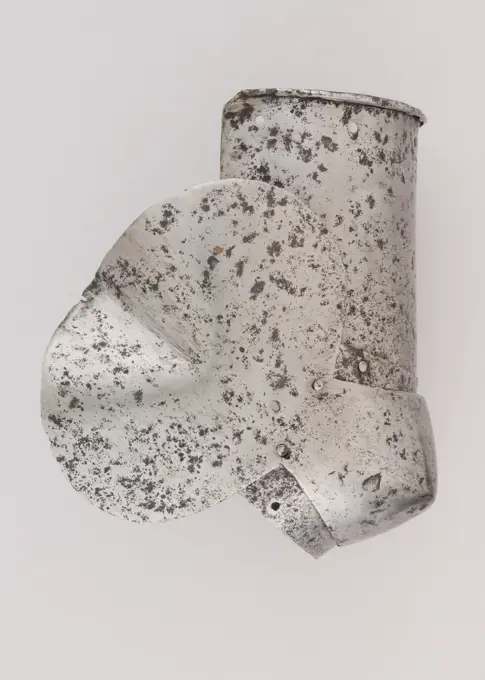
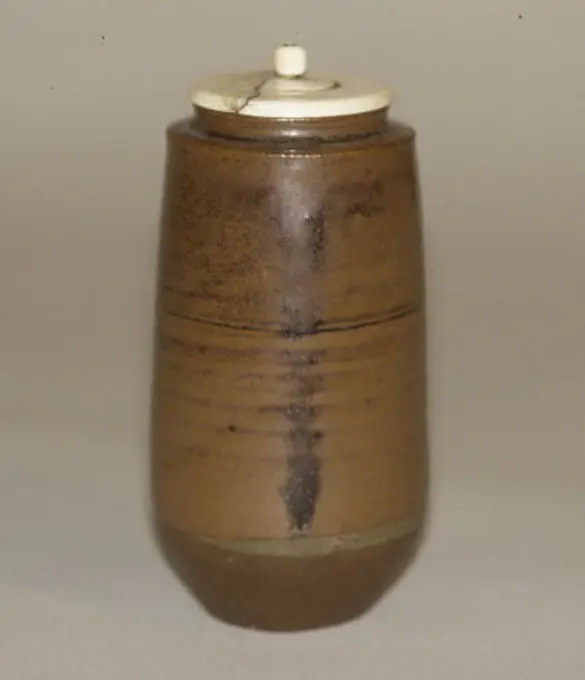
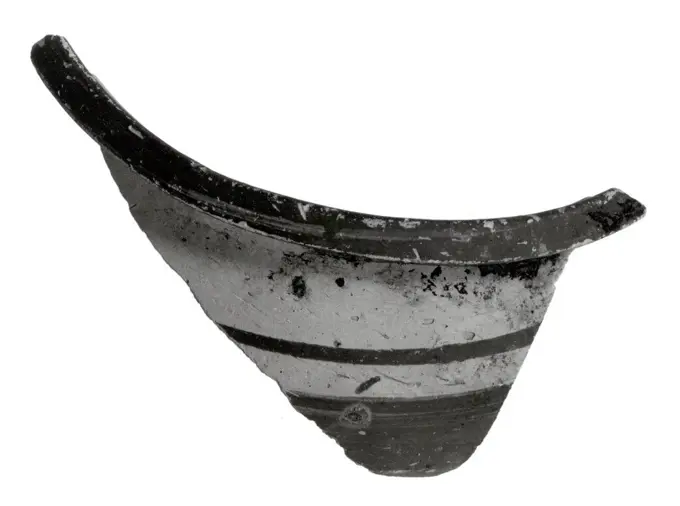
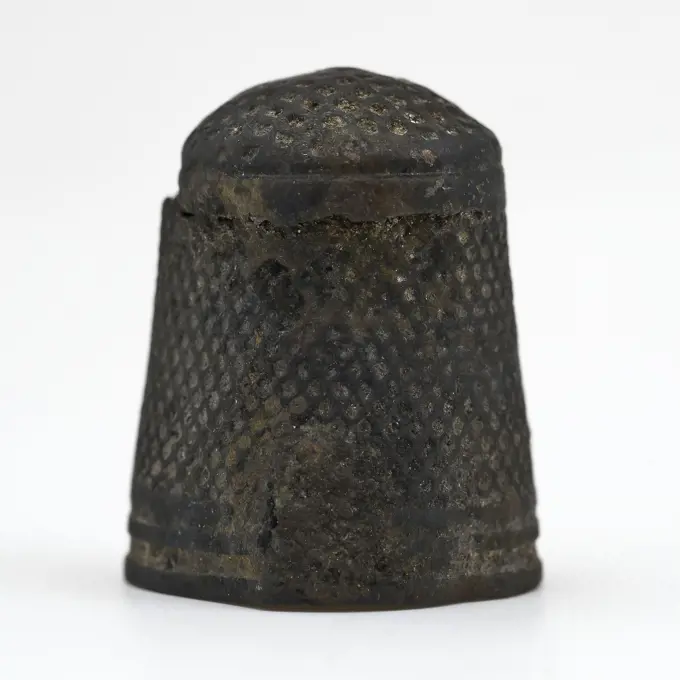
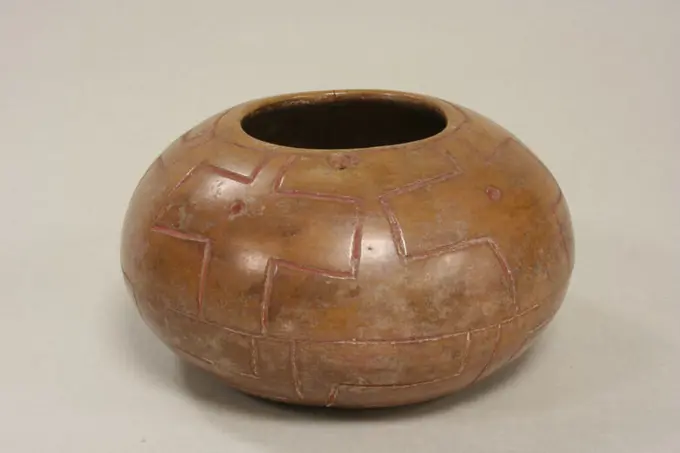
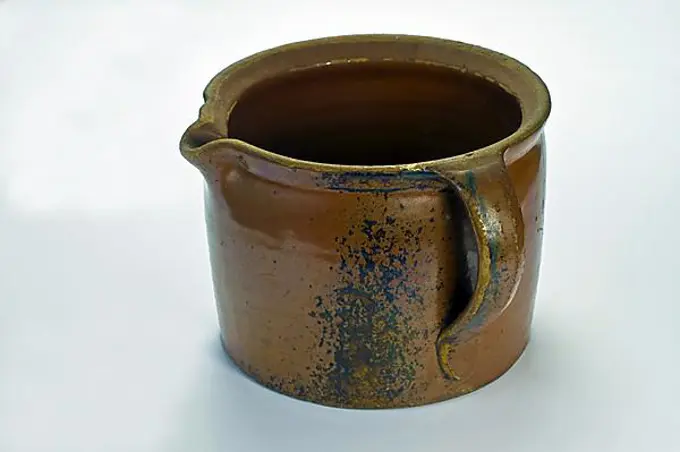
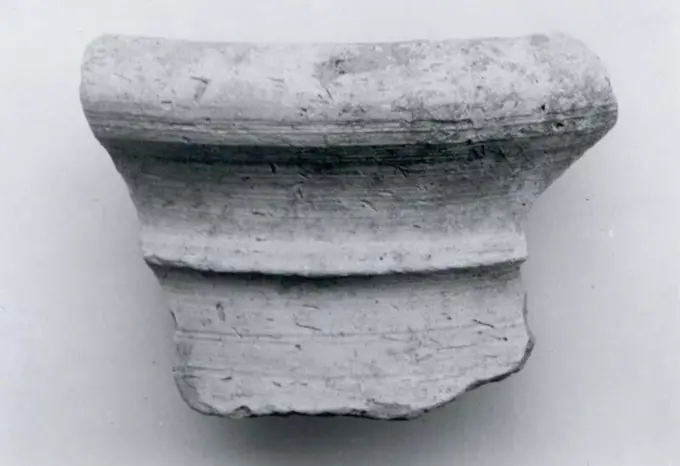
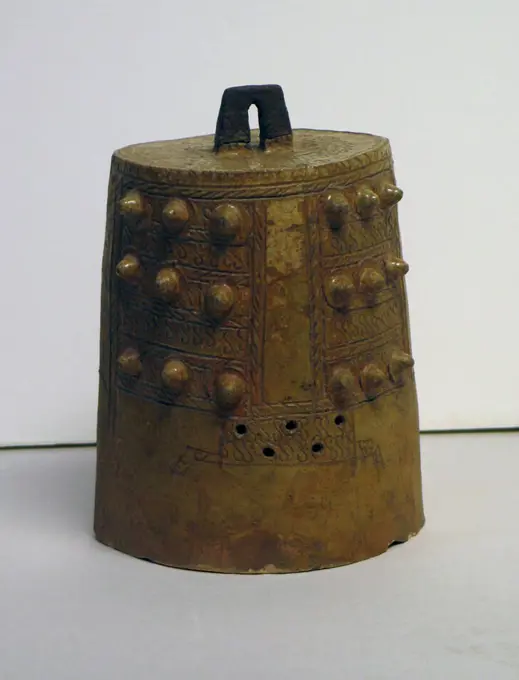
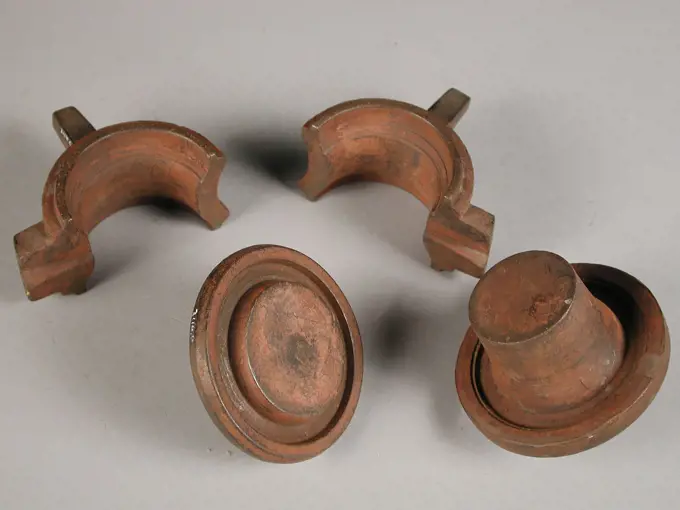
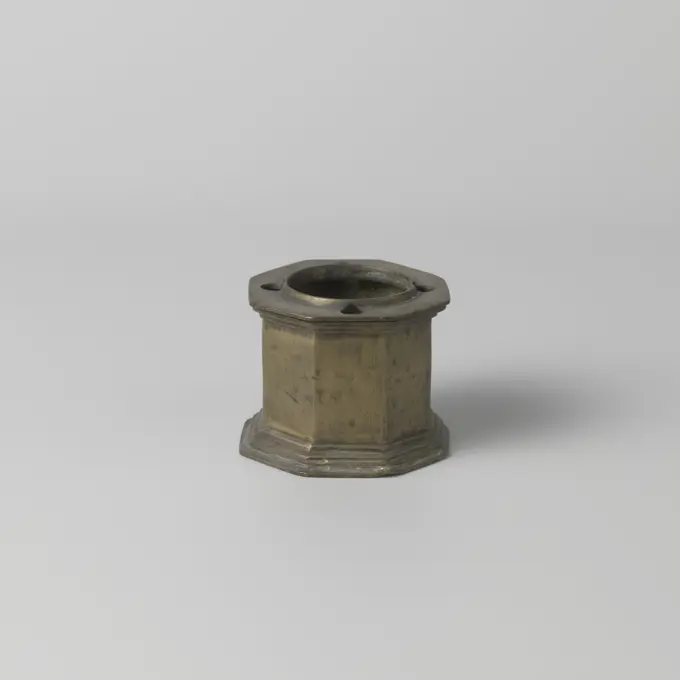
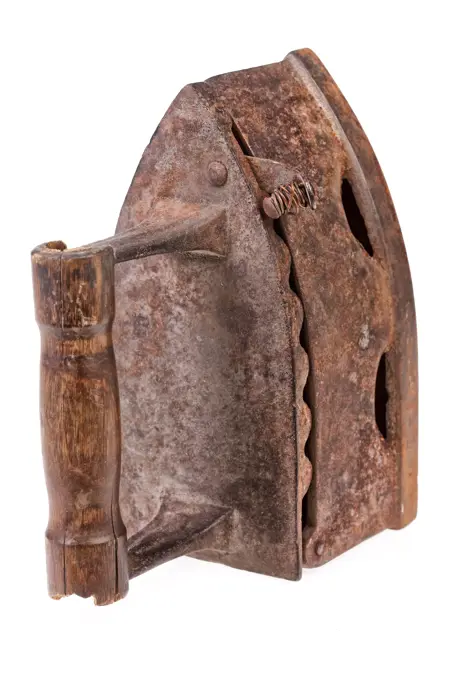
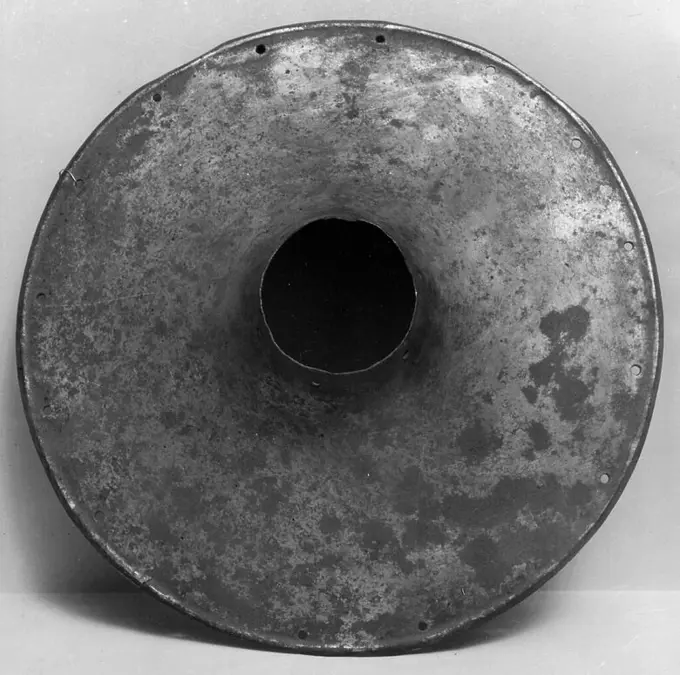
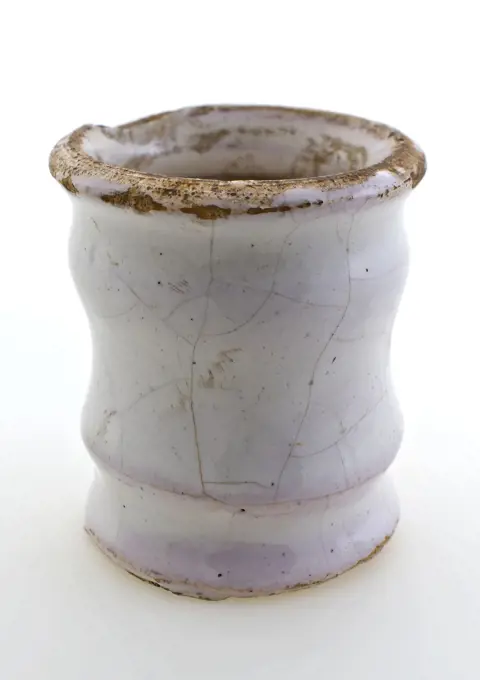
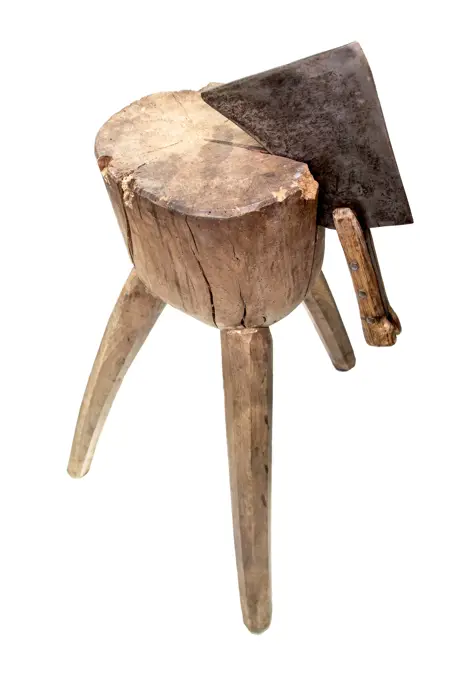
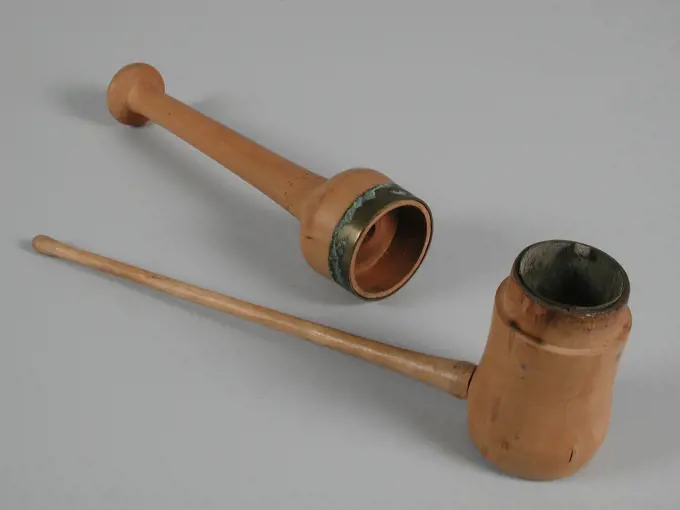
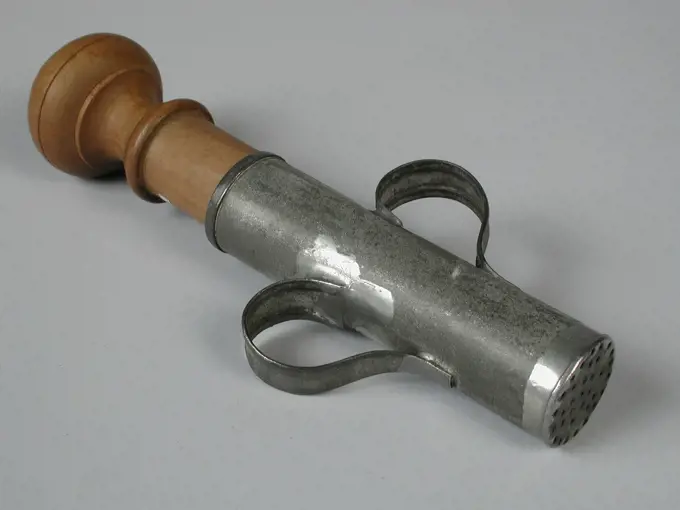
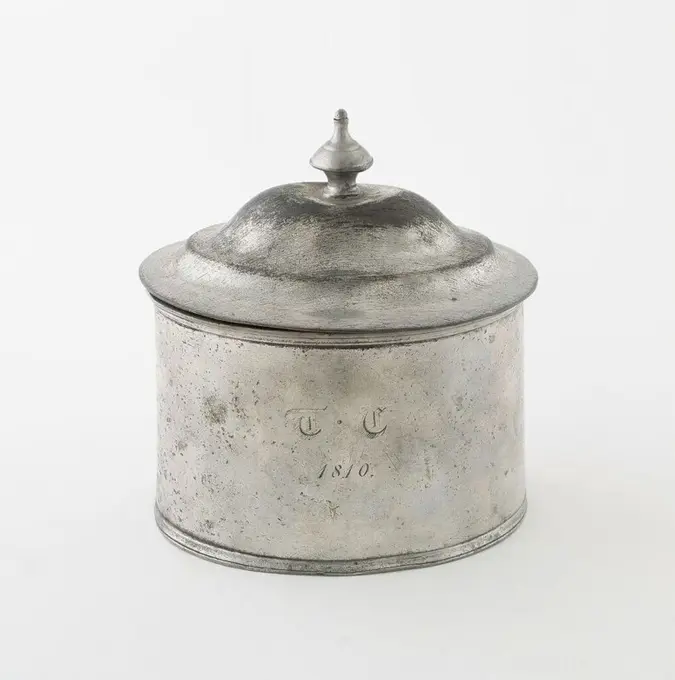
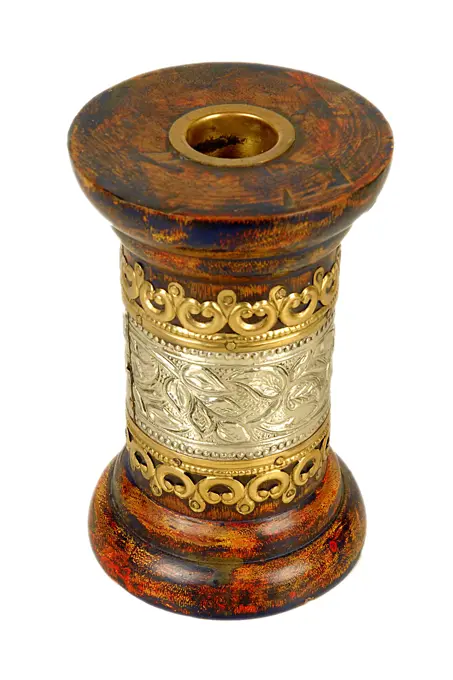
Fedral of pressed leather with mask decorations, anonymous, 1600 - 1699 Fedral for a fry, made of pressed leather with a mask on both sides on both sides; Further flower decoration. On the lid De Hollandse Leeuw, holding a spear with Vaan, on which Libertas and standing on a knot that holds a lauwer and an oak branch. Between those branches and the lion on one side an S, on the other a B.  leather Fedral for a fry, made of pressed leather with a mask on both sides on both sides; Further flower decoration. On the lid De Hollandse Leeuw, holding a spear with Vaan, on which Libertas and standing on a knot that holds a lauwer and an oak branch. Between those branches and the lion on one side an S, on the other a B.  leatherTing vase. Bronze/Wood. China. Paris, Cernuschi museum. Anse, Chinese art, bronze, tripod, three feet, ting vasePart of shoulders, neck and lip of bottle, bottle holder soil found glass, free blown and shaped blown in shape Fragment of part of shoulders of neck and lip of bottle in clear light green glass. Powerful shoulder to short (3 cm) rejuvenated (3.5 - 2.2 cm) neck with wide (3.8 cm) folded lip and flattened archaeology Rotterdam rail tunnel drink Soil discovery: rail tunnel Rotterdam.Pottery ointment jar, cylindrical model, red shard, internally glazed, ointment jar pot holder soil find ceramic earthenware glaze lead glaze, hand turned glazed baked Pottery ointment jar cylindrical model red shard internal dark green glazed Flat obliquely inwardly directed wide top edge. Narrowing of the boiler above the stand Surface coarse finished archeology health care indigenous pottery pharmacy store sell craftMarble ash-chest of Isias. Dated 125 ADVase ting. Bronze. Par musée musée malée. Anse, Chinese art, bronze, tripod, three feet, ting vasePottery ointment jar, cylindrical model, red shard, internally glazed, ointment jar pot holder soil find ceramic earthenware glaze lead glaze, hand turned glazed baked Pottery ointment jar cylindrical model red shard internal glazed Flat little outstanding top edge. Narrowing of the boiler above the stand surface coarsely finished. Coarse twist feathers archeology health care indigenous pottery pharmacy store sell craft medicine drug packWells ". Terracotta with green lead glaze. Han dynasty (206 BC-220 AD). Paris, Cernuschi museum. Chinese art, Chinese Ceramic, Han dynasty, Han time, well, terracottaTray stand. unknown, craftsmanFour-piece cast iron mold for top of pot or jug, cast molding tools tool kit metal_metal bronze cast iron, cast turned Four-part cast-iron mold for casting an upper part of pot or the bottom of the mold is made of bronze probably another mold coming from Rotterdam tin casting tin tin tin Meeuws Druy craft Shapes come from the originally 18th century Rotterdam tinnegieter J Druy. The large molds that were not signed or dated were the property of the tinker guild and were rented to the small tin caster.Small stoneware jug, oil jug, low belly and long neck, holder baskets ceramic stoneware glaze salt glaze, hand-turned glazed baked jug with convex belly narrow neck and slightly wider neck opening. One ear upper attachment point ends in pronounced edge Gray and brown mottled Completely glazed inside and outside archeology Rotterdam rail tunnel pour serving before storing storage Soil discovery: rail tunnel Rotterdam.Lidded box, anonymous, c. 1200 - c. 1500 Box with lid. Korea bronze (metal) Box with lid. Korea bronze (metal). The patina, or green discolouration of the metal, suggests that this box came from a tomb where it formed part of the grave goods. It must have been made for a wealthy individual. The form is simple, but elegant, and the lid is subtly decorated with a circle in relief.Mold for bottom of tap jug, cast molding tools tool kit metal_metal bronze, cast turned Two-piece bronze shape for bottom of small tap jug top: Rotterdam tin foundry tinnegieter tin Meeuws Druy craft Forms come from the originally 18th century Rotterdam tinnegieter J Druy. The large molds that were not signed or dated were the property of the tinker guild and were rented to the small tin caster.Pear shaped feeding bottle with threaded edge, feeding bottle utensils equipment tin, molded Flat bottom with stand ring pear shaped body with slender neck with screw thread Two concentric rings on the neck. Cap lacks mark under bottom: rose with crown in which I G ... baby childTripode vase. Bronze. Chine. Par musée musée malée. 55867-3 Chinese art, bronze, tripod vaseOil containerdesign: Romeyn de Hooghe, Toolbox, with image Erasmus, city weapon Rotterdam and principi patriae que, 1689, token sleeve tube holder silver, punched rolled Cylindrical tube with lid Bottom consists of Dutch guilder lid from tooling 1689 Penny and guilder are contained in thick cable edge Two profile ribs above guilder and under medal At penning: principi patriae que (for monarch and fatherland) 1689 SC (Senatu Consulto = having heard the senate of the troops). And on the other side ROTERO AMAM Rotterdam heraldry vroedschap government ErasmusFragment of foot, trunk and calyx of chalice, drinking glass drinking utensils tableware holder soil find glass, free blown and formed Fragment of part of foot of trunk and base of chalice of chalice in clear colorless glass in façon de Venise style. Pontil mark under slightly ascending hollow base Flat knot to solid narrow (h 1.5 cm, cm) trunk to flat (dm 2.1 cm) knot Start of funnel-shaped goblet archeology Rotterdam IJsselmonde drink serve wine beer Soil discovery: IJsselmonde Castle Rotterdam 1972.Quesera. Museu Català de les Arts i Tradicions Populars.Brass duck design fitting on antique wooden box, Jodhpur, Rajasthan, India Copyright: xSafatxAli/DinodiaxPhotoxKandelaar, vierdelig.Candlestick, four-part consisting of a wide range of circular base decorated with egg list, a flat beam decorated with egg list, a baluster-shaped shaft above which a disc-shaped knot and a cylindrical candle holder with two round leak holes. Housewalk.Stoneware pot, unglazed, decorated with all-over cloth imprint and two s-shaped applique lugs;Chinese: from Shouchou in Anhui Province, Warring States , period 403-221 BC. This unprepossessing little pot is one of the earliest Chinese stonewares.Copper molded children's fingertip with waffle pattern and groove, thimble sewing kit soil find copper metal, cast Copper molded children's badge with square wells in lines on the top in waffle pattern with groove in the shaft with wheel punch and the board with two grooves archeology Rotterdam rail tunnel seamstress tailor sewing textile processing clothing needle and thread repair Soil discovery: trajectory rail tunnel Rotterdam.Vase. Bronze. Chine. Par musée musée malée. 70005-7 Anse, Chinese art, bronze, lid, close, head, vase, animalCenser. Culture: German. Dimensions: Overall: 9 1/4 x 4 1/2 in. (23.5 x 11.5 cm). Date: 11th-12th century. Museum: Metropolitan Museum of Art, New York, USA.Lamp 9th-11th century. Lamp 449813Commemorative cup of the VIII shooting competitions conducted in the 103rd Infantry Battalion of the German ArmyCylindrical Bowl or Jar, 30 BC-AD 395. Egypt, Roman Empire or modern forgery. Bronze; diameter: 9.8 cm (3 7/8 in.); overall: 7.2 cm (2 13/16 in.).Jar 12th-13th century. Jar 447160Cup ca. 1000 B.C. Iran. Cup 325530Colletin, c.1550-1570. Germany, 16th century. Iron, steel, leather and brass rivets; overall: 34.5 x 20 x 31.2 cm (13 9/16 x 7 7/8 x 12 5/16 in.).Stool weight of 1000 Ducaten Sack Sack, Jacob L'Admiral (II), c. 1700  Brass stool weight of 1000 Ducaten Sonder Sack. Mass 3500 grams. Titled and marked. On the hull v.z.v. Annual letters: Q1702 - L 1819 (first and last year). Amsterdam brass (alloy)   AmsterdamInkwell 1820-45 American. Inkwell. American. 1820-45. Blown-molded glass. Made in United StatesOctagonal Bottle 500-629 Byzantine Only a few octagonal jars survive. They are all decorated with Jewish symbols.These vessels were made for Jews and Christians, possibly as tokens for pilgrims visiting the holy sites in Jerusalem or for use in burial rites. They appear to have been mass-produced in a single workshop, since the vessels for the two religions closely resemble each other in shape and style and differ only in the symbols decorating them. The Jewish vessels depict the menorah (candelabrum), shofar (rams horn), incense shovel, and lulav (palm branch). The Christian vessels are decorated with several types of crosses. The relief designs were produced by blowing molten glass into a mold.. Octagonal Bottle 466826Black-Glaze Bowl with Inscription. UnknownVase Vase; Manufactured by J. P. Kayser & Sohn (Germany); pewterBronze lampstand ca. 750-480 B.C. Cypriot Bronze lampstands were luxury objects that were made in various sizes and in more Near Eastern or more Egyptian styles.. Bronze lampstand 244561Stoneware jug, sphere model with cylindrical neck, decorated with three medallions, jug crockery holder soil find ceramic stoneware glaze salt glaze, hand-turned glazed baked Stoneware jug ball model with cylindrical neck decorated with three medallions. brown glazed. Booth with light soul on the outside decorated with one thickened ring. Wide vertical ear between neck and belly. On the neck pronounced revolving spindles Medallions embossed with the representation of coat of arms; on the left field cross on the right field six hearts. Around the shield armor flower and plume motifs Above the shield; letters in the medallions: PSMK archeology Rotterdam City Triangle Groenendaal heraldry indigenous pottery import drinking serve serving room table Soil discovery: Mariniersweg Groenendaal Rotterdam 1983.Pottery flower pot, red shard, conical shape, five holes in the bottom, flower pot holder earthenware ceramic earthenware, hand-turned pierced baked Flowerpot of red earthenware thickened top edge unglazed base bottom with five pierced holes in the interior archery Valckensteyn Poortugaal Albrandswaard native earthenware flower plant herb garden gardener gardener kitchen Soil discovery: moat at Keuken castle Valckensteyn in Poortugaal now AlbrandswaardChalice. UnknownUpper Arm Defense (Rerebrace) and Elbow Defense (Couter) ca. 1430-40 Italian This is part of a large find of medieval armor discovered in 1840 in the ruins of the fortress of Chalcis, on the Greek island of Euboea (then a Venetian colony called Negroponte). The fortress had been captured and destroyed by the Turks in 1470. Now divided largely between the Ethnological Museum, Athens, and The Metropolitan Museum of Art, the Chalcis hoard contains many rare and unusual elements of fourteenth- and fifteenth-century armor. Of particular importance are the variety of headpieces and the many fragments of brigandines (armor for the torso constructed of small plates riveted to layers of fabric), some of which retain portions of their original velvet covering. The Chalcis armor provides a unique picture of the armament used in the Aegean, one of the easternmost military outposts of the Venetian empire.. Upper Arm Defense (Rerebrace) and Elbow Defense (Couter) 23121Tea Jar 18th century Japan. Tea Jar 62692Emilia-Romagna Ferrara Ferrara Museo Civico di Schifanoia51. Hutzel, Max 1960-1990 General Notes: INCOMPLETE RECORD--NEGATIVES PROCESSED, PRINTS FILED German-born photographer and scholar Max Hutzel (1911-1988) photographed in Italy from the early 1960s until his death. The result of this project, referred to by Hutzel as Foto Arte Minore, is thorough documentation of art historical development in Italy up to the 18th century, including objects of the Etruscans and the Romans, as well as early Medieval, Romanesque, Gothic, Renaissance and Baroque monuments. Images are organized by geographic region in Italy, then by province, city, site complex and monument.Jar ca. 100-300 Japan. Jar 53627Oil Lamp. Culture: Thailand (Tak Province). Dimensions: H. 8 3/8 in. (21.1 cm). Date: 14th century or earlier. Museum: Metropolitan Museum of Art, New York, USA.Sherd ca. 18th-17th century B.C. Assyrian. Sherd 327056Brush pot, 17th-18th century, 8 3/8 x 9 1/4 in. (21.3 x 23.5 cm), Palmwood, China, 17th-18th century1 Schepel from Bredevoort, Anonymous, c. 1800  Wooden content measure for dry wares of 1 scoop, v.z.v. Stamps and labels. Bredevoort wood (plant material)   BredevoortBeer vessel, made of stuff and hoops, with tap, anonymous, c. 1700 - c. 1799 Beer vessel, made from loose stuff from the bark or the sapwood of an unknown type of wood, revealing by nine and eight hoops of rattan. At the top of a hole with a stop, in the front of the barrel a tape hole, in which a loose tap. Amsterdam (possibly) bark (plant material). rattan. brass (alloy) Beer vessel, made from loose stuff from the bark or the sapwood of an unknown type of wood, revealing by nine and eight hoops of rattan. At the top of a hole with a stop, in the front of the barrel a tape hole, in which a loose tap. Amsterdam (possibly) bark (plant material). rattan. brass (alloy)Votive Container (Canopa) 15th-16th century Inca. Votive Container (Canopa) 314823Copper molded thimble with waffle pattern, thimble sewing kit soil find brass copper metal, cast Copper molded thimble with square wells in lines waffle pattern at the top proceeding with groove to the shaft with wheel punch and with two grooves on the board archeology seamstress tailor sewing textile edit clothing needle and thread repairBrooch -Emilia-Romagna Ferrara Ferrara Museo Civico di Schifanoia24. Hutzel, Max 1960-1990 General Notes: INCOMPLETE RECORD--NEGATIVES PROCESSED, PRINTS FILED German-born photographer and scholar Max Hutzel (1911-1988) photographed in Italy from the early 1960s until his death. The result of this project, referred to by Hutzel as Foto Arte Minore, is thorough documentation of art historical development in Italy up to the 18th century, including objects of the Etruscans and the Romans, as well as early Medieval, Romanesque, Gothic, Renaissance and Baroque monuments. Images are organized by geographic region in Italy, then by province, city, site complex and monument.Incised Bowl. Culture: Mexican. Dimensions: Height: 3 1/4in. (8.3cm)Diameter: 5 1/2in. (14cm). Date: before 16th century. Museum: Metropolitan Museum of Art, New York, USA.Ring probably 19th century Chinese This collection of largely ethnographic jewelry includes examples from cultures in South America, North America, Europe, Asia, and Africa and dates from the Pre-Columbian period to the twentieth century. Owned by renowned art collector and fashion enthusiast Muriel Kallis Newman, the collection represents her knowledge and appreciation of a wide range of jewelry design and making traditions. Numerous items in her collection are composite artifacts made from various cultures and time periods reappropriated as modern jewelry creations by or for Muriel. It is important to note that Newman wore many of the pieces in the collection, interpreting them to suit and express her own singular, often avant-garde style.. Ring 141630Gheṇṭa (prayer bell) 11th century Javanese The bell (dril bu) is the most common musical instrument associated with Tantric Buddhist ritual. Held in the left hand, the dril bu (clapper bell) is always paired with a scepter (dorje), which is held in the right. The scepter symbolizes method, bliss, and male aspects while the bell represents wisdom, emptiness, and the female aspects. Both principles are necessary to achieve Enlightenment. The bell handle traditionally matches in decoration the scepter it is paired with - often with five spokes or points (five representing the five forms of mystical wisdom). These bells were produced in Java, Indonesia, during the eleventh century. Buddhism flourished in Indonesia at that time, before Islam became dominant in the thirteenth and fourteenth centuries. Gheṇṭa (prayer bell) 505110Pair Of Cachepots And Liners; painted tôle, wireClay jugMiniature tea caddy. Artist: David Clayton (British, active 1689). Culture: British, London. Dimensions: Height: 1 7/16 in. (3.7 cm). Date: ca. 1720-30. Museum: Metropolitan Museum of Art, New York, USA.Old stone grinder on white background Copyright: xVirenxDesai/DinodiaxPhotoxZodiac Cup van Brons ,, 1355 - 1356 Zodiac cup of bronze. Dated. East Java bronze (metal) Zodiac cup of bronze. Dated. East Java bronze (metal)Glass lid Roman 1st-2nd century CE Translucent blue-green.Slightly outsplayed, downturned rounded rim, with beveled outer edge; upper side slightly concave, then cone-shaped, extending into tall, hollow cylindrical stem; broad, flat surface on underside around stem; solid knob at top made by pinching into two angular ribs.Intact; a few pinprick bubbles; slight dulling, pitting, and brown enamel weathering on upper side, encrustation, dulling, and faint iridescent weathering on underside.Probably belonged to a glass cinerary urn. View more. Glass lid. Roman. 1st-2nd century CE. Glass; blown and tooled. Imperial. GlassRim sherd ca. 8th-7th century B.C. Assyrian. Rim sherd 324643Model of a bell (Niu Zhong) 5th-3rd century B.C. China. Model of a bell (Niu Zhong). China. 5th-3rd century B.C.. Glazed stoneware. Eastern Zhou dynasty, Warring States period (475-221 B.C.). CeramicsLamp. Oil lamp or moderator lamp, incomplete.Rusty iron Old rusty iron over white background Copyright: xZoonar.com/Lakhesisx 1948161Pot met deksel aan ketting uit het wrak van de Oost-Indiëvaarder Hollandia. Pot; egg-shaped, inverted baluster moulding, narrow flat circular base, straight upper rim, band around rim; loose lid, circular, slightly domed, narrow overhanging rim, concave underneath, baluster-shaped finial: attached to base with chain.Stoneware mug with stylized floral band around belly, blue piping, purple and blue glaze, pulp drinking utensils tableware holder soil find ceramic stoneware glaze salt glaze, hand turned stamped molded glazed fried Large stoneware mug gray shard with salt glaze small curled tail archeology import pottery drink serve beerArchitectural Fitting (Gong) Made 770 BCE-481 BCE China. This is one of sixteen hollow bronze fittings in the museumís collection that together comprise rectangular, L-shaped, and cylindrical pieces. In 1973, fittings of similar shape and design were excavated from the site of a palace of the 7th century B.C. in modern-day Fengxiang, Shaanxi province in north China. Most show tightly interlaced surface patterns like those cast in this piece. Archaeologists have conjectured that these fittings, some of which preserve traces of wood, originally served as collars and sleeves that had been socketed over a framework of timber columns and tie beams embedded into the earthen walls. Some of these pieces may originally have been stuffed with silk to tighten them.. Bronze .Four-piece bronze mold for salt shaker, mold casting tool tools base metal bronze, molded turned Four-piece bronze mold for casting ring-shaped saltcellar core: 2834 63 Rotterdam tin foundry tin pewter Meeuws Druy craft Molds are from the originally 18th century Rotterdam tinnegieter J Druy. The large molds that were not signed or dated were the property of the tinker guild and were rented to the small tin caster.Funerary urn characteristic of the Austronesian animistic culture. Dated 1st CenturyHelmet 400 BCE-301 BCE Macedonia. This bronze helmet was derived from the distinctive leather hat worn by the Thracians from the north and by Phrygians from the east. It is typical of helmets worn by the Macedonian army, especially by members of the infantry, during the fourth century BC. The holes on each side indicate where the cheekpieces were once attached.. Bronze . Ancient GreekInktpot van messing, anonymous, c. 1600 - c. 1699 The octagonal object has a wall that is built up from vertical straight surfaces, which is trimmed above and below with excellent profiling. At the top it has a round hole surrounded by four small holes, in which perhaps a glass jar was placed. The small holes may have served to be able to place geese springs in it. Possibly it was closed by a lid. West-Europa brass (alloy) casting The octagonal object has a wall that is built up from vertical straight surfaces, which is trimmed above and below with excellent profiling. At the top it has a round hole surrounded by four small holes, in which perhaps a glass jar was placed. The small holes may have served to be able to place geese springs in it. Possibly it was closed by a lid. West-Europa brass (alloy) castingBeaker. Culture: German, Augsburg. Dimensions: Overall: 3 5/8 × 3 in. (9.2 × 7.6 cm). Maker: Paul Solanier (German, 1635-1724). Date: 1689.Paul Solanier was among the most gifted masters in the German imperial city of Augsburg, a leading producer of silver objects. As well as complicated display pieces, his workshop produced a great deal of utilitarian silver. The quality of the punched snakeskin ornament on this example shows how much attention was given to the even smallest detail so as to sustain Augsburg's leading role in the art of goldsmithing. Museum: Metropolitan Museum of Art, New York, USA.Scholars Thumb Ring, Green nephrite with silver stand, 1 1/4 in. (3.2 cm), China, Chinese, Qing dynasty (1644-1911), JewelryFragment of a Bowl 9th-10th century. Fragment of a Bowl 450810Ancient Iron Old rusty iron on isolated background Copyright: xZoonar.com/AndreyxSkatx 14291473Goldsmith's art, Italy, 16th-17th century. Gadrooned basin.Vamplate. Culture: German. Dimensions: H. 3 5/16 in. (8.4 cm); Diam. 11 9/16 in. (29.4 cm); Diam. of lance opening 2 5/8 in. (6.6 cm); Wt. 1 lb. 9 oz. (708.7 g). Date: 16th century. Museum: Metropolitan Museum of Art, New York, USA.Pottery ointment jar, conical model with constrictions, entirely glazed in white, ointment jar pot holder soil find ceramic earthenware glaze tin glaze, hand turned baked glazed earthenware ointment jar slightly conical model with smooth necking at edge and bottom entirely white glazed with pink tint. Stand surface with traces of deduction archeology indigenous pottery store sell medication medicine craft packagingDer alte Metzgerhäcksler mit gebrauchtem Fleischblock zum Schneiden von Fleisch und Knochen, isoliert auf weißem Hintergrund. The old butcher chopper with used meat block for cutting meat and bones, isolated on white background. LicenseRF Copyright: xZoonar.com/MilanxVasicekx 12907308Wooden enema syringe for drowning persons, enema syringe medical_ instrument wood palm wood metal tin iron copper , tin tinned Enema syringe in the form of pipe of two parts: on the head of the pipe fits loose attachment consisting of short cylinder with conical narrow handle ending with thickened edge drowning water rescue medical care medical act health care doctor surgery Arrenberg tobacco inn pubs enema medicine drug Casket with various objects used in the last of the 18th century and early 19th century in the attempts to revive the spirits of the drowning. On the box is the name Benjamin Arrenberg. This lived in the last third of the eighteenth century was vendrig in 1788-1791. Leproosmeester 1792-1794 The box will therefore be from the nineteen nineteenth century.Goblet And Base (England); turned woodmetal worker: Gresnich, Cans miniature butter syringe, sprayer kitchenware miniature toy relaxant model metal wood, curved soldered turned tinned tin Cylindrical two ear-shaped handles End cylinder perforated plate. Other side wooden piston with twisted head In tip small holes 1868 Sibilla van Embden play food prepare kitchenNewark, New Jersey (windmill)' still bank, 20th century, 4 x 2 1/8 x 2 1/8 in. (10.16 x 5.4 x 5.4 cm), Wood, metal, United States, 20th centuryCooked pot made for Adam Splinter and Alyt Louwermans. The cylindrical cooking pot is poured into one whole with the aid of a sand form, as can be observed at the bottom. The pot has a profiled slightly curving edge. Below a ribs fried fries with the inscription in gothic minuskels 'Adam Splinter ALYT Louwermans Syn Huismold Anno XVC' with the following nine different interpunctions: 1 a man who makes a point of view with his left hand and his right hand on a dagger () holds; 2 a round medallion with a wildeman with knots in hand and with a coat of arms on which two crossed beams, along the edge, an illegible motto; 3 a six-leaf rosette; 4 a coat of arms, on which a bird of paradise above a cross-placed sword () And an ax (); 5 a running hare; 6 a running dog or fox; 7 a lion; 8 H. Veronica's sweat cloth; 9 An angel head. In the middle of the wall a fries decorated by ribs, a repeat of symmetrically placed slicer, the two curls finish in a dolphin head or in a stylized flower, whichBeaker. UnknownTobacco Box. Possibly Birmingham, England. Date: 1810. Dimensions: 13.3 × 12.7 × 9.5 cm (5 1/4 × 5 × 3 3/4 in.). Cast pewter (base) and Britannia (top). Origin: England. Museum: The Chicago Art Institute, Chicago, USA.Architectural ModelBell 500 B.C.-A.D. 300 Vietnam (North). Bell 51919Brass metal design multicolour fitting on antique wooden candle stand, Jodhpur, Rajasthan, India Copyright: xSafatxAli/DinodiaxPhotoxLimosin, Jean or Joseph - (n. - d.), Salters decor deities and allegories (main title). Enamelled copper, polychrome painted enamels on a black background, silver mlazes, gold highlights. Black counter-email with sown with Lys flowers .. Petit Palais, Museum of Fine Arts in the city of Paris.Faience spittoon with blue decor on white ground, small flower figures, spittoon holder soil find ceramic earthenware glaze tin glaze, hand turned baked glazed painted Faience spittoon. Belly model Characteristic collar as top edge. Standing ear. Blue decor on white fond consisting of small flowers. Stand with light soul archeology Rotterdam Kralingen-Crooswijk Struisenburg Buizengat indigenous pottery drains tobacco prunes spitting soil found landfill of municipal waste at the construction site: Buizengat 1983.retro copper coffee pot isolated on white backgroundPedestal, anonymous, c. 1900 - c. 1910  Pedim with eight corners, decorated with praise. Netherlands wood (plant material). iron (metal)   NetherlandsIncense Burner. Iran, 11th century. Metal. Bronze, engravedChilds Cup.   Maker: David Northee, 1709-1778Pottery ointment jar, low model, white glazed, ointment jar pot holder soil find ceramic earthenware glaze tin glaze, delfts white hand-turned glazed baked Pottery ointment jar wide low form with two smooth nips along the outside of the kettle Slanting outward edge. White glazed. Stand surface Thick soil archeology health care indigenous pottery pharmacy packing medicine drug sell craft storeCandlestick. Dated: 1935/1942. Dimensions: overall: 26.6 x 33.1 cm (10 1/2 x 13 1/16 in.) Original IAD Object: 8 1/2" wide. Medium: watercolor, pen and ink, and graphite on paper. Museum: National Gallery of Art, Washington DC. Author: Mildred Ford.