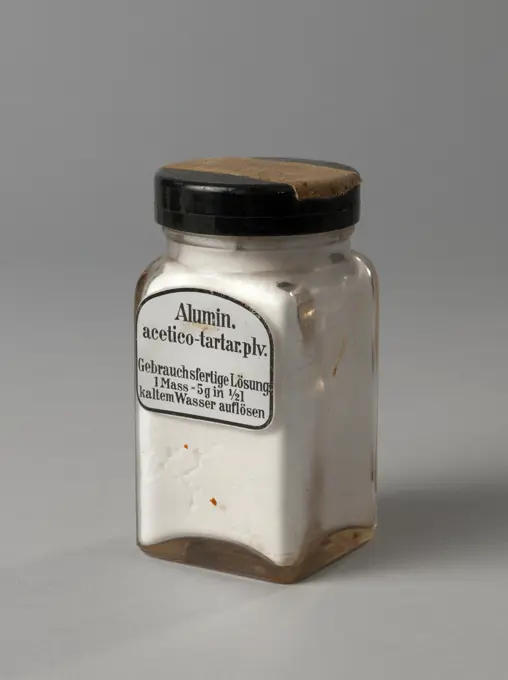
Antique Vessels and Jars

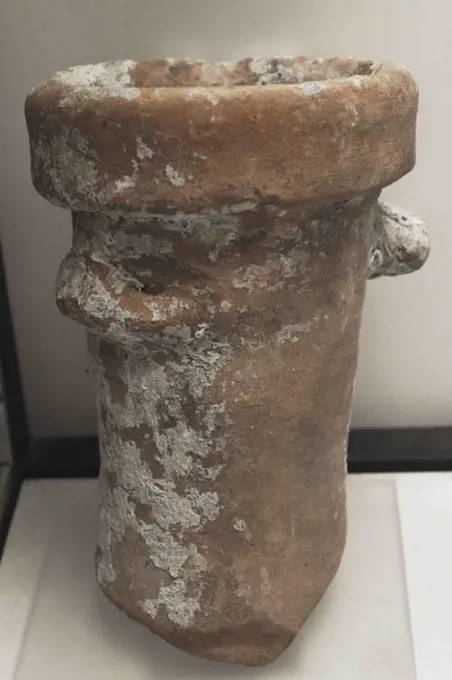
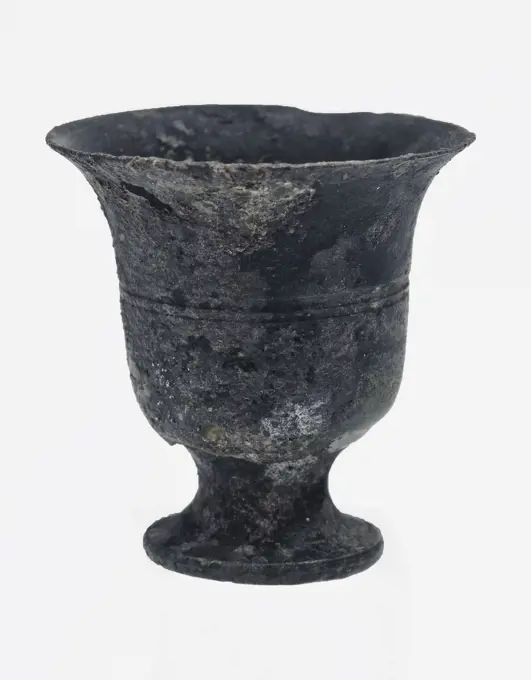
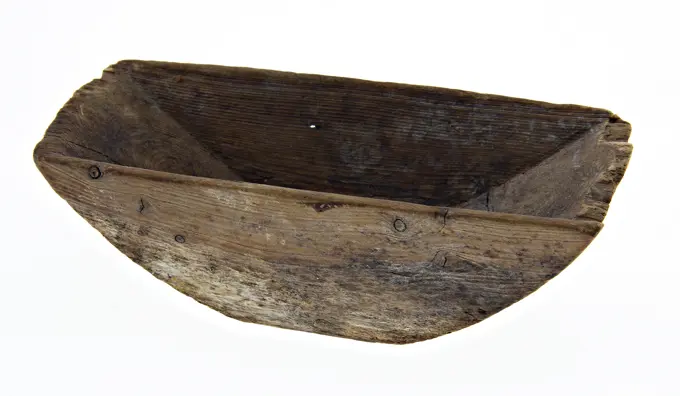
Display of antique pottery and metal vessels, including jars and decorative pieces, highlighting craftsmanship and historical artifacts.
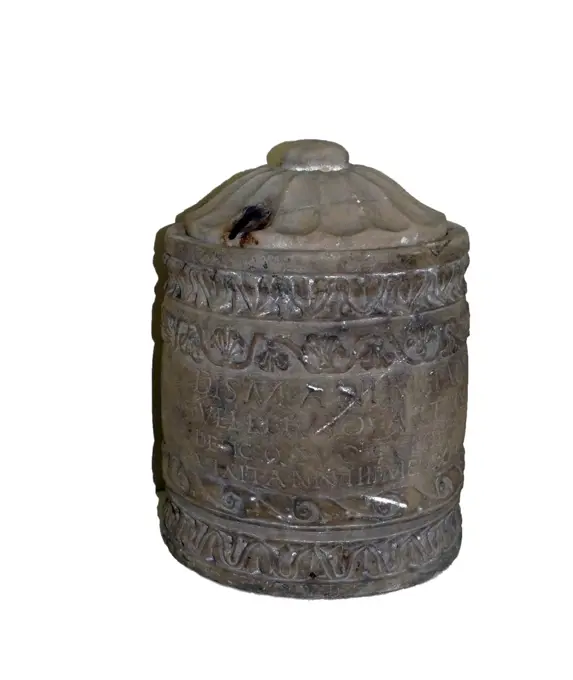
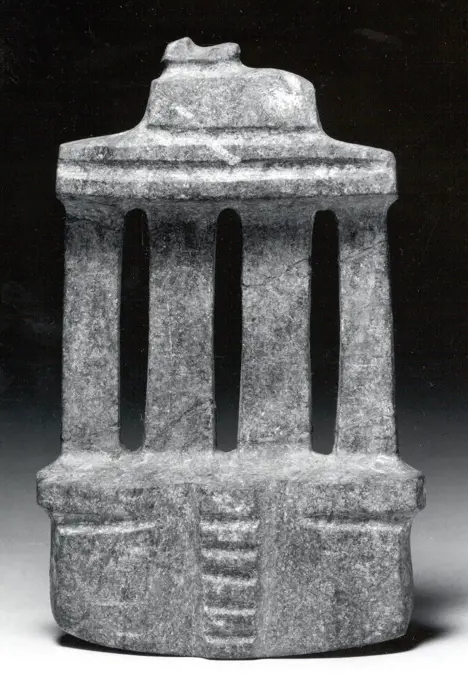
Marble ash-chest of Isias. Dated 125 AD
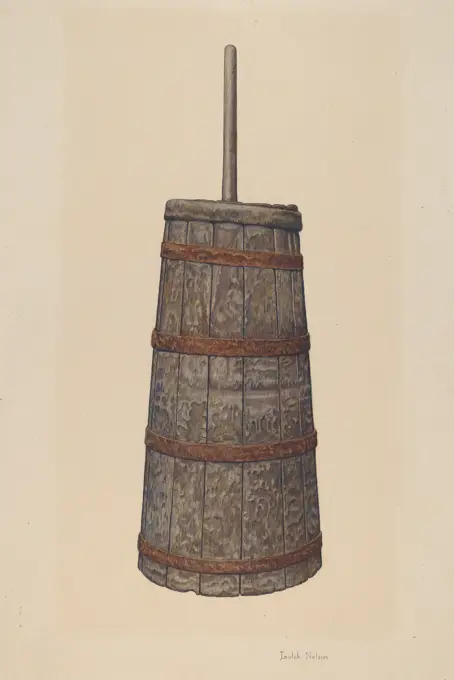
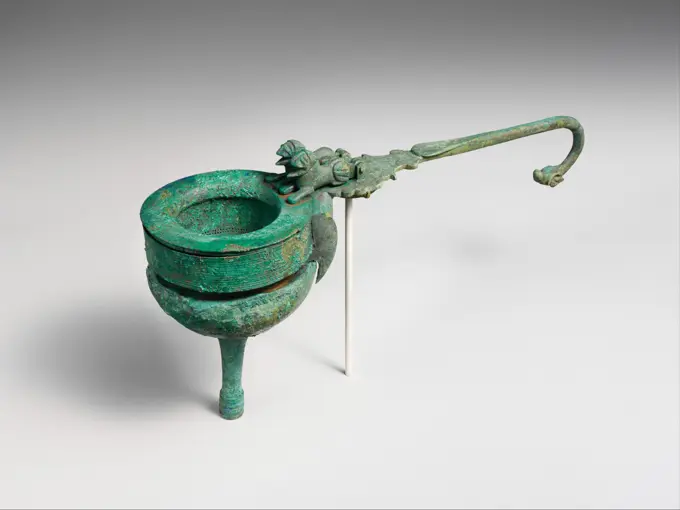
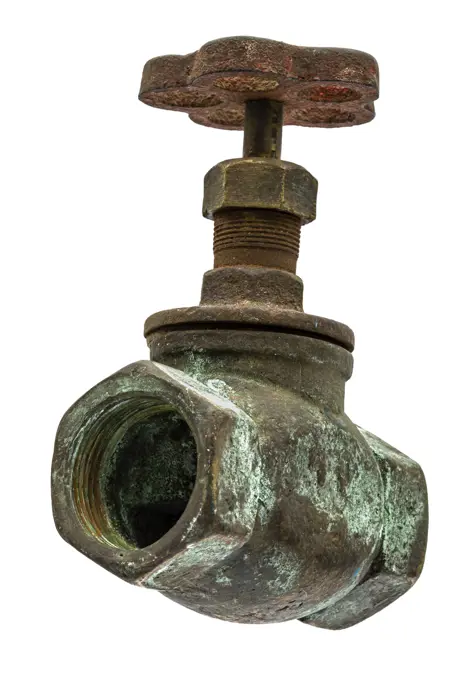
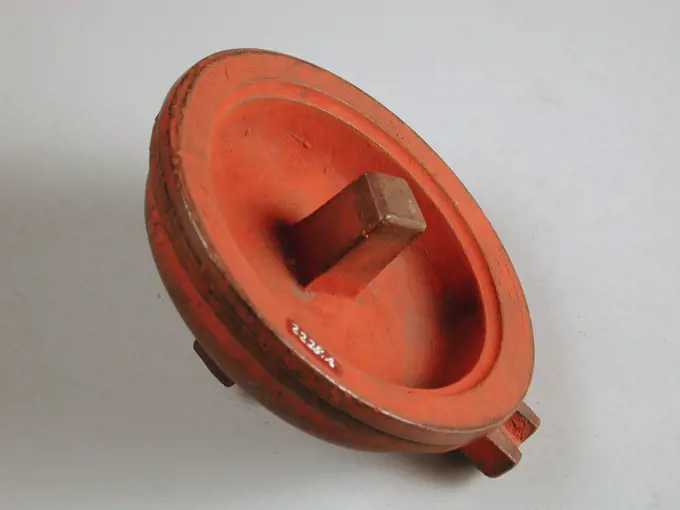
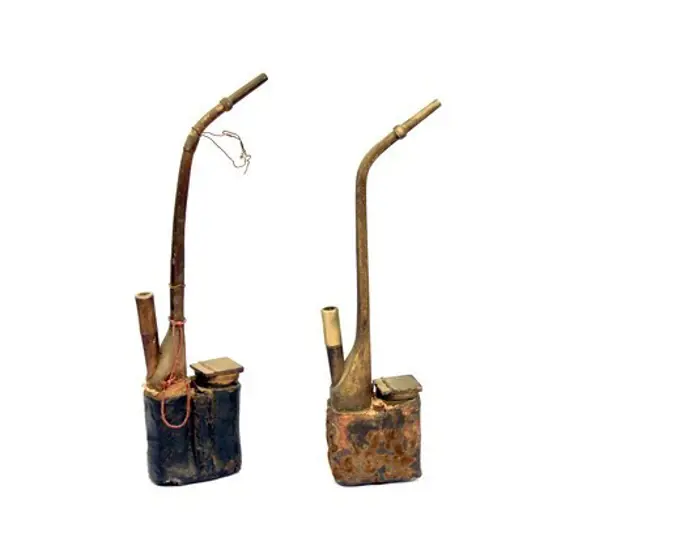
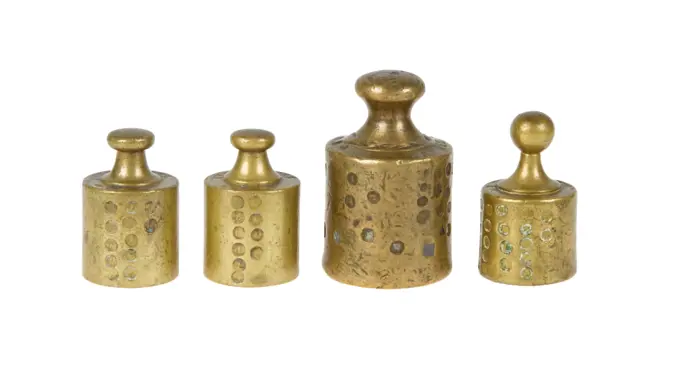
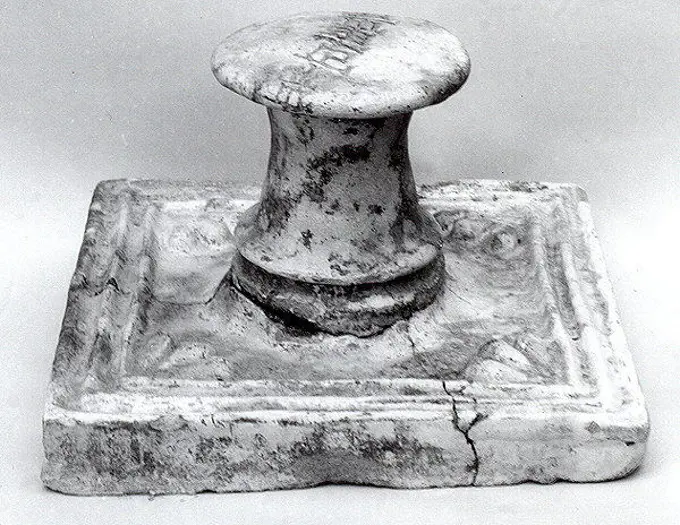
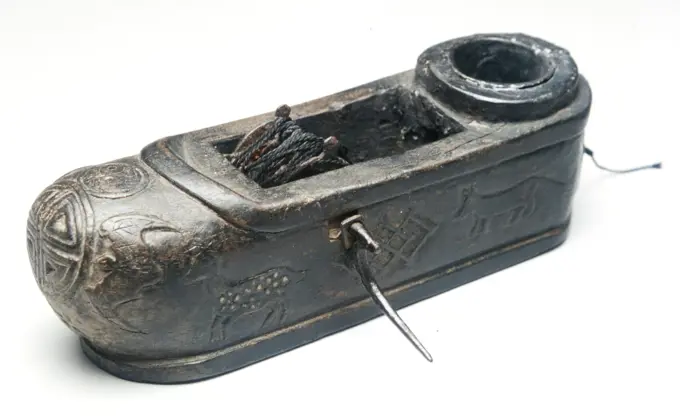
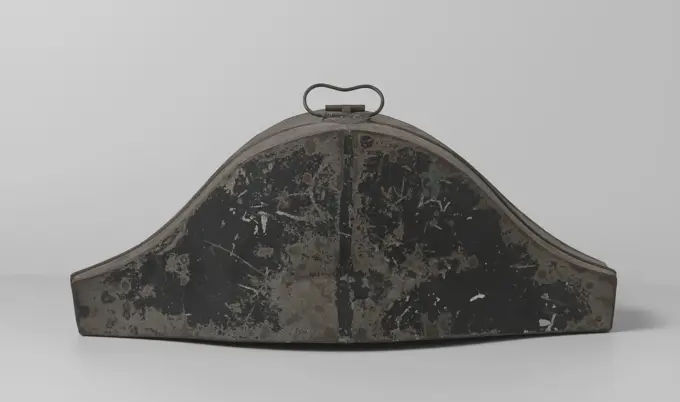
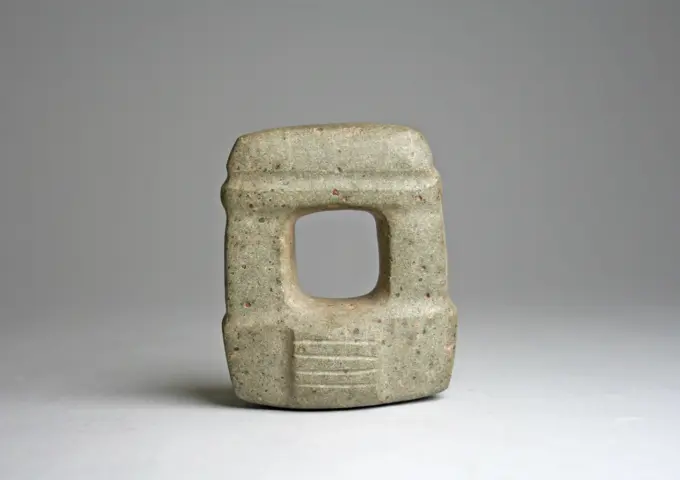
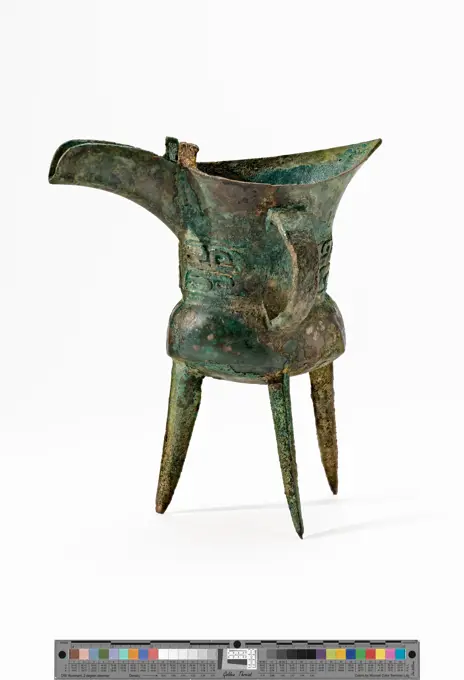
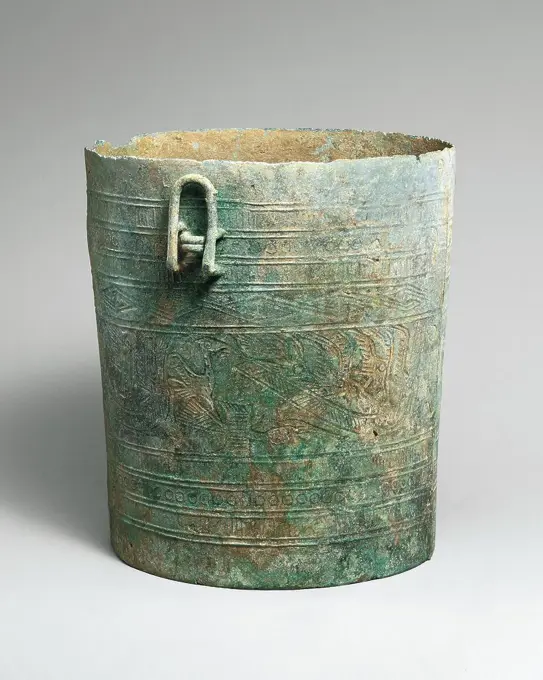
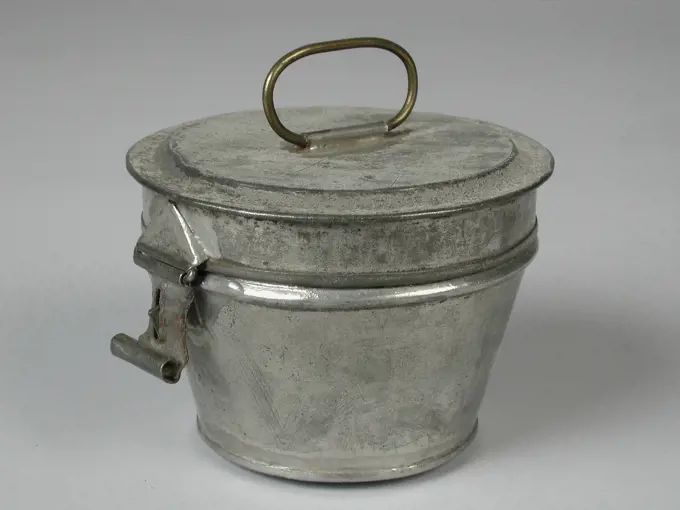
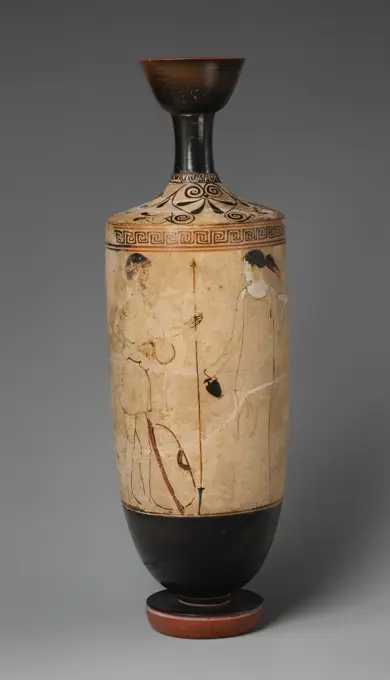
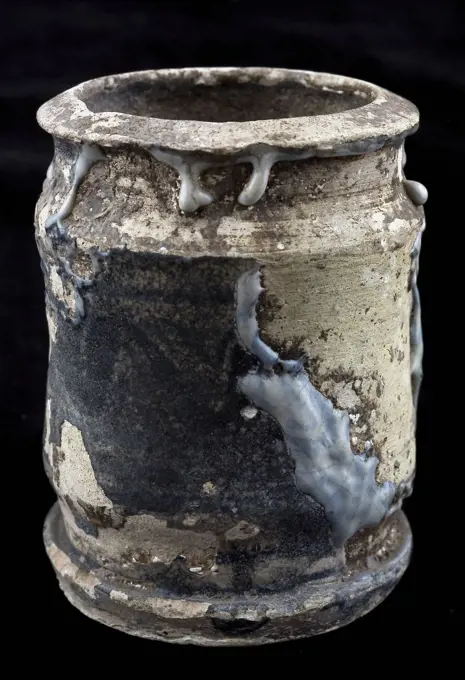
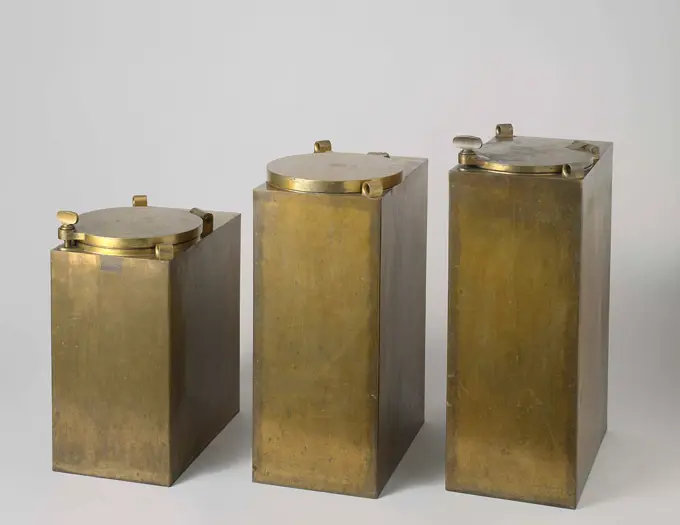
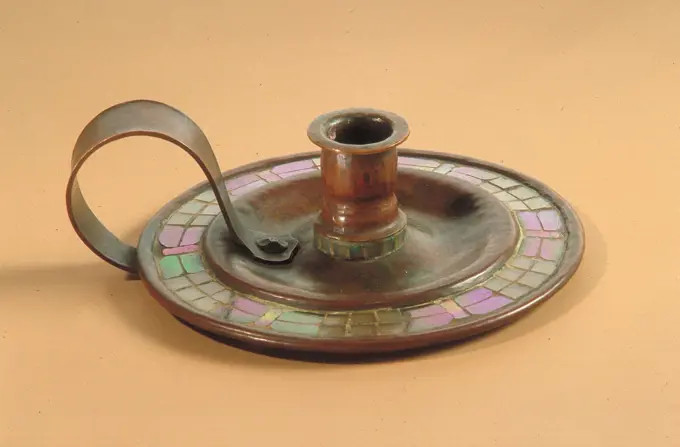
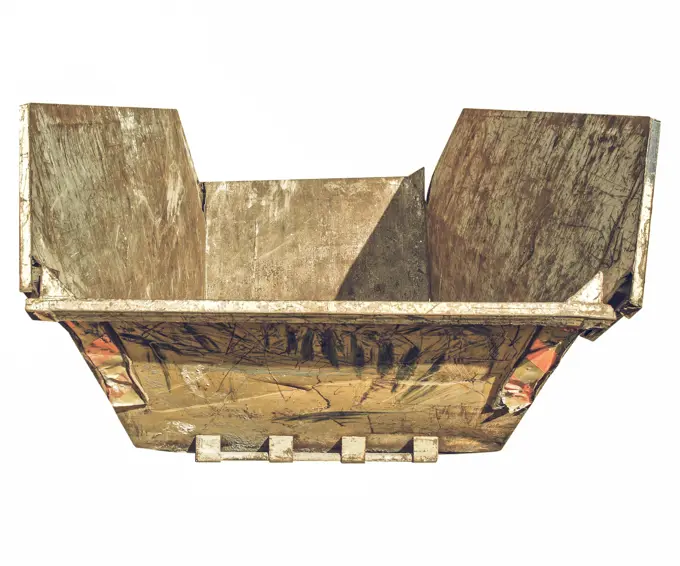
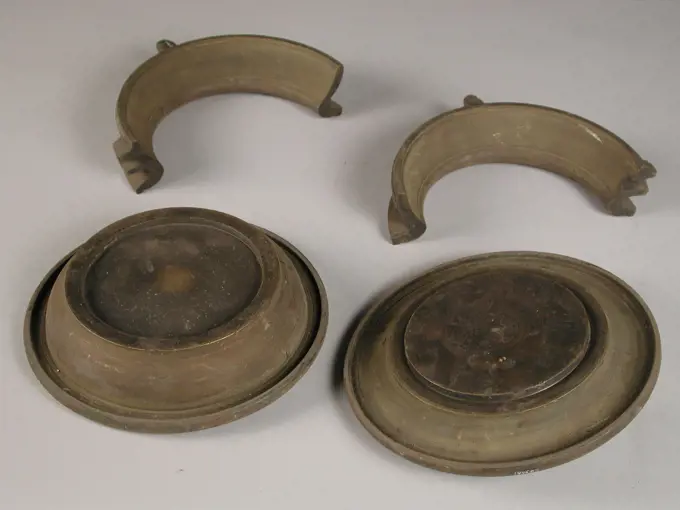
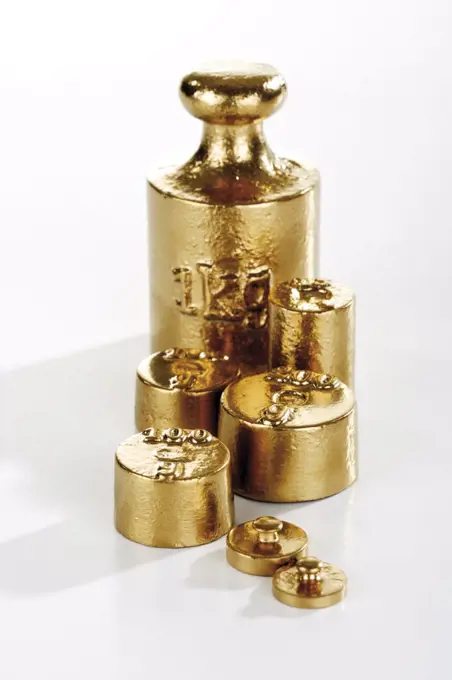
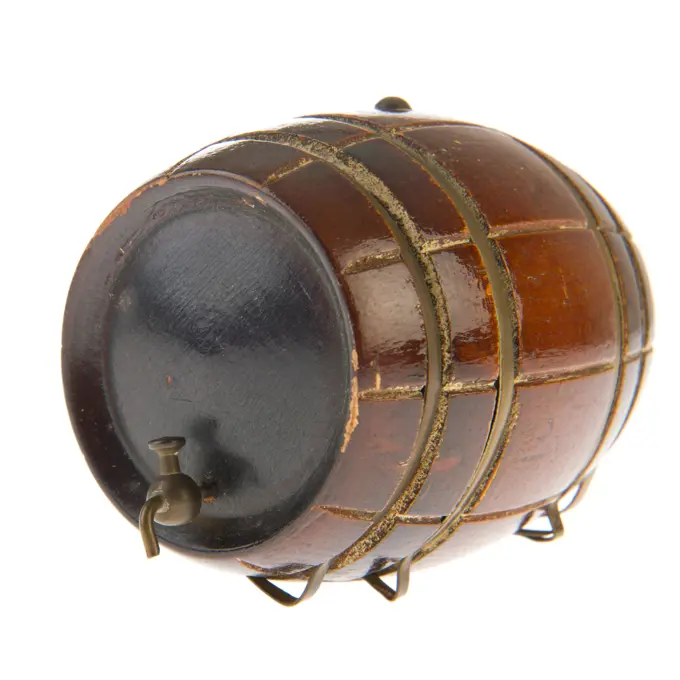
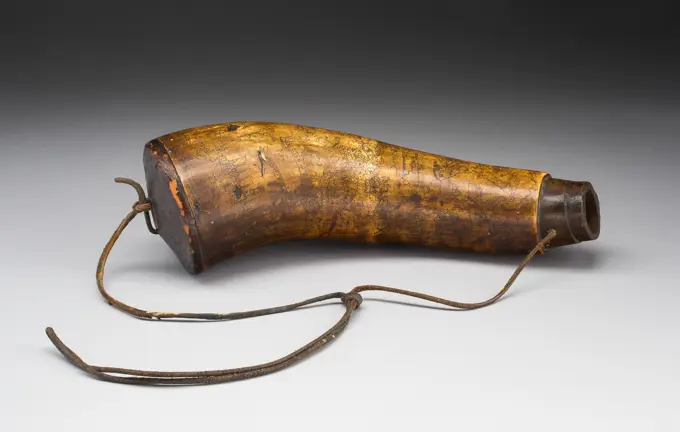
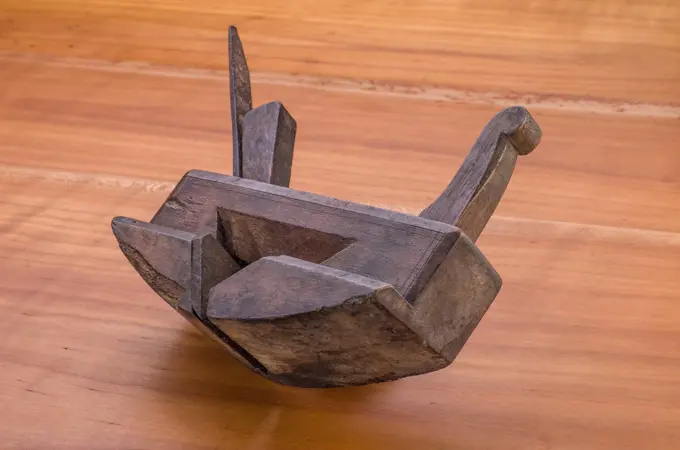
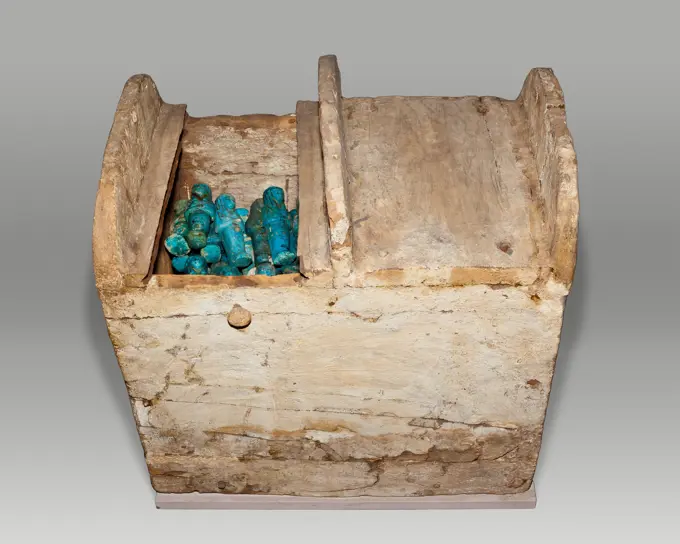
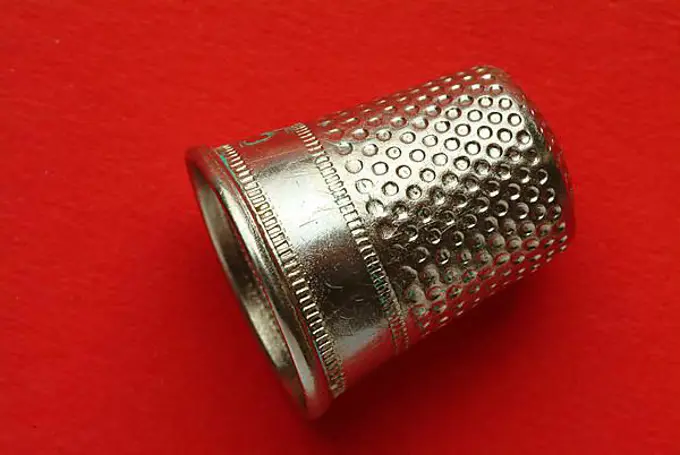
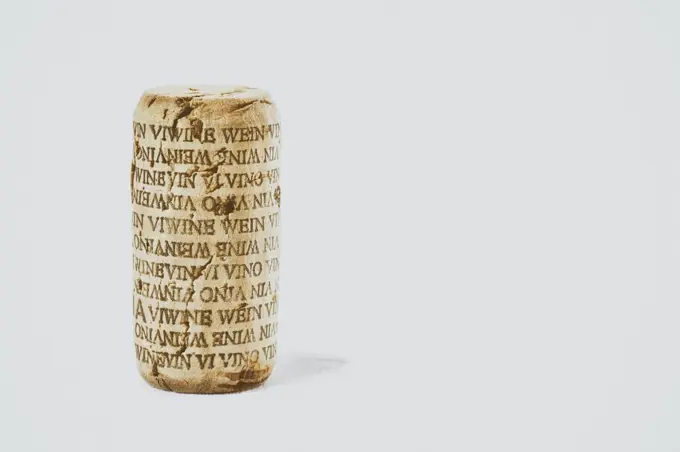
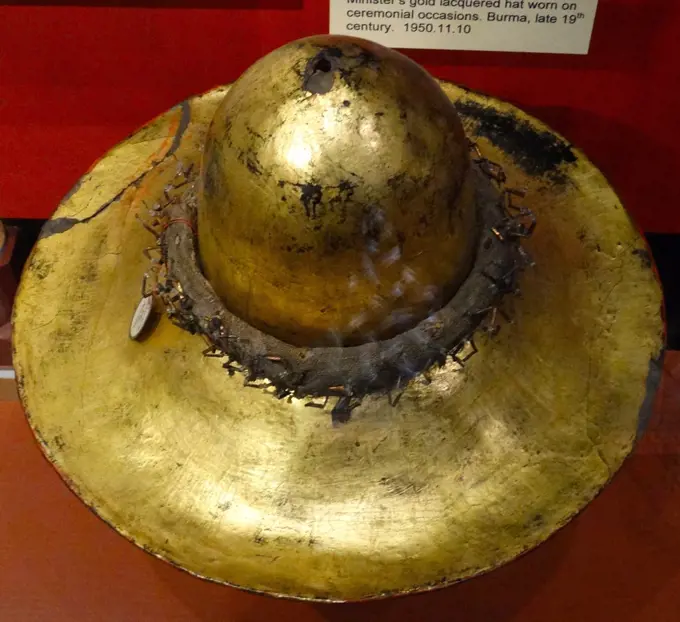
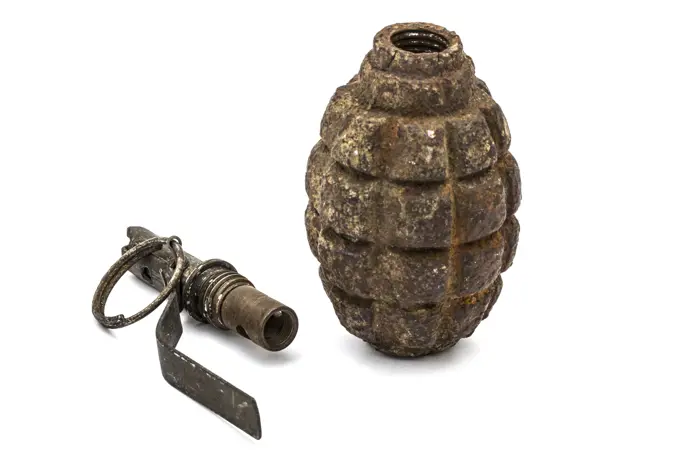
old manual coffee grinder isolated on whiteLazio Viterbo Viterbo Museo Civico00. Hutzel, Max 1960-1990 Views of paintings (Middle Ages through 18th c.), frescoes, a tabernacle, coffin, sculpture reliefs, portal fragments, busts, sculpture, tapestry found in the Pinacoteca, Second floor gallery and Second floor cloister sequences. Antiquities: Many views of Etruscan and Roman fragments, sculpture, sarcophagi, pottery, masks, jewelry and other objects found in the Storeroom sequence (inventory numbers on back of prints), and the Cloister, Second floor Cloister, Valle Giulia, Sala Romana and Sala Etrusca sequences. General Notes: There are eight separate numerical sequences for this location. The cloister as an architectural structure, rather than museum site, is documented in the record and file for S. Maria della Verita, Cloister, all views of which are stored in Medieval core collection. Five views from the Museo Civico Second floor cloister sequence are stored in Medieval. German-born photographer and scholar Max Hutzel (1911-Lelah Nelson, Churn, 1935 1942 ChurnBronze funnel-strainer ca. 550-500 B.C. Etruscan The Etruscans used metal and sometimes ceramic sieves to strain wine when ladling it from large mixing vessels into pitchers from which it could then be served. Thus, such utensils are part of the Etruscan ritual banquet and often appear in the hands of servants depicted in tomb frescoes. These two bronze examples are beautifully crafted with ornamental handles terminating in ram's and duck's heads. The better preserved strainer has two rampant lions sitting on its rim.. Bronze funnel-strainer 253428 Etruscan, Bronze funnel-strainer, ca. 550500 B.C., Bronze, H. 6 9/16 in. (16.7 cm); length 13 1/2 in. (34.3 cm). The Metropolitan Museum of Art, New York. Fletcher Fund, 1934 (34.11.8)Gaetano Albertazi, Table Bell, late 15th century or first quarter 16th century Table BellAntique vase Antique decorative vase isolated with clipping path included Copyright: xZoonar.com/Baloncicix 7148969Mouth and neck fragment of Dressel 1B amphora. From the Bay of A Coruna, Galicia, Spain. 2nd-1st centuries BC. Archaeological and History Museum (San Anton Castle). A Coruna, Galicia, Spain.Small tin jar on stand foot, rings around the outside, toys, goblet drinking utensils tableware holder toy relaxing medium miniature soil find tin metal, cast Small tin pot on stand foot. Upper edge of the project Two twists on the outside wall as decoration Unnoticed Hollow soul archeology Rotterdam IJsselmonde indigenous product child play child's play doll's house Soil discovery: IJsselmonde castle 2 put in Rotterdam 1972.Bowl -Old water faucet, isolated on white background Old water faucet, isolated on white background Copyright: xZoonar.com/OleksandrxKostiuchenkox 8897618Historic offering box, St. Thomas Church, Leipzig, Germany.Two-piece bronze mold for dish, cast molding tool tools base metal bronze, cast twisted Two-piece bronze mold for casting dish with stand ring top: 2834 17 Rotterdam tin foundry tin pewter Meeuws Druy craft Forms come from origin 18th century Rotterdam tinnegieter J Druy. The large molds that were not signed or dated were the property of the tinker guild and were rented to the small tin caster.Old objects hookahsBell;  19th century () (1801-00-00-1900-00-00);Old brass antique weights, Holland, isolated on whiteWall plaque ca. 1340-1300 B.C. Elamite This glazed ceramic plaque is square, with a triple border of raised lines and scalloped in the corners. The center is dominated by a peg with an Elamite cuneiform inscription in the center reading Untash-Napirisha,’ the name of an Elamite king who reigned ca. 1340-1300 B.C.It was excavated at Choga Zanbil, about 50 miles north of modern Ahvaz, Iran. Established by Untash-Napirisha as a new capital of the Elamite kingdom, the site boasts one of the best-preserved ziggurats in the ancient world. At least twenty-five different gods were worshipped there, and although the city was not completed by the time of Untash-Napirisha’s death, it continued to serve as a religious center until ca. 1000 B.C. Hundreds of similar plaques were discovered by archaeologists at the site, suggesting that they played a prominent role there.The exact function of these plaques remains uncertain. It is likely that they are an iteration of an earlier tradition in MesopotaSeal.   Maker: Jacob Hurd, American, 1702-1758Carpenter and Cabinet Maker Ink Line, 19th century, 2 9/16 x 7 5/8 x 3 13/16in. (6.5 x 19.4 x 9.7cm), Pine, elm, brass, copper, China, 19th centuryHat box of black -painted can; For a stitch, c. 1900 Blik hat box for a stitch. Black painted. The box has the shape of a stitch. The box can be opened over the length. With clip closure and handle. Belongs to the BK-1973-451-A stitch, which belongs to the gala tenue of an assistant resident, BK-1973-384. Paris . lacquering Blik hat box for a stitch. Black painted. The box has the shape of a stitch. The box can be opened over the length. With clip closure and handle. Belongs to the BK-1973-451-A stitch, which belongs to the gala tenue of an assistant resident, BK-1973-384. Paris . lacqueringGorget 1800-1900 Europe. Steel .Bucket. Dated: c. 1940. Dimensions: overall: 46.7 x 36.7 cm (18 3/8 x 14 7/16 in.). Medium: watercolor, pen and ink, and graphite on paperboard. Museum: National Gallery of Art, Washington DC. Author: Edward Bashaw.ChrismatoryPart of a candle crown, anonymous, 1475 - 1485 The two-armor with crabs decorated turner is provided with the sign III at the start. The left arm is marked with three points at the eye, the right arm with three notches. The fat catchers are round and are decorated at the top and bottom with fine grooved rings. They have a holid and straight slanted upright edge, which turns into a serrated decoration at the bottom. The fat catchers are provided with the signs consisting of three -point or III at the top. For the candle holders, who are marked with three and five points, the six raised surfaces are cut around and rectangular. They are on holes, which turn to a three -hand pedestal, including the end with the thread. Northern Netherlands (possibly) brass (alloy) casting The two-armor with crabs decorated turner is provided with the sign III at the start. The left arm is marked with three points at the eye, the right arm with three notches. The fat catchers are round and are decorated at Cista Mystica, a box used by the ancient Romans for various practical and mystical purposes. 1st century BCFragment of part of shoulders, neck and mouth of stock bottle (with cork), belly bottle bottle holder soil find glass cork, free blown and shaped glass application Fragment of part of shoulders of neck and mouth of stock bottle (belly bottle cat head) in clear green glass archeology Rotterdam City Triangle Oostplein Soil discovery Oostplein .Temple Model. Culture: Aztec. Dimensions: Height 4-1/2 in.. Date: 15th-early 16th century. Museum: Metropolitan Museum of Art, New York, USA.Moon and phallus symbols on a Roman bronze.Ceramic Reliquary Case. Korea, Goryeo dynasty (918-1392), 13th-14th century. Sculpture. Molded stoneware with stamped decorationManufacture Haviland & Co / Ernest Chaplet / Albert Dammouse. "Pair of vases". Brown sandstone and color inlaid. 1882-1885. Museum of Fine Arts of the City of Paris, Petit Palais. 57905-2 Vegetal decor, brown gres, inlays, decorative object, earth, vaseStone Temple Model 1st-8th century Mezcala. Stone Temple Model. Mezcala. 1st-8th century. Stone. Mexico, Mesoamerica, Guerrero, Balsas River region. Stone-SculptureSmall Drum 500 B.C.-A.D. 300 Indonesia(). Small Drum. Indonesia(). 500 B.C.-A.D. 300. Bronze. Bronze and Iron Age period. MetalworkCricket Container, 6 1/16 x 2 1/4 x 2 1/4 in. (15.4 x 5.72 x 5.72 cm) (overall), Gourd, ivory, tortoise shell, ChinaNetsuke lotus pod, 19th century, Unknown Japanese, 1 5/8 x 1 5/8 x 1 1/2in. (4.1 x 4.1 x 3.8cm), Wood, Japan, 19th centuryBell late 19th century Chinese. Bell 501959Small Ritual Wine Warmer (Jue) with Mask. China, Early Shang dynasty, Erligang phase, circa 1700-1500 B.C.. Jewelry and Adornments; masks. Cast bronzeSitula with Design of Boats. Culture: Vietnam. Dimensions: H. 8 1/4 in. (21 cm). Date: ca. 500 B.C.-A.D. 300.Axes, situlae, and drums play an important role in Vietnam's Dongson culture named after a site located on the coastline to the south of present-day Hanoi that was first excavated in 1924. The four long boats with seated warriors in the central horizontal band of this bucket shaped vessel, common images in the art of the Dongson culture, are also depicted, albeit more summarily, on the sides on the bronze model of a drum in this case. There had been much speculation regarding the meaning of this theme, which is interpreted as representations of military or imperial processions, or as symbols of either the practice of shamanism or a soul's journey to the afterlife. Museum: Metropolitan Museum of Art, New York, USA.Bronze bell Christmas isolated on white backgroundmetal worker: Gresnich, Tin miniature pudding mold, pudding mold shape kitchenware miniature toy relaxant model metal, curved brazed beaten tinplate Conical loose flat cover with handle side attachment for hinge and bolt six-pointed star shape on bottom. so-called 'Warm Pudding' 1868 Sibilla van Embden play food prepare cooking forms kitchenBaptismal font with antique agricultural implement, Church of St. Martin, Missen-Wilhams, Allgaeu, Bavaria, Germany, EuropeOld broken coffee grinder on white backgroundancient metal bowl on dark background. antique bronze tableware. ancient metal utensilsTerracotta lekythos (oil flask) ca. 460 B.C. Attributed to an artist near the Villa Giulia Painter Libation at warrior's departureFrom the end of the sixth century B.C., the lekythos served as a funerary vase to contain offerings of oil for the dead. During the second quarter of the fifth century, white-ground lekythoi, on which the decoration was painted over a white slip, became the typical funerary vase. While the subject here is the libation at the departure of a warrior, the shape suggests that the warrior did not return alive and that this vase was placed on his grave.. Terracotta lekythos (oil flask). Greek, Attic. ca. 460 B.C.. Terracotta; white-ground. Classical. VasesMajolica albarello, ointment jar with monochrome decor, misbaksel, albarello holder soil find ceramic earthenware glaze lead glaze tin glaze, hand turned baked glazed decorated baked Cylindrical pot with three necking. Collared foot stand with soul. Yellow glaze glazed. Misbaksel: glaze totally failed molten and partially disappeared probably happened in the oven. Blue decor from zigzag lines and blue tapes archeology health care indigenous pottery packing ointment medicine drug pharmacy craft stonewareFoot warmer -Breast and Backplates from a Maximilian Armor, c.1510-30. Germany, Nuremberg(), early 16th century. Steel, brass rivets; Distinguished by its regularly fluted surfaces, armor in this style was popularized in South Germany during the early 1500s. The style is usually called "Maximilian," as it was introduced during the reign of Emperor Maximilian I (1493-1519). The style reflects male costume of the period and the shift to the new rounded forms of the Renaissance.Powder Chest. Three brass gunpowder boxes of identical rectangular base but from different height. On top, they all have two eyes, placed in opposite angles, and the closure. The closures are always of a different type. The smallest coffin has labeled a double closure 1, the outer cover to open a hinge and is closed with a large screw; The inner edge is filled with an unknown plastic. The inside cover is loose and has a ring on top. The largest coffin has labeled a single lid 2, of the same type when the outer cover of the smallest casket and the inner edge also fed with plastic. The corstrel of high-size has a double closure, labeled 3, the outer cover provided with a bayonet closure and a hinge that gives the lid the opportunity to turn; The inside cover is the same as with the smallest coffin. Combined descriptionCauldron -Flask ca. 1720 Vienna. Flask 209254Candleholder.   Maker: J. Charles Burdick, American, active 1907-22Vintage looking Dumper for debris Vintage looking Dumper for construction and demolition material debris - isolated over white background Copyright: xZoonar.com/ClaudioxDiviziax 9813949Temple Model 1st-8th century Mezcala. Temple Model 315069COLMENA - 1996-1997. Author: JOSE MARIA SICILIA. Location: PRIVATE COLLECTION.Four-piece bronze mold for top of chamber pot, mold casting tool tools base metal bronze, cast turned Four-piece bronze mold for casting the edge of chamber pot bottom: 2834 401 Rotterdam tin foundry tin stain tin Meeuws Druy craft Shapes are from the originally 18th century Rotterdam tinnegieter J Druy. The large molds that were not signed or dated were the property of the tinker guild and were rented to the small tin caster.Golden weights. Driven silver box with the portrait of saltman, standing figure, knee piece, in oval. Dressed in uniform coat and the doggers bank medal to a chain on the chest. On the right a women's figure with anchor and left sailing ships. On the left the Dutch virgin, standing, with lance on which the freedom hat and shield with arrow bundle. On the back: religio, standing women's figure with cross. On the bottom three rose branches. On the Lid Christ and the Samaritan woman at De Put. Brand inside: Coat of arms of Amsterdam and letters.Old wine barrel Old wine barrel with copper tap isolated over white background Copyright: xZoonar.com/IvonnexWierinkx 7447292Powder Horn c 1775 United States. HornFragment 13th-14th century European. Fragment. European. 13th-14th century. Pot-metal glass and vitreous paint. Glass-Stainedold cooper planer old cooper planer Copyright: xZoonar.com/BorisxZerwannx 7006092Epaulet from Jhr. Hoeufft, captain in 1830/32 at the Schutterij, Anonymous department, 1830 - 1832  Epaulet, part of couple, for a captain of the mobile militia, ca. 1830-1832. The epaulette consists of a tongue of silver spacon, on which a sliding passant is mounted, consisting of an embroidery of silver thread and pailets, with a lining of dark blue sheet. This epaulette has an octagonal label stuck to the tongue, on which no. 133. (This label was no longer visible during the check in 2010) The magazine of the epaulette has a more or less oval label on which the text says in ink: Jonkheer Hoeufft. 1830-1832. Captain Schutterij 133. Silver frills hanging on the leaf. Underzakes are lined with red sheet, on which feed remnants of paper labels with partly readable text: in the ... street .... Heiligenweg ... Van den Broecke ... makes and sells all types of military ornaments etc. etc. in Amsterdam. Netherlands silver thread. cloth. paper   NetherlandsShabti Box of Henettawy (C), Daughter of Isetemkheb ca. 990-970 B.C. Third Intermediate Period Two wooden boxes (see also 25.3.19.1a-c.filled with "shabtis" inscribed for Henettawy (daughter of Isetemkheb) were found in Chamber B of Tomb MMA 60. These small magical figures would have worked for their owner in the afterlife if she were called upon to carry out manual labor, such as digging canals or creating sandbanks to hold back the floodwaters. Divided between these two boxes were a total of 411 shabtis, 374 mummiform workers with tools and baskets, and 37 kilted supervisors holding whips.The boxes were found intact, with their lids still in place. They are made of small planks of reused wood of various types (including sycomore and pine or cedar), whitewashed inside and out. Each has two lids; one is pegged in place and the other is a true lid, sliding on grooves and secured by a string attached to the knobs.. Shabti Box of Henettawy (C), Daughter of Isetemkheb 591465ice cream with cone  isolated on white backgroundDIJSTUK, 1599 - 1699  Dijpiece, right, iron, white, with two caught hooks that can be crocheted at the abdominal demand of the breastplate. The thigh piece consists of five horizontal ribs, each with three iron rivets. Upper rib has been repaired by means of an extra plunged plate. An over -flinging edge runs from the left -hand side via the bottom to the right side. Inside is black and is the mark of the city of Amsterdam. Netherlands (possibly) iron (metal)TeacannisterColumn A Plaster column with nothing on its top. Copyright: xZoonar.com/J.xSandvikx 3560325Benetus van Emmer, part of a toilet garnish, Villeroy & Boch Ceramic Werke K.G., 1874 Insert of bucket with wicker handle, part of a toilet garnish of earthenware. Wallerfangen earthenware. Insert of bucket with wicker handle, part of a toilet garnish of earthenware. Wallerfangen earthenware.Cylindrical box 2nd century B.C.-A.D. 4th century Roman Period Gaming was a favorite pastime at banquets and other social occasions. Small boxes were used as throwing cups to prevent manipulation of the dice.. Cylindrical box 551145Metal thimble, sewing utensilsZoutvat, fragment, anonymous, c. 1590 - c. 1596 salt (condiment vessel). fragment Tinn 'Stroier', Fragment, upper part of Zoutvat.  tin (metal) casting  Nova Zembla. Saving HuysWine cork with word wine in several languages. Isolated. Vintage filteredMinister ceremonial hat with gold lacquer, Burma. Dated 1860Pair of Cuisses and Poleyns. Southern German. Date: 1450-1550. Dimensions: . Steel. Origin: Germany. Museum: The Chicago Art Institute, Chicago, USA.Stone Fruit Jar. Dated: 1935/1942. Dimensions: overall: 38.4 x 28 cm (15 1/8 x 11 in.) Original IAD Object: 5 3/4" High 5 1/8" Dia.. Medium: watercolor and graphite on paper. Museum: National Gallery of Art, Washington DC. Author: Margaret Stottlemeyer.Lantern ca. 1825 American. Lantern. American. ca. 1825. Tin, glass. Made in Pennsylvania, United Statessmall barrel alcohol on white backgroundApothecary jar - Inconnu / UnknownOld grenade and fuse, isolated on white background Old grenade and fuse, isolated on white background Copyright: xZoonar.com/OleksandrxKostiuchenkox 8905898A milk size from Alkmaar, Anonymous, 1800  A milk size from Almaar with ear. Marked, dated and v.z.v. label. Alkmaar wood (plant material)   AlkmaarWar 1939-1945. Pot of German baking soda. General Leclerc Museum of Hauteclocque and the Liberation of Paris, Jean Moulin Museum. 76891-2 Baking soda, glass bottle, 1939-1945 war 39-45, hygiene, object, maintenance product, threat product, Second World War, Daily life,