Antique Vessels and Jugs

A selection of historical vessels including jugs and urns from various eras and cultures, showcasing different materials and designs.
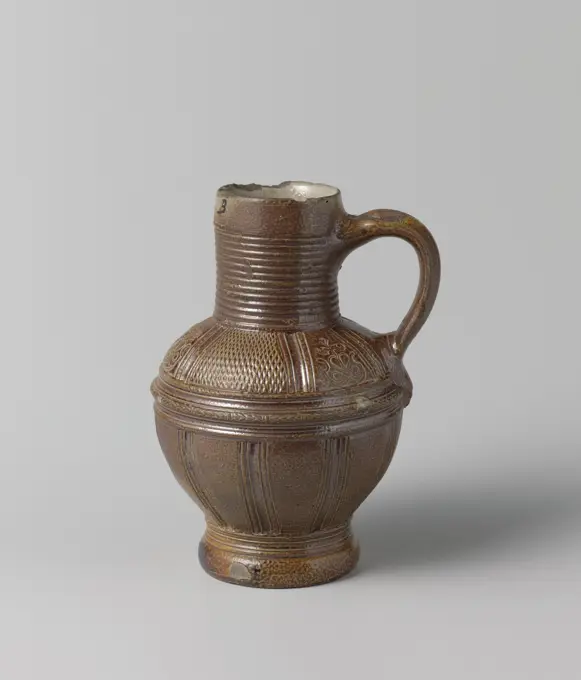
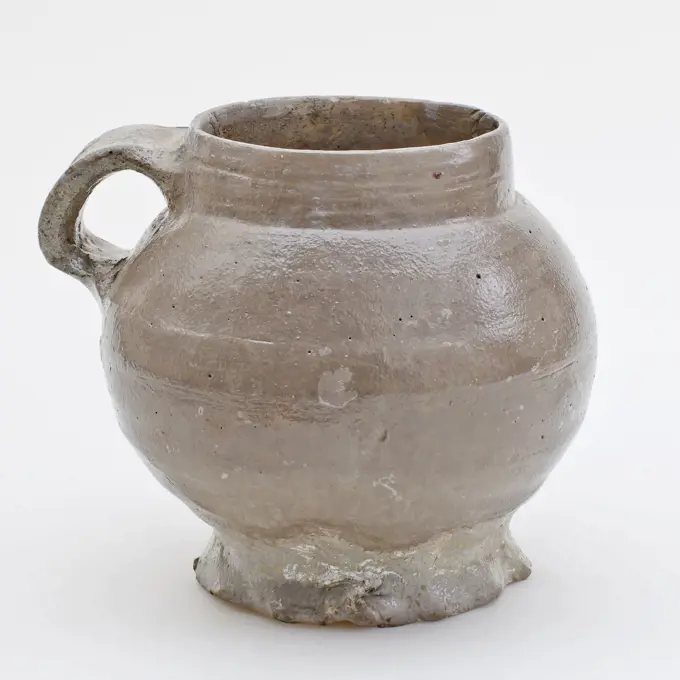
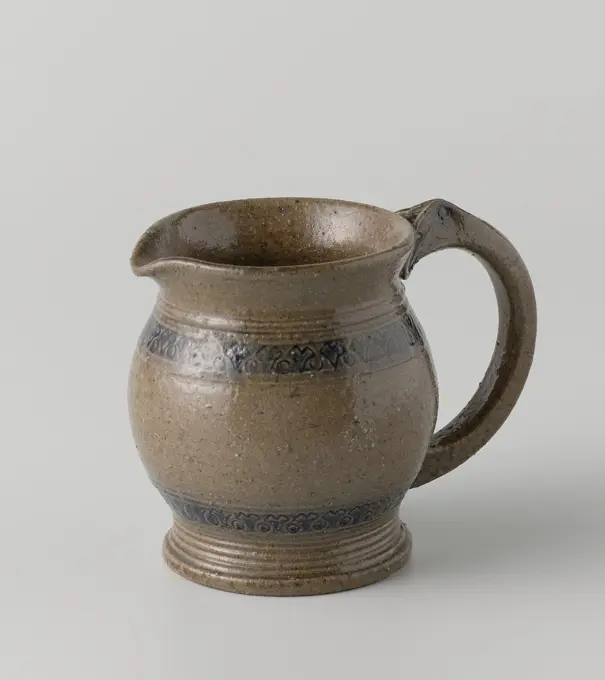
Jug with a panel decoration, anonymous, c. 1550 - c. 1599 Jug of stoneware on a high base with a spherical body and wide neck. The C-shaped ear is attached to the ribbed neck and the shoulder. Covered with a brown Engobe. The belly is divided into entered courses, separated by a horizontal profile. On the shoulder the courses are filled with notch cut or stamped curl. Raeren. Rae stoneware. glaze. engobe vitrification Jug of stoneware on a high base with a spherical body and wide neck. The C-shaped ear is attached to the ribbed neck and the shoulder. Covered with a brown Engobe. The belly is divided into entered courses, separated by a horizontal profile. On the shoulder the courses are filled with notch cut or stamped curl. Raeren. Rae stoneware. glaze. engobe vitrification
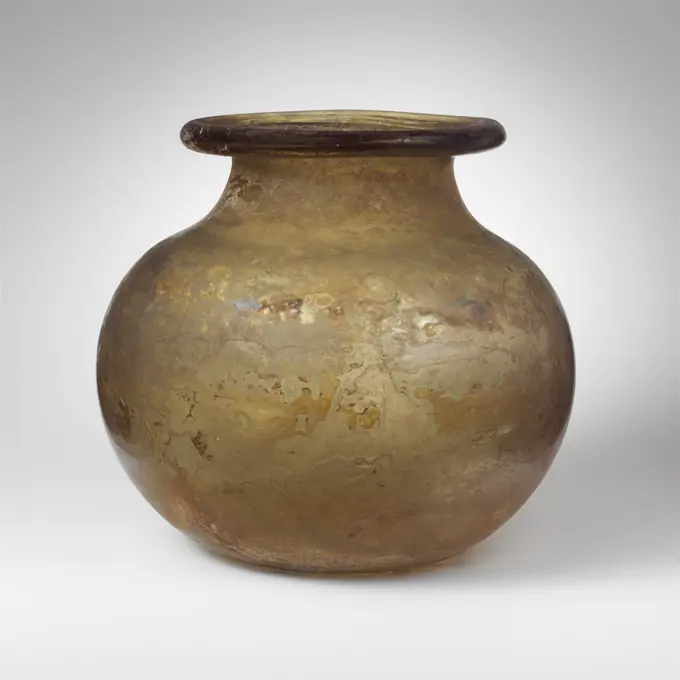
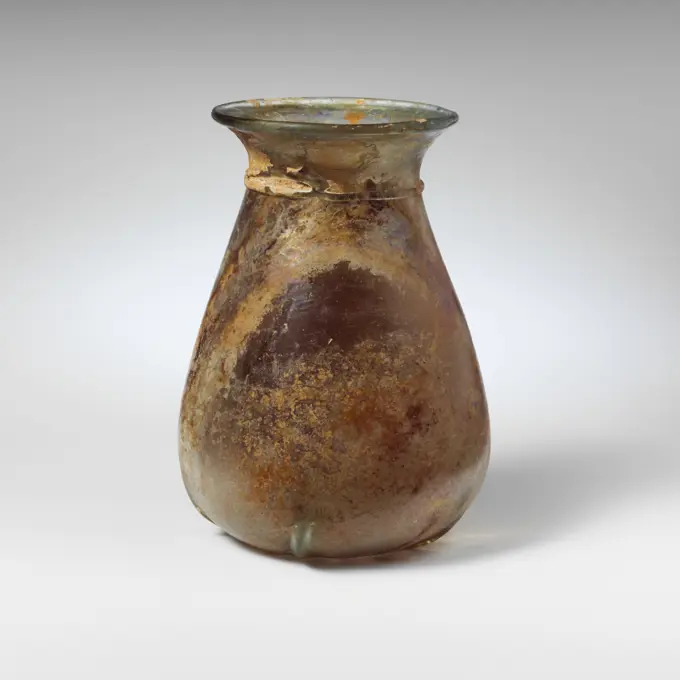
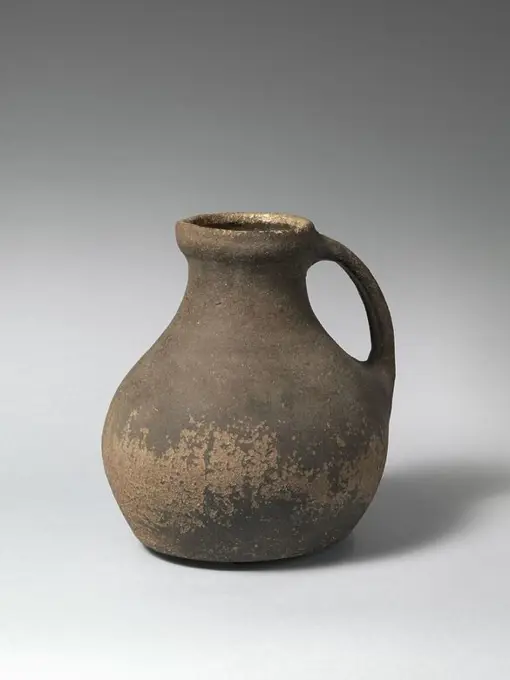
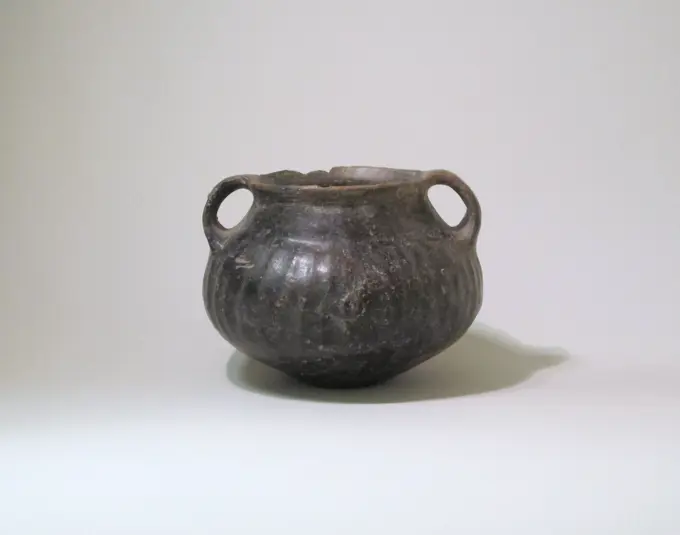
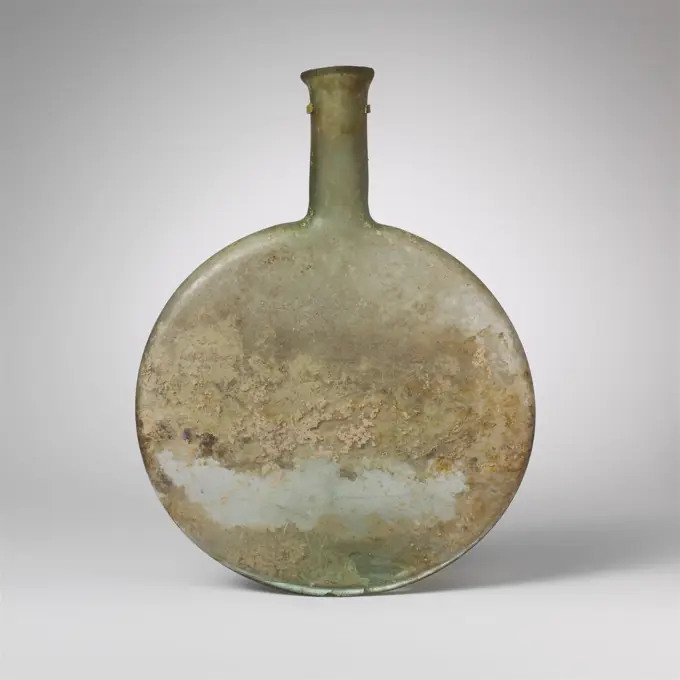
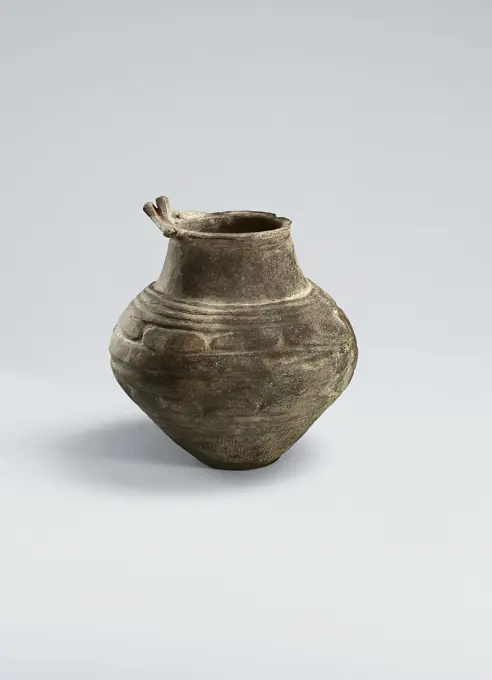
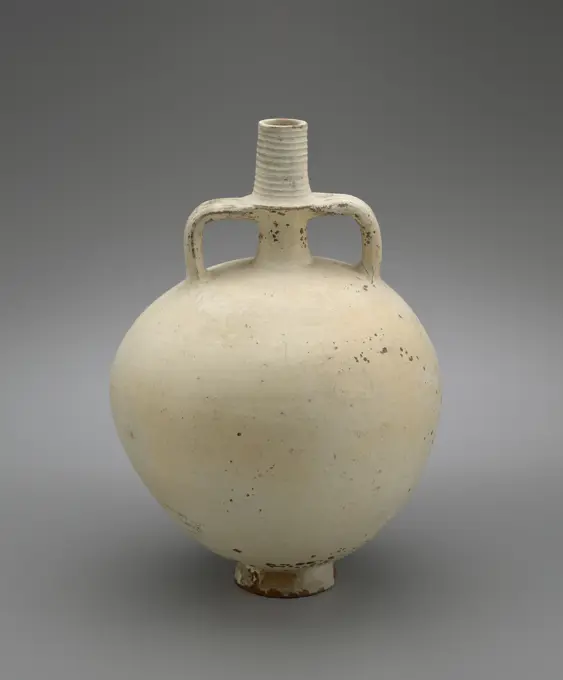
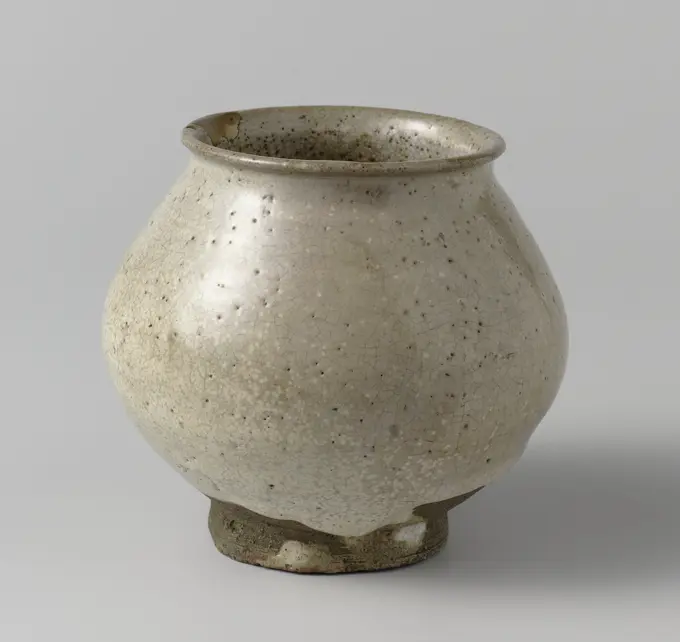
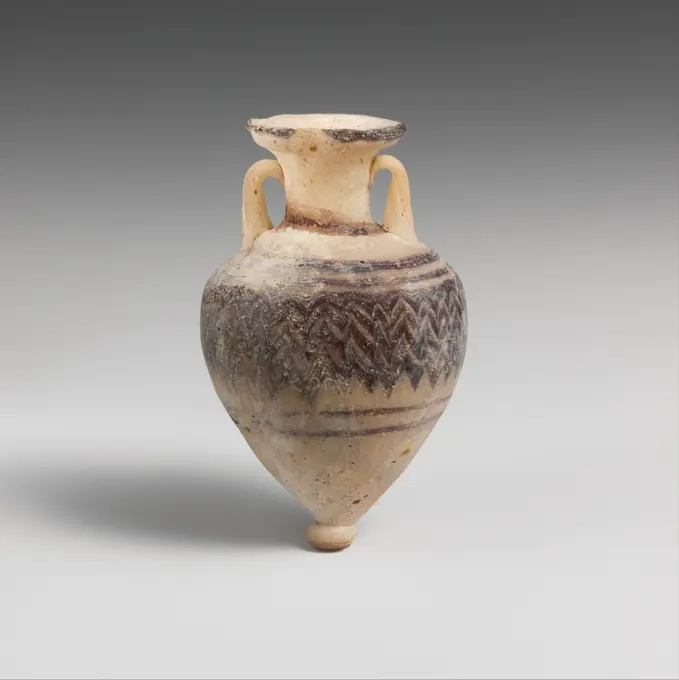
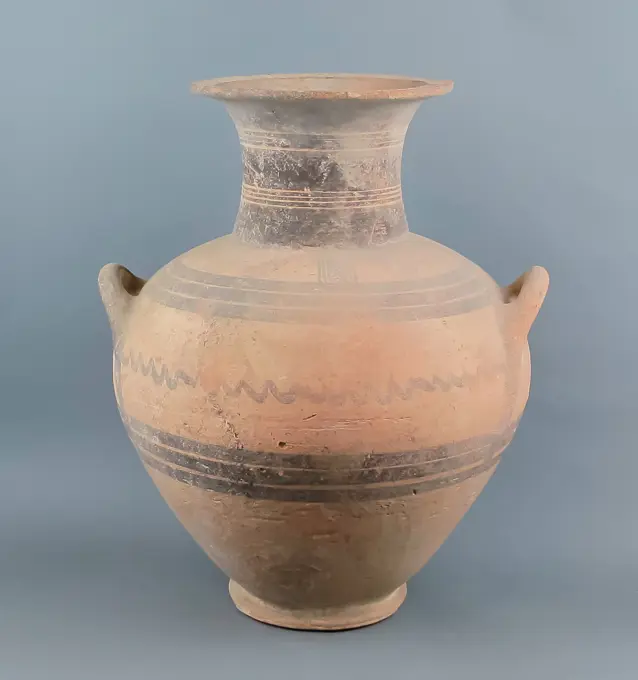
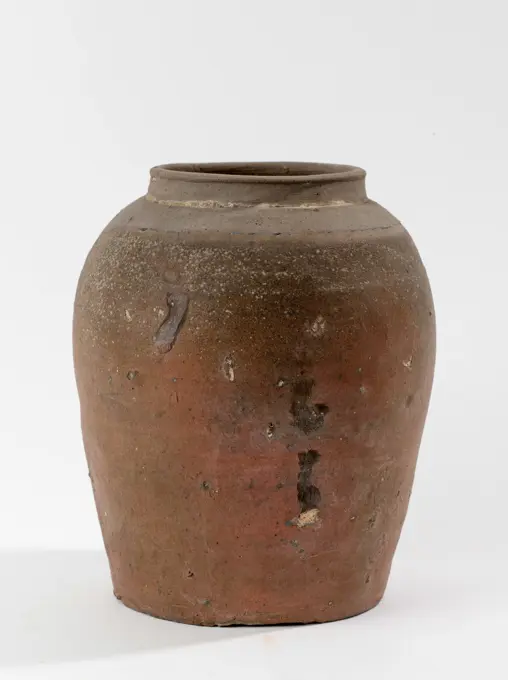
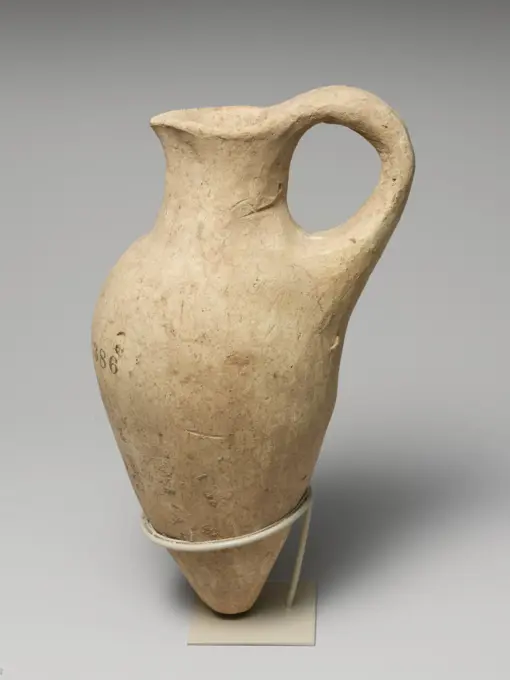
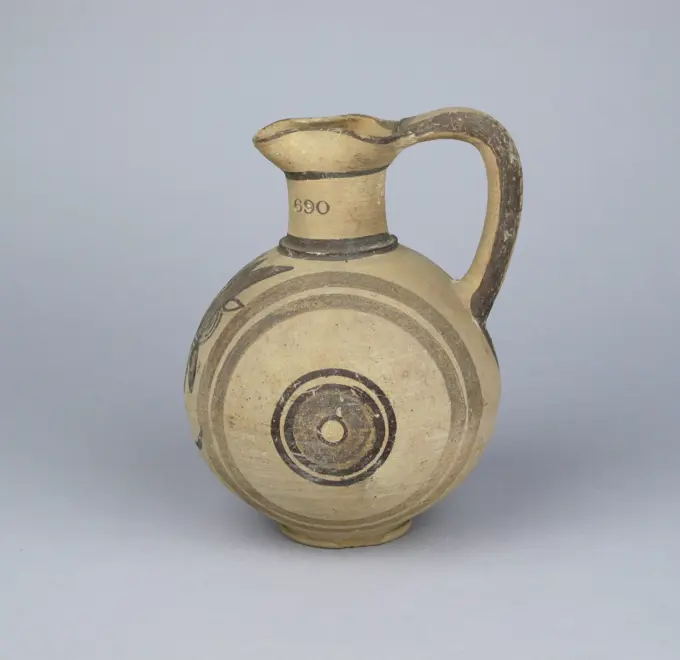
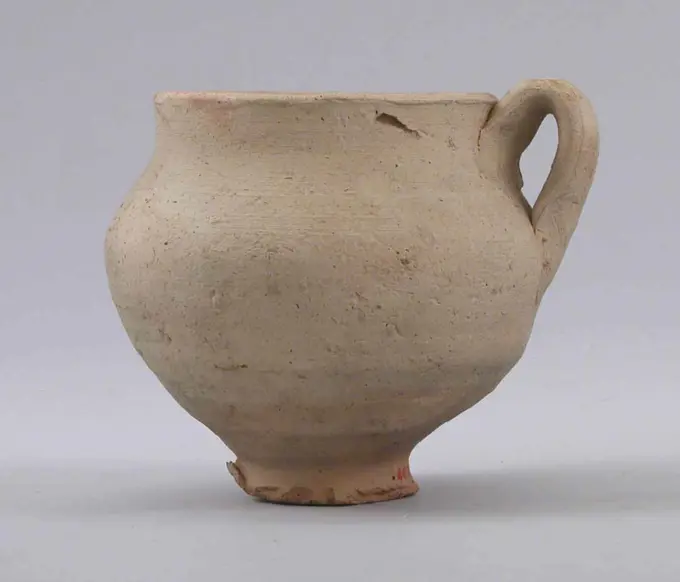
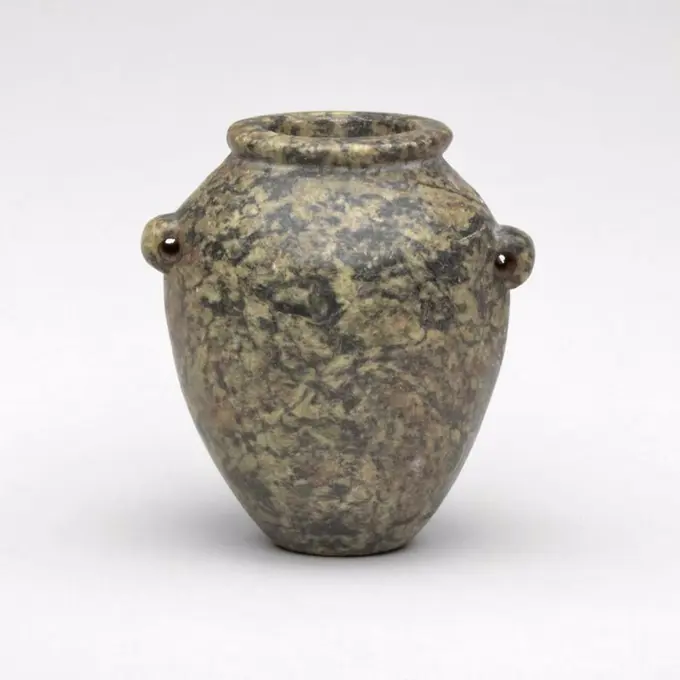
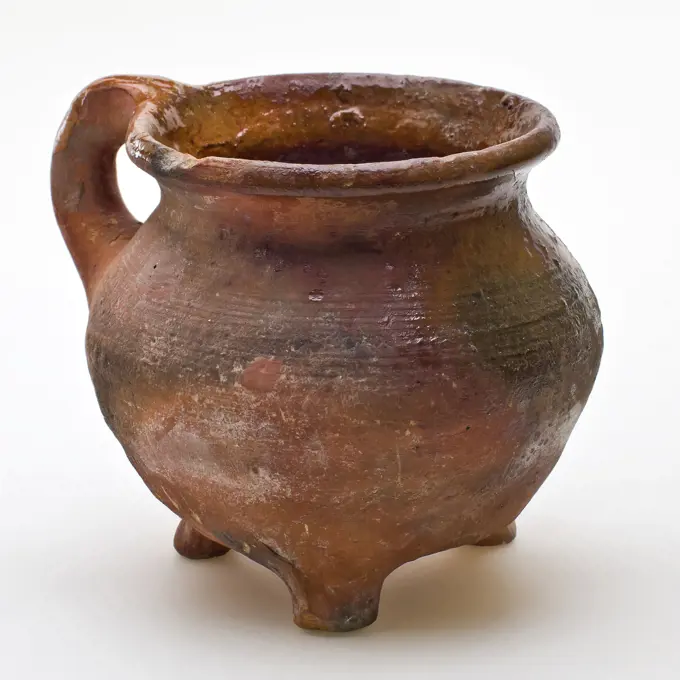
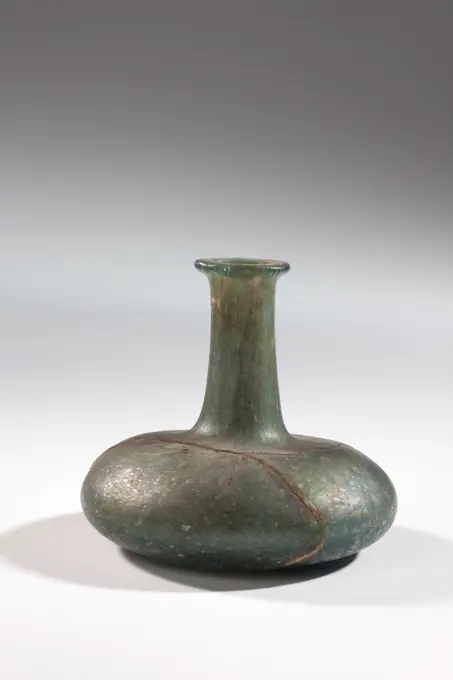
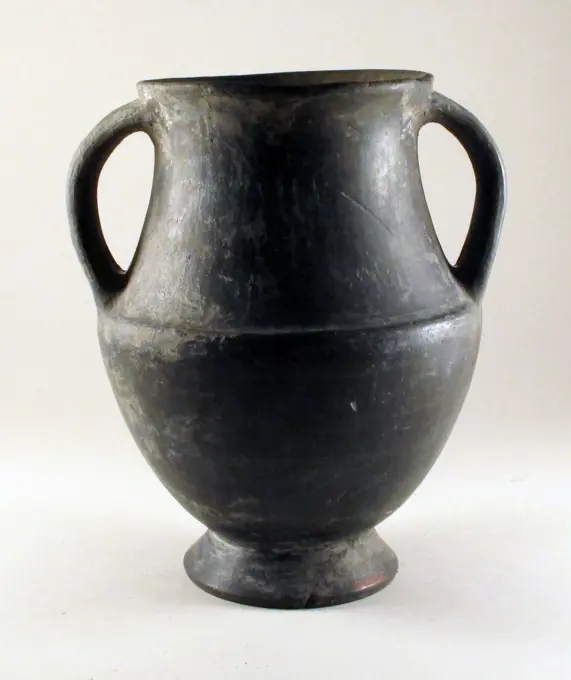
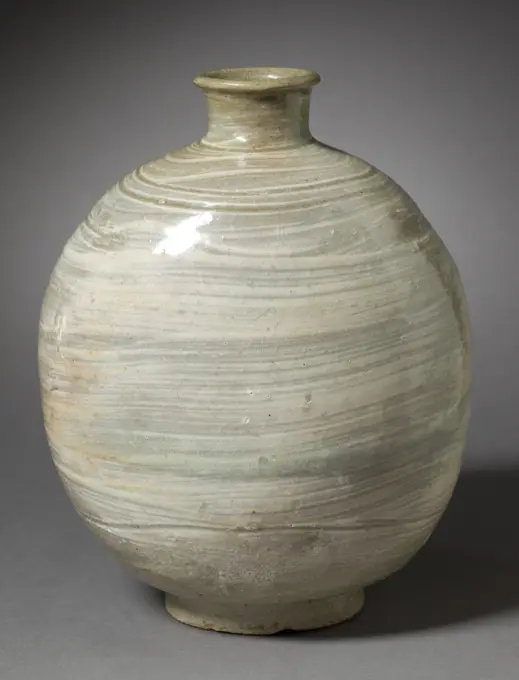
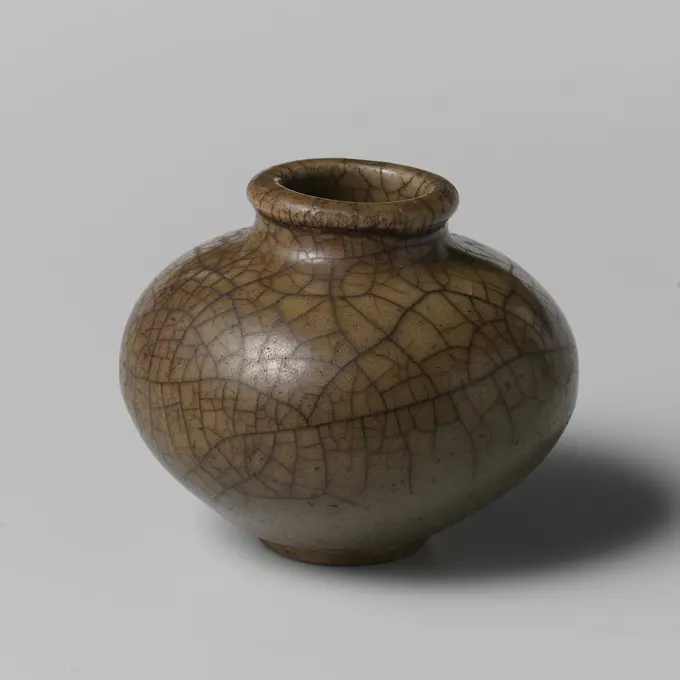
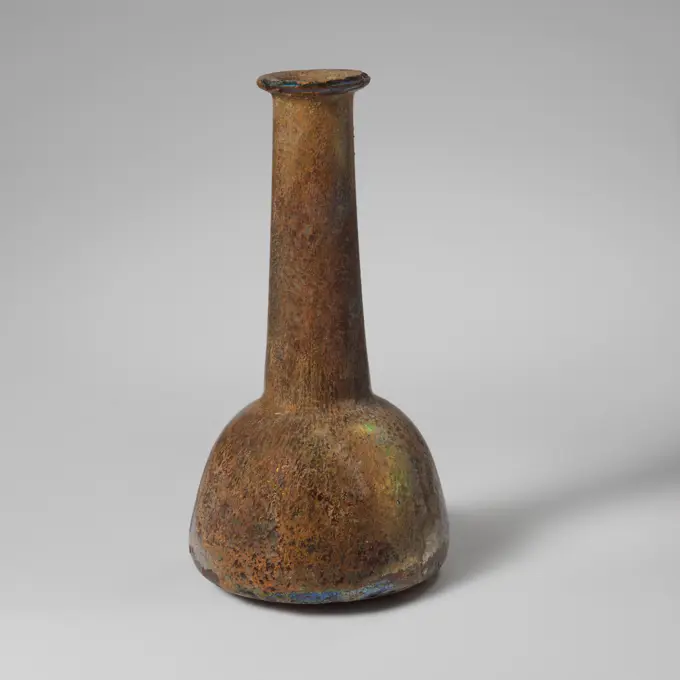
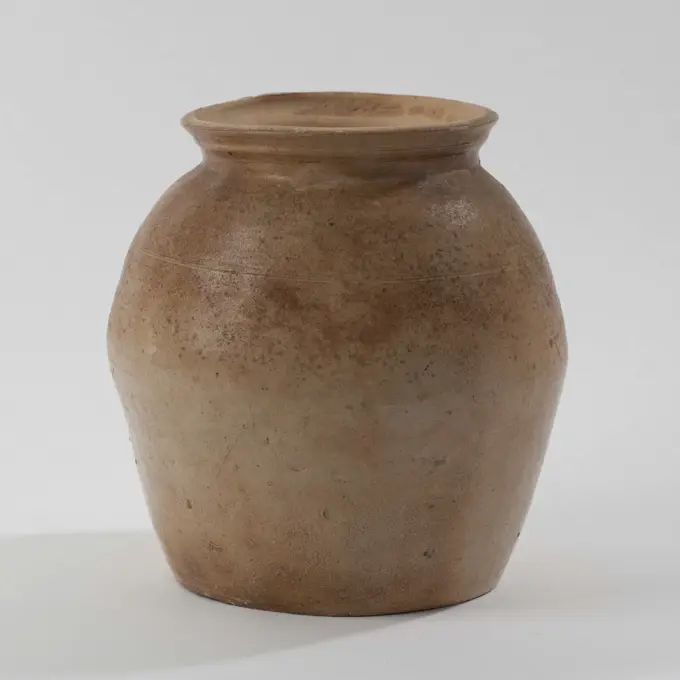
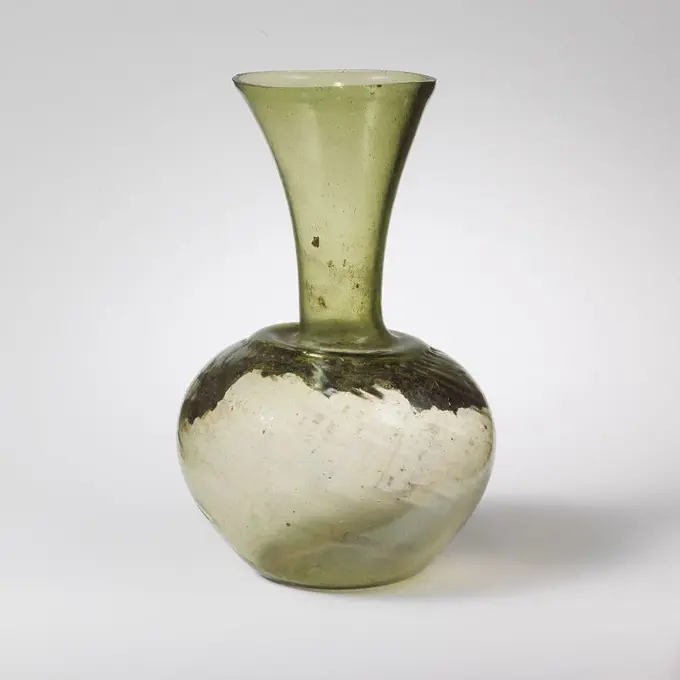
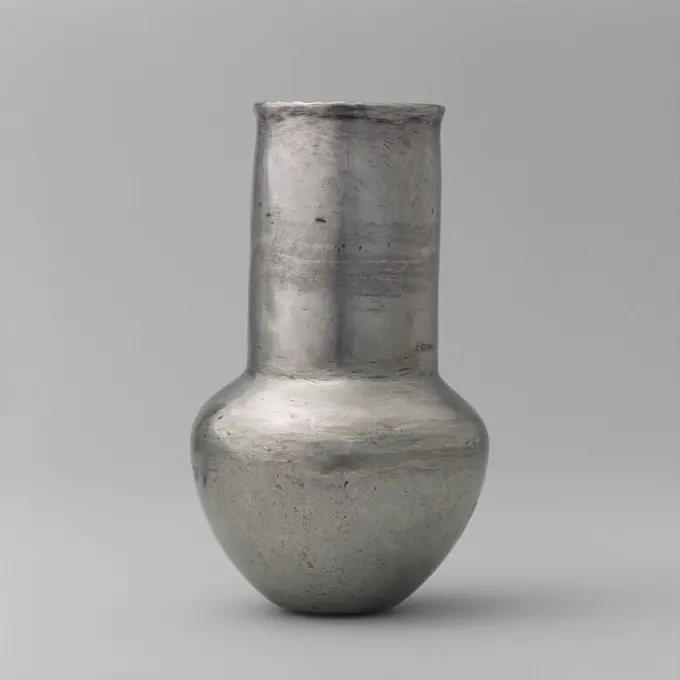
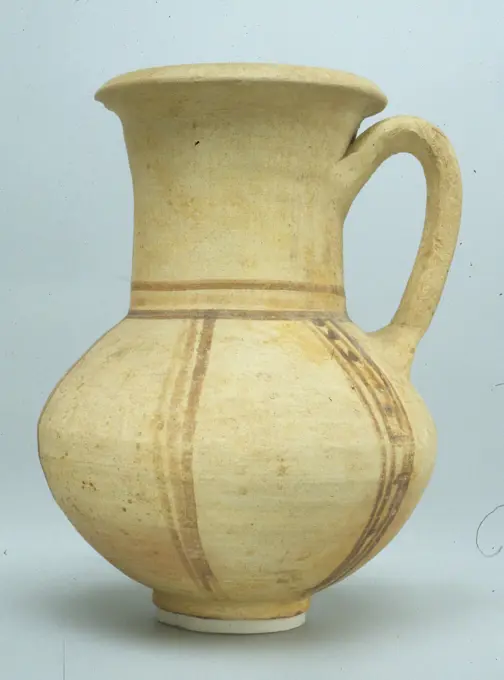
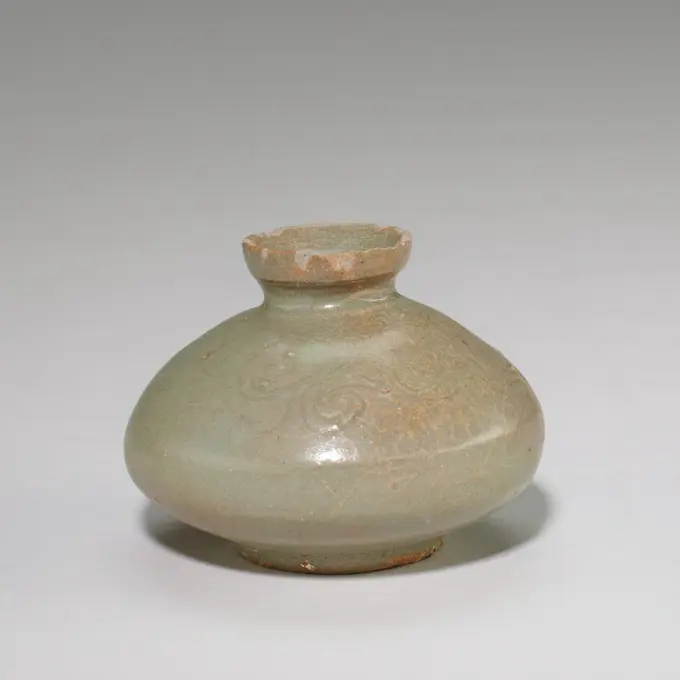
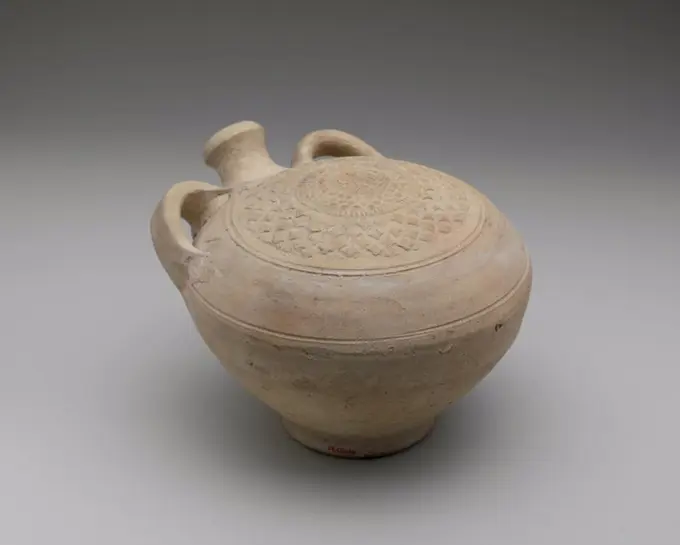
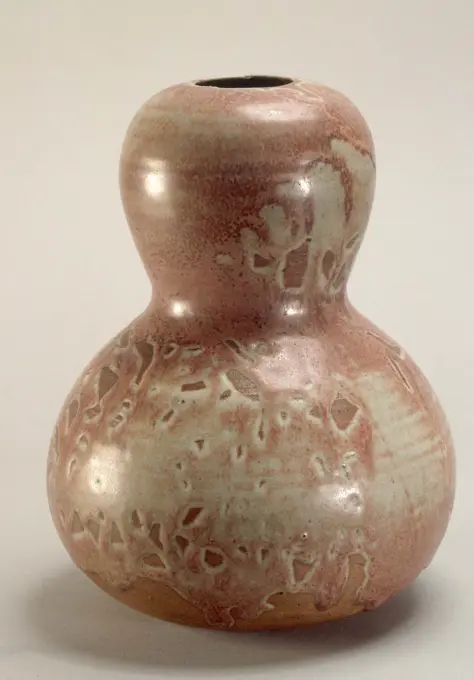
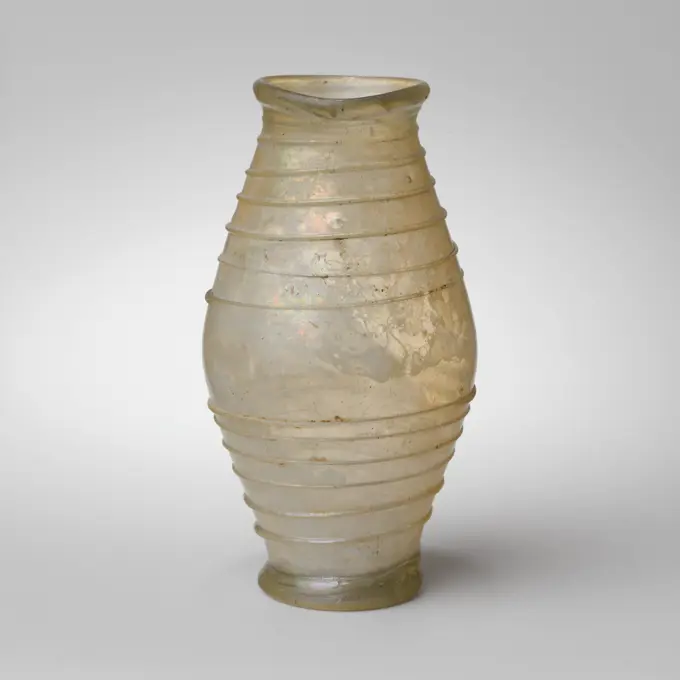
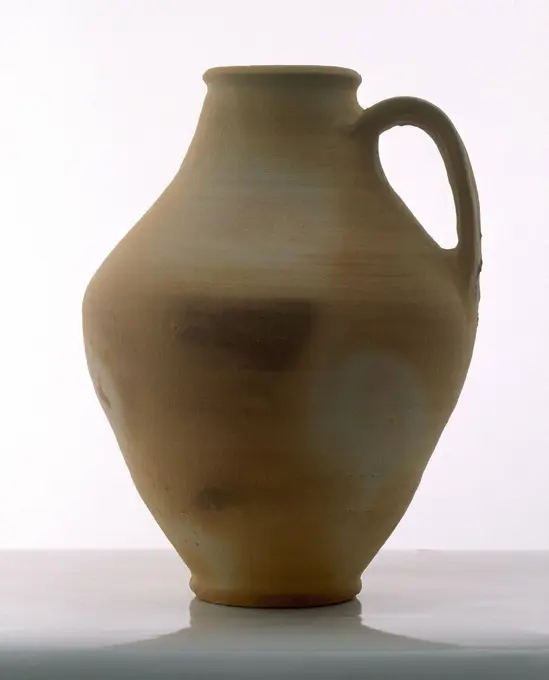
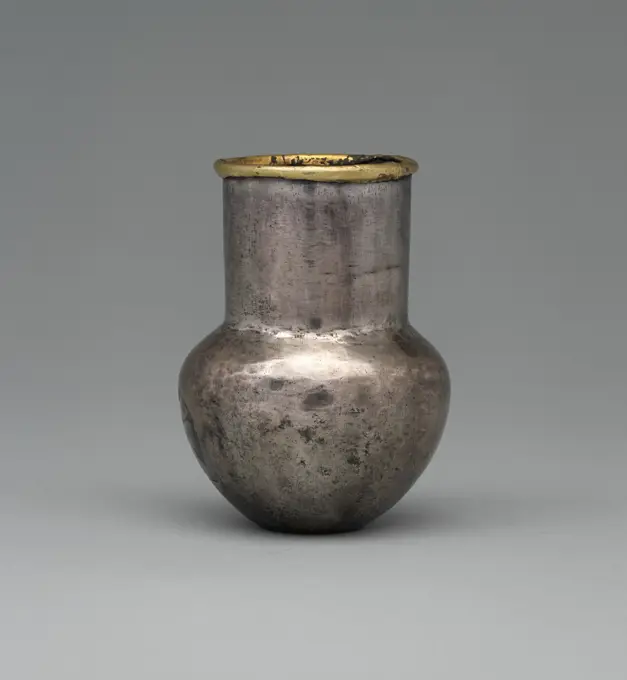
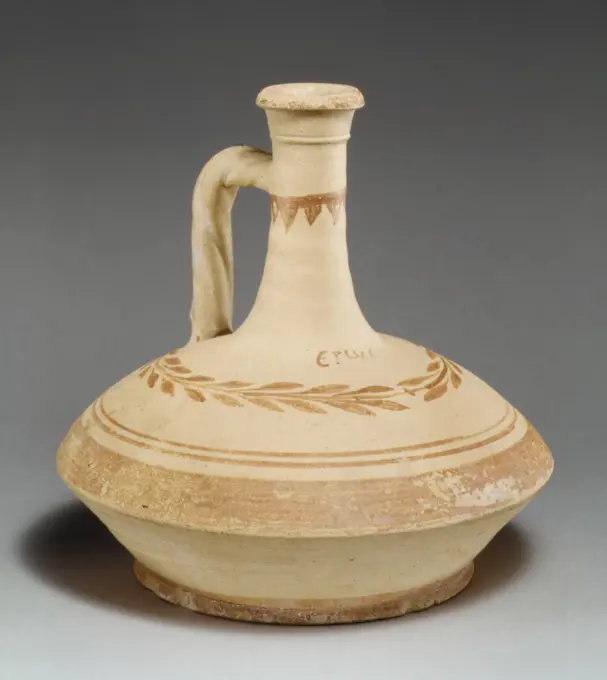
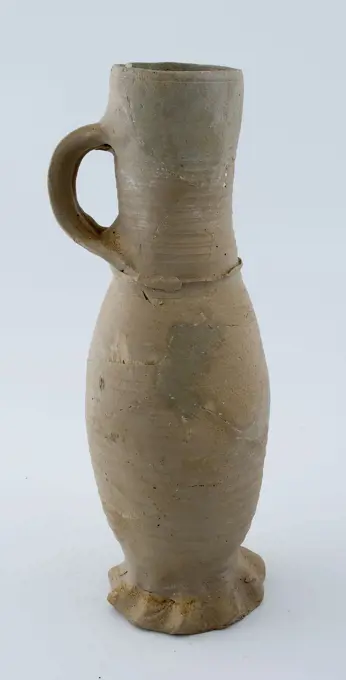
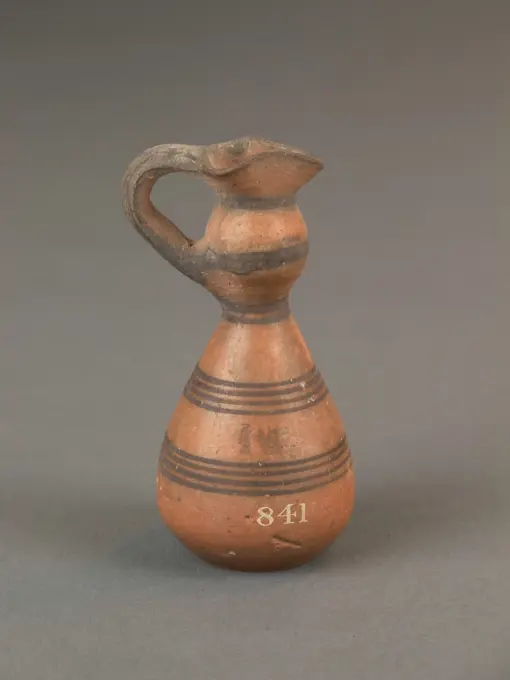
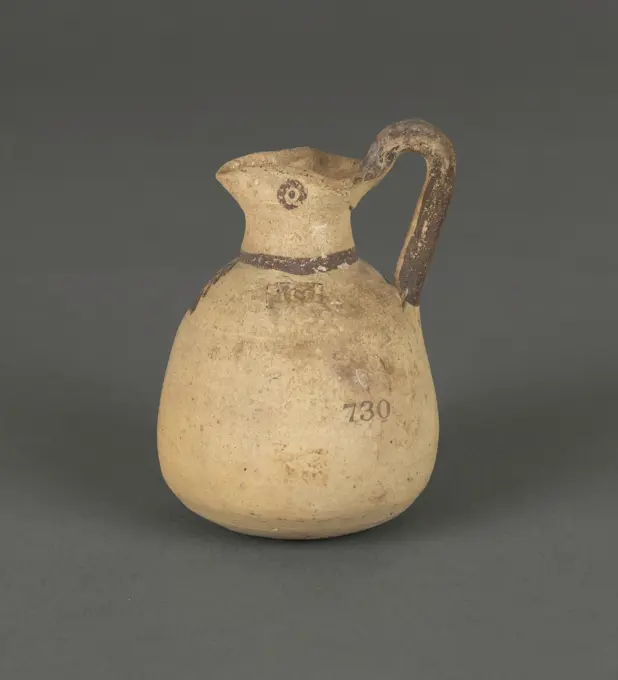
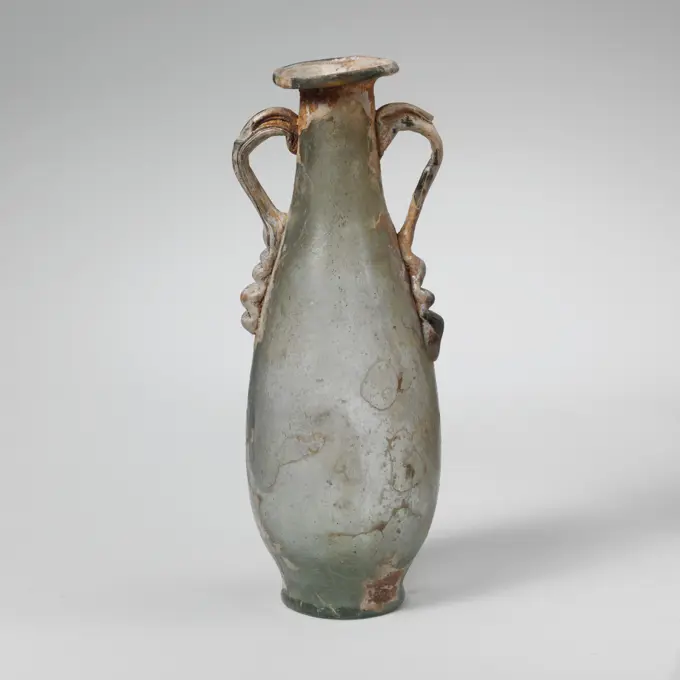
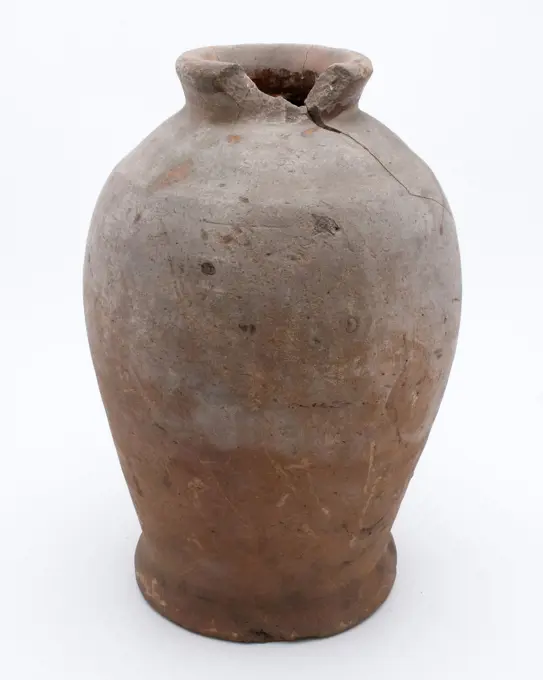
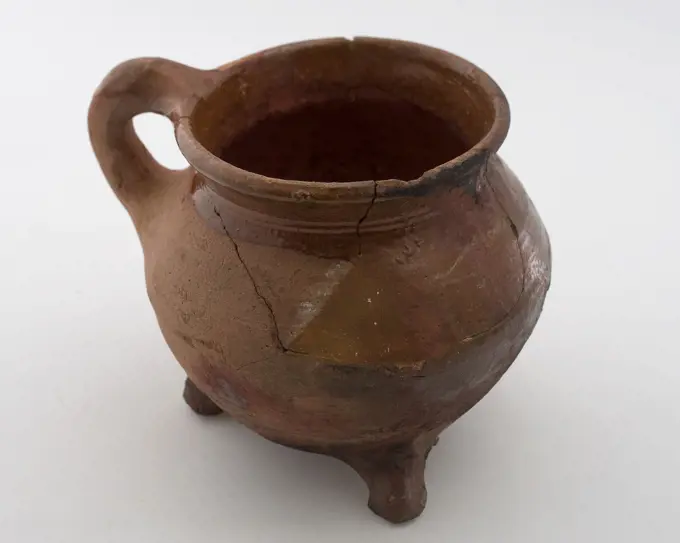
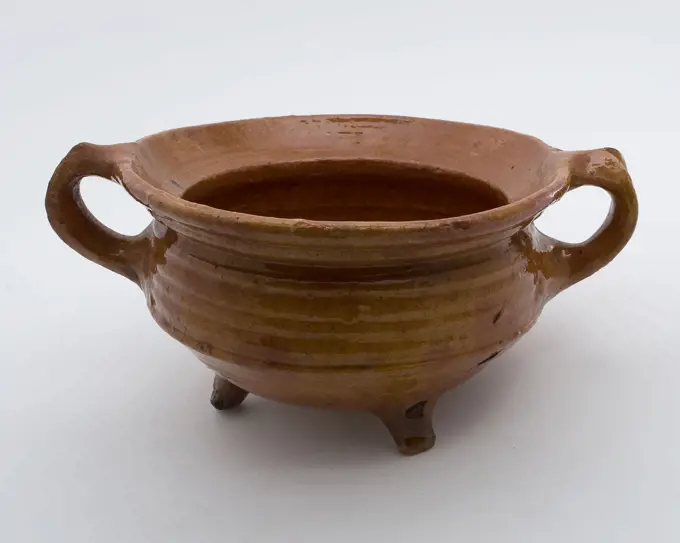
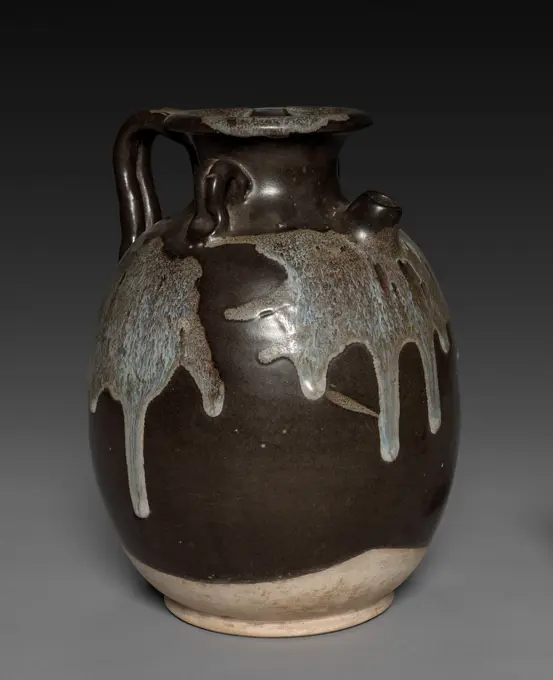
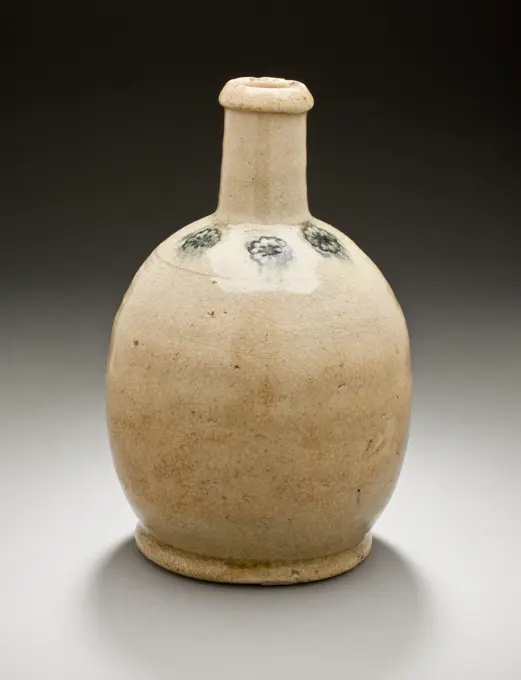
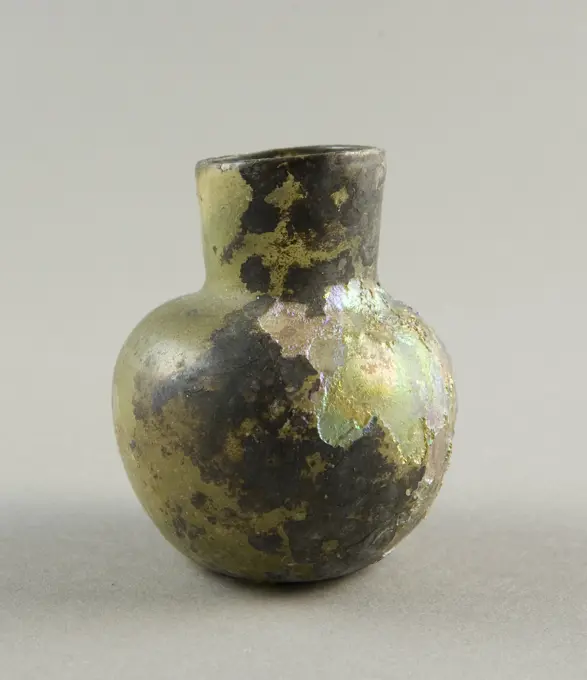
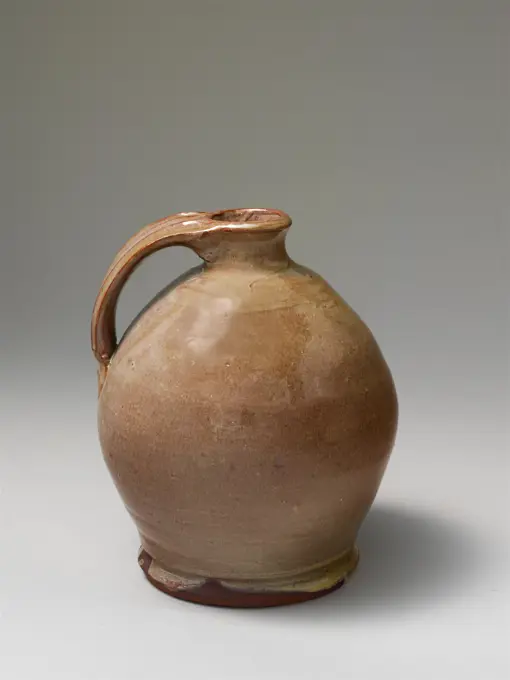
Jug ca. 1800-1830 American. Jug 4585Glass cinerary urn 1st-2nd century A.D. Roman Translucent pale yellow green.Broad, tubular rim, folded out, down, round, up, and in, smoothed into upper surface of mouth, with one tooled indent in outer lip; short, cylindrical neck, expanding downwards; slightly squat globular body; concave bottom. Thick-walled, heavy jar.Intact; a few bubbles and inclusions; dulling, slight pitting and weathering on exterior; severe weathering and brilliant iridescence on interior.. Glass cinerary urn 249387Ewer 9th century. Ewer 449649Glass jar 3rd to mid-4th century A.D. Roman Translucent pale blue green, with trail in same color.Plain, rounded rim; flaring neck; conical body, rounded at base; kick in bottom.Single horizontal trail wound around top of body; on lower body extending onto bottom, six irregular short ribs.Intact; pinprick bubbles and blowing striations; dulling, pitting, and patches of creamy weathering on exterior; soil encrustion with weathering and iridescence on interior.. Glass jar 239828Jug. Culture: British. Dimensions: 9 5/8 × 9 × 8 3/8 in. (24.4 × 22.8 × 21.3 cm). Date: 13th-14th century.This bulbous jug is fitted with an applied strap handle that seamlessly attaches to the flared mouth rising from the tapered neck. The lip is slightly raised and grooved and is marked with a slightly pinched spout. The pitting of the lower part of the vessel has been attributed to either frost action or salt activity. Museum: Metropolitan Museum of Art, New York, USA.Jug (Bartmann jug) with coats of arms, anonymous, c. 1609 - c. 1615 Jug (beard fancier bush) of stoneware on the standing surface with a spherical body and narrow neck. The getting c-shaped ear is attached to the neck and shoulder. Profiles on the neck. Covered with a brown engobe and cobalt blue. On the abdomen three times printed and imposed medallion with two different crowned weapons surrounded by leaf vines. The two outer weapons are the same and show the date '1609'. On the neck, continuously on the shoulder, a bearded man. Frechten. Cheek stoneware. glaze. cobalt (mineral). engobe vitrification Jug (beard fancier bush) of stoneware on the standing surface with a spherical body and narrow neck. The getting c-shaped ear is attached to the neck and shoulder. Profiles on the neck. Covered with a brown engobe and cobalt blue. On the abdomen three times printed and imposed medallion with two different crowned weapons surrounded by leaf vines. The two outer weapons are the same and shoTerracotta Hadra hydria (water jar). Culture: Greek, Egypt, Alexandria-Hadra. Dimensions: Overall: 15 x 9 5/8 in. (38.1 x 24.4 cm). Date: 3rd century B.C..On body, colored fillets (blue and red). Museum: Metropolitan Museum of Art, New York, USA.Jar 8th-mid 7th century B.C. Etruscan Reddish-brown two-handled jar with fluted sides.. Jar. Etruscan. 8th-mid 7th century B.C.. Terracotta; impasto. Late Villanovian. VasesGlass jug. Culture: Roman. Dimensions: H.: 3 in. (7.6 cm)Overall: 3 x 1 7/8 x 1 3/4 in. (7.6 x 4.8 x 4.4 cm). Date: 1st-3rd century A.D..Small, one-handled square jug.Colorless with yellowish tinge; handle in light green.Plain, rounded rim; flaring mouth; cylindrical neck, aslant to body; slightly pushed-in shoulder with large, sloping shoulders; square body with flat sides and rounded lower corners; flat bottom; two-ribbed handle attached to outer edge of shoulder, drawn up, turned in horizontally, and trailed on to top of neck.Intact; pinprick bubbles and some black impurities; dulling, slight pitting, and most of surfaces covered in creamy weathering and iridescence. Museum: Metropolitan Museum of Art, New York, USA.Jug with a panel decoration, anonymous, c. 1550 - c. 1599 Jug of stoneware on a high base with a spherical body and wide neck. The C-shaped ear is attached to the ribbed neck and the shoulder. Covered with a brown Engobe. The belly is divided into entered courses, separated by a horizontal profile. On the shoulder the courses are filled with notch cut or stamped curl. Raeren. Rae stoneware. glaze. engobe vitrification Jug of stoneware on a high base with a spherical body and wide neck. The C-shaped ear is attached to the ribbed neck and the shoulder. Covered with a brown Engobe. The belly is divided into entered courses, separated by a horizontal profile. On the shoulder the courses are filled with notch cut or stamped curl. Raeren. Rae stoneware. glaze. engobe vitrificationVase with Cup-Shaped Mouth and Five Spouts around the Shoulder 950 CE-1050 China. Stoneware with celadon glaze and underglaze incised decoration .Jug. Rossig-gray jug, uneven brown colored. On the bullet-shaped belly 3 ovals with weapons, in the middle the arms of Amsterdam.Jar ca. 100-300 Japan During the second century B.C., an influx of people from the continent brought the first of several waves of foreign influence that have shaped Japanese culture, initiating a more advanced cultural stage known as Yayoi. When rice cultivation and bronze and iron metallurgy were introduced, probably through Korea, the isolated and self-sufficient life of the Jomon gave way to a communal society organized to carry out the demanding agricultural cycle. Architectural styles and ornamental motifs reflect other influences from southern China and the Pacific islands stretching from Kyushu to Taiwan.The social and aesthetic character of the transformed culture of Yayoi is vividly reflected in its ceramic vessels. The finely articulated shape of this storage jar from the Nagoya area, with its bulbous form rising from a small, flat base to the flaring rim of its wheel-turned neck and mouth, is enhanced by the burnished surface of its warm red body. The irregular, vigorous shFaiënce jug, yellow shard, entirely white, belly with lobes, standing ear, jug crockery holder soil find ceramic earthenware glaze tin glaze, hand-turned modeled glazed fried jug white glazed Delft one ear that runs downwards into point long slender neck vertical ridges on the belly. Hole in the ear for attaching the tin lid Stand with light soul archeology Valckensteyn Poortugaal Albrandswaard indigenous pottery tableware tableware serve serving drink liquor Soil discovery: castle Valckensteyn in Poortugaal now Albrandswaard.Glass lentoid bottle 4th-6th century A.D. Roman Translucent blue green.Everted rim, folded over and in, flattened on top and protruding inwards over mouth; cylindrical neck, tapering downwards at sides; circular lentoid body with sides tapering downwards; round bottom with pontil scar on edge.Intact; pinprick and a few larger bubbles; soil and limy encrustation, dulling, and faint weathering on exterior; soil encrustation and iridescent weathering on interior.Flask shaped; plain blown glass.. Glass lentoid bottle 249338Jar with broken rim, 11th-5th century BCE, Unknown Japanese, 5 1/2 × 5 × 5 in. (13.97 × 12.7 × 12.7 cm), Earthenware, Japan, 11th-5th century BCE, This short, bulbous jar, probably used to store liquids, features several levels of decorations between the neck and shoulders, around the body, and around the base. These designs were carved into the clay when it was leather hard, but before firing. Although the rim is almost entirely missing, the remaining section reveals the protruding ornamentation that once covered it.Jug with Applied decoration British 13th century In crafting this jug, the potter addressed both practical and aesthetic needs. The makers thumbmarks, in five places around the base, ensure stability. A low center of gravity, which keeps the vessel from tipping, is visually counterbalanced by a high arched handle. The tapering body, from the shoulder up to the neck, is decorated with applied vertical strips, alternating straight and green with red and waving.JugJar 9th century. Jar 449422Stoneware pot jug, armored glaze, round ball shape with cylindrical neck, jug crockery holder soil find ceramic stoneware clay engobe glaze salt glaze, hand turned glazed baked stoneware pot jug gray shard dark brown engobe and salt glaze sausage ear with short tail notched ring under the mouth rim protruding ring around transition neck shoulder and profiled foot archeology import pottery serve serve drink wine beerJar with a cream glaze, anonymous, c. 1700 - c. 1799 Pot of stoneware with a pear -shaped body and short, slightly spreading neck, partially covered with a crawling cream -colored, slightly gray glaze. The lower part of the pot is unglazed. Two gold break repairs in the edge. Two old labels on the bottom with 'Korea, Ido/ Vente Bing Nr. 42 'and' W138 '. Korea stoneware. glaze vitrification Pot of stoneware with a pear -shaped body and short, slightly spreading neck, partially covered with a crawling cream -colored, slightly gray glaze. The lower part of the pot is unglazed. Two gold break repairs in the edge. Two old labels on the bottom with 'Korea, Ido/ Vente Bing Nr. 42 'and' W138 '. Korea stoneware. glaze vitrificationGlass amphoriskos (perfume bottle) late 6th-5th century B.C. Greek, Eastern Mediterranean Opaque white, with handles and base-knob in same color; trails in translucent purple.Broad, inward-sloping rim-disk, aslant to neck; cylindrical neck with concave sides; broad sloping shoulder; elongated ovoid body tapering to a point; circular base-knob with rounded edge; two vertical strap handles applied over trails, drawn up from top of shoulder, turned in, and pressed on to neck.One trail attached at edge of rim-disk; another trail applied at base of neck, wound round in a spiral on shoulder, then tooled into a close-set zigzag pattern on upper half of body; below this, another thinner trail wound round twice horizontally; a third fine trail around bottom edge of base-knob.Complete, except for weathered chip in rim-disk; dulling, pitting, faint iridescence, and most of body covered with creamy iridescent weathering.. Glass amphoriskos (perfume bottle) 250017Ritual Wine Cup lid, Anonymous, -500 --200 Cover of ritual wine cup. China bronze (metal) Cover of ritual wine cup. China bronze (metal)Amphora Cypriot Bands, wavy line, and on shoulder vertical bands of lozenge and lines.. Amphora. Cypriot. Terracotta. Iron Age. VasesJug with the coat of arms of Amsterdam, anonymous, c. 1550 - c. 1599 Can be made of stoneware on the stand ring with a spherical body and narrow neck with a pinched spout. The C-shaped ear is attached to the neck and shoulder. Profiles on the neck and foot. Covered with a brown Engobe. Three printed and imposed medallions in relief on the belly. The middle medallion with the crowned weapon of Amsterdam flanked by Leeuwen and with the inscriptions 'Amsterdam', '85' and the brand 'E.E.'. On either side of this medallions an alliance weapon with the edge script 'pelipvs.lomoents.d.zo.w.h. End.ehenna.bvck.sin.hvsfrav 'and the date' 1588 '. Raeren. Rae stoneware. glaze. engobe vitrification Can be made of stoneware on the stand ring with a spherical body and narrow neck with a pinched spout. The C-shaped ear is attached to the neck and shoulder. Profiles on the neck and foot. Covered with a brown Engobe. Three printed and imposed medallions in relief on the belly. The middle medallion with Jarre. GRS. Vietnam. Paris, Muse Cernuschi. Jar Asian art, art of extreme orient, art of Vietnam, Vietnamese art, GRES, dishesTerracotta jug. Culture: Cypriot. Dimensions: H. 8 11/16 in. (22.1 cm).Handle-ridge jug of unpainted clay. Museum: Metropolitan Museum of Art, New York, USA.Terracotta white-shaved juglet 1600-1050 B.C. Cypriot Jug with pointed body, handle and pinched lip.. Terracotta white-shaved juglet. Cypriot. 1600-1050 B.C.. Terracotta. Late Cypriot. VasesSake bottle with a cream colored glaze with green spots, anonymous, c. 1600 - c. 1868 Sakefles of Steengoed with a horizontally ribbed belly and narrow, short neck, covered with a cream -colored glaze with dark green spots. The underside is unglazed. Japan stoneware. glaze vitrification Sakefles of Steengoed with a horizontally ribbed belly and narrow, short neck, covered with a cream -colored glaze with dark green spots. The underside is unglazed. Japan stoneware. glaze vitrificationJuglet 750-600 B.C. Cypriot Vertical circles and lotus ornament.. Juglet. Cypriot. 750-600 B.C.. Terracotta. Cypro-Archaic I. VasesPrehistory, Poland, Bronze Age. Lusatian culture. Ceramic vase.Cup 9th-10th century. Cup 449737Jar ca. 4th century B.C. Korea The lush red color of this jar comes from an iron-oxide pigment that was applied and burnished onto the vessel before it was fired. Found primarily in tombs, jars such as this example were likely used in funereal rituals.. Jar. Korea. ca. 4th century B.C.. Burnished red earthenware. late Bronze Age (ca. 15th-ca. 3rd century B.C.). CeramicsVessel with Lug Handles. Egyptian. Date: 4000 BC-2250 BC. Dimensions: 7.2 × 5.6 × 4.5 cm (2 7/8 × 2 1/4 × 1 3/4 in.). Stone. Origin: Egypt. Museum: The Chicago Art Institute, Chicago, USA. Author: Ancient Egyptian.Vessel ca. 1st century A.D. Nabataean. Vessel 325905Jug. Brown jug with pressed line ornament and an ornamented neck.Pottery cooking pot, cooking jug with one sausage ear, on three legs, cooking pot crockery holder kitchenware earthenware ceramics earthenware glaze lead glaze, hand-turned glazed baked Pottery cooking jug with one sausage ear on three legs. Sausage handle attached to the top edge and protruding above the edge Funnel-shaped upper edge with lip Fine twisted arms on the shoulder. Red shard sparsely glazed mainly internally Restoration is repainted archeology Rotterdam City center Stadsdriehoek Bulgersteyn indigenous pottery cooking food preparation kitchen food Soil discovery: slot Bulgersteyn in Rotterdam.Roman glass ungentary, 1st century. Museum: MUSEO DE MATARÓ.Jug 13th-15th century British. Jug 468400Bottle - Vial. unknown, craftsmanJarlet. Vietnam, late 14th century. Furnishings; Serviceware. Stoneware with underglaze black painted decoration and clear glazeVase Etruscan ca. 550-500 BCE Two-handled without decoration. View more. Vase. Etruscan. ca. 550-500 BCE. Terracotta; bucchero. Archaic. Vases. Bottle-shaped vase of stoneware, with white inserted with a celadon glaze. The vase has an egg-shaped body and a narrow, escaped neck. On the belly four times a stylized flower in a medallion with a bird and a leaf each time in between. On the shoulder a band with stylized flowers. The vase has a few cracks that have been restored with gold lacquer. Korean Karatsu.Jacoubaan van Steengoed. Jacoubaan van Steengoed. The foot is waved by finger pressure. The high, flattened egg-shaped belly crosses in the high from above slightly widening neck. The belly and neck are weakly ribbed.Vase East Greek/Sardis, Lydian One-handled vase with concentric curl ornament on shoulder.. Vase. East Greek/Sardis, Lydian. Terracotta. VasesFlask with Brushstroke Marks. Korea, Joseon (1392-1910), 15th-16th century. Furnishings; Serviceware. Buncheong ware: Wheel-thrown stoneware with brushed slip decoration and pale green glaze. Pot of stoneware with a spherical body and short neck, covered with a dark green, engrowsculated glaze. A chip restored and plated in the edge. Celadon.Glass jar. Culture: Roman. Dimensions: H.: 4 7/8 in. (12.4 cm). Date: mid-1st-2nd century A.D..Colorless with pale blue green tinge.Uneven horizontal rim, with rounded tubular edge, folded out, down, and in, forming collar around neck; ovoid body; concave bottom.Intact, but internal cracks around rim; large and pinprick bubbles, with yellow green impurity streak in rim; some dulling, slight pitting and iridescent weathering, but much of exterior and interior covered with thick limy encrustation and creamy brown weathering. Museum: Metropolitan Museum of Art, New York, USA.Gray drinking cup with pinched foot, bandoor, cup drinking utensils tableware holder soil find ceramic stoneware glaze salt glaze, belly 11.9 standing surface 8.0 hand turned fried glazed stoneware pot or cup gray shard gray salt glaze small bandoor pinched foot archeology Rotterdam City Triangle Bulgersteyn import serving pottery Soil discovery: Bulgersteyn Rotterdam.Glass perfume bottle 2nd-3rd century A.D. Roman Colorless with pale blue tinge.Rim folded out, over, and in, and pressed into mouth; cylindrical neck expanding downward and tooled in around base; sloping shoulder; conical body with convex sides; rounded bottom, flattened at center.Intact; pinprick bubbles; some deep pitting and brilliant iridescence; most of surface covered with creamy, iridescent weathering. Soil encrusted on interior.. Glass perfume bottle 239685Glass amphoriskos (perfume bottle). Culture: Greek, Eastern Mediterranean. Dimensions: Diam.: 2 7/8 in. (7.2 cm). Date: late 6th-5th century B.C..Opaque white, with handles and base-knob in same color; trails in translucent purple.Broad, inward-sloping rim-disk, aslant to neck; cylindrical neck with concave sides; broad sloping shoulder; elongated ovoid body tapering to a point; circular base-knob with rounded edge; two vertical strap handles applied over trails, drawn up from top of shoulder, turned in, and pressed on to neck.One trail attached at edge of rim-disk; another trail applied at base of neck, wound round in a spiral on shoulder, then tooled into a close-set zigzag pattern on upper half of body; below this, another thinner trail wound round twice horizontally; a third fine trail around bottom edge of base-knob.Complete, except for weathered chip in rim-disk; dulling, pitting, faint iridescence, and most of body covered with creamy iridescent weathering. Museum: MetropoliSnuff Bottle China. Snuff Bottle. China. Porcelain with amber stopper. Qing dynasty (1644-1911), Qianlong period (1736-95). Snuff BottlesJar. GRS covered ivory. Vietnam. Paris, Muse Cernuschi. Jar Asian art, art of extreme orient, art of Vietnam, Vietnamese art, GRES, dishesGlass bottle. Culture: Roman. Dimensions: H. 7 1/8 in. (18.1 cm). Date: 4th-5th century A.D..Translucent light green.Thick, uneven rim, cracked off and ground; funnel-shaped neck; slightly pushed-in shoulder, with outer horizontal ridge; broad, globular body; concave bottom.Body decorated with numerous ribs, extending in a regular spiral pattern from left to right from below ridge on shoulder, becoming fainter, and disappearing on lower part of side.Intact; many pinprick and a few large bubbles, and blowing striations, with one black inclusion in neck; faint iridescence on exterior, large patches of blackish weathering and brilliant iridescence on interior.Round vase with diagonal ribs and long, funnel-shaped neck. Museum: Metropolitan Museum of Art, New York, USA.Long-necked jar. Dimensions: H. 11 cm (4 5/16 in.). Dynasty: Dynasty 19. Reign: Ramesses II or slightly later. Date: ca. 1279-1213 B.C..WIne services do not seem to have a long history in Egypt, but appear to have been introduced in the New Kingdom when wine-drinking became a feature of elite society in the Ramesside Period. Most if not all of the vessels in Tell Basta vessels belonged to just such a wine service associated presumably with a temple festival.Jars like this one might be used for mixing wine. Museum: Metropolitan Museum of Art, New York, USA.Vase ca. 1550-1295 B.C. New Kingdom. Vase. ca. 1550-1295 B.C.. Pottery, black line decoration. New Kingdom. From Egypt; Probably from Upper Egypt, Thebes. Dynasty 18Oil jar, 918-1392, Unknown Korean, 2 1/4 x 2 3/4 in. (5.7 x 6.99 cm), Stoneware with carved designs and celadon glaze, Korea, 10th-14th centuryFlask with Molded Decoration. Dimensions: H. 7 1/16 in (18 cm)W. 8 1/4 in (21 cm). Date: 12th-13th century.The shape of this flask indicates that it rested flat on a surface and was tipped to empty its contents. Most of the ceramic vessels for household use from Nishapur were unglazed utilitarian wares, but some were enlivened through molded decoration. This piece, one of the more elaborately decorated examples of the type, features in its central medallion the head of a simurgh, a mythical creature with a doglike head found throughout Iranian art. Museum: Metropolitan Museum of Art, New York, USA.Jean Carriès (1855-1894). "Gourd". enameled sandstone. Museum of Fine Arts of the City of Paris, Petit Palais. 24201-20 Ceramic, gourd, gres emailleBlack Glazed OinochoeTerracotta spindle-shaped unguentarium (perfume bottle) ca. 3rd-2nd century B.C. Greek Gray clay with red painted bands.. Terracotta spindle-shaped unguentarium (perfume bottle). Greek. ca. 3rd-2nd century B.C.. Terracotta. Hellenistic. VasesGlass barrel-shaped jar 2nd century A.D. Roman Colorless with green tinge; trails in same color.Thick, everted, rounded rim, misshapen on one side; side slanting out to convex mid-point on body, then slanting in to solid low base ring; uneven bottom with low central kick and prominent pontil mark.One trail applied to side above mid-point and wound from left to right in a spiral 7 times up body, ending under rim; another trail applied to side just below mid-point and wound from right to left in a spiral 6½ times down body, ending on edge of base.Intact; some bubbles and a few black impurities; slight dulling, creamy weathering, and iridescence.The trails around the body are meant to represent the hoops around a wooden barrel.. Glass barrel-shaped jar. Roman. 2nd century A.D.. Glass; blown and trailed. Mid Imperial. GlassJar with lid of tin, buggy and decorated with six medallion portraits. Jar with ear and lid of tin; Very uneven colored brown. The wide, cylindrical neck is decorated with six medallion portraits and leaf ornament.Oinochoe (Pitcher) Made 550 BCE-500 BCE Etruria. This pitcher for wine is called an oinochoe, a combination of the Greek oÓnos, ìwineî and khÈ, ìI pourî. The shiny black glaze is the result of a technique invented by the Etruscans, a powerful ancient civilization in ancient Italy - near modern day Tuscany - with whom the Greeks regularly traded. The glossy black pottery later known as Bucchero ware was made from the 7th century to the late 5th century BC. Produced for both domestic and funerary uses, Bucchero ware was popular locally and across the Mediterranean. Potters achieved the signature shiny black surface by firing the pottery in a reduced-oxygen kiln, where restricted ventilation caused the iron oxide in the coarse Tuscan clay to turn black. Before firing, the clay was burnished, or polished with a smooth stone, resulting in the sought-after sheen, which mimicked the gleam of bronze vessels.. terracotta, Bucchero sottile ware . Ancient EtruscanCANTARO TRONCOCONO DE BOCA ANCHA Y UN ASA - ARTE POPULAR. Location: ALFARERIA. SPAIN.Milkkan van Steengoed with salt glaze, 1901 Milkkan van Steengoed with salt glaze, part of a service. Amsterdam stoneware vitrification Milkkan van Steengoed with salt glaze, part of a service. Amsterdam stoneware vitrificationBottle with Cupped Mouth and Mock Ring Handles 25 CE-220 CE China. Earthenware with lead green glaze .Glass perfume bottle. Culture: Roman. Dimensions: Overall: 3 5/8in. (9.2cm)Diam.: 2 3/8 x 1 in. (6 x 2.5 cm). Date: 1st-2nd century A.D..Colorless.Rim folded out and over, flattened on top but aslant to neck; cylindrical neck; bulbous body; slightly concave bottom.Intact; many bubbles and blowing striations; deep pitting, dulling, and iridescence with patches of thick creamy weathering. Museum: Metropolitan Museum of Art, New York, USA.Bottle, 1-200. Parthian, 1st-2nd Century. Earthenware with weathered glaze; overall: 9.9 cm (3 7/8 in.).CANTARO DE CUELLO ANCHO Y ALTO CON UN ASA - VIDRIADO TIPO BABERO. Location: ALFARERIA. ARRABAL DE PORTILLO. Valladolid. SPAIN.Jar ca. 1279-1213 B.C. New Kingdom, Ramesside Wine was a coveted drink starting in Egypts earliest days, though wine services do not have a long history there, as strainers were not found before the New Kingdom. The importance of wine grew during that period, as intoxicating drinks played a prominent role in festivals and in communal celebrations. When associated with Bastet and other feline goddesses, these drinks helped partakers emulate the drunkenness that brought about the goddesses pacification. Such practices probably occurred in festivals for Bastet in Tell Basta, where this and other vessels were found. The vessels were buried in two caches close to the temple, along with silver and gold jewelry, ingots, and lesser objects. Rare in antiquity, most silver and gold vessels were later melted down and reused for new projects. The Tell Basta hoards are thus exceptional finds.Jars like this one might be used for mixing wine.. Jar. ca. 1279-1213 B.C.. Silver. New Kingdom, RamessideJar ". Terracotta, white slip under transparent cover. China, Song Dynasty (960-1279) / Yuan (1279-1368). Paris, Cernuschi museum. Chinese art, Chinese ceramic, container, Song dynasty, Yuan dynasty, Song time, Yuan time, oval form, jar, container, terracottaGlass perfume bottle 2nd-3rd century A.D. Roman Colorless with pale yellow green tinge.Rim tooled out horizontally, folded over and in, and pressed into lopsided, flaring mouth; cylindrical neck, expanding downward; bulbous body; kick in bottom with trace of pontil scar.Intact; many bubbles; dulling and deep pitting; patches of brilliant iridescence and of thick, creamy weathering.. Glass perfume bottle 239664Terracotta lagynos (pitcher) late 2nd-early 1st century B.C. Cypriot On the shoulder is painted in Greek the word Ἔρως (Eros), here signifying a man's name, not the minor deity associated with Aphrodite.Painted decoration: on neck immediately below top of handle, a band of downturned triangles; on shoulder, wreath.. Terracotta lagynos (pitcher) 239971Terracotta Hadra hydria (water jar). Culture: Greek, Egypt, Alexandria-Hadra. Dimensions: Overall: 13 3/4 x 11 in. (34.9 x 27.9 cm). Date: 233 B.C..On shoulder, design of lotus buds. Museum: Metropolitan Museum of Art, New York, USA.Stoneware jug, Jug or jacobakan, slim in shape, on pinched foot, Jug or jacobakan jug crockery holder soil find ceramic stoneware glaze salt glaze, hand-turned glazed baked Stoneware Jug or jacobakan. Slim jar with cylindrical neck on pinched foot. Turning spins over the entire height except on the shoulder. Short standing bandoor low on the neck attached Small cuff on the transition from neck to shoulder Restoration is repainted archeology underground pit Rotterdam City Triangle Groenendaal indigenous pottery import drinking pour water wine beer table Soil discovery: underground pit Groenendaal from diagonally sloping layer to the Kolk ± 4 meters - NAP 1977.06.08.Silver cup, 5th-4th century BC, Armenia.Jar 12th century. Jar 446841Juglet 750-600 B.C. Cypriot. Juglet. Cypriot. 750-600 B.C.. Terracotta. Cypro-Archaic I. VasesJuglet 750-600 B.C. Cypriot. Juglet. Cypriot. 750-600 B.C.. Terracotta. Cypro-Archaic I. VasesOinochoe, miniature ca. 1050-900 B.C. Cypriot. Oinochoe, miniature. Cypriot. ca. 1050-900 B.C.. Terracotta. Iron Age. VasesStorageJarJARRA DE BARRO-S XX ARTE POPULAR. Location: ALFARERIA. SPAIN.Glass two-handled bottle 2nd-3rd century A.D. Roman Translucent blue green; handles in same color.Rim folded out, round, and in, with beveled outer edge; flaring, lob-sided mouth; short, funnel-shaped neck, expanding downward to join imperceptibly with slender bulbous body; integral, thick, slightly everted base ring; uneven, concave bottom; rod handle applied to shoulder in long, crimped pads, drawn up and round, pressed on to neck and trailed off back along top of handles.Intact; pinprick bubbles; dulling, pitting, and iridescence, with areas of creamy weathering and encrustation.. Glass two-handled bottle 239717Pottery pot on stand, baluster shape, used in the sugar industry, sugar pot pot holder soil find ceramic earthenware glaze lead glaze, hand-turned glazed earthenware pot on stand. Baluster shape with round shoulder and narrow neck opening. Thick round and protruding neck edge Blurred revolving eyelets under the shoulder Red shard internal glazed Here sugar cones were made archeology indigenous earthenware sugar confectionery sugar industryPottery cooking jug, grape-model, red shard, sparingly glazed, sausage ear, on three legs, cooking jug be found in the earthenware ceramics pottery glaze lead glaze, hand-turned baked glazed Pottery cooking jug grape-model red shard sparingly glazed sausage ear three-legged spurs on the underside Rotating knobs around the shoulder archeology indigenous pottery food preparation cooking food kitchenTerracotta one-handled jug ca. 2500-1900 B.C. Cypriot. Terracotta one-handled jug 240777Pottery cooking pot, grape-model, red shard with lead glaze, two vertical bands, on three legs, cooking pot crockery holder utensils earthenware ceramics earthenware glaze lead glaze, hand turned glazed baked Pottery cooking pot grape-model red shard with lead glaze two at the top pinched bandors three legs archeology indigenous earthenware food prepare cooking eat cuisineEwer, 618-907. China, Tang dynasty (618-907). Glazed stoneware, Huangdao ware; overall: 27 x 20.3 cm (10 5/8 x 8 in.). The splashes of color on the dark glaze were achieved by sprinkling the wood ash on the black-brown glaze before firing. This local ware may be considered a predecessor of Jun ware, which was produced in the same region and was sometimes decorated by splashing.Sake Bottle with Impressed Flower Motifs. Japan, Edo period, 1615-1868, late 18th-early 19th century. Ceramics. Seto ware; stoneware with white and clear glazes and cobalt blue decoration over stampingPot ca. 9th century B.C. Iran. Pot 326193Pottery pot on stand, baluster shape, was used in the sugar industry, sugar bowl pot holder soil find ceramic earthenware glaze lead glaze, hand-turned glazed earthenware pot on stand. Baluster shape with round shoulder and narrow neck opening. Thick and round neck edge Vague rotating over the shoulder. Made of relatively dry clay Red shard internally glazed on one side glaze tears on the shoulder. In it sugar cones were made archeology indigenous pottery sugar confectionery craft sugar industryWhite marble vase on gray -white marble pedestal, 1750 - 1800 Bolle vase of white polished marble. The foot is made of gray-white marble, which is connected to the vase with a copper screw and flat slot bolt. Perhaps the foot was added to the vase later. A label with inscription is stuck on the vase. Italy (possibly) Vase: Marble (Rock). screw: copper (metal) polishing Bolle vase of white polished marble. The foot is made of gray-white marble, which is connected to the vase with a copper screw and flat slot bolt. Perhaps the foot was added to the vase later. A label with inscription is stuck on the vase. Italy (possibly) Vase: Marble (Rock). screw: copper (metal) polishingBlue Faience 18th Dynasty vessel found in the Tomb of Tutankhamen. Egyptian, circa 1323 BC. found in Tutankhamen's tomb by English archaeologist and Egyptologist, Howard Carter in 1922. Jar 101 CE-400 CE Syria. Glass, blown technique . Ancient RomanFragment of a jug with Madonna and Child, anonymous, c. 1450 - c. 1499 Fragment of a jug of stoneware on wavy foot with an egg -shaped body. Neck is missing. The C-shaped ear is attached to the shoulder and abdomen. The belly is decorated with turning, where the shoulder is smoothed. On the shoulder in relief three times a printed and imposed medallion with Mary with child. Siegburg. Siegburg stoneware. glaze vitrification Fragment of a jug of stoneware on wavy foot with an egg -shaped body. Neck is missing. The C-shaped ear is attached to the shoulder and abdomen. The belly is decorated with turning, where the shoulder is smoothed. On the shoulder in relief three times a printed and imposed medallion with Mary with child. Siegburg. Siegburg stoneware. glaze vitrificationGlass bottle. Culture: Roman. Dimensions: H.: 2 1/2 in. (6.4 cm)Diam.: 2 x 1 1/16 in. (5.1 x 2.7 cm). Date: ca. 2nd-3rd century A.D..Translucent pale blue green.Everted rim, folded round and into mouth; cylindrical neck, expanding downwards and joining imperceptibly with low conical body with slightly convex sides, then sharp inward curve to small bottom with kick.Intact; bubbles and blowing striations; dulling, slight pitting, iridescence, and small patches of soil encrustation and weathering on exterior, thick soil encrustation, weathering, and brilliant iridescence on interior. Museum: Metropolitan Museum of Art, New York, USA.Jar 7th century B.C. Etruscan Reddish-brown; without decoration.. Jar. Etruscan. 7th century B.C.. Terracotta; impasto. Orientalizing. VasesAryballos in the Shape of a Pomegranate. UnknownJar 101 CE-600 CE Mediterranean Region. Glass, blown technique . Ancient Roman