Antique Vessels and Jugs

A selection of historical vessels including jugs and urns from various eras and cultures, showcasing different materials and designs.
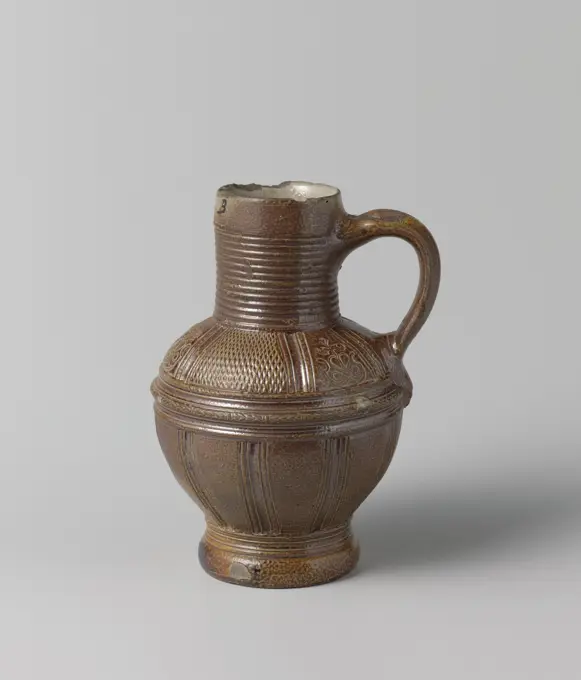
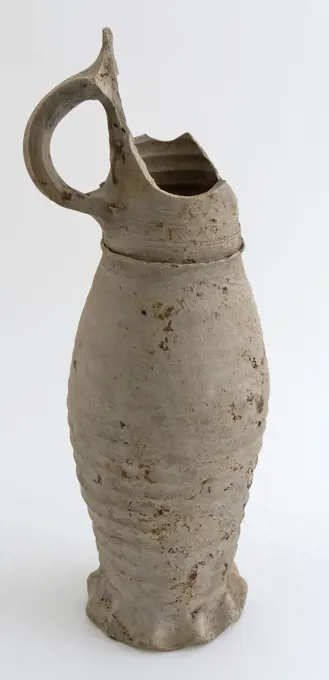
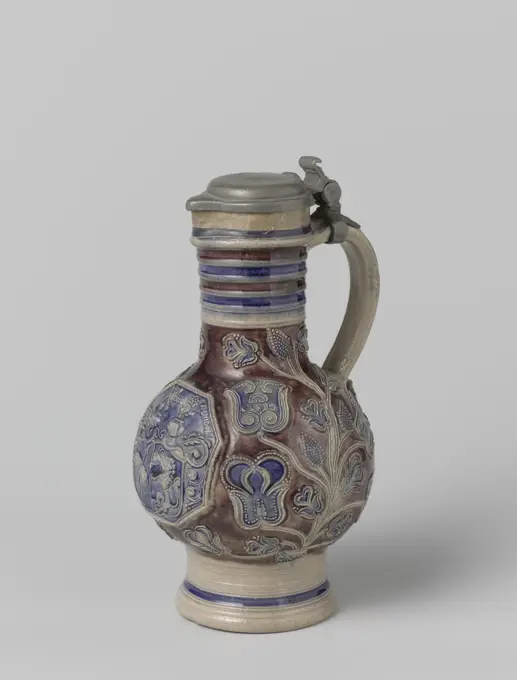
Jug with a panel decoration, anonymous, c. 1550 - c. 1599 Jug of stoneware on a high base with a spherical body and wide neck. The C-shaped ear is attached to the ribbed neck and the shoulder. Covered with a brown Engobe. The belly is divided into entered courses, separated by a horizontal profile. On the shoulder the courses are filled with notch cut or stamped curl. Raeren. Rae stoneware. glaze. engobe vitrification Jug of stoneware on a high base with a spherical body and wide neck. The C-shaped ear is attached to the ribbed neck and the shoulder. Covered with a brown Engobe. The belly is divided into entered courses, separated by a horizontal profile. On the shoulder the courses are filled with notch cut or stamped curl. Raeren. Rae stoneware. glaze. engobe vitrification
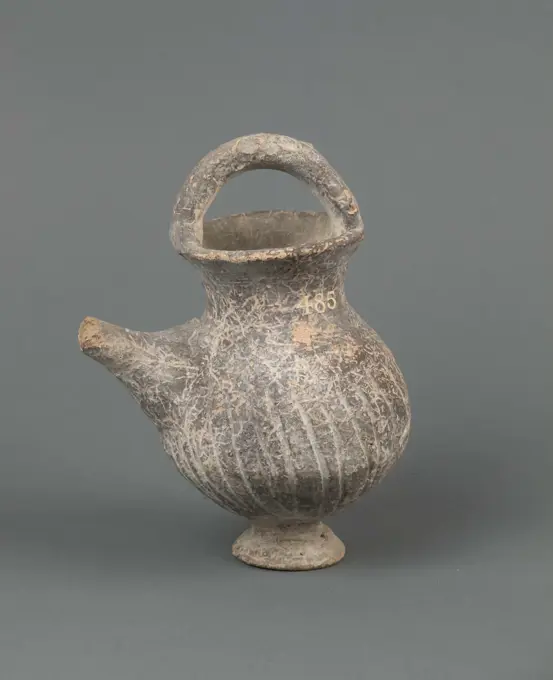
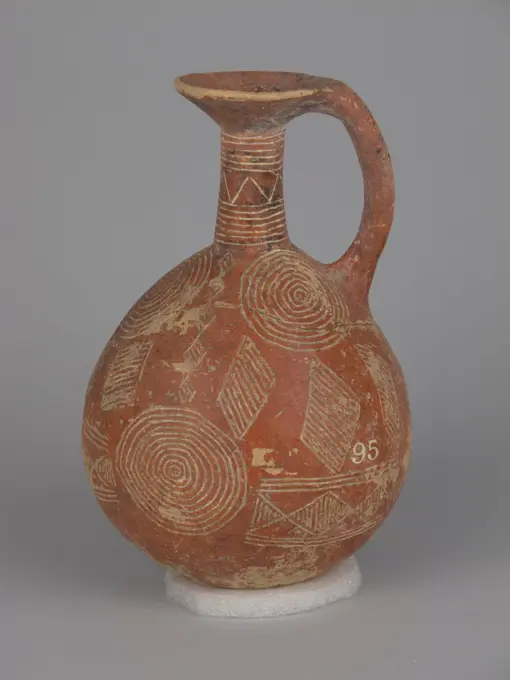
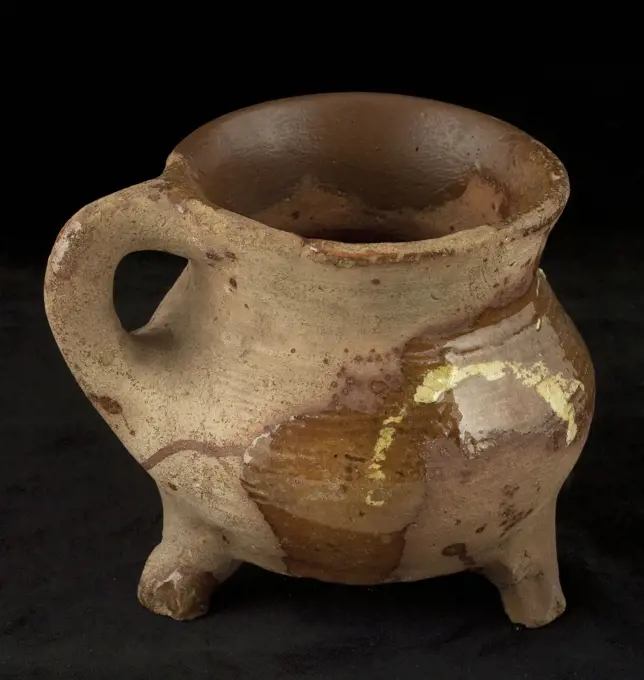
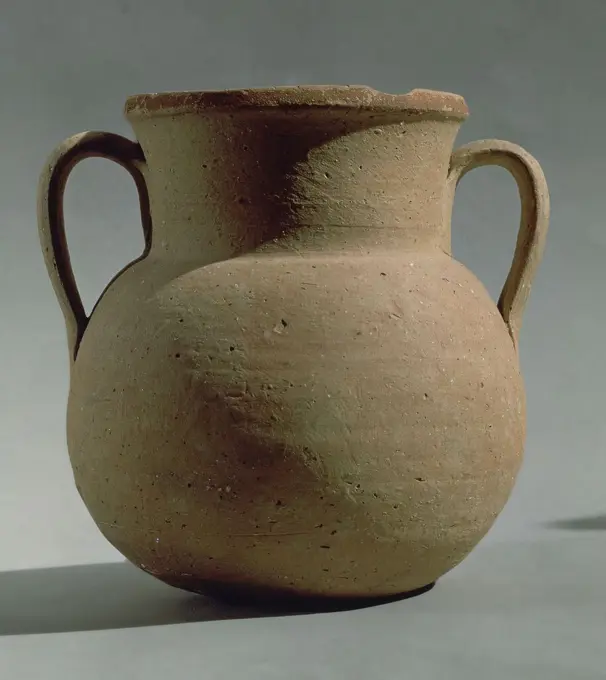
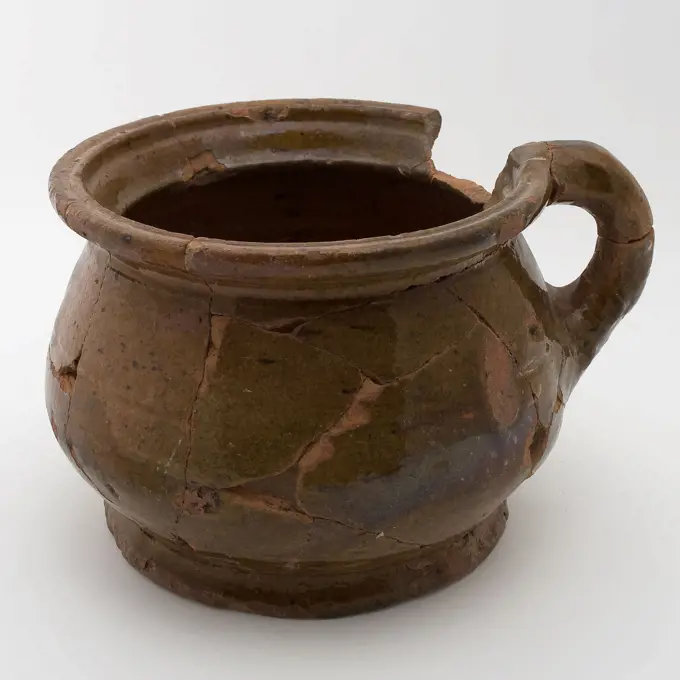
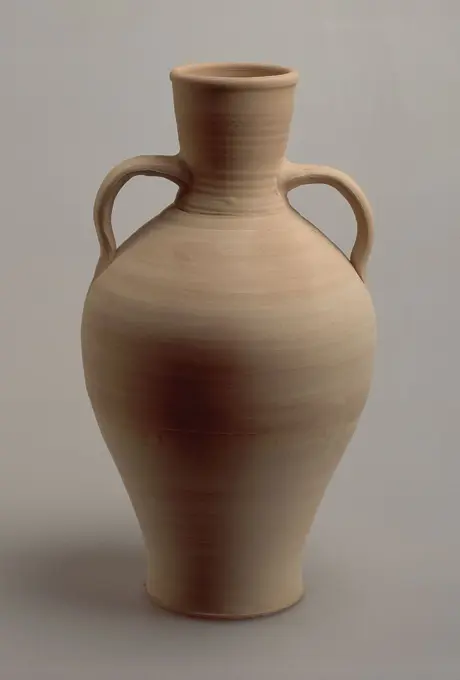
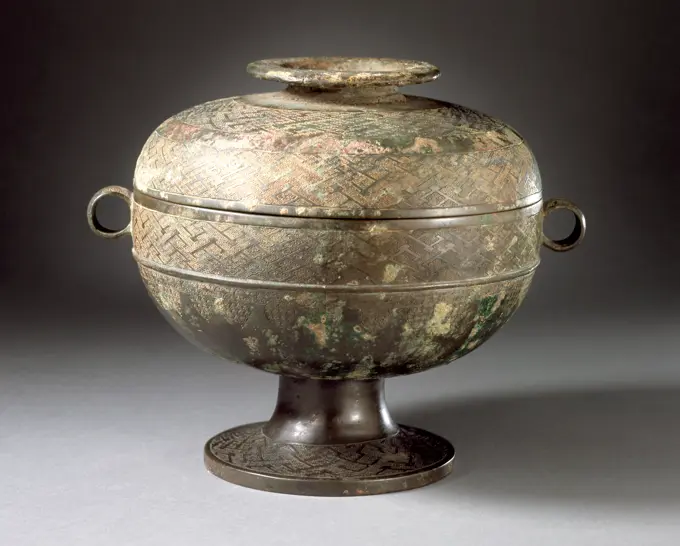
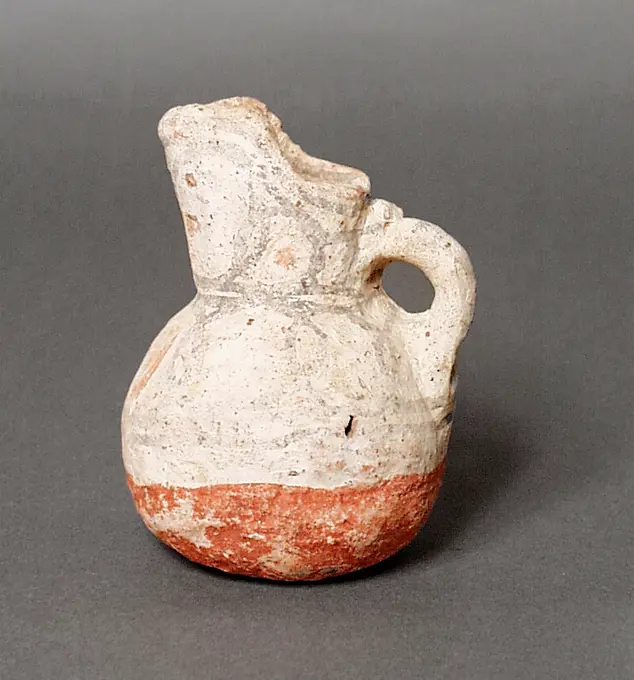
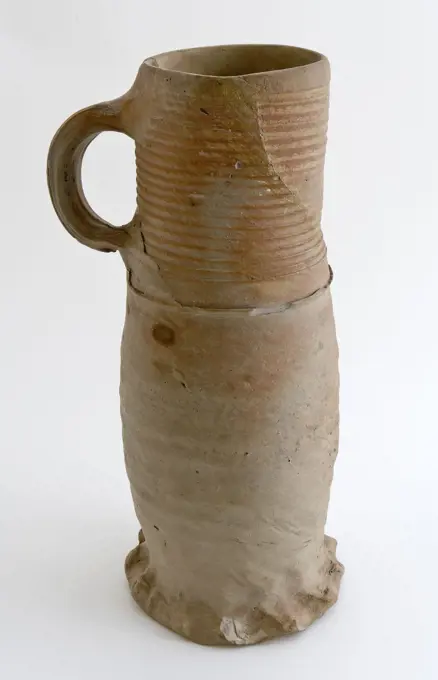
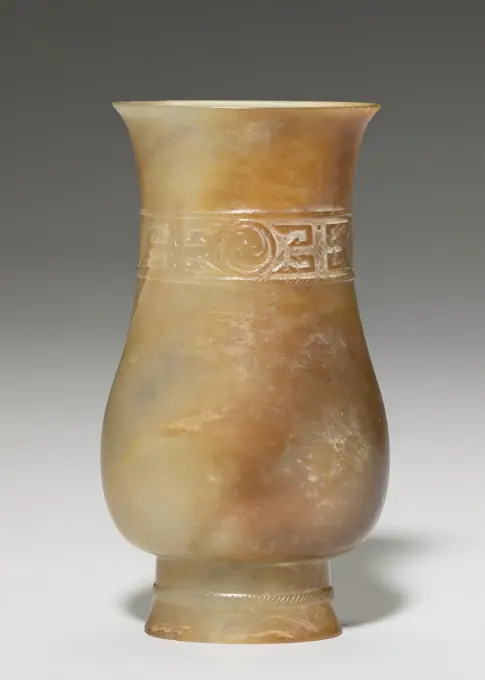
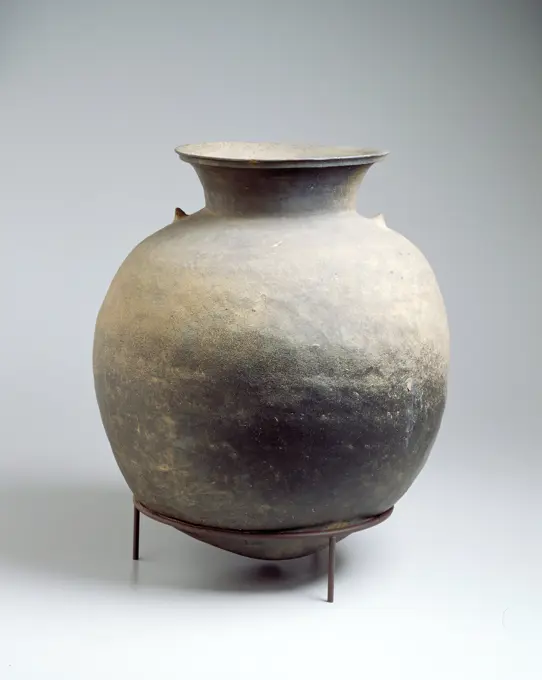
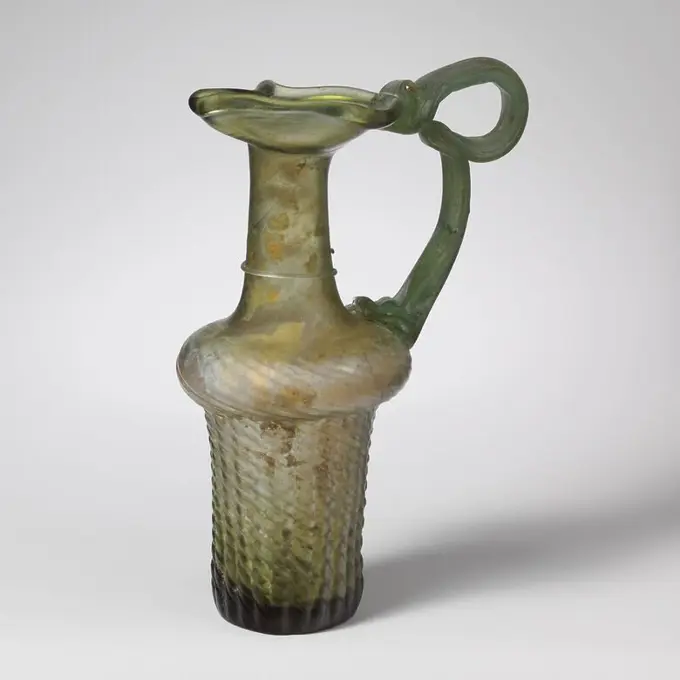
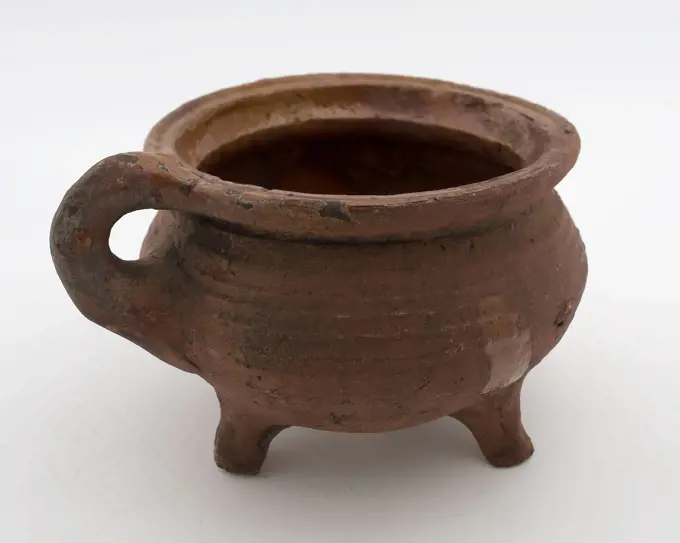
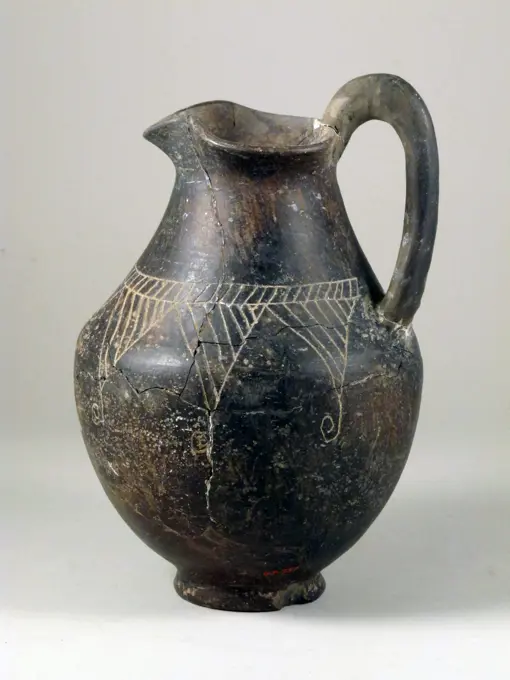
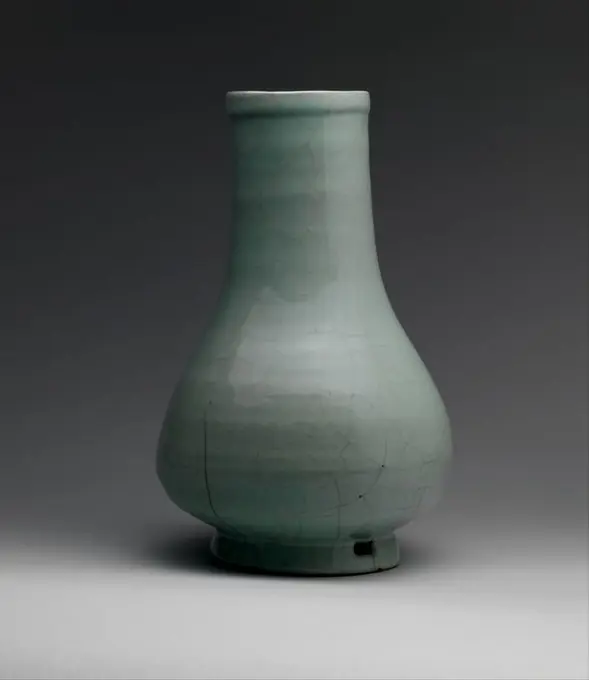
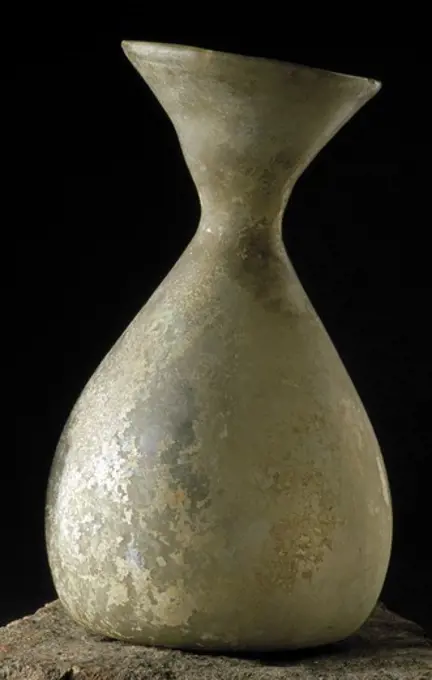
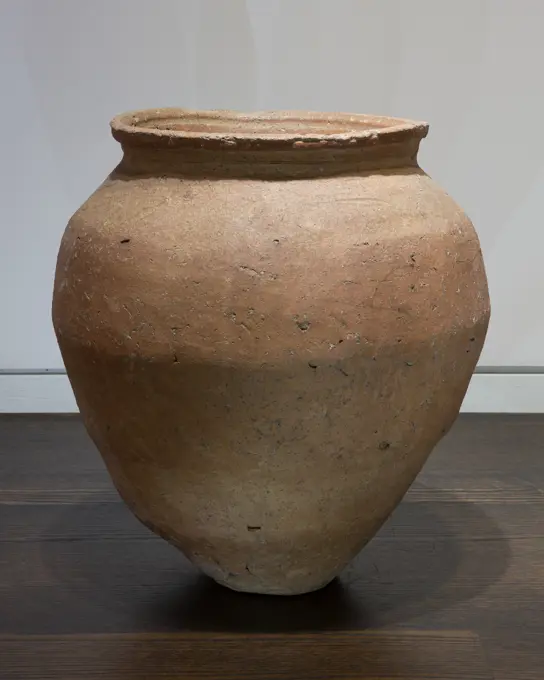
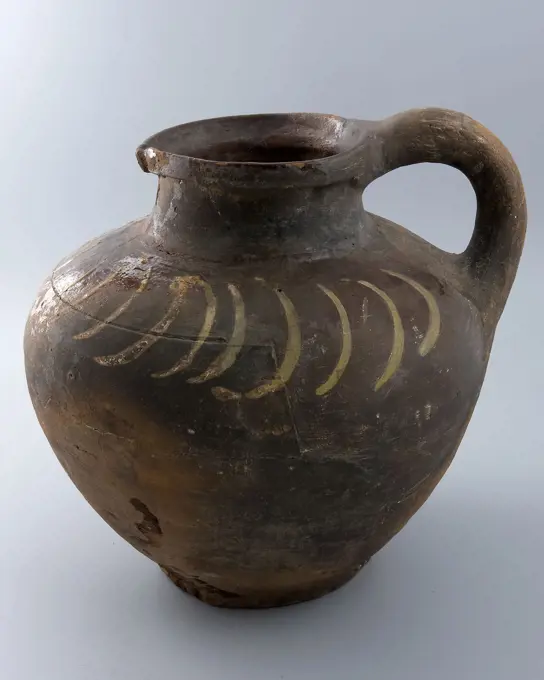
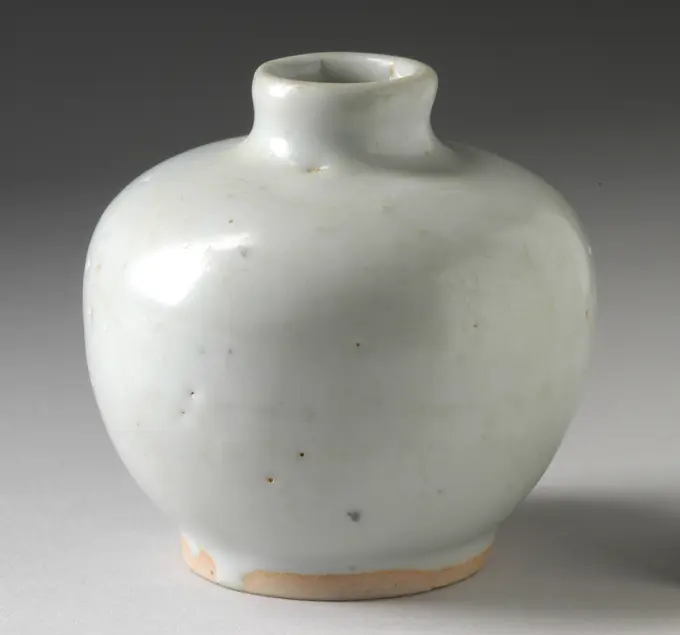
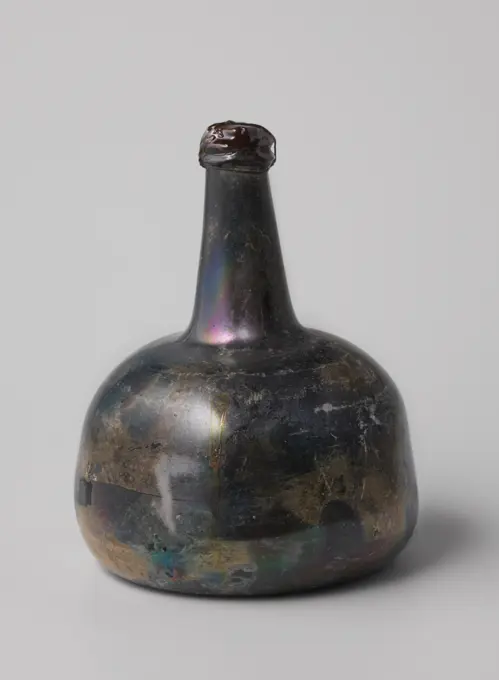
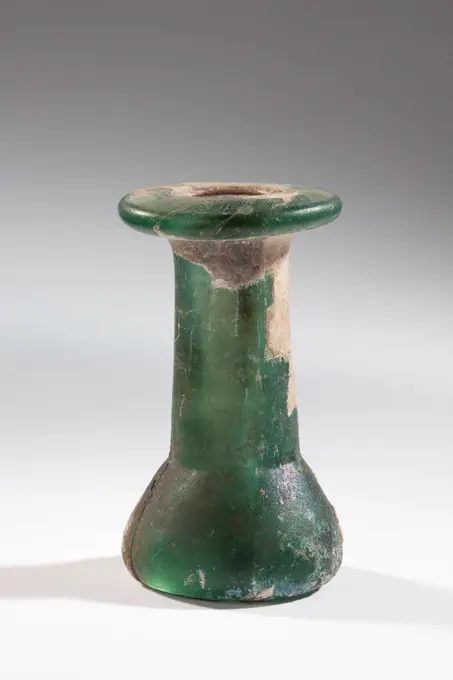
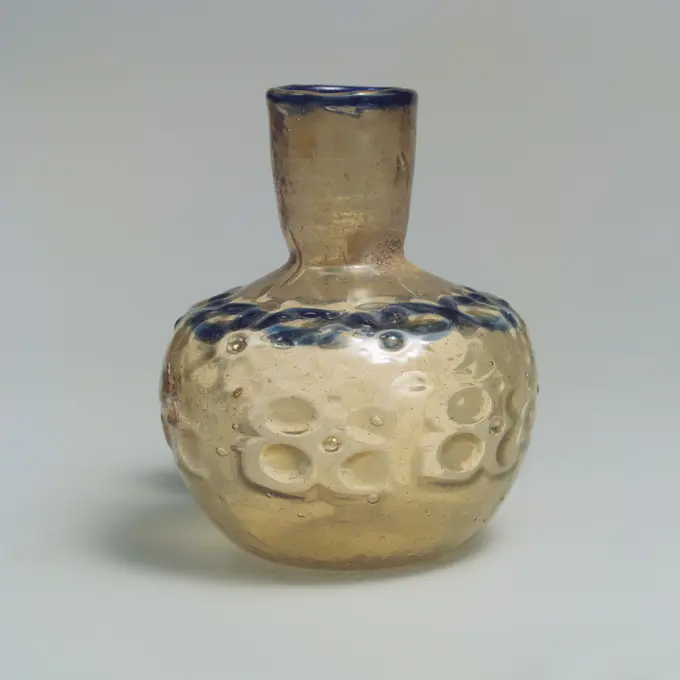
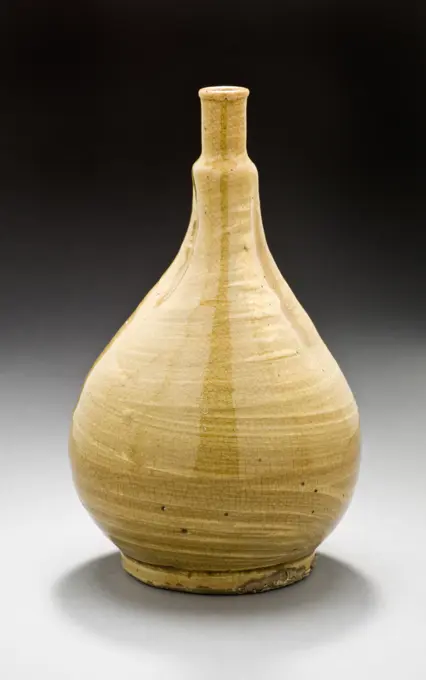
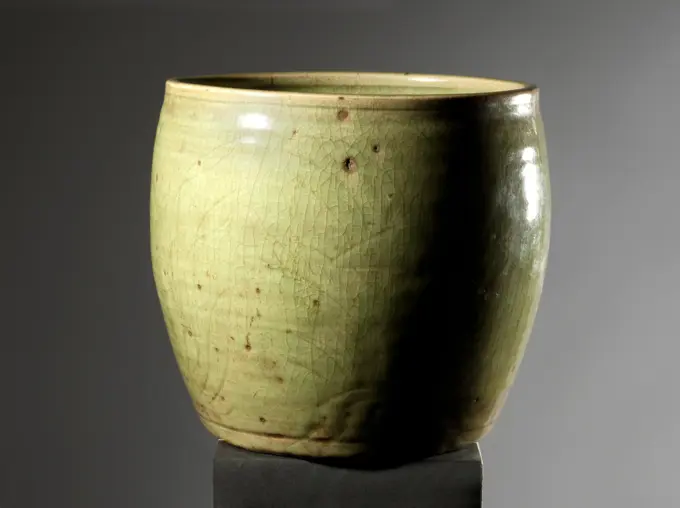
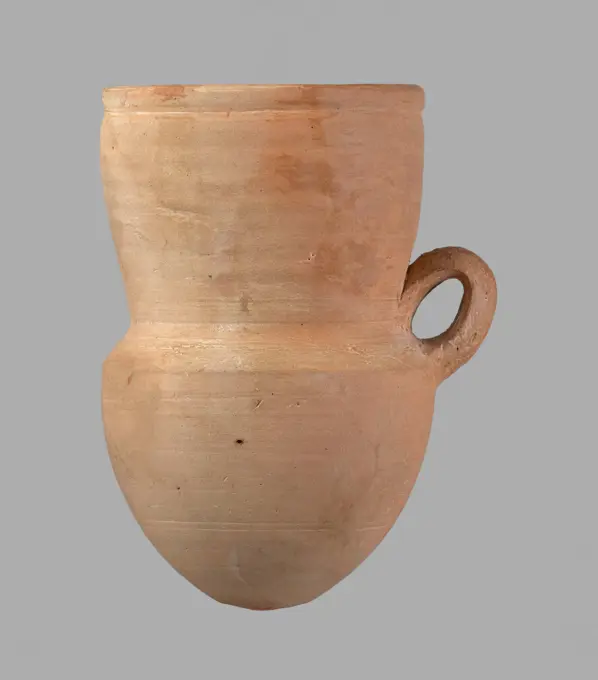
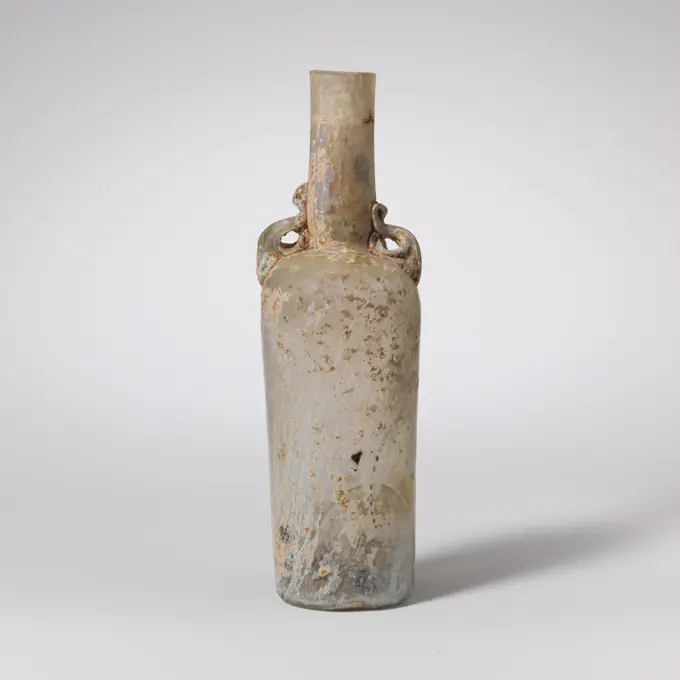
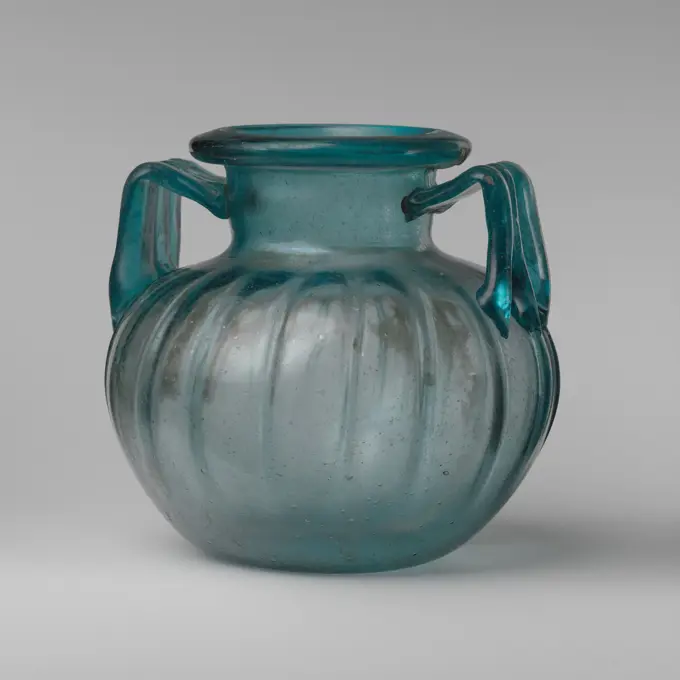
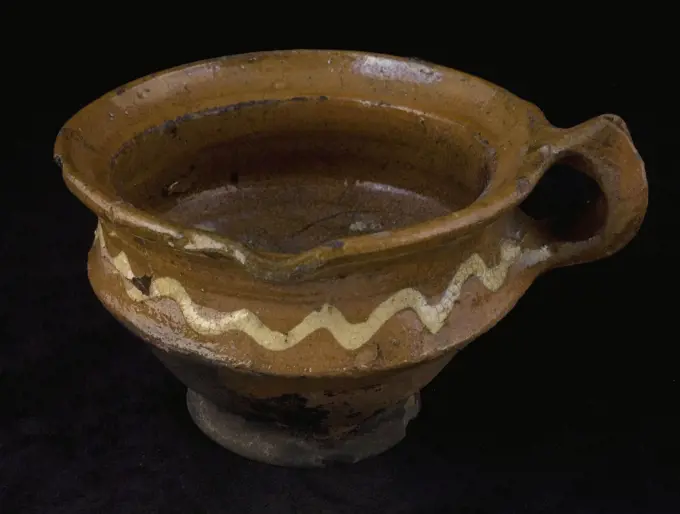
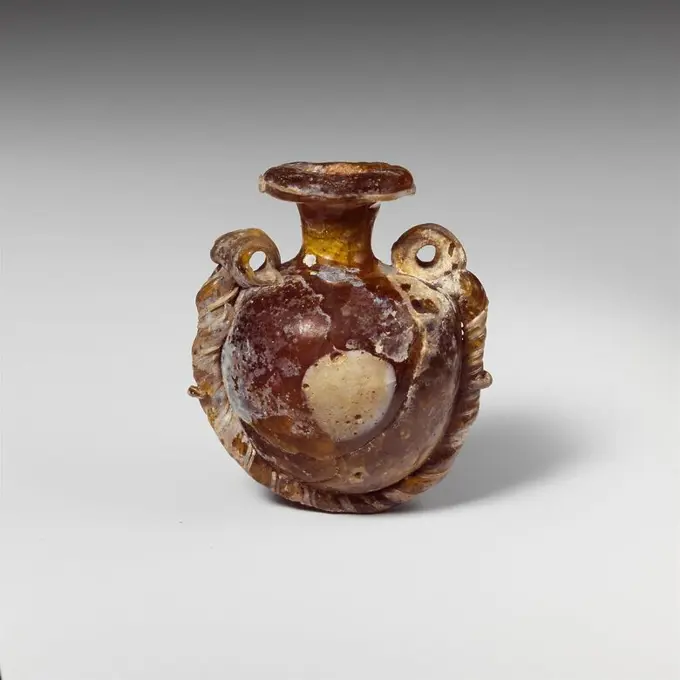
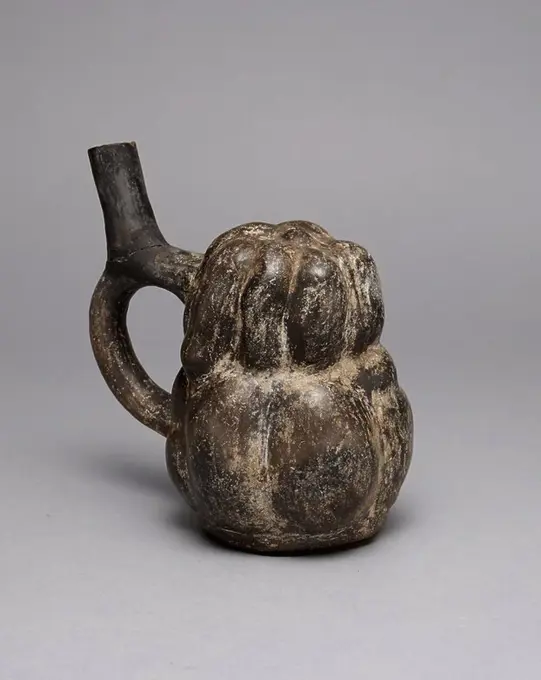
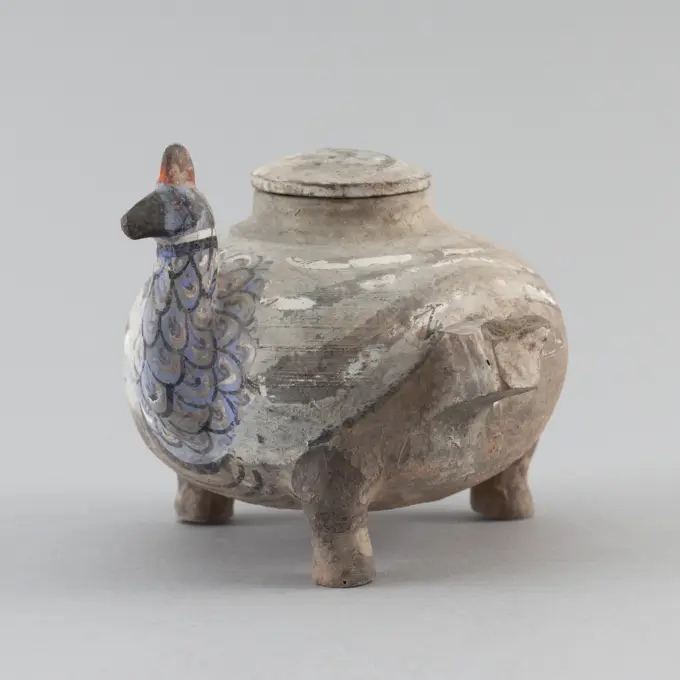
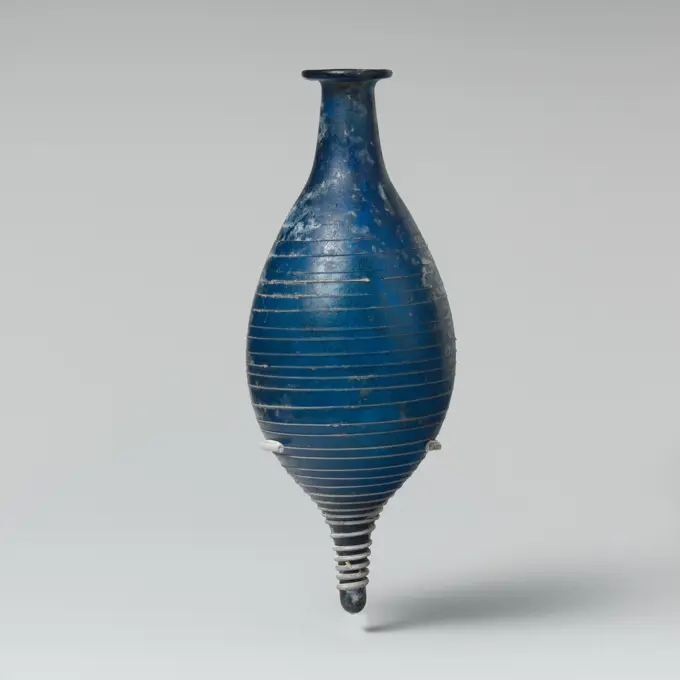
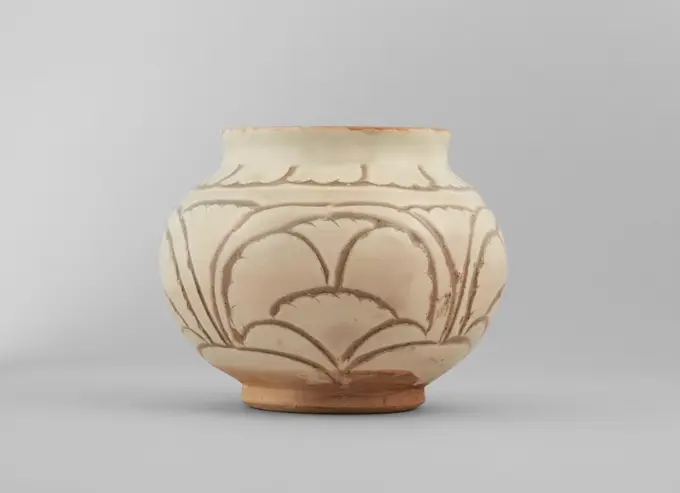
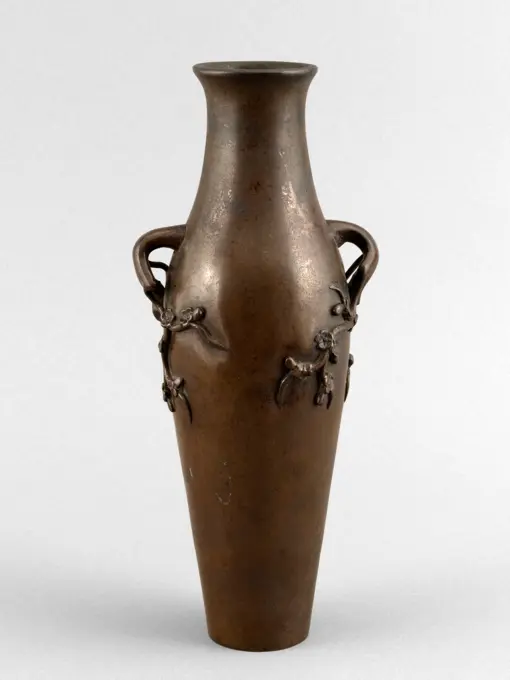
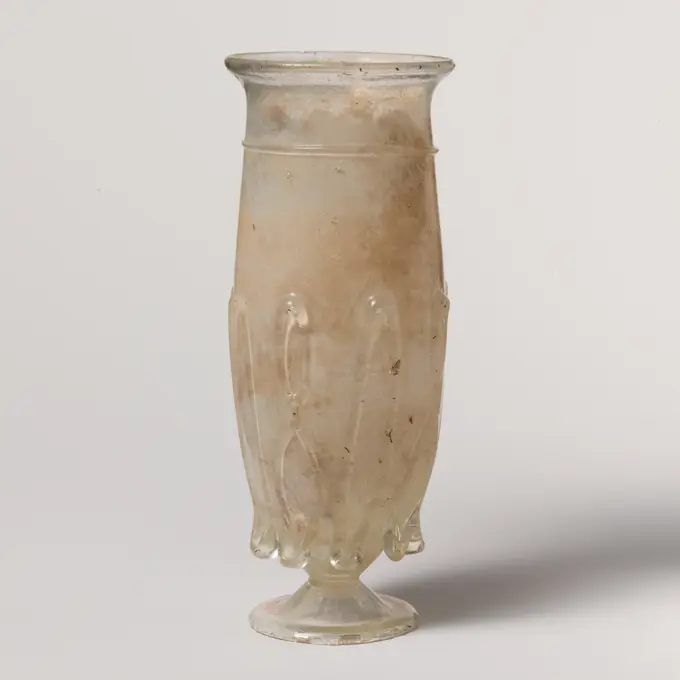
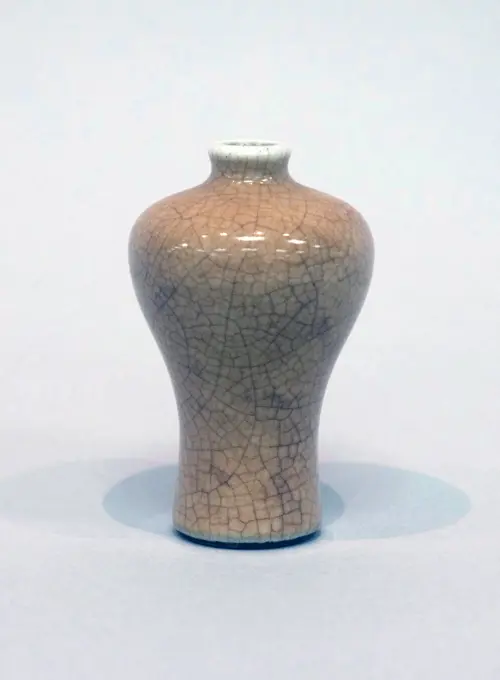
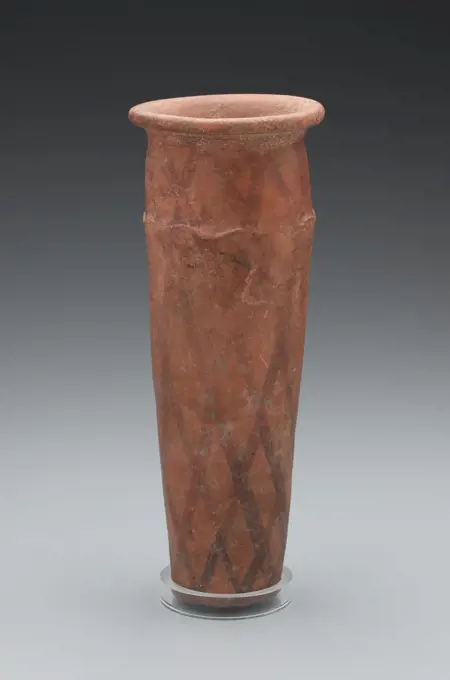
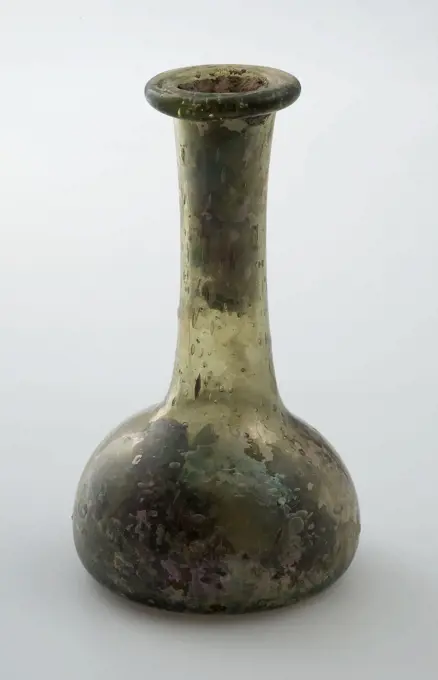
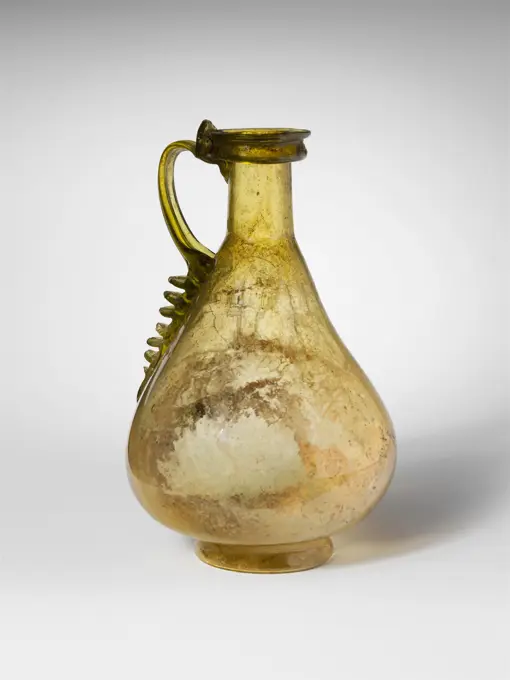
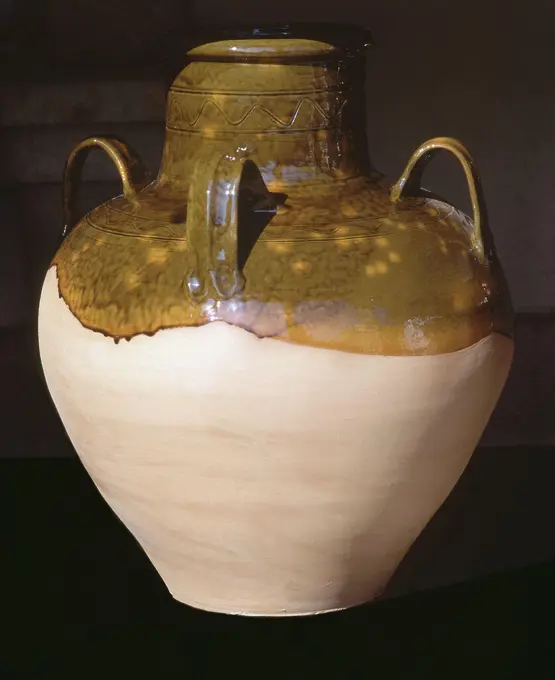
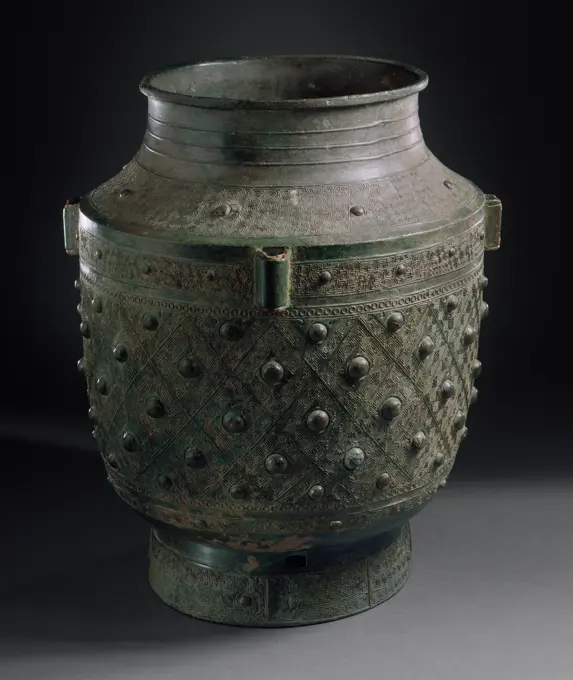
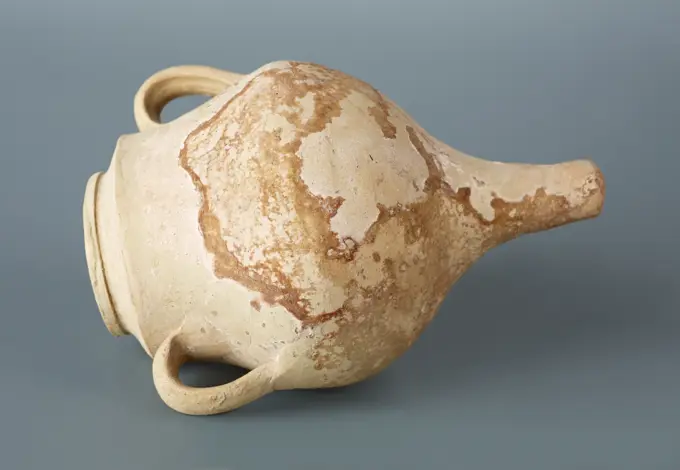
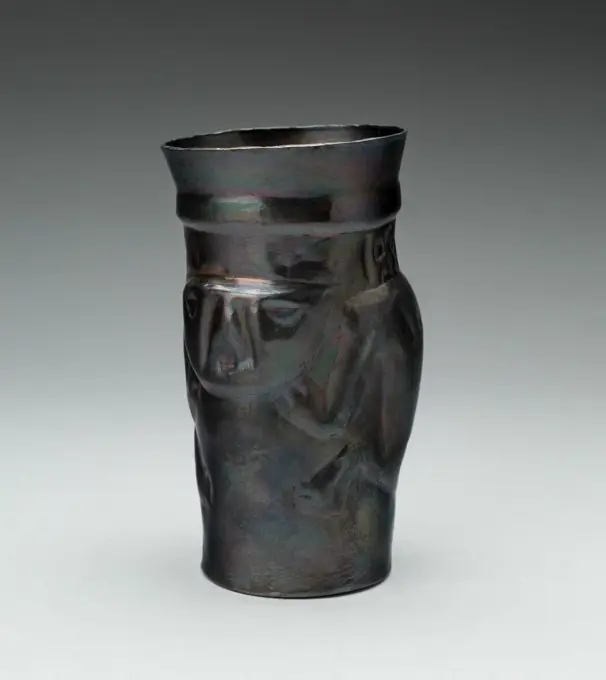
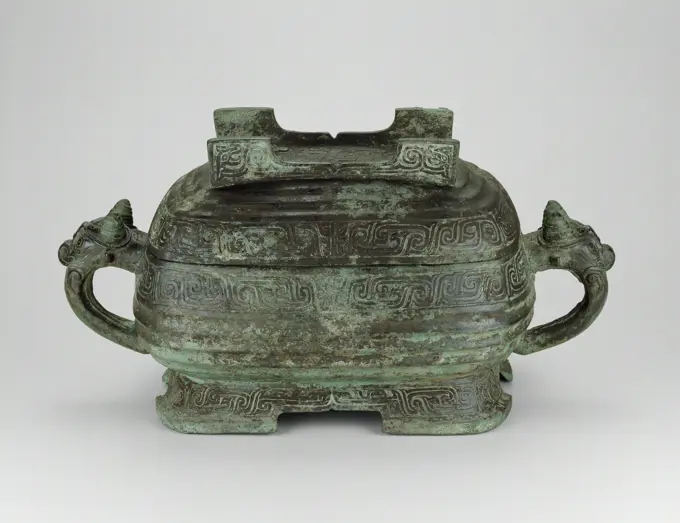
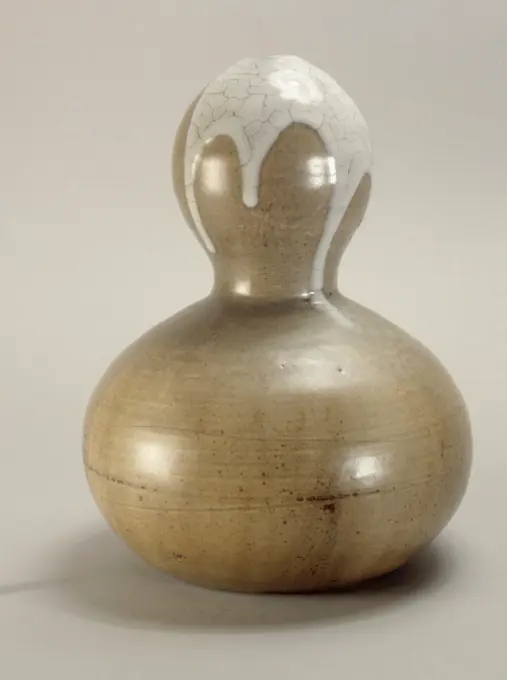
Round-bodied Jar With Greyish Green Glaze. Bulb-shaped pot of stoneware with a narrow, short neck with raised edge, covered with a gray-green enamel. From the shoulder two semicircular ears. Celadon.Glass perfume bottle. Culture: Roman. Dimensions: 6 5/16in. (16.1cm)Other: 1 9/16in. (4cm)Diam. of rim: 13/16 in. (2.1 cm). Date: 2nd-3rd century A.D..Colorless with greenish tinge.Rim folded out, over, and in, and smoothed into flaring, lop-sided mouth; slender, concave neck, tooled in around base; ovoid body; pushed-in bottom.Broken around body and repaired, with areas missing; dulling, deep pitting, and iridescent weathering. Museum: Metropolitan Museum of Art, New York, USA.Baby feeder 1050-950 B.C. Cypriot Grooved body, handle and tubular spout, light clay under dark slip.. Baby feeder. Cypriot. 1050-950 B.C.. Terracotta. Cypro-Geometric I. VasesSmall vase, anonymous, 1775 - 1800 Pear -shaped vase of light green and yellow jade, decorated with bronze -derived archaizing decor. The vase has two small ears. China jade (rock) Pear -shaped vase of light green and yellow jade, decorated with bronze -derived archaizing decor. The vase has two small ears. China jade (rock)Juglet 2500-1900 B.C. Cypriot Globular with handle, concentric circles and lozenges.. Juglet. Cypriot. 2500-1900 B.C.. Terracotta. Early Cypriot. VasesJar. Dated: c. 1938. Dimensions: overall: 45.8 x 38 cm (18 1/16 x 14 15/16 in.) Original IAD Object: 14 1/2" High 9" Dia(top) 6 1/2" Dia(base). Medium: watercolor, graphite, and colored pencil on paperboard. Museum: National Gallery of Art, Washington DC. Author: John Tarantino.Pottery cooking jug, grape model, decorated in sludge technology, on three outstanding legs, grape cooking pot tableware holder kitchenware earthenware ceramics earthenware glaze lead glaze clay, handdrawn decorated glazed fried lemonade Pottery cooking jug or grape red shard decorated in sludge technology on three legs. Vertical sausage ear Fine turns on the shoulder. Sparely glazed neck and shoulder and the bottom only under the neck opening. Decoration consists of yellow bows on the shoulder. Outstanding legs. Funnel-shaped upper edge. Restoration is repainted archeology Rotterdam indigenous pottery cooking food preparation kitchen Soil discovery Rotterdam.JARRITA-13X09 CM-S XI-XII. Location: MUSEO DE MALLORCA. Palma. MALLORCA. SPAIN.Pottery room comfort on stand ring, stocky model with large neck opening, completely glazed, pot holder sanitary earthenware ceramic earthenware enamel lead glaze, hand-turned glazed baked Pottery chamber pot on wide stand ring. Red shard entirely glazed except for the ear. Glazed in immersion technique Small brown spots in glaze layer. Squat model with low abdominal shallow groove along the shoulder. Standing sausage ear Thickened top edge with groove over the top and lid slot on the inside archeology Geervliet Bernisse indigenous pottery drains toilet night sleeping room hygiene Soil discovery: Geervliet pit 15 Gruttersslob ZZ demolition Trouw.CANTARO DE 12 LITROS DE DOS ASAS SIN VIDRIAR (ALFARERO NOMDEDEU). Location: ALFARERIA. Alcora. Castellón. SPAIN.Snuff Bottle, 1644-1911. China, Qing dynasty (1644-1911). Glass; overall: 7.7 x 4.2 cm (3 1/16 x 1 5/8 in.).Glass bottle Roman 4th-5th century CE Translucent blue green. Rim folded out, over, and in, and pressed into top of broad and deep, conical mouth; cylindrical neck, expanding slightly downward, with tooling marks around base; large, squat globular body; pushed-in bottom, flat at center.Complete, but broken and restored around rim and mouth; few pinprick bubbles; deep pitting with areas of dulling, brilliant iridescence, and thick creamy weathering.There is a tooled ridge running diagonally across on side of mouth, and two large tooled indents on side of upper body. View more. Glass bottle. Roman. 4th-5th century CE. Glass; blown. Late Imperial. GlassLidded Tureen (Dou) with Linked Chevrons. China, Late Eastern Zhou dynasty, early Warring States period, about 481-400 B.C.. Furnishings; Serviceware. Cast bronzeVesselNuragic civilization. Single-handled pitcher. From Sardinia Region.Lease with a representation of a woman and Charon; Trygliv painter (approx. 430-420 BC); 430-420 BC (-430-00-00--420-00-00);Charon (mitol.), Mythology, painted dishes, ritual vessels, classic periodTuitkan van Tin, Anonymous, c. 1600 Tuitkan van Tin, also called 'pipe cann'. The stand ring and the lip edge are profiled. The KAN is closed with a vaulted, profiled lid. The thumb rest is decorated with two acorns and passes into the handle via a single hinge. The spout is at right angles to the handle and starts just above the abdomen with a pointed start. Inside the spout extends to the bottom. Utrecht (possibly) tin (metal) Tuitkan van Tin, also called 'pipe cann'. The stand ring and the lip edge are profiled. The KAN is closed with a vaulted, profiled lid. The thumb rest is decorated with two acorns and passes into the handle via a single hinge. The spout is at right angles to the handle and starts just above the abdomen with a pointed start. Inside the spout extends to the bottom. Utrecht (possibly) tin (metal)Jug or jacobakan, jug with pinched foot, Jug or jacobakan jug crockery holder soil find ceramic stoneware, surface 7.8 hand-turned baked stoneware jug gray shard dirty gray and covered with rust stains bandoor rings around the belly and pinched foot archeology import pottery serve serve drink to serveOlla de cerámica gris, procedente de Sant Vicenc de Rus, Castellar de n'Hug. Siglos XII-XIII. Museu d'Història de Catalunya.Stoneware jug be tied down with profiled edge at the bottom of the neck, jug crockery holder soil find ceramic stoneware, hand-turned baked Stoneware jug gray shard unglazed reddish-brown spots small bandoor profiled turnings around the neck rib around transition neck belly rings around belly pinched foot. Slender jug with slightly narrowing neck archeology Rotterdam City Triangle Haringvliet Binnenrotte import pottery serving drink wine beer Soil discovery Rotterdam: Construction site Koningin Wilhelmina Kweekschool Haringvliet 84 Binnenrotte last quarter 1955.Zhi vase, 960-1279, H.4-7/8 x W.2-3/4 x D.2-1/4 in., Jade, China, 13th century, Made of light olive green jade mottled with dark brown, this wine vessel was inspired by a zhi, a bronze vessel of the same shape used in ritual ceremonies of the late Shang and Western Zhou dynasties (c. 1300-771 BCE). The jades debt to its bronze prototype is also confirmed by the band of carved abstract motifs around its neck. On a bronze vessel, these abstractions would have represented dragons alternating with fiery whorl designs.FOREIGN OLD(Storage Jar), 5th century, Unknown Korean, 21 7/8 x 18 3/4 in. (55.56 x 47.63 cm), Stoneware with natural ash deposits, Korea, 5th century, The small, independent kingdom of Kaya on Korea's southern coast enjoyed a rich material culture before it was absorbed by Silla, its powerful neighbor to the east, in 562. Bulbous jars with smooth, unadorned surfaces were created in great numbers by Kaya potters, who may also have influenced the production of a similar ware in Japan's Yayoi period (300 b.c. - a.d. 300). This astoundingly large example also has a small amount of natural ash glaze on its shoulder.Glass jug with trefoil rim. Culture: Roman, Syrian. Dimensions: H. 6 1/2 in. (16.5 cm). Date: late 4th-mid-5th century A.D..Translucent green, with same color handle and trail.Trefoil rim with thick folded lip; broad flaring mouth; cylindrical neck expanding downwards; curving shoulder with large overhanging rounded collar below; straight side tapering downwards; thick base with pushed-in bottom; central pontil scar; thick rod handle applied to shoulder, drawn up and out, then pinched into fold with loop above, and trailed on to back and underside of rim.On neck (now detached), single fine trail wound round three or four times in a spiral. On collar and body, close-set spiral ribs descending from left to right; on body only, narrow vertical ribs creating a slanting notched pattern.Intact, except for part of trail around neck, and with small crack in back of rim and mouth; blowing striations, some pinprick bubbles, and black impurities in handle; slight dulling and pitting, with faiCup with Foot and Geometric Decoration. Culture: Coptic. Dimensions: Overall: 4 1/8 x 5 5/16 in. (10.5 x 13.5 cm). Date: 4th-7th century. Museum: Metropolitan Museum of Art, New York, USA.Earthenware cooking jug, cooking pot, grape-model, red shard, glazed, vertical sausage ear, on three legs, cooking pot crockery holder kitchenware earth discovery ceramics earthenware glaze lead glaze, hand-turned baked glazed Pottery cooker cooking pot grape-model red sharpened sparingly glazed vertical set sausage ear three legs. Turning around the shoulder archeology Rotterdam Stadscentrum Stadsdriehoek Hoogstraat indigenous earthenware food preparation cooking food kitchen Soil discovery: When renovating house on the Hoogstraat (very deep in the ground).Miniature Jar 15th-early 16th century Inca. Miniature Jar 309399Amphoriskos. UnknownJar (Hu), 202 BC-AD 9. China, probably Henan province, Western Han dynasty (202 BC-AD 9). Earthenware with slip and painted decoration; overall: 48.2 cm (19 in.).Oinochoe; Roman Empire; 3rd - 4th century; Glass; 12 x 7.5 cm (4 3,4 x 2 15,16 in.)Jug Italic. Jug. Italic. Terracotta. VasesTerracotta aryballos (oil flask) ca. 575-550 B.C. Greek, Corinthian Swan.. Terracotta aryballos (oil flask) 254330 Greek, Corinthian, Terracotta aryballos (oil flask), ca. 575550 B.C., Terracotta, H. 2 1/4 in. (5.8 cm). The Metropolitan Museum of Art, New York. Rogers Fund, 1941 (41.162.159)Jug decorated with a cartouche with text. Jar with ear, from stoneware. On the abdomen an easily executed cartouche with the year 1781 and a name. Under the cartouch text and the year 1780.Vase. Culture: China. Dimensions: H. 13 3/8 in. (34 cm); Diam. 8 1/2 in. (21.6 cm). Museum: Metropolitan Museum of Art, New York, USA.SPAIN. LEON. Vessel found in the astur-Roman city of Lancia (1st-4th centuries). Roman art. Early Empire. Ceramics. SPAIN. CASTILE AND LEON. Len. Museum of Len. Proc: SPAIN. CASTILE AND LEON. LEON. Villasabariega. Lancia.Shigaraki-Ware Jar 1301-1400 Japan. Stoneware with ash glaze .Pottery jug be used with standing sausage ear on slightly pinched stand ring, curved sludge decoration, water jug crockery holder soil find ceramic earthenware clay glaze lead glaze, hand turned fried glazed ring red shard Profiled neck with cuff and pouring clip Pinched stand ring Worst shaped ear archeology underground pit Rotterdam Stadscentrum Stadsdriehoek Groenendaal indigenous pottery water drinking pour serving Soil discovery underground pit Groenendaal cesspool Found 1975-09-11.Jarlet. China, 13th-14th century. Furnishings; Serviceware. Stoneware with pale green glazeBottle with spherical body. Bottle, cylindrical, from dark green glass with deep soul, turn upwards narrower to round shoulder above which neck with ring along the edgeWine bottle with wine from the wreck of the East Indians' t Vliegend Hart ,, 1700 - 1735 wine Uivid wine bottle of green glass filled with red (port) wine and closed with cork and wire that the cork had to hold in place. This bottle is significantly larger than the other. Netherlands glassEwer. Iran or Central Asia, 8th-9th century. Metal. High tin bronzeVial. unknown, craftsmanShort-necked bottle 12th-13th century The molded decoration, including pairs of simple palmettes arranged one above the other in eight narrow vertical compartments, suggests both a 9th century dating and an Iraqi provenance for this small jar. The impression of an eagle with spread out wings under the base, which is not visible in normal conditions, may be a factory stamp.. Short-necked bottle. 12th-13th century. Glass, colorless with brown tinge; blown, impressed with tongs, applied blue rim and decoration. Attributed to Iran. GlassCha-ire powdered tea pot. Beige sandstone, covered with tetsu-yu iron brown. XIVth-15th century. Paris, Cernuschi museum. Japanese art, iron brown, Japanese Ceramic, cha-ire, lid, beige gres, pot a, tetsu-yu, the powder, 14th XIV 14th 14th 14th 14th century, XVEME XV XV 15th 15th 15th centuryVase. Gift by Mr. Gerhard Born, HamburgSake Bottle in the Form of a Tea Whisk. Japan, Edo period (1615-1868), late 17th - first quarter 18th century. Ceramics. Hizen ware; stoneware with white slipPiriform Jar Inscribed with Hatshepsut's Titles as Queen. Dimensions: h. 23 cm (9 1/16 in.); greatest diam. 14 cm (5 1/2 in.); diam. of mouth 13.3 cm (5 1/4 in.). Dynasty: Dynasty 18. Reign: reign of Thutmose II to Year 7 of Thutmose III. Date: ca. 1492-1473 B.C..This pear-shaped jar would have been used to store unguents or oils. It is inscribed with Hatshepsut's personal name and her titles as queen:"God's Wife, King's Great Wife whom he loves, Mistress of the Two Lands, Hatshepsut, may she live!"The designation "King's Great Wife whom he loves" suggests this vessel was made before the death of Hatshepsut's husband, Thutmose II.The jar may originally have been intended to furnish Hatshepsut's queen's cliff tomb in western Thebes. After she became king, Hatshepsut seems to have donated goods inscribed with her queen's titles as provisions for the burials of individuals she deemed important (see linen and vessels from the tomb of Hatnefer and Ramose, 36.6.1-36.6.70). Two stone jarPOT. Grès to Couverts Coupon. Par musée musée malée. 78839-9 Asian art, Chinese art, GRESVase;  19th/20th century (1890-00-00-1910-00-00);Jug (Bartmann jug) with portraits, leaves and an ornamental border, anonymous, c. 1550 - c. 1599 Jug (beard fancier bush) of stoneware on a high base with a spherical body and narrow neck. The C-shaped ear is attached to the neck and shoulder. Profiles on the neck and foot. Covered with a brown Engobe. On the belly in relief a printed and imposed decorative band with flower vines. On either side of the inscription medallions with portraits and profil and leaf motifs. On the neck, continuously on the shoulder, a bearded man. Attached to the ear a pewter frame with lid. Frechten. Cheek Stoneware. Glaze. Engobe. frame: tin (metal) vitrification Jug (beard fancier bush) of stoneware on a high base with a spherical body and narrow neck. The C-shaped ear is attached to the neck and shoulder. Profiles on the neck and foot. Covered with a brown Engobe. On the belly in relief a printed and imposed decorative band with flower vines. On either side of the inscription medallions with portraits andDish;  around 1550 1069 BC ; New PAGlass bottle with dolphin handles late 3rd-early 4th century A.D. Roman, Rhenish Colorless; handles in same glass.Plain, vertical, cracked-off rim; slender cylindrical neck with slightly concave profile and horizontal indent around base; sloping shoulder; straight side to body, tapering downwards; almost flat bottom; two small handles applied in a pad to edge of shoulder, drawn over shoulder to base of neck, then folded back, up, and in, making a loop, and trailed off up neck.Decoration comprises faint horizontal wheel-abraded lines: one band on neck below rim, and three groups on body, each containing two close-set bands.Intact; bubbles, blowing striations, and some black impurities; dulling, iridescence, and whitish weathering, with a layer of soil on bottom of interior.With tiny dolphin handles and slender neck.. Glass bottle with dolphin handles 245416Ewer 9th century This ceramic ewer was excavated at the site of Tepe Madrasa in Nishapur.Nishapur was a vital city in the early and middle Islamic periods, located along one of the main trajectories that connected Iran and West Asia Islamic lands with Central Asia and China. These itineraries are often referred by the term Silk routes but were in fact crucial to the movement of constellations of materials and objects, as well as people and ideas. The diverse population of Nishapur and its surroundings, from the better-researched elite groups of merchants, land-owning aristocracy, and literates, to the less-known artisans, farmers, miners, and servants, were instrumental in adapting global cultural trends to create their own distinctive visual languages. This is seen in the material remains of everyday life in medieval Nishapur - from pots and pans to lighting devices, inkwells, textiles and trimmings, jewelry, games and toys, talismanic devices, weapons, coins, and architectural fragmeBottle 13th-14th century. Bottle 446675Jar ca. 1550-1458 B.C. New Kingdom. Jar. ca. 1550-1458 B.C.. Pottery. New Kingdom. From Egypt, Upper Egypt, Thebes, Asasif, Courtyard CC 41, Tomb R 2, Burial F 5, In coffin, MMA excavations, 1915-16. Dynasty 18Glass oinochoe (perfume jug) 5th century B.C. Greek, Eastern Mediterranean Opaque streaky red-brown, with foot in same color; rim-disk and handle in uncertain dark color, appearing opaque black; trails in opaque yellow and opaque turquoise blue.Applied broad trefoil rim-disk; rather tall cylindrical neck; broad sloping shoulder; ovoid body; applied outsplayed foot with uneven concave bottom; handle attached to edge of shoulder over trail decoration, drawn up and out, then turned in and pressed on to back of neck below rim.Intermingled yellow and turquoise blue trails attached at edge of rim-disk; a wide yellow trail applied unevenly to neck and wound down spirally across shoulder and around top of body in horizontal lines, then tooled into a close-set zigzag pattern around upper half of body, at which point a turquoise blue trail is added; below this, another thin yellow trail wound horizontally around body, mixing with a turquoise blue trail; finally, intermingled yellow and turquoiseGlass two-handled jar 1st-3rd century A.D. Roman Translucent blue green; handles in same color.Everted, slightly tubular rim, with rounded outer lip, folded in and down, and smoothed into side of mouth; broad, cylindrical neck with slightly convex profile and irregular tooling marks around base; bulbous body; shallow concave bottom; two broad three-ribbed strap handles attached to upper body over ribs, drawn vertically upwards, turned in at an acute angle, and applied to neck, ending with fine trails drawn up across underside of rim.On upper two-thirds of body, nineteen vertical ribs of varying length and shape. Intact, but one internal crack in rim; many bubbles, some large in handles; dulling and faint iridescence on exterior, patches of soil encrustation and brownish weathering on interior.Two handled vase with ribs on the body: blue glass.. Glass two-handled jar. Roman. 1st-3rd century A.D.. Glass; blown and tooled. Imperial. GlassPottery cup or toy cooking pot, stand ring, tapered with top edge, sludge decoration, cup crockery holder toy relaxant soil find ceramic earthenware clay engobe glaze lead glaze, ring 5.3 hand turned bezel glazed baked Pottery cup red shard with sludge decoration completely covered with lead glaze vertically set bandoor at the top of the pinched stand ring. Schenklip in bovenrand Outer wall with yellow wave line. Tapered shape with wide and prominent upper edge and narrow foot Traces of use archeology indigenous pottery cooking child play serve prepare food child's playGlass lentoid aryballos (perfume bottle). Culture: Greek. Dimensions: H.:1 15/16 in. (5 cm); D.:1 5/8 in. (4.2 cm). Date: 4th-3rd century B.C..Translucent honey brown, with same color handles and cord; trails and blobs in opaque white.Broad flat rim-disk with rounded edge and radiating tooling marks on upper surface; slender cylindrical neck, tapering downwards; sloping shoulder; globular lentoid body; convex bottom; two large vertical ring handles attached to shoulder.A trail attached at edge of rim-disk; a circular marvered blob applied to both faces of body; a large cord, twisted together with a white trail, attached under handles runs down sides and across bottom.Broken and repaired, with large chip in one side of body; some pitting, large patches of milky white weathering and iridescence.Together with the other two similar aryballoi displayed here (17.194.309 and 30.115.7), this bottle belongs to a small group of core-formed glass that may have been made in southern Italy, SiCANTARO DE BARRO SIN VIDRIAR- S XX ARTE POPULAR. Location: ALFARERIA. CASTELLAR DE SANTIAGO. CIUDAD REAL. SPAIN.CANTARO "GERRA" - S XX ARTE POPULAR -. Location: ALFARERIA. MARRATXI-PORTOL. MALLORCA. SPAIN.Iberian Museum of Jaén Iberian Museum of Jaén, Jaén province, Andalusia, Spain Copyright: xZoonar.com/BartomeuxBalaguerxRotgerx 21704955Jar with a running horse and, anonymous, c. 1500 - c. 1599 Pot of stoneware with a printed spherical body, covered with a white sludge and painted in brown under the glaze. A galloping horse on the belly. The underside is unglazed. Cizhou. China stoneware. glaze painting / vitrification Pot of stoneware with a printed spherical body, covered with a white sludge and painted in brown under the glaze. A galloping horse on the belly. The underside is unglazed. Cizhou. China stoneware. glaze painting / vitrificationJug (Bartmann jug), anonymous, c. 1625 - c. 1749 Jug (beard fancier bush) of stoneware on the standing surface with a spherical body and narrow neck. The C-shaped ear is attached to the neck and shoulder. Profiles on the neck. Covered with a brown spotted enamel. On the neck, continuously on the shoulder, a bearded man. Hole in the belly. Frechten. Cheek stoneware. glaze vitrification Jug (beard fancier bush) of stoneware on the standing surface with a spherical body and narrow neck. The C-shaped ear is attached to the neck and shoulder. Profiles on the neck. Covered with a brown spotted enamel. On the neck, continuously on the shoulder, a bearded man. Hole in the belly. Frechten. Cheek stoneware. glaze vitrificationCome. Kometje with two ears.Maywijnvat. Meiwijnvaatje van Steengoed, with two ears. The stop is missing. It is possible Belgian 'Bouffioulx'.Spout Vessel in the Form of a Gourd. Moche; Chimbote, Santa Valley, north coast, Peru. Date: 250 AD-500 AD. Dimensions: H. 18.4 cm (7 1/4 in.). Ceramic and pigment. Origin: Santa Valley. Museum: The Chicago Art Institute, Chicago, USA.Amphoriskos. UnknownTea caddy with a goldenbrown glaze, anonymous, anonymous, c. 1700 - c. 1800 Dust bar or Chare of stoneware with a wooden and ivory lid, partially covered with a golden brown glaze. The underside of the bus is unglazed. Two old labels on the inside with 'Seto/ 18th' And 'Seto, Shunkei-Yaki'. Shunkei-yaki. Japan Stoneware. Glaze. Cover: Ivory. Cover: Wood (Plant Material) vitrification Dust bar or Chare of stoneware with a wooden and ivory lid, partially covered with a golden brown glaze. The underside of the bus is unglazed. Two old labels on the inside with 'Seto/ 18th' And 'Seto, Shunkei-Yaki'. Shunkei-yaki. Japan Stoneware. Glaze. Cover: Ivory. Cover: Wood (Plant Material) vitrificationMingqi Tripode Ho ". Terracotta. Han. Paris Dynasty, Cernuschi Museum. 157345-5 Asian artBowl. Culture: Coptic. Dimensions: Overall: 2 3/4 x 3 5/8 in. (7 x 9.2 cm). Date: 4th-7th century. Museum: Metropolitan Museum of Art, New York, USA.TINAJA MURCIANA DECORACION APLICADA Y ESTAMPILLADA ALMOHADE - SIGLO XIII. Location: MUSEO ARQUEOLOGICO-COLECCION. SPAIN.Jug with a coat of arms and floral scrolls, anonymous, c. 1650 - c. 1710 Can of stoneware on a high base with a spherical body and a long neck with a pinched spout. The C-shaped ear is attached to the neck and shoulder. Profiles on the neck and the foot. Partly covered with cobalt blue and mangangan purple. On the belly in relief a printed and imposed alliance weapon with leaf vines and the inscription 'Iohan Georg Rhindorp'. One weapon is with a winged arrow and two crossed arrows as a helmet sign. The other weapon with a lion with a flower in his leg and a flower as a helmet sign. A pewter frame is attached to the ear with the inscription 'I.F.H'. Westerwald. Westerwald Stoneware. Glaze. Cobalt (Mineral). Manganese oxide. frame: tin (metal) vitrification Can of stoneware on a high base with a spherical body and a long neck with a pinched spout. The C-shaped ear is attached to the neck and shoulder. Profiles on the neck and the foot. Partly covered with cobalt blue and mangangan purplGlass perfume bottle with opaque white trail 1st century A.D. Roman Translucent cobalt blue; trail in opaque white.Outsplayed, rounded rim; short neck, joining imperceptibly with ovoid body, drawn out into a rounded, solid point.A single unmarvered trail applied at bottom and wound round in a spiral at least 32 times, ending on neck, fine on neck and body but thicker and in high relief around pointed bottom.Intact, except for large chip in rim with weathered edges, upper part of trail missing; pinprick bubbles and blowing striations; dulling, creamy white weathering, and iridescence.. Glass perfume bottle with opaque white trail. Roman. 1st century A.D.. Glass; blown and trailed. Early Imperial. GlassJar, 960. sandstone clothed with a white enobe champlevé under a colorless transparent cover. Cernuschi Museum, Asia Museum of Asia in the city of Paris.Vessel with Handle 7th-4th century B.C. Paracas. Vessel with Handle 308449Pottery cooking pot, grape-model, red shard with lead glaze, bandoor, three legs, cooking pot crockery holder kitchenware earth discovery ceramics earthenware glaze lead glaze, hand turned glazed fried Pottery cooking pot grape-model red shard with lead glaze bandoor three legs archeology indigenous pottery food prepare cooking eat cuisineGlass jar 3rd-4th century A.D. Roman, Palestinian Translucent pale blue green; trails in same color.Thick rim folded out, over, and in, and pressed into broad, almost horizontal mouth; short, cylindrical neck, expanding downwards; almost horizontal shoulder, pushed in on one side; bulbous body; shallow kick in thick bottom with large irregular pontil pad at center.Fine trail wound round in an irregular spiral pattern, extending from bottom to neck; over this, another thick trail wound round from left to right in zigzag between outer edge of shoulder and rim, forming openwork collar.Complete, but three strands of zigzag trail missing, with weathered breaks; many pinprick bubbles; dulling and iridescent creamy white weathering.. Glass jar. Roman, Palestinian. 3rd-4th century A.D.. Glass; blown and trailed. Late Imperial. GlassVase oblong to Anses en formes of the daughter of punier. Bronze, Chinese. Par musée musée malée. Oblong vase has in the shape of plum branches Lie, Anse, Chinese art, bronze, Chinese art, branch shape, handle, oblong vase, plum tree, plum, oblong vase, branchGlass beaker 3rd-4th century A.D. Roman Colorless with pale green tinge; base and trails in same glass.Rim outsplayed, with rounded lip; tall cylindrical body with convex side curving in at bottom; conical base made from separate gather, with hollow splayed foot and knocked-off edge; slight pontil mark on small bottom.Below rim, single horizontal trail; on lower two-thirds of body, four elongated oval loop trails alternating with four similar trails but pinched in at center forming a figure-of-eight pattern, all tooled out at bottom into projecting hanging swags.Intact, except for slight chipping of base; a few pinprick bubbles; dulling and iridescence on exterior, creamy white weathering on interior.. Glass beaker 249550JugOintment Jar ca. 1550-1450 B.C. New Kingdom Although the form changed slightly from one period to the next, ointment jars that flare out from base to rim had been used by the Egyptians since the Pyramid Age, more than 1000 years before this jar was made. Made of serpentine, it probably held a substance that could be used to moisturize the skin. The jar was excavated by the Museum's Egyptian Expedition in 1916. It had been placed near the head of a coffin along with a number of other objects that came to the Museum when the finds were divided with the Egyptian Antiquities Service. These include three jars of Egyptian alabaster (16.10.421, 16.10.423-.424), two pottery vessels (16.10.427-.428), and a small ivory cosmetic box (16.10.425), and three ivory combs (16.10.428-.430).. Ointment Jar 547030Minature Meiping vase 18th century China. Minature Meiping vase. China. 18th century. Porcelain with Ge-type crackled glaze (Jingdezhen ware). Qing dynasty (1644-1911), Kangxi period (1662-1722). CeramicsWavy-handledJar, Fine Marl A, with red paint, 28 × 8.3 × 10.8 cm (11 × 3 1/4 × 4 1/4in.), Egyptian, Predynastic, Naqada III, Containers -CeramicsSmall belly bottle with long neck and folded neck, medicine bottle abdominal bottle bottle holder soil find glass, free blown Small medicine bottle in clear green glass Stuffed bottom with pontilmerk Bolbiscuous body with long neck and flared (dm 1.9 cm) flattened lip folded downwards archeology health care packing pharmacy transport care craftEwer with Abstract Swirls and Radiating Strokes. China. Date: 800 AD-899 AD. Dimensions: H. 22.9 cm (9.0 in.). Tongguan (Changsha) ware; stoneware with underglaze painting in copper green. Origin: China. Museum: The Chicago Art Institute, Chicago, USA.Glass one-handled bottle late 1st-early 2nd century A.D. Roman Translucent yellow green; handle in same color.Collared rim folded out, down, round, up, and out, with a stepped profile and a flattened upper edge; cylindrical neck, with tooling indent around the base; conical body with bulbous side curving in at base; hollow, slightly outsplayed foot ring; pushed-in bottom; strap handle with a single central projecting rib applied to top of body, drawn up and outwards in a loop, then turned in, and pressed onto side of rim, with vertical projecting flat thumb rest and trail ending on top of neck; at lower end of handle, a long trail extends down side of body, tooled with seven horizontal notches.Intact; some bubbles and a few glassy inclusions; faint weathering on exterior, patches of soil encrusted weathering and iridescence on interior.. Glass one-handled bottle 245403"ORZA" DE CUATRO ASAS VIDRIADA EN EL INTERIOR-S XX ARTE POPULAR. Location: ALFARERIA. Navarrete. Rioja. SPAIN.Lazio Viterbo Viterbo Museo Civico69. Hutzel, Max 1960-1990 Views of paintings (Middle Ages through 18th c.), frescoes, a tabernacle, coffin, sculpture reliefs, portal fragments, busts, sculpture, tapestry found in the Pinacoteca, Second floor gallery and Second floor cloister sequences. Antiquities: Many views of Etruscan and Roman fragments, sculpture, sarcophagi, pottery, masks, jewelry and other objects found in the Storeroom sequence (inventory numbers on back of prints), and the Cloister, Second floor Cloister, Valle Giulia, Sala Romana and Sala Etrusca sequences. General Notes: There are eight separate numerical sequences for this location. The cloister as an architectural structure, rather than museum site, is documented in the record and file for S. Maria della Verita, Cloister, all views of which are stored in Medieval core collection. Five views from the Museo Civico Second floor cloister sequence are stored in Medieval. German-born photographer and scholar Max Hutzel (1911-Pitcher; Unknown attic workshop; 725-700 BC (-725-00-00--700-00-00);National Museum, Szczecin, geometric ceramicsModel for a Silver Vase van Begeer, Carel Begeeer, 1917 - 1918 Model of plaster for a silver vase, erratic and organic in design, which was added to the collection of noble metals in 1992. Utrecht gypsum Model of plaster for a silver vase, erratic and organic in design, which was added to the collection of noble metals in 1992. Utrecht gypsumRitual Wine Storage Jar with Dragons, Lozenges, and Triangles. China, Middle Shang dyn., Transitional phase, or late Shang dyn., early Anyang phase, about 1500-1200 B.C.. Furnishings; Serviceware. Cast bronzeAmphoraCup with Repoussé Figure 1100-1470 North Coast. Silver . ChimúCovered Food Container 900 BCE-800 BCE China. This tureen was reportedly discovered in 1890 in a storage pit in Fufeng county, Shaanxi province, about sixty-two miles west of the present-day city of Xiían, the site of the Western Zhou capital. This cache is said to have comprised more than one hundred twenty vessels.Identical inscriptions cast inside the basin and lid inform us that this vessel was commissioned by Ke, who served as a quartermaster (shenfu) at the Zhou court. The text states that the Ke had this vessel made to commemorate the occasion when the king registered Ke s fields and men, and that he used it to make offerings to his ancestors. It also tells us that the vessel was to be passed on to Keís descendants, who were to eternally treasure and use it ìIt was the eighteenth year, twelfth month, first auspiciousness, gengyin (day 27); the king was in the Kang Mu Palace at Zhou. The king commanded the chief attendantís assistant Secretary Xin to record Quartermaster Keís fieMilk jug of hard baked earthenware; Whieldon Ware, Cauliflower Ware., Anonymous, c. 1765 - c. 1775  Pear -shaped milk jug of hard baked pottery. The jug has a triangular SNEB, a scalloped edge and an S-shaped ear. The milk jug has the appearance of a cauliflower due to the decoration in relief and the colors green and white. England earthenware. lead glazeMeasure. Culture: British. Dimensions: 2 1/8 × 2 1/8 in. (5.4 × 5.4 cm). Date: 18th century. Museum: Metropolitan Museum of Art, New York, USA.JugSquared Sake Bottle with Floral Designs. Japan, Edo period, late 18th-early 19th century. Ceramics. Yatsushiro ware; stoneware with glaze and white slip decorationJean Carriès (1855-1894). "Gourd". Enameled sandstone. Museum of Fine Arts of the City of Paris, Petit Palais. 24201-13 Ceramic, gourd, gres emaille