Antique Vessels and Jugs

A selection of historical vessels including jugs and urns from various eras and cultures, showcasing different materials and designs.
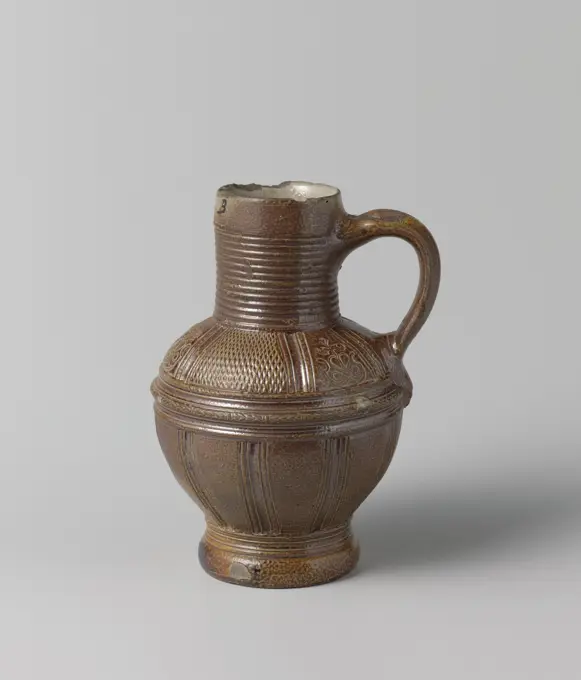
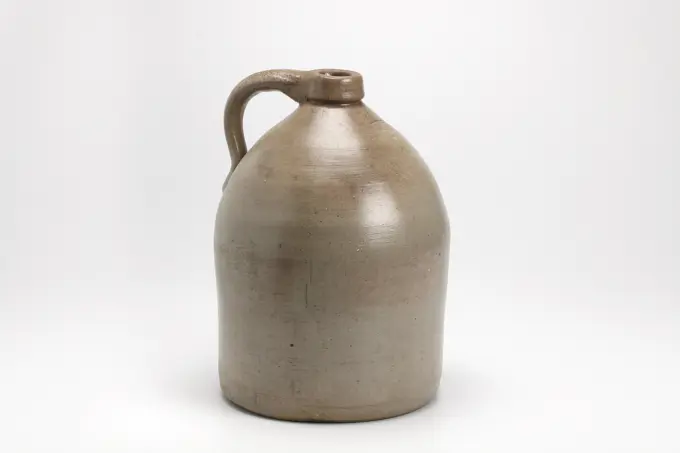
Jug with a panel decoration, anonymous, c. 1550 - c. 1599 Jug of stoneware on a high base with a spherical body and wide neck. The C-shaped ear is attached to the ribbed neck and the shoulder. Covered with a brown Engobe. The belly is divided into entered courses, separated by a horizontal profile. On the shoulder the courses are filled with notch cut or stamped curl. Raeren. Rae stoneware. glaze. engobe vitrification Jug of stoneware on a high base with a spherical body and wide neck. The C-shaped ear is attached to the ribbed neck and the shoulder. Covered with a brown Engobe. The belly is divided into entered courses, separated by a horizontal profile. On the shoulder the courses are filled with notch cut or stamped curl. Raeren. Rae stoneware. glaze. engobe vitrification
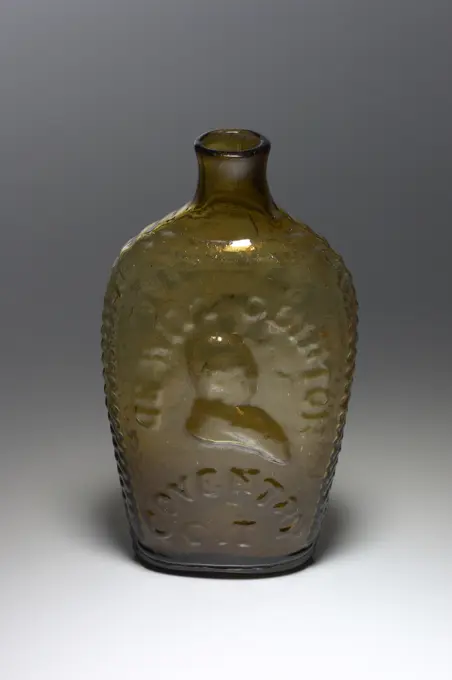
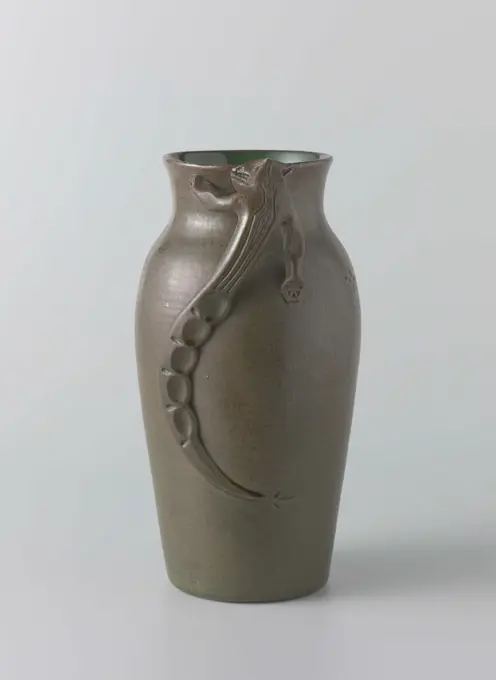
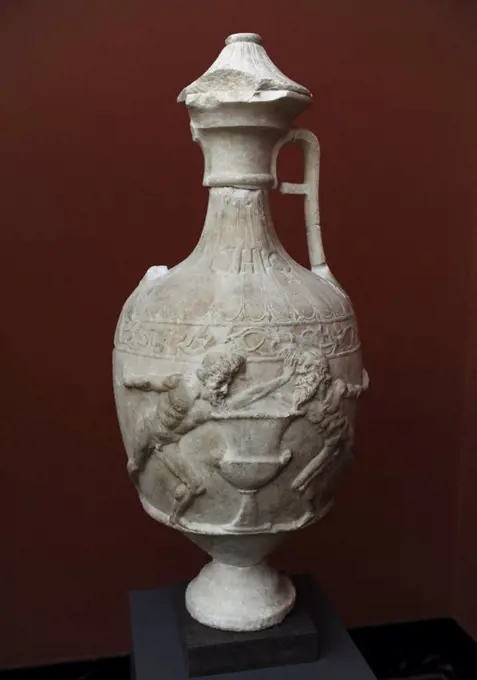
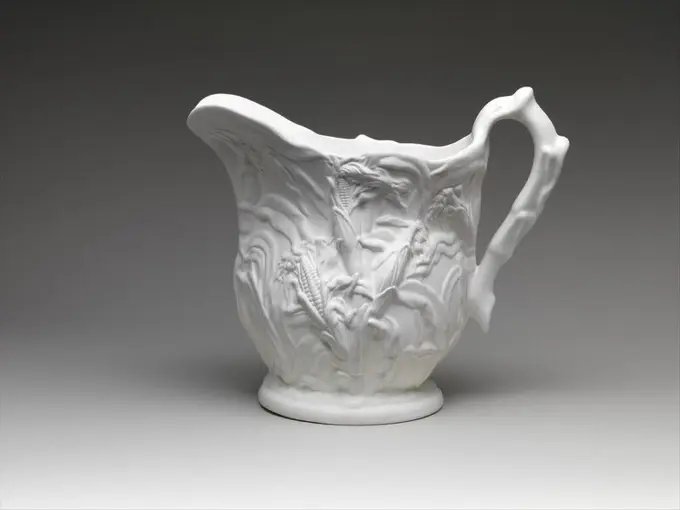
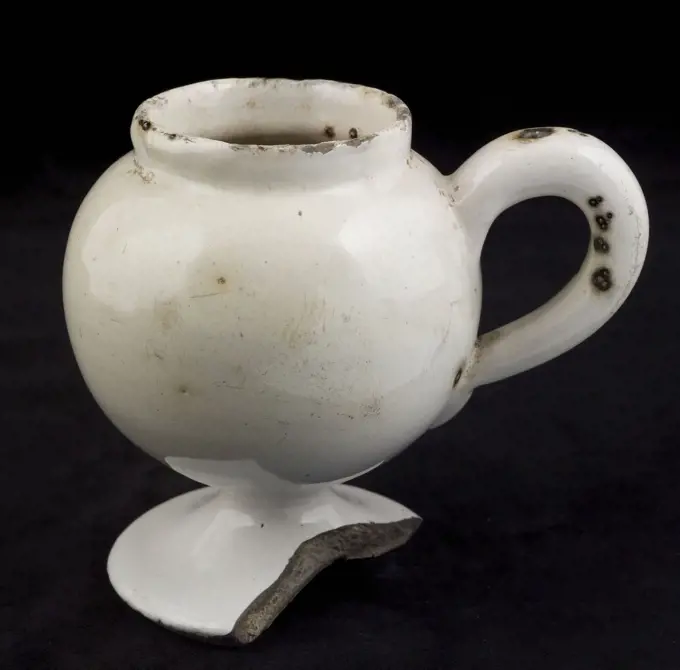
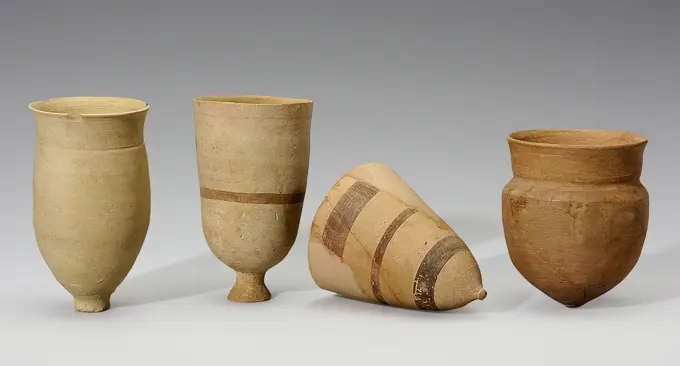
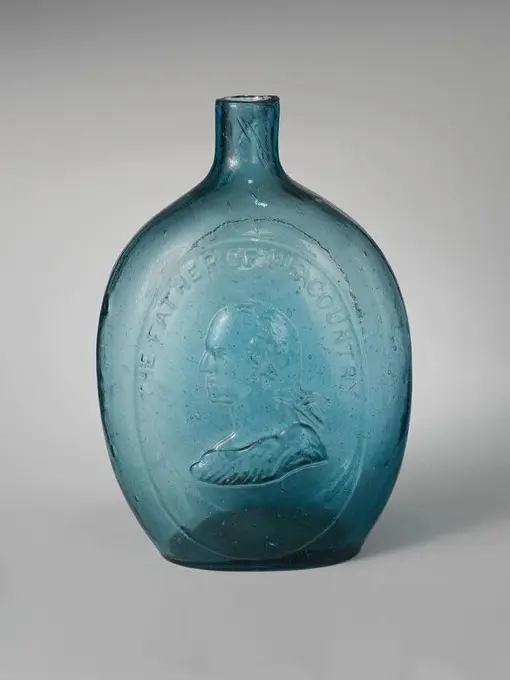
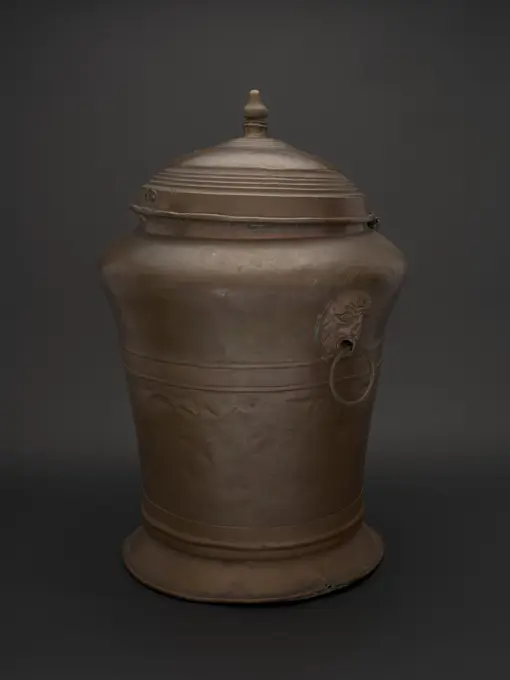
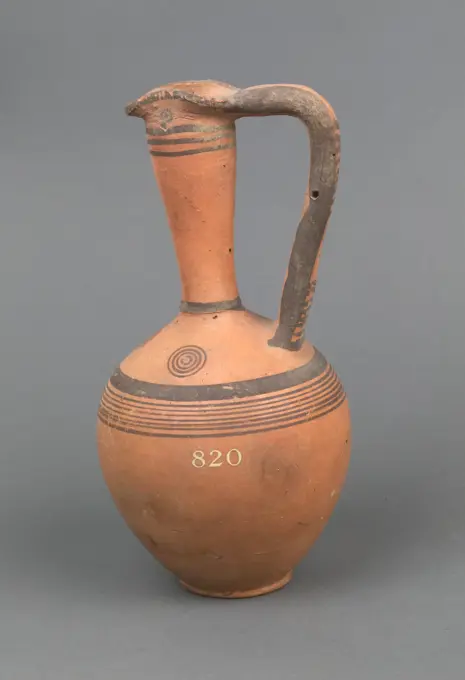
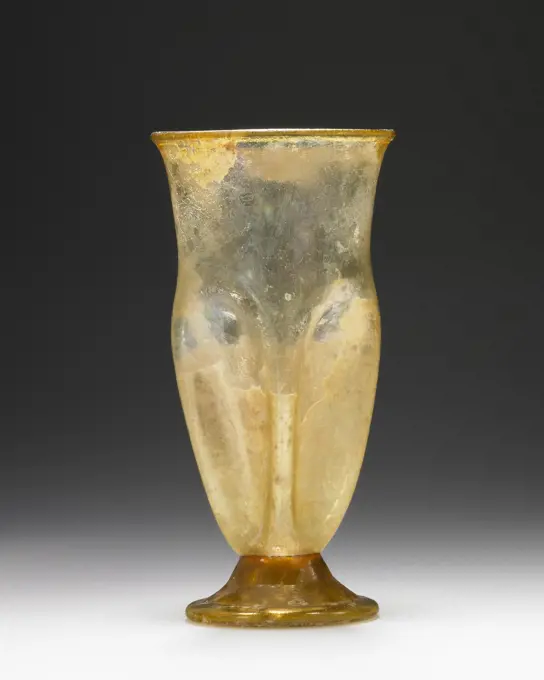
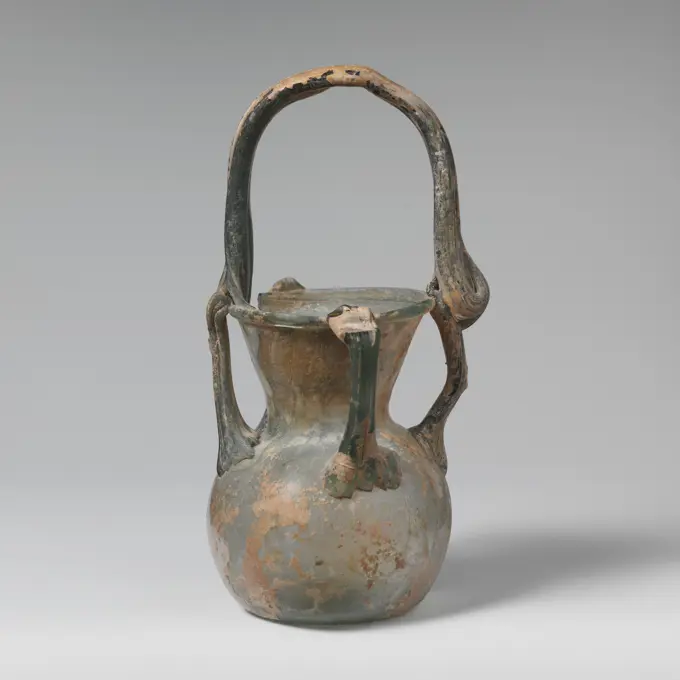
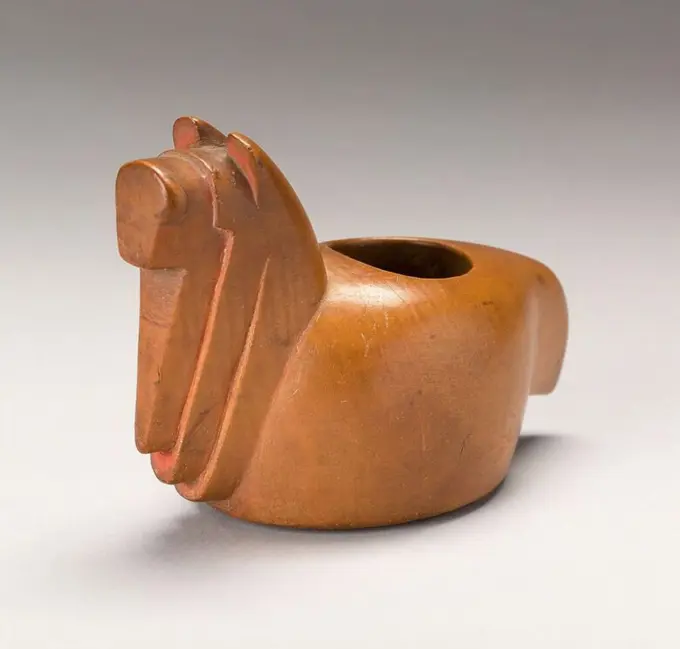
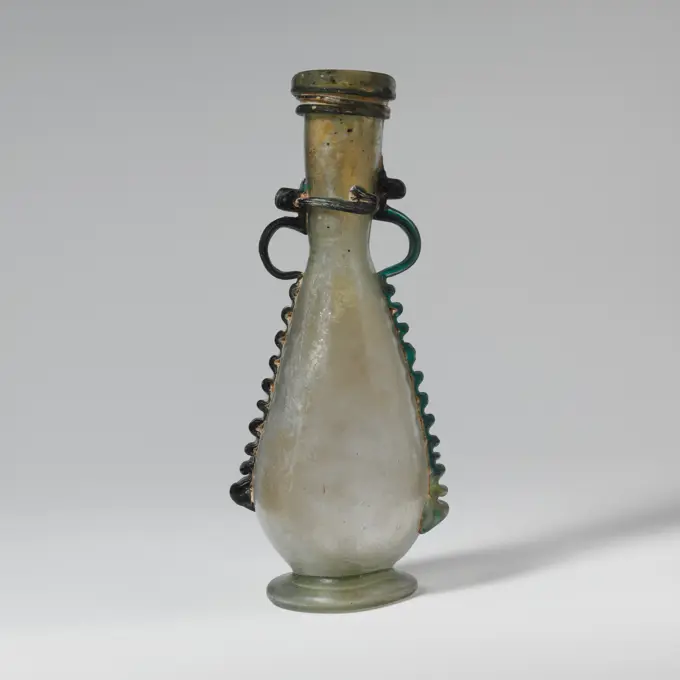
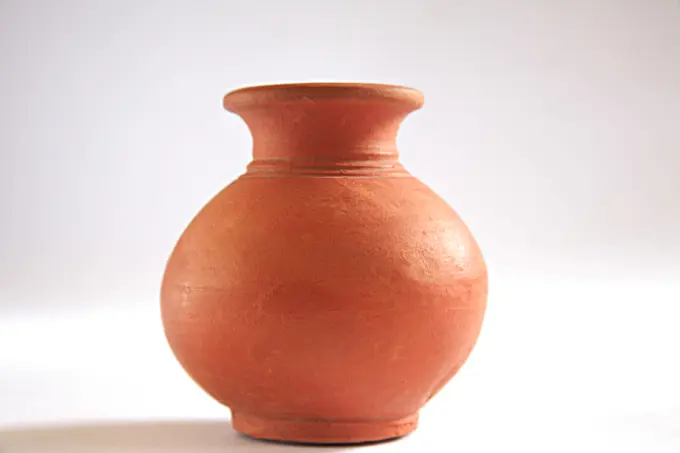
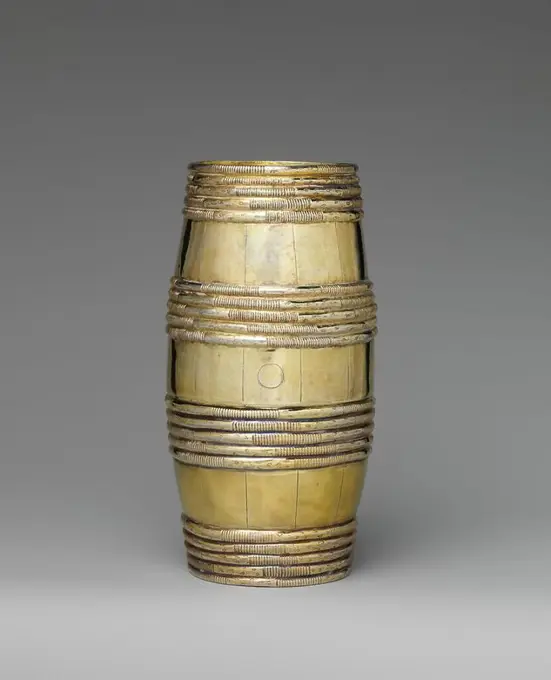
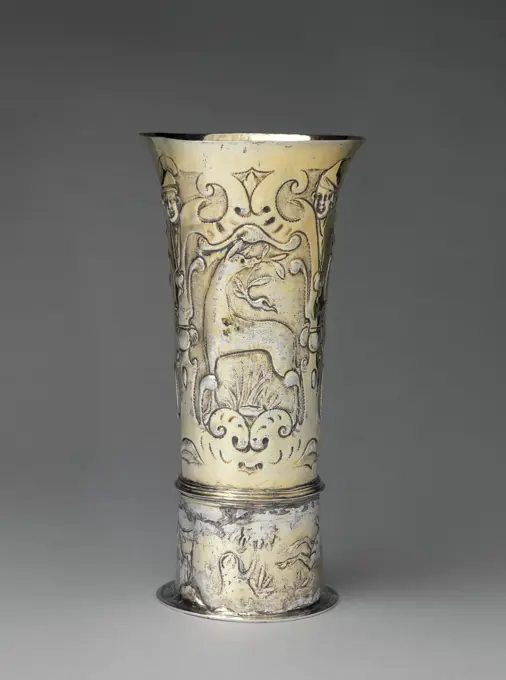
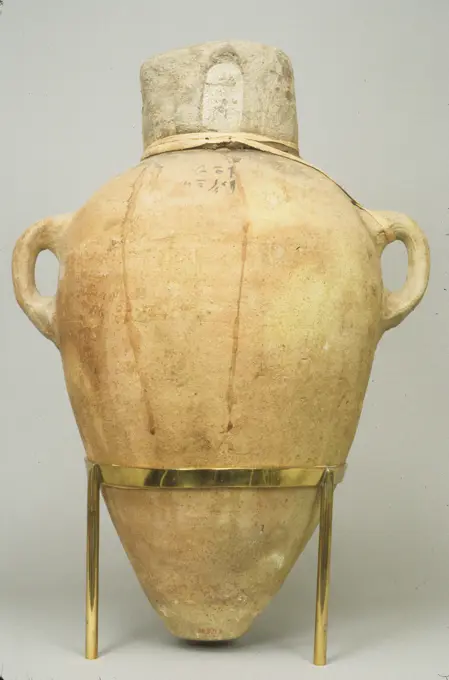
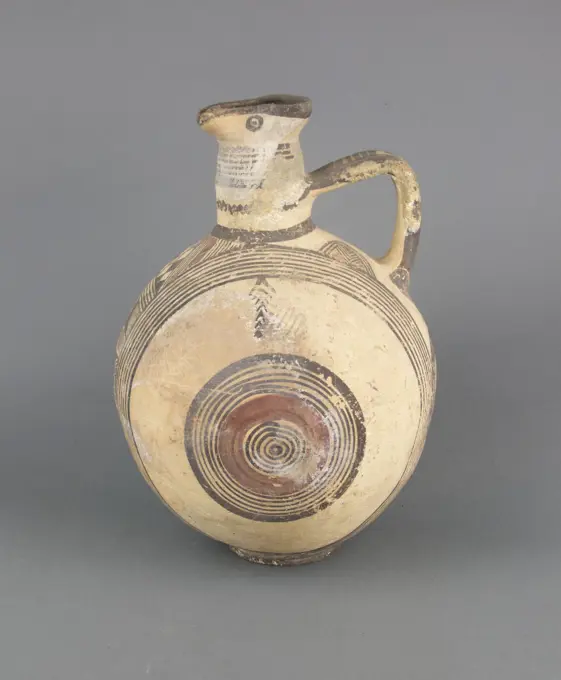
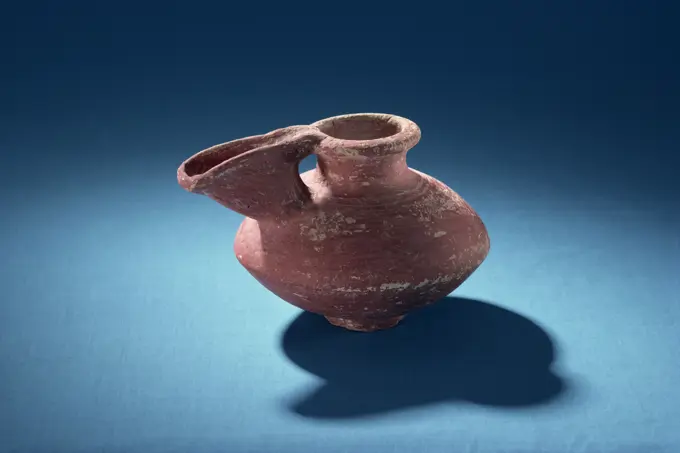
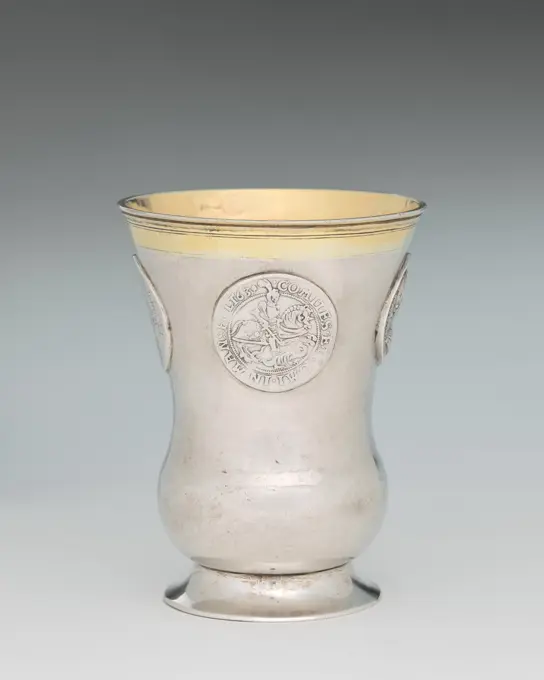
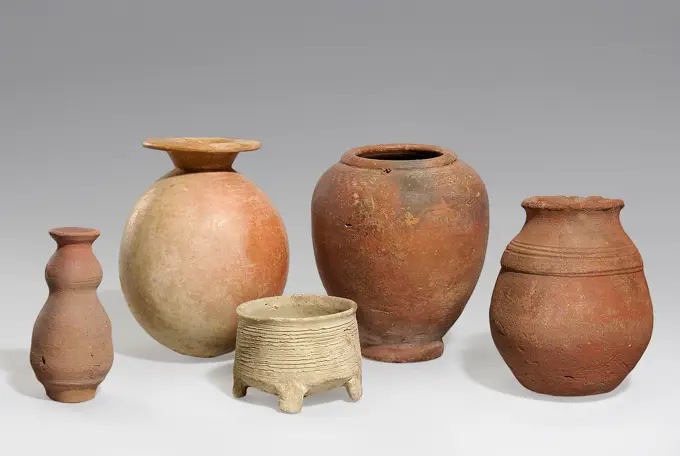
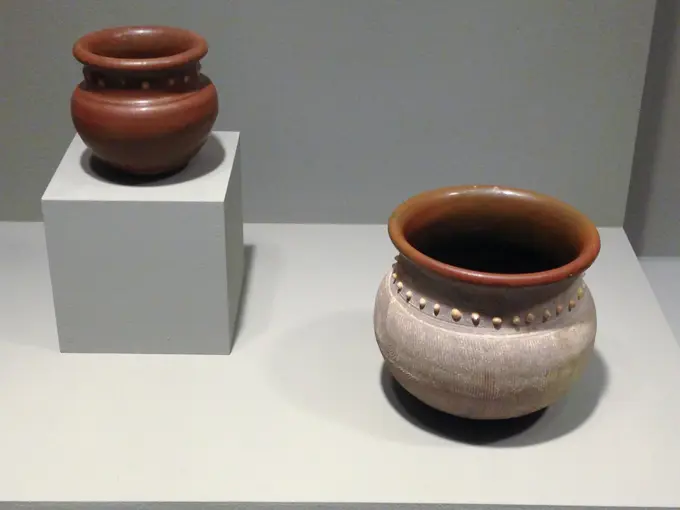
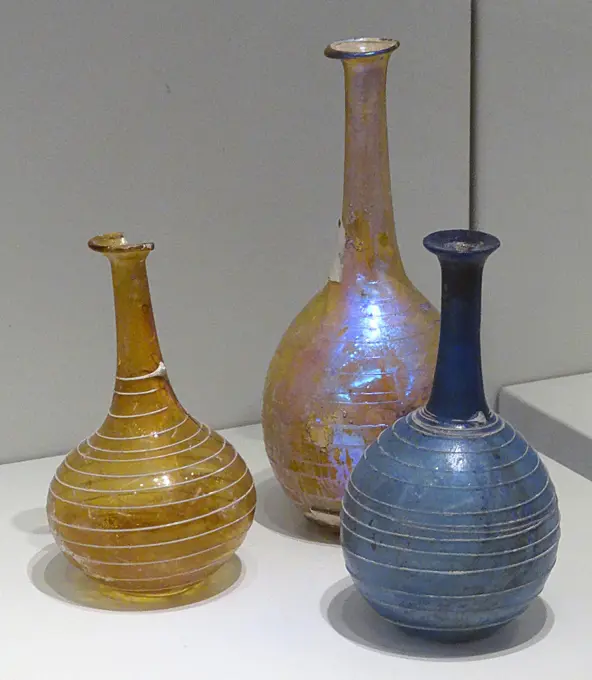
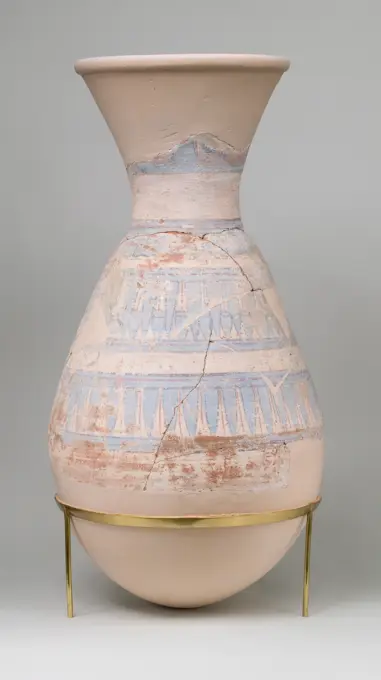
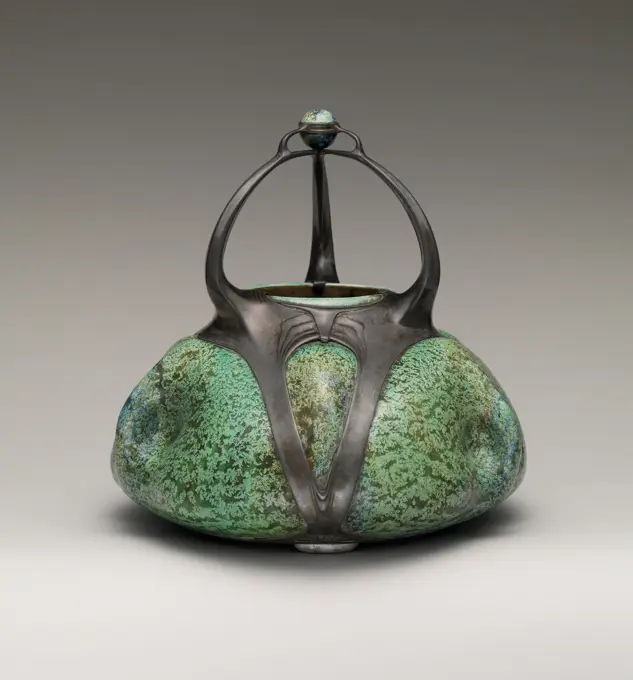
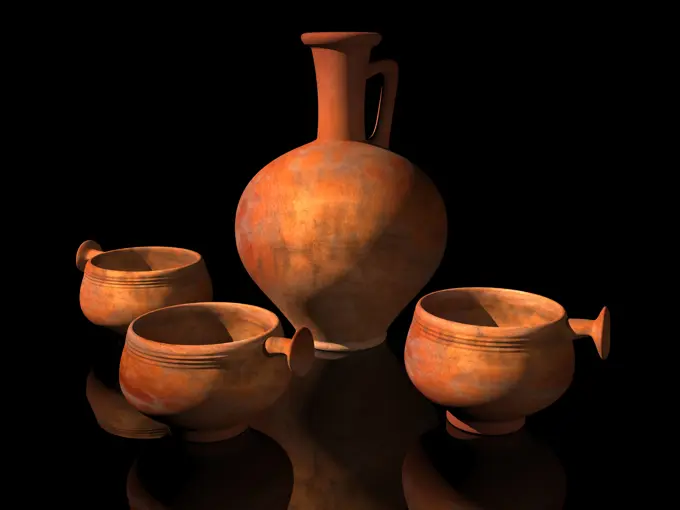
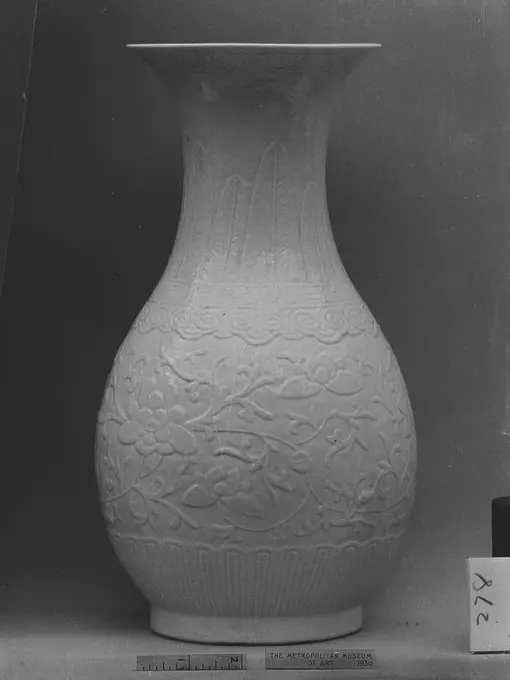
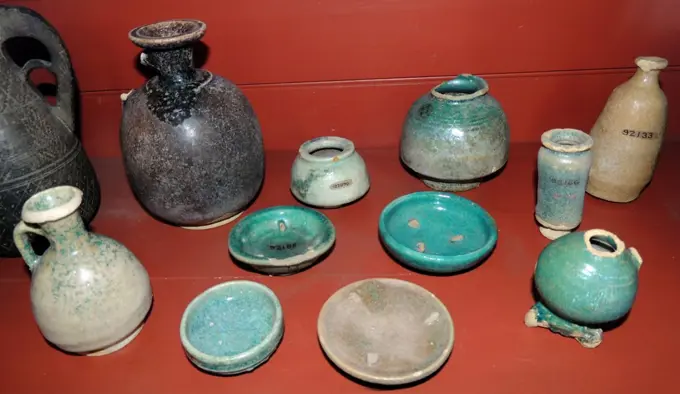
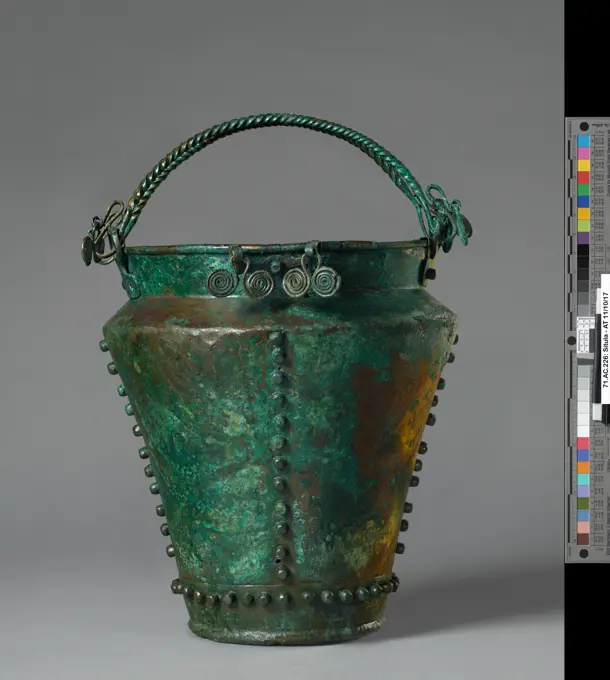
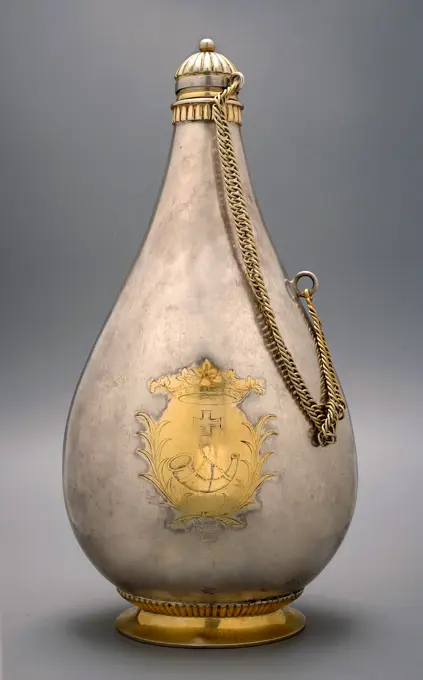
Jug with round base and round spout, Incised Red Polished Ware, Early Bronze Age, 2000 BC. from CyprusLafayette and ClintonFlask.  Maker: Coventry Glass Works, American, 1813-1850 Subject: Gilbert du Motier, Marquis de Lafayette, French, 1757-1834Global bottle;  2. PO. V-VI century (451-00-00-600-00-00);Vessel. Culture: Coptic. Dimensions: Overall: 1 9/16 x 2 15/16 x 2 9/16 in. (3.9 x 7.5 x 6.5 cm). Date: 4th-7th century. Museum: Metropolitan Museum of Art, New York, USA.. Vase with ear in the shape of a salamander, made of earthenware, decorated with green glaze. The inside is dark green glazed. Four-leaf motifs are recorded on the wall.Flask. UnknownMarble Vase. 1st century B.C. Decorated with a relief shows two satyrs fighting over a large wine container by pushing each other away. Tha inscription CHIO means that Chio gave the vase. From Sanctuary of Diana at Nemi. Carlsberg Glyptotek Museum. Copenhagen. Denmark.BOTIJA DE SEGAR "BOTILLA DE SEGAR" VIDRIADA - S XX ARTE POPULAR. Location: ALFARERIA. SPAIN.Snuff Bottle, 1900-1935, 4 x 1 1/4in. (10.2 x 3.2cm), Horn, glass, China, Qing dynastyCorn pitcher. Culture: American. Dimensions: 10 1/8 × 3 5/8 in. (25.7 × 9.2 cm). Manufacturer: Southern Porcelain Company. Date: 1855-60. Museum: Metropolitan Museum of Art, New York, USA.Pottery mustard pot with ear, on base, white glazed, mustard pot pot holder soil find ceramics pottery glaze tin glaze, shaped baked glazed baked Pottery mustard pot. Ball-shaped shape on stand foot Short upright vertical top edge Smaller vertical sausage hole at the top of hole for the attachment of metal lid. Completely white glazed light discolored by staying in the soil. Delftware archeology indigenous pottery table mustard condiment food serve servecup, Visigoth - early medieval, Valladolid Museum , Castile and Leon, Spain.Wellhead with Dragon Heads. China. Date: 25 AD-220 AD. Dimensions: 27.8 × 21.6 cm; diam. 17.5 cm. Earthenware with green lead glaze. Origin: China. Museum: The Chicago Art Institute, Chicago, USA.Bottle. Dated: c. 1939. Dimensions: overall: 22.6 x 16 cm (8 7/8 x 6 5/16 in.). Medium: watercolor, colored pencil, and graphite on paper. Museum: National Gallery of Art, Washington DC. Author: Alfred Parys.Three Fire Pots. Fire or Stink pots of pottery with three ears.Cup; Unknown, unknown Magnijski workshop, unknown workshop Rediumasrian, unknown New Sasyr workshop; 1. PO. 2 thousand BC (-2000-00-00--1501-00-00), XV-XIV century BC ; Madyanian period (-1500-00-00--1301-00-00), XIV-XIII century BC ; Dennutasrian period (-1400-00-00--1201-00-00), IX-VII century BC ; New Easyrian period (-900-00-00--601-00-00);Kalah, Northern Mesopotamia, Mitannia, Zofia Chrapkiewicz-Gutkowska, Ceramics of Manny, palace ceramics, cups, cups on the legFlask. Culture: American. Dimensions: H. 8 1/4 in. (21 cm). Maker: Dyottville Glass Works (1833-1923). Date: 1840-60. Museum: Metropolitan Museum of Art, New York, USA.JARRA CON DOS ASAS- CERAMICA PARA AGUA. Location: ALFARERIA. ALBOX. Almería. SPAIN.Can of red -baking earthenware, on the inner and partly the outside with glaze, with damaged edge, foot and ear, anonymous, 1500 - 1799   earthenware. glaze   earthenware. glazejarrito visigotico, bronce, Siglo VII, cueva de Iturrieta, Mañaria, Arkeologi Museoa, museo aqueologico, Bilbao, Bizkaia, Pais Vasco, Spain.Jar with handles ca. 1550-1295 B.C. New Kingdom. Jar with handles 553605Lazio Viterbo Viterbo Museo Civico04. Hutzel, Max 1960-1990 Views of paintings (Middle Ages through 18th c.), frescoes, a tabernacle, coffin, sculpture reliefs, portal fragments, busts, sculpture, tapestry found in the Pinacoteca, Second floor gallery and Second floor cloister sequences. Antiquities: Many views of Etruscan and Roman fragments, sculpture, sarcophagi, pottery, masks, jewelry and other objects found in the Storeroom sequence (inventory numbers on back of prints), and the Cloister, Second floor Cloister, Valle Giulia, Sala Romana and Sala Etrusca sequences. General Notes: There are eight separate numerical sequences for this location. The cloister as an architectural structure, rather than museum site, is documented in the record and file for S. Maria della Verita, Cloister, all views of which are stored in Medieval core collection. Five views from the Museo Civico Second floor cloister sequence are stored in Medieval. German-born photographer and scholar Max Hutzel (1911-Waza from the cover; Radziwi , Micha Piotr (1853-1903); k.xixw. (1880-00-00-1880-00-00);Snuff Bottle with the Artist Mi Fu Bowing to a Rock late 18th-early 19th century China. Snuff Bottle with the Artist Mi Fu Bowing to a Rock 41122Oinochoe 850-750 B.C. Cypriot Long neck, globular body, and circles.. Oinochoe. Cypriot. 850-750 B.C.. Terracotta. Cypro-Geometric III. VasesBeaker; Roman Empire; 4th century; Glass; 11.8 x 6 cm (4 5,8 x 2 3,8 in.)Glass jar with basket handle ca. 5th century A.D. Roman, Syrian Translucent blue green; handles in same color.Everted rim, folded over and in, and pressed into side of neck; funnel-shaped neck; squat, globular body; broad kick in bottom with large pontil mark; four rod handles applied in large claw pads to upper body; two drawn up and outwards, then turned in at angle, and trailed onto edge of rim; the other two handles drawn up more vertically to edge of rim, and another handle applied over one of these handles and inside of rim, drawn up in a large loop, and trailed off over the other handle on the opposite side of vessel.Broken, with several large cracks and one large hole in rim and neck; bubbles and blowing striations, with some black, streaky impurities in handles; dulling, slight pitting, creamy weathering, and iridescence.. Glass jar with basket handle 256751CANTARO DE BARRO ROJO DE UN ASA CON CUELLO ALTO Y ANCHO. Location: ALFARERIA. Aranda de Duero. BURGOS. SPAIN.Offering Vessel in the Form of a Llama. Inca; Probably central coast, Peru. Date: 1450-1532. Dimensions: 8.3 x 11.8 cm (3 1/4 x 4 5/8 in.). Wood with Pigment. Origin: Peruvian Central Coast. Museum: The Chicago Art Institute, Chicago, USA.Vase (Meiping) with Peach, Pomegranate, Peapod, and Lychee. China. Date: 1403-1424. Dimensions: H. 29.3 cm (11 9/16 in.); diam. 17.8 cm (7 in.). Porcelain with underglaze incised decoration. Origin: China. Museum: The Chicago Art Institute, Chicago, USA.Glass bottle 4th-5th century A.D. Roman, Syrian Translucent blue green; handles and trails in translucent deep turquoise blue, streaked with dark red.Thick rim folded over and in; cylindrical neck, tapering downwards and tooled in at base; elongated, slender piriform body; large tubular base ring made by folding; almost flat bottom with central pontil scar; two rod handles applied as long trails on sides of body, drawn up to just below junction with neck, then drawn out, up, and in as loops, pressed onto lower part of neck over trail and trailed off above.The handle trails are decorated with numerous, irregular, tooled notches; a trail applied under rim and wound around three times; another trail wound horizontally 1½ times around lower part of neck.Intact; some bubbles, black impurities, and blowing striations; slight weathering and iridescence on exterior, creamy white weathering and iridescence on interior.. Glass bottle 256706Pale Green Pitcher with blue trail and handle. UnknownConcept, ghada clay or earthen pot crock pail pitcher on white background India Copyright: xNirmalaxMishra/DinodiaxPhotoxDouble beaker. Culture: German, Nuremberg. Dimensions: Overall (confirmed): 8 1/8 × 4 3/16 × 4 3/16 in., 15.184oz. (20.6 × 10.6 × 10.6 cm, 430.508g). Maker: Peter Wiber (master 1603, freeman 1605, sworn 1623-27, died 1641). Date: 1609-29.The barrel-shaped beaker was in use since sixteenth century, at a time when precious silver vessels of various shapes imitating everyday objects of utilitarian nature were very fashionable-especially in German-speaking cultural centers. They detach in the middle to be used as separate vessels. Museum: Metropolitan Museum of Art, New York, USA.Footed beaker mid-17th century Franciscus Rether Trumpet-shaped beakers with high hollow bases were one of Salgos great passions, and the Metropolitan Museum of Art selected several examples from his collection to document their variety of sizes, artistic quality, and type of decoration. Hunting scenes and a lion, elk, and rampant horse are all powerfully depicted on this piece. The applied, molded ring marks the actual bottom of the liquid-containing part of this piece.LiteratureTihamér Gyárfás. A brassai ötvösség története. Brassó, 1912, p. 108, no. 183.European and English Silver. Sale cat., Sothebys, London, July 11-12, 1985, n.p., no. 80.Judit H. Kolba. Hungarian Silver: The Nicolas M. Salgo Collection. London, 1996, p. 50, no. 28.ReferencesA beaker with a similar foot was sold at auction by Dr. Fischer Kunstauktionen in Heilbronn.Elemér Kőszeghy. Magyarországi ötvösjegyek a középkortól 1867-ig / Merkzeichen der Goldschmiede Ungarns vom Mittelalter bis 1867. Budapest, 1936, no. Incense burner with cover China. Incense burner with cover 43969Sealed Amphora Containing Oil ca. 1492-1473 B.C. New Kingdom This amphora has an inscription in hieratic dated to year 7 of the joint reign of Hatshepsut and Thutmose III. The inscription indicates that the jar contains two measures of setwy oil. The mud stopper, which completely covers the neck and mouth of the jar, was stamped with the seal of "Hatshepsut, God's Wife of Every Land." As a further security measure, a narrow strip of linen cloth has been passed through one handle, wound around the stopper, and the tied ends have been covered mud that was then stamped with a rectangular seal.. Sealed Amphora Containing Oil. ca. 1492-1473 B.C.. Unfired clay, mud, linen. New Kingdom. From Egypt, Upper Egypt, Thebes, Sheikh Abd el-Qurna, Tomb of Hatnefer and Ramose (below TT 71), MMA excavations, 1935-36. Dynasty 18, earlyJug 750-600 B.C. Cypriot Elaborate geometric ornament.. Jug. Cypriot. 750-600 B.C.. Terracotta. Cypro-Archaic I. VasesJARRA PARA AGUA-ORDINARIA-BARRO BLANCO SIN VIDRIAR-ARTE POPULAR S XX. Location: ALFARERIA. Vera. Almería. SPAIN.AlabastronDilmun drinking cup dating from between 1000 and 330 BC, New National Museum, Manama, Bahrain, Middle EastMesopotamian antiquities, Louvre Museum, Paris, France, EuropeMug with coins; Hardwald, Salomon (Fl. CA 1700-Ca 1750); after. 18th century (1750-00-00-1750-00-00);Pottery ointment jar, white shard, glazed entirely yellow, ointment jar pot holder soil find ceramic earthenware glaze lead glaze, hand turned glazed baked Pottery white ointment jar whole yellow glazed on stand with light soul. Cylindrical model with narrowing above the foot archeology health care native pottery pharmacy store sell craft paintA vessel with a wavy profile, a vessel - imitation alabaster, a vessel on four legs, a dish;  around 1985-m 1650 BC ; Pahu, 12-13 dynasty (0-00-00-0-00-00), around 1985-m 1650 BC ; Pahu, 12-13 dynasty (-1990-00-00--1650-00-00);Deposit of the University of Warsaw from 1937-1939, scenes.gal.eg., Egyptian ceramics, imprinted decorations, Polish-French excavations in Edfu (Egypt)CANTARO CON UNA SOLA ASA - CERAMICA PARA AGUA SIN VIDRIAR - SIGLO XX. Location: ALFARERIA. FUENTES DE EBRO. Saragossa Zaragoza. SPAIN.Jar after brewing. 1934, Middle East, Israel and/or PalestineSilenus Jug; Manufactured by Minton and Company (United Kingdom); England; glazed stoneware; Overall: 22.9 x 21 x 14 cm (9 x 8 1/4 x 5 1/2 in.)Jar with a spout ca. 3500-3100 B.C.. Jar with a spout 327538Mug c 1790-1840 New England. Redware . Artist unknownJar, 12th-13th century, 3 1/8 x 3 5/16 in. (7.9 x 8.41 cm), Kan-chou ware Stoneware with combed and appliqué decoration and brown glaze, China, 12th-13th century, Distinctly formed jars, consisting of footless globular containers with short, vertical necks decorated with bosses and a thick, rolled-lip rim are associated with the Qili kilns at Kanzhou in Jiangxi province. While these unique jars vary in their size, their use of 'willow-basket' marking, and glazed versus unglazed exteriors all have brown-glazed interiors. Because they range in size from small to large, these jars are often called 'rice measures' in English, but their exact function remains unknown. Basket-weave designs were evident by the eleventh century in both porcelain and stoneware. The best known willow-basket jars, however, are the brown-glazed variety like this datable to the late Song and Yuan dynasties (13th-14th century).Bottle 10th-11th century. Bottle 449766Vessel, 9th-12th century, 10 3/4 x 12 1/4 in. (27.31 x 31.12 cm), Ceramic, 9th-12th centuryJAN 12, 2019 Udon Thani, Thailand - Ancient pottery and prehistory ceramic ware exhibits at Ban Chiang MuseumSelection of glass objects including cups, bowls, bottles, ink wells and lidded containers. Eastern Mediterranean, from the 1st-2nd century.Hexagonal Jug with Handles 6th-mid-7th century Byzantine The designs on this jug are upside down, errors that likely resulted from mass production.These vessels were made for Jews and Christians, possibly as tokens for pilgrims visiting the holy sites in Jerusalem or for use in burial rites. They appear to have been mass-produced in a single workshop, since the vessels for the two religions closely resemble each other in shape and style and differ only in the symbols decorating them. The Jewish vessels depict the menorah (candelabrum), shofar (ram's horn), incense shovel, and lulav (palm branch). The Christian vessels are decorated with several types of crosses. The relief designs were produced by blowing molten glass into a mold.. Hexagonal Jug with Handles 469065ACEITERA - S XX ARTE POPULAR. Location: ALFARERIA. LA BISBAL. GERONA. SPAIN.Blue-Painted Jar from Malqata ca. 1390-1353 B.C. New Kingdom. Blue-Painted Jar from Malqata 551209Model No. 992 ca. 1903 Walter Scherf German Friedrich August Scherf and his son Walter founded the Metallwarenfabrik für Kleinkunst Walter Scherf & Co. in 1899. The manufacturer worked with noted designers, including Josef Hoffmann. Walter Scherf, who trained at the Nürnberger Handwerkkunst, Bayerisches Gewerbemuseum between 1903 and 1907, also designed for the company. With its delicately curved metalwork and mottled green stoneware, the centerpiece demonstrates the younger Scherfs engagement with innovative Art Nouveau designs.. Model No. 992 495466Dzban. warsztat wschodni, workshopJug -Ancient Roman Pottery Illustration of ancient Roman dippers or drinking cups with a wine jug Copyright: xZoonar.com/PaulxFleetx 3961457Cup for ritual washing (quart)Vase. Culture: China. Dimensions: H. 12 in. (30.5 cm); Diam. 6 1/4 in. (15.9 cm). Museum: Metropolitan Museum of Art, New York, USA.Ewer probably 18th-19th century. Ewer 444759CUERVERA-BARREÑO CON JARRILLOS PARA LA SANGRIA-VIDRIADA - CERAMICA POPULAR. Location: ALFARERIA. LA RODA. SPAIN.pottery artefacts glazed and unglazed from Iran and Iraq (Assyria) circa 600 BC - 600 ADURNA CINERARIA (VIDRIO ROMANO). Location: MUSEO DE CADIZ-ARQUEOLOGIA. Cadiz. SPAIN.pottery artefacts glazed and unglazed from Iran and Iraq (Assyria) circa 600 BC - 600 ADFragment of a Situla. UnknownFragment of a Situla. Unknowna pear-shaped bottle used to sprinkle libations at funerary ceremonies. Dated 350 BCCeremonial Blade, 5 x 6 in. (12.7 x 15.24 cm), Copper, MexicoBottle with the Suchekomnaty coat of arms:. Dietrich, Michael (fl. 1703-1748), goldsmithBlack-toppedJarBronze Vase, The Summer Palace, Beijing, ChinaShowcase with objects of ceramics; Halls of crafts July 1962..