Antique Weapons Collection

A diverse assortment of historical weapons and tools, including daggers and belt hooks, highlighting craftsmanship from different cultures and eras.
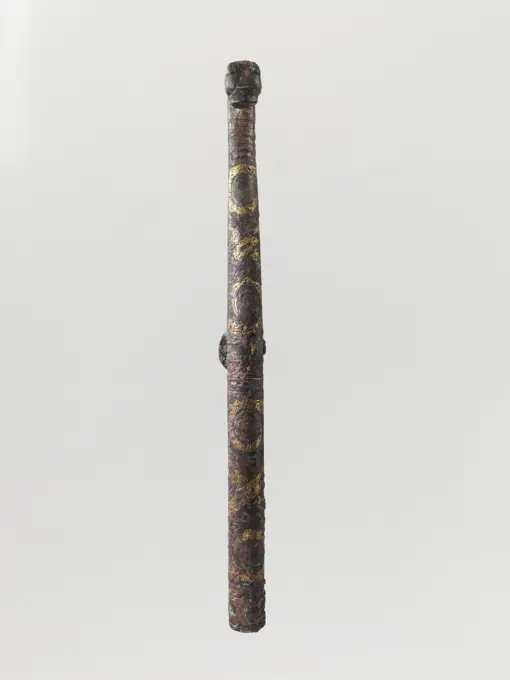
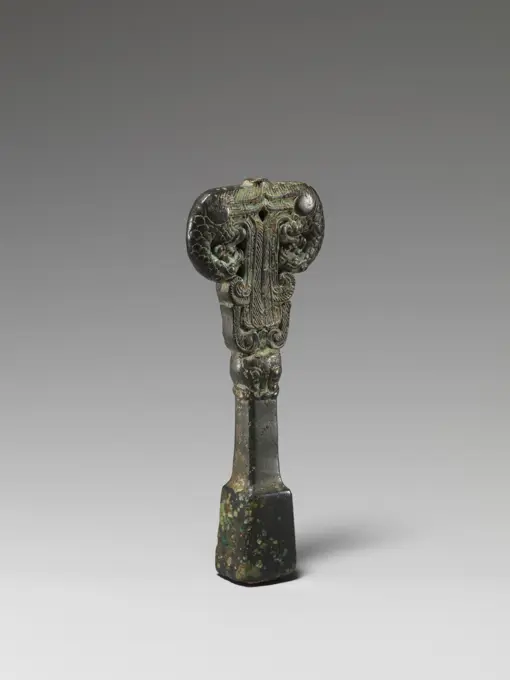
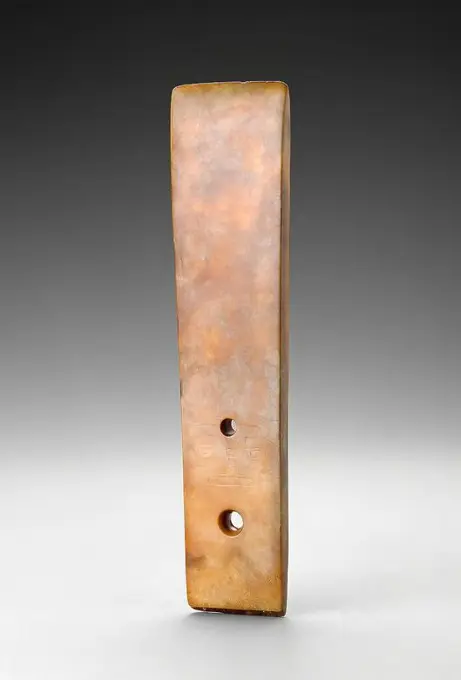
Belt hook 4th-3rd century B.C. China. Belt hook 61352
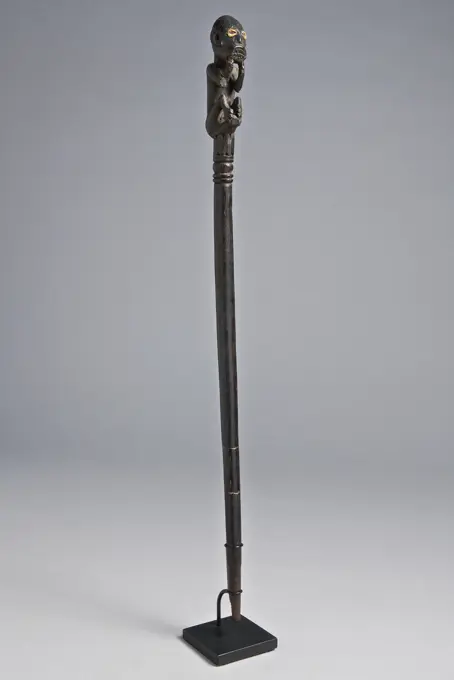
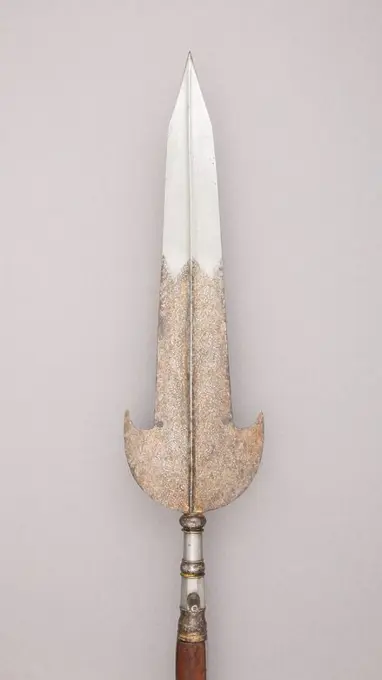
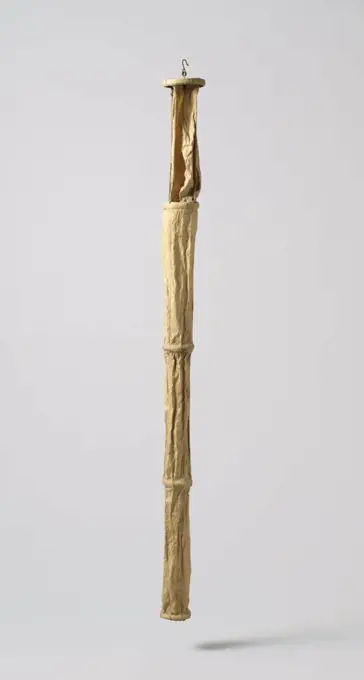
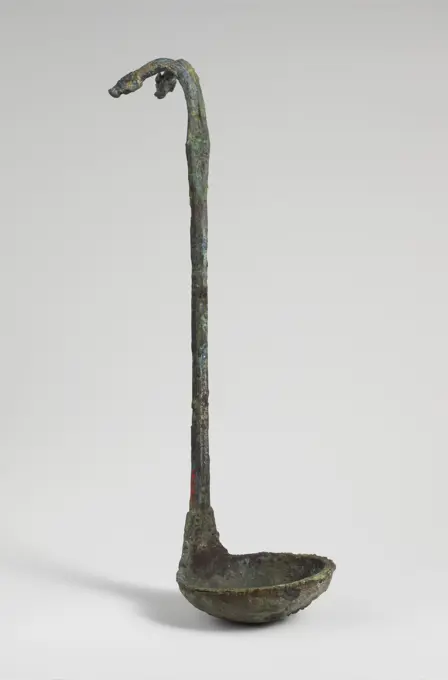
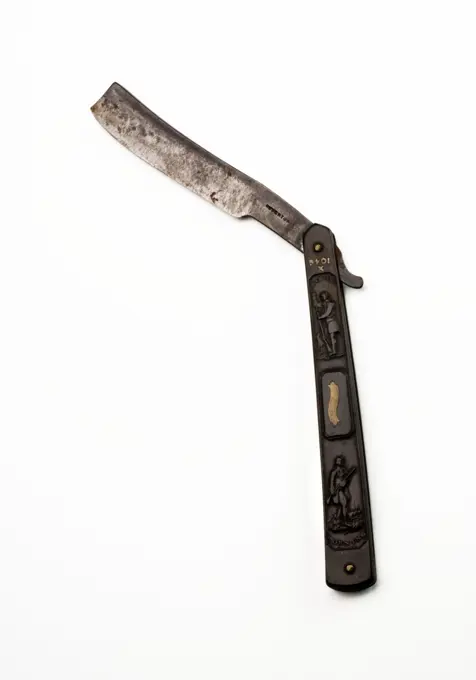
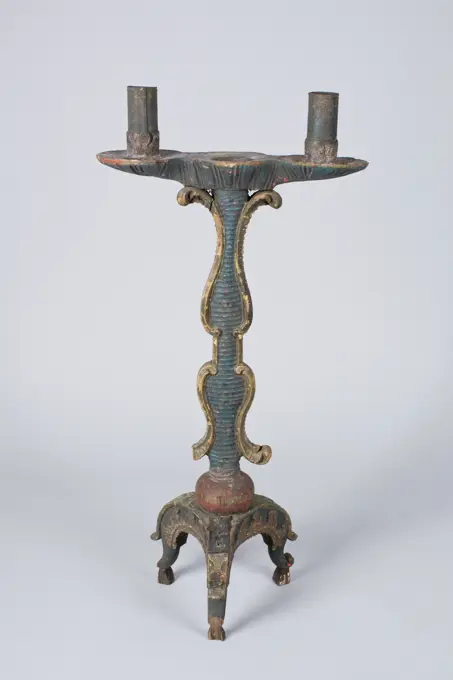
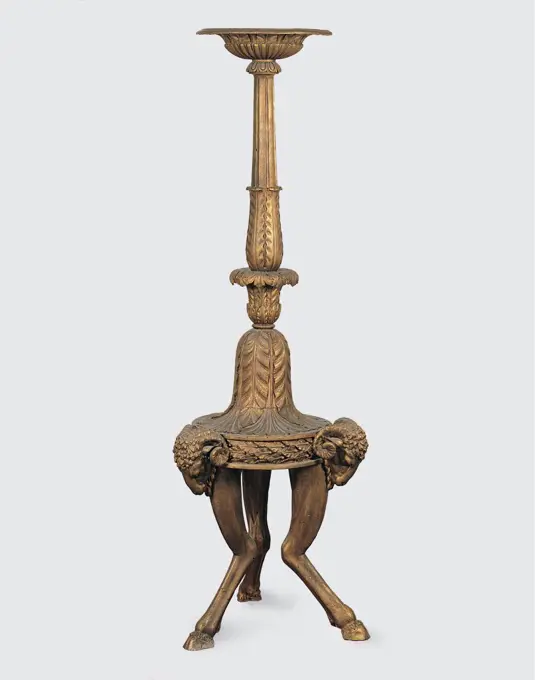
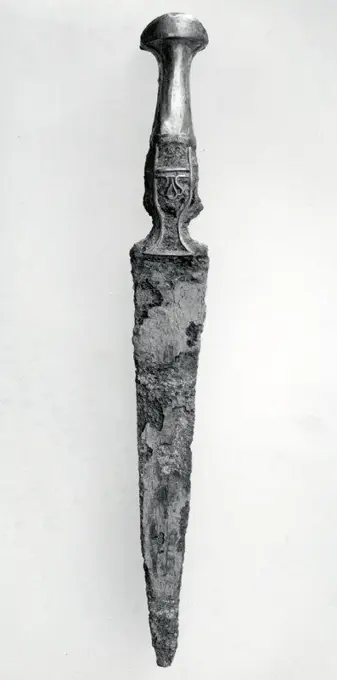
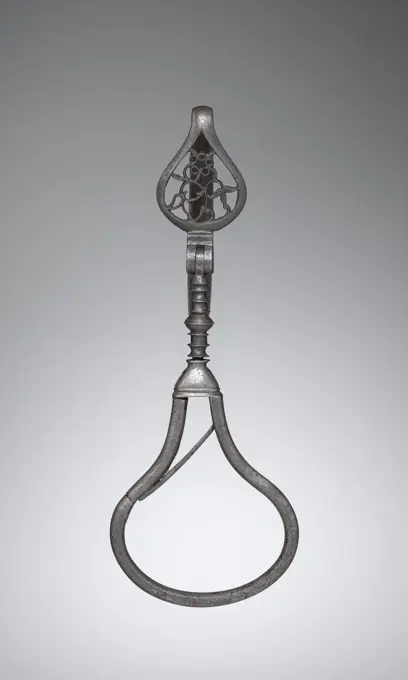
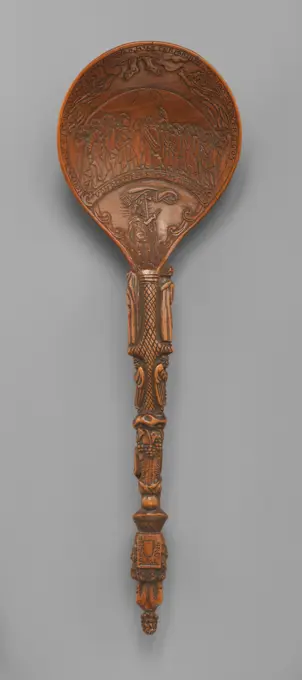
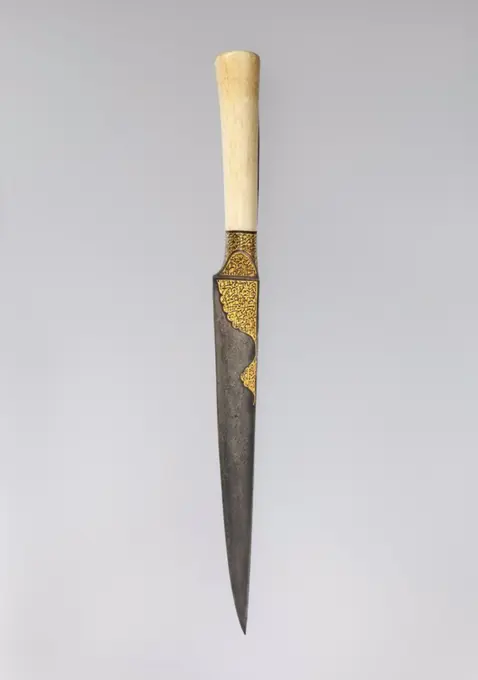
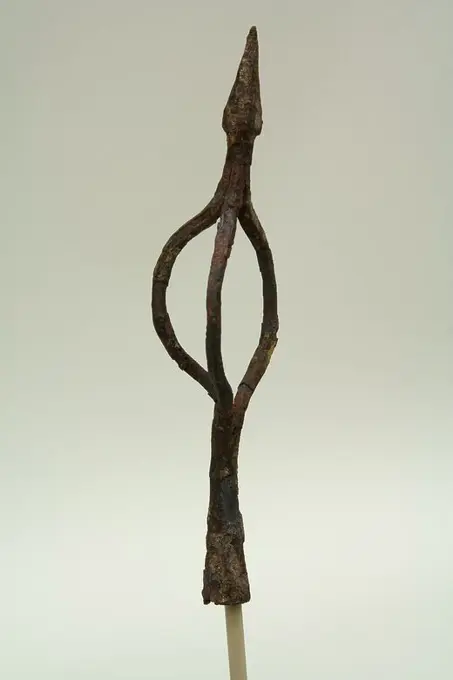
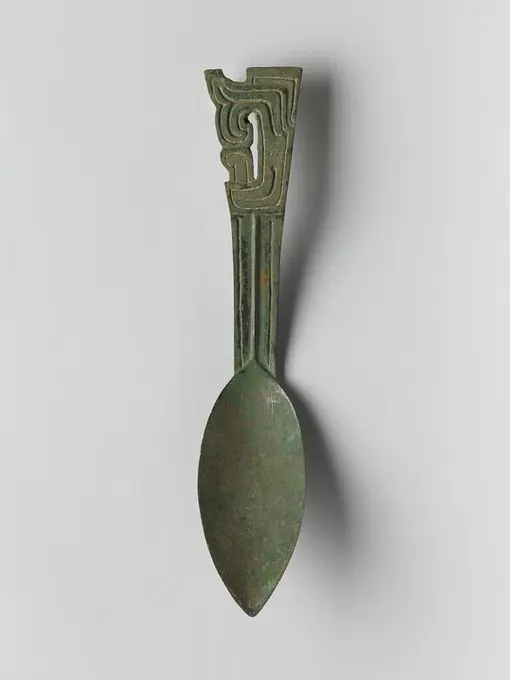
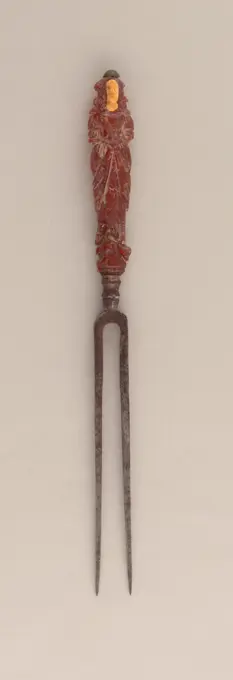
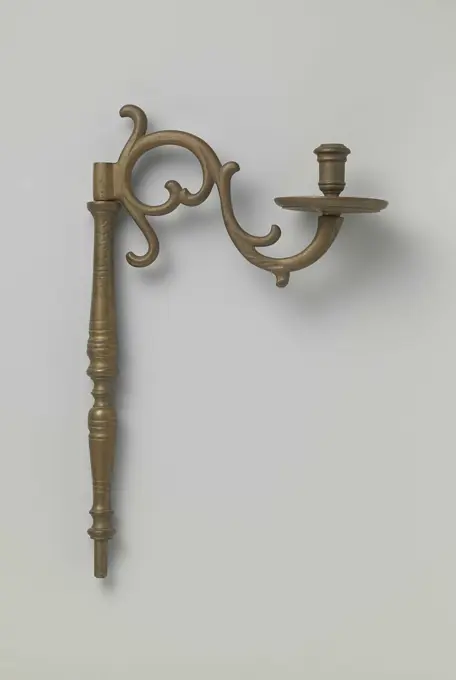
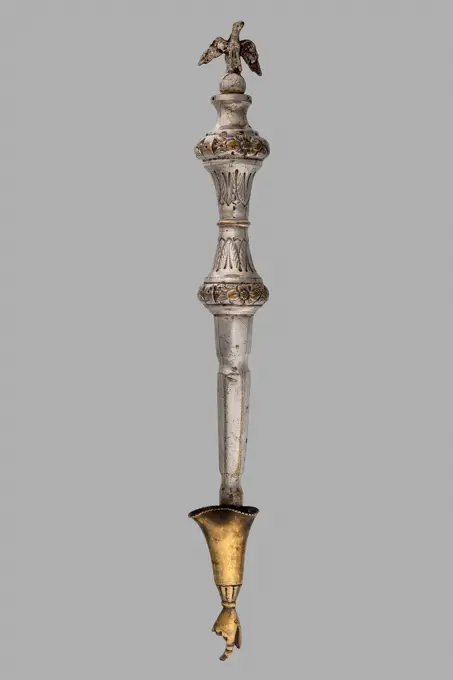
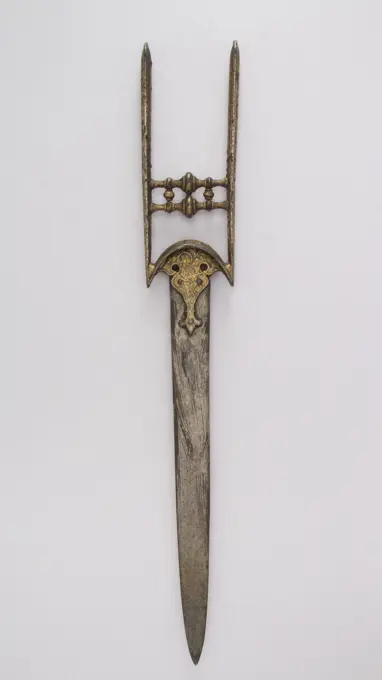
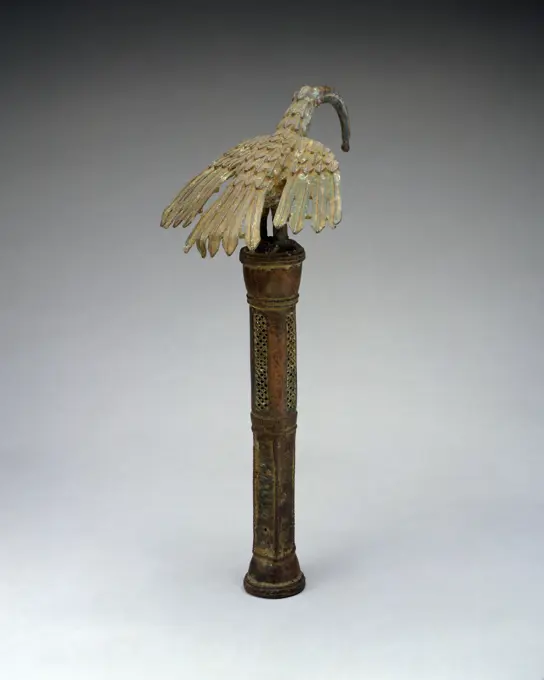
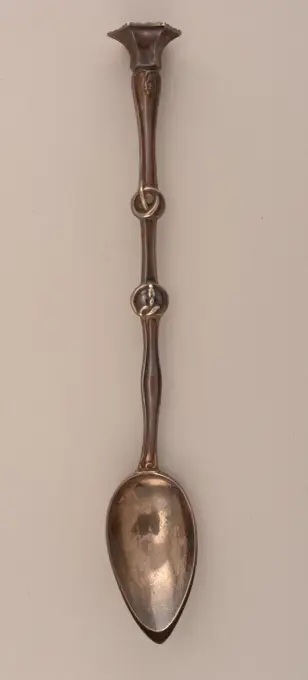
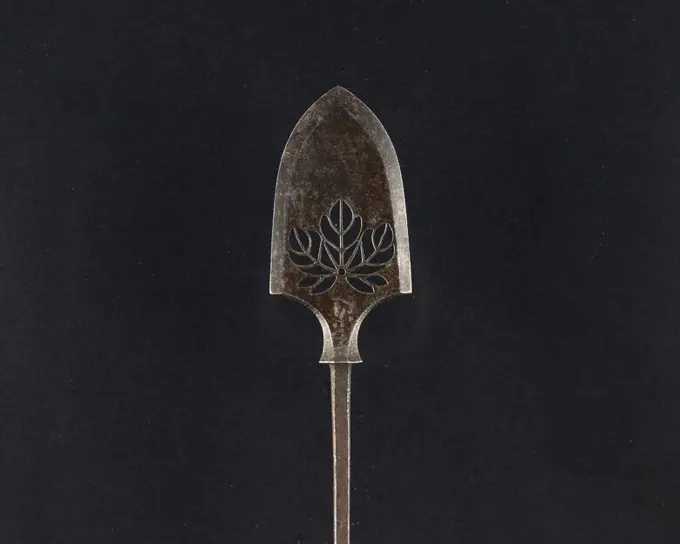
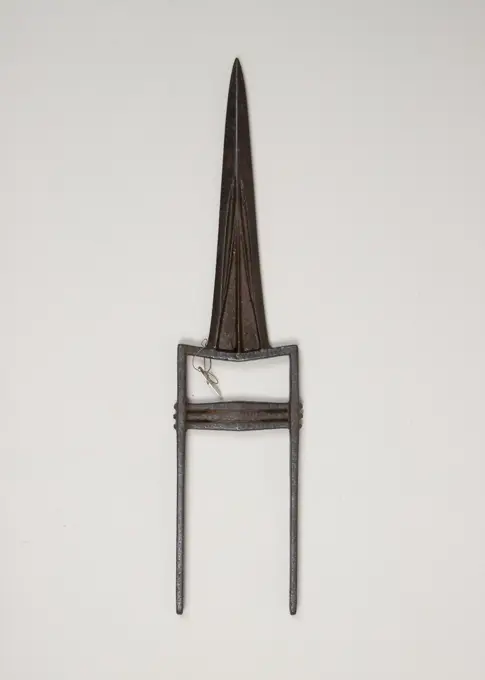
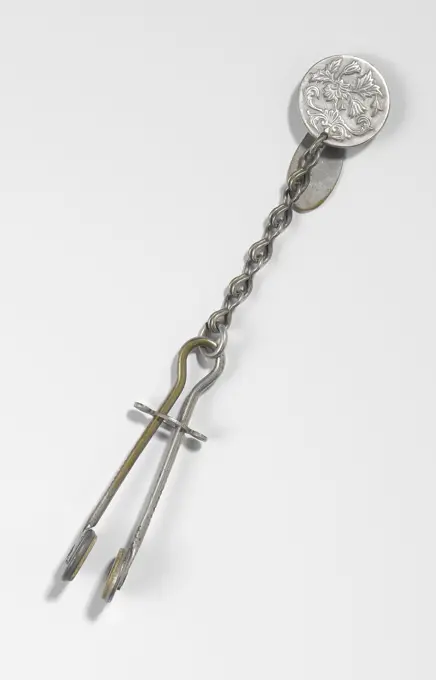
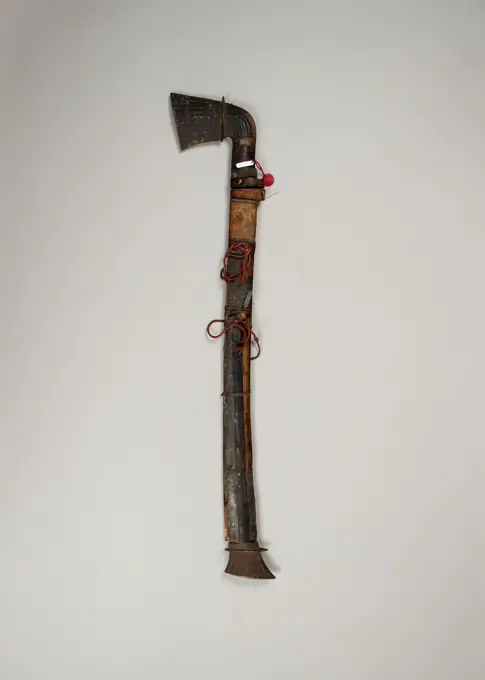
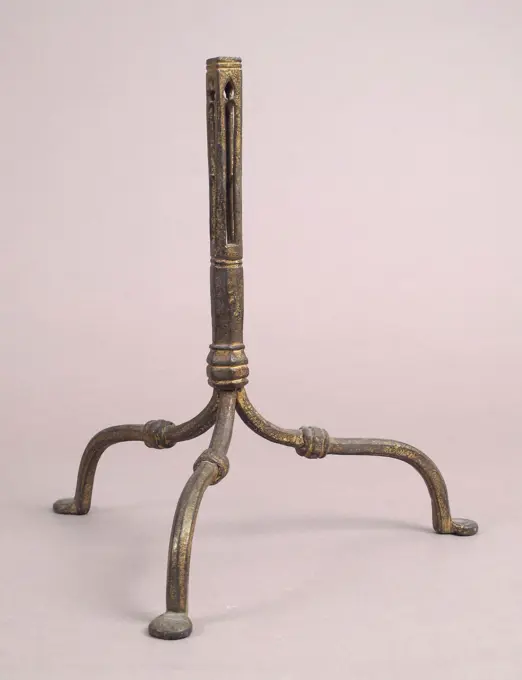
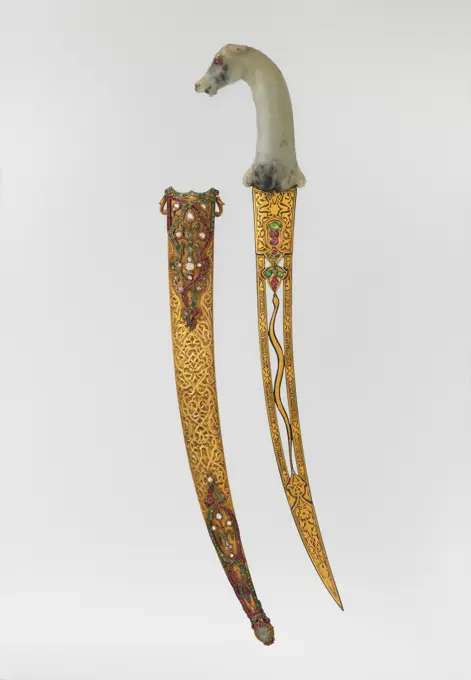
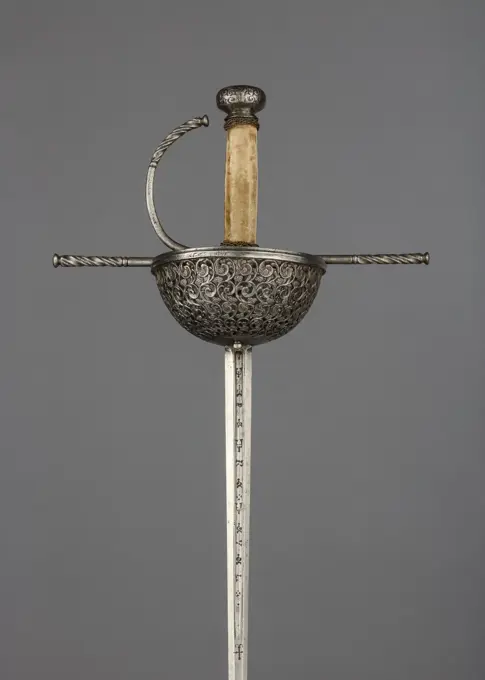
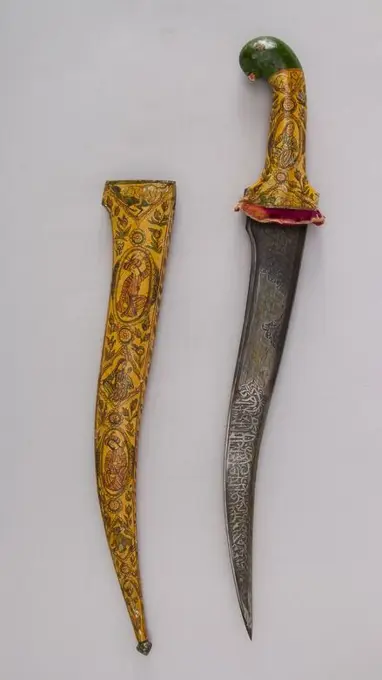
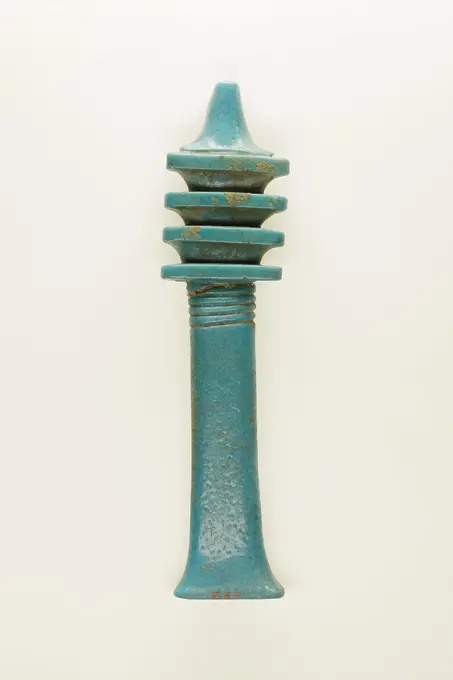
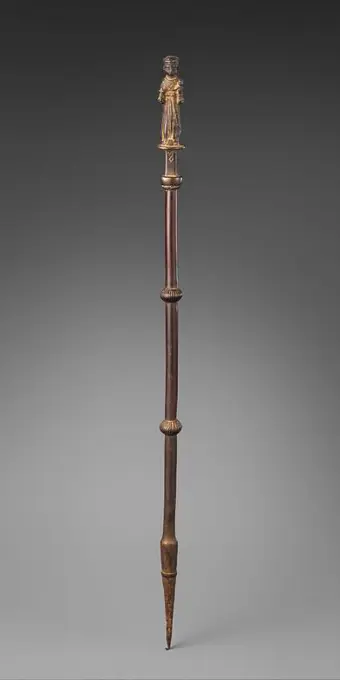
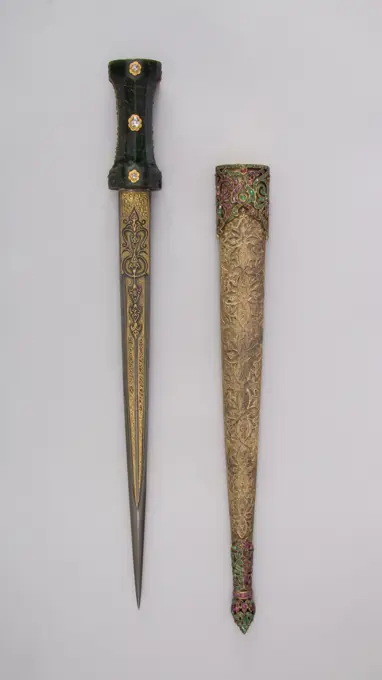
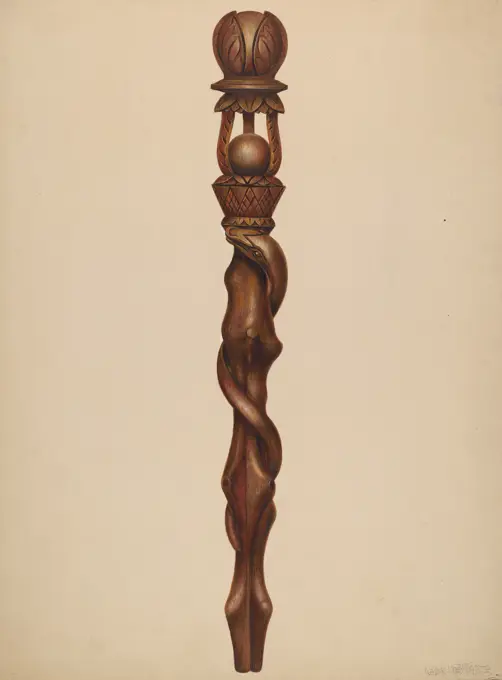
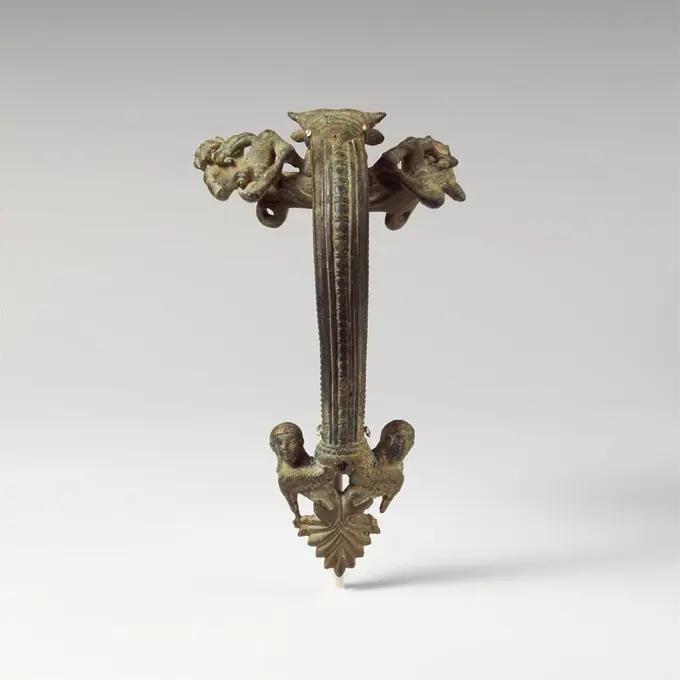
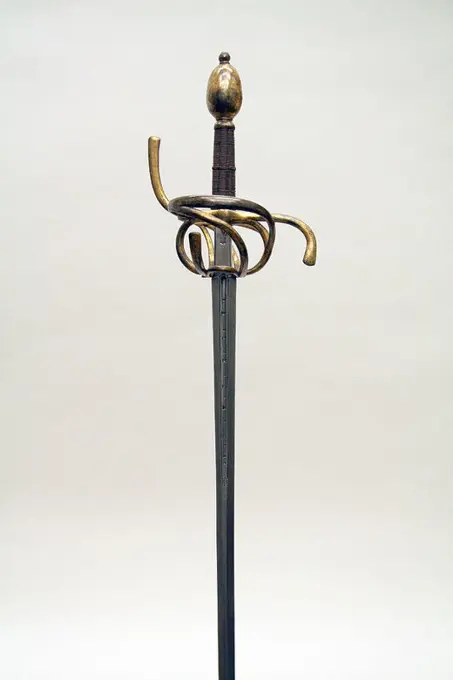
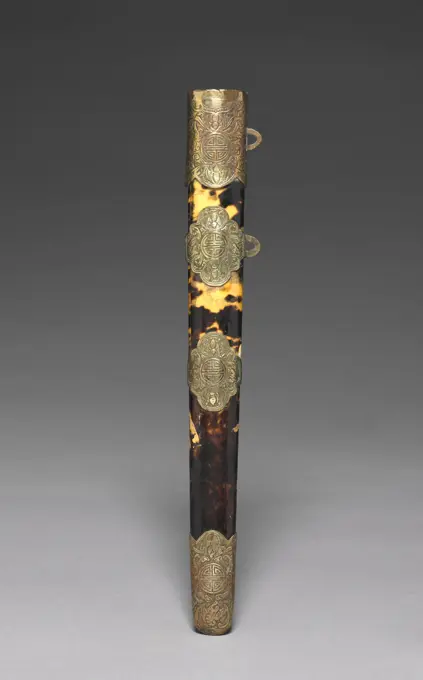
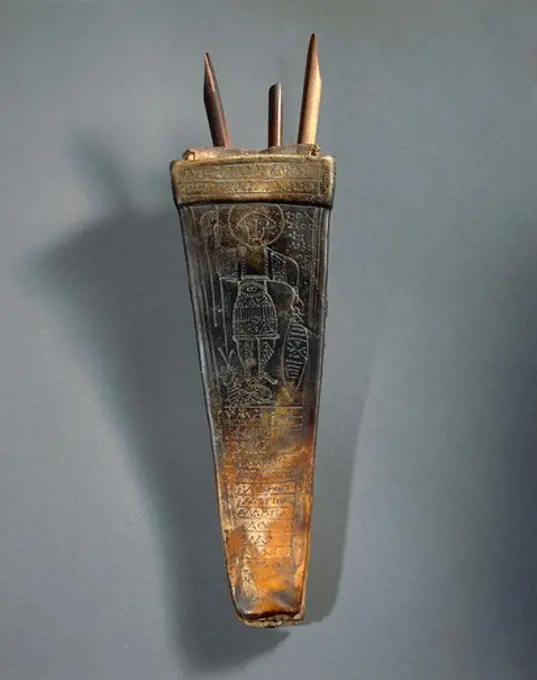
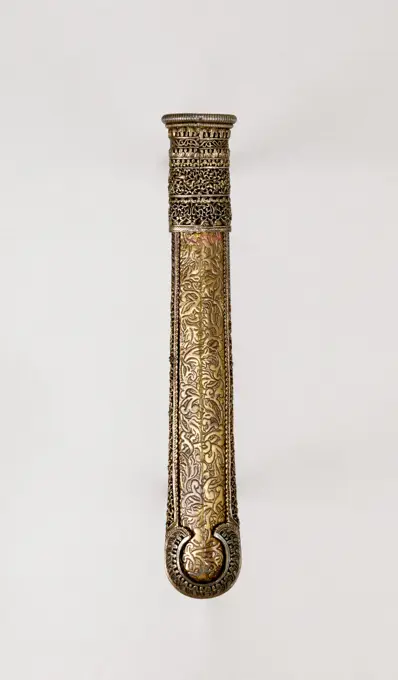
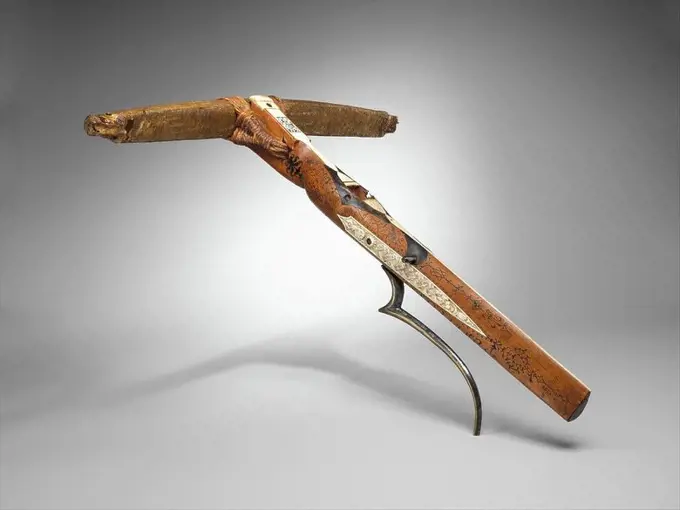
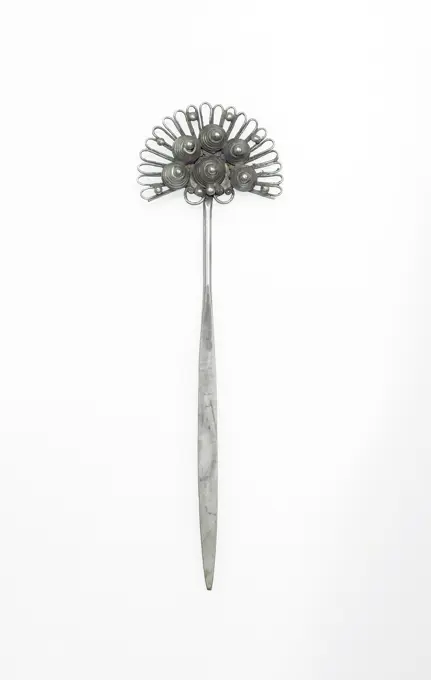
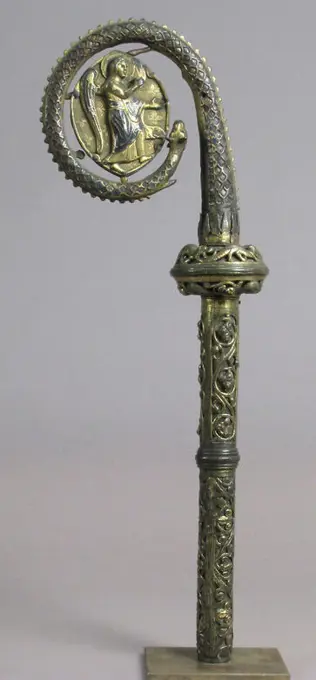
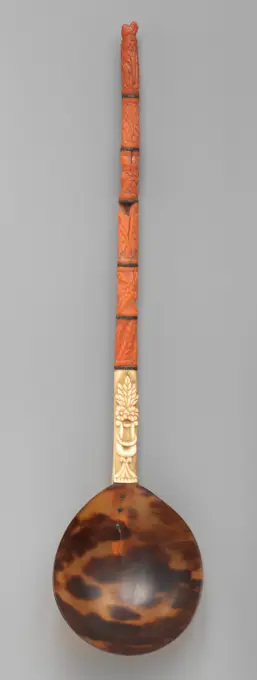
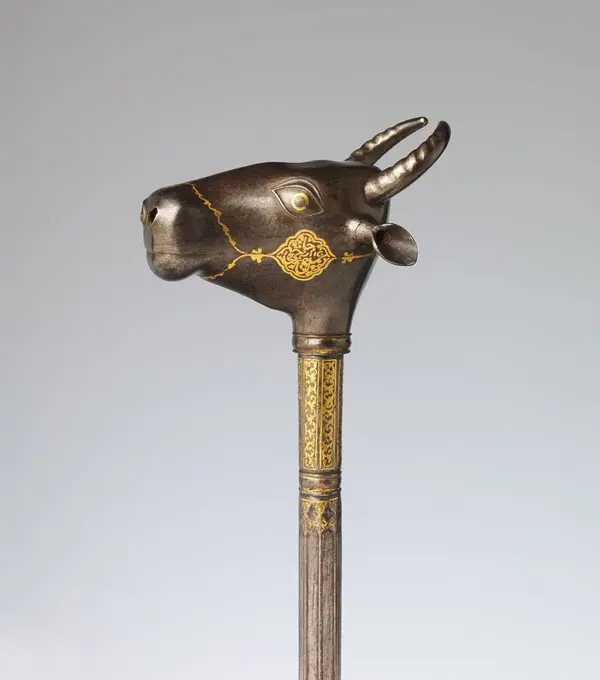
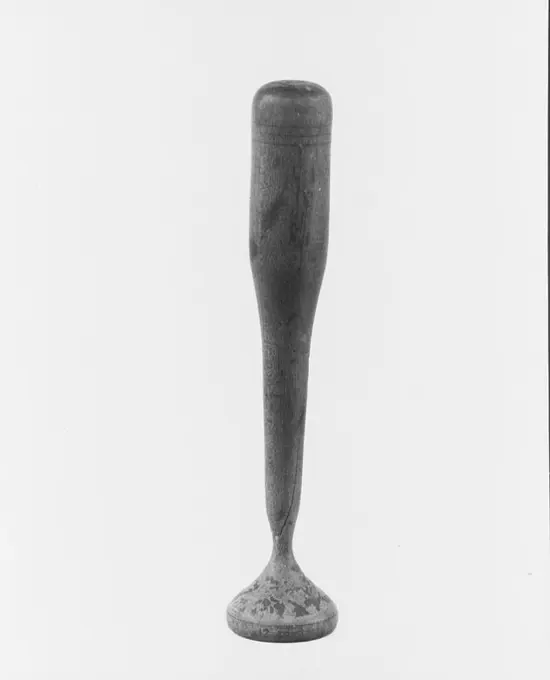
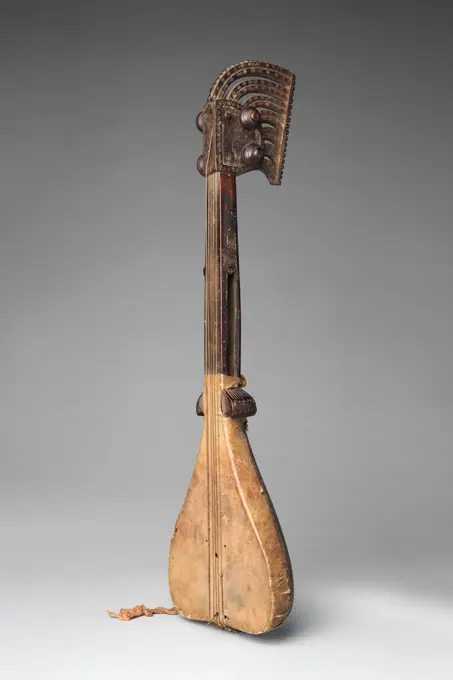
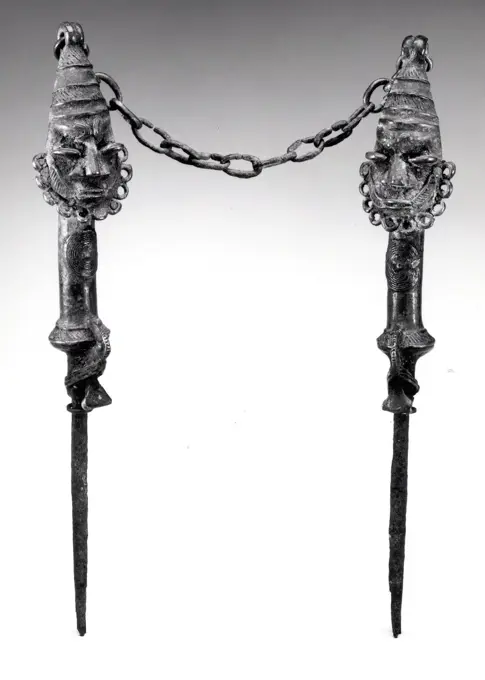
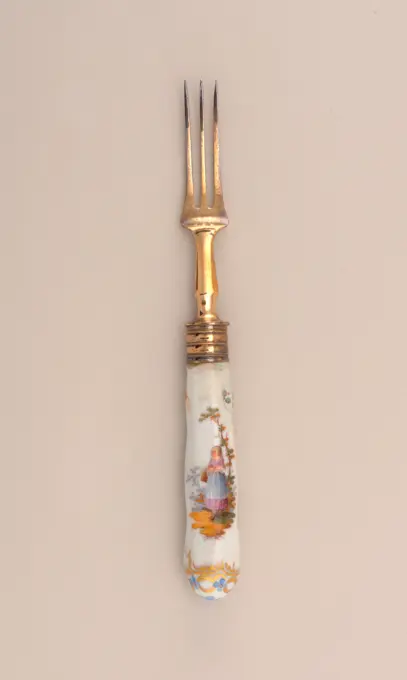
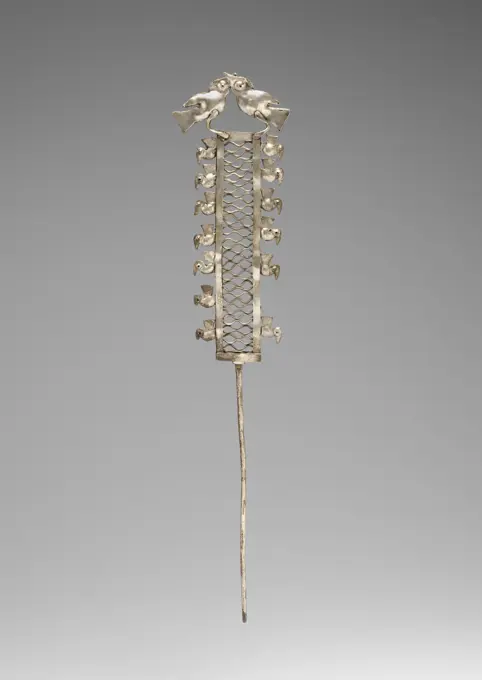
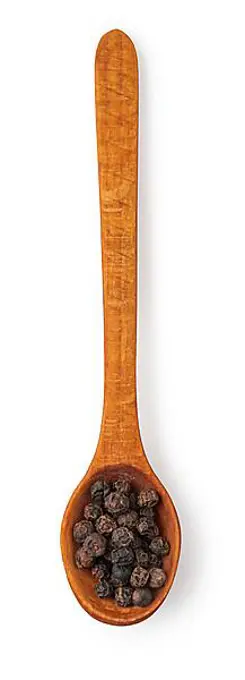
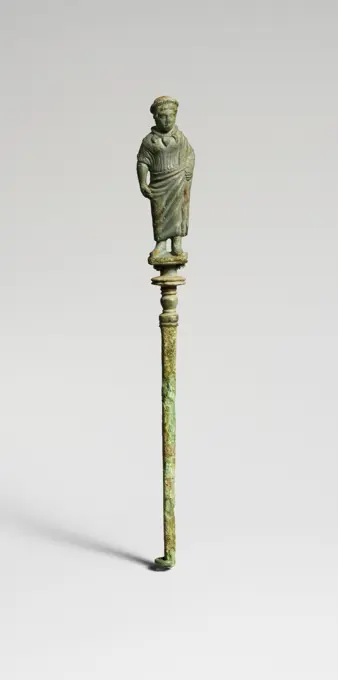
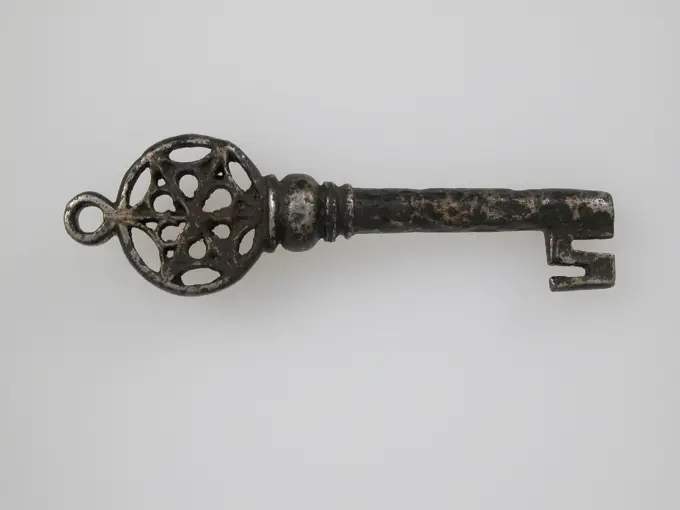
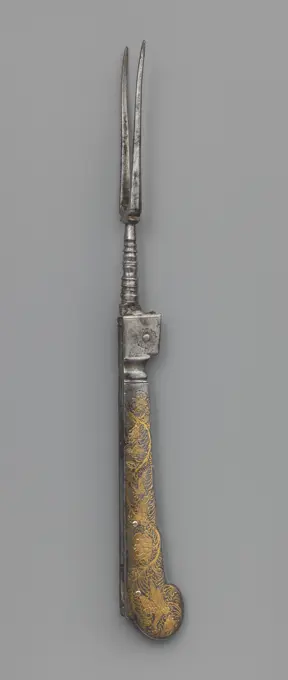
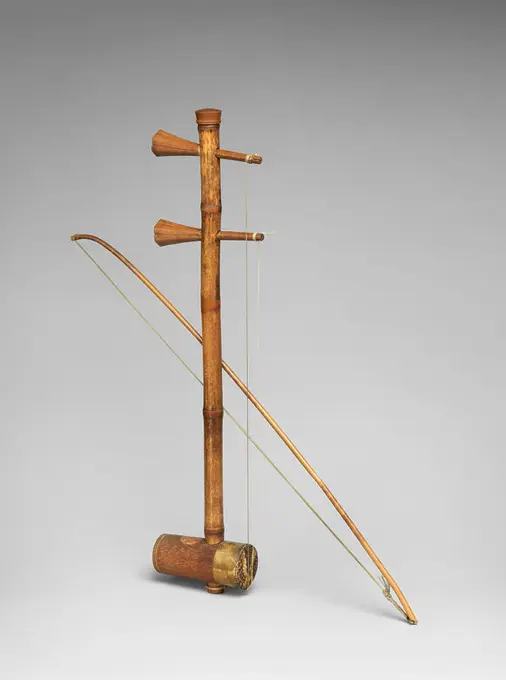
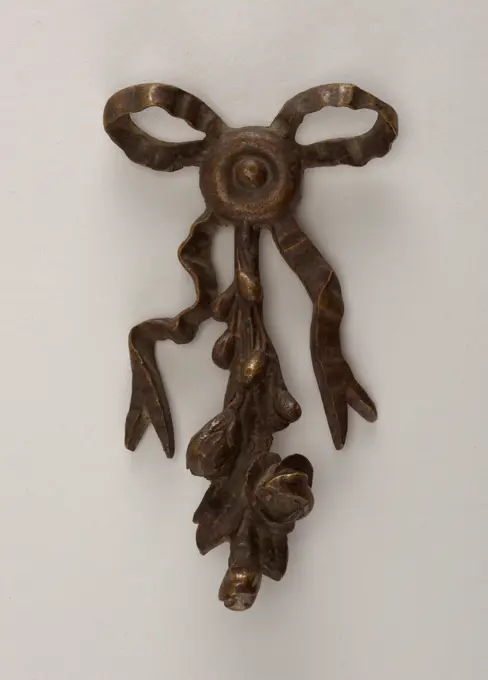
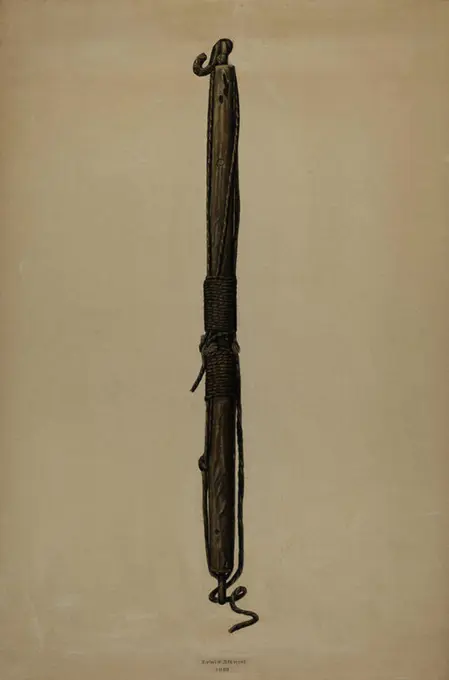
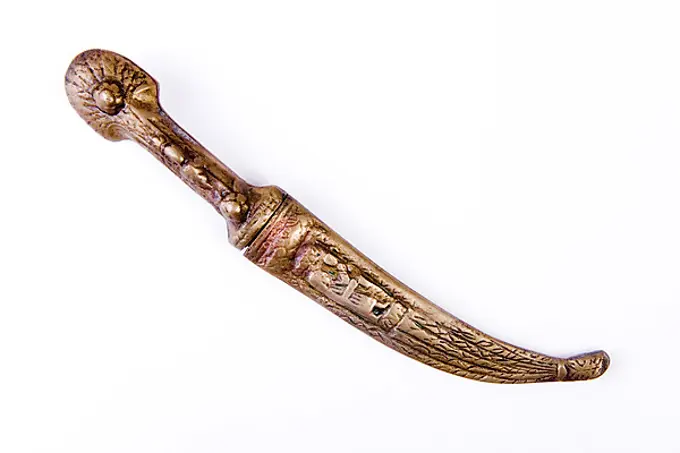
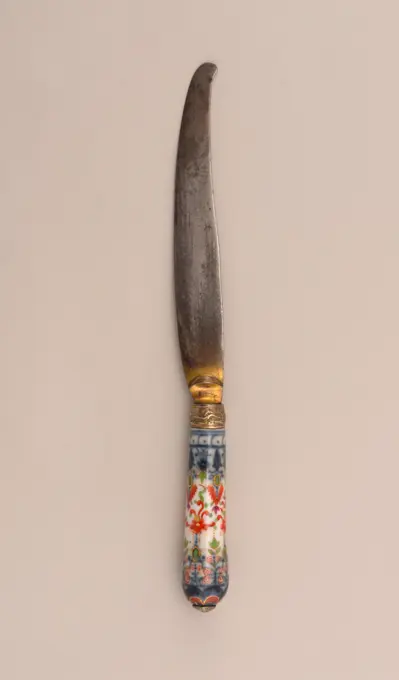
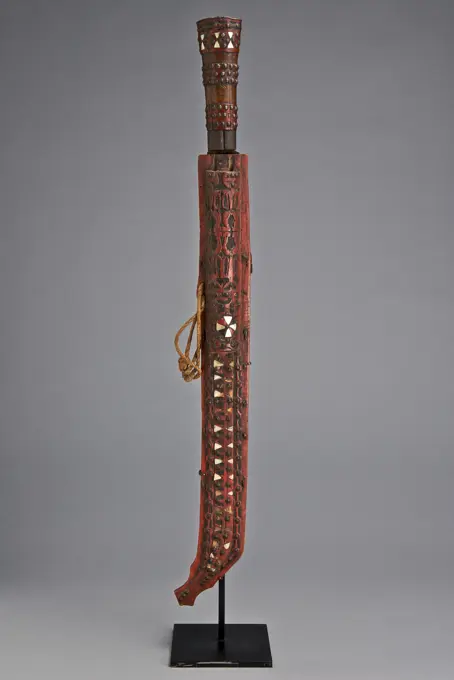
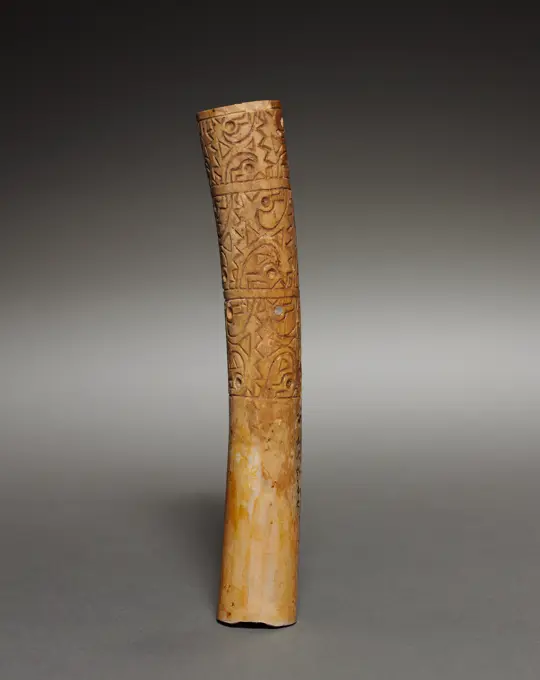
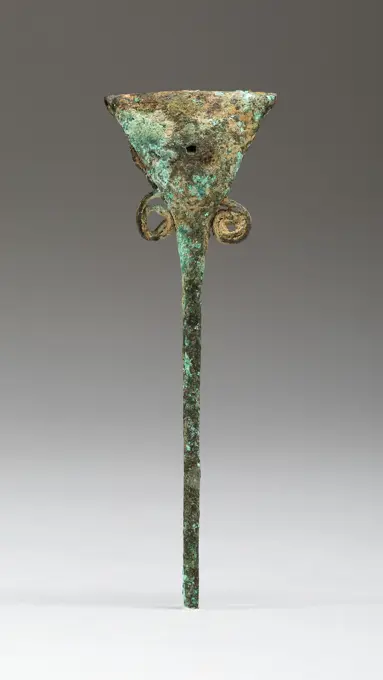
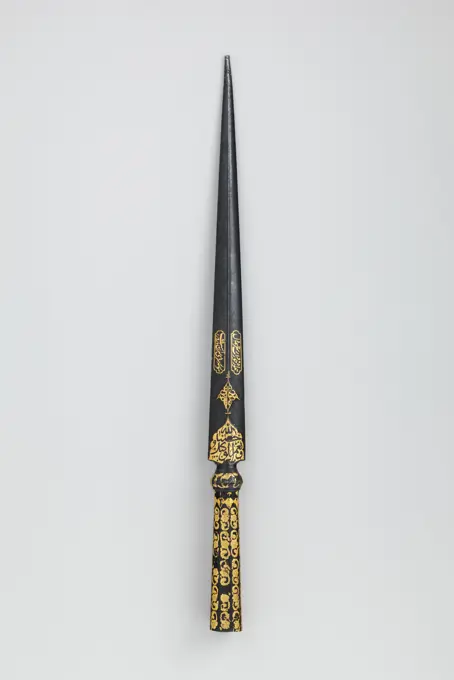
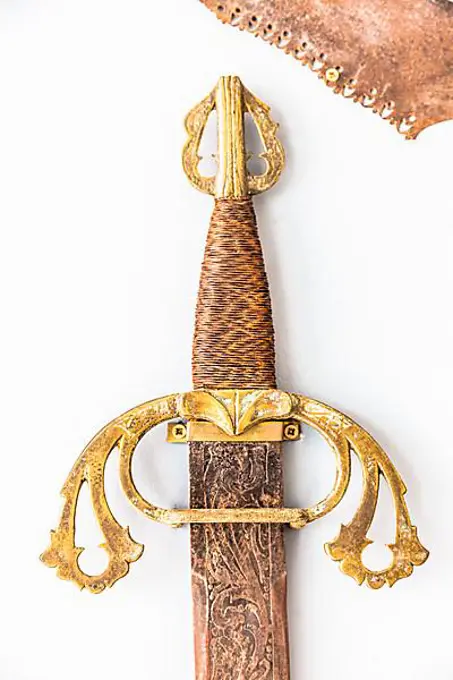
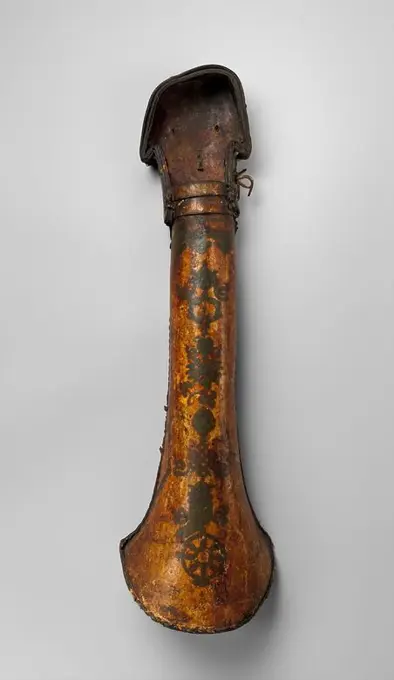
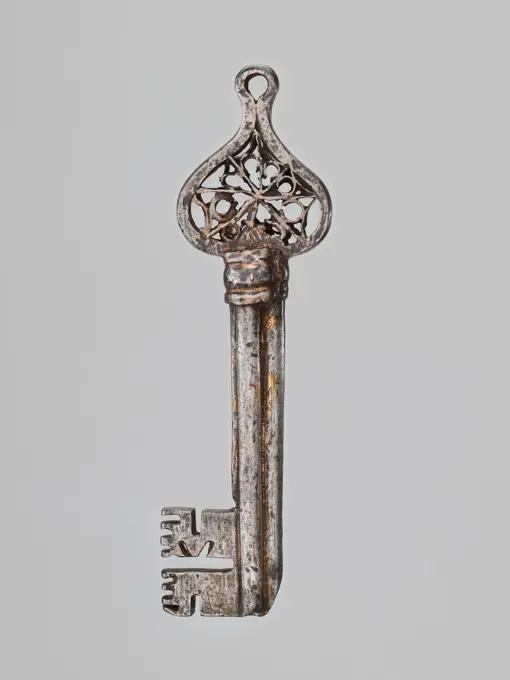
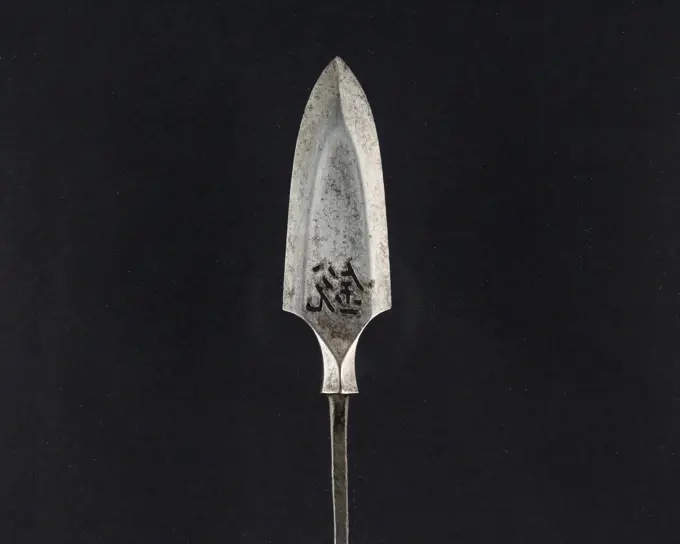
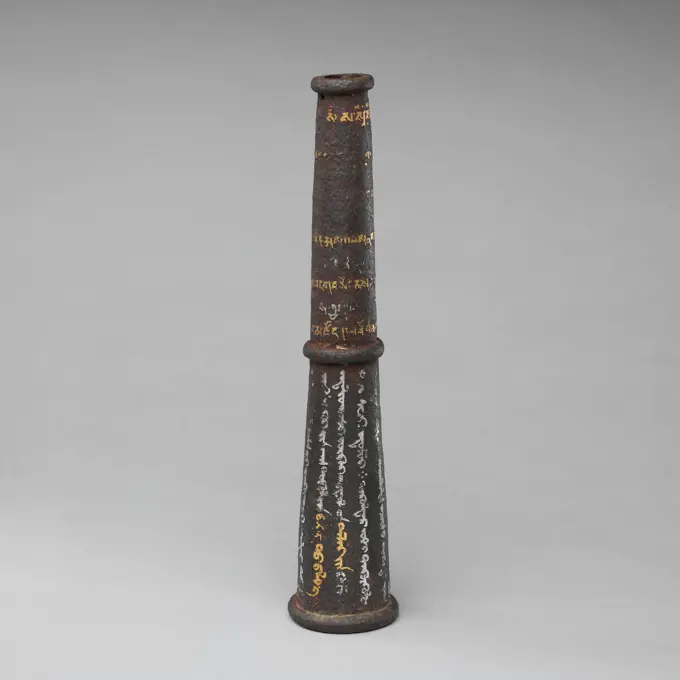
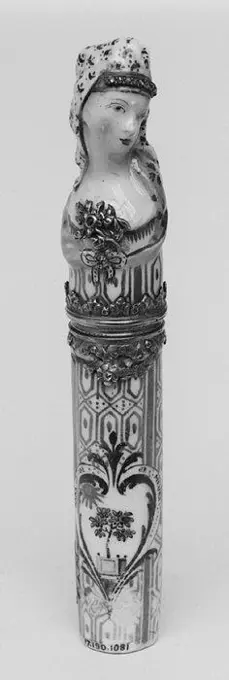
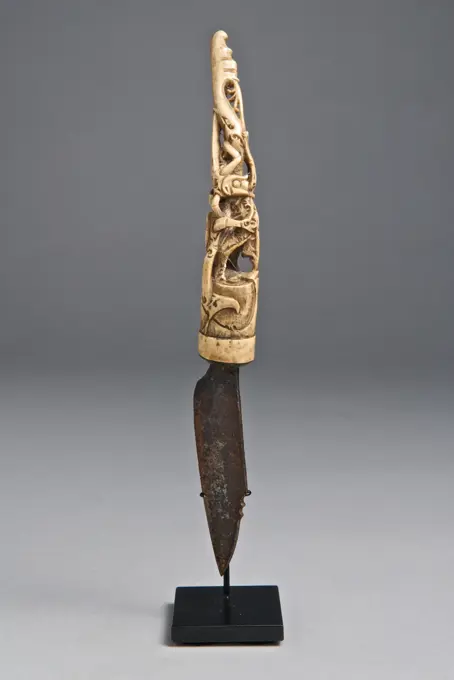
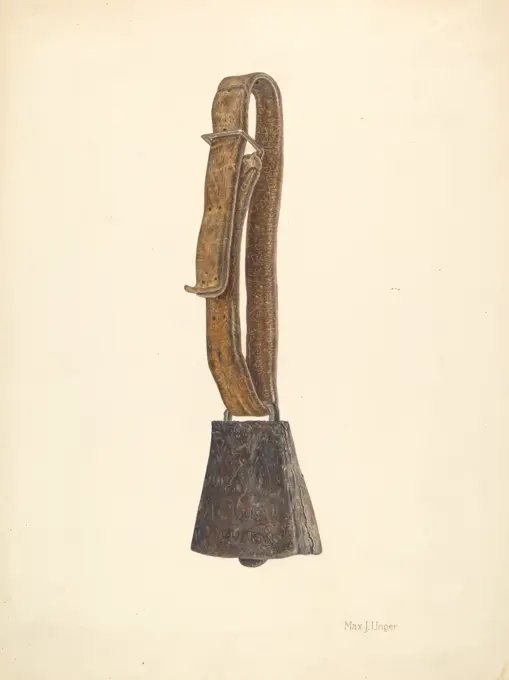
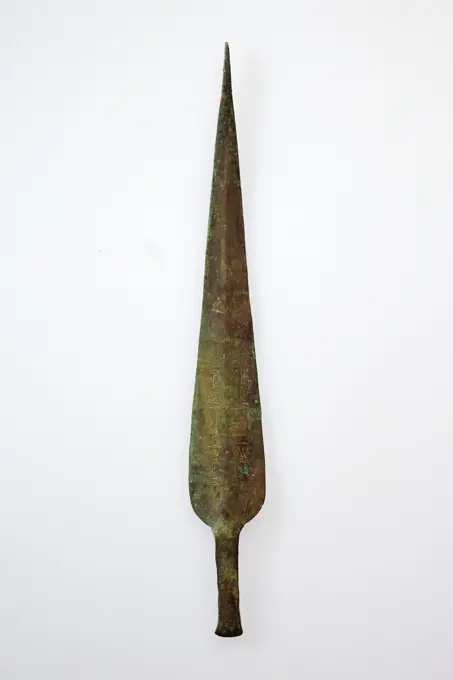
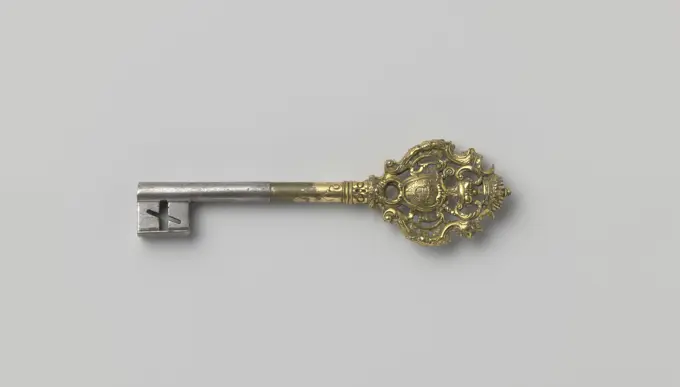
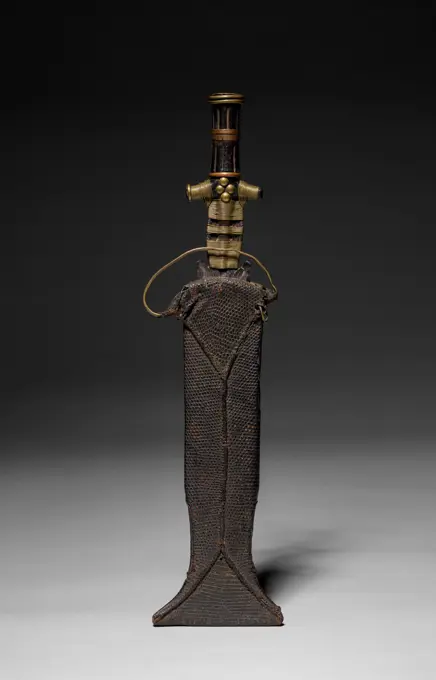
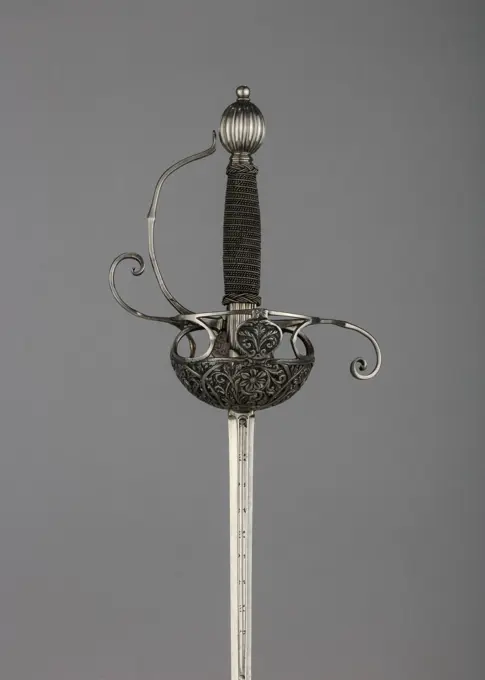
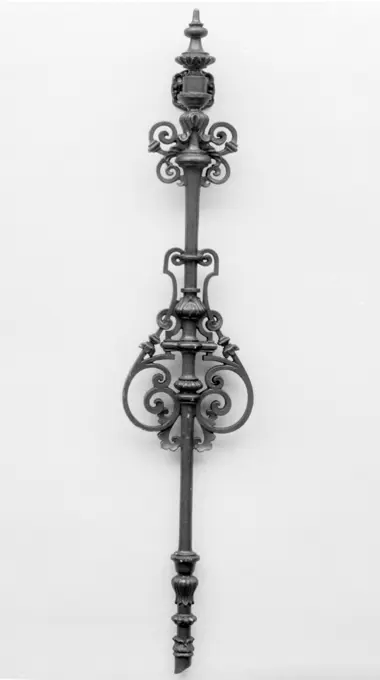
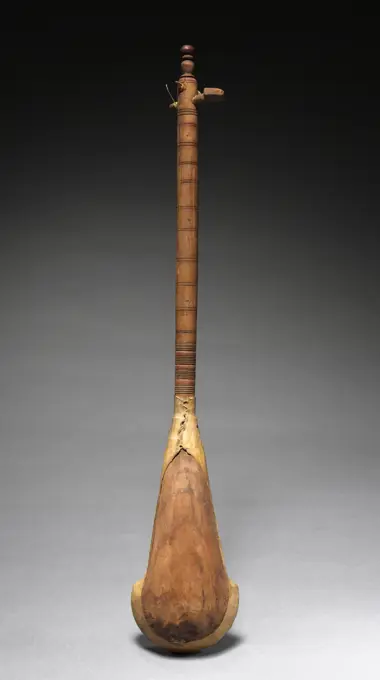
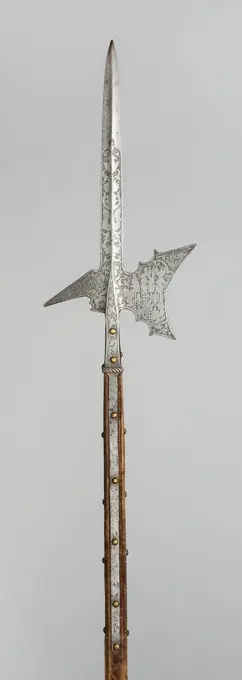
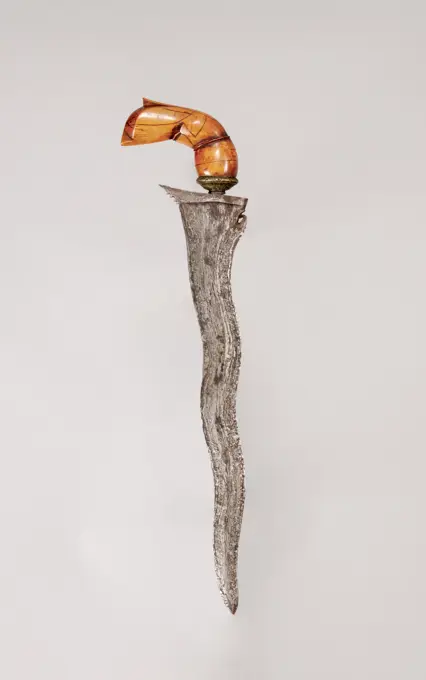
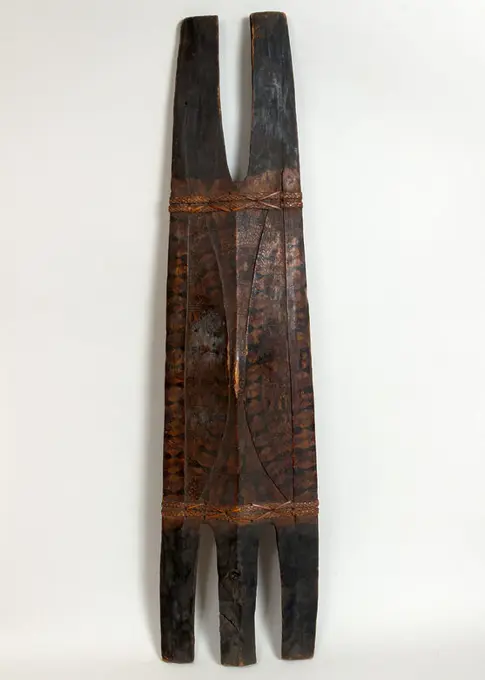
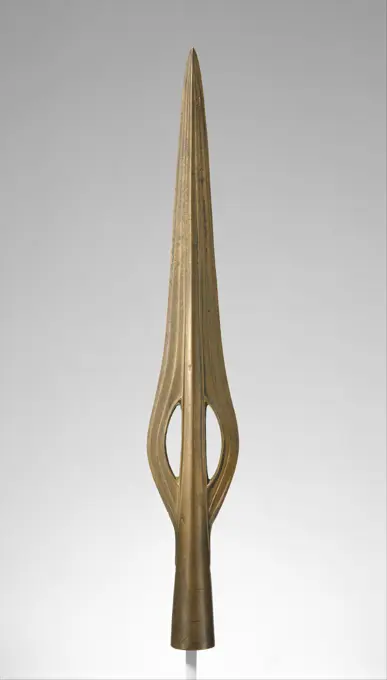
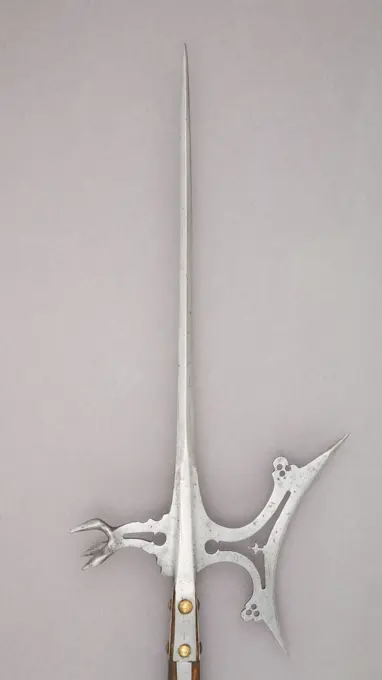
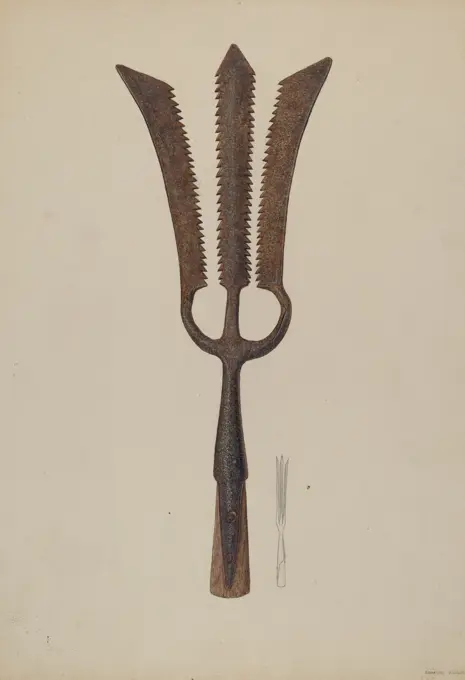
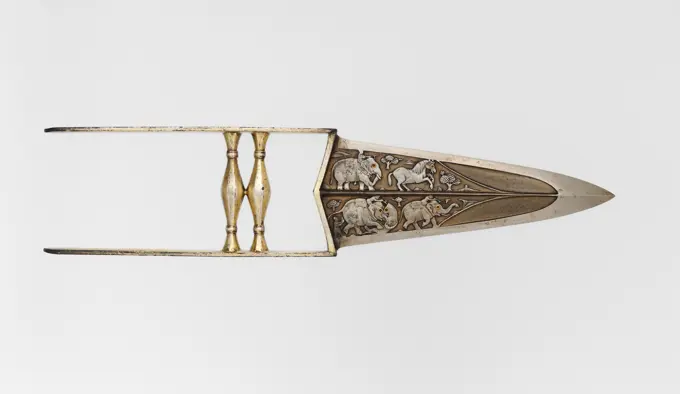
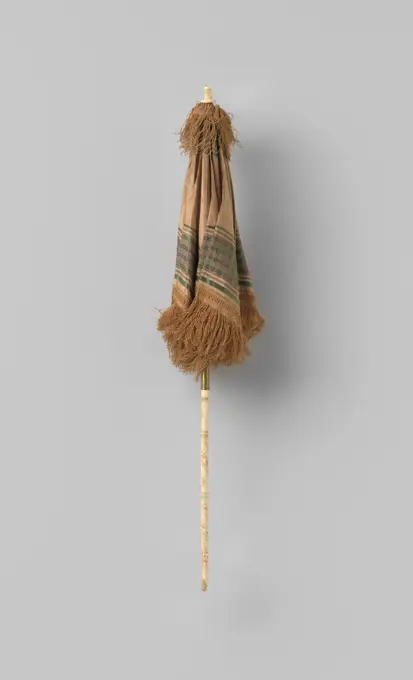
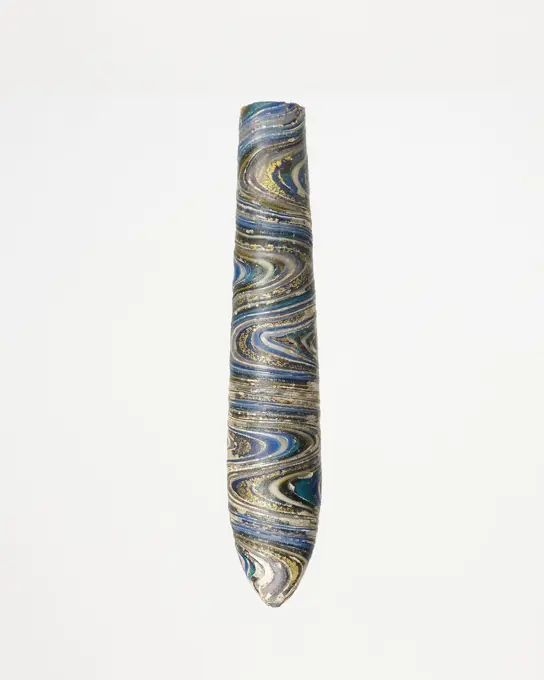
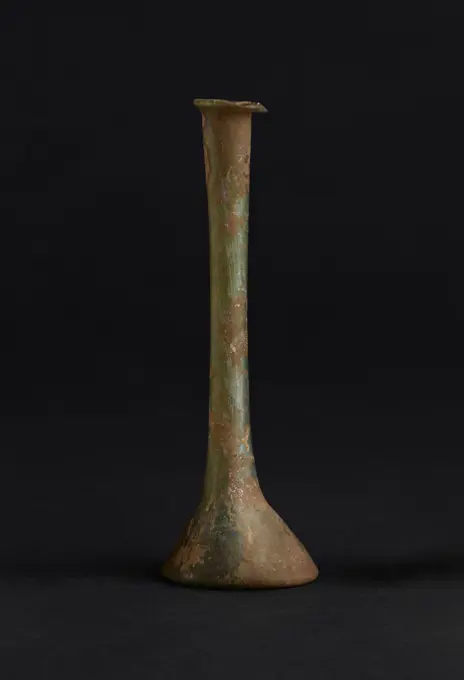
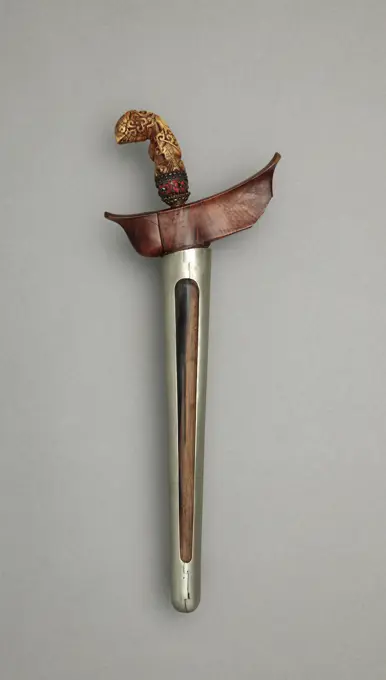
Dagger, Before 1916. Philippines. overall: 29.1 cm (11 7/16 in.); blade: 22 cm (8 11/16 in.).Pig Trap Charm(Tuntun)Belt hook 4th-3rd century B.C. China. Belt hook 61352Partisan. Culture: French. Dimensions: L. 85 3/4 in. (217.7 cm); L. of head 21 1/2 in. (54.6 cm); W. 5 3/16 in. (13.2 cm); Wt. 4 lbs. 13 oz. (2182.9 g). Date: ca. 1600. Museum: Metropolitan Museum of Art, New York, USA.Dagger ca. 10th-9th century B.C. Iran. Dagger 325067Model of a cooling sail, F.W.J. Meijer, c. 1850 - c. 1870Bronze kyathos (ladle) with animal-head terminals late 5th century B.C. Etruscan Upper end of handle bifurcated, each part terminating in animal head.. Bronze kyathos (ladle) with animal-head terminals 248074Lord Nelson's razor, made of horn and steel.CandlestickCandelabrum, by Florence workmanship, 1815, 19th Century, . Italy: Tuscany: Florence: Gallery of Modern Art. Whole artwork. Candelabrum legs animal-shaped props heads rams grooves giltDagger ca. late 2nd millennium B.C. Iran. Dagger 325555Carbine Hanger, 1600s. Italy, 17th century. Steel; overall: 18.5 x 7.1 cm (7 5/16 x 2 13/16 in.).Scenes of the Passion 1681 German. Scenes of the Passion. German. 1681. Boxwood. Sculpture-MiniatureKnife with an Ivory Handle and Qur'anic Inscriptions. Dimensions: L. 14 1/16 in. (35.7 cm)W. 1 1/4 in. (3.2 cm). Date: early 19th century.This dagger has been inscribed with Qur'anic passages on the forte of the blade, as well as on the ivory handle. The inclusion of holy words on this object imbues it with talismanic properties, believed to offer protection and ward off evil. The most efficacious talismanic objects are those that are inscribed with prayers that evoke the name of God, the Prophet Muhammad and his companions."Damascus" or "Watered" steel refers to blades like this one that have been given a wavy or "watered" pattern, created by specific smelting and crucible techniques, prior to forging. In Western Europe such blades were believed to originate from Damascus, though this technique was practiced in the Islamic Middle East at least since the Middle Ages. This 19th century example illustrates how even in the later period of Islamic art these artistic traditions remain poArrowhead for an Incendiary Arrow. Culture: Roman. Dimensions: L. 7 1/2 in. (19.1 cm).. Date: 2nd century. Museum: Metropolitan Museum of Art, New York, USA.Ritual Spoon (Bi). Culture: China. Dimensions: W. 2 1/2 in. (6.4 cm); L. 12 3/4 in. (32.4 cm); Wt. 1 lb. (0.5 kg). Museum: Metropolitan Museum of Art, New York, USA.Fork; amber, bone amber, steel; L x W: 17.7 x 1.3 cm (6 15/16 x 1/2 in.); The Robert L. Metzenberg Collection, gift of Eleanor L. Metzenberg; 1985-103-123Candle holder. Baluster with a rotatable arm and a candle holder, from brass.Yad - Torah pointer. unknown, contractorDagger (Katar) late 18th-19th century Indian; blade, European. Dagger (Katar). Indian; blade, European. late 18th-19th century. Steel, silver, gold. DaggersIdiophone: Bird of Prophecy (ahianmwen-oro) 16th-19th century Edo peoples At its origins, the centralized city-state of Benin was founded by Edo-speaking peoples. The accounts by official court historians and descriptions provided by visitors evoke a vibrant cultural center continually redefined by its leadership through shifting internal and external power dynamics. According to oral tradition, circa 1300, Edo chiefs are reputed to have reached out to the leader of neighboring Ife, Oranmiyan, to establish a new divinely sanctioned royal dynasty. Since then, the investiture of Benins rulers to the title of obas has conferred upon them at once a role of chief priest officiating in important religious ceremonies and presiding over an elaborate structure of palace officials. During the fifteenth century reign of Oba Ewuare, Benins armies were formed and the fortification of its capital with a massive wall undertaken. In parallel, delegations of Portuguese traders assiduously sought to sSpoon (France); Made by Phillipe Berthier; silver; L x W x D: 18.4 x 2.8 x 2.1 cm (7 1/4 x 1 1/8 x 13/16 in.)Arrowhead (Yanone). Culture: Japanese. Dimensions: L. 11 1/4 in. (28.6 cm); L. of head 2 3/4 in. (7 cm); W. 1 3/8 in. (3.5 cm); Wt. 1.3 oz. (36.9 g). Date: 18th century. Museum: Metropolitan Museum of Art, New York, USA.LadleDagger (Katar) 18th-19th century Indian. Dagger (Katar). Indian. 18th-19th century. Cast iron. DaggersSnacked copper copper with unadorned hook for the waist and round clamp, decorated with a flower pattern, anonymous, c. 1875 - c. 1910 Metal skirt holder with a round plate on the waist hook with a floral motif. A hook that is clamped over the waistband, on which a coarse necklace and a long clamp. At the bottom two round plates, which are finished with rubber on the inside. The round clamp is decorated with a flower pattern. Netherlands (possibly) Completely: Metal. Clamp: rubber (Material) forging / gluing Metal skirt holder with a round plate on the waist hook with a floral motif. A hook that is clamped over the waistband, on which a coarse necklace and a long clamp. At the bottom two round plates, which are finished with rubber on the inside. The round clamp is decorated with a flower pattern. Netherlands (possibly) Completely: Metal. Clamp: rubber (Material) forging / gluingSword with Scabbard 18th-19th century Indonesian, Gorontalo. Sword with Scabbard 31218Tripod 15th century Italian. Tripod 464698 Italian, Tripod, 15th century, iron and gilt, Overall: 12 15/16 x 12 3/8 in. (32.8 x 31.4 cm). The Metropolitan Museum of Art, New York. Gift of J. Pierpont Morgan, 1917 (17.190.855b)Dagger with Sheath Hilt, 17th-18th century; blade and sheath, 19th century Hilt, Indian, Mughal; blade and sheath, Turkish, Ottoman The inscription on the blade includes the names of the owner and the maker and the date, A.H. 1151 (A.D. 1689-90).. Dagger with Sheath 22872Cup-Hilted Rapier Sword maker Pedro de Velmonte Spanish ca. 1650 The rapier was the principal civilian sidearm throughout the sixteenth and seventeenth centuries. Designed for cut-and-thrust fencing of progressively complex techniques, the rapier is characterized by a double-edged blade with an acute point and an elaborate guard for the hand. The guards, usually of iron or steel, were subject to a variety of embellishment. They were engraved, chiseled, gilded, damascened, and encrusted in gold and silver in keeping with fashionable styles. Unless otherwise noted, the materials, attributions, and dating given here refer to the hilts. Rapier blades, invariably of steel, bear a variety of makers marks denoting their origin in the two principal centers of blademaking, Toledo in Spain and Solingen in Germany. View more. Cup-Hilted Rapier. Spanish. ca. 1650. Steel, velvet, copper alloy wire. SwordsDagger with Sheath. Culture: Persian, Qajar. Dimensions: H. with sheath 18 3/8 in. (46.7 cm); H. without sheath 18 1/4 in. (46.4 cm); H. of blade 13 in. (33 cm); W. 5/16 in. (0.8 cm); D. 1 3/16 in. (3 cm); Wt. 15.2 oz. (430.9 g); Wt. of sheath 9.9 oz. (280.7 g). Date: 19th century. Museum: Metropolitan Museum of Art, New York, USA.Djed Pillar Amulet. Dimensions: H. 11.1 × W. 2.8 × D. 1.3 cm (4 3/8 × 1 1/8 × 1/2 in.). Dynasty: Dynasty 26-30. Date: 664-30 B.C..The djed-pillar is a stylized representation of an early fetish that probably consisted of plant material. From the beginning of ancient Egyptian history it was used as a symbol signifying permanence. From the New Kingdom on it was associated with the god Osiris and identified as his backbone. The djed-pillar here was used as funerary amulet to ensure permanence and to closely connect the deceased to Osiris, a god who was revived after death. Museum: Metropolitan Museum of Art, New York, USA.Handle 10th-16th century Muisca (). Handle 310514Prestige Staff: Saint Anthony of Padua. Culture: Kongo peoples. Dimensions: H. 41 1/2 in. (105.4 cm), W. 2 3/8 ( 6 cm), D. 2 in. ( 5.1 cm). Date: 19th century.Uniting symbols of Kongo religious and secular power, this prestige staff was used as an insignia of office by a Kongo chief. At its summit is a brass pendant of St. Anthony of Padua, one of the most beloved saints in Kongo Christianity. The figure's attributes confirm his identity: the cross held in his proper right hand, the Christ child balanced on his left hand, and his simple habit. The saint's head is oversized in relation to his body, providing an expansive surface for both his simply molded and detailed incised facial features. The raised oval eyes have horizontal indentations at their centers, the nose is a softly raised triangle, and the lips raise at the corners into a smile. His thick eyebrows gently arch, with vertical lines to delineate each hair. Above, his head is bald except for a ring of hair. Known as a tonsurDagger with Sheath 19th century Turkish. Dagger with Sheath 32933Walter Hochstrasser, Scepter (Lumberjack Carving), c 1938 Scepter (Lumberjack Carving)Bronze oinochoe (jug) handle with satyrs flanking a head of Acheloos. Culture: Etruscan. Dimensions: H.: 4 15/16 in. (12.5 cm). Date: late 6th century B.C..Two satyrs flanking the head of Acheloos; below, two sphinxes. Museum: Metropolitan Museum of Art, New York, USA.Rapier. Culture: German. Dimensions: L. 46 3/4 in. (118.6 cm); W. 5 1/4 in. (13.3 cm); D. 5 1/2 in. (13.9 cm); Wt. 2 lb. 8 oz. (1134 g). Date: ca. 1600-1620. Museum: Metropolitan Museum of Art, New York, USA.Scabbard, 1800s. Korea, Joseon dynasty (1392-1910). Metal and tortoiseshell; overall: 42.5 cm (16 3/4 in.).Leather case used by scribes, depicting Saint Philotheus killing the snake, from Antinoe, SyriaScabbard for Dagger, c. 1750. Northeast India. Brass with gilt grip; overall: 37.2 cm (14 5/8 in.); blade: 23.6 cm (9 5/16 in.).Crossbow of Count Ulrich V of Württemberg (1413-1480). Culture: German, probably Stuttgart. Dimensions: L. 28 1/16 in. (71.2 cm); W. 25 5/8 in. (65 cm); Wt. 6 lb. 9 oz. (2972 g). Maker: Attributed to Heinrich Heid von Winterthur (probably Swiss, active Stuttgart, recorded 1453-1460). Date: dated 1460.Dated 1460 in the carved staghorn decoration, this is the earliest known dated crossbow in existence. The staghorn is inscribed with the coats of arms of Württemberg and Savoy, referring to the owner, Count Ulrich V of Württemberg (1413-1480), and his third wife, Princess Marguerite of Savoy (1420-1479). Above the trigger is a German benediction rendered in Hebrew letters. This is a rare and early instance of Hebraic script on a personal item intended for a Christian patron. It can be translated as "Hold God dear and be high-hearted!" or "Hold God dear, high-hearted one!". Museum: Metropolitan Museum of Art, New York, USA.Hair pin, 6 3/4 x 2 x 1/2 in. (17.15 x 5.08 x 1.27 cm), Silver, ChinaCrozier Head. Culture: French. Dimensions: Overall: 18 15/16 x 6 13/16 x 2 15/16 in. (48.1 x 17.3 x 7.5 cm). Date: 13th century. Museum: Metropolitan Museum of Art, New York, USA.Spoon possibly 18th century Southern Italian or Sicilian. Spoon. Southern Italian or Sicilian. possibly 18th century. Tortoiseshell, ivory, coral, and brass. Natural SubstancesMace. Culture: Iranian. Dimensions: L. 32 1/2 in. (82.6 cm); Wt. 1 lb. 15 oz. (879 g); head: 4 3/4 x 5 3/4 in. (12 x 14.5 cm). Date: 19th century.The ox-headed mace is associated with the heroes of the Shahnama (Book of Kings), the poet Firdausi's epic of pre-Islamic Iran completed in a.d. 1010. The mace reproduces the hero Bahram Gur's weapon made in memory of the cow that nursed him. An emblem of power and good, it was inherited by other heroes in the epic, notably Feridun and Rustam. This example is representative of the Qajar revival of ancient Iranian imagery. It bears the false signature of a legendary smith, Haji 'Abbas, and the equally spurious date A.H. 951 (A.D. 1544-45). Museum: Metropolitan Museum of Art, New York, USA.Stick for a Spinning Wheel. Dimensions: H. 7 3/8 in. (18.7 cm). Date: 1700-1800. Museum: Metropolitan Museum of Art, New York, USA.Tobacco Pipe, 1800s-early 1900s. Japan, Edo period (1615-1868) to Meiji period (1868-1912). Silver; overall: 25.3 cm (9 15/16 in.).Arrow Point, 1700s. Japan, Edo period (1615-1868). Steel; overall: 22.6 cm (8 7/8 in.); head: 6.6 cm (2 5/8 in.).Himalayan Lute (Sgra-Snyan) Himalayan 19th Century View more. Himalayan Lute (Sgra-Snyan). Himalayan. 19th Century. Wood. Musical instrumentsStaffs: Couple (Edan Ogboni) 19th century Yoruba peoples. Staffs: Couple (Edan Ogboni) 316605Oboe, Stowasser, c. 1850 - c. 1870 Hobo in 3 parts with twelve nickel keys, probably palmhout. Marked on every part: Stowasser/Budapest in an oval. Marked on the upper and middle part with a crown with a hand above it with a hammer Trade Mark Védjegy. Below the middle part is the song 'Ja213' engraved. The oboe is in a wooden briefcase, which is covered on the outside with leather and on the inside with velvet. The closure is marked with the letters B.R. and G.M. the key is missing. Budapest nickel (metal). boxwood Hobo in 3 parts with twelve nickel keys, probably palmhout. Marked on every part: Stowasser/Budapest in an oval. Marked on the upper and middle part with a crown with a hand above it with a hammer Trade Mark Védjegy. Below the middle part is the song 'Ja213' engraved. The oboe is in a wooden briefcase, which is covered on the outside with leather and on the inside with velvet. The closure is marked with the letters B.R. and G.M. the key is missing. Budapest nickel (metal). bFork (possibly England); porcelain, gold, metal; L x W: 18.9 x 2 cm (7 7/16 x 13/16 in.); The Robert L. Metzenberg Collection, gift of Eleanor L. Metzenberg; 1985-103-223Pin 14th-15th century Chimú or Chancay. Pin 315767pepper spices on white backgroundBronze perfume dipper Etruscan 4th-3rd century BC. The pin is surmounted by a statuette of a woman.Key 15th century German The decoration of Gothic iron locks and keys was often elaborate and of the highest standard of workmanship. The motifs were frequently drawn from Gothic architecture, reproducing on a miniature scale complicated tracery patterns and even tiny statuettes. A number of these tiny locks were compound, with some of the mechanisms concealed from view, and required two or even three keys used in sequence to open them. It has been suggested that the greatly expanded use of locks on doors, or coffrets and other types of storage chests was a result of the increasing urbanization of life and the new emphasis on material wealth and private ownership which developed in the late Middle Ages.. Key 468838Folding fork early 17th century School of Michael le Blon. Folding fork. Dutch. early 17th century. Steel, iron (), gilded. Metalwork-SteelJinghu (). Culture: Japanese/Chinese. Dimensions: 20 1/2 × 1 7/8 × 5 1/16 in. (52.1 × 4.8 × 12.8 cm)Length (Of bow): 21 15/16 in. (55.8 cm). Maker: Shinsai, "Katsu" Tajima (Japanese, active 1877-1888). Date: 19th century.Synonymous with the Chinese term huqin until the 19th century, this instrument, used to accompany male roles, is the main melodic instrument of the opera. Museum: Metropolitan Museum of Art, New York, USA.Mount; 1904-18-12Spreader for Schooner Rigging. Dated: 1939. Dimensions: overall: 41.7 x 27.9 cm (16 7/16 x 11 in.) Original IAD Object: 18" long; 1" in diameter. Medium: watercolor and graphite on paper. Museum: National Gallery of Art, Washington DC. Author: Erwin Stenzel.Egyptian dagger, 18. centuryKnife with Porcelain Handle Knife; Manufactured by Meissen Porcelain Manufactory (Germany); Made by Ferner Workshop, Thuringen; Germany; porcelain, vitreous enamel, steel, gold; L x W: 20.8 x 1.8 cm (8 3/16 x 11/16 in.); The Robert L. Metzenberg Collection, gift of Eleanor L. Metzenberg; 1985-103-182SwordEar Ornament, 200-550. Peru, Moche, 3rd-6th century. Incised bone; overall: 13 x 2 cm (5 1/8 x 13/16 in.).Hair Ornament or Pin with Triangular Head and Rattle 1450-1532 Peru. Bronze . Chimú-IncaSpear Head dated A.H. 1001/A.D. 1593-94 Iranian Heads of this type were used on the spears of mounted warriors. The Persian inscription in the two cartouches praises the weapon's prowess: "Constantly it drinks the water from the fountainhead of the heart.". Spear Head. Iranian. dated A.H. 1001/A.D. 1593-94. Steel, gold. Shafted WeaponsSpanish sword collection detail, sigle XVIQuiver. Culture: Tibetan or Mongolian. Dimensions: 31 1/4 x 8 3/4 in. (80.6 x 22.2 cm). Date: 14th-16th century.Made to hold arrows, a quiver of this type was suspended from the right side of an archer's belt. Quivers and bow cases, both worn at the waist, were typical for the style of horseback archery practiced in Tibet and most of Asia. All-leather quivers of this early date are extremely rare. This example is decorated down the front with a set of Buddhist designs known as the Eight Auspicious Symbols, comprising the parasol, pair of golden fishes, treasure vase, lotus, right-turning conch shell, endless knot, victory banner, and wheel of Dharma. Museum: Metropolitan Museum of Art, New York, USA.Key;  1st half 16th century (1601-00-00-1700-00-00);Przeszo Przyszoci unknownArrowhead (Yanone) 18th century Japanese Although today Japanese warriors are renowned most for their swordsmanship, archery, especially from horseback, has been an essential part of samurai warfare and culture for centuries. Arrows were fitted with heads of varying shape according to their intended use in war, the hunt, or target practice. Arrowheads made for use on the battlefield incorporated different designs intended for specialized purposes such as the piercing of armor or to cause maximum damage to horses and unarmored personnel.Large arrowheads, pierced and elaborately chiseled with landscapes, birds, flowers, dragons, and Buddhist divinities, were created to be admired for the beauty of their metalwork and design rather than for use in archery. Such highly elaborate examples may have been made for presentation or as a votive offerings to a shrine.. Arrowhead (Yanone). Japanese. 18th century. Steel. Archery Equipment-ArrowheadsSocket from a Spearhead or a Ceremonial Staff ca. 1607-17 Tibetan or Mongolian This socket appears to be the only known piece of ironwork with a dual language dedicatory inscription in Tibetan and Mongolian. The upper half is encircled by eleven horizontal lines of Tibetan, alternately damascened in gold and silver. The lower half has fourteen vertical lines of Classical Mongolian, mostly in silver, but with certain words highlighted in gold. The inscription is dedicated to Yonten Gyasto (1589-1617), the Fourth Dalai Lama, who was the great grandson of the Mongol ruler Altan Khan. It also identifies the donor as Sodnam Ombu Taiji, one of the most powerful noblement of Inner Mongolia at the time.. Socket from a Spearhead or a Ceremonial Staff 27950Clarinet.B clarinet of palm wood with nine valves. Signature: G. Schüster.Needle case 18th century Meissen Manufactory German. Needle case 193779Epingle ". OS. Dynasty of Shang (1765 - 1122 BC), China. Paris, Muse Cernuschi. Epingle Asian art, Chinese art, extreme-East art, Shang Dynasty, Epingle, Prehistoric time, Shang time, bones, prehistoryFOREIGN OLDTuning key 5th-3rd century B.C. China. Tuning key 61169Firemans trumpet. Honorand: James R. Mount, AmericanRattan CuttingKnifeLaces, 18th century. Burano stitch (Punto Burano) lace barbola work.Max Unger, Cow Bell, c 1939 Cow BellBlade inscribed for the Overseer of Upper Egypt Idi ca. 2100 B.C. First Intermediate Period. Blade inscribed for the Overseer of Upper Egypt Idi 555983Phallic rython with erotic representations found in the necropolis Les Corts near the roman city, 1st century B.C. Roman art. Republican period. Ceramics. SPAIN. CATALONIA. BARCELONA. Barcelona. Archaeology Museum of Catalonia. Proc: SPAIN. CATALONIA. GERONA. L'Escala. Empœries.Key, so -called chamber control key with the weapon of Franz Ludwig von Erthal, Vorstbisschop of Würzburg and Bamberg, Johann Wolfgang van der Auweraa, c. 1780 Key, so-called chamber control key of bronze and gilding, with the coat of arms of Franz Ludwig von Erthal, Vorstbisschop van Würzburg and Bamberg (1779-1795). The renewed handle and beard are made of iron. NOTE: manufactured to a design from around 1740 by the Hofbeeldhouwer Johann Wolfgang van der Auweraa (1708-1756). Germany bronze (metal). iron (metal). gilding (material) gilding Key, so-called chamber control key of bronze and gilding, with the coat of arms of Franz Ludwig von Erthal, Vorstbisschop van Würzburg and Bamberg (1779-1795). The renewed handle and beard are made of iron. NOTE: manufactured to a design from around 1740 by the Hofbeeldhouwer Johann Wolfgang van der Auweraa (1708-1756). Germany bronze (metal). iron (metal). gilding (material) gildingKnife, 1800s. Africa, Central Africa, Democratic Republic of Congo, 19th century. Iron, wood, copper alloy, reptile skin, leather or rawhide, and upholstery studs; overall: 49.8 cm (19 5/8 in.); blade: 33 cm (13 in.).Ceremonial blade. China. Date: 3000 BC-2000 BC. Dimensions: 30.5 × 7.1 × 1.0 cm (12 1/16 × 2 13/16 × 7/16 in.). Jade. Origin: China. Museum: The Chicago Art Institute, Chicago, USA.Cup-Hilted Rapier Italian late 17th century The rapier was the principal civilian sidearm throughout the sixteenth and seventeenth centuries. Designed for cut-and-thrust fencing of progressively complex techniques, the rapier is characterized by a double-edged blade with an acute point and an elaborate guard for the hand. The guards, usually of iron or steel, were subject to a variety of embellishment. They were engraved, chiseled, gilded, damascened, and encrusted in gold and silver in keeping with fashionable styles. Unless otherwise noted, the materials, attributions, and dating given here refer to the hilts. Rapier blades, invariably of steel, bear a variety of makers marks denoting their origin in the two principal centers of blademaking, Toledo in Spain and Solingen in Germany. View more. Cup-Hilted Rapier. Italian. late 17th century. Steel. SwordsBaluster late 18th-early 19th century British. Baluster 196886Gimbri, 1900s. Africa, 20th century. Wood, rawhide, and string; overall: 54.6 cm (21 1/2 in.).Halberd 1500-1600 Saxony. Steel, wood, and velvet .Sword (Kris), 1800s. Java. Iron with wooden handle; overall: 38.2 cm (15 1/16 in.); blade: 30.8 cm (12 1/8 in.).Shield. Culture: Philippine, Igorot. Dimensions: H. 38 3/4 in. (98.4 cm); W. 9 1/2 in. (24.1 cm); D. 3 1/2 in. (8.9 cm); Wt. 2 lb. 0.5 oz. (921.4 g). Date: 18th-19th century. Museum: Metropolitan Museum of Art, New York, USA.Spearhead 1200-800 B.C. Bronze Age This spearhead represents the highest tradition of the British Bronze Age. The piece is undeniably beautiful: its shape is elegant and spare to the point of evoking modern art. The socket of the spearhead is hollow and includes two peg holes. These would allow the shaft of the spear to be replaced often without undue difficulty; a possession such as this would be much too valuable not to use again and again. When given to the Museum, there was in fact a small section of wood still remaining inside.The spearhead almost certainly comes from the Selbourne/Blackmoor hoard of Bronze Age objects, found in the nineteenth century in Hampshire. The hoard was acquired by two great nineteenth-century collectors: first by the antiquarian George Roots, and then by General A. H. Pitt-Rivers, an omnivorous collector especially interested in British objects and also a renowned archaeologist.. Spearhead. Bronze Age. 1200-800 B.C.. Copper alloy. Metalwork-Copper alloyHalberd ca. 1550 Italian. Halberd 25902Samuel Faigin, Sturgeon Spear, c 1938 Sturgeon SpearPunch Dagger (Katar) with Sheath late 17th-18th century Indian, Mughal Daggers of this ancient Indian type are known variously as a katar (piercing dagger) or jamadhar (death tooth). Gripped in the fist, they were intended to deliver a deadly punching blow and were used in both war and the hunt. The blade of this example is notable for the delicately chiseled figures of elephants and horses engaged in the hunt.. Punch Dagger (Katar) with Sheath 31505Carriage parasol with beige moiré side with woven green edge, on a wooden stick on which a handle of leg with spiral shape relief, anonymous, c. 1840 - c. 1865 Carriage parasol with beige moiré side with a woven green edge. The eight ribs are made of wood, the lining is made of ecrintleuring ponjézijde. The narrow stick is made of lacquered wood, on which a handle of bone with spiral shape relief, with a head of a steam at the end. Europe deck: Silk. Lining: Silk. Baleinen: Wood (Plant Material). Stok: Bone (Material). Stok: Wood (plant material). Slide: Copper (Metal) cutting / cutting / lacquering / forging Carriage parasol with beige moiré side with a woven green edge. The eight ribs are made of wood, the lining is made of ecrintleuring ponjézijde. The narrow stick is made of lacquered wood, on which a handle of bone with spiral shape relief, with a head of a steam at the end. Europe deck: Silk. Lining: Silk. Baleinen: Wood (Plant Material). Stok: Bone (Material). Stok: Wood (plant Alabastron (Container for Scented Oil) 200 BCE-1 CE Eastern Mediterranean Region. Containers like this one were used to store precious oils. The flaring rim functioned as an applicator to spread the thick, scented oil over the skin; while the vessel itself was designed to fit comfortably in the userís hand. In this particularly lavish example, gold leaf was sandwiched between layers of colorless glass and worked into wavy bands with other colored canes.Initially affordable among only the wealthy, glass was used widely in the Roman world to create a variety of everyday objects such as those displayed here, including delicate cosmetic containers that held perfumes and oils and various forms of tableware designed for serving food and drink.. Glass, mosaic glass technique . Ancient Eastern MediterraneanFOREIGN OLD