Antique Weapons Collection

A diverse assortment of historical weapons and tools, including daggers and belt hooks, highlighting craftsmanship from different cultures and eras.
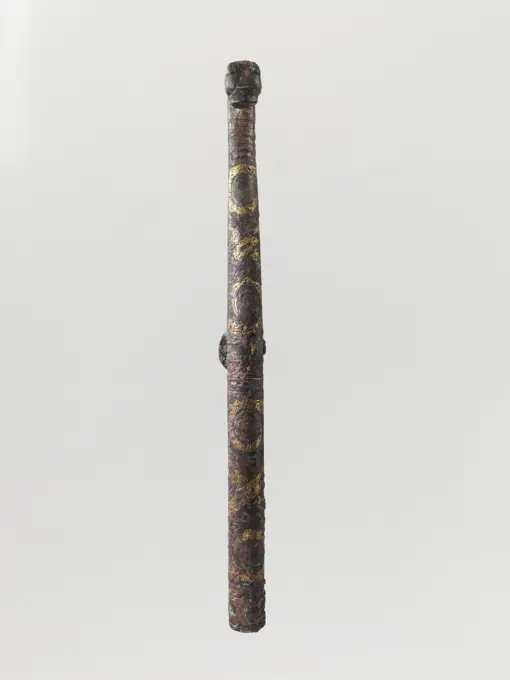
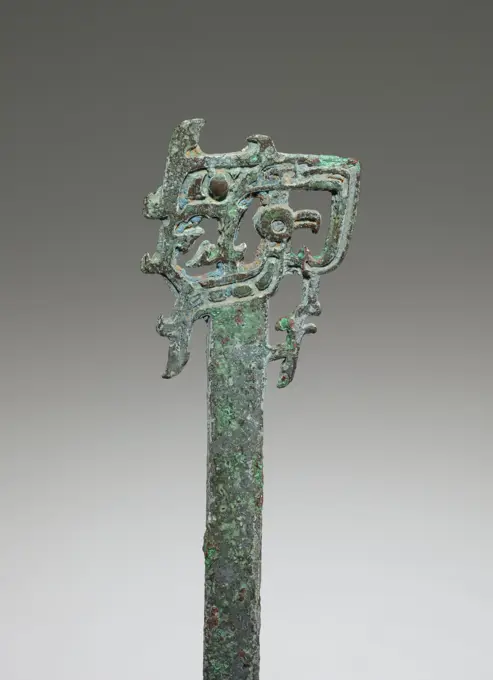
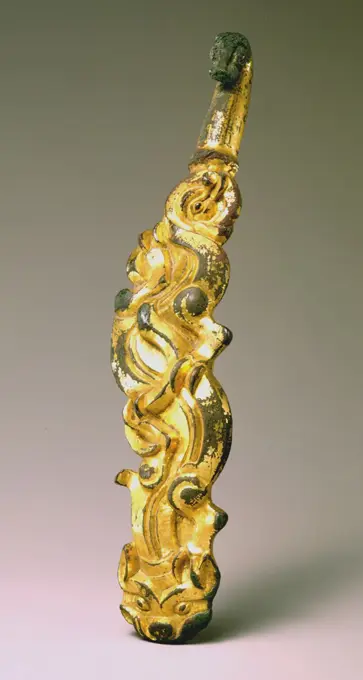
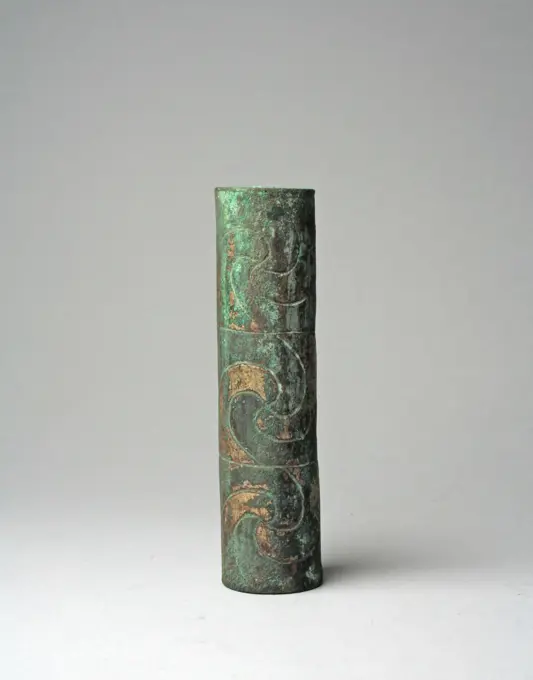
Belt hook 4th-3rd century B.C. China. Belt hook 61352
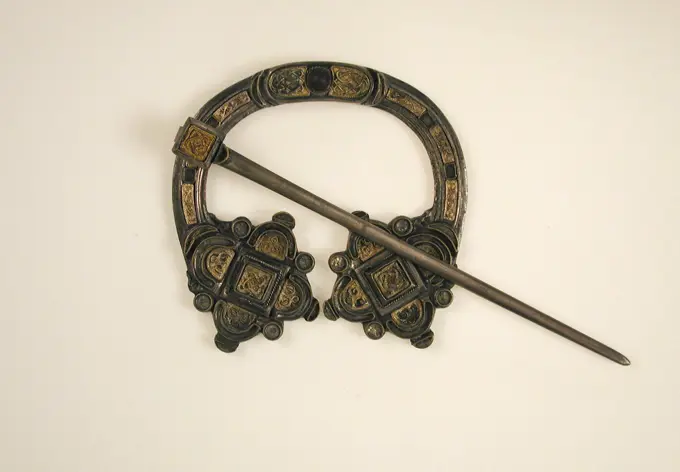
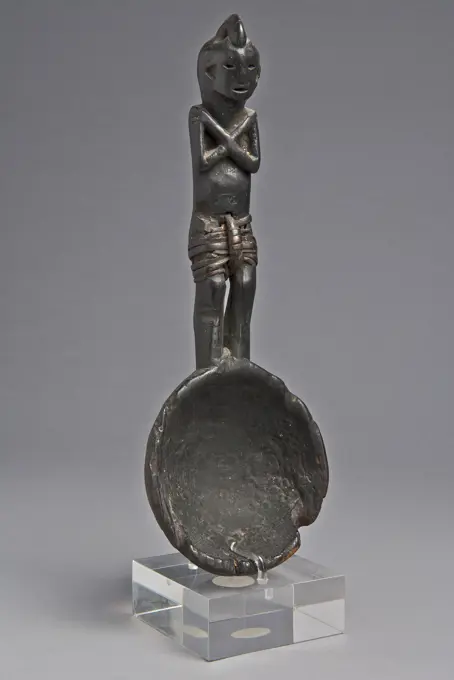
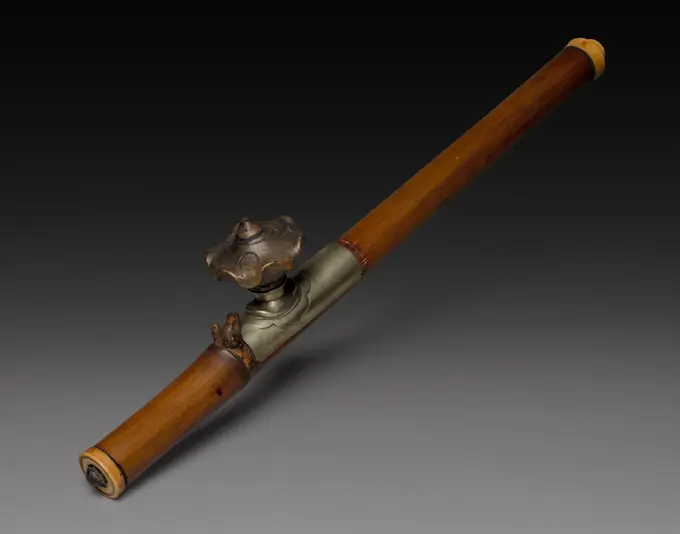
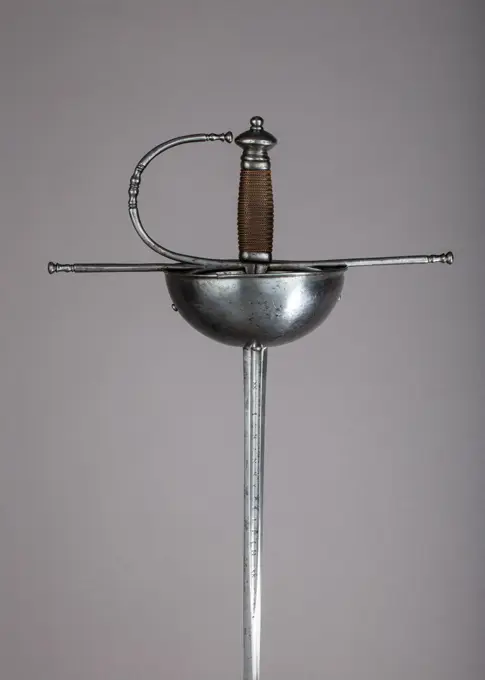
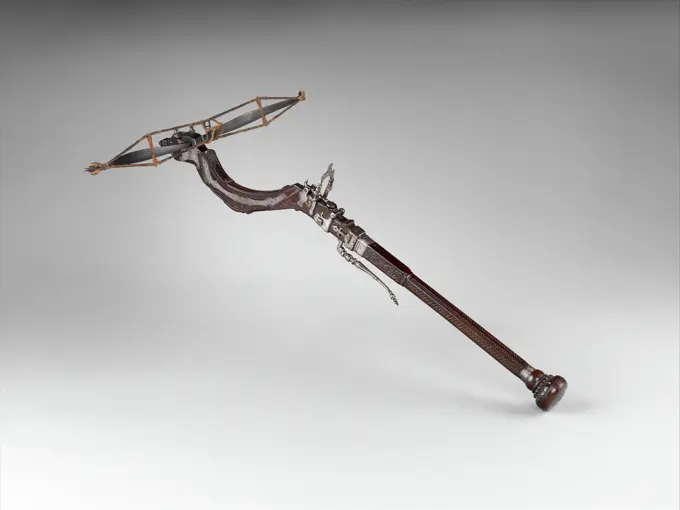
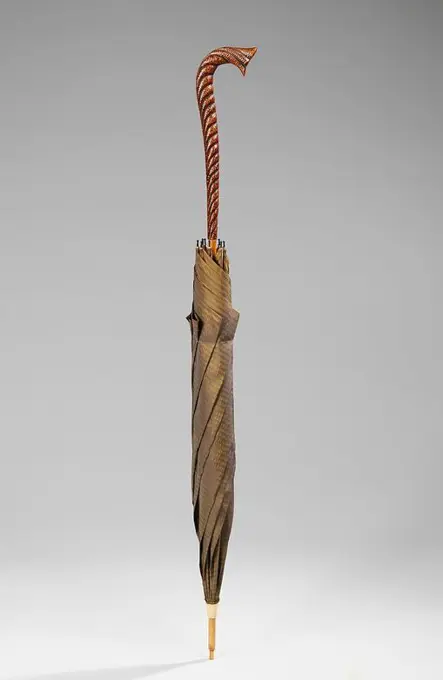
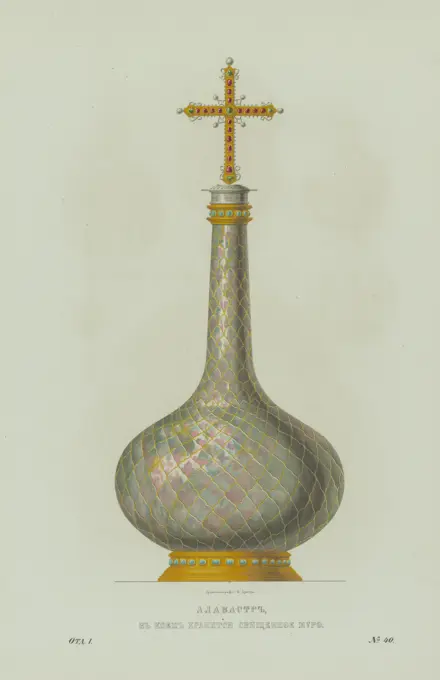
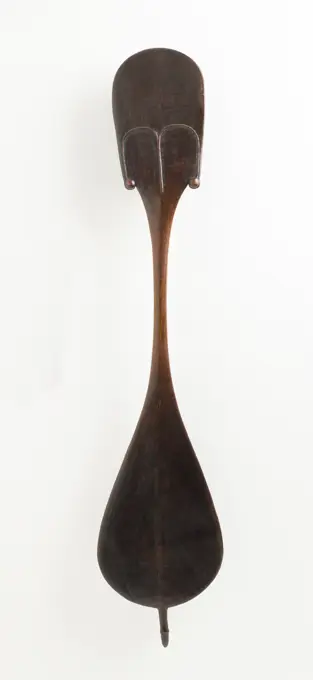
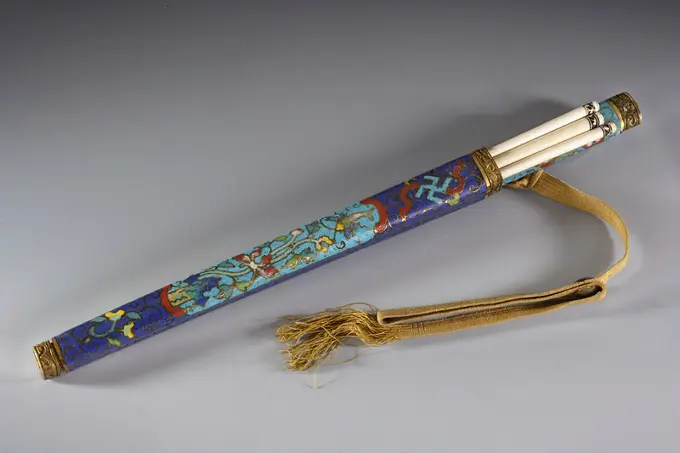
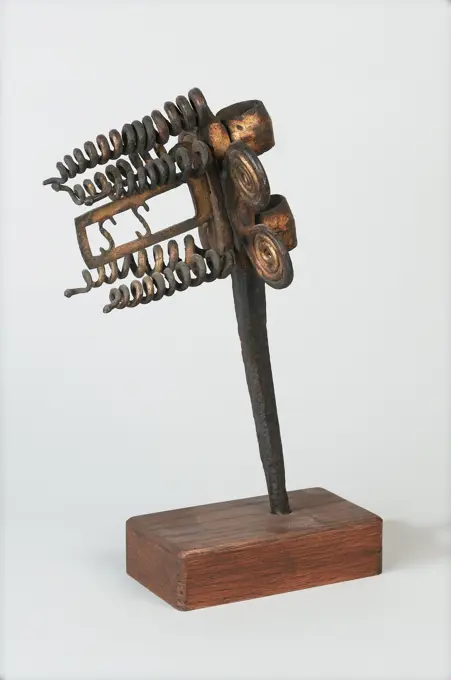
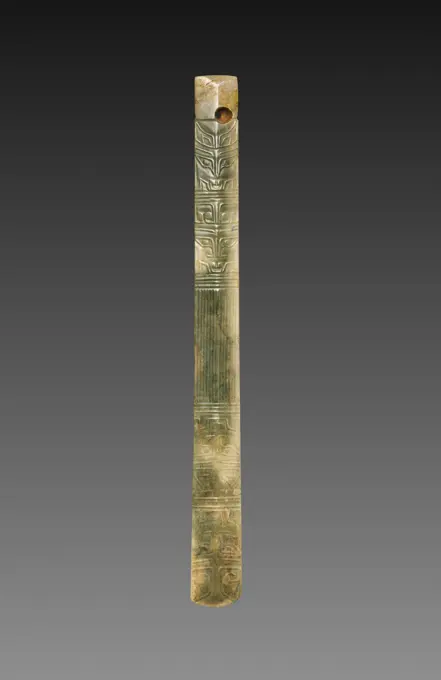
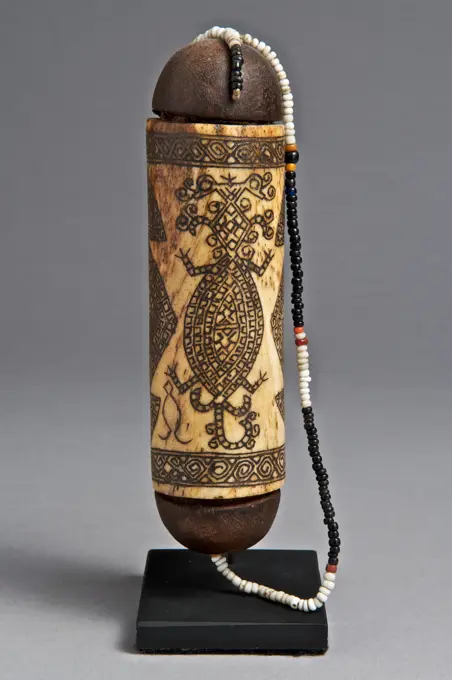
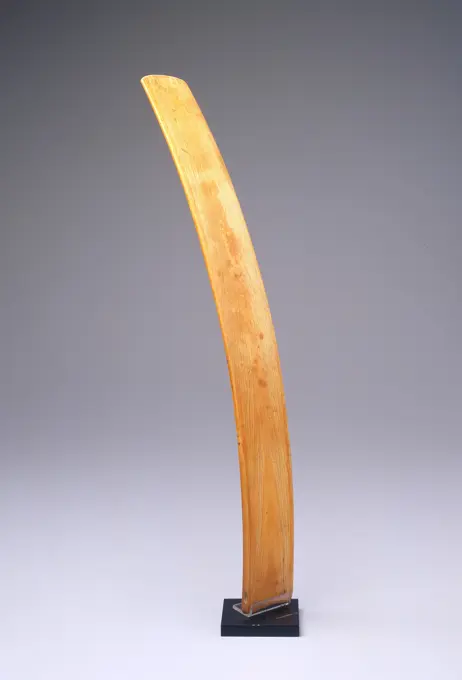
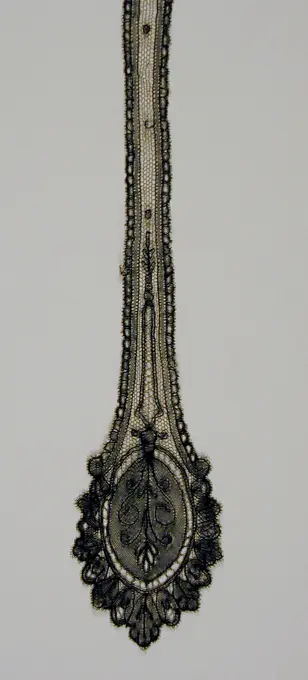
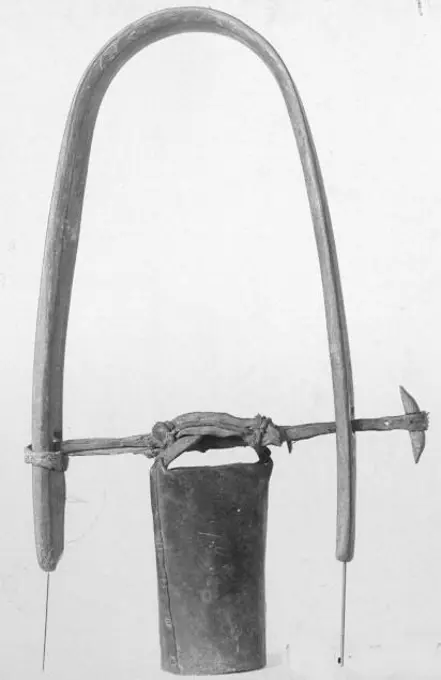
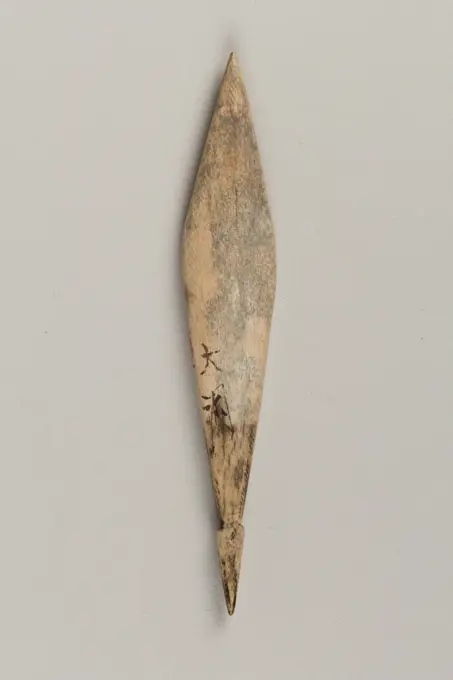
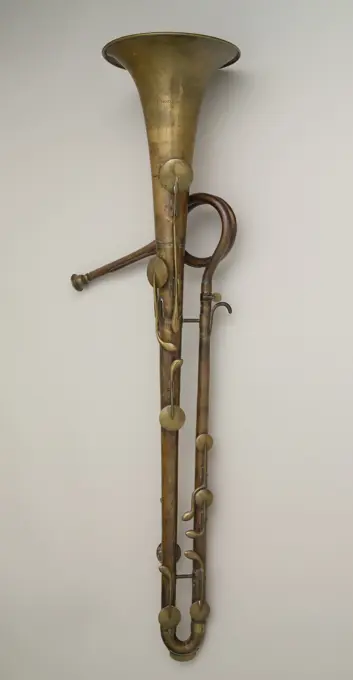
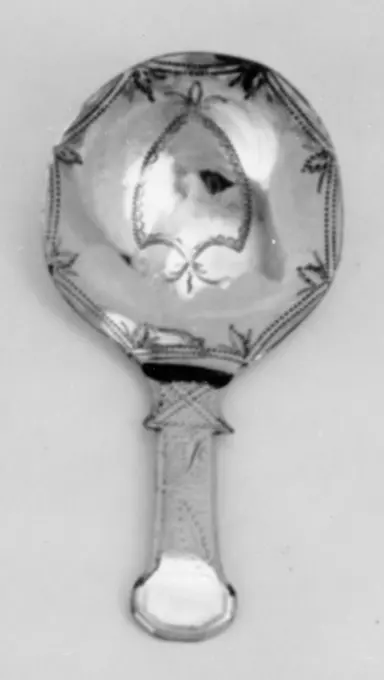
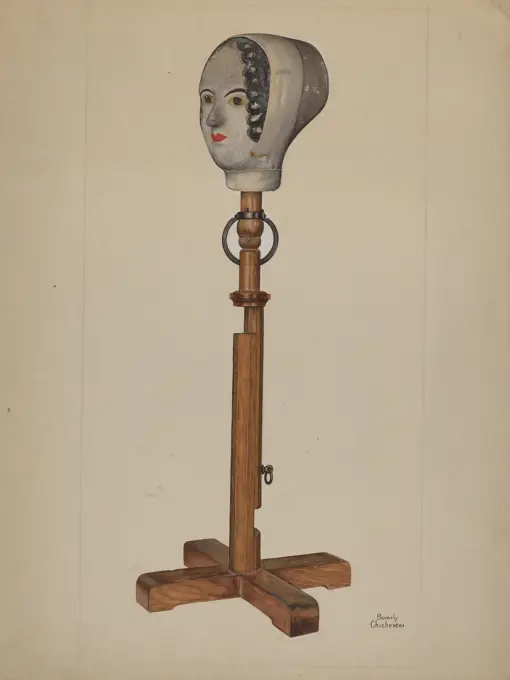
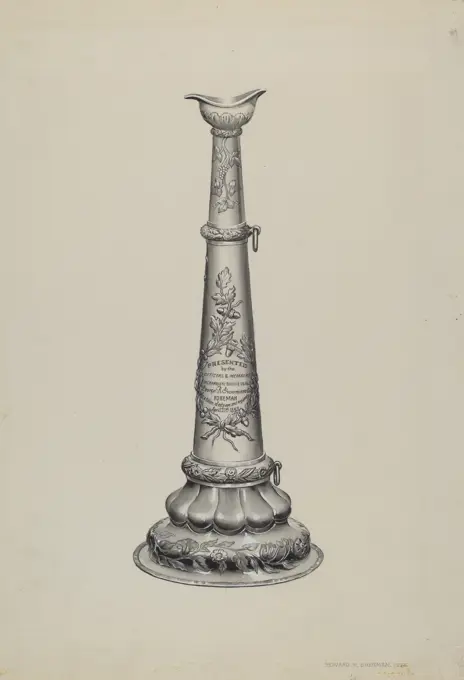
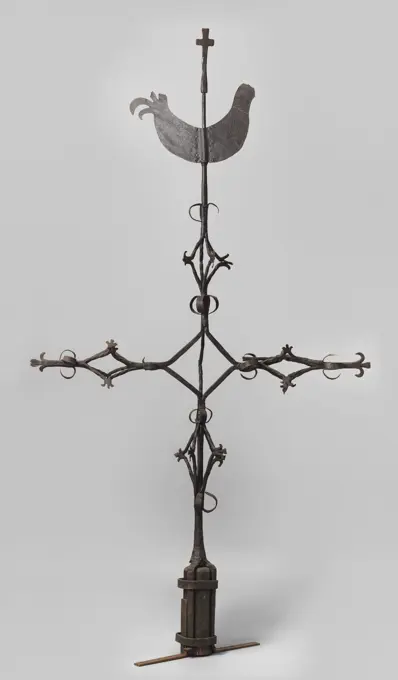
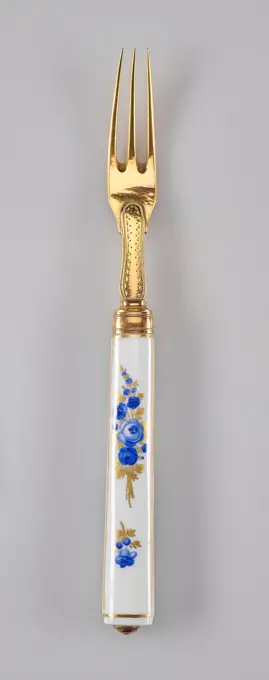
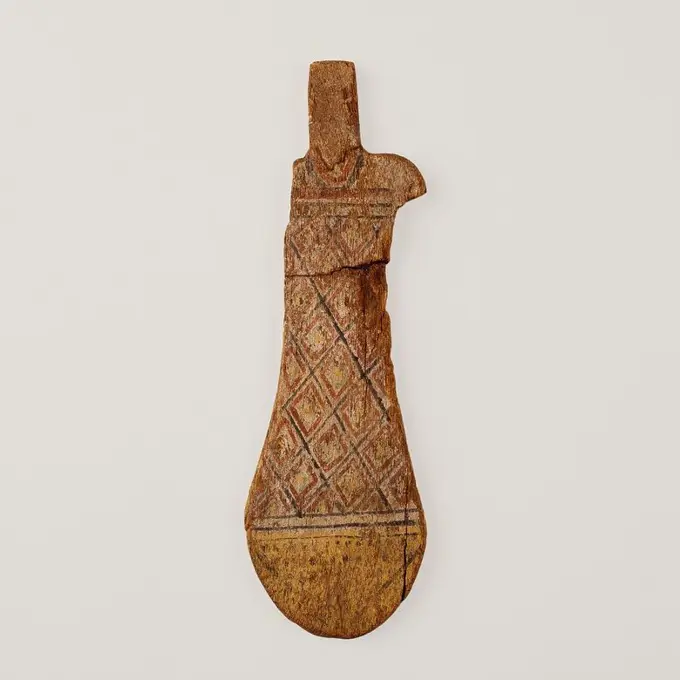
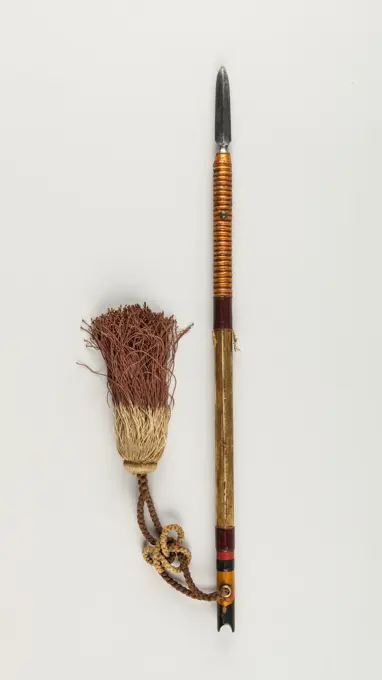
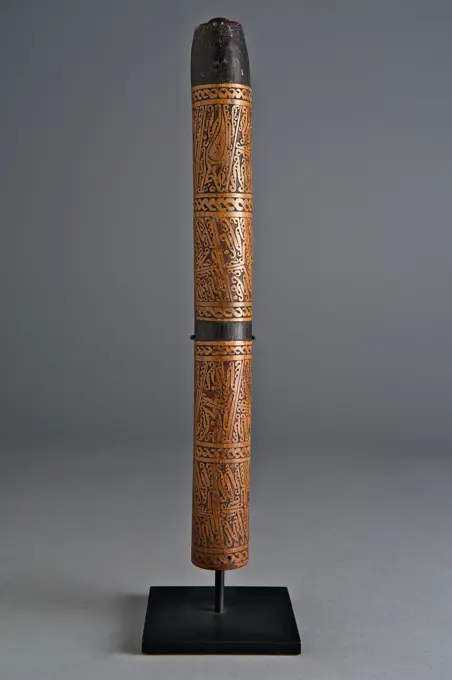
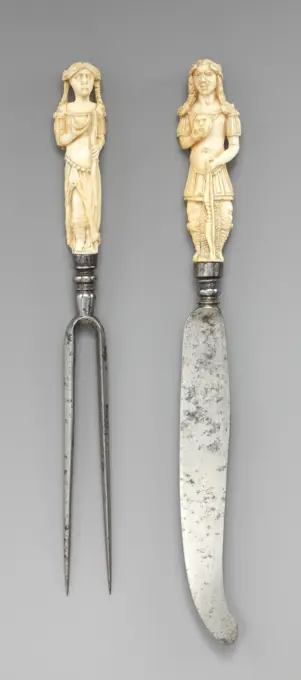
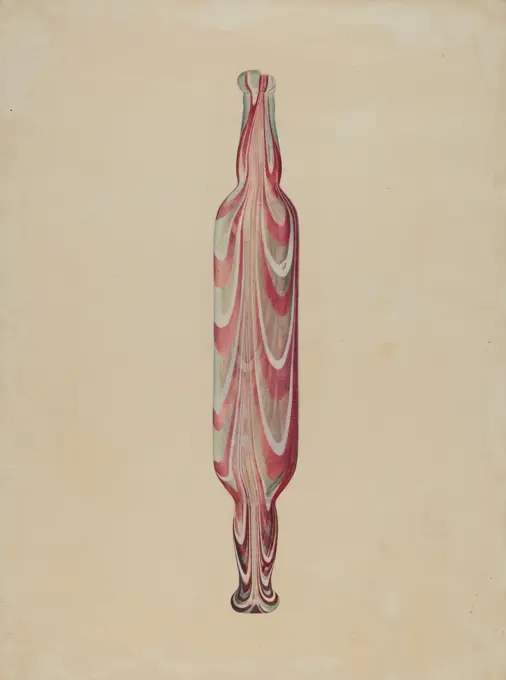
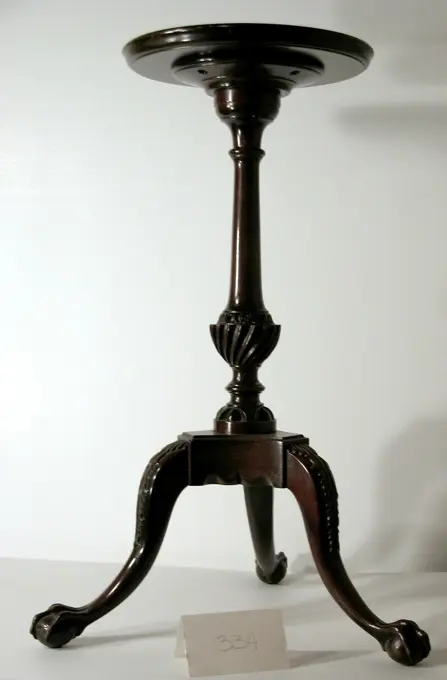
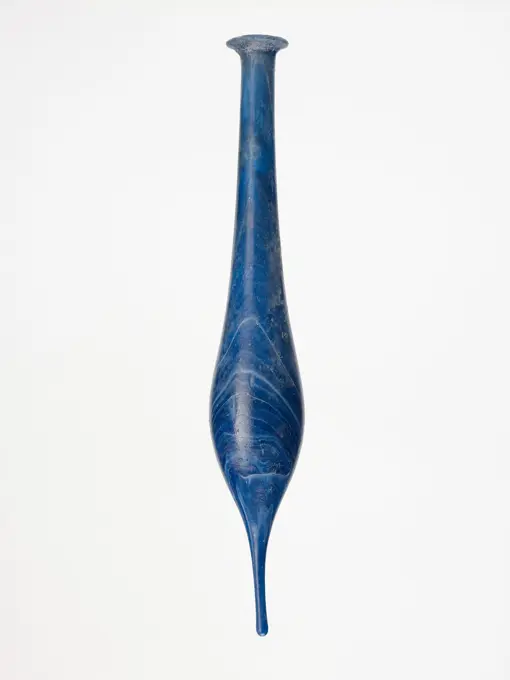
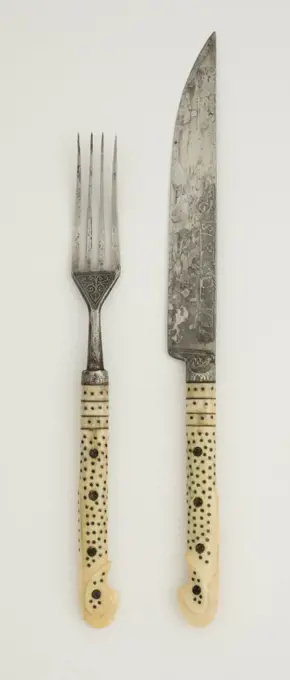
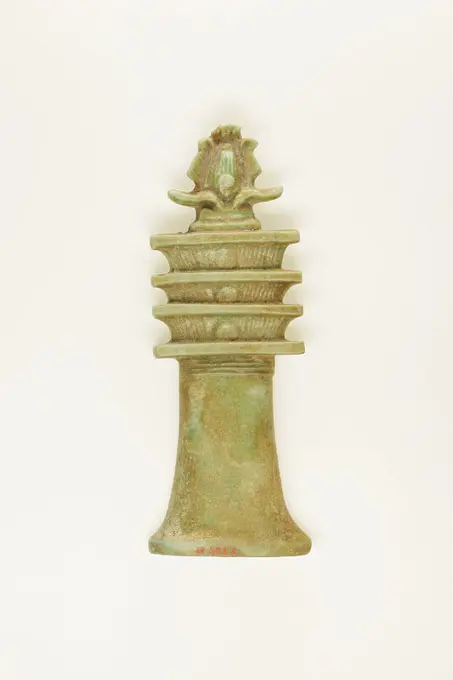
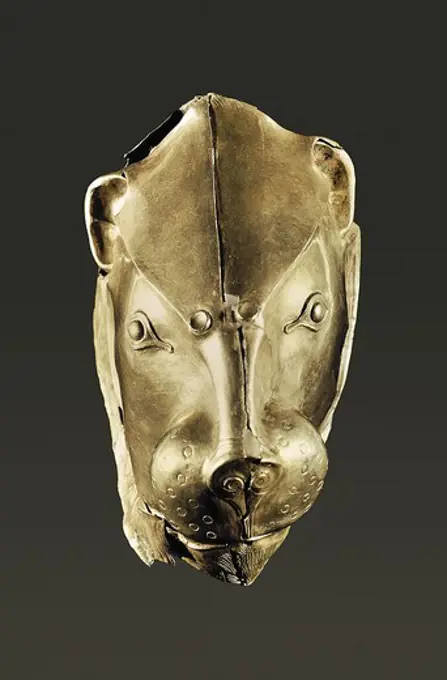
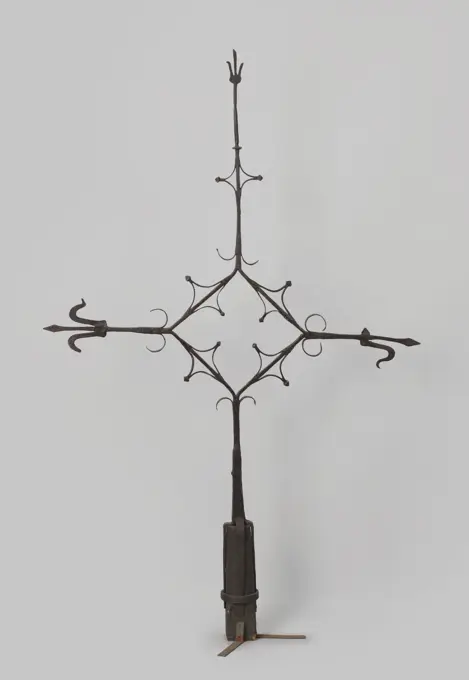
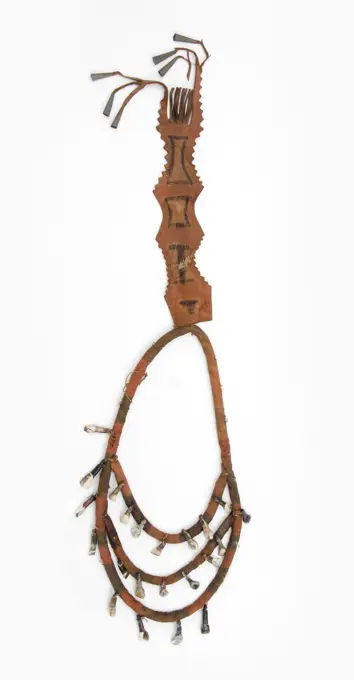
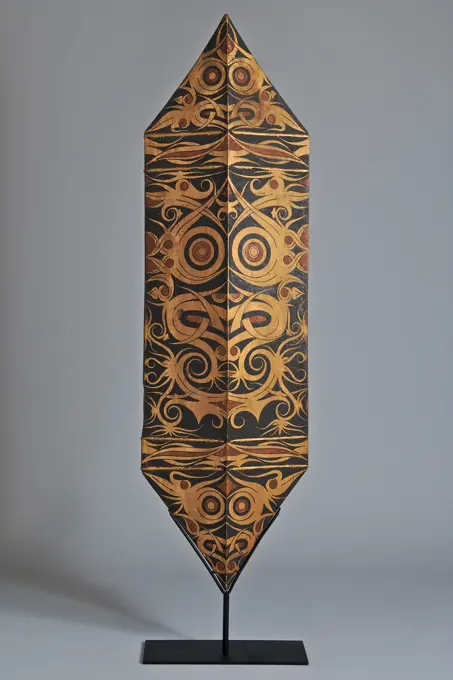
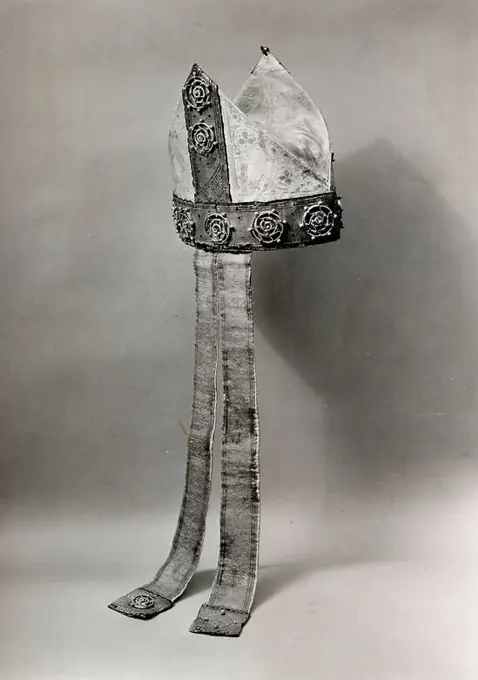
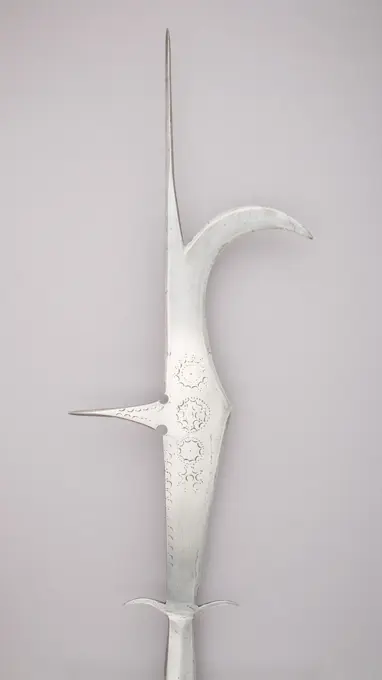
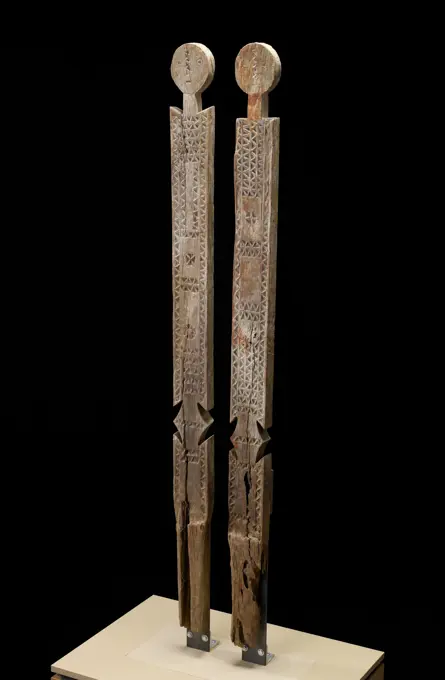
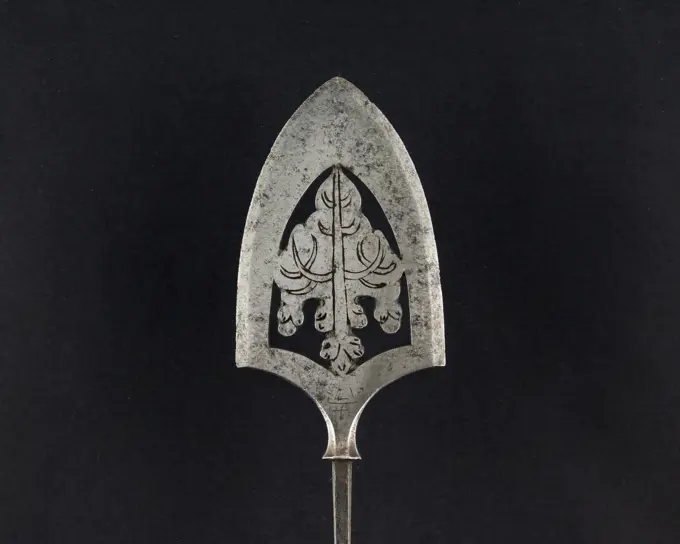
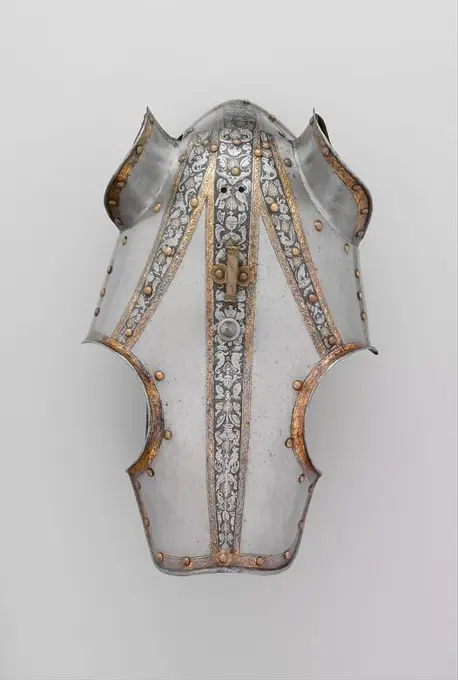
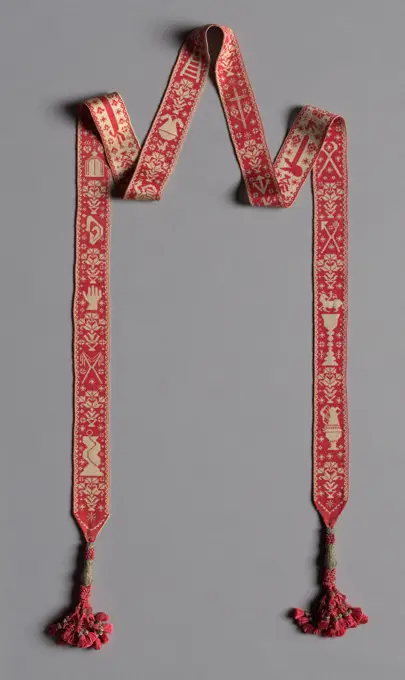
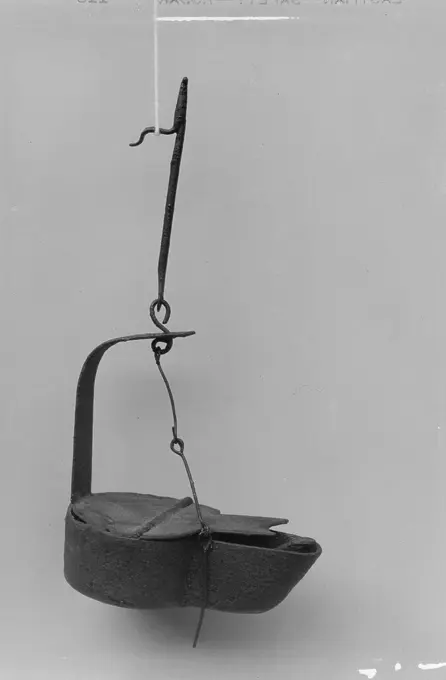
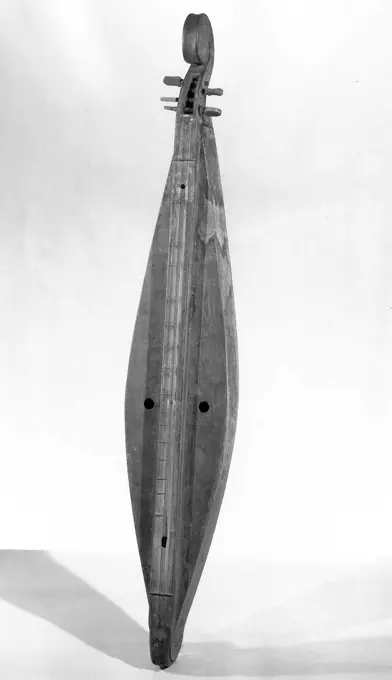
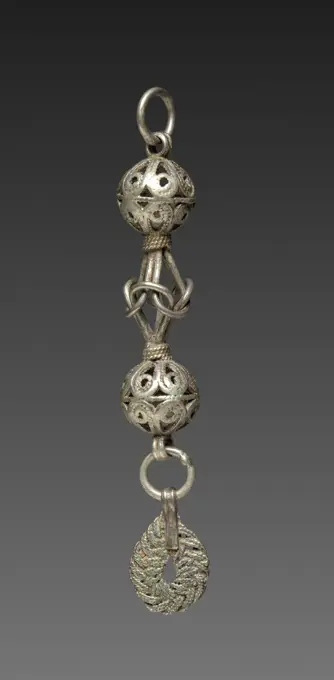
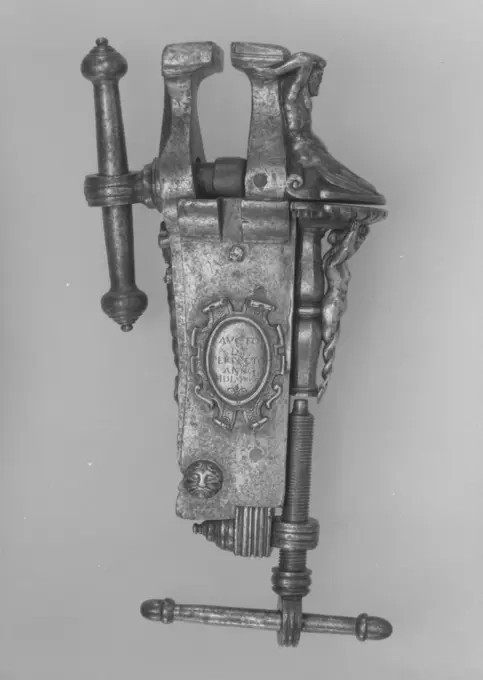
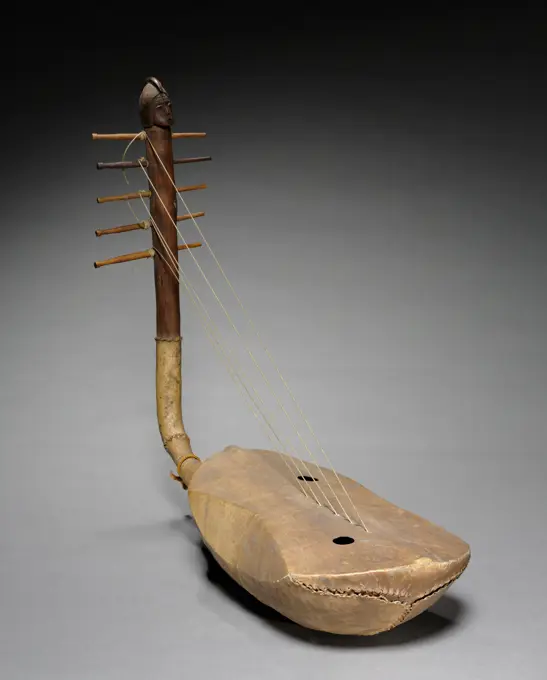
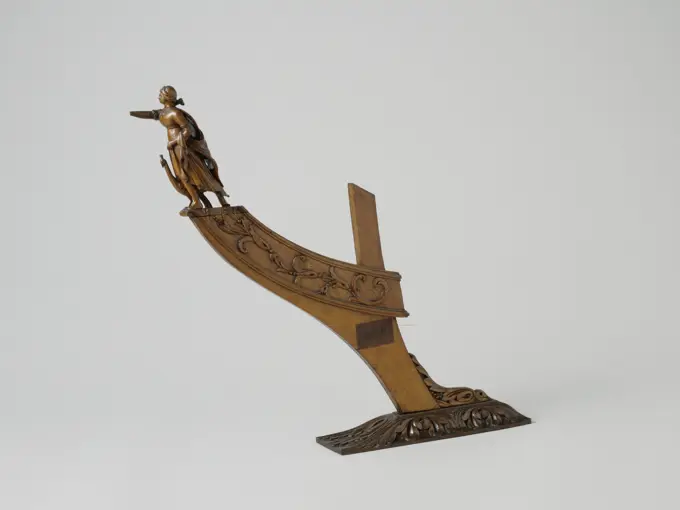
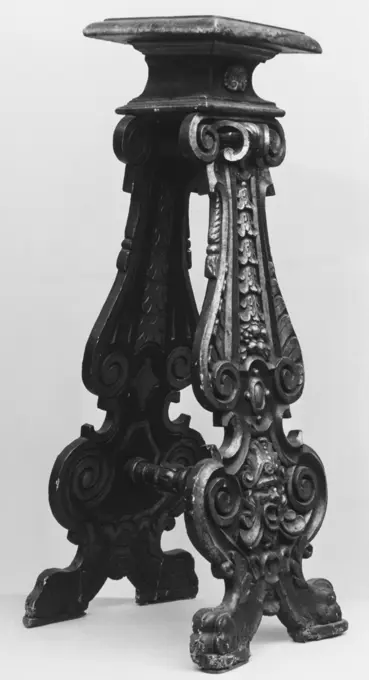
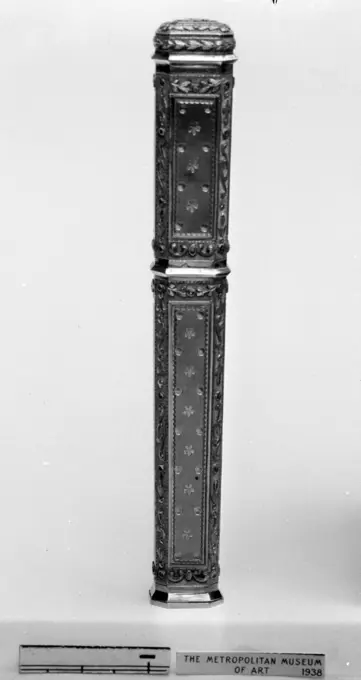
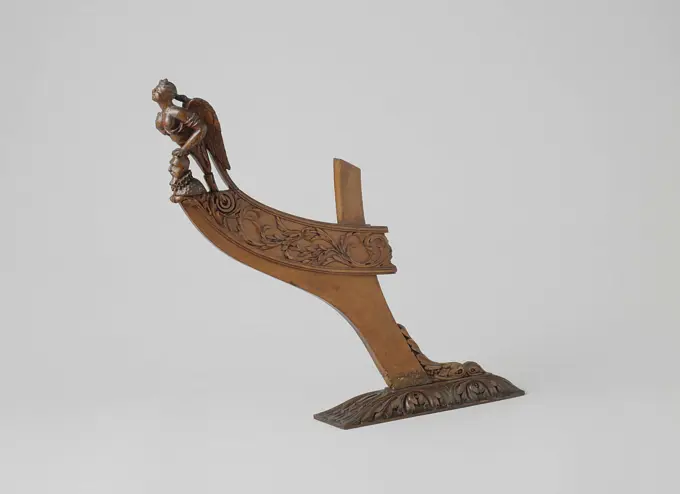
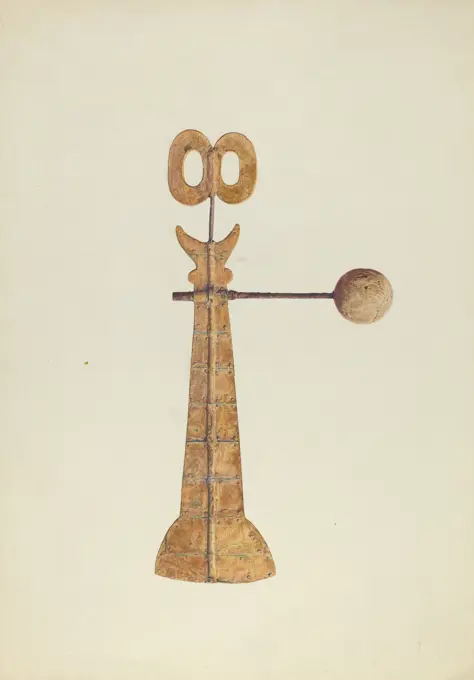
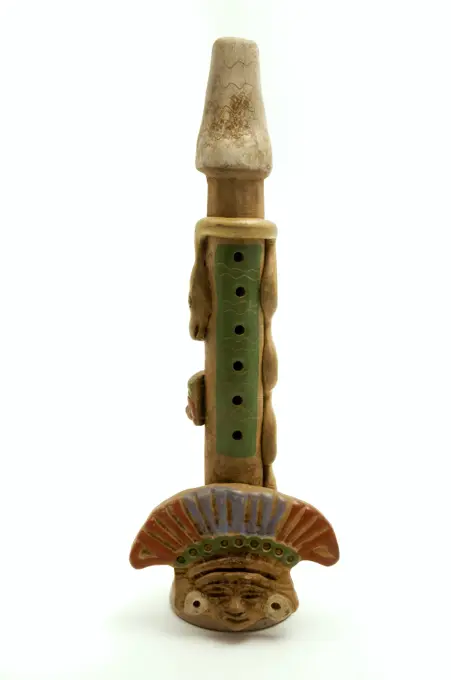
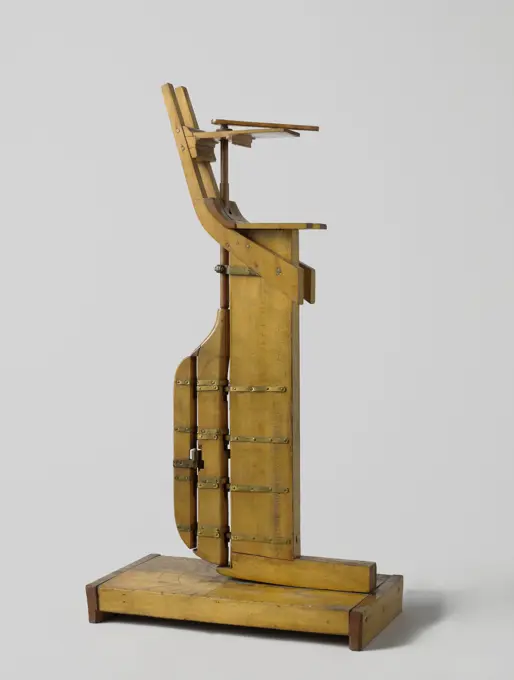
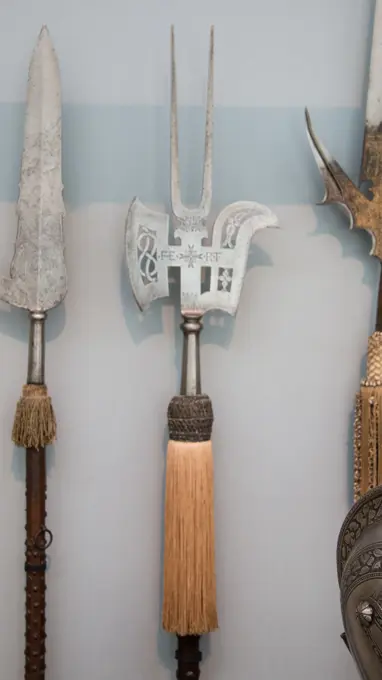
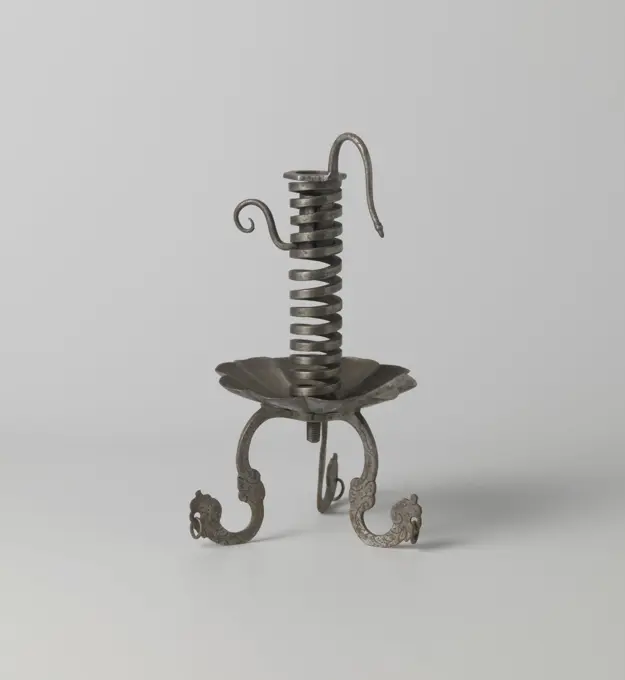
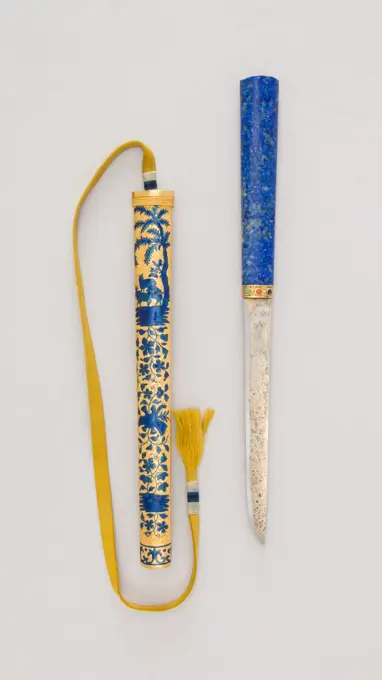
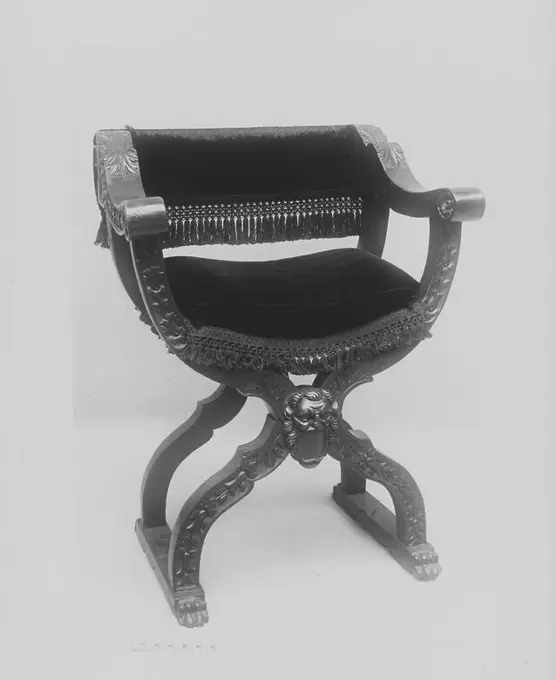
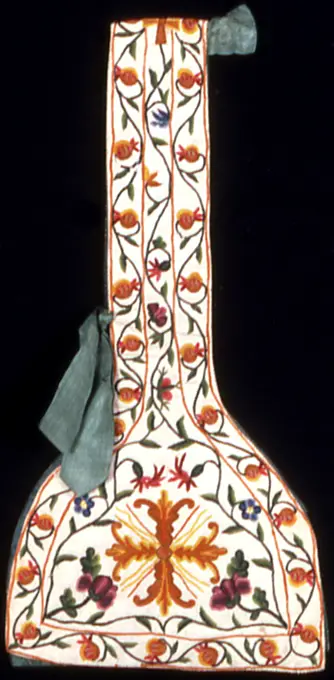
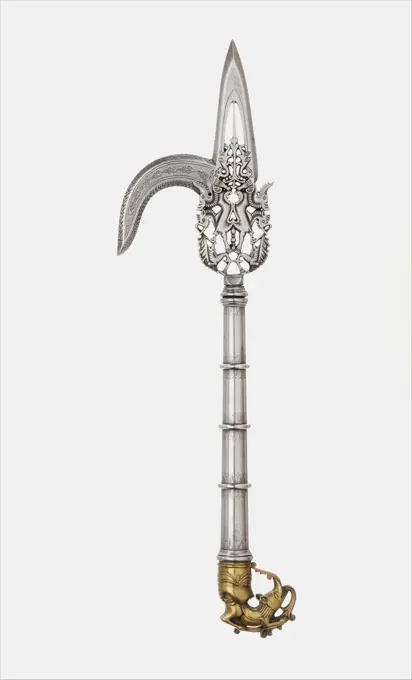
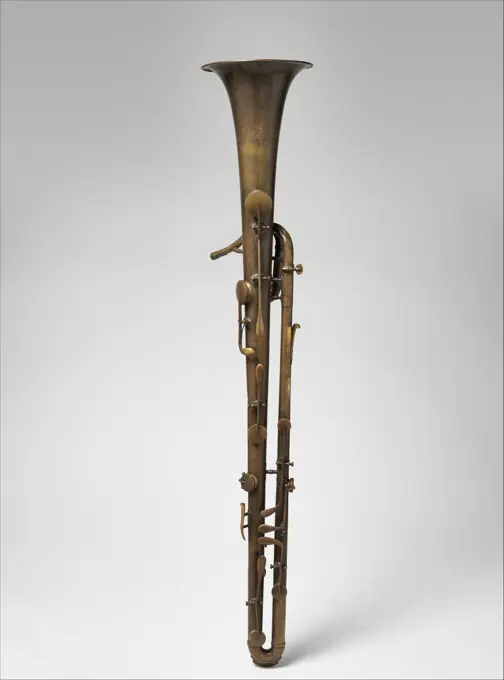
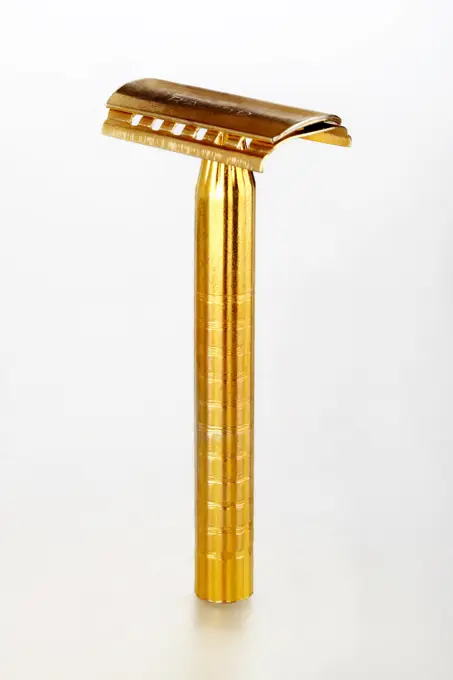
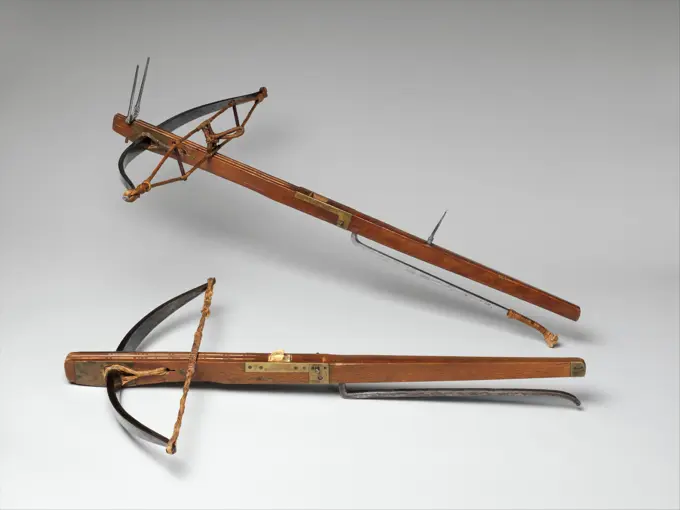
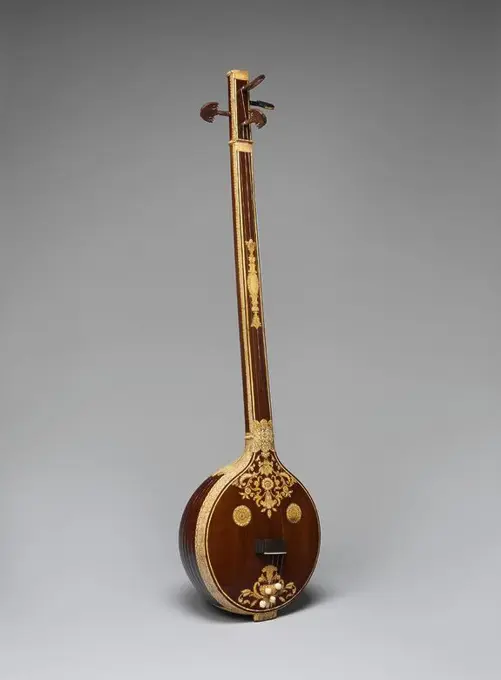
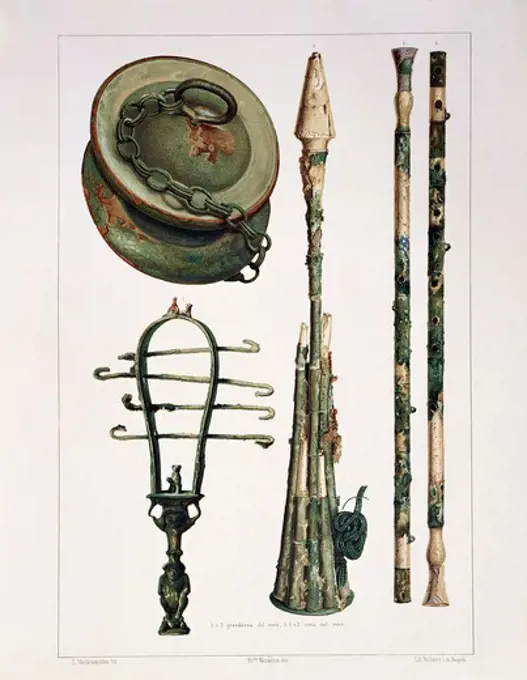
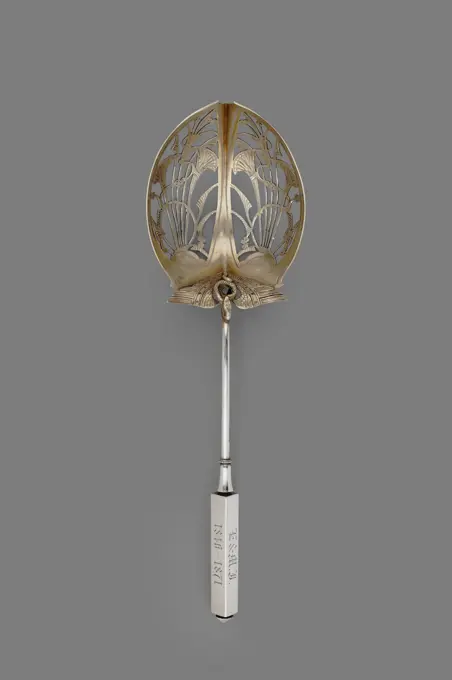
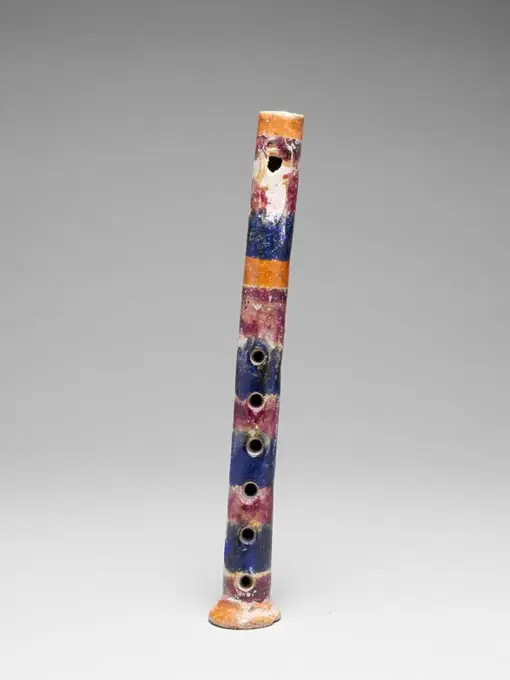
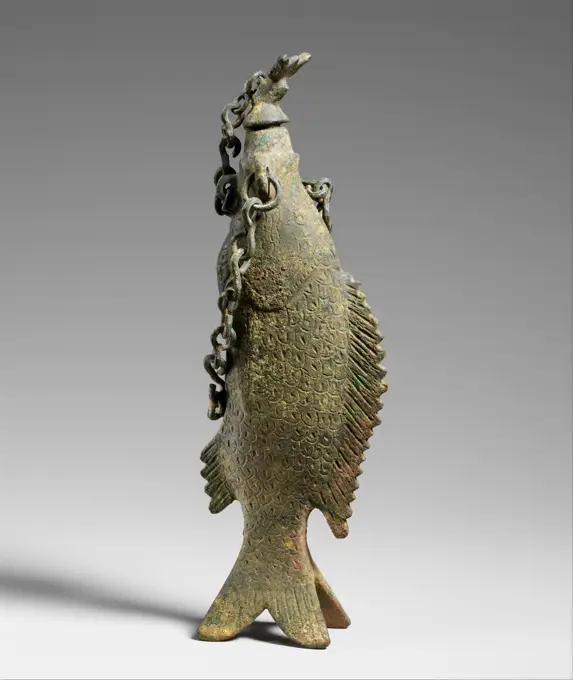
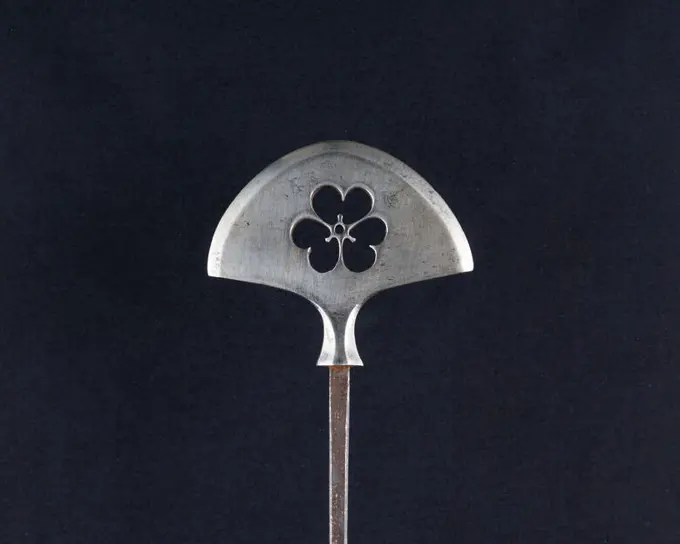
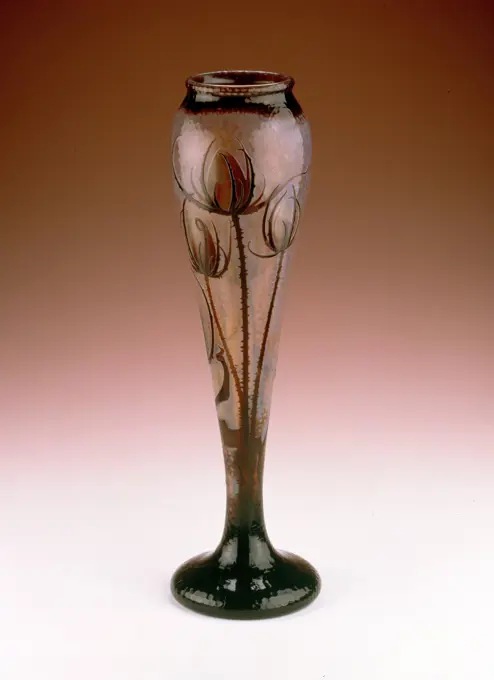
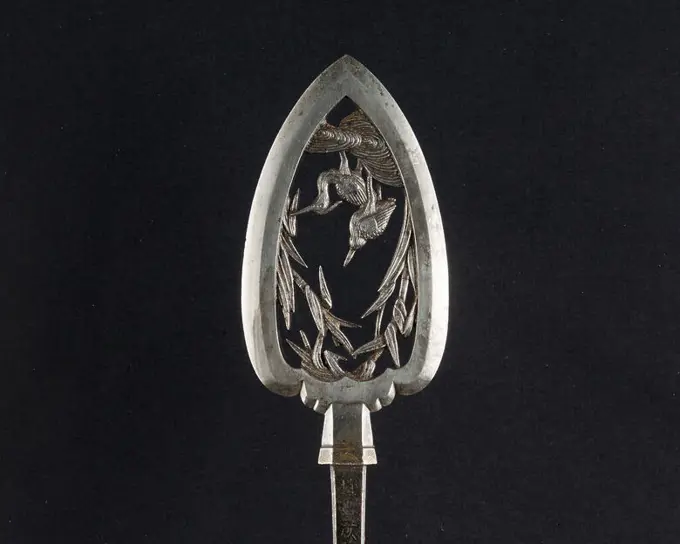
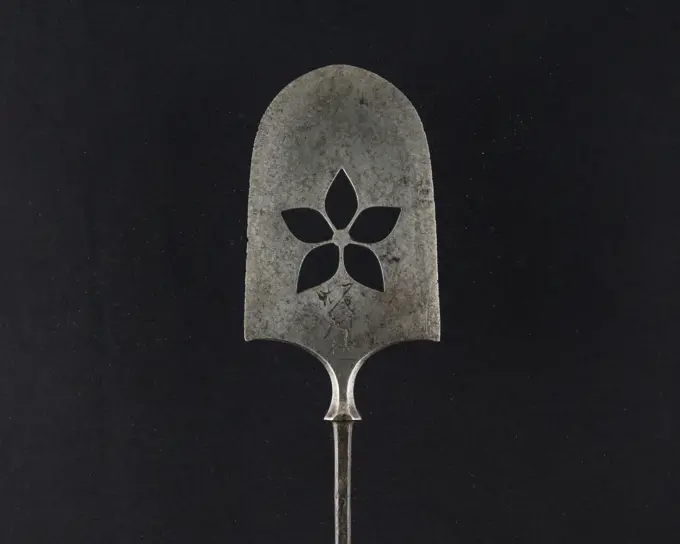
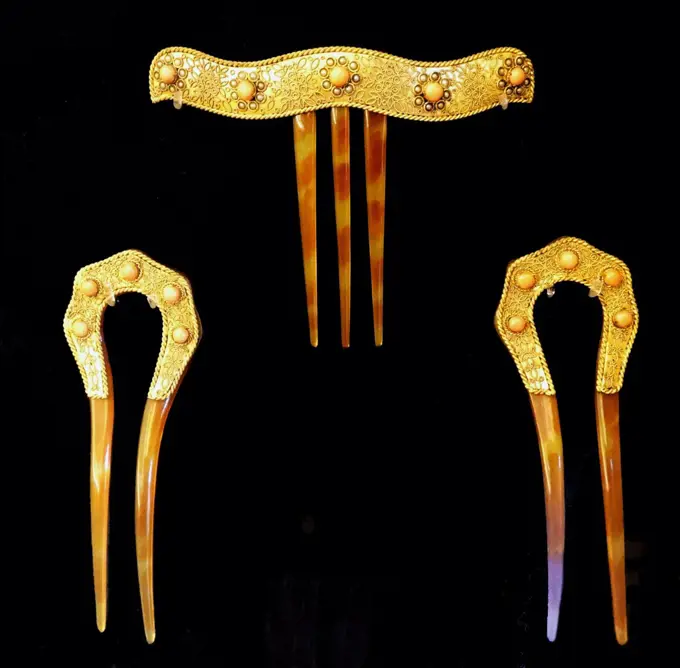
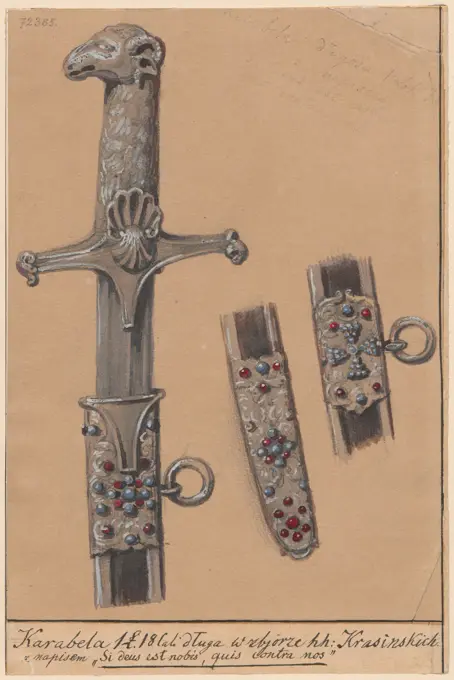
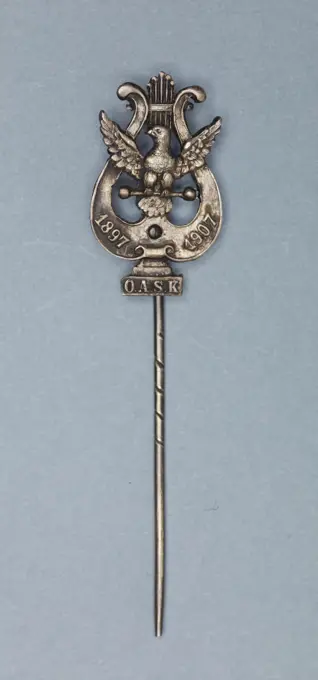
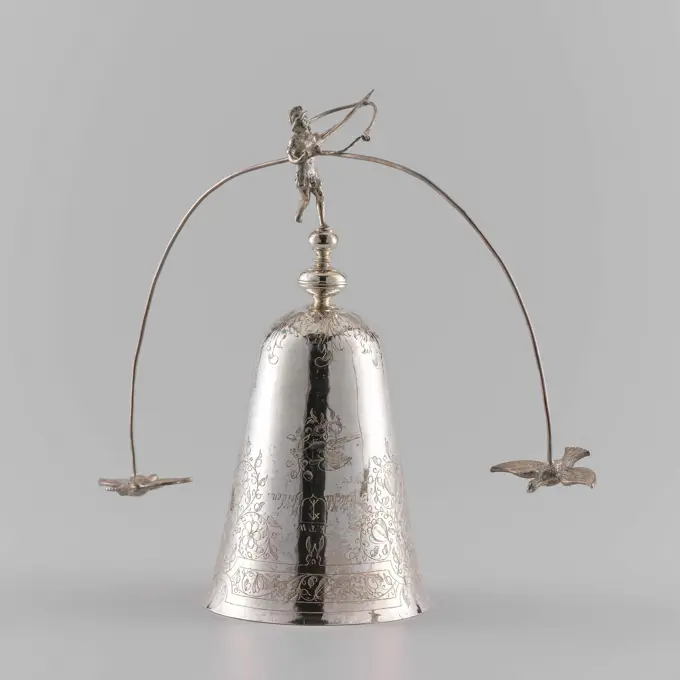
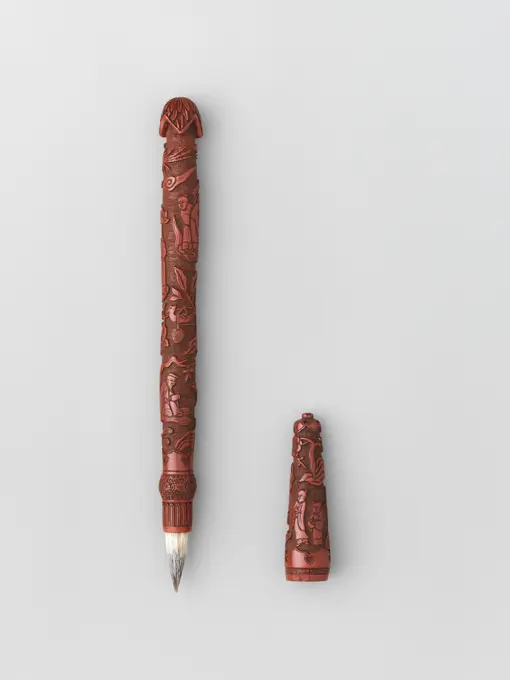
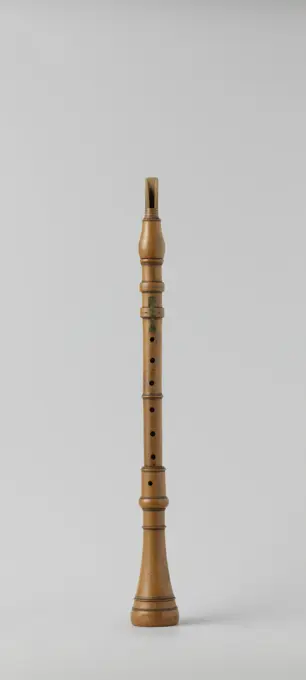
Clarinet, Gottlieb Crone, c. 1750 Palmhout clarinet with two valves. Leipzig boxwood (hardwood). brass (alloy) Palmhout clarinet with two valves. Leipzig boxwood (hardwood). brass (alloy)Brooch from Kilmainham early 20th century (original dated 11th century) Irish. Brooch from Kilmainham 463150SpoonOpium Pipe, 1800s. China, Qing dynasty (1644-1911). Wood and ivory; overall: 59.4 cm (23 3/8 in.).Cup-Hilted Rapier hilt, Spanish; blade, German, Solingen mid-17th century The rapier was the principal civilian sidearm throughout the sixteenth and seventeenth centuries. Designed for cut-and-thrust fencing of progressively complex techniques, the rapier is characterized by a double-edged blade with an acute point and an elaborate guard for the hand. The guards, usually of iron or steel, were subject to a variety of embellishment. They were engraved, chiseled, gilded, damascened, and encrusted in gold and silver in keeping with fashionable styles. Unless otherwise noted, the materials, attributions, and dating given here refer to the hilts. Rapier blades, invariably of steel, bear a variety of makers marks denoting their origin in the two principal centers of blademaking, Toledo in Spain and Solingen in Germany. View more. Cup-Hilted Rapier. hilt, Spanish; blade, German, Solingen. mid-17th century. Steel, copper wire. Solingen. SwordsPellet Crossbow probably 1550-1600 Italian or possibly Southern German. Pellet Crossbow 34072Umbrella. Culture: American. Date: 1888.Prior to the widespread mass-production of clothing in the 20th century, fashionable silhouettes changed more slowly, while small details and decorative elements were the focus of rapt attention and rapid change. In the umbrella and parasol industry, novelty was constantly required from the manufacturers themselves, as its product could not readily be created at home or by a skilled local craftsperson. The quest for invention is seen in this umbrella from the Brooklyn collection, where the fabric has a very interesting visual effect not unlike a tiger's eye stone, and the handle fascinates the viewer with its biomorphic quality. Umbrellas with various animal heads or other features worked into the handles were particularly favored in the 1880's and 1890s. Museum: Metropolitan Museum of Art, New York, USA.Trumpet. Trumpet.Rapier hilt, French; blade, European hilt, ca. 1580; blade, later The rapier was the principal civilian sidearm throughout the sixteenth and seventeenth centuries. Designed for cut-and-thrust fencing of progressively complex techniques, the rapier is characterized by a double-edged blade with an acute point and an elaborate guard for the hand. The guards, usually of iron or steel, were subject to a variety of embellishment. They were engraved, chiseled, gilded, damascened, and encrusted in gold and silver in keeping with fashionable styles. Unless otherwise noted, the materials, attributions, and dating given here refer to the hilts. Rapier blades, invariably of steel, bear a variety of makers marks denoting their origin in the two principal centers of blademaking, Toledo in Spain and Solingen in Germany. View more. Rapier. hilt, French; blade, European. hilt, ca. 1580; blade, later. Steel, gold, silver. SwordsA chromolithograph titled 'Alabaster container for the holy oil' created by F. Dreher between 1849 and 1853. The artwork showcases an alabaster vessel designed to hold sacred oil. It was published by Tip. A. Semena in Moscow, and reflects aspects of 19th-century Russian art through its detailed chromolithographic techniqueDance Paddle (rapa)Cutlery set. unknown, craftsmanFlagpost holder, anonymous, c. 1700 - c. 1850  Flagpole holder decorated with four flat and five cone -shaped spirals and a metal plate in which the letter 'SS' is cut out. With two rings rings, in which the flagpin can be stabbed. Bronze color remains on the holder. Netherlands wrought iron (iron alloy). wood (plant material) forgingCeremonial Scepter with Animal Masks (Gui), c. 1600-1050 BC. China, Shang dynasty (c.1600-c.1046 BC). Jade (nephrite); overall: 18.6 x 1.8 cm (7 5/16 x 11/16 in.).LimeContainerCourt Tablet (Hu), 17th century, 19 1/2 x 2 1/2 x 2 in. (49.53 x 6.35 x 5.08 cm), Ivory, China, 17th century, During the Ming dynasty (1368-1644), ivory hu were used by court officials from the first to fifth rank. These plain tablets were carried by officials while actually in the imperial presence. They denoted the category of the official concerned and were kept by the court doorkeeper as their possession gave access to restricted areas. They were no longer used at court during Ch'ing (1644-1912).Tie. Belgium, Grammont, 1870-1890s. Costumes. Silk Chantilly bobbin laceCattle Bell 19th century Austrian. Cattle Bell 502271Harpoon head Japan The Jōmon period is the earliest period in Japanese history, lasting from roughly 14,000 to 300 BCE. The Jōmon people were primarily hunter-gatherers, hunting land animals and gathering vegetables and nuts on the land as well as hunting and fishing at sea. Harpoon heads such as this one testify to the importance of seafood in the diets of some Jōmon communities, especially those close to the sea. Fish bones found at Jōmon archaeological sites indicate that the Jōmon hunted fish not only close to the shore but also farther out in the open sea, where larger fish could be caught. There is even evidence that the Jōmon ate pufferfish, a poisonous fish considered a delicacy in modern Japan.. Harpoon head 62282Tenor (Alto) Ophicleide in E-flat ca. 1825-65 Possibly by Charles Joseph Sax Belgian. Tenor (Alto) Ophicleide in E-flat 504775Maker's Mark J.L., probably John Lawrence, Caddy Spoon, 1810/11, silver.Beverly Chichester, Hat Model, c 1938 Hat ModelHoward H Sherman, Fireman's Trumpet, 1936 Fireman's TrumpetTorenkruis, anonymous, 1505 Tower cross of wrought iron. unknown wrought iron (iron alloy) Tower cross of wrought iron. unknown wrought iron (iron alloy)Fork, from a flatware dessert service, 18th century, Meissen Porcelain Factory, Meissen, Germany, est. 1710, Hard paste porcelain, gilt metal, Germany, 18th centuryPaddle Doll. Dimensions: H. 22 cm (8 11/16 in). Dynasty: Dynasty 11. Date: ca. 2030-1981 B.C.. Museum: Metropolitan Museum of Art, New York, USA.Betty Lamp 1725-75 American. Betty Lamp. American. 1725-75. Iron. Made in Pennsylvania, United StatesJavelin (Uchi-Ne) ca. 1615-1868 Japanese. Javelin (Uchi-Ne). Japanese. ca. 1615-1868. Shafted WeaponsTelescope stand 17th century Flemish or Dutch. Telescope stand. Flemish or Dutch. 17th century. Iron, brass. Metalwork-IronSanxian (Three-Stringed Guitar), 1800s. China, Qing dynasty (1644-1911). Wood; diameter: 14.4 cm (5 11/16 in.); overall: 82.6 cm (32 1/2 in.).Sconce; bronze (gilt); 1904-26-1Candelabrum with a Dancer. UnknownContainerFork with carved handle in the form of Diana late 18th century Dutch or British. Fork with carved handle in the form of Diana. Dutch or British. late 18th century. Steel, ivory. Metalwork-SteelDonald Williams, Rolling Pin (Glass), c 1938 Rolling Pin (Glass)Implement, 11th-10th century BCE, 6 1/8 × 1 1/2 in. (15.5 × 3.8 cm), Bronze, China, 11th-10th century BCEWineStand.   Maker: Kittinger Furniture Company, Incorporated, Founded 1866Scabbard, 19th century. Philippines. overall: 44.8 cm (17 5/8 in.).Alabastron (Container for Scented Oil) 1 CE-100 CE Roman Empire. Initially affordable among only the wealthy, glass was used widely in the Roman world to create a variety of everyday objects such as those displayed here, including delicate cosmetic containers that held perfumes and oils and various forms of tableware designed for serving food and drink. Glass was also used to imitate precious stones in jewelry.. Glass, blown technique . Ancient RomanFork, ivory, brass, steel, Fork has four curved tines. Angular shoulders, engraved decoration on front and back of join, plain neck. Ivory handle oval in section, flaring towards the end. Handle inlaid with small brass dots and three horizontal brass bands., Sarajevo, Yugoslavia, ca. 1896, cutlery, Decorative Arts, ForkDjed pillar Amulet. Dimensions: H. 9.3 × W. 3.5 × D. 0.7 cm (3 11/16 × 1 3/8 × 1/4 in.). Date: 664-30 B.C..The djed-pillar is a stylized representation of an early fetish that probably consisted of plant material. From the beginning of ancient Egyptian history it was used as a symbol signifying permanence. From the New Kingdom on it was associated with the god Osiris and identified as his backbone. The djed-pillar here was probably used as funerary amulet to ensure permanence and to closely connect the deceased to Osiris, a god who was revived after death. On top of the djed-pillar is a so called atef-crown that was often worn by Osiris. Museum: Metropolitan Museum of Art, New York, USA.Gold Rython. 16th C. BC. Object found in the Fourth Tomb of A-level Tombs. Mycenaean art. Jewelry. GREECE. ATTICA. Athens. National Museum of Archaeology. Proc: GREECE. PELOPONNESE. ARCADIA. Mycenae.Tower cross decorated with lilies on the points, c. 1400 - in or before 1950 A forged iron cross of a spire or a church ridge, decorated with lilies on the points.  iron (metal) A forged iron cross of a spire or a church ridge, decorated with lilies on the points.  iron (metal)Necklace -ShieldDouble flageolet, John Simpson, c. 1830 - c. 1850 Dubbel brage olet made of palmhout, mounted with ivory and silver. Marked in various places: Simpson/260 Regentstreet/London/Patent. London boxwood (hardwood). ivory. silver (metal) Dubbel brage olet made of palmhout, mounted with ivory and silver. Marked in various places: Simpson/260 Regentstreet/London/Patent. London boxwood (hardwood). ivory. silver (metal)Lamp (England); enameled tôleMitre. Culture: Austrian. Dimensions: 8 5/8 x 10 1/2 in. (21.9 x 26.7 cm). Date: 13th century. Museum: Metropolitan Museum of Art, New York, USA.Guisarme ca. 1500 Italian. Guisarme 26202Vigango, late 19th-early 20th century, 71 x 4 7/16 x 1 13/16 in. (180.3 x 11.3 x 4.6 cm), Wood, pigment, Kenya, 19th-20th century, This memorial figure honors a deceased relative, a male member of the Gohu Society. When a problem arose within the family or village, the spirit of a deceased relative who was a Gohu Society member would appear to a living relative in a dream. The spirit would mediate and remedy the problem by giving guidance to the dreamer. Two relatives would only appear when problems were severe.Gebetsrad Prayer wheel, Tibet, 19th century, silver, copper, ivory, wood, and coral,MuEC, Barcelona, Catalonia, Spain LicenseRF Copyright: xZoonar.com/Tolox 23171413Arrowhead (Yanone) 18th century Japanese Although today Japanese warriors are renowned most for their swordsmanship, archery, especially from horseback, has been an essential part of samurai warfare and culture for centuries. Arrows were fitted with heads of varying shape according to their intended use in war, the hunt, or target practice. Arrowheads made for use on the battlefield incorporated different designs intended for specialized purposes such as the piercing of armor or to cause maximum damage to horses and unarmored personnel.Large arrowheads, pierced and elaborately chiseled with landscapes, birds, flowers, dragons, and Buddhist divinities, were created to be admired for the beauty of their metalwork and design rather than for use in archery. Such highly elaborate examples may have been made for presentation or as a votive offerings to a shrine.. Arrowhead (Yanone). Japanese. 18th century. Steel. Archery Equipment-ArrowheadsHalf-Shaffron (Horse's Head Defense). Culture: Italian, probably Milan. Dimensions: H. 15 1/4 in. (38.7 cm); W. 10 3/4 in. (27.3 cm); D. 7 in. (17.8 cm); Wt. 2 lb. 11 oz. (1208 g). Date: ca. 1570-80.This shaffron matches an Italian armor for man in the Metropolitan Museum (acc. no. 14.25.717) that is today mounted on horseback as part of the equestrian group in the main hall of the Arms and Armor Galleries. The slender bands etched with trophies of arms, vases, birds, and grotesque creatures on a dotted and blackened ground are typical decoration for Italian armor of the period. The shaffron is particularly noteworthy for preserving its original lining of coarse-woven linen filled with vegetable fiber. While nearly all armor was once lined in this way, very few original linings have survived. (The spike is modern; the gilding has been restored). Museum: Metropolitan Museum of Art, New York, USA.Knitted Bible Mark (Three of Four), 18th-19th century. Spain, 18th-19th century. Knitted silk; overall: 248.9 x 8.5 x 2.5 cm (98 x 3 3/8 x 1 in.).Betty Lamp. Culture: American. Dimensions: 8 x 4 in. (20.3 x 10.2 cm). Date: 1725-75. Museum: Metropolitan Museum of Art, New York, USA.Appalachian Dulcimer late 19th century American. Appalachian Dulcimer 500912Button, 1800s. Balkans, 19th century. Silver; average: 8.3 cm (3 1/4 in.).Armorer's vise 1588 Jacopo da Ferrara In sixteenth century Italy the technique of cold-chiseling sculpturesque subjects remained primarily the province of the armorer. Sculpturesque ornament extended even to the tools of the armorers craft. The jaws of this iron vise are decorated with a mermaid and a merman, while another merman adorns the back. The vise is inscribed with the date 1588 and the name of its maker, Jacopo da Ferrara, about whom nothing further is known, though his name suggests he had left Ferrara when this piece was made. Although the three creatures of chiseled iron are less finely finished than many of those of the sixteenth century Milanese armorers, who were world famous for the beauty and delicacy of their sculptured ornament, they are far more lively in conception. In the taut, powerful anatomies of the mermaid and merman braced against each jaw of the vise, Jacopo was able to express all the straining power of the mechanism they adorn.. Armorer's vise. Northern Belt Hook with Dragons 2nd century B.C. North China. Belt Hook with Dragons 59560Harp, 1900s. Africa, Central Africa, Democratic Republic of Congo, Mangbetu, 20th century. Wood, rawhide, and string; overall: 63.6 cm (25 1/16 in.).Model of a Figurehead, anonymous, 1800 - 1850 scale model Model of a sheg image on Scheg, on a ground board, incomplete. The figure is a standing woman in Roman clothing, her right arm lifted (the hand is missing), with a peacock at her feet. The Scheg and the floor board are decorated with leaf work in relief. The figure presents the goddess Juno. Netherlands wood (plant material)  (story of) Juno (Hera)Helmet with Talismanic Inscriptions. Dimensions: H. 9 3/4 in.(24.8 cm)Diam. 7 1/2 in. (19.1 cm). Date: 18th century.Although this helmet was a serviceable military object, it was probably used as an accessory of a parade armour. Forged from watered steel and damascened in gold with talismanic inscriptions, it contains an invocation to 'Ali, the son-in-law and cousin of the Prophet, and calls upon him for protection against harm and danger. The verses are distinctly Shi'i, and commonly found on objects from the Timurid through the Qajar periods in Iran and Central Asia. Museum: Metropolitan Museum of Art, New York, USA.Bronze extraction forceps, from PompeiPedestal (one of a pair) late 16th century Italian. Pedestal (one of a pair) 238003Sealing wax case (étui) 1789-90 Possibly by Jean-François Mancel In eighteenth-century Europe, Paris led the production of high-quality luxury goods. Parisian goldsmiths made a wide range of small, personal articles such as snuffboxes; étuis to hold sealing wax, tweezers, or utensils for sewing; souvenirs, which contained thin ivory tablets for note taking; and shuttles for knotting lace. Gold snuffboxes and boxes decorated with portrait miniatures were prized and frequently given as royal gifts, often to ambassadors or members of the court in lieu of cash payments for their services. Coveted and admired, these boxes were produced from a variety of materials. The best were skillfully made of gold and embellished with diamonds, enameled decoration, lacquer, and other luxurious materials. By the middle of the century, the taking of snuff had become an entrenched social ritual, and the snuffbox, too, had become an important social prop. Snuffboxes were considered highly fashionable accessModel or a figureehead. Model of a sheek image on sheas, on a base board. The figure consists of a man's head, which is crowned with a laurel wreath by a harpy above him; The harpy also blows on a trumpet, which is missing smane with the right arm. The shipment and floor plank are decorated with leafwork in relief. The figure presents from Oldenbarneveldt, crowned by fame.Harriette Gale, Weather Vane, c 1939 Weather VaneOld aztec flute on a white backgroundModel of Lumleys Patent Rudder, anonymous, anonymous, 1865 demonstration model Model of a rudder, stirring stabs and parts of the keel, rear apostles and two decks, on a ground board. It was once poorly restored. The stern has a heel and four stirring, the roson king is round and continues to the upper deck, where there is a short stirring pen. The rudder blade is vertically divided into two pieces, the rear part with four stir -fry attached to the front. Because the rear leaf with an S-shaped hinge is linked to the stindle, it strikes extra far when the rudder turns the rudder. The hinge is attached to the rudder stab with a long pin, which can be removed. A degree arch is scratched on the ground board. Netherlands wood (plant material). brass (alloy)Halberd of the Bodyguard of Emanuele Filiberto (1528-1580), Duke of Savoy dated 1579 Italian. Halberd of the Bodyguard of Emanuele Filiberto (1528-1580), Duke of Savoy 22197Spiral candlestick, anonymous, 1550 - 1750 A spiral wrought iron on three narrow legs, which are engraved with leaf decorations and have a hole on the end, making a ring achieved. On the three legs, the openwork, spiral -shaped trunk is screwed with the shell -shaped fat catcher in between. In the trunk is the tube -shaped candle holder with a curled handle, so that the candle holder is adjustable in height. At the top of the trunk is a handle. West-Europa iron (metal) forging A spiral wrought iron on three narrow legs, which are engraved with leaf decorations and have a hole on the end, making a ring achieved. On the three legs, the openwork, spiral -shaped trunk is screwed with the shell -shaped fat catcher in between. In the trunk is the tube -shaped candle holder with a curled handle, so that the candle holder is adjustable in height. At the top of the trunk is a handle. West-Europa iron (metal) forgingImperial Knife with Sheath 18th century Chinese This elegant knife was intended as a personal accessory for a member of the imperial court, rather than as a weapon. It is part of a group of several known examples, all of which are similar in shape, size, and richness, but with each having some differences, particularly in the style and decoration of the sheaths. The gilding of their blades is a distinctive and highly unusual feature; the steel beneath the gold is purposely roughened to create a mottled, naturalistic surface to contrast with the refined precision of the accompanying hilt and sheath. At the base of the spine of the blade, the Qianlong mark is inlaid in gold letters: Qianlong nian zhi (Made in the Qianlong reign). The decoration on the sheath imitates European gold and enamel work.. Imperial Knife with Sheath 27397Dutchman. Dōraku (Japan, Onomichi, active early 19th century). Japan, 18th century. Costumes; Accessories. WoodFolding armchair. Culture: Italian, Venice. Dimensions: 36 x 29 x 18-1/4 in. (91.4 x 73.7 x 46.4 cm). Date: second half 16th century. Museum: Metropolitan Museum of Art, New York, USA.Maniple Made 1740-1760 France. Wool, 2 2 twill weave; embroidered with wool, in chain stitches and French knots with silk, plain weave ribbons; lined with silk, plain weaveElephant Goad (Ankus) 17th century South Indian A goad is carried by the mahout or elephant driver. The sharp point and hook was used to guide the animal to behave or move in a specific way, making it a crucial tool for hunting expeditions. The steel blade here features fantastical creatures, while the brass butt is formed by a dog-like animal issuing from a tigers mouth. Since it is ornately decorated, it may have also been intended for display in ceremonial processions.. Elephant Goad (Ankus). South Indian. 17th century. Steel, brass. Shafted WeaponsTenor (Alto) Ophicleide in E-flat ca. 1830-50 Couturier French. Tenor (Alto) Ophicleide in E-flat 504827Walking stick handle, Bapst et Falize, c. 1880 - c. 1890 Walking stick button of gilded and colored silver as a copper. It has the shape of a tree trunk on which is a rat -lined rat. At the bottom of time, a gilded silver seal stamp with the monogram S.M. screwed. Paris silver (metal). gilding (material) gilding Walking stick button of gilded and colored silver as a copper. It has the shape of a tree trunk on which is a rat -lined rat. At the bottom of time, a gilded silver seal stamp with the monogram S.M. screwed. Paris silver (metal). gilding (material) gildingShaving Razor Blade India Copyright: xHarixMahidhar/DinodiaxPhotoxHandscreen, Painted paper leaf, turned wood handle, Handscreen with a hand-painted paper leaf and turned wood handle. Obverse: man and woman in landscape. Reverse: floral sprig with pink and red flowers., France, England, mid- 18th century, costume & accessories, HandscreenCrossbow with Spanning Lever crossbow, ca. 1540-60 and later; spanning lever, probably first half of the 16th century crossbow, Spanish, possibly Madrid; lever, probably Spanish. Crossbow with Spanning Lever. crossbow, Spanish, possibly Madrid; lever, probably Spanish. crossbow, ca. 1540-60 and later; spanning lever, probably first half of the 16th century. Steel, wood (fruitwood, probably pear), staghorn, copper alloy, hemp. possibly Madrid. Archery Equipment-CrossbowsTanjore Tambura (male). Culture: Indian. Dimensions: 57 1/2 × 15 × 10 in. (146.1 × 38.1 × 25.4 cm). Date: early 19th century.This tambura is the larger in a set of two and thus called the male. It is richly decorated with ivory inlay on the dark wood body. Its resonator is bowl-shaped and made of wood. This instrument was part of the collection of Y. G. Srimati, an Indian dancer and singer. She danced for Gandiji and Kasturba and sang bhajans (devotional songs) at his prayer meetings in Madras in 1936. Museum: Metropolitan Museum of Art, New York, USA.Musical instruments from Pompei, Volume II, plate XLI by Fausto and Felice NiccoliniBarred Visor of a Close Helmet for the Gioco del Ponte Made 1580-1620 Pisa. Steel .Sjerp Worn by Roelofs, in 1830/32 2nd lieutenant of the mobile militia, Anonymous, 1800 - 1830  Sjerp from mashed orange cord side, combination of the sash M.1815, with brushes M.1860 (rare!), In technology of Egyptian braid. Label with the text: 2nd lieutenant Roelofs, attached to the sash. On both sides are, from ditto cord side, brushed brushes with long ditto fringes. Sticked knots, from the ends of the sashes, can be seen on the undersides. Netherlands silk. wool braidingSpontoon ca. 1700 German. Spontoon 26187Sealing wax case (étui) 1775-81 French, Paris In eighteenth-century Europe, Paris led the production of high-quality luxury goods. Parisian goldsmiths made a wide range of small, personal articles such as snuffboxes; étuis to hold sealing wax, tweezers, or utensils for sewing; souvenirs, which contained thin ivory tablets for note taking; and shuttles for knotting lace. Gold snuffboxes and boxes decorated with portrait miniatures were prized and frequently given as royal gifts, often to ambassadors or members of the court in lieu of cash payments for their services. Coveted and admired, these boxes were produced from a variety of materials. The best were skillfully made of gold and embellished with diamonds, enameled decoration, lacquer, and other luxurious materials. By the middle of the century, the taking of snuff had become an entrenched social ritual, and the snuffbox, too, had become an important social prop. Snuffboxes were considered highly fashionable accessories, with some mePierced Serving Spoon, Isis” Pattern. Designer, attributed to: George Wilkinson, American, born England, 1819-1894 Manufacturer: Gorham Manufacturing Company, American, founded 1831Pottery Flute. Culture: Mexican. Dimensions: L. 191 mm.; Diam.(greatest) 27 mm.; Wt. 39 g.. Date: 19th century. Museum: Metropolitan Museum of Art, New York, USA.Vessel in the Shape of a Fish 4th-6th century Roman or Byzantine The stopper has a butterfly on the end as if the fish were feeding. The vessel may have been used to carry ointments to the public baths.. Vessel in the Shape of a Fish. Roman or Byzantine. 4th-6th century. Copper alloy, cast. Metalwork-Copper alloyArrowhead (Yanone). Culture: Japanese. Dimensions: L. 7 1/2 in. (19.1 cm); L. of head 2 in. (5.1 cm); W. 2 7/16 in. (6.2 cm); Wt. 1.8 oz. (51 g). Date: 18th century. Museum: Metropolitan Museum of Art, New York, USA.Vase, c. 1895, Daum Frères, French, Nancy, France, 1878-present, 20 1/16 x 6 in. (50.96 x 15.24 cm), Acid polished, etched, and polished glass, France, 19th century, Similar to Tiffany in America, the Daum Frères firm in France gained international recognition for its mastery of Art Nouveau designs. Among the wide variety of glass manufactured by the Daum family firm, the best known are their stylized organic forms created through carving encased glass. As seen in this vase, a bitumen-resist was painted on the glass to depict thistle and floral motifs, and then the vase was placed in hydroflouric acid to reduce unpainted areas. The process was repeated to create the textured layers of the design. Daum's knowledge and skill with glass earned a grand prize at the Paris International Exhibition in 1900. About the same time, Daum united with the firms of Emile Gallé (glass), Louis Majorelle (furniture), and Victor Prouvé (interior design) to create the Alliance Provinciale des Industries dCeremonial Arrowhead (Yanone). Culture: Japanese. Dimensions: L. 11 in. (27.9 cm); L. of head 4 1/8 in. (10.5 cm); W. 2 1/8 in. (5.4 cm); Wt. 3.9 oz. (110.6 g). Steel-chiseler: Umetada Motoshige (Japanese, Edo period, died 1675). Date: dated 1645.Large arrowheads, pierced and elaborately chiseled with landscapes, birds, flowers, dragons, and Buddhist divinities, were created to be admired for the beauty of their metalwork and design rather than for use in archery. This arrowhead is dated 1645 and signed by Umetada Motoshige (died 1675), a member of the Umetada school of swordsmiths, tsuba makers, and iron chiselers. It belongs to a group of more than thirty similarly signed and dated pieces in the Metropolitan Museum's collection (including acc. nos. 32.75.318, .321, .327, .330, .334, .339-.340, .398-.399, .403, .406, .409) that may have been made for presentation or as a votive offering to a shrine. Museum: Metropolitan Museum of Art, New York, USA.Arrowhead (Yanone) 18th century Japanese Although today Japanese warriors are renowned most for their swordsmanship, archery, especially from horseback, has been an essential part of samurai warfare and culture for centuries. Arrows were fitted with heads of varying shape according to their intended use in war, the hunt, or target practice. Arrowheads made for use on the battlefield incorporated different designs intended for specialized purposes such as the piercing of armor or to cause maximum damage to horses and unarmored personnel.Large arrowheads, pierced and elaborately chiseled with landscapes, birds, flowers, dragons, and Buddhist divinities, were created to be admired for the beauty of their metalwork and design rather than for use in archery. Such highly elaborate examples may have been made for presentation or as a votive offerings to a shrine.. Arrowhead (Yanone). Japanese. 18th century. Steel. Archery Equipment-ArrowheadsGold metal comb from Italy. Dated 19th CenturyKarabela Polska with the inscription "Si deus est nobis, quis contra nose", from the collection of hr. Krasich; Lesser, Aleksander (1814-1884); 1830-1884 (1830-00-00-1884-00-00);Krasińscy (Warsaw) - collections, Lesser, Aleksander (1814-1884), Lesser, Aleksander (1814-1884) - collections, Lesser, Wiktor Stanisław Zygmunt (Baron - 1853-1935), Lesser, Wiktor Stanisław Zygmunt (Baron - 1853- 1935) - collection, weapon, white weapons, gift (provenance), rifles, military, craftsmanshipTubular Bead with Spirals 6th-7th century Moche (Loma Negra). Tubular Bead with Spirals 315157Commemorative badge of a member of the orchestra of the Sokół Gymnastic Society in Krakow. The tiny archer (a Roman soldier) can spin around, keeping his balance by means of the semicircular metalrod with a bird on both ends. The empty cup was probably placed on the table among the guests. The archer was spun and when he stopped, his arrow pointed to the person who had to give the first toast.Writing brush and cover late 16th century China. Writing brush and cover. China. late 16th century. Carved red lacquer. Ming dynasty (1368-1644). Lacquer