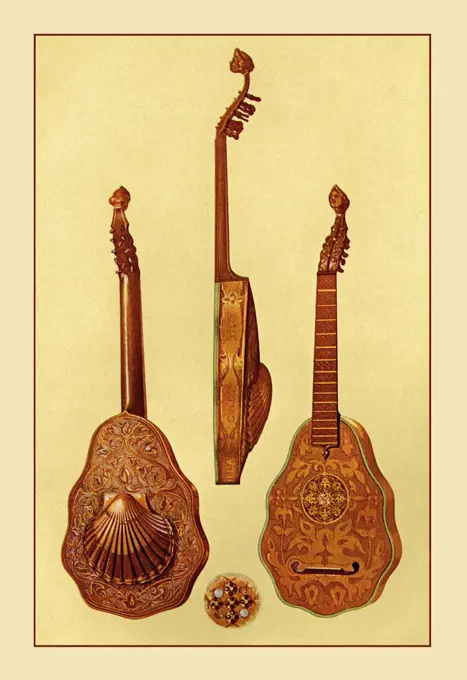
Antique Weapons Collection

A diverse assortment of historical weapons and tools, including daggers and belt hooks, highlighting craftsmanship from different cultures and eras.
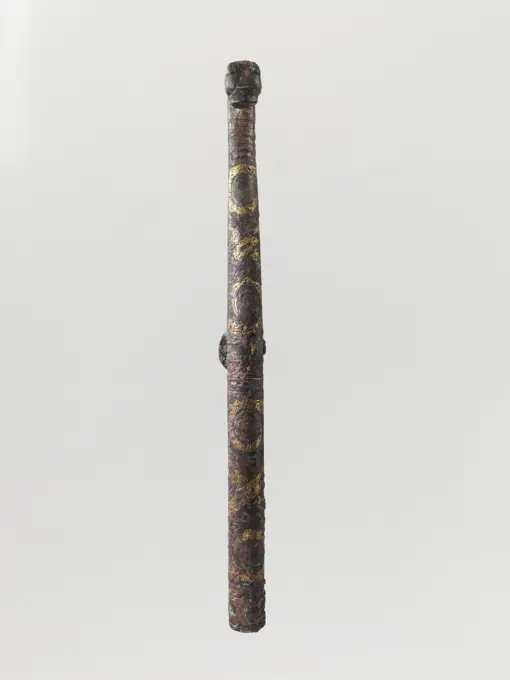
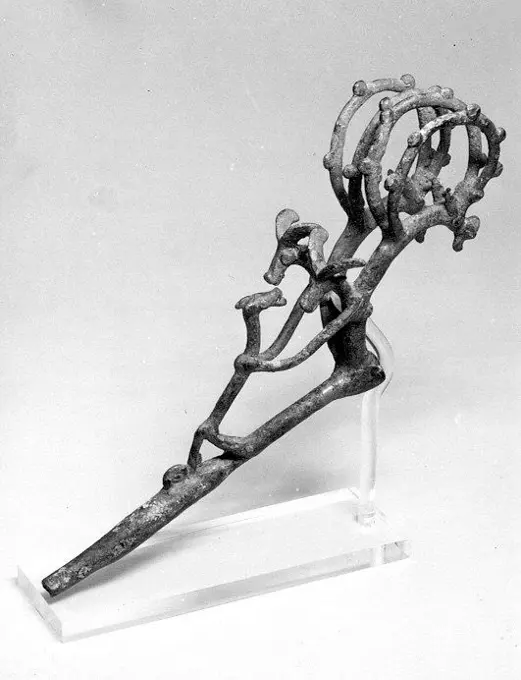
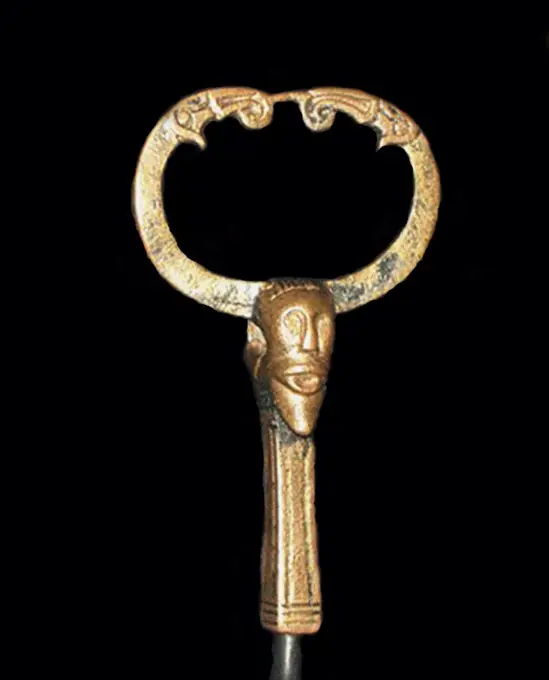
Belt hook 4th-3rd century B.C. China. Belt hook 61352
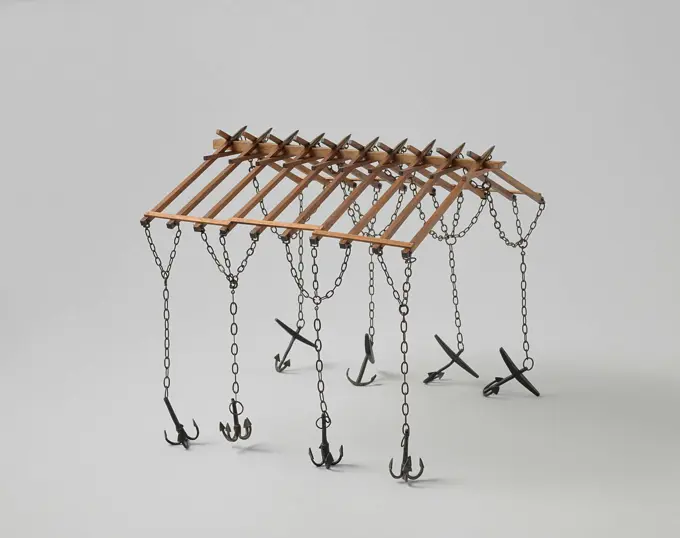
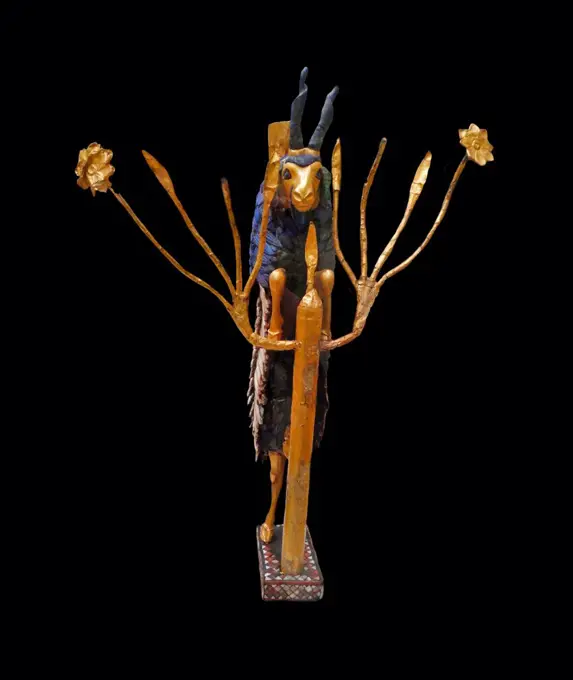
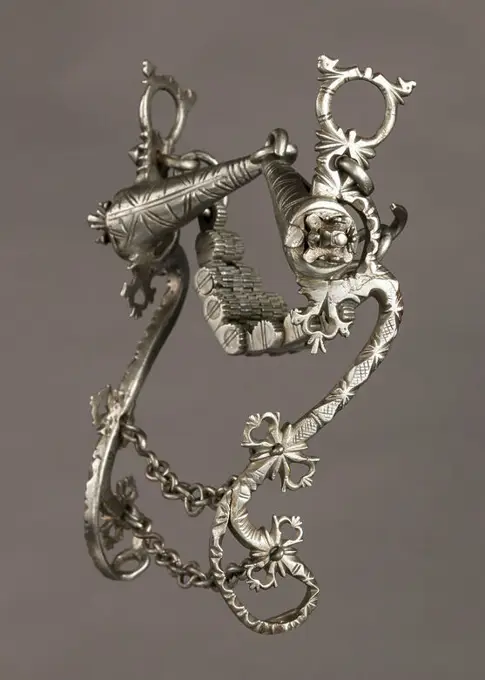
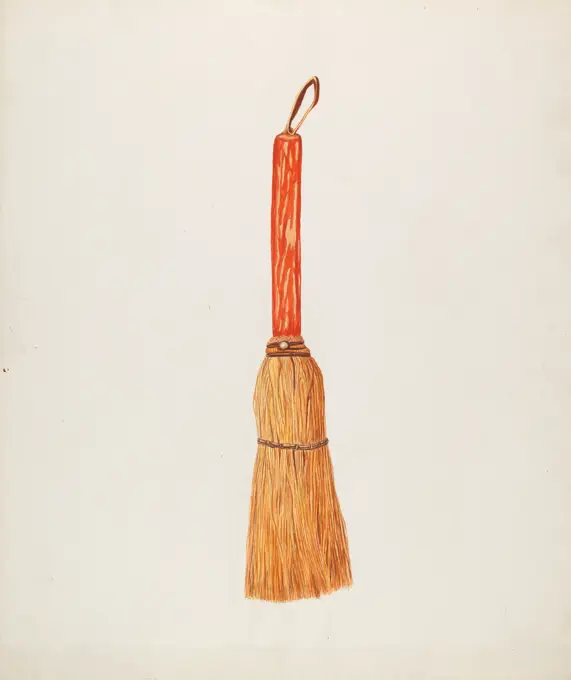
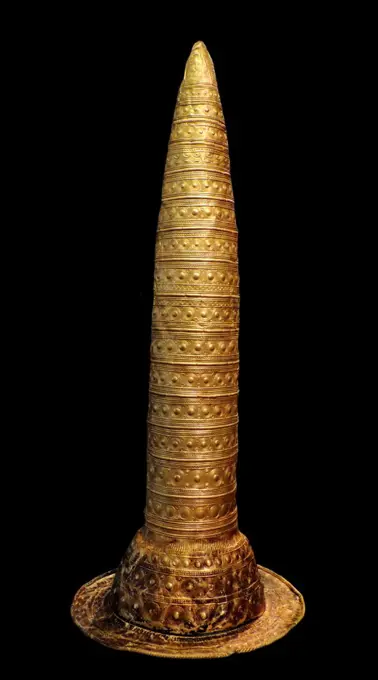
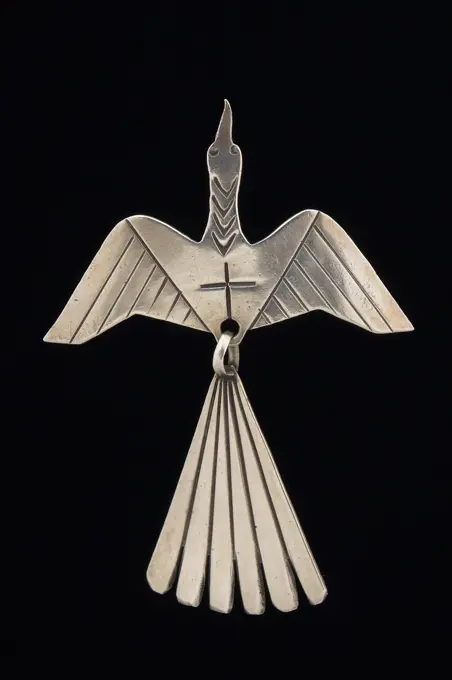
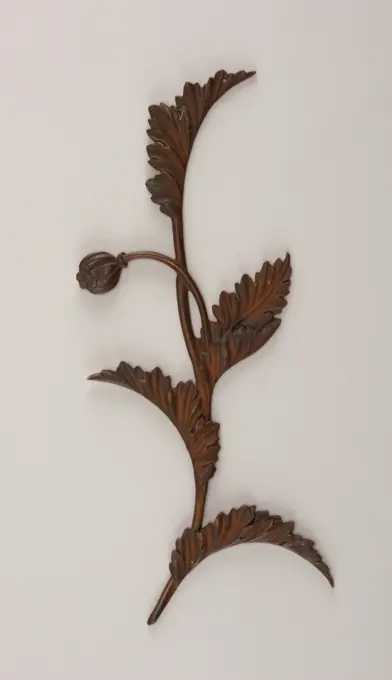
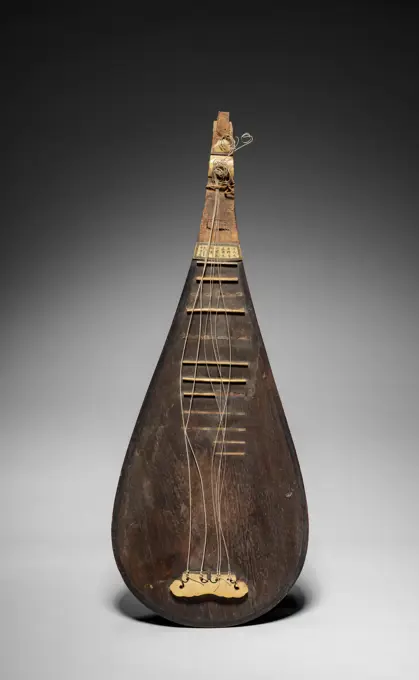
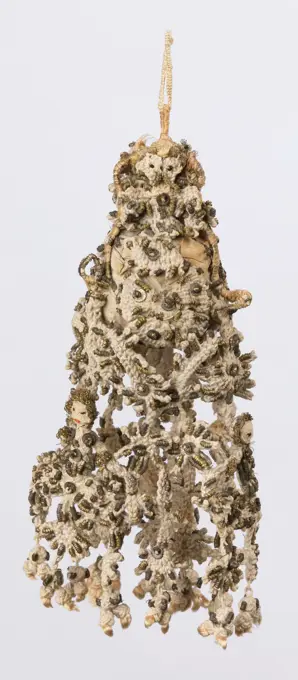
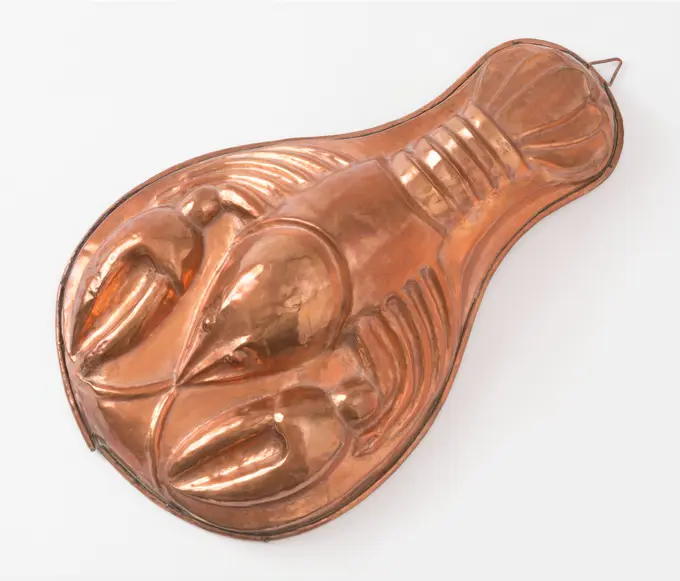
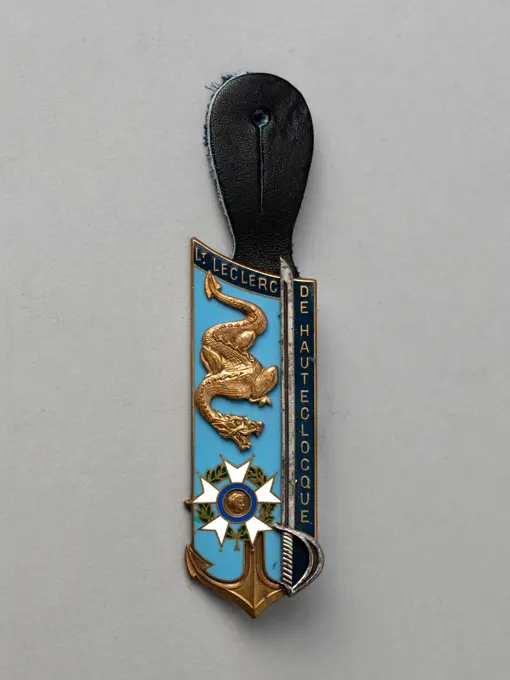
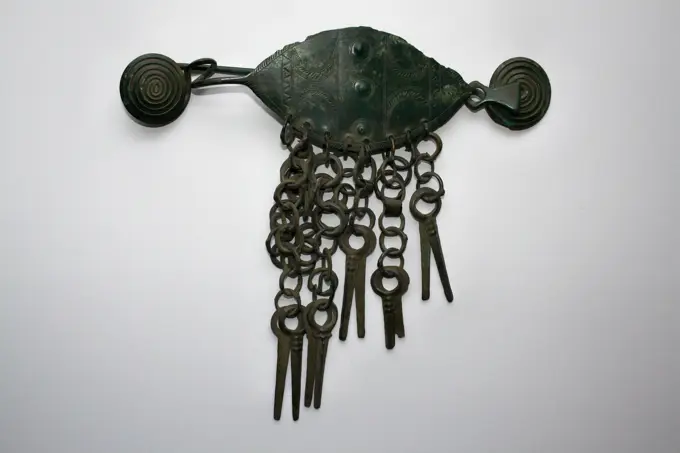
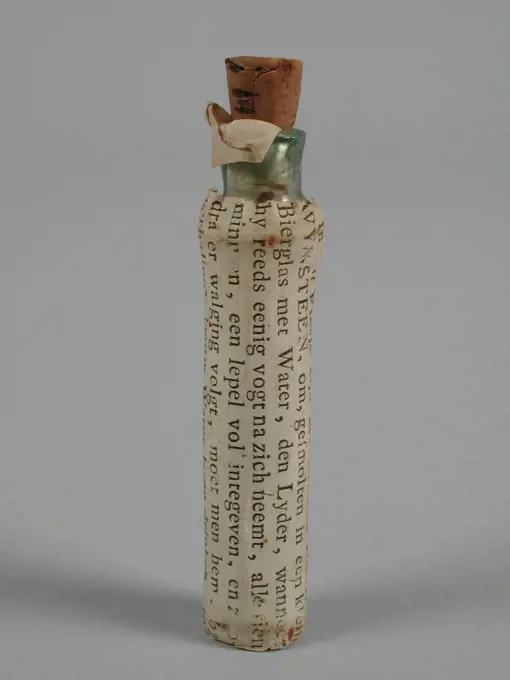
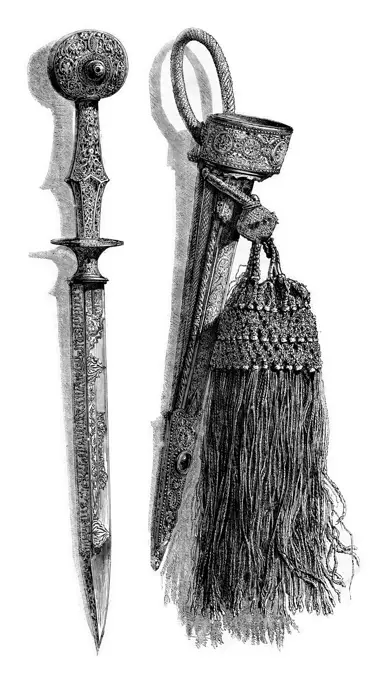
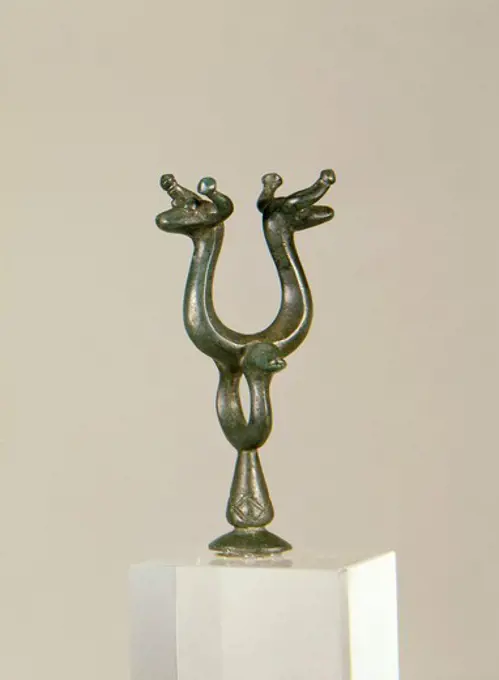
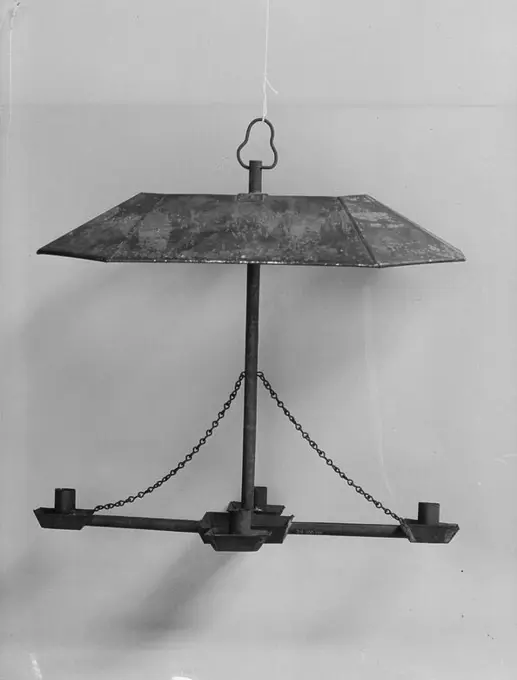
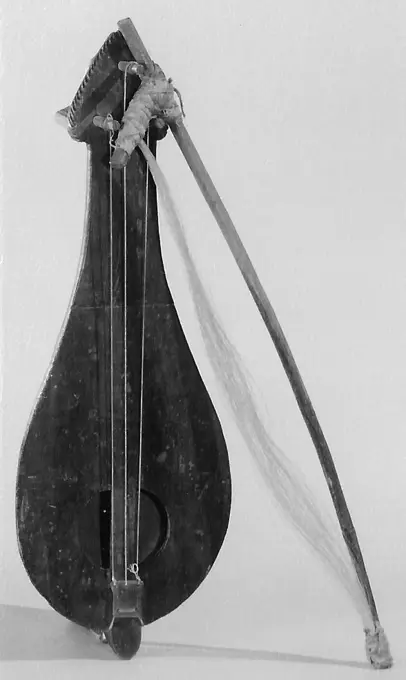
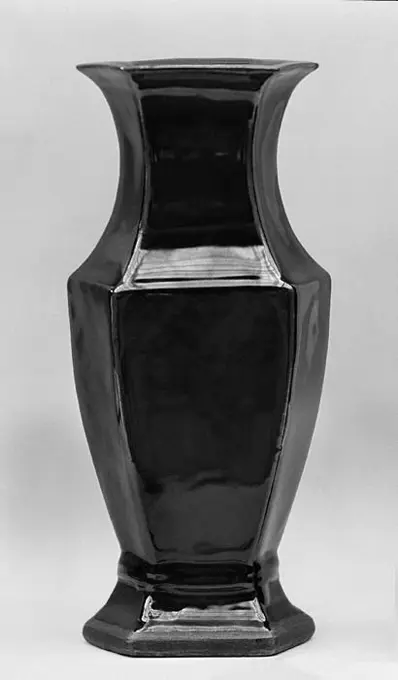
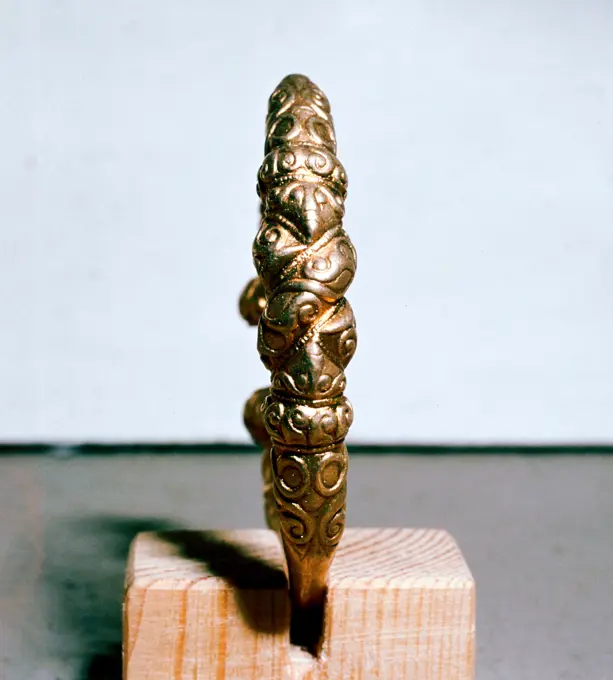
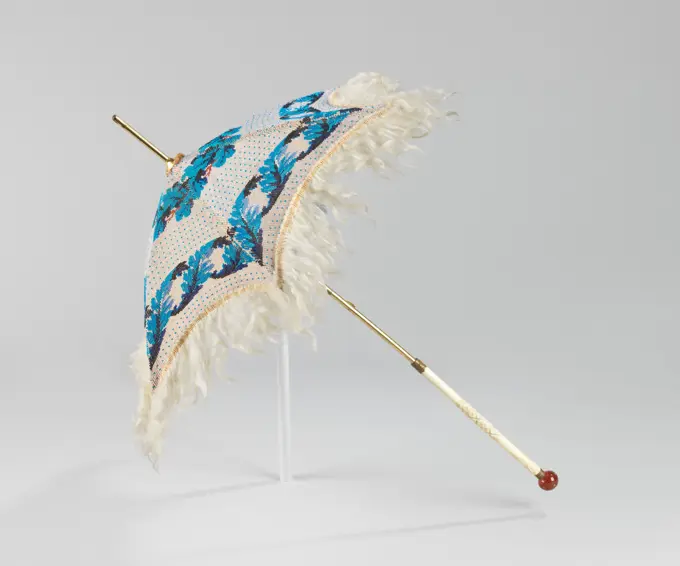
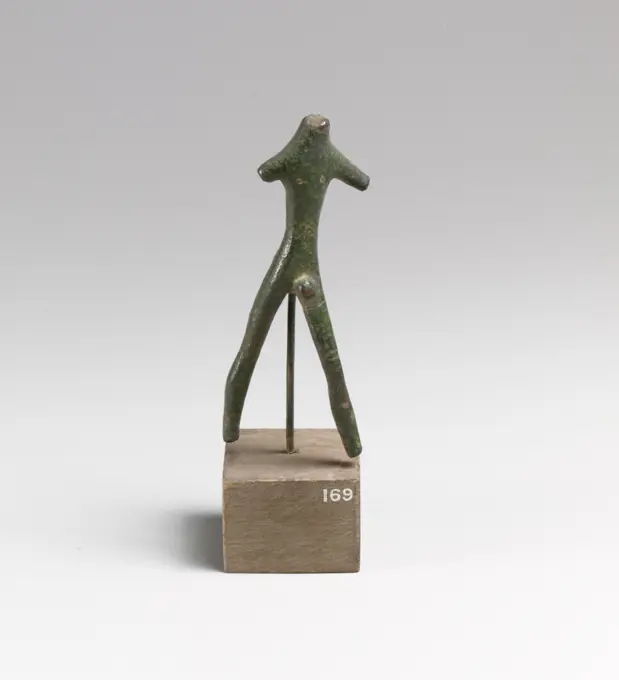
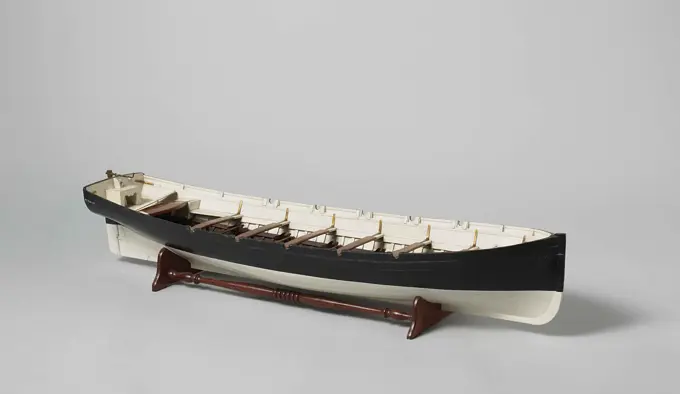
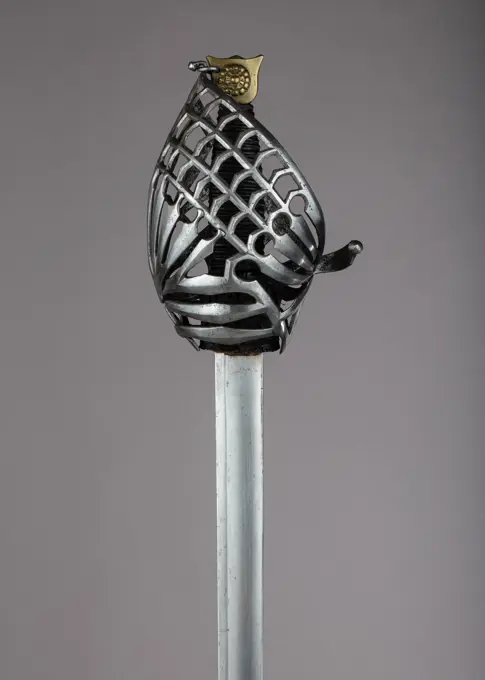
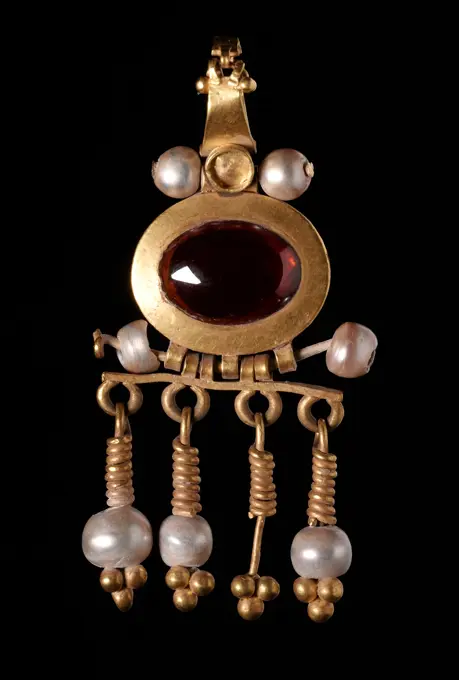
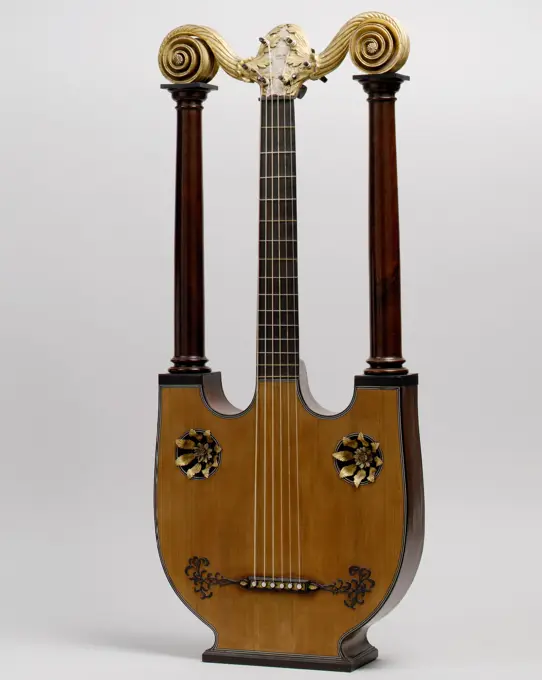
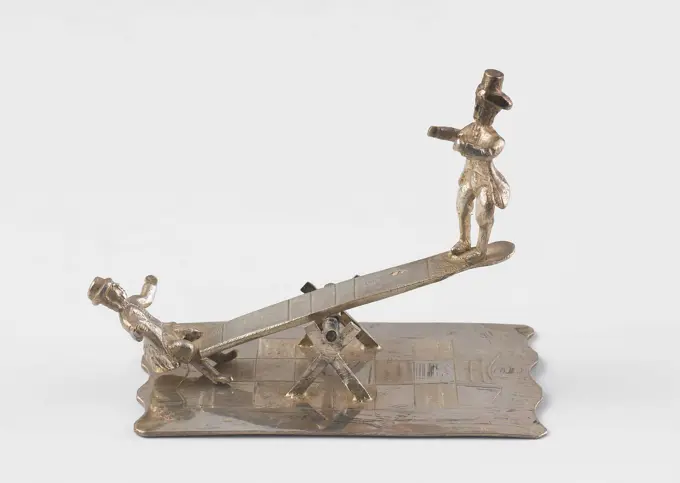
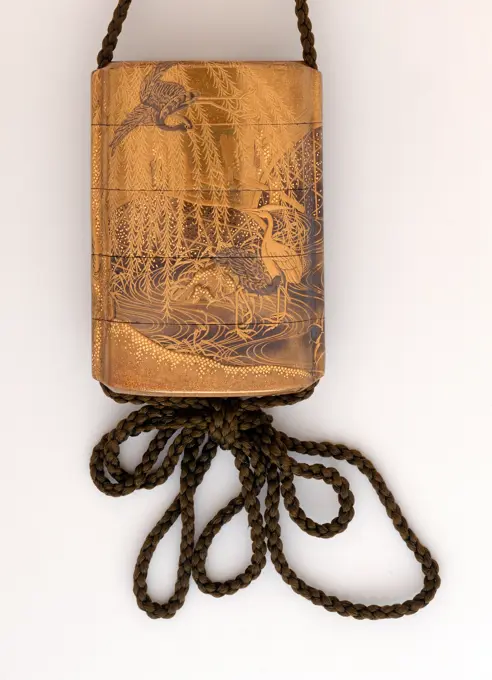
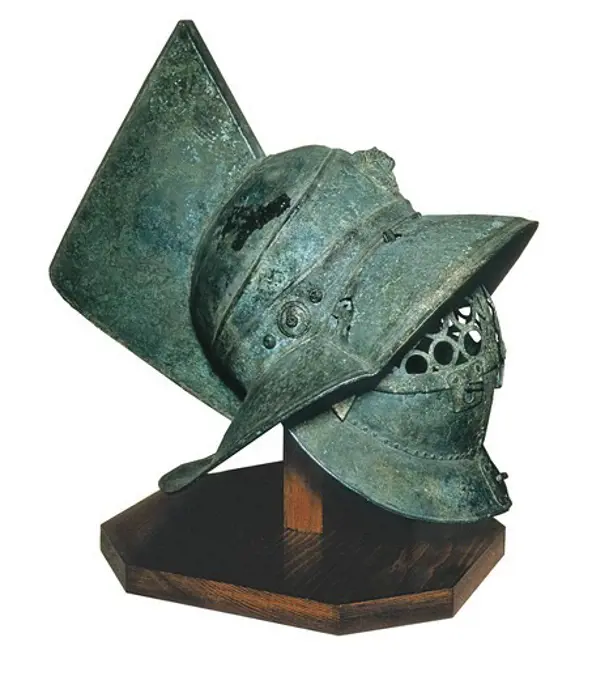
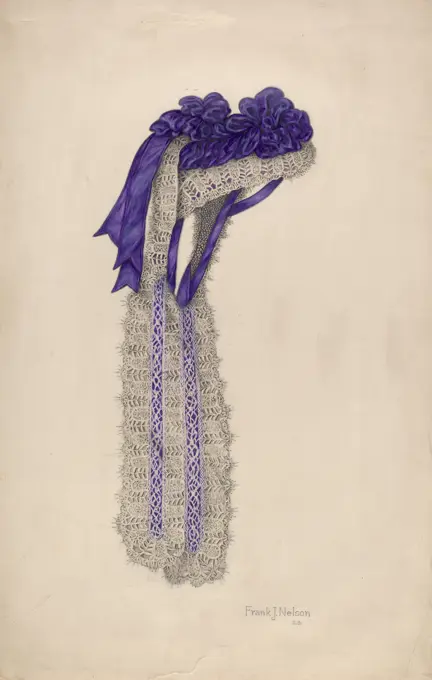
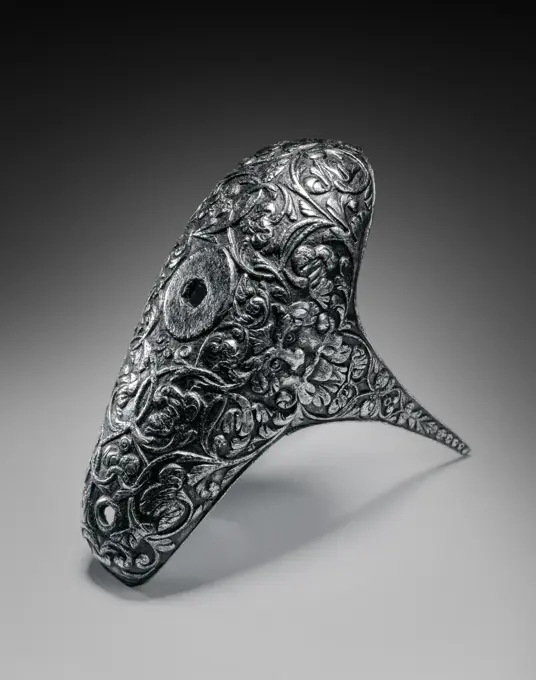
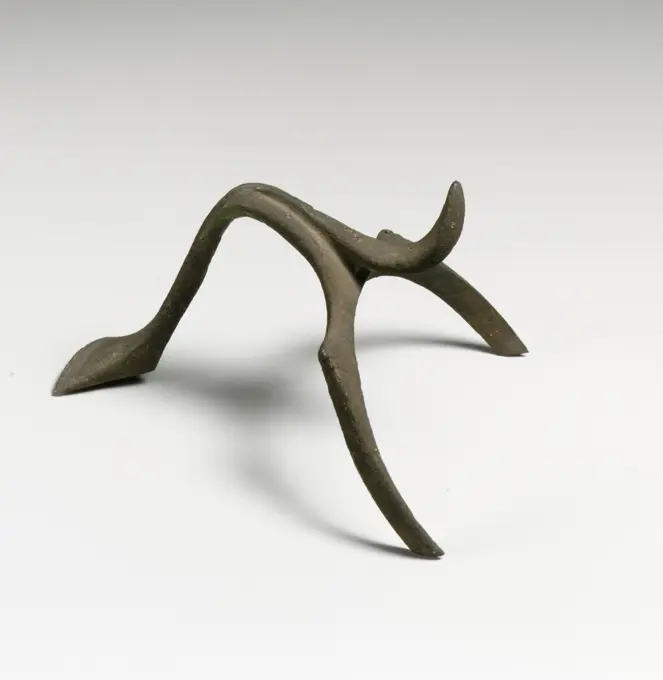
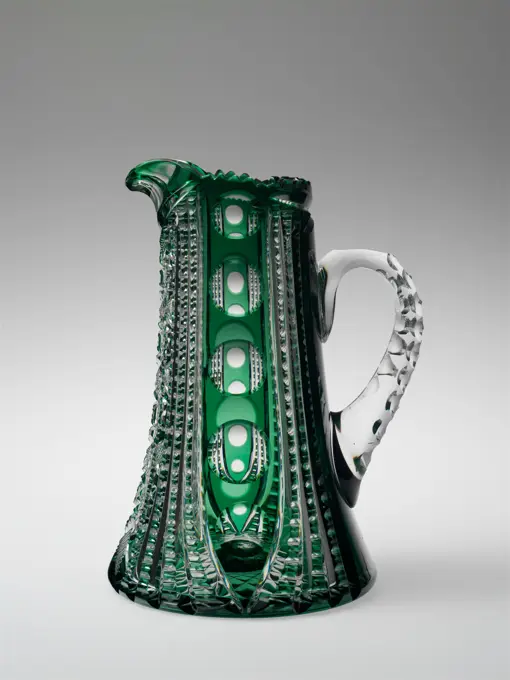
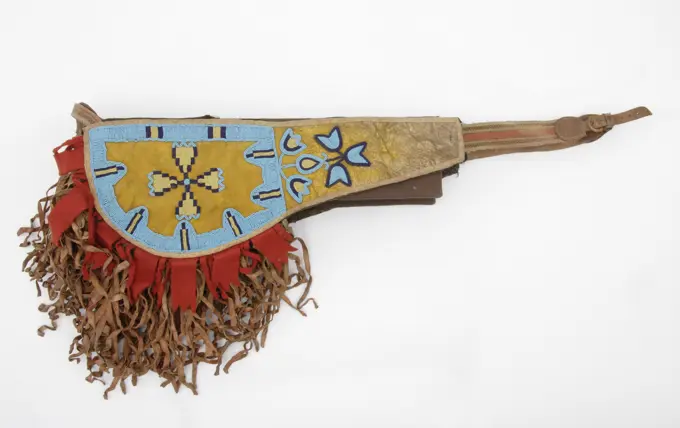
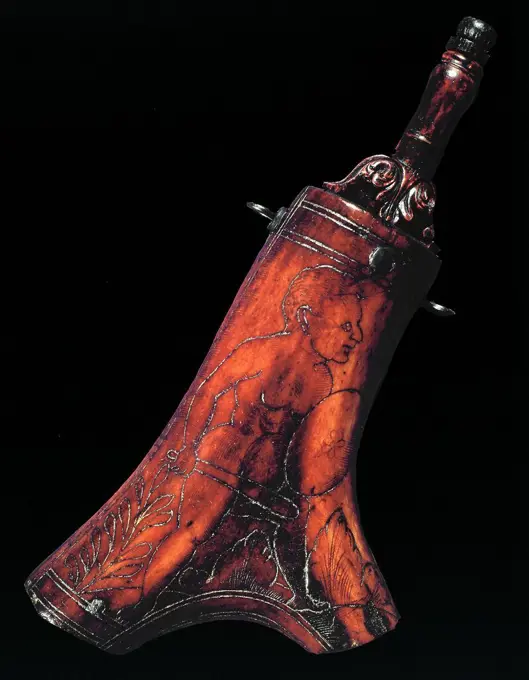
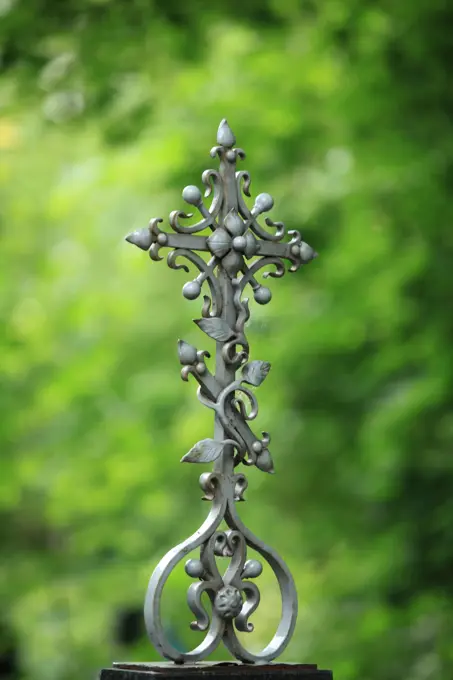
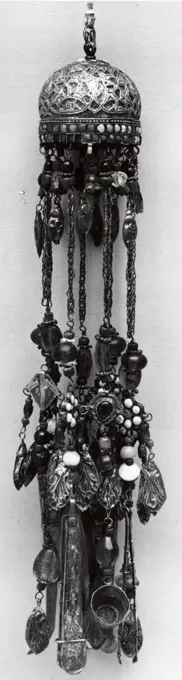
Ornament mid-19th century This type of pendant ornament was worn as part of an ensemble of jewelry by women in the region of modern-day Uzbekistan. Such jewels were suspended from pectoral ornaments and hung in front of the navel area, where they were believed to promote fertility. Among the variety of pendants hanging from this object are tweezers, a thimble, a vial for perfume, and other small tools.. Ornament 444665Model of An Artificial Reef. Model of a water palisade or water rider. It is a roof-shaped framework with two rows of sharp points at the top, pointing in one direction. On the one hand, the ordinary anchors, to the other, has dredges.statuette of a Ram in a Thicket. inlaid wood, silver, shell, limestone, lapis lazuli and gold. Early Dynastic III. Ur. Found at the Royal Cemetery, Ur, Iraq. dated to 2600BCCurb Bit. Culture: German. Dimensions: H. 9 1/2 in. (24.1 cm); W. 8 in. (20.3 cm); Wt. 2 lb. 5.3 oz. (1057.4 g). Date: 17th century.This mouthpiece was designed for a horse with a regular good mouth and a very thick tongue. The curb chain, with its flat serrated links, was a bit more severe than regular chains, but its flat shape would spread the pressure more evenly.This kind of bit, with its engraved, pierced and chiseled ornamentation, is a very common type of German 17th-century bit, found in many collections. They might have been pre-made generic bits, mounted with mouthpieces and shanks of regular strength suitable for most horses. Museum: Metropolitan Museum of Art, New York, USA.Pin. Money. Cernuschi Museum, Asia Museum of Asia in the city of Paris.Peter Antonelli, Broom, 1935 1942 BroomCeremonial gold hat. Part of a ruler or Priesterornats, the ornaments are to be interpreted as a calendar. Gold, Around 1000 BC. Origin unknown, probably southern GermanyPin, 20th century, 2 1/2 x 1 15/16 in. (6.4 x 4.9 cm), Silver, United States, 20th centuryBracketLiuxian Pipa (Six-String Pipa), 1800s. China, Qing dynasty (1644-1911). Wood; overall: 100.4 x 31.5 cm (39 1/2 x 12 3/8 in.).Pin ca. 8th-7th century B.C. Iran. Pin 327328Tassel (Italy); linen, metallic threadToolbox -Manuel G Runyan, Three Notch Survey Mark, c 1938 Three Notch Survey MarkFood Mold (France); copper, tinWar 1939-1945. Promotion badge of the Lieutenant de Hauteclocque. General Leclerc Museum of Hauteclocque and the Liberation of Paris, Jean Moulin Museum. 75312-13 French army, war 1939-1945, war 39-45, insignia, promotion insignia, military insignia, object, Second World WarLight cardBrooch 1000-800 B.C. European Bronze Age. Brooch 478174Transparent glass bottle with vomit and label In this bottle are six Greinen BRAAKWYNSTEEN, bottle holder medicine pharmacy glass cork paper ink, Cylindrical bottle with cork and label Contents: paper (with fired powder). Hornet of tobacco squirrel for drowning people In this bottle six Greinen BRAAKWYNSTEEN are melted in small Beer glass with Water den Lyder when he already takes few birds ... etc. (printed label) drowning water rescue medical care medical treatment health care doctor surgery Arrenberg tobacco packing inn pub Casket with various objects used in the last eighteenth and early nineteenth century in the attempt to revive the spirits of the drowning. On the box is the name Benjamin Arrenberg. This lived in the last third of the eighteenth century was vendrig in 1788-1791. Leproosmeester 1792-1794 The box will therefore be from the nineteen nineteenth century.Hunting knife and sheath that belonged to the Marquis de Valseca, vintage engraving. Hunting knife and sheath that belonged to the Marquis de Valseca, vintage engraved illustration. Magasin Pittoresque 1873. Copyright: xZoonar.com/PatrickxGuenettex 10679460Figurine of a Norse god, probably Odin (from Staraya Ladoga), Norse art  Celtic civilization, Germany. Part of a bronze yoke ornamented with birds and ox heads, from the Oppidum of Manching.Flutes and Pipes. Egypt, 1537 - 31 BCE. Tools and Equipment; musical instruments. ReedChandelier. Culture: American. Dimensions: 17 1/8 x 17 1/4 x 11 1/2 in. (43.5 x 43.8 x 29.2 cm). Date: ca. 1800. Museum: Metropolitan Museum of Art, New York, USA.Lijerica mid-19th century Croatia (former Yugoslavia). Lijerica 505135Hexagonal vase late 18th-early 19th century China. Hexagonal vase 48854Celtic gold bracelet, Waldalgesheim, Germany, late 4th century BC. Artist: UnknownParasol 1850-70 French Part of the appeal of this parasol is the novelty of its being made from glass beads, which are more typical for handbags prevalent in the nineteenth century. The unusual decorative touch to this particular parasol is the addition of lamb's wool fringe instead of the usual silk fringes. It is an excellent example of the frivolity of fashion for the upper classes during this period.. Parasol. French. 1850-70. glass, linen, hair, metal, ivory, silkModel or a lifeboat. Witnessed and polychromed model on a standard. Overnight ankle belt jol, peaked round trip with kimkeels, the seam towards slightly ascending, flat mirror painted with a golden heart; Seven dulles and an open cabin. Easy stir with a metal helm, the stirring king on either side with a golden heart painted. The rig consists of a large mast with emmer sailing, the drip mold is missing. Eighteen textiles float bags filled with straw are bound under the docks and against the boois. There are also two boat hooks and six oars for loose parts.Statuette of a striding man 6th century B.C. Etruscan A fighting warrior.. Statuette of a striding man 246301Museo de Luxor.Morris Selz House, 1717 South Michigan Avenue, Chicago, Illinois Exterior Newel Post 1883 United States. Cast iron . Adler & Sullivan, Architects (Designer)Model or a launch.Gepoly chromed pant model on a standard. Glad-coring double germs Barkas, round trip with almost flat seam and flat mirror; A prior to, six docks and five tracks, an extra loose doft in the bow, and an open cabin with silk ears and another loose doft. Easy stir with a curved brass helper to be able to go around the drip mount. Scale 1:10 (derived).Broadsword Italian, Venice 18th century View more. Broadsword. Italian, Venice. 18th century. Steel, brass, wood, leather. Venice. SwordsPendant Earring, AD 1-200. Seleucia, Iraq, Parthian Period. Gold with garnet and pearls; overall: 3.8 x 2.9 x 1.3 cm (1 1/2 x 1 1/8 x 1/2 in.).Lyre Guitar ca. 1805 Possibly Joseph Pons This form of the guitar was created about 1785. The columnar arms supporting the yoke are veneered in mahogany. The guitar has six single courses of strings. A printed label inside the instrument reads: Pons / fils / luthier, / Rue du Grand Hurleur / No. 5 / A Paris, an 13.” The phrase an 13” refers to the thirteenth year (1804-1805) of the French Revolutionary Calendar.Renaissance paintings by Lorenzo Costa and Raffaellino Garbo show lyre-guitars held upright (possibly interpretations of incised strings in classical bas-reliefs), as they were properly held by the player. Essentially, the lyre-guitar was a modified version of the lyre of antiquity, but with a fingerboard and six strings. English lyre-guitars were sold from 1811 as the six-string "Apollo" lyre of Edward Light and the twelve-string "Imperyal Lyre" of Angelo Benedetto Ventura.. Lyre Guitar. French. ca. 1805. Mahogany, spruce, ebony, brass, nickel-silver, gilding. Paris, France. . There is a seesaw on an elongated album. On the seesaw there is a man on one side and on the other hand is a man. The short side of the plate is scalloped. A diamond pattern is engraved in the plate. The image is noticed: Mt. = A. Hellegers and written S.Egrets and Willows at Riverbank (Inrō/Ojime/Netsuke Ensemble). Japan, late 18th-early 19th century. Costumes; Accessories. inrō black hiramakie with kirigane on hirame and polished gold lacquer ground; ojime polished carnelian; netsuke heavily stained ivoryBronze gladiator's helmet. 1st c. Roman art. Early Empire. UNITED KINGDOM. ENGLAND. London. The British Museum. Proc: ITALY. CAMPANIA. NAPLES. Pompeii.Frank Nelson, Straw Bonnet, c 1938 Straw BonnetButt-Cap from a Flintlock Pistol, c. 1690-1700. Italy, late 17th Century. Steel, chiseled; overall: 8.6 x 9.7 cm (3 3/8 x 3 13/16 in.).Handle of a jug 7th-6th century B.C. Cypriot. Handle of a jug 244339Pitcher ca. 1843-67 Boston & Sandwich Glass Company. Pitcher. American. ca. 1843-67. Blown and cut glass. Made in Sandwich, Massachusetts, United StatesCrupper -PENACHERO EN MARFIL. Location: PRIVATE COLLECTION. MADRID. SPAIN.iron cross grave whimsical forged iron cross grave Copyright: xZoonar.com/mrivsergx 6114539Parrot on a Perch , 1896-1903. Mikhail Evlampievich Perkhin (Russian, 1860-1903), House of Fabergé (Russian, 1842-1918). Silver, enamel, jasper, agate, emeralds; overall: 15.3 x 7.4 cm (6 x 2 15/16 in.). In creating luxurious accessories for a desk or tabletop, Fabergé often used native hardstones such as multicolored agate and jasper, green nephrite, pink rhodonite, and rock crystal found in the Ural Mountains of western Russia. By paying careful attention to the unique colors and textures of the stones, Fabergé and his craftsmen brought them to life, turning milky agate into a begging poodle or green and black jasper into this parrot sitting on a perch. The use of native materials also promoted Russian nationalism, which appealed greatly to the tsar and his family.Queen Elizabeth's Lute, Renaissance Musical Instruments