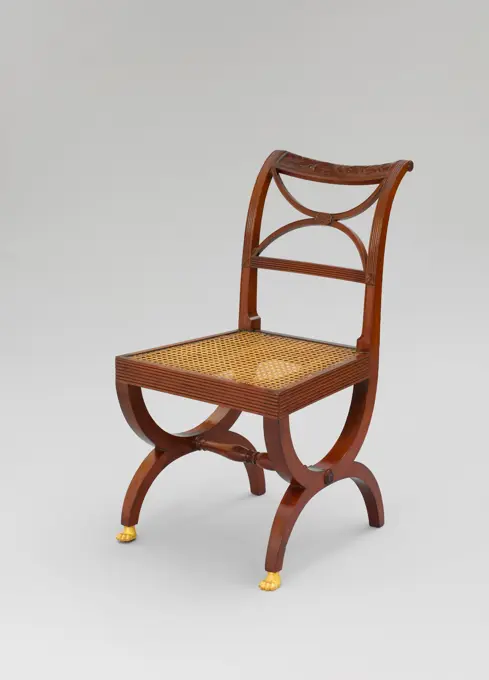
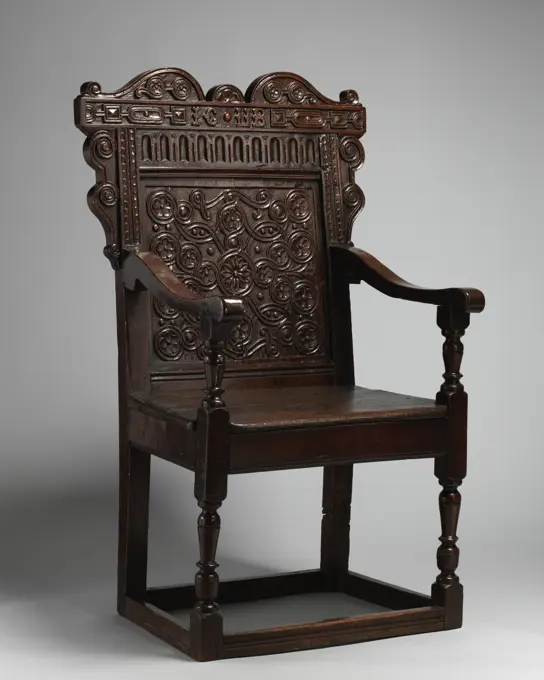
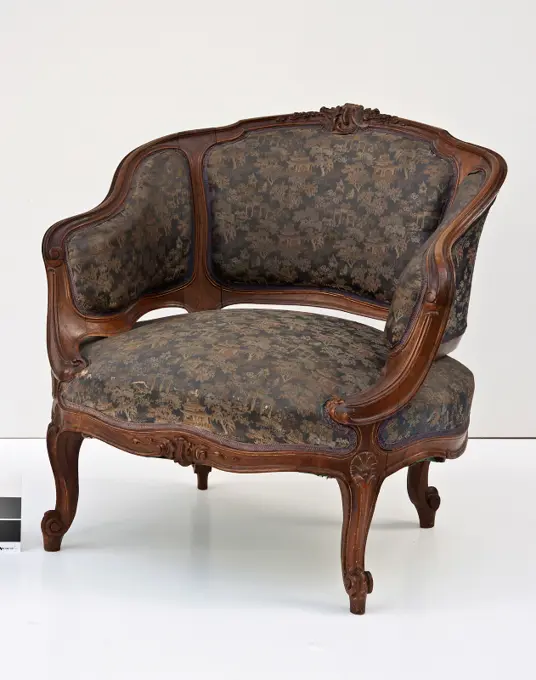
Antique Wooden Chairs

A collection of ornate wooden chairs showcasing intricate designs, upholstery, and historic craftsmanship from various periods and styles.

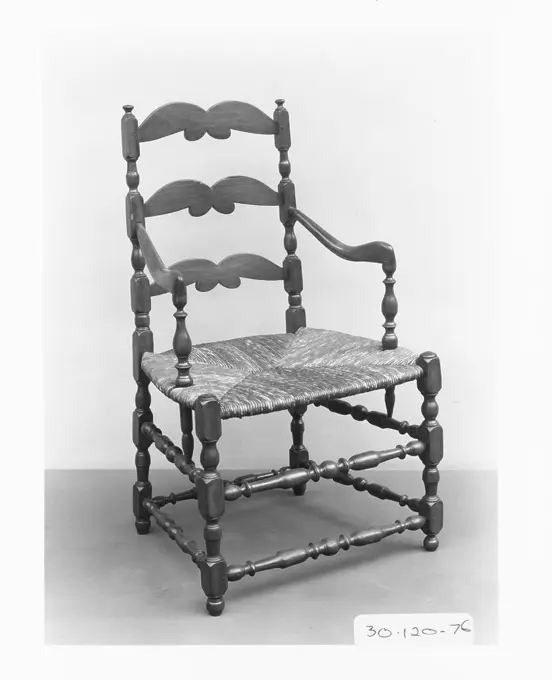
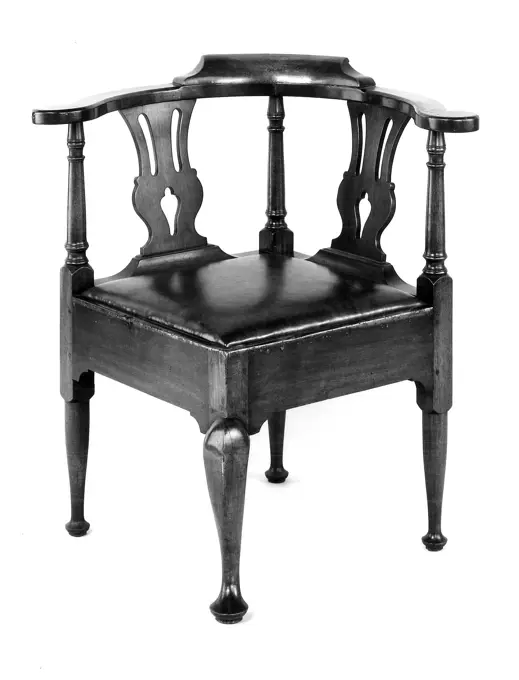
Chair, Anonymous, 1700 - 1750 Chair of cherry wood with mats seat. The legs and eight sports are turned. The corner styles of the back are column -shaped articulated with thickening in the middle. The lower and upper sill are symmetrically sawn out, as well as the middle track that shows an open heart as a middle part and both styles on either side. Vases have been applied as a crowning styles. Northern NetherlandsNetherlands wood (plant material). cherry (wood) Chair of cherry wood with mats seat. The legs and eight sports are turned. The corner styles of the back are column -shaped articulated with thickening in the middle. The lower and upper sill are symmetrically sawn out, as well as the middle track that shows an open heart as a middle part and both styles on either side. Vases have been applied as a crowning styles. Northern NetherlandsNetherlands wood (plant material). cherry (wood)
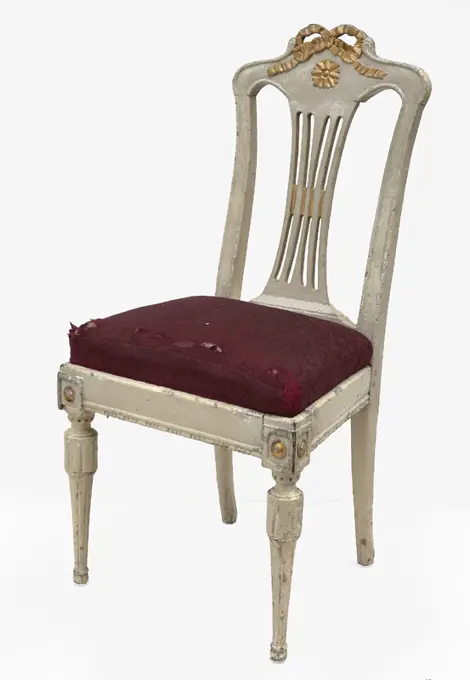
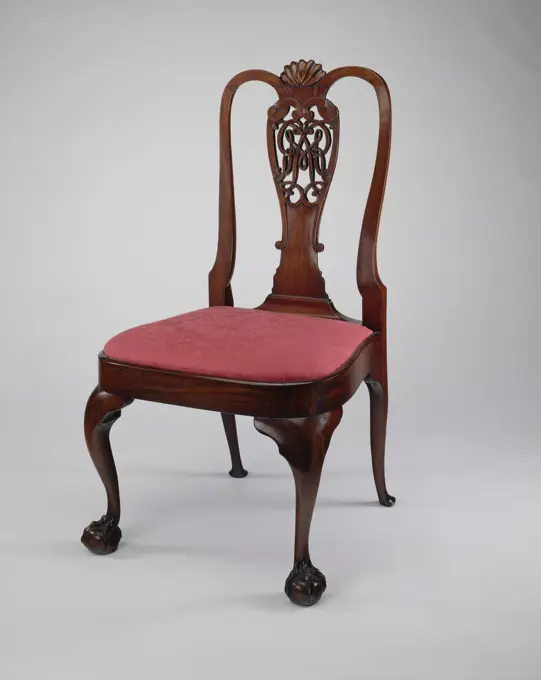
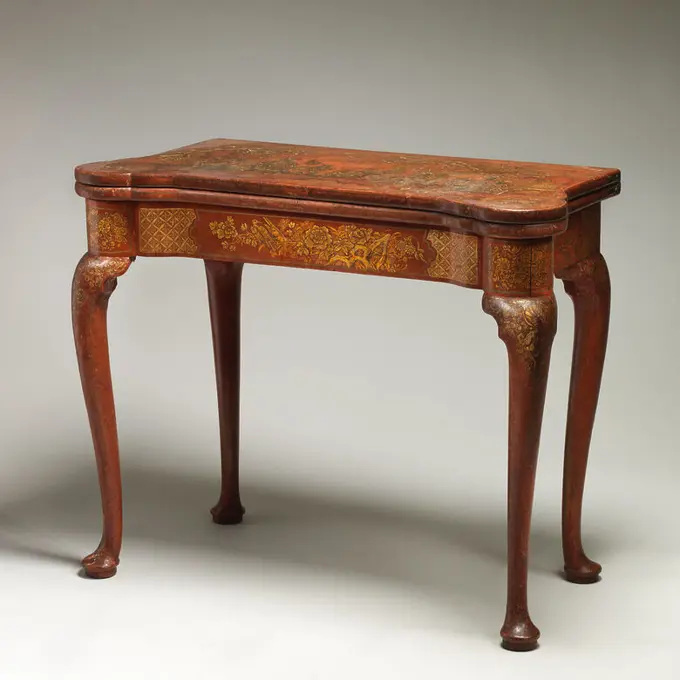
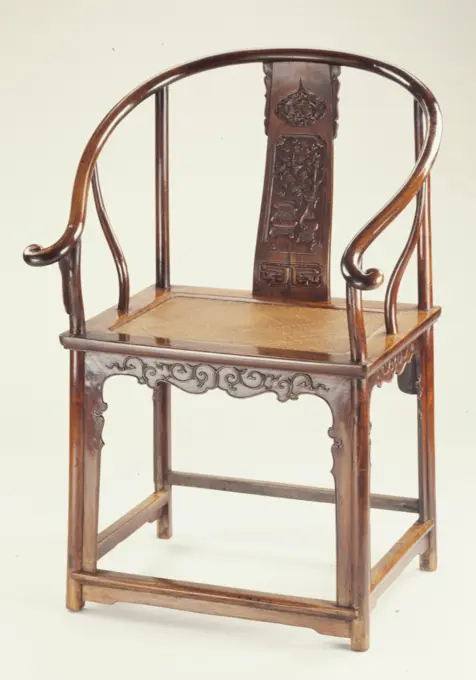
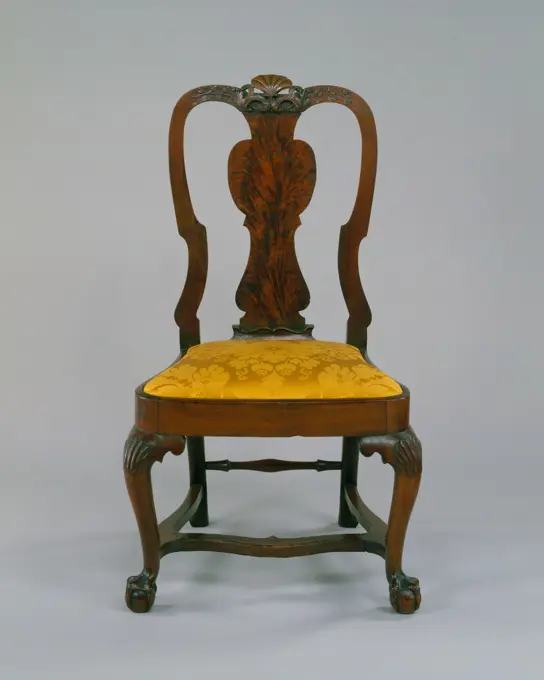
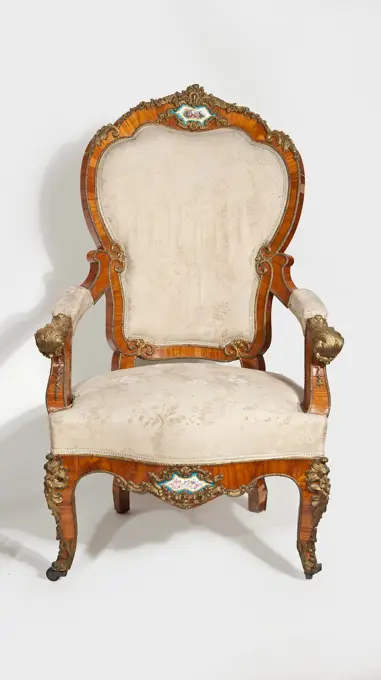
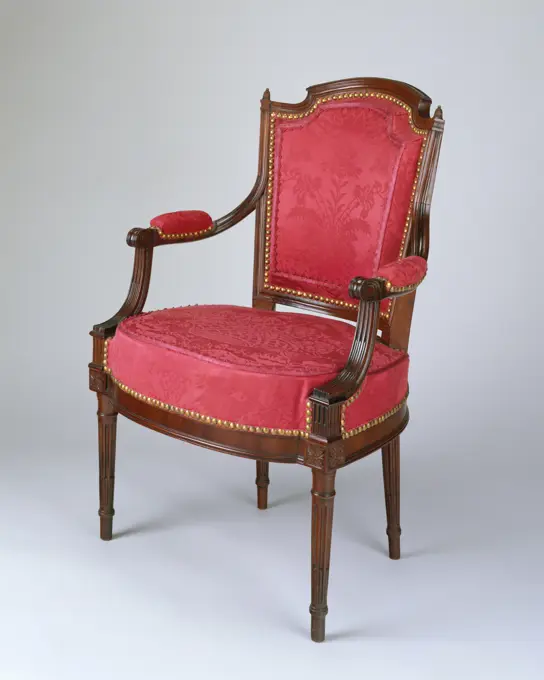
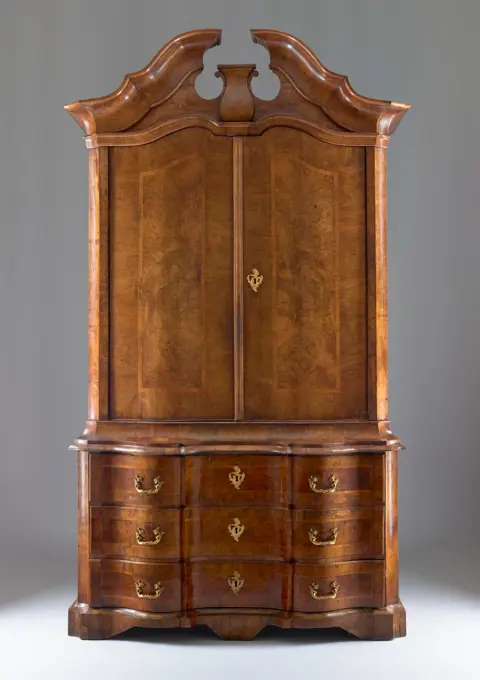
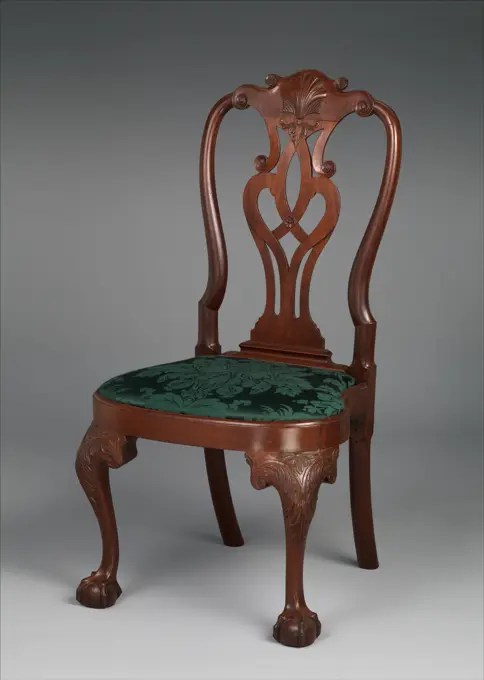
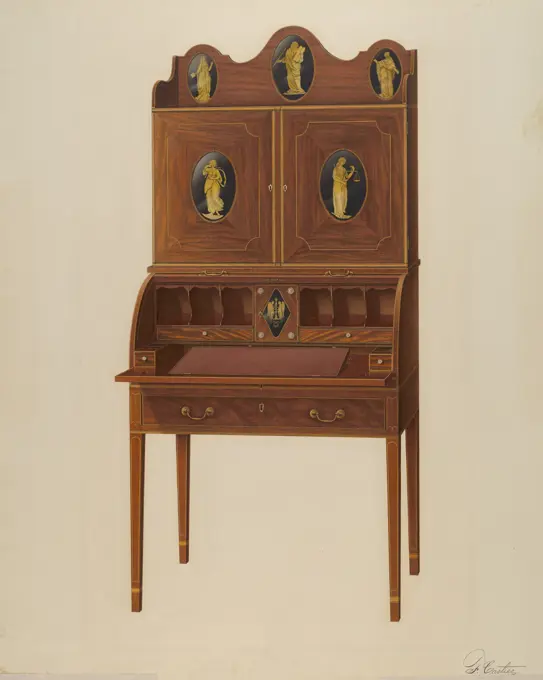
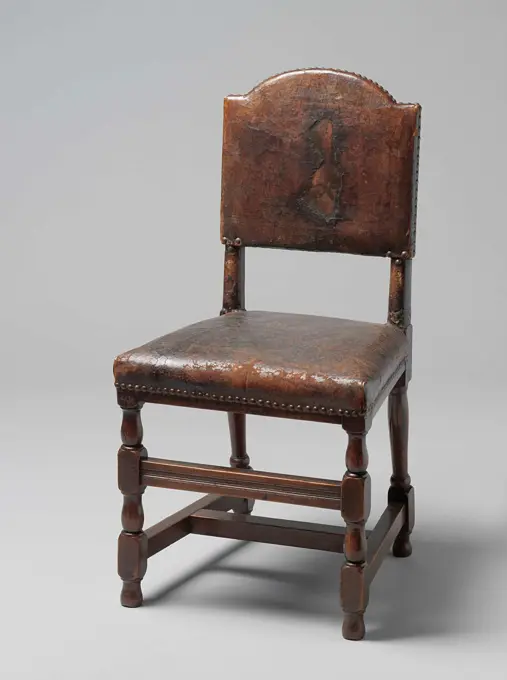
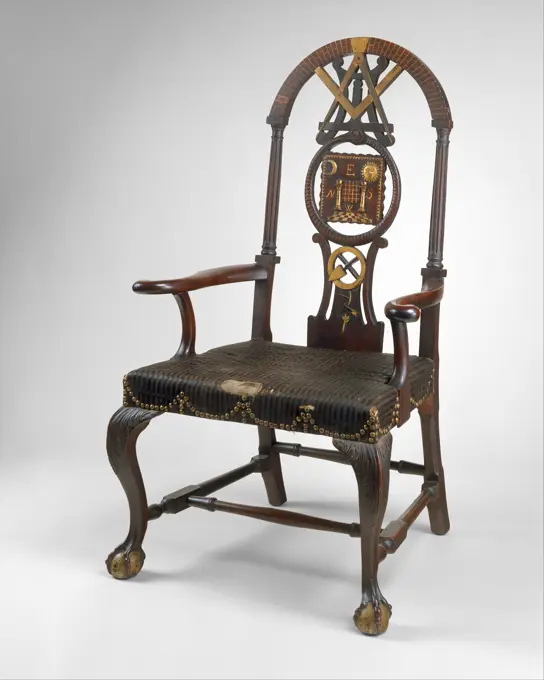
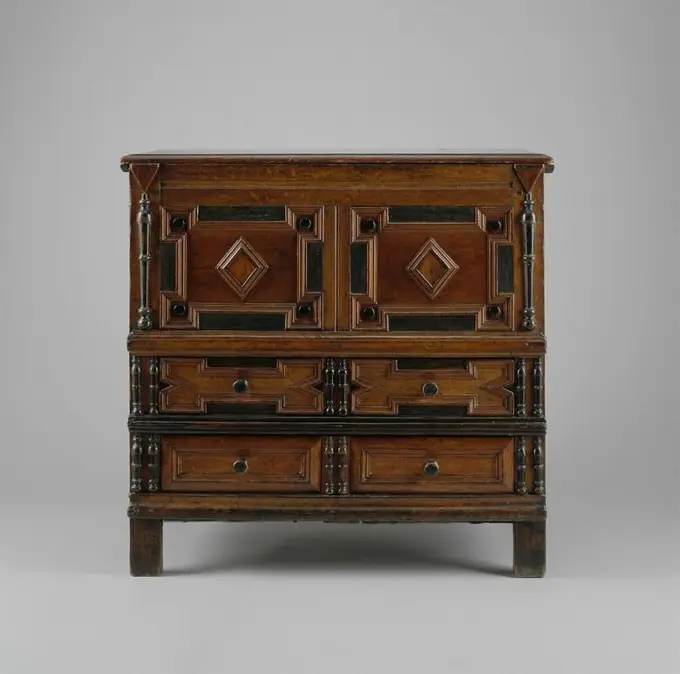
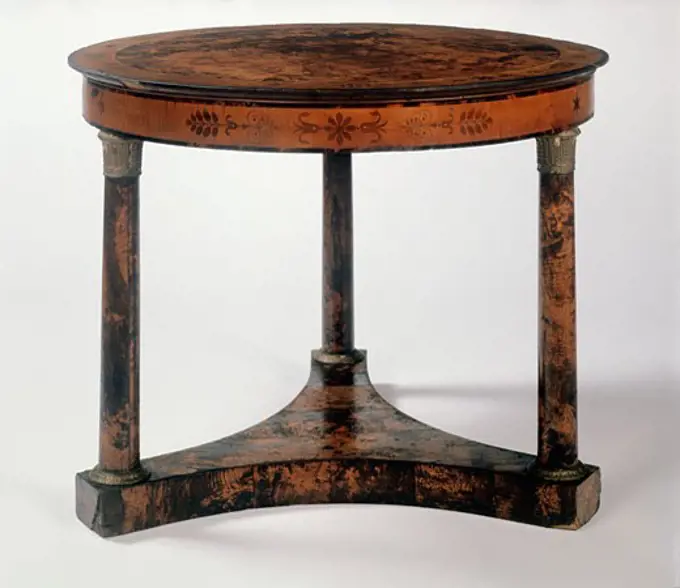
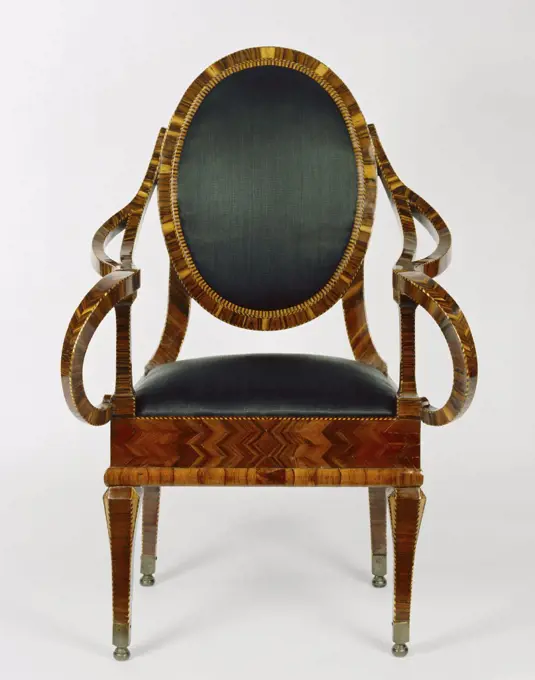
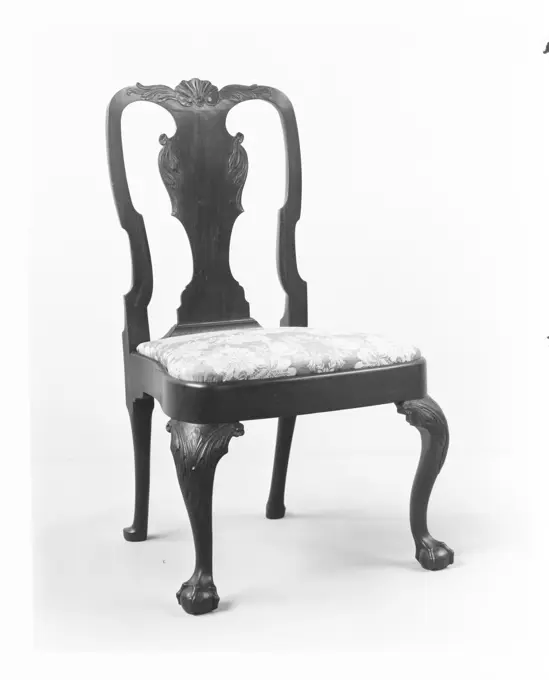
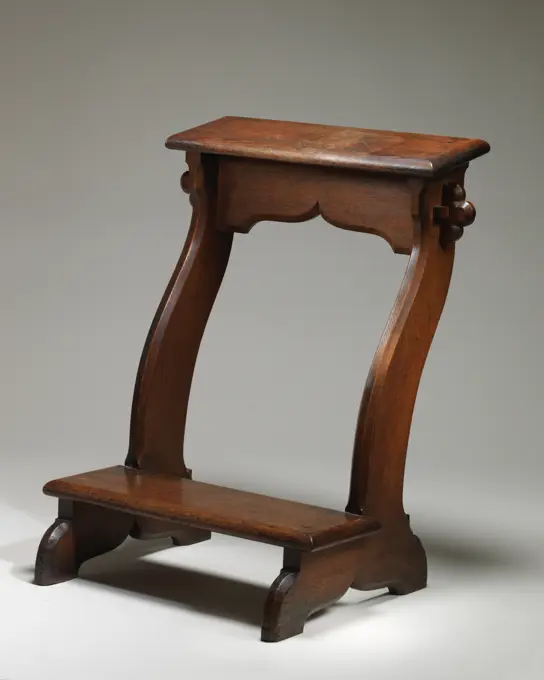
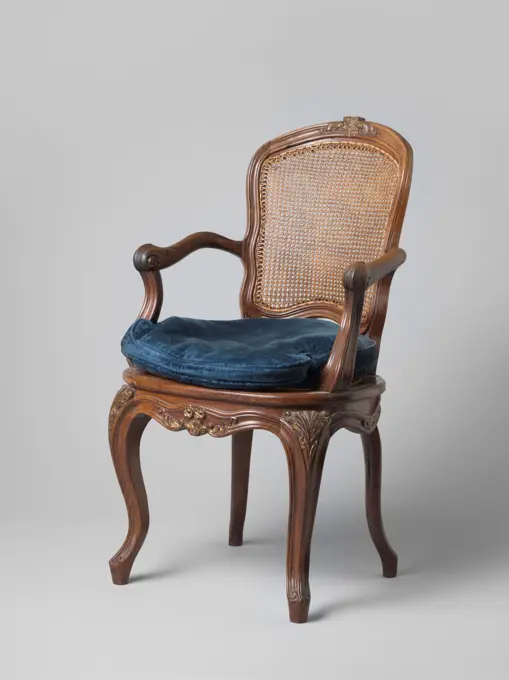
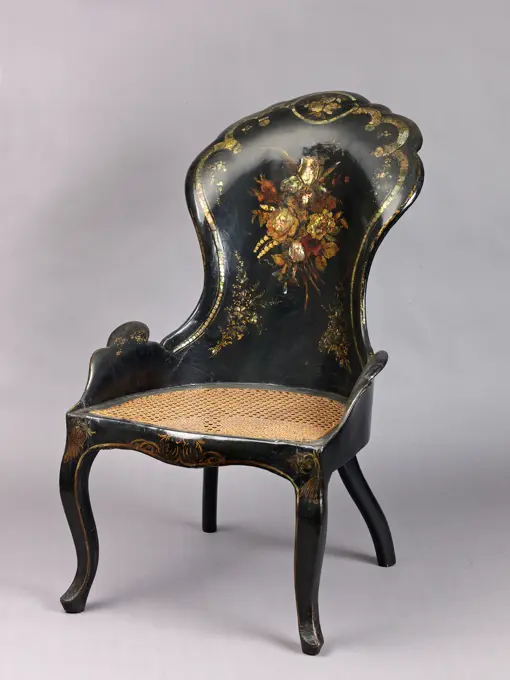
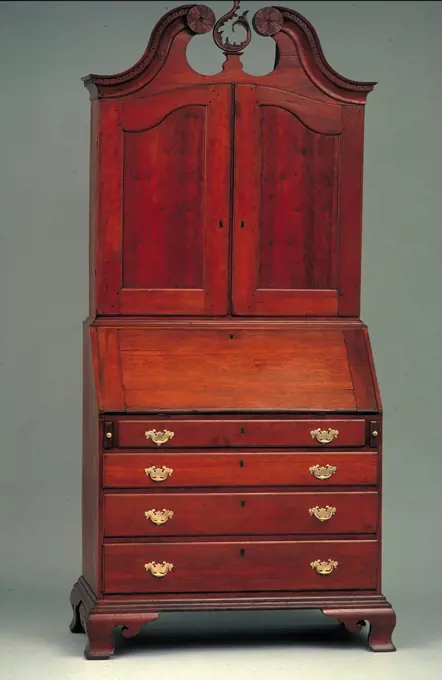
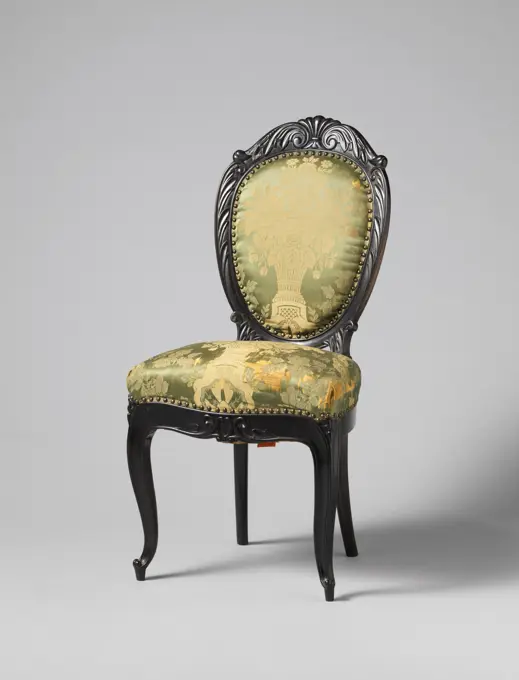
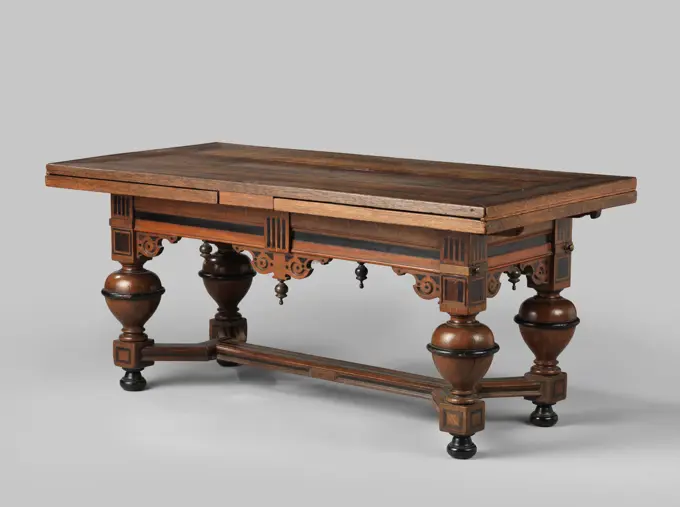
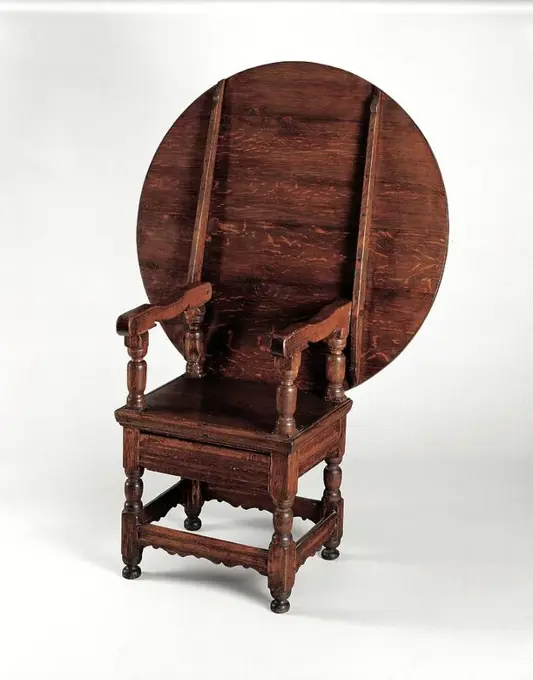
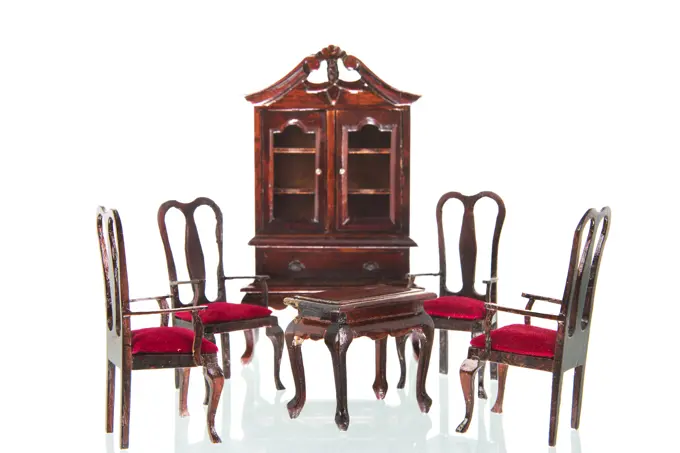
Chair. Mohr, Jan (fl. ca 1825-1850), joinerElm -wood chair, with the exception of the rear completely decorated with marquetery, anonymous, c. 1780 - c. 1790 Chair of elm wood (series of six pieces: A to F). With the exception of the back completely decorated with marquetery work in satin, palm and ebony. Upholstery modern. Netherlands elm (wood). satinwood (wood). boxwood. ebony (wood). maple (wood). purpleheart (wood). rosewood (wood). textile materials Chair of elm wood (series of six pieces: A to F). With the exception of the back completely decorated with marquetery work in satin, palm and ebony. Upholstery modern. Netherlands elm (wood). satinwood (wood). boxwood. ebony (wood). maple (wood). purpleheart (wood). rosewood (wood). textile materials. Chair of Iepenhout (series of six pieces: A to F). With the exception of the back completely decorated with marqueterie work in satin, palm and ebony. The upholstery is modern.ChairSide Chair c 1742-1790 New York. This chair is from a set made to commemorate either the marriage of Judge Robert Livingston and his wife Margaret, in 1742, or that of their son Robert and his wife Mary, in 1770. The ìRMLî cipher-pierced back splat is unique in American chair design of this period. The contrast of the high-style Chippendale design with the crude craftsmanship of the carvings suggests that the chair was worked on by several hands or that it was made by a country craftsman unfamiliar with practices of the more sophisticated port cities. The powerful Livingston family controlled a large estate near Albany as well as land in New York City.. Mahogany, white oak, white pine, and beech . Artist unknownChair with flinged legs and sports; Back and seat covered with leather, anonymous, c. 1640 - c. 1660 Plumshout chair, covered with leather. The furniture has flinged legs, which are connected by four also flared underpacking. The back is doubled; The backstyles between seat and back are covered with leather. The seat still has the old filling and canals. Northern NetherlandsNetherlands wood (plant material). plum (wood). leather Plumshout chair, covered with leather. The furniture has flinged legs, which are connected by four also flared underpacking. The back is doubled; The backstyles between seat and back are covered with leather. The seat still has the old filling and canals. Northern NetherlandsNetherlands wood (plant material). plum (wood). leatherArmchair, Anonymous, c. 1560 - c. 1570Penant table with two half oval -shaped marble sheets with gallery, Johann Gottlieb Frost (Possible), c. 1785 - c. 1790 Penant table glued with rosewood and satin wood on oak core. The semi-oval, white-marble top rests on four square styles, placed on conical legs decorated with gilded bronze rings. The styles are connected by half an oval leaf at the height of the legs and they carry seizures consisting of gilded bronze, horizontal grooves articulated plates, sunflowers and buds. The rule shows satin wooden, framed panels. Top and bottom leaf largely wear a gallery. furniture worker: Parisfurniture worker: France wood (plant material). oak (wood). pine (wood). rosewood (wood). satinwood (wood). bronze (metal). marble (rock) gilding Penant table glued with rosewood and satin wood on oak core. The semi-oval, white-marble top rests on four square styles, placed on conical legs decorated with gilded bronze rings. The styles are connected by half an oval leaf at the height of the legs and Arm chair with flinged legs, covered with bronze -colored floral Trijp, Anonymous, 1675 - 1700 Arm chair of nuthout, covered with bronze -colored floral trijp. The furniture rests on flared legs that are also connected by a h-shaped cross and for-mid-sport; A bead has been laid between the pendulum. The houses have stabbed rosettes. The armrest stars are rolled, walk up in the back window and end in Volutes, which, like the back are decorated with Acanthus leaf with scaly middle nif. Northern Netherlands wood (plant material). walnut (hardwood). Arm chair of nuthout, covered with bronze -colored floral trijp. The furniture rests on flared legs that are also connected by a h-shaped cross and for-mid-sport; A bead has been laid between the pendulum. The houses have stabbed rosettes. The armrest stars are rolled, walk up in the back window and end in Volutes, which, like the back are decorated with Acanthus leaf with scaly middle nif. Northern Netherlands wood (plant material). walnut (haChair, Anonymous, 1700 - 1750 Chair of cherry wood with mats seat. The legs and eight sports are turned. The corner styles of the back are column -shaped articulated with thickening in the middle. The lower and upper sill are symmetrically sawn out, as well as the middle track that shows an open heart as a middle part and both styles on either side. Vases have been applied as a crowning styles. Northern NetherlandsNetherlands wood (plant material). cherry (wood) Chair of cherry wood with mats seat. The legs and eight sports are turned. The corner styles of the back are column -shaped articulated with thickening in the middle. The lower and upper sill are symmetrically sawn out, as well as the middle track that shows an open heart as a middle part and both styles on either side. Vases have been applied as a crowning styles. Northern NetherlandsNetherlands wood (plant material). cherry (wood)Arm chair, 1810-1850, attributed to Duncan Phyfe, 33 x 21 x 21 in. (83.82 x 53.34 x 53.34 cm), Mahogany and cherry, United States, 19th centurySide chair, wood (mahogany, poplar), horse-hair upholstery, Back legs flat-sided, front legs flat excepting rounded front face; legs curve outward toward bottom, and back legs incline toward each other at bottom. Corner posts of back in a double curve terminating at top in an elementary volute form. Flat top rail bowed toward back, slightly arched, with a rectangular panel of inset veneer surrounded by beading. Splat horizontal, composed of small oblong carved with foliage, terminating in volutes. Seat flares from back to front with straight edges., New York, USA, ca. 1820, furniture, Decorative Arts, Side chair. Armchair from light brown lacquered beech wood, resting on overhoeks, S-shaped legs places. The trapezoidal sitting room and the back, bent from above, are of braided reeds. The healed armrests deviate outward, end in volutes and rest on backwards placed S-shaped struts. The armrests, armrests, scalloped seat rules, the front legs and the upper solid of the back are decorated with a sliced leaf ornament.Side Chair, c. 1755-60, mahogany, beech and upholstery (not original).Card table (from a large set). Artist: Giles Grendey (1693-1780). Culture: British, Clerkenwell, London. Dimensions: Overall: 29 × 35 3/8 × 36 in. (73.7 × 89.9 × 91.4 cm). Date: ca. 1735-40.These are from a set of about eighty pieces of furniture, including armchairs, mirrors, candlestands, daybeds, and secretaries with japanned chinoiserie decoration, supplied by Grendey to the Duke of Infantado's castle at Lazcano in northern Spain. Museum: Metropolitan Museum of Art, New York, USA.Leather chair. Culture: American. Dimensions: 45 3/4 x 18 1/4 x 14 1/2 in. (116.2 x 46.4 x 36.8 cm). Date: 1723-45.When the Boston upholsterer Thomas Fitch described chairs he was selling as "crook'd back" in early 1723, he was probably referring to side chairs similar to the one displayed here, which is still upholstered in its original, locally tanned leather. Promoted as the "newest fashiond," the chair has a back panel with a shallow, serpentine curve that conformed to the sitter's back and must have been a significant advance in seating comfort. Throughout the second quarter of the eighteenth century, the Boston chairmaking industry exported large numbers of these comfortable, practical chairs. Museum: Metropolitan Museum of Art, New York, USA.Roundback Armchair, 17th century, 39 x 26 x 18 in. (99.06 x 66.04 x 45.72 cm), Huanghuali hardwood, China, 17th century, Round-back armchairs, used in more formal seating arrangements, were reserved for use by the highest-ranking members of a household. This one has extensively carved aprons (the wood just under the seat) and back splat (the vertical back support). The flower vase decorating the back splat is unusual, but at least three other chairs exist that have nearly identical carvings, suggesting that these chairs are part of a larger set.Pers, anonymous, 1600 - 1650 Press by oak, on the chassis with vases that wear scanned houses. The frame with drawer has rules and a profiled cornice, decorated with stabbed leaf vines and at the bottom volute support pieces. The canaled scaffold styles are on a pedestal with drawer, decorated with leaf vines, and they are crowned by twisted vases. The pivot ends in a pear -shaped peas, through which the gang passes, and in a decorated support piece. The press has six magazines. Northern Netherlands wood (plant material). oak (wood). ebony (wood). elm (wood) Press by oak, on the chassis with vases that wear scanned houses. The frame with drawer has rules and a profiled cornice, decorated with stabbed leaf vines and at the bottom volute support pieces. The canaled scaffold styles are on a pedestal with drawer, decorated with leaf vines, and they are crowned by twisted vases. The pivot ends in a pear -shaped peas, through which the gang passes, and in a decorated support piece. The pressChair, alternately shiny and dull black painted and decorated with gilded edges and a few gold -colored batter pieces. Covered with orange velvet., Gebroeders Horrix, c. 1865 - c. 1875 Black-painted wooden chair and-convertible, with Oranjerode Trijp and Passement covered and with gilded metal batter. The overhoek-placed stretched S-shaped front legs carry batter with bows and hanging tiflets. The curved profiled pre -line bears a flower pattern in the middle. The openwork, hollow profiled back consists of curved shapes, between which a French lily, an oval and a bouquet; A bow on the top sill. Finish with gilded tires on red bolus. See: BK-1971-257-A/B. The Hague walnut (hardwood). brass (alloy). bole (clay). wool. gilding Black-painted wooden chair and-convertible, with Oranjerode Trijp and Passement covered and with gilded metal batter. The overhoek-placed stretched S-shaped front legs carry batter with bows and hanging tiflets. The curved profiled pre -line bears a flower pattern iArmchair; Mohr, Jan (Fl. Ca 1825-1850); 1840-1850 (1840-00-00-1850-00-00);RoundaboutchairPair of Side Chairs c 1760-1780 Boston. Mahogany, white pine, and red gum . Artist unknownWriting Cabinet of South African Stinkhout () With folding sheet with profiled edge and extendable support with a cartouche and male head, Anonymous, 1685 - 1700 Writing cabinet of South African Stinkhout. The front is closed by a folding profiled leaf. The walls of the cupboard are swallowed. The chassis has legs like Tuscan columns with houses with diamond pieces upstairs, on flattened bulbs. The lower houses are connected by profiled sports. The front and side rules show leaf motifs, including arched tooth lists; In the middle of the Present a bobbin with diamond piece and an extendable support with a cartouche and male head. South Africa (Possible) wood (plant material). metal Writing cabinet of South African Stinkhout. The front is closed by a folding profiled leaf. The walls of the cupboard are swallowed. The chassis has legs like Tuscan columns with houses with diamond pieces upstairs, on flattened bulbs. The lower houses are connected by profiled sports. The front and side ruleChair of Mahoniehout, covered with tripe with a continuous pattern of ovals hanging on bows in which a flower on striped soil, Anonymous, 1775 - 1800 Chair of Mahoniehout, covered with Trijp with a continuous pattern of ovals hanging on bows in which a flower on a striped soil. The square legs are scanned. The chair rule is decorated in the middle with a bayer wreath and a pendulum. The back window is parallelographer and walled. The upper sill is decorated with a stabbed vase and bay garland. The upholstery is attached with nails with gilded heads. The chair belongs to an ameublement (inv.no. BK-16145-A to-G). Northern Netherlands wood (plant material). mahogany (wood). Chair of Mahoniehout, covered with Trijp with a continuous pattern of ovals hanging on bows in which a flower on a striped soil. The square legs are scanned. The chair rule is decorated in the middle with a bayer wreath and a pendulum. The back window is parallelographer and walled. The upper sill is decorated with a sSide chair 1750-60 American Among the most ambitious of all early Queen Anne side chairs, this example has stiles with compound curves that conform to the design of the splat and a deeply undercut shell flanked by flowering vines in the crest rail. The overall design was borrowed directly from a popular English chair pattern. By tradition, the chair was made for the Boston merchant Charles Apthorp (1698-1758).. Side chair. American. 1750-60. Walnut, maple, white pine. Made in New York, United StatesChair of brown stained mahogany, Theo Nieuwenhuis, c. 1916 The back and seat are covered with green woolen trijp with yellow -brown and purple leaf motifs. The front legs placed overhoek are faint s-shaped; The straight hind legs continue in the backstyles, ending in a volute. The seating rules are profiled at the top and under the rules are wavy corner pieces. The seat cushion is increasing upwards. The top sill of the back shows cut leaf motifs; vaulted sill. See: BK-1970-93-B to E. designer: Northern NetherlandsAmsterdamHengelo wood (plant material). mahogany (wood). wool. stain (coating) The back and seat are covered with green woolen trijp with yellow -brown and purple leaf motifs. The front legs placed overhoek are faint s-shaped; The straight hind legs continue in the backstyles, ending in a volute. The seating rules are profiled at the top and under the rules are wavy corner pieces. The seat cushion is increasing upwards. The top sill of the back shows cut leaf motifs; vaulted Armchair. unknown, authorJoint Stool. Culture: American. Dimensions: 23 1/2 x 18 x 11 in. (59.7 x 45.7 x 27.9 cm). Date: 1700-1725. Museum: Metropolitan Museum of Art, New York, USA.Armchair 1792-97 Attributed to Adam Hains Among the French émigrés who arrived in Philadelphia and New York City in the 1790s were artisans, including upholsterers and cabinetmakers, who brought French styles and techniques that were adopted by local craftsmen for their patrons who desired furniture in the French taste. This upholstered armchair with its gently curved back is based on a late Louis XVI fauteuil en cabriolet. The mahogany frame is attributed to a Philadelphia cabinetmaker; the French-style upholstery may be by George Bertault, who advertised himself in a Philadelphia newspaper in 1793 as an "upholsterer from Paris." The original upholstery foundations survive beneath the modern cover fabric; the crisp, squared shape of the front seat and chair back, which follows the outline of the frame, was called a "French edge." The high padding on the "elbows" was also a French upholstery practice.. Armchair. American. 1792-97. Mahogany with ash. Made in Philadelphia, Pennsylvania, Sideboard. unknown, creatorOakwood bulb leg table, dining table table furniture interior design wood oak wood, Ajour sawn swallow the four legs connected by profiled lines.Pair of cardtables. Maker, attributed to: Duncan Phyfe, American, 1768-1854Cardtable, Mahogany, mahogany and satinwood veneers; eastern white pine (frame rails, glue blocks), beech (hinged rail), 29 11/16 × 35 1/2 × 18 in. (75.4 × 90.2 × 45.7cm), Made in Philadelphia, Pennsylvania, American, 19thcentury, FurnitureFurniture. Wostenhout chair, covered with black velvet and choppages of tapestry. The furniture has swapped legs that are allocated by an H-shaped cross and an upper sport. The tapestry decoration on the upholstery shows flowers and lilies in green, salmon color, liver color and blue. The lining of the back is from yellow damask. The webbing are old. One seat from a series of six (inv.no. BK-KOG-1797-A T / M -F).Chair. unknown, authorSide chair 1755-75 American. Side chair 20586Armchair ca. 1720 British. Armchair. British. ca. 1720. Walnut, walnut veneer. Woodwork-FurnitureChair of Reniseneb ca. 1450 B.C. New Kingdom The back of this wooden chair, which belonged to the scribe Reniseneb, is handsomely veneered with ivory and embellished with incised decoration showing the owner seated on a chair of identical form. It is the earliest surviving chair with such a representation, and it is the only non-royal example known. The scene and accompanying text have funerary import and may have been added following Renyseneb's death to make the chair a more suitable funerary object. The high quality of its joinery and the harmony of its proportions testify to the skill of ancient Egyptian carpenters. The mesh seat has been restored following ancient models.. Chair of Reniseneb 547687Table; wood; Overall: 78 x 122.5 x 78 cm (30 11/16 x 48 1/4 x 30 11/16 in.); 1977-79-1Board chair. unknown, authorRosalie Side Chair; Attributed to John Henry Belter (American, b. Germany, 1804 - 1863); USA; laminated rosewood, hardwood, cotton upholstery, metalArm chair of nuthout, anonymous, 1585 - 1600 Arm chair of walnut, belonging to an ameblement of four arm chairs. The front legs and army tits show house and section. The houses with leaf motifs are connected by a flat pre -rule with stabbed leaf vines, between which a winged female figure whose abdomen passes into bonding volutes. The wide slightly healed flat armresters end in closed leaf volits. The backstyles end in stabbed leaf voltuits. The original damask upholstery is exaggerated with antique fabric from a kazuifel. Italy (possibly)Spain (possibly) wood (plant material). walnut (hardwood). textile materials damask Arm chair of walnut, belonging to an ameblement of four arm chairs. The front legs and army tits show house and section. The houses with leaf motifs are connected by a flat pre -rule with stabbed leaf vines, between which a winged female figure whose abdomen passes into bonding volutes. The wide slightly healed flat armresters end in closed leaf volits. The backstyles Prie Dieu (Prayer desk) late 19th century or early 20th century () (with earlier parts) Italian (). Prie Dieu (Prayer desk) 460828Armchair of walnut with s-shaped overhoeks. Paws set and carving of flowers and leaves. Back and seat of braided reeds. With loose cushion .. Nut wood (Ameublement) with back and seat of braided reeds. The stretched S-shaped overhoeks places places set with profiling go without interruption in the seating frame and are decorated with stabbed flowers. Scalloped rule with flower and leafwork. Backwards placed armrest tricks S-shaped; Holded armrests ending in Volutes. Upper rule window with decoration. With loose cushion. See also: BK-16851-A to H.Drop-leaf Pembroke Table 1810-20 Attributed to the Workshop of Duncan Phyfe Scottish. Drop-leaf Pembroke Table 3455Joined armchair. Culture: American. Dimensions: 45 1/2 x 22 x 23 1/4 in. (115.6 x 55.9 x 59.1 cm). Date: 1690-1720.The use of black walnut characterizes furniture made in southeastern Pennsylvania in this period. Unlike New England-paneled chairs, which were carved, this chair is ornamented only by its sawn crest rail featuring partial crescents flanking a mushroom-shaped motif. The design is similar to that of crest rails on chairs produced in Cheshire and southern Lancashire in England, suggesting the influence of immigrant craftsmen. Museum: Metropolitan Museum of Art, New York, USA.Side Chair 1791-1818 Attributed to Duncan Phyfe Scottish. Side Chair 1900Chair;  beginning of the 19th century (1800-00-00-1810-00-00);Chair of walnut with a covered seat, on angle-placed stretched s-shaped legs on boxing farms that turn into the sitting window. Equipped with cutting., Anonymous, 1740 - 1760 Chair belonging to ameublement consisting of six covered walnut chairs and one arm chair, resting on overhoek-placed stretched s-shaped legs on boxing farms, which turn into the sitting window. The rounded, sculpted, sitting window has decorated decorations in floral pattern; As well as the upper sill of the elongated covered back window that is slightly sculpted from below and from the side. The stretched S-shaped armrests are supported by stretched out-in-backed S-shaped struts with volute and acanthus leaf decorations. Northern Netherlands (possibly) wood (plant material). walnut (hardwood). textile materials Chair belonging to ameublement consisting of six covered walnut chairs and one arm chair, resting on overhoek-placed stretched s-shaped legs on boxing farms, which turn into the sitting window. The roundedArmchair, c. 1700, 53 x 25 x 17-1/2 in. (134.6 x 63.5 x 44.5 cm), Walnut, cane, England, 17th-18th centuryArmchair (one of two) 1825-1835 Northern Europe. Wood, possibly cherry .Armchair 17th century British The feet have been cut, bringing the stretchers flush with the floor.. Armchair. British. 17th century. Oak. Woodwork-FurnitureBergere. unknown, authorWork Table, 1700-1799. Bernard Peridiez (French, d. 1757), or Gerard Peridiez (French, born c.1730). Wood marquetry with gilt bronze mounts; overall: 77.5 x 43.2 x 28 cm (30 1/2 x 17 x 11 in.).Chair;  around 1880 (1870-00-00-1890-00-00);Ferdinand Cartier, Cabinet Top Desk, 1941 Cabinet Top DeskChair, c. 1900. Victor Horta (Belgian, 1861-1947). Mahogany; overall: 95.6 x 48 x 52.1 cm (37 5/8 x 18 7/8 x 20 1/2 in.).Close-up of an antique dresserSidechairOak chair with sitting and back of leather. Eight oak chairs with leather sitting and back. The legs show home and suffered and are connected by an H-shaped cross. There is a wide advance at the front, between two houses. The hind legs neighborhood. The back rests high on the struts and is bent from above.Windsor Armchair c 1785-1820 United States. Maple and pine . Artist unknownMasonic Armchair 1775-90 American The seat and legs of this example are typical of the best Boston Rococo chairs, but the back is unusual. It is made up of Masonic symbols: fluted columns (referring to King Solomons temple), a rusticated arch (arch of heaven), a compass and square (faith and reason), a masons level (equality), a serpent swallowing its tail (rebirth), and a trowel (cement of brotherly love). The chair was probably made for the senior warden of an as-yet-unidentified Massachusetts lodge.. Masonic Armchair 4985Chippendal chair (subtitle). Carved wood. House of Victor Hugo - Hauteville House.Chest with Drawers. Culture: American. Dimensions: 37 x 38 x 20 1/4 in. (94 x 96.5 x 51.4 cm). Date: 1670-1700. Museum: Metropolitan Museum of Art, New York, USA.Biedermeier Center Table Antiques Armchair; Unknown; Naples, Italy, Campania, Europe; about 1790; Marquetry of rosewood and kingwood; Object: H:  122 x W:  64 x D:  44 cm (H:  48 1/16 x W:  25 3/16 x D:  17 5/16 in.)Side Chair 1750-90 American. Side Chair 1719Cabinet, anonymous, c. 1690 - c. 1710 Oak strongasts glued with multiple woods. The chassis has six baluster legs connected by two double U-shaped crosses. The rule contains two drawers decorated with oyster pieces and moresken. The two upper cupboard doors and sides show a composition made of star and rosette shapes against a ground of oyster pieces, mostly within circles. The whole is framed by leaf vines and French lilies in the corners. Frisian with oyster pieces and leaf vines; Battle list with oyster pieces and tires. Netherlands wood (plant material). oak (wood). rosewood (wood). ebony (wood). olive (wood). maple (wood). cherry (wood). holly (wood). walnut (hardwood). bone (material) Oak strongasts glued with multiple woods. The chassis has six baluster legs connected by two double U-shaped crosses. The rule contains two drawers decorated with oyster pieces and moresken. The two upper cupboard doors and sides show a composition made of star and rosette shapes against a ground ofArmchair. Culture: Canadian. Dimensions: 37 3/4 x 22 1/4 x 18 1/4 in. (95.9 x 56.5 x 46.4 cm). Date: 1800-1830. Museum: Metropolitan Museum of Art, New York, USA.Tric-trac table made of iron wood (), Inlaid with tropical woods, anonymous, 1700-1749 Tric-trac table, rectangular, of iron wood () Inlaid with tropical woods. The table rests on four square legs with baluster sections above houses, standing on low bobbins. The houses are connected by a cross that also has square baluster -shaped sections. Among the four profiled walls is a generation of a lotus motif () In the midst of Voluten. Under the removable djatihouten leaf (perhaps not associated) two subjects separated by a narrow compartment, closed by a slider. The bottoms of the courses are inlaid with alternately light and dark flamed playing fields, ending in Fleurons. With one light disc. Dutch East Indies, first half of the 18th century. Dutch East Indies, The wood (plant material). ironwood. teak (wood) Tric-trac table, rectangular, of iron wood () Inlaid with tropical woods. The table rests on four square legs with baluster sections above houses, standing on low bobbins. The houses Prayer desk ca. 1844 Augustus Welby Northmore Pugin After the architect and designer A. W. N. Pugin converted to Catholicism in 1835, his work was strongly influenced by his ideas of life in pre-Reformation England. The Grange, the house Pugin built for himself in Ramsgate (1843-44), was a perfect example of this romantic medieval vision. This prie-dieu was designed for Pugins own use in the chapel at The Grange, which although small in size was completely outfitted for celebrating Mass with organ, sacristy, vestments, church plate etc.: a watercolor of the chapel from around 1844 shows the shadowy outline of a similar prayer bench in front of the altar.Pugins furniture, intended mostly for the houses he designed, is relatively simple, somewhat severe and ecclesiastical in nature of which this prie-dieu is an excellent example. Yet this rather plain prayer bench, which has a minimum of ornamental features and no upholstery or padding, has its own natural grace. This is expressed in tArm chair of walnut, with gold leather upholstery, anonymous, c. 1600 Armchair of walnut on square legs, which are connected by accolade -shaped rules. The rule at the front shows symmetrical leaf motifs and volutes. The arms are articulated; The armrests slightly completely completely. The backstyles end in Acanthus leaf. The furniture is covered with gold leather, which shows braid tape motifs with flower skins and rosettes in gold -green shades. Italy wood (plant material). walnut (hardwood). Armchair of walnut on square legs, which are connected by accolade -shaped rules. The rule at the front shows symmetrical leaf motifs and volutes. The arms are articulated; The armrests slightly completely completely. The backstyles end in Acanthus leaf. The furniture is covered with gold leather, which shows braid tape motifs with flower skins and rosettes in gold -green shades. Italy wood (plant material). walnut (hardwood).Straight cherry rococo chair, chair seating furniture interior furnishings wood cherry wood piping, braided piping seat asymmetrical openwork backrest rococoChair with open backrest with middle style, sitting with green velvet. Chair of mahogany, round open backrests with middle style; straight rule, back legs of hind legs and overhoeks placed S-shaped front legs; Seat covered with green velvet with filling over blackboard paper.RoundaboutchairChest with drawers 1675-1700 Workshop of Peter Blin Typical of the so-called sunflower” chests that were produced in the Wethersfield area of Connecticut, this example displays a striking combination of shallow-relief floral carving and applied decoration. The center front panel features the owner’s initials surrounded by a wreath of tulips—a variant of the standard motif of three sunflowers. The carving on the panels resembles patterns for sixteenth-century embroideries.. Chest with drawers 2019Armchair (fauteuil à la reine) ca. 1690-1710 French, Paris In the most recent catalogue of the furniture at Versailles,1 where two related armchairs à chssis (with drop-in seats) are on display in the refurbished bedroom of Louis XIV, this extraordinary chair model was described as "to be dated probably to the second quarter of the eighteenth century."2 This proposed dating was based on "the setting back of the armrest supports" and "the absence of a stretcher" between the legs.3 The chair's overall appearance, however, as well as the Italianate, trapezoidal form of the seat make an earlier date much more plausible. Also, the ornamentation and the minimally curved, rather straight-looking arms with their stylized-volute "hand knobs" betray the pervasive influence of Charles Le Brun (1619-1690), director of the royal manufactory at the Gobelins and of the Académie Royale de Peinture et de Sculpture (since 1663) under Louis XIV. Le Brun's playfully arranged designs are echoed in mCard Table. American; Newport, Rhode Island. Date: 1785-1795. Dimensions: 74 × 90.2 × 43.8 cm (29 1/8 × 35 1/2 × 17 1/4 in.). Mahogany and white pine with fruit wood inlay. Origin: Newport. Museum: The Chicago Art Institute, Chicago, USA. Author: Holmes Weaver.Side chair (one of a pair). Culture: British. Dimensions: Overall: 40 × 20 3/4 × 20 in. (101.6 × 52.7 × 50.8 cm). Date: ca. 1730. Museum: Metropolitan Museum of Art, New York, USA.Oval table with falling leaves. Culture: American. Dimensions: 26 3/4 x 43 x 37 in. (67.9 x 109.2 x 94 cm). Date: 1715-40.This oval table with falling leaves is trim and light in weight and ideally suited to a variety of functions in an early eighteenth-century interior. The design of its legs and stretchers with opposed ogee balusters centered on a ring, exemplifies the standard turned vocabulary characteristic of William and Mary-style Boston and Boston-inspired tables of this form. Museum: Metropolitan Museum of Art, New York, USA.koloniale armstoel, anonymous, c. 1700 - c. 1800 Armchair. Seat with dust covered, back with rattan. One from set of 6 Indonesia velvet (fabric weave). rattan Armchair. Seat with dust covered, back with rattan. One from set of 6 Indonesia velvet (fabric weave). rattanMahogany rococo armchair, armchair armchair chair seat furniture interior design wood mahogany velvet brass, Bolkow legs and green velvet upholstery with sunflowers Rotterdam City center Stadsdriehoek Hoogstraat Heilige Geesthuis Oudemannenhuis Old man house Heiligegeesthuis rococoGondola armchair ca. 1830-60 British (). Gondola armchair. British (). ca. 1830-60. Wood, papier-mché, black lacquer, painted and gilded, mother-of-pearl, caned seat.. Woodwork-FurnitureDesk andbookcase, American black cherry, including bookshelves and lopers; eastern white pine, 90 3/8 × 41 3/4 × 20 11/16 in. (229.6 × 106.1 × 52.5 cm), Made in Connecticut, Probably made in New London County, American, 18thcentury, FurnitureCommode (Holland); walnutChair of Ebony, Anonymous, c. 1850 - c. 1875 Ebony chair covered with, later applied, green silk with flower basket motifs. The curved front legs on bobbins are decorated with stabbing on the corners; The hind legs turn back. In the middle, the chair rule carries a heart -shaped ornament flanked by a curling leaf. The back is conceived as a kind of cartouche within a frame decorated with symmetrical leaf motif, which comes out in the middle with a fanning motif. The struts of the back window are made of leaf shape. Northern Netherlands wood (plant material). ebony (wood). silk. cotton (textile) damask Ebony chair covered with, later applied, green silk with flower basket motifs. The curved front legs on bobbins are decorated with stabbing on the corners; The hind legs turn back. In the middle, the chair rule carries a heart -shaped ornament flanked by a curling leaf. The back is conceived as a kind of cartouche within a frame decorated with symmetrical leaf motif, which comes out in thCard Table c 1790 Newport. Mahogany and white pine with fruit wood inlay . Artist unknownLillian Causey, Chair, c 1936 ChairColonial armchair. Armchair. Seat covered with dust, back with rattan. One from set of 6Worktable. Decorator: Sarah Hooker Leavitt, American, 1797-1837Anonymous, chippendal chair (lined seat) (dummy title). Sculpted wood, seat covered with tapestry. House of Victor Hugo - Hauteville House.Writing Table 1760-85 American. Writing Table. American. 1760-85. Mahogany, sweet gum, yellow pine, white cedar. Made in Philadelphia, Pennsylvania, United StatesChair. unknown, authorTable with drafts; oak with ebony, anonymous, 1640 - 1660 Table of oak, decorated with ebony. The furniture has legs that show thick pear-shaped sections with houses and are connected by a double Y-shaped cross. The rules have a twisted ebony dripper. Ebben tires have been installed on the houses of the legs, the support pieces and in the leaf. The table has two draft sheets and crib screws at the top of the legs and on the cross. Northern NetherlandsNetherlands wood (plant material). oak (wood). mahogany (wood). ebony (wood) Table of oak, decorated with ebony. The furniture has legs that show thick pear-shaped sections with houses and are connected by a double Y-shaped cross. The rules have a twisted ebony dripper. Ebben tires have been installed on the houses of the legs, the support pieces and in the leaf. The table has two draft sheets and crib screws at the top of the legs and on the cross. Northern NetherlandsNetherlands wood (plant material). oak (wood). mahogany (wood). ebony (. Tropical wood armchair with loose, with cane straps. The furniture rests on sliced legs, connected by sports that are made up of a flat part, a cable rim and a halved-pulled rule. The houses show in the leaf motifs expressions; The legs rest on buttons. The back has a lower and wide upper spray, connected by swatched colonets. The curved armrests rest on sliced struts. The sills, sports, seating rules, square back styles and armrests are decorated with stabbed lotus drinks and with cable edges. Dutch East Indies, second half of the 17th century.Chair-table. Culture: American. Dimensions: OH. top up 58 3/4 in. (149.2 cm), OH. top down: 32 in. (81.3 cm); top: Diam. 43 in. (109.2 cm); chair base: SH. 19 1/4 in. (48.9 cm), OW (seat molding) 23 in. (58.4 cm), SW. 21 1/4 in. (54 cm), OD. (arms) 20 3/4 in. (52.7 cm), SD. 16 5/8 in. (42.2 cm). Date: 1650-1700.A convertible furniture form, the chair-table has a hinged top that can pivot up to become the back of a seat or down to serve as a table. The top in this example is a modern replacement. Museum: Metropolitan Museum of Art, New York, USA.Chair. unknown, creatorQueen ann style furniture Queen ann style furniture isolated over white background Copyright: xZoonar.com/IvonnexWierinkx 16126807Vintage chair Elegant decorative dinning chair isolated with clipping path included Copyright: xZoonar.com/Baloncicix 7167925Chair