Antique Wooden Chairs

A collection of ornate wooden chairs showcasing intricate designs, upholstery, and historic craftsmanship from various periods and styles.

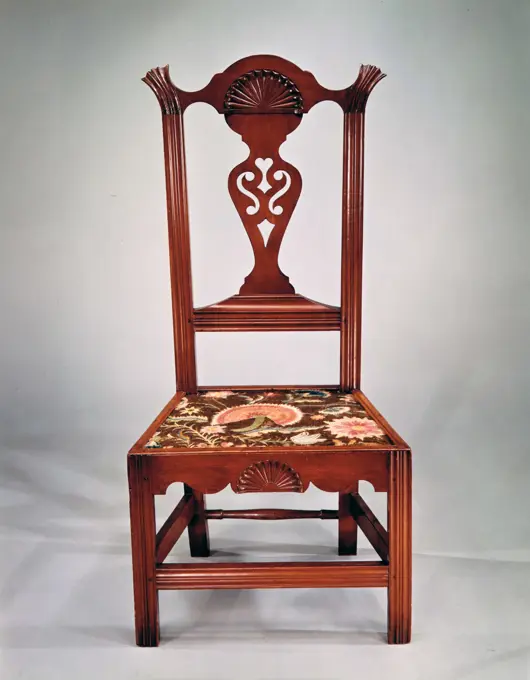
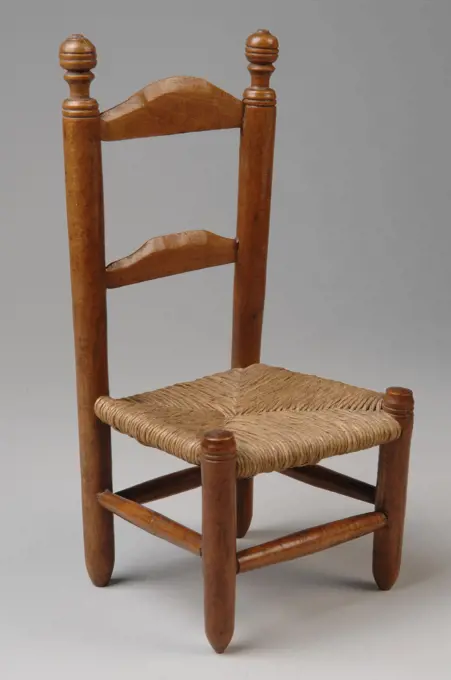
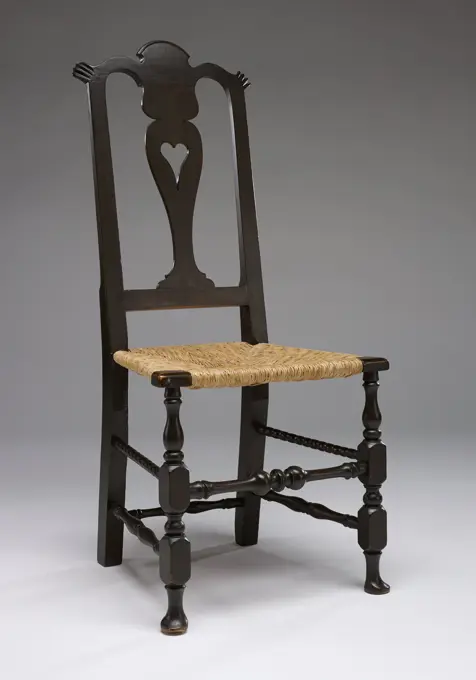
Chair, Anonymous, 1700 - 1750 Chair of cherry wood with mats seat. The legs and eight sports are turned. The corner styles of the back are column -shaped articulated with thickening in the middle. The lower and upper sill are symmetrically sawn out, as well as the middle track that shows an open heart as a middle part and both styles on either side. Vases have been applied as a crowning styles. Northern NetherlandsNetherlands wood (plant material). cherry (wood) Chair of cherry wood with mats seat. The legs and eight sports are turned. The corner styles of the back are column -shaped articulated with thickening in the middle. The lower and upper sill are symmetrically sawn out, as well as the middle track that shows an open heart as a middle part and both styles on either side. Vases have been applied as a crowning styles. Northern NetherlandsNetherlands wood (plant material). cherry (wood)
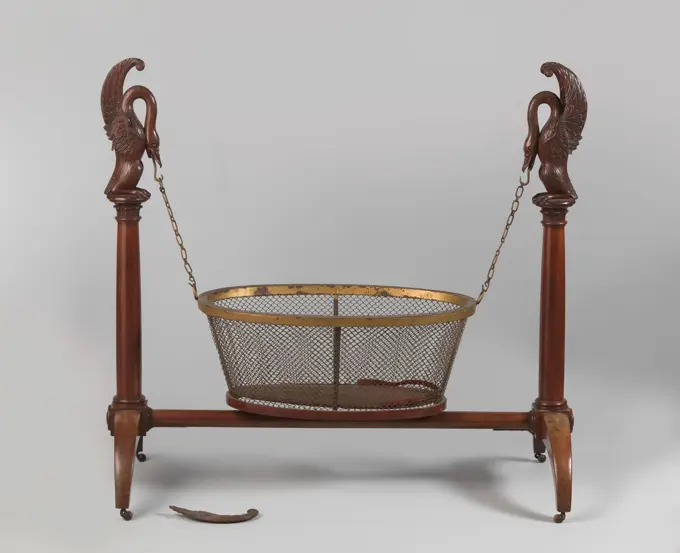
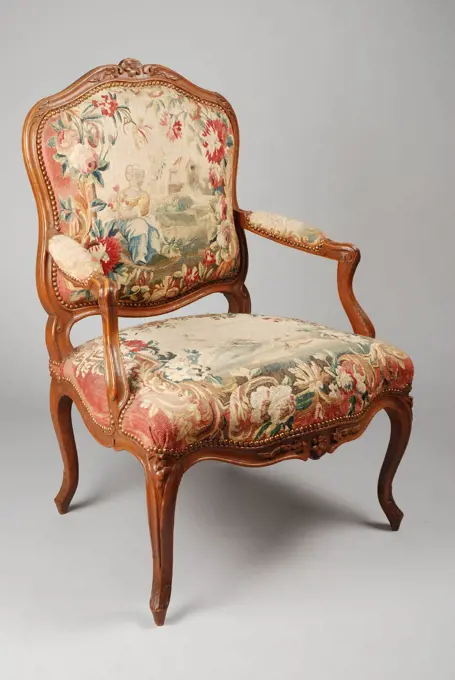
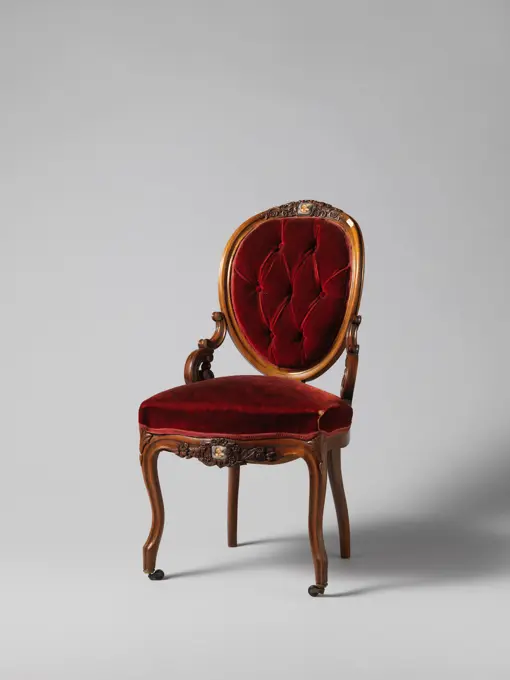
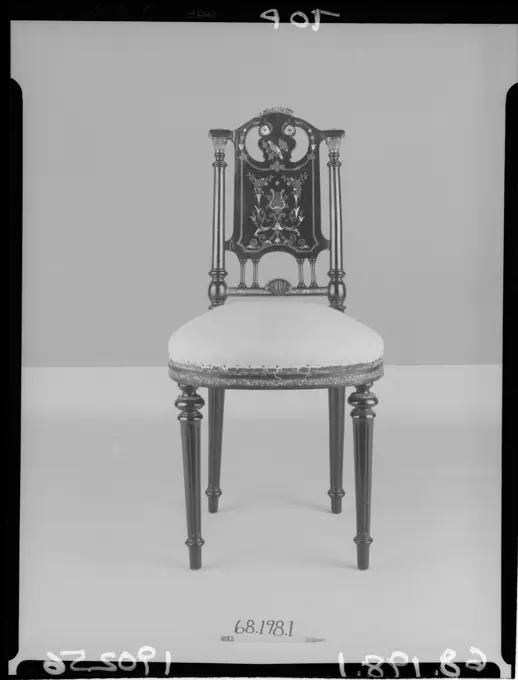
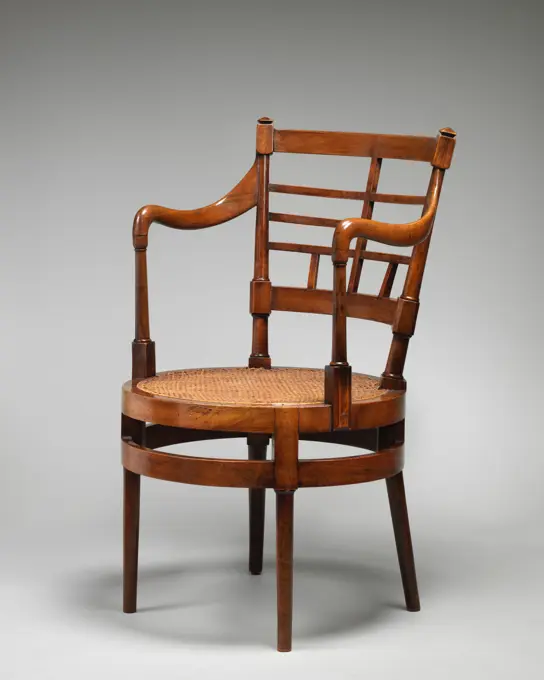
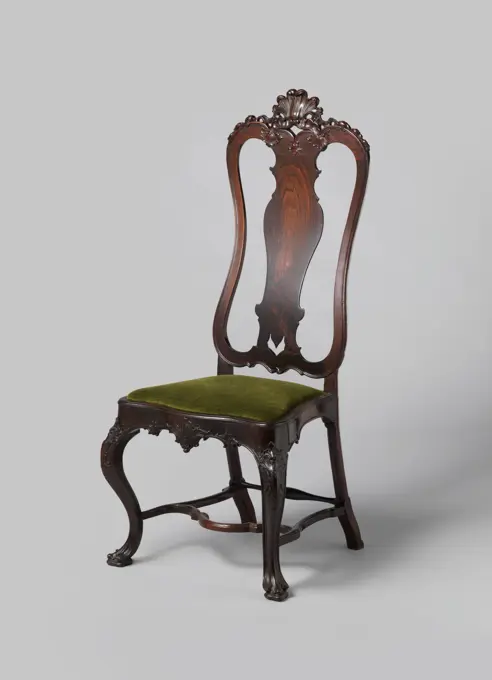
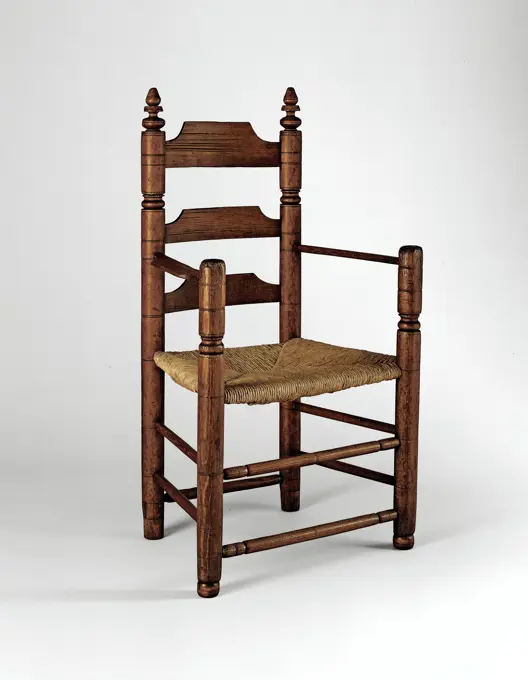
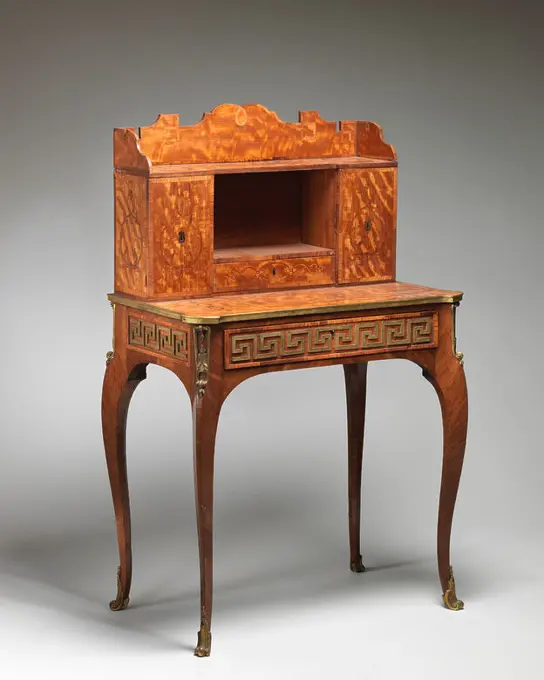
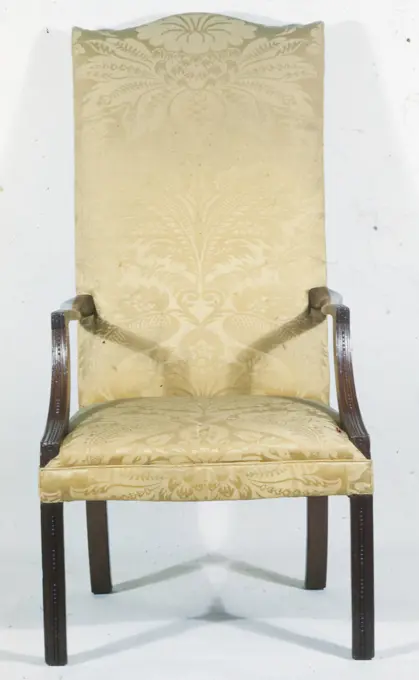
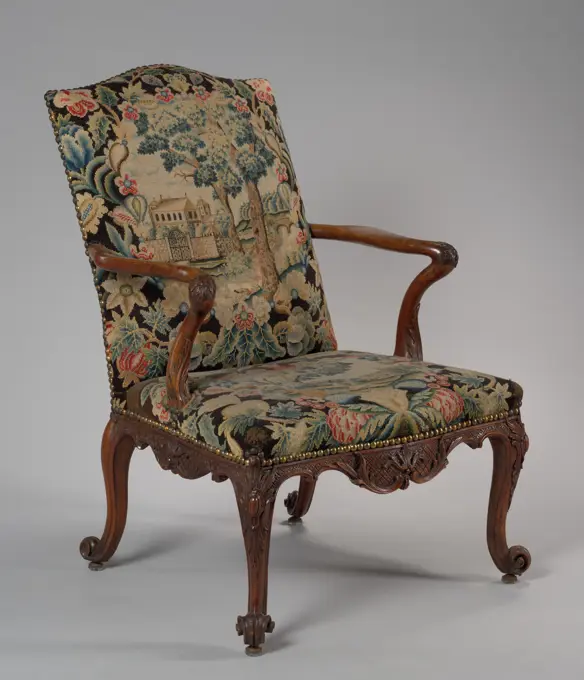
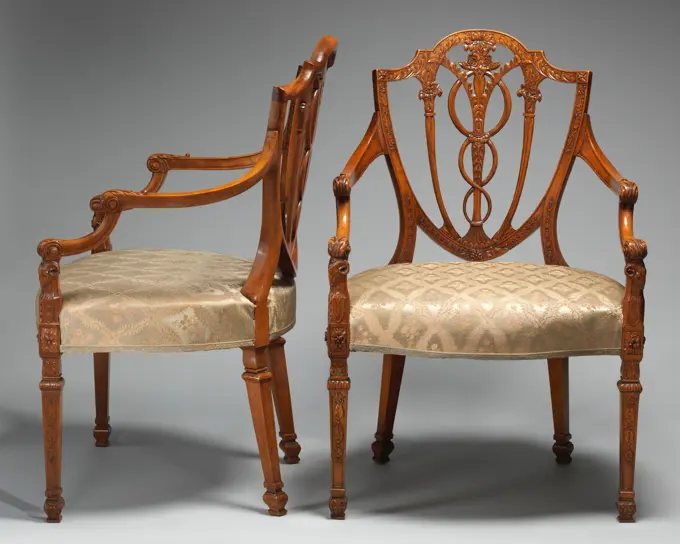
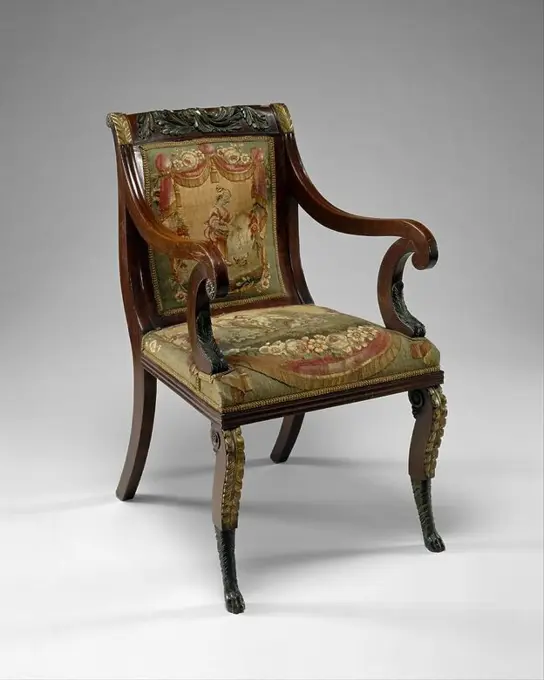
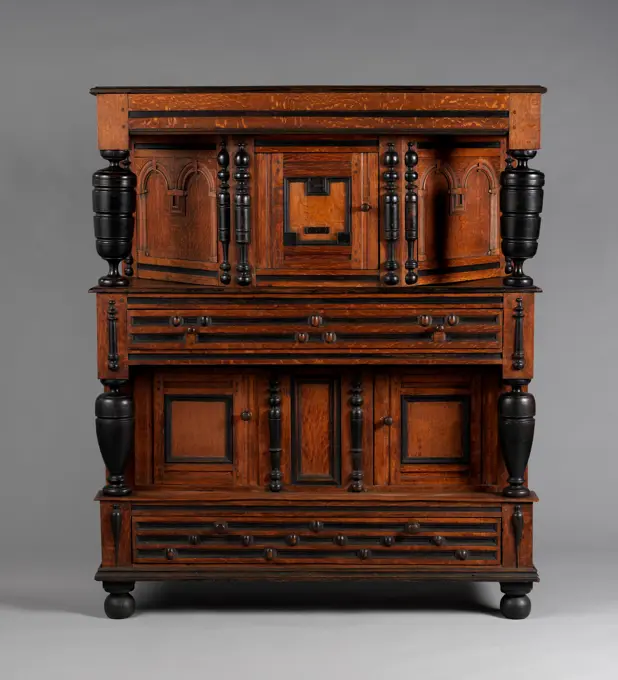
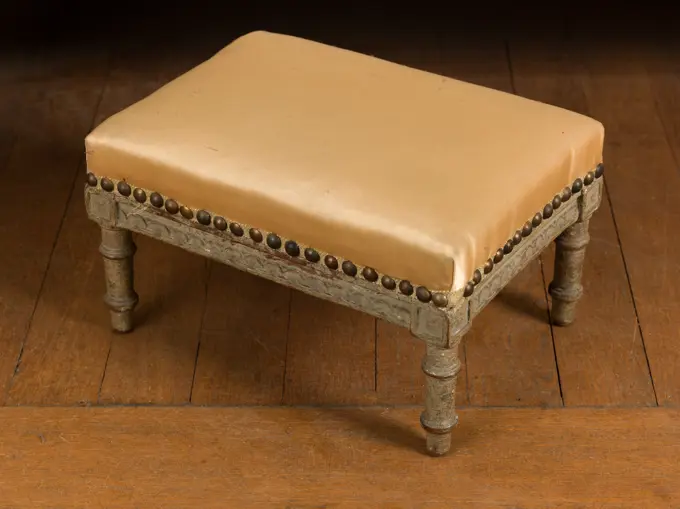
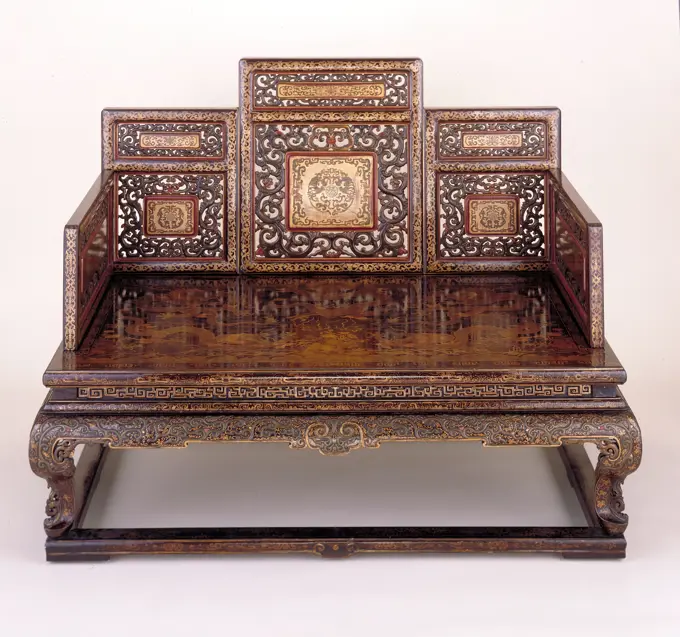
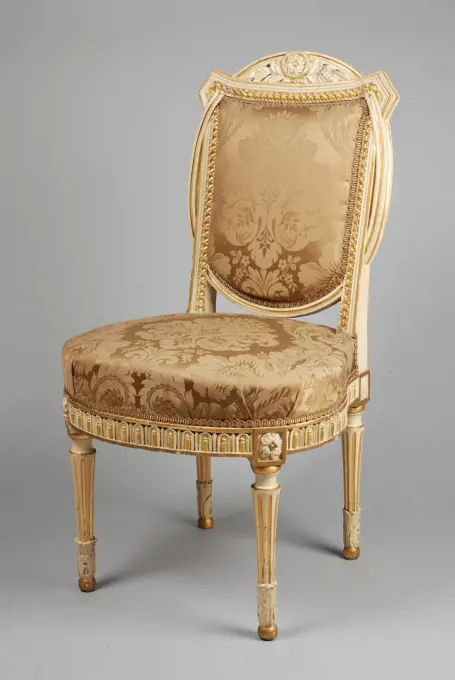
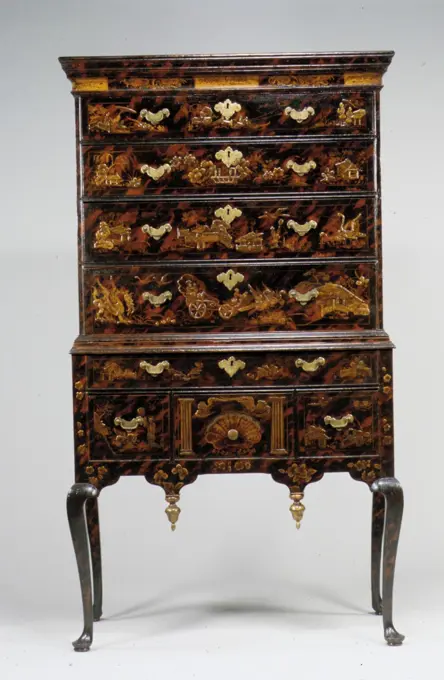
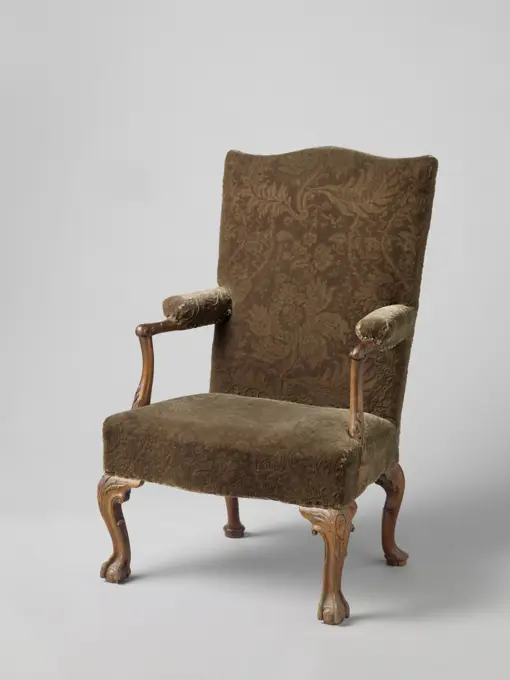
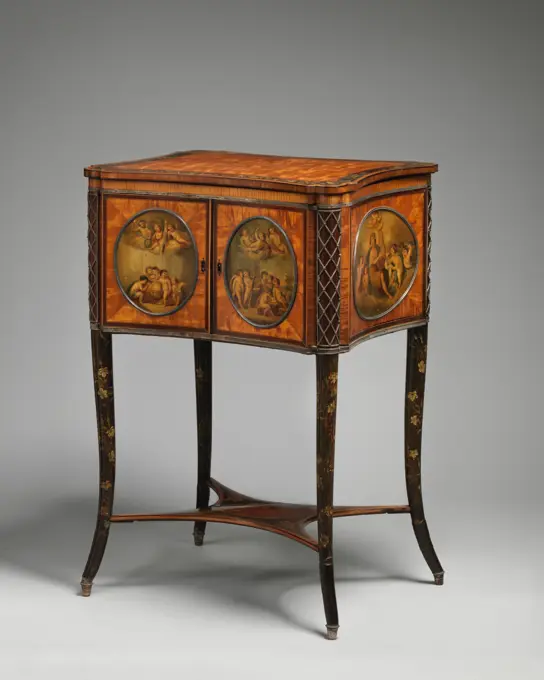
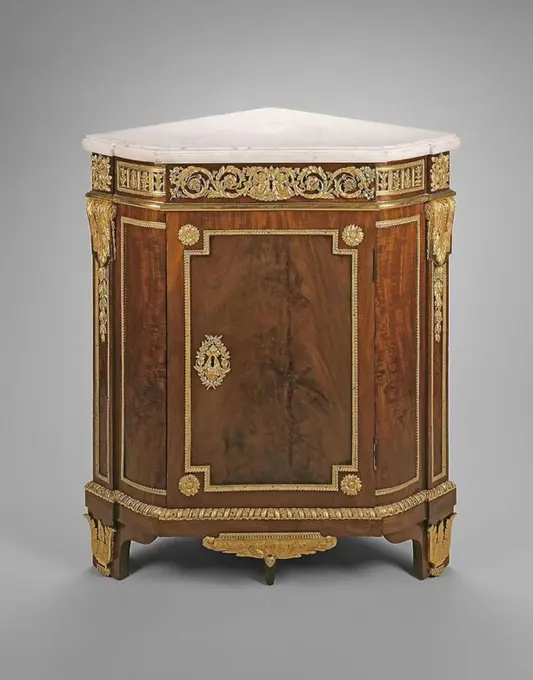
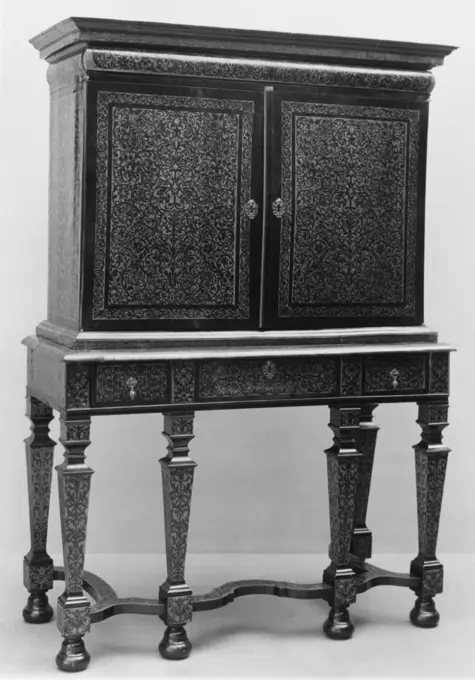
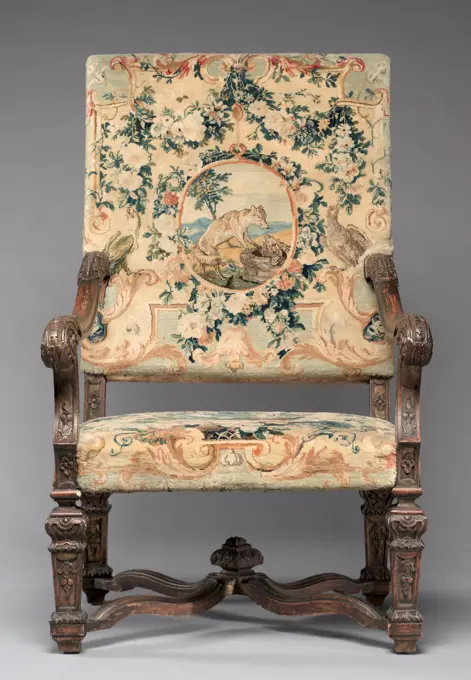
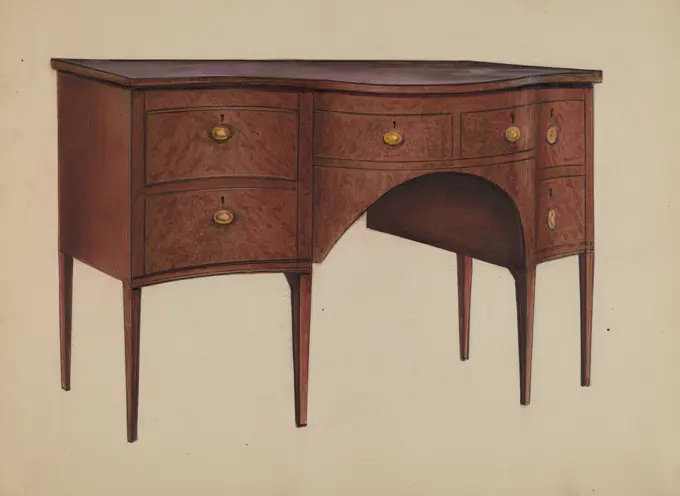
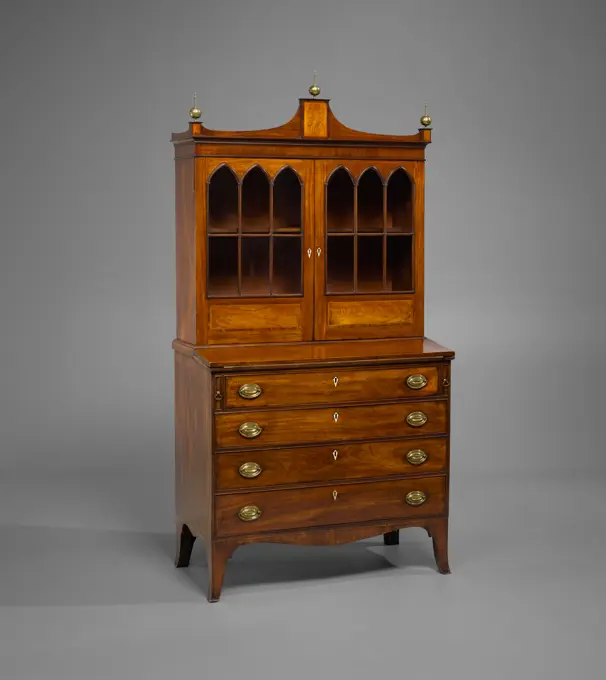
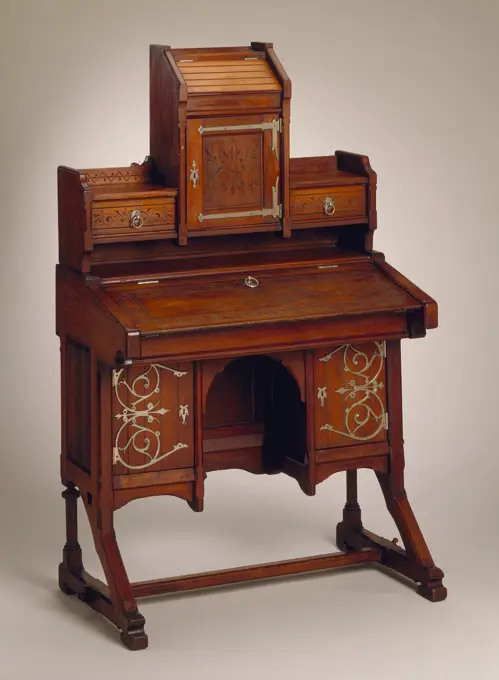
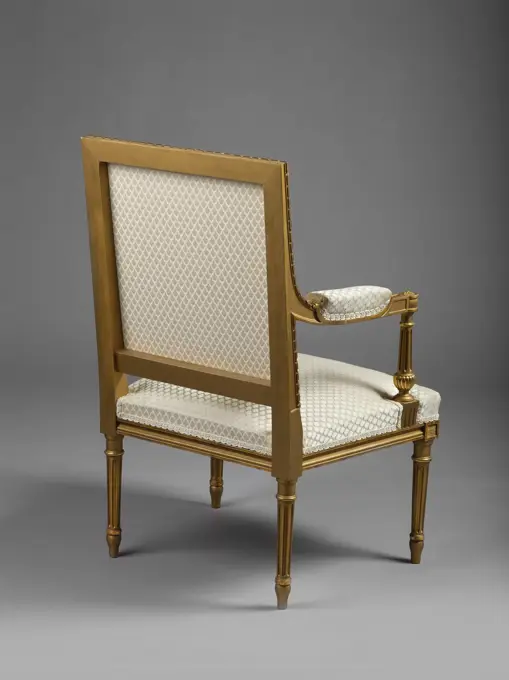
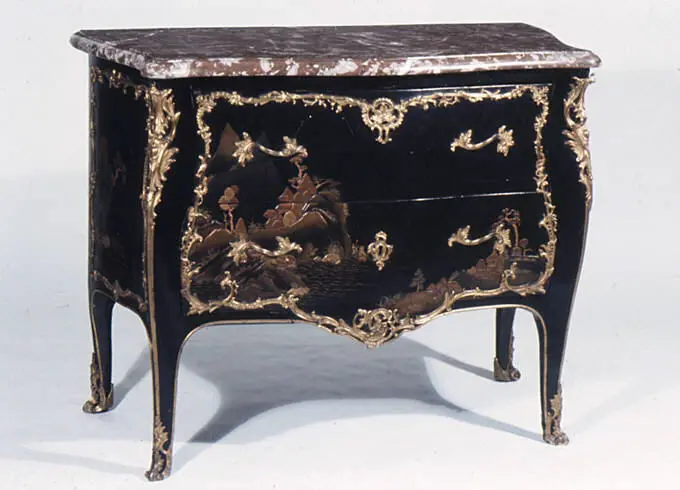
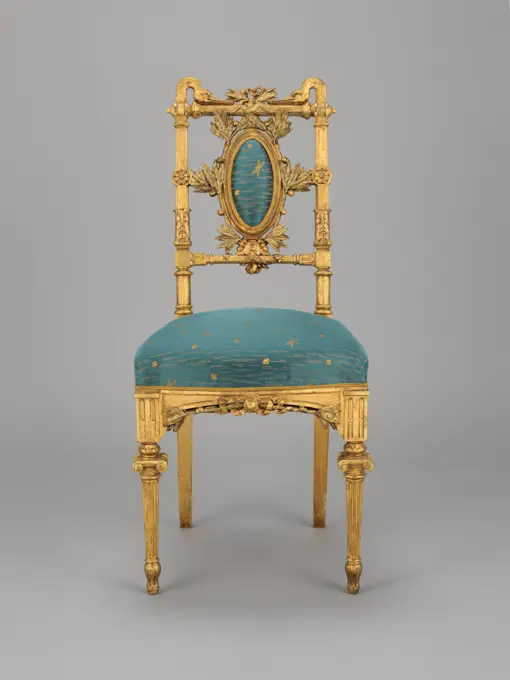
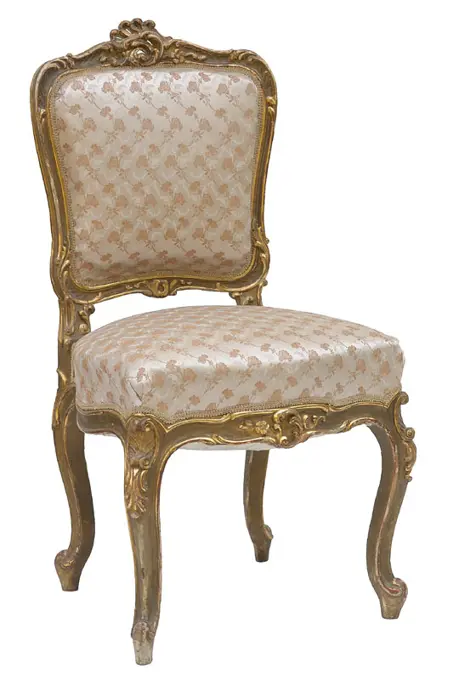
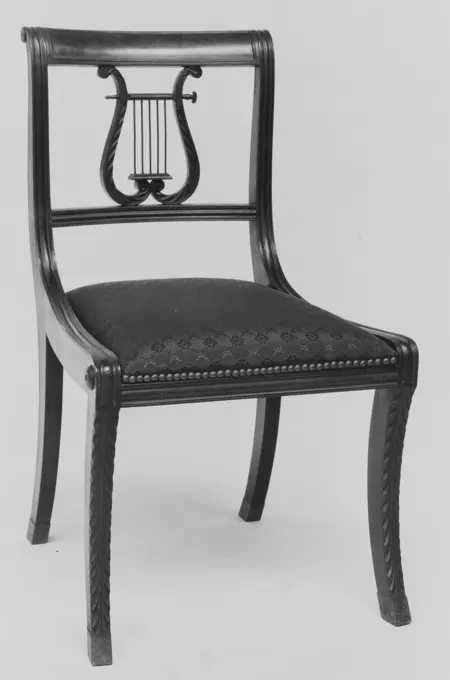
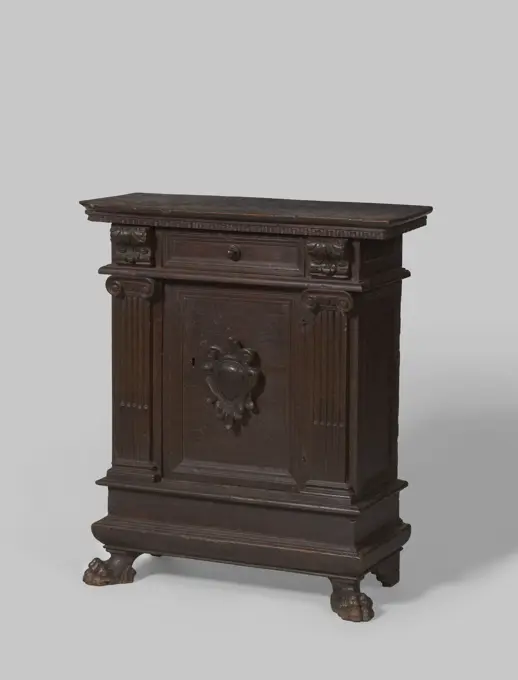
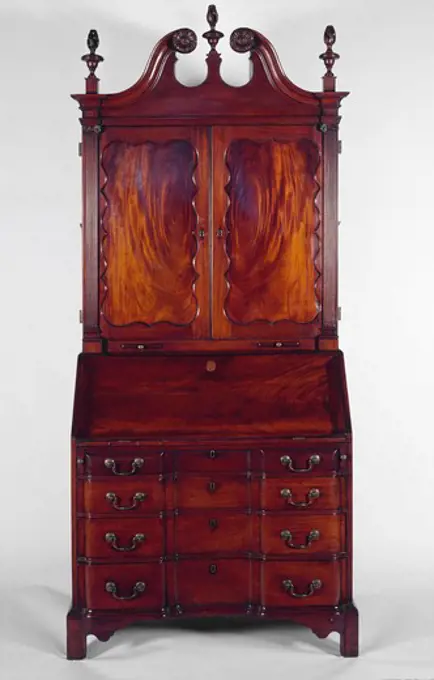
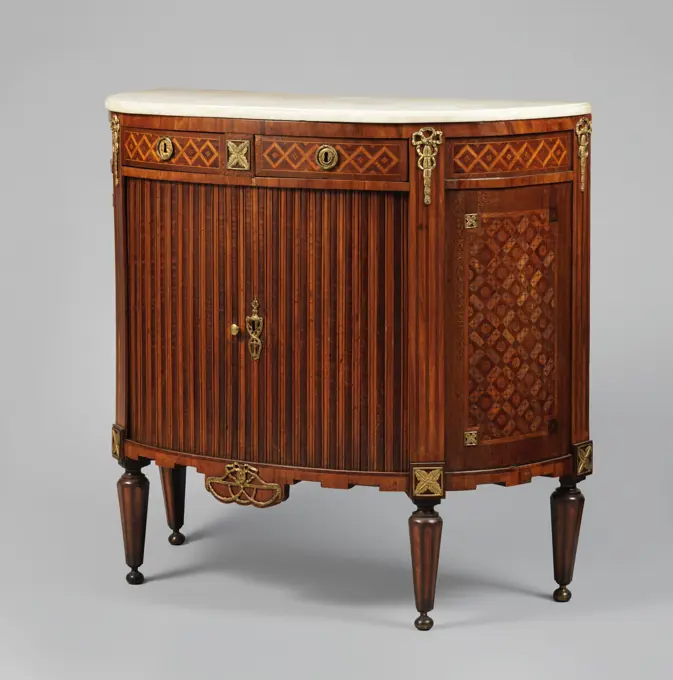
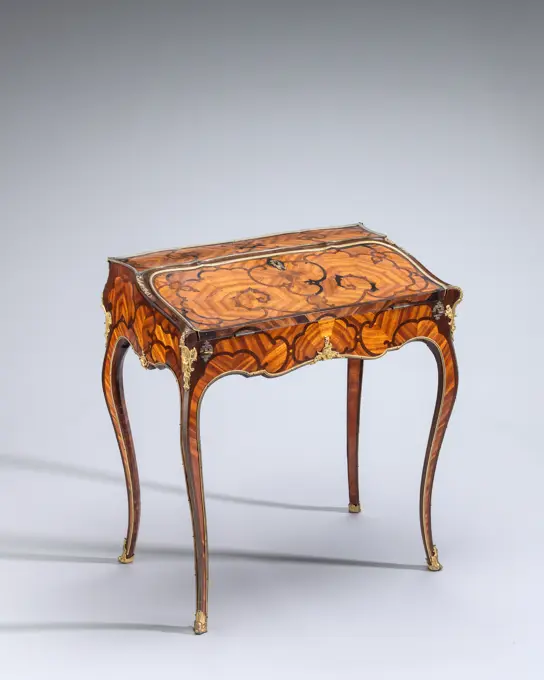
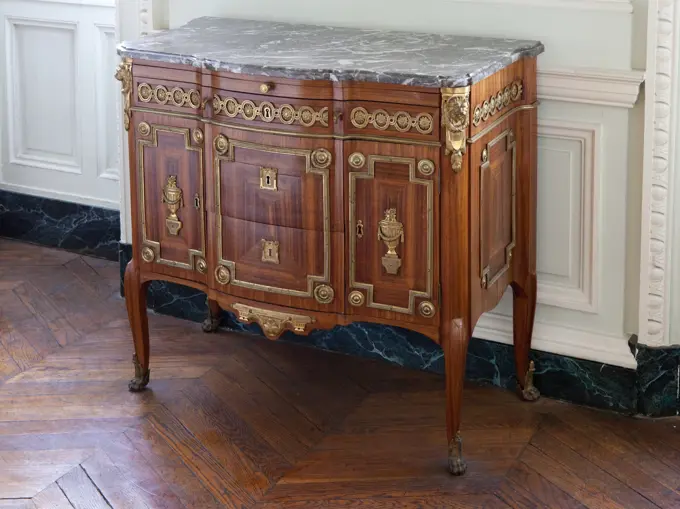
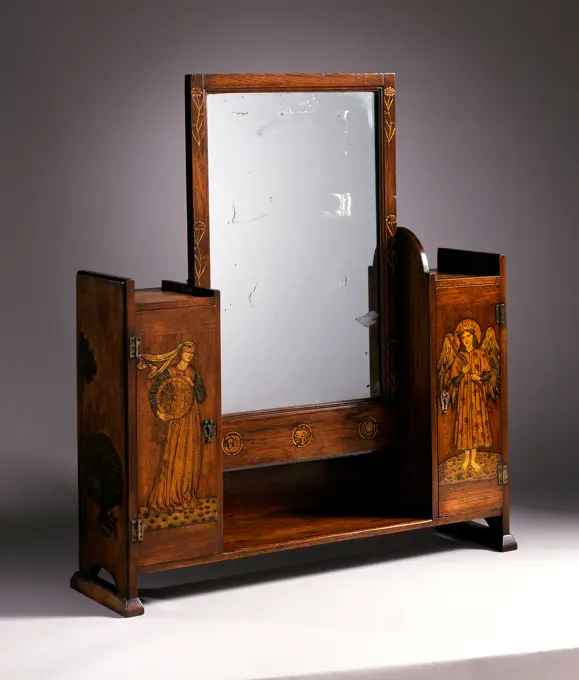
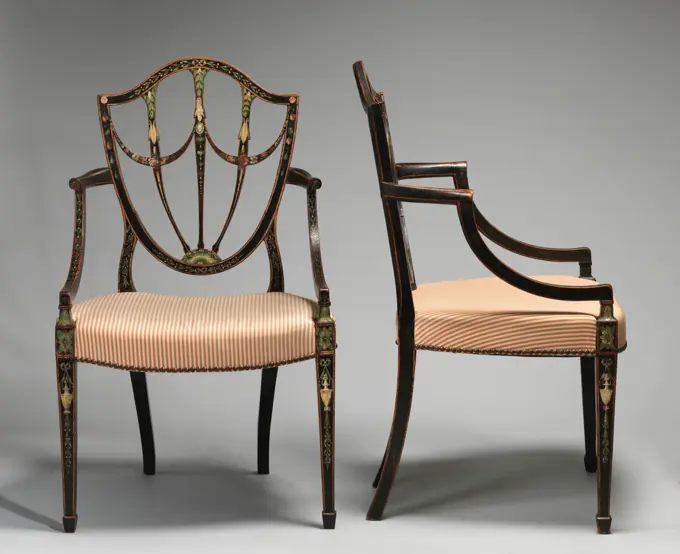
Armchair. unknown, creatorBeechwood rococo armchair, armchair armchair chair seating furniture interior furnishings wood beechwood wool silk brass, Tapisserie show in medallion surrounded by multicolored flowers on Bois-de-Rose fond. Backrest: sitting lady with flowers bouquet at little house Sitting: bird of prey and fleeing hare In the right-wing style above the seat by means of the letters: P. FORGET JME (JMA = jurande des menuisiers ébénistes (guild stamp)) rococo guildChair of rosewood decorated with porcelain plaques, anonymous, 1800 - 1900  Chair of rosewood decorated with porcelain plaques.  rosewood (wood). porcelain. velvet (fabric weave)Side Chair 1865-70 Attributed to Léon Marcotte French. Side Chair. American. 1865-70. Maple, brass, mother-of-pearl. Made in New York, New York, United StatesArmchair ca. 1877 After a design by Edward William Godwin. Armchair. British. ca. 1877. Walnut, cane. Woodwork-FurnitureSideChair. Maker, attributed to: Herter Brothers, American, 1864-1906Table cabinet with cornis decorations in the doors and mirror panels in the drawers. Legs in the form of Tuscan columns, anonymous, c. 1600 - c. 1650 Tablecloth made of oak, decorated with rosewood and ebony. The doors have a layout with Cornis decorations. The consoles are from ebony. The front board of the drawers has panels with ebbenhouten mirrors. The legs are treated like Tuscan columns. Under the front table rule, in the middle, there is a twisted dripper. Piece of top right corner broken off. Northern Netherlands wood (plant material). oak (wood). rosewood (wood). ebony (wood) Tablecloth made of oak, decorated with rosewood and ebony. The doors have a layout with Cornis decorations. The consoles are from ebony. The front board of the drawers has panels with ebbenhouten mirrors. The legs are treated like Tuscan columns. Under the front table rule, in the middle, there is a twisted dripper. Piece of top right corner broken off. Northern Netherlands wood (plant material). oak (wooSide Chair ca. 1770-90 Attributed to Samuel Dunlap. Side Chair. American. ca. 1770-90. Cherry. Made in New Hampshire, United StatesTable of Coromandewood and ebony, inlaid with pewter. Table of Coromandewood and ebony, inlaid with pewter. The edge of the round top consists of five equal segments with a rounded upper edge and a straight wall. Where the segments touch each other, they are turned out at the bottom. The five high legs with pewter's trim are bent at a height in half, rest on bobbins and are connected by a blade. The underlay is invested with linoleum; The top shows symmetrically placed birds and curved lines of ebony, the space around it is out and filled with a white massSmall table. unknown, authorHigh back chair, made of rosewood and decorated with rocaille work., Anonymous, 1750 - 1800 High back chair, made of rosewood and decorated with rocaille work. Portuguese or Portuguese colonial. Portugal wood (plant material). rosewood (wood). oak (wood) High back chair, made of rosewood and decorated with rocaille work. Portuguese or Portuguese colonial. Portugal wood (plant material). rosewood (wood). oak (wood)Commode, Wood, Wood commode with marble top ( component C)., France, ca. 1755 (case) with later mounts, furniture, Decorative Arts, CommodeClose-up of a wooden deskArmchair 1700-1725 American. Armchair 187Armchair (France); wood, metal, tapestry; 103 x 74 x 75 cm (40 9/16 x 29 1/8 x 29 1/2 in. ); 1970-2-2Slat-back armchair 1650-90 American This is an example of the earliest known type of turned slat-back chair made in New England. The back consists of three broad, horizontal slats with straight upper edges cut away at the ends. The slats are graduated in height, with the largest at the top. Turned chairs with slat backs were found in both modest and affluent homes, where they provided practical, everyday seating alongside more fashionable and costly forms.. Slat-back armchair 151Small desk. Culture: British. Dimensions: Overall: 42 × 26 1/2 × 16 1/2 in. (106.7 × 67.3 × 41.9 cm). Date: ca. 1765. Museum: Metropolitan Museum of Art, New York, USA.Armchair 1819-20 John Banks. Armchair 16856Lolling chair, 1780-1800, 48 x 21 1/2 x 21 in. (121.92 x 54.61 x 53.34 cm), Mahogany and ash, United States, 18th-19th centuryArmchair, 1760-1765. England, 18th century. Mahogany upholstered in needlework; overall: 101.6 x 73 x 69.9 cm (40 x 28 3/4 x 27 1/2 in.).Pair of armchairs ca. 1800 British The center of the shield-shaped back is derived from Thomas Sheraton's Cabinet-maker and Upholsterer's Drawing-book (1793).. Pair of armchairs. British. ca. 1800. West Indian satinwood, seat rails of beech, modern silk. Woodwork-FurnitureChair;  1820-1840 (1820-00-00-1840-00-00);Card Table. Dated: c. 1936. Dimensions: overall: 29.9 x 22.9 cm (11 3/4 x 9 in.) Original IAD Object: Top closed: 29 1/2"high; 36"long; 18"deep. Medium: watercolor, gouache, colored pencil, and graphite on paperboard. Museum: National Gallery of Art, Washington DC. Author: Louis Annino.Jean-René Nadal (1733-1783). Armchair. Beech, around 1770. Paris, Carnavalet museum. Small dimensions and light pace, this convertible armchair is emblematic of the production of Jean-René Nadal (1733-1785). It is decorated in the center of the front crosspiece of the belt, from an acanthus sheet in an apron taken up in a staple at the top of the hanger. The belt is also molded with a simple throat between two listels. Its narrowness contributes to the visual lightness of the seat. The only other sculpted ornaments are the rosette of the connection deception and an acanthus sheet rising on the assistant consoles. Armchair, Hetre, furniture, fabric, 18th centurySlat-back Armchair 1700-1740 American. Slat-back Armchair. American. 1700-1740. Maple, hickory, black paint. Made in Hudson Valley, New York, United StatesChairCabinet on stand ca. 1695-1700 British. Cabinet on stand 195525Queen Anne Dressing Table Antiques Bannister-back side chair, c. 1720, H.47-3/8 x W.17-15/16 x D.14-1/8 in., Maple and oak with rush seat, United States, 18th century, The banisters that make up the back of this chair were split in half after they had been turned on a lathe. The bannisters' flat side faces the front, where they would meet the sitter's back, and rounded side faces the rear. The manufacturing method was more labor-intensive than simple ladder-back chairs with horizontal back splats, yet less costly than their leather-upholstered or caned contemporaries. This chair descended in the family of the original owners, and was brought to St. Cloud, Minnesota by the Staples family in the 1850s.ConsoleTable cabinet glued with rosewood and ebony, Herman Doomer (attributed to), c. 1635 - c. 1650 Table cabinet glued with rosewood and ebony on oak core. The frame has vase-shaped legs with smooth houses and a double y-shaped cross. The table rule with framed mirrors wears a quarter -round Frisian with a drawer, decorated with dripers and a lion's head with a ring. The mid -needle of the upper cupboard doors forms a hermatlant with ionic capital; Panels, with Caratives on the sides, Left and right, under a cherub head and dripers, and between Tuscan columns, a niche. Amsterdam wood (plant material). oak (wood). rosewood (wood). ebony (wood). padouk (wood). holly (wood) Table cabinet glued with rosewood and ebony on oak core. The frame has vase-shaped legs with smooth houses and a double y-shaped cross. The table rule with framed mirrors wears a quarter -round Frisian with a drawer, decorated with dripers and a lion's head with a ring. The mid -needle of the upper cupboard doors forms a heEast Windsor side chair, 1770-90, Attributed to Timothy Loomis III, American, 1724 -1786, 41 5/8 × 19 1/4 × 15 1/2 in. (105.73 × 48.9 × 39.37 cm) (approx.), Cherry, ash, pigment, plant fibers, United States, 18th century, This chair boasts some distinctive decoration. The vase-shaped splat, or center back section, has a cutout heart. The undulating top rail features a 'pagoda' design at the center and carved 'ears' on each side. The flat-bottomed, carved pad feet and curving back rail are the details of an ambitious craftsman, a third-generation joiner from the Connecticut River valley near Hartford.Column, horing with cradle, oval, from braided copper wire with frame of wood, hanging on chains attached to the tongues of two swans sitting on a column, Anonymous, 1825 Oval cradle of windy wire wire, surrounded on the top and bottom with wooden tires, covered with metal at the top. Oak bottom. The cradle hangs with copper chains on the tongues of two sculpted sitting swans with highly curved necks and ending wings in voluten, which are on column -shaped columns. These are placed on semic circular legs on wheels, connected by a cylindrical style. Mahogany and copper. France wood (plant material). mahogany (wood). oak (wood). copper (metal). metal Oval cradle of windy wire wire, surrounded on the top and bottom with wooden tires, covered with metal at the top. Oak bottom. The cradle hangs with copper chains on the tongues of two sculpted sitting swans with highly curved necks and ending wings in voluten, which are on column -shaped columns. These are placed on semic circular legs on w. Table of oak resting on four shaking legs. Halfway between the legs there is a square table top. At the top, the legs are interconnected by curved rules in which four drawers are. The drawers have a pearl edge along the edges and are provided with a sliced knob in the middle with ebony. The round table top with a profiled edge rests on it.Armchair. Culture: American. Dimensions: 37 3/4 x 21 1/2 x 27 3/4 in. (95.9 x 54.6 x 70.5 cm). Maker: John Banks (active 1818-after 1825). Date: 1819-20. Museum: Metropolitan Museum of Art, New York, USA.George Nelson, Gate legged Table, c 1936 Gate-legged TableVictorian side chair, c. 1860, John Henry Belter Factory, American, New York City, 1844-1860, 38 1/2 x 19 1/2 x 21 1/2in. (97.8 x 49.5 x 54.6cm), Rosewood, damask upholstery, United States, 19th centuryCupboard 1683 American Large two-stage oak cupboards were the most elaborate pieces of furniture in seventeenth-century New England homes. They were used for storing textiles, silver, and other valued objects. Their scale and ornamental richness bespoke the prosperity and status of their owners. This superlative example was made by an unidentified shop in northern Essex County, noted for its complex joinery and decoration, featuring ebonized turnings that freely interpret classical columns and channel-molded drawer fronts with applied bosses arranged in rhythmic linear patterns across their length.. Cupboard 20612Anonymous. "Foot stool". Painted beech, modern garnish. 1800-1900. Paris, Carnavalet museum. 100081-24 FURNITUREClose-up of a wooden side tableImperial throne, 18th century, 49 1/4 x 64 1/2 x 41 3/4 in. (125.1 x 163.83 x 106.05 cm), Polychrome lacquer over a softwood frame, China, 18th century, Made during the Qianlong period (r. 1736-95), this rare piece of court furniture is one of the larger and more fully decorated thrones outside China. Few lacquered thrones have dragons and celestial landscapes like those found here, painted in gold lacquer across the entire expanse of the seat. The composition and iconography of the five-clawed imperial dragons cavorting among clouds and flaming pearls above the ocean is an official insignia and similar to the decoration of court robes and other official court textiles of the period. The cabriole legs, aprons, and openwork back and side panels are all carved in relief with scrolls and lacquered in green, red, and gold. The panels of the removable back and side rails are decorated with stylized dragons and shou (longevity) medallions emblematic of imperial rule and long life.White painted, partly gilded Louis Seize chair, chair furniture furniture interior design wood beech lacquer gold leaf silk damask, Oval backrest rimmed by rectangular frame brown silk damask cover with passement on seat and back crest with laurel branches and rosette Louis XVI Louis XVI Louis Seize Kralingen-Crooswijk Rubroek Rotterdam Van Rijckevorsel From the estate Rubroec (Rubroek) of the Van Rijckevorsel family.Chair with open backrest with middle style, sitting with green velvet. Chair of mahogany, round open backrests with middle style; straight rule, back legs of hind legs and overhoeks placed S-shaped front legs; Seat covered with green velvet with filling over blackboard paper.Chest of Drawers ca. 1747 American Both this high chest and its matching dressing table (10.125.68) are remarkably well preserved, with their tortoiseshell backgroundscreated by streaking lampblack onto a vermillion ground. The painted decoration, which includes a fantastical dragon and winged swans pulling a chariot with a shell-shaped back, is noticeably different from that on the suite of japanned furniture owned by the Pickman family of Salem (40.37.1, .2, .4).. Chest of Drawers 4277Chair of mahogany on overhoeks placed s -shaped legs on the ball and claw, the hind legs ending in boxing farm. Seat covered with green velvet., Anonymous, 1740 - 1760 Covered armchair of Mahoniehout, resting on overhoeks placed S-shaped front legs, ending in the ball and claw, and ending in hind legs in Bokhoeven. A volute decoration on the swelling; On the front legs also an acanthus motif. The sitting window is trapezoidal. The faintly curved armrests have cushions and acanthus leaf decorations and end in volutes. The stretched S-shaped armrest stars are placed backwards. The covered elongated back window has a scalloped top sill. Northern Netherlands wood (plant material). mahogany (wood). textile materials Covered armchair of Mahoniehout, resting on overhoeks placed S-shaped front legs, ending in the ball and claw, and ending in hind legs in Bokhoeven. A volute decoration on the swelling; On the front legs also an acanthus motif. The sitting window is trapezoidal. The faintly curvBlack chair Retro black chair isolated with clipping path included Copyright: xZoonar.com/Baloncicix 7323517Dressing table ca. 1790 British. Dressing table. British. ca. 1790. Satinwood, mahogany, rosewood veneer, painted decoration, silver and silver plate mounts. Woodwork-FurnitureCorner Cabinet. France, Paris; Jean-Henri Riesener (French, born Germany, 1734-1806). Date: 1780-1790. Dimensions: 94.3 × 81.3 × 55.9 cm (37 1/8 × 32 1/4 × 22 in.). Oak, mahogany, marble, and gilt-bronze mounts. Origin: France. Museum: The Chicago Art Institute, Chicago, USA.Work Table c 1800-1810 Salem. Mahogany, white pine, and satinwood veneer . Artist unknownDraw Table 1645 Switzerland. Walnut and lighter wood inlays; iron mounts .Table. unknown, creatorPadoekhout chair, decorated with entered patterns and inlaid with a tropical wood, 1899 Padoekhout chair, decorated with entered patterns and inlaid with a tropical wood. The back of the back is decorated with the original batiked parchment. The covering of the chair is not original. Amsterdam padouk (wood). parchment (animal material)   Amsterdam Padoekhout chair, decorated with entered patterns and inlaid with a tropical wood. The back of the back is decorated with the original batiked parchment. The covering of the chair is not original. Amsterdam padouk (wood). parchment (animal material)   AmsterdamBox, painted with birds and flowers, Willem Kick (attributed to), c. 1620 - c. 1625 Chest made of wood with round curved lid, decorated with, brown and yellow -painted, birds and flowers on black lacquered background. Lacquered inside. Secret Amsterdam pine (wood). lacquer (coating) lacquering Chest made of wood with round curved lid, decorated with, brown and yellow -painted, birds and flowers on black lacquered background. Lacquered inside. Secret Amsterdam pine (wood). lacquer (coating) lacqueringChest-On-Chest. Dated: c. 1938. Dimensions: overall: 53.8 x 45.3 cm (21 3/16 x 17 13/16 in.) Original IAD Object: 78 1/2"high; 42 3/8"wide; 21 1/4"deep. Medium: watercolor, colored pencil, pen and ink, and graphite on paperboard. Museum: National Gallery of Art, Washington DC. Author: Lorenz Rothkranz.Furniture set: chairSide Chair (Sweden); Possibly by H. Landberg; carved woodCabinet late 17th-early 18th century British. Cabinet 191713Rolland Livingstone, Pa German Chest, 1935 1942 Pa. German ChestPadoekhout table, decorated with entered patterns and inlaid with a tropical wood, 1899 Padoekhout table, decorated with entered patterns and inlaid with a tropical wood. Amsterdam padouk (wood)   Amsterdam Padoekhout table, decorated with entered patterns and inlaid with a tropical wood. Amsterdam padouk (wood)   AmsterdamCard table, c. 1770, attributed to John Goddard, American, (Newport, Rhode Island), active 1724 - 1786, 28 1/2 x 34 x 34 in. (72.39 x 86.36 x 86.36 cm), Mahogany with maple, United States, 18th centuryBrühl, Augustusburg Castle, chair/ poop chairCommode, Adrien Faizelot Delorme, c. 1750 Commode adorned with gold lacquer on black soil on oak core and with gilded bronze. Furniture with S-shaped legs placed overhoek, trimmed with batter. The used front and the sides are painted with landscapes with figures in chinoiserie style and framed with batter in C and S-Surven. The front has a shield -shaped field in the middle, in which the tractors of the two drawers are incorporated, and the bottom of which extends around the scumed sill. Stamped: Delorme. Marble leaf. Paris oak (wood). walnut (hardwood). rosewood (wood). maple (wood). lacquer (coating). bronze (metal). marble (rock) lacquering / gilding Commode adorned with gold lacquer on black soil on oak core and with gilded bronze. Furniture with S-shaped legs placed overhoek, trimmed with batter. The used front and the sides are painted with landscapes with figures in chinoiserie style and framed with batter in C and S-Surven. The front has a shield -shaped field in the middle, inArmchair (2 of 4), before 1717. Royal Savonnerie Manufactory, Chaillot Workshops (French, est. 1627). Carved wood, Savonnerie knotted-pile (symmertrical rug knot) upholstery; wool, hemp; overall: 121.9 x 70.5 x 55.3 cm (48 x 27 3/4 x 21 3/4 in.).Chair. unknown, contractorArm chair, part of a divan de Milieu, Gebroeders Horrix, c. 1852 Arm chair belonging to a set of six arm chairs of mahogany with a triangular base, together forming a round sofa. Blared silk upholstery with passement. The two front legs, the hind legs, rules, struts, armrests and the crowning of the backrest, are bent, profiled and almost all end in a volute. The armresters close the backrest arch -shaped and form a triangular crown that, just like the front line and the swellings of the front legs, exhibits shell -shaped acanthus leaves. The Hague wood (plant material). mahogany (wood). silk Arm chair belonging to a set of six arm chairs of mahogany with a triangular base, together forming a round sofa. Blared silk upholstery with passement. The two front legs, the hind legs, rules, struts, armrests and the crowning of the backrest, are bent, profiled and almost all end in a volute. The armresters close the backrest arch -shaped and form a triangular crown that, just like the front liSideboard c 1850-1857 New York. Rosewood, walnut, tulip poplar, glass, and marble . Alexander RouxArsen Maralian, Sideboard, 1936 SideboardSerpentine-Front SideboardHigh chest ofdrawersLadys Secretary and Bookcase Made for John Doan.   Maker: Emery Moulton, American, 1782-1850"Modern Gothic" Desk. Kimbel & Cabus (United States, New York, 1863-1882)Joseph Cabus (France, active New York, 1824 - 1898)Anton Kimbel (Germany, active New York, 1822 - 1895). United States, circa 1876. Furnishings; Furniture. Walnut, nickel-plateArmchair. Z. Szczerbiński i S-ka. Towarzystwo Akcyjne Warszawskiej Fabryki Mebli Stylowych (1902-1939), furniture factoryCommode ca. 1755-60 Martin Criaerd The most prominent member of a large family of cabinetmakers, Mathieu Criaerd specialized in furniture veneered with Asian lacquer or European imitation lacquer and is known to have worked for the marchands merciers Thomas-Joachim Hébert and Nicolas Héricourt. Once thought to be veneered with Japanese lacquer, the surface of this commode was actually decorated in France in imitation of Japanese black and gold lacquer of about 1670-1680.. Commode 205761Te Poel, Miniature wooden kitchen chair, chair reclining furniture miniature toy relaxant model oak wood beech wood trim, embroided braided reclining chair twisted legs with knobs on top Biezen Session 1868 Sibilla van Embden play home kitchenSide chair ca. 1870 Herter Brothers William H. Vanderbilt, son of Cornelius Commodore” Vanderbilt, inherited a vast fortune and a lucrative transport business, which he expanded exponentially, becoming one of the wealthiest men in America. In 1879, to mark his elevated social and economic status, he built a mansion that spanned an entire city block on Fifth Avenue, between Fifty-First and Fifty-Second Streets. He commissioned Herter Brothers, one of the premier cabinetmaking firms in New York City, to decorate and furnish his home. In devising distinct decorative schemes for each room of the mansion, Herter Brothers drew inspiration from a wide range of historical styles and utilized expensive, exotic materials.Originally fashioned by Herter Brothers for Vanderbilt’s previous residence, this side chair, one of a pair, was incorporated in the boudoir of his new mansion on Fifth Avenue. While Vanderbilt desired to construct a completely new and modern residence, the boudoir was part of Table. Culture: American. Designer: Designed by Louis Comfort Tiffany (American, New York 1848-1933 New York). Dimensions: 30 1/4 x 14 1/2 x 14 1/2 in. (76.8 x 36.8 x 36.8 cm). Maker: Tiffany Studios (1902-32). Manufacturer: Attributed to Tiffany Glass and Decorating Company (American, 1892-1902) or. Date: 1890-1905.Furniture by Tiffany Studios counts among the most eclectic and unusual pieces produced during the late nineteenth and early twentieth centuries. This small bronze and oak table owes its design to prototypes in antiquity: its form resembles that of collapsible Greek and Roman stands. The swelling form of the upper legs is a Tiffany innovation based on Near Eastern sources. The delicately reeded legs then taper to diminutive hoof feet. It is one of two known bronze table forms produced by Tiffany Studios and offered in their price list of 1906. Museum: Metropolitan Museum of Art, New York, USA.Table with hexagonal leaf and substructure, on S-shaped legs, decorated with flower and leaf motifs. Dish of iron wood. The hexagonal leaf is trimmed with a pearl edge and rests on a hexagonal substructure of six lying broken panels with flower and leaf motifs. The whole stands on five elongated S-shaped legs, also decorated with flower and leaf motifs. The knees of the legs and space in between are filled with sculpture of branches with blossoms and fencing. The legs are interconnected by five as spokes of a wheel placed rules with a rosette in the middle.Bank, anonymous, 1600 - 1625 Oak sofa on six legs placed in spread position with vase -shaped sections and houses and connected by destroyed foot rules. The upper houses have cannelures. The top seats are delayed and decorated with ojief -shaped profiled cubes under the seat. The stabbed support pieces have broken S-Voluten on the front and back. The legs rest on flat bulbs. Northern Netherlands wood (plant material). oak (wood) Oak sofa on six legs placed in spread position with vase -shaped sections and houses and connected by destroyed foot rules. The upper houses have cannelures. The top seats are delayed and decorated with ojief -shaped profiled cubes under the seat. The stabbed support pieces have broken S-Voluten on the front and back. The legs rest on flat bulbs. Northern Netherlands wood (plant material). oak (wood)Chair. unknown, authorArmchair, wood, metal, tapestry, Louis XV armchair with back, seat and top of arms upholstered in red-to-blue Aubusson tapestry with floral design; domed metal tacks along edges of fabric; carved scrolling and floral decoration at center front of seat rail, knees, feet, and arms., France, 18th century, furniture, Decorative Arts, Armchair. Armchair, part of an ameublement, made from white with gold painted beech wood and covered on a loose window with tapestry, which shows on a red damask ground bouquets, tied together by ribbons with bows. The front legs, front seat, gamovend or styles of the back window bearing browse and floral motifs. The armrests with cushions end in a volute; The overhoeks placed S-shaped legs in an acanthus sheet. Signature: I. Gourdin. See: BK-16655-a / e and g.Side Chair 1805-15 American. Side Chair 1807Board chair. unknown, authorWall cabinet, Anonymous, 1500 - 1600 Wall cabinet (Credenszino) van Notenhout on four legs, the front claw legs of which are placed overhoeks. The hollow chassis has a wide flat bond between strong profile lists. The door in the middle shows an empty coat of arms on a framed panel and is flanked by Ionian -canalized pilasters. The framed side panels are flat. In the middle, the top is a larger drawer with a profile frame and button, flanked by two drawers with leaf consoles. Loosen excellent cover with toothlist. Italy wood (plant material). walnut (hardwood) Wall cabinet (Credenszino) van Notenhout on four legs, the front claw legs of which are placed overhoeks. The hollow chassis has a wide flat bond between strong profile lists. The door in the middle shows an empty coat of arms on a framed panel and is flanked by Ionian -canalized pilasters. The framed side panels are flat. In the middle, the top is a larger drawer with a profile frame and button, flanked by two drawers with leaf cDesk c 1700-1735 Boston. Walnut, walnut veneer, and white pine . Artist unknownArmchair back. Culture: French, Beauvais. Designer: Jean-Baptiste Oudry (French, Paris 1686-1755 Beauvais). Dimensions: H. 29 x W. 24 in. (approx.) (73.7 x 61 cm). Factory: Beauvais. Factory director: woven under the direction of Jean-Baptiste Oudry (French, Paris 1686-1755 Beauvais); and André Charlemagne Charron (French, active 1754-80). Date: 1754-56. Museum: Metropolitan Museum of Art, New York, USA.Egyptian Chair, 1857. Designer: William Holman Hunt. Manufacturer: J G CraceChair. unknown, authorEasy Chair. Culture: American. Dimensions: 46 3/8 x 32 3/8 x 25 7/8 in. (117.8 x 82.2 x 65.7 cm). Maker: Caleb Gardner (died 1761). Date: 1758.Eighteenth-century easy chairs--heavily padded, with thick down-filled cushions, and with wings to rest one's head against and keep drafts away--were often reserved for the elderly or the infirm. This New England example is remarkable for its elaborate upholstery and intact condition. The front is covered with Irish stitch needlework and the back with a needlework landscape scene. The seams are covered with silk tape. The frame is inscribed " Made by Caleb Gardner Junr," presumably the upholsterer, and dated "New Port, May 23 1758.". Museum: Metropolitan Museum of Art, New York, USA.American Chippendale Block Front Secretary (Closed) Antiques Dressing Table. Culture: American. Dimensions: 64 x 36 x 20 1/2 in. (162.6 x 91.4 x 52.1 cm). Date: ca. 1880. Museum: Metropolitan Museum of Art, New York, USA.. Armchair of oak and ebony, covered with batted parchment.Penant cabinet with curved walls and cylinder doors and marble leaves, anonymous, c. 1775 - c. 1800 Penant cabinet decorated with marquetery of pink, carpet and satin wood and covered with a white marble plate. The cupboard is half oval of thorough. The front has two cylinder doors; The curved walls are glued with geometric figures in rectangular fields. Two drawers in the top sill of the front. The four conical legs have gilded copper feet. On the styles, side walls, doors and sills gilded copper batter. Belonging to another penant cabinet, see: BK-NM-8839. Northern Netherlands wood (plant material). rosewood (wood). cherry (wood). satinwood (wood). oak (wood). metal. copper (metal). gilding (material). marble (rock) gilding Penant cabinet decorated with marquetery of pink, carpet and satin wood and covered with a white marble plate. The cupboard is half oval of thorough. The front has two cylinder doors; The curved walls are glued with geometric figures in rectangular fields. Two draCassapanca, anonymous, c. 1500 - c. 1600 Chest. Italy walnut (hardwood). pine (wood) Chest. Italy walnut (hardwood). pine (wood)Attributed to Pierre Migeon II, Lean to Writing Desk (table à abbattant), c 1750 Attributed to Pierre Migeon II (French, 1701 - 1758), Lean-to Writing Desk (table à abbattant), c. 1750, veneered on oak with tulipwood, purplewood and kingwood; gilded bronze mounts, Widener Collection 1942.9.424Set of six chairs, side, splatbackNicolas Petit. Convenient. Building: oak, satin plating, amaranth and oak, gilded bronze, Saint-Anne marble. 1775. Paris, Carnavalet museum. Amaranth, oak wood, bronze gilded, gilding, marquetry, furniture, satin plating, 18th 18th 18th 18th 18th 18th century, chest of drawers, furnitureCabinet;  beginning of the 18th century (1700-00-00-1720-00-00);Toilet Mirror. Morris, Marshall, Faulkner & Co. (later Morris & Co.) (England, London, founded 1861)Edward Burne-Jones (England, 1833-1898)Philip Webb (England, 1831-1915). England, 1862. Furnishings; Accessories. Walnut, gesso, paint, gilding, glass, and brassPair of armchairs late 18th century British. Pair of armchairs. British. late 18th century. Painted beechwood. Woodwork-Furniture