Antique Wooden Chairs

A collection of ornate wooden chairs showcasing intricate designs, upholstery, and historic craftsmanship from various periods and styles.

Chair, Anonymous, 1700 - 1750 Chair of cherry wood with mats seat. The legs and eight sports are turned. The corner styles of the back are column -shaped articulated with thickening in the middle. The lower and upper sill are symmetrically sawn out, as well as the middle track that shows an open heart as a middle part and both styles on either side. Vases have been applied as a crowning styles. Northern NetherlandsNetherlands wood (plant material). cherry (wood) Chair of cherry wood with mats seat. The legs and eight sports are turned. The corner styles of the back are column -shaped articulated with thickening in the middle. The lower and upper sill are symmetrically sawn out, as well as the middle track that shows an open heart as a middle part and both styles on either side. Vases have been applied as a crowning styles. Northern NetherlandsNetherlands wood (plant material). cherry (wood)
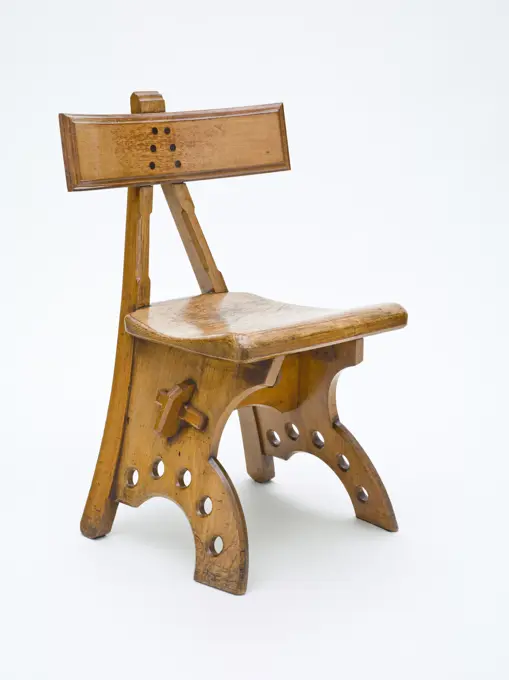
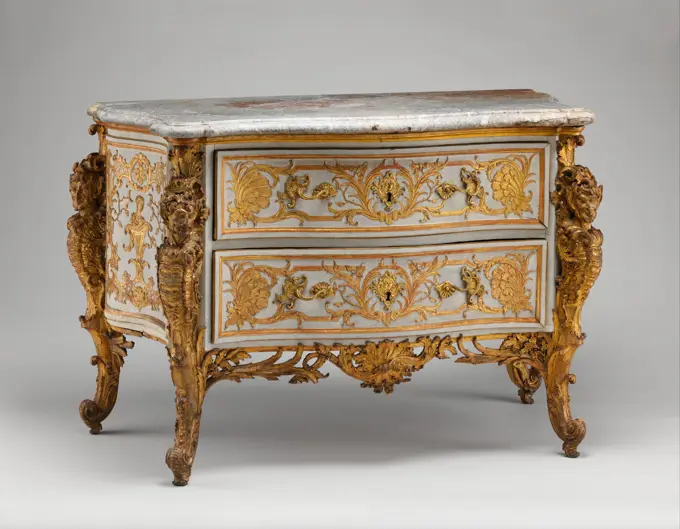
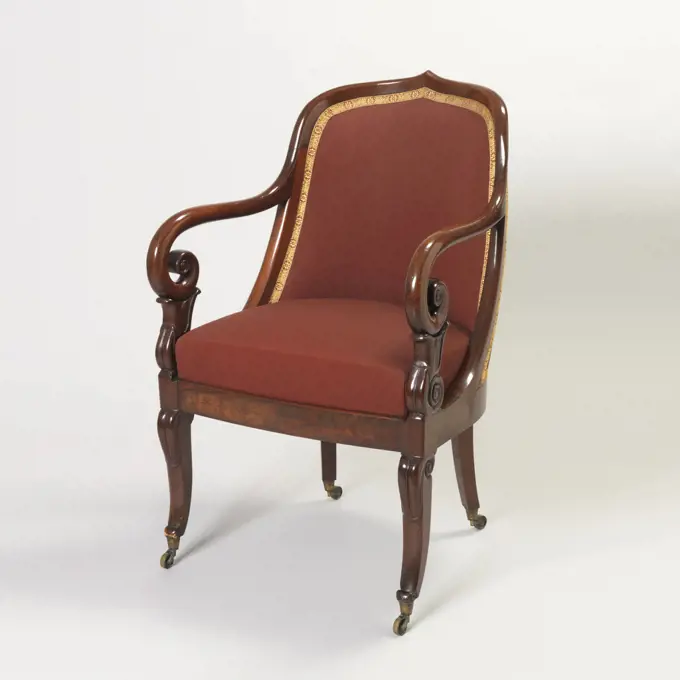
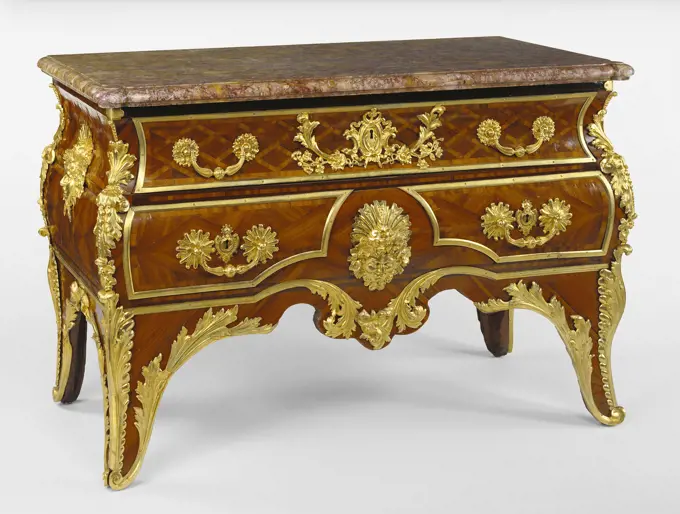
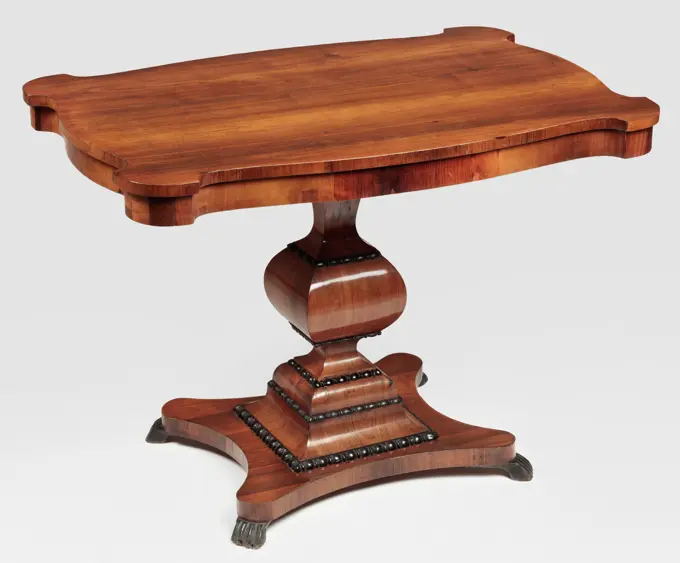
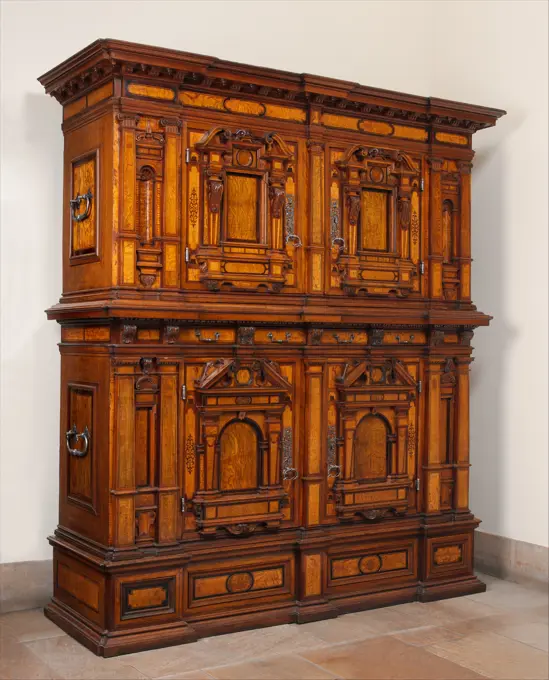
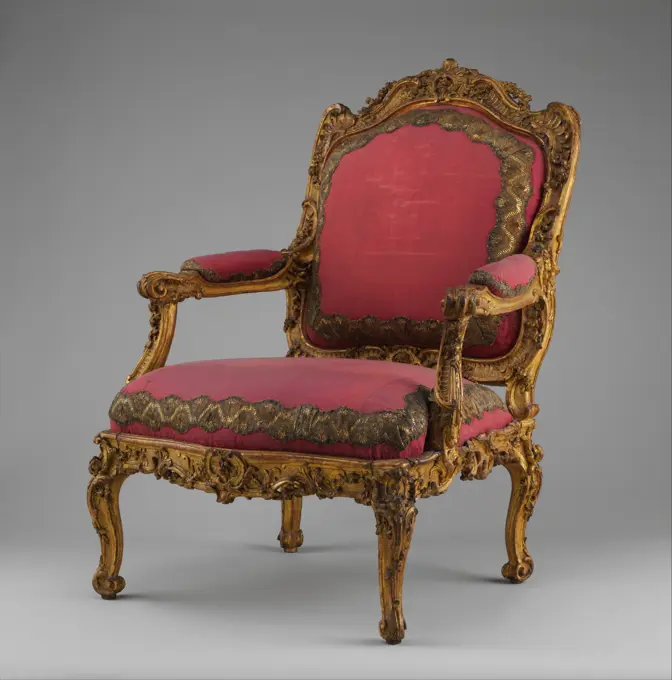
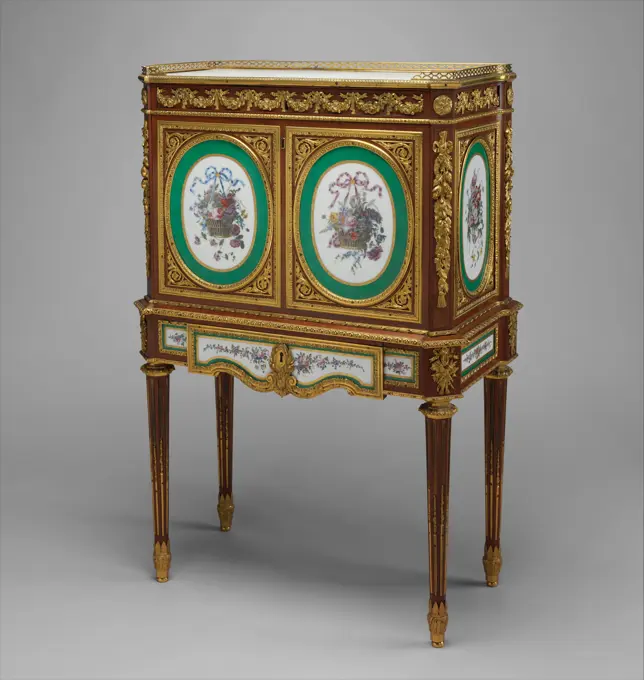
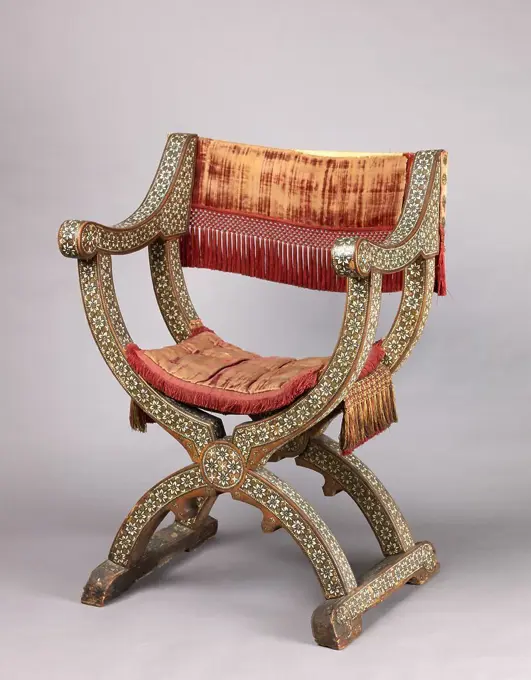
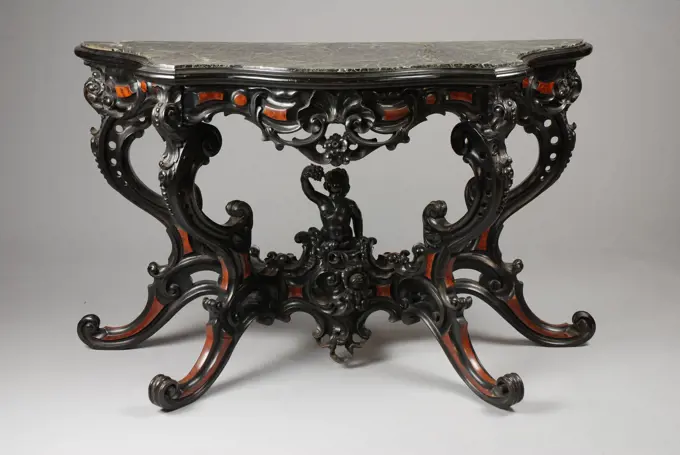
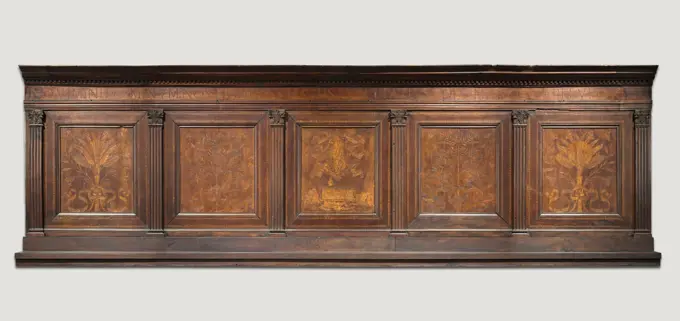
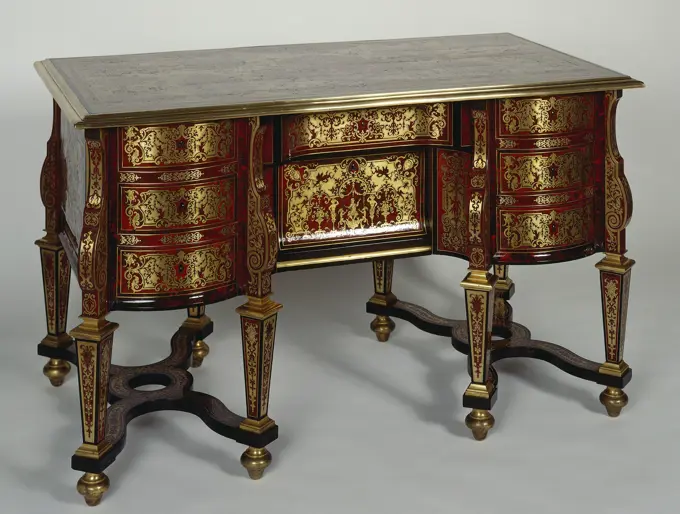
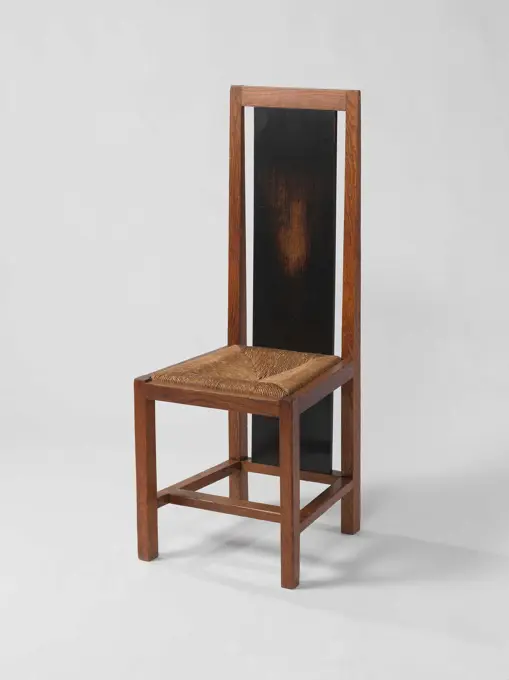
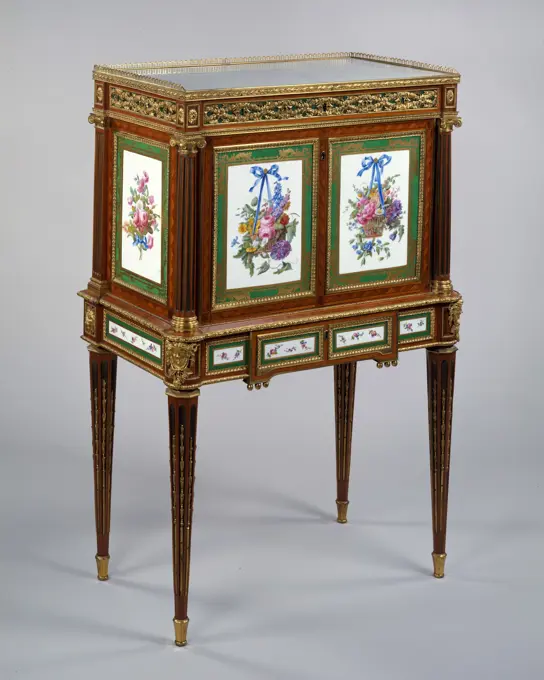
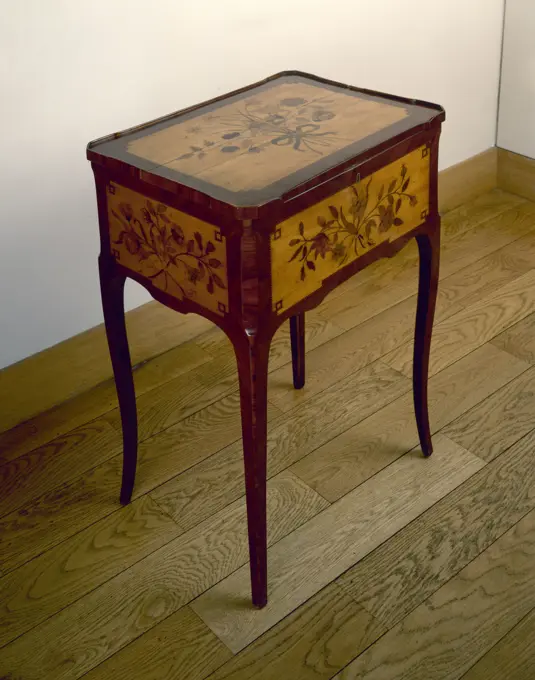
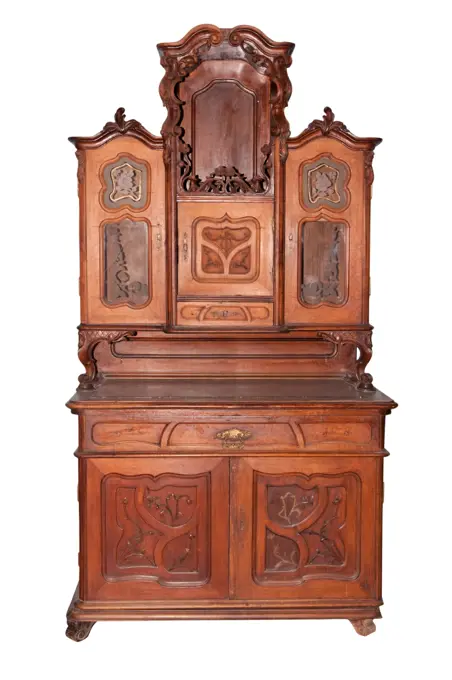
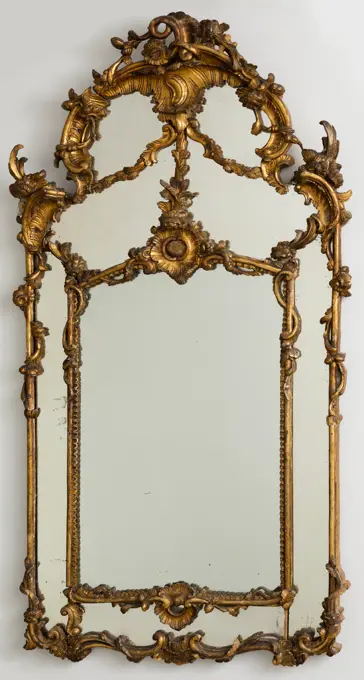
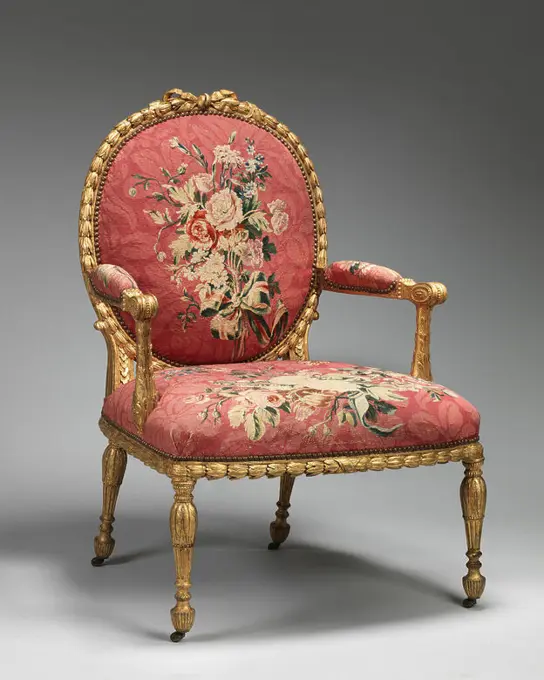
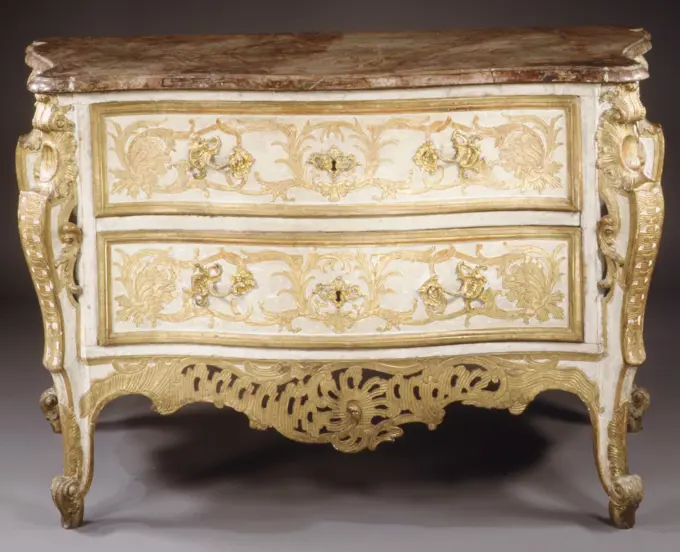
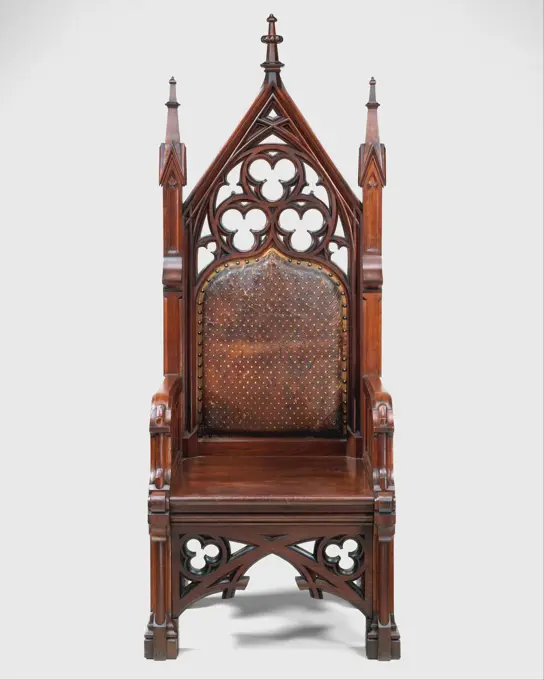
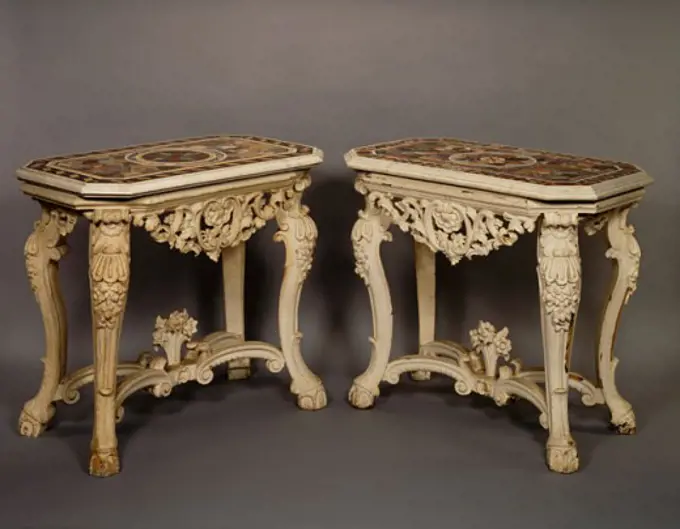
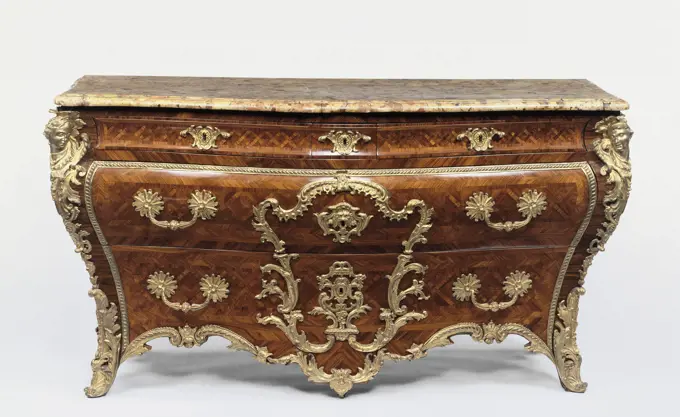
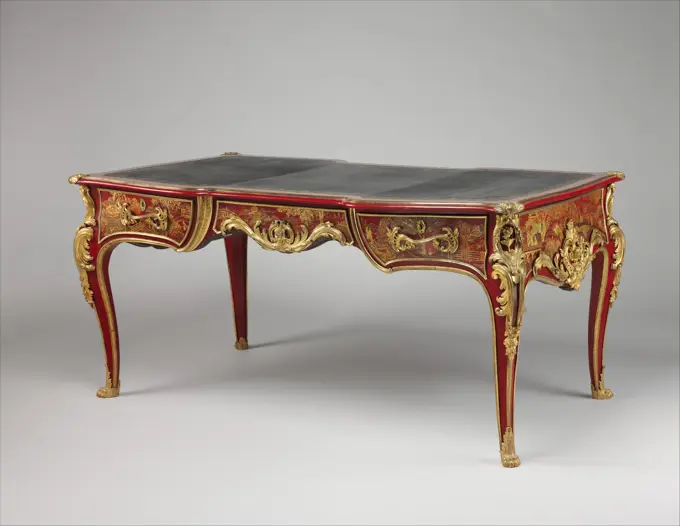
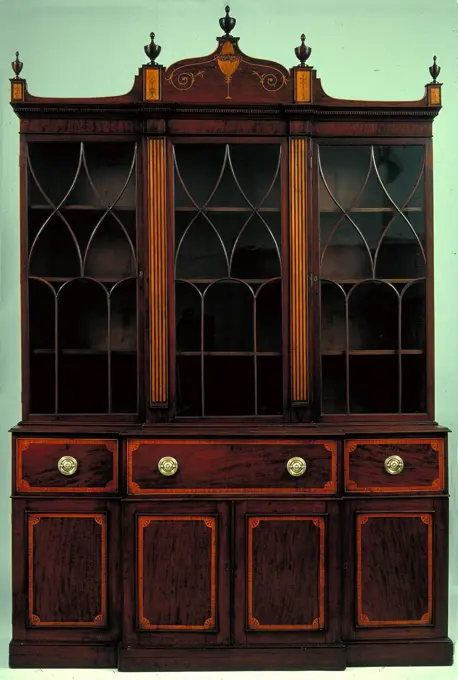
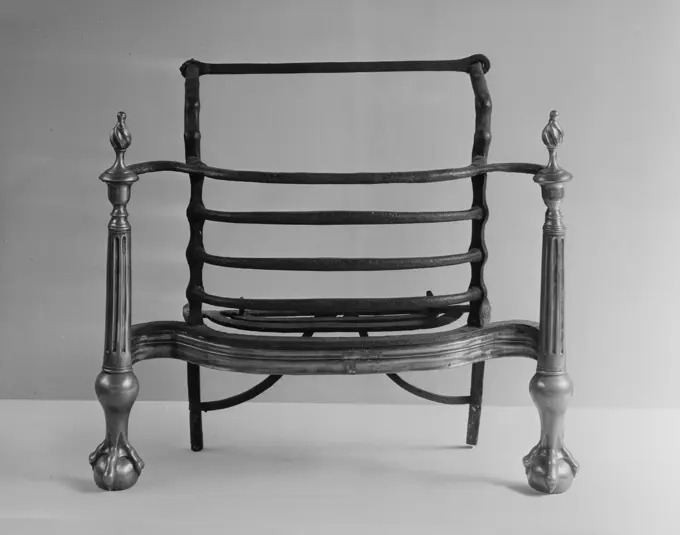
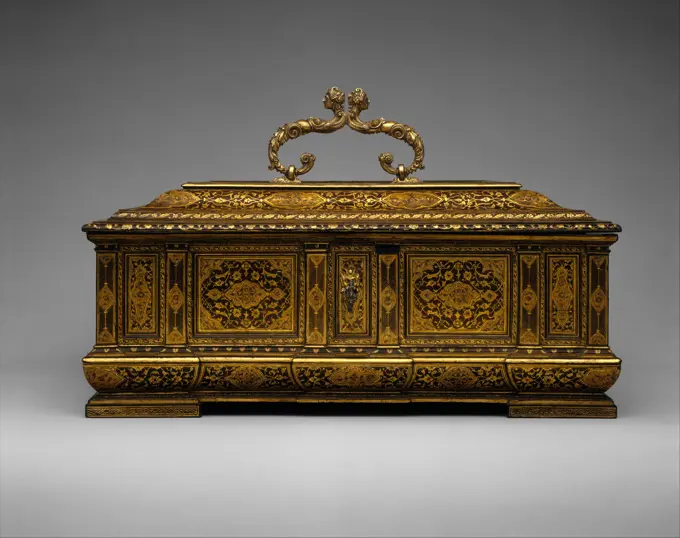
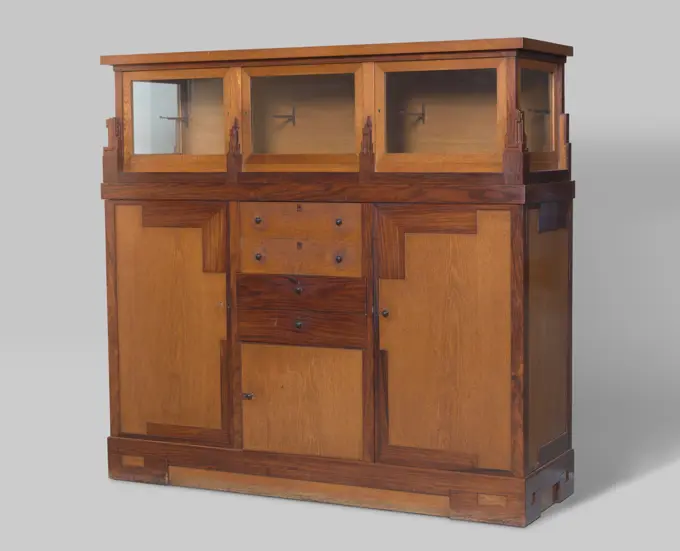
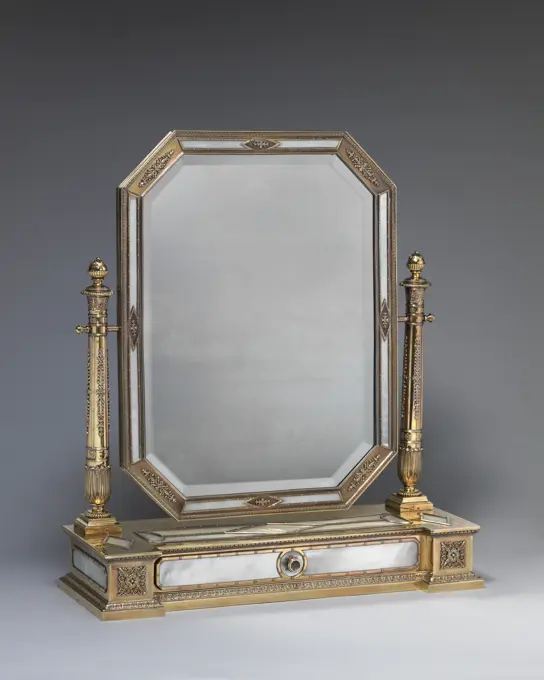
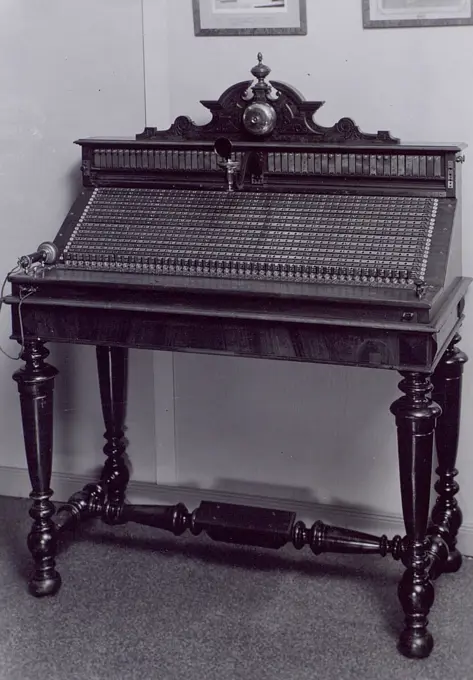
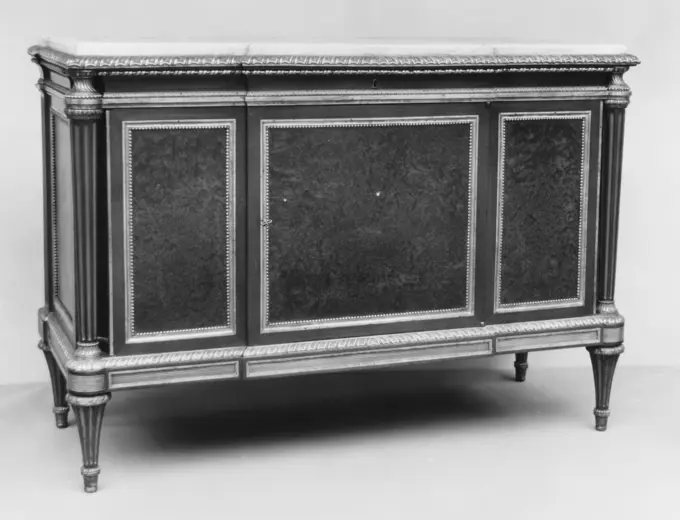
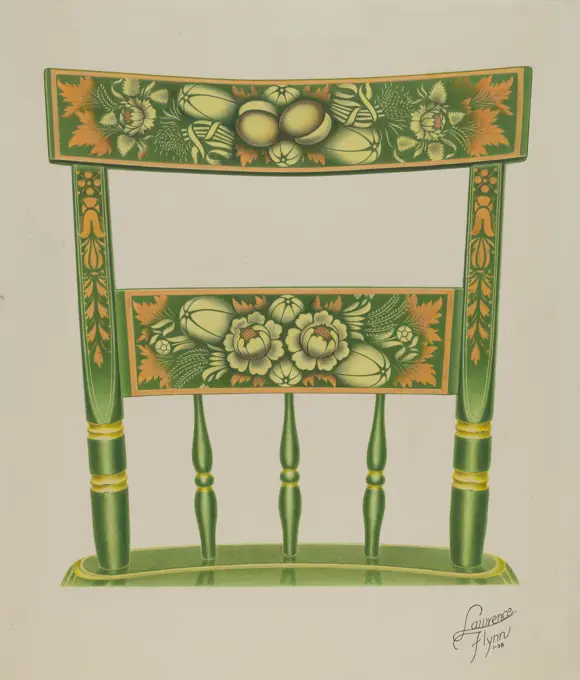
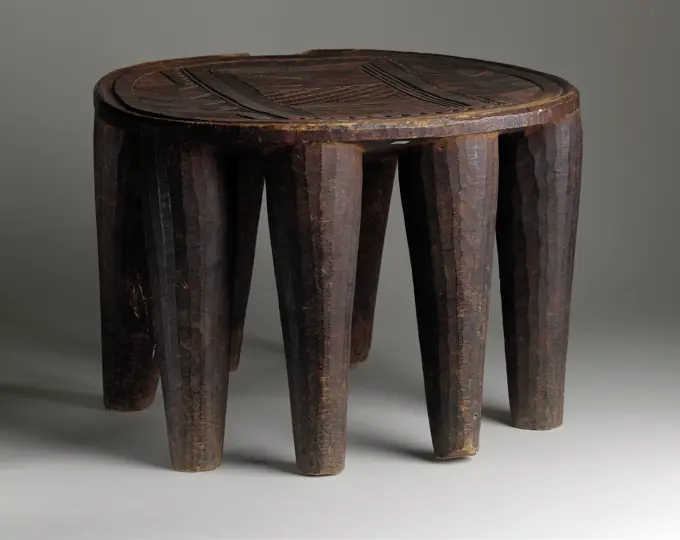
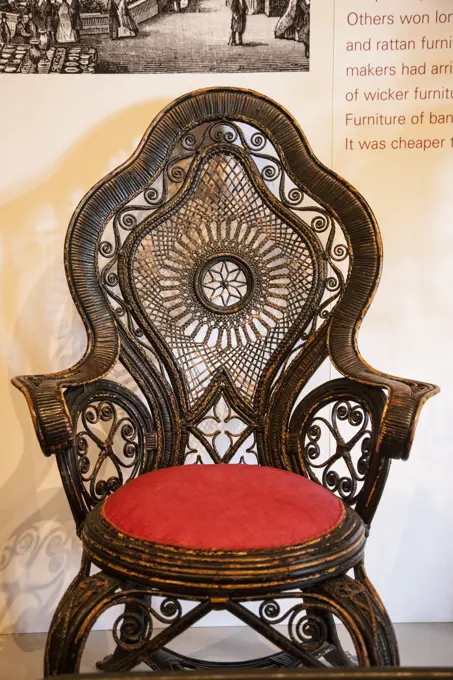
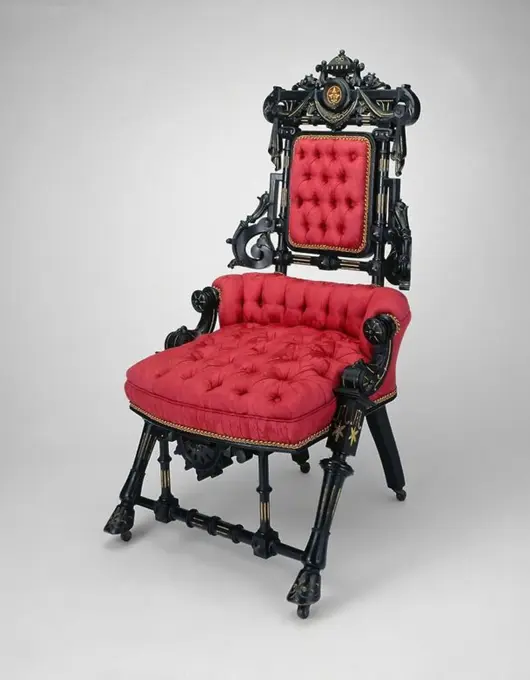
Armchair. Manufactured by J. S. Ford, Johnson and Company; American, 1872-early 20th century. Date: 1904-1905. Dimensions: 81 × 52 × 50 cm (31 7/8 × 20 1/2 × 19 5/8 in.). Brown-stained oak. Origin: Chicago. Museum: The Chicago Art Institute, Chicago, USA.Side chair. Edward Welby Pugin (England, 1834-1875, active Kent, Ramsgate). England, circa 1870. Furnishings; Furniture. Oak, with ebony inlayLorenz Rothkranz, Chest on Chest, c 1938 Chest-on-ChestLineners, Willem van Strant, 1739 Linen press on four baluster -shaped legs and openwork top line. The top of the press has an engraved Zig-Zag line along the edge. The linen press is marked: stk. = Amsterdam, Jrl. = E (1739), Mt. = Willem van Strant and two axes. Amsterdam silver (metal) Linen press on four baluster -shaped legs and openwork top line. The top of the press has an engraved Zig-Zag line along the edge. The linen press is marked: stk. = Amsterdam, Jrl. = E (1739), Mt. = Willem van Strant and two axes. Amsterdam silver (metal)Square table resting on an open trunk and a cross foot, Gerrit Willem Dijsselhof, c. 1898 - c. 1901 Square table of oak wood resting on an open trunk and a diagonally placed cross foot. The ends of the cross foot are located under the corners of the table top and end in crocodile heads. The open trunk consists of four corner styles that are connected to each other both above and below by intermediate rules. Between the styles a middle style hangs that bent on both corner styles by means of, at the bottom. Both the styles and the rules contain cut naturalistic motifs. The square table top consists of an top and bottom leaf. The bottom leaf is connected to the trunk by means of a six -armed cross. Two sides of the bottom leaf have a ledge between which the top falls. The top is inlaid across the middle with black dots. The four corners end in cut animal heads. Amsterdam wood (plant material). oak (wood) Square table of oak wood resting on an open trunk and a diagonally placed cross foot.Playing table. unknown, creatorChair-tableCommode ca. 1735-40 Design attributed to Jean François Cuvilliés the Elder German, born Belgian When in the eighteenth century "a French aristocrat or nouveau riche had a stately home built for him, in Paris or in the provinces, he was well advised to listen to his architect's warning that the cost of construction amounted to no more than a mere quarter of total expenditure, and that the rest would have to be spent on interior decoration in order to make the edifice conform to the accepted patterns of living in the grand manner."1 This wry observation in Louis-Sébastien Mercier's Tableau de Paris (1780) held true not only in France but in other countries as well, since the European upper classes looked to Paris for everything à la mode. But the princes of the often small, scattered territories of the Holy Roman Empire lacked the financial resources to build and decorate on a grand scale. Thus, economy and thrifty inventiveness reigned in the workshops of most south German courts. AppHall wardrobe. unknown, creatorChair, Turned, carved, and joined mahogany (legs and back), mahogany veneer (frame), oak, maple, ash (secondary wood in frame), brass (casters), Straight-sided front legs, set square, curving outward toward voluted foot; lotus leaf carved on knee, with volute in side of knee. Back legs square in section, curving outward from center. Plain veneered seat rail semicircular about back, straight on sides, slightly bowed on front. Back, with ogive cresting, descends in forward curve to seat rail. Arms, round in section, terminate in volute supported by conventionalized lotus flower springing from volute and lotus leaf resting on front leg. Chair upholstered on both sides of back and on boxed slip seat, with red silk damask edged with brocaded trimming in red and yellow., New York, New York, USA, ca. 1840, furniture, Decorative Arts, ChairSideboard 1795-1800 Nathan Lombard. Sideboard 16912Commode; Attributed to the Workshop of André-Charles Boulle (French, 1642 - 1732, master before 1666), and restored in the 1740s by Charles-Michel Cochois (French, died 1764 (master 1734)); Paris, France; about 1710 - 1715; Oak and fir veneered with cururu and bloodwood; gilt-bronze mounts;  brocatelle violette du Jura  marble top; 85.7 x 131.4 x 58.4 cm (33 3,4 x 51 3,4 x 23 in.)Brass design fitting on antique wooden small almira , Jodhpur, Rajasthan, India Copyright: xSafatxAli/DinodiaxPhotoxChair. unknown, authorConsole Table 1775-1785 France. Wood, carved and gilded; marble top .Stool ca. 1670 British. Stool. British. ca. 1670. Walnut; wool and silk embroidery on canvasTable. unknown, contractorCabinet (Fassadenschrank) early 17th century German, Nuremberg During the sixteenth and seventeenth centuries in Central Europe, the term woodworker” did not define a single trade. Instead, there were cabinetmakers and chairmakers, each represented by their own guild. The lathe-turned parts of wooden furniture could not be made in the shop but had to be bought from members of an independent turners’ guild and the hardware ordered from a master blacksmith. This complex system had been developed to protect guild members from outside competition and to guarantee them a minimum wage. Each master—that is, each qualified member of a guild—was allowed to employ only two journeymen and one or sometimes two apprentices. Only the artisans who worked for one of the many courts of the scattered German territorial states were exempt from these regulations.[1Apprentices in the extremely conservative cabinetmakers’ guild were required to create a masterpiece, or chef d’oeuvre, of highly complicatedArmchair (Fauteuil à la reine) for Louise-Élisabeth of Parma ca. 1749 Nicolas-Quinibert Foliot The French statesman René-Louis de Voyer de Paulmy (1694 - 1757 ), marquis dArgenson, observed in 1749 that the palace at Parma was bereft of everything; it had not a stick of furniture nor even a staircase. He predicted that much time would be needed to remedy these shortcomings. [1 No wonder, then, that the previous year Louise-Élisabeth, the eldest and favorite daughter of Louis XV, who with her husband, Don Philip of Spain, had been awarded the duchy of Parma, declined to settle in the empty shell. She traveled to her fathers court at Versailles instead, where she commissioned furnishings for her new home. Louise-Élisabeth (1727 - 1759) returned to northern Italy in October with thirty-four wagonloads of purchases and gifts. It is quite possible that this armchair was among the things she brought back at that time.Part of a large set of seat furniture made in Paris but assembled, gildeCouch; Jacob & Josef Kohn (Radom; Fabryka Furniture Gi Tych; 1849-1918), Jacob & Josef Kohn (Vienna the beginning of the 20th century (1901-00-00-1914-00-00);shells (ornament), message (provenance), secession (style)Drop-front desk (secrétaire à abattant or secrétaire en cabinet) ca. 1773 Martin Carlin French On December 30, 1773, the marchand mercier Simon-Philippe Poirier sold Madame Du Barry "a secretary with French porcelain on a green ground highly decorated with gilt-bronze mounts." That description fits this piece which has, furthermore, porcelain plaques bearing the date letter for 1773. Since the secretary is not listed in Madame Du Barry's inventory it is possible that she intended the piece as a wedding gift for Louis XVI's younger brother Charles-Philippe, comte d'Artois and the future Charles X (1757-1836) and Marie-Thérèse of Savoy (1756-1805) who were married in 1773. A similar piece of furniture was, indeed, recorded among the comtesse d'Artois's belongings at Versailles in 1795. Although the description is very detailed and even included dimensions that correspond to those of the Metropolitan's secretary, it failed to mention the color of the borders on the Sèvres plaques. It coulHip-joint armchair (sillón de cadera or jamuga). Culture: Spanish (Granada), Hispano-Moresque, Italian (textiles). Dimensions: H. 93.4 cm, W. 67.9 cm, D. 51.4 cm.Back: 30 x 73.5 cm.; Seat 32 x 76 cm.; Cushion: 38 x 52 cm.. Date: 15th or 16th centuries (textiles); late 15th or early 16th centuries (chair). Museum: Metropolitan Museum of Art, New York, USA.Chest ofDrawers.   Maker: Samuel Dunlap, American, 1752-1830Window seat (one of a pair) ca. 1810 Italian, Piedmont. Window seat (one of a pair). Italian, Piedmont. ca. 1810. Walnut and chestnut, gilt. Woodwork-FurnitureFa. Johann Diedrich Schmidt & Co. en Cord Heinrich Schmidt, Neo-rococo console table, console table table furniture interior design wood mahogany marble stone, Green marble top four legs of black polished mahogany with amboyna root veneer connected by cross with grape eating putto Rotterdam City center Cool Schiedamsesingel neorococo Supposed delivered to the Polak-Rosenthal couple in front of their house Schiedamsesingel 143 Rotterdam.Upper Paneling from a Sacristy Armoire, c. 1460-1475. Attributed to Giuliano da Maiano (Italian, 1432-1490). Walnut, inlaid with holly and ebony; overall: 160 x 476 x 69.2 cm (63 x 187 3/8 x 27 1/4 in.).Tea Table 1765-90 American. Tea Table. American. 1765-90. Mahogany, white pine. Made in Massachusetts, United StatesSide Chair (Germany); wood, leatherCenter table (part of a set) ca. 1765 German, Würzburg. Center table (part of a set) 205738Nicolas Sageot. "Bureau in Boulle marquetry: overview". Museum of Fine Art of the City of Paris, Petit Palais. 26311-20 Office, Boulle marquetry, furnitureCard Table 1800-1810 American. Card Table. American. 1800-1810. Mahogany, satinwood, holly, maple, white pine. Made in Boston, Massachusetts, United StatesElm folding chair, with leather back and seat, anonymous, 1500 - 1600 Folding chair of elm wood, with leather back and seat, and resting on semi -circular legs, which are connected to semi -circular styles. The legs are on connecting bobbins. The armrests are lightly held, end in volutes and walk up in the backstyles. The front of the legs and styles, the top of the bobbins and the three sides of the armresters have inserted lanes, consisting of small roller corners with star and windows, in the Certosina technique executed in leg, mother-of-pearl and wood. North-Italy wood (plant material). elm (wood). leather. bone (material). mother of pearl Folding chair of elm wood, with leather back and seat, and resting on semi -circular legs, which are connected to semi -circular styles. The legs are on connecting bobbins. The armrests are lightly held, end in volutes and walk up in the backstyles. The front of the legs and styles, the top of the bobbins and the three sides of the armresters haSofa. Dated: c. 1936. Dimensions: overall: 23.1 x 28.7 cm (9 1/8 x 11 5/16 in.) Original IAD Object: None given. Medium: watercolor, colored pencil, gouache, and graphite on paperboard. Museum: National Gallery of Art, Washington DC. Author: Frank Wenger.BrightArmchair c 1780-1830 Southwest. Ponderosa pine . Artist unknownChest-on-chestClose-up of a wooden cabinetManufactureration with Bedstede, O.A. Sky, Wall shot, side shot and panels. Manufacturing of oak, consisting of a bedstead and wall shot. The bedstead has corner styles with a plinth, on the left a hermatant, on the right a hermcaryatide. The shaft rejuvenated to the bottom shows Schubsteek. The figures appear halfwayed naked, an arm on the back, with the other their drug-beaten robe loving. On the heads resting ionic capitals, which bear the main gear. This has a frieze, divided into courses, divided into courses, within which a Moresk cartouche with ebony caps to oak pillows. The consoles were treated with shell decoration as lion's heads. The frieze is closed above with a flat edge list, which is crocked over the consoles. The ogief-shaped crown table rests on small consoles. In the porch, the upper spray (bottom of the architraph) has a healed tooth list with support pieces in the corners. The side shot has styles and head frame on the outside as at the front and two panels placed . Oak chair resting on four rectangular legs. The legs are interconnected by means of an H-shaped cross supplemented with a line between the hind legs. The hind legs run through in the back styles. From the bottom of the bottom, an elongated black dyed panel is placed that reaches the upper spray. A narrow space has been released between the panel and the back styles and hind legs. The chair has a trapezoidal piping seat.Papier-mchè side chair ca. 1830-60 British (). Papier-mchè side chair 460939Cabinet. unknown, authorSecretary ca. 1781-85 Attributed to Martin Carlin French This upright rectangular drop-front secrétaire is thought to have come from the Parisian workshop of the French cabinetmaker ("maitre-ébeniste") Martin Carlin. From his quarters in the Rue de Faubourg Saint-Antoine, Carlin produced writing-desks, commodes, and secretaires inset with porcelain plaques or panels of "pietre dure", all exquisite pieces befitting his illustrious clientele. The daughters of Louis XV, Madame Adélaïde and Madame Victoire, decorated the Chateau Bellevue at Meudon near Paris with some of his masterpieces.Carlin crafted several drop-front secrétaires like the one in the Lehman Collection. The present example has Ionic fluted columns in the forecorners and Ionic pilasters on the rear corners, resting on a lower stage supported on four straight tapering and fluted octagonal legs. The white marble top of the upper section is surrounded by a gilt bronze molding chased with laurel leaves and berries surmounted oArmchair 1690-1740 American. Armchair 14321Table Zabrze, JózefFrançois Reuze. Chair. Beech, around 1750. Paris, Carnavalet museum. 50254-10 Chair, Hetre, furniture, floral motif, furnitureCard Table 1815-20 American. Card Table. American. 1815-20. Mahogany, brass, white pine. Made in New York, New York, United StatesFurniture set: armchair Wyspiały, Stanis Aw (1869 1907), Sydor, AndrzejOblong Table late 19th or early 20th century Italian. Oblong Table 460499Chair (one of a set of six) ca. 1695 British Cane, derived from rattan vines and much used for English seat furniture from about 1665 until 1700, was brought to England by the East India Company from the Malay Peninsula.. Chair (one of a set of six). British. ca. 1695. Walnut, caning; velvet not original to frame. Woodwork-FurnitureGold antique chair isolated with clipping path included Gold antique chair isolated with clipping path included Copyright: xZoonar.com/MarkoxBericx 7123644Anonymous. Oak oak work table under the tray, marquetry with floral decor (overview of three quarters, in the room, without bottom), around 1765-1770. Paris, Cognacq-Jay museum. Box, oak, floral decor, flower, marquetry, furniture, tray, louis XV style, work table, 18th century, wood, furnitureHundred;  End of the 18th century (1780-00-00-1800-00-00);Ancient sideboard. Sideboard 1600-1700. A museum piece castle Lvov, UkraineMirrorArmchair (one of a set of six). Culture: British and French. Designer: Tapestry designed by Maurice Jacques (French, 1712-1784). Dimensions: 41 1/2 × 28 1/2 × 27 in. (105.4 × 72.4 × 68.6 cm). Factory: Tapestry woven at Manufacture Nationale des Gobelins (French, established 1662). Maker: Workshop of Jacques Neilson (French, 1714-1788); John Mayhew (British, 1736-1811); and William Ince (British, active ca. 1758/59-1794, died 1804). Patron: Commissioned for George William Coventry, 6th earl of Coventry (Croome Court, Worcestershire, England). Date: 1769-71. Museum: Metropolitan Museum of Art, New York, USA.Cupboard, cushion cupboard with capitals with cherubs. Cushions with festons, Anonymous, 1650 - 1700 Cupboard, so-called cushion cabinet, glued with rosewood and ebony on an oak core. The styles have half columns, the capitals of which wear cherubs on the corners and a sample mask in the middle. The doors have thickened pillows, the backs of which are decorated with festons. The main frame has a Frisian with acanthus vines and a cherub in the middle. The cornice has corner pieces with masks and cherubs and in the middle a lion mask, above which a lobe cartouche with a cherub. Northern Netherlands wood (plant material). oak (wood). rosewood (wood). ebony (wood) Cupboard, so-called cushion cabinet, glued with rosewood and ebony on an oak core. The styles have half columns, the capitals of which wear cherubs on the corners and a sample mask in the middle. The doors have thickened pillows, the backs of which are decorated with festons. The main frame has a Frisian with acanthus vines and aChair. unknown, authorCoffee table. .Commode ca. 1740-50 Southern German The decoration, gilded carving on a milky white ground, would have corresponded closely with the carved woodwork décor of the room in which it stood, for such commodes, like console tables, were made to complement their surroundings. A French-trained architect, François de Cuvilliès (1695-1768) provided designs of similar commodes intended for Bavarian rococo palaces.. Commode 205727Armchair ca. 1855 Possibly Gustave Herter German (Stuttgart, principality of Württemberg) This imposing armchair is from Belvoir, a large Gothic villa built in the 1850s in Yonkers, New York for the tobacco merchant Christian H. Lilienthal. A nineteenth-century photograph of the Gothic Revival library at Belvoir shows chairs and bookcases closely related to documented works by the cabinetmaker Gustave Herter, suggesting that this chair was also designed by the talented German immigrant master craftsman. Like much Gothic Revival furniture, it owes more to the vocabulary of architecture than to traditional furniture making.. Armchair. American. ca. 1855. Walnut. Probably made in New York, New York, United StatesCabinet. Bernard II van Risenburgh (French, after 1696 - about 1766, master before 1730)Tables, Italian with Marble Tops Antique Furniture Commode; Etienne Doirat (French, about 1675 - 1732); Paris, France; about 1725 - 1730; Oak and fir veneered with kingwood and amaranth; walnut drawers; gilt-bronze mounts; brèche d'Alep top; 86.4 x 168.9 x 71.7 cm (34 x 66 1,2 x 28 1,4 in.)Writing table (bureau plat) 1759 Gilles Joubert French In his Useful Hints to Those Who Make the Tour of France, which appeared in 1768, Philip Thicknesse (1719-1792) expressed the opinion that Louis XV would have made a much better country gentleman than a sovereign prince, since he loved the diversions of country life and seldom went to Paris.1 It is not surprising, then, that the king spent much of his time at Versailles, where daily business was conducted in his Cabinet Intérieur. This small study, its windows overlooking the palace courtyard below, was one of the most beautiful rooms of his private apartment. On December 29, 1759, Gilles Joubert supplied this writing table, a so-called bureau plat, or flat-topped desk, lacquered in brilliant crimson and with pseudo-Asian landscape scenes in gold for the king’s use in the Cabinet Intérieur. The surface decoration imitates red and gold Chinese lacquer, which was fashionable in France as veneer for furniture in the middle of the eiFootstool. Dated: c. 1939. Dimensions: overall: 21.6 x 30.1 cm (8 1/2 x 11 7/8 in.) Original IAD Object: overall: 12 1/2" long, 8 3/4" wide, 6 1/2" high, top: 1 1/2" thick. Medium: watercolor, graphite, pen and ink, and colored pencil on paperboard. Museum: National Gallery of Art, Washington DC. Author: Frank Eiseman.Chest ofdrawers, Mahogany, eastern white pine ; one replaced block on left front foot, spruce (Picea spp), 32 3/8 × 35 15/16 × 19 7/8 in. (82.3 × 91.3 × 50.5 cm), Made in Boston, Massachusetts, American, 18thcentury, FurnitureLibraryBookcaseCONSOLA, LUIS XVI. Siglo XVIII. M.A.D.B.Armchair with angular armrests and covered with blue tripe. Armchair of black varnished wood resting on four square legs. The front legs are straight and the hind legs are slightly bent and run through in the back styles. The seat is caught in four rules whose two side rules are straight and the front and rear rule bent. The stamp of the backrest is also bent. From the middle of the backrest, flat angular armrests run down on the front, not in line with the front legs, resting on flat struts that are partially attached to and partly against the seat. Both the handrail and the seat is covered with blue tripe. The seat cover is trimmed with a beige trim.Grate ca. 1760 The claw-and-ball feet, fluted columns, and urn-and-flame finials on this coal grate exhibit close similarities to Chippendale-style furniture. Indeed, Thomas Chippendale illustrated designs for coal grates in his Gentleman and Cabinetmakers Director, noting: "I would recommend the ornamental Parts to be of wrought Brass, and as they may be made to take off, will be easily cleaned.". Grate. ca. 1760. Brass, ironMirror ca. 1720 British. Mirror. British. ca. 1720. Gilt gesso on pine, glass. Woodwork-FurnitureFolding chair of Beukenhout, Anonymous, 1500 - 1600 Folding chair of beech wood, with five slats in the back and nine in the seat. The upper sill of the back shows a simple notch-cut decoration and concave bows on the ends. Italy wood (plant material). beech (wood) Folding chair of beech wood, with five slats in the back and nine in the seat. The upper sill of the back shows a simple notch-cut decoration and concave bows on the ends. Italy wood (plant material). beech (wood)Armchair (one of two) 1795-1805 Toscana. Beechwood, carved, painted, and gilded; modern upholstery .Casket (coffanetto or scrigno) ca. 1570-90 Italian, Venice The dark rosewood was lacquered with a transparent varnish and decorated with a dense arabesque pattern in gold leaf, lending the casket a distinctly Ottoman flavor. It was fitted with a removable tray, and the interior space was divided into various compartments for toiletries. The removable mirror in the lid gives access to a hidden storage compartment. Listen to experts illuminate this artwork's story Listen Play or pause #2605. Casket (Coffanetto or Scrigno) Supported by Bloomberg Philanthropies We're sorry, the transcript for this audio track is not available at this time. We are working to make it available as soon as possible.. Casket (coffanetto or scrigno). Italian, Venice. ca. 1570-90. Beechwood, Honduras rosewood veneer, partially gilded, painted and lacquered, gold powder, gold leaf, silver flakes, silver-gilt handle. Woodwork-FurnitureCupboard of Eiken and Rosherman, Anonymous, 1925 Cabinet of oak and rosewood, resting on an oak base along which the top runs a tire that runs on the corners and thus open a small space. The base cabinet has a door left and right and in the middle a smaller door above which four drawers. Both the doors and the sides carry support pieces; On the doors in the form of a square. All styles run higher and carry base with sculpture. In between is the upper cupboard, with three doors and sides with glass. Northern Netherlands wood (plant material). oak (wood). rosewood (wood). brass (alloy). glass Cabinet of oak and rosewood, resting on an oak base along which the top runs a tire that runs on the corners and thus open a small space. The base cabinet has a door left and right and in the middle a smaller door above which four drawers. Both the doors and the sides carry support pieces; On the doors in the form of a square. All styles run higher and carry base with sculpture. In between is the upChair, belonging to an eleven -piece amblement, anonymous, c. 1750 Chair, made of walnut, belonging to an eleven -piece ameblement, consisting of a bank and ten chairs. The seat of neighboring duration with leaf and floral motifs in silk on linen grid, with a soft filling. Amsterdam (possibly) Walnut (Hardwood). Seat: Silk. seat: Chair, made of walnut, belonging to an eleven -piece ameblement, consisting of a bank and ten chairs. The seat of neighboring duration with leaf and floral motifs in silk on linen grid, with a soft filling. Amsterdam (possibly) Walnut (Hardwood). Seat: Silk. seat:Armchair, one of a pair, c. 1810-1830, 33 x 22 1/4 x 23 1/2in. (83.8 x 56.5 x 59.7cm), Rosewood, cane, India, 19th centuryConsole Table 1735-1745 Rome. Gilded bronze, lapis lazuli, chased and silvered copper, unidentified soft wood .Wine cistern (urn and pedestal) (one of a pair) ca. 1820-30 British. Wine cistern (urn and pedestal) (one of a pair). British. ca. 1820-30. Mahogany, bronze. Woodwork-FurnitureDressing table mirror 1887-1911 André Aucoc. Dressing table mirror. French, Paris. 1887-1911. Silver gilt, mother-of-pearl. Metalwork-SilverSide chair, 18th century, 38 x 24 x 18 in. (96.52 x 60.96 x 45.72 cm), Mahogany, white pine, United States, 18th century, The pierced back-splat and carved ball-and-claw feet on this chair relate to those illustrated in the best known pattern book of the 18th century, Thomas Chippendale's Gentleman and Cabinet-Maker's Director. Available in the Colonies soon after being published in London in 1754, the Director -and English furniture inspired by it-was tremendously influential on both sides of the Atlantic. The elongated lancet arches carved into this back-splat are less common in America than in England, where 'Chippendale Gothic' designs proved more popular.Lieutenant Admiral Isaac Sweers. Frontal portrait of Isaac Sweers with beaten mantle, allonge wig and cravatte and an ordinary sign or a remedial to chest chain.Side table (Console desserte) ca. 1785 Attributed to Bernard Molitor. Side table (Console desserte). French. ca. 1785. Mahogany and gilt bronze, marble. Woodwork-FurnitureCabinet, attributed to André-Charles Boulle, c. 1670 - c. 1675Antique chairCabinet-library. Placing of rosewood, chiseled and golden bronze ornaments, brass gorges, 1701. Paris, Carnavalet museum. 77640-29 Cabinet, library, bronze, chisel, dore, Louis XIV time, brass gorges, book, marker, furniture, ornament, rosewood, veneer, Louis XIV style, 18th century, furnitureChest of Drawers. Attributed to Mason-Messenger School (United States, Massachusetts, Boston)Ralph Mason (England, 1599-circa 1678)Henry Messenger (England, active United States, Boston, 1618-1672). United States, 1670-1700. Furnishings; Furniture. Pine, paint, brassDaybed, anonymous, c. 1700 - c. 1710 Rest bed of gilded and sculpted wood with, among other things, S and C-shaped (leaf) volutes, braid tire, women's masks, shells, rosettes and lilies. Double H-shaped crosses connect the ten baluster legs. The high backs slightly slightly backwards and wear a palm motif with a French lily and horns of abundance; At the top of the inside, two birds above two arrow tubes, leaf fillets and flambuet construction. On the main and foot end are emblems of the god of marriage. The mattress, the three cushions and two roll cushions are made of red velvet with gold -colored tires and brushes. Paris wood (plant material). gilding (material). textile materials. beech (wood). linden. walnut (hardwood) gilding Rest bed of gilded and sculpted wood with, among other things, S and C-shaped (leaf) volutes, braid tire, women's masks, shells, rosettes and lilies. Double H-shaped crosses connect the ten baluster legs. The high backs slightly slightly backwards and wear aSwitchboard, LME manufactured in the early 1880s. With metal rails and loose plugs, solid microphone and earphone.Bedste of oak, decorated with ebony. With accompanying chimney., Anonymous, 1625 - 1650 Bedste of oak, decorated with ebony, consisting of one final shot, an advance, a main frame and flat corner pilasters. The final shot and advance are made up of a window of profiled sills and styles, in which flat panels. Belonging to a chimney (inv.no. BK-NM-8679-A). Northern NetherlandsNetherlands wood (plant material). oak (wood). ebony (wood) Bedste of oak, decorated with ebony, consisting of one final shot, an advance, a main frame and flat corner pilasters. The final shot and advance are made up of a window of profiled sills and styles, in which flat panels. Belonging to a chimney (inv.no. BK-NM-8679-A). Northern NetherlandsNetherlands wood (plant material). oak (wood). ebony (wood)Candlestick of iron on three legs. Iron candlestick. The round fat catcher with cartel edge has riveted on three long, flat legs. Above it a long, round rod with a nodus in the middle, ending in the candle holder, which is open on two sides.Commode (commode à vantaux) ca. 1785 Adam Weisweiler French Of German origin, Adam Weisweiler became a master cabinetmaker in 1778 and set up shop in the Faubourg Saint-Antoine, Paris. Producing luxury furniture, Weisweiler worked almost exclusively for marchands-merciers, especially for Dominique Daguerre, who supplied his Neoclassical furniture to an international clientele. The talented cabinetmaker repeated this model, known as a commode a vantaux (meaning a chest with drawers enclosed by doors), numerous times but often with variations in size, decoration or materials. The use of doors allowed the cabinetmaker to choose lacquer panels or tropical veneer (its veining sometimes resembling marble) without the interruption of horizontal cuts for the drawers fronts. Gilt-bronze moldings frame the door panels (a double-hinged and bolted folding door to the right, and a single door to the left) giving them a picture-like quality. Although Weisweiler frequently selected mahogany veneer toDoll dining chair - Renwal RenwalPulpit Model With Staircase (France); carved, inlaid, marquetried, and veneered walnut, pear, and oakLawrence Flynn, Back of Stencilled Chair, 1938 Back of Stencilled ChairOval Stool with Incised Carving. Africa, Northern Nigeria, Nupe peoples. Furnishings; Furniture. WoodWicker plaited chair dating from the 1860's-1870's SwedenSofa. Culture: American. Dimensions: 49 1/2 x 63 x 34 in. (125.7 x 160 x 86.4 cm). Maker: Joseph Meeks & Sons (American, New York, 1829-35). Date: 1859. Museum: Metropolitan Museum of Art, New York, USA.Armchair. George Jakob Hunzinger; American, born Germany, 1835-1898. Date: 1869. Dimensions: 139.7 × 61 × 66 cm (55 × 24 × 26 in.). Ebonized walnut with gilt decoration. Origin: New York. Museum: The Chicago Art Institute, Chicago, USA.Windsor bowbackarmchair