Antique Wooden Furniture

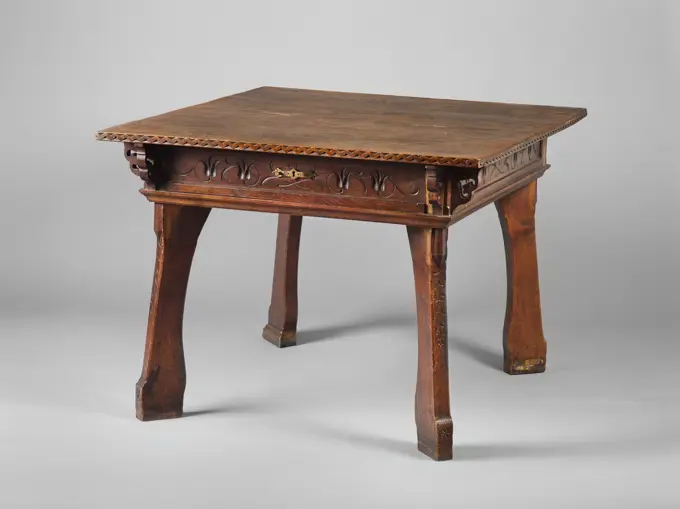
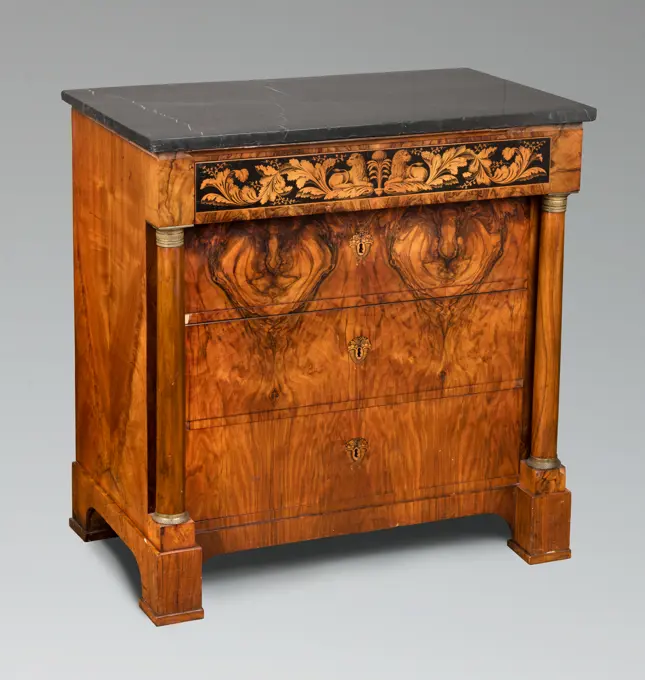
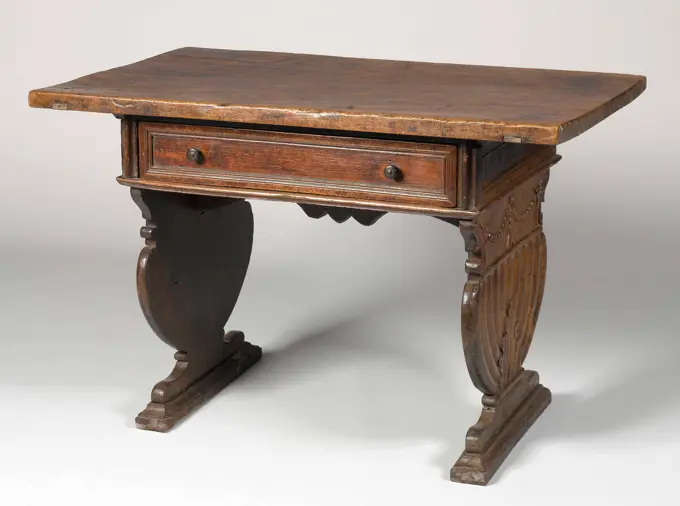
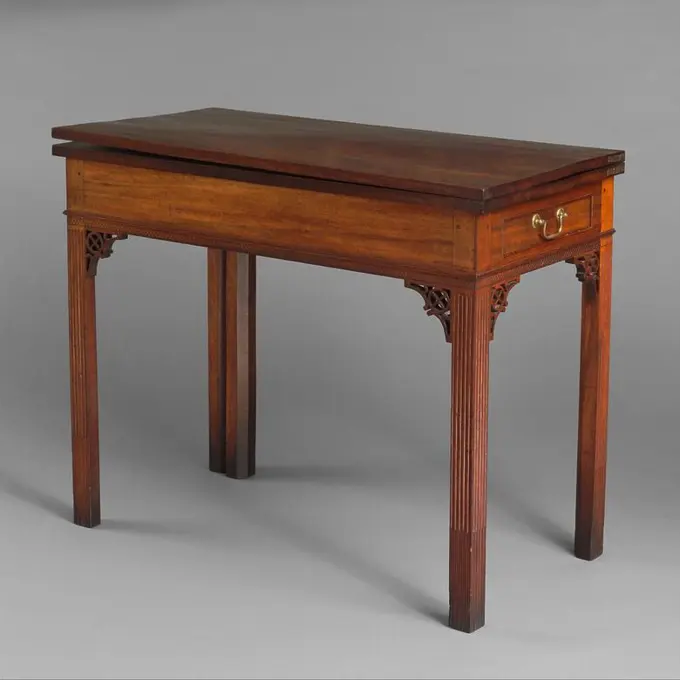
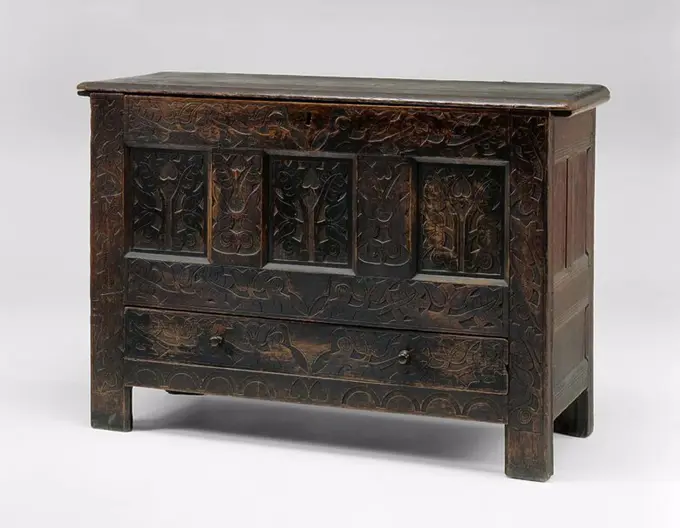
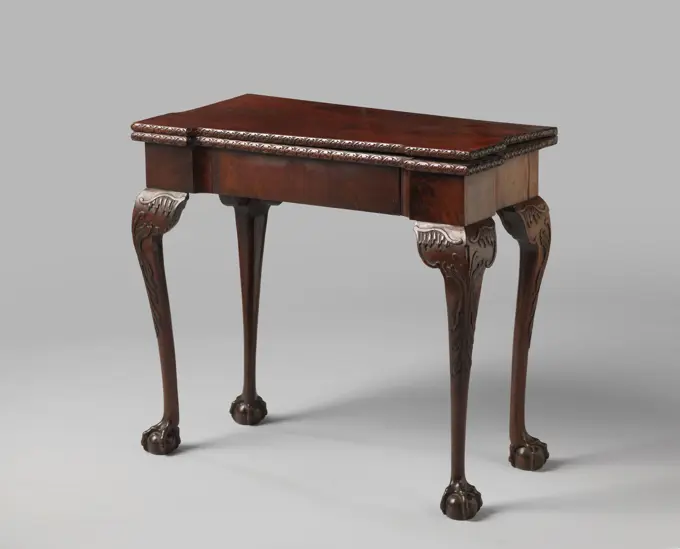
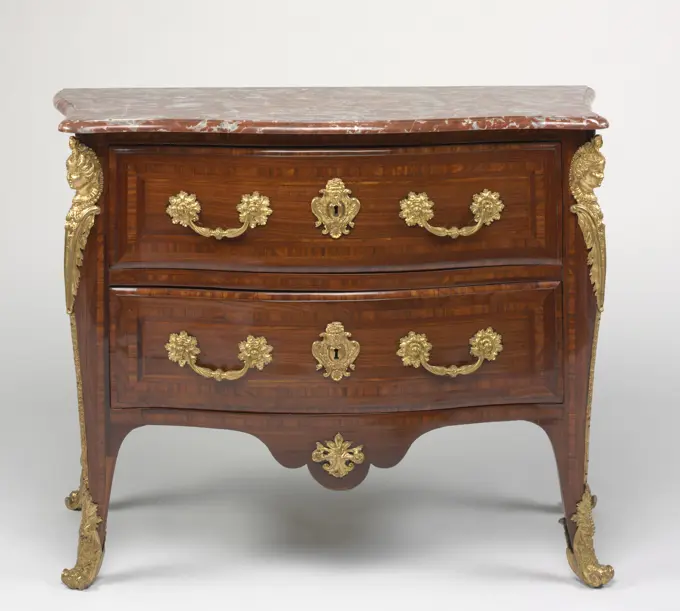
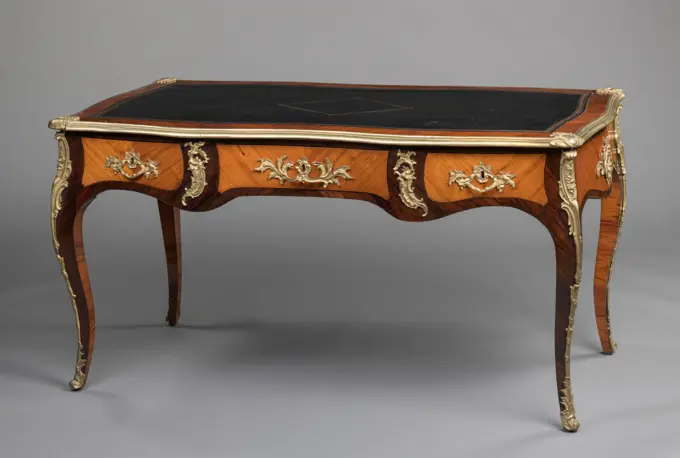
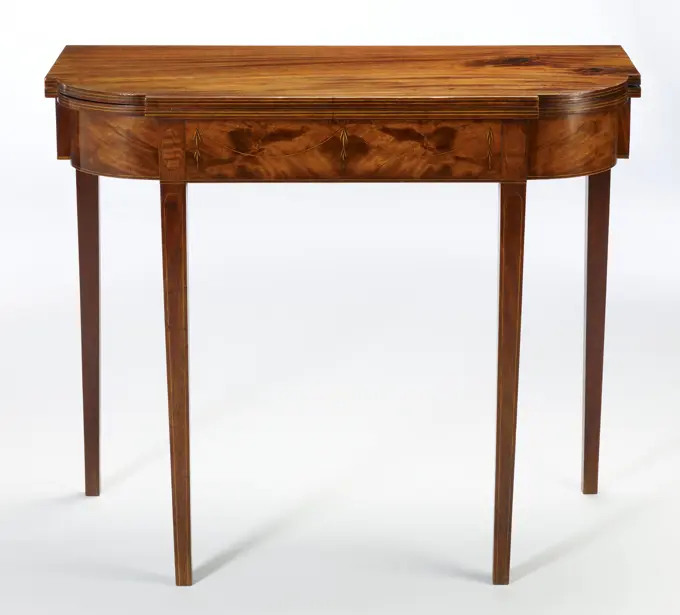
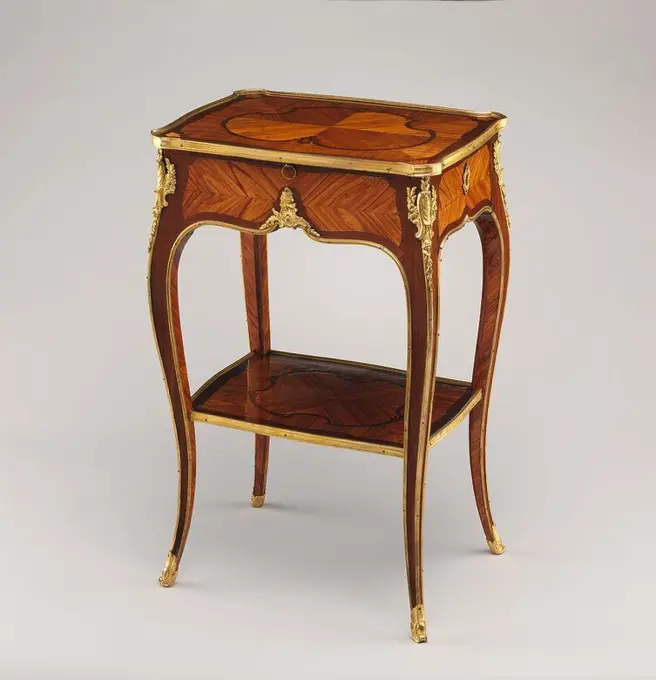
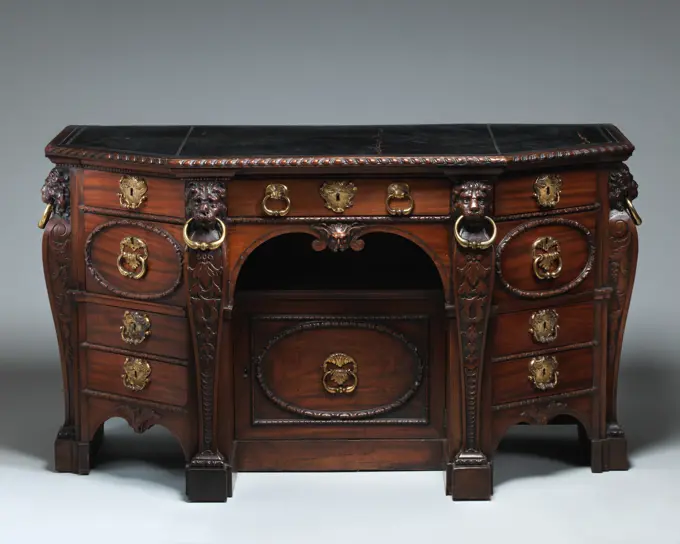
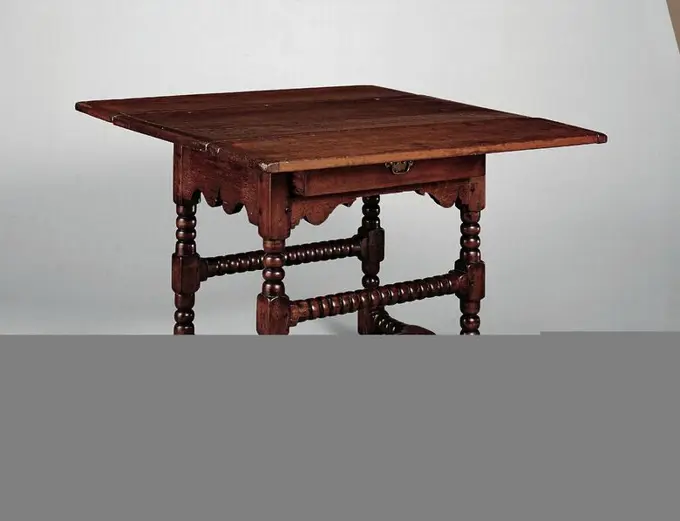
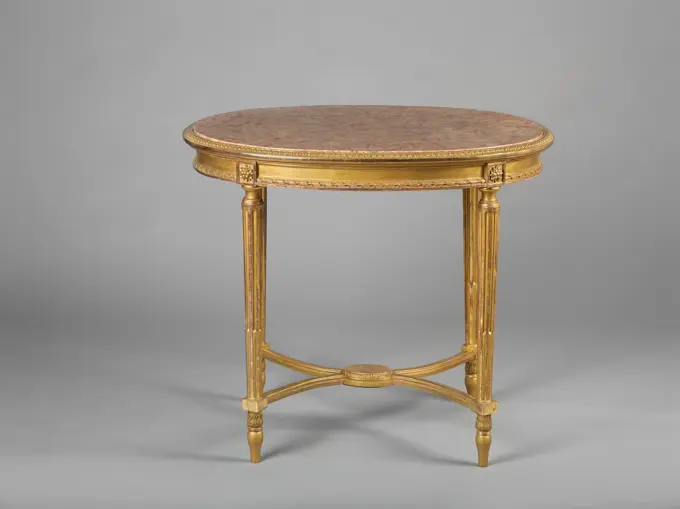
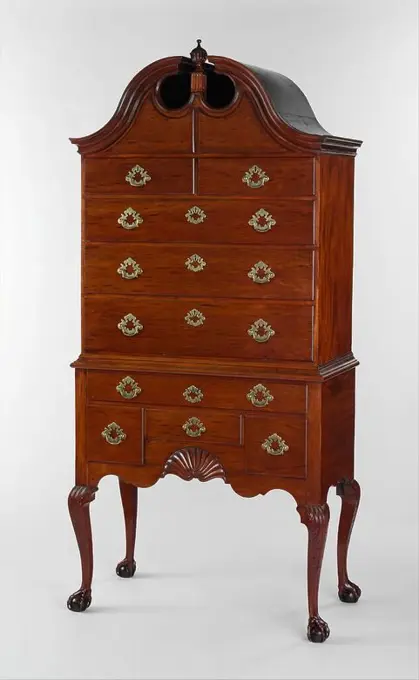
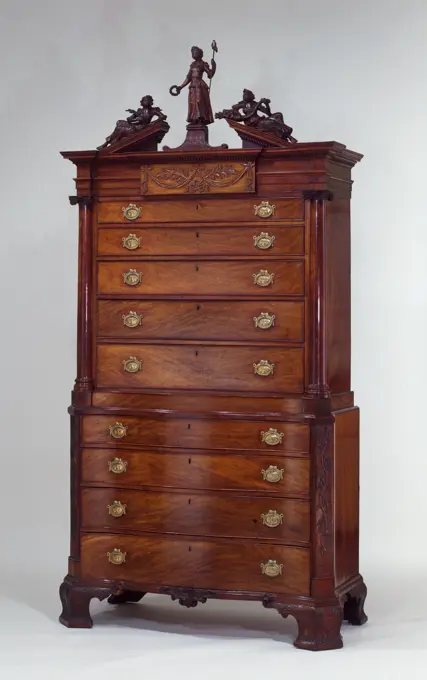
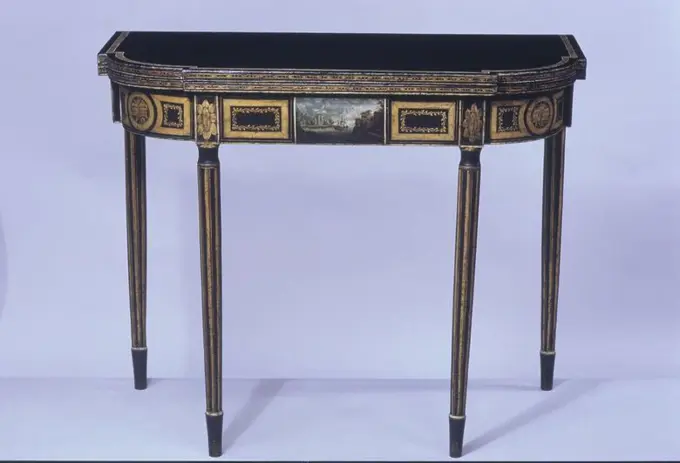
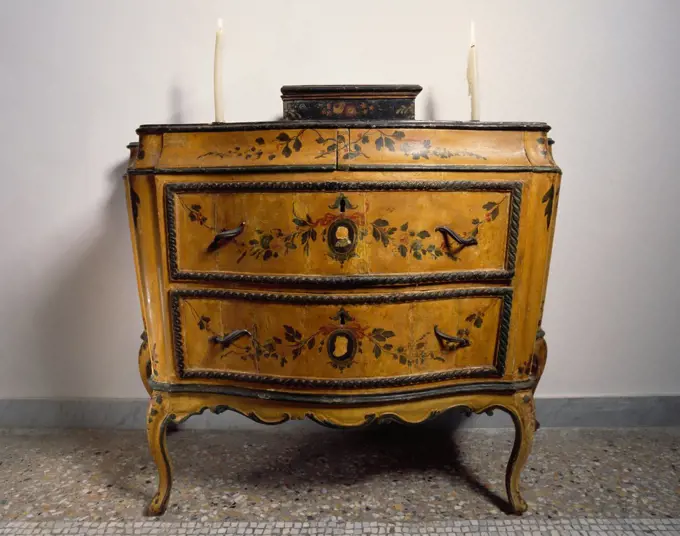
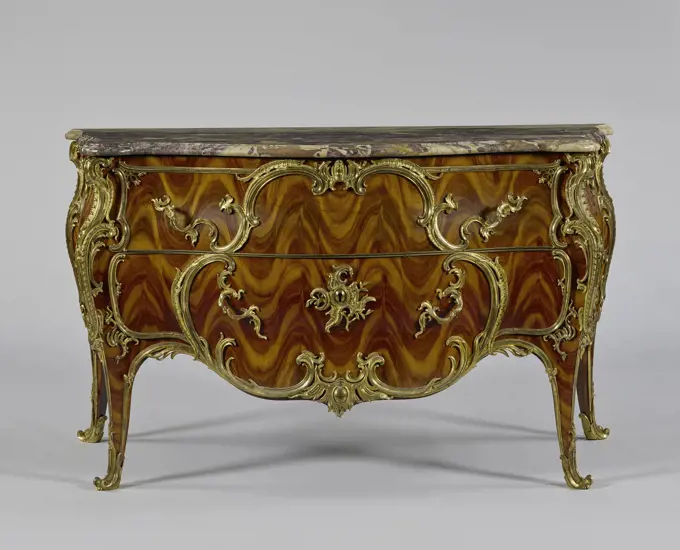
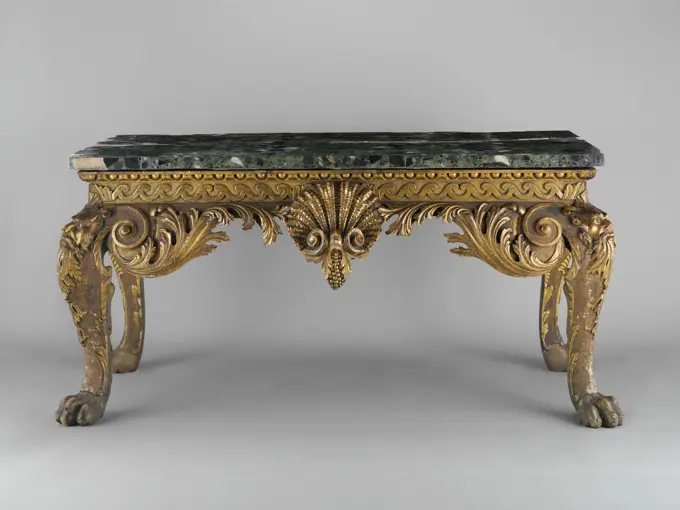
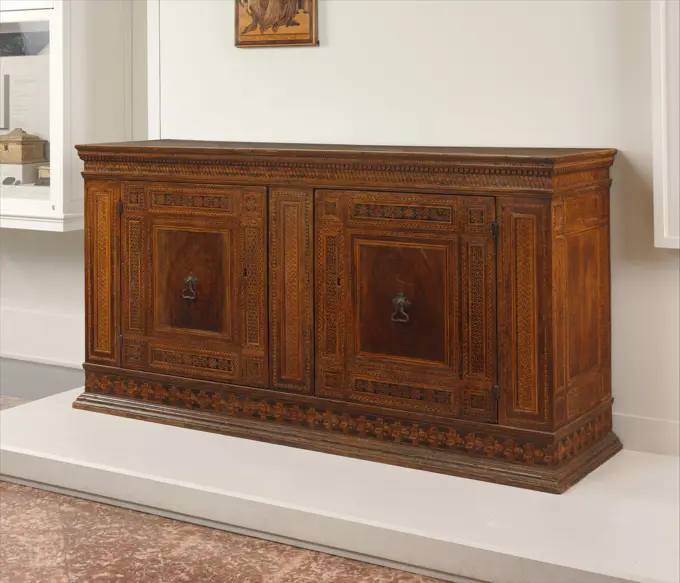
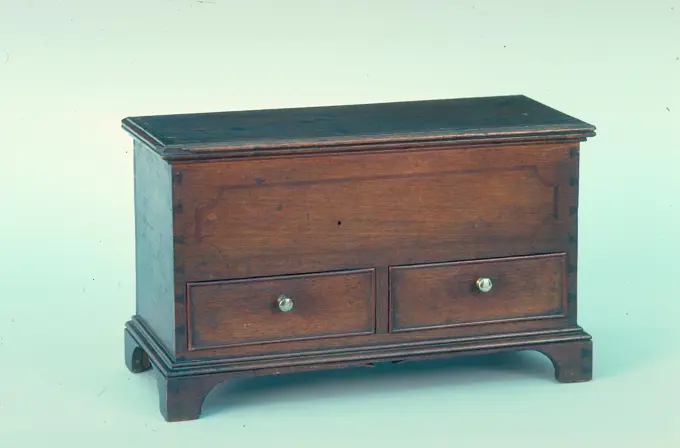
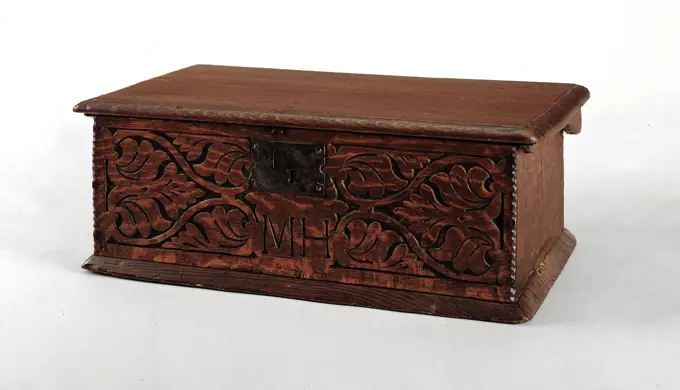
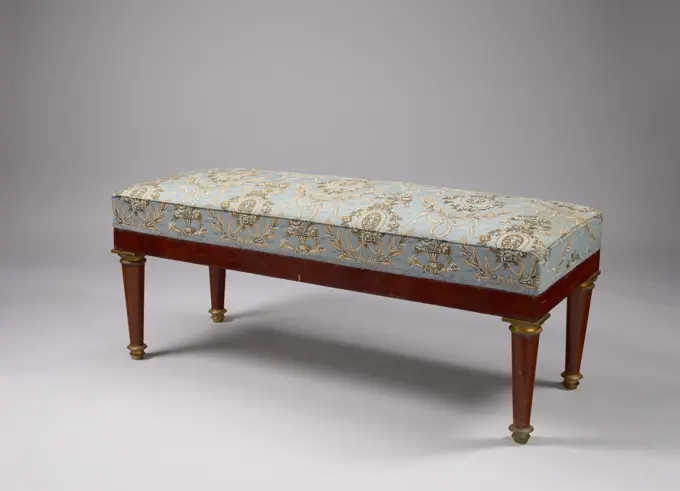
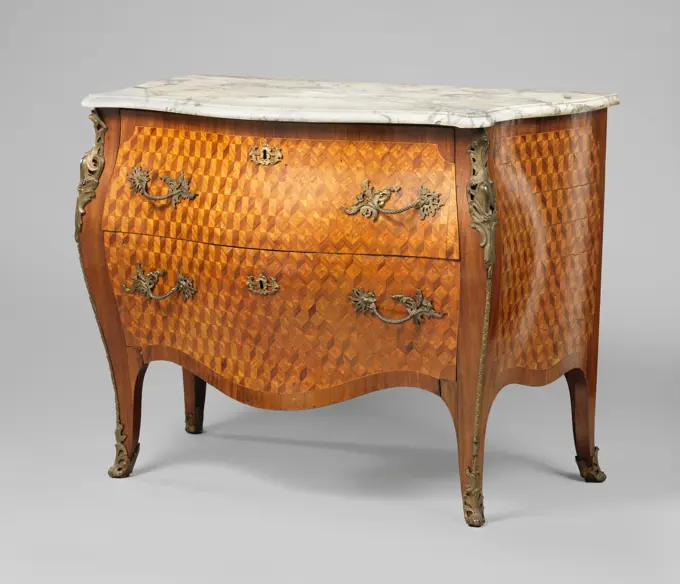
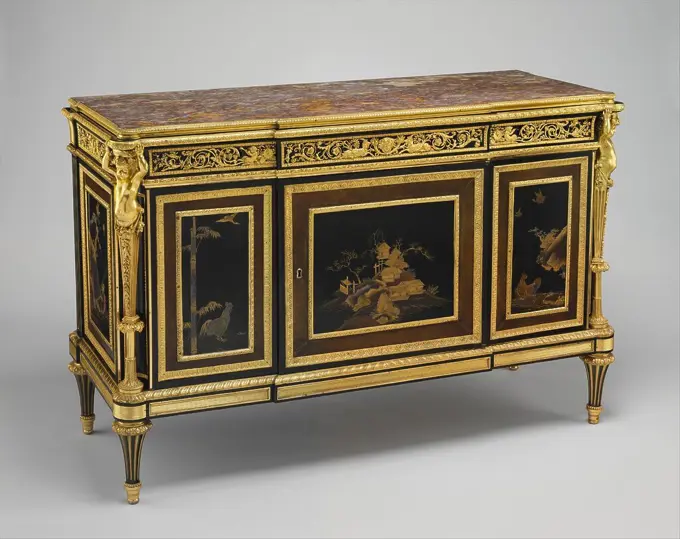
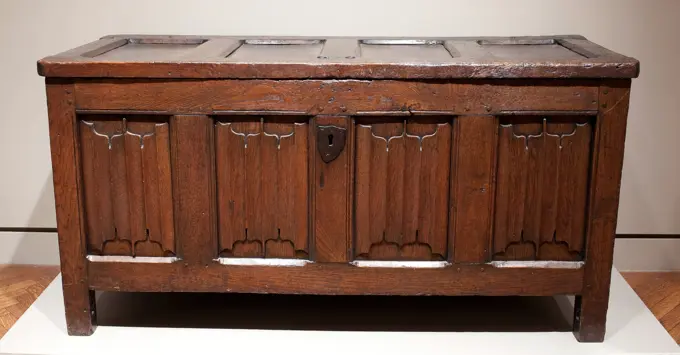
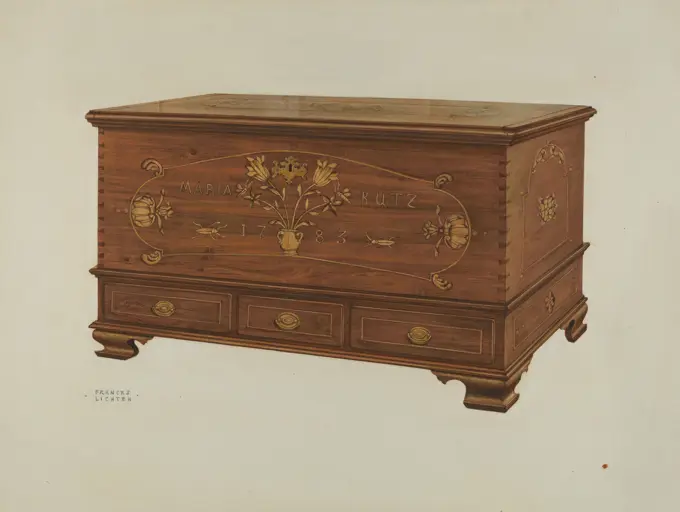
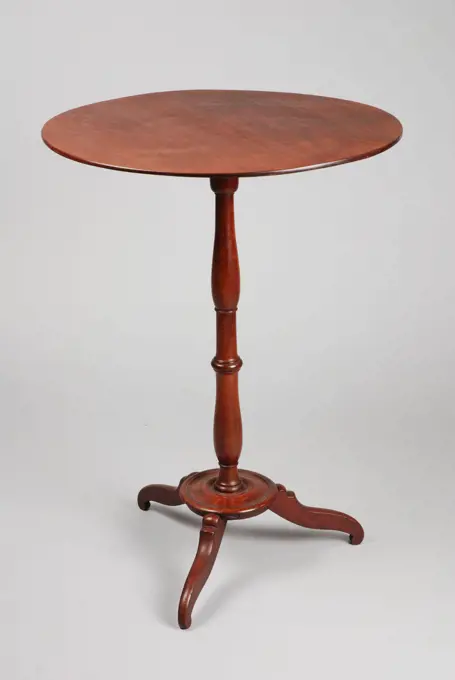
Collection of historic wooden furniture including a dressing table, writing cabinet, and decorative tables with intricate carvings. Rich colors and detailed craftsmanship are evident.
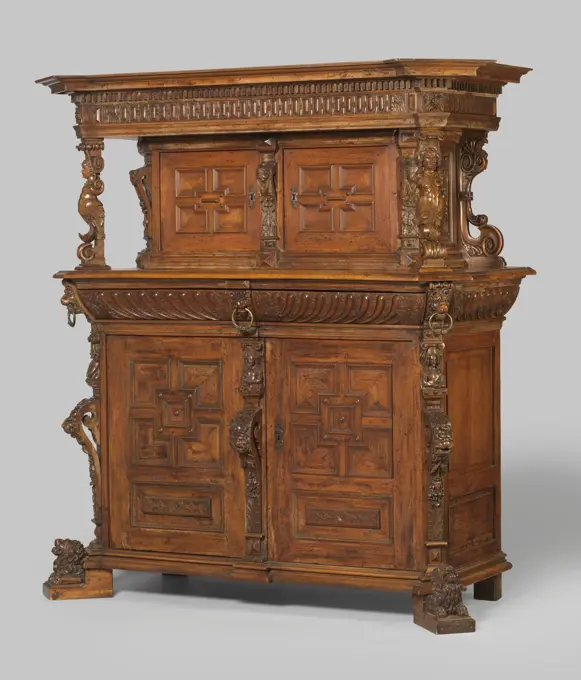
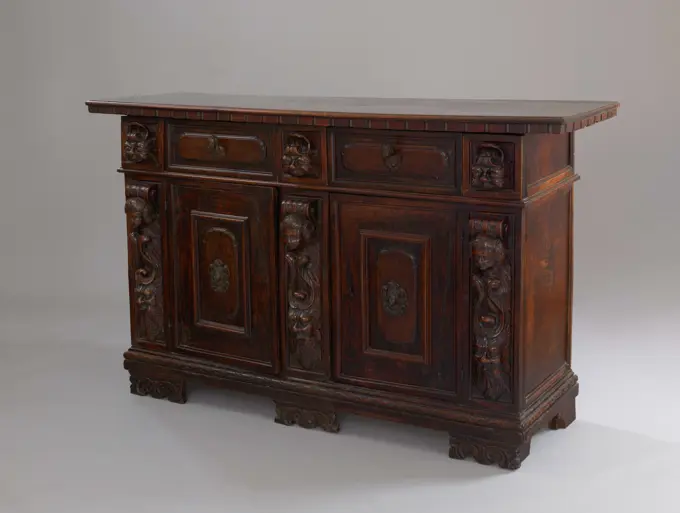
Buffet cupboard, divided into upper and lower case, with diagonal certificates placed corner styles that are decorated with lion masks and hermatlants. A satyrmask and caratide on the middle style; On the Lion Masks with copper rings, Anonymous, 1600 - 1625 Buffet cupboard made of walnut, divided into an upper and base cabinet. The diagonally placed corner styles of the base cabinet are decorated with lion masks and hermatlants. The central style has a satyrmask and wears a caratide. Both doors are equipped with cornissenses. On the Hoeken Leeuwemaskers with copper rings. The upper cabinet jumps in and is worn by diagonally placed Caratide and Atlant. Both doors wear cornissenses. Southern Netherlands (Possible) wood (plant material). walnut (hardwood). copper (metal) Buffet cupboard made of walnut, divided into an upper and base cabinet. The diagonally placed corner styles of the base cabinet are decorated with lion masks and hermatlants. The central style has a satyrmask and wears a
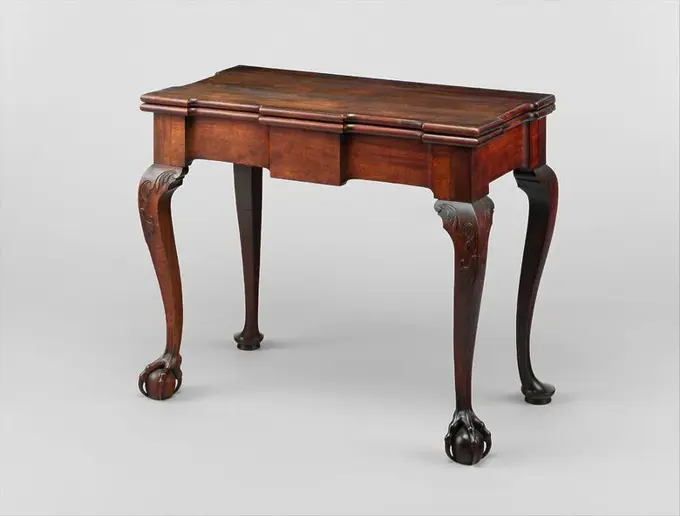
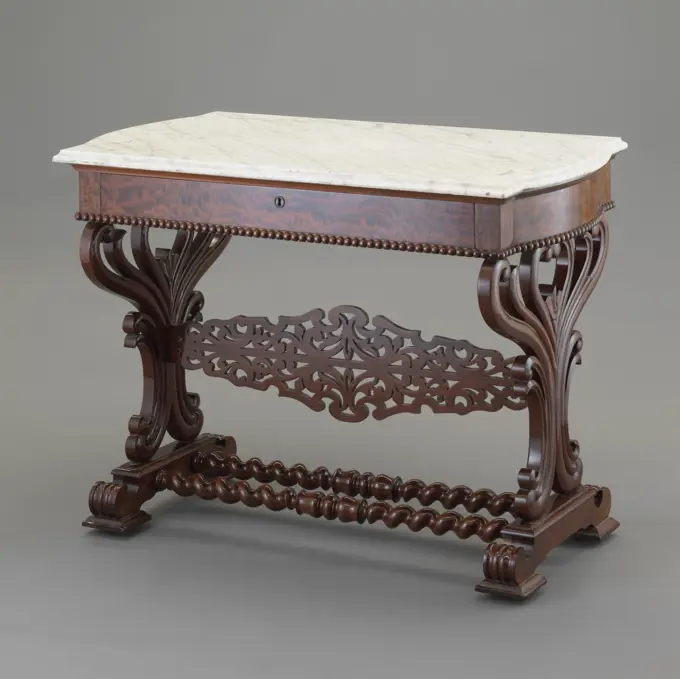
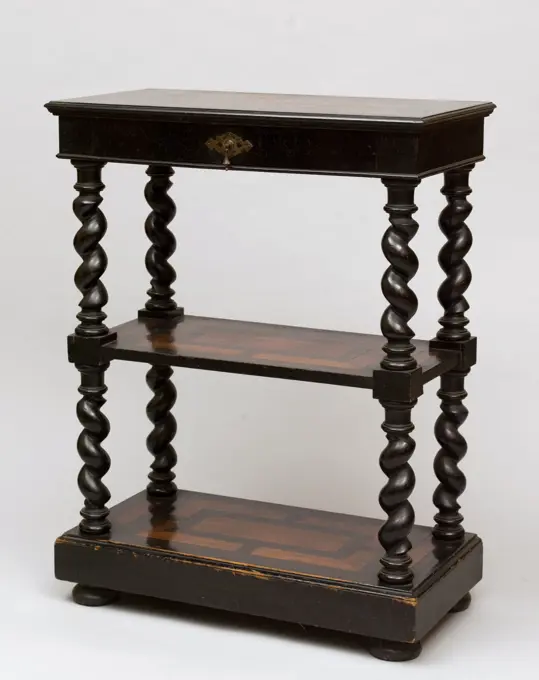
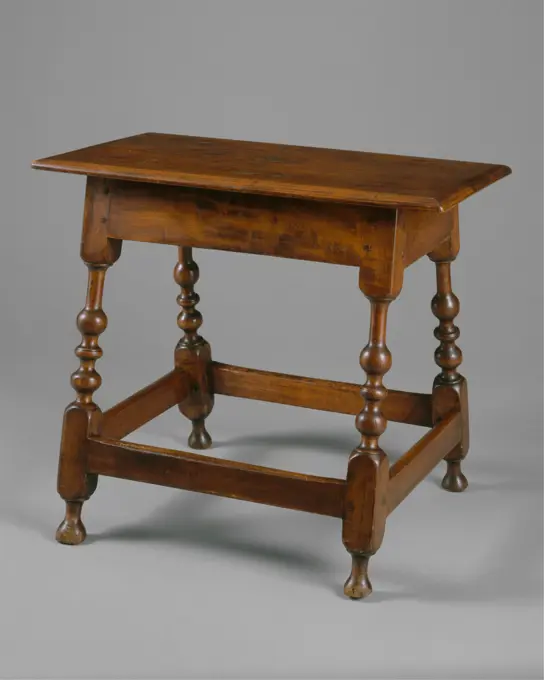
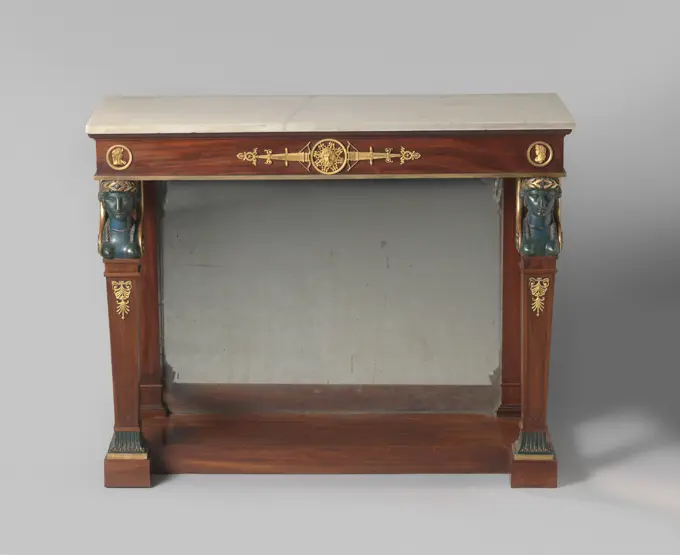
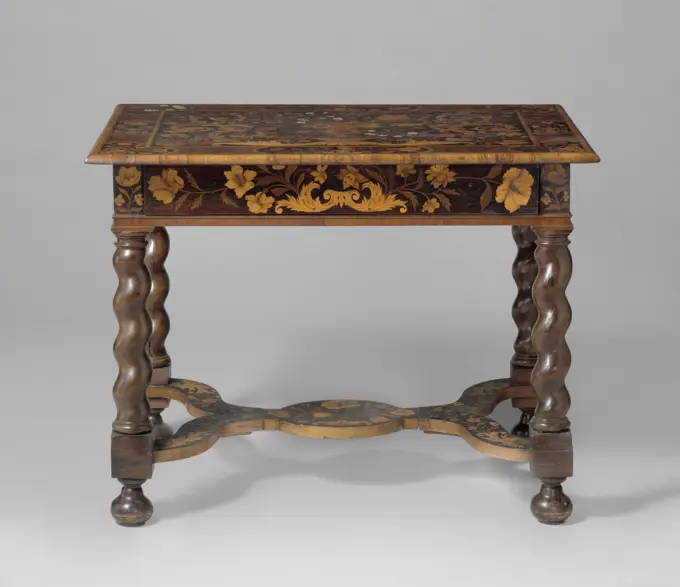
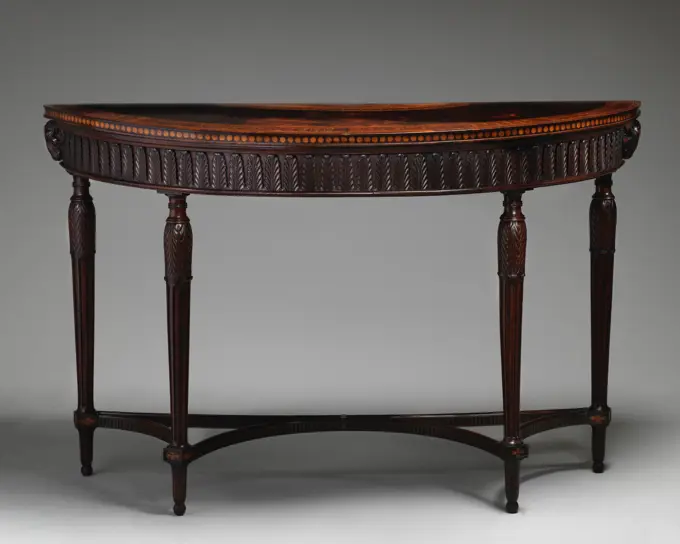
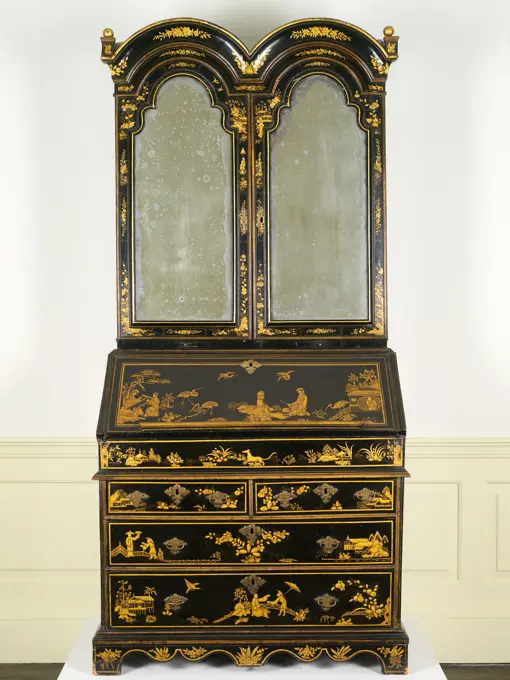
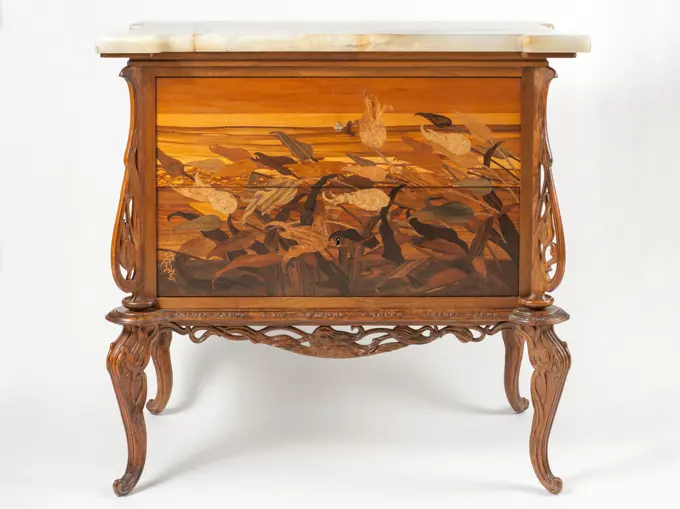
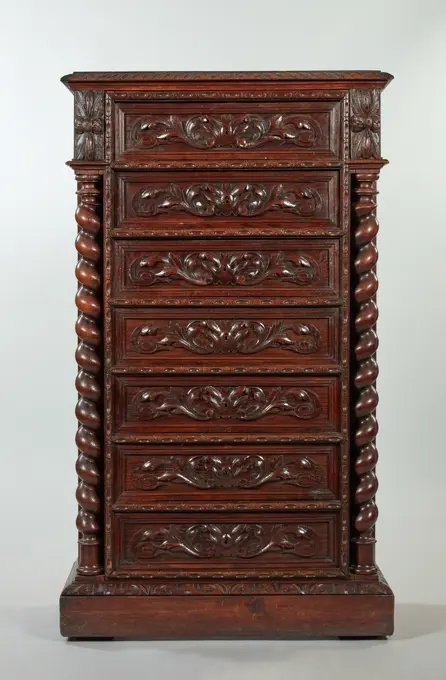
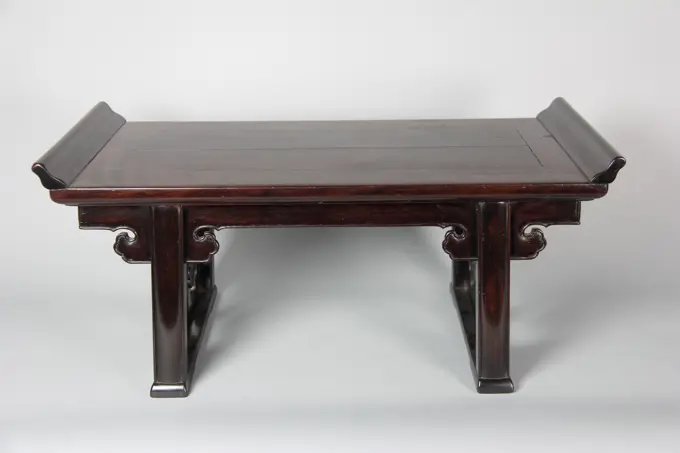
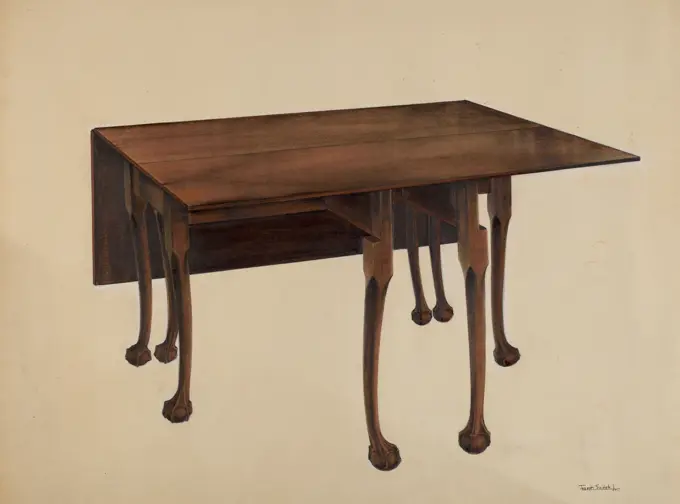
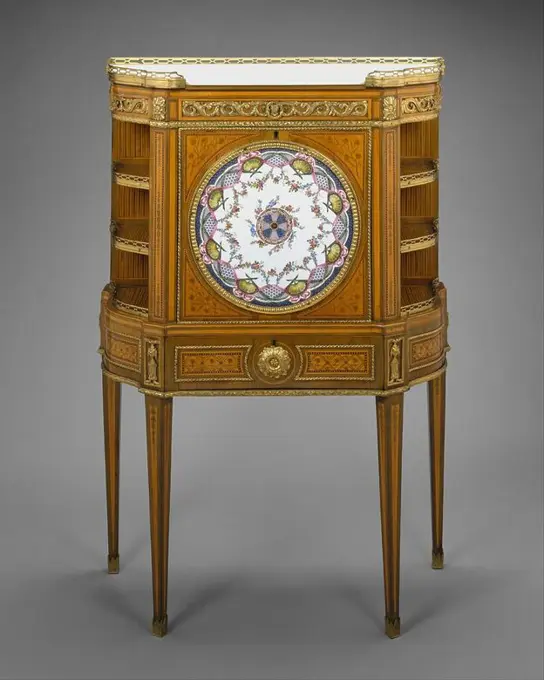
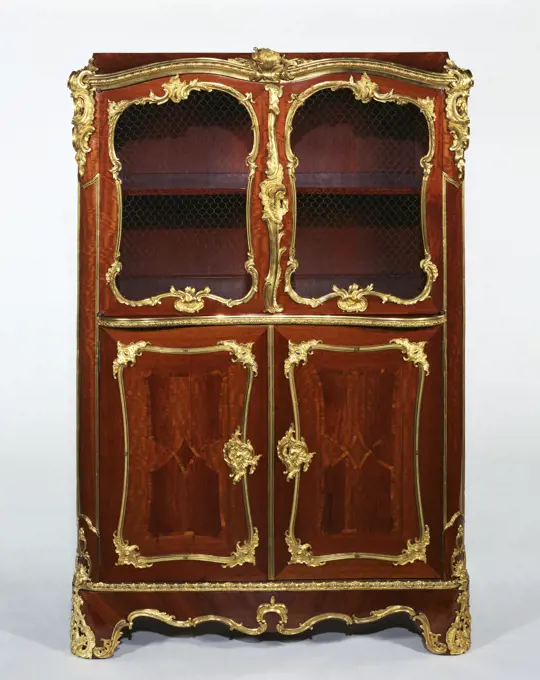
Dressing Table. American; Maryland. Date: 1755-1790. Dimensions: 74.3 × 89.2 × 57.3 cm (29 1/4 × 35 1/8 × 22 1/2 in.). Mahogany, yellow pine, yellow poplar, and Atlantic white cedar. Origin: Maryland. Museum: The Chicago Art Institute, Chicago, USA.Writing cabinet of South African Stinkhout () With Klapt with profiled edge and extendable support with a cartouche and men's head .. Writing cabinet of South African stinkhout. The front is closed by a folding profiled leaf. The walls of the cupboard are swampy. The chassis has legs like Tuscan columns with above and among houses with diamond pieces, placed bubbles. The town halls are connected by profiled sports. The front and side rules show leaf motifs, including arc-shaped tooth lists; In the middle of the rule a bobbin with diamond piece and an extendable support with a cartouche and men's head.Exhaust table. Exhaust table from oak resting on four baluster legs connected to each other, inlaid with ebony. The sides are inlaid with ebony and garnish with cut-out ornaments.Hundred;  beginning of the 20th century (1901-00-00-1915-00-00);Plant decorations, vernaculary, purchase (provenance)Chest of drawers. unknown, creatorAnonymous, table on which Victor Hugo wrote standing (dummy title). Wood and leather. House of Victor Hugo - Hauteville House.Cupboard 1670-1700 American Large, imposing, and expensive, cupboards such as this one were placed in the parlor or hall of a prosperous home and used to store textiles, vessels, and utensils used at mealtime. The serrated moldings and distinctive turnings are characteristic of case furniture linked through family histories to Plymouth County. The applied ornament enhances the overall decorative scheme, with its numerous small, visually separate units of geometric decoration playing off one another to striking effect.. Cupboard 2971. Wanging table from walnut. The cheeks are vase and decorated with donated grains, with a standing acanthus sheet in the middle. Above to the ground a ring chain hanged on a ring, in Kelken ending. The rule has profiled fields and a sliding drawer with two twisted buttons at the front. The blade closes over the side rules. The cheeks are linked to the rules by a sport, at the bottom, sport.Cabinet used as tea furniture, Carel Adolph Lion Cachet, c. 1915 - c. 1925 Cupboard used as a tea furniture. Netherlands tin (metal). brass (alloy). mahogany (wood). plywood Cupboard used as a tea furniture. Netherlands tin (metal). brass (alloy). mahogany (wood). plywoodBuffet cupboard, divided into upper and lower case, with diagonal certificates placed corner styles that are decorated with lion masks and hermatlants. A satyrmask and caratide on the middle style; On the Lion Masks with copper rings, Anonymous, 1600 - 1625 Buffet cupboard made of walnut, divided into an upper and base cabinet. The diagonally placed corner styles of the base cabinet are decorated with lion masks and hermatlants. The central style has a satyrmask and wears a caratide. Both doors are equipped with cornissenses. On the Hoeken Leeuwemaskers with copper rings. The upper cabinet jumps in and is worn by diagonally placed Caratide and Atlant. Both doors wear cornissenses. Southern Netherlands (Possible) wood (plant material). walnut (hardwood). copper (metal) Buffet cupboard made of walnut, divided into an upper and base cabinet. The diagonally placed corner styles of the base cabinet are decorated with lion masks and hermatlants. The central style has a satyrmask and wears a Card table. Culture: American. Dimensions: Closed: 27 1/4 x 33 7/8 x 16 7/8 in. (69.2 x 86 x 42.9 cm). Maker: John Townsend (1732-1809). Date: ca. 1786.This deceptively plain table is one of the masterpieces of John Townsend's late oeuvre. It is fashioned from the densest of Cuban or San Domingo mahoganies and retains its original oiled finish. Both the visible stop-fluting and cross-hatching and the interior construction are executed with machinelike precision. The table descended in the Champlin family of Newport, together with a 1765 block-and-shell chest (27.57.1) and a 1789 block-and-shell tall clock (27.57.2). Museum: Metropolitan Museum of Art, New York, USA.Card Table. Culture: American. Dimensions: 27 3/4 x 33 1/4 x 16 1/2 in. (70.5 x 84.5 x 41.9 cm). Maker: Attributed to John Goddard (1724-1785). Date: 1760-90.On this exquisite exemplar of a Newport cabriole-leg card table, the various elements of the skirt board are in perfect proportion and equilibrium, the curves of the legs are altogether satisfying, and the carved bird's talons grasping the ball feet appear alive. This is poetry in wood, something only John Goddard, of all the Newport makers, could on occasion achieve. Museum: Metropolitan Museum of Art, New York, USA.Cupboard. unknown, creatorTableTable c 1836-1846 New York City. Mahogany, mahogany veneer, and marble . J. & J.W. MeeksCharles-Guillaume Diehl (1811-1885), cabinetmaker. Shelf console. Rosewood, rosewood and brass nets. Around 1855. Paris, Museum of Romantic Life. 77177-8 Rosewood, shelving console, net, brass, furniture, rosewood, furnitureChest. American; Hatfield or Deerfield, Massachusetts. Date: 1710. Dimensions: 82.5 × 122.5 × 48.2 cm (33 1/2 × 48 1/4 × 19 in.). Oak with white pine. Origin: Hatfield. Museum: The Chicago Art Institute, Chicago, USA.Dressing table 1710-30 American The legs and feet of this table have a distinctive pattern found only in Philadelphia furniture in the William and Mary style. Notably they closely match those on a high chest and dressing table at the Philadelphia Museum of Art that Caspar Wistar ordered in 1726 from Philadelphia cabinetmaker John Head (d. 1754).. Dressing table 3430Furniture, Anonymous, 1700 - 1800 Mahogany playing table, resting on four S-shaped bent legs, ending in a claw and sphere. At the top the legs are decorated with stabbed leaf motifs. The leaf that shows an edge with stabbed braid tape motif is foldable; A leg is distorted for support for the leaf. The leaf is covered with modern green sheet and provided with square boards on each of the four corners. Great Britain wood (plant material). mahogany (wood). cloth Mahogany playing table, resting on four S-shaped bent legs, ending in a claw and sphere. At the top the legs are decorated with stabbed leaf motifs. The leaf that shows an edge with stabbed braid tape motif is foldable; A leg is distorted for support for the leaf. The leaf is covered with modern green sheet and provided with square boards on each of the four corners. Great Britain wood (plant material). mahogany (wood). clothTable;  around 1700 (1690-00-00-1710-00-00);Chest of Drawers (Commode), c. 1725. Attributed to Etienne Doirat (French, c. 1670-1732). Kingwood with gilt-metal mounts, marble; overall: 84.2 x 108 x 52.1 cm (33 1/8 x 42 1/2 x 20 1/2 in.).Table, Jan van Mekeren (attributed to), c. 1695 - c. 1710 Table glued with royal, ebb, rosewood and maple wood and other types of wood on an oak core. The baluster-shaped legs are connected by a hurled double y-shaped cross. All surfaces are filled with flower marquetery. The leaf shows a broadly measured flower basket on a table, decorated with a Frisian, filled with leaf fillets connected by band work, between which a swan and another bird. In the left and right corner a butterfly and bird. Amsterdam wood (plant material). oak (wood). ebony (wood). rosewood (wood). maple (wood) Table glued with royal, ebb, rosewood and maple wood and other types of wood on an oak core. The baluster-shaped legs are connected by a hurled double y-shaped cross. All surfaces are filled with flower marquetery. The leaf shows a broadly measured flower basket on a table, decorated with a Frisian, filled with leaf fillets connected by band work, between which a swan and another bird. In the left and right coCushion cabinet with detached corintic columns and glued with rosewood and ebony, anonymous, c. 1650 - c. 1680 Cupboard, so-called cushion cabinet, glued with rosewood and ebony on an oak core. Detached Corinthian columns form the corner styles at the front. The middle style has a half -column. The two doors are decorated with high pillows. The main frame and pedestal are decorated with cushion panels, as well as the sides. Against the back wall quarter columns. The pedestal has two drawers. The piece of furniture rests on three twisted black wooden balls. Inside four shelves. Netherlands wood (plant material). oak (wood). rosewood (wood). ebony (wood) Cupboard, so-called cushion cabinet, glued with rosewood and ebony on an oak core. Detached Corinthian columns form the corner styles at the front. The middle style has a half -column. The two doors are decorated with high pillows. The main frame and pedestal are decorated with cushion panels, as well as the sides. Against the back wall Unknown, Writing Table (Bureau Plat), 18th century, wood.Chest of drawers. unknown, creatorJoint Stool 1700-1725 American. Joint Stool 4548Tensile manager. Trekmangel in miniature of oak, with five sticks. The vase-shaped legs end in a ball. The sill is acknowledged at the bottom.Linen Cupboard (Kast) 1625-1655 Netherlands. Oak, pearwood, hardwood, paint, iron, and brass .Toy Table c 1820-1840 United States. White pine . Artist unknownWall table with marble leaf and legs in the form of winged cari patients with predator legs. Wall table from mahogany with white marble top and gold-plated bronze fittings. The blade is kept on the front by sculpted and polychromed winged cariaths with naturally represented predator legs.Commode with two drawers and a door on the sides. Marqueterieveriering with windows, rosettes and braid and two pigeons, flower arrangements, bow, torch and arrow cooker., Matthijs horrix (circle of), c. 1765 - c. 1770 Oak chest of chests lamped with multiple woods, with gilded bronze rocaillebedlag and marble leaf. The front contains two drawers; The sides each contain a door. The stretched S-shaped overhoeks placed corner styles with batter turn into the legs. Of the scallops, the middle one carries a large seizure piece. The marqueterie consists of windows with rosettes, framed by braid tires; The center panel shows two pigeons, flower arrangements, bow, torch and arrow sleeve. The Hague wood (plant material). oak (wood). rosewood (wood). rosewood (wood). purpleheart (wood). kingwood (wood). maple (wood). mahogany (wood). bronze (metal). marble (rock) gilding Oak chest of chests lamped with multiple woods, with gilded bronze rocaillebedlag and marble leaf. The front contains two draTable, anonymous, c. 1680 - c. 1695 Table decorated with marquetery of rosewood, palm, olive wood and other woods and legs, on oak and pine core. The sliced legs are connected by a hurled cross, which has an oval thickening at the intersection. The rule has a drawer at the front. The furniture is decorated with a marquetery of flower motifs originating from Acanthusbladvoluten. On the magazine, a vase, carved with maskarons, is depicted on pedestal. London wood (plant material). pine (wood). rosewood (wood). oak (wood). boxwood. olive (wood). bone (material) Table decorated with marquetery of rosewood, palm, olive wood and other woods and legs, on oak and pine core. The sliced legs are connected by a hurled cross, which has an oval thickening at the intersection. The rule has a drawer at the front. The furniture is decorated with a marquetery of flower motifs originating from Acanthusbladvoluten. On the magazine, a vase, carved with maskarons, is depicted on pedestal. London wood (planCabinet on Stand 1755-1765 England. Both the manipulation of the veneers and the carving on this cabinet suggest an attribution to William Vile. Born in Somerset, England, in about 1700, Vile was working as a cabinetmaker in London by 1751, in partnership with the upholsterer John Cobb, and retired in 1764. Little of Vileís work is documented, apart from the pieces he made between 1761 and 1764 for his most important patrons, King George III and Queen Charlotte. While records survive describing many of the pieces made for the royal collection, it has not been possible to match this cabinet with any of those objects.Elongated cabriole legs of solid carved mahogany support the cabinet, which is veneered with quartered mahogany, framed by ebony moldings, and bordered by carved Rococo relief ornament. This relief work and the galleried superstructure are painted, probably to simulate ivory. The cabinet was most likely intended to hold coins or medals coin trays are fitted into boxes that sSide table ca. 1780 In the style of Robert Adam British, Scottish. Side table. British. ca. 1780. Mahogany. Woodwork-Furnitureneo baroque game table, game table table furniture interior design wood mahogany oak wool iron, Pressure worked column on three volute legs with pearl strips sheet covered with sheet belongs to 8275 neo baroqueBase of a Balafel, Anonymous, 1500 - 1600 Three cheek legs, ending in claws. The cheek legs show a winged female figure on the knee, whose lower body ends in a volute. From under her wings, a sliced flank volute appears in a relief, in which various myths. The claws end up in an acanthus leaf on the outside and a volute on the inside, between which a flower. With octagonal, unadorned and unprofiled leaves (BK-15391-2). Italy poplar (wood). walnut (hardwood) Three cheek legs, ending in claws. The cheek legs show a winged female figure on the knee, whose lower body ends in a volute. From under her wings, a sliced flank volute appears in a relief, in which various myths. The claws end up in an acanthus leaf on the outside and a volute on the inside, between which a flower. With octagonal, unadorned and unprofiled leaves (BK-15391-2). Italy poplar (wood). walnut (hardwood)Card table, c. 1790-1800, 28 5/8 x 34 x 34 in. (72.71 x 86.36 x 86.36 cm), Mahogany, maple, white pine with light wood inlay, United States, 18th-19th centuryTable, anonymous, c. 1701 - c. 1705  Rome Poplar (Wood). Walnut (Hardwood). Blad: Marble (Rock). Batter: Bronze (Metal). Batter: Gilding (Material) gilding  Rome Poplar (Wood). Walnut (Hardwood). Blad: Marble (Rock). Batter: Bronze (Metal). Batter: Gilding (Material) gildingSmall oblong table. Culture: French, Paris. Dimensions: Overall: 26 3/4 × 17 1/4 × 12 3/4 in. (67.9 × 43.8 × 32.4 cm). Maker: Antoine-Mathieu Criaerd (French, 1724-1787). Date: ca. 1755-60.Small convenient tables provided with a writing slide and a drawer for writing implements were found in nearly every room of the mid-eighteenth-century home. This elegant piece is entirely framed by gilt-bronze moldings and has its original gilt-bronze receptacles for ink and sand. Books or papers could be placed on the shelf underneath, as can be seen in the well-known portrait of Madame de Pompadour by François Boucher. Museum: Metropolitan Museum of Art, New York, USA.Chest of drawers. Culture: American. Dimensions: 34 1/2 x 37 1/2 x 20 3/4 in. (87.6 x 95.3 x 52.7 cm). Maker: John Townsend (1732-1809). Date: 1765.John Townsend was perhaps the greatest master of block-and-shell furniture, the signature style of Rhode Island cabinetmakers. This chest is one of eight known case pieces that he signed or labeled. Two of the pieces, including this one, are dated 1765; the others date from around 1790, suggesting how long-lived this style was. All are remarkably alike in overall design, decorative detail, and construction. Museum: Metropolitan Museum of Art, New York, USA.Library table ca. 1735 Probably designed by William Kent This table is related to a group of library tables possibly designed by the architect William Kent (1685-1748) and variously attributed to the cabinetmakers William Vile (ca. 1700-1767) and Benjamin Goodison (ca. 1700-1767) and the carver John Boson (ca. 1705-1743).. Library table. British. ca. 1735. Mahogany; gilt-brass. Woodwork-FurnitureJoined table with drawer. Culture: American. Dimensions: 26 1/2 x 36 1/2 x 36 1/2 in. (67.3 x 92.7 x 92.7 cm). Date: 1680-1710.Rectangular tables such as this, with a high stretcher at the front and back and low side stretchers connected by a medial brace, represent a format peculiar to the late seventeenth and early eighteenth centuries. It includes a drawer and is ornamented with shaped brackets and cutouts on all four sides, indicating that it was designed to be freestanding. The legs and stretcher exemplify the turner's art and resemble the bases of several chests-on-frames thought to have been made in and around Boston. Museum: Metropolitan Museum of Art, New York, USA.Chest of Drawers. Culture: American. Dimensions: 36 x 40 x 21 1/2 in. (91.4 x 101.6 x 54.6 cm). Date: ca. 1700. Museum: Metropolitan Museum of Art, New York, USA.Table;  the beginning of the 20th century (1900-00-00-1910-00-00);gift (provenance), kanelles, classicism (style), secession (style)Porcelain cupboard with double -fitted base cabinet with three drawers and upper cupboard with door with twelve windows, anonymous, 1770 Porcelain cabinet glued with root nuts on oak core. The double -fitted base cabinet contains three drawers, each with two gilded copper tractors and lock plate. The corner styles are placed overhoeks and the bottom line is sculpted. The upper cabinet contains a door with rod distribution within which twelve diamonds and a scalloped top follows, which follows the line of the profiled roof list. The overhoeks placed sides contain three windows. For a crown, a crest with leaf motifs serves. Northern Netherlands wood (plant material). oak (wood). copper (metal). glass gilding Porcelain cabinet glued with root nuts on oak core. The double -fitted base cabinet contains three drawers, each with two gilded copper tractors and lock plate. The corner styles are placed overhoeks and the bottom line is sculpted. The upper cabinet contains a door with rod distribuHigh Chest of Drawers. Culture: American. Dimensions: 84 1/8 x 40 x 21 3/8 in. (213.7 x 101.6 x 54.3 cm). Date: 1750-90.There is no other Newport high chest with four clawand-ball feet with open talons and carving on all four knees. The design is a refinement of the Boston Queen Anne-style high chest: scrolls and shells in the skirt provide a sense of gracefulness and lift, while raised panels at the top harmonize with the shape of the hood. Note the "plum pudding" figure of the carefully chosen mahogany drawer fronts. Museum: Metropolitan Museum of Art, New York, USA.DeskChest-on-Chest. Maker Cabinetmaker: Stephen Badlam, American, 1751-1815Carver: John Skillin, American, 1746-1800Carver: Simeon Skillin, Jr., American, 1756-1806Work table late 18th century British. Work table. British. late 18th century. Tortoiseshell veneer on wood. Woodwork-FurnitureCard Table. Culture: American. Dimensions: 28 7/8 x 36 x 17 1/2 in. (73.3 x 91.4 x 44.5 cm). Maker: Attributed to John Finlay (active ca. 1799-1833); Attributed to Hugh Finlay (active ca. 1800-37). Date: 1800-1810.A table with nearly identical decoration was included in a documented set made by the Finlays in 1805 for John Morris (1785-1874) of Baltimore. The painted harbor scene is attributed to Francis Guy on the basis of its resemblance to other examples of his work. Guy worked for the Finlays from 1804 to about 1810. Museum: Metropolitan Museum of Art, New York, USA.Bureau Cabinet, 1705-20. Laquered softwood. Made in England .Desk and bookcase. Culture: American. Dimensions: 105 x 45 x 24 in. (266.7 x 114.3 x 61 cm). Maker: Workshop of Nathaniel Gould (1734-1782). Date: ca. 1779.This tall and stately secretary, fashioned of the finest figured mahogany, is a masterpiece from the shop of Nathaniel Gould, the leading cabinetmaker of Salem, Massachusetts, in the third quarter of the eighteenth century. When Gould died in 1781, he was listed as a gentleman, having presumably given up working with his hands. On an inside surface, the desk and bookcase bear the enigmatic inscription: "Nath Gould not his work." Presumably a master joiner in his shop wrote these words so that posterity would not credit Gould himself with actually having crafted the piece. Museum: Metropolitan Museum of Art, New York, USA.Emile Gallé (1856-1904). Furniture. Convenient. "The blood field or the blood of Armenia". Turkey walnut, varied bosi march, onyx. 1900. Museum of Fine Arts of the City of Paris, Petit Palais. Wood Walnut, Decor, White Maber, Bosi Marquetry, Mobilier, Decorative Pattern, Turkey Walnut, Onyx, Plant, Marble plate, XXth XX 20th 20th 20th 20 Centile, Commode, Furniture, NatureAnonymous, chiffonnier wooden secretary carved with seven drawers (subtitle). Carved wood. House of Victor Hugo - Hauteville House.. Cassone from Nuthout decorated with Intarsia on a profiled plinth. The front shows three square fields with intaria panels, separated by Corinthian pilasters with candidalable. On the left panel a hilly landscape with rider, a building and armed sentinel on the middle panel and a building with hilly landscape on the right-hand panel; Picture frames with bells and four corners or braid band in perspective. The sides exhibit intaria fields with two rabbits and forged iron handles.Table stand 17th century China. Table stand. China. 17th century. Zitan wood. late Ming (1368-1644)-early Qing (1644-1911) dynasty. FurnitureChest of Drawers 1700-1720 American Eight different pigments were used to decorate the drawers and sides of this chest. The moldings on the four deep drawers were painted to imitate highly veined wood veneers, and the floral designs on the drawer panels relate to motifs found on inlaid English furniture. Vivid green moldings and orange accents add further vibrancy. When the paint was strong and fresh, the effect must have been dazzling.. Chest of Drawers 2012Eighteenth-century Venetian rococo-style furniture, Venetian drawing room, Villa San Michele, previously owned by Axel Munthe, Anacapri, Capri, Campania, Italy.DressingtableWall table with marble leaves and legs in the form of winged Caratives with predator legs, E. Muller, c. 1810 Mahoniehout wall table with white marble leaves and gilded bronze batter. The leaf is supported by sculpted and polychromed winged caratives with naturalically displayed predator legs. The Hague mahogany (wood). marble (rock). brass (alloy). gilding (material). pine (wood). paint (coating). looking glasses. amalgam gilding Mahoniehout wall table with white marble leaves and gilded bronze batter. The leaf is supported by sculpted and polychromed winged caratives with naturalically displayed predator legs. The Hague mahogany (wood). marble (rock). brass (alloy). gilding (material). pine (wood). paint (coating). looking glasses. amalgam gildingCommode; Attributed to Jean-Pierre Latz (French, about 1691 - 1754); Paris, France; about 1745-1749; Oak and poplar veneered with bloodwood; walnut drawers; gilt-bronze mounts; fleur de pêcher marble top; 87.6 × 151.5 × 65.1 cm (34 1,2 × 59 5,8 × 25 5,8 in.)Side table (one of a pair) ca. 1740 After a design by Matthias Lock British This monumental pair of side tables (see also 2007.196.1) displays many similarities to an unfinished drawing by the designer and carver Matthias Lock (ca. 1710-1765) in the Victoria and Albert Museum, London. Although Lock is best known for his designs in an English version of the French Rococo style, this drawing is in the bold manner associated with the English Palladian movement. Propagated in early eighteenth-century England by the architect and designer William Kent and his patron Lord Burlington, this architectural style also affected furniture design. Characteristic are the large shell motifs, classical masks, lion's paws, curling acanthus leaves, and running Vitruvian scroll on these tables. Particularly beautiful is the varied surface treatment of the water gilding, with its burnished highlights, as seen, for instance, in the chiseled features of the satyrs carved at the knees of the cabriole legs, coSacristy cabinet ca. 1450-80 Italian, Florence or Siena Like many of his contemporaries, the historian Benedetto Dei (1418-1492) admired the illusionistic effects that the Florentine artisans who specialized in wood inlay, or intarsia, were achieving. In his Memorie (1470) he remarked that he had been in Florence at the time when these craftsmen began making "intarsia perspectives and figures in such a way that they seemed to be painted."1 By this he meant that, like the Florentine painters, they had learned to construct scenes, objects, and three-dimensional patterns according to the rules of perspective.The intarsia cutters worked with a "palette" of small pieces of wood of many different types and colors, inserting and gluing them into cutout hollows of a wooden matrix, such as the walnut carcase of this cupboard. The woods used for intarsia were generally available locally from timber merchants, or they might be supplied by the patron-perhaps a wealthy individual who had ordeCard Table, 19th century, H.28-1/2 X W.35-3/4 X D.35-1/4 in., Mahogany, brass, United States, 19th centuryTable chest withdrawersBeechwood Régence stool, tabouret furniture interior design wood beechwood walnut textiles, embroided upholstery (depiction: Aeneas flees Troy with his father Anchises and his son Ascanius on his back) stuck with volute legs with twisted vase régenceWalnut Table with Lion Sphinxes. Dated: second half 16th century. Dimensions: overall: 150.5 x 88 x 83.8 cm (59 1/4 x 34 5/8 x 33 in.). Medium: walnut. Museum: National Gallery of Art, Washington DC. Author: French 16th Century.Box 1660-85 Attributed to John Thurston Small, rectangular oak boxes with hinged lids were common in seventeenth-century households, where they held important items such as documents, writing implements, books, jewelry, and currency. Like chests with carved decoration, boxes displayed a vocabulary of stylized plant forms and simple geometric shapes. Foliated S-scrolls, as single elements or pairedas on the front of this box and the sides of the cabinet to its rightwere widely used.. Box 945Square table ca. 1840-60 (possibly assembled) Italian (). Square table 461132Center table ca. 1855 Attributed to John Henry Belter German John H. Belter immigrated to New York City from Germany in 1833 and soon became the city's leading cabinetmaker. His work is distinguished by its technical virtuosity and exuberant carving. His furniture epitomizes the mid-nineteenth-century taste for the Rococo Revival style, which was often described as "Modern French.". Center table. American. ca. 1855. Rosewood, marble. Made in New York, New York, United StatesBanquette. unknown, authorChest of Drawers 1835-40 American The green background and the red and yellow ornamental borders are characteristic of painted furniture from the Schwaben Creek Valley in Schuylkill County, Pennsylvania. A recent study for the Pennsylvania German Society has determined this chests decoration to be unique.. Chest of Drawers 2007Commode ca. 1720-30 French. Commode 200543Chapter, decorated with marquetery and with two drawers with two drawers, between two s-shaped overhoeks places placed. Batter with seedill motifs. Commode decorated with marquence of pink, amaranth, lemon wood and other types of wood on an oak core. The adapted front between two stretched S-shaped, overhanging posed legs has two drawers. The sides are vaulted. The marketer exhibits a cube motif. The hind legs have been set outwards. The leaf is made of white marble, scalloped and crocked at the corners. The batter consists of varnished copper corner pieces, leg protectors and tractors, everything with seedill motifs.Three -part corner cabinet with, among other things, segment -shaped broken pediment, anonymous, c. 1700 - c. 1749 Three -piece corner cupboard lumbled with carrot nut wood on oak core. The base cabinet has two doors input with piping, above which a folding top, with scalloped upper corners. Copper final plates. The veneer of the magazine shows four fields, framed with piping and wide edge. The doors of the upper cabinet are bent at the top. The cupboard is crowned by a segment -shaped broken pediment with profiled edge and is internally decorated with paintwork with, among other things, landscapes, architecture, flowers and people. Northern Netherlands wood (plant material). oak (wood). lacquering Three -piece corner cupboard lumbled with carrot nut wood on oak core. The base cabinet has two doors input with piping, above which a folding top, with scalloped upper corners. Copper final plates. The veneer of the magazine shows four fields, framed with piping and wide edge. The doors of Anonymous. "Writing table". Built in oak and fir tree, mahogany drawer, various tinted and engraved wooden marquetry (violet wood, rosewood, holly, maple lamp, spine-vinette, amaranth) on a background of rosewood, in frames of Violet wood, amaranth, boxwood nets, golden bronzes. Around 1770. Paris, Cognacq-Jay museum. 123782-11Cupboard with Mars and Bellona and year 1591, Anonymous, 1591 Cabinet of nuthout. The base cabinet is decorated on the middle and corner styles with Hermcaryatids and Hatmatlant; On the Achterhoek Console with women's head and on the front corner women's figure with bokkepoten. The panels are decorated with rolling, mask and palmet. The middle and corner styles of the upper cupboard carry lightly draped female figures and a naked men's figure. On the Mars and Bellona panels. On top of a loose attachment with animals, myms and herm pieces. Inside the initials D d () And year 1591. Lyon (possibly) wood (plant material). walnut (hardwood). silk Cabinet of nuthout. The base cabinet is decorated on the middle and corner styles with Hermcaryatids and Hatmatlant; On the Achterhoek Console with women's head and on the front corner women's figure with bokkepoten. The panels are decorated with rolling, mask and palmet. The middle and corner styles of the upper cupboard carry lightly draped femalChest, anonymous, c. 1550 - c. 1599 Chest of walnut on the front of the front of angle -placed claw legs. The front is on the corners and in the middle and shows a coat of arms in cartouche in the middle of a flat field, held by standing putti with a turned head. On the corners of volute pilasters with a pearl edge in the middle and ionic capitals. The lid carries a hollow cushion on the inside. The sides have flat fields. Italy wood (plant material). walnut (hardwood) Chest of walnut on the front of the front of angle -placed claw legs. The front is on the corners and in the middle and shows a coat of arms in cartouche in the middle of a flat field, held by standing putti with a turned head. On the corners of volute pilasters with a pearl edge in the middle and ionic capitals. The lid carries a hollow cushion on the inside. The sides have flat fields. Italy wood (plant material). walnut (hardwood)Buffet cupboard of Coromandelhout, partly glued with amboina root, Carel Adolph Lion Cachet, c. 1900 - c. 1930 Buffet cupboard of Coromandelhout, partly glued with amboina root. The cabinet is subdivided by two profiled and carved volutes of intermediate styles into a wide middle party, flanked by two narrower ones. Horizontal a division into three has also been applied. On a low substructure there is a higher part with three doors, the middle of which is equipped with sharpened diamonds, which are caught in profiled rods. The upper part of the cabinet is lower and open again and the middle part of it is closed at the top. Between the ends of this bar and the corners, formed by the slightly continuous corner styles, a raised edge, decorated with ajour sculpted stylized grape bunches. There are two small sculpted monkeys on top of the two corner styles at the front. Netherlands .. veneer. plywood. maple (wood). brass (alloy). glass cutting Buffet cupboard of Coromandelhout, partly gluedCommode (commode à vantaux) (part of a set). Culture: French, Paris. Dimensions: H. 38-3/8 in. (97.5 cm); W. 58-5/8 in. (148.9 cm); D. 22-1/4 in.(56.5 cm). Maker: Adam Weisweiler (French, 1744-1820). Date: ca. 1790.On October 7, 1790, many European royals and aristocrats were gathered in Frankfurt to attend the coronation of Leopold II as Holy Roman Emperor. Ferdinand IV (1751-1825), king of Naples, was among those present for this solemn event. Married to the new emperor's sister, Maria Carolina, Ferdinand was the brother-rin-law of both Leopold and Marie-Antoinette. At this time of social and political instability caused by the French Revolution, the Parisian marchand-mercier Dominique Daguerre and his business partner, Martin-Eloi Lignereux, traveled to Frankfurt as well. They were looking for new clients and lucrative commissions. This secretary (or its pair) and a matching commode were among the luxury goods they brought along with them and offered for sale. Mounted with Japanese Escabel del panteón de Comillas, 1878-1881. Author: ANTONI GAUDI.Wardrobe. Dated: c. 1942. Dimensions: overall: 45.7 x 35.5 cm (18 x 14 in.) Original IAD Object: 8'3"high; 5'2"wide; 18"deep. Medium: watercolor, colored pencil, and graphite on paperboard. Museum: National Gallery of Art, Washington DC. Author: Rosa Rivero.Chest (Base), late 1600s. Spain, Colonial, late 17th Century. Turned and joined wood with wrought iron hardware; overall: 53.5 x 94.5 x 37 cm (21 1/16 x 37 3/16 x 14 9/16 in.).. Taboo of gold-plated poplar wood, with rear and front and front plate placed in spread position, connected by a baluster-shaped sport. The front plate relieves a mask with opened mouth, flanked by two broken vultuts, decorated with acanthus leaf and resting on claw legs. Above and below the mask a shell pattern. The rear plate shows the same motifs on the inside in carcass cut, but now with a lily with degenerated volutes. The leaf has a profiled edge and hollow bent rules.Padoukhout and Iron Wood Service Cabinet, Anonymous, 1740 - 1760 Padoukwood and iron wood crockery cupboard. The cabinet rests on a layer of base with S-shaped bent legs, connected by a flung cross. The entire chassis is decorated with cut tendrils. The cupboard, which has a curved hood, has two doors with a rod distribution in which glass windows, above two drawers. The corner styles placed overhoek are treated as pilasters and the middle style also has a capital-like ornament. The entire hood is crowned by openwork cutting work of flower and leaf vines. Lodelijk XVI final plates and tractors of silver. Indonesia padouk (wood). ironwood. silver (metal) Padoukwood and iron wood crockery cupboard. The cabinet rests on a layer of base with S-shaped bent legs, connected by a flung cross. The entire chassis is decorated with cut tendrils. The cupboard, which has a curved hood, has two doors with a rod distribution in which glass windows, above two drawers. The corner styles placed overhoekChest, c. 1600, 29 1/2 x 58 1/4 x 23 1/4in. (74.9 x 148 x 59.1cm), Oak, England, Elizabethan, Storage chests were one of the earliest and most common forms of household furniture. The panels and frame are hewn from solid oak. The carving on the panels is known as 'linen-fold' ornament, a popular motif from the Gothic era which persisted well into the reign of Queen Elizabeth I.High chest ofdrawersBen or basket of braided rotting with four wooden styles, partially lacquered, anonymous, c. 1400 - c. 1950 Ben or basket of braided rotting with four wooden styles, partially lacquered. Netherlands wood (plant material). rattan. lacquer (coating) Ben or basket of braided rotting with four wooden styles, partially lacquered. Netherlands wood (plant material). rattan. lacquer (coating)Gate-legged Dining Table. Dated: c. 1939. Dimensions: overall: 32.9 x 48.1 cm (12 15/16 x 18 15/16 in.) Original IAD Object: Top: 60x39 in.; 29"high. See data sheet for details.. Medium: watercolor, colored pencil, and graphite on paperboard. Museum: National Gallery of Art, Washington DC. Author: Amos C. Brinton.Antique wooden many draw almira with iron handle, Jodhpur, Rajasthan, India Copyright: xSafatxAli/DinodiaxPhotoxFour-legged stool ca. 1710 French This four-legged stool exemplifies the skilled forms of carving found on a variety of seating furniture at the end of Louis XIVs reign. This stool, or tabouret, consists of a padded rectangular seat resting on four legs. The top of each leg is carved with a reverse C-scroll embedded with a rosette containing a foliate ray. Each leg is joined by a wooden stretcher carved in the form of scrolls that meet the central block, which features a motif of egg and ribbon molding and is terminated by a seed-pod finial. Small yet often embellished with rich tapestries and ornate carving, tabourets formed an important part of ceremonies and etiquette at the French court under Louis XIV. Princesses and aristocratic ladies fought for the right to sit upon a stool in the presence of the king or queen. The exuberant scrollwork found on this small stool intimates the exuberant Rococo forms that emerged in Versailles following the death of Louis XIV in 1715, which wouldFrances Lichten, Chest, c 1938 ChestMahogany Biedermeier table, table furniture interior design wood mahogany, sheet d 0.7 Ranke twisted leg with three-sided very thin leaf under truss paper label with no. BiedermeierJoseph Sudek, Gate legged Table, Ball & Claw Feet, c 1938 Gate-legged Table, Ball & Claw FeetAntique wooden table, Jodhpur, Rajasthan, India Copyright: xSafatxAli/DinodiaxPhotoxDrop-front desk (secrétaire à abattant or secrétaire en cabinet). Culture: French, Paris and Sèvres. Dimensions: Overall: 50 1/2 × 33 5/8 × 14 in. (128.3 × 85.4 × 35.6 cm). Factory: Porcelain plaques by Sèvres Manufactory (French, 1740-present). Maker: Attributed to Roger Vandercruse, called Lacroix (French, 1727-1799). Date: porcelain ca. 1764, secretary ca. 1775.Several related secretaries are known that have either a porcelain plaque or a marquetry roundel on the fall front and are signed or attributed to Roger Vandercruse. The son of a Flemish cabinetmaker, Vandercruse also used the French equivalent of his name, Lacroix. Typical of his oeuvre is the colorful cornflower and latticework marquetry. The decoration of the large Sèvres plaque, with its geometric pattern of ribbons and shells interspersed with diapered cartouches and garlands, is similar to that of useful wares, and thought to date to about 1764. Antedating the secretary by a decade, it may originally have been intendedCabinet; Bernard II van Risenburgh (French, after 1696 - about 1766, master before 1730); Paris, France; about 1750 - 1755; Oak veneered with bois satine, kingwood, and cherry; gilt bronze mounts; 148.9 × 101 × 48.3 cm (58 5,8 × 39 3,4 × 19 in.)Astragal-end Work Table 1805-15 American This astragal-end ladies sewing or worktable is distinguished by its tall, elegant, and finely reeded legs. The pleated silk bag, which held sewing fabric or needlework, is patterned after a design in plate 26 of Thomas Sheratons "The Cabinet- Maker and Upholsterers Drawing-Book" (1794).. Astragal-end Work Table 10010Sofa Table. England. Date: 1805-1815. Dimensions: 72.1 × 90.2 cm (28 3/8 × 35 1/2 in.)Leaves e×tended: 151.1 × 58.6 cm (59 1/2 × 23 1/16 in.). Mahogany, holly, ebonized holly, and penwork. Origin: England. Museum: The Chicago Art Institute, Chicago, USA.Piertable