Antique Wooden Furniture

Collection of historic wooden furniture including a dressing table, writing cabinet, and decorative tables with intricate carvings. Rich colors and detailed craftsmanship are evident.
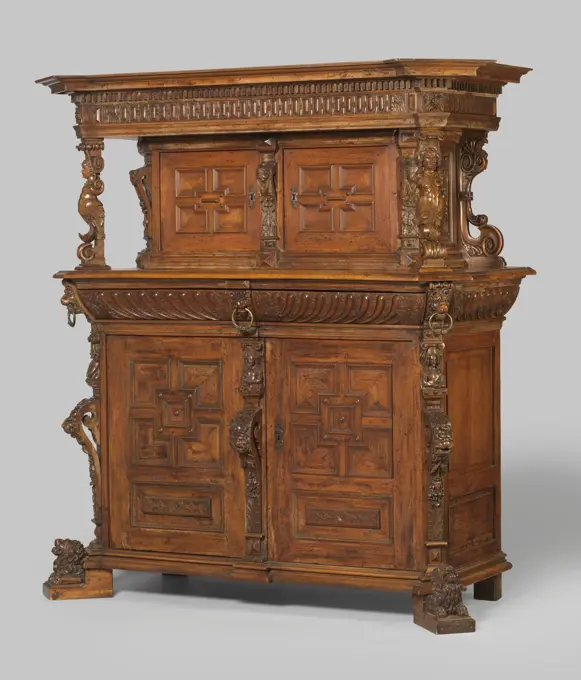
Buffet cupboard, divided into upper and lower case, with diagonal certificates placed corner styles that are decorated with lion masks and hermatlants. A satyrmask and caratide on the middle style; On the Lion Masks with copper rings, Anonymous, 1600 - 1625 Buffet cupboard made of walnut, divided into an upper and base cabinet. The diagonally placed corner styles of the base cabinet are decorated with lion masks and hermatlants. The central style has a satyrmask and wears a caratide. Both doors are equipped with cornissenses. On the Hoeken Leeuwemaskers with copper rings. The upper cabinet jumps in and is worn by diagonally placed Caratide and Atlant. Both doors wear cornissenses. Southern Netherlands (Possible) wood (plant material). walnut (hardwood). copper (metal) Buffet cupboard made of walnut, divided into an upper and base cabinet. The diagonally placed corner styles of the base cabinet are decorated with lion masks and hermatlants. The central style has a satyrmask and wears a
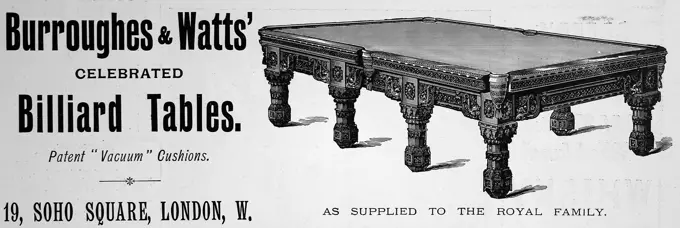
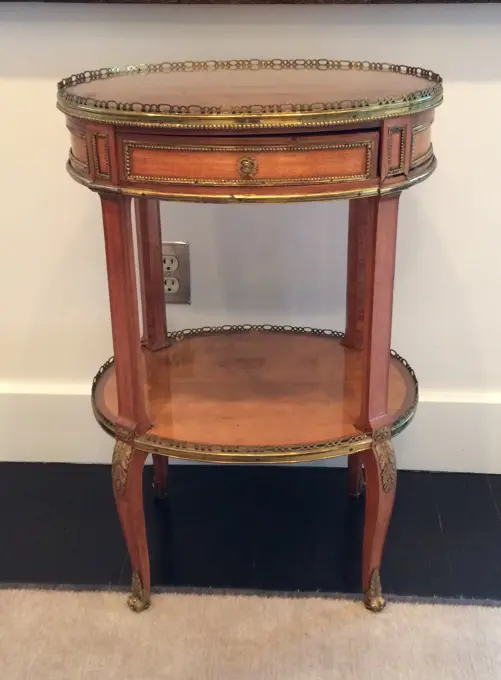
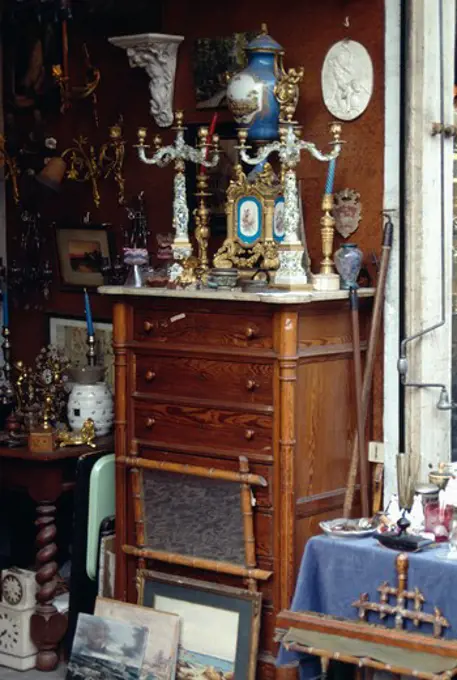
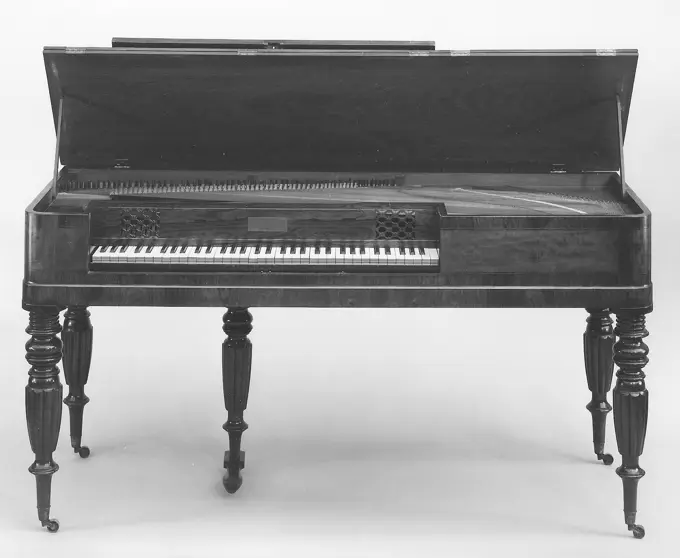
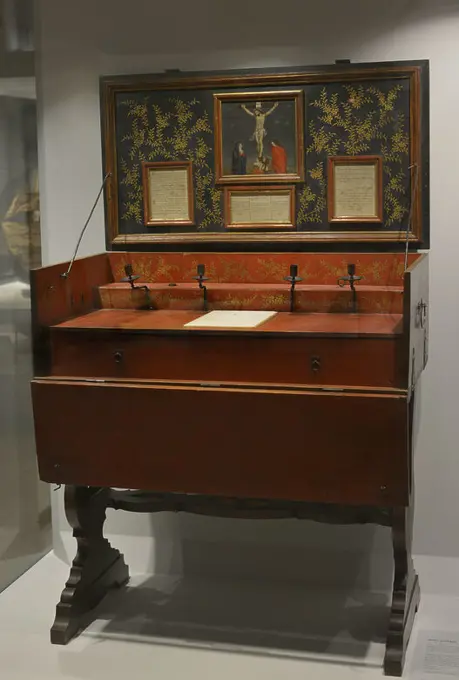
Portable oak wood altar, painted red. According to tradition, this altar accompanied Vasco da Gama on board the "Sao Gabriel" on the maiden voyage to India in 1497. However, it is very similar to the portable altars commonly used in church services on board the so-called Portuguese Indiamen (merchant ships that operated for the East India Company). Maritime Museum. Lisbon, Portugal.Advertisement from 1897 for Burroughes & Watts 'celebrated' billiard tables with patented vacuum cushions.     Date: 1897Bouquet of artificial poppies in a vase on the round table, isolated on white background Bouquet of artificial poppies in a vase on the round table, isolated on white background Copyright: xZoonar.com/OleksandrxKostiuchenkox 9747086Rose Hill Museum in Kuttawa, Kentucky, USA.Small oval table ca. 1775 Claude-Charles Saunier. Small oval table. French. ca. 1775. Satinwood and tulipwood. Woodwork-Furniture. Two fragments of a walnut paneling, consisting of two panel information. These consist of a head frame, resting corinthically fluted columns placed on podestals on two overhoeks. There is a peripheral arch, worn by pilasters and filled with a shell. See also: BK-Bfr-365-b. These fragments have served as picture lists; See: Cat. Paintings RM, the NRS. A 2107 and A 2108.Markets, antique and secondhand shops are good places to source unusual items for decoratingTudor period wooden table, at Sulgrave Manor, England, ancestral home of George Washington. 2015Square Piano 1822-24 Alpheus Babcock American Alpheus Babcock was a Boston piano maker most famous for his invention of a cast iron frame for the square piano, a design he patented in 1825. The cast iron frame would become the standard for pianos of all types and sizes. Alpheus established his first company in 1809 along with his brother Lewis, who died in 1814. Over the next several decades, Babcock had several business partnerships and arrangements, including with the builder Thomas Appleton, who later went on to renown for his pipe organs (including an example from 1830 also at the Museum). Included in those business partnerships were members of the Mackay family, including George (G. D.) Mackay whose name appears on Babcock pianos beginning in 1822 until his death in 1824. Technical description: Rectangular case with rounded corners, mahogany striping surrounding the larger mahogany panels, nameboard veneered with rosewood, with fretwork panels and inlaid brass striping, wood dust