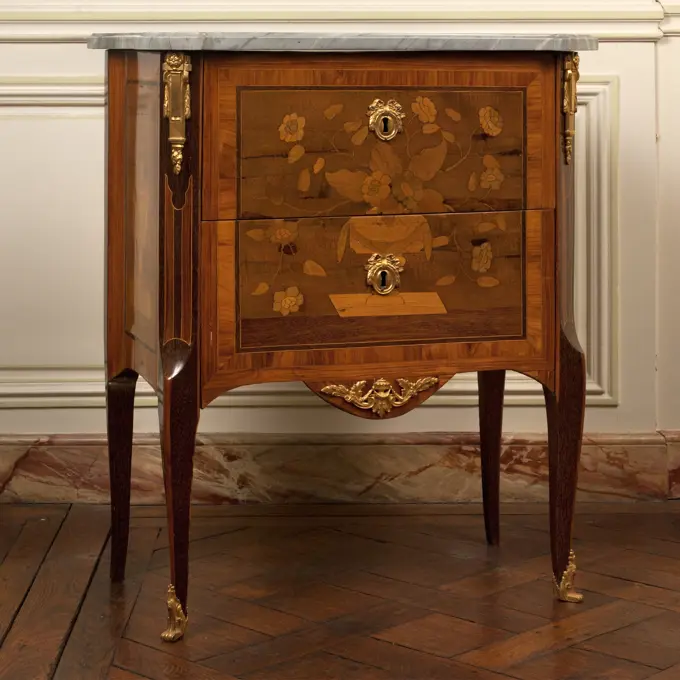
Antique Wooden Furniture

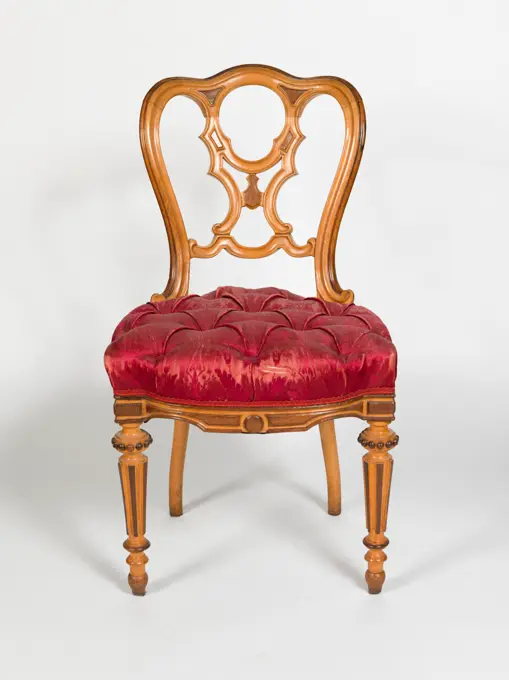
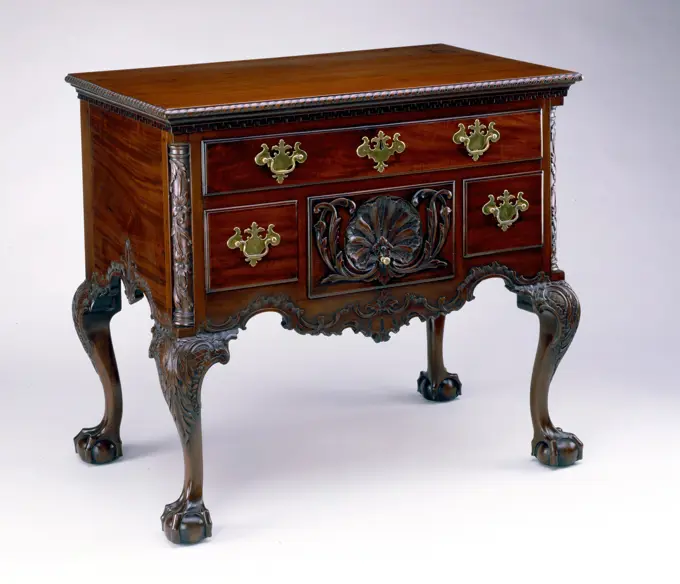
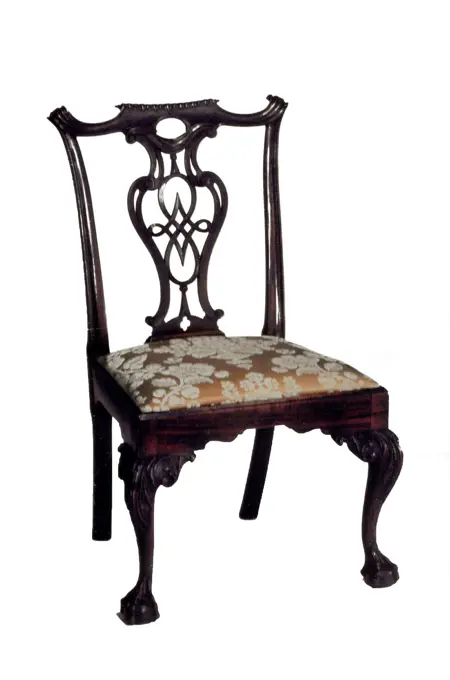
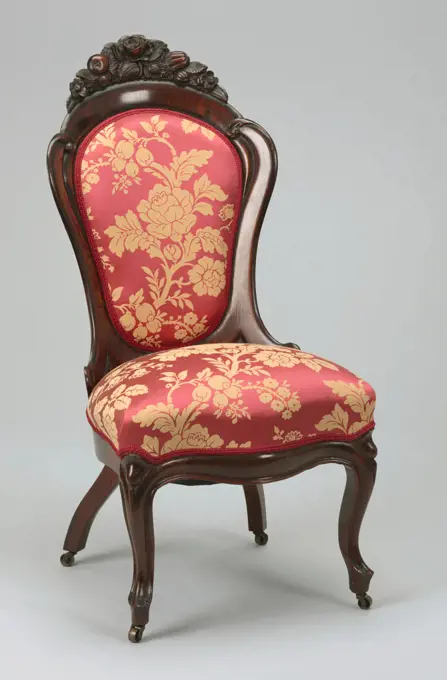
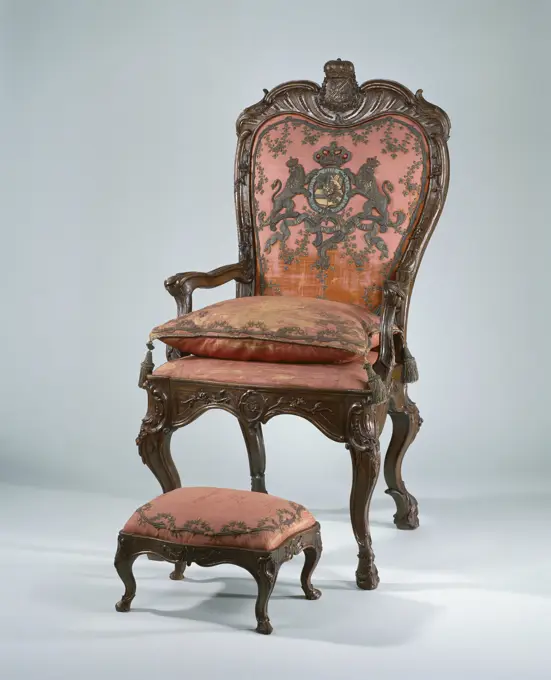
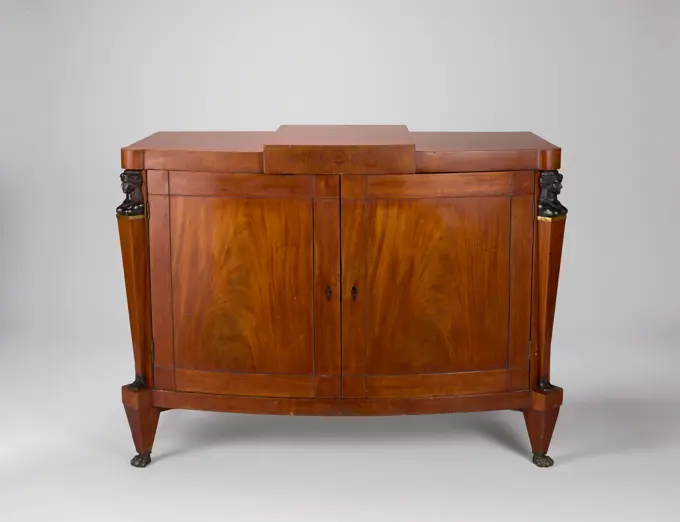
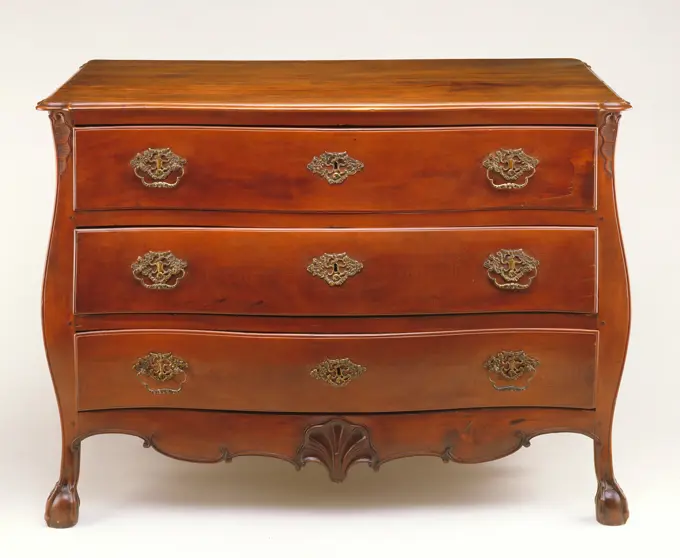
A variety of antique wooden furniture pieces, including chairs and tables, showcasing intricate designs, rich materials, and upholstery in subtle colors, reflecting historical craftsmanship.

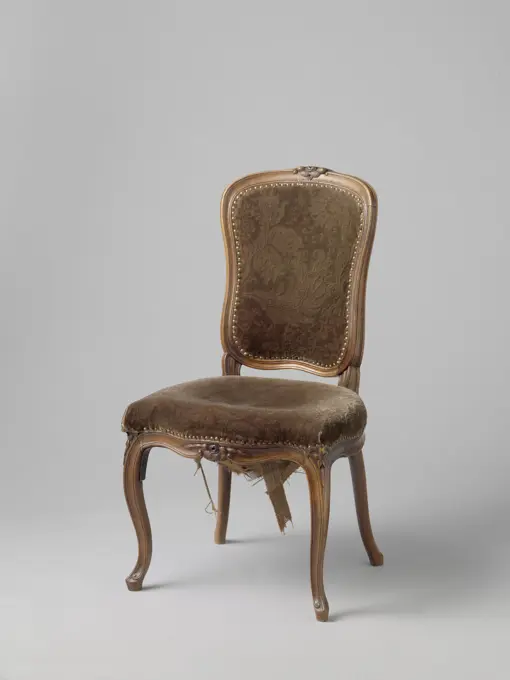
Straight elm wood rococo chair, chair furniture furniture interior design wood elm wood textile, Openwork backrest modern green ripped upholstery on separate seat webbing original Hear at 8035 Rococo
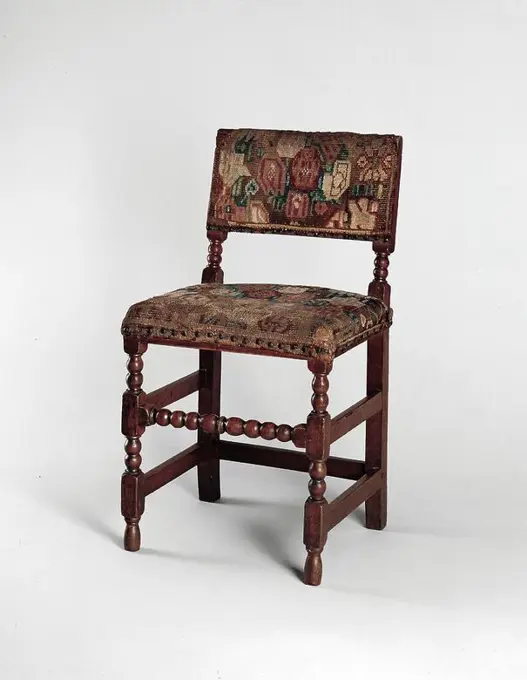
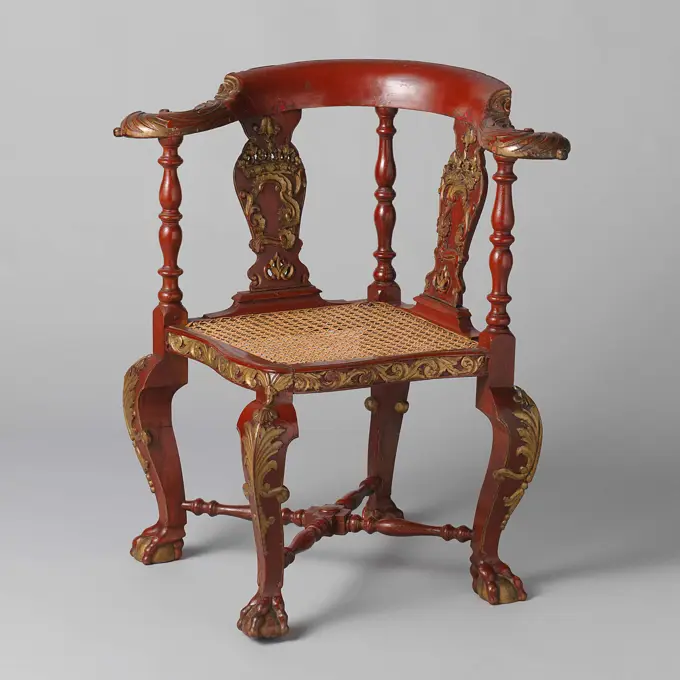
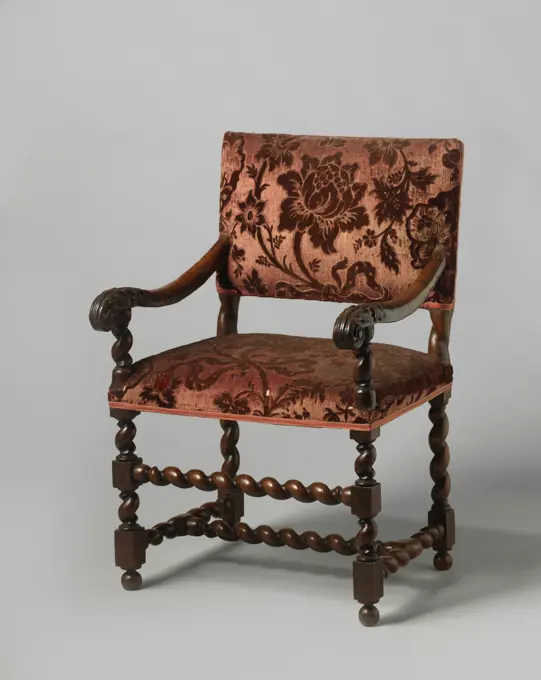
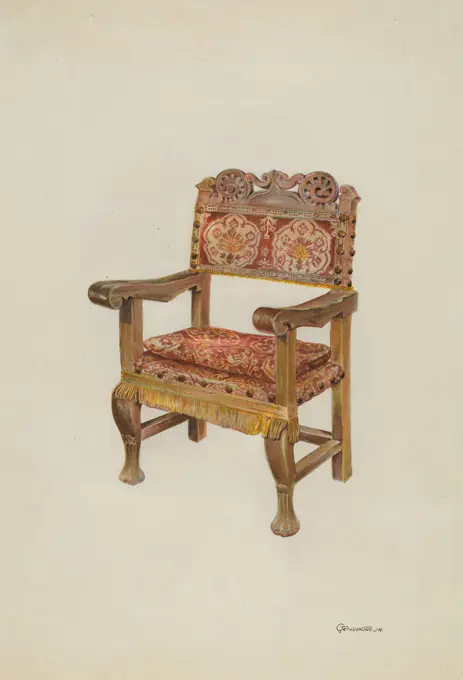
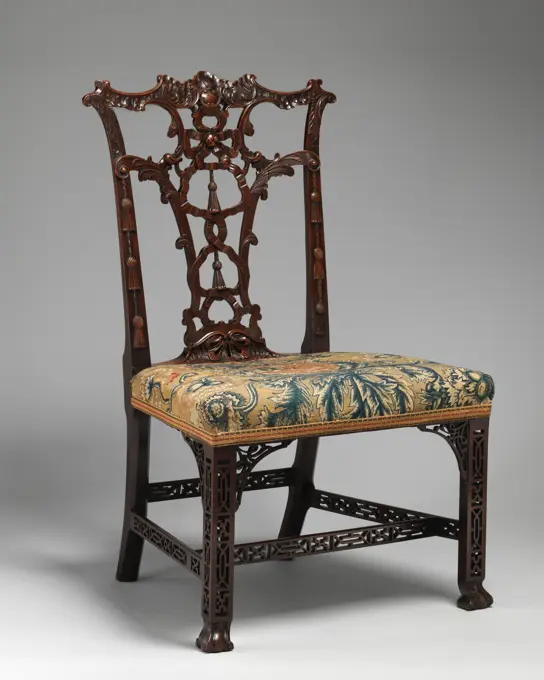
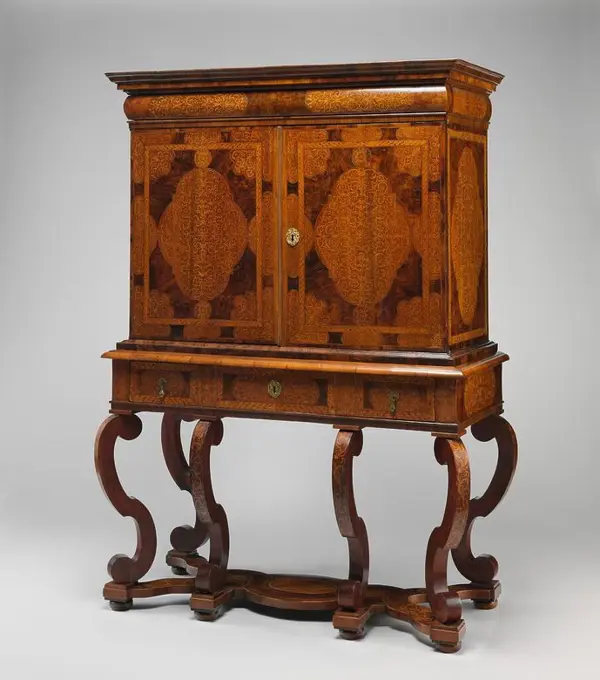
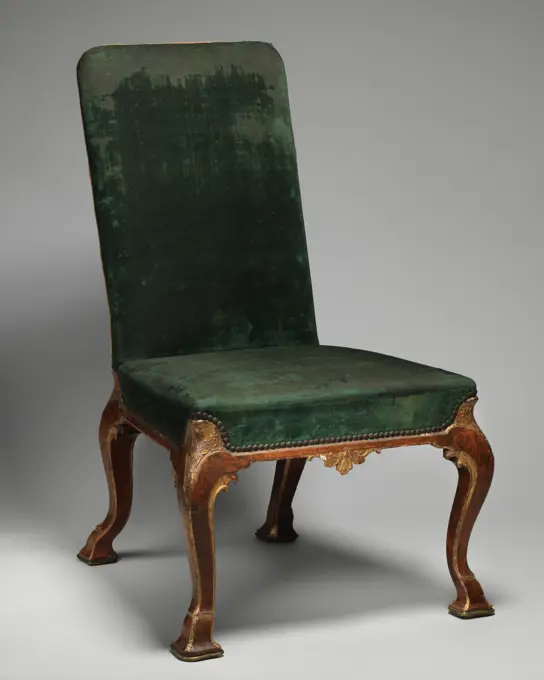
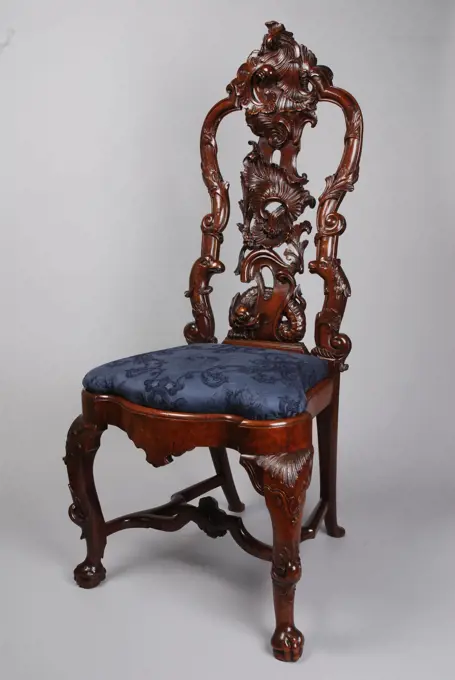
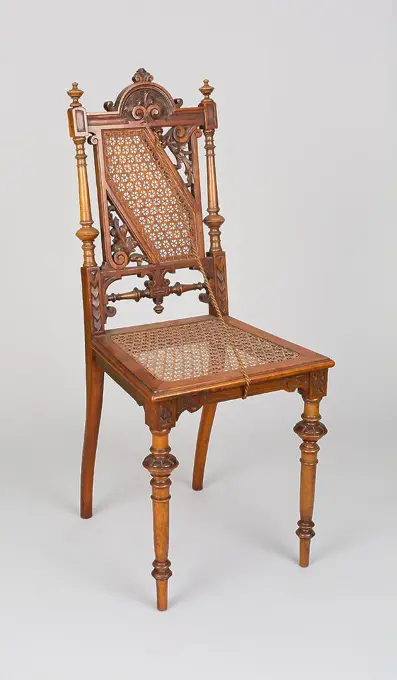
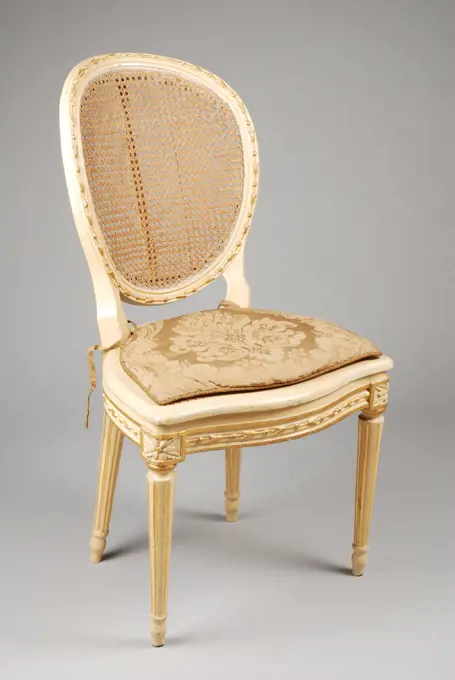
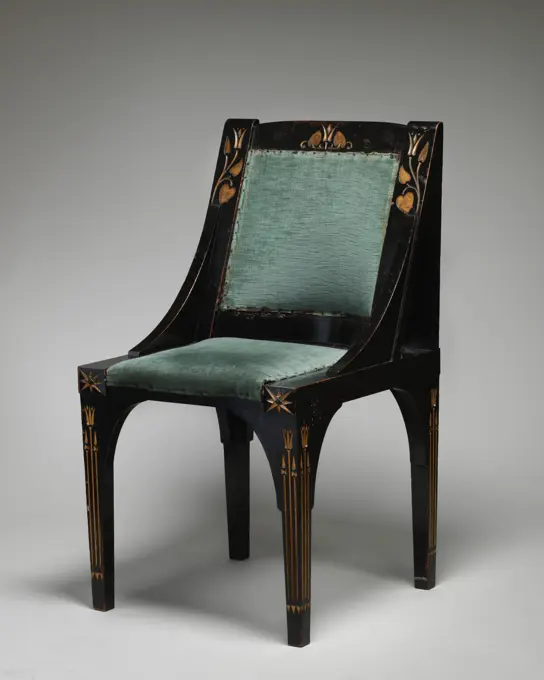
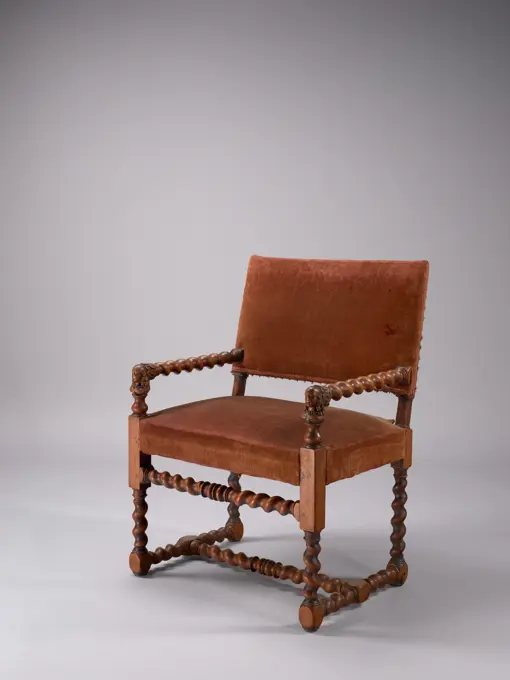
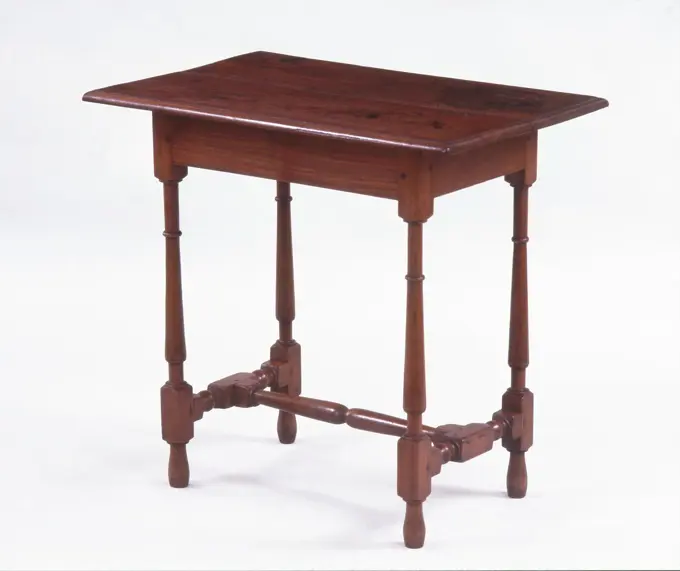
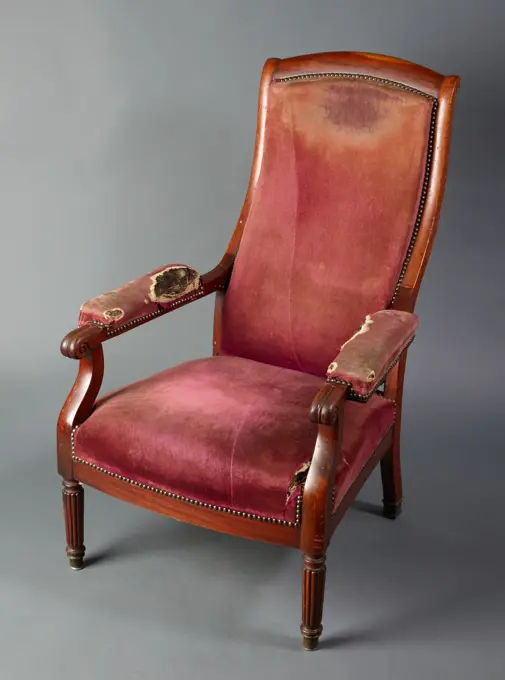
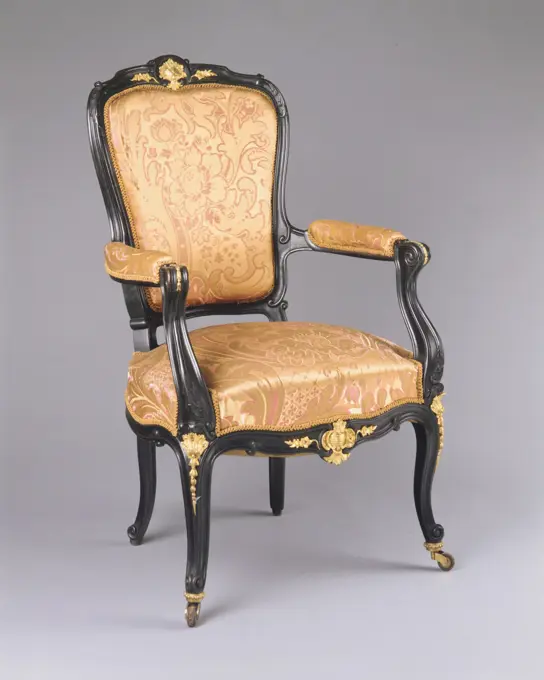
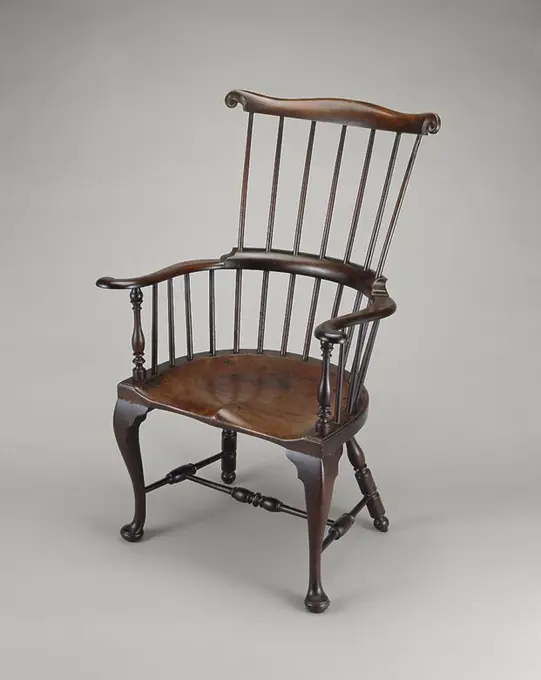
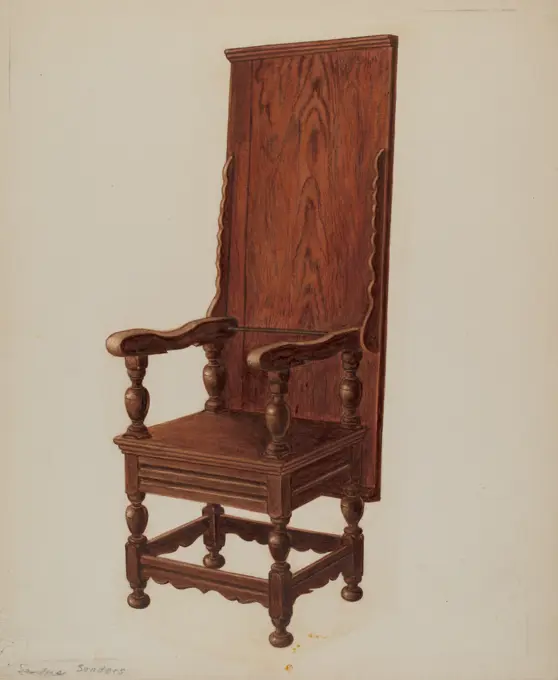
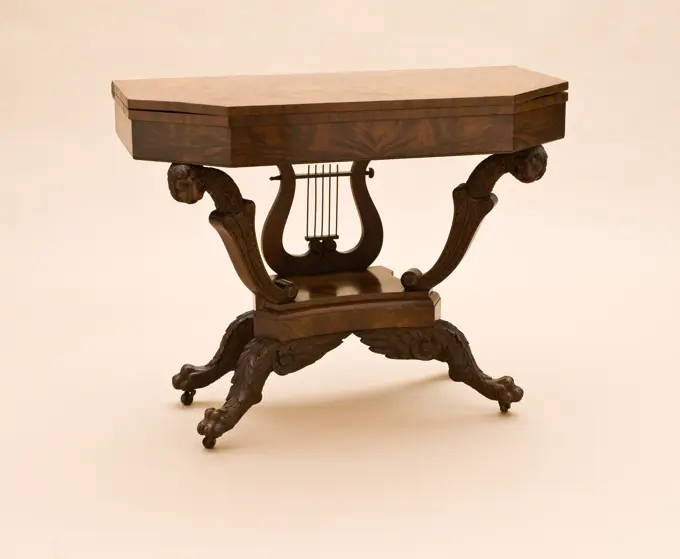
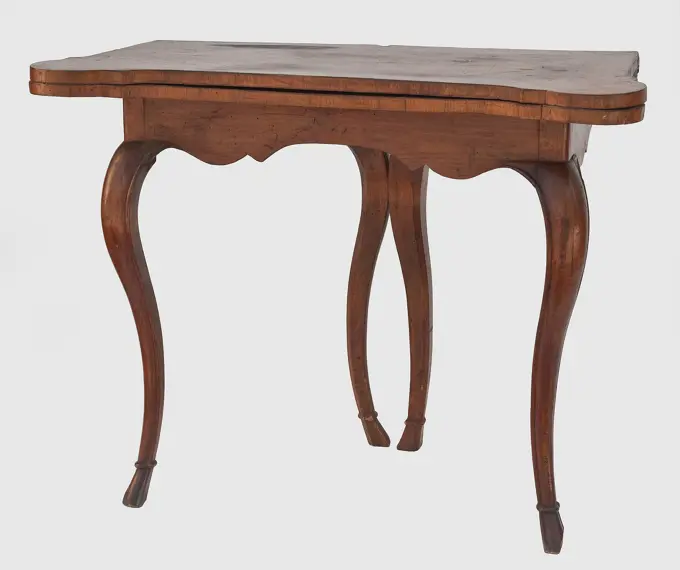
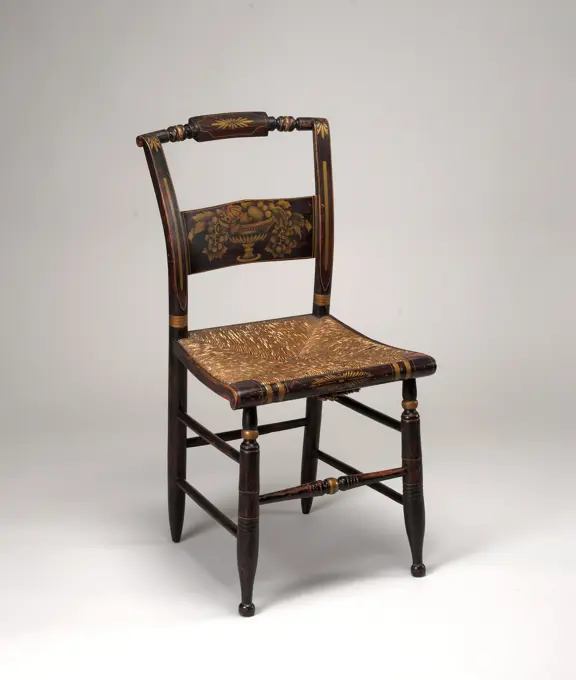
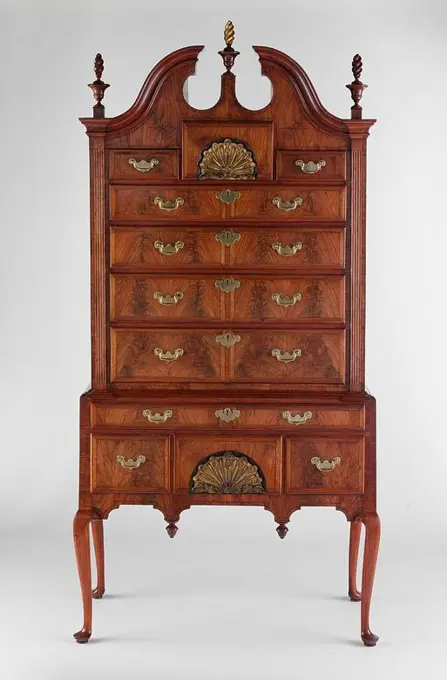
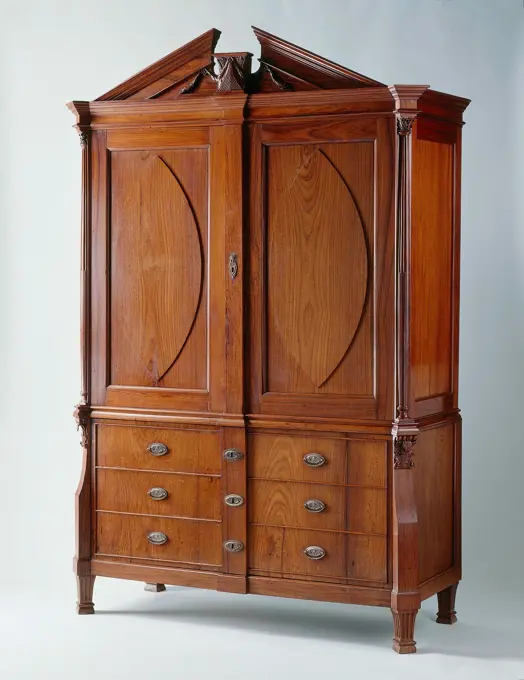
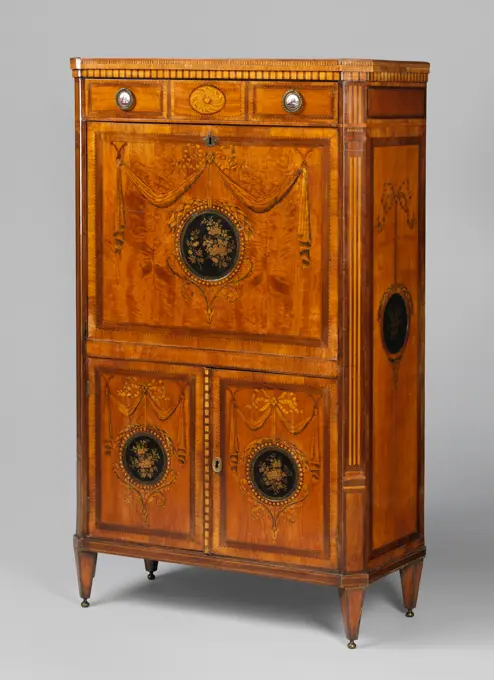
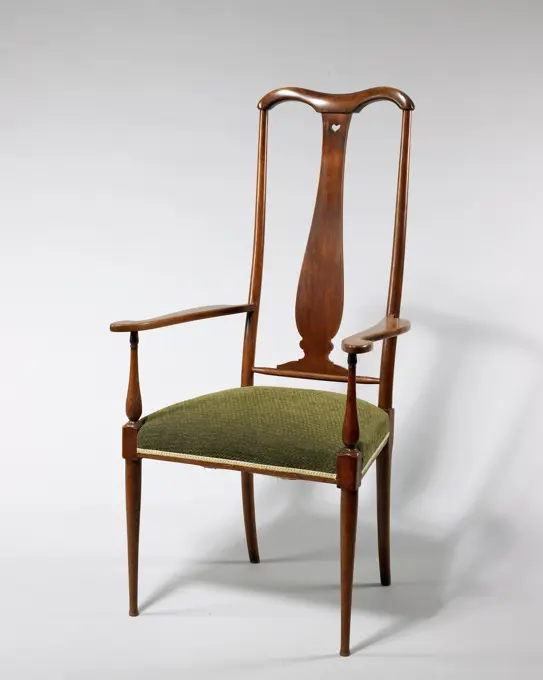
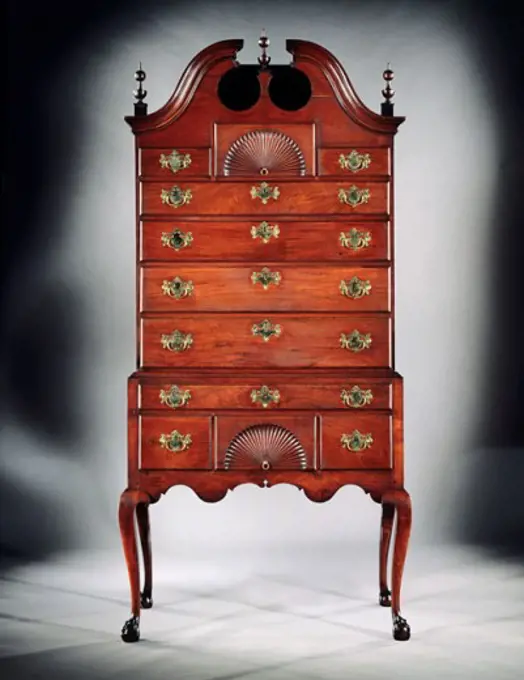
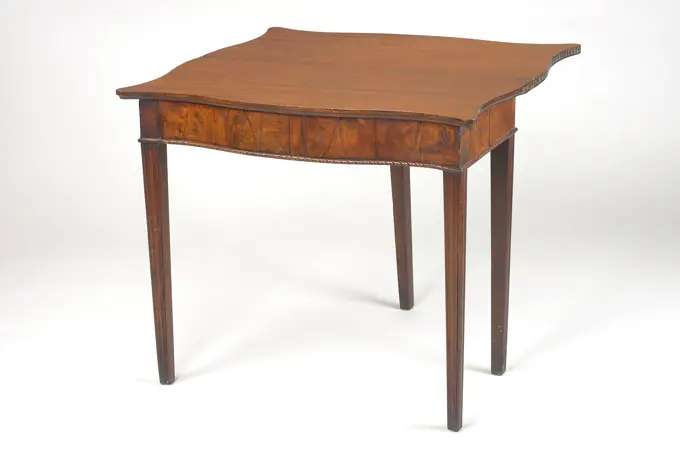
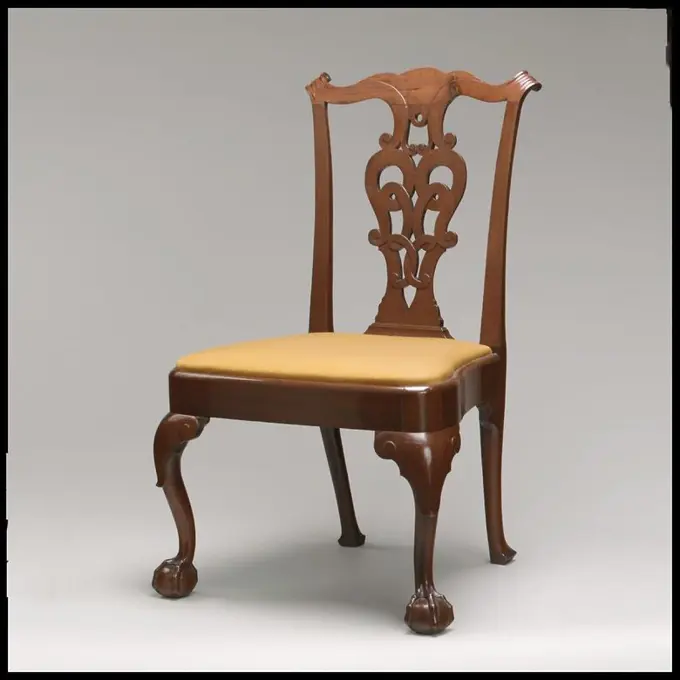
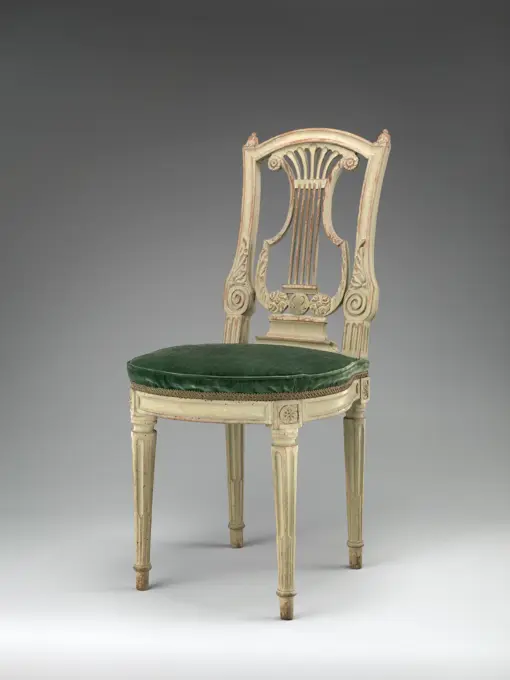
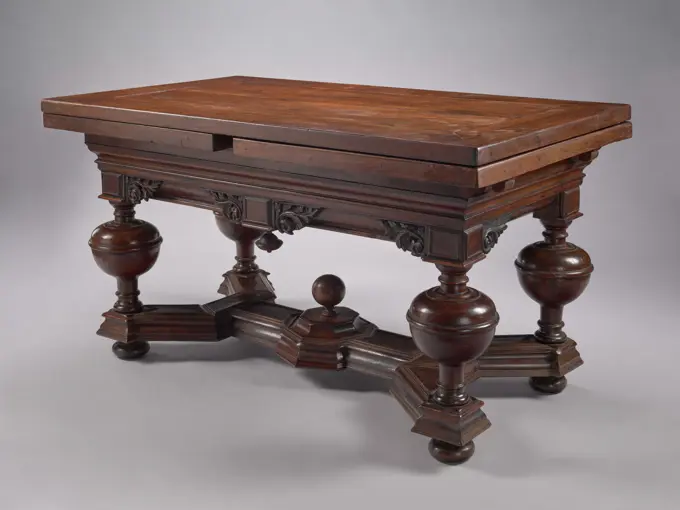
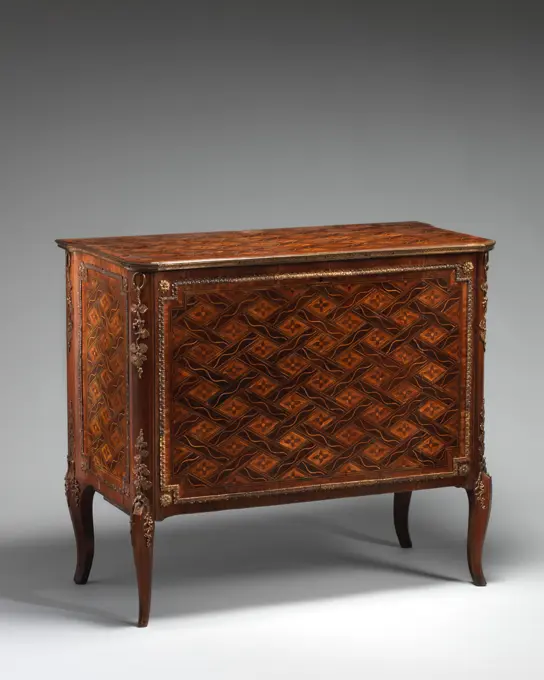
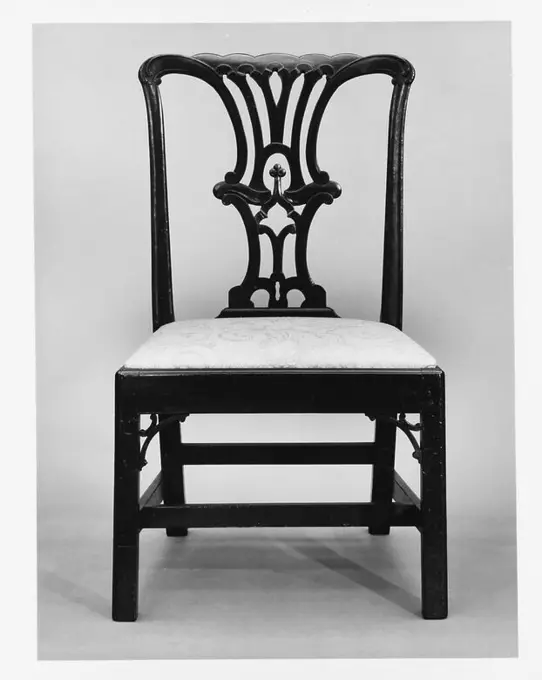
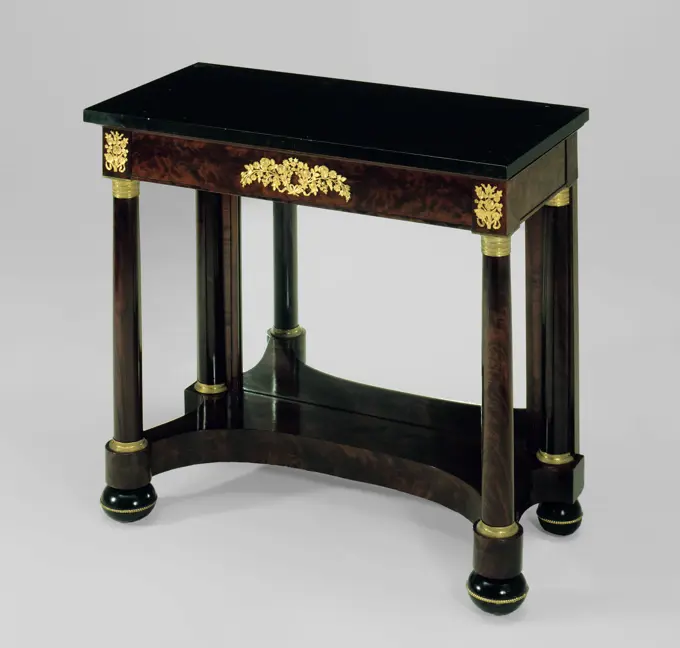
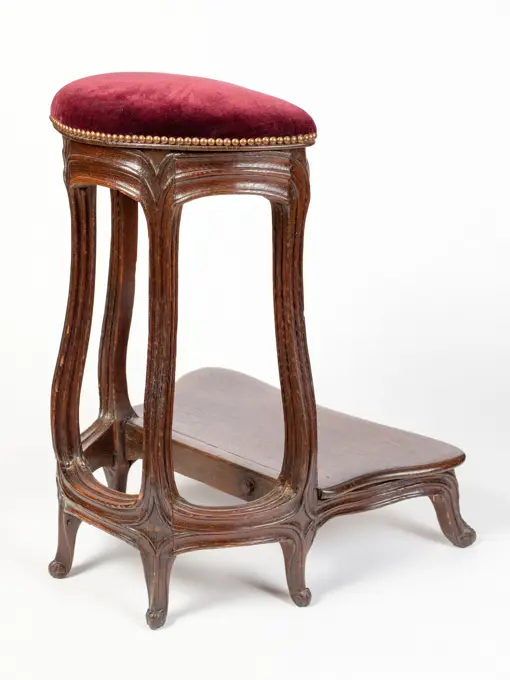
Straight elm wood rococo chair, chair furniture furniture interior design wood elm wood textile, Openwork backrest modern green ripped upholstery on separate seat webbing original Hear at 8035 RococoAnonymous. Pray God. Molded and sculpted natural oak; Garnish: crimson velvet. 1750. Paris, Carnavalet museum. Furniture, furnitureArmchair with Tablet Putti at Vulcan's Forge 1785-1805 England. Beechwood, painted to simulate rosewood and en grisaille; partly gilded; caned seats and seat cushion not original .Side chair, Satinwood with painted decoration, ivory, caned seat, The chair's caned seat is rounded at its corners. Its openwork back has drapery swags joined by small diamond-shaped medallions painted in black and white with cherub figures. The legs taper and are painted with vertical lines and foliage; the back supports are similarly decorated and have ivory finials., England, ca. 1870, furniture, Decorative Arts, Side chairPayed table, anonymous, c. 1600 - c. 1650 Payed table of oak. The legs with vase -shaped sections are connected to the houses at the bottom by profiled sports. The box -shaped upper is wearing flat cushion panels. The front line is decorated on the corner styles and in the middle of the two panels with a pattern of cannelures; A braid tape motif has been applied above and on the panels. At the bottom of the rules is a toothlist. Northern Netherlands wood (plant material). oak (wood) Payed table of oak. The legs with vase -shaped sections are connected to the houses at the bottom by profiled sports. The box -shaped upper is wearing flat cushion panels. The front line is decorated on the corner styles and in the middle of the two panels with a pattern of cannelures; A braid tape motif has been applied above and on the panels. At the bottom of the rules is a toothlist. Northern Netherlands wood (plant material). oak (wood)Chair of nut and beech wood with S-shaped overhoeks placed legs; X-shaped cross with rosette; Cut flower and leaf work, back and seat of reeds, with loose pillow, anonymous, c. 1750 Chair of walnut and beech wood (ameblement) with s-shaped overhoeks placed legs, connected by a flung X-shaped cross with rosette. Rules and sills and legs are decorated with cut flower and leaf motifs. Back and seat of braided reeds. Loose pillow of green Shaved Trijp (Modern). See also: BK-16852-F to P. France wood (plant material). walnut (hardwood). beech (wood). Chair of walnut and beech wood (ameblement) with s-shaped overhoeks placed legs, connected by a flung X-shaped cross with rosette. Rules and sills and legs are decorated with cut flower and leaf motifs. Back and seat of braided reeds. Loose pillow of green Shaved Trijp (Modern). See also: BK-16852-F to P. France wood (plant material). walnut (hardwood). beech (wood).Side Chair. Culture: American. Dimensions: 37 x 20 1/2 x 17 1/2 in. (94 x 52.1 x 44.5 cm). Date: 1660-90.The great rarity of this chair lies in the original wool Turkey-work that covers its seat and back. "Turkey-work" refers to a type of woven fabric with a knotted-and-cut wool pile that was made in England in imitation of Turkish carpets. Used for chairs, cushions, and table coverings, the fabric was exported in matching sets for chairs. The joined frame of this chair was produced in Boston and upholstered there. Decorative fringe once covered the row of nails around the seat and back. Simple chair frames of this sort were also commonly upholstered in leather or plain wool fabric. Museum: Metropolitan Museum of Art, New York, USA.Pair of cardtablesArmchair from painted indonesian wood. Armchair of painted indonesian wood with wicker diamond-shaped seat, resting on overhoeks placed s-shaped legs, connected by an X-shaped cross and ending in balvatted claws. Above the swellings a standing acanthus sheet. The chairman is decorated with acanthus drinks. The corner styles, back style and the cross have twisted sections with houses. Between the styles of the back, a wide-sacrificed middle coaster is arranged, decorated with seedill motifs and a crown. See: BK-16025-A.Armchair from walnut. The furniture is coated and rested on sliced legs, connected by a closed H-shaped cross and a middle front. The armrests have been rolled and finished in a volute with acanthus sheet decorated. The armrest bugs are hurled. The low rectangular back is on struts with a sham slinger. The upholstery of Fraiserood Velor d'Utrecht shows sunflower motifs.Arm chair of brown stained mahogany, Theo Nieuwenhuis, c. 1916 The chair is covered with green woolen Trijp with yellow -brown and purple leaf motifs. The front legs placed overhoek are faint s-shaped; The straight hind legs continue in the backstyles, ending in a volute. The seating rules are profiled at the top and under the rules are corner pieces. The upper sill of the covered back shows a leaf motif in the middle; vaulted sill. The outdoor covered armrests end up in a volute; S-shaped struts. designer: Northern NetherlandsAmsterdamHengelo wood (plant material). mahogany (wood). stain (coating) The chair is covered with green woolen Trijp with yellow -brown and purple leaf motifs. The front legs placed overhoek are faint s-shaped; The straight hind legs continue in the backstyles, ending in a volute. The seating rules are profiled at the top and under the rules are corner pieces. The upper sill of the covered back shows a leaf motif in the middle; vaulted sill. The outdoor covered Gerald Transpota, Hand carved Armchair, c 1937 Hand-carved ArmchairDiningtable. Maker, workshop of probably: Nathaniel Gould, American, 1731-1781Colonial chest of drawers with three drawers, Anonymous, c. 1700 - c. 1800 Commode with three drawers. With brass attached. Indonesia brass (alloy) Commode with three drawers. With brass attached. Indonesia brass (alloy)Chair, Anonymous, 1700 - 1750 Chair of cherry wood with mats seat. The legs, the five sports and the H-shaped cross are turned and exhibit in addition to the two rear sports. The corner styles of the back are crowded column -shaped. The lower and upper sill are scalloped. The upper sill has been awarded a stabbed vase with flowers, flanked by Acanthus-Voluten. The center track has a breach of rosette in the middle and, like the other two styles, is cut out. The corner styles are crowned by vases. Northern NetherlandsNetherlands wood (plant material). cherry (wood) Chair of cherry wood with mats seat. The legs, the five sports and the H-shaped cross are turned and exhibit in addition to the two rear sports. The corner styles of the back are crowded column -shaped. The lower and upper sill are scalloped. The upper sill has been awarded a stabbed vase with flowers, flanked by Acanthus-Voluten. The center track has a breach of rosette in the middle and, like the other two styles, is cut ouSide Chair (Italy); parcel-gilt fruit woodAnonymous. "Houbigant perfume chair". Charm and rosewood; Garnish: Damascus. 1855. Paris, Carnavalet museum. 100080-5 FURNITURE. Armchair with an oval arched backrest and a mats seat. The center shelf is opened in the form of a winch with a coat of arms in which the letters VBH (from Braam Houckgeest) are embossed. A pearl edge on the backrest, the armrests and arm struts; Scanned front legs and rosettes above the legs.Side chair (one of a pair) ca. 1755-60 British The unknown maker of this chair has playfully combined different design ideas by Thomas Chippendale. The back is derived from Chippendales so-called "ribband back chairs" while the fretwork legsare based on his plates for "Chinese chairs." These designs were published in Chippendales The Gentleman and Cabinet-makers Director which appeared in three editions between 1754 and 1762.. Side chair (one of a pair). British. ca. 1755-60. Mahogany; tent stitch embroidery on canvas. Woodwork-FurnitureWork and writing table ca. 1750-60 French. Work and writing table 460637Dressing table, c. 1760-80, The Garvan Carver, American, (Philadelphia, Pennsylvania), active 1750-1770, 31 x 34 x 21 in. (78.74 x 86.36 x 53.34 cm), Mahogany, white pine, and brass (handles), United States, ChippendaleColonial cabinet on open chassis, anonymous, c. 1770 - c. 1790 Colonial cabinet on open chassis. Indonesia . Colonial cabinet on open chassis. Indonesia .Sidechairs. Colonial cylinder agency with brass attachmentFurniture, Anonymous, 1700 - 1800 Cabinet in the miniature of oak -wood glued with root nuts. The lower part has been used and has two large and two small drawers. The upper part has two doors with profiled frames that follow the course of the hood with scalloped and profiled cornice. Copper batter on the doors; On the Laden Copper Trekers and on the two large drawers a copper lock plate. The furniture rests on a scumed foot. Northern Netherlands wood (plant material). oak (wood). copper (metal) Cabinet in the miniature of oak -wood glued with root nuts. The lower part has been used and has two large and two small drawers. The upper part has two doors with profiled frames that follow the course of the hood with scalloped and profiled cornice. Copper batter on the doors; On the Laden Copper Trekers and on the two large drawers a copper lock plate. The furniture rests on a scumed foot. Northern Netherlands wood (plant material). oak (wood). copper (metal)Cabinet on stand. Culture: British. Dimensions: Overall: 62 3/4 × 45 3/4 × 21 in. (159.4 × 116.2 × 53.3 cm). Date: ca. 1700. Museum: Metropolitan Museum of Art, New York, USA.PierTableArm chair of walnut with S-shaped overhoeks placed legs and cutting of flowers and leaves. Back and seat of braided reeds. With loose pillow., Anonymous, 1750 - 1775 Arm chair of nuthout (ameblement) with back and seat of braided reeds. The stretched S-shaped overhoeks placed legs with profiling pass into the sitting window without interruption and are decorated with stuck flowers. Sculpted pre-line with flower and leaf work. Placed backwards army stars S-shaped; Holded armrests ending in Voluten. Top line window with stabbed decoration. With loose pillow. See also: BK-16851-A to H. France wood (plant material). walnut (hardwood). Arm chair of nuthout (ameblement) with back and seat of braided reeds. The stretched S-shaped overhoeks placed legs with profiling pass into the sitting window without interruption and are decorated with stuck flowers. Sculpted pre-line with flower and leaf work. Placed backwards army stars S-shaped; Holded armrests ending in Voluten. Top line window with staChair of Mahoniehout, covered with green Trijp, Anonymous, 1775 - 1800 Chair of Mahoniehout, covered with green trijp, belonging to an ameblement. The hind legs of the conical, scanned legs are backwards. The sitting window is round; The oval hired back window rests on C-shaped struts with acanthus leaf. The front rule and the top sill are decorated with a vase, in the midst of branches with leaves, hung on rings. See also: BK-18323-A/L and M/N. Northern NetherlandsNetherlands wood (plant material). mahogany (wood). Chair of Mahoniehout, covered with green trijp, belonging to an ameblement. The hind legs of the conical, scanned legs are backwards. The sitting window is round; The oval hired back window rests on C-shaped struts with acanthus leaf. The front rule and the top sill are decorated with a vase, in the midst of branches with leaves, hung on rings. See also: BK-18323-A/L and M/N. Northern NetherlandsNetherlands wood (plant material). mahogany (wood).Walnut renaissance armchair, armchair seat furniture interior design wood walnut coniferous brass metal leather, Oak armchair with carved curls in the front and acanthus leaves on the knobs upholstered in black leather in back and seating rule decorative tacks renaissanceSide chair (one of a pair) ca. 1715 Attributed to Richard Roberts British These chairs are part of a large set that included two settees and one winged easy chair, stools, and side chairs, supplied to Sir Robert Walpole, later first Earl of Orford (1676-1745), for Houghton Hall, Norfolk. The attribution to Richard Roberts is based on an account of a considerable debt owed by Walpole in 1729 to a "Thomas Roberts." Thomas Roberts, carver and joiner to the royal household, worked in London under the sign of The Royal Chair until his death in 1714. He was succeeded by Richard Roberts, presumably his son, who was active at the time that Walpole redecorated Houghton Hall.. Side chair (one of a pair). British. ca. 1715. Beech and oak veneered with burl walnut, parcel-gilt; covered in silk velvet. Woodwork-Furniturejoiner, Rococo chair with bird and horse in the backrest, chair furniture furniture interior design wood walnut elmwood burr walnut silk, cut stitched veneered Above the seat is winding fish head on the left Pendant of 80482 debossed number under the seat, V residential interior rococo shippingChair. unknown, creatorSide Chair. Jacob Keller; German, active early 20th century; Gunzenhausen, Germany. Date: 1900. Dimensions: 102.2 x 41.9 x 39.4 cm (40 1/4 x 16 1/2 x 15 1/2 in.). Walnut, caning. Origin: Germany. Museum: The Chicago Art Institute, USA.CardtableSideboard c 1820 Baltimore. Mahogany . Edward PriestleyEikhout chair, on the flat sport a roller work cartouche with the year 1624, Anonymous, 1624 Eikhout chair, resting on legs with house and section, connected by eight sports. At the bottom of the rules a hold toothlist. The backstyles are decorated with interrupted cannelures, above which a dripper, buckle and field with stabbing; To crown vases. The back window carries a flat sport halfway through which, in Marqueterie, wears a rolling cartouche with the year 1624. Above it seven Tuscan columns and two half -columns that wear braid arches; Underneath and on the upper sill decoration in a rolling motif. Northern Netherlands (possibly)Netherlands (possibly) wood (plant material). oak (wood). ebony (wood). rosewood (wood) Eikhout chair, resting on legs with house and section, connected by eight sports. At the bottom of the rules a hold toothlist. The backstyles are decorated with interrupted cannelures, above which a dripper, buckle and field with stabbing; To crown vases. The back windoCream-white Louis Seize medallion armchair painted, medallion chair straight_chair seat furniture furniture interior design wood elm wood paint gold paint rattan silk dam 95,5, Gold colored details rattan seat and back in lines and back carving edge with chalice motif loose silk damask cushion Louis XVI Louis XVI Louis Seize Kralingen-Crooswijk Rubroek Rotterdam Van Rijckevorsel From the estate Rubroec (Rubroek) of the Van Rijckevorsel family.Armpool. Armstoel.Side chair ca. 1870 After a design by Christopher Dresser British, Scottish This ebonized chair with gilt, incised decoration reflects the changes in furniture ornamentation and construction that occurred in the second half of the nineteenth century. Design reformers called for a reduction of heavily carved furniture. Exuberantly rendered naturalistic or architecturally derived decoration that was typical of mid-century furniture was deemed immoral, fallacious, and gaudy-it was also difficult to clean since it trapped dust and dirt. Shallow, incised ornamentation was considered more appropriate.Most commercial furniture decorated with glued, machine-carved elements was objectionable to design reformers. In his effort to reform "bad taste" in furniture design and interior decoration, Charles Locke Eastlake condemned excessive decoration and unnecessary affectation, advocating ornamentation suitable to the object it adorns and insisting that the least amount of embellishment be employed.Chair;  2. PO. 19th century (1851-00-00-1900-00-00);Stool (one of a pair). Culture: British. Dimensions: Overall: 16 1/4 × 27 3/4 × 18 1/4 in. (41.3 × 70.5 × 46.4 cm). Date: ca. 1690.This stool and its mate (58.166.1) were formerly at Drayton House, Northamptonshire, England. Museum: Metropolitan Museum of Art, New York, USA.Rising sidetableSlate Table. Culture: American. Dimensions: 28 1/2 x 35 1/8 x 25 in. (72.4 x 89.2 x 63.5 cm). Date: 1715-35.This table is distinguished for combining an imported Swiss top with an American- made base. The octagonal top's slate center is framed by a marquetry border with heraldic motifs in a style characteristic of workshops in eastern Switzerland. The piece may have been used as either a dressing table or a serving table. Museum: Metropolitan Museum of Art, New York, USA.Armchair. unknown, creatorChair of Mahoniehout, covered with green Trijp, Anonymous, 1775 - 1800 Chair of Mahoniehout, covered with green trijp, belonging to an ameblement. The hind legs of the conical, scanned legs are backwards. The sitting window is round; The oval hired back window rests on C-shaped struts with acanthus leaf. The front rule and the top sill are decorated with a vase, in the midst of branches with leaves, hung on rings. See also: BK-18323-A/I and K/N. Northern NetherlandsNetherlands wood (plant material). mahogany (wood). Chair of Mahoniehout, covered with green trijp, belonging to an ameblement. The hind legs of the conical, scanned legs are backwards. The sitting window is round; The oval hired back window rests on C-shaped struts with acanthus leaf. The front rule and the top sill are decorated with a vase, in the midst of branches with leaves, hung on rings. See also: BK-18323-A/I and K/N. Northern NetherlandsNetherlands wood (plant material). mahogany (wood).High back armchair, covered with red Trijp, Pierre Joseph Hubert Cuypers, 1850 - 1860 High back arm chair, covered with red trijp. Roermond oak (wood) High back arm chair, covered with red trijp. Roermond oak (wood)TableSide Chair (Italy); Attributed to Carlo Zen (1851-1918); fruitwood, mother-of-pearl, brass, white metal, cotton velvet upholsterySide Chair 1675-1700 American. Side Chair 1540ArmchairArmchairChair in Neo Renaissance style with raised parts and with coated seat. Armchair belonging to a set of three chairs and an armchair of walnut with a coated seat. The swapped legs are connected by a hurryed H-shaped cross and a prescribed presence. The coated back window rests on articulated struts. The armchair has circled armrests and armrests. See: BK-1959-116-a / d.Side Chair. Culture: American. Dimensions: 32 1/4 x 21 3/4 x 18 3/8 in. (81.9 x 55.2 x 46.7 cm). Date: 1810-20. Museum: Metropolitan Museum of Art, New York, USA.Cabinet Van Notenhout, Anonymous, 1500 - 1600 Cabinet of nuthout, decorated with carrot nut wood. The pedestal, the center of the door, the two corner styles and the top line, with a loading in the middle, show smoothly, root nuts -glued fields inside profile frames. The leaf has a profiled edge, the sides smooth fields inside profile frames. The door runs on rings and, like the drawer, has a copper button. The bobbins have been partially renewed. Italy wood (plant material). walnut (hardwood). maple (wood). pine (wood). copper (metal) Cabinet of nuthout, decorated with carrot nut wood. The pedestal, the center of the door, the two corner styles and the top line, with a loading in the middle, show smoothly, root nuts -glued fields inside profile frames. The leaf has a profiled edge, the sides smooth fields inside profile frames. The door runs on rings and, like the drawer, has a copper button. The bobbins have been partially renewed. Italy wood (plant material). walnut (hardwood). maplSide chair, wood (oak), France, possibly ca. 1650, furniture, Decorative Arts, Side chairSideChairArmchair ca. 1843 Auguste-Emile Rinquet-Leprince French In the 1840s, many well-to-do New Yorkers preferred French furniture to that made in their native city. In 1844, Mrs. Samuel Jaudon of New York wrote to her friend Mrs. James C. Colles that "we on this side feel as if everything is so much handsomer, and better, and desirable that comes from Paris." Upon orders from New York clients, Parisian cabinetmaker and decorator Ringuet-Leprince shipped entire rooms of furniture, carpets, looking glasses, wallpapers, decorative objects, and sculpture. This side chair is part of a formal drawing room suite that was custom-made by Ringuet-Leprince as part of a suite for the abovementioned Colles family. The suite includes a pair of sofas, four armchairs, four side chairs, a firescreen, and a table (see 69.262.1-10). In 1850, the Colles' daughter, Frances, married John Taylor Johnston, a New York railroad executive who later served as the first president of The Metropolitan Museum of Art froHigh-Back Windsor Chair. American; Philadelphia, Pennsylvania. Date: 1755-1765. Dimensions: 109.2 × 65.7 × 43.2 cm (43 × 23 7/8 × 17 in.). Walnut. Origin: Philadelphia. Museum: The Chicago Art Institute, Chicago, USA.Djatihout armchair covered with red velor, anonymous, 1815 - 1840 Djatihout armchair covered with red velor. The furniture rests on two front legs in the form of lion legs decorated with leaf motifs and two rear legs with 'cheeks' in the form of volutes decorated with a leaf. The hind legs turn into the curved styles of the back that curls backwards at the top and are connected by an lower and upper sill. The straight, covered arms are connected to the back by volutes decorated with an acanthus leaf and resting on S-shaped struts, cut on the outside with a leaf and ending in a ribbed volute with a rosette on both sides. Indonesia wood (plant material). velvet (fabric weave) Djatihout armchair covered with red velor. The furniture rests on two front legs in the form of lion legs decorated with leaf motifs and two rear legs with 'cheeks' in the form of volutes decorated with a leaf. The hind legs turn into the curved styles of the back that curls backwards at the top and are connected byGothic Windsor armchair (one of a pair) ca. 1760s British, Thames Valley Quintessentially English country furniture, this pair of Windsor armchairs (see also 2016.250) is a variant of the more traditional bow-back design. With its pointed arch-shaped back and openwork splats displaying Gothic tracery, these chairs beautifully reflect the Gothic taste which became fashionable in England in the middle of the 18th century.. Gothic Windsor armchair (one of a pair). British, Thames Valley. ca. 1760s. Elm, yew, possibly cherry. Woodwork-FurnitureChair. unknown, authorArmchair (one of a pair). Culture: British. Dimensions: Overall: 37 3/4 × 32 × 30 1/2 in. (95.9 × 81.3 × 77.5 cm). Date: ca. 1740. Museum: Metropolitan Museum of Art, New York, USA.William Sanders, Jacobean Chair table, 1935 1942 Jacobean Chair-tableLyre-Based Card Table with Lion SupportsSlant-Front Desk Made 1715-1725 Germany. German cabinetmaker Heinrich Ludwig Rohde worked in Mainz, a prosperous university town on the Rhine River. As court cabinetmaker to Elector Lothar Franz Schˆnborn, Archbishop of Mainz and Prince of the Holy Roman Empire, Rohde was responsible for much of the decoration at the Schˆnbornís sumptuous palace at Pommersfelden, from the marquetry floors and mirrored cabinets to the porcelain-decorated rooms.The marquetry incorporates varieties of wood that would have been readily available in Germany, like maple, walnut, spruce, and oak, as well as costly imported materials like mahogany and amaranth. They are finely pieced together in geometric and naturalistic patterns; at the center of the fall front is a salamander, a creature able reputed by myth to be invulnerable to fire. An unusual motif, it probably held some kind of significance for the deskís original owner.ó About This Object, European Decorative Arts LaunchPad app. Marquetry with maple, Game table;  1745-1770 (1745-00-00-1770-00-00);gamesFurniture. Chair from mahogany children's family celebration consisting of three chairs and two armchairs. The round front legs are decorated with turning and with a border of semicircular profiles. The label-shaped hind legs run over in the back window with curved styles and upper spray and with an intermediate rule, decorated with symmetrically placed leaf classes, between which a vertically profiled lock piece. The S-shaped armrests and struts end in a volute; The underside of the struts wear semicircular profiles. Clad seat.Side chair, c. 1825, Lambert Hitchcock, American, Hitchcocksville Riverton, Connecticut, est. 1818, 35-5/16 x 17-3/4 x 17 in. (89.7 x 45.1 x 43.2 cm), Wood, rush, pigment, United States, 19th century, Lambert Hitchcock has emerged as one of the most famous entrepreneurs in America through his chair manufactory, which he established in 1818 near Hartford, Connecticut. By the 1830s, Hitchcock annually sent upwards of 15,000 chairs to furniture retailers throughout New England and the South. He advertised his firm by stenciling his name on the back seat rail of chairs produced at his factory.Chest of Drawers. Culture: American. Dimensions: 90 x 44 x 22 1/4 in. (228.6 x 111.8 x 56.5 cm). Date: 1730-60.In the 1730s, Boston cabinetmakers transformed the traditional flat-top, turned-leg William and Mary-style high chest into the scroll-top, cabriole-leg Queen Anne version. The best examples of this uniquely American design, such as this high chest and its related dressing table (10.125.72), have carved and gilded shells and delicate inlaid compass stars on the pediment and case sides. Museum: Metropolitan Museum of Art, New York, USA.Pier Table. Culture: American. Dimensions: 37 x 43 x 20 1/8 in. (94 x 109.2 x 51.1 cm). Maker: Joseph Meeks & Sons (American, New York, 1829-35). Date: 1829-35.By the early 1830s, simpler Grecian-style furniture with rich mahogany and rosewood veneers and exuberant scrolled supports characterized a new direction in American furniture. Popular in the nation's drawing rooms through the 1840s, pier tables like this one were invariably displayed in tandem with a tall, gilded looking glass to create the effect of a continuous mirrored surface that extended the space of the interior and reflected light back into the room. Museum: Metropolitan Museum of Art, New York, USA.. Cabinet of tropical wood (Sono King) Inlaid with ebony, with batter of silver. The rectangular furniture is divided into an undercase and a floor cupboard. The base cabinet has two devices, treated as two x three drawers, separated by a middle style, and overhoeks placed corner styles on conical, rejuvenating legs. The upper cupboard has two doors behind which shelves. The right door is closed by the middle style. Both doors have a deepened panel with a spindle in ebony. Corinthic pilasters placed on both front corners of the upper cupboard overhoek. The cabinet is crowned by a frontone, broken in the middle by a vase on a pedestal whose laurelinger depends. Lock plates and tractors of silver.Secretary decorated with marquetery of different types of wood. Secretary glued with multiple types of wood on an oak core. The beveled corner styles on the front show a basement, fluted pilaster and triglieth. Above the valve a tray with three fields; Midfield with rosette and the side fields with gold-plated copper tractors with enamelled plates. The squares, valve and sides exhibit round paint panels with flowers surrounded by a pearl edge, laurel wreath and leaf volutes. The panels hang on a drapery with bow, held by loops.SideChair. Maker, attributed to: Herter Brothers, American, 1864-1906Chair with S -shaped legs placed overhoeks on Bokhoeven, Anonymous, 1740 - 1760 Chair belonging to ameublement consisting of six covered walnut chairs and one arm chair, resting on overhoek-placed stretched s-shaped legs on boxing farms, which turn into the sitting window. The rounded, sculpted, sitting window has decorated decorations in floral pattern; As well as the upper sill of the elongated covered back window that is slightly sculpted from below and from the side. The stretched S-shaped armrests are supported by stretched out-in-backed S-shaped struts with volute and acanthus leaf decorations. Northern Netherlands (possibly) wood (plant material). walnut (hardwood). textile materials Chair belonging to ameublement consisting of six covered walnut chairs and one arm chair, resting on overhoek-placed stretched s-shaped legs on boxing farms, which turn into the sitting window. The rounded, sculpted, sitting window has decorated decorations in floral pattern; As well as the upper siBrussels' armchair, c. 1901, George Walton, Scottish, 1867-1933, 48 x 24 x 20 in. (121.92 x 60.96 x 50.8 cm), Walnut, upholstery, England, 19th-20th century, Architect and interior designer George Walton studied at the Glasgow School of Art before establishing a design firm in Glasgow in 1888. He decorated numerous homes and businesses in the Glagow area, including the Argyle Street tea-room and the Buchanan Street tea-rooms with Charles Rennie Mackintosh. Walton moved to London in 1897and from 1898 to 1902 he designed furnishings and shop-fronts for branches of the Kodak Camera Company in Brussels, Glasgow, Milan, Moscow, Leningrad, Vienna, and London, including this armchair for the Brussels shop.Chippendale Mahogany Bonnet-Top Highboy Antiques Chair (one of a pair) ca. 1688-1702 British. Chair (one of a pair). British. ca. 1688-1702. Walnut, cane. Woodwork-FurnitureCard table, c. 1800, 29-7/16 x 34 x 15-3/4 in. (74.8 x 86.4 x 40.0 cm), Mahogany and pine, United States, 18th-19th centuryClose-up of a writing desk, FranceSide Chair. Culture: American. Dimensions: 38 1/2 x 24 1/2 x 21 3/4 in. (97.8 x 62.2 x 55.2 cm). Date: 1760-90.These chairs, from an original set of twelve, along with a settee (39.184.2) and a card table (39.184.12), descended en suite in the Verplanck family. Queen Anne features--the heavy walnut frame, balloon-shaped seat, and absence of Rococo carving--suggest that the set was made for Samuel Verplanck shortly after his return from Holland in 1763 with his bride, Judith Crommelin. Museum: Metropolitan Museum of Art, New York, USA.Table, oval, with white marble leaf. Stretched S-shaped legs. Decorated with Marqueterie with flower and leaf motifs, Anonymous, 1750 - 1775 Table decorated with marqueterie in pink, rosewood and satin wood and other types of wood. The oval furniture rests on stretched S-shaped legs, flattened at the top and connected by a kidney-shaped leaf. The legs are decorated with leaf motifs; Rosettes have been applied above the legs. The rules show windows with rosettes, which are also visible on either side of an oval field with flowers. This leaf and the white marble top wear a gallery on three sides. On the right a drawer. France wood (plant material). rosewood (wood). pine (wood). boxwood. maple (wood). purpleheart (wood). bronze (metal). marble (rock) gilding Table decorated with marqueterie in pink, rosewood and satin wood and other types of wood. The oval furniture rests on stretched S-shaped legs, flattened at the top and connected by a kidney-shaped leaf. The legs are decorated with leHepplewhite Side Chair, c. 1800, 38 1/2 x 21 x 18in. (97.8 x 53.3 x 45.7cm), Mahogany, maple, pine, United States, 18th-19th centurySide chair (one of a pair) ca. 1780 French One of a pair of elegant and light side chairs in the neoclassical style. Each with a shaped back framing a pierced lyre-form splat over a horseshoe shaped seat upholstered in green velvet. The chairs are supported on fluted round tapering legs. Chairs with lyre-shaped backs became quite fashionable during the late eighteenth century continued to remain popular in the nineteenth century. Although this pair is unsigned, identical chairs were made by Georges Jacob (1739-July 5, 1814), one of the most prominent Parisian menuisiers. Given their scale, this pair may have been used in one of the smaller private rooms or possibly in a music salon. They were part of the model collection of woodwork, paneling and seat furniture of Maison Leys, a successful decorating business, located at the Place de la Madeleine in Paris. Since 1885 the business was directed by Georges Hoentschel who installed the collection in 1903 in a museum-like display at BoulevaOval table ca. 1774-80 Attributed to David Roentgen German The small table, called in contemporary inventories table à la Caunitz, is fitted with a concealed front drawer enclosing a leather-covered writing slide and short drawers. When pulled out a mechanical device releases side compartments with small drawers. The legs are detachable for traveling.. Oval table 202147Furniture. Chair of mahogany, gloved locally with different types of wood, resting on two conical front legs and two backpened back legs. The chair is part of an amele. The back that consists in the middle of five, connected by boocks, bars is raised in the middle of the upper solid. The leather upholstery of the seat is nailed. A letter is stamped under the sitting room of several seats. See also: BK-16144-A / F and H / N.Rosalie, Laminated rosewood, hardwood, cotton upholstery, metal, Upholstered, laminated rosewood back in kshape of inverted pear, topped by carved flowers-and-fruit garland; elongated S-scroll on each side of back. Upholstered spring seat on rosewood frame with serpentine front, cabriole forelegs with slipper seat, scrolled at each side, on tapered supports; reverse-curve rear legs; casters., New York, New York, USA, ca. 1850, furniture, Decorative Arts, Side chair, Side chairStadhouders chair with crowned weapon province of Groningen, Anonymous, 1766 - 1767 Stadholder's chair of nuthout, covered with red velvet, resting on S-shaped legs. The armrest pits and armrests are S-shaped. The top sill of the high back has the crowned weapon of the province of Groningen in the middle, placed on a rocailleschelp. On the back, the Wapen van Oranje-Nassau is embroidered in relief, surrounded by a flower wreath in silver wire. Hereby a separate pillow (inv. No. BK-NM-1138) and a footstool (inv.no. BK-NM-1139). Coming from the Provincial Court in Groningen. The Hague wood (plant material). elm (wood). stoffering: silver thread. stoffering: velvet (fabric weave)   Groningen Stadholder's chair of nuthout, covered with red velvet, resting on S-shaped legs. The armrest pits and armrests are S-shaped. The top sill of the high back has the crowned weapon of the province of Groningen in the middle, placed on a rocailleschelp. On the back, the Wapen van Oranje-Nassau is embroidCabinet. unknown, creatorCommode, c. 1800, 39 x 54 x 30 3/4 in. (99.06 x 137.16 x 78.11 cm), Cherry, walnut, Atlantic cedar, white pine, United States, 18th-19th centuryNicholas Gorid, Side Chair, 1937 Side ChairCard table. unknown, contractorChair of beech wood with scanned legs and with cutting work, covered with blue -green sheet with an embroidered coat of arms on the back with Dutch lion, crown and spell, Adam Struys, c. 1815 Nutenhouten chair with upholstery of blue -green sheet, decorated on the back with an embroidered coat of arms with a Dutch lion, a royal crown and a spell. The conical -caneled legs, decorated with chalice leaves, are stripped at the top, above which a crown that carries the corner voltutes of the trapezoidal sitting window. H-shaped cross with leaf motifs, just like on the rules, and a rosette. High back window on decorated struts with bent styles and sill; Semi -round top sill with volutes and wreath. The Hague wood (plant material). walnut (hardwood). cloth. beech (wood) Nutenhouten chair with upholstery of blue -green sheet, decorated on the back with an embroidered coat of arms with a Dutch lion, a royal crown and a spell. The conical -caneled legs, decorated with chalice leaves, are strippeTable. unknown, creatorCommode (one of a pair) (part of a set) ca. 1772 British Fuhrlohg, a Swedish-born cabinetmaker, trained in Paris before moving in 1767 to London, where he made marquetry decorated furniture strongly influenced by French transitional forms. Sets of three commodes are extremely rare in eighteenth-century English furniture; this is the only known set by Fuhrlohg. The central medallion, showing a seated muse, is based on The Triumph of Venus by Angelica Kauffmann (1741-1807).. Commode (one of a pair) (part of a set). British. ca. 1772. Marquetry of various woods, bronze and gilt-bronze mounts. Woodwork-FurnitureSmall octagonal table early 20th century () Italian or American. Small octagonal table 460607Side Chair. Culture: American. Dimensions: 37 7/8 x 22 x 20 1/4 in. (96.2 x 55.9 x 51.4 cm). Date: 1765-90. Museum: Metropolitan Museum of Art, New York, USA.Pier Table c 1813-1825 Boston. Mahogany, mahogany veneer, chestnut, pine, black marble, ormolu, and brass . Thomas EmmonsDoll chair -Jean Caumont. Convenient. Building: oak, conifer (all crosspieces have been redone in beech); Placing of rosewood, amaranth, holly dyed of various colors, maple tobacco -palisand tabac, (presence of alisier on the sides, posterior catering); gilded bronze; Veined gray marble (Turquin blue, Bardiglio, Italy), around 1775. Paris, Carnavalet museum. 77809-31 Alisier, amaranth, bardiglio, turquin blue, rosewood, bronze, oak, conifre, gilding, gilding, louis xvi time, maple, heter, holms, vein gray, marker, furniture, decorative motif, louis xvi style, urn, Vase, 18th century, wood, dresser, furniture, plate