Antique Wooden Furniture

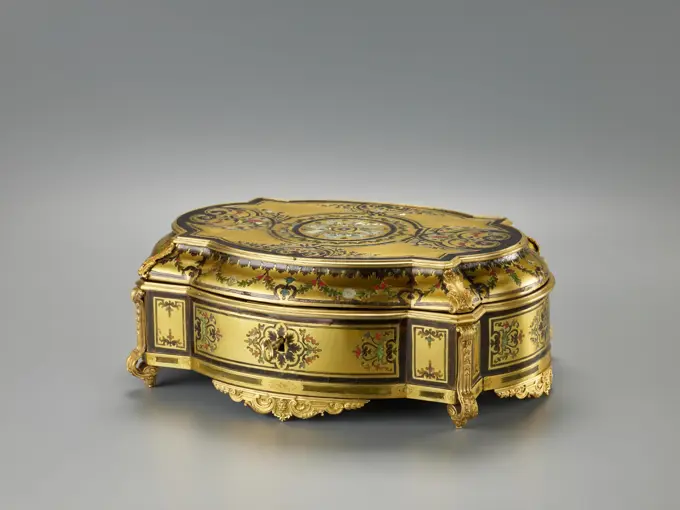
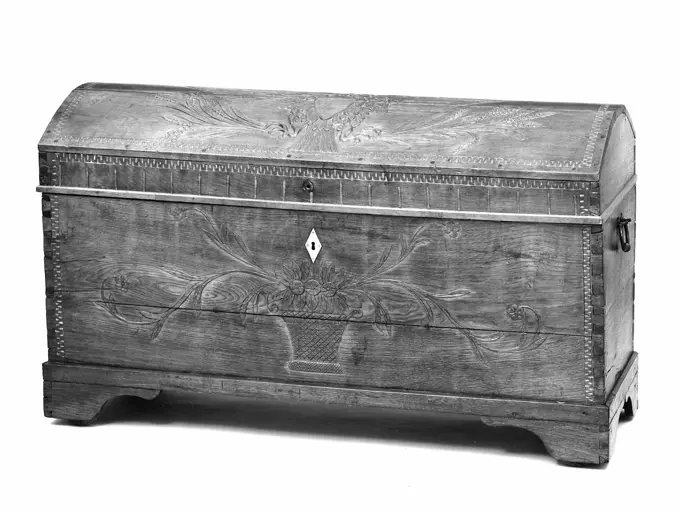
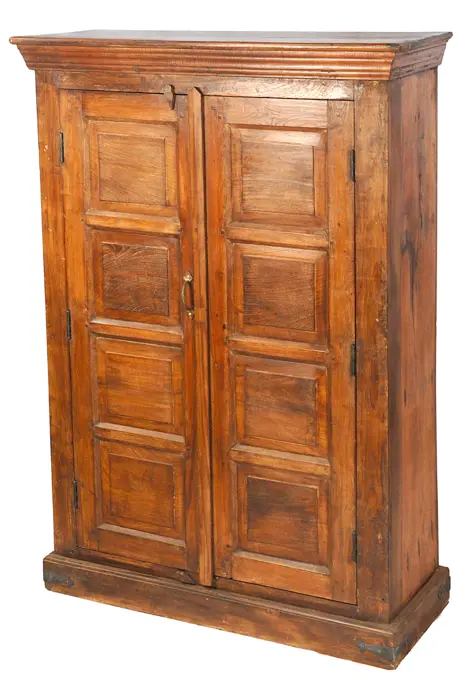
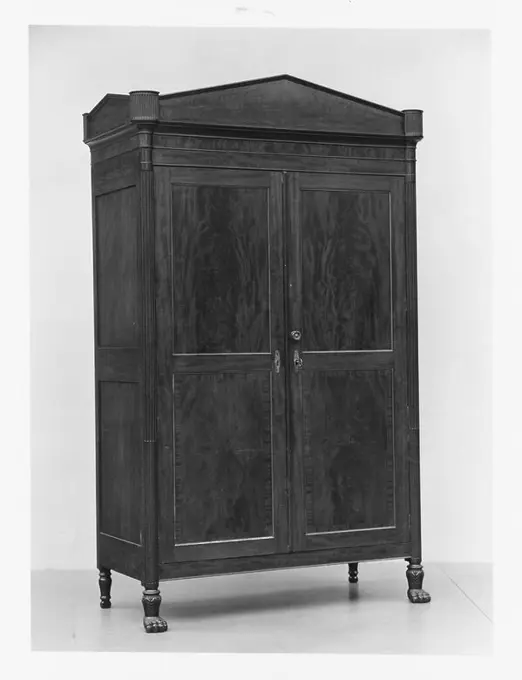
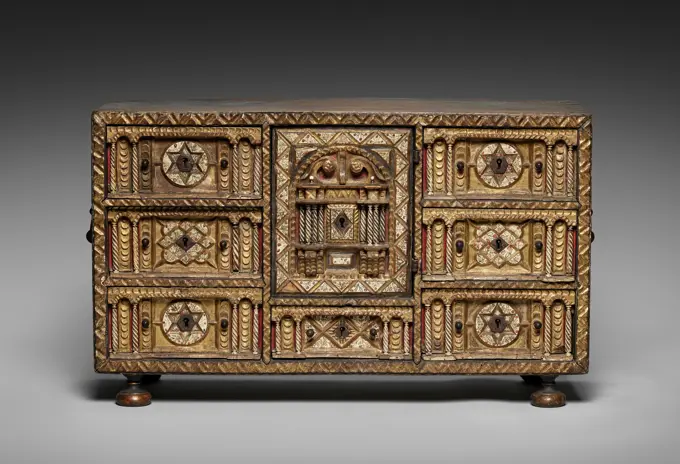
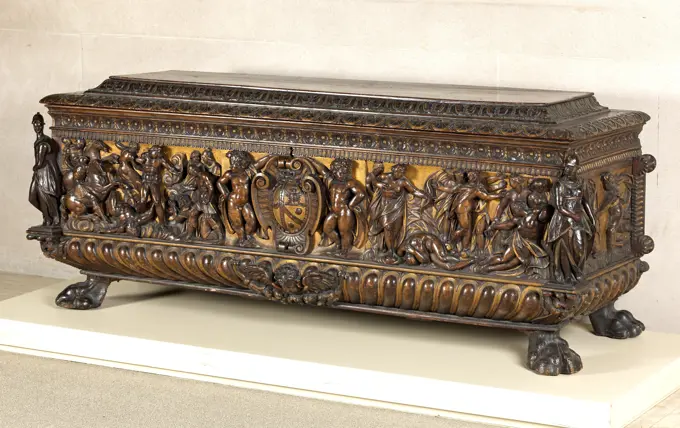
Collection of beautifully crafted wooden furniture pieces, including a chest and cupboard, showcasing intricate carvings and rich materials from British and Northern Netherlands cultures.

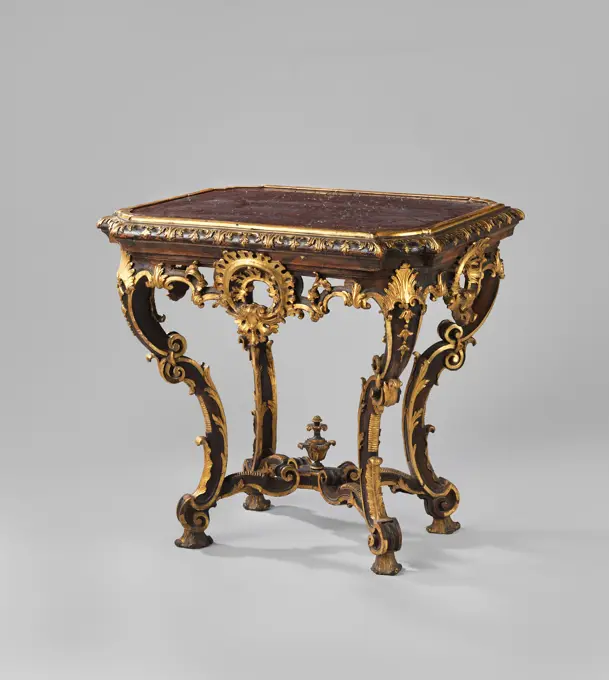
Table; Giuseppe Maggiolini, Italian, 1738 - 1814; Italy, Europe; late 18th century; Walnut and rare wood veneer; Object: H:  84 x W:  110 x D:  74 cm (2 ft. 9 1/16 in. x 3 ft. 7 5/16 in. x 2 ft. 5 1/8 in.)
Table; Giuseppe Maggiolini, Italian, 1738 - 1814; Italy, Europe; late 18th century; Walnut and rare wood veneer; Object: H: 84 x W: 110 x D: 74 cm (2 ft. 9 1/16 in. x 3 ft. 7 5/16 in. x 2 ft. 5 1/8 in.)
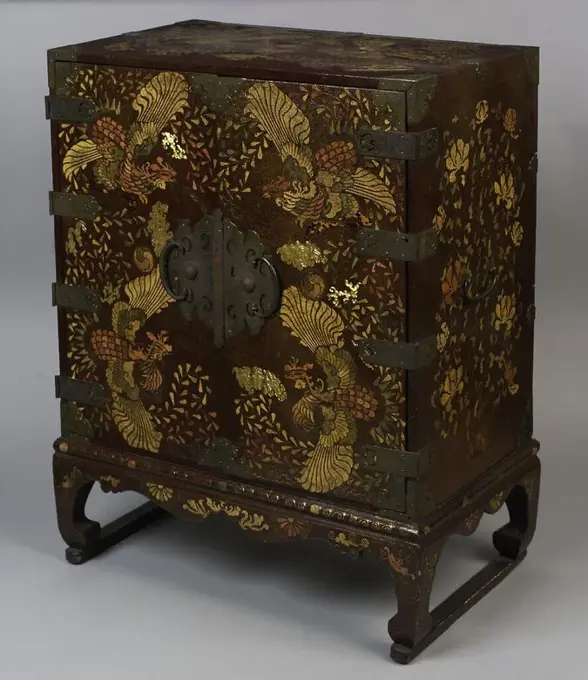
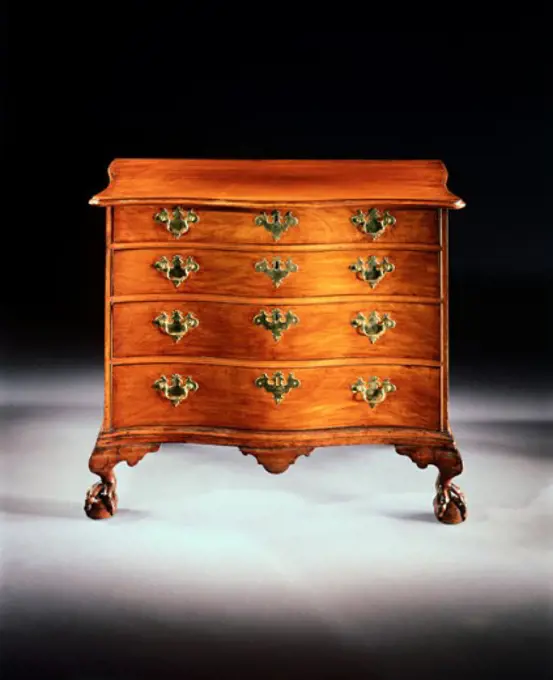
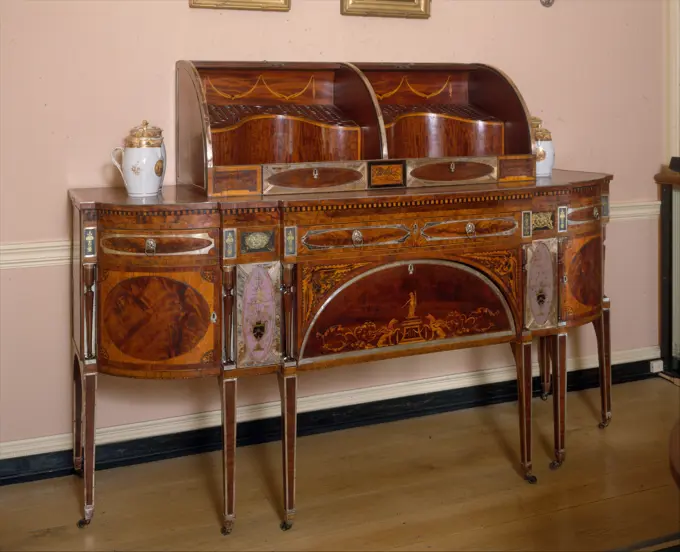
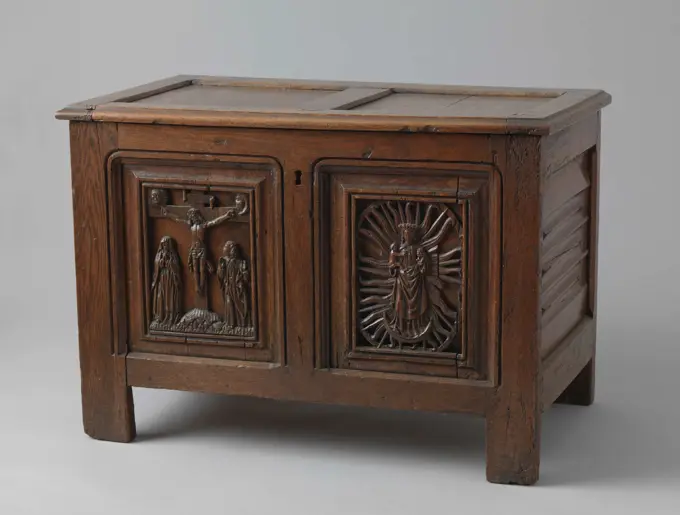
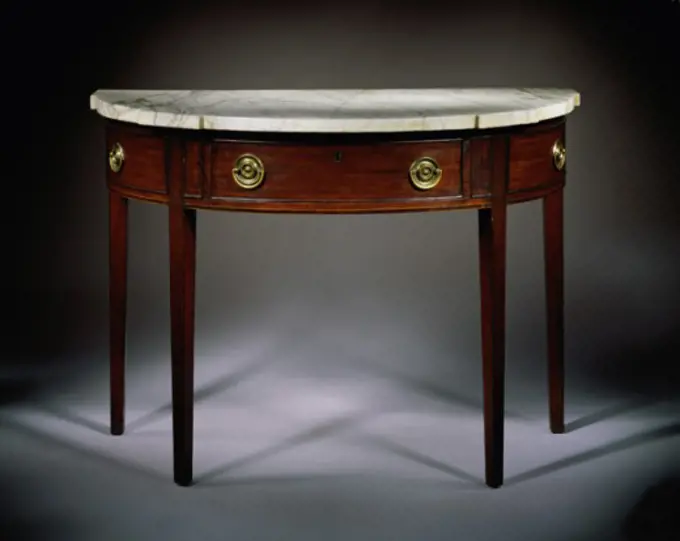
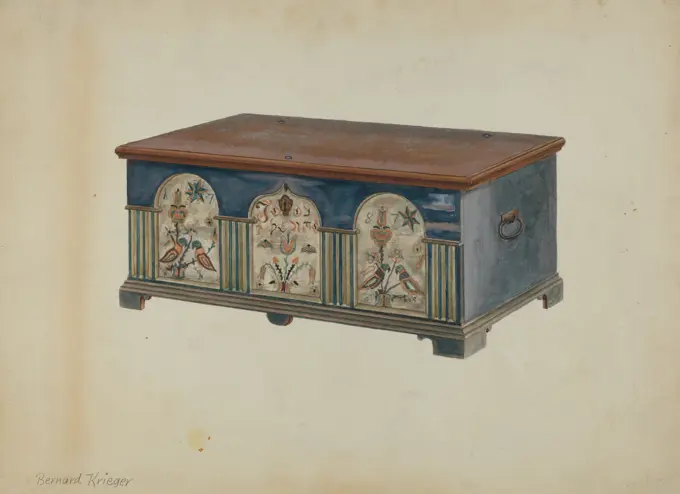
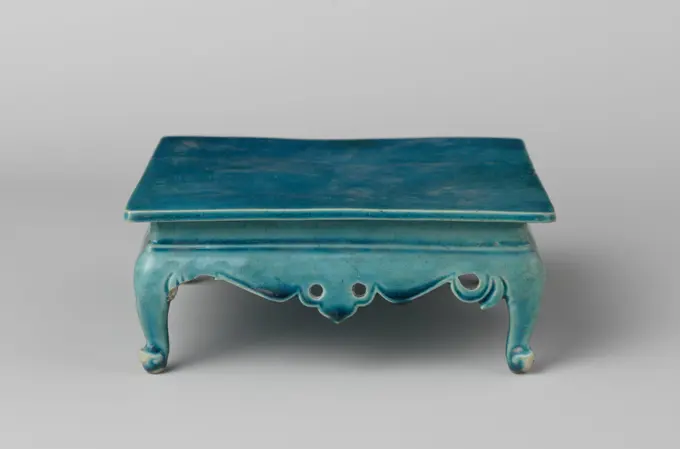
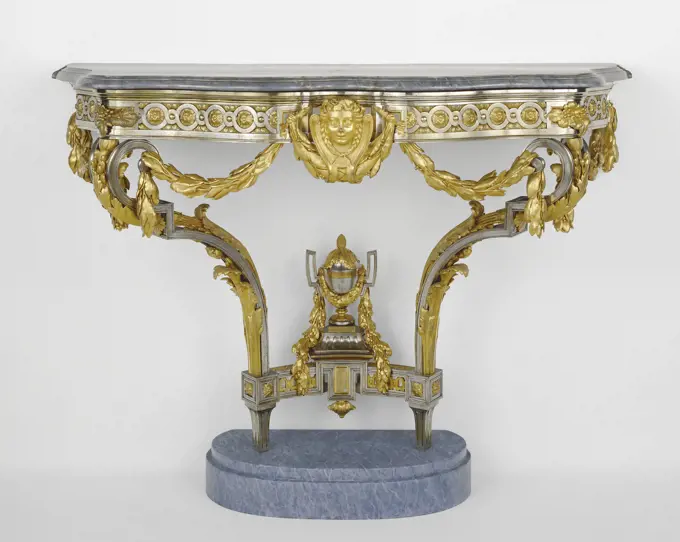
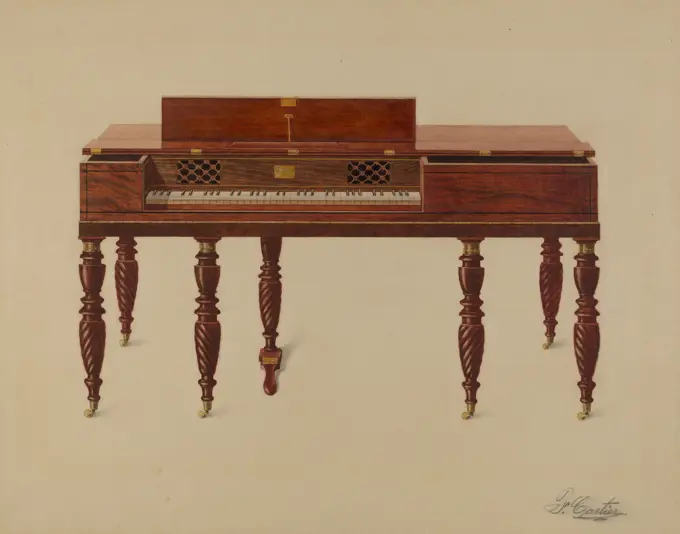
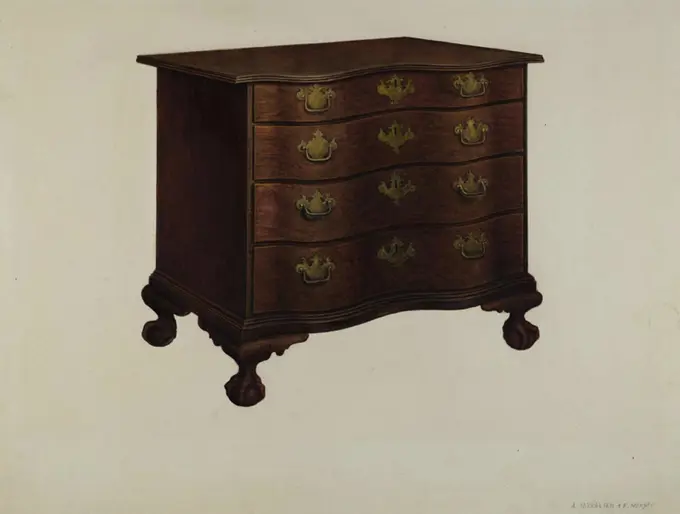
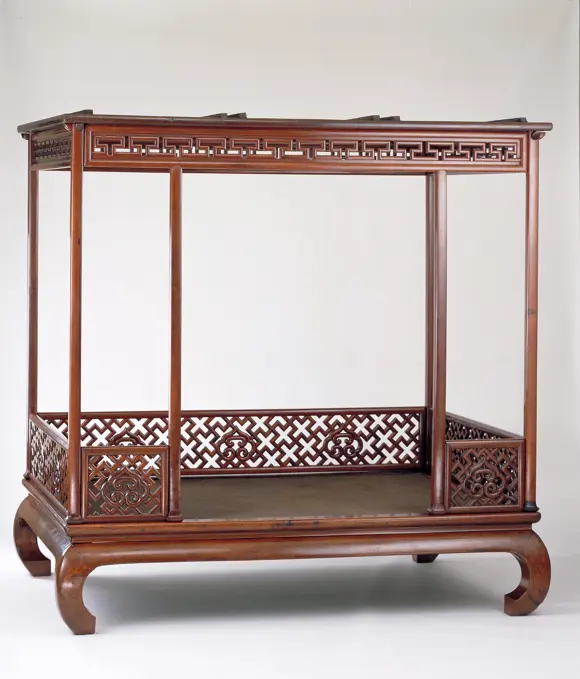
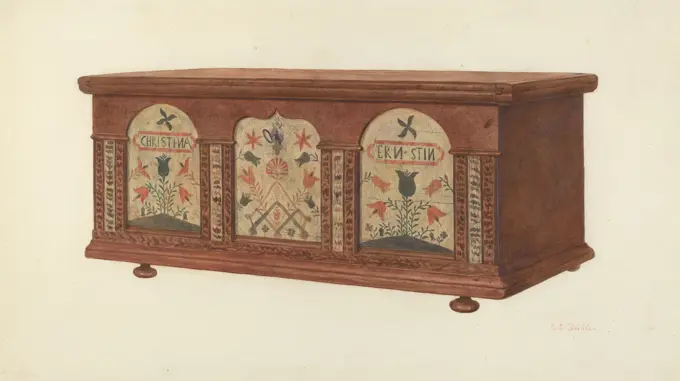
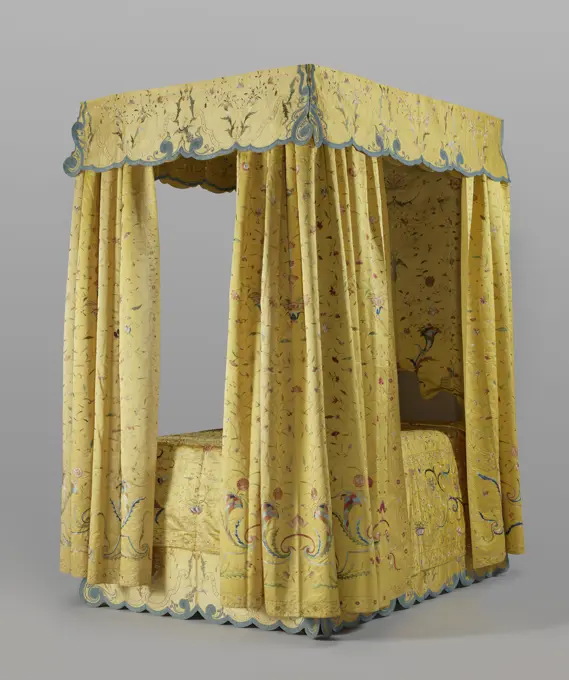
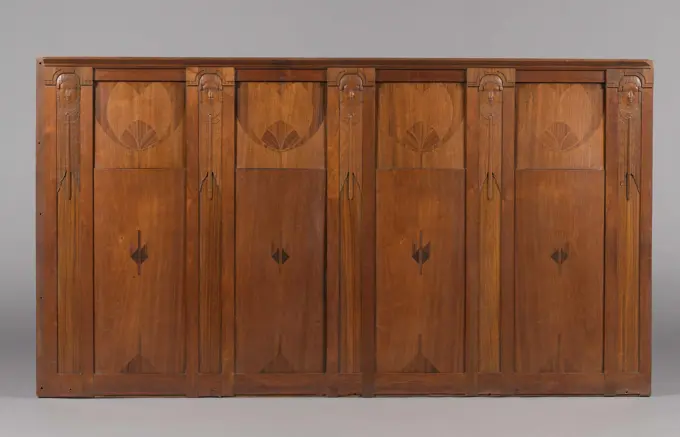
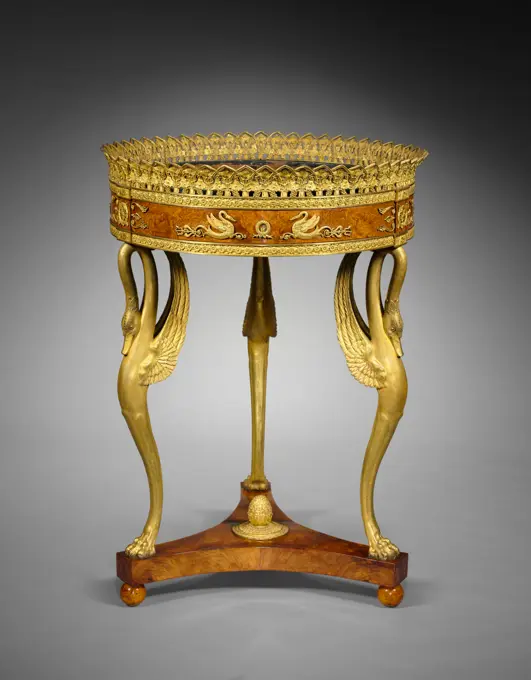
Flower Stand (Jardinière), c. 1800. Pierre Philippe Thomire (French, 1751-1843). Wood with gilt bronze mounts; overall: 104.8 x 74.3 cm (41 1/4 x 29 1/4 in.). Thomire was the most productive and famous bronze caster in Paris around 1800. The border of this flower stand was cast from the same molds used for a centerpiece signed by Thomire; therefore, the stand can safely be presumed to have been produced by Thomire as well.Pa. German Dowry Chest. Dated: 1935/1942. Dimensions: overall: 27.9 x 39.5 cm (11 x 15 9/16 in.) Original IAD Object: 50 3/4" long; 23 1/2" wide; 22 1/2" high. Medium: watercolor, graphite, and gouache on paper. Museum: National Gallery of Art, Washington DC. Author: American 20th Century.Chest. Culture: Korea. Dimensions: H. 34 in. (86.4 cm); W. 27 5/8 in. (70.2 cm); D. 16 3/4 in. (42.5 cm). Date: early 20th century.Given the phoenix motif and the bright colors of the decoration, this lacquered wood chest was likely used by a woman in an elite household. Museum: Metropolitan Museum of Art, New York, USA.Tabletop from table on four broken S-shaped legs. Tabletop of table resting on four broken S-shaped legs, connected by a cross, formed by four volutes and crowned in the middle by a sliced vase. Marble top.Arqueta amatoria, siglo XV. Colección privada.Chippendale Mahogany Chest of Drawers ca. 1770 Antiques Sideboard ca. 1795-1805 American Unknown in American homes prior to the 1790s, the sideboard quickly became an essential component of the fashionable dining room. It provided space for the storage and display of expensive silver flatware, porcelain, and glassware used during the course of a meal. This massive and resplendent example with an accompanying knife box is a tour de force of early-nineteenth-century cabinetmaking. It includes a unique variety of ornament, from inlaid panels of mahogany veneer, marquetry, and silver-plated copper to verre églomisé, or reverse painting on glass on the panels flanking the central lunette.. Sideboard. American. ca. 1795-1805. Mahogany, satinwood, silver, copper, verre églomisé with yellow poplar, white pine, mahogany. Possibly made in Baltimore, Maryland, United States; Possibly made in Philadelphia, Pennsylvania, United StatesLower case of a high chest ofdrawersSacristiefist with sliced decoration presented Christ to the cross and the Madonna on the crescent nickel. Casket with 15th century panels with the representation of Christ on the cross and the Madonna on the crescent names.Federal Console Table (C. 1790) Antique Furniture Bernard Krieger, Pa German Dower Chest, c 1936 Pa. German Dower ChestSquare table on four curved legs, anonymous, c. 1700 - c. 1799 Square table of porcelain, covered with a monochrome turquoise, blue glaze. With four curved legs, between which a modeled and openwork decoration of lambrequins and volutes. Two legs restored; burst into the leaf and frame; A few pieces from the decoration missing. Monochrome. China porcelain. glaze vitrification Square table of porcelain, covered with a monochrome turquoise, blue glaze. With four curved legs, between which a modeled and openwork decoration of lambrequins and volutes. Two legs restored; burst into the leaf and frame; A few pieces from the decoration missing. Monochrome. China porcelain. glaze vitrificationShaker Chest with Drawer. Dated: 1935/1942. Dimensions: overall: 30.5 x 25.6 cm (12 x 10 1/16 in.) Original IAD Object: 33 1/2" high; 38" wide; 17" deep. Medium: watercolor and graphite on paperboard. Museum: National Gallery of Art, Washington DC. Author: Alfred H. Smith.Harold Merriam, Hadley Chest, c 1937 Hadley ChestDesk. Dated: 1935/1942. Dimensions: overall: 48.8 x 56.8 cm (19 3/16 x 22 3/8 in.) Original IAD Object: none given. Medium: watercolor, colored pencil, and graphite on paperboard. Museum: National Gallery of Art, Washington DC. Author: Isadore Goldberg.Console Table; Attributed to Pierre Deumier (French, active Paris 1760s), After a design attributed to Victor Louis (French, 1731 - 1807), and Jean-Louis Prieur (French, active 1765 - 1785); Paris, France; about 1765 - 1770; Silvered and gilt bronze; bleu turquin marble top; modern marbleized wood base; 83.5 x 129.5 x 52 cm (32 7,8 x 51 x 20 1,2 in.)Cabinet. unknown, creatorVenetian furniture suit  couchFerdinand Cartier, Piano Forte, c 1936 Piano ForteSlab or Side Table. England; Design attributed to William Kent (English, 1685-1748). Date: 1730-1740. Dimensions: 90.2 × 187.3 × 92.7 cm (35 1/2 × 73 3/4 × 36 1/2 in.). Painted pine with original Sienna marble top; carved with dolphins, shellwork, and scrolls. Origin: England. Museum: The Chicago Art Institute, Chicago, USA.Veneered wooden frame, c. 1875 - c. 1924 List is inspired by the architraaf lists. List of wood, former frame of the relief Maria with child (BK-12490). Two hanging eyes and two corner irons are mounted on the back.  wood (plant material) List is inspired by the architraaf lists. List of wood, former frame of the relief Maria with child (BK-12490). Two hanging eyes and two corner irons are mounted on the back.  wood (plant material)Chest of Drawers. Dated: 1938. Dimensions: overall: 34.6 x 44.8 cm (13 5/8 x 17 5/8 in.) Original IAD Object: none given. Medium: watercolor, colored pencil, and graphite on paperboard. Museum: National Gallery of Art, Washington DC. Author: Arsen Maralian and Frank Wenger.Six-Post Canopy Bed, early 17th century, 89 3/4 x 91 3/4 x 67 in. (227.97 x 233.05 x 170.18 cm), Huanghuali hardwood, China, 17th century, The canopy bed was one of the most important pieces of furniture in a Chinese household. It was generally ornamented with symbols associated with a long and happy marriage. Here, the railings are decorated with heart-shaped ruyi (the mythical wish-fulfilling symbol) set against a pattern of the Buddhist swastika signifying 'ten thousand,' which granted the owner the fulfillment of ten thousand wishes. Curtains were hung inside the canopy which, when closed, created a private room within a room. With curtains drawn back, canopied beds were used as formal couches from which the woman of the house held audience and conducted business. With the addition of low tables, canopy beds could be used for playing board games, informal dining, or drinking tea with guests.Anonymous, low wardrobe (main title). Marked wood, marble, gilded bronze. Petit Palais, Museum of Fine Arts of the City of Paris.Casket;  1. W. 18th century (1700-00-00-1725-00-00);MilitarychestAntique wooden almira, Jodhpur, Rajasthan, India Copyright: xSafatxAli/DinodiaxPhotoxAltar TableSecretaire. unknown, creatorFrench press. Culture: American. Dimensions: 93 x 58 x 26 1/2 in. (236.2 x 147.3 x 67.3 cm). Date: 1810-15.Although similar to an English wardrobe, this specific form is called a "French press" in the New York City book of prices for cabinetwork of 1810, a publication that set the wages for journeyman furniture makers. Behind the beautifully veneered doors are two sets of three sliding trays separated by two tiers of drawers. In contrast, a wardrobe was divided into an upper section with cupboard doors and a lower section with three drawers. Museum: Metropolitan Museum of Art, New York, USA.Louis XVI round table with sevres top ca. 1775-91 French, Paris. Louis XVI round table with sevres top 460831Cupboard. Culture: French or South Netherlandish. Dimensions: Overall: 68 1/2 x 68 1/2 x 27 in. (174 x 174 x 68.6 cm). Date: late 15th or early 16th century. Museum: Metropolitan Museum of Art, New York, USA.Casket; Southern Germany, Germany; about 1680 - 1690; Wood veneered with rosewood, brass, mother-of-pearl, pewter, copper, stained and painted horn; gilt-bronze mounts; 13 x 32.1 x 25.7 cm (5 1,8 x 12 5,8 x 10 1,8 in.)Couch-Bed, c. 1600, 31 1/2 x 85 3/4 x 46 1/2 in. (80.01 x 217.81 x 118.11 cm), Huang-hua-li hardwood, China, 16th-17th century, The low-back couch-bed (chuang) with solid rails is among the simplest and most harmonious forms of Ming furniture. Evolved from ancient box-style platforms, it had developed, by the Ming dynasty, into the sophisticated corner-leg frame with the type of side railings seen here. Often used as the centerpiece in formal seating arrangements within a reception hall, the chuang was extremely versatile and could even be found in the scholar's studio and the women's quarters. Used for sitting, reclining, and sleeping, a low table could be placed on the platform to allow for eating and drinking, writing, or playing board games. Sleek and powerful, this beautifully proportioned couch avoids decoration, relying instead on its boldly outcurved legs, concave waist, and strong graining for its visual effect. It employs massive construction with powerful inward turning legsPierre Dupré. Writing table in oak and fir, drawer on the side, marquetry with floral decor on the tray and cups and vases on the belt, golden bronzes (overview of three quarters in the bottom room), around 1770-1775 . Paris, Cognacq-Jay museum. Bronze dore, belt, oak, hill, floral decor, decoration, flower, marquetry, furniture, tray, fir tree, louis xv style, louis xvi style, writing table, cup, drawer, vase, 18th century century, wood, furnitureReduction of the Vendome column Reduction of the Vendôme column. Model. Nineteenth century.Writing desk. unknown, contractorRack for Noh Robe, 1615-1868. Japan, Edo period (1615-1868). Lacquer on wood with metal fittings; overall: 192.4 cm (75 3/4 in.).Cupboard, anonymous, c. 1650 - c. 1675 Cupboard, so -called cushion cabinet, glued with ebony on an oak core. The corner styles are formed by detached flared columns, the middle style through a half-column. The drawers on the underside are decorated with stabbed leaf vines on either side of an animal mask. The doors wear thick pillows. Kapitelen decorated above the columns. The Frisian is decorated with leaf vines. The cornice has an open worker with coats of arms in the middle. The furniture rests on melon -shaped bol feet. Netherlands wood (plant material). oak (wood). ebony (wood) Cupboard, so -called cushion cabinet, glued with ebony on an oak core. The corner styles are formed by detached flared columns, the middle style through a half-column. The drawers on the underside are decorated with stabbed leaf vines on either side of an animal mask. The doors wear thick pillows. Kapitelen decorated above the columns. The Frisian is decorated with leaf vines. The cornice has an open workeSpitoon. unknown, creatorDisplay cabinet with a flap, Theo Nieuwenhuis, c. 1910 - c. 1920 Display cupboard of oak and coromandel wood consisting of a rectangular base cabinet with a display case above it with a covered valve. The base cabinet has a wide sill with two doors and two drawers above it. The doors, just like the side walls, contain panels of Coromandelhout with tags cut at the top. The fronts of the drawers are of Coromandelhout. The other parts are of oak. The heads of the swallow tails are visible at the front of the drawer in three squares placed one above each other. Both the doors and the drawers have inlaid buttons with hearts of oak. The upper cabinet consists of a display case with a flap that stands back over the entire width. Both the valve and the side walls are made of glass and contained in a framework. The valve is attached to the rear wall with three hinges. The side styles of the display case contain cut terranes and end in volutes at the top. The inside of the display case is BLOW wTable with fallingleavesGame board. Date/Period: 1300 - 1499. Game board. Height: 21.30 mm (0.83 in); Width: 47.70 mm (1.87 in). Author: UNKNOWN.Drop-leaf Pembroke Table 1795-1810 American. Drop-leaf Pembroke Table. American. 1795-1810. Mahogany, satinwood, maple, tulip poplar, white pine. Made in New York, New York, United StatesTilt-top TeaTableCarl Strehlau, Dower Chest, c 1940 Dower ChestChest of drawers with mirror, 1881, Herter Brothers, American, New York City, 1864-1907, Rosewood, ebony, marble, brass, and mirrored glass, United States, 19th centuryChair;  1860-1880 (1860-00-00-1880-00-00);Lubomirska, Maria (1873-1934), Lubomirska, Maria (1873-1934)-collection, Lubomirski (family), Arabeska (ornament), gift (provenance), neo-Renaissance (style), female charactersCONSOLA Y ESPEJO DE ESTILO ISABELINO - S XIX. Location: MUSEO DEL ROMANTICISMO-OBJETOS VARIOS. MADRID. SPAIN.Wall cabinet, part of a paneling, furniture house Legrand, 1900 - 1905 Wall cabinet, part of a paneling, executed in nuts, oak, pine and rosewood. Netherlands walnut (hardwood). pine (wood). rosewood (wood). oak (wood) Wall cabinet, part of a paneling, executed in nuts, oak, pine and rosewood. Netherlands walnut (hardwood). pine (wood). rosewood (wood). oak (wood)Brass design fitting on antique wooden telephone stand, Jodhpur, Rajasthan, India Copyright: xSafatxAli/DinodiaxPhotoxPedestal at a thin;  18th century (1701-00-00-1800-00-00);Chair - Blakar, Lom, Oppland, 13th century, Norway. Table glued with rosewood and bone. The leaf has marqueteria with a star in the middle. The legs and the H-shaped cross are rotated beaded.Portable Picnic Set (sagejū) with Chrysanthemums, Foliage Scroll, and Tokugawa Family Crest 18th century Japan. Portable Picnic Set (sagejū) with Chrysanthemums, Foliage Scroll, and Tokugawa Family Crest 57588Backrest isolated frontal detailed view of a abundantly decorated wooden back isolated on white copyright: xzoonar.com/andyxnowack 7579050Close-up of assorted boxes on a deskTable;  1840-1850 (1840-00-00-1850-00-00);gift (provenance)Dulcimer. The name is derived from the Spanish 'Dulcemele'. The Dulcimer is a variety of the psaltery and boasts the same relationship to it that the pianoforte does to the spinet.Night table of Victor Hugo's room. Sculpted wood, marble above. House of Victor Hugo - Hauteville House.Chest, late 1600s. Spain, Colonial, late 17th Century. Turned and joined wood, gilded and painted red with applied bone columns and bone inlays, wrought iron hardward; overall: 53.5 x 94.5 x 37 cm (21 1/16 x 37 3/16 x 14 9/16 in.).Bed hangings, anonymous, c. 1760 - c. 1770 Yellow Silk Bedgarnituur Multicolored embroidered consisting of a bedspread, back wall, mattressoms, lambulus and curtains, lined with coarse linen Canton silk. linen (material) Yellow Silk Bedgarnituur Multicolored embroidered consisting of a bedspread, back wall, mattressoms, lambulus and curtains, lined with coarse linen Canton silk. linen (material). Plambrizing, part of a paneling, with four panels, of nuts, rosewood and pine.Piano of seraphine-floor. Piano of seraphine-floor.Harpsichord 1725 Italian This Italian harpsichord is of typical inner-outer construction, where the instrument can be removed completely from its outer case. The richly decorated outer case features painted scenes amidst gilt decoration. The instrument is somewhat unusual, with three sets of strings rather than the more typical two choirs. It is possible this third set was originally strung with a different wire, to provide the possibility of a different instrument timbre.. Harpsichord 504285Tea Table 1740-90 American. Tea Table 8275Portrait of an unknown girl, leaning on the backrest of a chair, Anonymous, 1895 - 1905 Photograph. visit card   baryta paper. cardboard  anonymous historical person portrayed. girl (child between toddler and youth). chairSecretaire. Malle, Louis-Noël (1734-1782), cabinetmakerEscabel del panteón de Comillas, 1878-1881. Author: ANTONI GAUDI.Ebbenhouten veneered, rectangular box with stumpwork embroidery on the lid and the four walls, anonymous, c. 1650 Rectangular box, veneered with ebony, with Stumpwork embroidery on the lid and the four walls. The box has copper ball legs and handles. The embroidery has silk, gold and silver thread. The embroidery on the lid has a river landscape with trees, a castle, sheep and a village silhouette. The back wall has a landscape in which water mills with stepped gables, wine mountains and castles and the side walls have a landscape in which houses with stepped gables, a river and a pond with a lion. England embroidery:. Embroidery: Silver thread. Embroidery: Silk. Case: Wood (Plant Material). Chest: Ebony (Wood). Closure: Copper (Metal) embroidering Rectangular box, veneered with ebony, with Stumpwork embroidery on the lid and the four walls. The box has copper ball legs and handles. The embroidery has silk, gold and silver thread. The embroidery on the lid has a river landscape with trSquare piano. Table piano in closet of mahogany wood. The hammers with just leverage system are coated with felt; Five octaafs; Two foot pedals and a hand pedal. Signature: Adam Beyer, London Fecit 1783, Compton-Street So Ho.Photo portrait. One photo portrait belonging to wooden table 'room screen' with 6 cartes-de-visite.Pa. German Chest. Dated: c. 1940. Dimensions: overall: 30.7 x 38.2 cm (12 1/16 x 15 1/16 in.) Original IAD Object: 25" high; 24" deep; 60" long. Medium: watercolor and graphite on paperboard. Museum: National Gallery of Art, Washington DC. Author: Eileen Knox.Music Cabinet after design for the New Palace, Darmstadt. Guild of Handicraft (England, London 1888-1902)Mackay Hugh Baillie Scott (England, Kent, 1865-1945). England, circa 1898. Furnishings; Furniture. Oak, pine, and brassPedestal late 18th-early 19th century French. Pedestal. French. late 18th-early 19th century. Marble, gilt bronze. Natural SubstancesDesk. unknown, creatorDisplay Cabinet, one of a pair, 18th century, 74-5/16 x 43 x 24-9/16 in. (188.8 x 109.2 x 62.4 cm), Huanghuali hardwood, China, 17th century, There are very few Ming-style cabinets made specifically for the storage and display of art. This classic pair features decorative inner frames and railings surrounding the open shelves. Precious huanghuali hardwood has been used throughout, including the backs, shelves, tops, and bottoms of these luxurious storage units. Cabinets of this type have a high, open shelf on which to display antiques or decorative objects. There is a cupboard below with shelves and drawers for the storage of precious items not currently on display. In China, art displays are not permanent but are changed often, according to the season or special event. In order to emphasize the objects, the carving on the cabinet is concentrated around the display shelf, helping to focus attention on the treasured display item. The protective railings, or galleries, are exquisitely caUpright Piano 1831 Loud & Brothers American This large upright piano takes the form of a secretary desk and has a case of carved rosewood with gild decoration. Its fabric panel (a modern replacement) covers the piano action. In the nineteenth century, pianos such as this were aspiration objects for middle-class American families. The piano industry became a leading industry in the United States, led by companies such as Loud & Brothers in Philadelphia, Chickering in Boston, and Steinway in New York City. These large firms imported raw materials such as ivory, ebony, and rosewood to produce their finely crafted instruments and then exported their pianos around the globe. Technical description:The keyboard compass is 73 keys (FF-f4) with ivory naturals and ebony accidentals. Two brass pivoting candleholders flank the keyboard. There are three wooden pedals, the right raises the dampers, the center shifts the action for an una corda, and the left opens swell shutters that are on the back Anonymous. Chiffonier. Oak, conifer, varnish, around 1785. Paris, Carnavalet museum. 50572-15 Chene, chiffonnier, chinoiserie, conifre, furniture, varnish, furnitureQuillwork Shadowbox. Culture: American. Dimensions: 14 x 12 x 3 in. (35.6 x 30.5 x 7.6 cm). Maker: Myra Bates (Willcutt) (1798-1885). Date: ca. 1817. Museum: Metropolitan Museum of Art, New York, USA.Iron gate of antique wooden almira, Jodhpur, Rajasthan, India Copyright: xSafatxAli/DinodiaxPhotoxAntique wooden chair and cabinet with glass doors and collection of silverHistoric illustration, French ornaments, Boulle furnitureWoodbine Table Lamp, c. 1900. Probably by Clara Wolcott Driscoll (American, 1861-1944), Tiffany Glass & Decorating Company (American, New York, 1892-1902), Tiffany Studios (American, New York, 1902-1932). Leaded glass, bronze; height: 55.5 cm (21 7/8 in.); shade diameter: 40.5 cm (15 15/16 in.).ATRIL DE PLATA DEL S XVIII. Location: IGLESIA DE SANTA MARIA DEL CAMPO. Coruña. SPAIN.Desk found in the Wilanow Palace in Warsaw, Poland.Square Piano. Dimensions: H. 78.5 cm (30 7/8 in.), W. 139.4 cm (54 7/8 in.), D. 49.2 cm (19 3/8 in.). Maker: Ferdinand Weber (German, Borstendorf, Saxony 1715-1784 Dublin). Date: 1772.This unusual square piano has a mahogany case on a folding stand. There are two sets of hammers inside the case, one with a relatively hard striking surface and the other with soft, buff, leather coverings. A hand stop to the left of the keyboard shifts from the hard hammers to the soft hammers. A second hand stop raises the dampers. Two pedals, which are later additions, link to the hand stops and accomplish the same tasks. The mechanism is the German Stoßmechanik action. The keyboard has 59 keys (FF-f3), with ivory naturals and ebony accidentals. Museum: Metropolitan Museum of Art, New York, USA.Cassone (chest), pair with 1975.1.1940 mid-16th century (with 19th-century additions) Italian (Rome or Siena). Cassone (chest), pair with 1975.1.1940 460495Vintage Style Wooden Window Rustic style wooden window isolated on white background Copyright: xZoonar.com/DanielxFerreira-LeitesxCiccarinox 9824841Double Spinet or Virginal. This musical instrument was made by Hans Ruckers the elder of Antwerp. It is numbered 9 out of sixty-six existing instruments by the Ruckers family. The left hand keyboard was a removable part, whilst the right was a fixture.South America, Peru, Pisco. Casa Hacienda San Jose, c. 1688, National Historic Monument. Oversized antique pool table. (Editorial Usage Only)