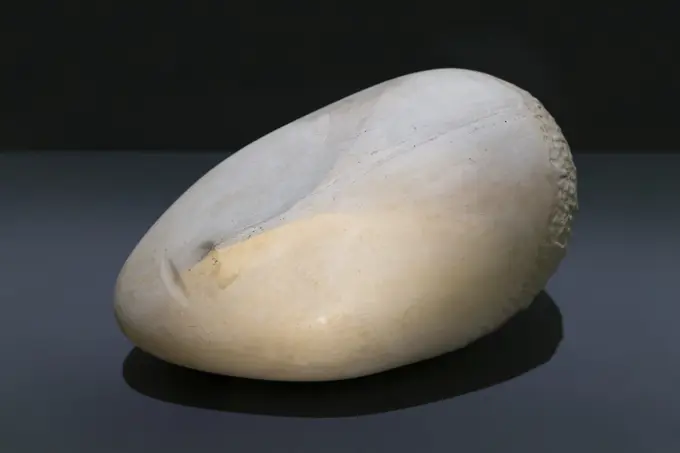
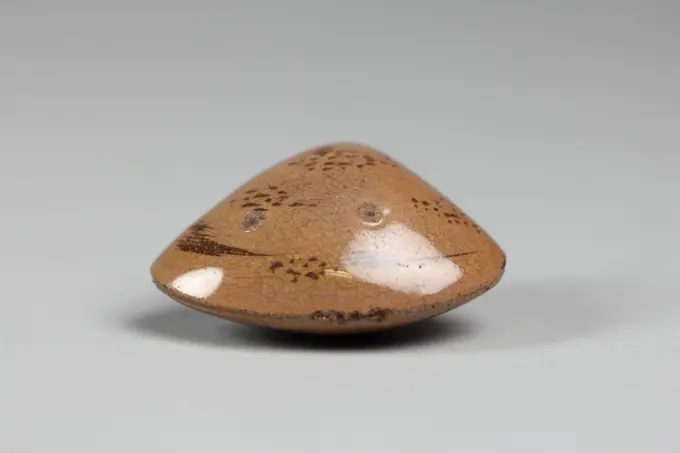
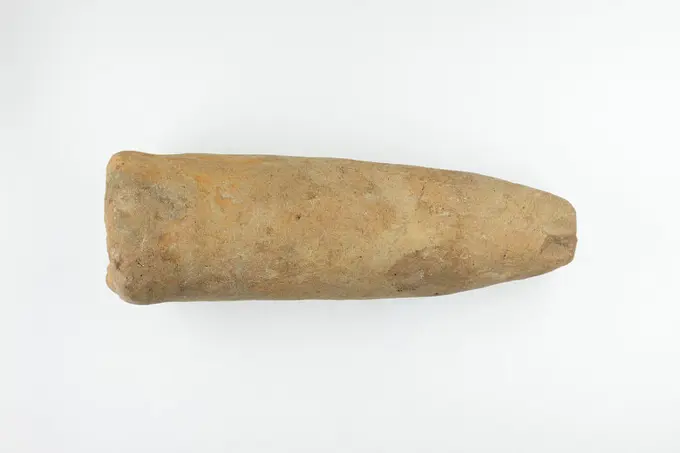
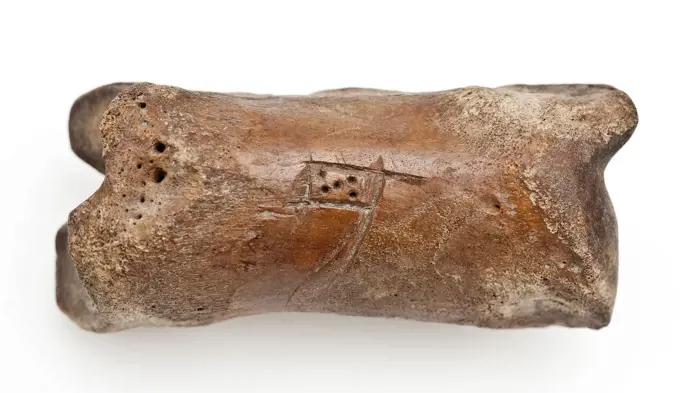
Antiquities And Artifacts

A collection of historical artifacts including pottery, metal tools, and clay fragments showcasing unique designs and materials from different ancient cultures.
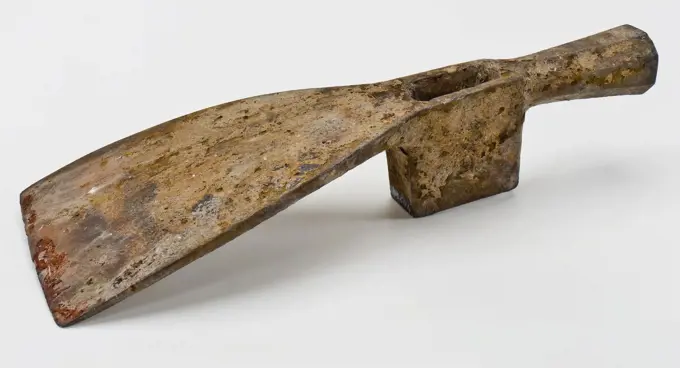
Tiller with hammerhead, octagonal, drawbar tool equipment soil find iron metal, forged Drawbar with slightly curved chopping blade and conical hammer head octagonal in cross section. Pretty sharp cutting edge. broad leaf and narrow head. Tube with rectangular hole for the seat of the stalk archeology Rotterdam City triangle Oudehaven yard construction woodworking carpenter craft shipbuilding archaeological find in the soil Oude Haven Rotterdam.
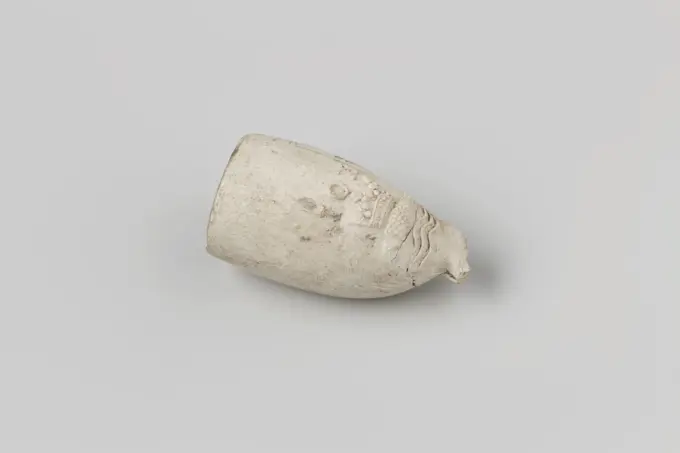
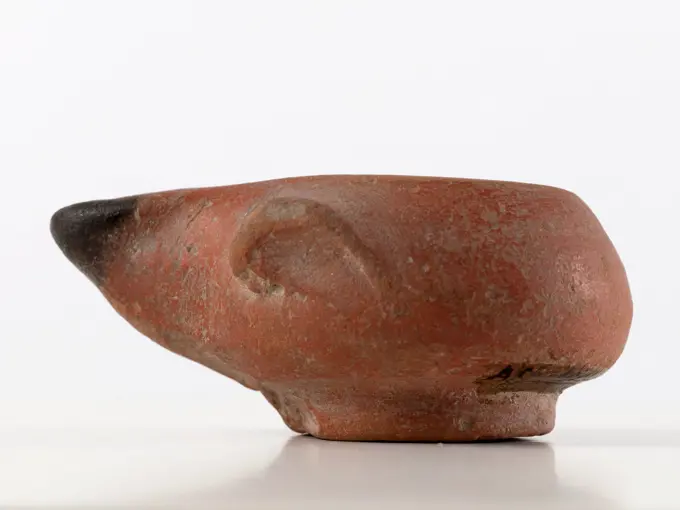
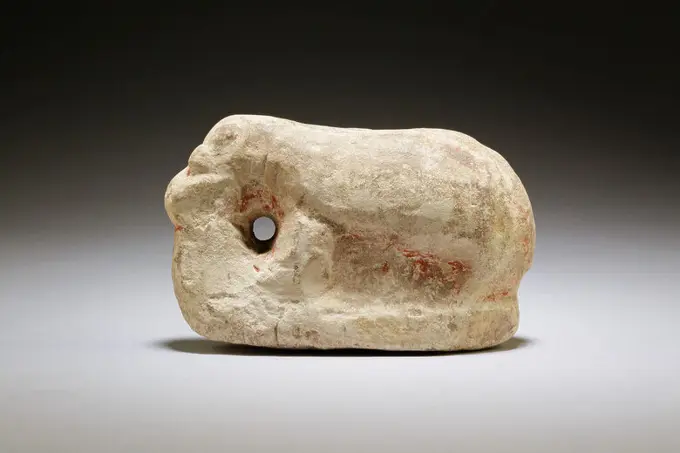
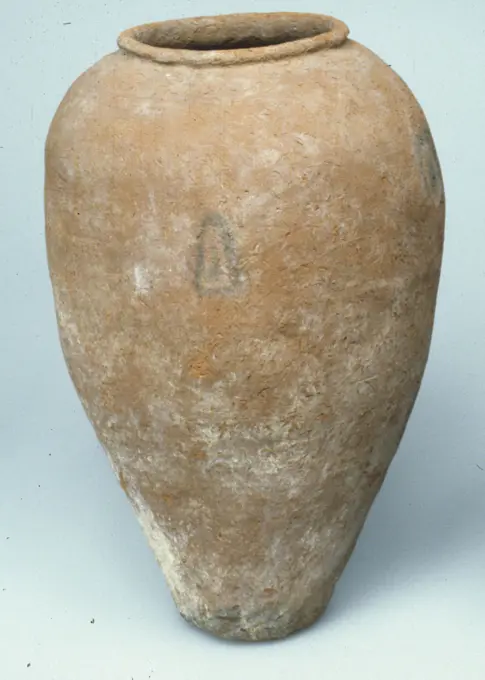
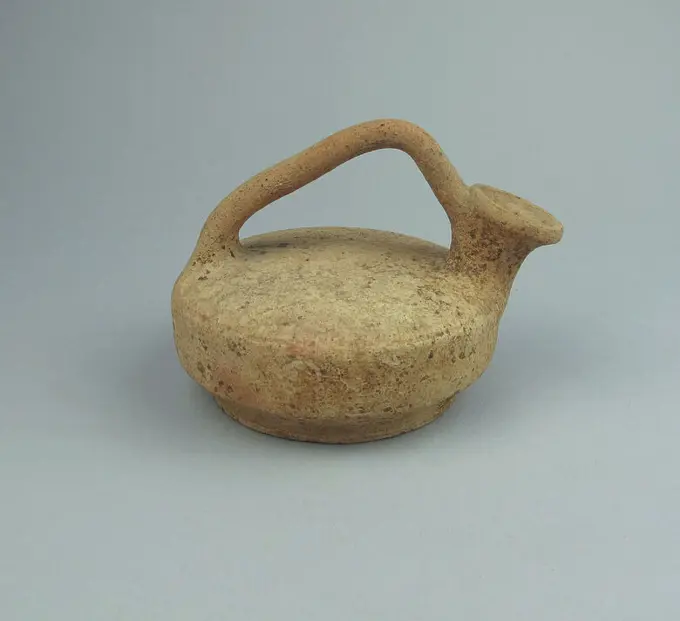
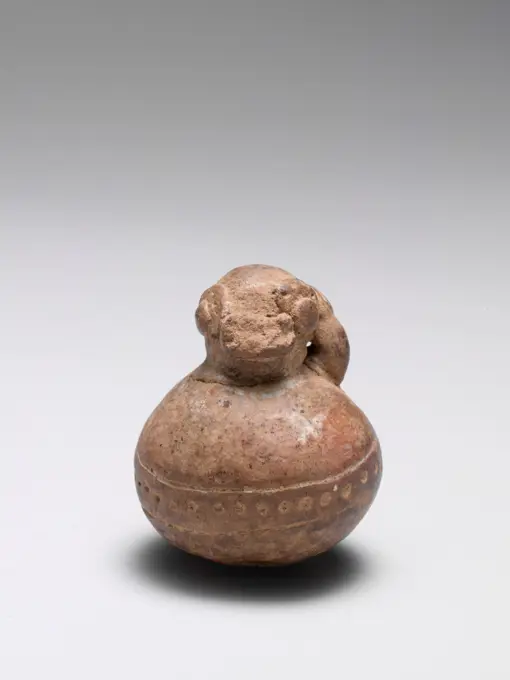
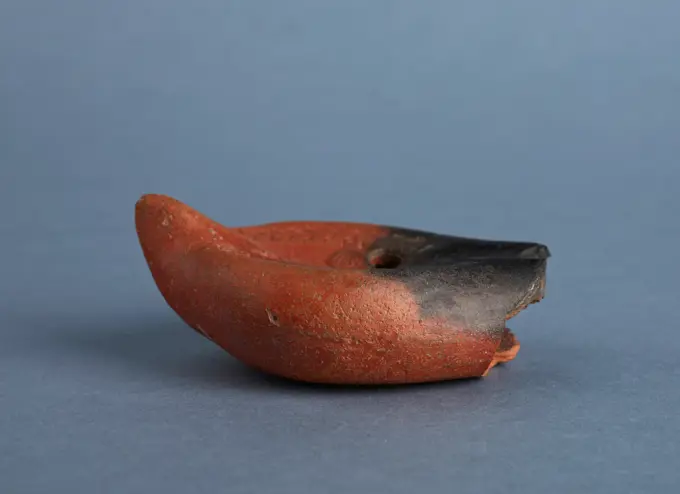
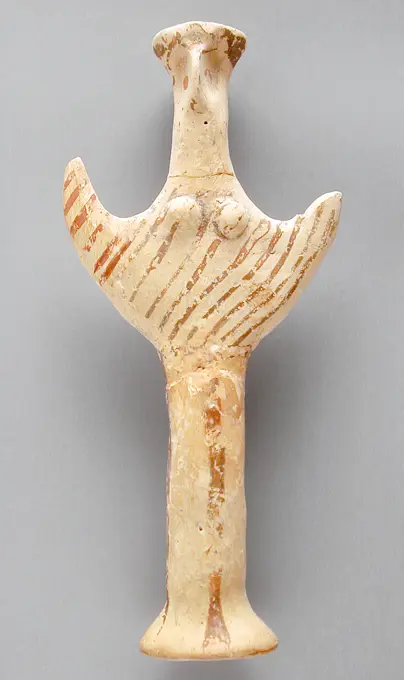
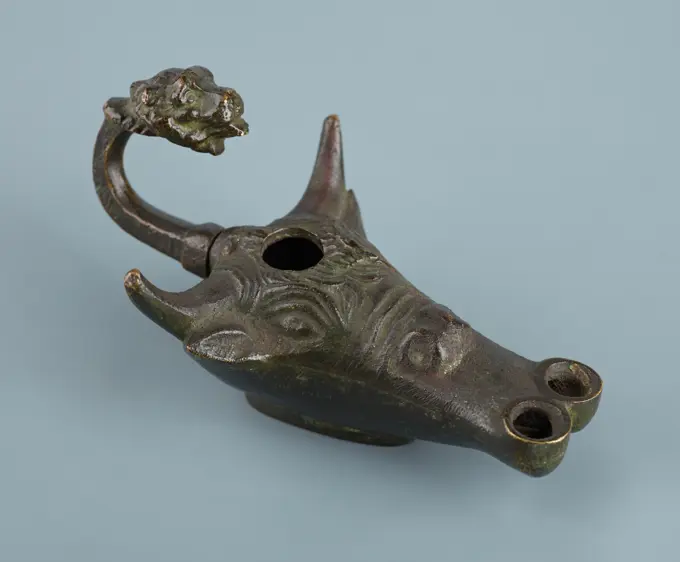
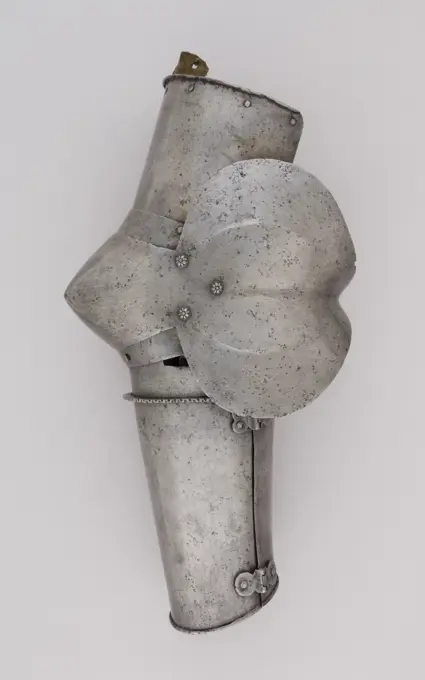
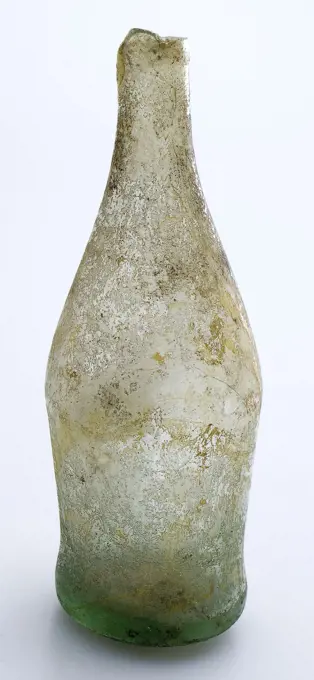
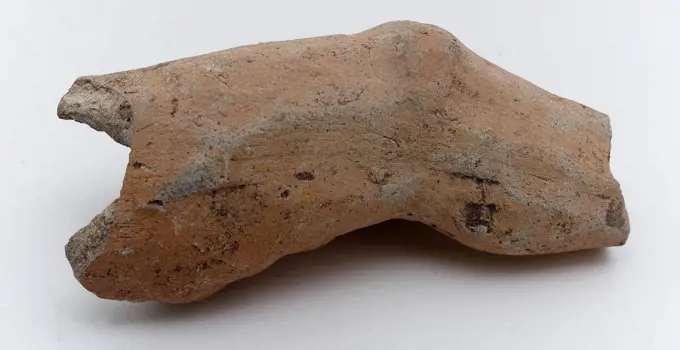
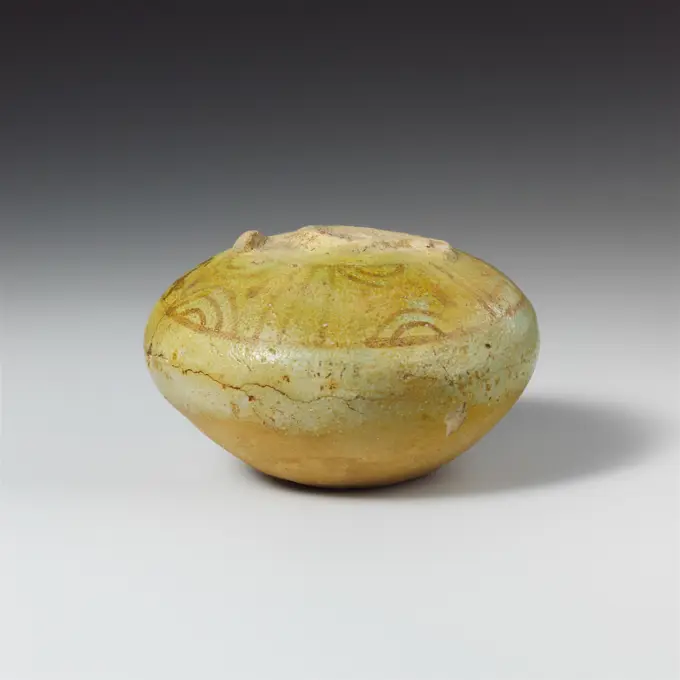
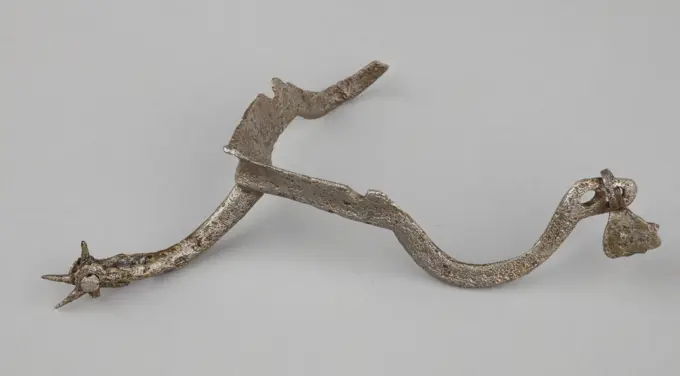
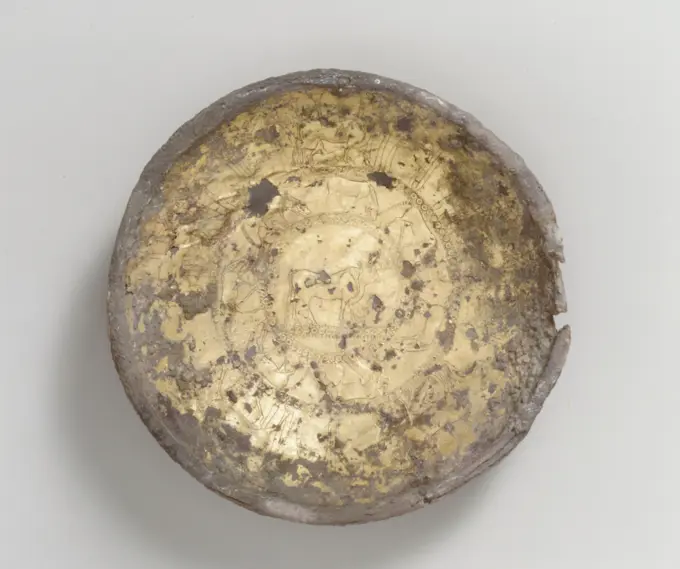
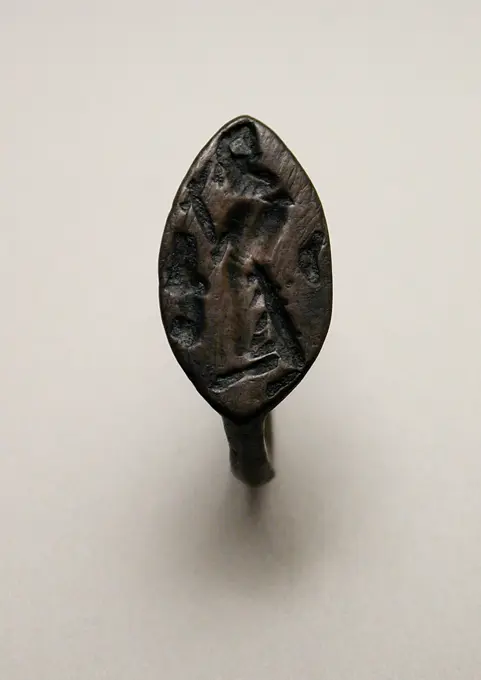
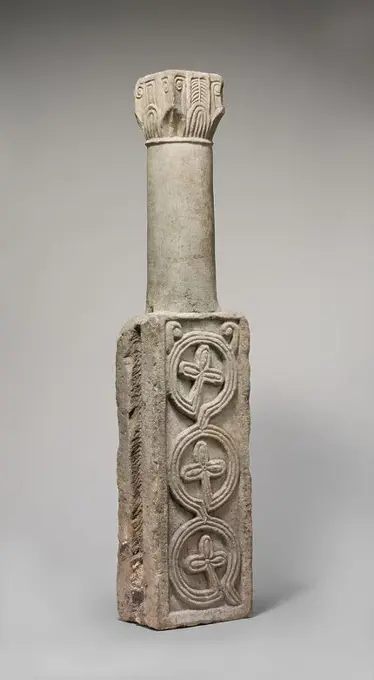
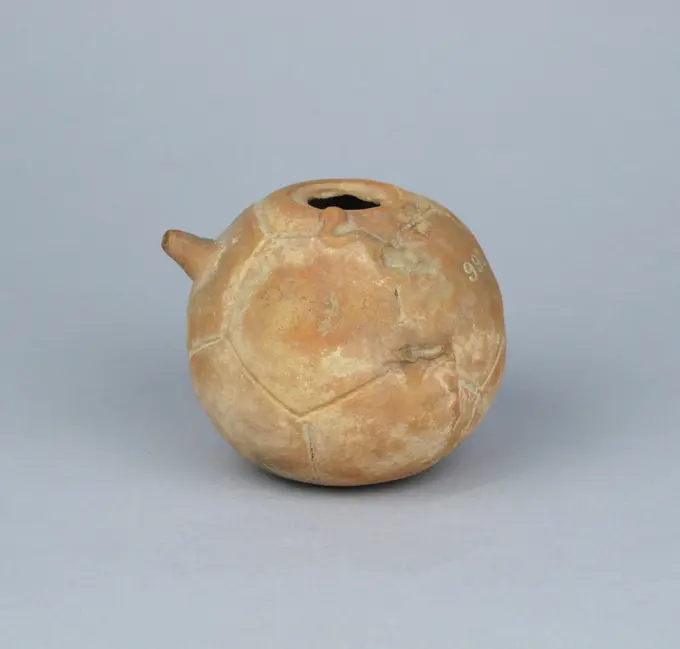
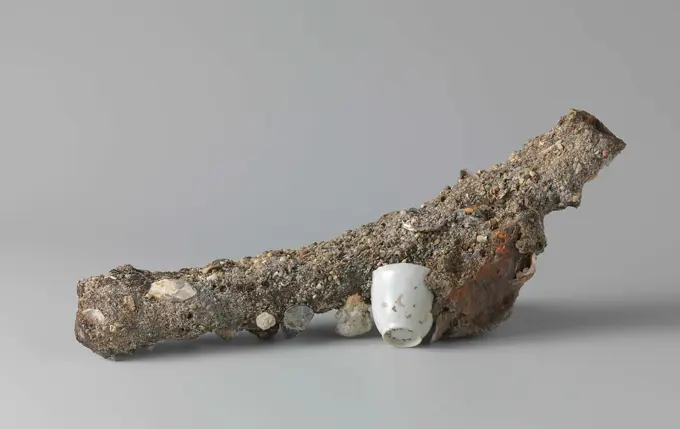
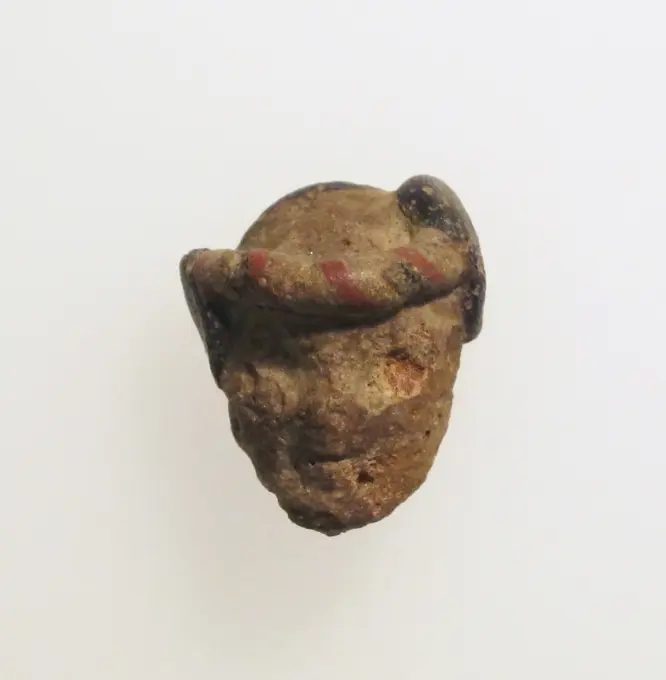
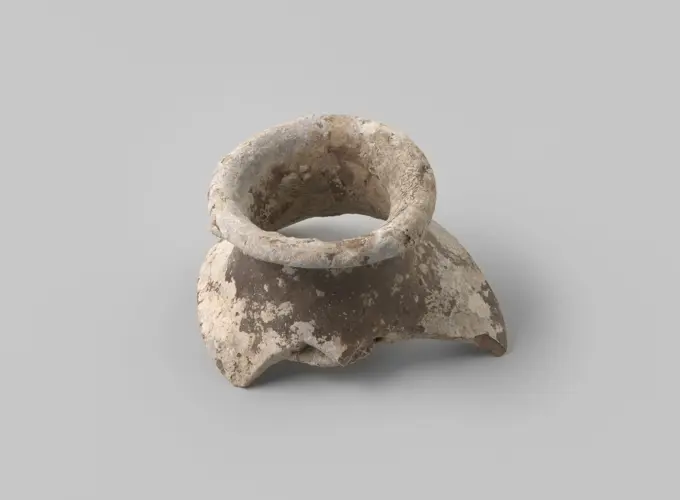
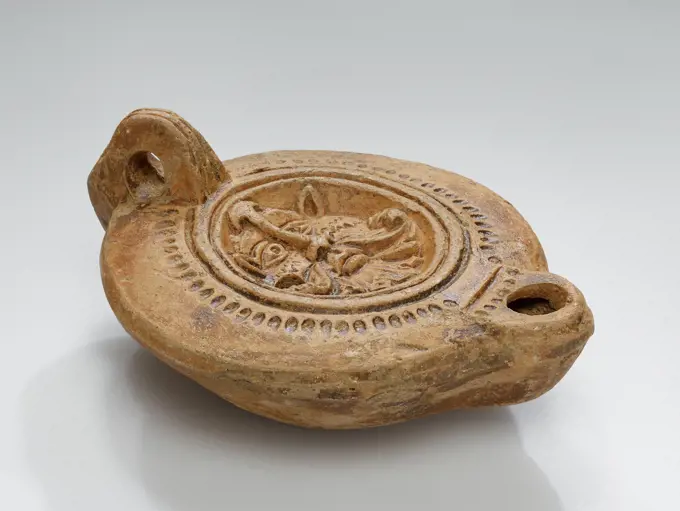
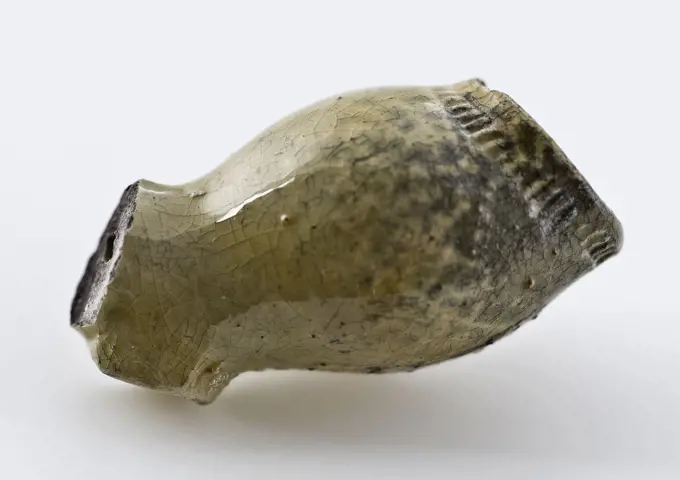
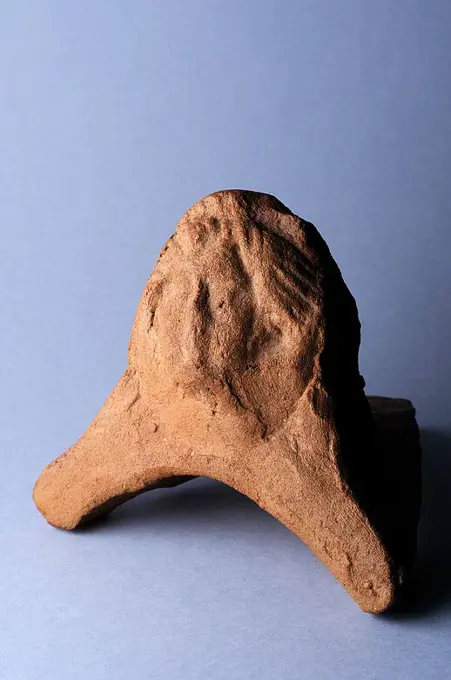
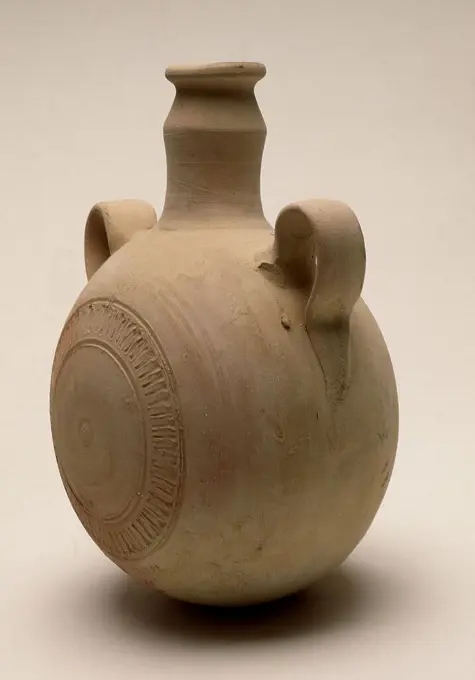
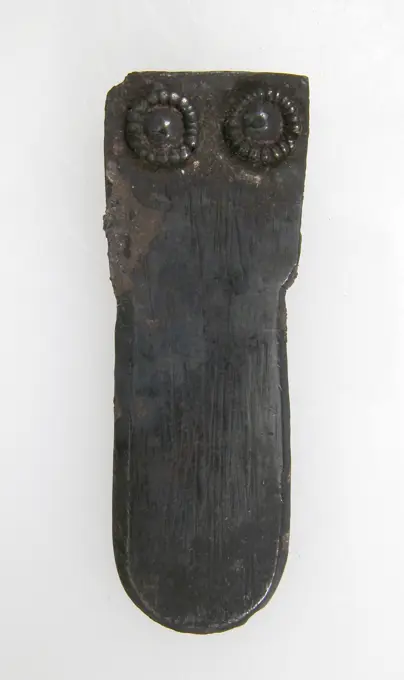
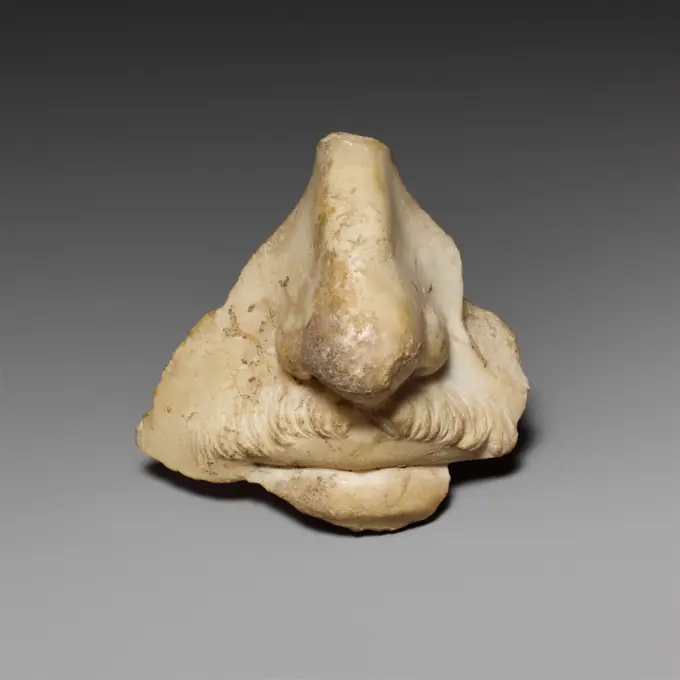
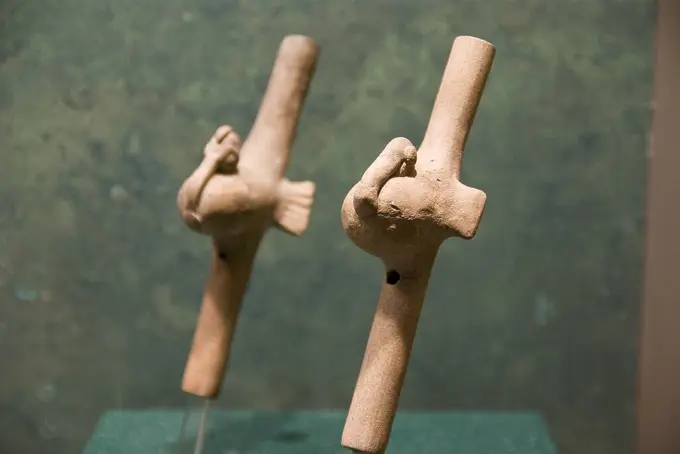
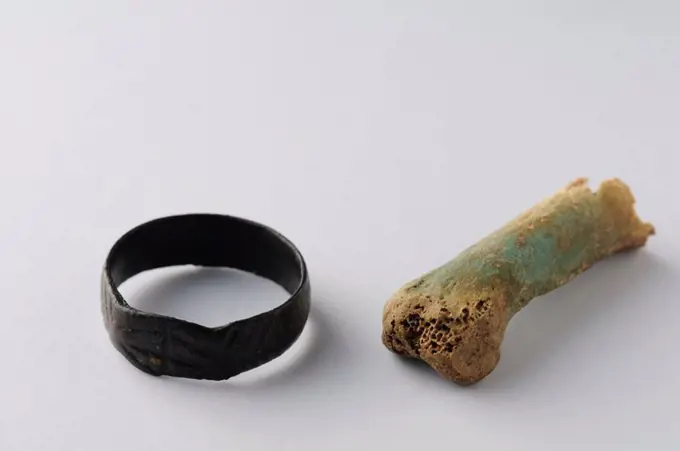
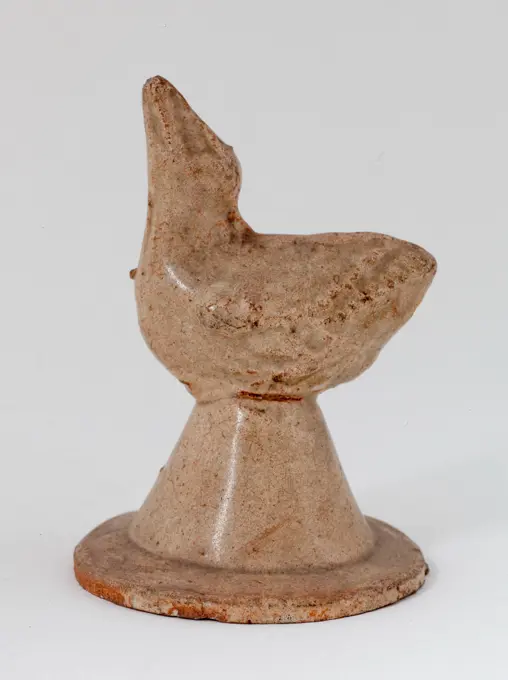
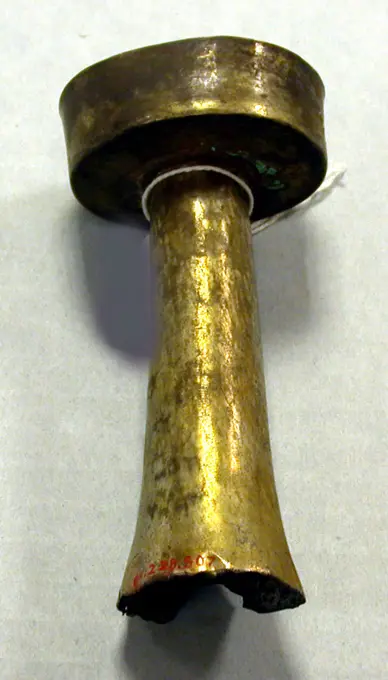
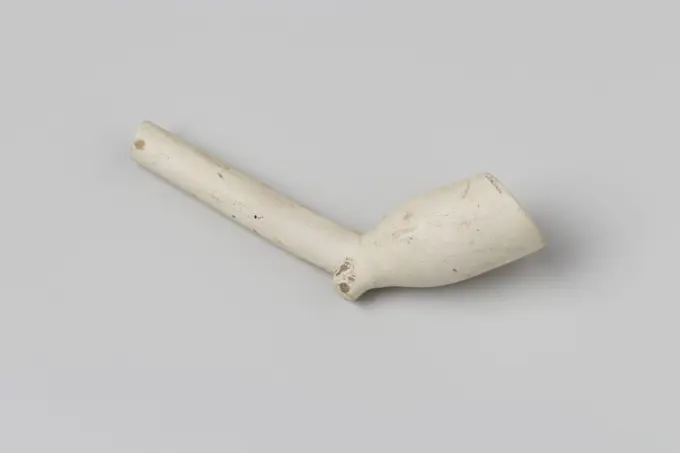
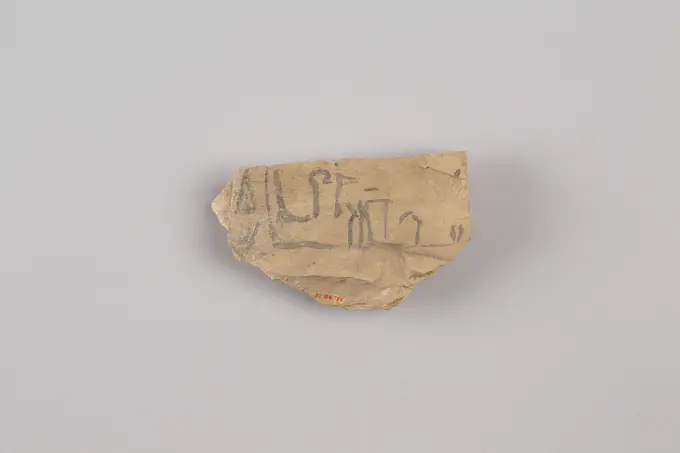
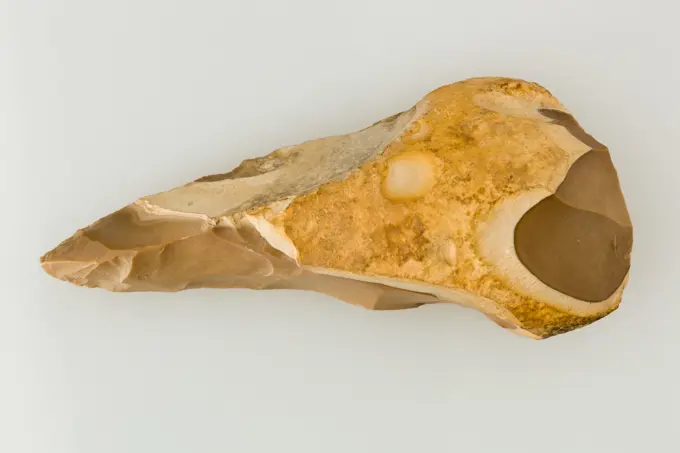
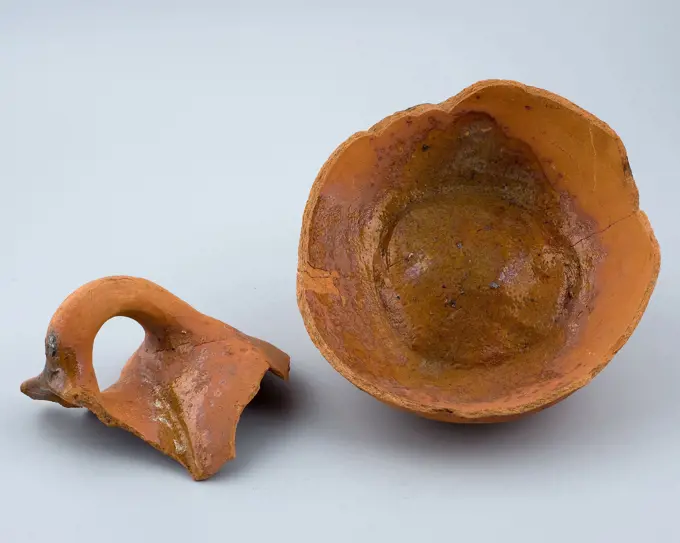
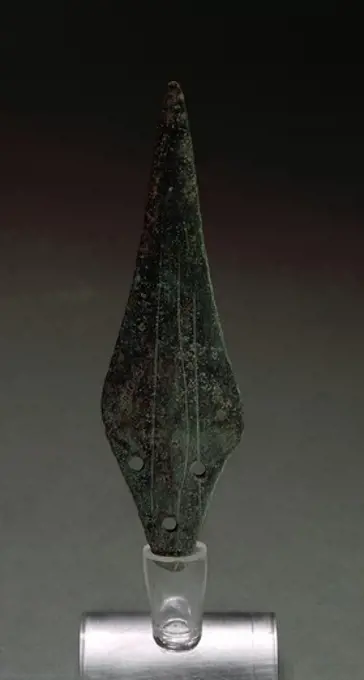
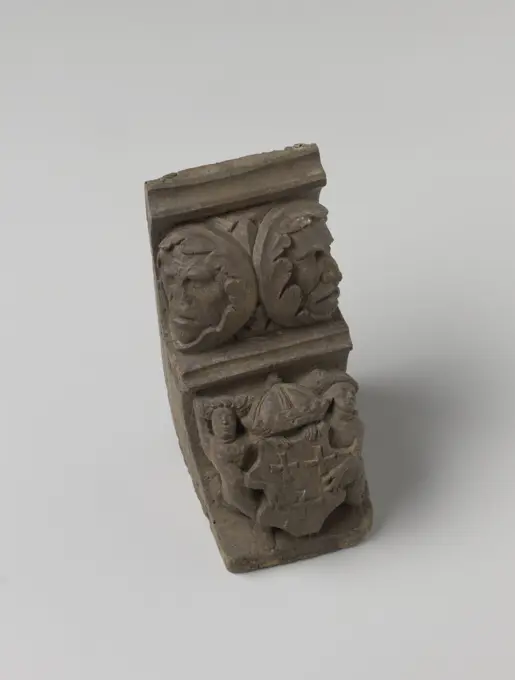
Paw from tableware from the wreck of the East India. The flying heart. Solid black fatty leg with stumps and clearly the flattened point where it ever touched the mother pot.Tiller with hammerhead, octagonal, drawbar tool equipment soil find iron metal, forged Drawbar with slightly curved chopping blade and conical hammer head octagonal in cross section. Pretty sharp cutting edge. broad leaf and narrow head. Tube with rectangular hole for the seat of the stalk archeology Rotterdam City triangle Oudehaven yard construction woodworking carpenter craft shipbuilding archaeological find in the soil Oude Haven Rotterdam.Eénschijfsblok, anonymous, c. 1590 - c. 1596 block Part of the house of a single -disc block.  wood (plant material) cutting  Nova Zembla. Saving HuysFragment Pijpenkop, Jan Ophuijzen sr. And Jr., 1750 - 1780 Fragment piping head with a crown and a fish and three waves, and the letters I o h. Of the excavations on the Hofstede Arentsburg 1827-1831 under the supervision of Professor Reuvens. Gorinchem pipe clay Fragment piping head with a crown and a fish and three waves, and the letters I o h. Of the excavations on the Hofstede Arentsburg 1827-1831 under the supervision of Professor Reuvens. Gorinchem pipe clayOil lamp. Terracotta. Late Antiquity. Lying, Poucier, without handle. 14, rue des Gobelins (1904). Magne collection. Paris, Carnavalet museum. Late antiquity, lengthening beak, Magne collection, high-Empire, oil lamp, poucier, without handle, terracottaScraper ca. 1184-664 B.C. Probably New Kingdom, Ramesside-Third Intermediate Period. Scraper. ca. 1184-664 B.C.. Flint. Probably New Kingdom, Ramesside-Third Intermediate Period. From Egypt, Memphite Region, Lisht North, debris, MMA excavationsMedical utensil. unknown, craftsmanVessel ca. 1900-1802 B.C. Middle Kingdom. Vessel. ca. 1900-1802 B.C.. Faience. Middle Kingdom. From Egypt, Memphite Region, Lisht North, cemetery south of pyramid below House A1:3, Pit 883, MMA excavations, 1920-21. mid to end Dynasty 12Figurine of hippopotamus. Dimensions: L. 10 × W. 4.1 × H. 6.1 cm (3 15/16 × 1 5/8 × 2 3/8 in.). Dynasty: Dynasty 12-13. Date: ca. 1981-1640 B.C.. Museum: Metropolitan Museum of Art, New York, USA.Rough ware jar ca. 3500-3300 B.C. Predynastic, Naqada II. Rough ware jar. ca. 3500-3300 B.C.. Pottery. Predynastic, Naqada II. From Egypt, Southern Upper Egypt, Hierakonpolis (Nekhen), Fort Cemetery (Hk 27), Tomb 44, MMA excavations, 1934-35Finial or handle. Finial or handle. Bone Water vessel for dilution of mascara;  19th century () (1801-00-00-1900-00-00);Fragment wine bottle from the wreck of the East Indians Hollandia, Anonymous, 1700 - in Or Before 1743  Wine bottle, continental production, onion-shaped, mouth missing; tcs-kick-up. Netherlands .   SecondAskos. Culture: Cypriot. Dimensions: 3 9/16in. (9cm). Date: 480-400 B.C..Askos of unpainted clay. Museum: Metropolitan Museum of Art, New York, USA.Pottery Whistle 9th-16th century Costa Rican. Pottery Whistle. Costa Rican. 9th-16th century. Clay. Costa Rica. Aerophone-Whistle Flute-whistleOil Lamp Alexandrian workshopSchaaf from 1770, anonymous, 1770 Scrape with slightly running sole and curly front. At the front before the Schaafengat the dating with some of the decorating decoration. The wedge is flattened at the top. The sole drilled behind a hole. Dated, for the Schaafgat: 1770. Northern NetherlandsNetherlands wood (plant material). beech (wood) cutting  Netherlands Scrape with slightly running sole and curly front. At the front before the Schaafengat the dating with some of the decorating decoration. The wedge is flattened at the top. The sole drilled behind a hole. Dated, for the Schaafgat: 1770. Northern NetherlandsNetherlands wood (plant material). beech (wood) cutting  NetherlandsFigure. Greece, Athens, Mycenaean, 14-12th century B.C.. Sculpture. TerracottaShell Ornaments. Culture: Moche (Loma Negra). Dimensions: H. 1 9/16 x W. 4 1/4 in. (4 x 10.8 cm). Date: 390-450. Museum: Metropolitan Museum of Art, New York, USA.Fragment of the vessel;The collection of ancient EgyptOil LampPilgrim's Badge 14th-16th century French. Pilgrim's Badge. French. 14th-16th century. Lead. Metalwork-LeadFragment of piggy bank, yellow, ball with coin slot, money box holder soil find ceramic earthenware glaze lead glaze, hand-turned glazed baked Fragment piggy bank. Globe with coin slot next to the middle of the top. Small straight button in the middle grove draining over the side. Stand foot is missing White shard lead glaze archeology Rotterdam IJsselmonde indigenous pottery save child Soil discovery: IJsselmonde Castle Rotterdam 1972.Upper Arm Defense (Rerebrace) ca. 1430-40 Italian This is part of a large find of medieval armor discovered in 1840 in the ruins of the fortress of Chalcis, on the Greek island of Euboea (then a Venetian colony called Negroponte). The fortress had been captured and destroyed by the Turks in 1470. Now divided largely between the Ethnological Museum, Athens, and The Metropolitan Museum of Art, the Chalcis hoard contains many rare and unusual elements of fourteenth- and fifteenth-century armor. Of particular importance are the variety of headpieces and the many fragments of brigandines (armor for the torso constructed of small plates riveted to layers of fabric), some of which retain portions of their original velvet covering. The Chalcis armor provides a unique picture of the armament used in the Aegean, one of the easternmost military outposts of the Venetian empire.. Upper Arm Defense (Rerebrace) 664474Ferret middle of the 6th century Frankish. Ferret 465409 Frankish, Ferret, middle of the 6th century, Copper alloy, Overall: 1 5/8 x 3/8 x 3/16 in. (4.1 x 1 x 0.5 cm). The Metropolitan Museum of Art, New York. Gift of J. Pierpont Morgan, 1917 (17.193.103)Appliqué for a funeral couch. UnknownCelt, c. 500-750, 7 3/16 x 1 9/16 x 1 9/16 in. (18.3 x 4 x 4 cm), Nephrite, Costa Rica, 5th-8th centuryPendants, nail head, from earrings CypriotPijpenkop, Johannes Willemsz. Murk, 1750 - 1795 Blowjob with a crown and the letters I a n m. Of the excavations on the Hofstede Arentsburg 1827-1831 under the supervision of Professor Reuvens. Schoonhoven pipe clay Blowjob with a crown and the letters I a n m. Of the excavations on the Hofstede Arentsburg 1827-1831 under the supervision of Professor Reuvens. Schoonhoven pipe clayDIY PIECE Left, 1599 - 1699  Left, iron, black, articulated. At the top of the dike piece a horizontal mounting hole. The dike piece is clank on both sides on each strip with two black rivets. The knee plate consists of a wide strip which has an oval plate on the side. Under this strip a triangular plate with the point directed down. Inside is painted black. Two strips with leather in the middle and on the left sounded. Europe whole: Iron (metal). Tires: Leather forging / striking (metalworking)Lamp. UnknownGreave (Lower Leg Defense) 16th century German. Greave (Lower Leg Defense) 23007A hammer removing a nail from a wood beamMuseum of Vietnamese History. Shiva Linga. 7 th century. Sandstone. Ho Chi Minh city. Vietnam.Arrowhead. Arrowhead 243866Medicine Bottle, medicine bottle bottle holder soil find glass, free blown and shaped Small (medicine) Bottle in clear colorless glass. Pontil mark under slightly raised bottom Partial cylindrical body bulging upwards and rejuvenated passing to neck and dilated lip of which the largest part has been broken down archeology health care packaging pharmacyPolishing wheel for jade. Culture: China. Dimensions: H. 5/8 in. (1.6 cm); Diam. 4 in. (10.2 cm). Date: 20th century.These wheels are made of soft materials and are used for polishing works of jade. They are first smeared with a paste made of fine abrasives and water, and then mounted on a spinning shaft driven by foot treadles. This setup frees both of the craftsman's hands to manipulate the jade. Museum: Metropolitan Museum of Art, New York, USA.Button, flattened with decorative pattern, anonymous, c. 1590 - c. 1596 button Button, flattened around with pattern in the form of a tie braided with yarn. The decoration imitates a knot braided with yarn. Amsterdam tin (metal)   Nova Zembla. Saving HuysCABEZA CON PAÑUELO MENTON RAIDO - 1933. Author: Julio Gonzalez. Location: IVAM / INSTITUTO VALENCIANO DE ARTE MODERNO. Valencia. SPAIN.Cone -shaped shard of red earthenware, unglazed, anonymous, 1500 - 1799   earthenware   earthenwareFragment stoneware image, knee joint, sculpture visual material soil find ceramic stoneware, w 3,4 hand shaped baked Fragment stoneware sculpture knee joint. White shard scraped pottery with an orange red sheen over the surface archeology Rotterdam rail tunnel indigenous pottery import decorate religion Soil discovery: rail tunnel Rotterdam.Fragmentary faience stirrup jar ca. 1600-1050 B.C. Cypriot The handles and spout of this stirrup jar are missing. The shape is characteristically Mycenaean Greek, but the use of faience reflects Egyptian influence.. Fragmentary faience stirrup jar 243952SpurClay pipe, unnoticed, with smooth handle, clay pipe smoking equipment smoke floor pottery ceramic pottery, pressed finished baked Clay pipe unnoticed with smooth handle. Radiator ring under lip upper edge only at the front opposite the handle side. Wide heel with wider standing surface is sometimes referred to as Rotterdams type archeology Rotterdam City center Cool Schiedamse Vest Mainland City triangle Job indigenous earthenware smoking tobacco craft Soil discovery: Vasteland-Baan Schiedamse Vest Rotterdam Complex of discovery with material from pottery and pipe making and house waste from the 17th century.Silver-gilt bowl ca. 710-675 B.C. Cypriot The decoration of this bowl consists entirely of animals. In the tondo, there is a bull; in the inner frieze, seven grazing horses. The outer frieze shows cows and calves, mares and foals, and a horse, separated by papyrus. The bowl is distinguished not only by its iconography but also by the stippled quality of much of the chasing.. Silver-gilt bowl 243822Finger Ring. Western Iran, circa 550-330 B.C.. Jewelry and Adornments; rings. Bronze, castFossil Vistand. Fossil fishing booth with fossilized leg, very likely to be a side tooth of an Isurus retro flexus, an extinct shark species that occurred in the Miocene. (Determined by Lex Cat shop based on photo, October 2010).Lead ingot used as ballast from the wreck of the Dutch East Indiaman Hollandia, anonymous, 1700 - in or before 1743  Ingot; (1) corroded, oblong, straight, flat upper side (91l, 15.8w, 6.8h), semicircular in section, semicircular stepped ends, on upper side marks legible V,H,93. Netherlands lead (metal)   SecondColumn from a Choir Screen. Culture: Central Italian. Dimensions: Overall: 59 3/4 x 12 3/4 x 7 3/4 in. (151.8 x 32.4 x 19.7 cm). Date: ca. 800-900. Museum: Metropolitan Museum of Art, New York, USA.Handle 4th-early 5th century Coptic. Handle 479135Fragment dna małej misy bez stopki. warsztat nubijski, workshopJug, handled ca. 1550-1295 B.C. New Kingdom. Jug, handled. ca. 1550-1295 B.C.. Pottery, redware. New Kingdom. From Egypt. Dynasty 18Terracotta flask Greek Globular spout-jug imitated from a gourd.. Terracotta flask. Greek. Terracotta. Hellenistic. VasesWine cup from v.O.c.-ship the 'white lion' in a piece of iron. Wine cup from v.O.c.-ship the 'white lion', completely preserved. The wine head has a very thin wall but is nevertheless very heavy. It has and white shard and has no impurities. The glaze is very thin and transparent. The wine cup is unforded. No oven sand has been found.Fragment stoneware jug on pinched foot with slightly curved body and cylindrical neck, jug jug crockery holder fragment soil found ceramic stoneware, hand-turned baked Fragment of stoneware jug on pinched foot Lightly curled body and cylindrical neck. Turning loops over the lower half of the belly smoothly finished under the ledge. Lower part of ribbon ear still present. Narrow ridge over the shoulder Darts around the neck archeology House te Woude Slikkerveer Ridderkerk uitheems pottery import drink wine beer water Soil discovery: Huis te Woude Slikkerveer 1969.Glass head pendant 3rd-2nd century B.C. Phoenician or Carthaginian Translucent blue, opaque red, and uncertain color, possibly opaque yellow.Ovoid with irregular flat back; two large pads applied to sides of head with headband across forehead; vertical hole under chin. No trace of suspension loop at the top of the head.Deep-set eye sockets, snub nose, and prominent lips; headband decorated with spiral trail.Intact except for applied eyes; dulling, pitting, and brownish enamel-like weathering.. Glass head pendant. Phoenician or Carthaginian. 3rd-2nd century B.C.. Glass; rod-formed and trailed. Hellenistic. GlassMartavaan from V.O.C. ship De 'Witte Leeuw', Before 1613  Martavaan from V.O.C. ship De 'Witte Leeuw'. The mouth, neck and small part of the wall. southeast Asia stoneware. porcelain   Sint-HelenaSpoon, Silver, The tea scoop with bell-form, shovel-like bowl with shaped, flat flanged border. The bowl and border engraved with flower and wriggle work. The tapering handle with slightly down-curved, shaped terminal. The terminal obverse engraved with partial flower and scrolls with an oblong reverse., Netherlands, 1855, cutlery, Decorative Arts, SpoonLamp, North Africa; 1st - 4th century; Terracotta; 2.7 x 7.5 x 10 cm (1 1,16 x 2 15,16 x 3 15,16 in.)Clay pipe, pipe bowl, double conical, unnoticed, green glazed, clay pipe smoking equipment smoke floor earthenware ceramics earthenware lead glaze, pressed in shape finished baked Early clay pipe with green glaze. Unnoticed. Double conical in shape. Radial ring under the lip of the top edge along the entire circumference. Glaze was probably accidentally leaked on the pipe during the baking archeology metropolis Rotterdam Stadscentrum Stadsdriehoek Oostplein earthenware smoking tobacco soil discovery underground pit Oostplein 1976Antefixes of clay with tile part representing female head with long wavy hair. Height 7, 9 cm Width 6, 4 cm. ( 1st CE ) Roman period from the " Fish House " - Archaeological site of Complutum in Alcalá de Henares ( Madrid ). SPAIN.Decorative batter from the wreck of the East Indies Hollandia, Anonymous, 1700 - in or Before 1743  Fitting, decorative fitting or fragment; squashed, disc-shaped, oval, domed, stepped. Netherlands silver (metal)   SecondBracelet Cypriot. Bracelet 244361Puszka z nakrywką. unknown, craftsmanBOTIJA DE CAMPO SIN VIDRIAR- S XX ARTE POPULAR. Location: ALFARERIA. CORDOBA. SPAIN.Ferret 7th century Frankish. Ferret 464878 Frankish, Ferret, 7th century, Silver, Overall: 1 3/4 x 9/16 x 3/16 in. (4.4 x 1.5 x 0.4 cm). The Metropolitan Museum of Art, New York. Gift of J. Pierpont Morgan, 1917 (17.191.182)Meiping vase late 17th-early 18th century China. Meiping vase. China. late 17th-early 18th century. Porcelain with copper red glaze (Jingdezhen ware), copper mouth rim. Qing dynasty (1644-1911), Kangxi period (1662-1722). CeramicsFragment from a marble head of a man, preserving the nose and mouth mid-2nd century A.D. Roman The sensitive modeling, polished surface, and presence of a finely incised mustache are typical of the finest work of the Antonine period.. Fragment from a marble head of a man, preserving the nose and mouth 251418 Roman, Fragment from a marble head of a man, preserving the nose and mouth, mid-2nd century A.D., Marble, Overall: 3 1/8 x 4 x 2 1/8 in. (7.9 x 10.2 x 5.4 cm). The Metropolitan Museum of Art, New York. Rogers Fund, 1923 (23.160.85)Mexico.Mexico city.National Museum of Anthropology.Maya culture.Music instruments.Soldier's figurineBronze ring associated with bone phalanx. Ring 18 mm ( 5 th - 8 th Ce ) - Visigoth period, from the " Equinox Necropolis " - Archaeological site of Complutum in Alcalá de Henares ( Madrid ). SPAIN.Axe head ca. 2300-2000 B.C. Hattian. Axe head 324467Couvercle de jarre funraire. Grands to couvert qingbai. Par musée musée malée. 78845-27 Asian art, cover, gres, funeral jar, qingbaiBeaker Fragment 9th-10th century. Beaker Fragment 450904Stone Temple Model 1st-8th century Mezcala. Stone Temple Model 317513Brass spoon with oval bowl, engraved floral motifs, carved stem with male head, spoon cutlery soil find copper metal, poured hammered engraved Copper spoon with carved handle ending in maskon Oval shaped bowl reverse is engraved with large flower and other floral motifs in bowl with ink: 3724 and 17CC 2 265 archeologyAn artificial nose made from plated metal. An early example of prosthetic technology. Used as an aid for those who lost their noses due to disease or injury. From Europe, 18th Century.Hammered Silver Rattle Beaker 8th-mid-16th century Peru; north coast (). Hammered Silver Rattle Beaker 309018Stone Temple Model 1st-8th century Mezcala. Stone Temple Model 317520Fragment of a tobacco pipe., Anonymous, c. 1400 - c. 1950   earthenware. pipe clay   Slot Loevestein   earthenware. pipe clay   Slot LoevesteinCuchara de hueso procedente del yacimiento arqueológico de Can Modolell. Can Serra Museu de Mataró.Hieroglyph ostracon ca. 1427-1352 B.C. New Kingdom Ostraca (plural for ostracon) are potsherds used as surfaces on which to write or draw. The term is used, by extension, to refer to chips of limestone, which were employed for similar purposes. Despite their humble appearances, ostraca bear a wide range of images and texts, including administrative documents, literary texts, and depictions of royal and divine figures. The texts were mostly written with reed pen and ink of two colors, red and black, and inscribed in Hieratic, the cursive script of ancient Egypt throughout most of its periods. This ostracon bears ten identity markers referring to royal necropolis workmen.. Hieroglyph ostracon. ca. 1427-1352 B.C.. Limestone, ink, paint. New Kingdom. From Egypt, Upper Egypt, Thebes, Valley of the Kings. Dynasty 18Female Figurine. Anatolia, Syro-Hittite, 3000-2000 B.C.. Sculpture. CeramicGoldweight Knot, 19th-20th century, 3/8 x 1 3/8 x 1/2 in. (0.95 x 3.49 x 1.27 cm), Brass, Ghana, 19th-20th centurySouth Arabia as a general term refers to several regions as currently recognized, in chief the Republic of Yemen; yet it has historically also included Najran, Jizan, and 'Asir which are presently in Saudi Arabia, and Dhofar presently in Oman. The frontiers of South Arabia as linguistically conceived would include the historic peoples speaking the related South Arabian languages as well as neighboring dialects of Arabic, and their descendants. Anciently there was a South Arabian alphabet, which was borrowed by Ethiopia. South Arabia as generally conceived would include the lands inhabited by peoples partaking of its distinctive traditions and culture, which overlap recently demarcated political boundaries. Yemen or al-yaman means 'the south'. One etymology derives Yemen from yamin the 'right side' as the south is on the right when facing the sunrise; yet this etymology is considered suspect. Another derives Yemen from yumn meaning 'felicity' as the region is fertile; indeed the Romans Amber-colored Pyxis. UnknownOrnamental Plume 200 B.C.-A.D. 400 Pukara (or early Tiwanaku) This spectacular plume is one of the earliest surviving examples of goldworking from the south-central Andes of Peru. Hammered to just 0.3 to 0.4 millimeters in thickness, this plume has been carefully cut and shaped with near identical incised designs on both sides. The plumes now broken shaft suggests that it was once worn as a headdress ornament or used as a straight pin for a womans shawl. The upper register of the plume depicts a supernatural, staff-bearing figure with both human and feline features, its head surrounded by ray-like appendages. The figures large face, shown frontally, is composed of rounded eyes, a snout-like nose, and a grimacing mouth with prominent fangs. The figures body, seen in profile, has been marked with various geometric shapes. Its hands, visible on the objects proper left, grasp an implement from which a bird in profile hangs from its beak. The figure stands above an enclosure incised wiNecklace Bead in the Form of a Fish, 185-72 BC. India, Sunga Period (185-72 BC). Gold repoussé with granulation;Small cylindrical jar with raised rope band ca. 3100-2649 B.C. Early Dynastic Period. Small cylindrical jar with raised rope band. ca. 3100-2649 B.C.. Faience. Early Dynastic Period. From Egypt, Fayum Entrance Area, Tarkhan, Tomb 965, BSAE excavations 1911-1913. Dynasty 1The Sleeping Muse II, La Muse Endormie II, Constantin Brancusi, circa 1920Spindle and Whorl, Fragment , Undetermined or 1000-1400. Wood, ceramic, cotton/camelid fiber, pigment, 1/2 x 1/2 x 5 7/8 in. (1.3 x 1.3 x 14.9 cm).   Arts of the Americas Undetermined or 1000-1400Netsuke 19th century Japan. Netsuke. Japan. 19th century. Clay with crackled glaze. Edo (1615-1868) or Meiji period (1868-1912). NetsukeSmelter's Crucible. Dimensions: L. 14.5 × W. 4.2 cm (5 11/16 × 1 5/8 in.). Dynasty: Dynasty 18. Reign: Joint reign of Hatshepsut and Thutmose III. Date: ca. 1479-1458 B.C.. Museum: Metropolitan Museum of Art, New York, USA.Goldweight Tortoise with Snail on its Side, 19th-20th century, 7/8 x 1 5/8 x 2 in. (2.22 x 4.13 x 5.08 cm), Brass, Ghana, 19th-20th centuryLegs leg, from throwing game: flocks, koot game piece relaxant soil find leg, Bone Marked on long side. small incised rectangle in which five points of archeology Rotterdam play rail tunnel koot die kootspel archaeological find in the soil: route rail tunnel Rotterdam.Tool ca. 3850-2960 B.C. Predynastic Period. Tool. ca. 3850-2960 B.C.. Flint. Predynastic Period. From Egypt; Said to be from Egypt, Upper Egypt, Thebes, Dra Abu el-NagaTwo fragments of chamber pot, room ease, vaulted bottom, pot holder sanitary earthenware ceramic earthenware glaze, hand-turned glazed baked Two fragments of earthenware chamber pot with vaulted bottom Sparely glazed lead glaze internally only on the bottom under the neck opening. Thick upright sausage ear Wide neck opening. Red earthenware archeology Rotterdam City triangle Groenendaal underground pit indigenous earthenware drains night sleeping room hygiene Soil discovery Rotterdam underground pit Groenendaal from waste pit at 137 meters and 12 to 2 meter N..P.Nuragic civilization. Bronze dagger. From the nuragic village of Isportana, Dorgali, province of Nuoro.Hunting Horn 15th century French. Hunting Horn. French. 15th century. Horn, silver-gilt mountsBouwfragment, anonymous, 1500 - 1600 Beam wrench with cutting. The beam key shows two portraits and two angels that hold a weapon on which three crosses hold. Northern NetherlandsAlkmaar wood (plant material) Beam wrench with cutting. The beam key shows two portraits and two angels that hold a weapon on which three crosses hold. Northern NetherlandsAlkmaar wood (plant material)