Antiquities And Artifacts

A collection of historical artifacts including pottery, metal tools, and clay fragments showcasing unique designs and materials from different ancient cultures.
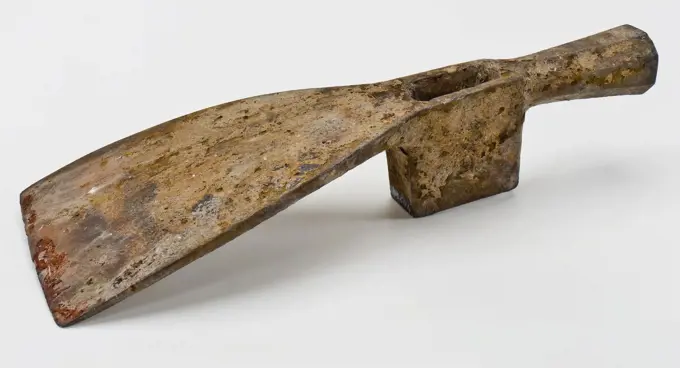
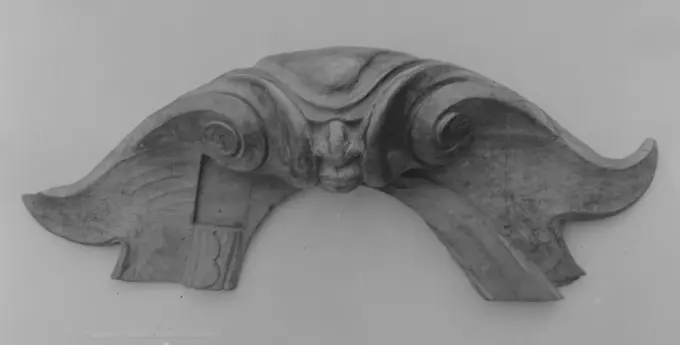
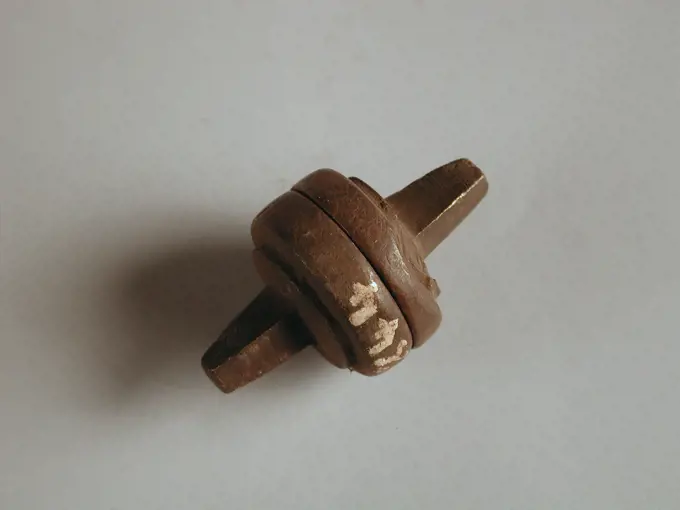
Tiller with hammerhead, octagonal, drawbar tool equipment soil find iron metal, forged Drawbar with slightly curved chopping blade and conical hammer head octagonal in cross section. Pretty sharp cutting edge. broad leaf and narrow head. Tube with rectangular hole for the seat of the stalk archeology Rotterdam City triangle Oudehaven yard construction woodworking carpenter craft shipbuilding archaeological find in the soil Oude Haven Rotterdam.
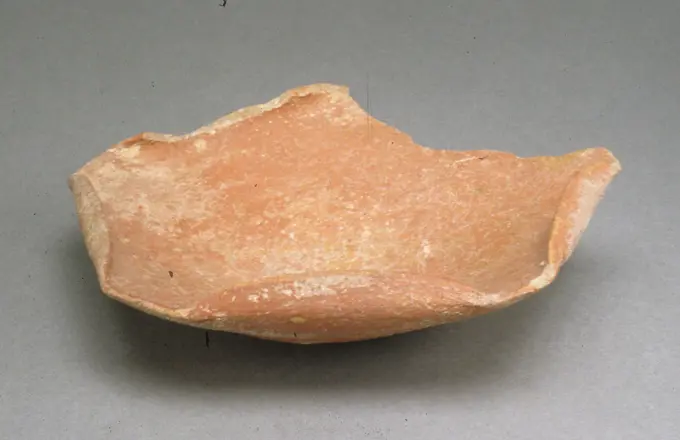
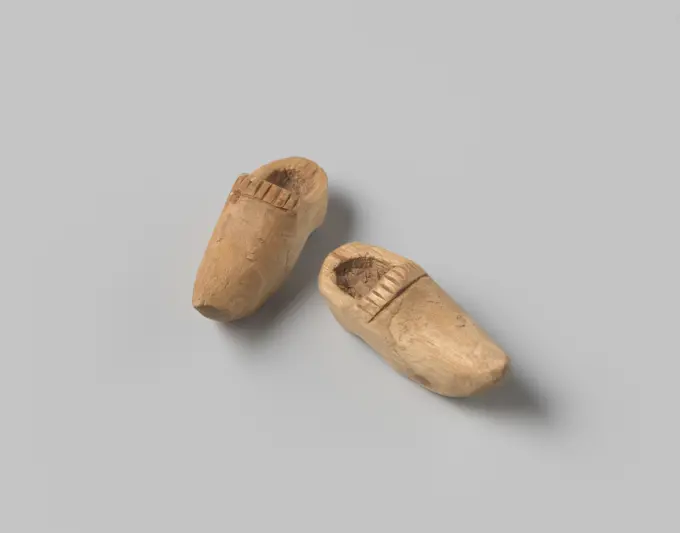
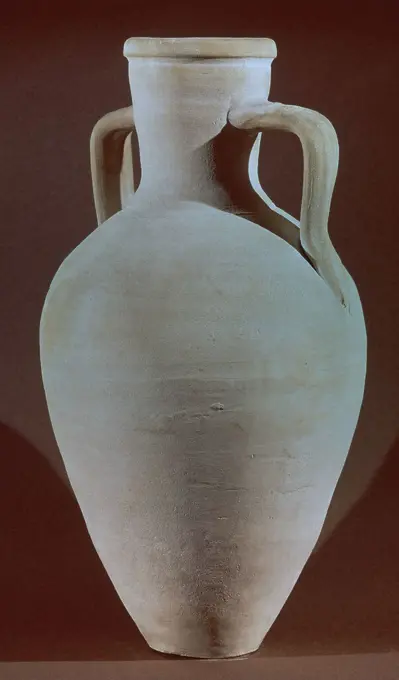
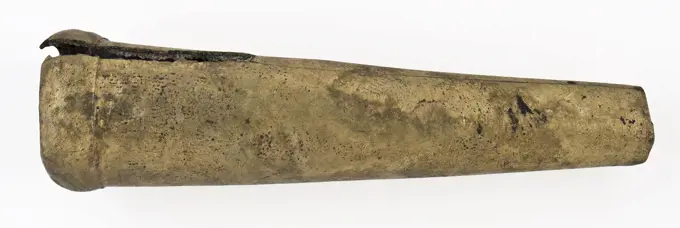
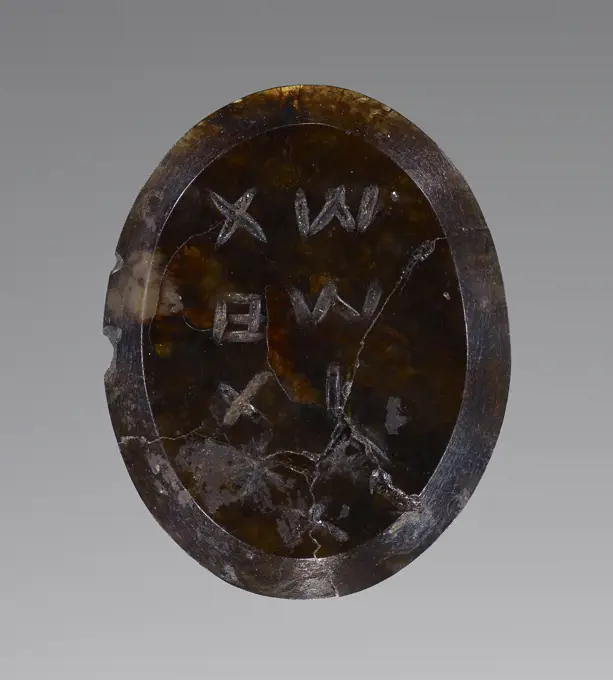
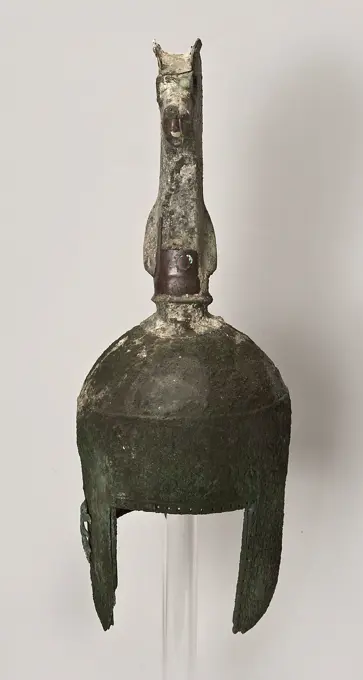
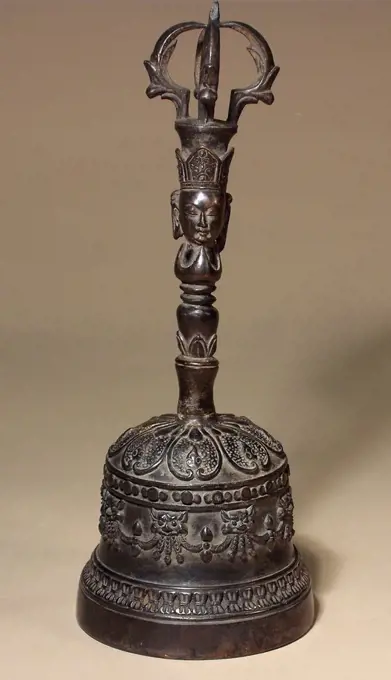
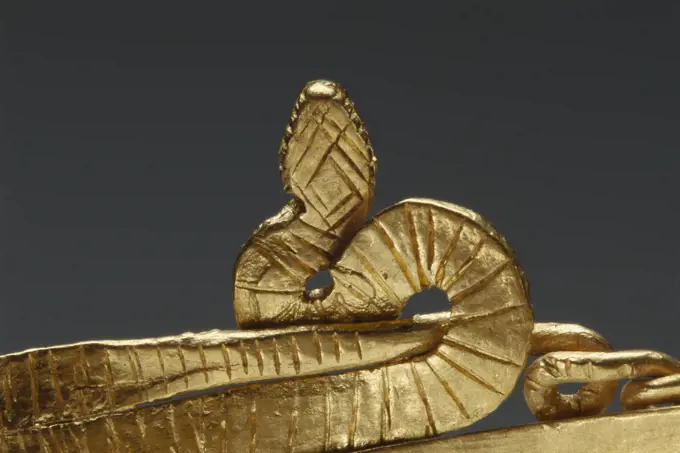
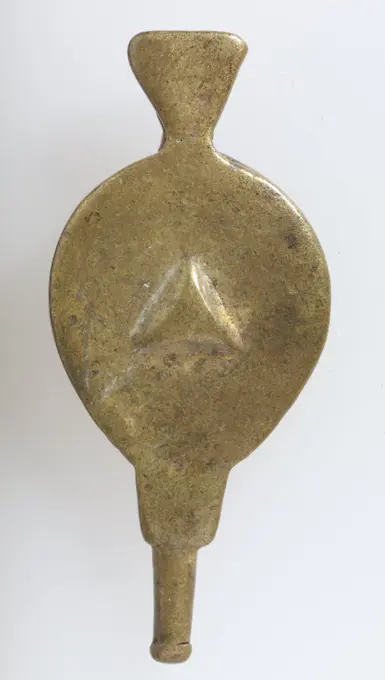
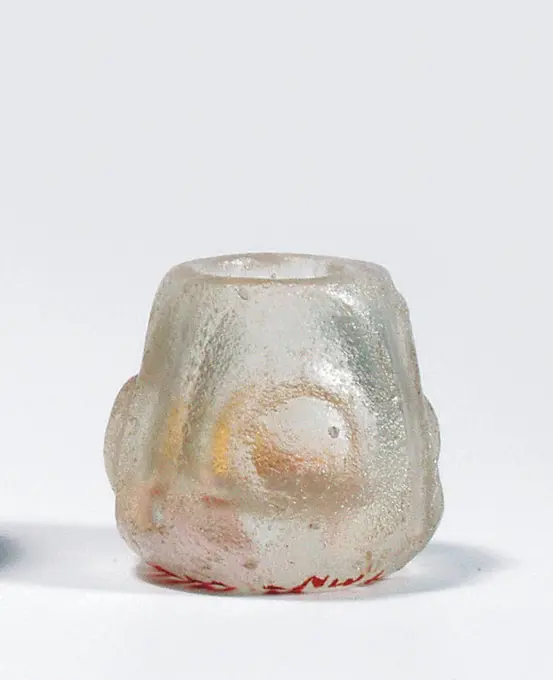
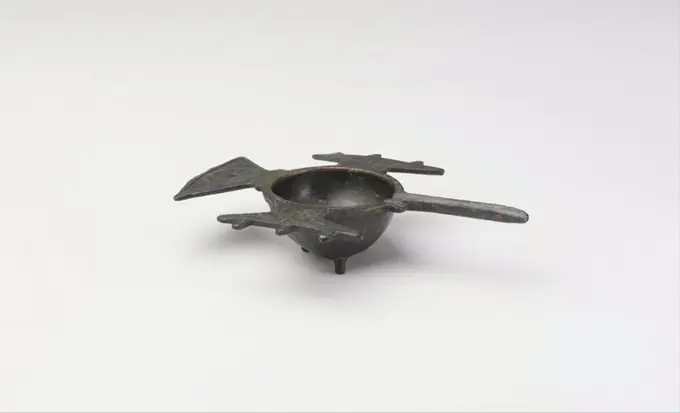
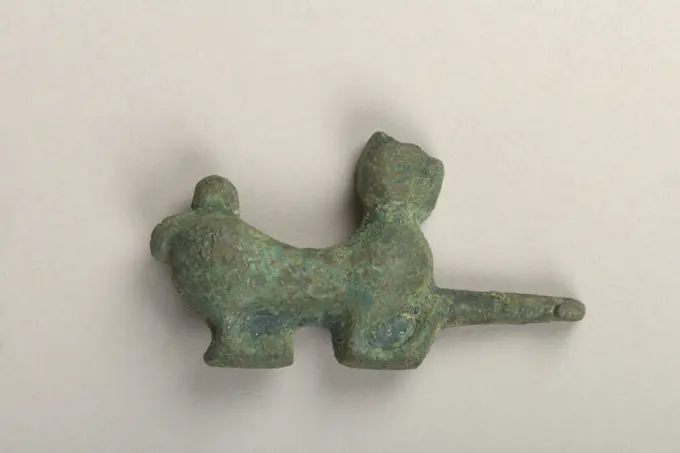
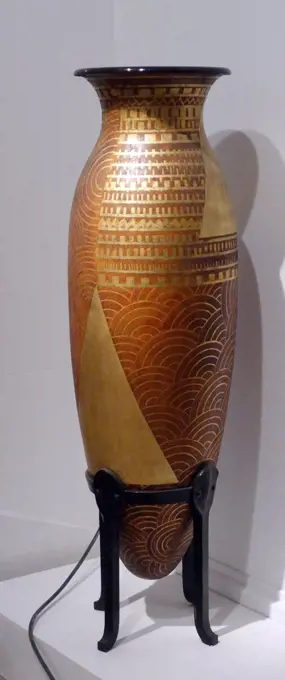
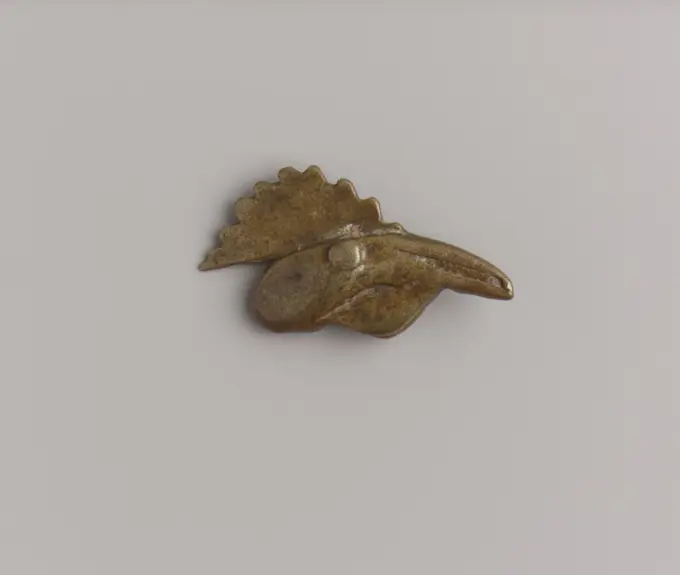
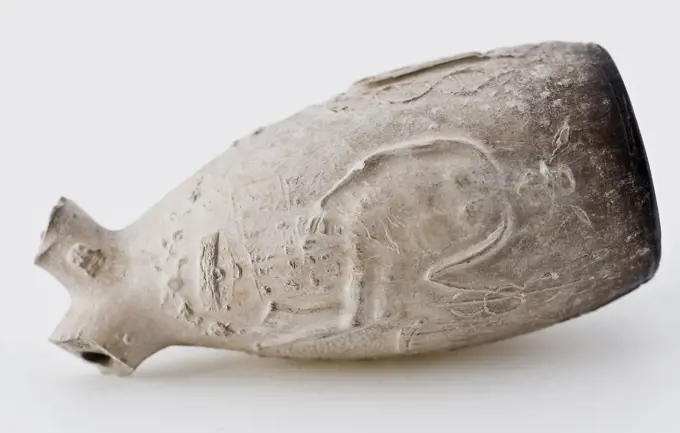
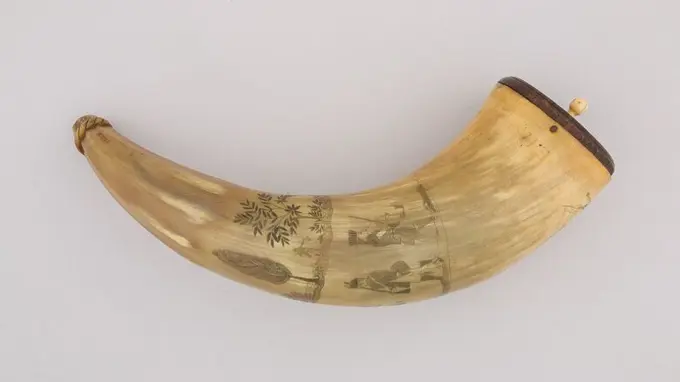
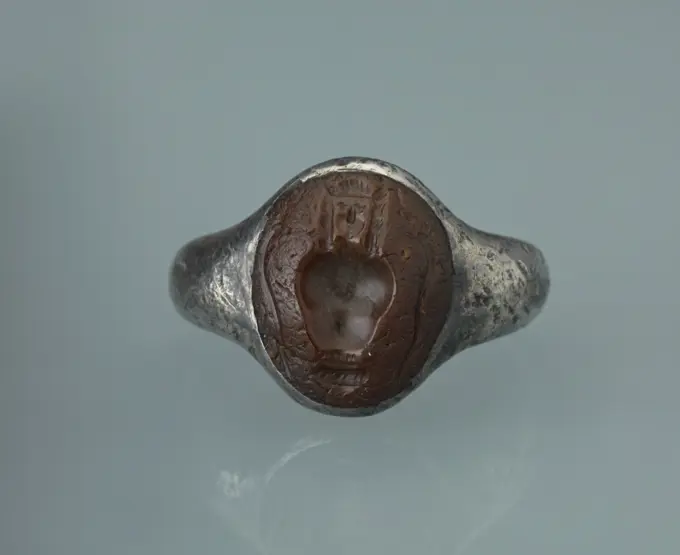
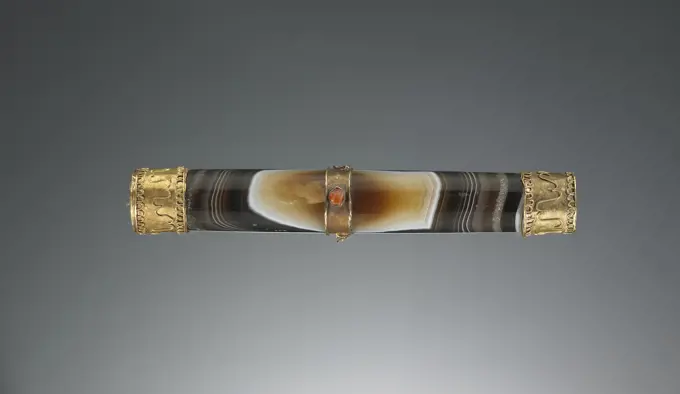
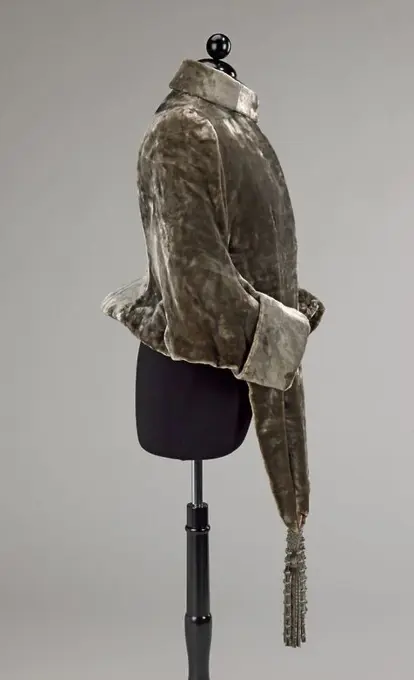
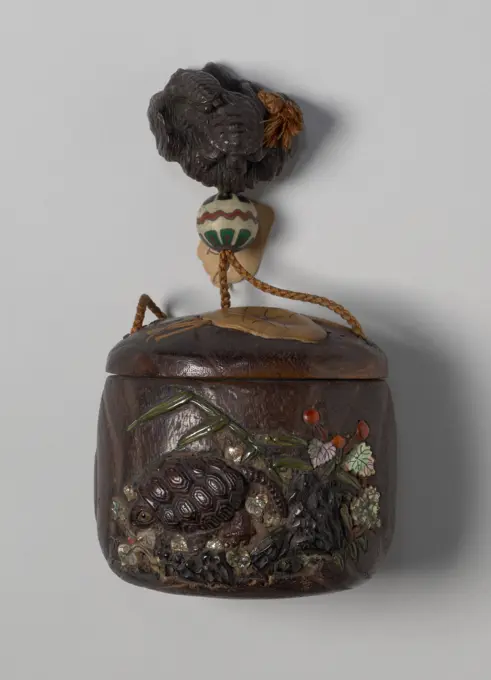
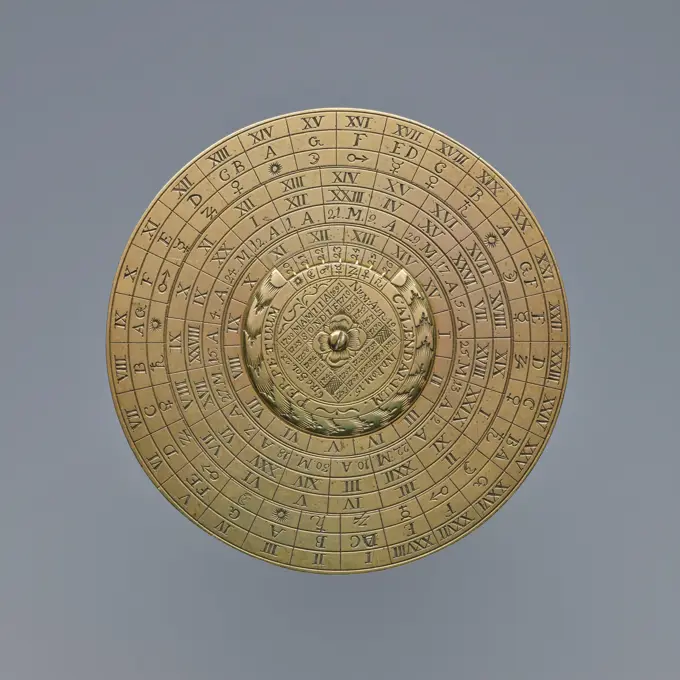
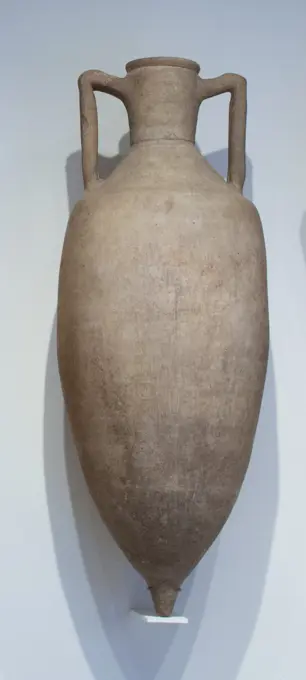
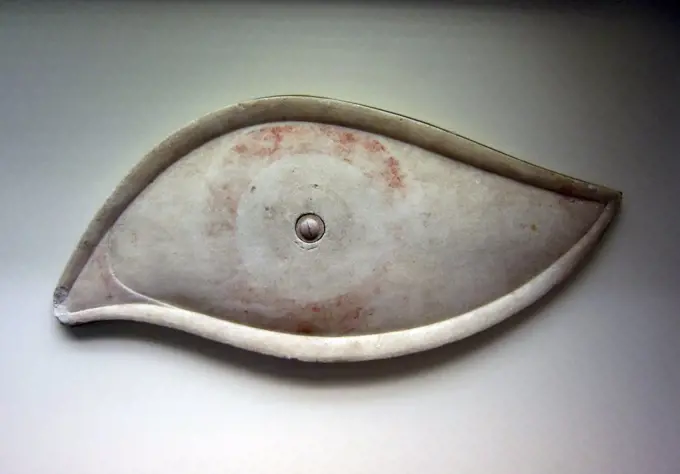
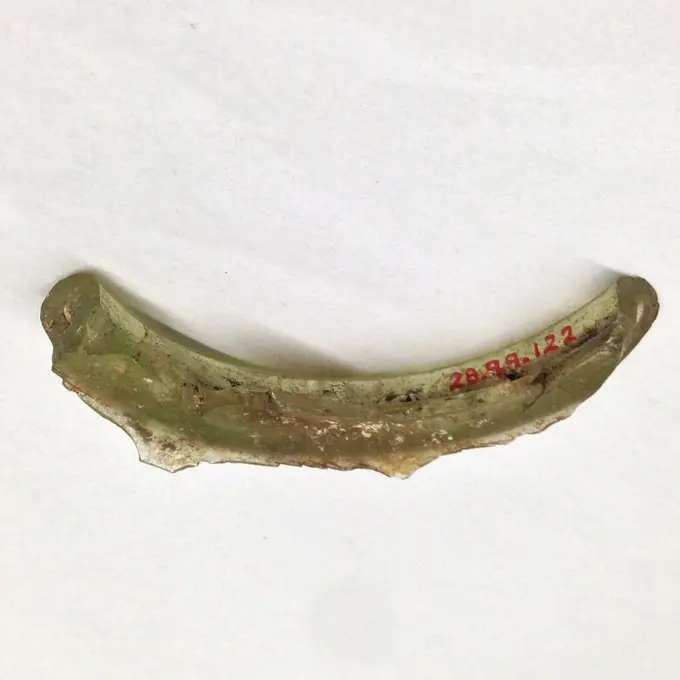
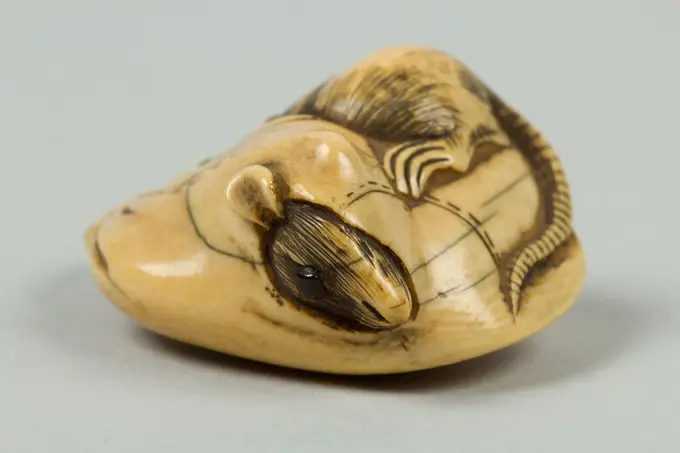
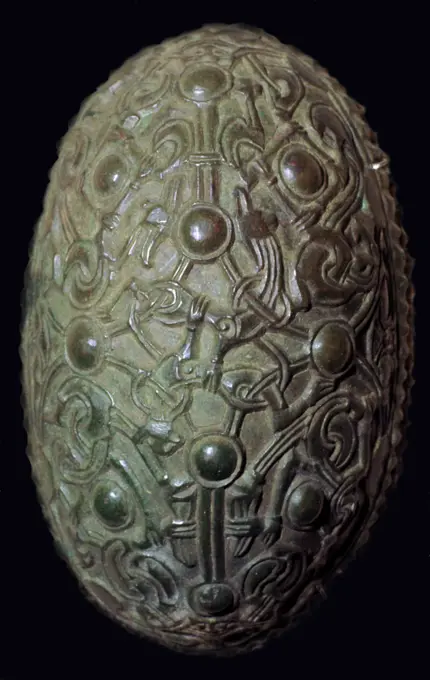
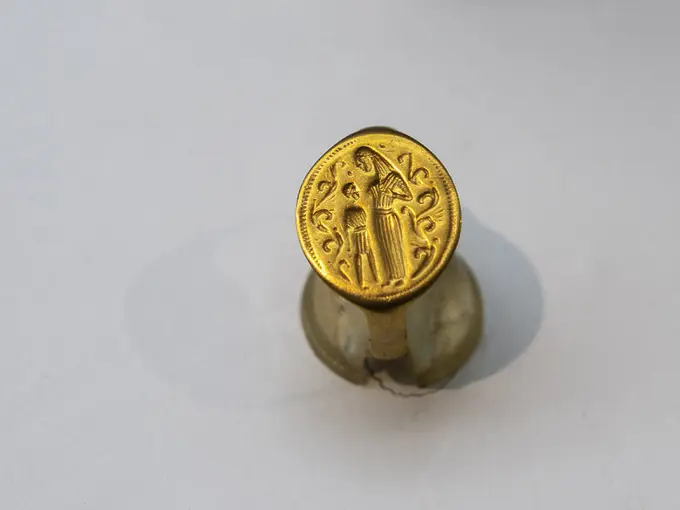
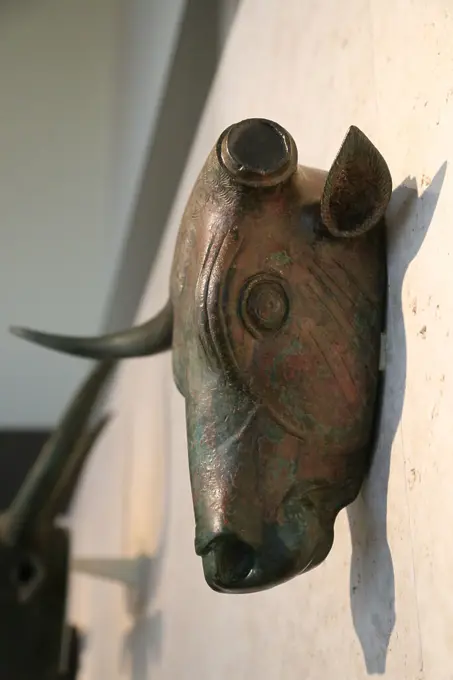
Rattle; silver, mother-of-pearlDish with a folded rim ca. 2100-2010 B.C. First Intermediate Period This dish of Nile clay covered all over with a red pigment has a rim folded inwards in five places. Stone dishes with inward-folded rims appear as early as the First Dynasty and would seem to derive from pottery prototypes, though examples in pottery are very rare before the First Intermediate Period. This vessel was excavated in 1920-21 from a grave at Sedment and was perhaps intended to represent a special dish in the funerary meal.. Dish with a folded rim. ca. 2100-2010 B.C.. Pottery, hematite wash. First Intermediate Period. From Egypt, Fayum Entrance Area, Sidmant el-Gebel (Sedment). Dynasty 9-10Old Amphora, traditional shape mediterranean pottery container, found in the sea. Isolated on white.Funerary Cone of the Fourth Prophet of Amun Neferhotep ca. 1550-1295 B.C. New Kingdom. Funerary Cone of the Fourth Prophet of Amun Neferhotep. ca. 1550-1295 B.C.. Pottery. New Kingdom. From Egypt, Upper Egypt, Thebes. Dynasty 18Five wooden clogs in a box, children's toys. Five wooden clogs in a box, children's toys.Powder Horn 18th century American. Powder Horn 27627Case or box of leather in the form of a pyxis, anonymous, c. 1500 - c. 1525 Endui or box of leather in the form of a pyxis (chalice -shaped). The box is cylinder -shaped with wooden core, exaggerated with pressed and beaten leather, decorated with arabesks on dipped soil. The semi -full lid, on which a button, shows two coats of arms, one covered with a cardinal hat. There are two sliders on the box and lid, so that a cord can be inserted. The apprenticeship is gilded in a few places and worked with red. Italian.  leather. wood (plant material) gilding Endui or box of leather in the form of a pyxis (chalice -shaped). The box is cylinder -shaped with wooden core, exaggerated with pressed and beaten leather, decorated with arabesks on dipped soil. The semi -full lid, on which a button, shows two coats of arms, one covered with a cardinal hat. There are two sliders on the box and lid, so that a cord can be inserted. The apprenticeship is gilded in a few places and worked with red. ItalianCANTARO PARA AGUA EN BARRO BLANCO SIN VIDRIAR-CERAMICA POPULAR DE BAILEN-JAEN. Location: MUSEO DEL PUEBLO ESPAÑOL. MADRID. SPAIN.Fragments of pipes and pipe heads from the wreck of the East Indians' t Vliegend Hart, WS, 1700 - 1735  Two broken heads from an earthen Goudse Pijp, heel brand WS. Three pieces of stem. Everything blue and white. Fragments of Bowls and Stems. Gouda pipe clayFragment green silk damask with pattern of winding tendrils with stylized leaves, anjelieren and roses, c. 1700 - c. 1750 Fragment green silk damask of two parts sewn together, with a pattern of winding tendrils with stylized leaves, anjelieren and roses. Italy silk damask Fragment green silk damask of two parts sewn together, with a pattern of winding tendrils with stylized leaves, anjelieren and roses. Italy silk damaskLifting of knife, tapered, has knife cutlery soil find copper iron wood metal w 8,3, Taper flared. In the remains of wood around which iron. Wide side cuff of the same material archeology Rotterdam rail tunnel food Soil discovery: rail tunnel Rotterdam.Eagle Pendant 11th-16th century Veraguas. Eagle Pendant 309537Bronze ring, 9th century, necropolis of Momoitio, Garai, Arkeologi Museoa, museum aqueologico, Bilbao, Bizkaia, Pais Vasco, Spain.Engraved Gem, Roman Empire; 2nd - 4th century; Amber; 1.7 x 1.3 x 0.2 cm (5,8 x 1,2 x 1,16 in.)Netsuke Sennin with basket, early 19th century, Unknown Japanese, 2 1/4 x 1 1/16 x 1in. (5.7 x 2.7 x 2.5cm), Staghorn, Japan, 19th century. Decorative object in the shape of the sick monkey, in yellow and white glazed stoneware. Monogrammed.Bronze helmet. unknown, authorVessel 4000 BCE-3500 BCE Egypt. terracotta . Ancient EgyptianBaluster with stabbed C and S-Voluten, Anonymous, c. 1740 - c. 1760 S-shaped baluster with stabbed C and S-Voluten with rocaille shells. Northern Netherlands wood (plant material) S-shaped baluster with stabbed C and S-Voluten with rocaille shells. Northern Netherlands wood (plant material)Small Drum 500 B.C.-A.D. 300 Indonesia. Small Drum 53499Ancient Tibet: A Buddhist Hand Dorge Bell, Ming dynasty, 1368- 1644 AD. Bronze.Uchwyt oinochoe. unknown, authorFibula bow segment. Unknown 7th-5th century B.C.Sconce in the form of an arm late 16th-early 17th century Italian, probably Tuscany. Sconce in the form of an arm. Italian, probably Tuscany. late 16th-early 17th century. Bronze, parcel-gilt. Sculpture-BronzeWrist bracelet in the form of a coiled snake; Egypt; 220 - 100 B.C; Bracelet: Gold; Fastening pin: Copper alloy; 6.5 × 7.1 cm (2 9,16 × 2 13,16 in.)Personnage. Jade. Par musée musée malée. 51644-2 Jade, characterGoldweight Bellows, 19th-20th century, 1 13/16 x 13/16 x 3/16 in. (4.6 x 2.06 x 0.48 cm), Brass, Ghana, 19th-20th centuryVial. unknown, craftsmanStirrup Spout Bottle with Fruit Form 1st century B.C.-A.D. 2nd century Moche. Stirrup Spout Bottle with Fruit Form 310232Palette shaped like a fish Predynastic, Naqada II ca. 3650-3300 B.C. View more. Palette shaped like a fish. ca. 3650-3300 B.C.. Greywacke. Predynastic, Naqada II. From EgyptCosmetics Mortar. Dimensions: H. 1 1/16 in. (2.7 cm)W. 3 5/16 in. (8.4 cm)L. 5 5/16 in. (13.5 cm). Date: 10th-12th century.Objects like this, with a small well, flanged handles and a long horizontal spout, have been theorized to be many different things--from lamps to baby feeders. It seems most likely, however, that the hemispherical body was used for as a mortar for crushing cosmetic materials, which would then have been poured down the spout into small flasks. Museum: Metropolitan Museum of Art, New York, USA.AncestorPanelFeline-shaped belt buckle ca. 3rd century Korea. Feline-shaped belt buckle. Korea. ca. 3rd century. Bronze. Three Kingdoms period (57 B.C.-A.D. 676). MetalworkRing 10th century. Ring 450415Bottle with a cap. Annaberg (ośrodek ceramiczny: XVI-XIX w.), factoryGrahal-Manzara. Carnavalet 2013-2016 collection sites. Numismatics. Law bust of Jean-Jacques Rousseau, on the left.Copper and wrought iron with gold lacquer Vase by Jean Dunand, a French lacquer, sculptor, dinandier (copper manufacturer) and interior designer. Dated 1930Gold Weight: Chicken's Head 18th-19th century Akan peoples Beginning in the fourteenth century, the Akan engaged in extensive trade with both the Portuguese and Spanish along the west coast of Africa, which subsequently came to be known as the "Gold Coast." The Akan used differing and complicated systems of measurement for trade with European and Islamic traders. In Akan society, gold was intimately associated with authority, royalty, and the sacred. Its lavish use in regalia and ornament was a prominent feature of Akan court ceremony. These three gold weights reflect the wealth and breadth of Akan metallurgic virtuosity and take the form of a chair, a bird with its head turned back to its tail, known as Sankofa, and a chicken head.In Akan society, a great deal of importance is placed on verbal eloquence and the artful interpretation of proverbs in expression. Proverbs are the source of imagery for many forms of Akan visual art, including gold weights. The Sankofa image is derived fromWhite clay pipe with relief on its head, with Mercury and on reverse Neptune, clay pipe smoking equipment smoke floor pottery ceramic pottery, pressed pressed White clay pipe with relief on top with overlay decoration Left side: Mercury sitting amidst goods in the background sailing ship Right side: Neptune sitting with on his feet fish On the seam sun the coat of arms of Gouda and CP Letters on both sides of the weld: CP archeology indigenous pottery smoking tobacco Mercury Neptune classicVase JanówekBethyl Bethyl Copyright: xZoonar.com/BartomeuxBalaguerxRotgerx 22556717Gunner's powder horn, anonymoyus, 1580. cutting. Netherlands. Rijksmuseum. Amsterdam. Netherlands.Upper part of a female figure with a child ca. 1981-1802 B.C. Middle Kingdom. Upper part of a female figure with a child. ca. 1981-1802 B.C.. Faience. Middle Kingdom. From Egypt, Memphite Region, Lisht North, Cemetery, MMA excavations, 1906-07. Dynasty 12Scholar's rock China. Scholar's rock. China. Lingbi limestone with wood base. Qing dynasty (1644-1911). SculptureCeramic statuette of a woman, Marlik style, 1000-800BC.Erosaria spurca shell from the wreck of the Dutch East India ship Witte Leeuw, before 1613  Shell from V.O.C. ship the 'Witte Leeuw'.  .   Sint-HelenaFragment. Culture: European or Middle Eastern. Dimensions: L. 1 in. (2.5 cm). Date: ca. 1150-ca. 1250. Museum: Metropolitan Museum of Art, New York, USA.Hunchback FigureCatapult Projectile from Montfort (Starkenberg) Castle. Culture: Kingdom of Jerusalem (near modern day Akko, Israel). Dimensions: Diam. 14.5 in. (36.8 cm); Wt. approximately 146 lb. (66 kg). Date: ca. 1250.The area of Montfort, in upper Galilee near Acre, Isreal, was occupied by French Crusaders in the eleventh century. In the early thirteenth century it was acquired by the Teutonic Knights, a German crusading order, who strengthened the fortifications and renamed it Starkenberg. Mamluk forces took the castle by siege in 1271, leaving it in ruins. In 1925, Bashford Dean, curator of Arms and Armor, had high hopes that an excavation of the undisturbed site might unearth examples of arms and armor from the crusading era. Field work, organized by Dean and privately funded, was carried out in 1926. Relatively few martial artifacts were found, but the site did yield important architectural elements, pottery, glassware, and many other items from the daily life of the castle's former occupanSlippers 1830-50 American. Slippers 112731Fragment. Culture: European or Middle Eastern. Dimensions: L. 2 in. (5.1 cm). Date: ca. 1150-ca. 1250. Museum: Metropolitan Museum of Art, New York, USA.Powder Horn 1794 American. Powder Horn 29580Truffle potato, halvedNeck of a Bottle 4th-early 5th century Coptic. Neck of a Bottle 479133Snuff Bottle China. Snuff Bottle 41440Lotus Blossom. India, West Bengal, Chandraketugarh region, 2nd-1st century B.C.. Sculpture. Gray terracottaTerracotta votive offering Terracotta votive offering, Ibero-Roman culture, probably from the mid-1st century AD. , Archeological Museum. Úbeda, Jaén province, Andalusia, Spain Copyright: xZoonar.com/BartomeuxBalaguerxRotgerx 21702789Water Dropper in the Form of an Animal. Korea, Joseon dynasty (1392-1910), 19th century. Tools and Equipment; water droppers. Molded porcelain with iron painted decoration under clear glazeAn eagle wing belonging to a helmet, Anonymous, 1650 - 1800 fragment A broken black eagle wing.  wood (plant material)Model Funerary Boat of Imhotep. Dimensions: L. 275 cm (108 1/4 in.); H. 85 cm (33 7/16 in.). Dynasty: Dynasty 12, early-mid. Reign: reign of Amenemhat II-Senwosret II. Date: ca. 1919-1878 B.C.. Museum: Metropolitan Museum of Art, New York, USA.Upper Arm Defense (Rerebrace). Culture: Italian. Dimensions: H. 6 1/4 in. (15.9 cm); W. 4 in. (10.2 cm); D. 5 in. (12.7 cm); Wt. 13.1 oz. (371.4 g). Date: ca. 1430-40. Museum: Metropolitan Museum of Art, New York, USA.Handle or Ornament 9th-10th century. Handle or Ornament 450873Lid. Culture: Coptic. Dimensions: Overall: 1 3/16 x 4 in. (3 x 10.2 cm). Date: 4th-7th century. Museum: Metropolitan Museum of Art, New York, USA.Powder Horn. Culture: American. Dimensions: L. 12 1/2 in. (31.8 cm); Diam. 3 1/2 in. (8.9 cm); Wt. 11.1 oz. (314.7 g). Date: 1775-1800. Museum: Metropolitan Museum of Art, New York, USA.Bes amulet Late Period-Ptolemaic Period 664-30 B.C. View more. Bes amulet. 664-30 B.C.. Faience. Late Period-Ptolemaic Period. From EgyptAmulet of a Hare 664 BCE-332 BCE Egypt. Faience . Ancient EgyptianRingFigurine of HarpocratesPendant for a Chain; Iran (); 2nd - 1st century B.C; Agate, dark stone, rock crystal and gold;Dish;  around 2055 1650 BC ; Average state (-2055-00-00--1650-00-00);Mantle. Culture: American. Date: 1885-90. Museum: Metropolitan Museum of Art, New York, USA.Tobacco Box with Turtles in Lotus and Grasses, c. 1760. Japan, Edo period (1615-1868). Box: wood with color and metal, shell, and stone inlay; toggle (ojime): ceramic; netsuke: wood; overall: 9 cm (3 9/16 in.).Goldweight Two Birds with an Alligator, 19th-20th century, 5/16 x 1 5/16 x 1 3/4 in. (0.79 x 3.33 x 4.45 cm), Brass, Ghana, 19th-20th centuryHead from a Statuette 664-332 B.C. Late Period. Head from a Statuette. 664-332 B.C.. Ivory. Late Period. From Egypt. Dynasty 26-29Angel wing of brass, anonymous, c. 1400 - c. 1500 Cast right wing, with a row of five feathers, with five long springs above it. A remnant of a numbering is visible on the mounting piece. Northern Netherlands (possibly) brass (alloy) casting Cast right wing, with a row of five feathers, with five long springs above it. A remnant of a numbering is visible on the mounting piece. Northern Netherlands (possibly) brass (alloy) castingHippopotamus-head amulet ca. 1981-1802 B.C. Middle Kingdom Hippos were common inhabitants of the Nile River. The animal's aggressive nature and large size worried the ancient Egyptians because they frequently went out in boats on the river. Protection against this dangerous animal was imperative, however, the hippopotamus was also associated with positive qualities such as regeneration.. Hippopotamus-head amulet. ca. 1981-1802 B.C.. Feldspar. Middle Kingdom. From Egypt. Dynasty 12Overschoen op ijzeren standring.Dolls shoe, overshoes on an iron stand ring. Sole and square cut heel of black wood. Rubb tires of red leather with a white stitching and white tires.Amulet of a Recumbent Ram. Egyptian. Date: 1069 BC-332 BC. Dimensions: 1.4 × 2.1 × 0.6 cm (9/16 × 13/16 × 1/4 in.). Faience. Origin: Egypt. Museum: The Chicago Art Institute, Chicago, USA. Author: Ancient Egyptian.Celt 10th-4th century B.C. Olmec. Celt 317290Funerary Cone of the Scribe Wesi ca. 1550-1352 B.C. New Kingdom. Funerary Cone of the Scribe Wesi. ca. 1550-1352 B.C.. Pottery. New Kingdom. From Egypt, Upper Egypt, Thebes, Sheikh Abd el-Qurna. Dynasty 18Stall fragment possibly 17th century possibly Dutch. Stall fragment. possibly Dutch. possibly 17th century. Walnut. WoodworkPerpetual calendar;  around 1690 (1690-00-00-1691-00-00);Przeszo Przyszoci unknownAmfora z kartuszami. unknown, authorStone Celt before 16th century Costa Rica. Stone Celt 317280Necklace with Lizards, 550-800. Peru, Moche, 6th-9th Century. Stone; overall: 3.6 x 23.8 cm (1 7/16 x 9 3/8 in.).Terracotta transport amphora 2nd century B.C. Greek, Rhodian Gray clay vessel with angular shoulder and pointed bottom; no decoration.. Terracotta transport amphora. Greek, Rhodian. 2nd century B.C.. Terracotta. Hellenistic. Vases"Lizardman" Figure (Moko) Rapa Nui people 19th century The distinctive lizardman figures (moko) of Rapa Nui are composite beings with the heads and tails of lizards, the fan-like tails of birds, and the bodies of humans. Reportedly placed at the thresholds of dwellings or ceremonial structures or hung from interior rafters, the figures may depict powerful spirits, who served as supernatural guardians. Small lizardman images were also worn as pendants by dancers during feasts. The hole in the back of this work once accommodated the cordage used to suspend it within a dwelling or around a performer's neck. View more. "Lizardman" Figure (Moko). Rapa Nui people. 19th century. Wood, obsidian, bone. Chile, Rapa Nui (Easter Island). Wood-SculptureProtective eye from the bows of an ancient Greek sailing vessel, Archaeological Museum, Piraeus, Greece.One MangosteenFragment. Culture: European or Middle Eastern. Dimensions: L. 2 9/16 in. (6.5 cm). Date: ca. 1150-ca. 1250. Museum: Metropolitan Museum of Art, New York, USA.Netsuke of Mouse in a Bag. Culture: Japan. Dimensions: H. 1 in. (2.5 cm); W. 1 7/8 in. (4.8 cm); D. 1 5/8 in. (4.1 cm). Date: 19th century. Museum: Metropolitan Museum of Art, New York, USA.Two-piece bronze mold for ring, cast molding tools tools base metal bronze, cast turned Two-piece bronze mold for casting ring Rotterdam tin foundry tin stainer tin Meeuws Druy craft Shapes come from the originally 18th century Rotterdam inkwell J Druy. The large molds that were not signed or dated were the property of the tinker guild and were rented to the small tin caster.Viking bronze and tortoise-shell brooch, c.8th-11th century. Artist: UnknownFaience hes-vase of Amenhotep II 1426 B.C.Cup modeled after a rhyton ca. second half of 6th century China The shape of this rhyton-type cup, as well as its beaded medallions, a palmette, and semipalmettes, all reflect the influence of Western metalwork. However, these foreign features have been counterbalanced in typically Chinese fashion by a distinctively homegrown dragon.. Cup modeled after a rhyton 42387Gold ring with seal, -Annulus Aureus De Ilipla-, 5th-4th centuries BC. Turdetan era, Niebla, Huelva Museum, Huelva, Andalusia, Spain.Bulls from Costitx. 500 BC-200 BC. Iron age. Material: bronze. Shrine of Predio de Son Corro, Costitx, Majorca, Spain. National Archaeological Museum, Madrid. Spain.Fragment. Culture: European or Middle Eastern. Dimensions: L. 2 1/4 in. (5.7 cm). Date: ca. 1150-ca. 1250. Museum: Metropolitan Museum of Art, New York, USA.Ginger root