Archaeological Artifacts

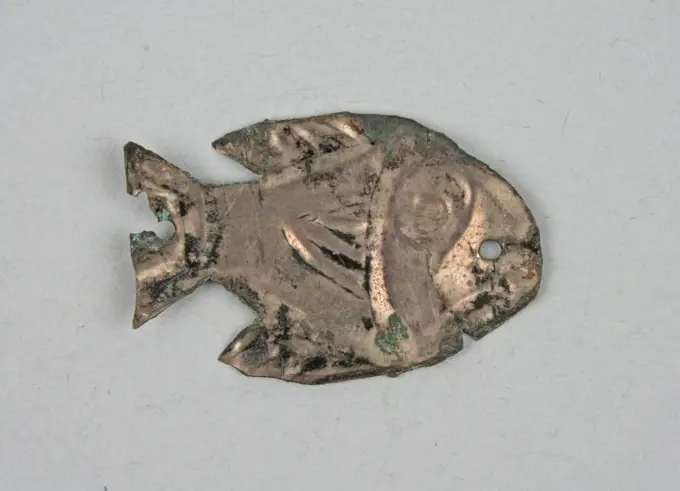
Artifacts including ceramics and furniture elements from ancient civilizations. Textures and colors reflect historical significance and craftsmanship.
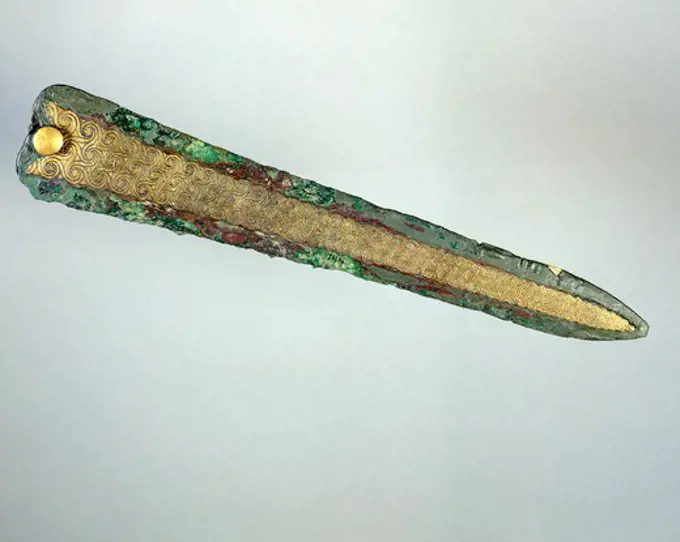
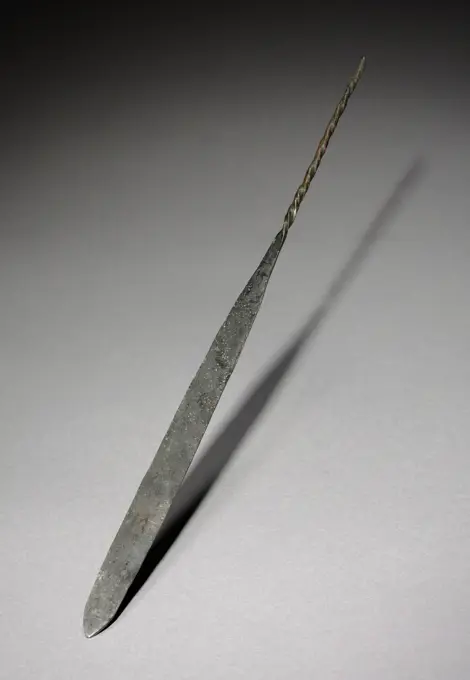
Dagger with inlaid gold with gold spirals, from Tomb III of the Circle A of Mycenae (Greece). Goldsmith art, Mycenaean Civilization, 16th Century BC.
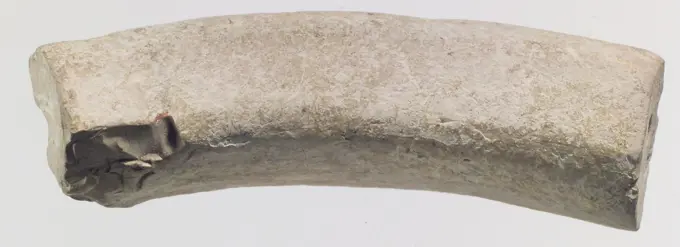
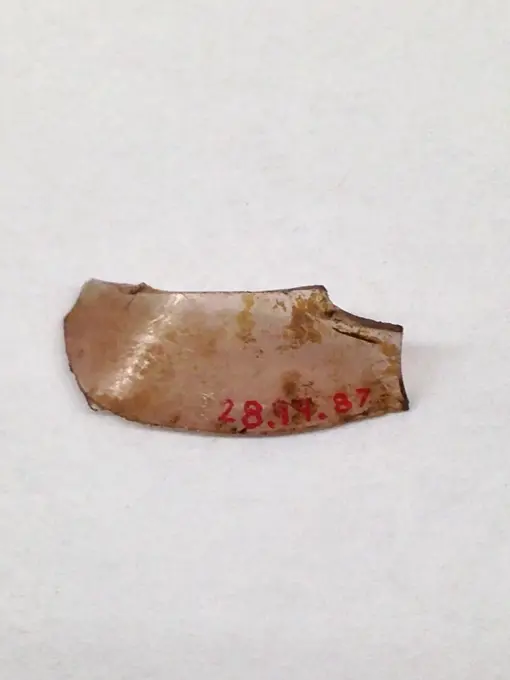
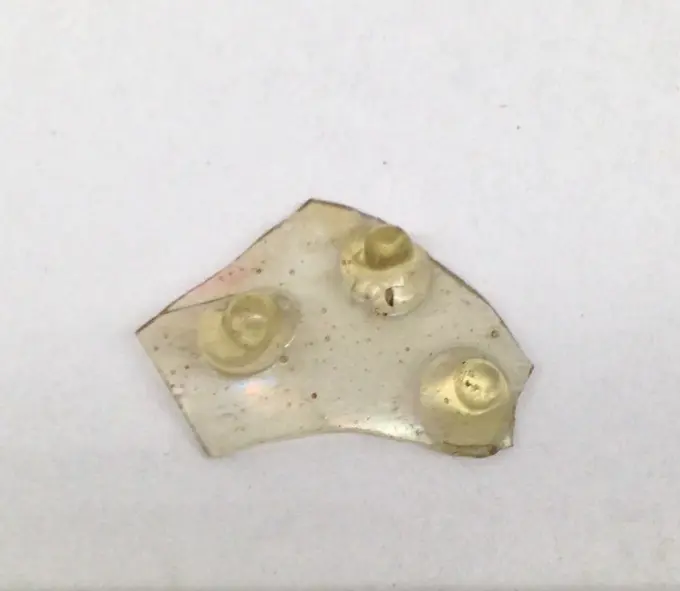
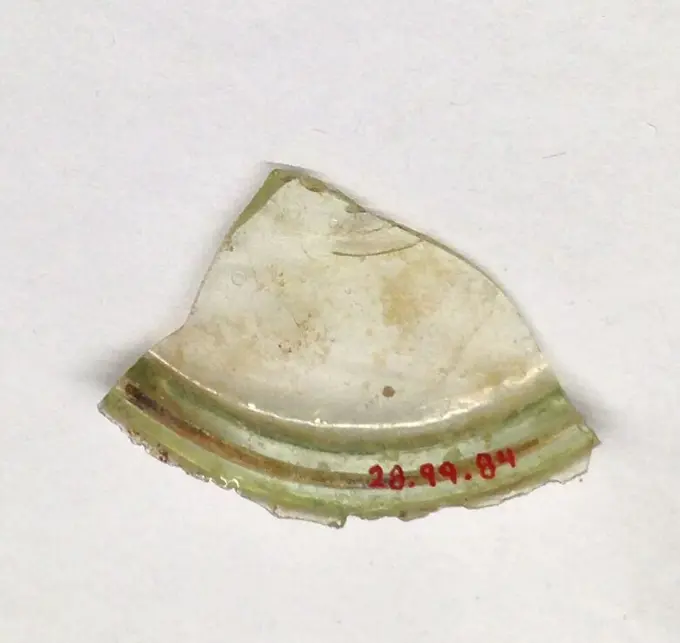
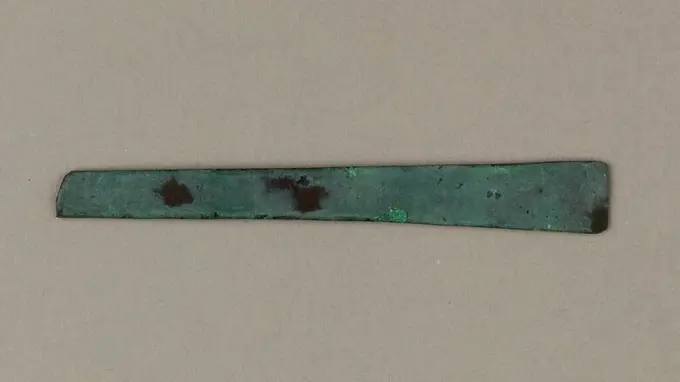
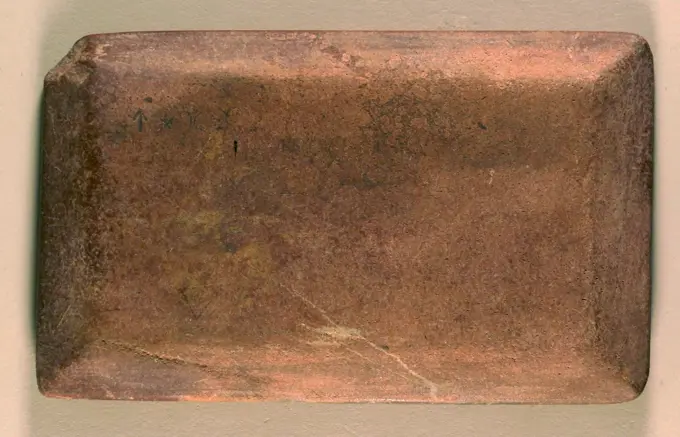
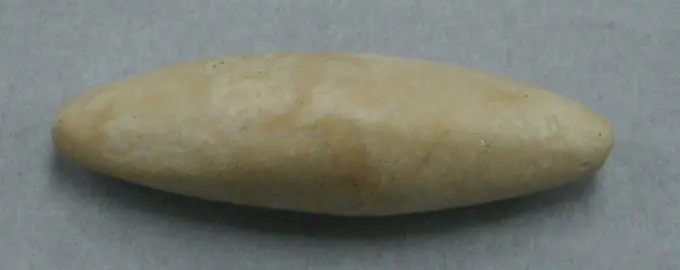
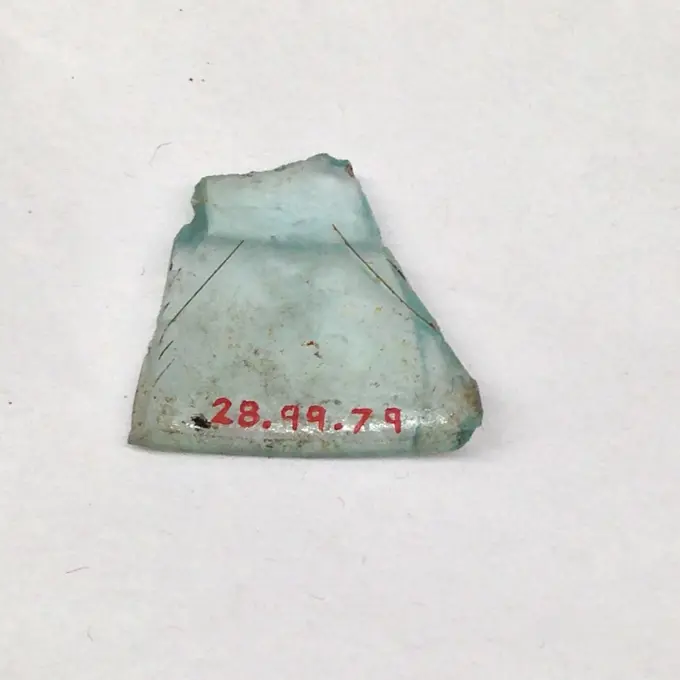
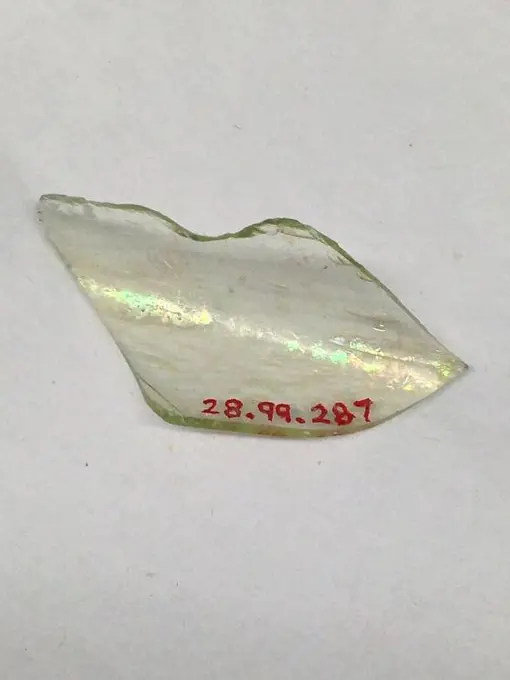
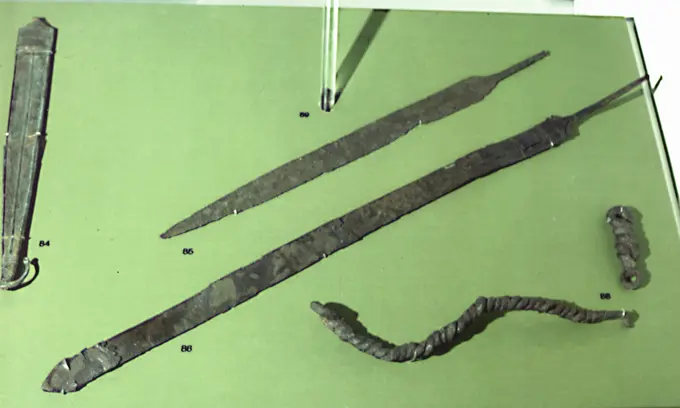
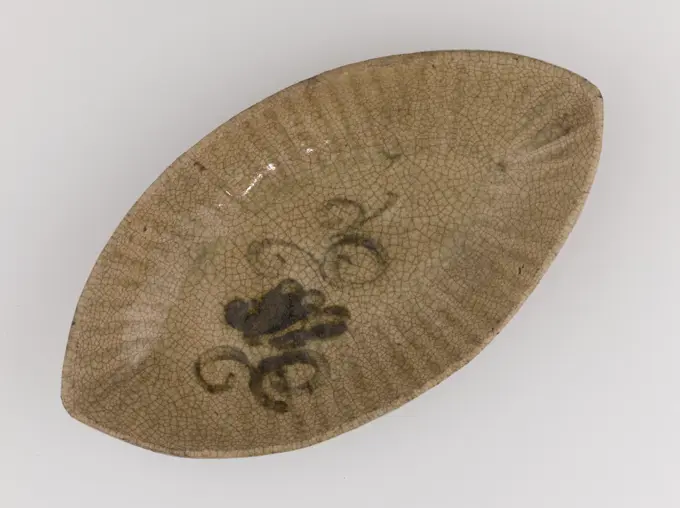
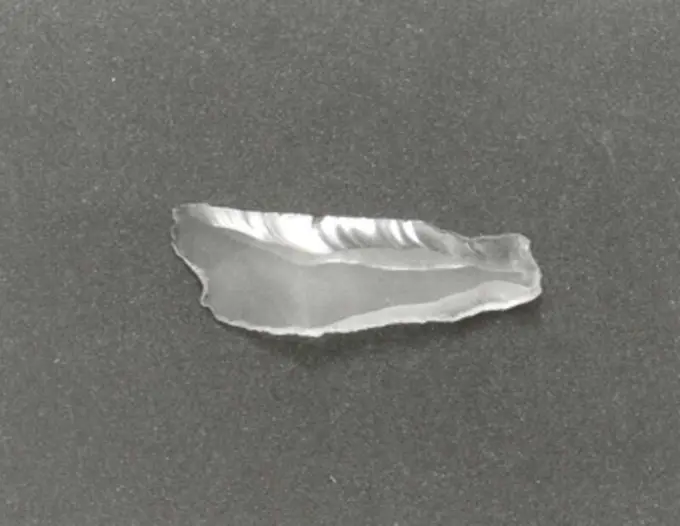
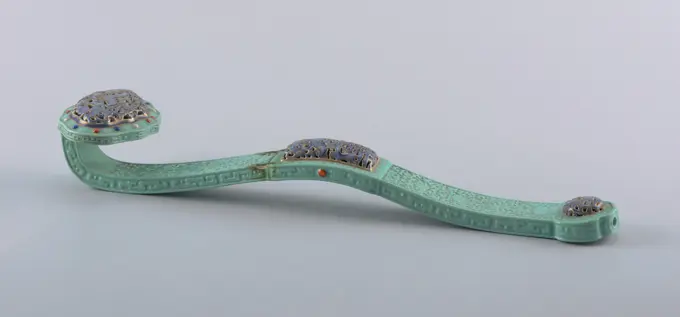
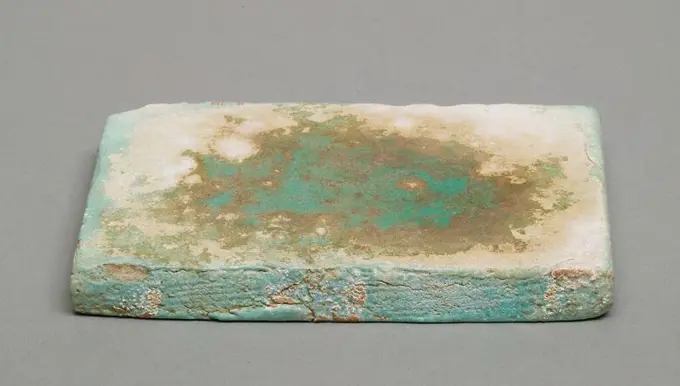
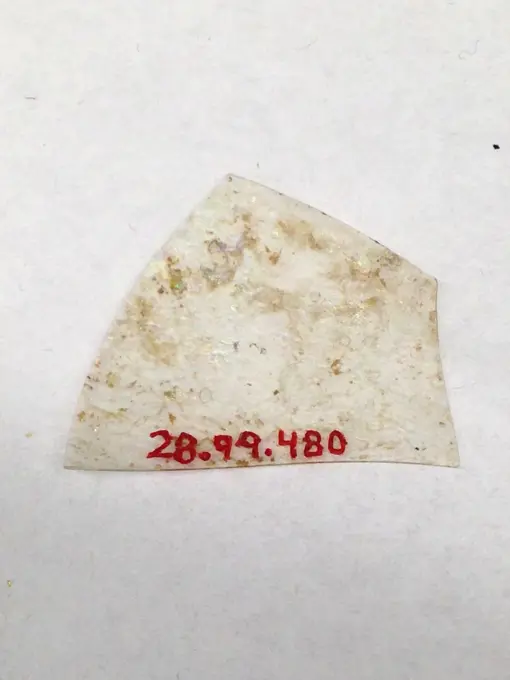
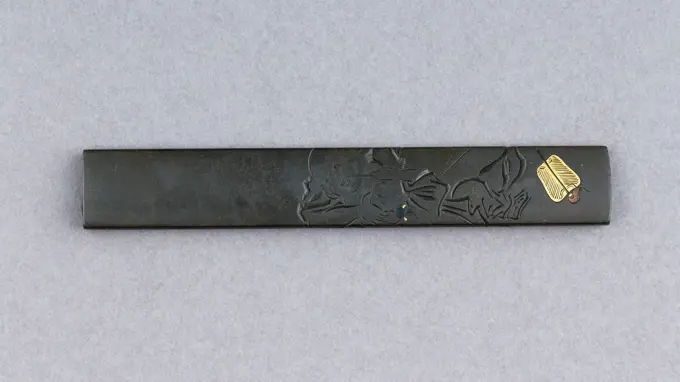
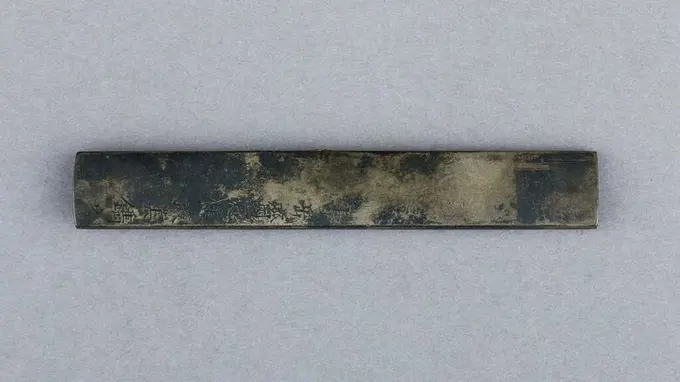
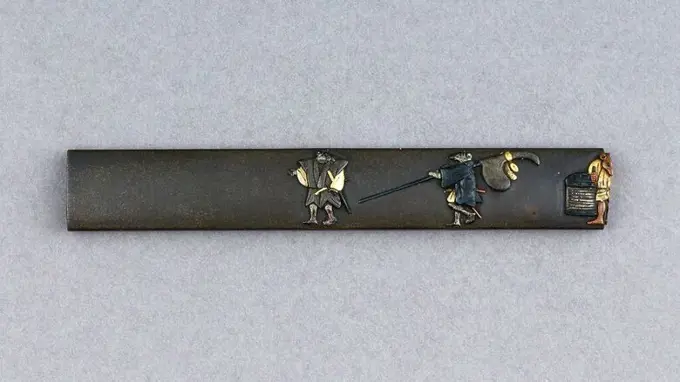
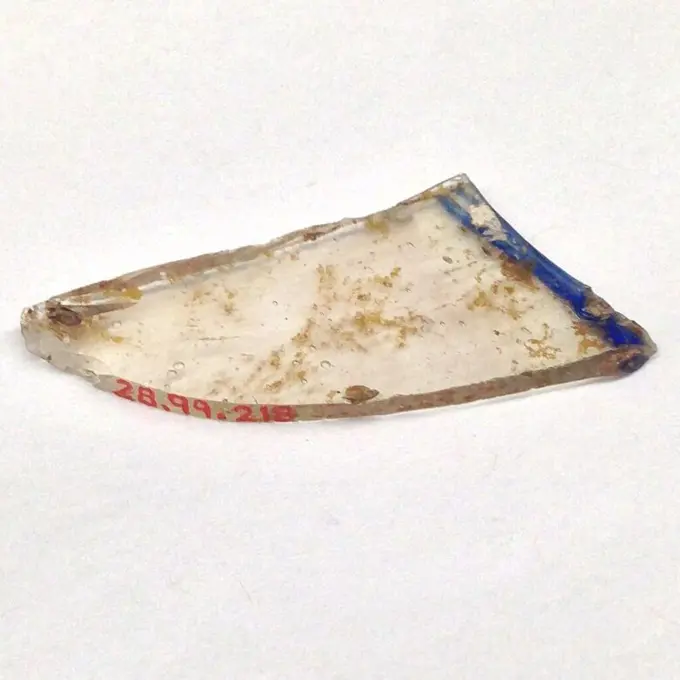
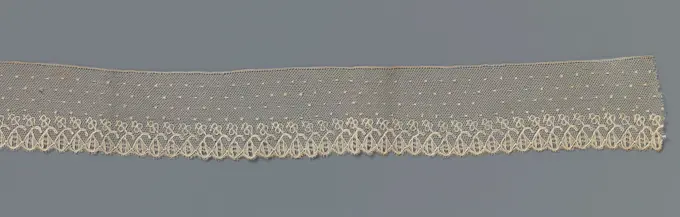
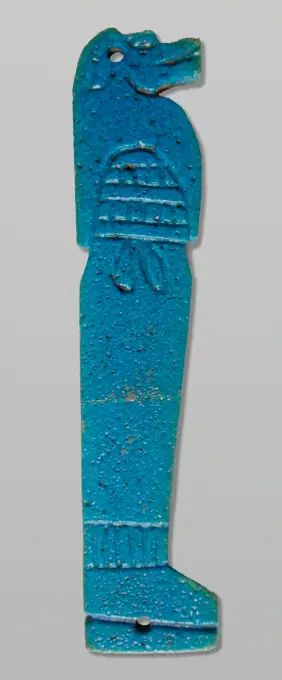
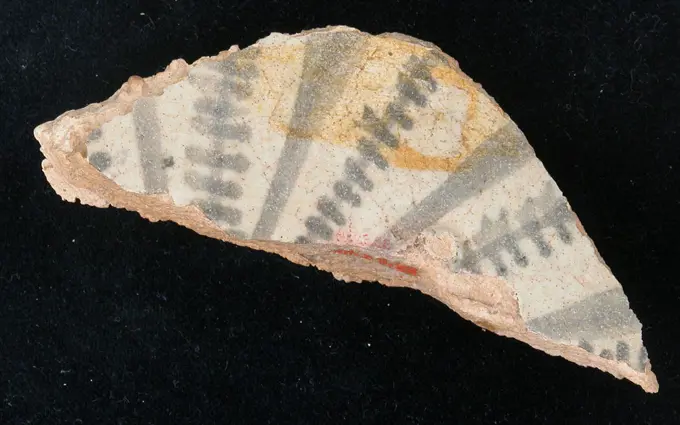
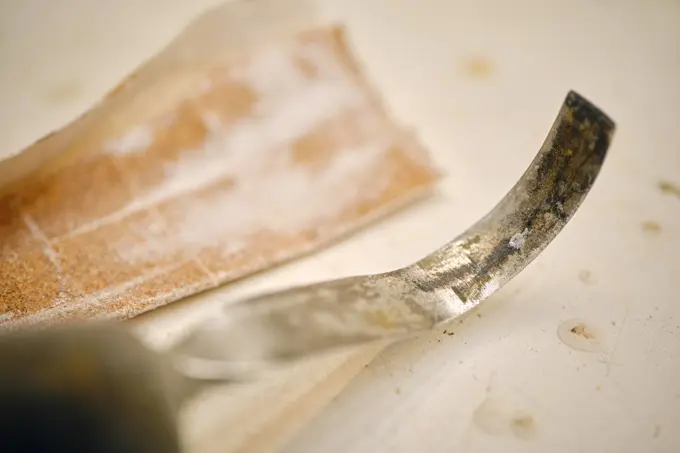
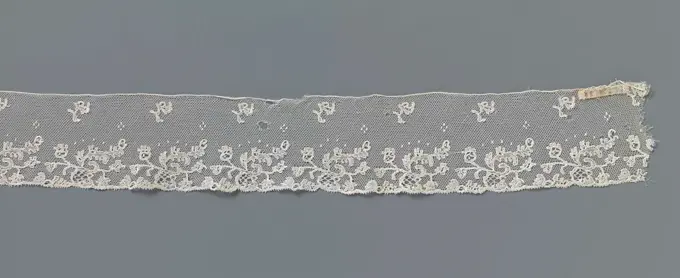
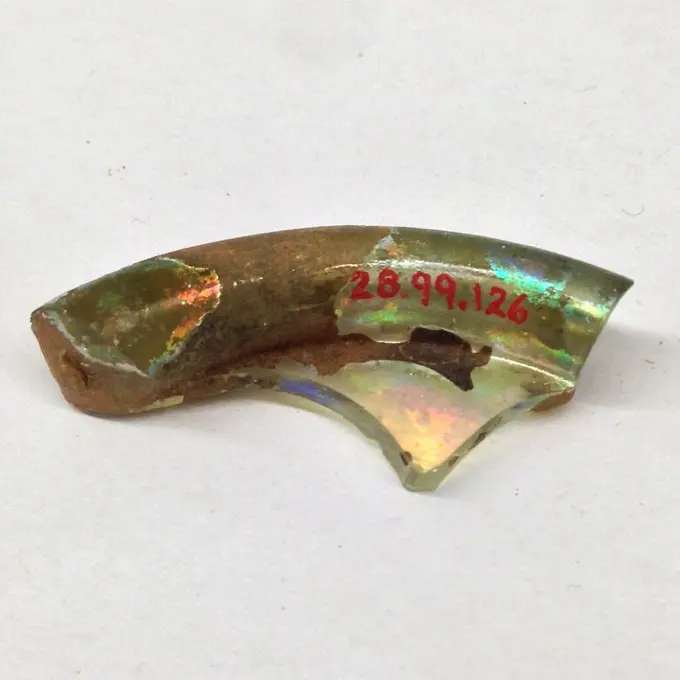
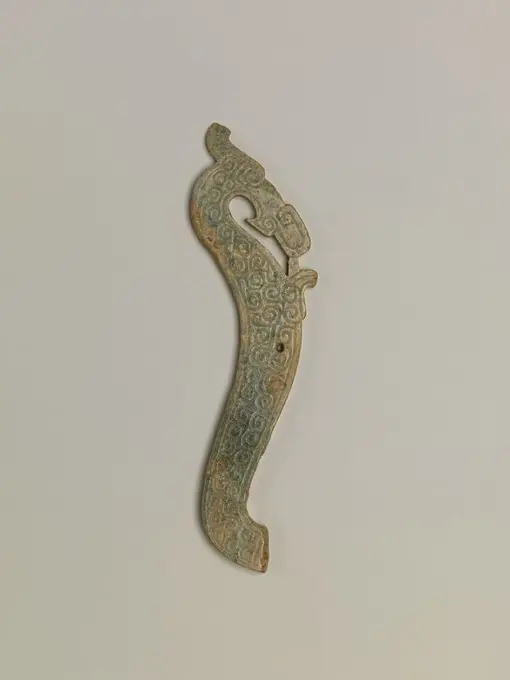
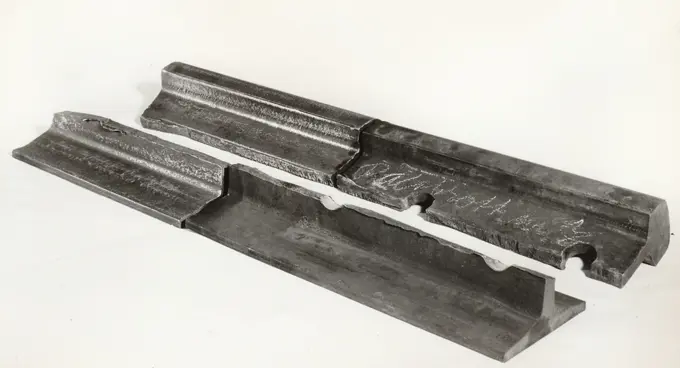
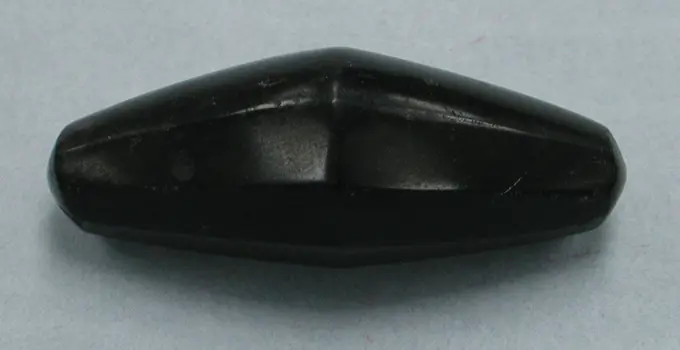
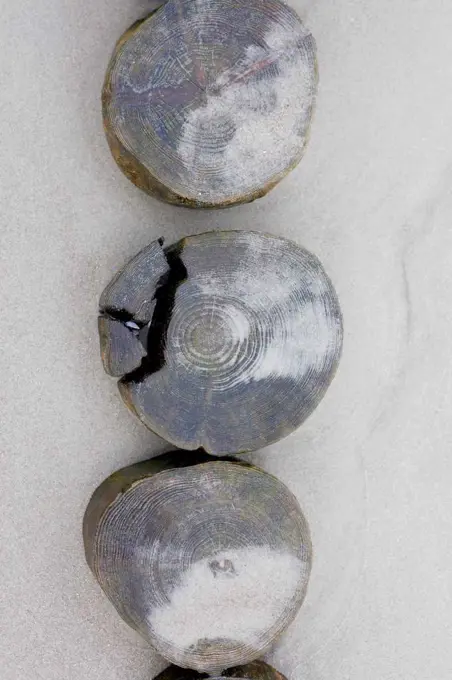
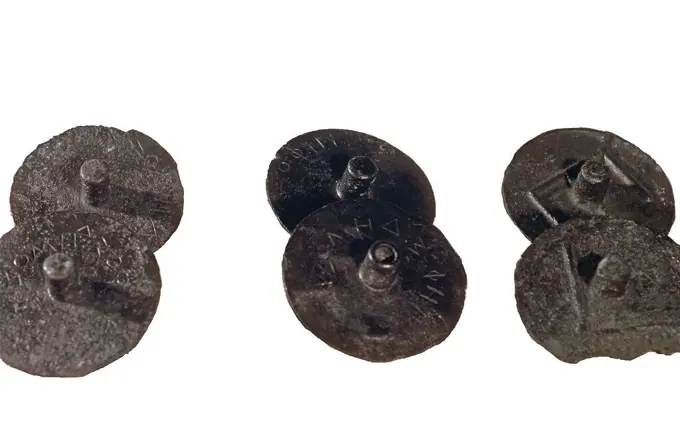
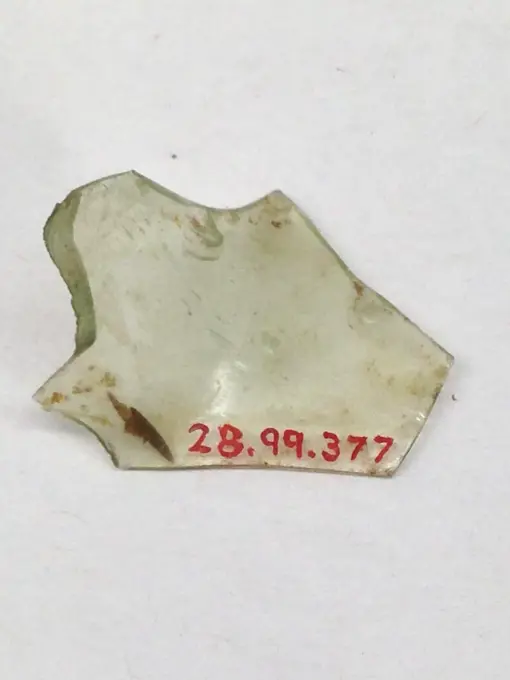
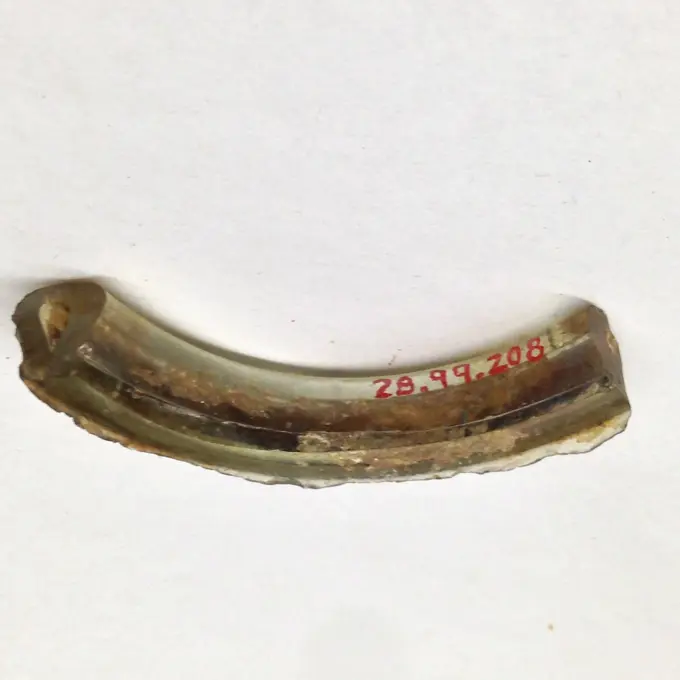
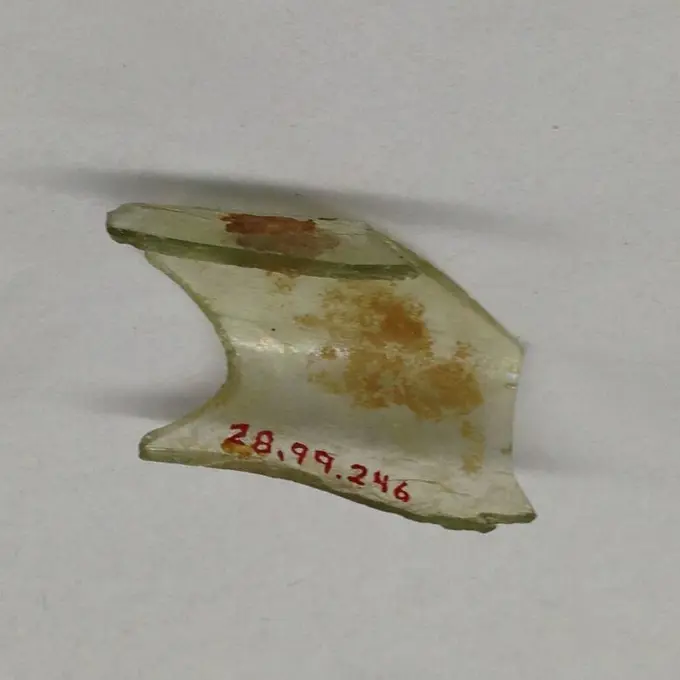
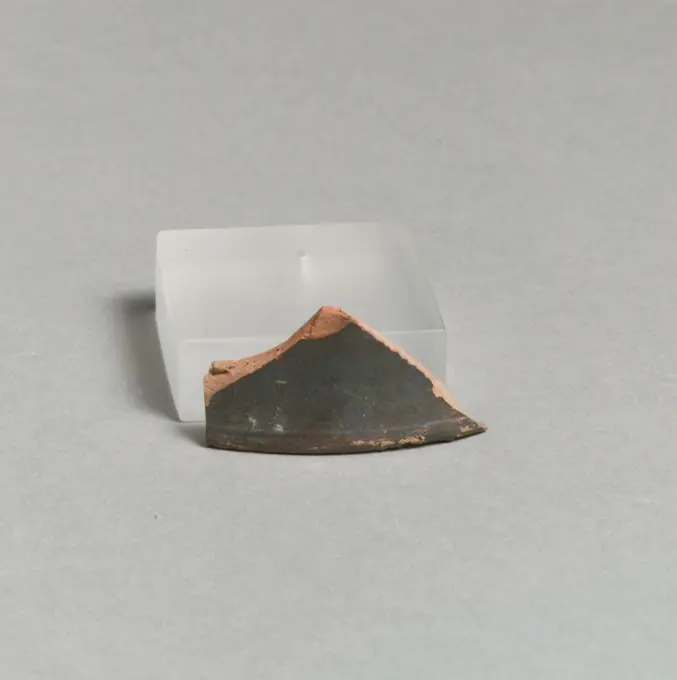
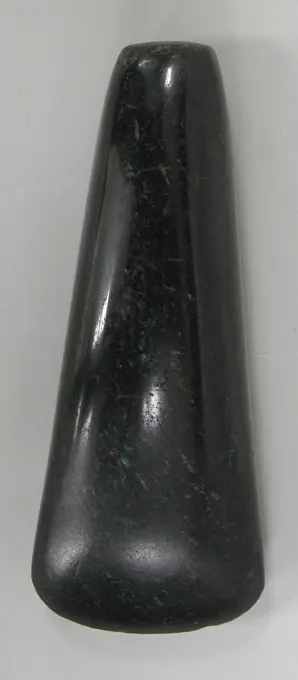
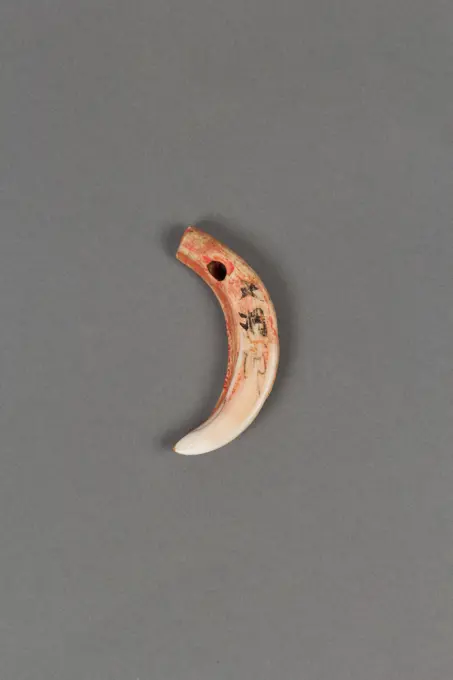
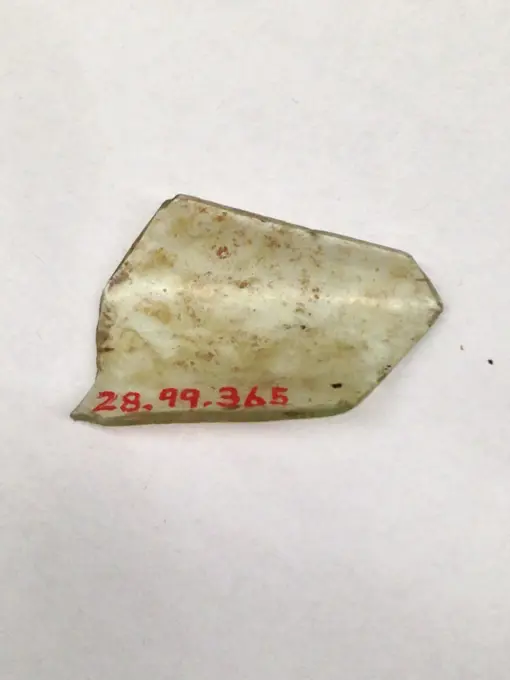
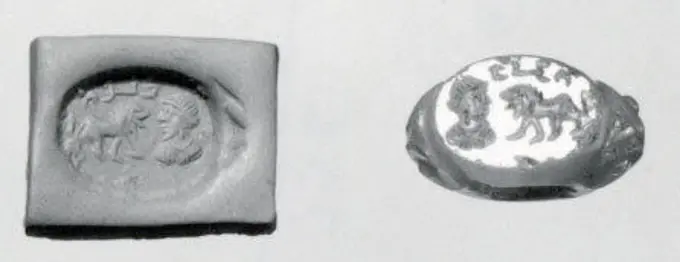
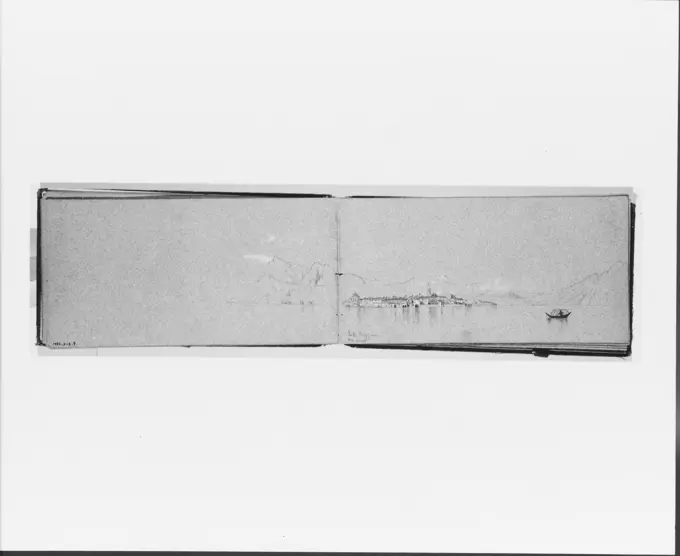
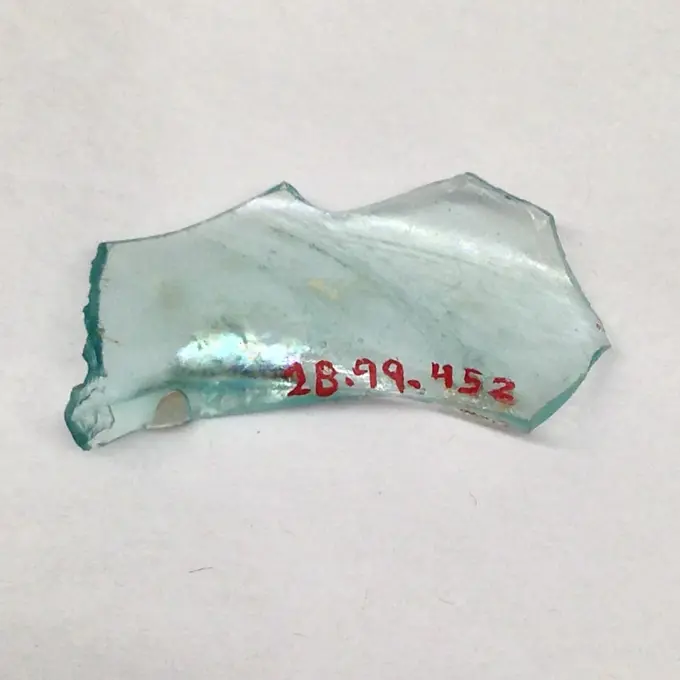
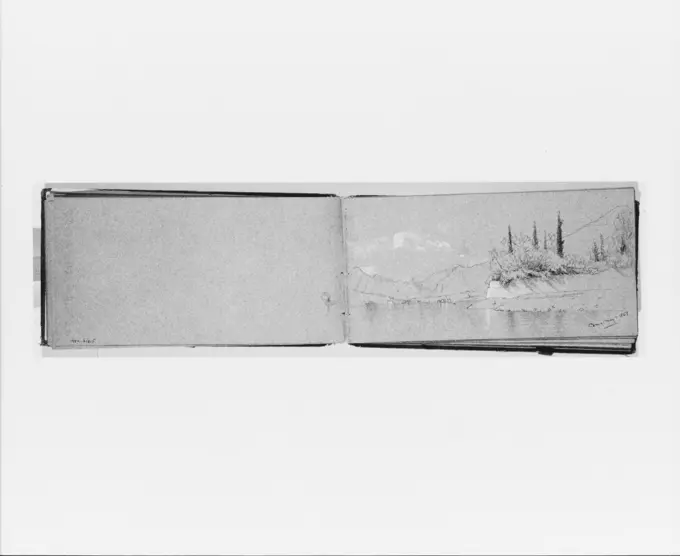
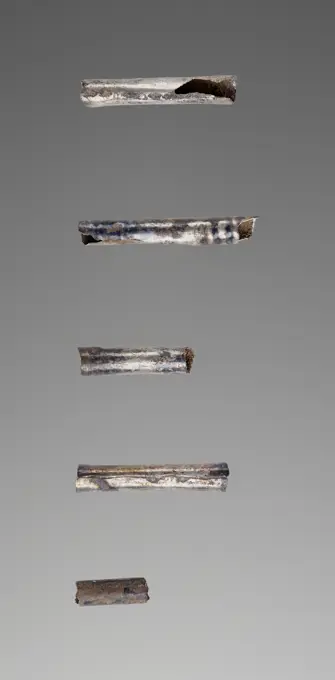
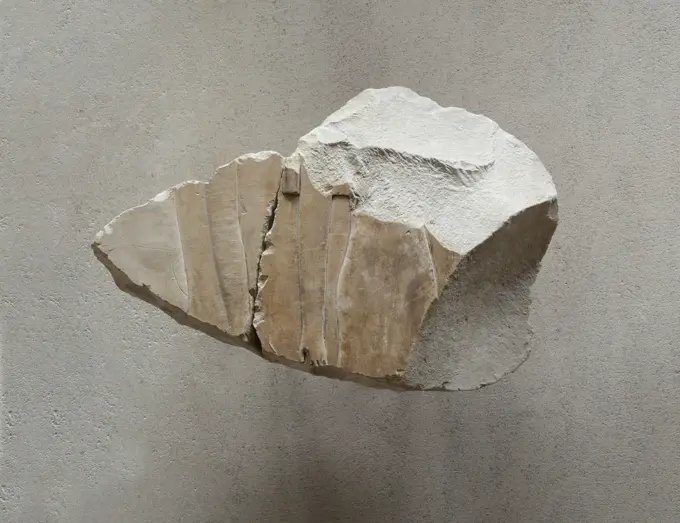
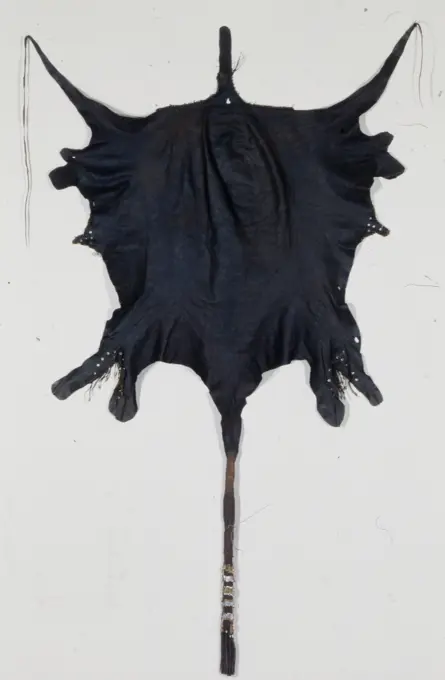
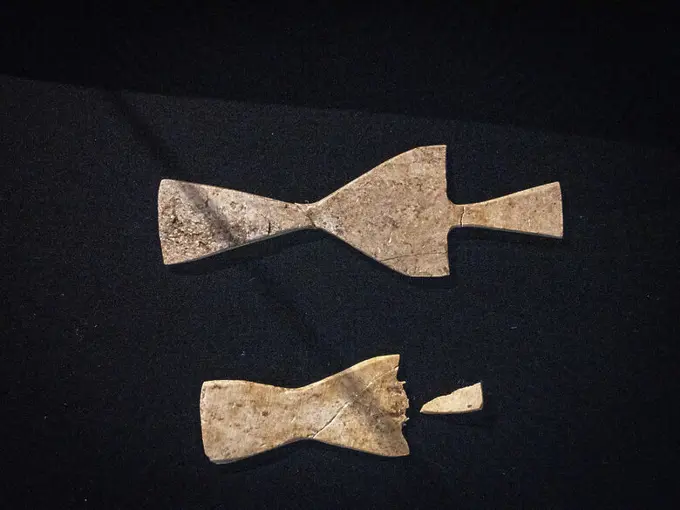
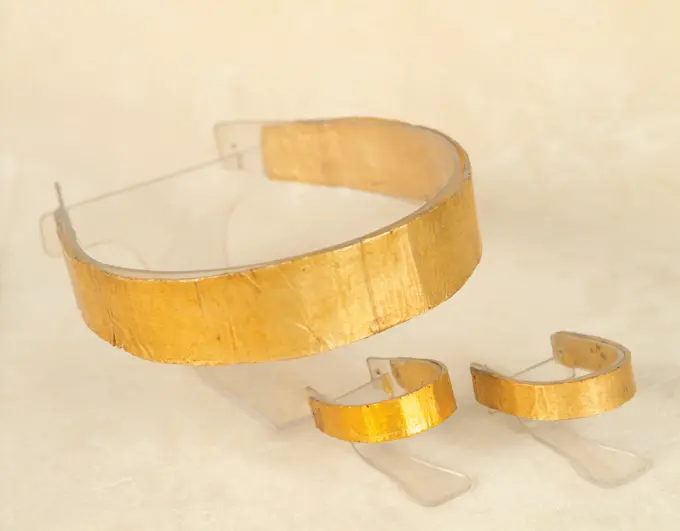
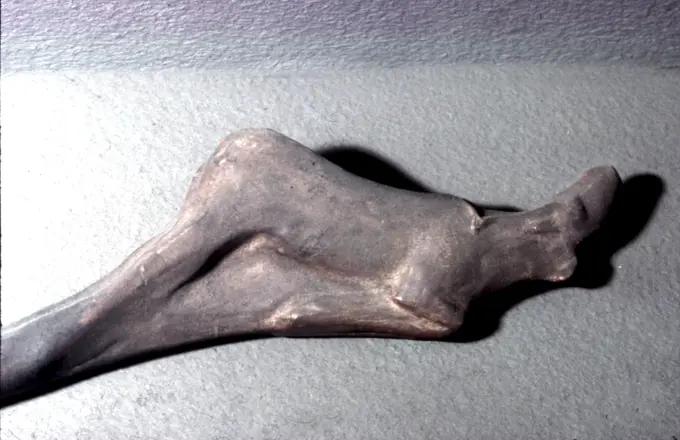
Fragment ca. 1150-ca. 1250 European or Middle Eastern. Fragment 695153Furniture element ca. 18th century B.C. Old Assyrian Trading Colony. Furniture element. Old Assyrian Trading Colony. ca. 18th century B.C.. Ivory. Middle Bronze Age-Old Assyrian Trading Colony. Anatolia, probably from AcemhöyükTile Fragment 1334-1434. Tile Fragment 455072Vase fragment Minoan. Vase fragment 247824Dagger with inlaid gold with gold spirals, from Tomb III of the Circle A of Mycenae (Greece). Goldsmith art, Mycenaean Civilization, 16th Century BC.Fragment 14th-15th century. Fragment 446514Fragment ca. 1150-ca. 1250 European or Middle Eastern. Fragment 694186Glass Fragment 13th century Crusader. Glass Fragment 729827Fragment. Culture: European or Middle Eastern. Dimensions: L. 1 5/8 in. (4.1 cm). Date: ca. 1150-ca. 1250. Museum: Metropolitan Museum of Art, New York, USA.Model chisel. Dimensions: H. 9.7 cm (3 13/16 in.); W. 1.3 cm (1/2 in.). Dynasty: Dynasty 2. Reign: reign of Khasekhemui. Date: ca. 2650 B.C.. Museum: Metropolitan Museum of Art, New York, USA.Fragment ca. 1150-ca. 1250 European or Middle Eastern. Fragment 695161A buckle for a women's beltCelt before 16th century Mexico (). Celt 317292Dagger, 918-1392. Korea, Goryeo period (918-1392). Bronze; overall: 1.4 cm (9/16 in.).Stone plate, palette, or whetstone 4th century B.C. Cypriot The edges of the bottom are beveled. On the top are two longshallow, polished depressions as if to hold a couple of cylindrical objects. Probably used bya painter to mix his colors. Inscription formerly in several lines, running the length of theflat bottom, but at present all that remains is the end of one line.. Stone plate, palette, or whetstone. Cypriot. 4th century B.C.. Stone. Classical . Cesnola InscriptionsPolishing Stone (pulidor) before 16th century Mexican. Polishing Stone (pulidor) 317012Fragment ca. 1150-ca. 1250 European or Middle Eastern. Fragment 693896PropertyFragment. Culture: European or Middle Eastern. Dimensions: L. 2 1/16 in. (5.2 cm). Date: ca. 1150-ca. 1250. Museum: Metropolitan Museum of Art, New York, USA.Shard ca. 4th-5th century Pakistan. Shard 50865Goldweight Geometric, 20th century, 1/2 x 15/16 in. (1.27 x 2.4 cm), Bronze, Ghana, 20th centuryIron swords from La Tene. Celtic.Messenlift ring from the wreck of the East Indians Hollandia, Anonymous, 1700 - in Or Before 1743  Knife-handle, ferrule; id. NG 1980-27H426. Netherlands copper (metal). wood (plant material)   SecondRavier. Sandstone, Céladon covered, iron brown under the cover. Paris, Cernuschi museum. Art of the table, Japanese art, Japanese ceramic, gres, ravier, dishGlass monochrome dish fragment 1st half of 1st century A.D. Roman Fragment of large dish.Opaque red.Flat interior; on exterior, solid foot ring flanked to either side by a single concentric relief line.Polished interior; pitting of surface bubbles on interior; encrustation and thick green weathering on exterior and broken edges.. Glass monochrome dish fragment. Roman. 1st half of 1st century A.D.. Glass; cast and cut. Early Imperial, Julio-Claudian. GlassAttic Black-Figure Neck Amphora Fragment. UnknownFragment ca. 1150-ca. 1250 European or Middle Eastern. Fragment 695145Shards of a sign from V.O.C. ship De 'Witte Leeuw', Anonymous, Before 1613 plate (dishes) Shards of a sign from V.O.C. ship the 'Witte Leeuw'.  porcelain   Sint-HelenaFragment ca. 1150-ca. 1250 European or Middle Eastern. Fragment 695329Tool 5th-3rd millennium B.C. Iran This obsidian tool was excavated in 1937 at a prehistoric site in the vicinity of Nishapur in northeastern Iran. While Nishapur itself was founded by the Sasanian king Shapur I (reigned ca. A.D. 241-272), this tool shows that human habitation there goes back to the prehistoric period. Furthermore, the prehistoric pottery from Nishapur has close affinities with ceramic materials from Central Asia rather than with contemporary sites in Iran, meaning that in this period its inhabitants were likely culturally linked to their neighbors to the east. At the same time, Nishapurs location on what later became known as the Great Khorasan Road suggests that it was part of the trade network that facilitated the import of precious stones such as lapis lazuli, carnelian and turquoise from Central Asia to Mesopotamia.. Tool 323696Stand for Wine Cup China. Stand for Wine Cup. China. Nephrite, very light sage green. Qing dynasty (1644-1911), Qianlong period (1736-95). JadeSceptre (China); porcelainModel Tile for food offerings. Dimensions: h. 15 cm (5 7/8 in); w. 9.5 cm (3 3/4 in). Dynasty: Dynasty 12, late-13 to 1700 B.C.. Date: ca. 1850-1700 B.C.. Museum: Metropolitan Museum of Art, New York, USA.Fragment ca. 1150-ca. 1250 European or Middle Eastern. Fragment 696565Japanese katana tip, 19th century, Álava Armory Museum, Vitoria, Basque Country, SpainShard ca. 4th-5th century Pakistan. Shard 50852Chisel ca. 4600-3600 B.C. Ghassulian. Chisel. Ghassulian. ca. 4600-3600 B.C.. Stone. Chalcolithic. Levant, Teleilat GhassulKnife Handle (Kozuka) ca. 1615-1868 Japanese A kozuka is a handle of a by-knife that is part of a sword mounting. It is kept in a slot on the reverse of a katana scabbard, often with a matching kōgai (hairdressing tool).. Knife Handle (Kozuka) 34515rough blue kyanite stone on white marble macro shooting of natural mineral rock specimen - rough blue kyanite stone on white marble background from Brazil Copyright: xZoonar.com/ValeryxVoennyyx 11949514Fragment of a Bowl (Study Collection) China. Fragment of a Bowl (Study Collection). China. White porcelain. Ming (1368-1644)-Qing (1644-1911) dynasties. CeramicsKnife Handle (Kozuka). Culture: Japanese. Dimensions: L. 3 13/16 in. (9.7 cm); W. 9/16 in. (1.4 cm); thickness 1/4 in. (0.6 cm); Wt. 1.3 oz. (36.9 g). Date: ca. 1615-1868. Museum: Metropolitan Museum of Art, New York, USA.Knife Handle (Kozuka). Culture: Japanese. Dimensions: L. 3 13/16 in. (9.7 cm); W. 9/16 in. (1.4 cm); thickness 1/4 in. (0.6 cm); Wt. 1.2 oz. (34 g). Date: ca. 1615-1868. Museum: Metropolitan Museum of Art, New York, USA.Fragment. Culture: European or Middle Eastern. Dimensions: L. 1 3/4 in. (4.5 cm). Date: ca. 1150-ca. 1250. Museum: Metropolitan Museum of Art, New York, USA.Tesson (common name), 1400. Sandstone with brown under cover. Cernuschi Museum, Asia Museum of Asia in the city of Paris.Strook kloskant met hangende kelkbloempjes.Strip natural colosside: Lille side. Under a scattering pattern of square moes, it consists of a repeating pattern from a hanging chelish flower, to a curved stalk with three round leaves. The chali flowers are placed against each other and form the scallops along the bottom of the strip. The motifs are connected by a fine grille, a tulet. The FOOL in the Kelkbloem is made in linen stroke, with a cut-away center web and equipped with thicker and shiny contour wires. The stem and the leaves are made with contour wires where a decorative soil is used in the leaves. The Moeses are made in shape stroke. The top of the strip is straight finished. The scivels along the underside are finished with picots.Duamutef Bead from a Mummy Bead Net. Egypt, Late Period (755 - 525 BCE). Jewelry and Adornments; beads. Faience, blue glazeraw aegirine crystals on dark background macro shooting of natural mineral rock specimen - raw aegirine crystals on dark granite background from Khibiny Mountains, Kola Peninsula, Russia Copyright: xZoonar.com/ValeryxVoennyyx 11383458Fragment 13th-16th century. Fragment 451553WIen, Austria - April 29, 2025 C. Bühlmayer - K.u.K. Hofvergolder. WIen Wien Austria *** WIen, Austria April 29, 2025 C Bühlmayer K u K Hofvergolder WIen Vienna Austria PUBLICATIONxNOTxINxAUTStrook kloskant met liggende tak boven opengewerkt ovaaltje.Strip natural colosside: Lille side. The repeating pattern consists of the upper half of the strip of a row of loose twigs with a configuration of four square meadows in between. The lower half of the pattern consists of a row of branches, with two flowering leaves on either side and in the middle on either side. The lower leaf forms a cut-away oval along the bottom of the strip. The motifs are connected by a fine grille, a tulet. The motifs are made in linen, with thicker, shiny contour wires. An ornamental ground has been applied in the ovals along the underside. The mates and decorations in a few flower hearts are made in shape stroke. The top of the strip is straight finished. The bland scalloped underside is finished with picots.Fragment of a Bowl early 9th century. Fragment of a Bowl 449317Ecofact -Fragment. Culture: European or Middle Eastern. Dimensions: L. 2 3/4 in. (7 cm). Date: ca. 1150-ca. 1250. Museum: Metropolitan Museum of Art, New York, USA.Pendant in the Shape of a Crested Dragon. Culture: China. Dimensions: H. 1 in (2.5 cm); W. 4 1/4 in. (10.8 cm). Museum: Metropolitan Museum of Art, New York, USA.Shard ca. 4th-5th century Pakistan. Shard 50872Indian arrowhead from Georgia and North & South Carolina , Archaeological assemblages, Charles F. Walcott Archaleogical CollectionDetail picture of rails in rail.Round Plaque. Culture: Vicús. Dimensions: Diam. 3 1/8 in. (8 cm). Date: 3rd century B.C.-A.D. 2nd century. Museum: Metropolitan Museum of Art, New York, USA.Polishing Stone (pulidor) before 16th century Mexican. Polishing Stone (pulidor) 317043Germany, Mecklenburg-Western Pomerania, Close-up of groyne polesFragment of a Bowl 14th-15th century. Fragment of a Bowl 445598Fragment. Culture: European or Middle Eastern. Dimensions: L. 2 1/4 in. (5.7 cm). Date: ca. 1150-ca. 1250. Museum: Metropolitan Museum of Art, New York, USA.DISCOS ELECTORALES. Location: MUSEO AGORA. ATHENS. GREECE.Fragment ca. 1150-ca. 1250 European or Middle Eastern. Fragment 695312Fragment ca. 1150-ca. 1250 European or Middle Eastern. Fragment 694364Fragment. Culture: European or Middle Eastern. Dimensions: L. 2 in. (5.1 cm). Date: ca. 1150-ca. 1250. Museum: Metropolitan Museum of Art, New York, USA.Forearm Defense (Vambrace) Italian ca. 1450-70 This is part of a large find of medieval armor discovered in 1840 in the ruins of the fortress of Chalcis, on the Greek island of Euboea (then a Venetian colony called Negroponte). The fortress had been captured and destroyed by the Turks in 1470. Now divided largely between the Ethnological Museum, Athens, and The Metropolitan Museum of Art, the Chalcis hoard contains many rare and unusual elements of fourteenth- and fifteenth-century armor. Of particular importance are the variety of headpieces and the many fragments of brigandines (armor for the torso constructed of small plates riveted to layers of fabric), some of which retain portions of their original velvet covering. The Chalcis armor provides a unique picture of the armament used in the Aegean, one of the easternmost military outposts of the Venetian empire. View more. Forearm Defense (Vambrace). Italian. ca. 1450-70. Steel. Armor PartsPrinting Block Made 1701-1800 France. Wood, metal pins and strips .4x macro  enlargement of a dove feather - shallow dofBananaCostume Ornament 11th-12th century Central coast (). Costume Ornament 308662Fragment 14th century. Fragment 445209Fragment ca. 1150-ca. 1250 European or Middle Eastern. Fragment 695181Vase fragment Greek, Laconian. Vase fragment. Greek, Laconian. Terracotta. Helladic. VasesCelt before 16th century Maya () Greenstone axe heads, commonly known as “celts,” were some of the most important works of art across ancient Mesoamerica and Central America. Created from jadeite mined from the Motagua River Valley of southern Guatemala, or using local green stones from highland Mexico, celts were first created by the Olmec peoples of the Gulf Coast after 1000 B.C. The Olmec conceived of green celts as sprouts of maize and thus “planted” celts in dedicatory offerings, activating ceremonial spaces and perpetuating agricultural fertility. For the later Maya peoples, celts also served as dedicatory materials, but more so as adornments for the royal bodies of kings and queens. Often the celts would be thinned into celt-shaped plaques, strung together in pairs and triads in order to create belt assemblages that would have clinked with the sound of jades striking one another. Tombs from the Classic Period (ca. AD 250-900) contain celts of jadeite and various greenstones froFragment ca. 1150-ca. 1250 European or Middle Eastern. Fragment 695254Body Ornament Japan. Body Ornament. Japan. Bone. Final Jmon period (ca. 1000-300 B.C.). BoneShards of signs from V.O.C. ship De 'Witte Leeuw', Anonymous, Before 1613 plate (dishes) Shards of signs from V.O.C. ship De 'Witte Leeuw'. Jingdezhen bone china (material)   Sint-HelenaFragment ca. 1150-ca. 1250 European or Middle Eastern. Fragment 695295Buttons, brass and tin, circular button, colored centers surrounded by gilded leaf forms; backs with channel for sewing on to cloth., On card 10, late 19th century, costume & accessories, Decorative Arts, ButtonsStamp seal ca. 3rd-7th century A.D. Sasanian. Stamp seal. Sasanian. ca. 3rd-7th century A.D.. Carnelian. Sasanian. Iran or MesopotamiaFragment. Culture: European or Middle Eastern. Dimensions: L. 1 1/4 in. (3.2 cm). Date: ca. 1150-ca. 1250. Museum: Metropolitan Museum of Art, New York, USA.Vanity case made from gold, enamel and glass. English, 1935Mountains Overlooking Lake Maggiore, May 11, 1869 (verso, from sketchbook) 1869 Jervis McEntee American. Mountains Overlooking Lake Maggiore, May 11, 1869 (verso, from sketchbook). Jervis McEntee (American, Rondout, New York 1828-1891 Rondout, New York). American. 1869. Graphite, white gouache, watercolor, on blue paperFragment ca. 1150-ca. 1250 European or Middle Eastern. Fragment 695421Fragments of pipe heads and pipe stems from the wreck of the East India "t flying heart. Three cups of Earthen Gouda Blowjobs: Two with Heel Lamp Crowned WS (of which 1 broken) and a broken with heel brand crowned '41'. Three pieces of stem that one decorated. Fragments or bowls and votes.Lake Como, May 1, 1869 (recto, from Sketchbook) 1869 Jervis McEntee American. Lake Como, May 1, 1869 (recto, from Sketchbook). Jervis McEntee (American, Rondout, New York 1828-1891 Rondout, New York). American. 1869. Graphite, white gouache, on blue paperFragmentary Suspension Tube. UnknownRelief from the tomb of Queen Neferu: two female attendants (see 26.3.353-1) ca. 2051-2030 B.C. Middle Kingdom. Relief from the tomb of Queen Neferu: two female attendants (see 26.3.353-1). ca. 2051-2030 B.C.. Limestone, paint. Middle Kingdom. From Egypt, Upper Egypt, Thebes, Deir el-Bahri, Tomb of Neferu (TT 319, MMA 31), MMA excavations, 1923-25. Dynasty 11Pants (chaps), 20th century, 113 x 90 in. (287.02 x 228.6 cm), Leather, beads; needlework, Mali, 20th centuryBowl 9th-11th century. Bowl 449488Half Model of A Floating Battery, Rijkswerf Vlissingen, 1867 ship model. half model Polychromed stacking model (starboard) of a floating battery, gray below and black above the waterline. The hull is that of a line ship of 84 pieces, the lower part sawn up and provided with a flat bottom, removed the upper decks and replaced by an armored superstructure with declining front and rear: this superstructure has a high front and rear section with inside sloping roofs. Three guns in the silk and two rows of one and a half guns in the front and rear (the battery had six pieces in the front and six at the rear). In the opposite part of the upper areas located opposite each other, four shooting holes were installed on each side: the snipers had to shoot diagonally. Behind a rudder. Flushing wood (plant material)tritriangular idols, bone, 3300-2900 BC, Perdigoes, Reguengos de Monsaraz, Évora, Portugal, Huelva Museum, Huelva, Andalusia, Spain.polished tiger eye gemstone isolated on white macro shooting of natural mineral stone - polished tiger eye gemstone isolated on white background Copyright: xZoonar.com/ValeryxVoennyyx 9078712Bronze Age Argar Culture diadem and bracelets, gold. Montilla.A piece of crumpled paper. Black isolatedShards of a bowl from V.O.C. ship De 'Witte Leeuw', Before 1613 bowl Shards of a bowl from V.O.C. ship the 'Witte Leeuw'. Jingdezhen porcelain   Sint-HelenaLip Plug 15th-16th century Aztec. Lip Plug 313285Palaeolithic animal carving on bone, 20 000- 10 000 BC, GERMANY.Fragment of a Bowl 13th-16th century