Archaeological Artifacts

Artifacts including ceramics and furniture elements from ancient civilizations. Textures and colors reflect historical significance and craftsmanship.
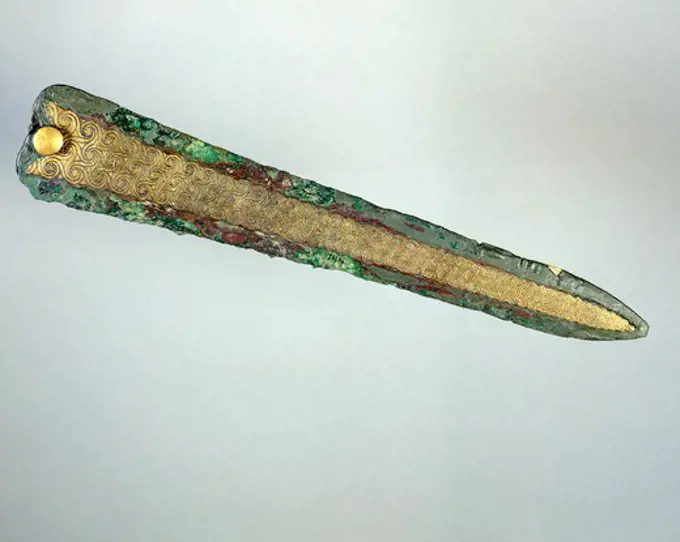
Dagger with inlaid gold with gold spirals, from Tomb III of the Circle A of Mycenae (Greece). Goldsmith art, Mycenaean Civilization, 16th Century BC.
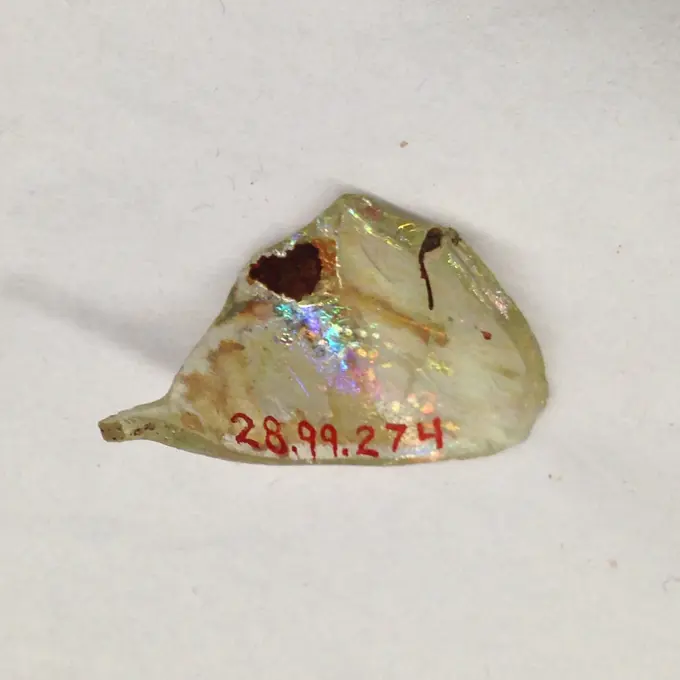
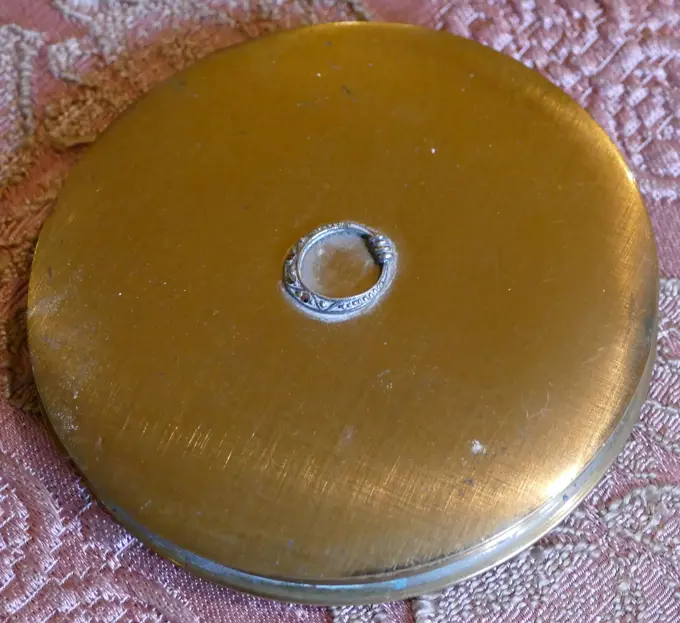
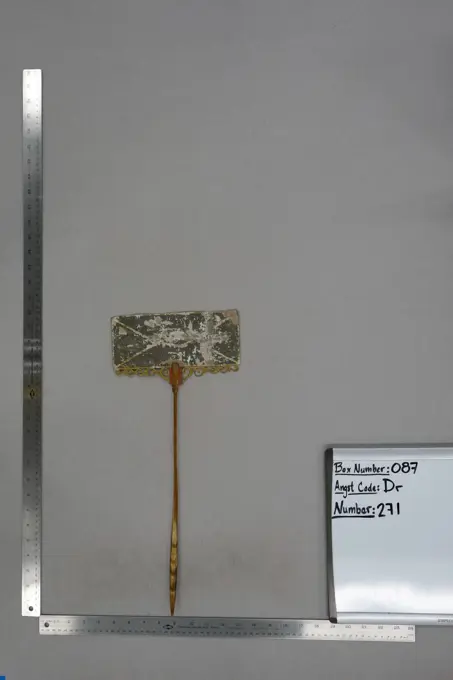
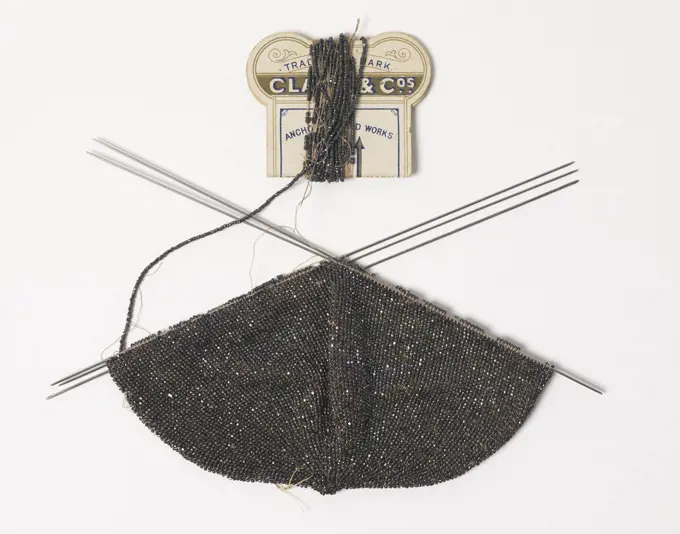
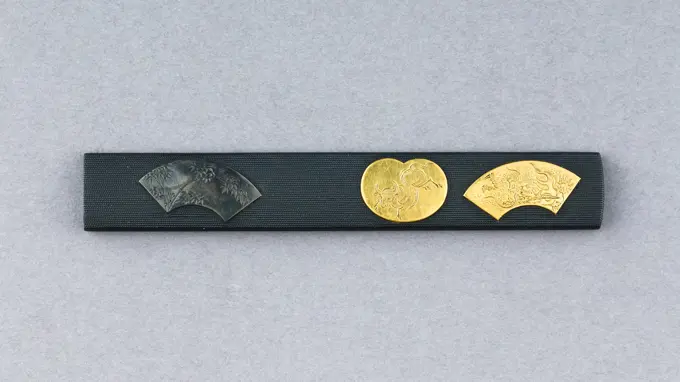
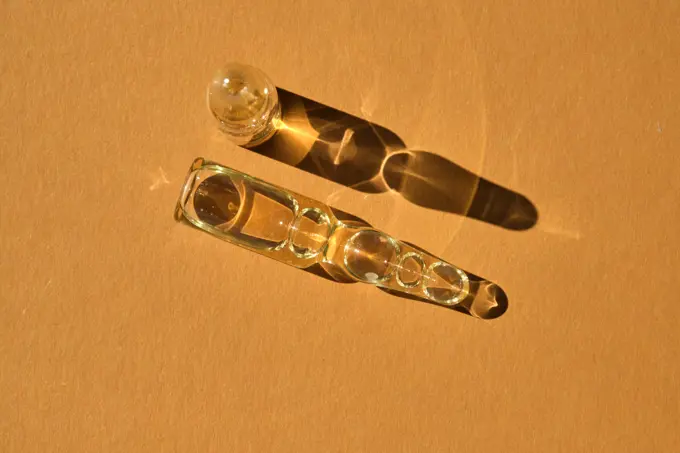
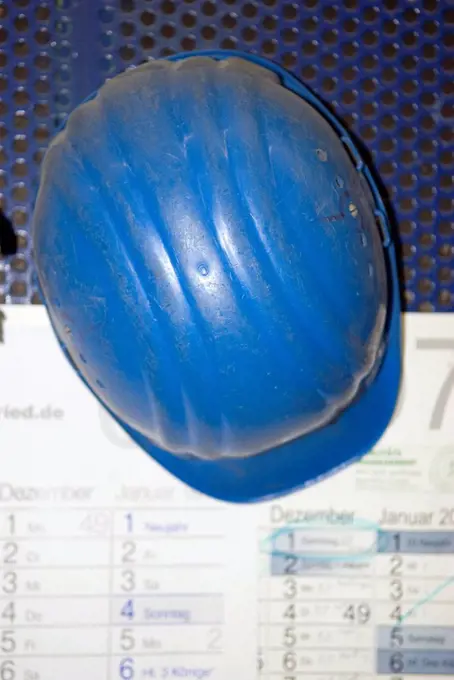
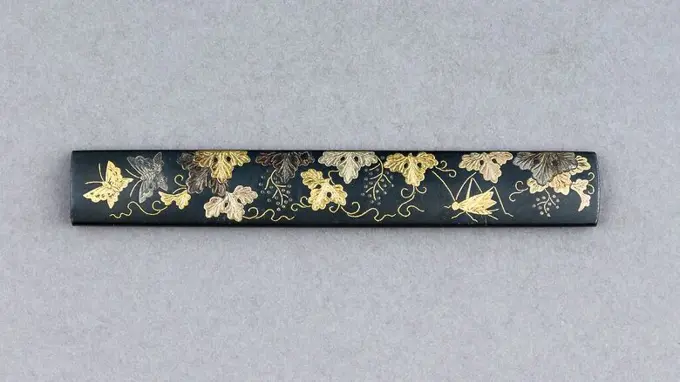
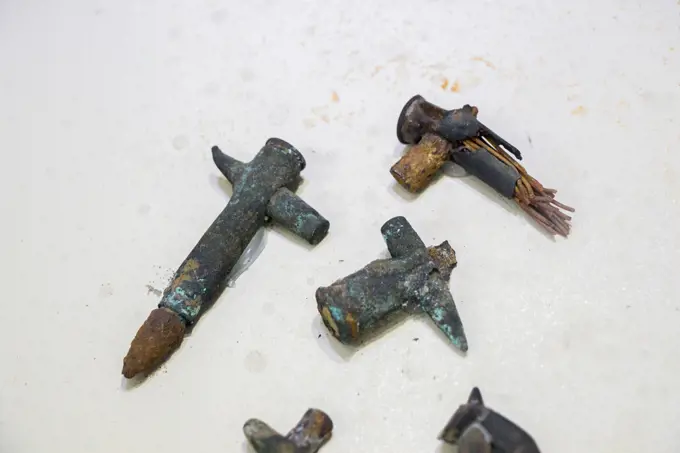
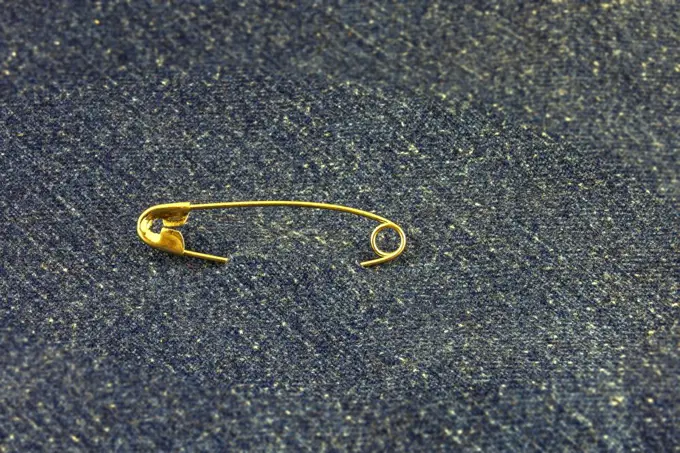
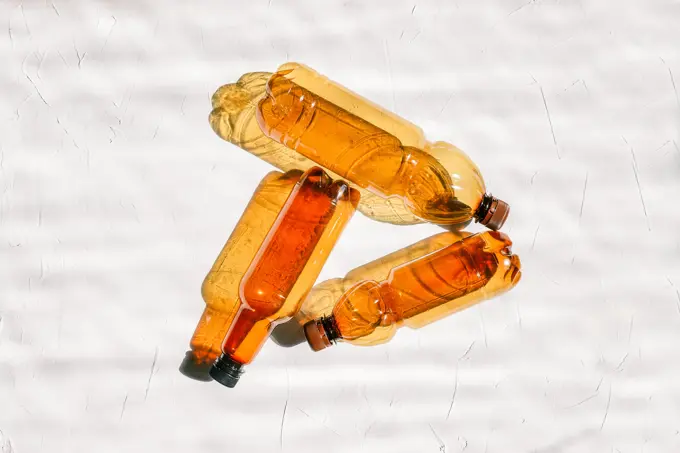
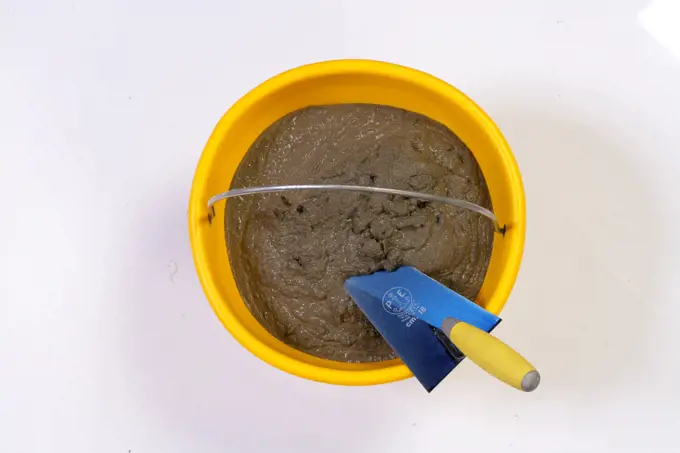
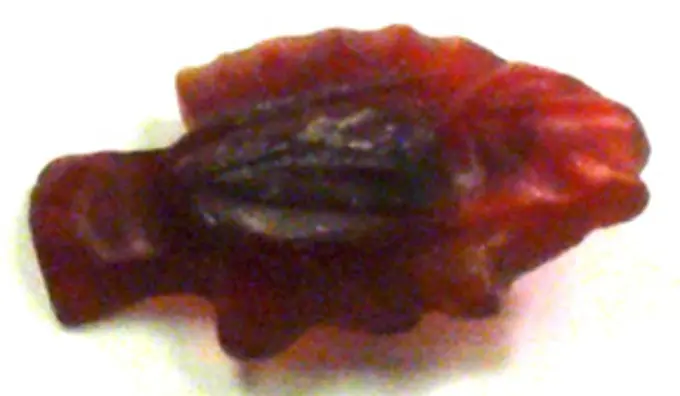
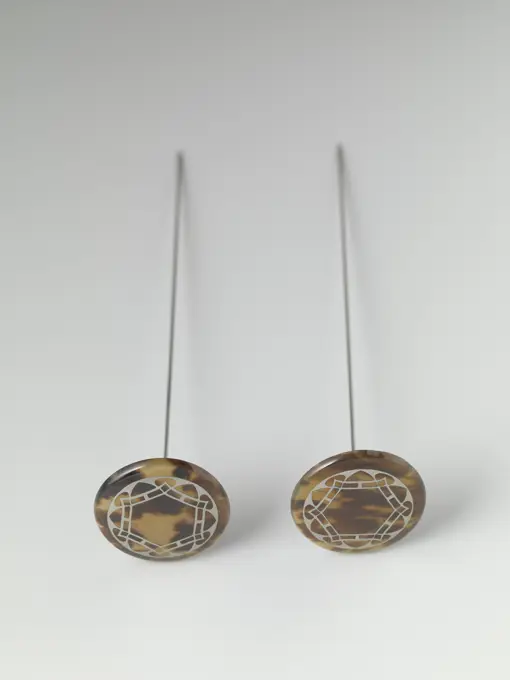
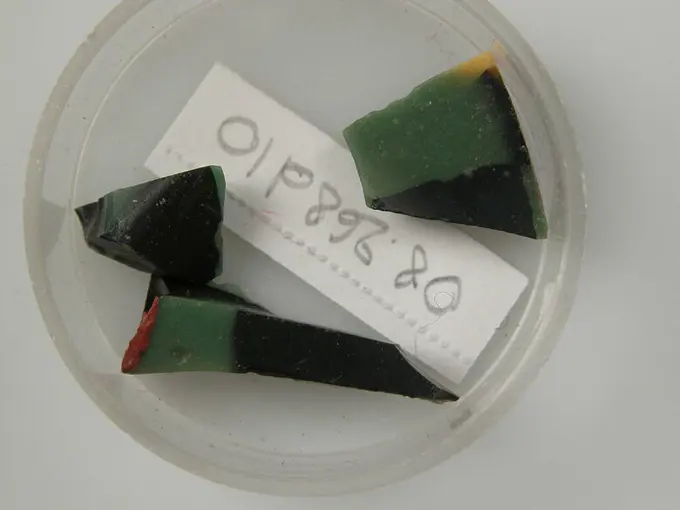
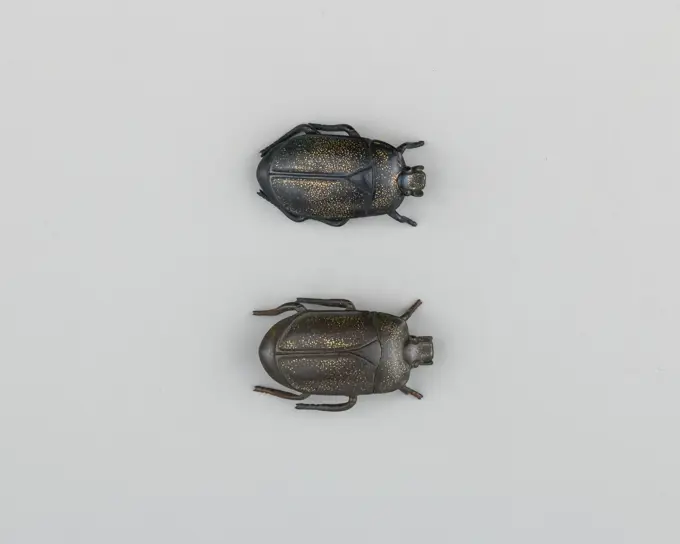
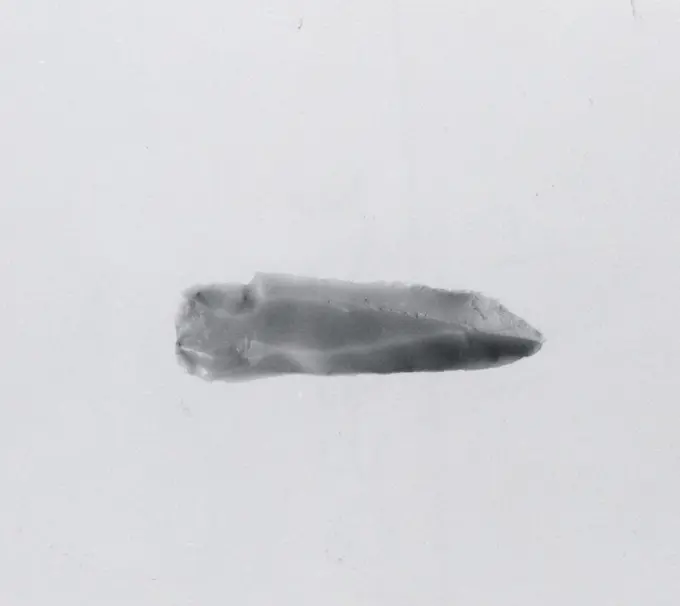
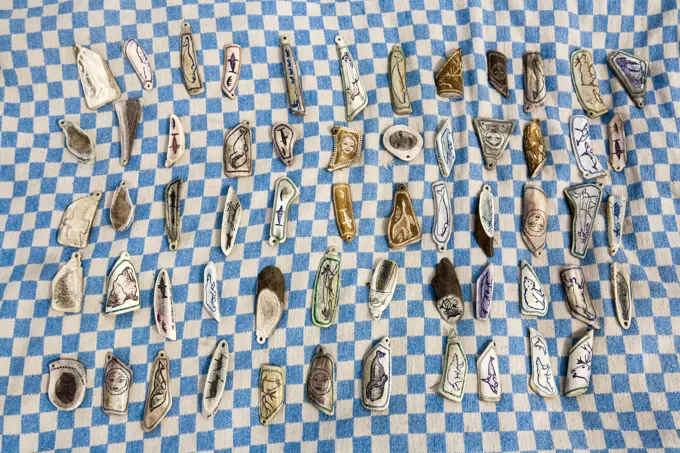
Fragment 13th century Crusader. Fragment. Crusader. 13th century. Stained Glass. Glass-StainedCylinder Seal. Mesopotamia, Agade period, about 2334-2154 B.C.. Tools and Equipment; seals. Black serpentineBowl Fragment 100 BCE-100 CE Roman Empire. In ancient Rome, there was a high demand for colorful glass that could dazzle banquet guests alongside the expensive silver and gold serving wares meant to impress. Fragments like this one would have once been a part of larger mosaic dishes. The ribbon pattern was made by bundling rows of parallel rods of glass, which were then fused to create swirling patterns. Glass, ribbon technique . Ancient RomanFragment ca. 1150-ca. 1250 European or Middle Eastern. Fragment 695168English silver gilt powder Compaq 1953Mached tobacco pipe of pipe earth, damaged, anonymous, 1500 - 1799   pipe clay   pipe clayGlass Fragment 17th century German. Glass Fragment. German. 17th century. Colorless glass. Glass-StainedESCULTURA - SIGLO XX. Author: EVA LOOTZ. Location: GALERIA JUANA DE AIZPURU. MADRID. SPAIN.ARIETES ROTIFORMIS. LIAS. Germany. Geology Museum. Rapid City. State of South Dakota. U.S.Wooden signRotten apples in studioFragment 14th-15th century. Fragment 445537Sickle Blade, 1980-1801 BC. Egypt, Middle Kingdom, Dynasty 12. Flint; overall: 5 cm (1 15/16 in.).Shards of signs from V.O.C. ship De 'Witte Leeuw', Before 1613 plate (dishes) Shards of signs from V.O.C. ship De 'Witte Leeuw'. Shatou porcelain   Sint-HelenaPlate 11th century. Plate. 11th century. Earthenware; white slip under transparent greenish glaze. Excavated in Iran, Nishapur. Ceramicsraw Phlogopite stone on white marble macro shooting of natural mineral rock specimen - raw Phlogopite mica stone on white marble background from Kovdor region of Kola Peninsula in Russia Copyright: xZoonar.com/ValeryxVoennyyx 11951361Fontaneldoek of white linen with lace; marked in Red Cross stitch: HS12, Anonymous, c. 1750 - c. 1900 12 linen fontanelletjes with different side deposited, 4 marked LH8, 3 gem. H8, 5 Gem. HVS (Gr. Hoogenhuize "1772-1852" tr. 1802 S.E. von Schmid "1771-1843"). 1 of Damast gem. HH6 (W.R. Hoogenhuize "1747-1804" TR 1787 W. Helmerich "1752"). Europe linen (material). 12 linen fontanelletjes with different side deposited, 4 marked LH8, 3 gem. H8, 5 Gem. HVS (Gr. Hoogenhuize "1772-1852" tr. 1802 S.E. von Schmid "1771-1843"). 1 of Damast gem. HH6 (W.R. Hoogenhuize "1747-1804" TR 1787 W. Helmerich "1752"). Europe linen (material).Fragment ca. 1150-ca. 1250 European or Middle Eastern. Fragment 695390Shadow Puppet (Wayang Kulit) of a Prop (Ricikan), from the set KyaiDrajatUnfinished bag, Medium: silk thread, cut steel beads Technique: knitted, Unfinished piece of beaded knitting, still on five fine steel knitting needles, probably intended to make a bag., USA, 19th century, knotted, knitted and crocheted textiles, Unfinished bagVest button of plastic with relief rib, fixed eye and loose against clamp, anonymous, c. 1900 - c. 1940 Vest button of plastic with relief rib, fixed eye and loose against clamp. Netherlands (possibly) copper (metal) Vest button of plastic with relief rib, fixed eye and loose against clamp. Netherlands (possibly) copper (metal)Knife Handle (Kozuka) ca. 1615-1868 Japanese A kozuka is a handle of a by-knife that is part of a sword mounting. It is kept in a slot on the reverse of a katana scabbard, often with a matching kōgai (hairdressing tool).. Knife Handle (Kozuka) 34609Spiral Ornament before 16th century Colombian. Spiral Ornament. Colombian. before 16th century. Gold. Colombia, Magdalena River. Metal-OrnamentsAmpoules on a beige-orange background.Plaque late 16th century German. Plaque 186895 German, Plaque, late 16th century, Iron, 6 1/2 x 3 3/4 in. (16.5 x 9.5 cm). The Metropolitan Museum of Art, New York. Gift of Henry G. Marquand, 1887 (87.11.295)Comb in bone with a double row of teeth, Pompeii, Campania, Italy. Roman civilisation, 1st century AD.Knife Handle (Kozuka). Culture: Japanese. Dimensions: L. 3 3/4 in. (9.5 cm); W. 9/16 in. (1.4 cm); thickness 5/16 in. (0.8 cm); Wt. 1 oz. (28.3 g). Date: ca. 1615-1868. Museum: Metropolitan Museum of Art, New York, USA.Stibnite. minerals. Asia; Japan; Ehime Prefecture; Saij, Ichinokawa Community Center; Ichinokawa mineDrinking horn. Smooth, curved, dibling tube, the wide side deposited with a glass thread, the narrow side ending in a disk and a double button. On the body two double and a triple corrugated glass thread and two eyes, along the top edge and on the double button remains of gilding.Visiting Card Tray. Dated: c. 1941. Dimensions: overall: 29 x 36.5 cm (11 7/16 x 14 3/8 in.) Original IAD Object: 7 3/8" long; 5 1/2" wide; 1 3/4" high. Medium: watercolor, pen and ink, and graphite on paperboard. Museum: National Gallery of Art, Washington DC. Author: Mildred Ford.Hardhat lying on calendar, elevated viewKnife Handle (Kozuka). Culture: Japanese. Dimensions: L. 3 13/16 in. (9.7 cm); W. 9/16 in. (1.4 cm); thickness 3/16 in. (0.5 cm); Wt. 1 oz. (28.3 g). Date: ca. 1615-1868. Museum: Metropolitan Museum of Art, New York, USA.shell with path An image of the nice sea shell with path in the wet sand Copyright: xZoonar.com/magannx 4357097Two Bullets Collide Midair from the dardanelles warBelt Ornament, 206 BCE - 220 CE, 1 7/8 x 5/8 x 7/8 in. (4.76 x 1.59 x 2.22 cm), Semi-translucent grey jade marked with brown clouds, China, 3rd century BCE - 3rd century CEA drop of cosmetic product on a beige background. Texture of serum.measuring tape on table backgroundSpanish Civil War (1936-1937). Smoke pot used at the Bilbao front and launched against the Iron Ring. After 1936. Metal. Army Museum. Toledo, Spain.Part of a collar of crocheted lace imitation coarse Venetian needle side. Part of a collar with three pointed points made from natural-colored Irish crochet side, imitation coarse Venetian needle side. Finish along all sides with three-piece arcs with picots.Green boots trash on beach shore pollution human waste conceptMetal pin buckle with hollow threaded through the blue denimBackground from empty plastic bottles. Three plastic bottles on a white background. The concept of land pollution by waste, recycling and recycling of garbage. Ecological problems of the earth Background from empty plastic bottles. Three plastic bottles on a white background. The concept of land pollution by waste, recycling and recycling of garbage. Ecological problems of the earth. Copyright: xZoonar.com/BrehovxAntonx 14085436Vanilla pods on a clothTrowel and cementHand axe from Ma'ayan Barukh, from the Acheulean culture, 500,000 years ago.Fragment 15th century Italian. Fragment 230578Karte von Katar auf rostigem Metall - Map of Qatar on rusty metal Karte von Katar auf rostigem Metall - Map of Qatar on rusty metal Copyright: xZoonar.com/lantapixx 11115160Fish (Bolti) Amulet ca. 2150-1950 B.C. Late Old Kingdom-Early Middle Kingdom. Fish (Bolti) Amulet 555589Hat pin of imitation turtle, inlaid with white metal, anonymous, c. 1900 Hat pin of imitation turtle, inlaid with white metal. Flat round button with insert work in a circle, in which a hexagon. Netherlands (possibly) knop: imitation tortoise shell. pen: metal cutting / forging / inlay (process) Hat pin of imitation turtle, inlaid with white metal. Flat round button with insert work in a circle, in which a hexagon. Netherlands (possibly) knop: imitation tortoise shell. pen: metal cutting / forging / inlay (process)SIN TITULO - SIGLO XX. Author: EVA LOOTZ. Location: GALERIA JUANA DE AIZPURU. MADRID. SPAIN.Price tag gift tag sale tag address label etcSand dollars, Venezuelalarge metal bolt, strongly imprinted in the asphalt large metal bolt, strongly imprinted in the asphalt. Copyright: xZoonar.com/OvchinnikovaxOlgax 9614992Case (Inrō) with Design of Ship Sails 19th century Japan. Case (Inrō) with Design of Ship Sails 58577Fishing nets, Burano Island near Venice, Italy, Europehacha pulimentada, Dima, Arkeologi Museoa, museo aqueologico, Bilbao, Bizkaia, Pais Vasco, Spain.Needle fish, uncooked macro studio shotCarved Panels from ahearseSaucer (part of a service) ca. 1770 Worcester factory. Saucer (part of a service). British, Worcester. ca. 1770. Soft-paste porcelain. Worcester factory (British, 1751-2008). Ceramics-PorcelainGlass Fragments. Culture: Coptic. Dimensions: Storage (petri dish diam.): 1 1/2 in. (3.8 cm). Date: 4th-early 5th century. Museum: Metropolitan Museum of Art, New York, USA.Pair of Sword-Grip Ornaments (Menuki) 19th century Japanese Menuki are a pair of ornamental sword fittings attached to either side of a sword hilt.. Pair of Sword-Grip Ornaments (Menuki). Japanese. 19th century. Copper-gold alloy (shakud), gold, copper-silver alloy (shibuichi). Sword Furniture-MenukiCuneiform tablet: lunar procedure text (). Dimensions: 1 5/8 x 3 7/8 x 7/8 in. (4.1 x 9.8 x 2.2 cm). Date: ca. late 1st millennium B.C.. Museum: Metropolitan Museum of Art, New York, USA.Blade ca. 4600-3600 B.C. Ghassulian. Blade 326560Russia, Chukotka, Yanrakynnot, Close-up of traditional bone amulets.Vignette with a flower, Gerrit Willem Dijsselhof, 1876 - 1924 print   paper  flowers