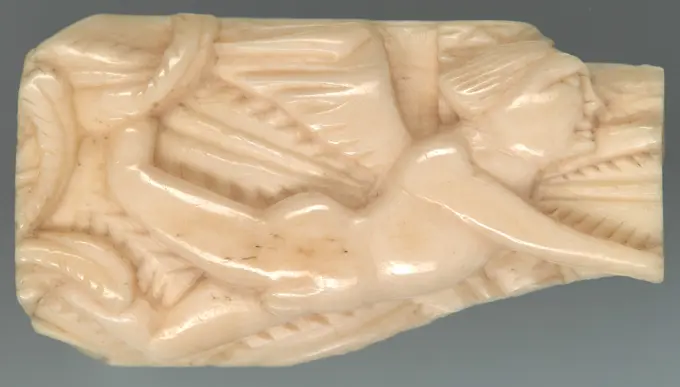
Archaeological Artifacts

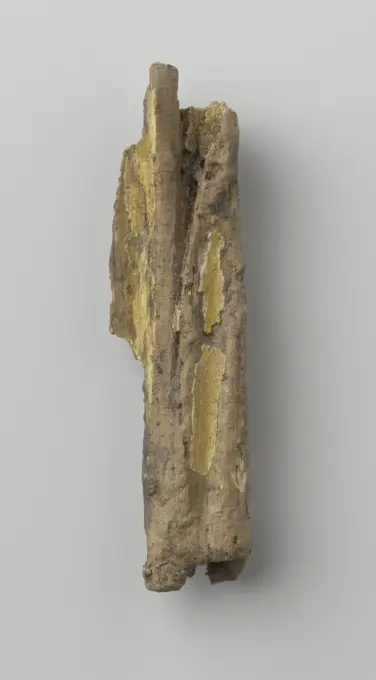
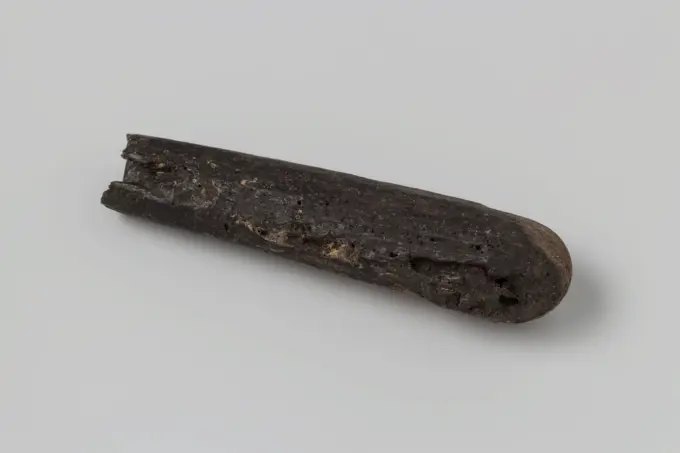
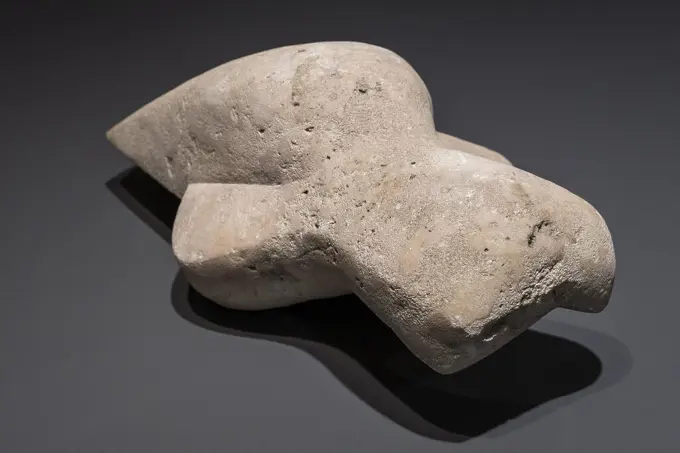
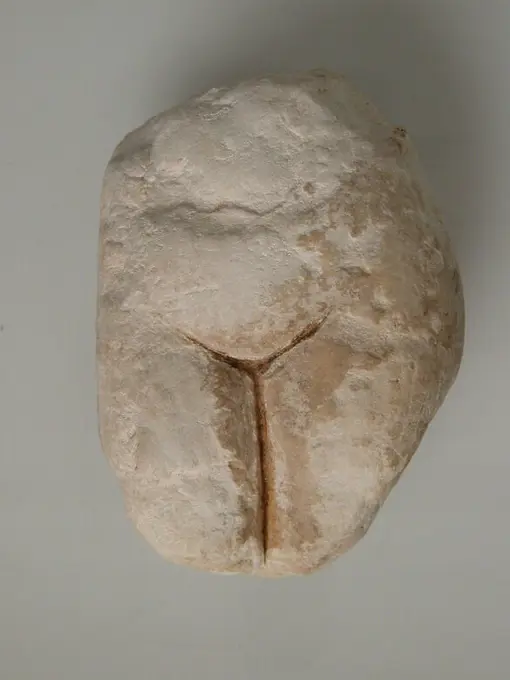
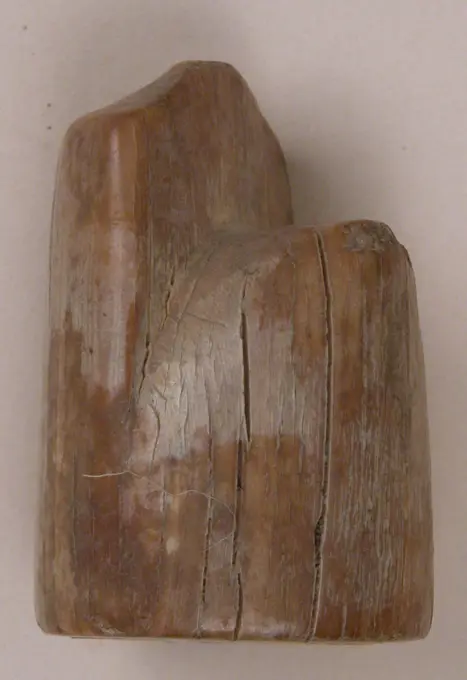
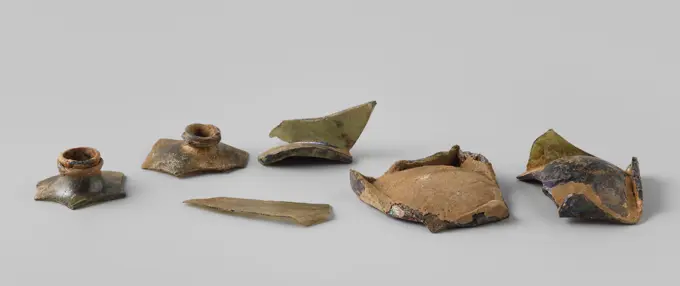
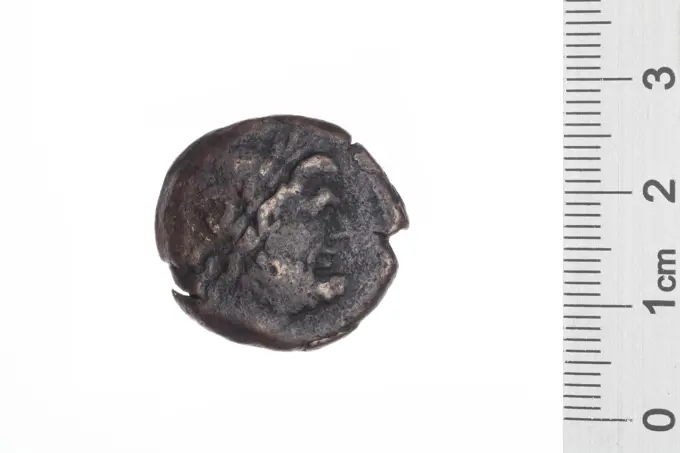
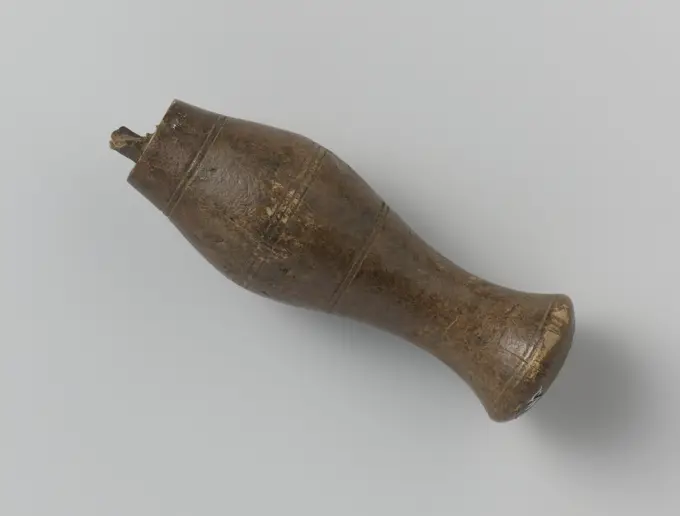
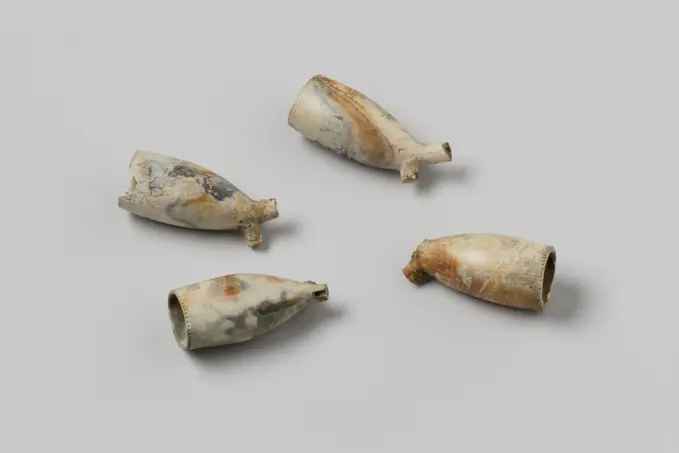
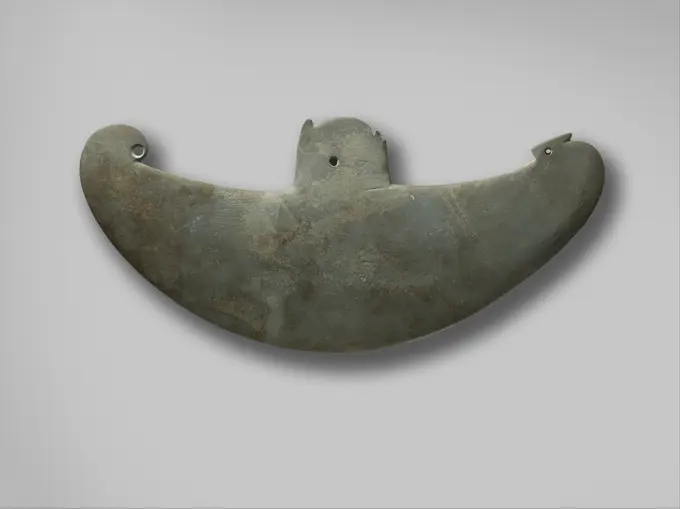
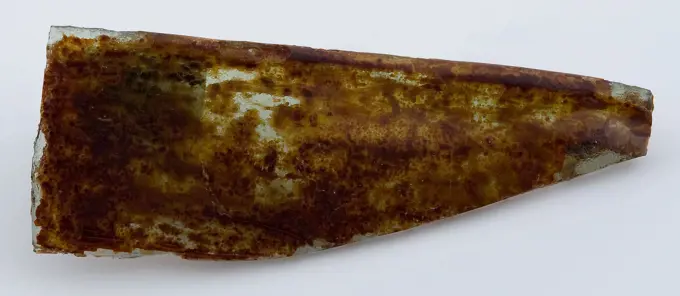
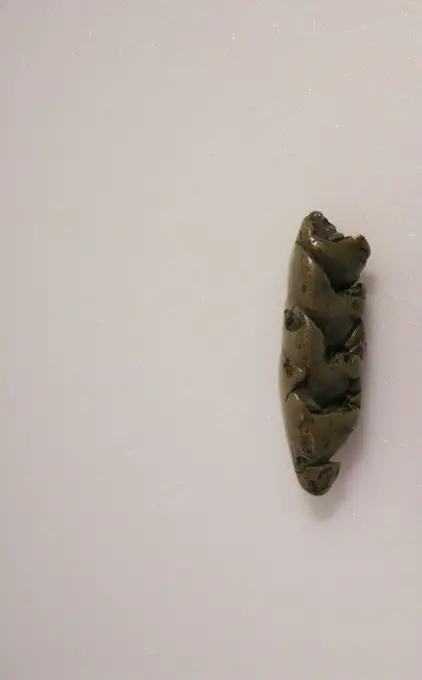
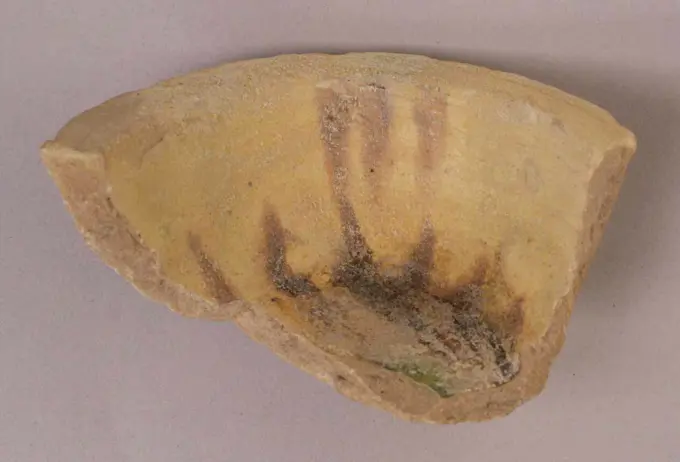
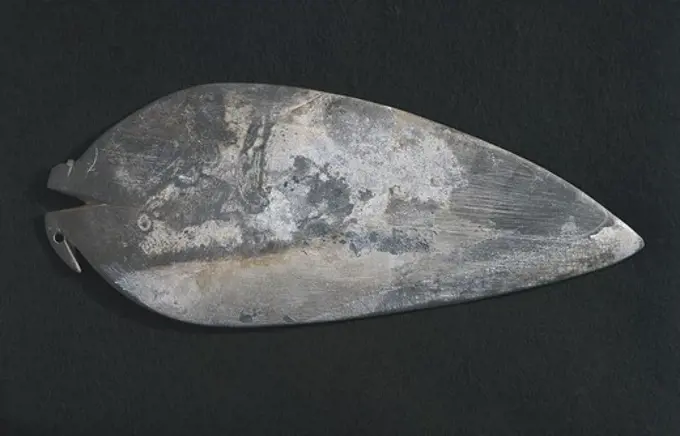
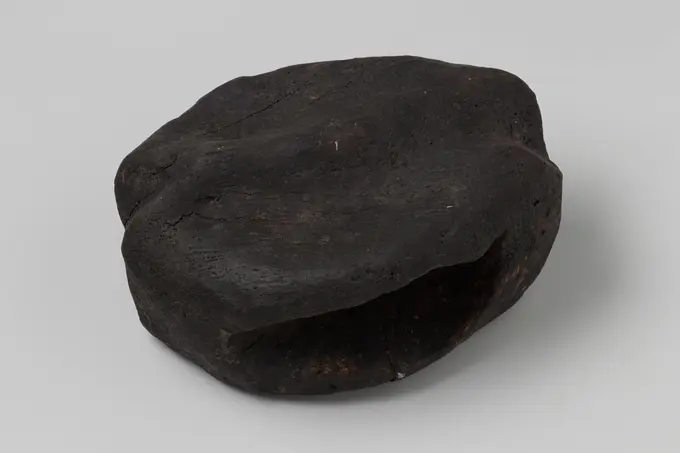
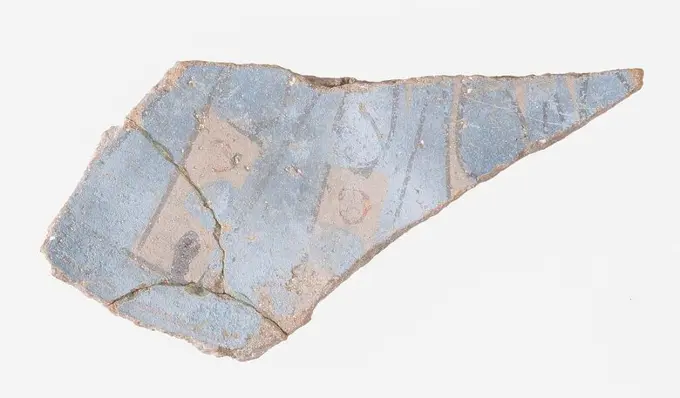
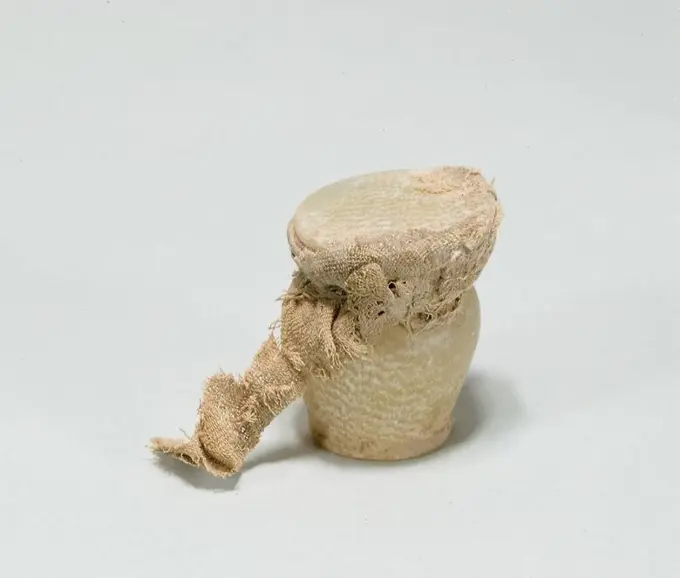
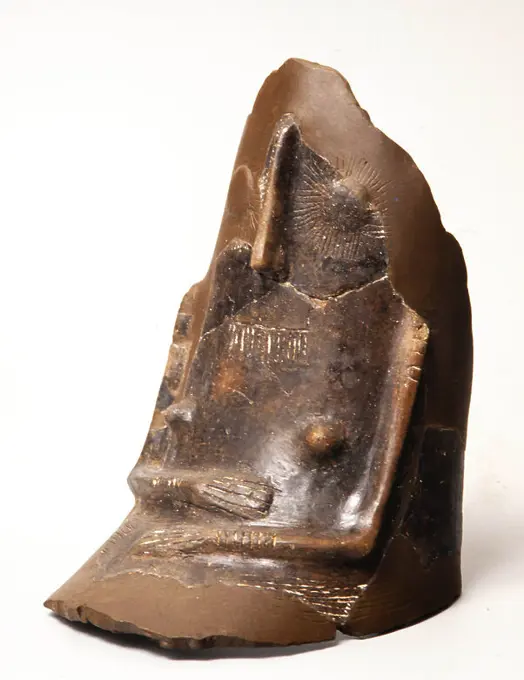
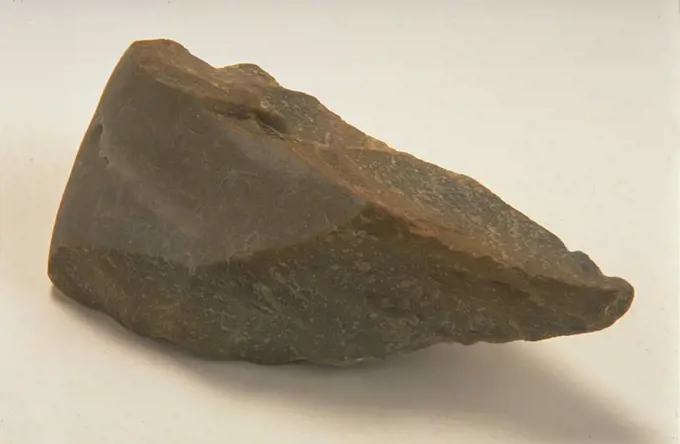
Collection of ancient fragments and relics, including vase handles and armor pieces. These artifacts offer a glimpse into historical craftsmanship and everyday life.
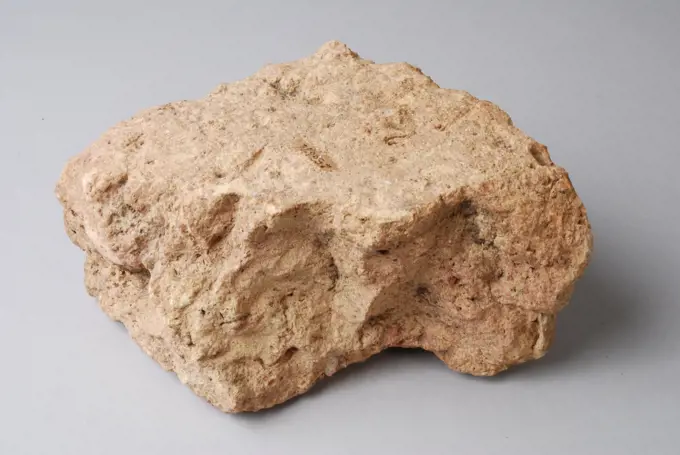
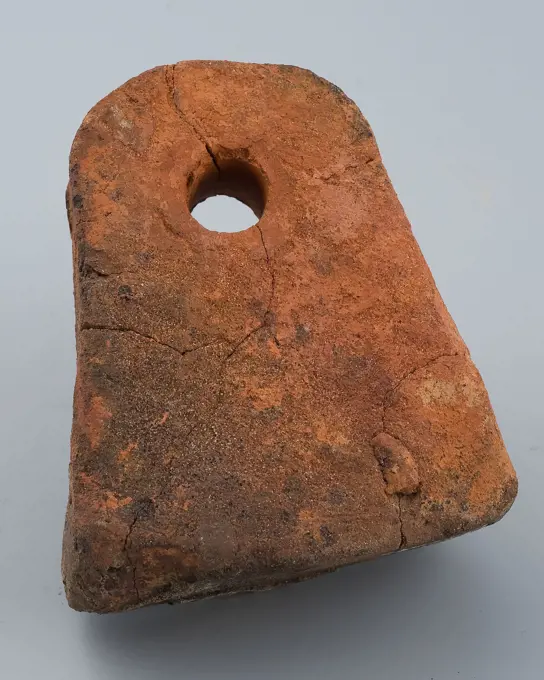
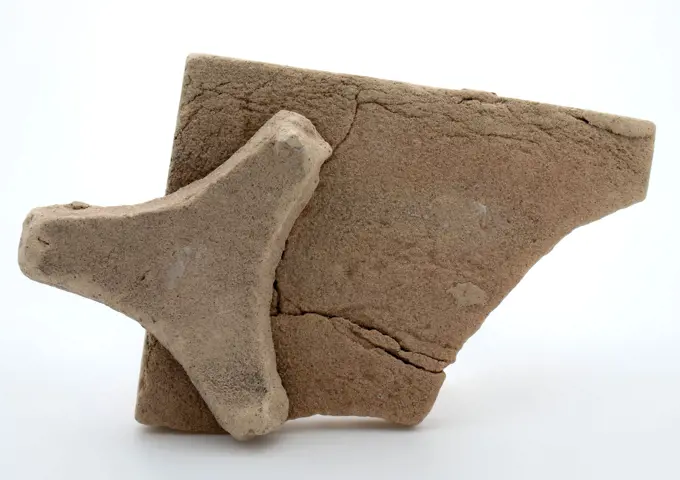
Earthenware brick, mixed shard, from the waste pit of Rotterdam pipe making, cloister wall brick building material earth discovery ceramics earthenware, hand shaped baked earthenware brick mixed shard of the waste pit of Rotterdam pipe maker Rotterdam Hillegersberg-Schiebroek Hillegersberg Noord Hillegersberg Zuid Rechter Rottekade kloostermop brick building material craft workshop pijpmakerij archaeological find in the soil: Judge Rottekade at number 71.
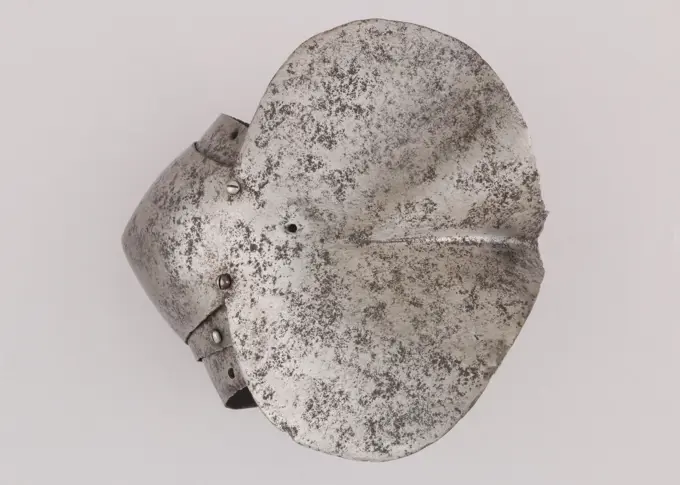
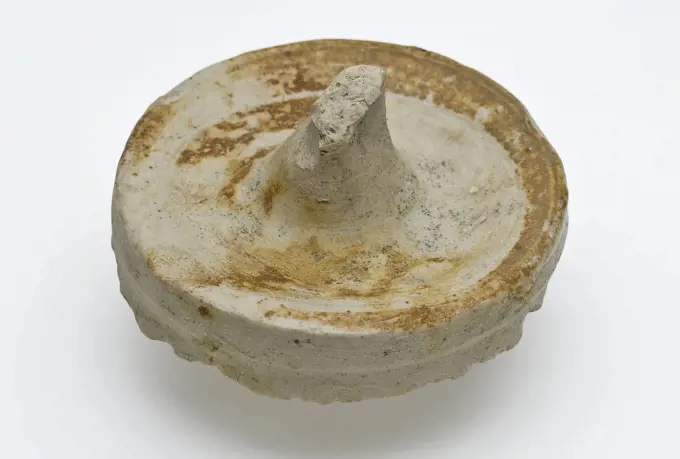
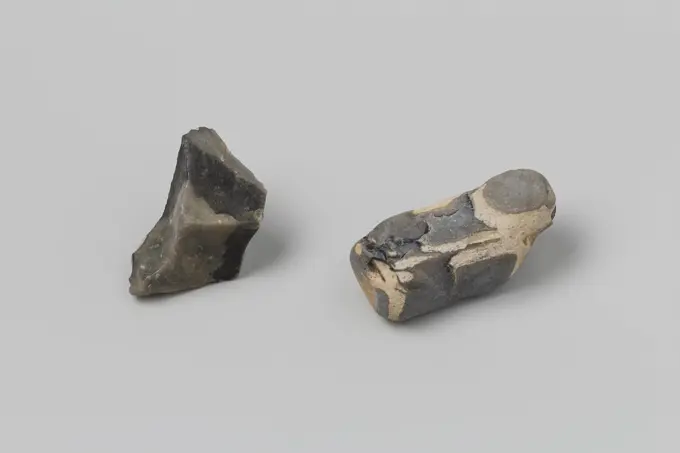
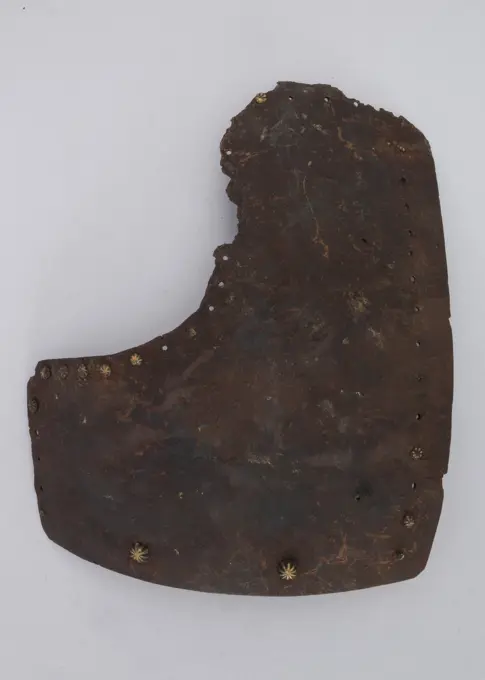
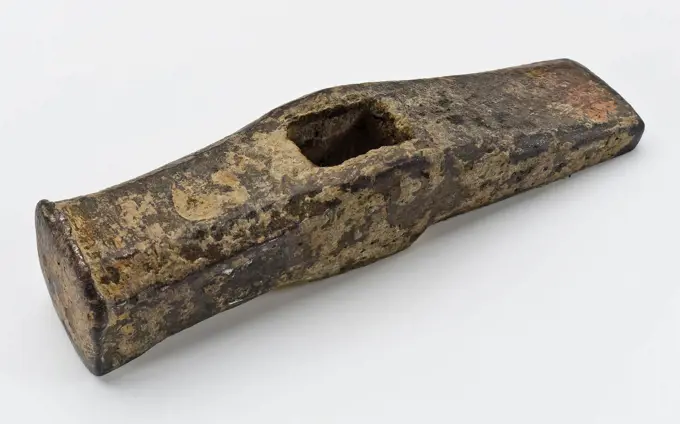
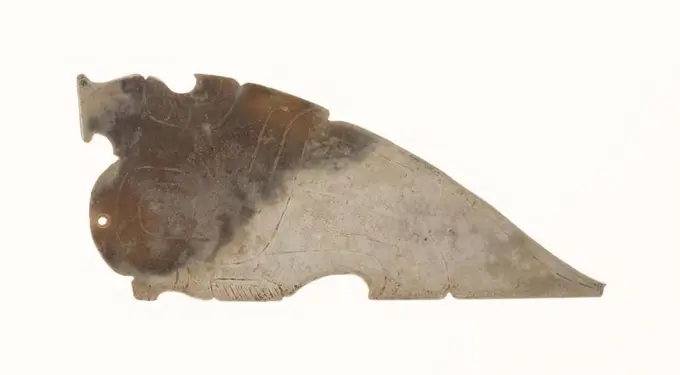
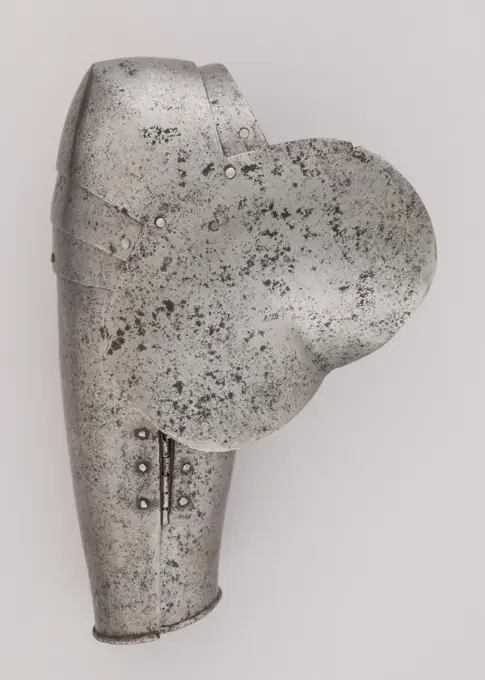
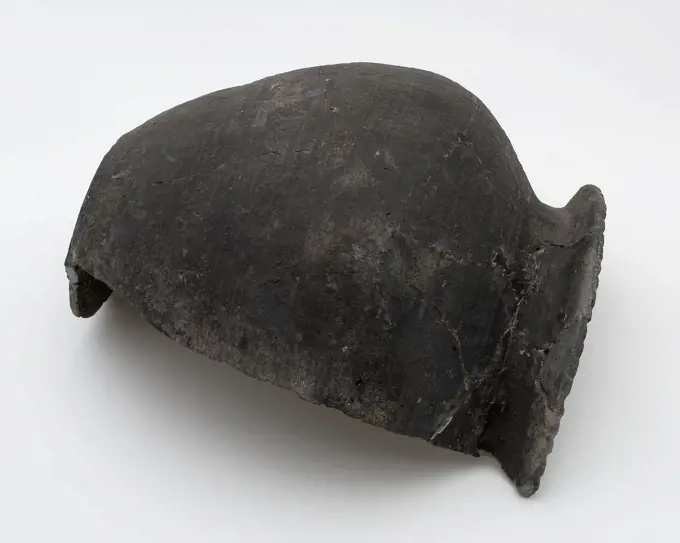
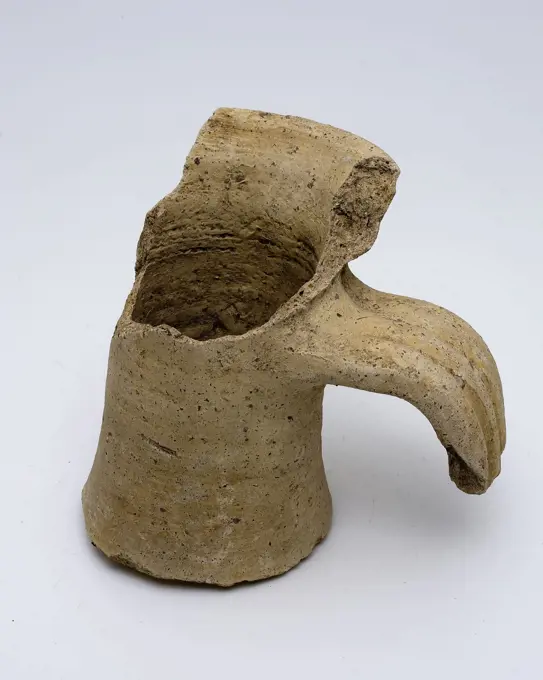
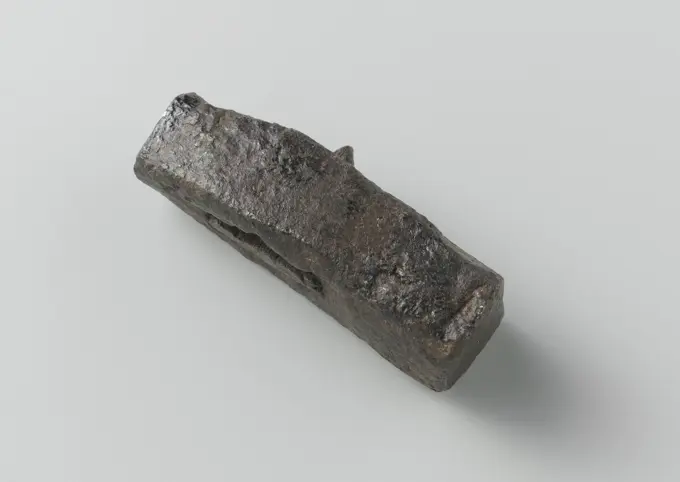
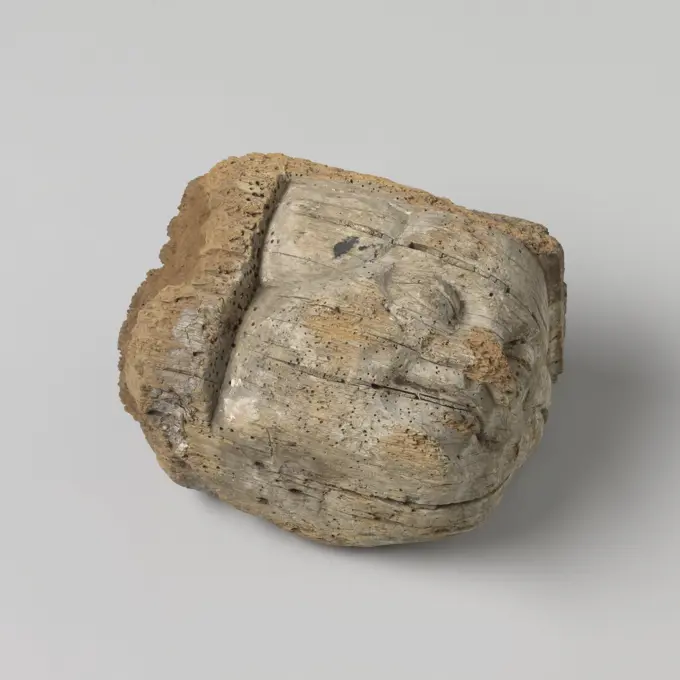
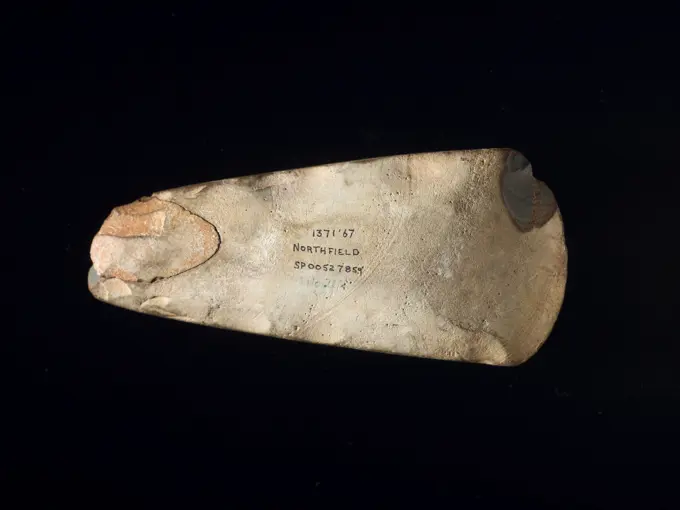
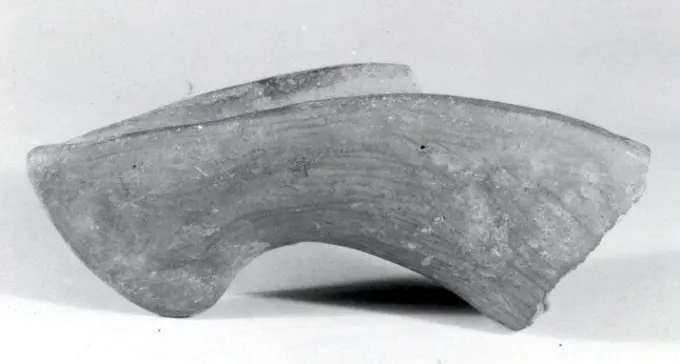
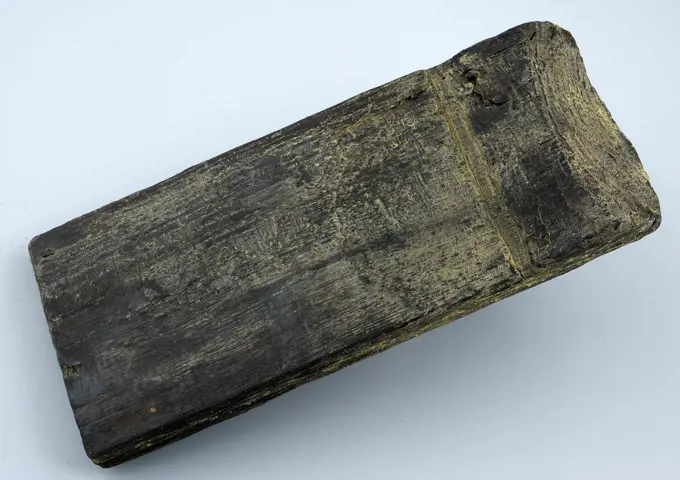
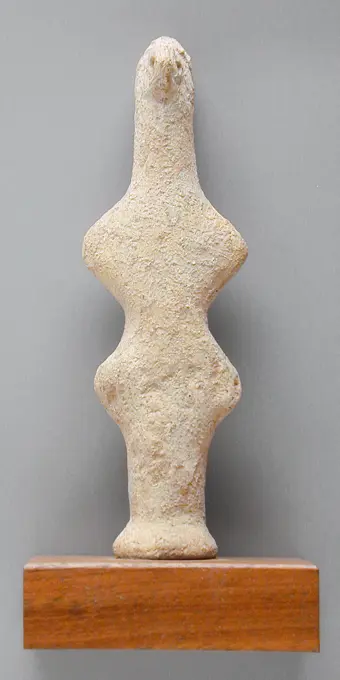
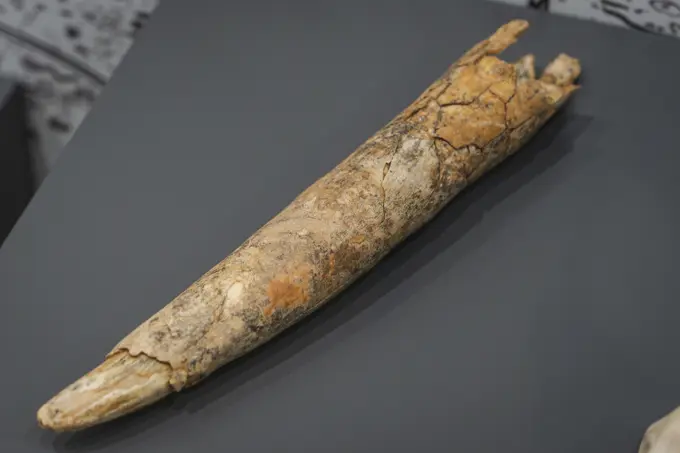
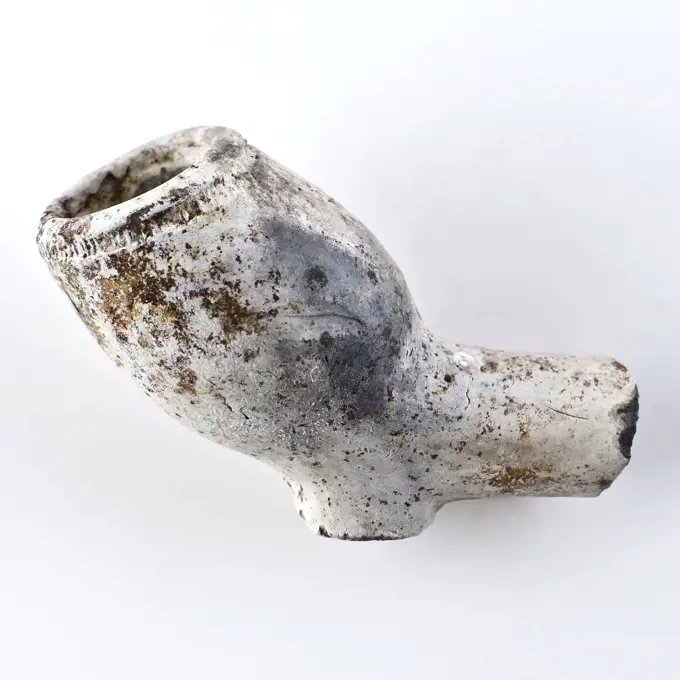
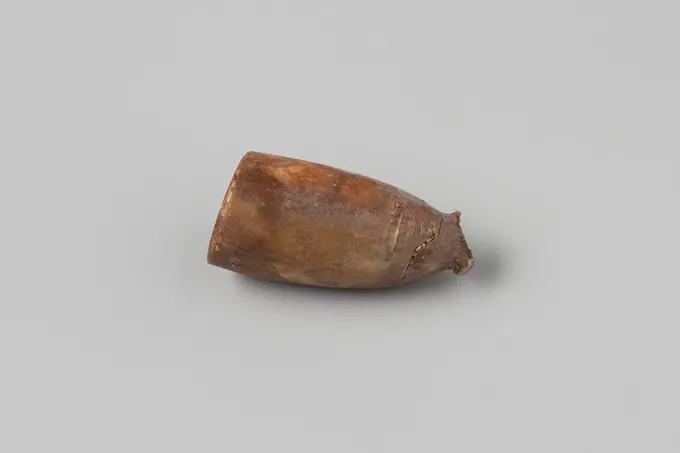
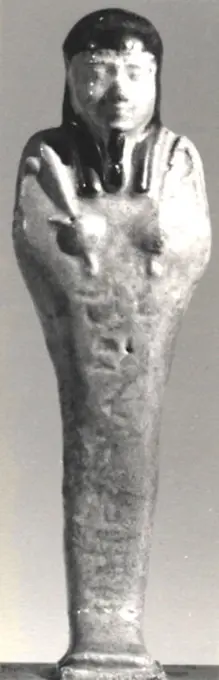
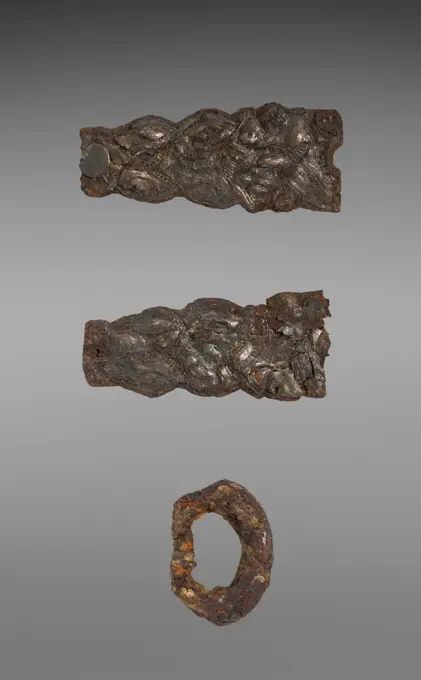
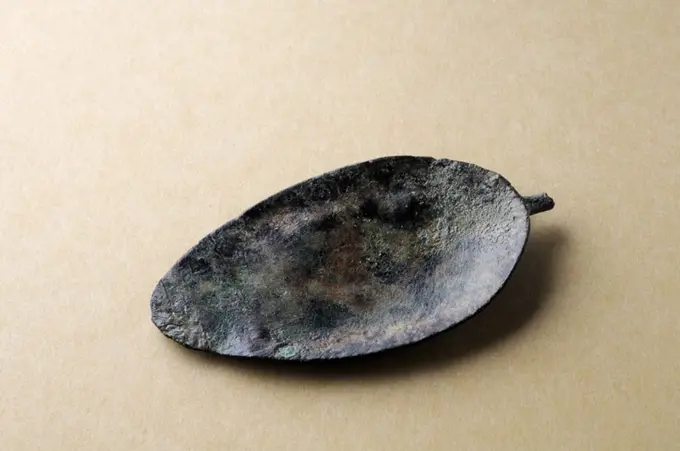
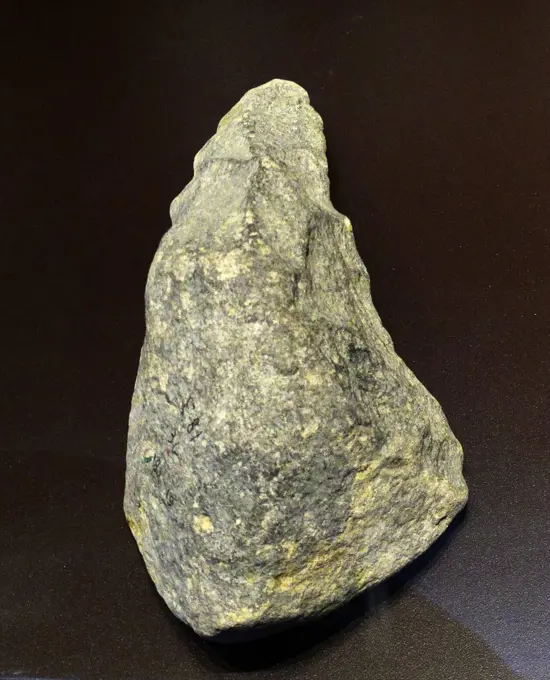
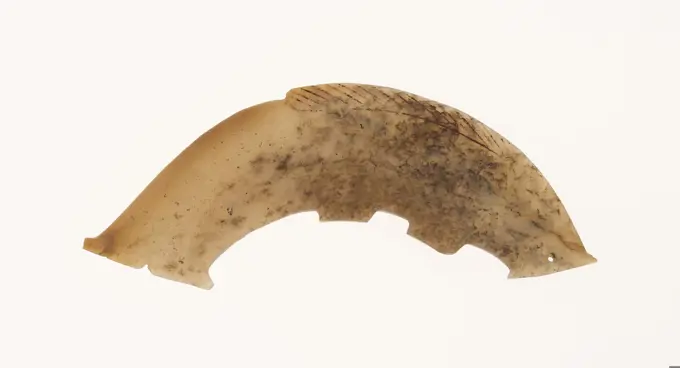
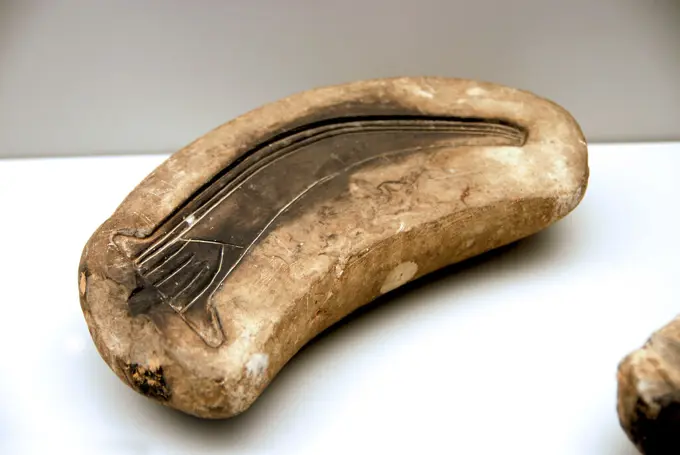
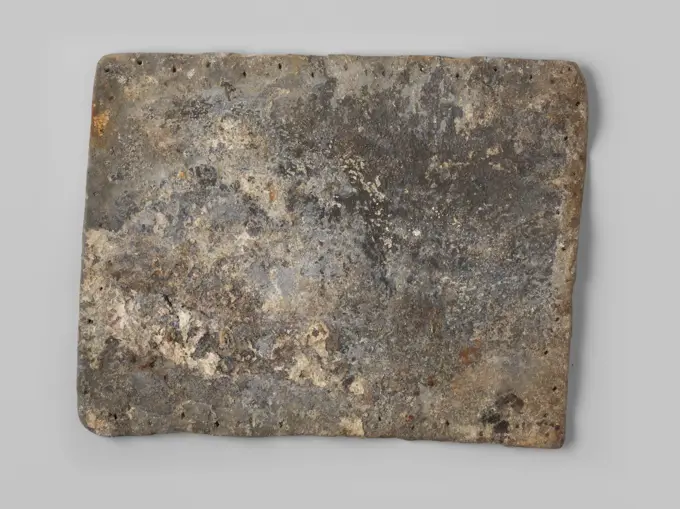
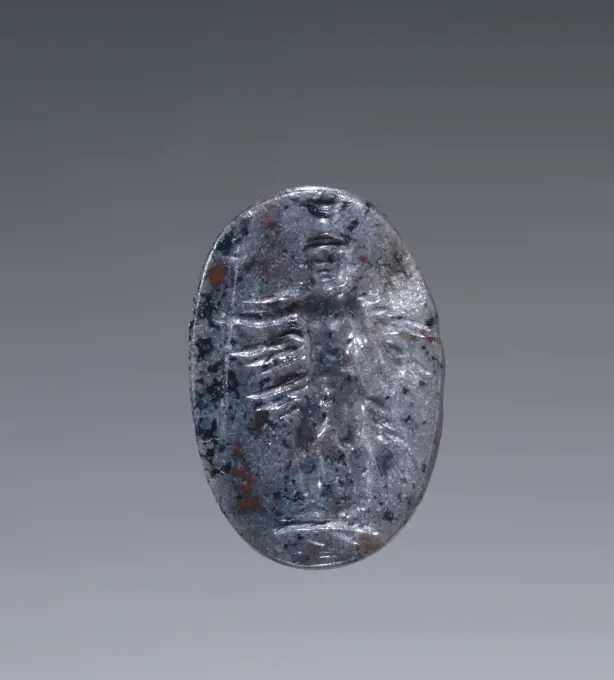
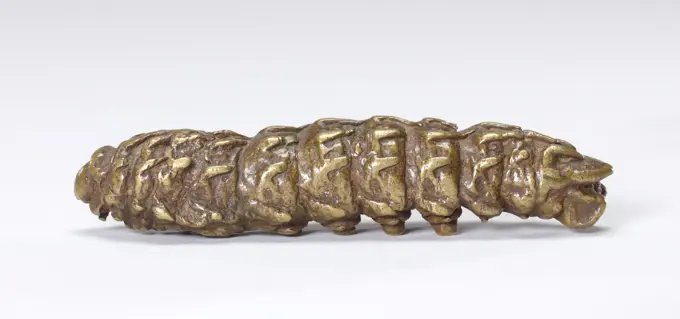
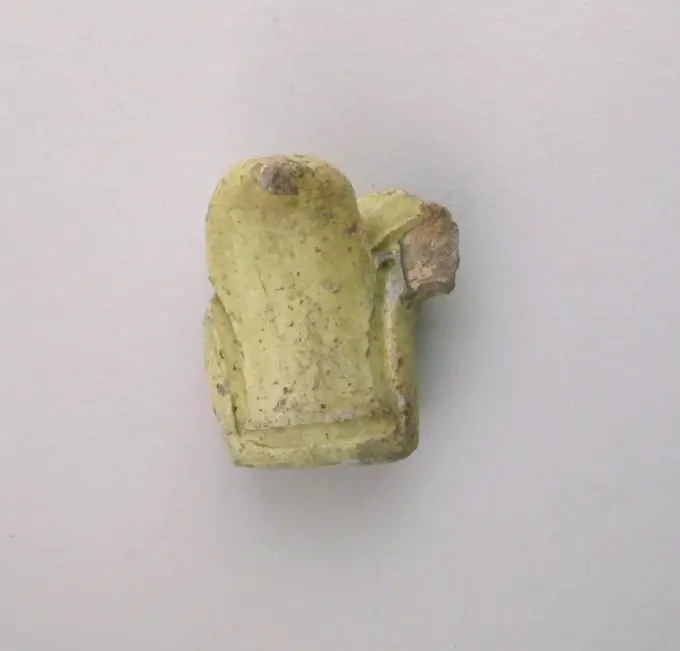
Vase fragment Roman Fragment of handle of yellow enamelled vase.. Vase fragment. Roman. Terracotta. VasesRemains of an antler, from the Goldsmiths' Huts village near Vho in Piadena, Italy. Early Neolithic.Elbow Defense (Couter) ca. 1430-40 Italian This is part of a large find of medieval armor discovered in 1840 in the ruins of the fortress of Chalcis, on the Greek island of Euboea (then a Venetian colony called Negroponte). The fortress had been captured and destroyed by the Turks in 1470. Now divided largely between the Ethnological Museum, Athens, and The Metropolitan Museum of Art, the Chalcis hoard contains many rare and unusual elements of fourteenth- and fifteenth-century armor. Of particular importance are the variety of headpieces and the many fragments of brigandines (armor for the torso constructed of small plates riveted to layers of fabric), some of which retain portions of their original velvet covering. The Chalcis armor provides a unique picture of the armament used in the Aegean, one of the easternmost military outposts of the Venetian empire.. Elbow Defense (Couter) 23177Scherf van Kist bottle from V.O.C. ship De 'Witte Leeuw', Before 1613  Sharf of Kist bottle from V.O.C. ship De 'Witte Leeuw', Bottles of Green Glass.  .   Sint-HelenaStoneware lid, knob as handle, lid closure soil found ceramic stoneware glaze salt glaze, Rounded shallow box in the middle deepened side in the middle raised tip Gray outside raised edge brown mottled glaze archeology Save Rotterdam rail tunnel Soil discovery: rail tunnel Rotterdam.Flint from the wreck of the East India Flying Heart. Flint, from outside of Wittig, where the stone is split glossy black. Two pieces. Flint.Brigandine Plate 1400-1450 Italian This is part of a large find of medieval armor discovered in 1840 in the ruins of the fortress of Chalcis, on the Greek island of Euboea (then a Venetian colony called Negroponte). The fortress had been captured and destroyed by the Turks in 1470. Now divided largely between the Ethnological Museum, Athens, and The Metropolitan Museum of Art, the Chalcis hoard contains many rare and unusual elements of fourteenth- and fifteenth-century armor. Of particular importance are the variety of headpieces and the many fragments of brigandines (armor for the torso constructed of small plates riveted to layers of fabric), some of which retain portions of their original velvet covering. The Chalcis armor provides a unique picture of the armament used in the Aegean, one of the easternmost military outposts of the Venetian empire.. Brigandine Plate 27667Pijpenkop, Anonymous, 1600 - 1699 Pipe. Of the excavations on the Hofstede Arentsburg 1827-1831 under the supervision of Professor Reuvens. Netherlands pipe clay Pipe. Of the excavations on the Hofstede Arentsburg 1827-1831 under the supervision of Professor Reuvens. Netherlands pipe clayEarthenware brick, mixed shard, from the waste pit of Rotterdam pipe making, cloister wall brick building material earth discovery ceramics earthenware, hand shaped baked earthenware brick mixed shard of the waste pit of Rotterdam pipe maker Rotterdam Hillegersberg-Schiebroek Hillegersberg Noord Hillegersberg Zuid Rechter Rottekade kloostermop brick building material craft workshop pijpmakerij archaeological find in the soil: Judge Rottekade at number 71.Whorl ca. 9th century B.C. Iran. Whorl 325031Fragment; (possibly) belonging to the retable of Soest, c. 1475 - c. 1499   wood (plant material)   wood (plant material)Gauntlet for the Left Hand Made 1440-1470 Milan. Steel .Messenheft from V.O.C. ship De 'Witte Leeuw', Before 1613  Messenheft from V.O.C. ship the 'Witte Leeuw'.  bone (material)   Sint-HelenaHammer, hammerhead, hammer tool equipment soil find iron metal, forged hammer head For the hole of the stem marked not legible. Slightly curved shape sloping to thin back archeology Rotterdam rail tunnel carpenter wood working craft Soil discovery Rotterdam rail tunnel.Eduardo Chillida, concretion, nineteen fifty, limestone, Casa Milà-La Pedrera, Barcelona, Catalonia, Spain.Blowjob from the wreck of the East Indieschief Hollandia. Pipe, bowl, healermark illegible; fragment.Bird Pendant. China. Date: 1100 BC-900 BC. Dimensions: 4 5/8 × 2 × 1/16 in. Jade. Origin: China. Museum: The Chicago Art Institute, Chicago, USA.Fragment of a Head; Tarentum (Taras), South Italy; 440 - 430 B.C; Terracotta with clay slip; 14.2 × 14 cm (5 9,16 × 5 1,2 in.)Forearm Defense (Vambrace) and Elbow Defense (Couter) ca. 1400 Italian This is part of a large find of medieval armor discovered in 1840 in the ruins of the fortress of Chalcis, on the Greek island of Euboea (then a Venetian colony called Negroponte). The fortress had been captured and destroyed by the Turks in 1470. Now divided largely between the Ethnological Museum, Athens, and The Metropolitan Museum of Art, the Chalcis hoard contains many rare and unusual elements of fourteenth- and fifteenth-century armor. Of particular importance are the variety of headpieces and the many fragments of brigandines (armor for the torso constructed of small plates riveted to layers of fabric), some of which retain portions of their original velvet covering. The Chalcis armor provides a unique picture of the armament used in the Aegean, one of the easternmost military outposts of the Venetian empire.. Forearm Defense (Vambrace) and Elbow Defense (Couter) 23101Fragment; (possibly) belonging to the retable of Soest, c. 1475 - c. 1499   wood (plant material)   wood (plant material)Double Seal Impression. Egypt, Middle Kingdom - Second Intermediate Period (1991 - 1600 BCE). Tools and Equipment; seals. Semi-baked clay of brown color with scorch marksHalf of black pot, baluster shape with turned rim, serrated edge, Roman pottery, cooking pot crockery holder kitchen utensils earthenware ceramic earthenware, hand-shaped hand-turned baked Flemish-Roman. Black pottery baked pretty hard. Top edge jagged Rare above the big rivers archeology Poortugaal Albrandswaard indigenous pottery import Roman cooking kitchen nutrition food preparation Soil discovery Poortugaal terp I ditch Roman Phase I.Neck fragment of jug with part of rim and ear, amphora jar holder soil find ceramic pottery, hand-turned baked neck fragment. Roman jug. Yellow-gray pottery. Blasted with gritty material. Profiled ear with three grooves. Neck with cuff collar archeology indigenous pottery import transport store save save RomanKohl Tube, double ca. 1550-1458 B.C. New Kingdom. Kohl Tube, double 546990Hammer whose stem has been demolished, anonymous, c. 1590 - c. 1596 hammer. fragment Hammer whose stem has been broken down.  iron (metal). wood (plant material) forging  Nova Zembla. Saving HuysBouwfragment, anonymous, c. 1400 - c. 1499 Collige of oak or carrier of one of the wall styles of the hood over the choir of the church in Rumpt, representing a smiling men's head. The collar is placed overhoeks. See also: BK-NM-11079, 11080 and 11082. Northern Netherlands (possibly) wood (plant material). oak (wood)   Rumpt Collige of oak or carrier of one of the wall styles of the hood over the choir of the church in Rumpt, representing a smiling men's head. The collar is placed overhoeks. See also: BK-NM-11079, 11080 and 11082. Northern Netherlands (possibly) wood (plant material). oak (wood)   RumptAxe, Neolithic period. From a site in Worcestershire, UKOracle bone fragment China. Oracle bone fragment. China. Inscribed bone. Shang dynasty (ca. 1600-1046 B.C.). BoneCurved spout ca. 18th century B.C. Old Assyrian Trading Colony. Curved spout 323555Fragment of a Female Figure. Culture: Coptic. Dimensions: Overall: 1 15/16 x 1 7/16 x 15/16 in. (5 x 3.6 x 2.4 cm). Date: 4th-7th century. Museum: Metropolitan Museum of Art, New York, USA.Fragment of fire hose rings from the wreck of the East Indians Hollandia, Anonymous, 1700 - in Or Before 1743  Fire engine, firehose; fragments, id. NG-1975-20-H-1271-a, squashed. Netherlands copper (metal)   SecondFragment of a Dish 9th-10th century View more. Fragment of a Dish. 9th-10th century. Earthenware; buffish red body, no slip, painted polychrome decoration, under transparent glaze. Excavated in Iran, Nishapur. CeramicsChess Piece, King 11th-12th century Caliphal decrees prohibited the playing of chess (the pieces of which are customarily figural) for iconoclastic reasons as early as the eighth century. It is likely that chess pieces of the abstract type, such as those exhibited here, replaced the figural ones in order to circumvent those decrees.. Chess Piece, King 452337Shards of basement bottles from the wreck of the East Indians' t Vliegend Hart ,, 1700 - 1735  Six fragments of square basement bottles with a short neck of green glass. Case Bottle. Netherlands .semis. Numitorius, C. (fl. 133 a.C.), monetary officer, Republika Rzymska, issuerLid 4th-7th century Coptic. Lid 478903Sherd ca. 3rd-7th century A.D. Sasanian. Sherd 328957Heft, anonymous, c. 1590 - c. 1596  Raises with loose prime (4-b); two loose (broken) pieces; Rolling in the handle, decorated at the thickest point with two stripes.  iron (metal). wood (plant material) forging / cutting  Nova Zembla. Saving HuysCypraea arabica shell from the wreck of the Dutch East India ship Witte Leeuw, before 1613  Shell from V.O.C. ship the 'Witte Leeuw'.  .   Sint-HelenaMiseczka. unknown, authorDagger blade. Dagger blade 244228Blowers from the wreck of the East Indians Hollandia, Anonymous, 1700 - in Or Before 1743  Pipe, bowl, heelmark: fish, flounder; fragm, 2hsm1,4, 1hsm1. Netherlands pipe clay   SecondBlowers and fragment Pijpensteel from the wreck of the East Indians Hollandia, Anonymous, 1700 - in Or Before 1743  Pipe, bowl, heelmark: crowned 57; no hsm. Netherlands pipe clay   SecondFragment Martavaan from V.O.C. ship De 'Witte Leeuw', Before 1613  Fragment Martavaan and a loose shard from V.O.C. ship De 'Witte Leeuw'. Chinezizid-China stoneware. porcelain   Sint-HelenaBoat-shaped palette ca. 3900-3500 B.C. Predynastic, Late Naqada l-Naqada II. Boat-shaped palette 547364Tools, anonymous, c. 1590 - c. 1596  Block planer, short and flat consisting of a prism -shaped wooden block, with a flat sole and an upright handle and two matching shavings.  wood (plant material). beech (wood) cutting  Nova Zembla. Saving HuysPrehistory, Italy, Iron Age. Bronze knife. From Emilia Romagna Region.Bone and amber segment from a fibula (safety pin) 7th-6th century B.C. Etruscan Inlaid with bone or ivory and with a bronze pin through center.. Bone and amber segment from a fibula (safety pin). Etruscan. 7th-6th century B.C.. Amber, bone. Archaic. Miscellaneous-AmberRed earthenware reinforcement, triangular with round head and hole, reinforcement reinforcement soil found ceramic earthenware, hole, hand-formed baked Hand shaped tapered earthenware with round hole. Glaze specks Two pieces with shrinkage cracks occur during the drying of the earthenware archeology underground pit Rotterdam City Triangle Groenendaal indigenous pottery catch fish fisherman seine stone Soil discovery around large cesspool underground pit Groenendaal at approximately 60 meters approximately 2,5 meters - N..P September 15, 1975.Czarka; Unknown Night -Tamanian workshop; approx. 2600 2350 BC ; Early period D Azira III (-2600-00-00--2350-00-00);Straight clapplate of tub or barrel with notched and slanted sides, fragment, tons of cockpit cuttings ground find wood, sawn planed stabbed Wooden clapboard with fine silk and notch Above the notch slightly hollowed out. Probably made from European hardwood Clear wood grain in the longitudinal ring of the clapboard. Greenish varnish layer archeology Rotterdam City Triangle Groenendaal underground pit cooperage cooper store store transport archaeological find in the soil Rotterdam underground pit Groenendaal at 115 meters from 15th century dirt day 1975-09-22.Blade ca. 4600-3600 B.C. Ghassulian. Blade 326562Female Figurine. Anatolia, Syro-Hittite, 2500-800 B.C.. Sculpture. CeramicBronze Mount from a "Shawabty Bundle": Pair of Feet , c. 1336-1256 BC. Egypt, Thebes, Wadi Qubbanet el-Qirud, New Kingdom, Late Dynasty 18 or early Dynasty 19. Bronze;Bowl sherd ca. 8th-7th century B.C. Assyrian. Bowl sherd 324641straight-tusked elephant tusk (palaeoloxodon antiquus), La Garma A, Omoño, Ribamontan al Monte, Museum of prehistory and archeology (MUPAC), Santander, Cantabria, SpainPendant in the form of Hathor's head Cypriot. Pendant in the form of Hathor's head 242666Hendrick Jansz., Clay pipe, marked, with smooth handle, clay pipe smoking equipment smoking floor found ceramic pottery, pressed finished baked Clay pipe marked with smooth handle. Radiator ring under lip top edge along the entire circumference boiler. Heel mark. heel mark: HI in bead border archeology Rotterdam City center Cool Schiedamse Vest Mainland City Triangle Job smoking tobacco craft Hendrick Jansz archaeological find in the soil: Vasteland-Baan Schiedamse Vest Rotterdam Complex of discovery with material from pottery and pipe making and house waste from the 17th century.Finial with Wild Ram 7th-6th century B.C. Northeast China. Finial with Wild Ram 65259Prehistory, Italy, Bronze Age. Terramare culture. Clay figurine of an animal. From Monte Venera, province of Reggio Emilia.Green fragment of window glass with brown iridescence, window glass building material soil find glass, poured drawn Corner fragment of green window glass brown irisation. Thick edge. Light wavy surface drawn internal structure archeology Rotterdam City triangle New harbor building window window Soil discovery Rotterdam Nieuwe Haven 1st round cesspit 21-8-198018-cm Segment Shell, W.G. Armstrong & Co, 1868 grenade (ammunition) Pointed 18 cm grenade. The grenade is 44.8 cm long and has a caliber of 175 mm. He has two rings bronze cams for a drawn run with three pulling fields. The nose is the shape of a flesse neck and the tube hole is filled with a plug with a rope. The bold soil used is secured with a lead ring. Newcastle upon Tyne iron (metal). bronze (metal). brass (alloy). lead (metal). ropeBlowjob head from the wreck of the East India Hollandia.Pipe, Bowl, Bowlmark: Crowned He; Fragm, 2hsm. 1.3.Germany, Bavaria, Munich, The German Hunting and Fishing Museum (Deutsches Jagd-Und Fischereimuseum), Exhibit of Fish FossilFragment of candle holder of red earthenware, raised edge, candleholder lighting medium fragment earthenware pottery earthenware glaze lead glaze, hand-turned glazed baked earthenware candle holder. Column with outstretched soul Top dish with raised edge and protruding candle holder. Sparely glazed red shard archeology Rotterdam City center Stadsdriehoek Oudehaven indigenous pottery illuminate night evening archaeological find in the soil Oude Haven Rotterdam.FRAGMENTOS DE SARCOFAGO. DEPOSITO: MUSEO PROVINCIAL DE GUADALAJARA.Goldweight Locust, 19th-20th century, 1 1/4 x 3/8 in. (3.18 x 0.95 cm), Brass, Ghana, 19th-20th centuryEarring or spiral 5th century B.C. Cypriot Silver spiral with two turns.. Earring or spiral. Cypriot. 5th century B.C.. Silver. Classical. Gold and SilverFragment 8th-9th century. Fragment. 8th-9th century. Earthenware; glazed. Found/excavated Iraq, Ctesiphon. CeramicsPalette. 31st c. BC. Smooth slate palette with a bird head in the upper part. Egyptian art. Thinite period. Sculpture on rock. EGYPT. CAIRO. Cairo. Egyptian Museum.Block from v.o.c.-ship the 'white lion'. Block from v.o.c.-ship the 'white lion'.Relief fragments from the tomb of Meketre. Dimensions: H. 5.3 cm ( 2 1/16 in.); W. 8.5 cm ( 3 3/8 in.); D. 8 cm ( 5/16 in.). Dynasty: Dynasty 12. Reign: reign of Amenemhat I, early. Date: ca. 1981-1975 B.C.. Museum: Metropolitan Museum of Art, New York, USA.Vessel fragment. Dimensions: h. 4.4 cm (1 3/4 in); w. 8.9 cm (3 1/2 in); th. 0.5 cm (3/16 in). Dynasty: Dynasty 18. Reign: reign of Amenhotep III. Date: ca. 1390-1353 B.C.. Museum: Metropolitan Museum of Art, New York, USA.Kohl jar. Dimensions: h. 3.5 cm (1 3/8 in); d. 3 cm (1 3/16 in). Dynasty: Dynasty 12, late-13. Date: ca. 1850-1640 B.C..This cosmetic vessel was found in a "surface burial" in the area of the mastaba tomb of Senwosretankh at Lisht South. The subsiduary burials in this area appear to date from the Late Middle Kingdom to the early Second Intermediate Period. A cylinder with the name of King Amenemhat III (33.1.52), a late Middle Kingdom scarab (33.1.51) and a Tell el-Yahudiya juglet (now in Cairo JE 60263) were discovered in some of these burials. The juglet has three zones of decoration, a type known from strata F and E3 at Tell el-Dab'a, that are generally dated to ca. 1710-1650 B. C. Museum: Metropolitan Museum of Art, New York, USA.Shabti. Dimensions: H. 14 cm (5 1/2 in); w. 4.1 cm (1 5/8 in). Dynasty: Dynasty 30. Date: ca. 380-343 B.C.. Museum: Metropolitan Museum of Art, New York, USA.Native pottery without decoration. Types S-shaped and "in five". 2nd-1st centuries BC. Archaeological and History Museum (San Anton Castle). A Corua, Galicia, Spain.Shards of wine bottles from the wreck of the East Indians' t Vliegend Hart ,, 1700 - 1735  Shards of onion -shaped wine bottles of green glass that has been in red (port) wine. Netherlands cork (bark)Buckle, 600s. Merovingian, Burgundian, Migration period, 7th century. Iron with silver overlay; overall: 15.6 cm (6 1/8 in.).Earplug, one of 15, 15th century, 1 x 1 3/8 in. (2.54 x 3.49 cm), Jade, Mexico, 15th centuryClose-up of coconutSpoon in bronze. 75 mm x 39 mm - Roman period , from the archaeological site of Complutum in Alcala de Henares (Madrid). SPAIN.Stone tools including chopping tools, hand-axes, picks and spheroids, from the Acheulean industry. Acheulean refers to an archaeological industry of stone tool manufacture characterized by distinctive oval and pear-shaped 'hand-axes' associated with early humans.Fish Pendant 1100 BCE-900 BCE China. Jade .Sickle mold made of limestone. Late Bronze Period (9th - 7th Cent. BC). Found in Castropol, Asturias, Spain. Archaeological Museum of Asturias.Neolithic core of Siles, Rasal Bentué, Arguis, Huesca museum, Aragon community, Spain.Neolithic Period. Temple Period (4000 to 2500 BC). Malta. Bone utensils. Some carved in the shape of points, probably used to drill decorative holes. Diverse provenances. National Museum of Archaeology. Valletta. Malta.Desert Rose, crystal clusters of gypsum.Small cylindrical bottle with funnel-shaped neck and round shoulder, medicine bottle bottle holder soil find glass, free blown Small cylindrical bottle in clear greenish glass. Lightly lit soil with pontil mark. Cylindrical light rejuvenated body with round shoulders and protruding funnel-shaped neck archeology health care indigenous glassware packing pharmacy craftFusiform ointmentPlate Lead from the wreck of the East Indies Princesse Maria, Anonymous, 1682 - 1686 sheet lead Rectangular plate lead, corroded. Netherlands lead (metal)   Scilly IslandsFragment tile, biscuit earthenware, unglazed, with baked goods, tile footage soil finds ceramic pottery, in form made baked Fragment tile. Half-product misbaksel. Yellow shard. Shaved pottery. Frozen prunes at the bottom of the tile. On one basis of the prune glaze remains archeology City Triangle Rotterdam Town Hall Town Hall indigenous pottery handicraft pottery bakery tile factory Soil discovery found most likely in 1914 at the Rotterdam Council House.Forearm Defense (Vambrace). Culture: Italian. Dimensions: H. 7 1/2 in. (19.1 cm); W. 4 1/2 in. (11.4 cm); D. 4 in. (10.2 cm); Wt. 12.7 oz. (360 g). Date: ca. 1400. Museum: Metropolitan Museum of Art, New York, USA.Black Slip Bottle 11th-8th century B.C. Paracas. Black Slip Bottle 308446Venus de Gavà, época neolítica (6100-5400 a. C.). Yacimiento de las Minas Prehistóricas de Gavà (Gavà). Museo de Gavà.Piezas arqueológicas procedentes de Can Peixau. Museu de Badalona.TRIEDRO DE PINEDO. PALEOLITICO. (DEPOSITO: MUSEO ARQUEOLOGICO NACIONAL).Engraved Gem; Italy; 2nd century; Banded Agate; 1.1 x 0.7 x 0.2 cm (7,16 x 1,4 x 1,16 in.)Goldweight Caterpillar, 19th-20th century, 11/16 x 3 1/4 x 3/4 in. (1.75 x 8.26 x 1.91 cm), Brass, Ghana, 19th-20th centuryZapinka do pasa. unknown, craftsmanPrzeszo Przyszoci Embriachi family workshop