Archaeological Artifacts

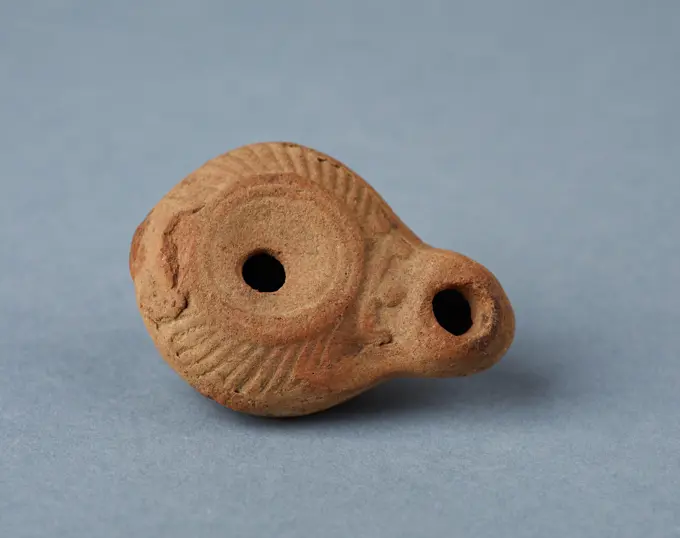
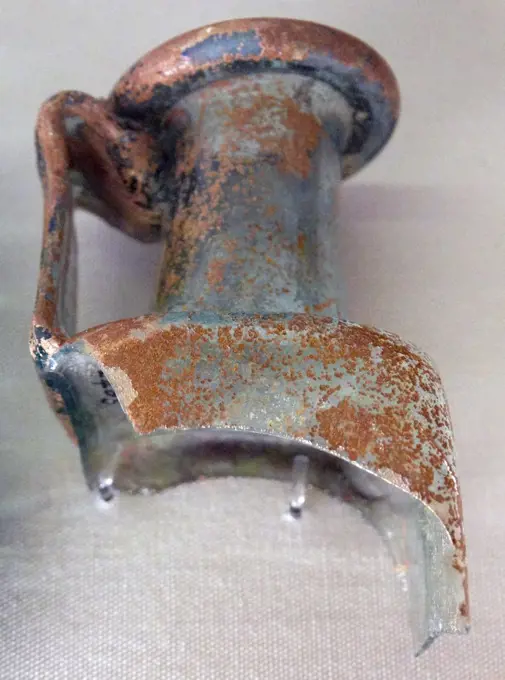
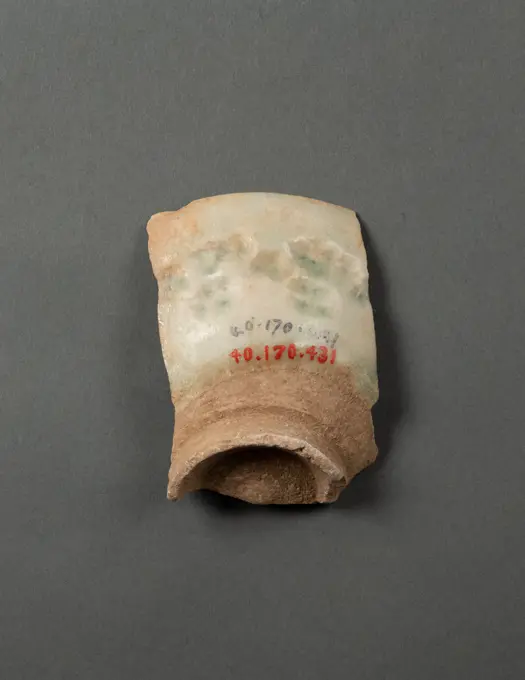
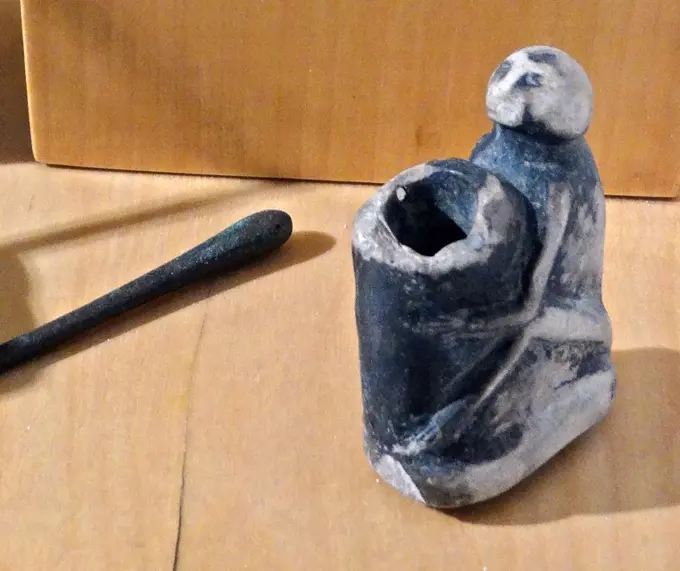
Collection of ancient fragments and relics, including vase handles and armor pieces. These artifacts offer a glimpse into historical craftsmanship and everyday life.
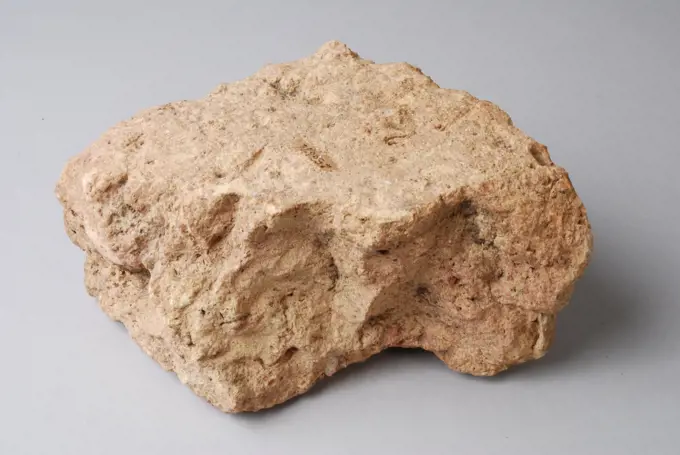
Earthenware brick, mixed shard, from the waste pit of Rotterdam pipe making, cloister wall brick building material earth discovery ceramics earthenware, hand shaped baked earthenware brick mixed shard of the waste pit of Rotterdam pipe maker Rotterdam Hillegersberg-Schiebroek Hillegersberg Noord Hillegersberg Zuid Rechter Rottekade kloostermop brick building material craft workshop pijpmakerij archaeological find in the soil: Judge Rottekade at number 71.
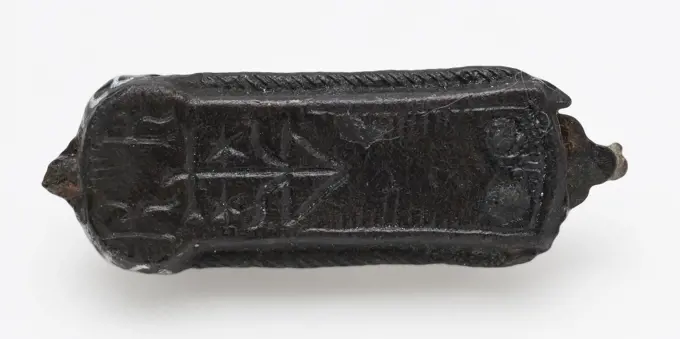
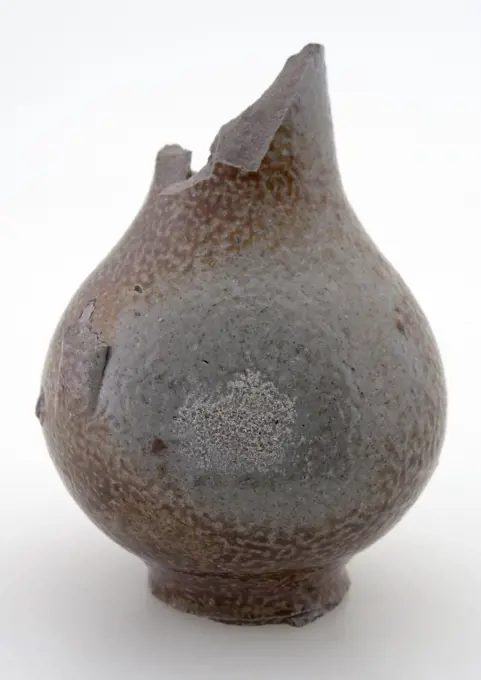
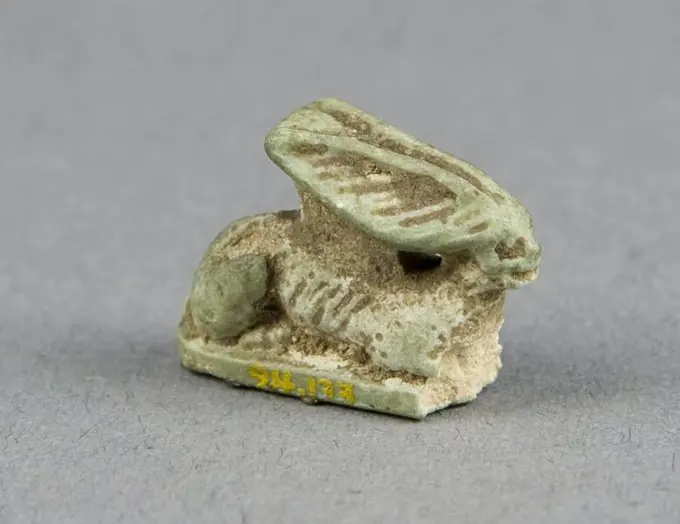
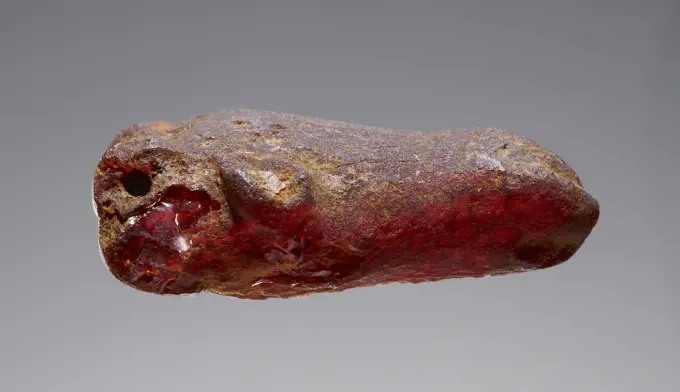
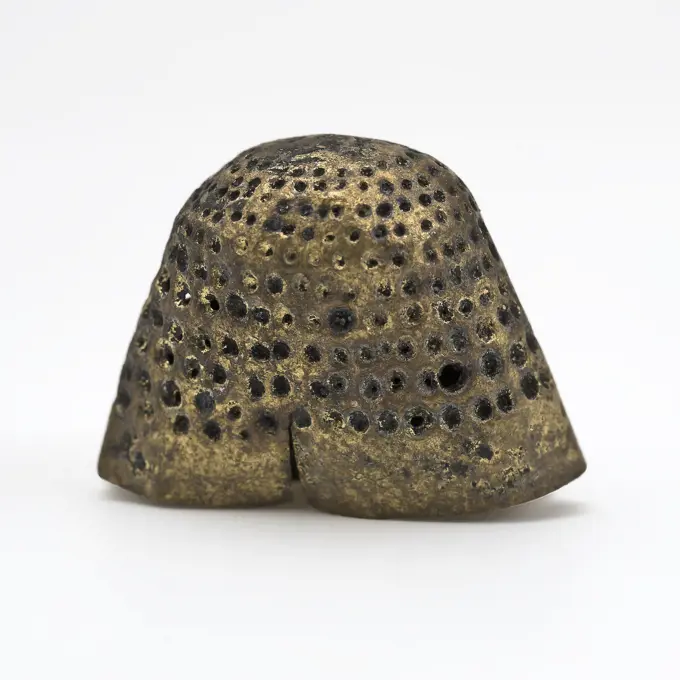
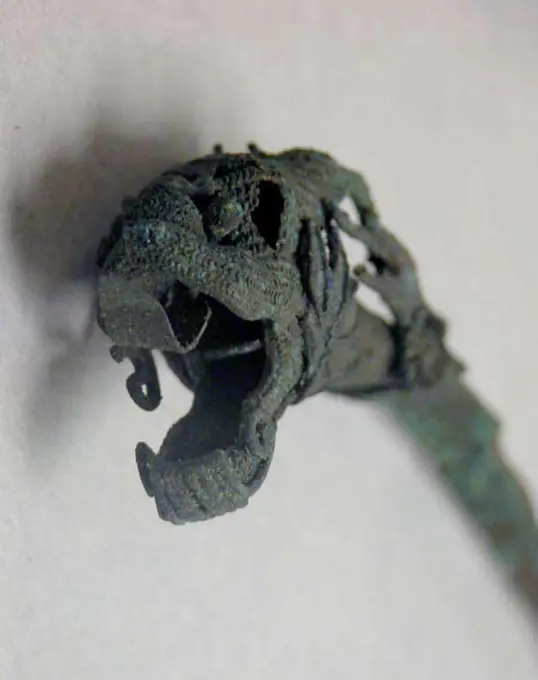
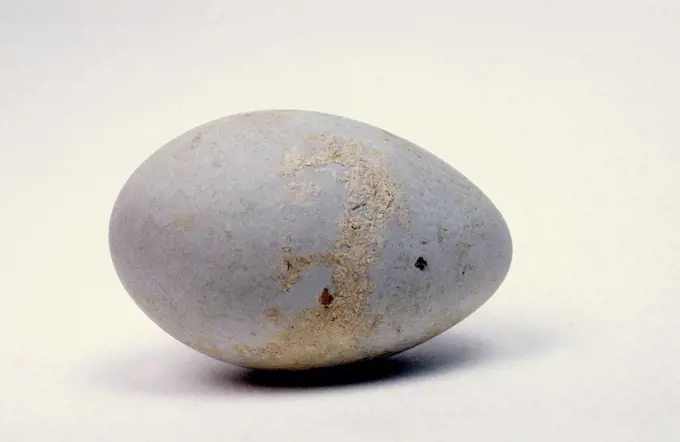
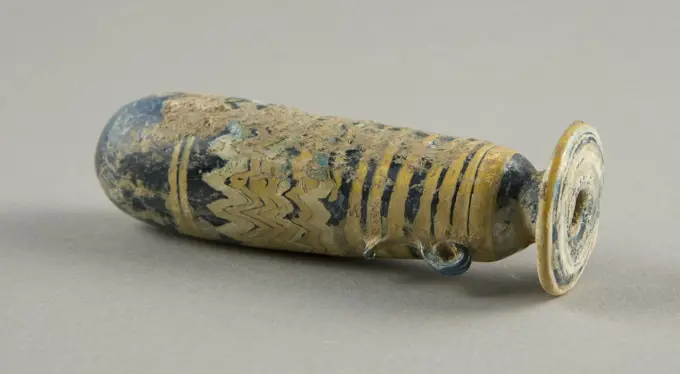
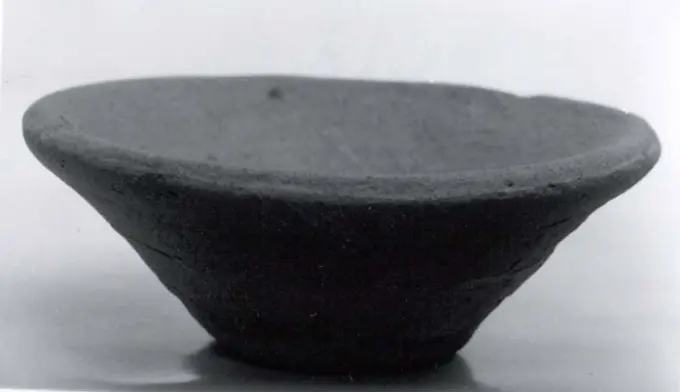
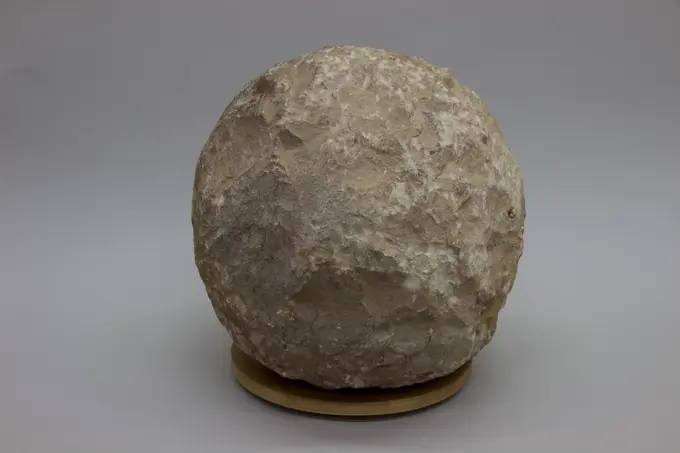
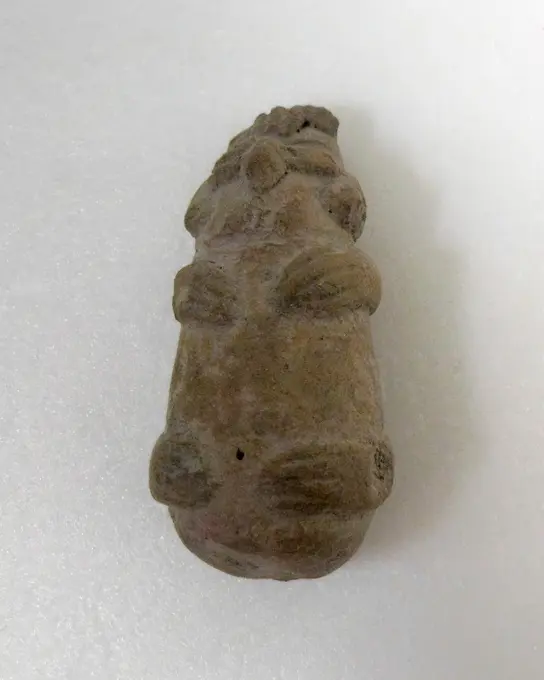
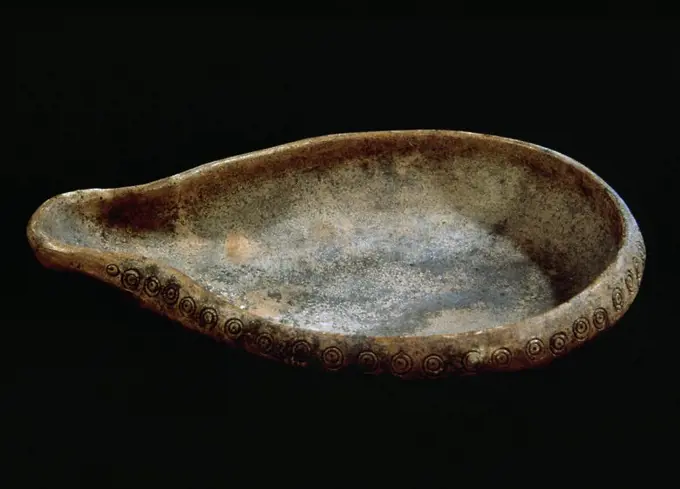
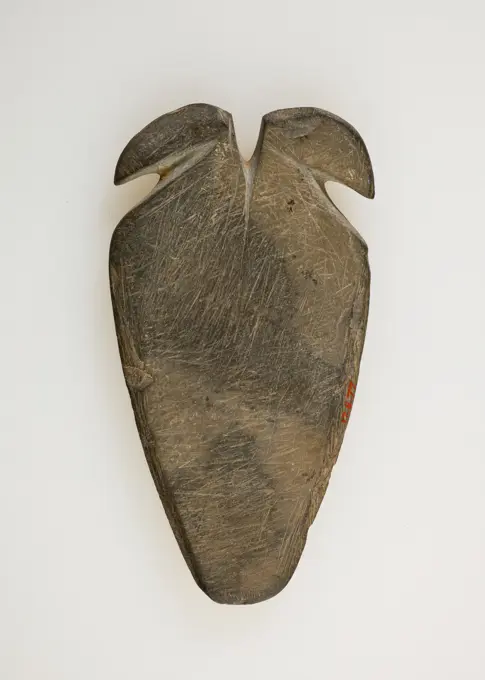
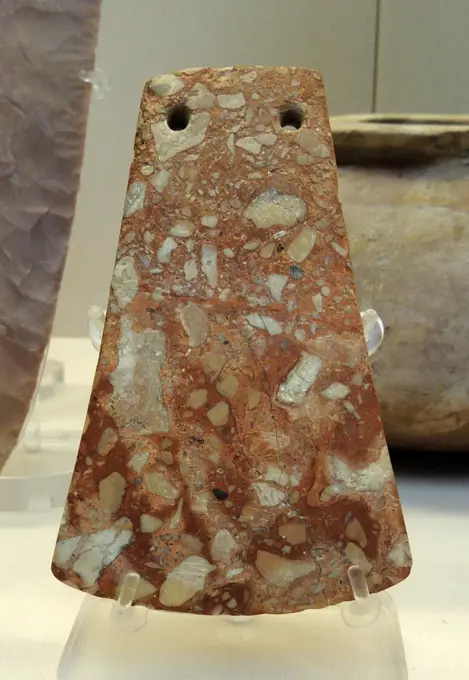
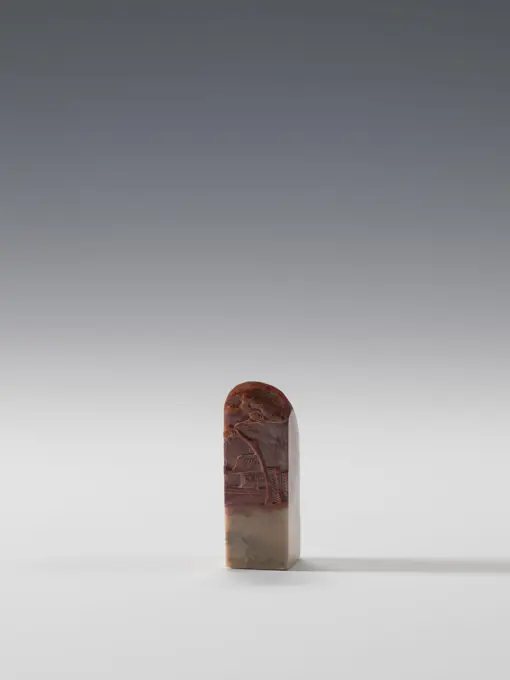
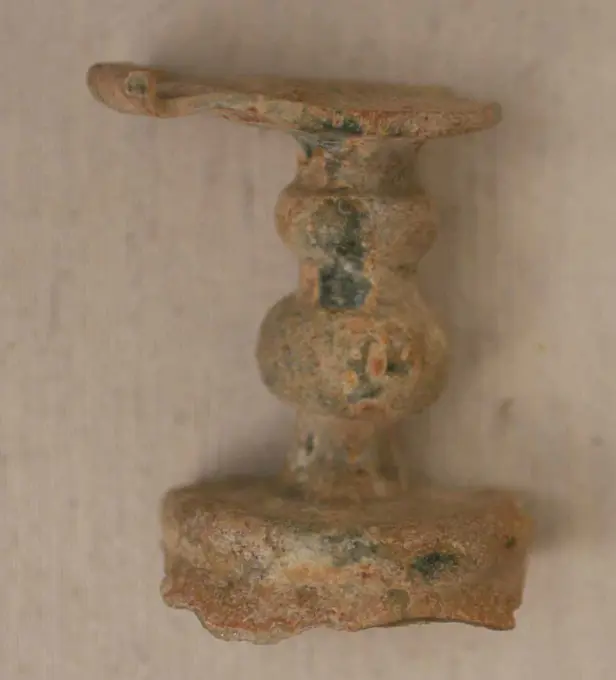
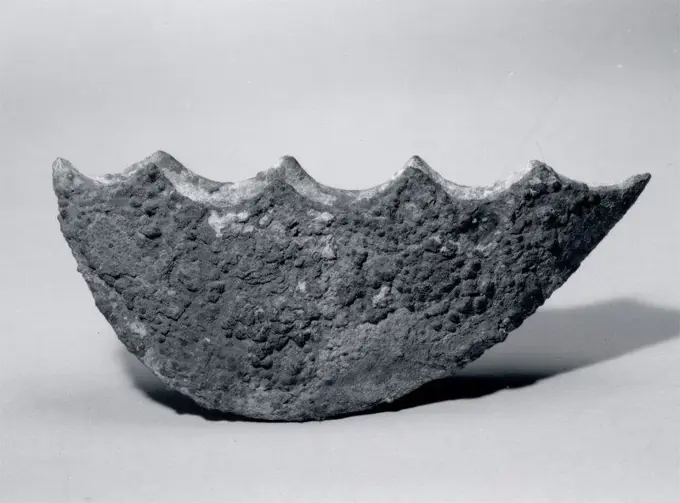
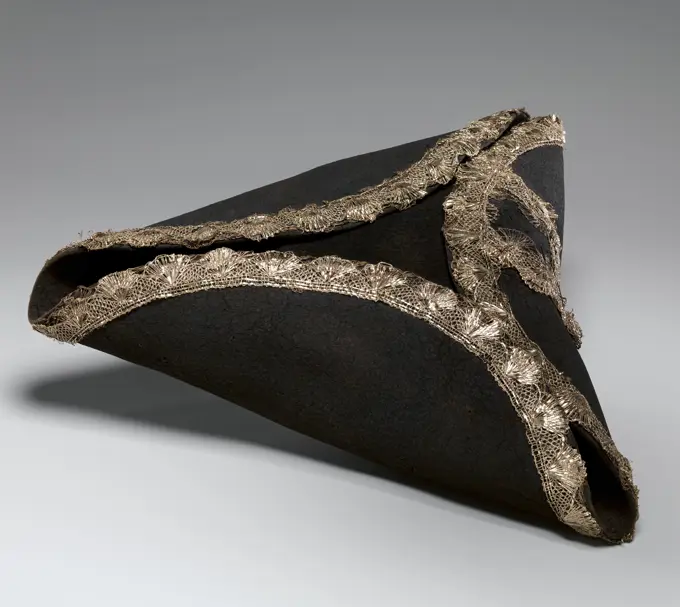
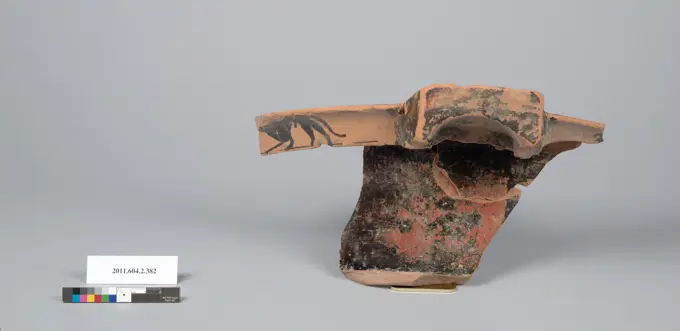
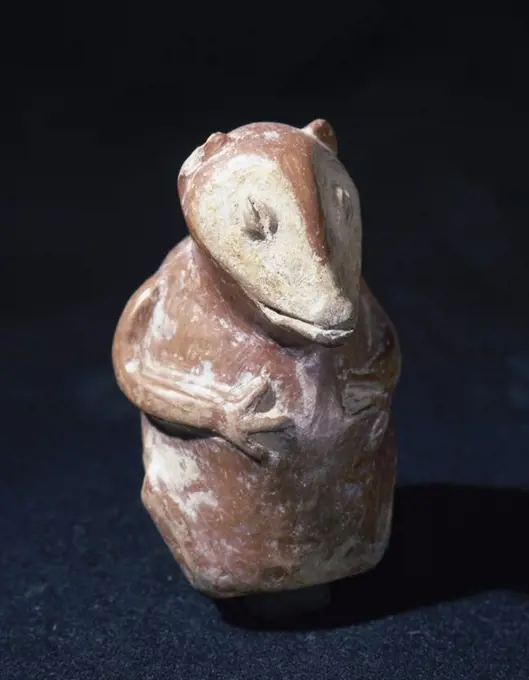
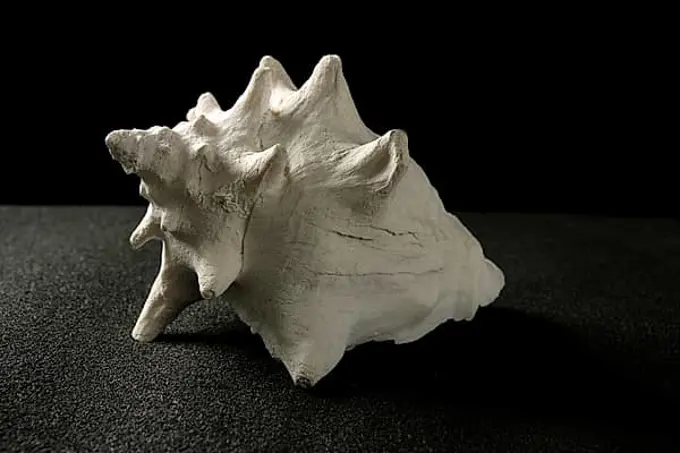
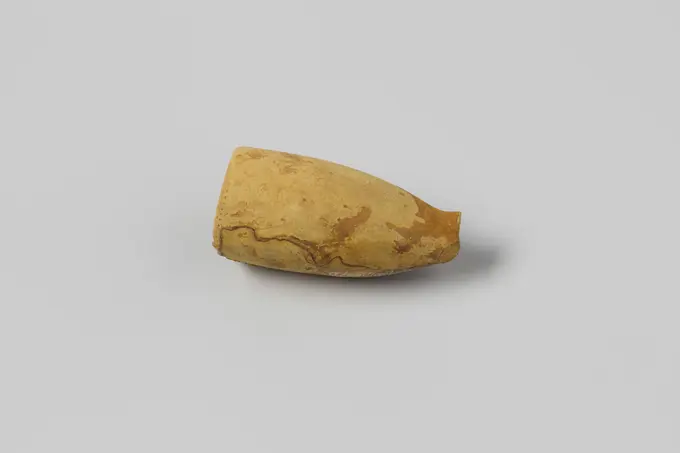
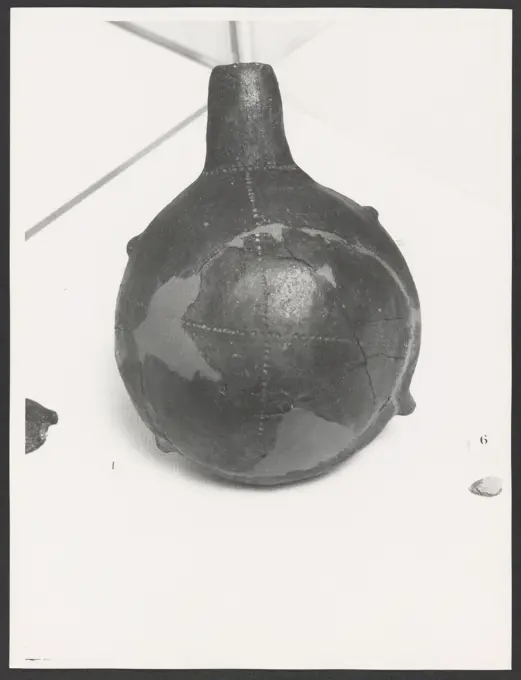
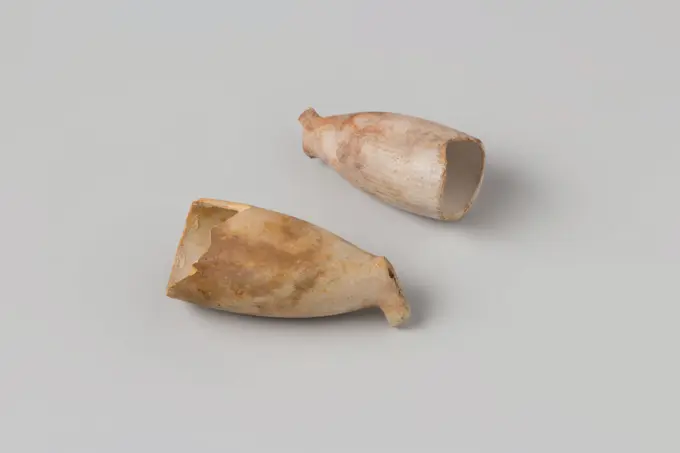
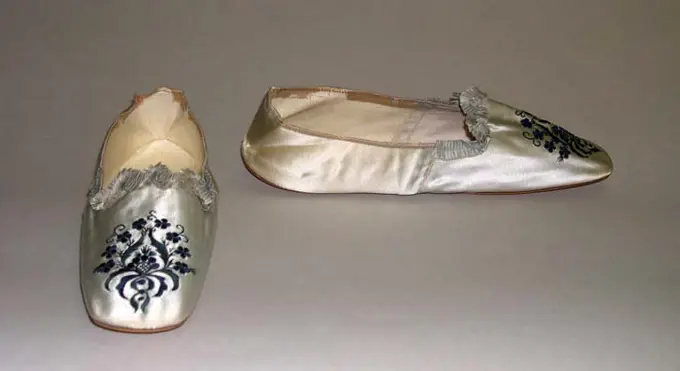
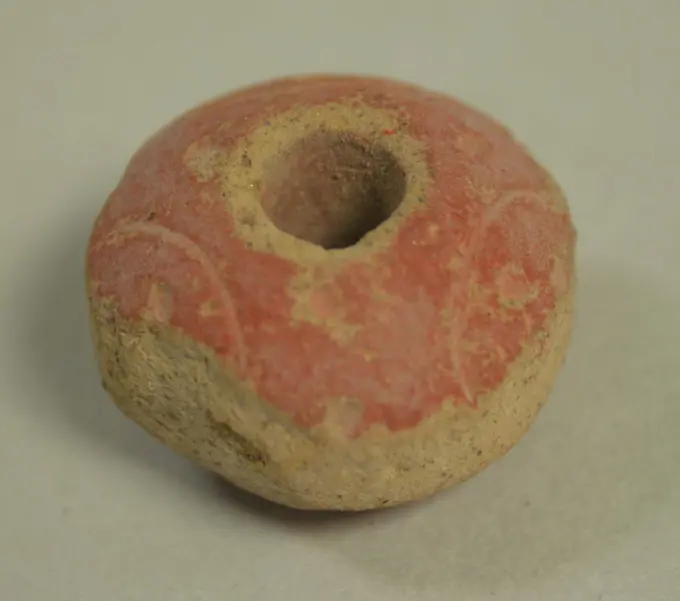
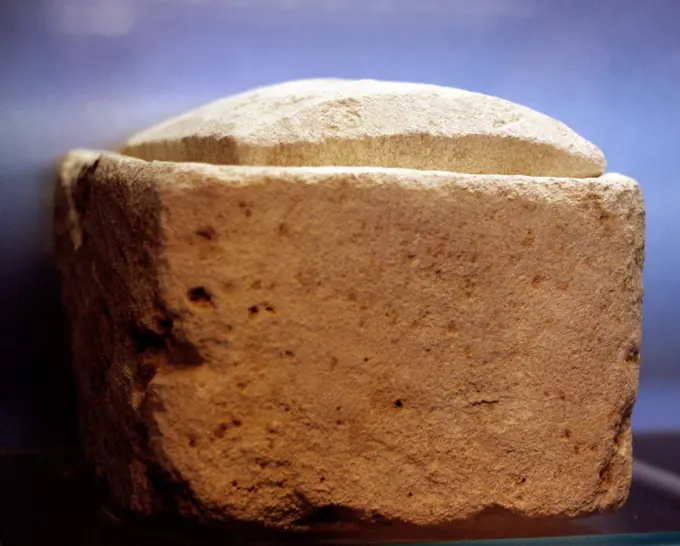
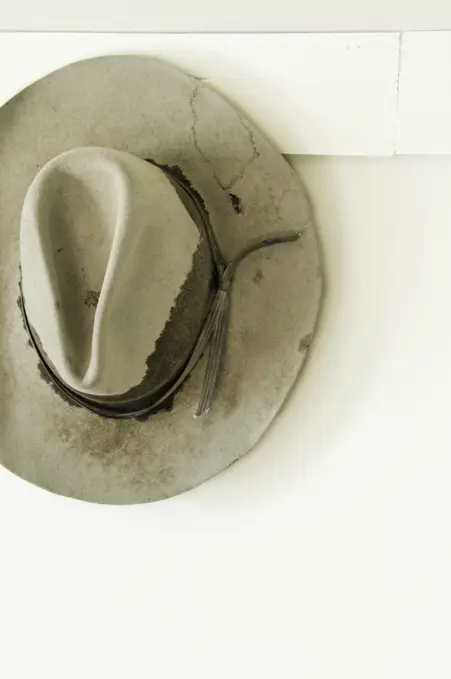
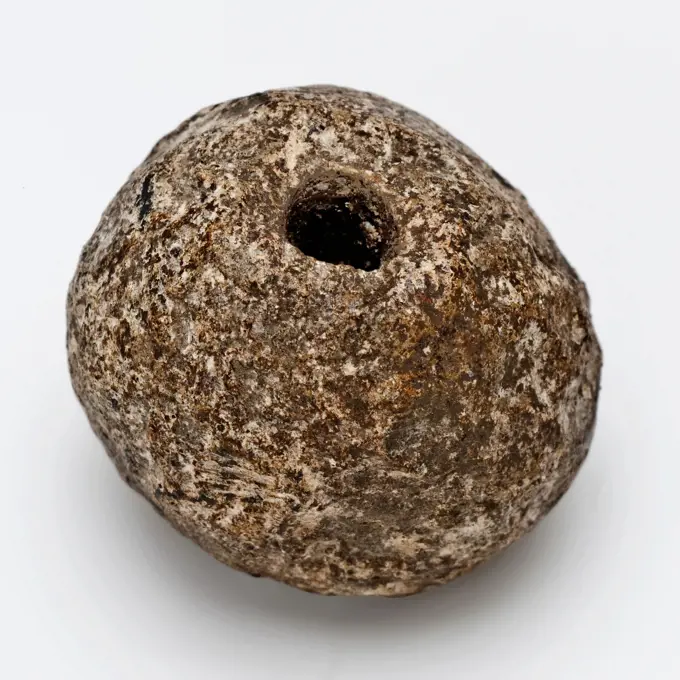
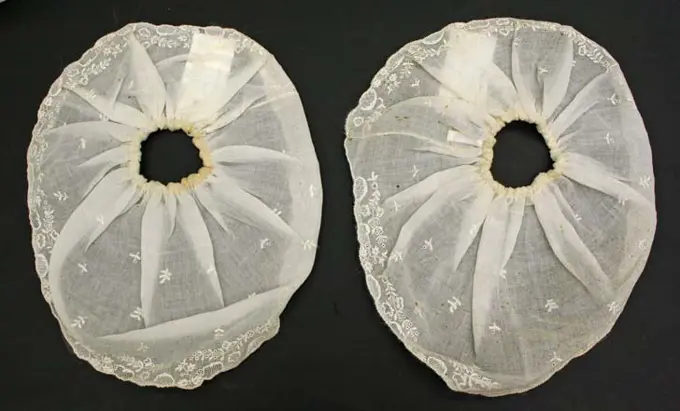
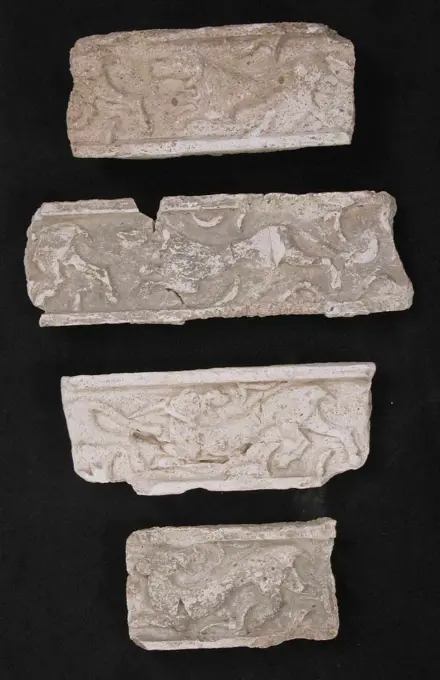
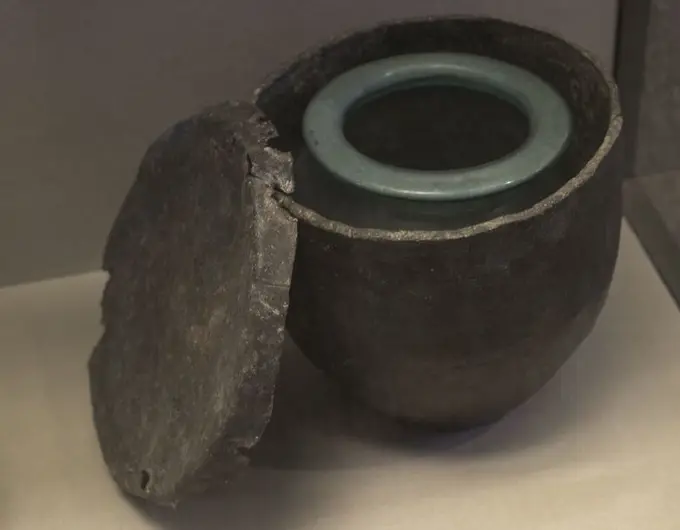
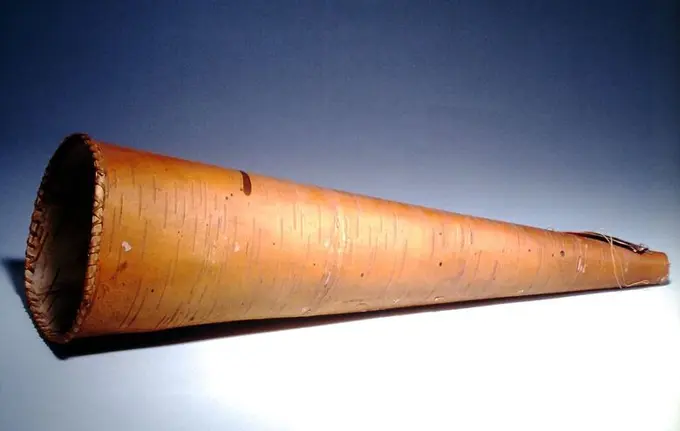
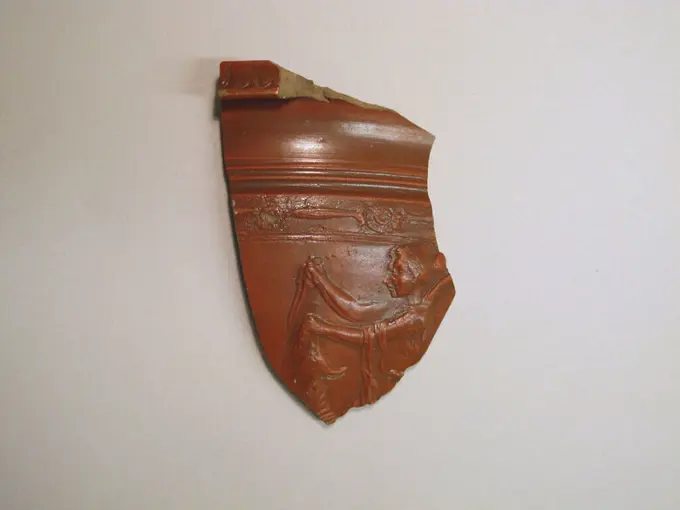
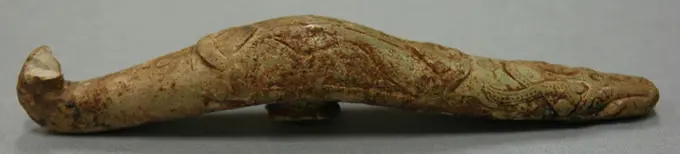
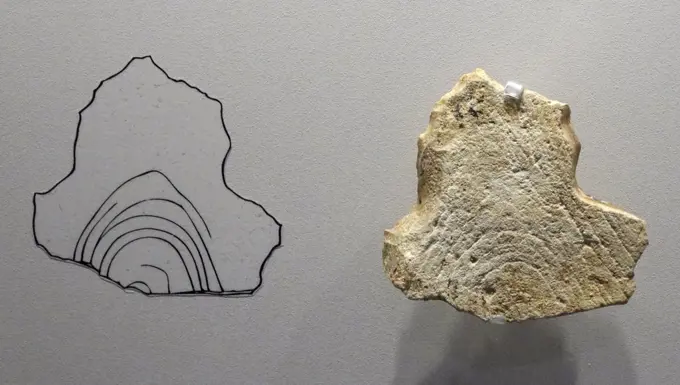
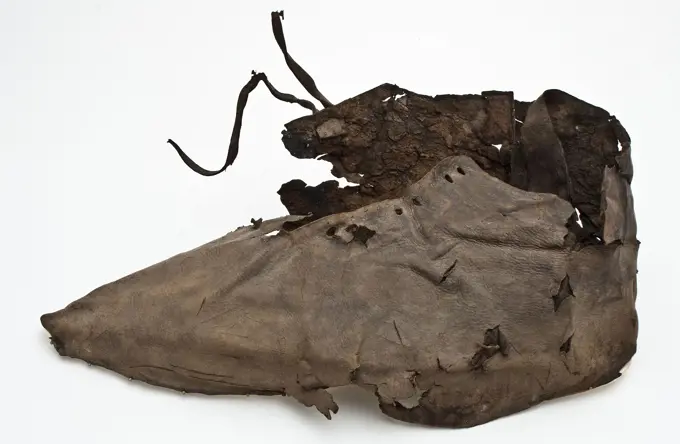
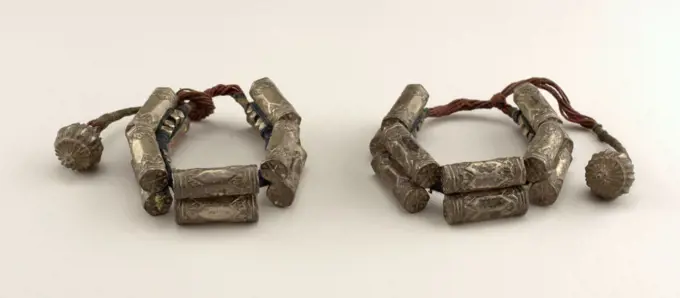
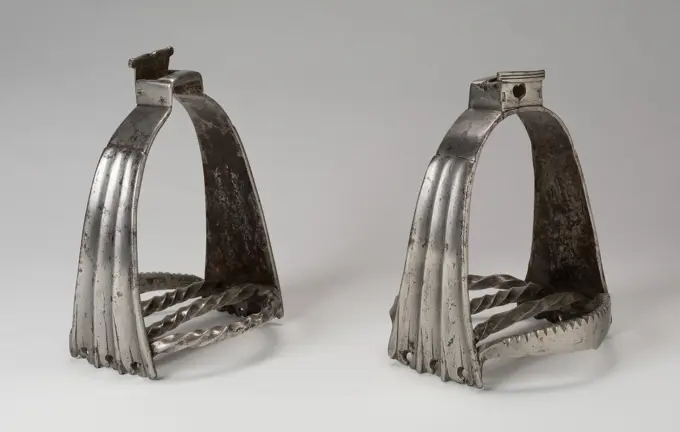
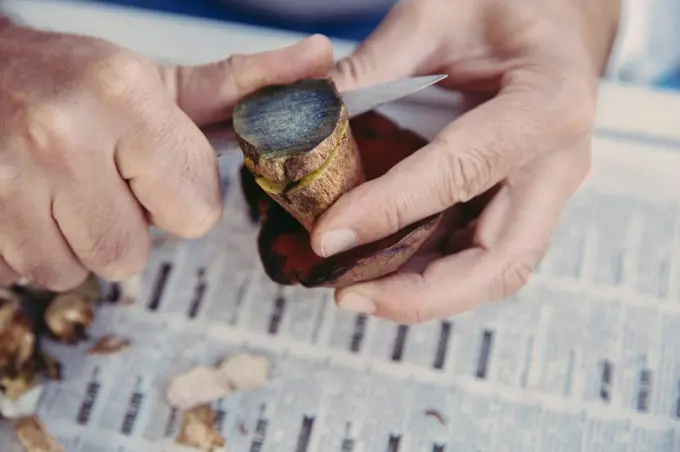
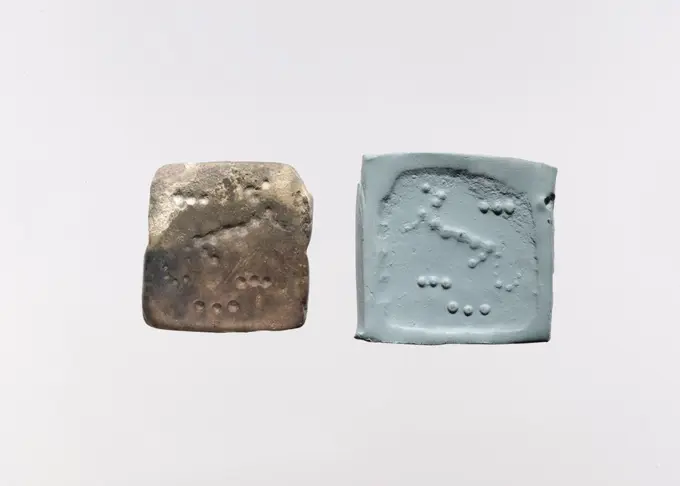
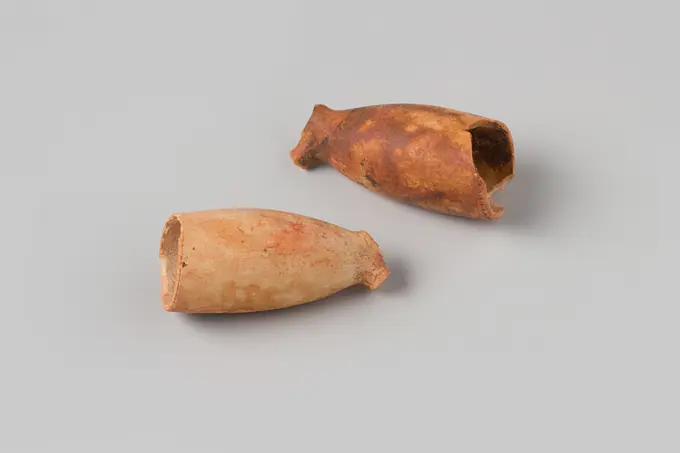
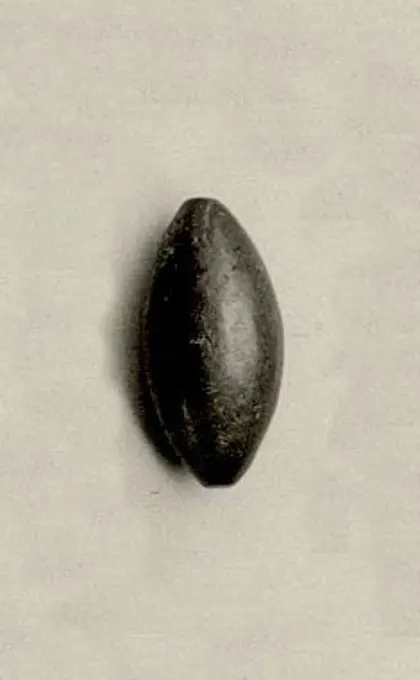
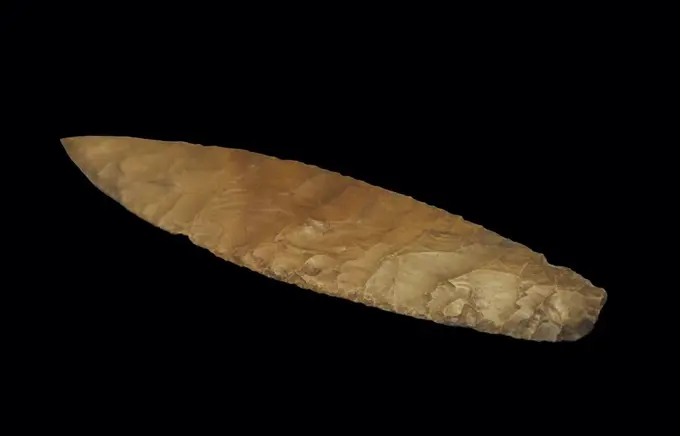
America. Knife blade or spearhead. Carved stone with soft slapper and pressure touch up. Paleo-Indian tradition. Museum of the Americas. Madrid, Spain. Oil LampElongated fittings with private label, batter ground find tin iron metal, cast Oblong hewn Decorated in high relief on one side with curls and volutes around lion's head . Reverse side private label with initials Right function unknown House brand: KR underneath cross two stars two curved leaves triangle with the point down archeology Rotterdam Binnenrotte brands characteristics adornment Soil discovery Inner rotte corner Meent (next to café small well).Half of an ornament in the shape of a dragon. Neolithic, Hongshan culture, about 3500 BC.Emilia-Romagna Ferrara Ferrara Museo Civico di Schifanoia03. Hutzel, Max 1960-1990 General Notes: INCOMPLETE RECORD--NEGATIVES PROCESSED, PRINTS FILED German-born photographer and scholar Max Hutzel (1911-1988) photographed in Italy from the early 1960s until his death. The result of this project, referred to by Hutzel as Foto Arte Minore, is thorough documentation of art historical development in Italy up to the 18th century, including objects of the Etruscans and the Romans, as well as early Medieval, Romanesque, Gothic, Renaissance and Baroque monuments. Images are organized by geographic region in Italy, then by province, city, site complex and monument.Notched Axe 2000 BCE-1000 BCE China. Jade .Broken pieces of Roman glass. Dated 1st CenturyStoneware jug, sphere model, entirely glazed, without decoration, jug soil found ceramic stoneware glaze salt glaze, hand-turned glazed baked Stoneware jug spherical model entirely glazed without decoration. Stand surface Speckled dark brown glaze archeology Rotterdam Kralingen-Crooswijk Struisenburg Oostmaaslaan indigenous pottery import drink kitchen room Soil discovery: Oostmaaslaan en's Gravenweg Rotterdam.Collar and ear of a flapman from v.O.c. ship the 'white lion'. Collar and ear of a flapman from v.O.c. ship the 'white lion'.Ceramic Fragment 11th-12th century This object was excavated at Nishapur.Nishapur was a vital city in the early and middle Islamic periods, located along one of the main trajectories that connected Iran and West Asia Islamic lands with Central Asia and China. These itineraries are often referred to by the term Silk routes but were in fact crucial to the movement of constellations of materials and objects, as well as people and ideas. The diverse population of Nishapur and its surroundings, from the better-researched elite groups of merchants, land-owning aristocracy, and literates, to the less-known artisans, farmers, miners, and servants, were instrumental in adapting global cultural trends to create their own distinctive visual languages. This is seen in the material remains of everyday life in medieval Nishapur - from pots and pans to lighting devices, inkwells, textiles and trimmings, jewelry, games and toys, talismanic devices, weapons, coins, and architectural fragments.Nishapur Amulet of a Cape Hare. Egyptian. Date: 664 BC-332 BC. Dimensions: 1.3 x 1.9 x 0.6 cm (1/2 x 3/4 x 1/4 in.). Faience. Origin: Egypt. Museum: The Chicago Art Institute, Chicago, USA. Author: Ancient Egyptian.Pendant: Bovine Head; Italy; 500 - 400 B.C; Amber; 35 × 24 × 13 mm (1 3,8 × 15,16 × 1,2 in.)Copper molded thimble, thimble sewing kit soil find copper metal, cast beaten Copper cast thimble with one-by-one wells with left spinning spiral with blank board archeology seamstress tailor sewing textile machining clothing needle and thread repairVase fragment Minoan. Vase fragment 252439 Minoan, Vase fragment, Terracotta, 1 1/2  2 5/8  5/16 in. (3.8  6.7  0.8 cm). The Metropolitan Museum of Art, New York. Bequest of Richard B. Seager, 1926 (26.31.520)Hair Ornament China. Hair Ornament. China. Silver. Song dynasty (960-1279). JewelryNose Ornament. Culture: Moche. Dimensions: H. 3 3/8 x W. 5 1/4 x D. 5/8 in. (8.6 x 13.3 cm)Weight: 0.0355lb. (0.0161kg). Date: 1st-3rd century. Museum: Metropolitan Museum of Art, New York, USA.Great Cormorant (Phalacrocorax carbo) close up of eggStatuette of a bird (duck ) Etruscan. Statuette of a bird (duck ). Etruscan. Terracotta. TerracottasFragment of a Bowl 11th-12th century. Fragment of a Bowl 445193Seal with a turtle shaped handle unknownLead object, hollow point, artifact foundations lead metal, cast Three lead points (-C): hollow and tapered archaeology Rotterdam railroad tunnel flagpole boat hook weight Soil discovery: trajectory Rotterdam rail tunnel.FRAGMENTO DE CERAMICA CON DECORACION DE ALMAGRA. BRONCE S.V a.C. (DEPOSITO: MUSEO ARQUEOLOGICO NACIONAL).Amphora (Storage Jar) 400 BCE-201 BCE Egypt. Glass, core-formed technique . Ancient MediterraneanBowl ca. 3rd-7th century A.D. Sasanian Plain unglazed ceramics, like this bowl, are the most common type of pottery found during the Sasanian period. These plain vessels were part of the everyday household materials. The ceramics during this period were mostly wheel-made. This bowl was excavated from a house at the site of Maaridh II in the Ctesiphon area. The city of Ctesiphon was located on the east bank of the Tigris River, 20 miles (32 km) south of modern Baghdad in Iraq. It flourished for more than 800 years as the capital of the Parthians and the Sasanians, the last two dynasties to rule the ancient Near East before the Islamic conquest in the seventh century. Systematic excavations in the Ctesiphon area were undertaken by an expedition in 1928-29 sponsored by the German Oriental Society (Deutsche Orient-Gesellschaft). The Metropolitan Museum of Art and the Staatliche Museen, Berlin, undertook a joint expedition for one season in 1931-32. Several excavations were conducted, inclCatapult Projectile from Montfort (Starkenberg) Castle ca. 1250 Kingdom of Jerusalem (near present-day Akko, Israel) The area of Montfort, in upper Galilee near Acre, Isreal, was occupied by French Crusaders in the eleventh century. In the early thirteenth century it was acquired by the Teutonic Knights, a German crusading order, who strengthened the fortifications and renamed it Starkenberg. Mamluk forces took the castle by siege in 1271, leaving it in ruins. In 1925, Bashford Dean, curator of Arms and Armor, had high hopes that an excavation of the undisturbed site might unearth examples of arms and armor from the crusading era. Field work, organized by Dean and privately funded, was carried out in 1926. Relatively few martial artifacts were found, but the site did yield important architectural elements, pottery, glassware, and many other items from the daily life of the castle's former occupants. Among the military finds were several stone projectiles, including this example, whichHand of anthropoid sarcophagus;  around 1069 656 BC ; 3rd transition period (-1069-00-00--656-00-00);Miniature figurine, 1500 BCE, 1 15/16 in. (4.9 cm), Earthenware, Mexico, Pre-ClassicItaly. Sardinia. Nuragic civilization. Ceramic lamp. 8th century BC. From Su Benatzu Santadi. Archeological Museum of Cagliari.Arm of Buddha or Bodhisattva, late 1st century. India, Mathura, Kushan Period (1st century-320). Stone; overall: 61.3 cm (24 1/8 in.).Palette in the Form of a Two-Headed Bird ca. 4500-4000 B.C. () Predynastic Period. Palette in the Form of a Two-Headed Bird. ca. 4500-4000 B.C. (). Greywacke. Predynastic Period. From Egypt; Probably from Northern Upper Egypt, TukhRed Breccia Axe-head 3300 B.C. Rare example of a stone axe. Egypt Sealing piston;  19th century (1801-00-00-1900-00-00);Fragment 9th-11th century. Fragment 448737Datolite. minerals. Europe; Austria; Tyrol Province; KlausenPrehistory. Finland. Bronze Age. A set of four axes found at Pernio. National Museum of Finland. Helsinki.Implement ca. late 3rd-early 2nd millennium B.C. Bactria-Margiana Archaeological Complex. Implement. Bactria-Margiana Archaeological Complex. ca. late 3rd-early 2nd millennium B.C.. Copper alloy. Bronze Age. Bactria-MargianaChalk is a soft, white, porous sedimentary carbonate rock, a form of limestone composed of the mineral calcite. Dated 2015Element of Wig Decoration , 1980-1801 BC. Egypt, Middle Kingdom, Dynasty 12. Silver; overall: 2.5 cm (1 in.).Wolcott, Fell 2013-04-19, TYPE. North America; USA; Connecticut; New Haven County; Wolcott; 2 Williams CourtTricorne mid-18th century Italian. Tricorne. Italian. mid-18th century. woolRelief of part of a female attendant - see 26.3.353-3 ca. 2051-2030 B.C. Middle Kingdom. Relief of part of a female attendant - see 26.3.353-3. ca. 2051-2030 B.C.. Limestone, paint. Middle Kingdom. From Egypt, Upper Egypt, Thebes, Deir el-Bahri, Tomb of Neferu (TT 319, MMA 31), MMA excavations, 1923-25. Dynasty 11Terracotta fragment of a column-krater (bowl for mixing wine and water) mid-5th century B.C. Greek, Attic On the top of the mouth, near the handle plate, paint (ghost from another vase); on the side of the rim, an animal frieze in silhouette; lion to left; part of the neck is preserved. Terracotta fragment of a column-krater (bowl for mixing wine and water). Greek, Attic. mid-5th century B.C.. Terracotta; red-figure. Classical. Vasesitalian seppia pasta fusilli (macaroni) with cuttlefish ink, isolated on white backgroundPre-Columbian art. Pre-Incan. Tumaco-Tolita culture. Region of the Pacific Colombo-Ecuadorian coast from 300BC-600 AD. Ceramic object. Form squirrel. 9 x 6 cm (diameter) x 3,5 cm. From Ecuador. Private collection.Conch sea snail white shell black backgroundBlowjob from the wreck of the East Indieschief Hollandia. Pipe, bowl, healermark illegible; Fragments.Muff ca. 1900 American or European. Muff. American or European. ca. 1900. silk'Female Head'. Ancient Greece, 4th-3rd centuries BC. Dimensions: height 8 cm. Museum: State Hermitage, St. Petersburg.Stack of blankets, tied together with a band, anonymous, c. 1750 - c. 1800 A pile of three folded and tied woolen blankets () Bundled with linen band. Netherlands wool. linen (material) napping A pile of three folded and tied woolen blankets () Bundled with linen band. Netherlands wool. linen (material) nappingPijpenkop in concretion from the wreck of the East Indians Hollandia, Anonymous, 1700 - in Or Before 1743  Pipe, bowl, heelmark illegible; fragment, concreted. Netherlands pipe clay. concretionary stone   SecondCarving Fragment, before 1500, 1 1/8 x 15/16 x 7/16 in. (2.86 x 2.38 x 1.11 cm), Ivory, United States, 15th centuryTuscany Grosseto Massa Marittima Museo Civico3. Hutzel, Max 1960-1990 Post-medieval: Panel painting (1), painting Antiquities: Sculpture, urns, arrowheads, tools German-born photographer and scholar Max Hutzel (1911-1988) photographed in Italy from the early 1960s until his death. The result of this project, referred to by Hutzel as Foto Arte Minore, is thorough documentation of art historical development in Italy up to the 18th century, including objects of the Etruscans and the Romans, as well as early Medieval, Romanesque, Gothic, Renaissance and Baroque monuments. Images are organized by geographic region in Italy, then by province, city, site complex and monument.Stone fragment. Found at the western end of the terrace wall in front of Ggantija Megalithic Temples. Xaghra, Gozo Island, Malta. Gozo Museum of Archaeology. Cittadela of Victoria in Gozo. Malta.Blowers from the wreck of the East Indians Hollandia, Anonymous, 1700 - in Or Before 1743  Pipe, bowl, heelmark: crowned 91; 1hsm1. Netherlands pipe clay   SecondSlippers 1840s American. Slippers 112777Printing Block (USA); wood, copper, brass; 1941-87-1-eSpindle Whorl 10th-16th century () Peruvian. Spindle Whorl 308366Cremation box. Bath stone box for cremated remains. Roman. 1st - 3rd century AD. Found in the Bath museum.Pin 1st millennium B.C. () Iran. Pin 325651Spoon from the wreck of the East Indians Princesse Maria, Anonymous, 1670 - 1686 spoon Pewter crushed spoon, massive round stem and round spoon. Netherlands tin (metal)Cowboy hat hanging on a hook _ Bar U Ranch National Historic Site _ Alberta, CanadaLead bead or line reinforcement, fishing lead or spindle, bead spinkloss tool kit soil find lead metal, cast Not completely round ball with hole in the middle. Bead or line reinforcement Slightly constrained form of archeology Rotterdam Kralingen-Crooswijk Kralingen East Honey dike adorn fishing fishing fisheries Soil discovery: Honingerdijk.Hook Pendant before 16th century Mexican. Hook Pendant 317375VAGINA - ESCULTURA EN MADERA. Author: DAVID JOHN NASH (1945-). Location: FUNDACION SANTANDER CENTRAL HISPANO. MADRID. SPAIN.Shard ca. 4th-5th century Pakistan. Shard 50752Engageantes 18th century British. Engageantes 120000Grahal-Manzara. Carnavalet 2013-2016 collection sites. Numismatics.Three -spike blade. Bronze. Cernuschi Museum, Asia Museum of Asia in the city of Paris.Fragments of a Frieze with Chasing Animals second half 12th-first half 13th century. Fragments of a Frieze with Chasing Animals 453249Bronze and glass cinerary urn. Archaeological and History Museum (San Anton Castle). A Corua, Galicia, Spain.Roman period. Terra sigillata bowl bearing the seal of the potter Herm. Dated between 3rd century B.C. - 1st century A.D. Tal-Hamrija, Xewkija, Gozo island, Malta. Gozo Museum of Archaeology. Cittadella de Victoria. Gozo, Malta.Bark Trumpet / Moose Call. Culture: Native American (Mic Mac). Dimensions: Greatest Diam. 15.8 x L. 52cm (6 1/4 x 20 1/2in.). Date: 19th century. Museum: Metropolitan Museum of Art, New York, USA.Guanche Culture. Mummified remains of a male. Cliff of Herques (Guimar-Fasnia, Tenerife, Canary Islands, Spain). National Archaeological Museum. Madrid. Spain.Pea urchin, green sea urchins (Echinocyamus pusillus) on white backgroundVase fragment. Culture: Roman. Dimensions: 3 9/16 × 2 3/8 × 1/4 in. (9.1 × 6.1 × 0.7 cm). Date: 1st century B.C.-1st century A.D..Nike sacrificing a bull. Museum: Metropolitan Museum of Art, New York, USA.Belt hook 2nd-1st century B.C. China. Belt hook. China. 2nd-1st century B.C.. Bone. Western Han dynasty (206 B.C.- A.D. 9). BoneFlint with a 'Rainbow' symbol incised on a plaque. From the Mousterian Culture. Dated 55,000 years agoPolishing Stone (pulidor) before 16th century Mexican. Polishing Stone (pulidor) 317037Huge block of Jade Germany. Huge block of Jade 54234Sharp of red -baking earthenware, with blue glaze on the front, with a painting of leaves in green and orange and stripes in yellow and brown, anonymous, 1600 - 1650  Northern Netherlands earthenware. glaze majolica  Northern Netherlands earthenware. glaze majolicaFragment pointy shoe, consisting of heel, side with lace holes and lacing and front, shoe footwear clothing soil finding leather, archeology RotterdamBischöfliches Siegel Episcopal seal, red and yellow stamped wax, 13th century, Huesca Diocesan Museum, Aragon community, Spain Copyright: xZoonar.com/Tolox 22307826Boy, 8th-10th Century. China, Tang dynasty (618-907) - Song dynasty (960-1279). Jade ; overall: 4 cm (1 9/16 in.).Ring probably 19th century Chinese This collection of largely ethnographic jewelry includes examples from cultures in South America, North America, Europe, Asia, and Africa and dates from the Pre-Columbian period to the twentieth century. Owned by renowned art collector and fashion enthusiast Muriel Kallis Newman, the collection represents her knowledge and appreciation of a wide range of jewelry design and making traditions. Numerous items in her collection are composite artifacts made from various cultures and time periods reappropriated as modern jewelry creations by or for Muriel. It is important to note that Newman wore many of the pieces in the collection, interpreting them to suit and express her own singular, often avant-garde style.. Ring 141616Egyptian cosmetics (Kohl) pot an stick; Late Period (715-332 BC).Pair of anklets, Silver, Pair of silver anklets. Five cartridge shapes, with decorative balls, on cord., India, probably 19th century, jewelry, Decorative Arts, Pair of ankletsCeramic Monkey Head Vessel 14th-15th century Mexican. Ceramic Monkey Head Vessel. Mexican. 14th-15th century. Ceramic. Mexico, Mesoamerica, Oaxaca. Ceramics-ContainersBowl 9th century. Bowl 449606Pair of Stirrups 1500-1550 Germany. Iron .Slippers ca. 1800 British. Slippers 98234Man's hand cutting scarletina boleteCASCO GRIEGO - S VII - VISTA FRONTAL. Location: MUSEO DE CADIZ-ARQUEOLOGIA. Cadiz. SPANIEN.Drilled square plaque seal ca. 3500-2900 B.C.. Drilled square plaque seal. ca. 3500-2900 B.C.. Stone, gray pink. Late Uruk-Jemdet Nasr. Mesopotamia, NippurCASCO DE PROYECTIL DE ARTILLERIA 1936. Location: ALCAZAR / MUSEO DEL EJERCITO-COLECCIÓN. Toledo. SPAIN.Pipes from the wreck of the East India Hollandia.Pipe, Bowl, Heelmar: Coat of Arms of the City of Amsterdam; 2HSM1.2.Weight ca. 1981-1640 B.C. Middle Kingdom. Weight. ca. 1981-1640 B.C.. Hematite. Middle Kingdom. From Egypt, Memphite Region, Lisht North, Cemetery, MMA excavations, 1920-22. Dynasty 12-13Strainer. Wood; carving. Russia. Early 18th century. The State Hermitage Museum. Saint Petersburg. Russia.Neolithic Amulet 2500 B.C-A.D. 700 Neolithic. Neolithic Amulet 465478 Neolithic, Neolithic Amulet, 2500 B.CA.D. 700, Stone, Overall: 2 1/16 x 5/8 x 7/16 in. (5.3 x 1.6 x 1.1 cm). The Metropolitan Museum of Art, New York. Gift of J. Pierpont Morgan, 1917 (17.193.165)Cactus. State state plan Hamburg, collection of the history of photographymushrooms on the kitchen table