Archaeological Artifacts

Collection of ancient fragments and relics, including vase handles and armor pieces. These artifacts offer a glimpse into historical craftsmanship and everyday life.
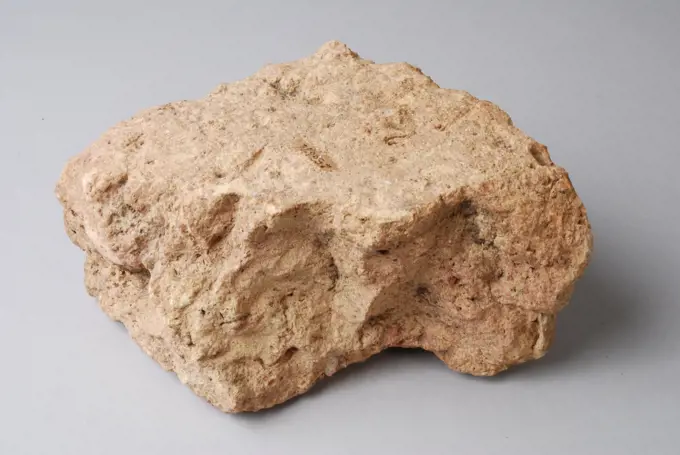
Earthenware brick, mixed shard, from the waste pit of Rotterdam pipe making, cloister wall brick building material earth discovery ceramics earthenware, hand shaped baked earthenware brick mixed shard of the waste pit of Rotterdam pipe maker Rotterdam Hillegersberg-Schiebroek Hillegersberg Noord Hillegersberg Zuid Rechter Rottekade kloostermop brick building material craft workshop pijpmakerij archaeological find in the soil: Judge Rottekade at number 71.
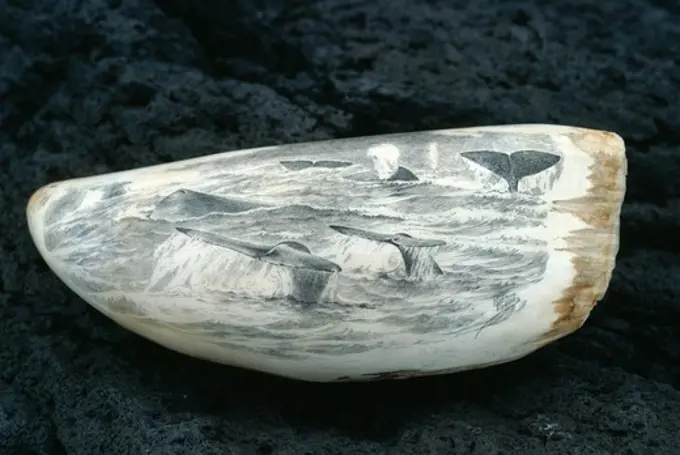
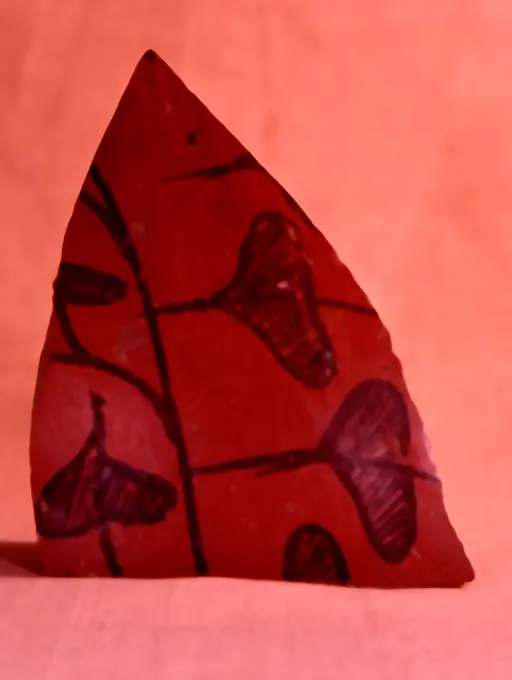
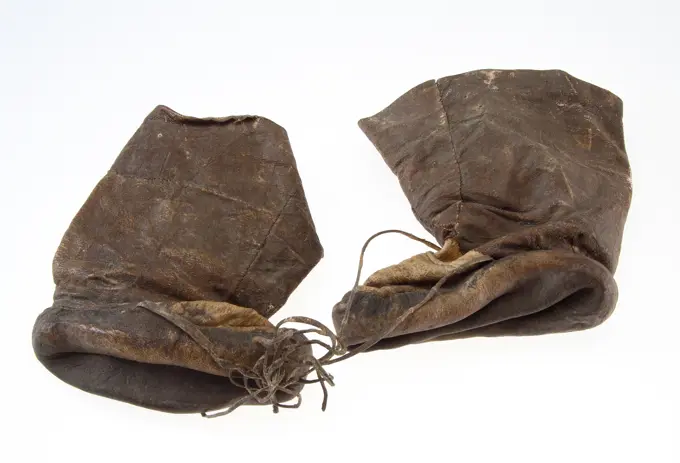
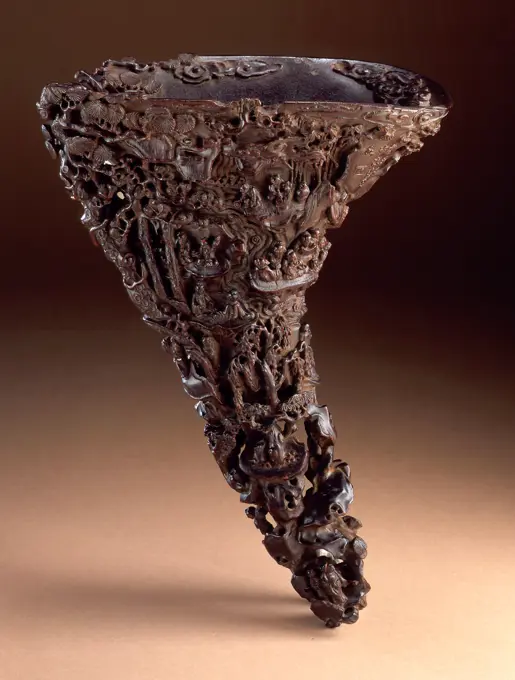
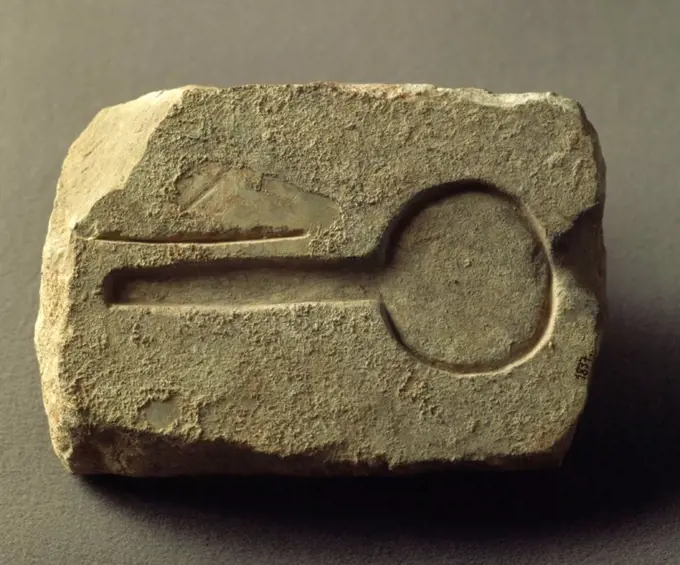
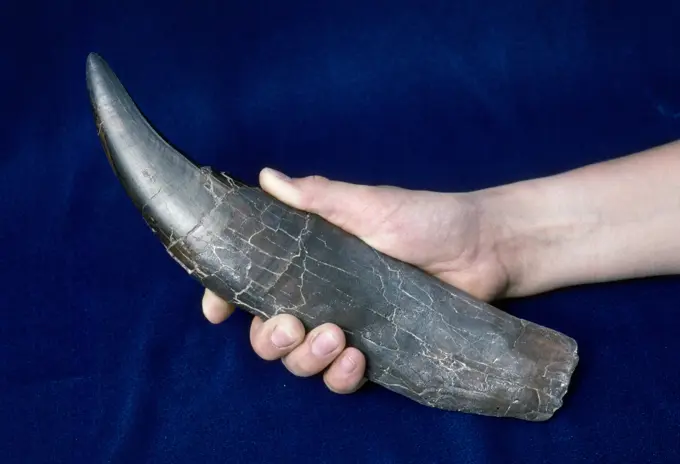
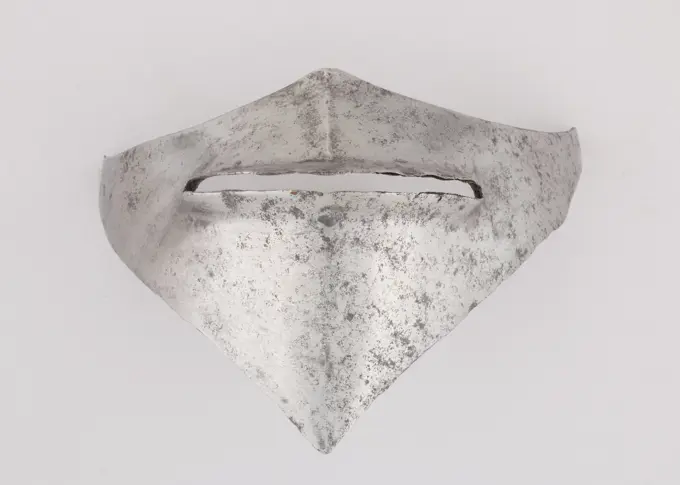
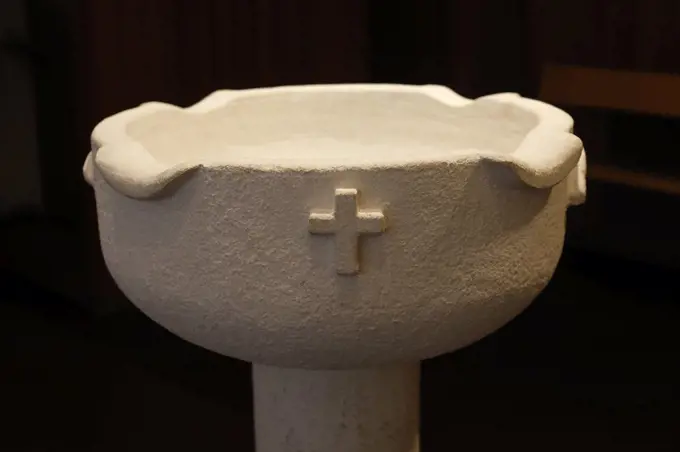
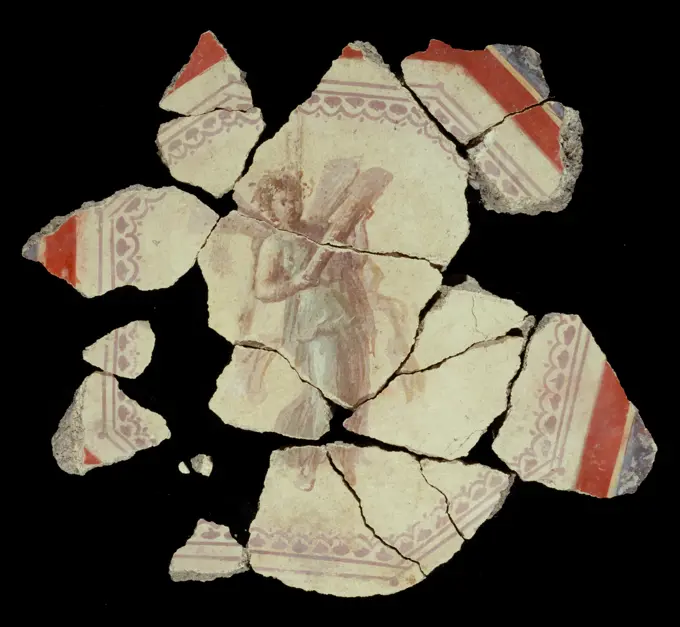
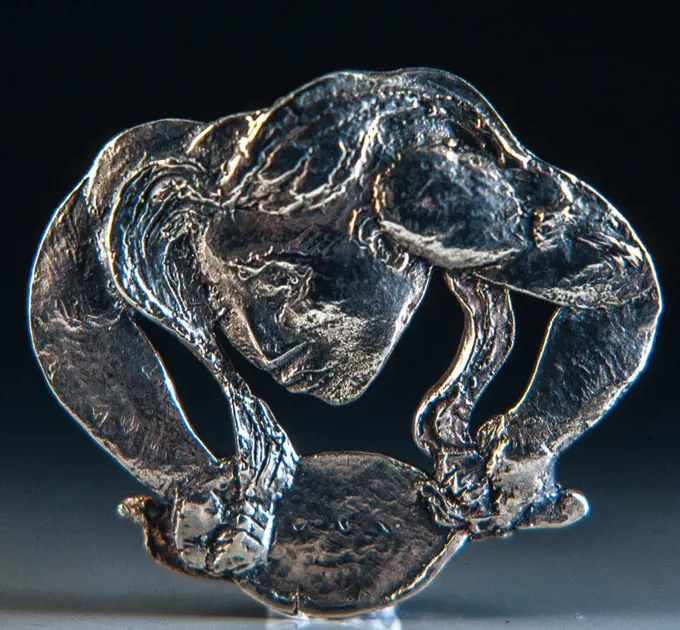
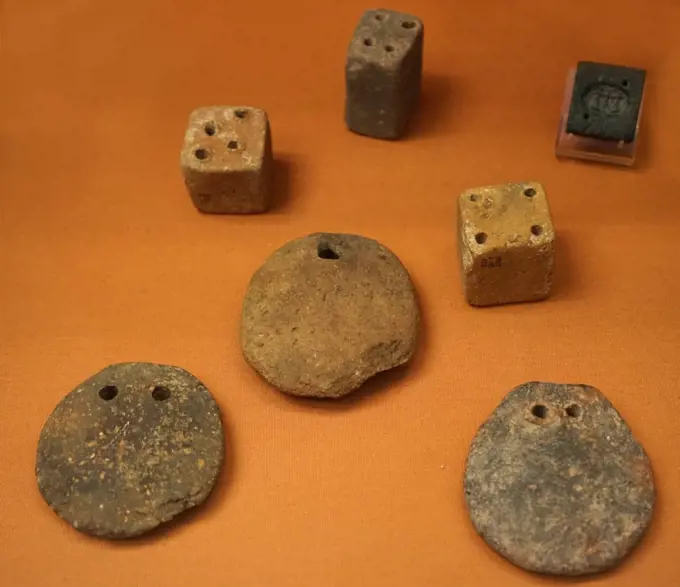
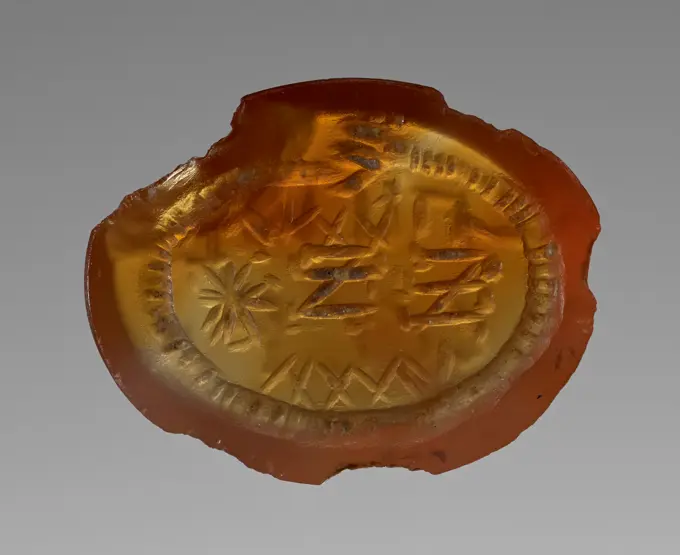
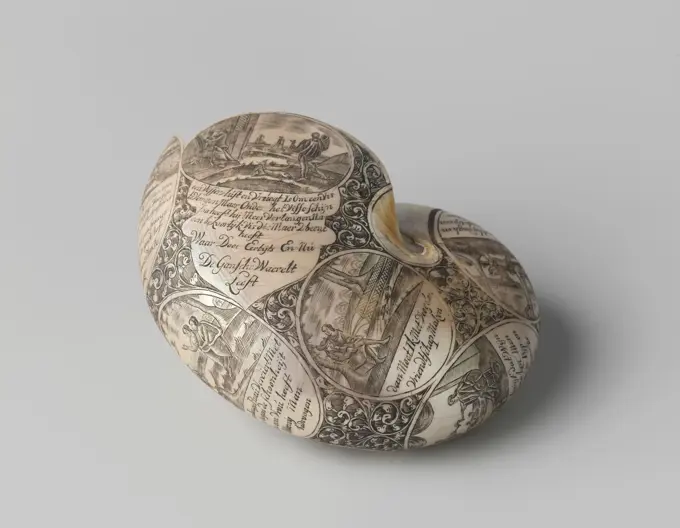
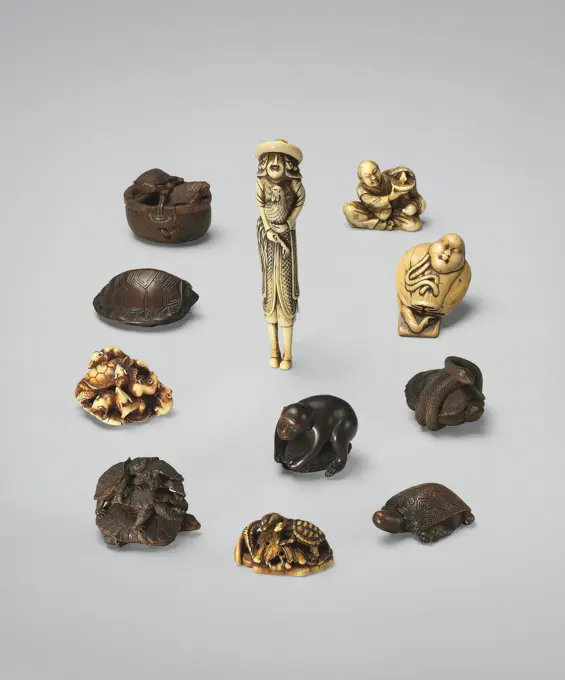
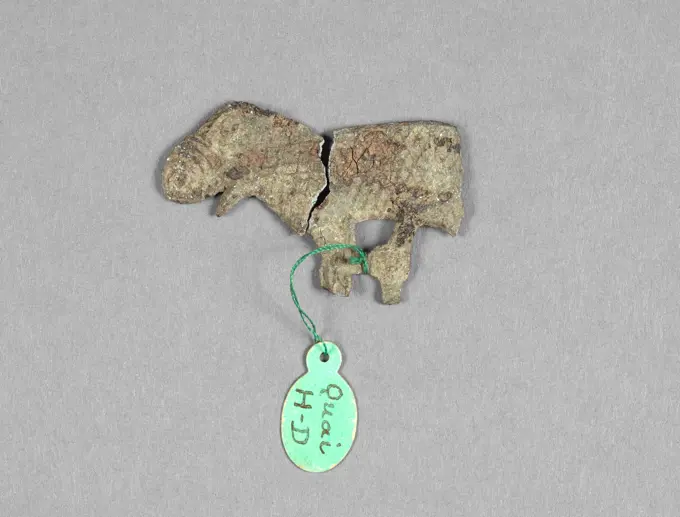
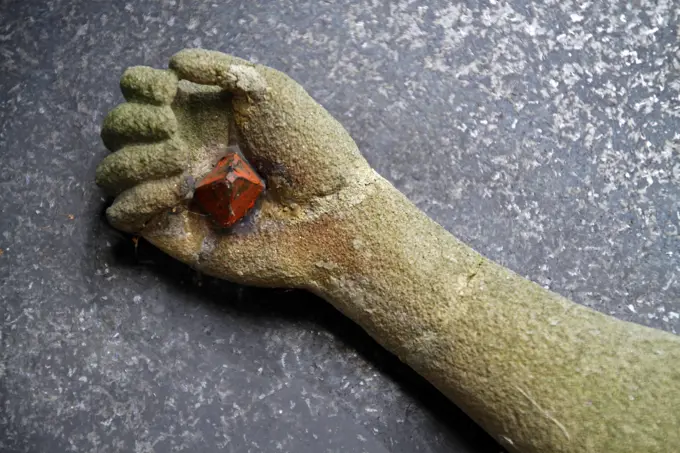
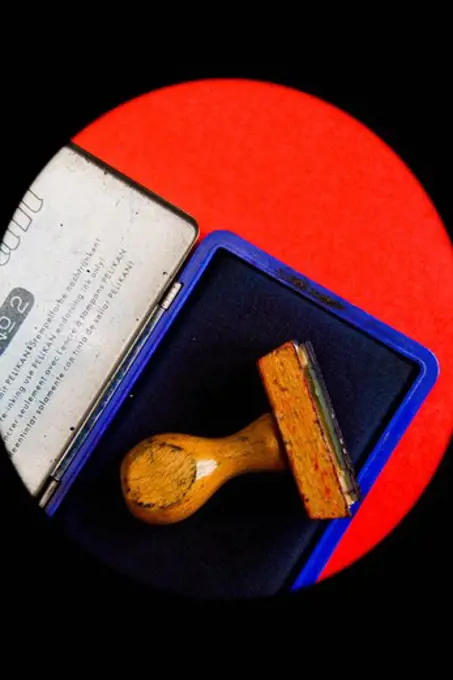
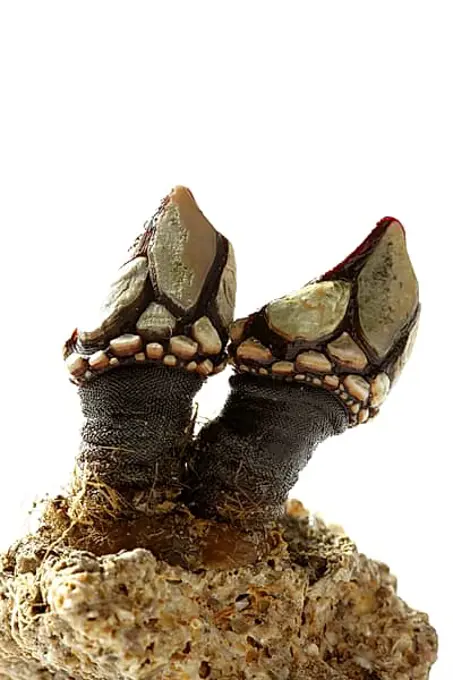
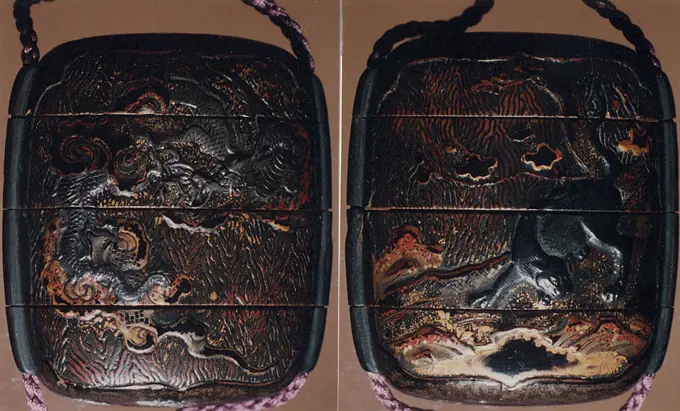
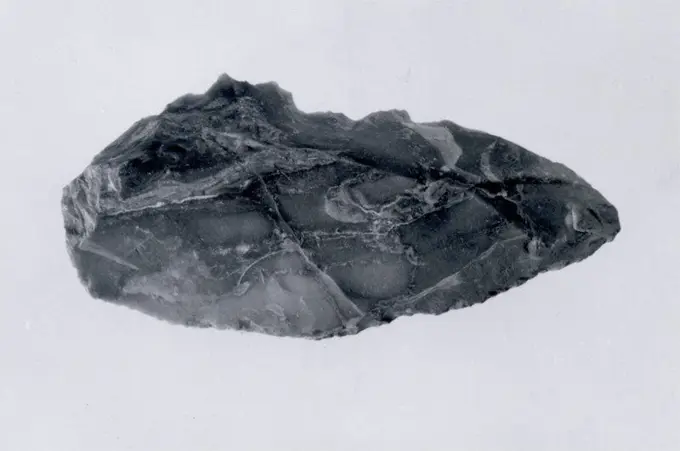
Blade ca. 4600-3600 B.C. Ghassulian. Blade 326564spermwhale tooth physeter macrocephalus 19th century whaling scenes carved on a tooth. azores, north atlanticClovesModel of the largest Golden nugget found in Australia. Dated 20th CenturyAlabastronModel of a Frilled-neck lizard, a species of lizard which is found mainly in northern Australia and southern New Guinea. Dated 21st CenturyZilveren staven Slot ter Hooghe.Silver rods of Slot Ter Hooghe, 9 silver rods from the ship Lock Ter Hooghe.Mohenjo Daro artefact- Pipal leaf design pottery fragment, Indus Valley, PAKISTAN.teeth of Megalosaurus teeth of Megalosaurus, Jurassic period, Centro de Interpretación Paleontológica de La Rioja, Igea, La Rioja , Spain, Europe Copyright: xZoonar.com/TOLOxBALAGUERx 21624639Boot -Relief, fragment from procession of attendants - see 26.3.353a, b ca. 2051-2030 B.C. Middle Kingdom. Relief, fragment from procession of attendants - see 26.3.353a, b. ca. 2051-2030 B.C.. Limestone, paint. Middle Kingdom. From Egypt, Upper Egypt, Thebes, Deir el-Bahri, Tomb of Neferu (TT 319, MMA 31), MMA excavations, 1930-31. Dynasty 11Cup (Guang) with Figures in a Landscape. China, Chinese, Qing dynasty, Kangxi period, 1662-1722. Furnishings; Serviceware. Carved rhinoceros hornMolde de fundición ibérico procedente del yacimiento de Ulldecona, Amposta.Fragment of bottom, foot edge and part wall of nodule in clear colorless glass, goblet drinking glass drinking utensils tableware holder soil find glass h 4.0, blown in the form Fragment of bottom foot edge and part wall of goblet in clear colorless glass. The cup was blown into the mold and then blown out freely. Pattern lines run through at the bottom of the bottom. Pontil mark under high (3 cm) raised soil. On foot an imposed serrated glass wire as stand ring pedestal archeology Rotterdam rail tunnel drink Soil discovery: rail tunnel Rotterdam.DINOSAUR - Tyrannosaurus Rex ToothVisor for a Bascinet ca. 1400 Italian This is part of a large find of medieval armor discovered in 1840 in the ruins of the fortress of Chalcis, on the Greek island of Euboea (then a Venetian colony called Negroponte). The fortress had been captured and destroyed by the Turks in 1470. Now divided largely between the Ethnological Museum, Athens, and The Metropolitan Museum of Art, the Chalcis hoard contains many rare and unusual elements of fourteenth- and fifteenth-century armor. Of particular importance are the variety of headpieces and the many fragments of brigandines (armor for the torso constructed of small plates riveted to layers of fabric), some of which retain portions of their original velvet covering. The Chalcis armor provides a unique picture of the armament used in the Aegean, one of the easternmost military outposts of the Venetian empire.. Visor for a Bascinet 27652Mortar for pharmacopoeia, carved and polished stone, first millennium BC, Huesca museum, Aragon community, Spain.Notre Dame des Foyers catholic church, Paris, France. Stoup. Fossil Echinoids, Conulus Albogalerus. One of four fossil echinoids, Conulus albogalerus preserved in flint. From the Upper Chalk of Gravesend, Kent.. Natural Science Collection - PalaeontologyDecorative Door Nail; wrought ironFresco Fragment. UnknownFresco Fragment. UnknownFresco Fragment. UnknownBroche, obra de Manuel Hugué, siglo XX. Colección privada.Decorative door boss and nail, Steel-plated wrought iron, Square type, pierced and embossed with wrought lines. Quadrant leaf design based on old examples; each leaf with a center boss. Five-grooved mushroom shaped nail head on a square base., Spain, ca. 1550-1700, metalwork, Decorative Arts, Decorative door boss and nailStone Pulidor before 16th century Mexican. Stone Pulidor 317133Black charcoal bread The cut loaf of black charcoal bread isolated on white Copyright: xZoonar.com/szefeix 4438412Marine knot on a wooden backgroundFish under the flower and a lotus - button;  19th century (1801-00-00-1900-00-00);Six loom-weights, three disc-shaped and three cubes. Minoan. Dated 2100 BCEngraved Gem. UnknownNautilus shell with engraved cartouches, anonymous, 1700 - 1725 A nautilus shell engraved with cartouches.  . A nautilus shell engraved with cartouches.  .Salsify, tragopogon porrifolius, Fresh Roots against White BackgroundPiece of wood isolated on white background.Pijpenkop and Fragment Pijpensteel from the wreck of the East Indians Hollandia, 1700 - in Or Before 1743  Pipe, bowl, heelmark: coat of arms of the city of Amsterdam; fragment, 2hsm. Netherlands pipe clay   SecondShopping street, Reykjavik city centre, Shop, Reykjavik, Iceland, EuropeBall of turtles, late 18th-19th century, Unknown Japanese, 2 1/2 × 2 9/16 × 2 3/8 in. (6.35 × 6.51 × 6.03 cm), Ivory, Japan, 18th-19th centuryBasket with two turtles, late 18th-19th century, Unknown Japanese, 1 1/2 × 1 7/8 × 1 3/8 in. (3.81 × 4.76 × 3.49 cm), Wood, Japan, 18th-19th centuryTurtles climbing over each other, late 18th-19th century, Unknown Japanese, 1 1/2 × 1 7/8 × 1 3/8 in. (3.81 × 4.76 × 3.49 cm), Wood, Japan, 18th-19th centuryHand holding a rudderSuzki viewing stones, Tamil Nadu, South India, India, AsiaApplique () Fragmentary zoomorph (title awarded). Carnavalet museum, history of Paris.Gekreuzigter Gekreuzigter Copyright: xZoonar.com/MartinaxBergx 7438122Hat ca. 1870 American. Hat 168710one loaf of bread close-up on a white background with reflection. bread on a white backgroundMacro shot of a old coin 3 kopeck 1932. A coin is found in the earth. Metal Aluminum bronze. Russian coins. Russian money. Russian currency. Money concept. Macro shot of a old coin 3 kopeck 1932. A coin is found in the earth. Metal Aluminum bronze. Russian coins. Russian money. Russian currency. Money concept Copyright: xZoonar.com/OvchinnikovaxOlgax 10886659Ink pad inkwellAlbuquerque, New Mexico, USA. Route 66, vintage western cowboy hat formsTassel 17th century Italian. Tassel. Italian. 17th century. Linen. Textiles-TrimmingsCeramic water jar from the Maiwand Fortress near Qandahar, Afghanistan. From the Ghurid Dynasty. Dated 12th CenturyBarnacles, macro isolated over white studio backgroundCase (Inr) with Design of Dragon (obverse); Tiger (reverse) 17th-18th century Japan. Case (Inr) with Design of Dragon (obverse); Tiger (reverse). Japan. 17th-18th century. Lacquer, roiro, brown, black, red and gold hiramakie, applied metal; Interior: nashiji and fundame. Edo (1615-1868) or Meiji period (1868-1912). Inrhunting artifacts in the Herschel Island museum off the Mackenzie River delta Yukon Territory CanadaNaevus at the level of the shoulder.