Archaeological Artifacts

Images of historical artifacts including a stew, pipe fragments, and a glass pendant, capturing ancient craftsmanship and cultural significance.
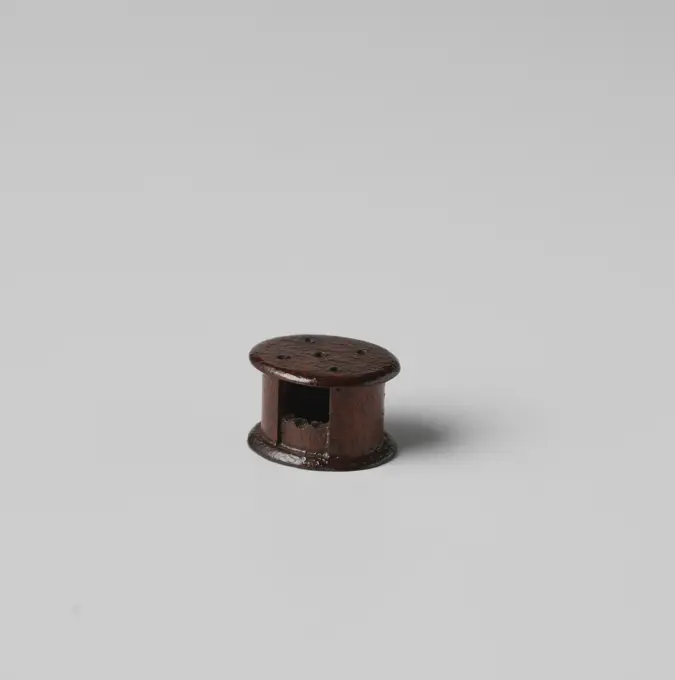
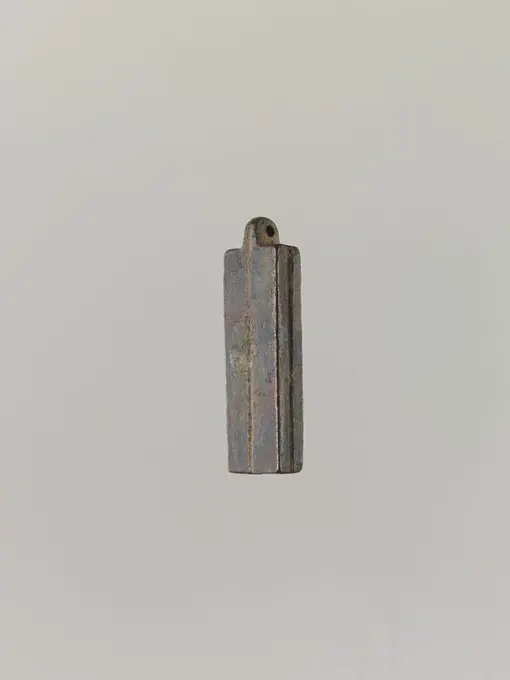
Stew, oval, with five holes in the top. Stew from mahogany, oval with five holes in the top, the opening for the fire test is finished with a scalloped rule.
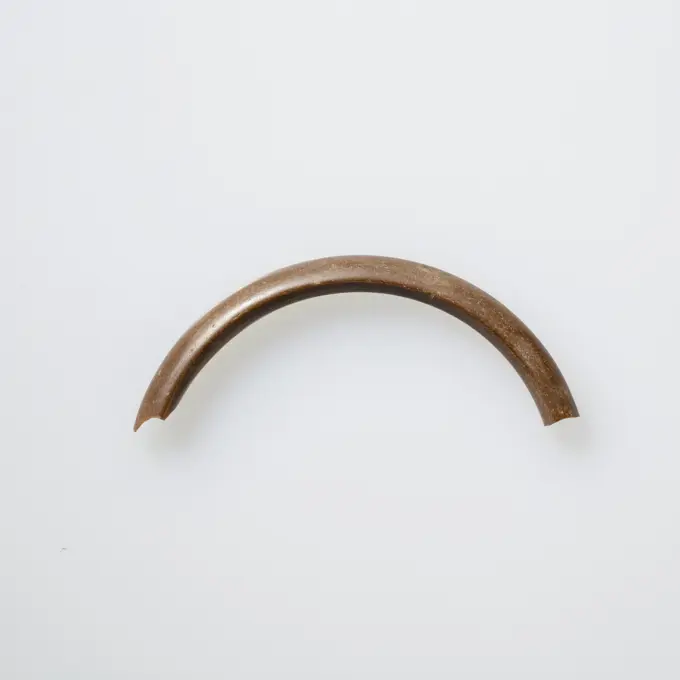
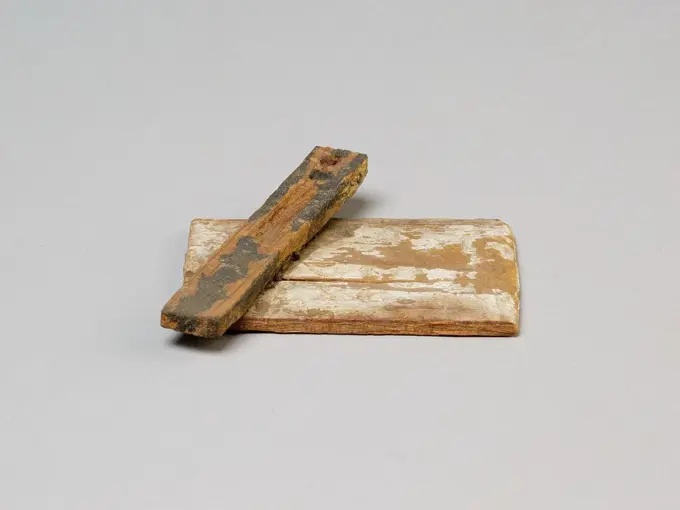
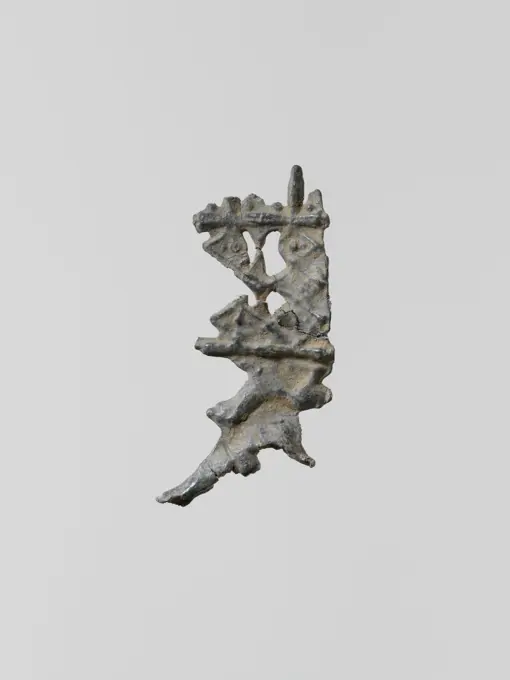
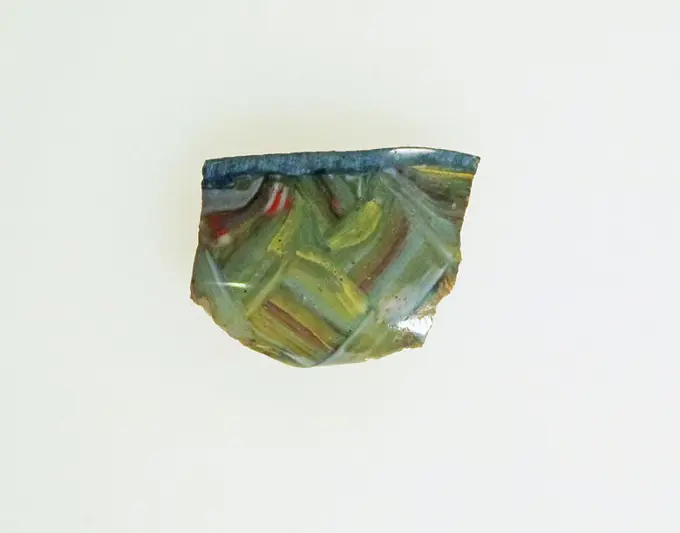
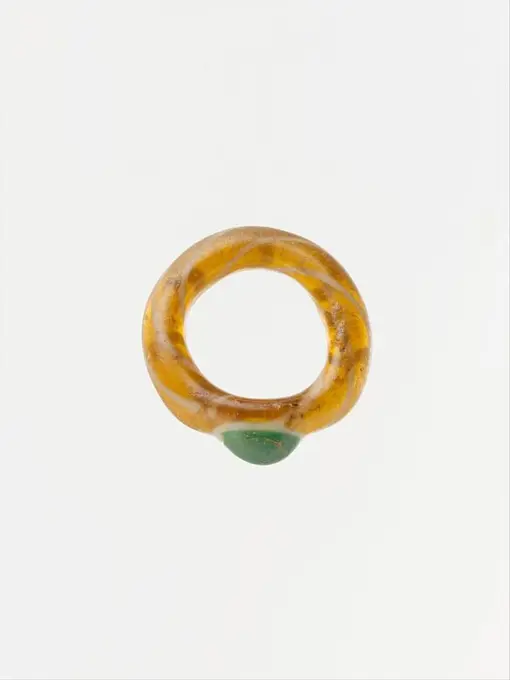
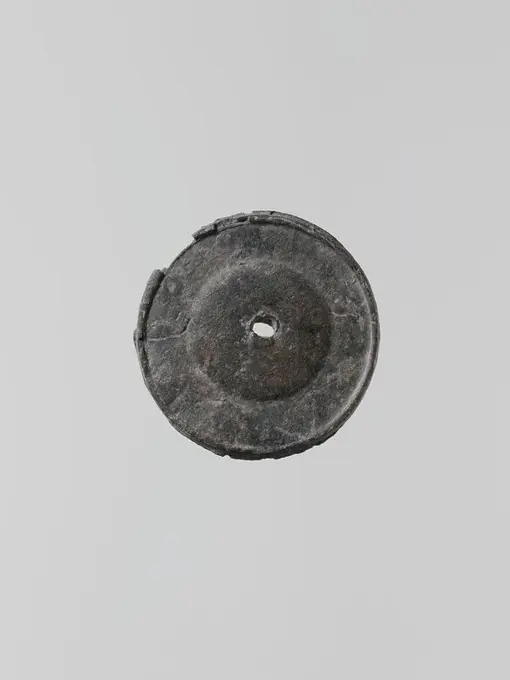
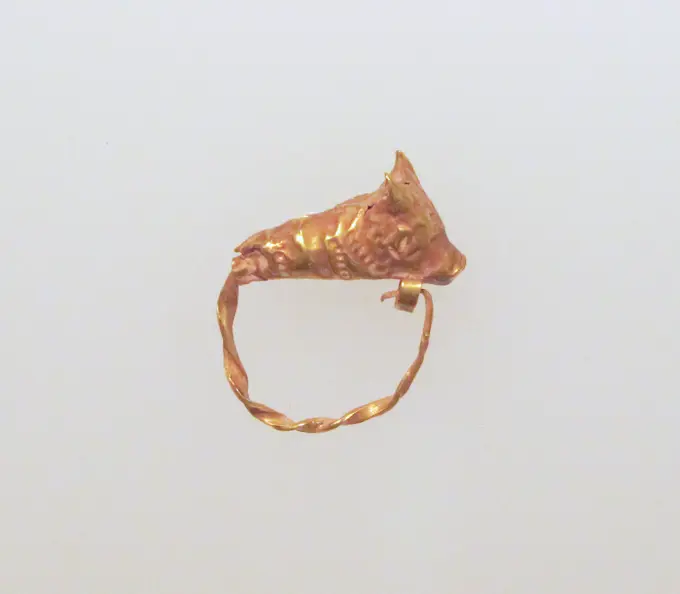
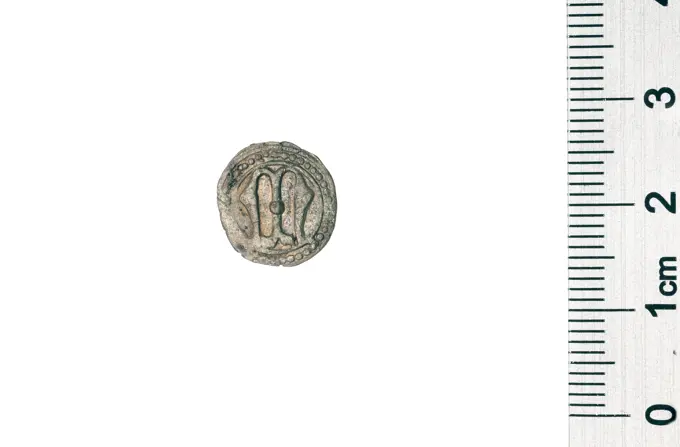
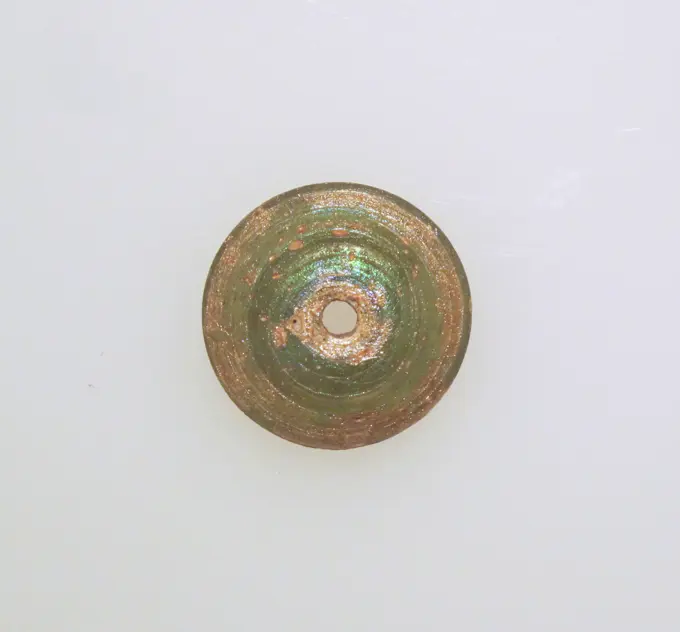
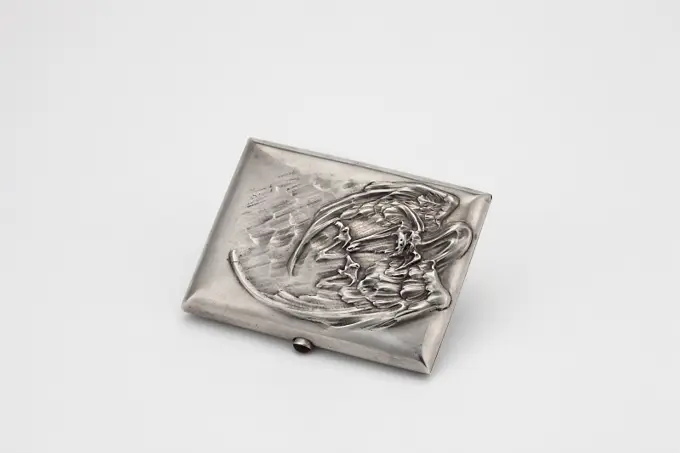
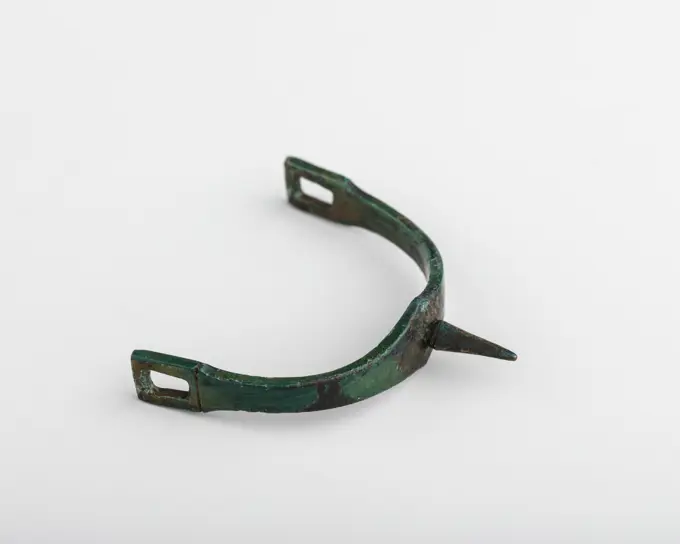
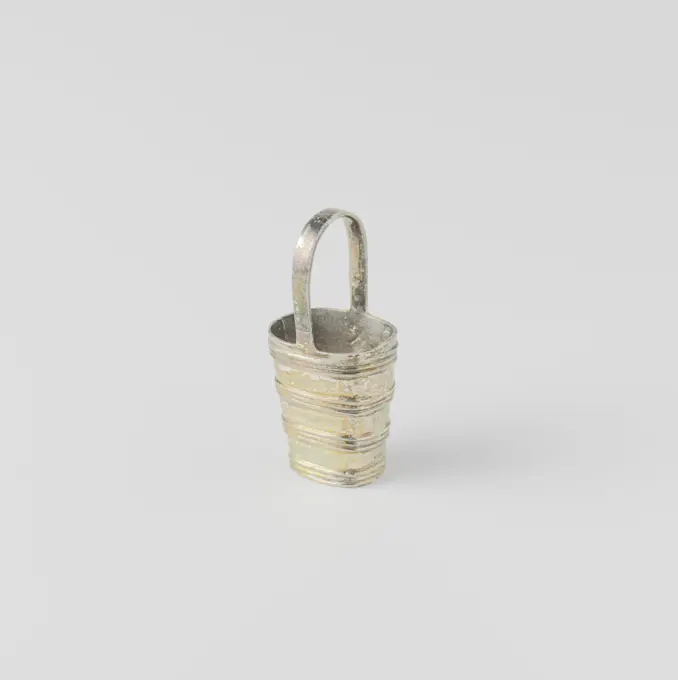
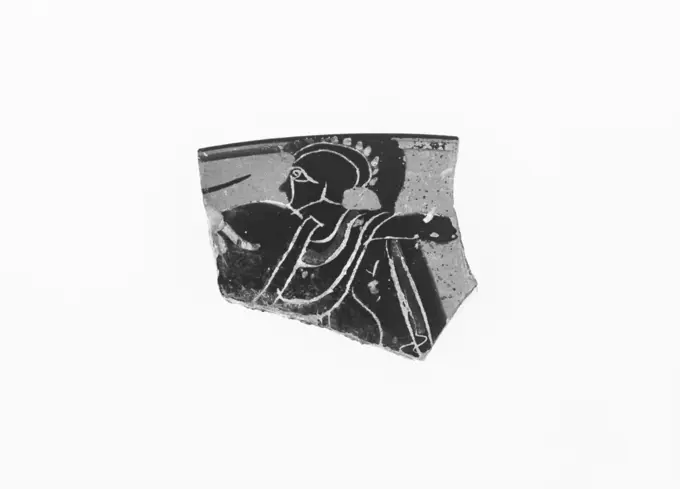
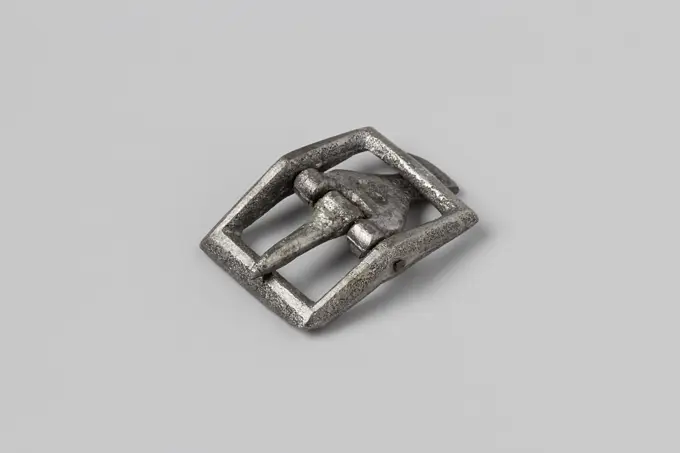
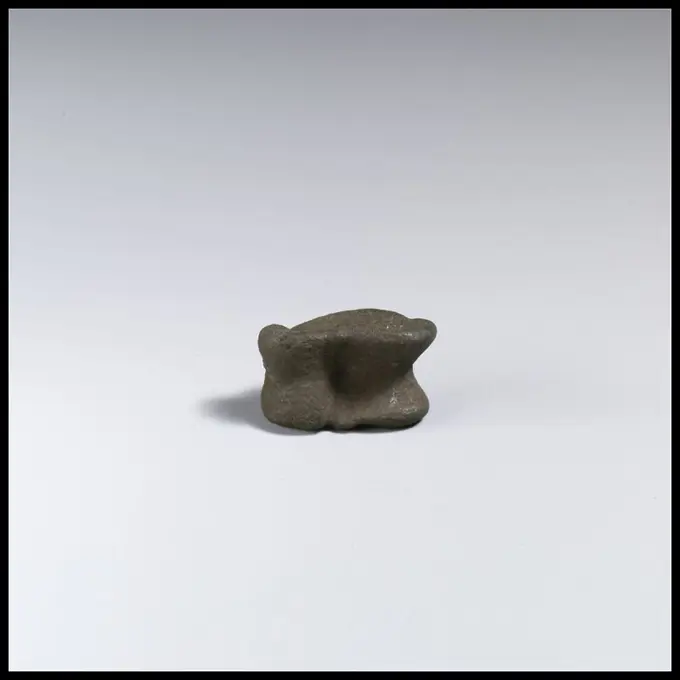
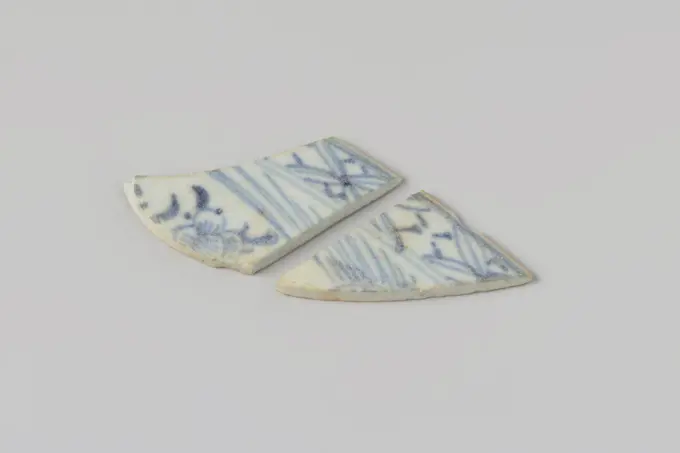
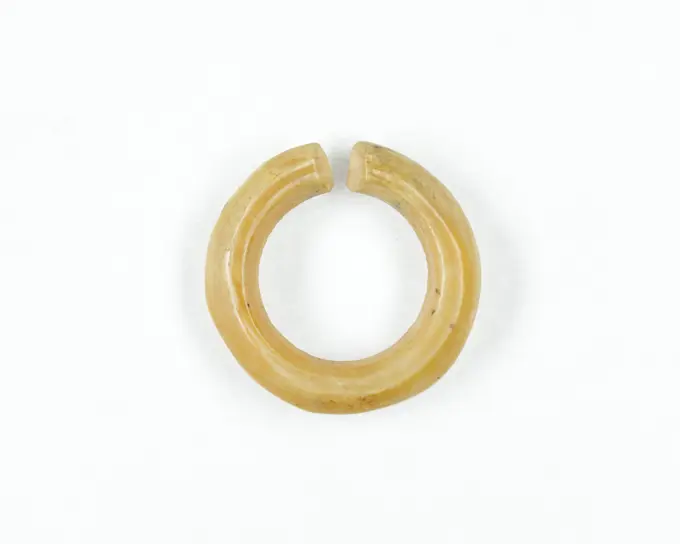
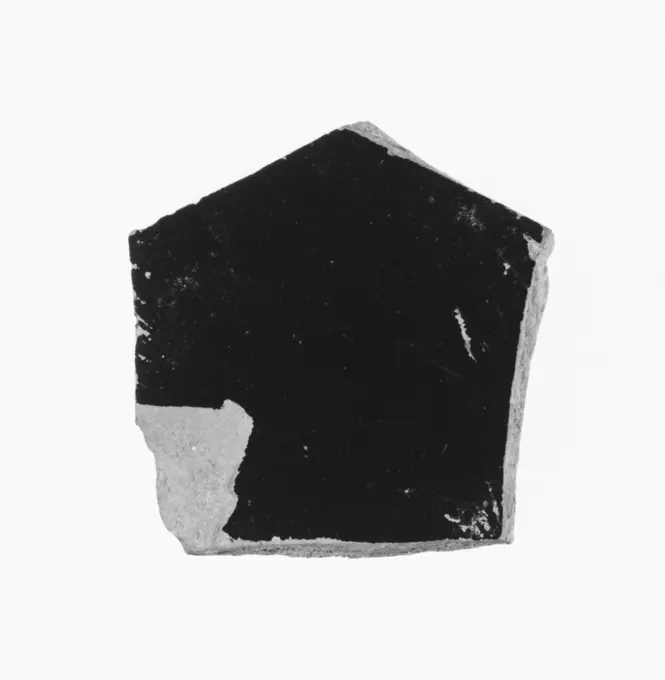
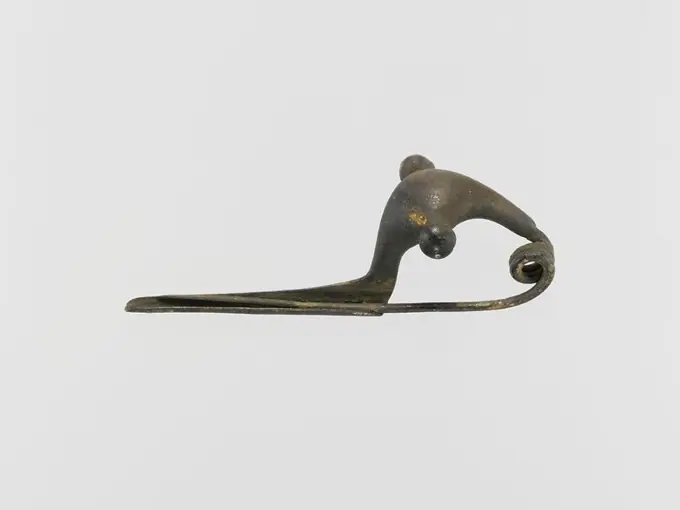
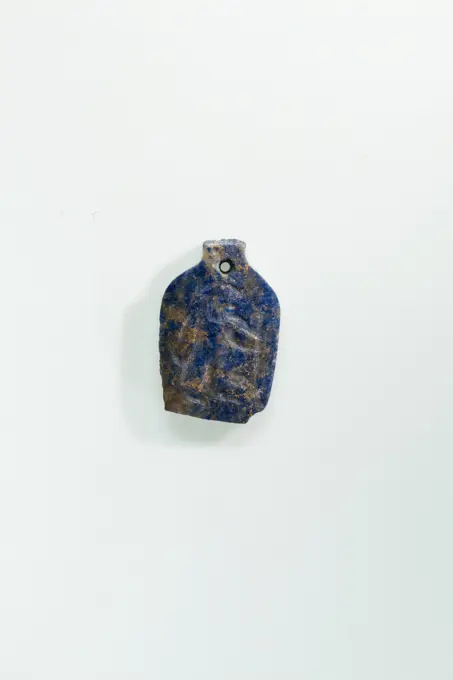
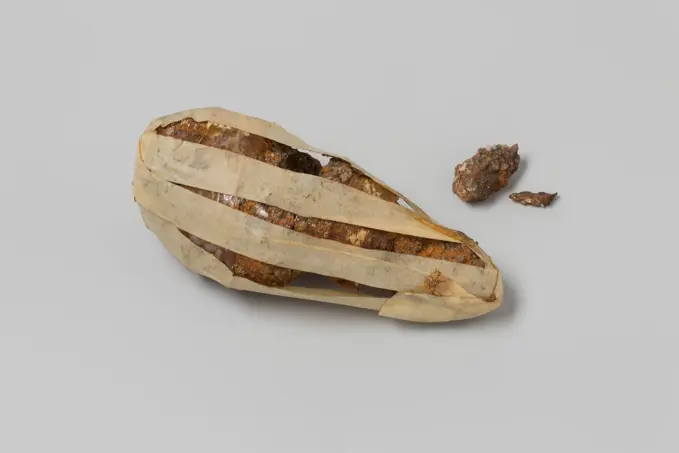
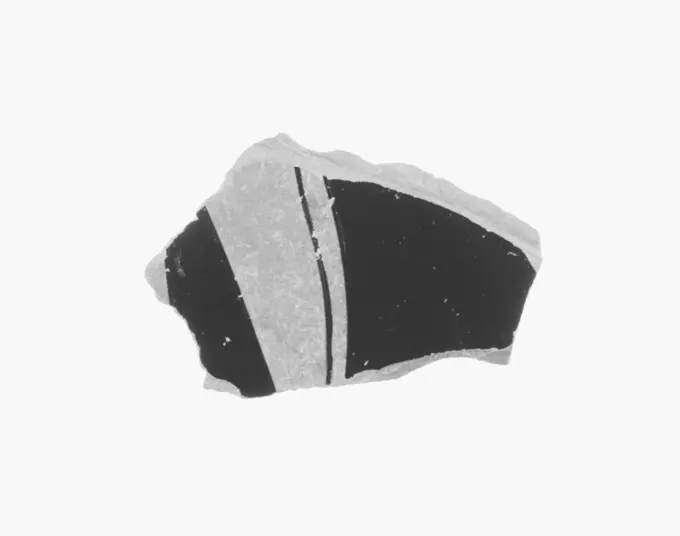
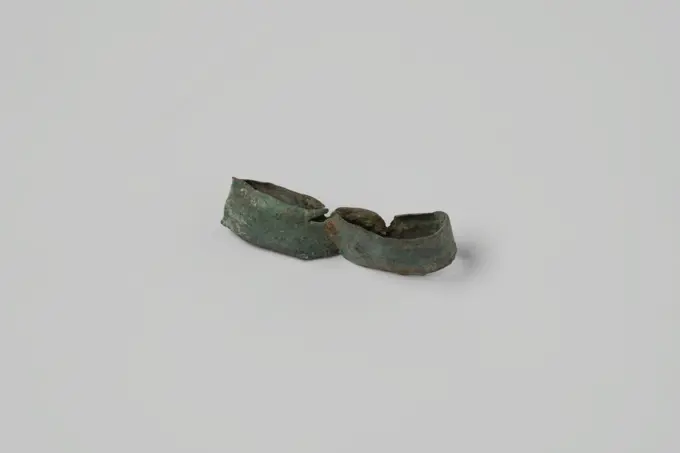
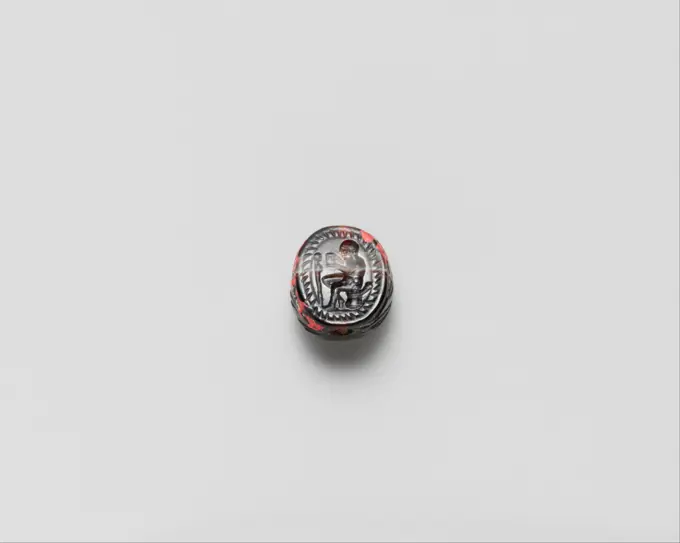
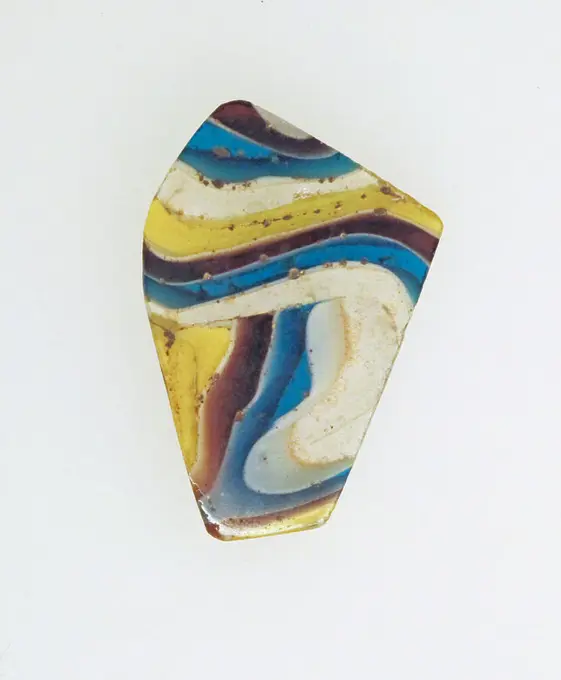
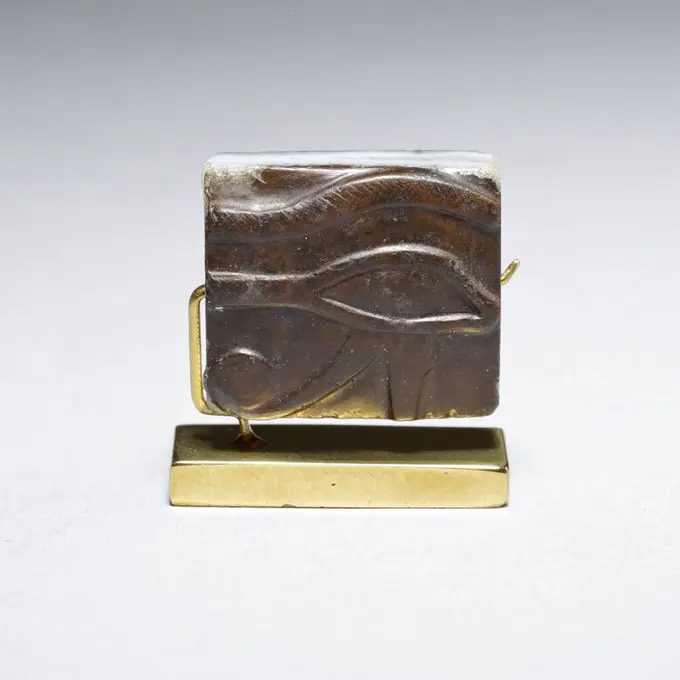
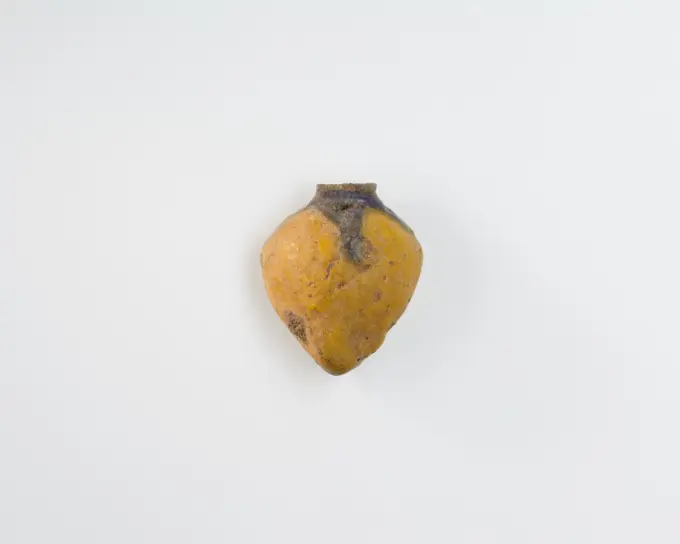
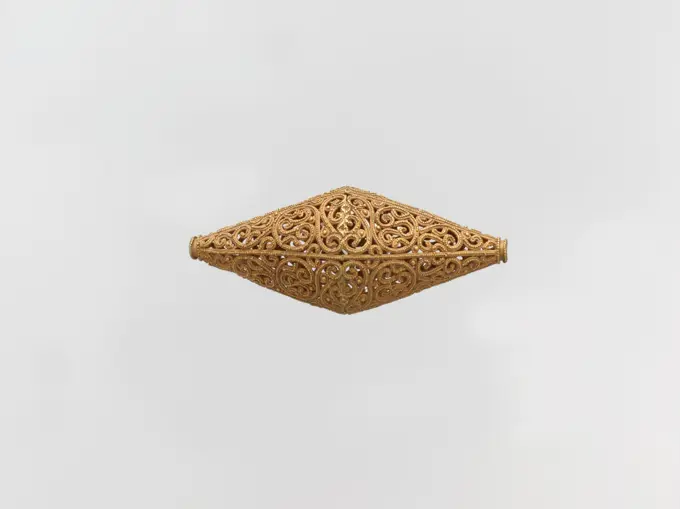
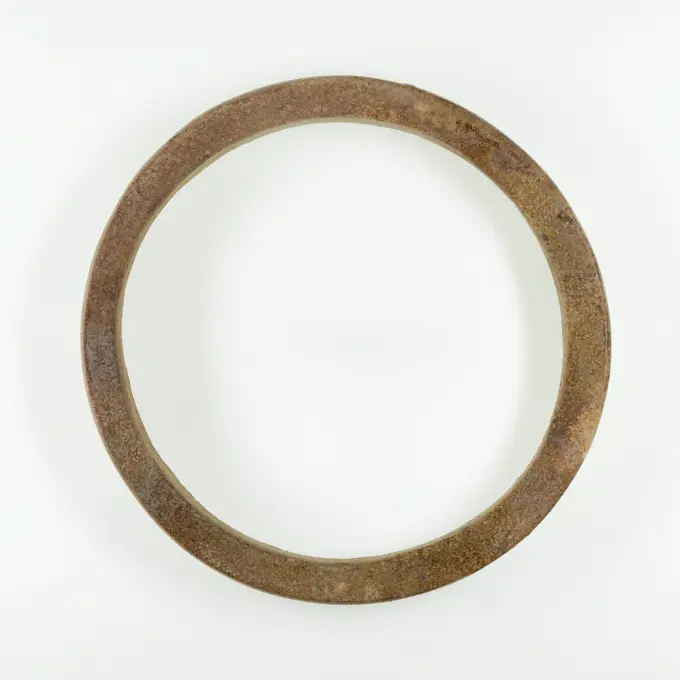
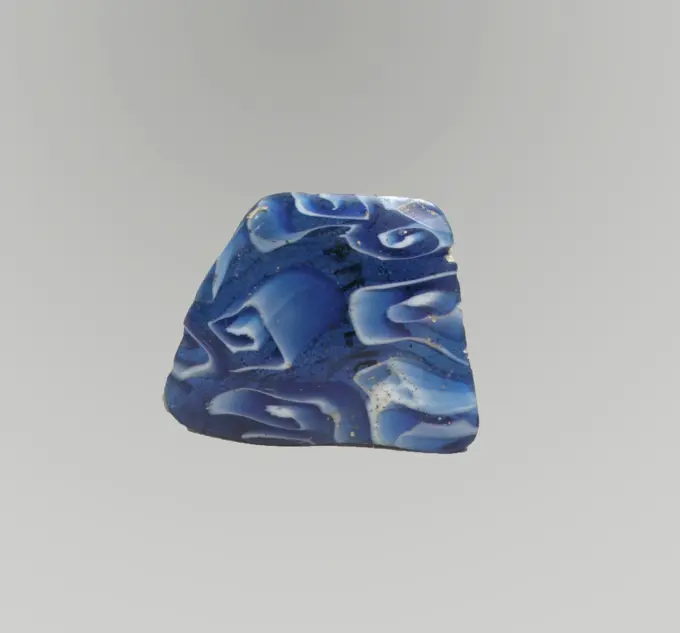
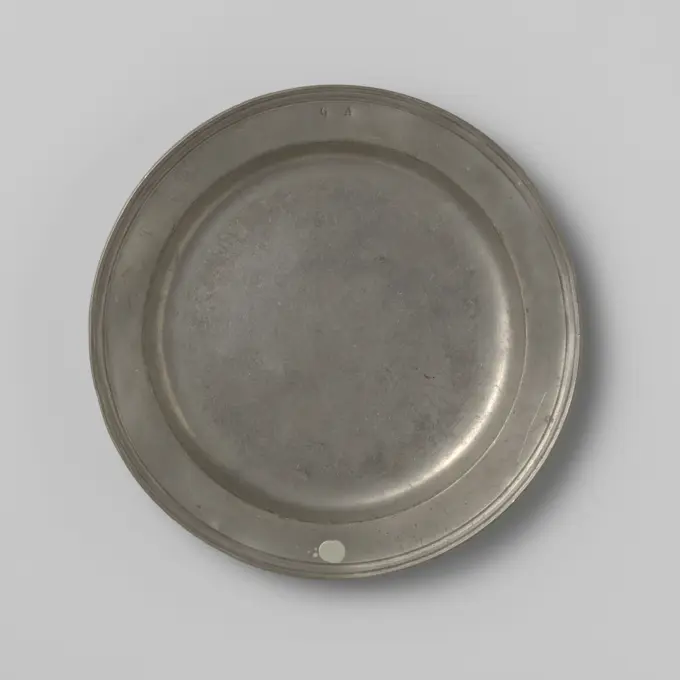
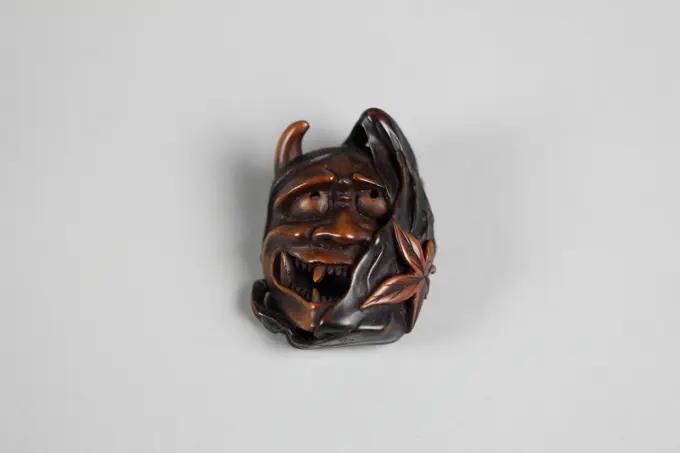
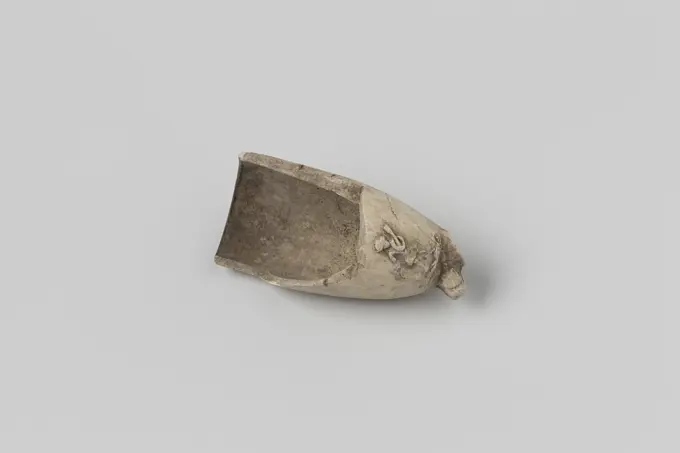
Stew, oval, with five holes in the top. Stew from mahogany, oval with five holes in the top, the opening for the fire test is finished with a scalloped rule.Fragment pipe head. Fragment pipe head with a figure shown. Of the excavations at the Hofstede Arentsburg 1827-1831 under the supervision of professor Reuvens.Glass pendant in the form of a bird. Culture: Greek, possibly Rhodian. Dimensions: Overall: 9/16 x 3/4 in. (1.4 x 1.9 cm). Date: 8th-7th century B.C..Translucent purple.Shaped like a stylized bird, with large hole horizontally through body from side to side; jagged edge to hole on proper left side of bird; tooled to form head and flattened tail.Intact; pitting of surface bubbles, some dulling and iridescence, and encrustation within hole.Numerous examples of this type of bead, shaped like a stylized dove, are known from Camiros on the island of Rhodes, but others have also been found at sites in Italy, especially in Etruria. Therefore, they may be seen as representative of the small luxury items that were traded between the eastern and western Mediterranean in the Orientalizing Period. Museum: Metropolitan Museum of Art, New York, USA.Excerpt of a pipe head from the wreck of the East Indians' t Vliegend Hart, WS, 1700 - 1735  A head without a stem from an earthen Goudse pipe, blue and white yellowish in color. Heel brand ws. Lightly damaged. Fragments of Bowls and Stems. Gouda pipe clayBracelet (Bangle) Fragment ca. 3100-2649 B.C. Early Dynastic Period Flint bangles such as this one are mainly found in burials. The deceased often wore multiple bangles together, on one or both forearms. These items were in use for a relatively short time, only during the Early Dynastic period, and most examples date specifically to the First Dynasty. They were made through a combination of flaking and grinding. Flint bangles were extremely difficult to produce and demonstrate the exceptionally high degree of expertise achieved by Egypts flint knappers. They also show that Ancient Egyptians used flint for personal adornment and display, not just to make implements needed for utilitarian and subsistence purposes.. Bracelet (Bangle) Fragment. ca. 3100-2649 B.C.. Flint. Early Dynastic Period. From Egypt, Northern Upper Egypt, Abydos, Umm el-Qaab, Tomb of Djer, Egypt Exploration Fund excavations. Dynasty 1Tile fragment ca. 1981-1640 B.C. Middle Kingdom. Tile fragment. ca. 1981-1640 B.C.. Egyptian blue. Middle Kingdom. From Egypt, Memphite Region, Lisht North, Cemetery, MMA excavations, 1920-22. Dynasty 12-13Messenlift ring from the wreck of the East Indians Hollandia, Anonymous, 1700 - in Or Before 1743  Knife-handle, ferrule; id. NG 1980-27H426. Netherlands copper (metal). wood (plant material)   SecondModel of a Scribe's Palette and Tablet. Dimensions: H. 5.5 × W. 6 cm (2 3/16 × 2 3/8 in.). Dynasty: Late dynasty 11. Date: ca. 2051-1981 B.C..Wooden models (such as 20.3.11) can include figures of scribes. This model scribe's palette and tablet might have belonged to such a figure. Museum: Metropolitan Museum of Art, New York, USA.Key. Ring wrench with laster. The ring is octagonal.Ornaments, 14 Greek, Laconian. Ornaments, 14 251705 Greek, Laconian, Ornaments, 14, Lead, Height: 1 1/2 in. (3.8 cm). The Metropolitan Museum of Art, New York. Gift of A. J. B. Wace, 1924 (24.195.139)Statuette of a cock, 2. Culture: Greek, Laconian. Dimensions: Height: 7/8 in. (2.2 cm). Museum: Metropolitan Museum of Art, New York, USA.Attic Black-Figure Amphora Fragment. UnknownGlass spindle whorl ca. 1st-2nd century A.D. Roman Translucent cobalt blue, with opaque white trail.Domed body, flattened at center; flat bottom; vertical hole.Trail applied to upper surface in a spiral from center to outer edge.Intact; some dulling, pitting, and faint weathering.Made by winding trail in a spiral around rod.. Glass spindle whorl. Roman. ca. 1st-2nd century A.D.. Glass; rod-formed and wound. Early to Mid Imperial. GlassGlass pendant shaped like a jar 3rd-4th century A.D. Roman. Glass pendant shaped like a jar. Roman. 3rd-4th century A.D.. Glass. Late Imperial. GlassKey, c. 1400 - c. 1950 Ring wrench with a saint. The ring is nine -angled. Rome bronze (metal) Ring wrench with a saint. The ring is nine -angled. Rome bronze (metal)Copper knot with a strass. Copper knot with a strass. Within a six-spliced edge, an Ajour grid work fill has been faced with a strass at the intersections, as brilliant.Glass mosaic bowl fragment. Culture: Roman. Dimensions: 1 × 1 3/8 × 1/16 in. (2.6 × 3.5 × 0.2 cm)Estimated diameter: 3 15/16 in. (10 cm). Date: late 1st century B.C.-early 1st century A.D..Fragment or rim, side, and bottom of shallow bowl.Translucent blue appearing mostly green, purple streaks appearing brown, opaque yellow, white, and bright red.Vertical, rounded rim; vertical side, turned in sharply to flat bottom.Short-strip mosaic pattern formed from short rectangular lengths of several composite canes largely set at right angles to one another: canes in various striped patterns including mixtures of blue and white, blue and yellow, and purple and white. An uneven blue network cane wound spirally with multiple fine white threads is attached as a rim.Exterior ground and polished, with some pitting of surface bubbles; dulling and creamy weathering on interior and jagged edges. Museum: Metropolitan Museum of Art, New York, USA.Glass finger ring. Culture: Roman. Dimensions: H.: 1/4 in. (0.7 cm)Diam.: 7/8 in. (2.3 cm). Date: 1st century A.D..Translucent honey yellow, with opaque white trails and opaque green blob.Circular hoop and cross section made from a straight rod and bent into ring so that ends meet at bezel.Top of bezel shaped into an oval projecting blob in green, encircled by white, imitating a gem; spirally twisted trails in hoop.Intact; some pinprick bubbles; dulling, slight pitting and weathering.Many rings of this type have been found at sites throughout the Roman Empire. Museum: Metropolitan Museum of Art, New York, USA.Lazio Viterbo Viterbo Museo Civico86. Hutzel, Max 1960-1990 Views of paintings (Middle Ages through 18th c.), frescoes, a tabernacle, coffin, sculpture reliefs, portal fragments, busts, sculpture, tapestry found in the Pinacoteca, Second floor gallery and Second floor cloister sequences. Antiquities: Many views of Etruscan and Roman fragments, sculpture, sarcophagi, pottery, masks, jewelry and other objects found in the Storeroom sequence (inventory numbers on back of prints), and the Cloister, Second floor Cloister, Valle Giulia, Sala Romana and Sala Etrusca sequences. General Notes: There are eight separate numerical sequences for this location. The cloister as an architectural structure, rather than museum site, is documented in the record and file for S. Maria della Verita, Cloister, all views of which are stored in Medieval core collection. Five views from the Museo Civico Second floor cloister sequence are stored in Medieval. German-born photographer and scholar Max Hutzel (1911-Folding Knife (Germany); silver, steel; L x W: 16.7 x 1.9 cm (6 9/16 x 3/4 in.); The Robert L. Metzenberg Collection, gift of Eleanor L. Metzenberg; 1985-103-246Knuckle Bone ca. 3100-2900 B.C. Early Dynastic Period. Knuckle Bone. ca. 3100-2900 B.C.. Bone. Early Dynastic Period. From Egypt, Northern Upper Egypt, Abydos, Egypt Exploration Fund excavations; Possibly from Umm el-Qaab, Tomb of Den. Dynasty 1Sword Guard (Tsuba) ca. 300-710 Japanese A tsuba is a sword guard and part of a sword mounting. It is mounted between the swords blade and grip to protect the users hands.. Sword Guard (Tsuba) 35133Lead disk with a hole in the center. Culture: Greek, Laconian. Dimensions: Diameter: 7/16 in. (1.1 cm). Date: 6th-5th century B.C..Small flat votive figurines of cast lead have been found in great quantities at the ancient sanctuaries of Laconia; over one hundred thousand, dating from the seventh century B.C. to the Classical period, were dedicated to the goddess Artemis Orthia in Sparta. Museum: Metropolitan Museum of Art, New York, USA.Gold earring with head of a bull 4th-3rd century B.C. Greek. Gold earring with head of a bull 242911Axhead; stoneGrahal-Manzara. Carnavalet 2013-2016 collection sites. Numismatics.heller. Kożuchów, issuerFragment of a pipe head from the wreck of the East India Flying Heart. Part of a cup without steal from an earthen Gouda pipe, white with tary spots. Heel brand WS. Lightly damaged. Fragments or bowls and votes.Glass spindle whorl ca. 1st-2nd century A.D. Roman Translucent pale green.Tall, domed body; slightly convex bottom; vertical hole slightly larger on bottom.Spiral ribbing on top surface and underside. Intact; pinprick bubbles; pitting and creamy iridescent weathering.. Glass spindle whorl. Roman. ca. 1st-2nd century A.D.. Glass; rod-formed and wound. Early to Mid Imperial. GlassCigarette box. unknown, authorCarnavalet Museum, Medals CollectionPrick Spur 4th-1st century B.C. Greek or Italic This type of spur has been found in several Italic burials, as well as some Greek sanctuaries, from the late 5th century B.C. onwards.In high antiquity, spurs were not used in pairs, but rather as a single accessory attached to only one of the feet, usually on the left. The first pairs are recorded in some Greek regions in the late 2nd century B.C. They were used, as they are today, for directing a horse to move forwards. The prick spur was the first type of spur to be invented, and it consists of a goad or prick, more or less pointed, connected to side arms or a heel plate. The earliest spurs were probably simple thorns attached at the back of the heel or ankle, before they began to be made out of metal.. Prick Spur. Greek or Italic. 4th-1st century B.C.. Copper alloy (bronze). Equestrian Equipment-Spursheller. Zygmunt Luksemburski (cesarz rzymsko-niemiecki ; 1419-1437), ruler, Wrocław, issuerFragment Pijpenkop from the wreck of the East Indians Hollandia, Anonymous, 1700 - in Or Before 1743  Pipe, bowl, heelmark: fish, flounder; fragm, 1hsm1. Netherlands pipe clay   SecondCoin. Culture: China. Dimensions: H. 1 7/8 in. (4.8 cm); W. 5/8 in. (1.6 cm). Museum: Metropolitan Museum of Art, New York, USA.Glass bottle in the shape of a fish 4th century A.D. Roman Translucent pale blue green; applied trails and blobs in same color.Tubular body, tooled at front to form open mouth, and drawn up and pressed flat at back to form solid tail.Tail tooled into three vertical fins; a long trail applied along top to form a dorsal fin; two blobs applied to sides of head as eyes; two tooled blobs applied at sides of body as small fins; two smaller blobs applied at back below tail as other fins, and a small blob applied to front of base of tail.Intact, but some internal cracks in body and small weathered chips in back edge of tail; some pinprick bubbles; dulling, iridescent weathering, and soil encrustation on interior.In the form of a fish with fins.. Glass bottle in the shape of a fish 249379Relief fragment from the tomb of Meketre ca. 1981-1975 B.C. Middle Kingdom. Relief fragment from the tomb of Meketre. ca. 1981-1975 B.C.. Limestone. Middle Kingdom. From Egypt, Upper Egypt, Thebes, Southern Asasif, Tomb of Meketre (TT 280, MMA 1101), MMA excavations, 1920. Dynasty 12Vase fragment ca. 1981-1640 B.C. Middle Kingdom. Vase fragment 560598Winged Pendant 4th-8th century Costa Rican. Winged Pendant. Costa Rican. 4th-8th century. Greenstone. Costa Rica, Central Region (). Stone-OrnamentsJoke, Hendrik van der Star (attributed to), 1660 - 1690 High, rounded rectangular basket. The basket runs up wide and has a fixed handle. The wall of the basket is decorated with horizontal tires. The basket is marked with a six -pointed star in a circle and a dolphin. Amsterdam silver (metal) High, rounded rectangular basket. The basket runs up wide and has a fixed handle. The wall of the basket is decorated with horizontal tires. The basket is marked with a six -pointed star in a circle and a dolphin. Amsterdam silver (metal)Purse, Medium: wool embroidery on linen canvas Technique: counted embroidery (bargello), Flat rectangular purse with curving design in wool flame stitch in black, tan, green, and white, lined with natural linen. With a dark green plaited cotton cord., USA, early 19th century, costume & accessories, PurseAttic Black-Figure Eye Cup Fragment. UnknownCylindrical Bead ca. 1635-1458 B.C. Second Intermediate Period-Early New Kingdom. Cylindrical Bead 546887Kneeespoon from the wreck of the East India Hollandia.Kniegesp. Buckle, chape buckle, knee buckle; (4) Fragm (1): (1) Ring, Rectangular Outline (3.2x2.5, 0.4T), Three-Faceted Upper Side, (1) Spindle, (1) Tongue, (1) Anchor, Broken, With Mark , eroded I? USA?.Ornament cone. Ornament cone. Glass. GlassBronze astragalus (knucklebone). Culture: Greek or Roman. Dimensions: length 1in. (2.6cm). Date: ca. 3rd century B.C.-2nd century A.D..In antiquity, one of the most popular games of chance was played with astragaloi, knucklebones of sheep and goats. They could be used like dice or like jacks, thrown in the air and caught on the back of the hand. Knucklebones have been found in tombs where they must have been intended to help the deceased while away endless time. Museum: Metropolitan Museum of Art, New York, USA.Shards of a sign from the wreck of the East Indians Hollandia, Anonymous, 1700 - in Or Before 1743 plate (dishes) Porcelain, plate, type 2; fragm of rim, sim. NG 1980-27H2624h. Netherlands porcelain   SecondSalad bowl;  the beginning of the 20th century (1901-00-00-2000-00-00);Lodderin box. Oval lodderin box of silver in Louis XV style. Under and top with flowers and seed beads decorated. Gilt from the inside.A trolley token in a supermarket, hopeless; FranceFalse coin, crown shilIIng, John II Casimir (1649 1668)Vintage Photograph. Still life of wet green peppers.Penannular Earring ca. 1550-1295 B.C. New Kingdom. Penannular Earring. ca. 1550-1295 B.C.. Bone. New Kingdom. From Egypt; Probably from Northern Upper Egypt, Deir el-Ballas. Dynasty 18Ring with scarab. Ring with scarab 243616Shabti of Siptah ca. 1194-1188 B.C. New Kingdom, Ramesside. Shabti of Siptah 559279Luminaire to the medallion;  2. In the 19th century (1825-00-00-1850-00-00);Attic Vase Fragment. UnknownBronze bow-type fibula (safety pin). Culture: Etruscan. Dimensions: Other: 3 1/2 in. (8.9 cm). Date: early 7th century B.C..The bow is hollow. The head is formed by a spiral of two turns. Museum: Metropolitan Museum of Art, New York, USA.Plaque with a striding man from string of amulets ca. 1070-945 B.C. Third Intermediate Period Nine amulets of various materials were found threaded together in a tight group around the throat of the Lady Djedmutesankh; two of these, of green glass, disintegrated after they were discovered. This plaque is incised with the image of a man.For the amulet group, see 25.3.169-related.. Plaque with a striding man from string of amulets 551037. Leaf with a scalloped edge, decorated with landscapes and water. See also: BK-NM-6258-b.Concretion from the wreck of the East Indies Hollandia, 1700 - in or before 1743 concretionary stone Parts of artefacts; eroded fragments: materials; lump, hollow core, containing impression of (tool) handle, circular in section, with blade. Netherlands concretionary stone   SecondPillow, blue and white striped, anonymous, c. 1750 A cushion of blue and white wide striped fabric (white cotton, blue cotton) filled with down. Amsterdam (possibly) linen (material). cotton (textile). down (feathers material) A cushion of blue and white wide striped fabric (white cotton, blue cotton) filled with down. Amsterdam (possibly) linen (material). cotton (textile). down (feathers material)Attic Red-Figure Vase Fragment. UnknownMessenlift ring from the wreck of the East Indians Hollandia, Anonymous, 1700 - in Or Before 1743  Knife-handle, ferrule; id. NG 1980-27H426. Netherlands copper (metal)   SecondAgate scarab 4th century B.C. Etruscan Seated man reading a scroll before a herm. Agate scarab 253726 Etruscan, Agate scarab, 4th century B.C., Agate, H.: 5/16 x 1/4 in. (0.8 x 0.6 cm). The Metropolitan Museum of Art, New York. Bequest of W. Gedney Beatty, 1941 (41.160.498)Buckle 15th-16th century European. Buckle. European. 15th-16th century. Bronze. Miscellaneous-Buckles & OrnamentLamp;  175 - 250 CE (175-00-00-175-00-00);Daszewski, Wiktor A. (1936-), Daszewski, Wiktor A. (1936-)-collection, gift (provenance)Scarab Amulet 664 BCE-610 BCE Egypt. Hematite . Ancient EgyptianGlass mosaic body fragment. Culture: Roman. Dimensions: 1 3/8 × 1 1/16 × 1/8 in. (3.5 × 2.7 × 0.3 cm). Date: late 1st century B.C.-early 1st century A.D..Translucent turquoise blue and purple, opaque white and yellow, and colorless.Almost flat, with two straight, ground edges.Mosaic pattern formed from serpentine lengths of canes in colorless, blue, purple, and yellow, all outlined in white.Polished on one side and edges; other side with pitting and iridescent weathering.Possibly an inlay, but the fragment may be from the flat bottom of a vessel. The pattern is unusual and resembles most closely that found on gold-band mosaic glass. Museum: Metropolitan Museum of Art, New York, USA.Lace cushion, covered with white and blue-green silk, trimmed with gold and silver thread. Lace cushion made from cardboard. The soft filling is covered with linen and over it with a blue-green side, deposited with metal glass, which is secured with pins. The back and sides of the cushion are covered with silk with gold and silver thread. The bottom of the cushion is from white silk.Fragment Come from V.O.C. ship De 'Witte Leeuw', Anonymous, Before 1613 bowl Fragment Come from V.O.C. ship De 'Witte Leeuw', 65 present. Jingdezhen porcelain   Sint-HelenaPlaque; Wedjat Eye. Dimensions: L. 2 cm (13/16 in), w. 1.8 cm (11/16 in). Dynasty: Dynasty 26-30. Date: 664-332 B.C.. Museum: Metropolitan Museum of Art, New York, USA.Frische Steinpilze isoliert auf weißem Hintergrund Fresh boletus mushrooms isolated on a white background. Copyright: xZoonar.com/JirixHERAx 22336947Persea fruit pendant ca. 1390-1353 B.C. New Kingdom. Persea fruit pendant. ca. 1390-1353 B.C.. Faience. New Kingdom. From Egypt, Upper Egypt, Thebes, Malqata, Palace of Amenhotep III, MMA excavations, 1910-11. Dynasty 18Biconical Bead with Scrolls 11th century This bead and bead 1980.457 feature superb patterns of scrolling vines whose bifurcations elegantly extend the design to fit the required space. The patterns recall those of the beveled style of the ninth century, although these possess clearer lines, perhaps owing to the medium.. Biconical Bead with Scrolls. 11th century. Gold; filigree and granulation. Made in Egypt or Syria. JewelryBracelets or Anklets of Neferkhawet (3) ca. 1504-1447 B.C. New Kingdom. Bracelets or Anklets of Neferkhawet (3). ca. 1504-1447 B.C.. Stone. New Kingdom. From Egypt, Upper Egypt, Thebes, Asasif, Tomb of Neferkhawet (MMA 729), west chamber B, inside basket in northwest corner, MMA excavations, 1934-35. Dynasty 18, earlyMiniaturowa zapinka. unknown, authorGlass mosaic bowl fragment late 1st century B.C.-early 1st century A.D. Roman Body fragment.Translucent cobalt blue and opaque white.Convex curving side, with broad projecting band (carination).Mosaic pattern formed from sections of a single cane in blue ground with irregular spiral white threads.Polished exterior; pitting of surface bubbles on exterior; dulling, pitting, and faint weathering on interior and edges.. Glass mosaic bowl fragment. Roman. late 1st century B.C.-early 1st century A.D.. Glass; cast. Early Imperial. GlassGlass mosaic fragment late 1st century B.C.-early 1st century A.D. Roman Rim fragment.Translucent deep purple, blue, light blue appearing green, opaque white, yellow, and brick red.Outsplayed, horizontal rim with rounded edge, turned down at acute angle to vertical side, tapering slightly downward.Composite mosaic pattern formed from polygonal sections of four canes: one in a purple ground with a ring of white dots around a central yellow rod; a second in a purple ground with a circle of yellow dots around a central red rod; a third in a purple ground with a lattice design of light blue rods outlined in yellow around a central fine yellow spiral, and the fourth in a blue ground with indeterminate white threads.Chipped outer edge of rim; polished interior; pitting of surface bubbles on interior; dulling, pitting, and creamy brown weathering on exterior and edge of rim; jagged edges unweathered.. Glass mosaic fragment. Roman. late 1st century B.C.-early 1st century A.D.. Glass; cast. EarPlate of tin with profiled edge, c. 1800 - c. 1867 Round of Tin plate. The edge is profiled and turned around. The smelled letters G.R. Hengelo tin (metal) casting Round of Tin plate. The edge is profiled and turned around. The smelled letters G.R. Hengelo tin (metal) castingItaly, Liguria, Venus of Grimaldi, green steatite figurine from Balzi Rossi cavesForma do skarabeusza. unknown, authorAttic Red-Figure Kylix Fragment. Manner of the Epeleios Painter (Greek (Attic))RingGrahal-Manzara. Carnavalet 2013-2016 collection sites. Numismatics.Ju-i,presentation ScepterMycenaean Three-Handled Alabastron. UnknownRelief fragment from the tomb of Meketre. Dimensions: H. 16 cm (6 5/8 in.); W. 8.5 cm (3 3/8 in.); D. 3.5 cm (1 3/8 in.). Dynasty: Dynasty 12. Reign: reign of Amenemhat I, early. Date: ca. 1981-1975 B.C.. Museum: Metropolitan Museum of Art, New York, USA.. Irregularly shaped tsuba with surface in timmitation, around which a silver hose winds; On both sides lying drinks in gold-inserts; Signed "Munemasa".Scherf of a bowl from V.O.C. ship De 'Witte Leeuw', Before 1613 bowl Scherf of a bowl from V.O.C. ship the 'Witte Leeuw'. Edge fragment.  porcelain   Sint-HelenaPullPair of Sword-Grip Ornaments (Menuki) 18th century Japanese Menuki are a pair of ornamental sword fittings attached to either side of a sword hilt.. Pair of Sword-Grip Ornaments (Menuki). Japanese. 18th century. Gold, possibly silver, copper-silver alloy (shibuichi), copper. Sword Furniture-MenukiCrystal swordpommelPair of Earrings (with 16.10.338) ca. 1635-1458 B.C. Second Intermediate Period-Early New Kingdom. Pair of Earrings (with 16.10.338) 546876Netsuke of Demon Mask 19th century Japan. Netsuke of Demon Mask. Japan. 19th century. Wood. Edo (1615-1868) or Meiji period (1868-1912). NetsukePen to secure a cannon, anonymous, 1850 - 1900 pen  unknown iron (metal)Attic Black-Figure Amphora Fragment. UnknownLead wreath 6th-5th century B.C. Greek, Laconian Small flat votive figurines of cast lead have been found in great quantities at the ancient sanctuaries of Laconia; over one hundred thousand, dating from the seventh century B.C. to the Classical period, were dedicated to the goddess Artemis Orthia in Sparta.. Lead wreath 251725 Greek, Laconian, Lead wreath, 6th5th century B.C., Lead, Height: 15/16 in. (2.5 cm). The Metropolitan Museum of Art, New York. Gift of A. J. B. Wace, 1924 (24.195.159)Buckle Loop 14th century French. Buckle Loop. French. 14th century. Bronze. Miscellaneous-Buckles & OrnamentPart faucet from the wreck of the East Indieschief Hollandia. Tap, spigot, removable; Fragm, Handle (Ass. Ng 1980-27H427) Broken Off, ID. NG 1980-27H903, 2 Marks on Opposite Sides Legible CT, Cockerel.