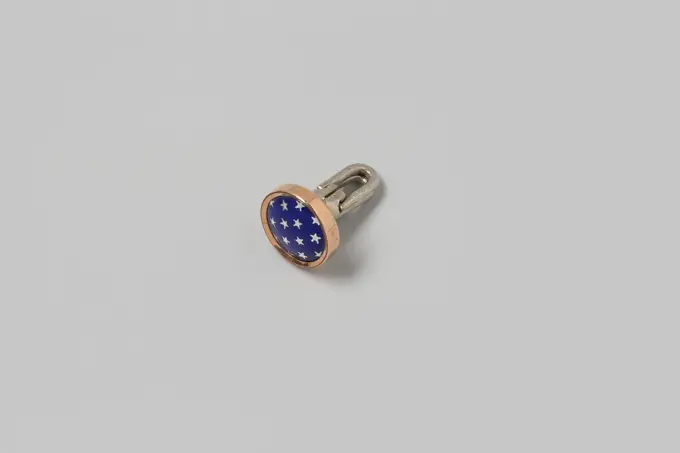
Archaeological Artifacts

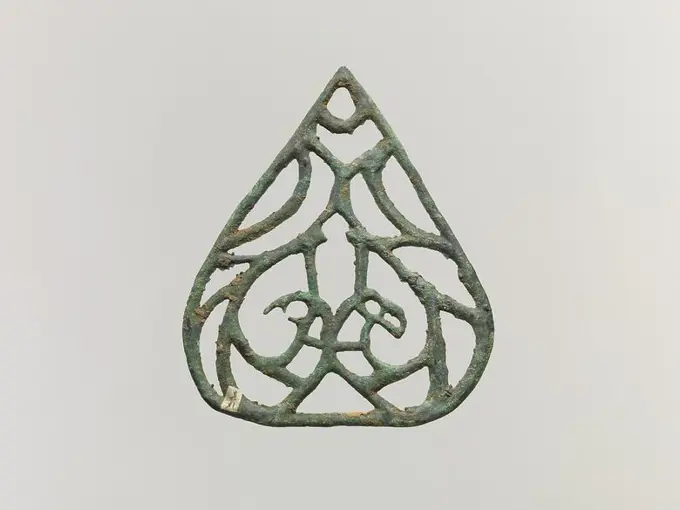
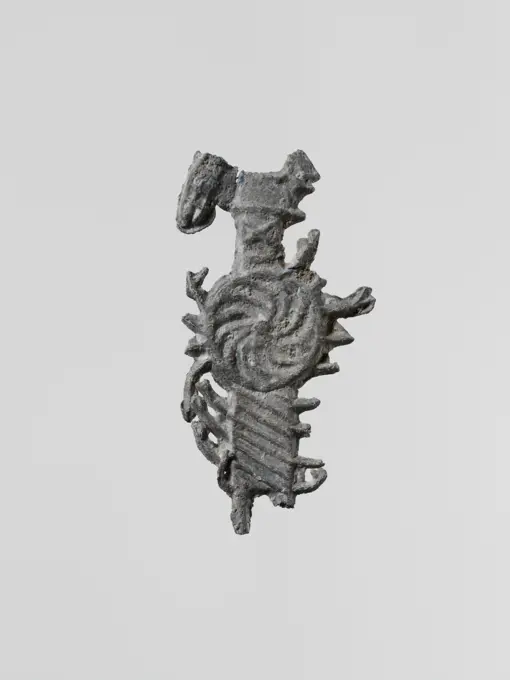
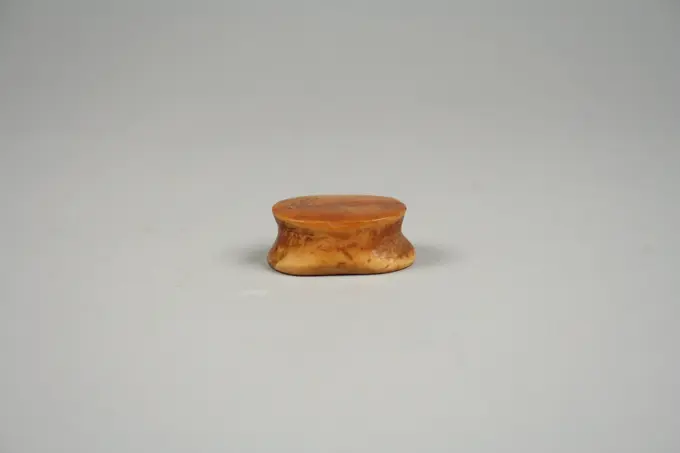
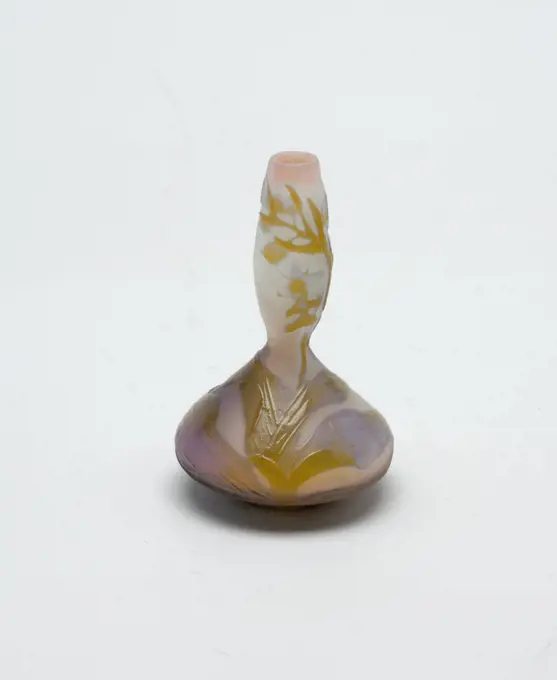
Images of historical artifacts including a stew, pipe fragments, and a glass pendant, capturing ancient craftsmanship and cultural significance.
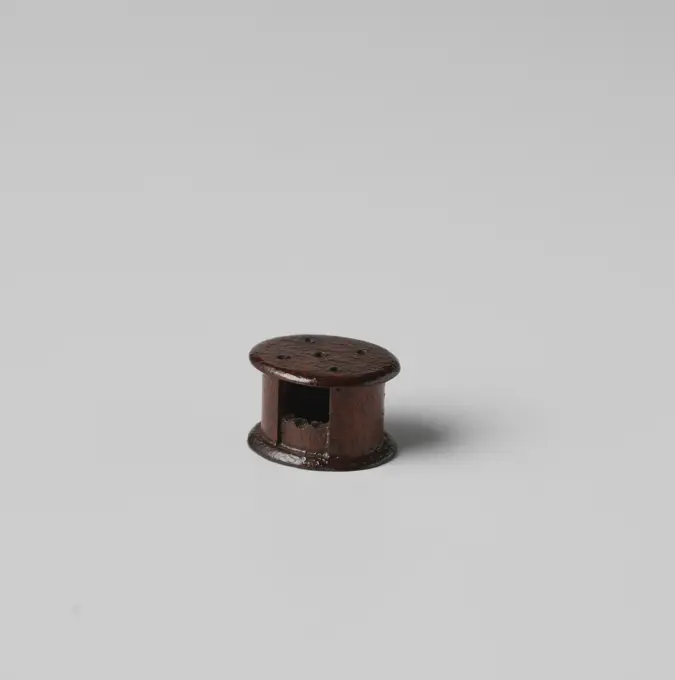
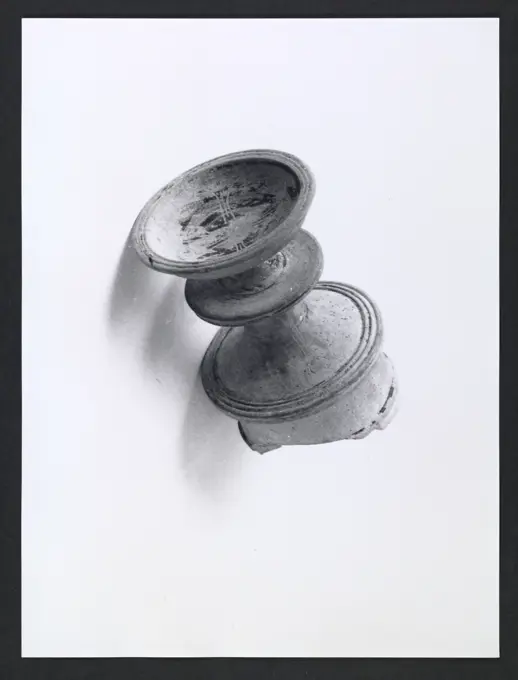
Stew, oval, with five holes in the top. Stew from mahogany, oval with five holes in the top, the opening for the fire test is finished with a scalloped rule.
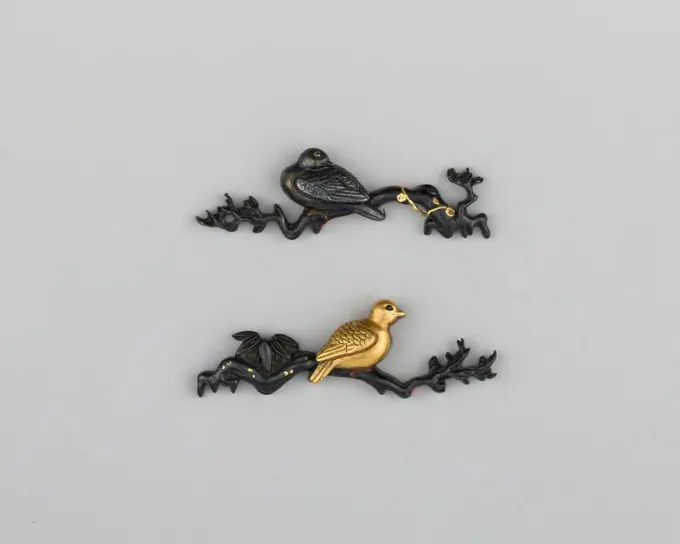
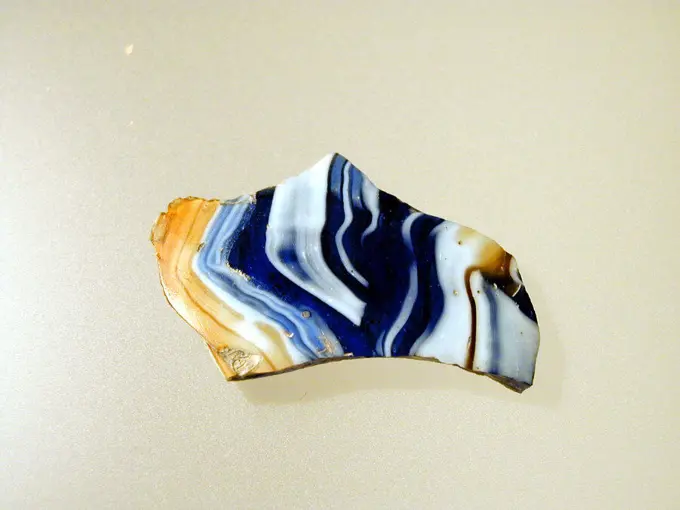
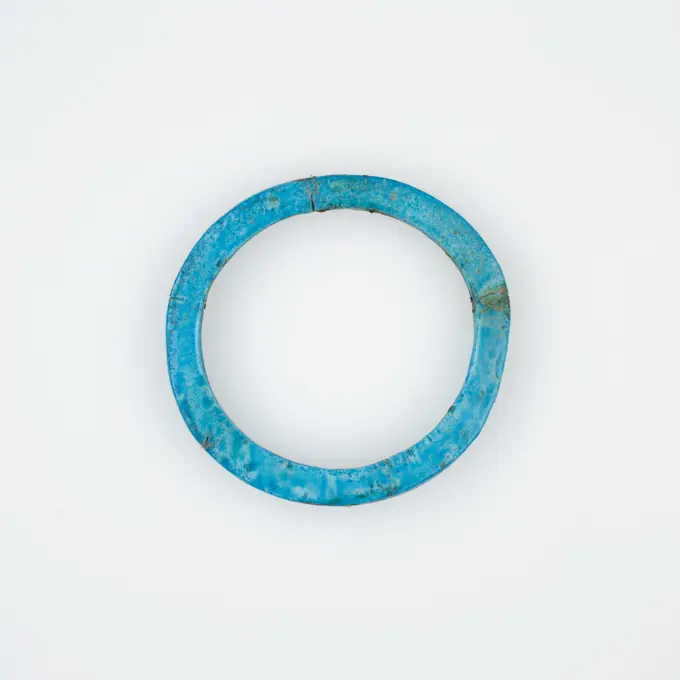
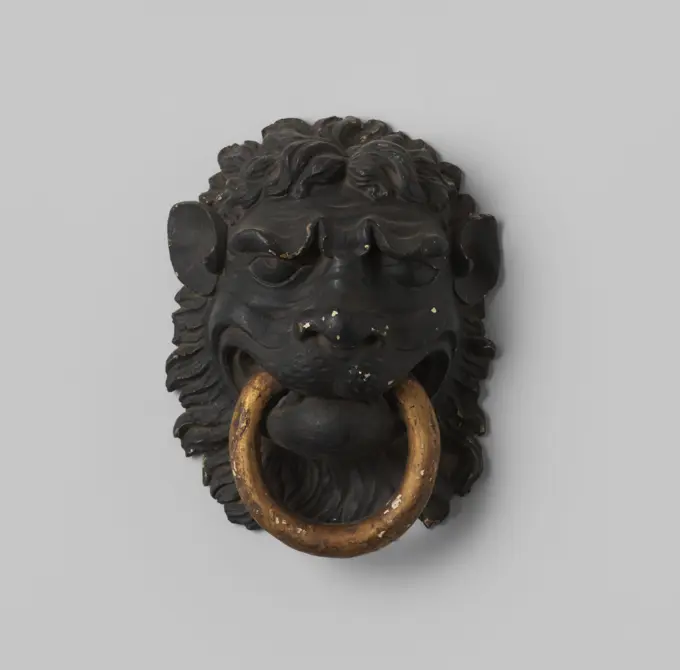
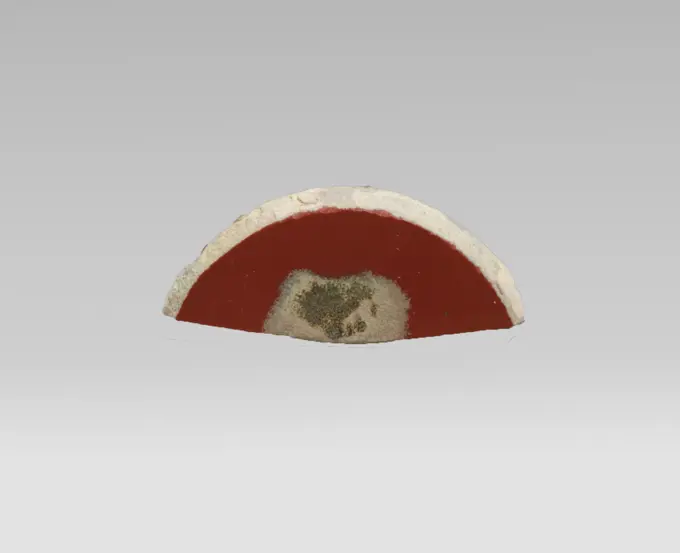
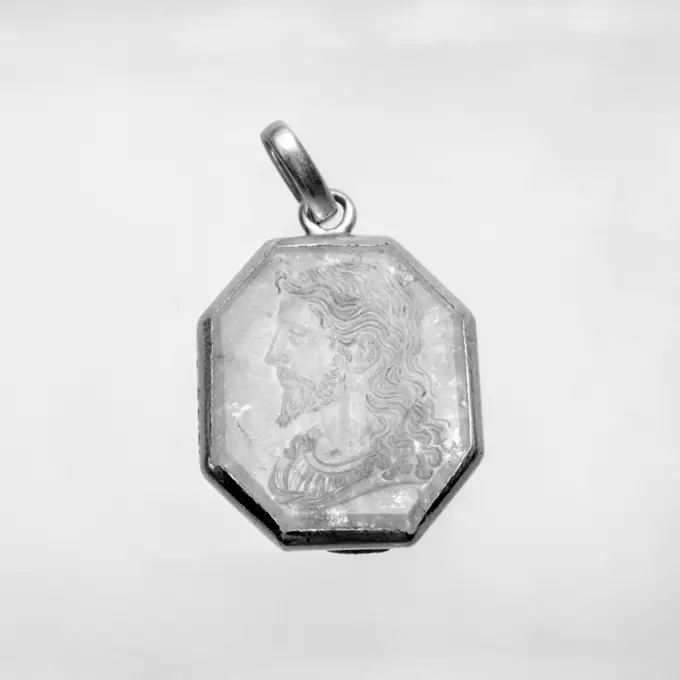
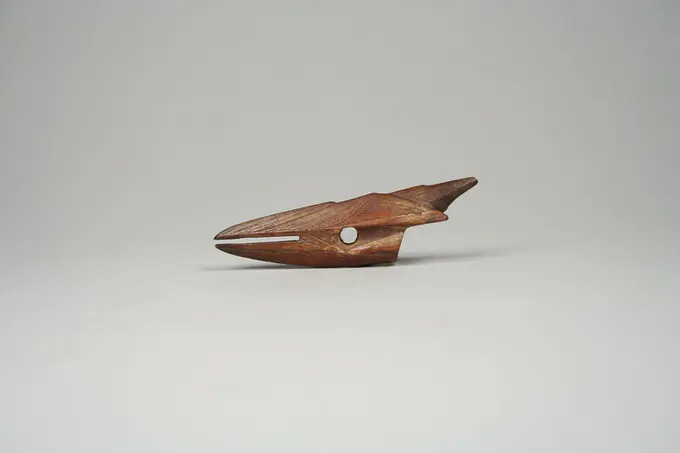
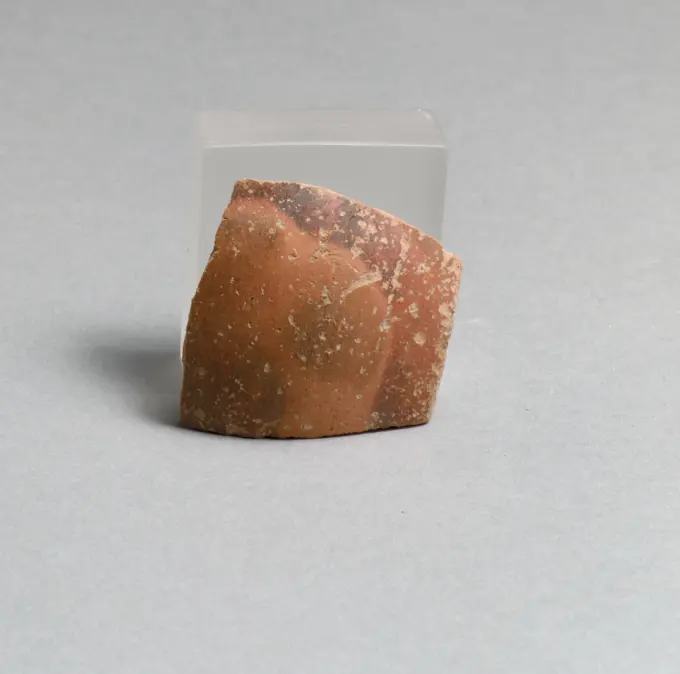
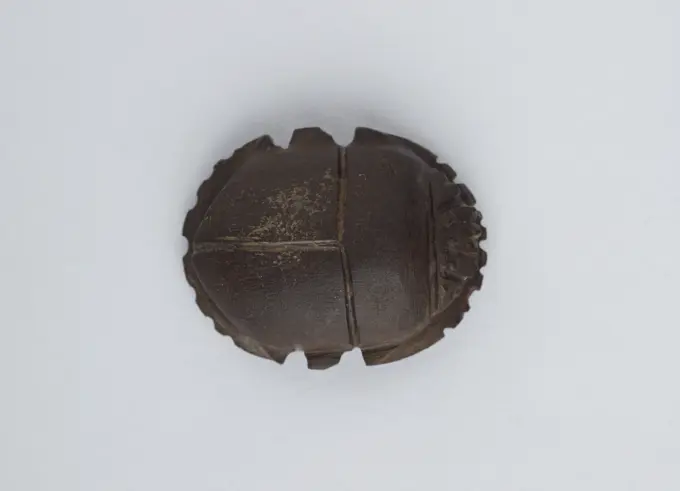
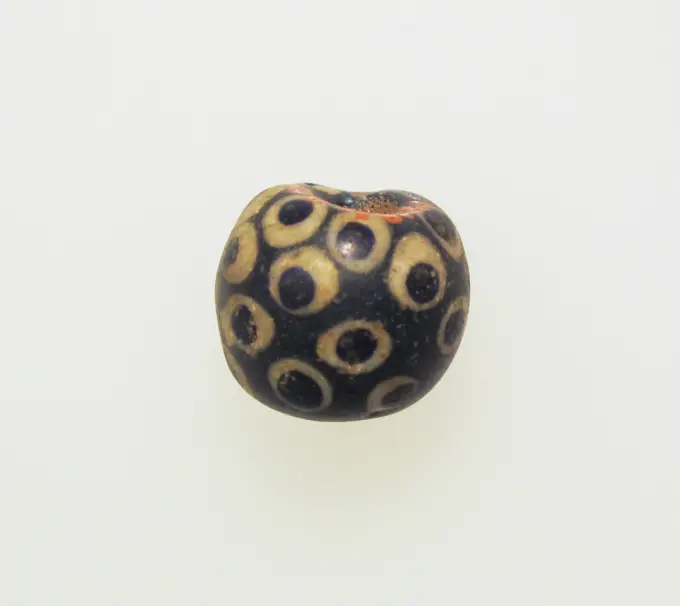
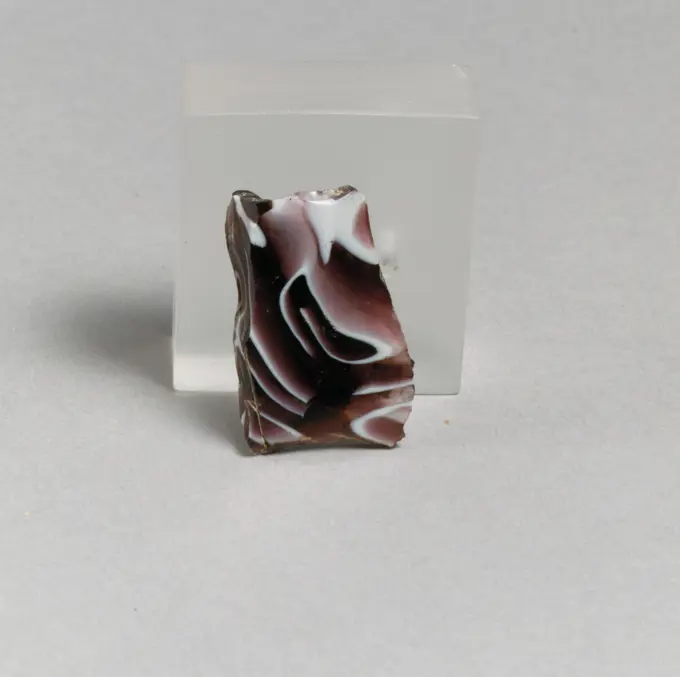
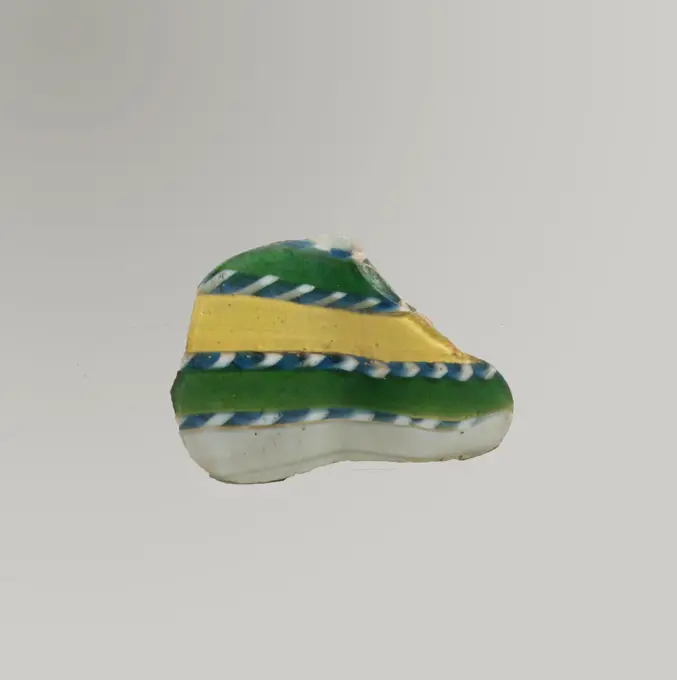
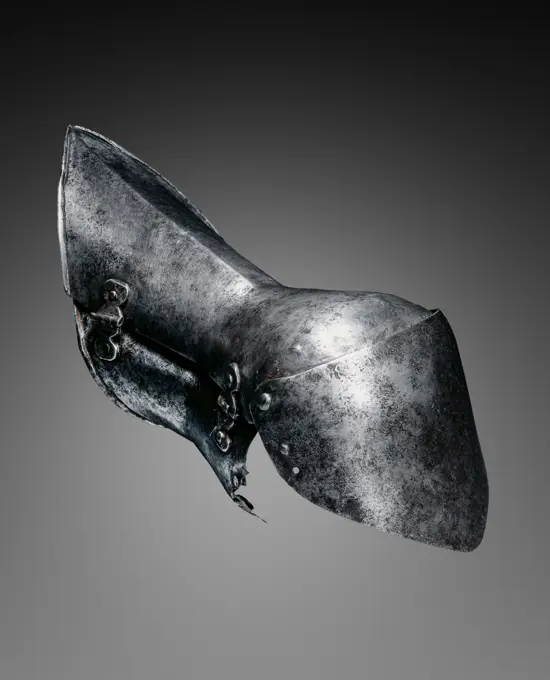
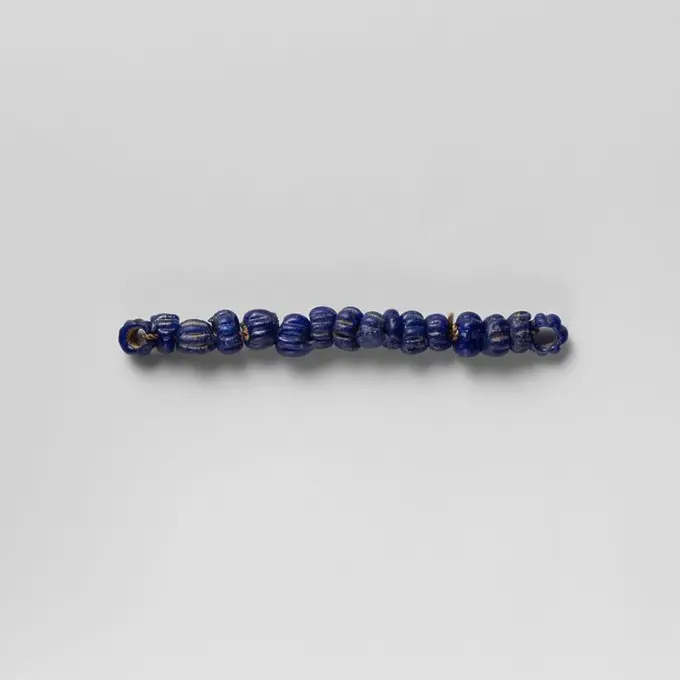
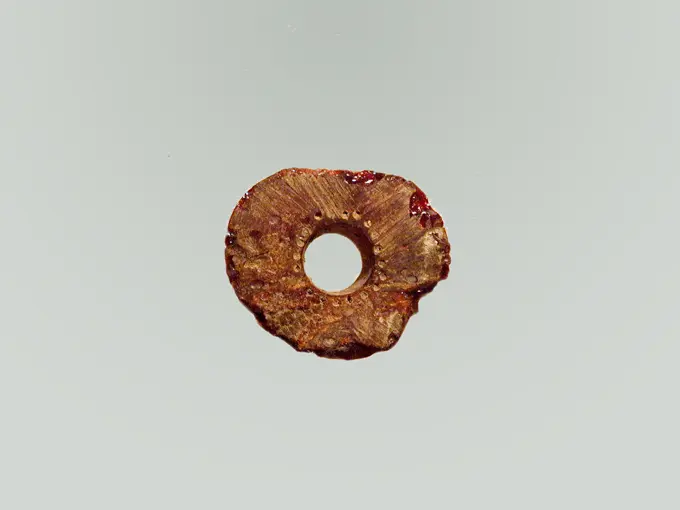
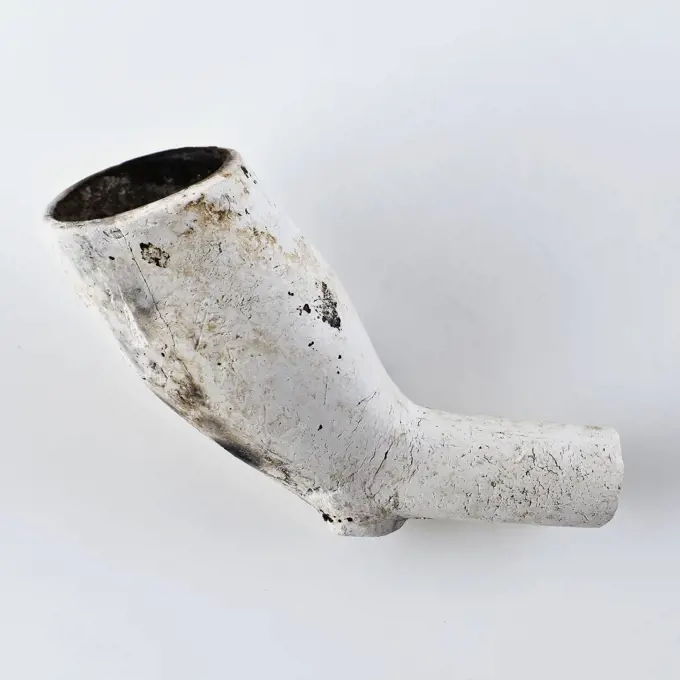
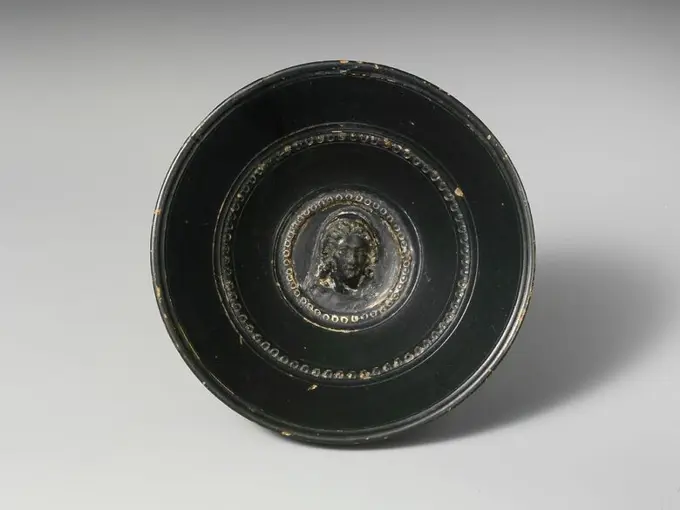
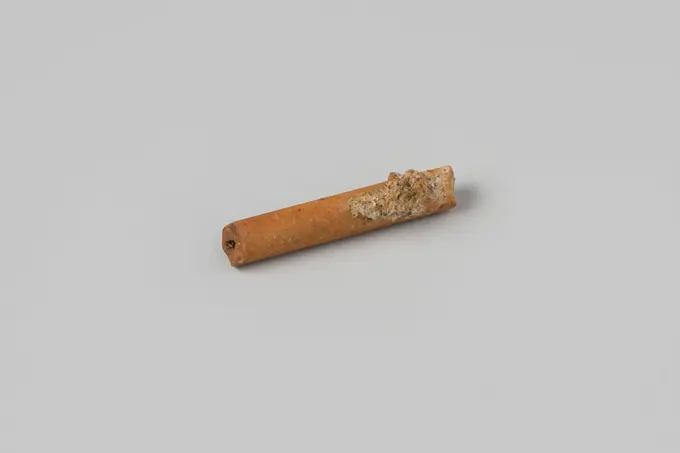
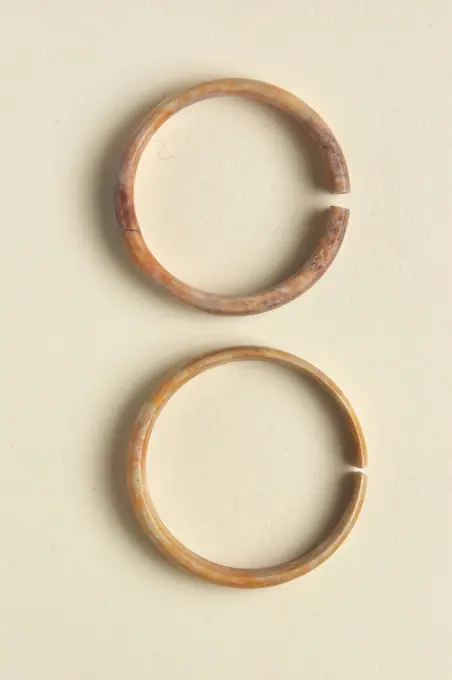
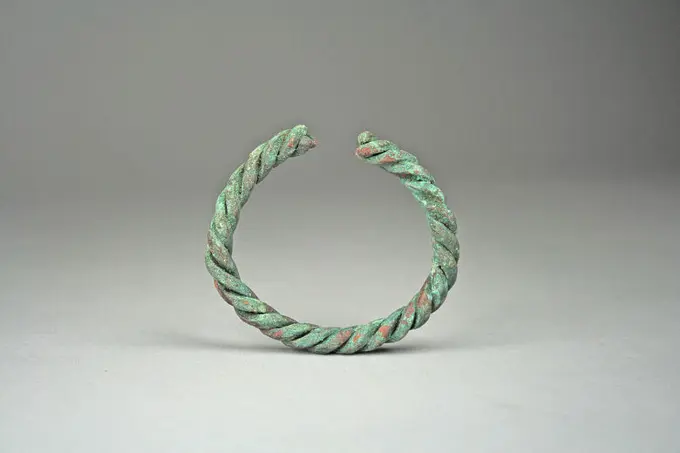
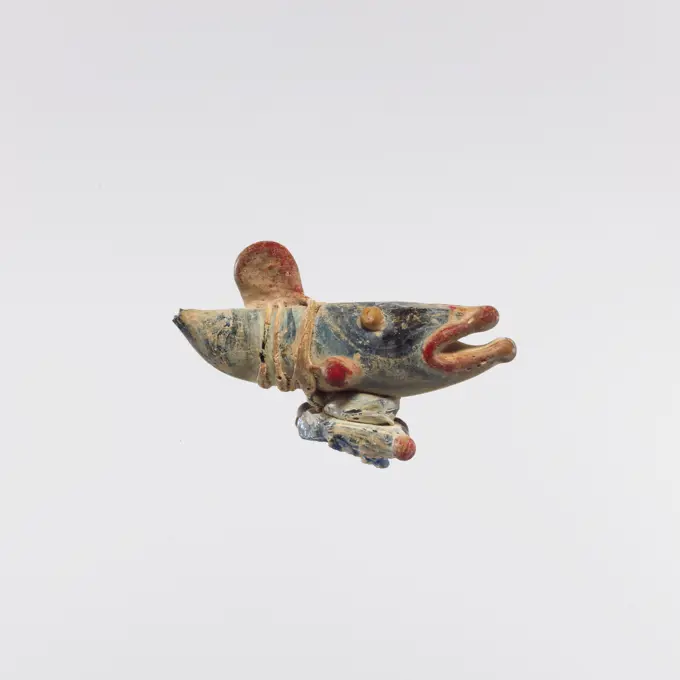
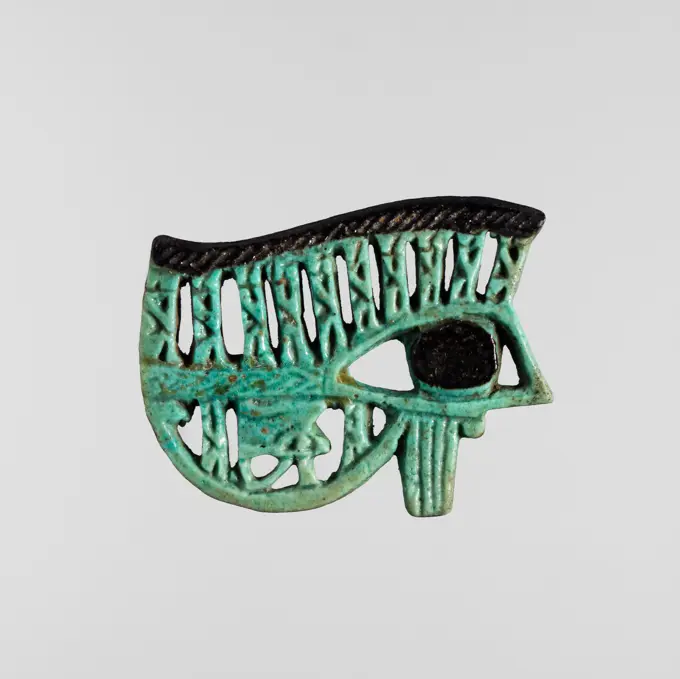
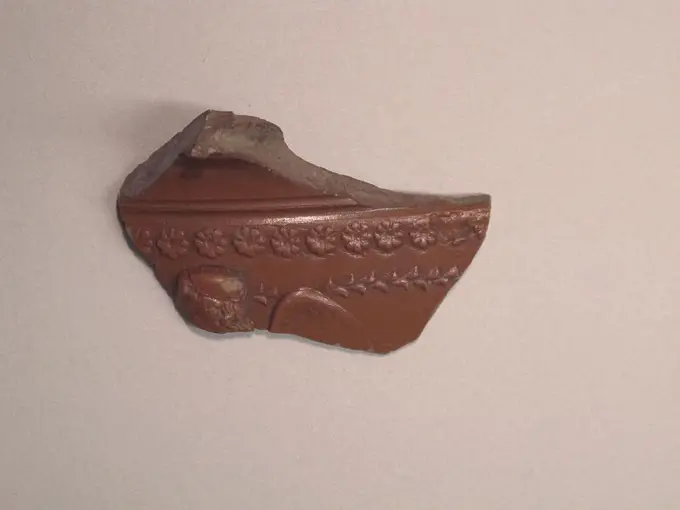
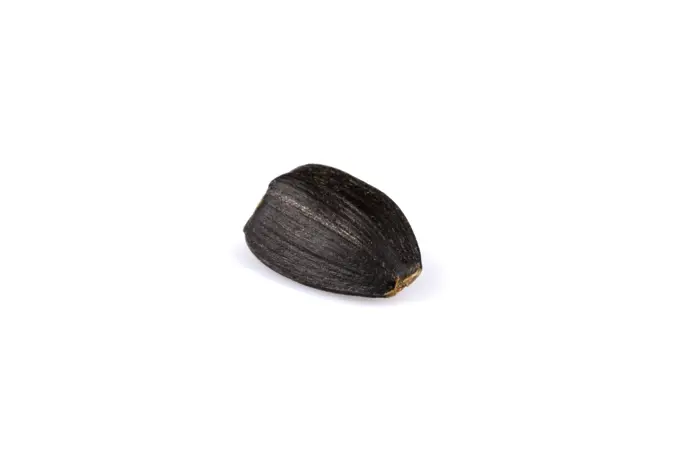
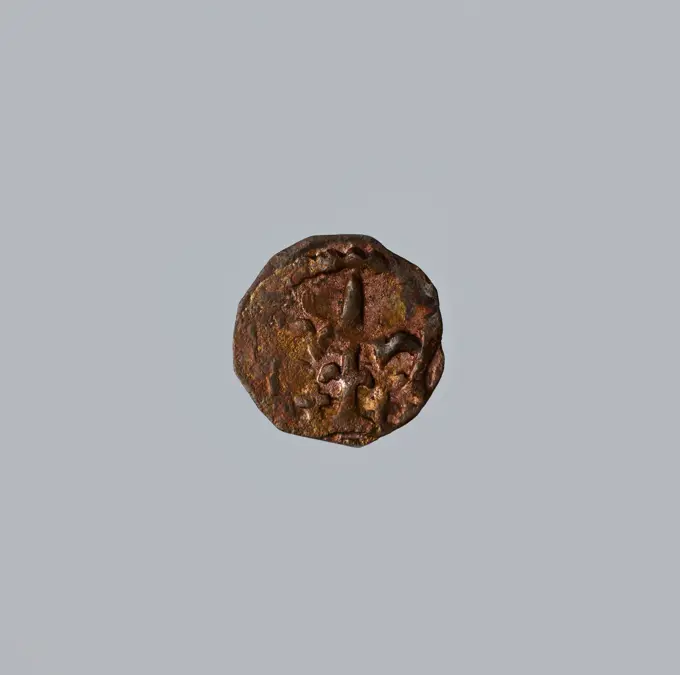
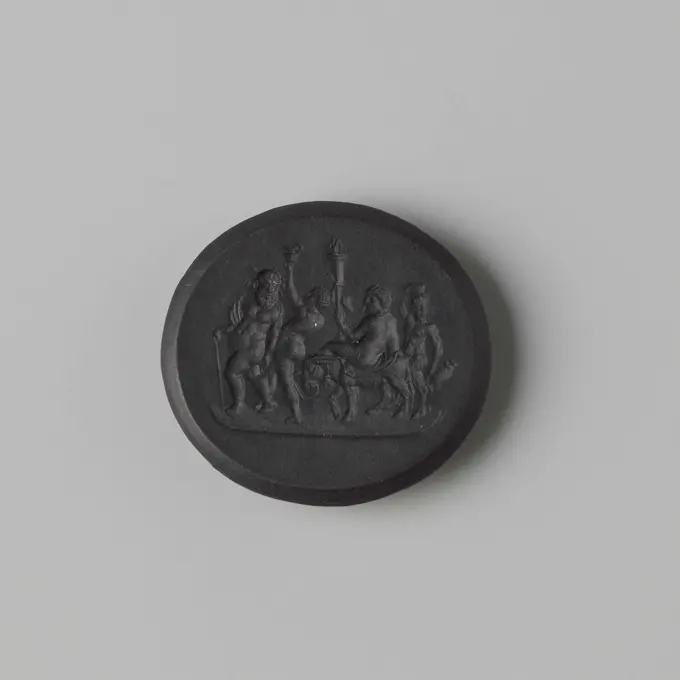
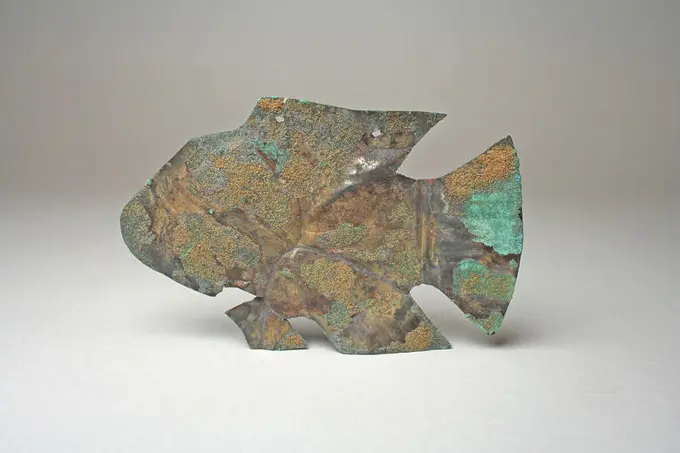
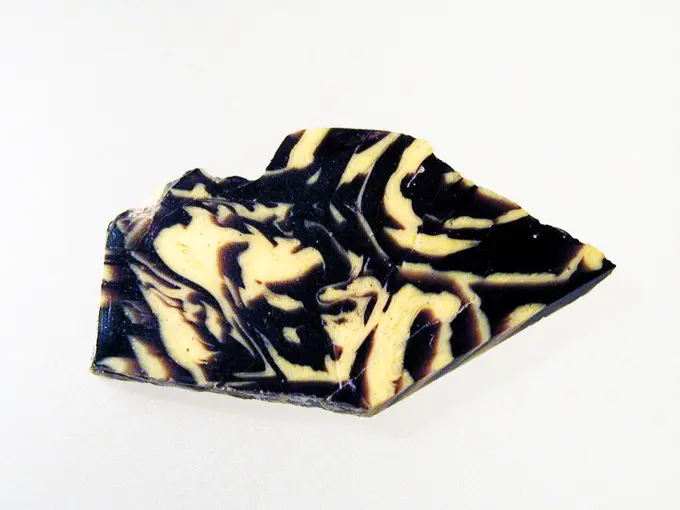
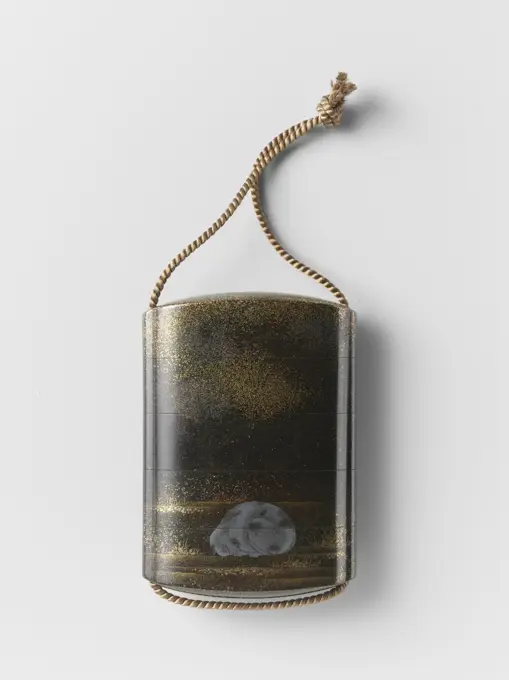
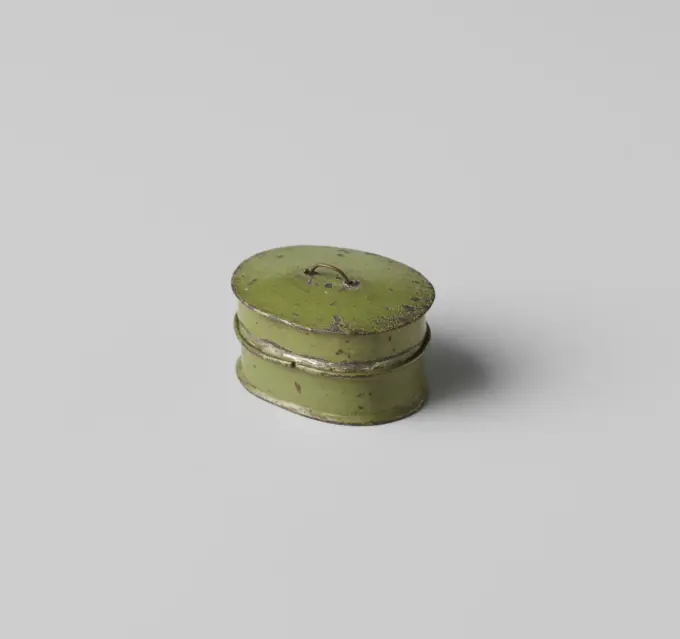
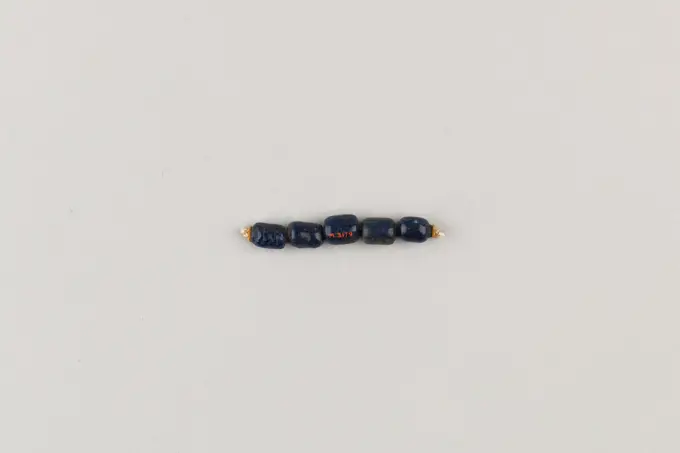
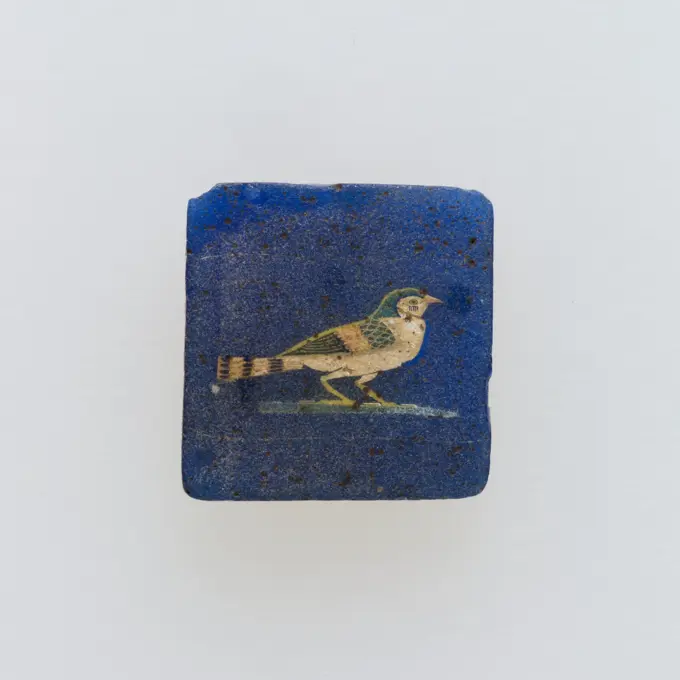
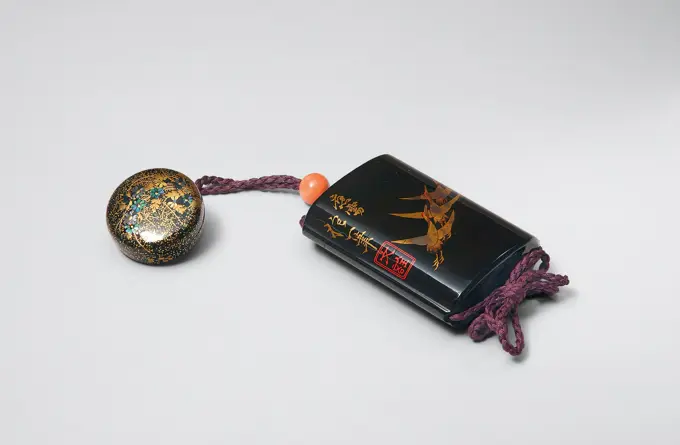
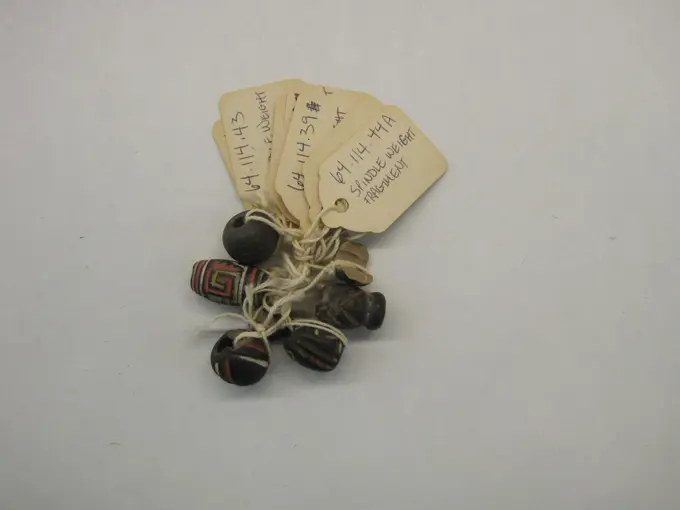
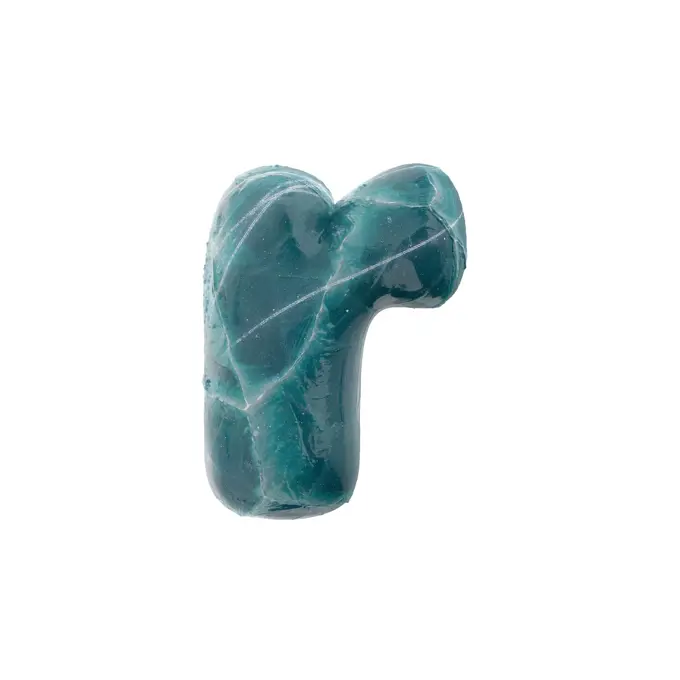
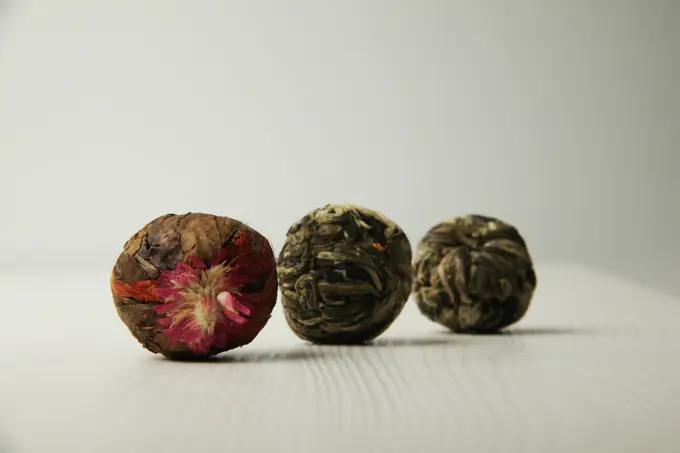
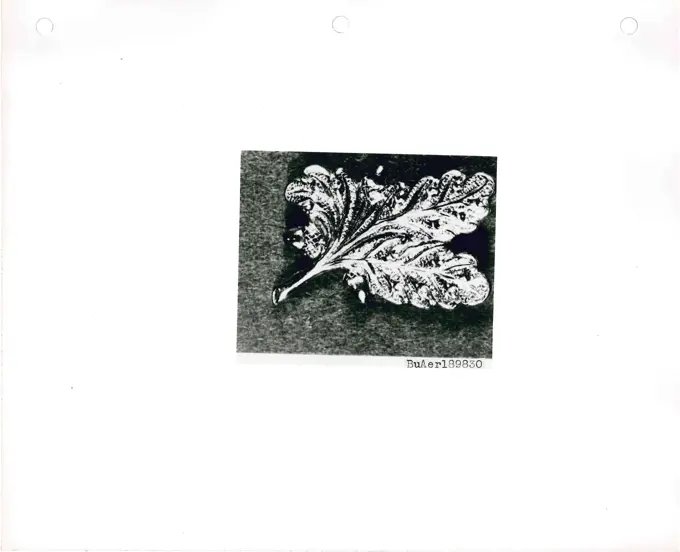
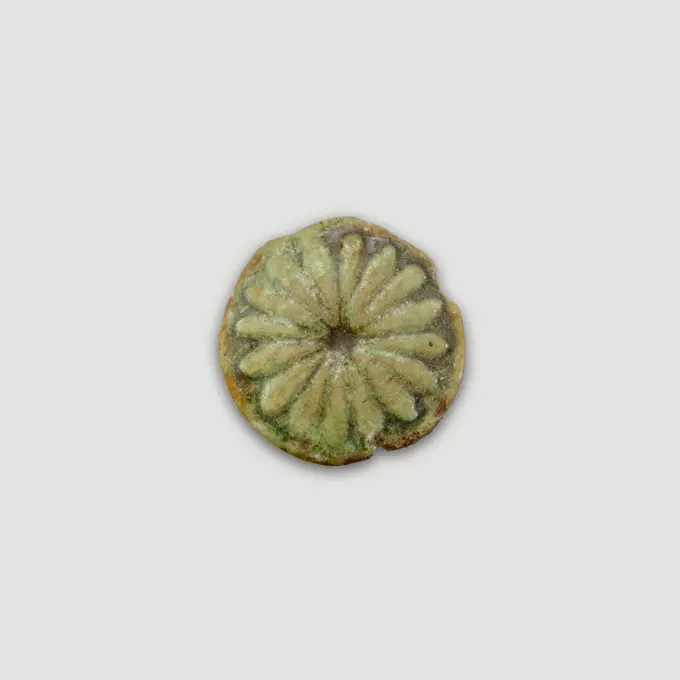
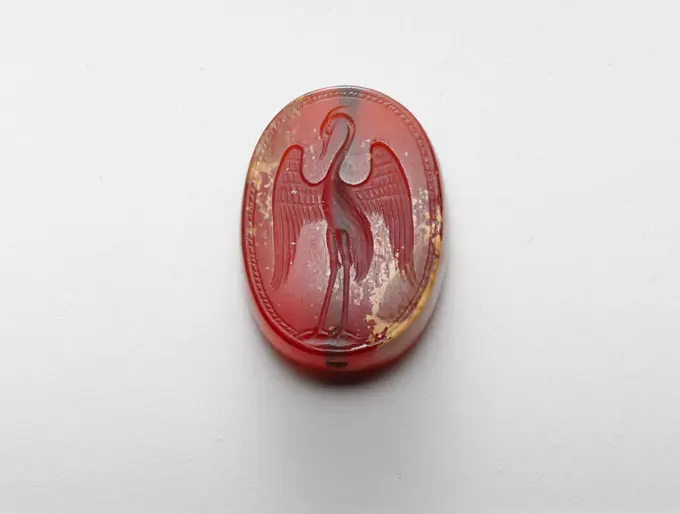
Carnelian scaraboid. Culture: Greek. Dimensions: 1/4 × 11/16 × 15/16 in. (0.6 × 1.8 × 2.4 cm). Date: ca. 450-430 B.C..woman at laver; heron. Museum: Metropolitan Museum of Art, New York, USA.Vinaigrette 1775-1785 EnglandPair of Sword-Grip Ornaments (Menuki). Culture: Japanese. Dimensions: L. of each 1 1/2 in. (3.8 cm); W. of each 1/2 in. (1.3 cm); Wt. of each 0.1 oz. (2.8 g). Date: 18th century. Museum: Metropolitan Museum of Art, New York, USA.Fibula, fragment Rectangular-pierced with 5 holes and 5 grooves on one side.. Fibula, fragment. Amber. Miscellaneous-AmberCarnavalet museum, tokens collectionVase fragment. Dimensions: h. 4.1 cm (1 5/8 in); w. 4.8 cm (1 7/8 in). Dynasty: Dynasty 12-13. Date: ca. 1981-1640 B.C.. Museum: Metropolitan Museum of Art, New York, USA.Glass mosaic bowl fragment late 1st century B.C.-early 1st century A.D. Roman Body fragment.Translucent cobalt blue, honey yellow, and opaque white.Slightly convex curving side.Ribbon mosaic pattern formed from sections of a single cane in blue ground with irregular wavy white and yellow threads in parallel lines.Polished exterior; pitting of surface bubbles on exterior; dulling and creamy iridescent weathering on exterior and jagged edges.. Glass mosaic bowl fragment 257092Lotus ornament 30 B.C.-A.D. 364 Roman Period. Lotus ornament. 30 B.C.-A.D. 364. Copper alloy. Roman Period. From EgyptFragment ca. 1150-ca. 1250 European or Middle Eastern. Fragment 694223Throw Stick ca. 1400-1295 B.C. New Kingdom Throw sticks like this one were used as counters, like dice, to determine the moves of board games such as senet and twenty squares. The throw sticks 19.2.19-27a, b are usually displayed with the game box of Taia.. Throw Stick. ca. 1400-1295 B.C.. Hippopotamus ivory (tinted). New Kingdom. From Egypt; Probably from Upper Egypt, Thebes. Dynasty 18, second halfAttic Vase Fragment. UnknownArmlet of Amenhotep ca. 1479-1458 B.C. New Kingdom. Armlet of Amenhotep 548865Amulet - oko udżat. unknown, authorWhite crocheted sock with mother -of -pearl button, anonymous, c. 1850 - c. 1920  Netherlands textile materials crocheting  Netherlands textile materials crochetingDoor Beater in the form of a lion's head of wood with a gilded ring in his mouth, Anonymous, 1600 - 1699 Door beater in the form of a lion's head of wood with a gilded ring in his mouth. Northern Netherlands (possibly)Netherlands (possibly) oak (wood). paint (coating). gilding (material) gilding Door beater in the form of a lion's head of wood with a gilded ring in his mouth. Northern Netherlands (possibly)Netherlands (possibly) oak (wood). paint (coating). gilding (material) gildingGlass monocrome dish fragment 1st half of 1st century A.D. Roman Fragment of footed dish.Opaque red.Flat interior, slightly concave at center; on exterior, solid angular foot ring, slanting outward, around edge of bottom.Polished interior; pitting of surface bubbles and patch of weathering on interior; gritty encrustation and thick green weathering on exterior and outer edge of foot ring; no weathering on broken edge. The rest of the side that extended up from the foot ring has probably been ground away in recent times.. Glass monocrome dish fragment. Roman. 1st half of 1st century A.D.. Glass; cast. Early Imperial, Julio-Claudian. GlassAttic Red-Figure Skyphos Fragment. UnknownHead of Christ late 16th or early 17th century Italian. Head of Christ 196541Fragment pink silk tissue. Fragment pink silk tissue with a knotted ground on which rows with wavy, white leaves.Mosaic glass bowl fragment. Culture: Roman. Dimensions: 1 13/16 × 2 1/16 × 1/8 in. (4.5 × 5.3 × 0.3 cm)Estimated diameter 5 1/8 in. (13 cm). Date: late 1st century B.C.-early 1st century A.D..Rim fragment.Translucent pale and honey brown, cobalt blue, opaque white, and colorless.Outsplayed rim; convex curving side, bulging outward and then turned in towards bottom.Spiral mosaic pattern formed from sections of a single cane in a brown ground with two irregular threads: one in white, partially mixed with brown and appearing yellow or with a colorless central stripe, and the other in white and blue threads in fine parallel lines.Polished exterior; rim and most of edges ground flat; pitting of surface bubbles on exterior; dulling and patches of creamy iridescent weathering on interior. Museum: Metropolitan Museum of Art, New York, USA.Jousting Shield (Stecktarge) with the Coat of Arms of the City of Deggendorf Made 1440-1470 Saxony. This large curved rectangular shield was developed especially for use with a lance. The jouster rested his lance in the cutout opening on the proper right, called a bouche or mouth. Such shields had been common in war, but by the mid-15th century they functioned more often in jousting, as targets. After tournaments these were frequently hung in homes or in public places to celebrate a noble family or, as in this case, a city.. Wood, iron, leather, canvas, gesso, and paint .Napkin Ring (Scotland for export); woodGlass mosaic ribbed bowl fragment late 1st century B.C.-early 1st century A.D. Roman Rim fragment.Translucent cobalt blue, opaque white and yellow.Outsplayed, rounded rim; concave curving neck, almost straight side.Composite mosaic pattern formed from polygonal sections of two or more canes: one in a blue ground with a circle of white rods around a central, tight yellow spiral; a second in a blue ground with a central white rod surrounded by a circle of yellow dots; on exterior, top of a single vertical rib, squared off above, and irregular horizontal tooling marks around neck.Interior polished, with pitting of surface bubbles; dulling, pitting, and slight creamy weathering on rim, exterior, and upper part of jagged edges.. Glass mosaic ribbed bowl fragment. Roman. late 1st century B.C.-early 1st century A.D.. Glass; cast and tooled. Early Imperial. GlassHarpoon Head. Culture: Old Bering Sea. Dimensions: H x W: 3 1/8 x 5/8in. (7.9 x 1.6cm). Date: 4th century. Museum: Metropolitan Museum of Art, New York, USA.Carnavalet museum, tokens collectionAttic Black-Figure Amphora Fragment. UnknownShards of Kommen from V.O.C. ship De 'Witte Leeuw', Before 1613 bowl Shards of Kommen from V.O.C. ship De 'Witte Leeuw'.  porcelain   Sint-HelenaEvening bag. 1900. GAL1962.105.3Vase fragment Minoan. Vase fragment 247750Bliżej KulturyScarabGlass eye bead ca. 4th century B.C. Greek, Eastern Mediterranean Dark blue, with additions in opaque white and cobalt blue.Spherical shape, tapering slightly at one end and thicker rounded edge at other end, with large vertical hole.Twenty-four eyes in six diagonal rows of four.Intact; dulling, pitting, and faint weathering.. Glass eye bead. Greek, Eastern Mediterranean. ca. 4th century B.C.. Glass; rod-formed. Classical or Hellenistic. GlassBead;  2. PO. 2 thousand-1. after 1 thous. BC (-1500-00-00--501-00-00);The collection of the ancient EastGlass mosaic ribbed bowl fragment late 1st century B.C.-early 1st century A.D. Roman, Italian Body fragment.Translucent purple and opaque white.Convex curving side tapering downward.Marbled mosaic pattern formed from sections of a single cane in purple ground with white threads and streaks; on exterior, single pronounced vertical rib with rounded top.Polished interior; pitting of surface bubbles on interior; dulling and patches of creamy iridescent weathering on exterior; some iridescent weathering on jagged edges and chipped surface of exterior.. Glass mosaic ribbed bowl fragment. Roman, Italian. late 1st century B.C.-early 1st century A.D.. Glass; cast and tooled. Early Imperial. GlassGlass striped mosaic carinated bowl fragment late 1st century B.C.-early 1st century A.D. Roman Thick-walled body fragment.Translucent blue, turquoise blue appearing green, opaque white and yellow.Carinated side, with two convex curves: the upper narrow, and the lower deeper and curving in at bottom.Striped mosaic pattern formed from lengths of different canes in parallel, vertical bands: white, blue with a spiral white thread, green, blue with a spiral white thread, yellow, blue with a spiral white thread, green, and blue with a spiral white thread.Polished exterior and part of edges; slight pitting of surface bubbles; dulling and creamy iridescent weathering on interior and edges.The fragment must come from a deep bowl with a carinated profile - an unusual shape for striped mosaic glass.. Glass striped mosaic carinated bowl fragment. Roman. late 1st century B.C.-early 1st century A.D.. Glass; cast. Early Imperial. GlassRubber black boot constant-velocity universal spheric joint new Brilliant. Spare parts for car repairFontaneldoek van Linen with a strip of Mechelse side, with wavy border and open berries on a branch, anonymous, c. 1700 - c. 1800 Fontaneldoek van Linen with a strip of Mechelse side, with wavy border and open berries on a branch. Europe linen (material). Mechlin (lace) Fontaneldoek van Linen with a strip of Mechelse side, with wavy border and open berries on a branch. Europe linen (material). Mechlin (lace)Silver brooch with green paste, c. 1911 - c. 1931 Oval brooch made of silver with green paste with a hook closure. Schoonhoven silver (metal). Oval brooch made of silver with green paste with a hook closure. Schoonhoven silver (metal).Gothic Mitten Gauntlet, c. 1450. Italy, 15th century. Steel; overall: 30.2 x 10.8 cm (11 7/8 x 4 1/4 in.).wooden spoon isolated on white backgroundGlass beads. Culture: Greek. Dimensions: Other (16 elements): 3 3/8 in. (8.5 cm)Diameter (average ): 5/16 in. (0.8 cm). Date: 6th-5th century B.C.. Museum: Metropolitan Museum of Art, New York, USA.Cartoon VectorEnded metal brooch in the form of an orange bow, 1945 Eamed metal brooch in the form of an orange bow with a hook closure. Europe metal. Eamed metal brooch in the form of an orange bow with a hook closure. Europe metal.Fibula, fragment 7th-6th century B.C. Etruscan Round piece with hole in center, surrounded by small perforations.. Fibula, fragment. Etruscan. 7th-6th century B.C.. Amber. Archaic. Miscellaneous-AmberClay pipe, unnoticed, with smooth handle, clay pipe smoking equipment smoke floor pottery ceramics potting, pressed finished baked Clay pipe unnoticed with smooth steel archaeology Rotterdam City center Cool Schiedamse Vest Mainland City triangle Job smoking tobacco craft Soil discovery: Vasteland-Baan Schiedamse Vest Rotterdam Vondstcomplex with material from pottery and pipe making and house waste from the 17th century.Teeth sheper, anonymous, c. 1775 - c. 1800 Tand slice bowl with blue Saxon pattern, unnoticed.  . Tand slice bowl with blue Saxon pattern, unnoticed.  .Fragment of a Wall Revetment 50 BCE-100 CE Roman Empire. In ancient Rome, there was a high demand for colorful glass that could dazzle banquet guests alongside the expensive silver and gold serving wares meant to impress. Fragments like this one would have once been a part of larger mosaic dishes. The mosaic pattern was made by sagging molten glass into bowl-shaped molds, a technique used on many of these fragments is similar to millefiori, ìthousand flowersî in Italian, a modern glass-making method in which tiny rods of colored glass are bundled together, wrapped in a sheet of glass, fused, and then thinly sliced to reveal swirls of a flower-like patterns. They were arranged side by side, sometimes together with bits of colored glass, and fused together with heat.. Glass, mosaic glass technique . Ancient RomanFibula, fragment Greek, Cypriot. Fibula, fragment 244423Terracotta bowl. Culture: Etruscan. Dimensions: H. 3 in. (7.6 cm); diameter 6 3/4 in. (17.1 cm). Date: 4th-3rd century B.C..In the center, in relief, a woman's head. Museum: Metropolitan Museum of Art, New York, USA.Corsage, consisting of two violet velvet orchids, with handle. Flower corsage, consisting of two violet velvet orchids, with handle of paper.Vase, Tiffany Glass and Decorating Company, American, 1892 - 1900, Free-blown favrile glass, Iridescent blue, purple and yellow. Free-blown body, depressed sphere in shape, somewhat squared in plan. Heavy, rolled-over rim from squarish opening, drawn irregularly down and attached to applied heavy double threads, accenting four corners” of body, and diminishing to points, near bottom. Depressed center on underside., New York, New York, USA, ca. 1895-96, glasswares, Decorative Arts, VaseHarness Trapping. Culture: China. Dimensions: H. 5 1/2 in. (14.0 cm); W. 4 3/4 in. (12.1 cm). Date: 5th century B.C.. Museum: Metropolitan Museum of Art, New York, USA.Fragment ca. 1150-ca. 1250 European or Middle Eastern. Fragment 695256Lead figure of a goddess with a shield, spear, and aegis, probably Athena 6th-5th century B.C. Greek, Laconian Small flat votive figurines of cast lead have been found in great quantities at the ancient sanctuaries of Laconia; over one hundred thousand, dating from the seventh century B.C. to the Classical period, were dedicated to the goddess Artemis Orthia in Sparta.. Lead figure of a goddess with a shield, spear, and aegis, probably Athena 251623 Greek, Laconian, Lead figure of a goddess with a shield, spear, and aegis, probably Athena, 6th5th century B.C., Lead, Height: 1 5/8 in. (4.1 cm). The Metropolitan Museum of Art, New York. Gift of A. J. B. Wace, 1924 (24.195.57)Ivory Labret ca. 1700 Inuit. Ivory Labret 309698An elongated padlock with key. .lavender, Gallé, Emile Gallé, French, 1846 - 1904, Glass, Vase with bulbous body, elongated swollen neck; decorated with mustard yellow and lavender plants and flowers on white-gray background., France, late 19th-early 20th century, glasswares, Decorative Arts, Vase, VaseShoe sphon, square, decorated with palmets, flowers and squares, 1773 Shoe spur of silver, square, alternately decorated with palmets, flowers and squares. The suspension closure with one pin is also made of silver. Middelburg silver (metal) casting Shoe spur of silver, square, alternately decorated with palmets, flowers and squares. The suspension closure with one pin is also made of silver. Middelburg silver (metal) castingSaucer with gold borders on a red ground, anonymous, c. 1800 - c. 1824 Porcelain saucer, covered on the glaze with red and gold. The wall and edge are covered with tires of red and gold, with a flower drink on the edge. Golden line closely. Empire. France (possibly) porcelain. glaze. gold (metal) painting / gilding / vitrification Porcelain saucer, covered on the glaze with red and gold. The wall and edge are covered with tires of red and gold, with a flower drink on the edge. Golden line closely. Empire. France (possibly) porcelain. glaze. gold (metal) painting / gilding / vitrificationBox, Silver, Flat, irregular shape; lid hinged at back side. Relief decoration on sides and lid of curving lines with whiplash terminals., Germany, Low Countries, ca. 1900, containers, Decorative Arts, BoxFragment blowjob with concretion from the wreck of the East India hollandia.pipe, voice; fragment.Muscular and skeletal systems of a horse with black outline, top view on white background.Face Amulet ca. 2150-1950 B.C. Late Old Kingdom-Early Middle Kingdom. Face Amulet 555590Pair of Slit Disc Earrings, c. 4th century BCE - 1st century CE, 3/16 x 1 3/8 in. (0.5 x 3.5 cm), Serpentine, Vietnam, 5th century BCE - 1st century CEPlastic hair comb, with back on which pearls and stras, c. 1875 - c. 1900 Hair comb made of orange -yellow plastic, with graceful back, trimmed with five pearls and stras in metal. Seventeen teeth, with red ends. Netherlands (possibly) whole: celluloid (cellulosic). whole: cellulose acetate. Decoration: Metal. Decoration: Paste (glass). Decoration: Pearl sawing / filing / polishing / inlay (process) Hair comb made of orange -yellow plastic, with graceful back, trimmed with five pearls and stras in metal. Seventeen teeth, with red ends. Netherlands (possibly) whole: celluloid (cellulosic). whole: cellulose acetate. Decoration: Metal. Decoration: Paste (glass). Decoration: Pearl sawing / filing / polishing / inlay (process)Campania Napoli Naples S. Lorenzo Maggiore16. Hutzel, Max 1960-1990 Medieval: Sculpture, architecture, architectural sculpture (including Roman spolia) 13-14th century Chapter house; sarcophagi, gravestones; wall painting. Fragment of mosaic; sculptural fragments in the Sala Capitolare. Post-medieval: Architecture, architectural sculpture, ceiling painting fresco cycle; prints depicting Venice c. 1845 (4), sculpture; life-size creche figures dressed in original Neapolitan costume Church restored in 1882, 1926, 1944; excavations under the transept undertaken between 1958-1962, and in the cloister in 1976, have revealed remains of a Roman macellum (market), street, and the paleochristian basilica of the 6th c. AD. Antiquities: Pottery: black-glazed, archaic banded, domestic wares, bucchero; architectural terracottas, statuettes, lamps, sculpture fragments Object Notes: 3 color negatives with no prints at the end. General Notes: Most objects/paintings/frescoes unidentified. Three batches Ham. Ham made from brown clay, originally brunette and painted red at notch.Bracelet. Culture: Djenné peoples. Dimensions: Diameter 3 inches. Date: 14th century (). Museum: Metropolitan Museum of Art, New York, USA.Glass ornament in the shape of a fish 1st half of 4th century A.D. Roman Translucent cobalt blue; trails and blobs in opaque red and opaque white.Solid cylindrical body tooled at front to make a large open mouth, tapering to point at back; under body, cylindrical stem and a larger circular pad.Decoration comprises a white trail wound vertically four times round body in an irregular spiral, two white blobs for eyes, a red trail applied to mouth as lips, two red blobs behind eyes perhaps for gills, and a red flattened vertical dorsal fin applied over spiral trail; on circular pad, four red blobs on outer edge in a square pattern.Fish complete apart from tail and part of spiral trail, and part of pad and one blob missing; dulling, slight pitting, and thick creamy weathering with patches of iridescence.The ornament may have been attached to the side of a beaker or cup.. Glass ornament in the shape of a fish 249380Amulet - oko udżat. unknown, authorFragment. Culture: European or Middle Eastern. Dimensions: L. 1 1/2 in. (3.8 cm). Date: ca. 1150-ca. 1250. Museum: Metropolitan Museum of Art, New York, USA.Glass mosaic fragment late 1st century B.C.-early 1st century A.D. Roman Body fragment.Translucent deep honey yellow, purple, deep turquoise green, opaque white and yellow.Shallow convex curving side.Composite pattern formed from polygonal sections of four canes: one in a yellow ground with a white spiral around a central purple rod; another in a yellow ground with a white spiral around a central turquoise green rod; a third in a turquoise green ground with a pattern of yellow rods around a central white rod, and the fourth in a turquoise green ground with a pattern of white rods around a central yellow spiral; and a strip comprising yellow, white, and purple in parallel straight bands.Polished exterior; pitting of surface bubbles on exterior; dulling, pitting, and creamy iridescent weathering on interior and jagged edges.. Glass mosaic fragment 257177Vase fragment. Culture: Roman. Dimensions: 1 9/16 × 2 1/8 × 5/16 in. (3.9 × 5.5 × 0.7 cm). Date: 1st century B.C.-1st century A.D..Winged figure. Museum: Metropolitan Museum of Art, New York, USA.black sunflower seed isolated on a white backgroundSilver metal key tag. Coffee drum of silver in the form of a secretaire.False coin, Jagiellonian pennyStamp stamp of black stoneware with the representation of a Bacchus procession from the Wedgwood and Bentley factory. Stamp stamp of black stoneware with the representation of a bacchus procession. Four figures, one of which rides on a donkey. Signed on the rounded back: Wedgwood & Bentley 147 (No. 147 of the catalog d'Intalgios of 1788 Sujets Antiques Figures Bachiques). 'Basalt' from the Wedgwood and Bentley factory.Fragment from Thick Walled Marbled Vessel ca. 1427-1400 B.C. New Kingdom. Fragment from Thick Walled Marbled Vessel. ca. 1427-1400 B.C.. Glass. New Kingdom. From Egypt, Upper Egypt, Thebes, Valley of the Kings, Tomb of Amenhotep II (KV 35). Dynasty 18Ornamental Fish. Culture: Moche (Loma Negra). Dimensions: H. 3 1/16 x W. 4 3/4 in. (7.9 x 12.1 cm). Date: 390-450. Museum: Metropolitan Museum of Art, New York, USA.Glass mosaic inlay fragment late 1st century B.C.-early 1st century A.D. Roman Fragment of revetment plaque.Translucent deep purple, appearing black, and opaque yellow.Flat inlay, with one straight flat edge.Marbled mosaic pattern in purple ground with irregular yellow lines and streaks.Polished upper side; pitting of surface bubbles, with some surface cracks; dulling, pitting, and iridescent weathering on underside; weathering on straight and jagged edges, but one edge ground flat and polished.. Glass mosaic inlay fragment. Roman. late 1st century B.C.-early 1st century A.D.. Glass; cast. Early Imperial. GlassINRO, SEKIGAWA, 1800-1900 Five -part Inro with a representation of a sleeping cat. Signed "Sekigawa". Japan wood (plant material). lacquer (coating) Five -part Inro with a representation of a sleeping cat. Signed "Sekigawa". Japan wood (plant material). lacquer (coating)Drum with lid, oval, greenerfd. An oval, green-dyed tin drum with hinged lid with handle inside loose in lid; On the inside.Swallow amulet 664-380 B.C. Late Period. Swallow amulet 561556Pipe Bowl ca. 1840 Eastern Sioux. Pipe Bowl 319143String of 5 bugle beads 1st Century B.C. to 5th Century A.D. Roman Period. String of 5 bugle beads 570542A swallow, a solar symbol, in an rectangular inlay ca. 100 B.C. - A.D. 100 Late Ptolemaic Period-early Roman Period A mosaic glass technique allowed multiples of an image to be created: a figural or design composition was made by bundling colored glass canes, which were then drawn out into a long bar. The bar was then sectioned at right angles, probably by striking the bar with appropriate tools, to produce small inlay tiles. The tile would then be smoothed and polished on the face intended to appear outwards.. A swallow, a solar symbol, in an rectangular inlay. ca. 100 B.C. - A.D. 100. Glass. Late Ptolemaic Period-early Roman Period. From Egypt(Fish ornament, one of a pair), c. 1800, Unknown Japanese, 1/2 x 1 5/8 in. (1.27 x 4.13 cm), Gilt bronze, Japan, 18th-19th centuryMedicine case with cranes and waves, 1810s-1820s, Hara Yōyūsai; Designer: Sakai Hōitsu, Japanese, 1761 - 1828, 2 3/4 × 2 3/16 × 15/16 in. (6.99 × 5.56 × 2.38 cm) (inro)7 1/2 × 2 3/16 × 15/16 in. (19.05 × 5.56 × 2.38 cm) (including cord and netsuke ), Black lacquer with gold and silver maki-e and shell inlay; silk cord, Japan, 19th century, Inrō, sometimes called 'medicine cases,' were used to carry a variety of small articles, not just medicine. The owner would typically hang an inrō over a sash worn at the waist. The inrō was connected by a cord to a counterweight, called a netsuke, which kept it from falling off. This lacquer inrō was produced by Hara Yōyūsai who decorated it with a motif of cranes and waves designed by the Rinpa painter, Sakai Hōitsu.Spindle Whorl Spindle Whorl, 1000-1532. Ceramc   Arts of the Americas 1000-1532Mountcracked ice letter R - Lower-case 3d frozen font - Suitable for Nature, winter or Christmas related subjectsEye of Horus (Wedjat) Amulet 1550 BCE-664 BCE Egypt. Carnelian . Ancient EgyptianPair of Earrings, 2 7/8 x 5 3/4 x 3 3/8 in. (7.3 x 14.61 x 8.57 cm) (a)2 7/8 x 5 3/4 x 3 3/8 in. (7.3 x 14.61 x 8.57 cm) (b), Silver, ChinaSalad bowl;  the beginning of the 20th century (1901-00-00-2000-00-00);Dorothy Dwin, Pin, 1940 PinFlowering tea Flowering tea isolated on white Copyright: xZoonar.com/melkiu.gallery.rux 9675802Photograph of Supply Corps Naval Insignia Lapel Pin.Tiles and ornaments from the palace of Ramesses II ca. 1279-1213 B.C. New Kingdom, Ramesside. Tiles and ornaments from the palace of Ramesses II. ca. 1279-1213 B.C.. Faience. New Kingdom, Ramesside. From Egypt, Eastern Delta, Qantir (Piramesse), Palace of Ramesses II, Private apartments. Dynasty 19Round body of enameled gold (); Golden stars on an ultramarine blue fond. Round body of enameled gold (); Golden stars on an ultramarine blue fond.