Archaeological Artifacts

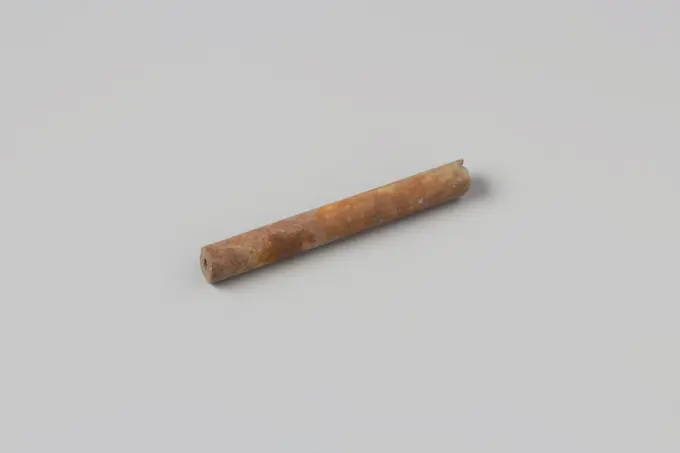
Images of historical artifacts including a stew, pipe fragments, and a glass pendant, capturing ancient craftsmanship and cultural significance.
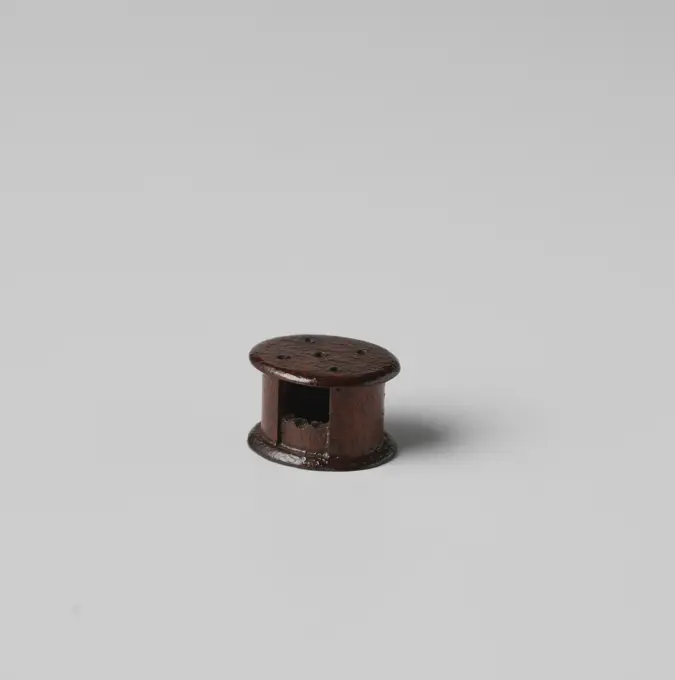
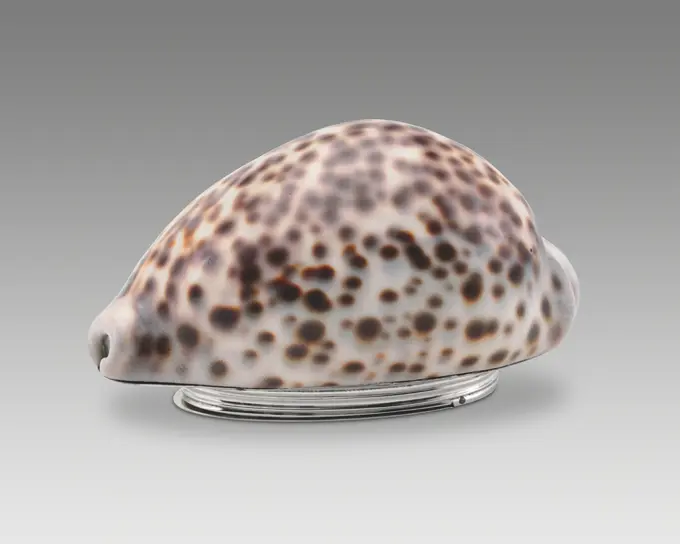
Stew, oval, with five holes in the top. Stew from mahogany, oval with five holes in the top, the opening for the fire test is finished with a scalloped rule.
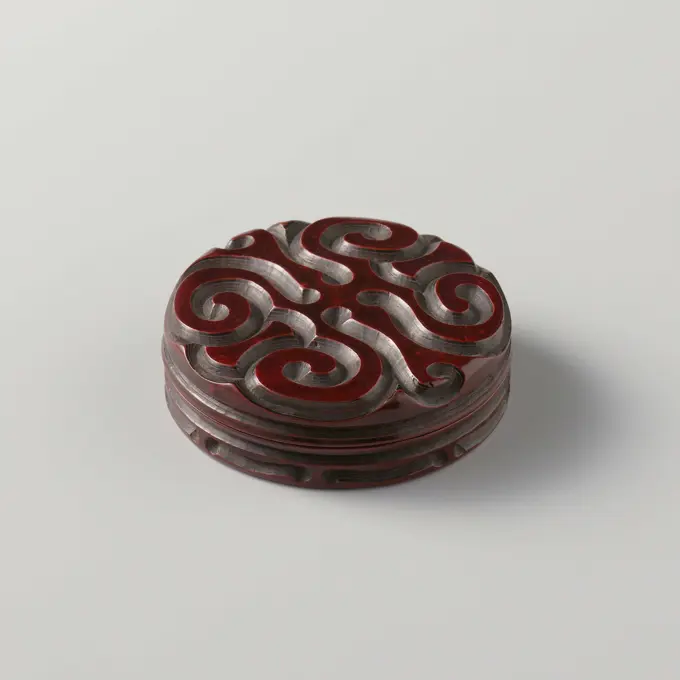
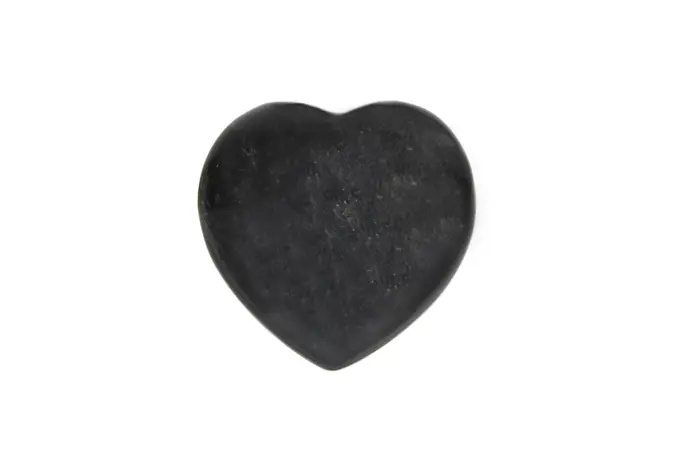
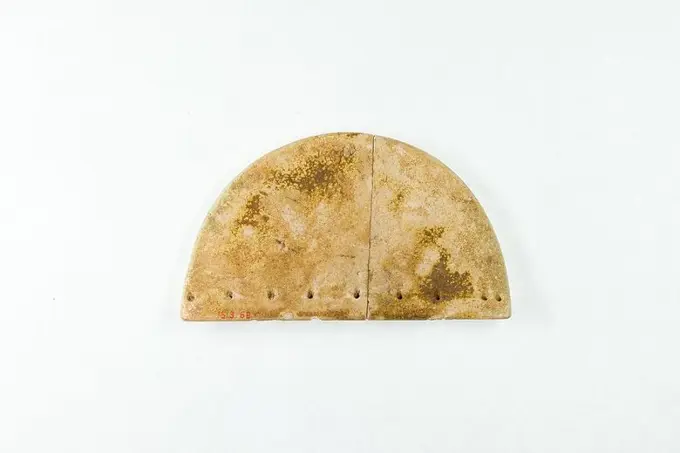
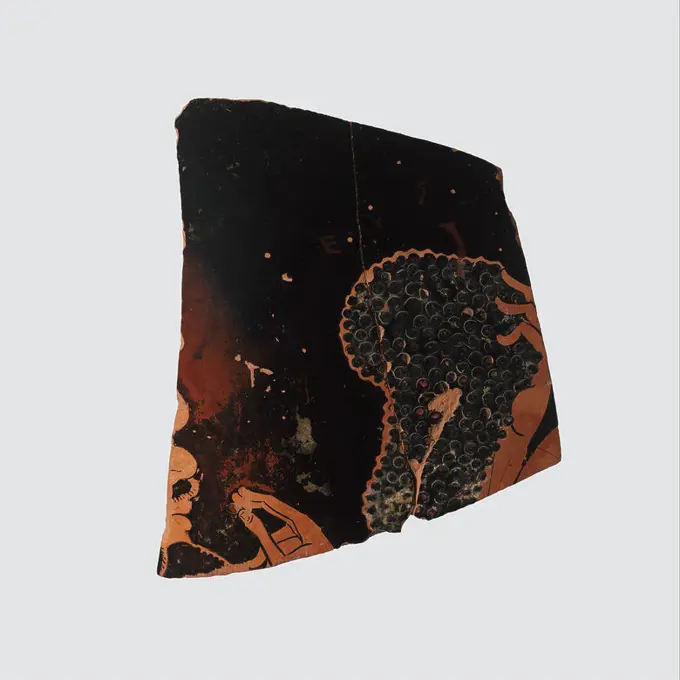
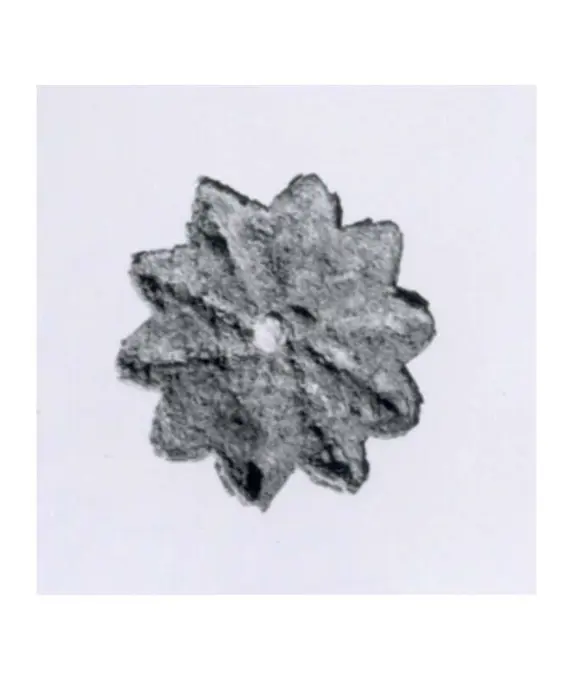
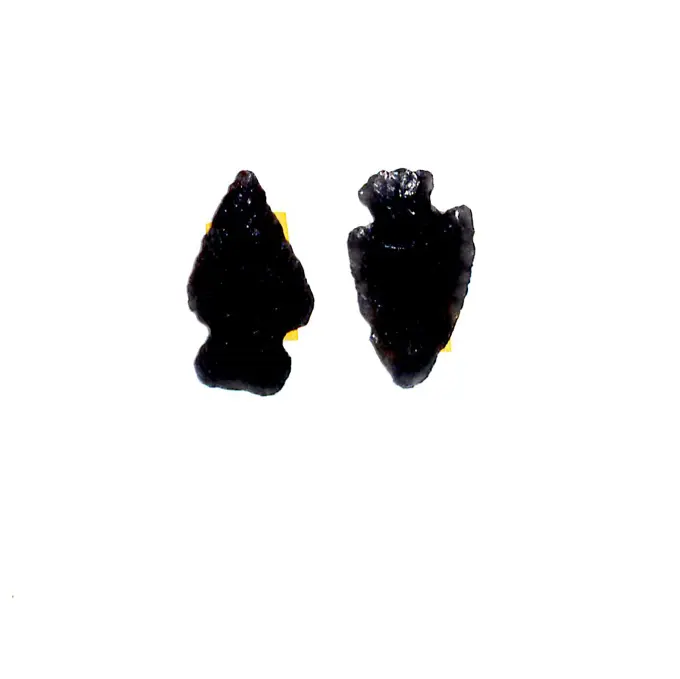
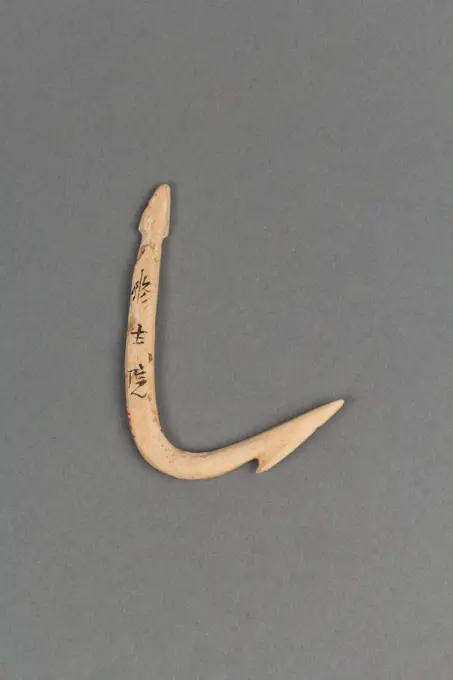
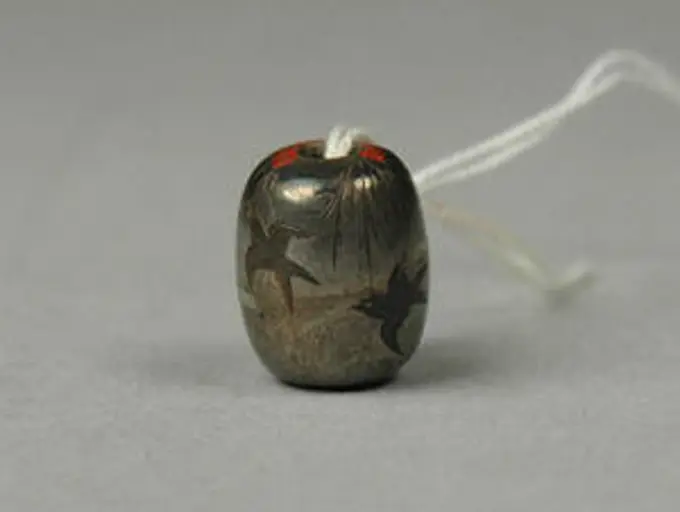
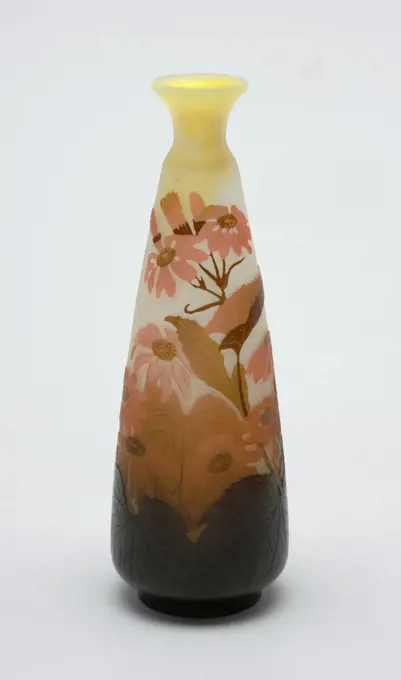
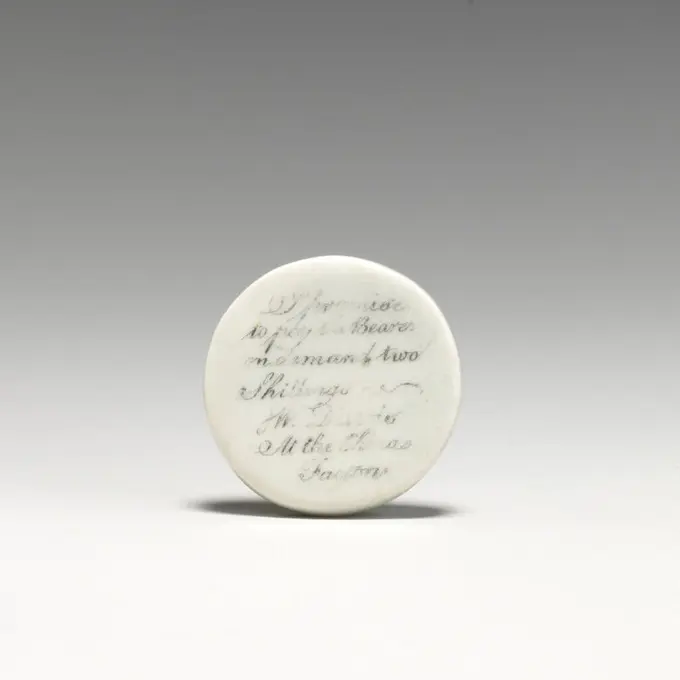
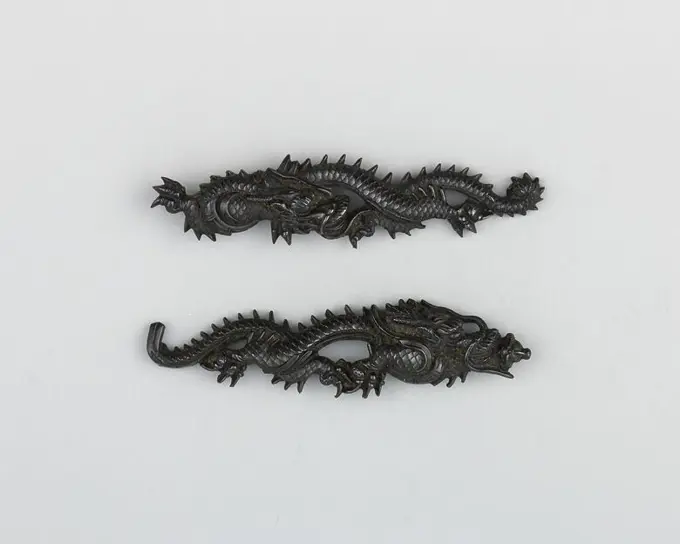
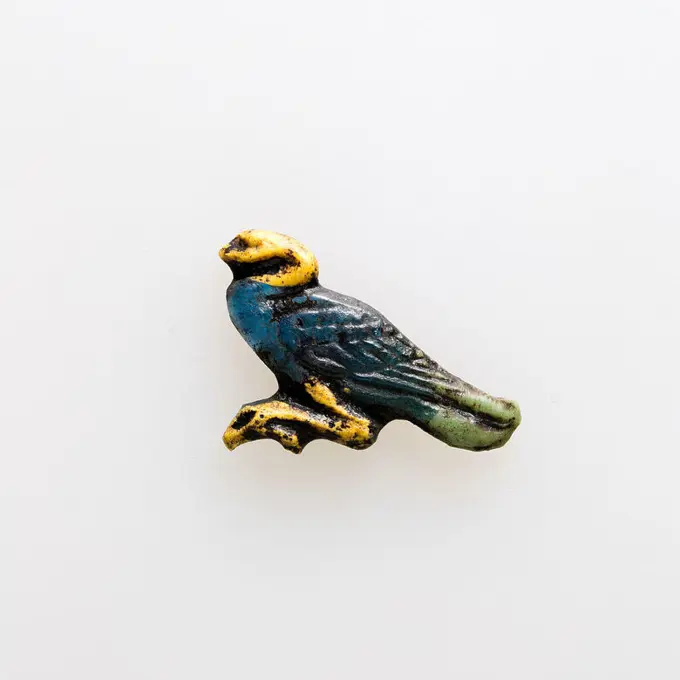
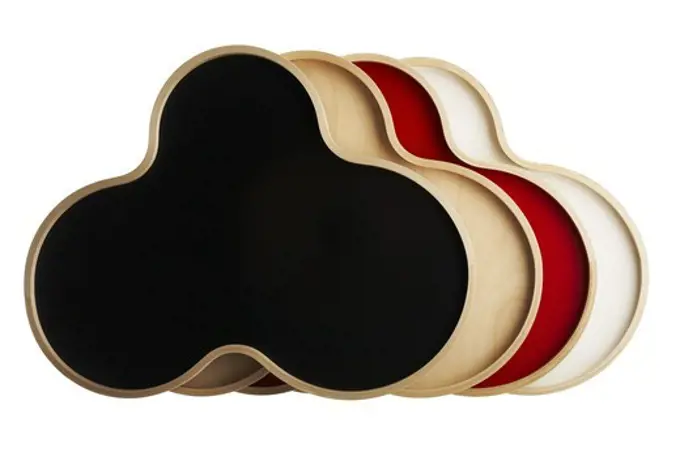
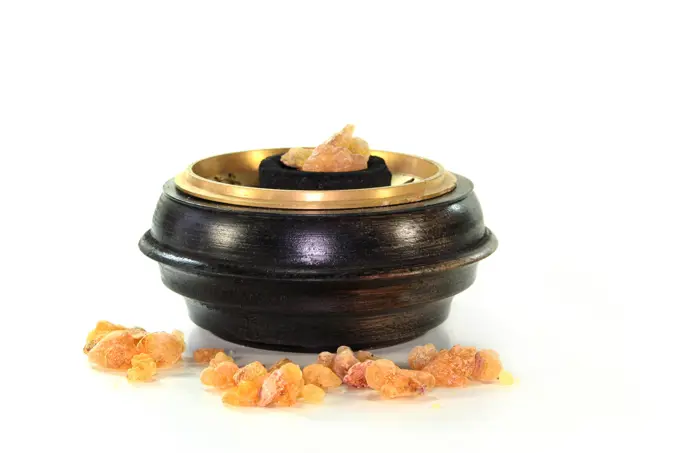
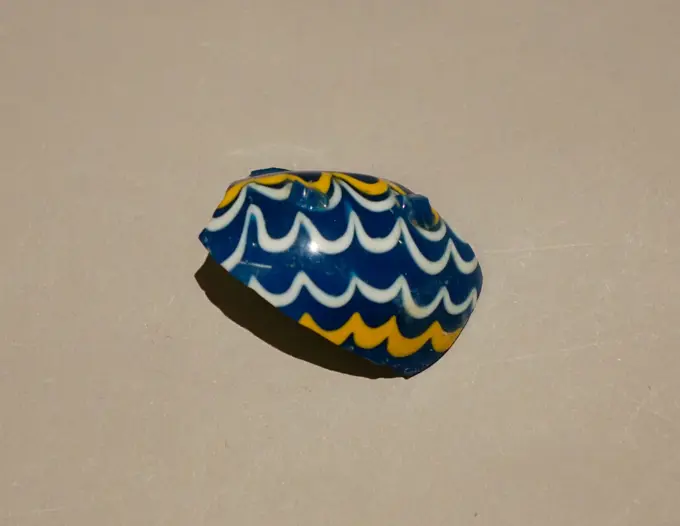
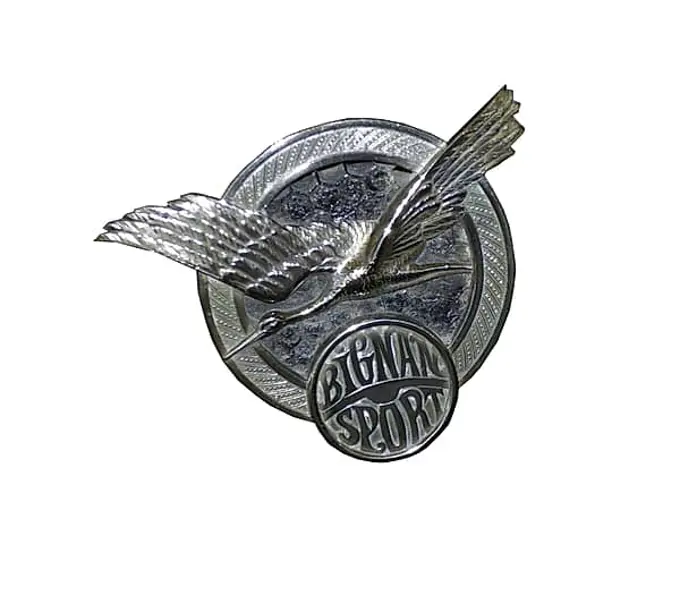
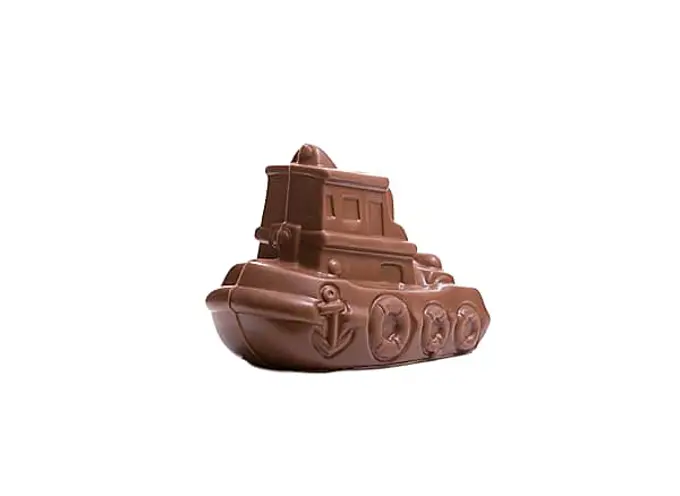
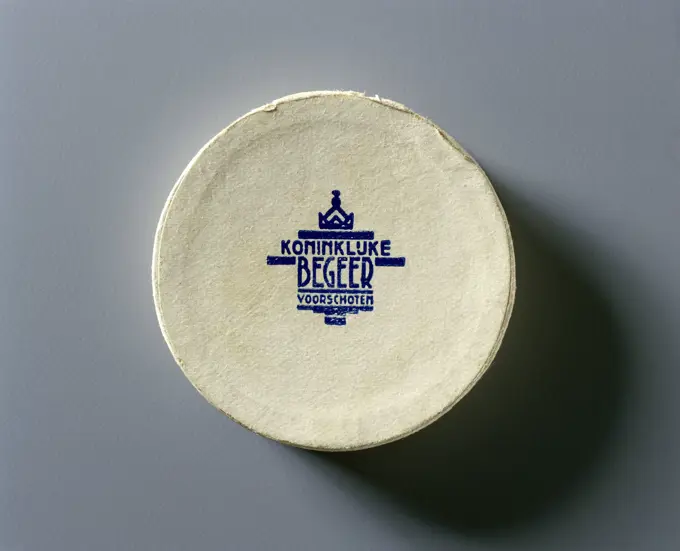
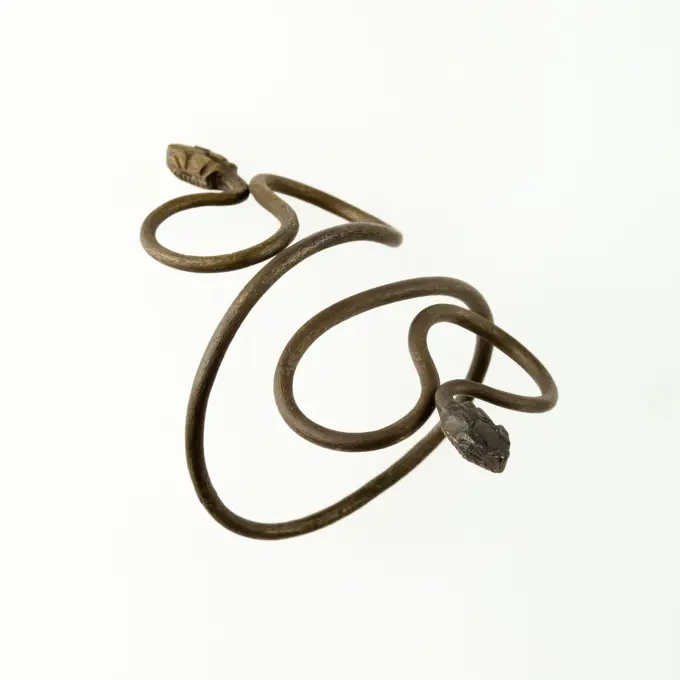
Bracelet with Two Snake-Head Terminals 304 B.C.-A.D. 364 Ptolemaic or Roman Period. Bracelet with Two Snake-Head Terminals 551874. Round box with a red-brown surface. Decorated with the help of the Guribori technique, so that different layers of red and black are visible. Inscription on the bottom and signed "Zokoku".Obsidian isolatedBroad collar terminal. Dimensions: l. 7.8 cm (3 1/16 in). Dynasty: Dynasty 12, late-early 13. Date: ca. 1850-1640 B.C.. Museum: Metropolitan Museum of Art, New York, USA.Fragment of a terracotta neck-amphora (jar). Culture: Greek, Attic. Dimensions: Overall: 3 1/8 x 3 5/8 in. (7.9 x 9.2 cm). Date: ca. 515 B.C..Head of a satyr holding a bunch of grapesAlthough little of the decoration is preserved, the satyr's mannerliness is suggested by his delicate fingers and impeccable beard and moustache. Euphronios' use of added clay for the grapes indicates his interest in special surface effects. Museum: Metropolitan Museum of Art, New York, USA.Cameo 1865-1885 France. Stone .Pendant with tariff stamp Municipal mail 6 groszyRosette ca. 9th-7th century B.C. Assyrian. Rosette 324778Carnelian scarab 5th century B.C. Greek Lioness lying down.. Carnelian scarab. Greek. 5th century B.C.. Carnelian. Classical. GemsObsidian arrowheads from the southwest , Archaeological assemblages, Charles F. Walcott Archaleogical CollectionDragon Pendant 400 BCE-200 BCE China. Jade .Military Helmet Military helmet. Vector illustration Copyright: xginko13xFish hook Japan These implementsan arrowhead, fishhooks, needle, and harpoonwere skillfully carved from bone, a material worked by Japanese artisans since Paleolithic times. They were found in the Obara Shell Mound at Ofunato Bay in Iwate Prefecture. According to information gleaned from shell mounds, or middens, the people of the Jomon period relied on a variety of strategies to obtain food. The large number of fishhooks, fashioned with and without barbs, together with the rich array of marine remains found in these rubbish heaps since very early times indicate that some fifty species of fish and shellfish constituted an essential dietary staple. Toggle-head harpoons, a later innovation, facilitated the hunting of sea mammals. Attaching a line to the toggle allowed the hunter to draw in his prey once the toggle had broken away from the harpoon shaft. Further evidence gathered from these refuse dumps suggests that the Jomon people also relied heavily on nuts, collected most actively Ojime 19th century Japan. Ojime. Japan. 19th century. Edo period (1615-1868). OjimeVase, Emile Gallé, French, 1846 - 1904, Etablissement Gallé, French, 1904-1931, Glass, Tall vase with wide base and narrow foot, straight shoulder and flared mouth; decorated with peach-colored flowers on white and yellow background., Nancy, France, late 19th-early 20th century, glasswares, Decorative Arts, VasePair of Sword-Grip Ornaments (Menuki) 18th century Japanese Menuki are a pair of ornamental sword fittings attached to either side of a sword hilt.. Pair of Sword-Grip Ornaments (Menuki). Japanese. 18th century. Copper-gold alloy (shakud), silver, gold, copper. Sword Furniture-MenukiToken money. Artist: Worcester factory (British, 1751-2008). Culture: British, Worcester. Date: ca. 1780. Museum: Metropolitan Museum of Art, New York, USA.Military dog tags, old-style vectorPair of Sword-Grip Ornaments (Menuki). Culture: Japanese. Dimensions: Menuki (a); L. 2 in. (5.1 cm); Wt. 0.2 oz. (5.7 g); menuki (b); L. 2 in. (5.1 cm); Wt. 0.3 oz. (8.5 g). Date: 17th century. Museum: Metropolitan Museum of Art, New York, USA.Omphale figure 100 BC-300 AD Ptolemaic or Roman Period Long termed Baubo figures, figures of a woman with legs raised to expose her genitals have recently been identified as Ompahle. Omphale was a figure of Greek mythology whose liaison with Herakles gave her power over the womb and the travails of childbirth and, by extension, over rebirth after death.. Omphale figure. 100 BC-300 AD. Faience. Ptolemaic or Roman Period. From EgyptSnuff Box c 1791-1814 Massachusetts. Silver . Loring Bailey (Maker)Fragment Pijpensteel from the wreck of the East Indians Hollandia, Anonymous, 1700 - in Or Before 1743  Pipe, stem; fragment. Netherlands pipe clay   SecondThigh Defense 15th century Turkish. Thigh Defense 634090Sealing ca. 7th century A.D. Sasanian. Sealing 323431Attic Black-Figure Band Cup Fragment. UnknownHair comb of (imitation) turtle with a wide back that has a shell -like shape in relief, anonymous, c. 1800 - c. 1825 Hair comb of (imitation) turtle with a wide back that has a shell -like shape in relief. Fourteen teeth. Netherlands (possibly) celluloid (cellulosic). cellulose acetate sawing / filing / polishing Hair comb of (imitation) turtle with a wide back that has a shell -like shape in relief. Fourteen teeth. Netherlands (possibly) celluloid (cellulosic). cellulose acetate sawing / filing / polishingChatelaine.   Maker: Joseph Shoemaker, American, 1765-1829Ring. UnknownAmulet probably depicting a benu bird. Dimensions: H. 2.1 × W. 2.8 cm (13/16 × 1 1/8 in.). Date: 400-30 BC.Starting in the later Late Period and continuing through the Ptolemaic Period, a type of glass amulet cast by pressing the glass into a shallow open mold appears. The back was left rough, and the amulets may look ragged because glass overflowed the mold around the edges. The earlier amulets are monochrome, bi- or multicolor amulets supplement the repertoire during the Ptolemaic Period.Some of the amulets can be specifically tied to spells of the Book of the Dead; for instance, the benu-bird is associated with spells 29B or 30B, and is called the 'soul of Re.' And most are clearly funerary amulets, presumably meant to be wrapped between the bandages of the mummy where the presence of the amulet would do its job irrespective of its degree of finish. Museum: Metropolitan Museum of Art, New York, USA.Four trays against white background.Children's cuff from white linen and bobbin, anonymous, c. 1760 - c. 1780 Kindermalchet van Kloskant. The round cuff has been wrinkled against the board, and consists of an inner edge of linen and an outer edge of Kloskant. The side has a pattern of elongated, silly scallops, on which a symmetrical, horizontal double drink supports. Binche (Possible) linen (material). Bobbi Lace / Binche Lace Kindermalchet van Kloskant. The round cuff has been wrinkled against the board, and consists of an inner edge of linen and an outer edge of Kloskant. The side has a pattern of elongated, silly scallops, on which a symmetrical, horizontal double drink supports. Binche (Possible) linen (material). Bobbi Lace / Binche LaceA rolled up caterpillar against a white background.Piece of gold ca. 3rd-7th century A.D. Sasanian. Piece of gold. Sasanian. ca. 3rd-7th century A.D.. Gold. Sasanian. Iran, Qasr-i Abu NasrRetro cartoon with texture. Isolated on White.Twisted Bangle 300 B.C.-A.D. 400 Thailand. Twisted Bangle 53382Simple ring, yellow copper, ring jewel clothing accessory clothing soil find brass copper metal d 0.4, cast Ring of yellow copper Smooth walled on the inside slightly curled on the outside. Undecorated archeology Rotterdam rail tunnel wear adorn status prosperity Soil discovery: railway tunnel 1988-1993.Anonymous. "Pair of collar legs of the train section chief (AFAT)". Mechanical embroidery. 1944-1945. General Leclerc Museum of Hauteclocque and the Liberation of Paris, Jean Moulin Museum. 158807-9light purple watercolor stain with wash white backdropA drop of oil serum on a purple background with beautiful highlights. High quality photo.Arain a frankincense shell against white background copyright: xzoonar.com/simonevoigtx 2626903Body Fragment of a Glass Vase with Festoon Decoration ca. 1390-1352 B.C. New Kingdom. Body Fragment of a Glass Vase with Festoon Decoration. ca. 1390-1352 B.C.. Glass. New Kingdom. From Egypt, Upper Egypt, Thebes, Malqata, Palace of Amenhotep III, probably factories, probably MMA 1911-1912. Dynasty 18Box.  Maker: Cutshing, Chinese, active ca. 1840-60Honorand: William ForrestRotated to left, Bignan logo, LogoApulian Red-Figure Bell Krater Fragment. UnknownMedal.  Subject: Chauncey Hall School, AmericanHonorand: George L. PerryShadow Puppet (Wayang Kulit) ofKudaTasty chocolate ship isolated on white backgroundGlass Fragment 12th-14th century French. Glass Fragment. French. 12th-14th century. Pot-metal glass, vitreous paint. Glass-StainedPhotograph of the Max Dvorak mausoleum at the Central Cemetery in Vienna XI, captured on silver gelatin paper with spray brush retouching in the background.Anonymous. "Insigne for the shoulder's shoulder of the Wehrmacht IM TSD" Offiziere IM Truppensonderdien ". Metal. 1944-1945. General Leclerc Museum of Hauteclocque and the Liberation of Paris, Jean Moulin Museum. 158813-24Yarn winder of tartanware, star-shaped. A yarn winder in tartanware. A six-lasting star with Scottish diamond in green, red, gray and black. Clan: 'M'Duff', raised in gold letters.Box at Penning 100th anniversary of the Dutch Society for the Promotion of Pharmacie 1842 - 1942, Royal Utrecht Factory of Silver Works by C.J. Desire, 1942 box White round cardboard box, inside with gray velvet covered. Lid for Print. Voorschoten paper. cardboard. velvet (fabric weave) printing