Archaeological Finds

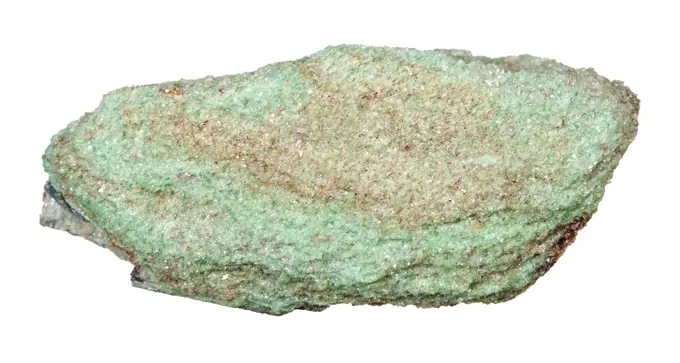
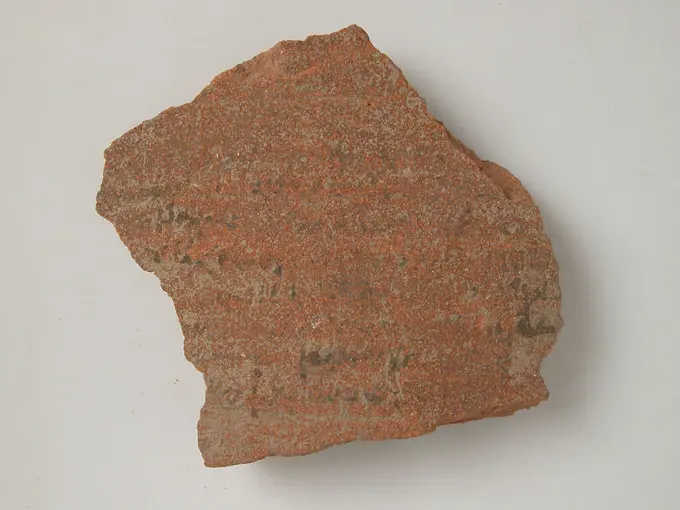
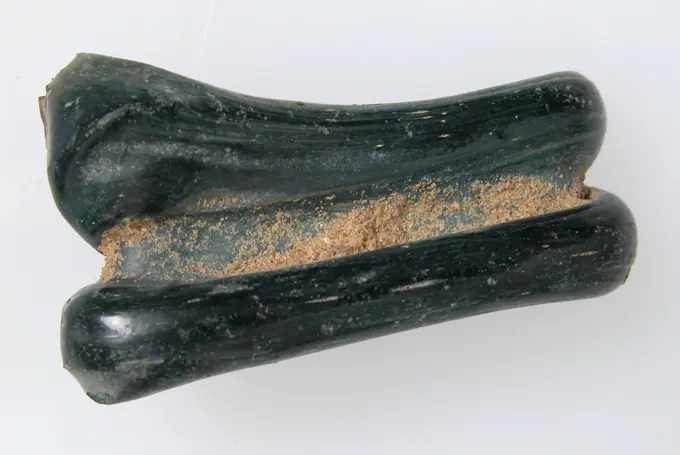
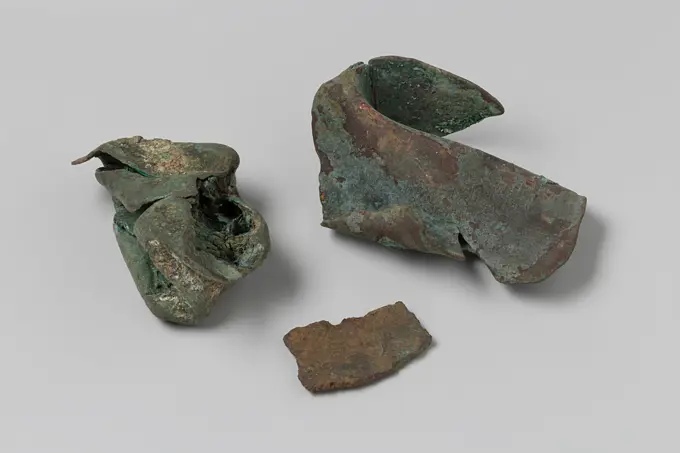
Various fragments of historical materials featuring eroded artifacts, indicative of ancient civilizations.

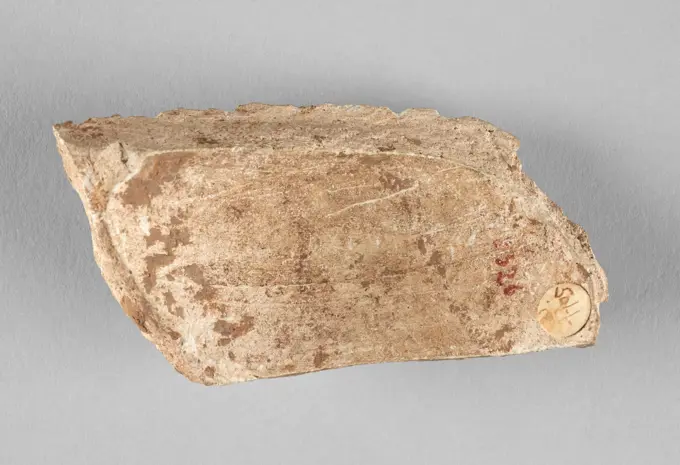
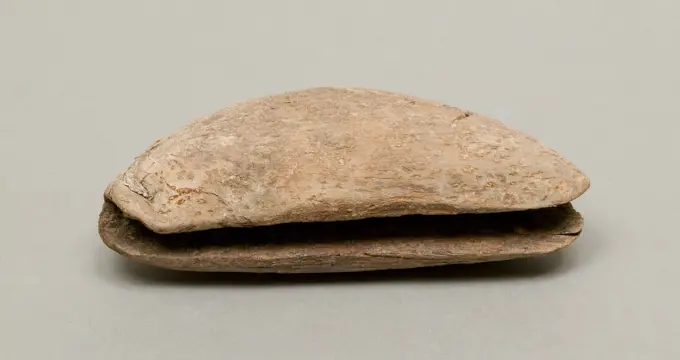
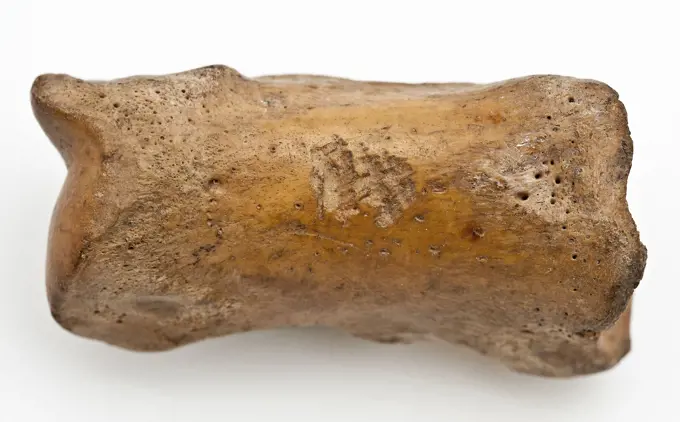
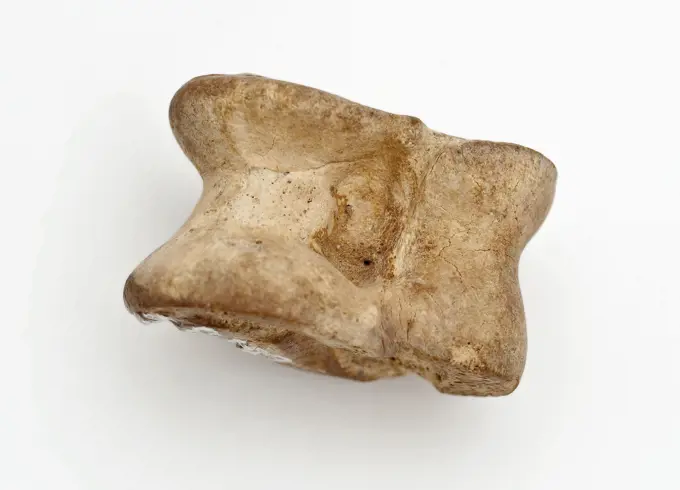
Hip bone of goat or sheep, part of the game of bibel, bickle game ground find leg, archeology Rotterdam Kralingen-Crooswijk Kralingen East Honey Dike game playing frogling Soil discovery: Honingerdijk 1982-05-23.
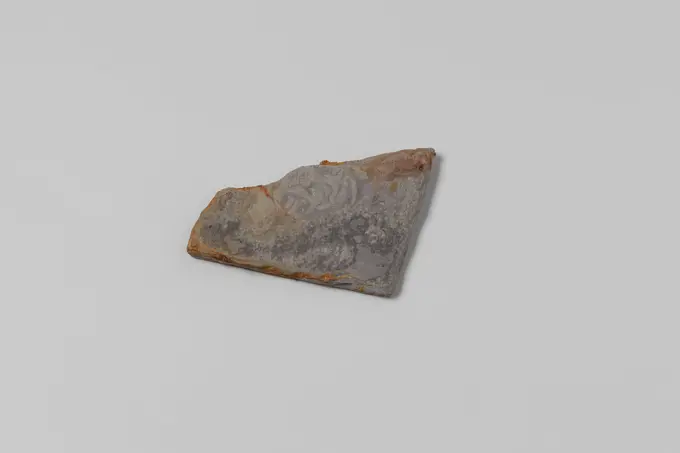
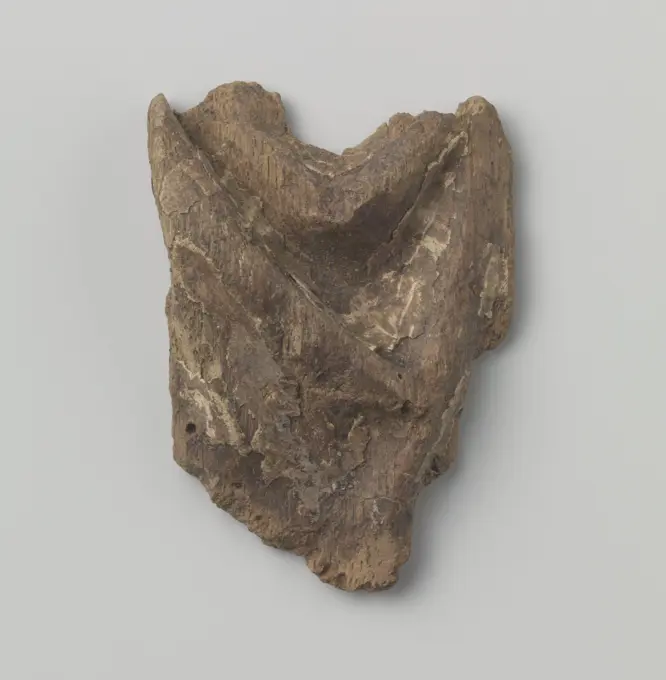
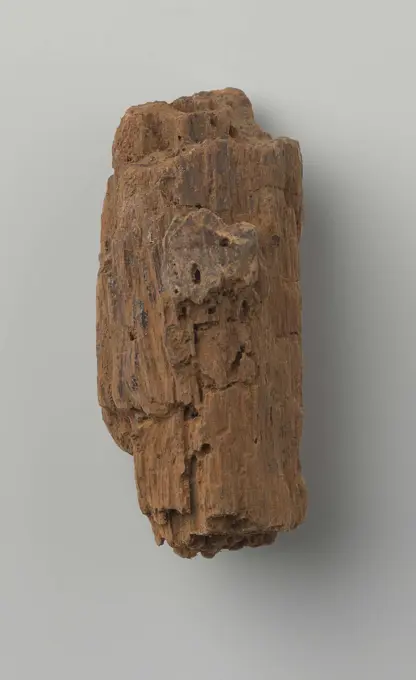
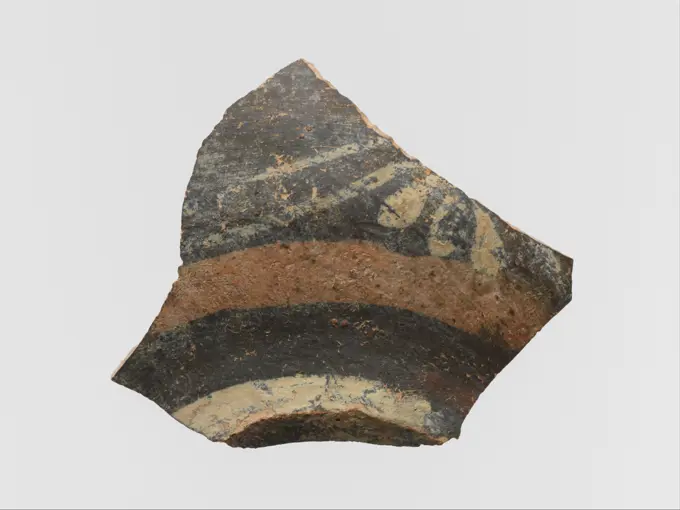
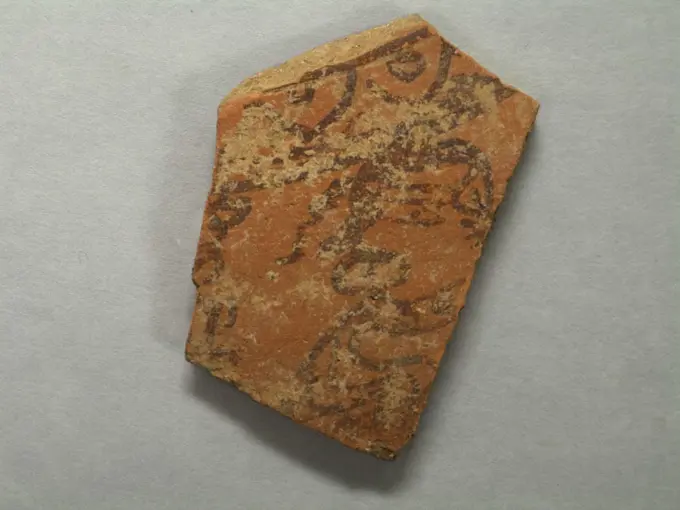
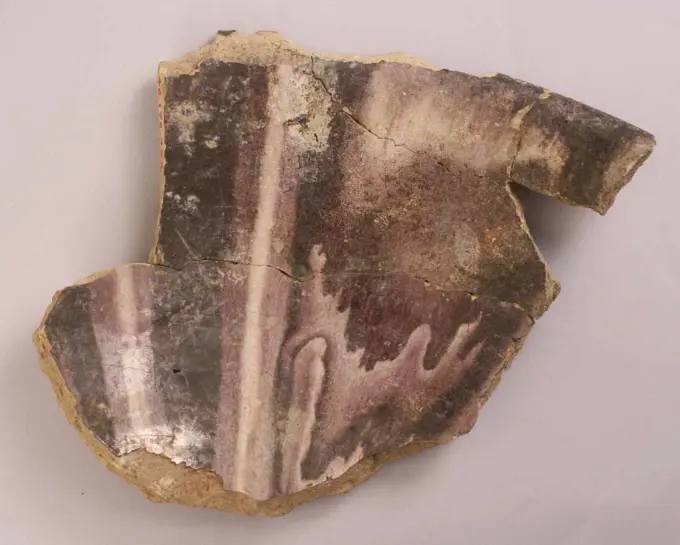
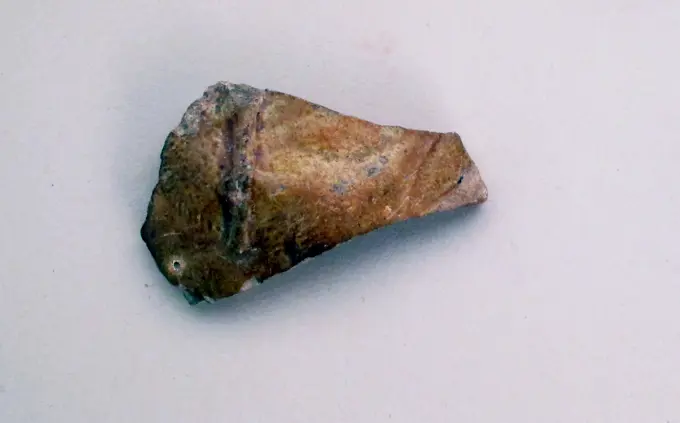
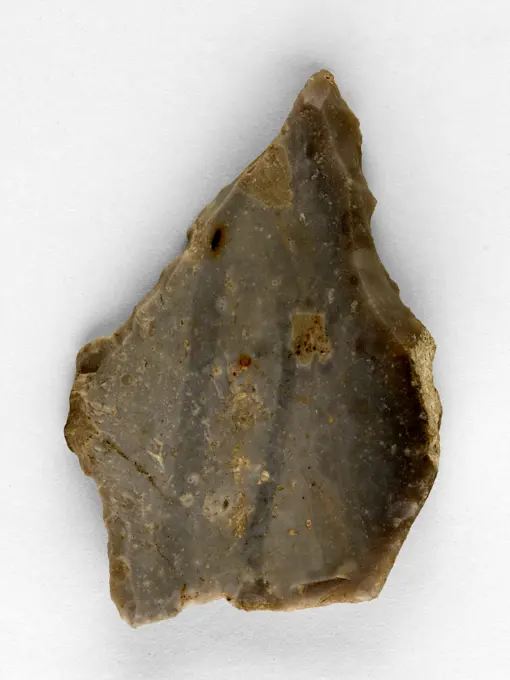
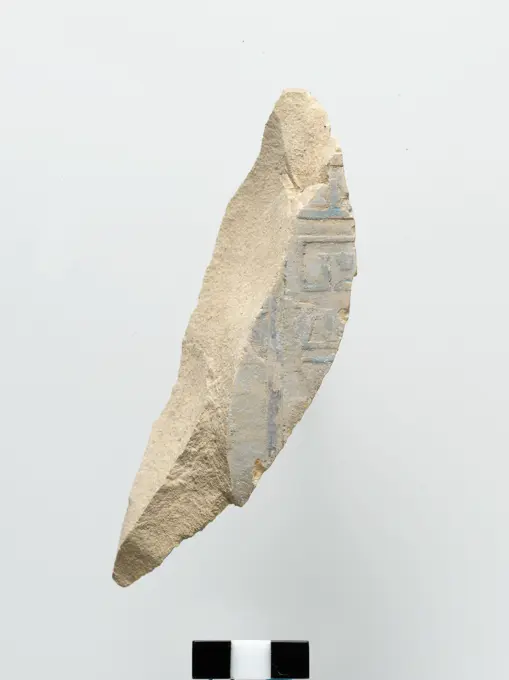
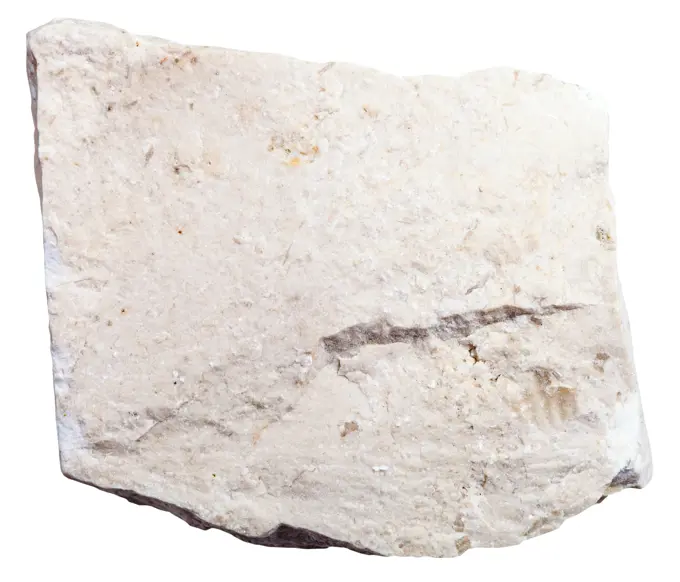
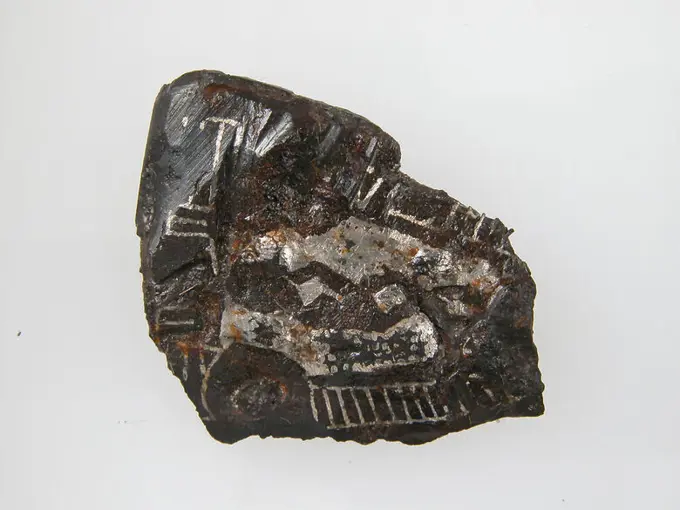
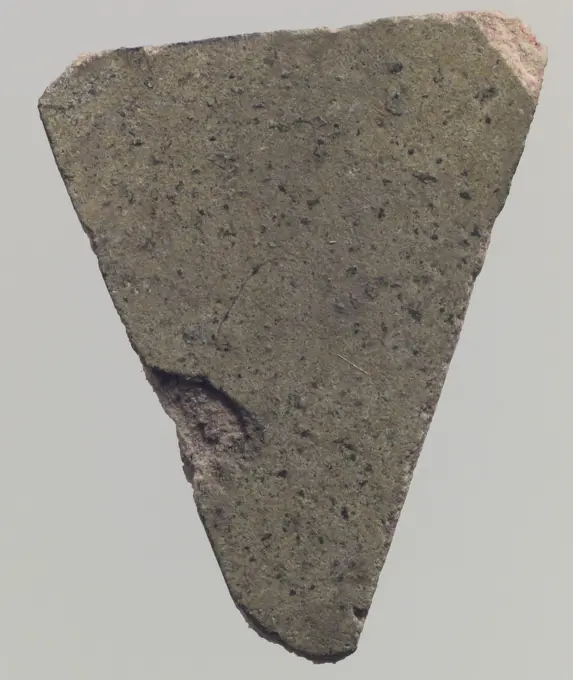
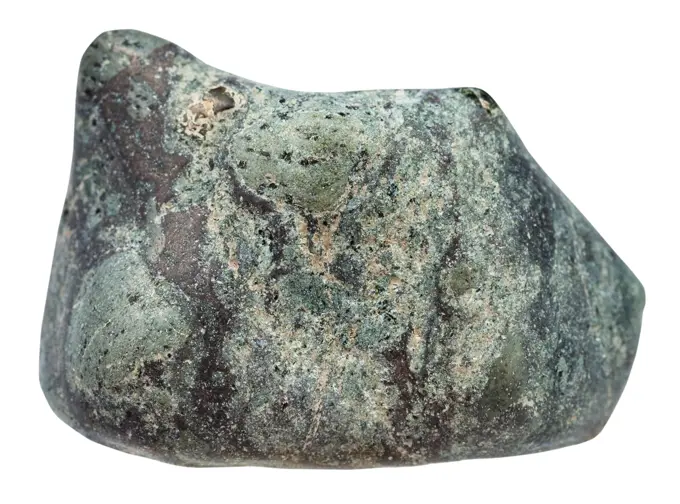
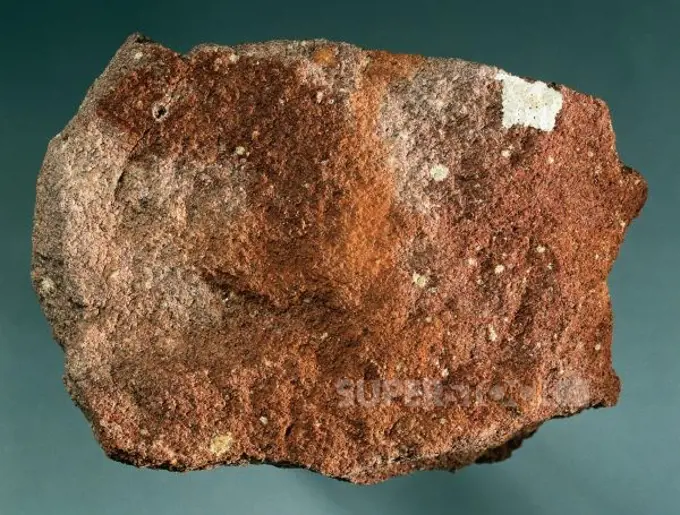
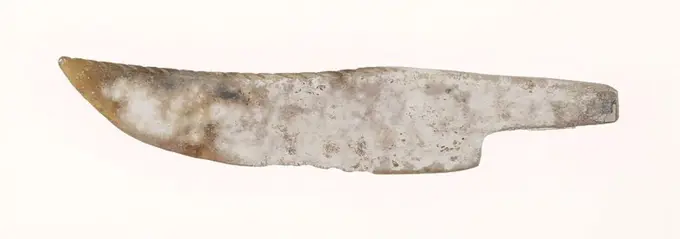
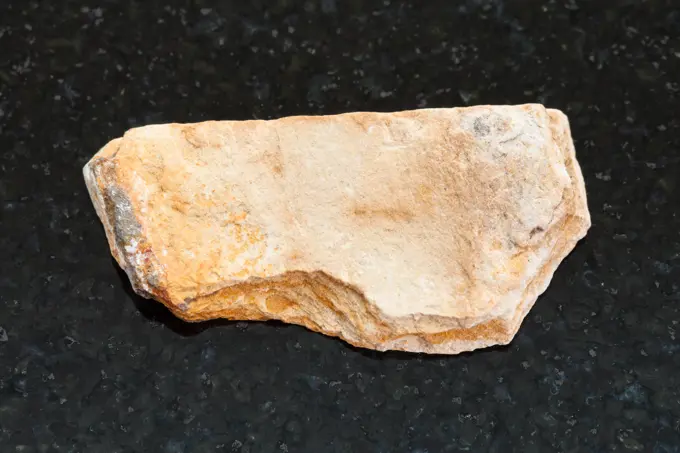
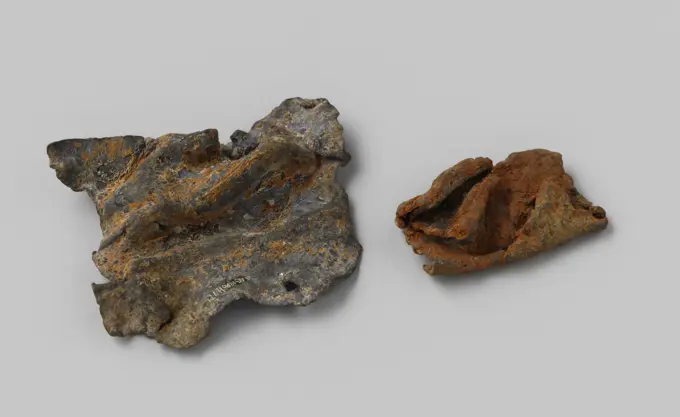
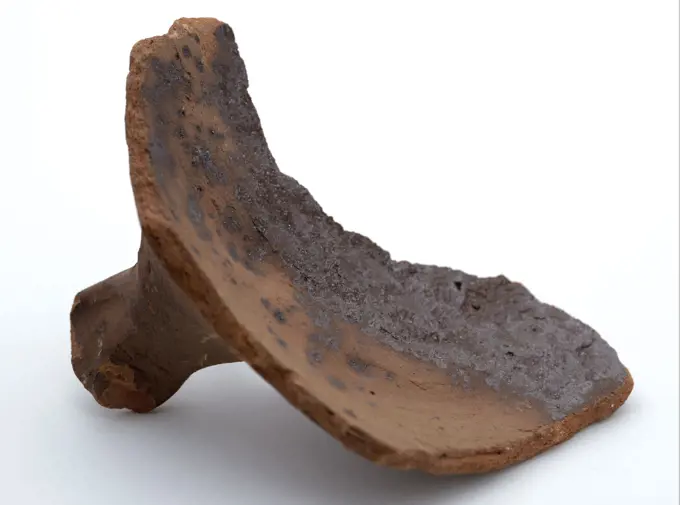
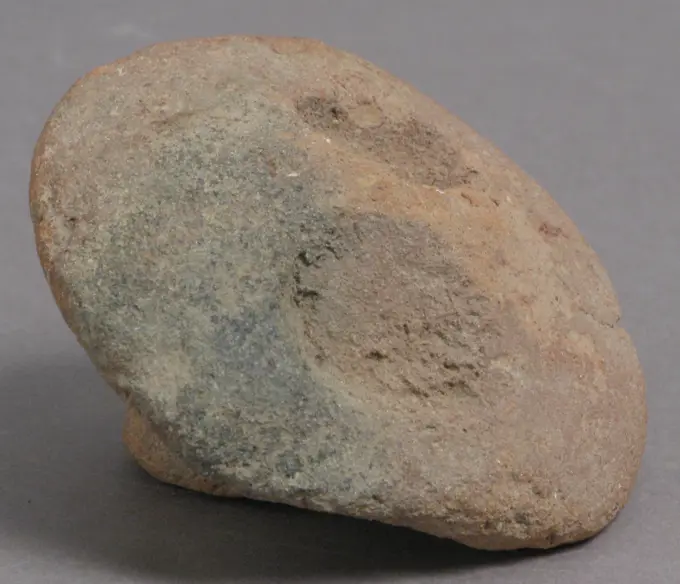
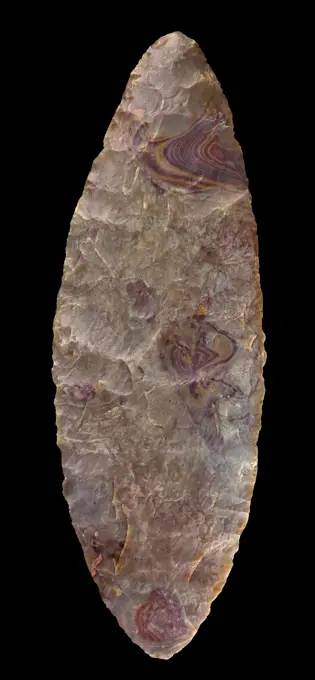
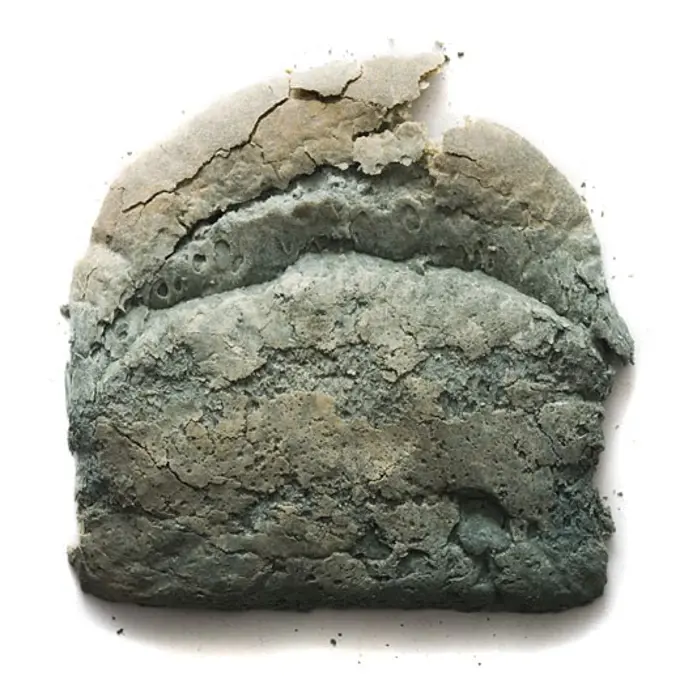
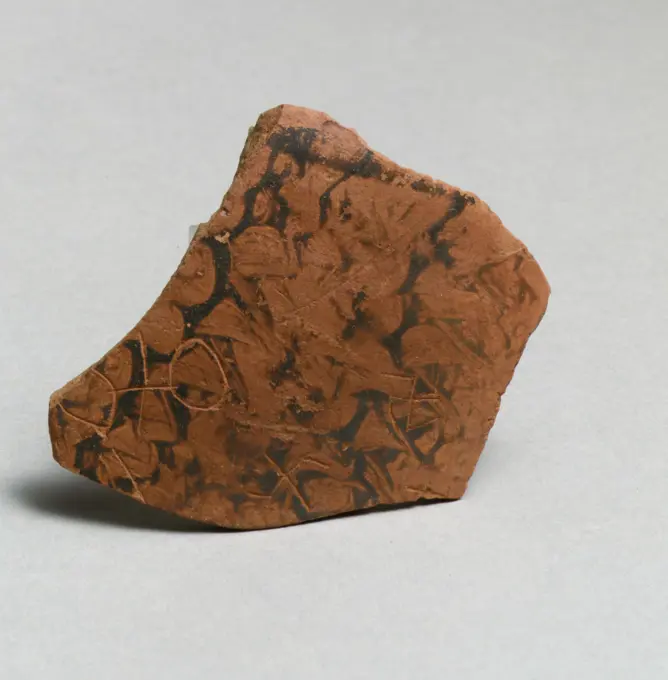
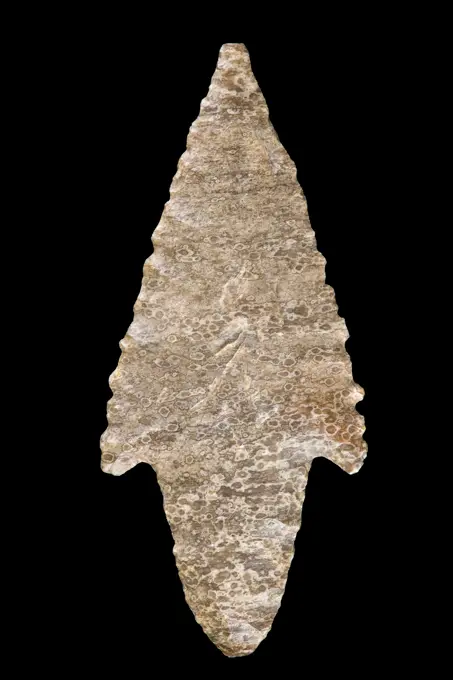
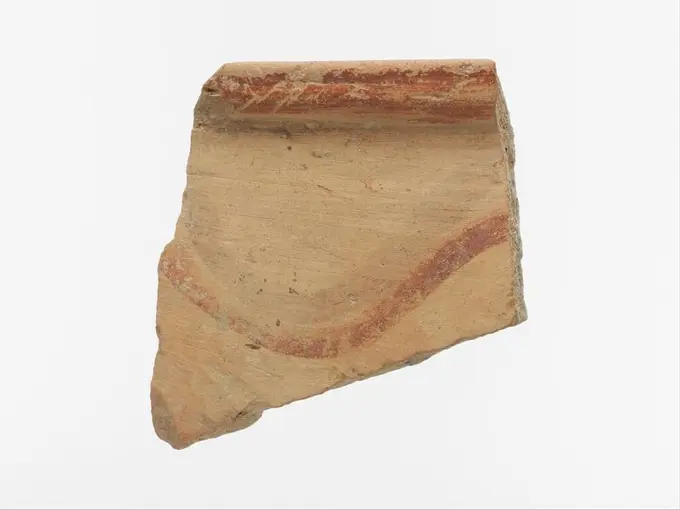
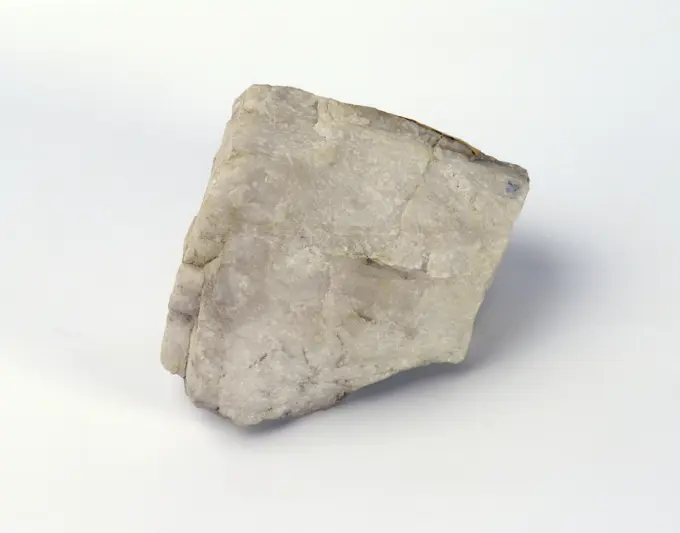
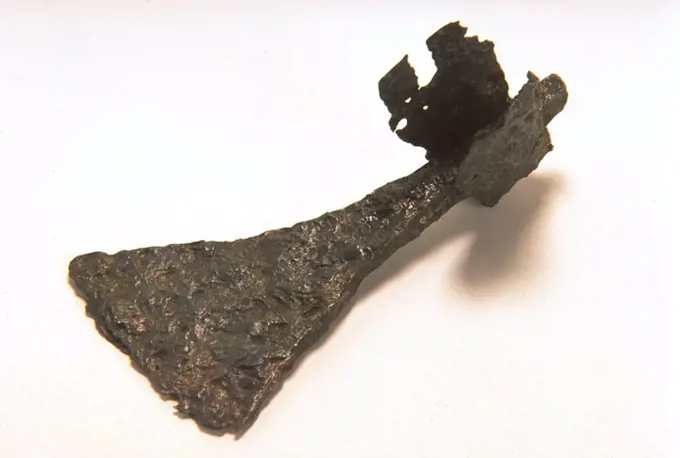
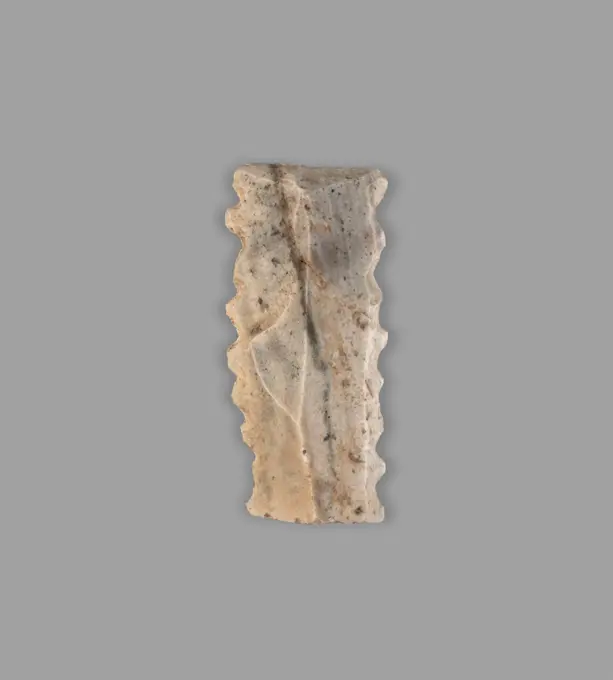
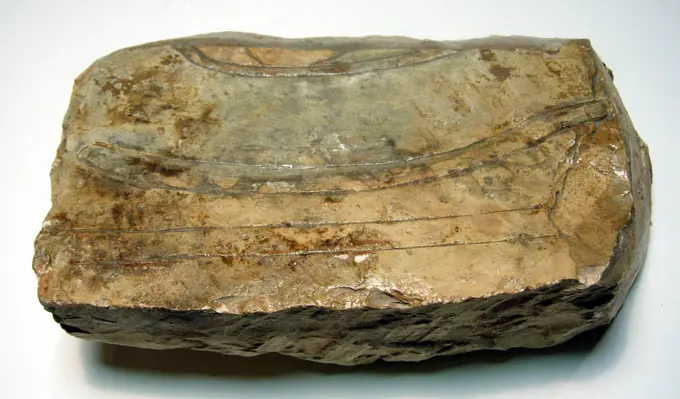
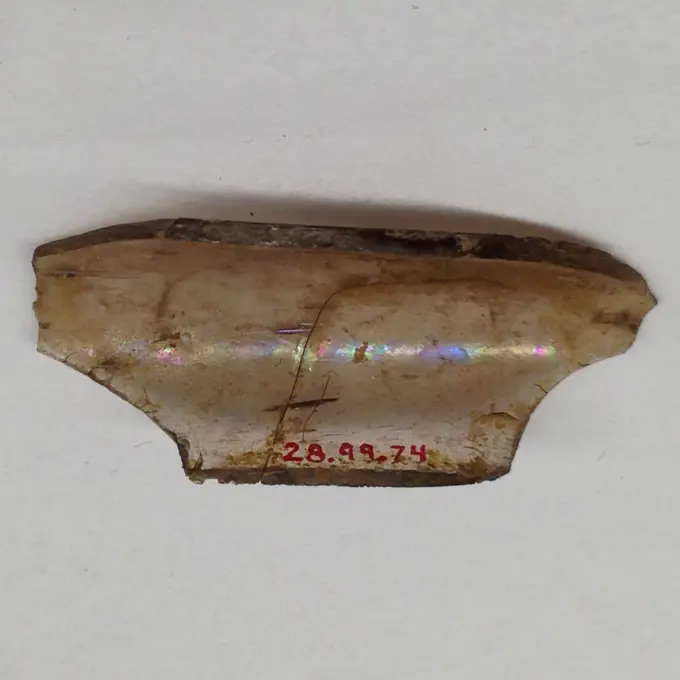
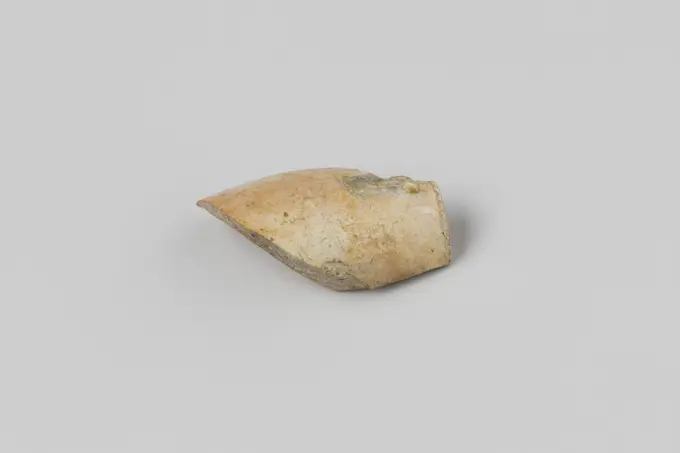
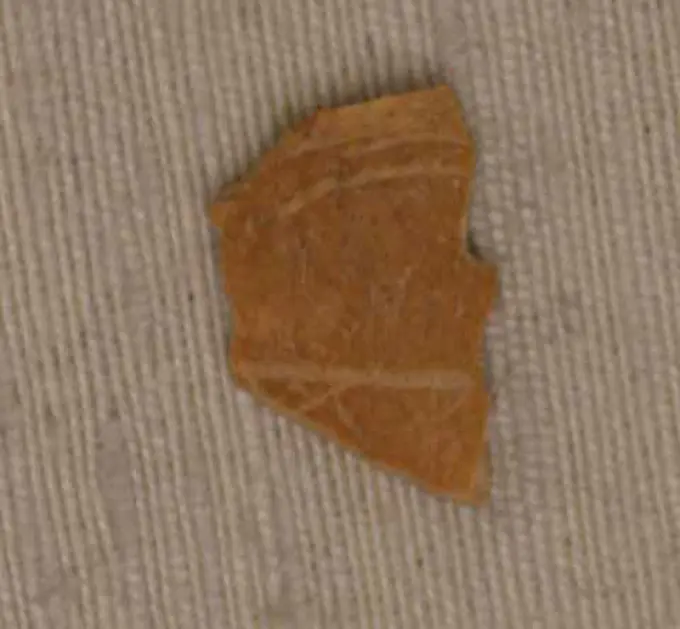
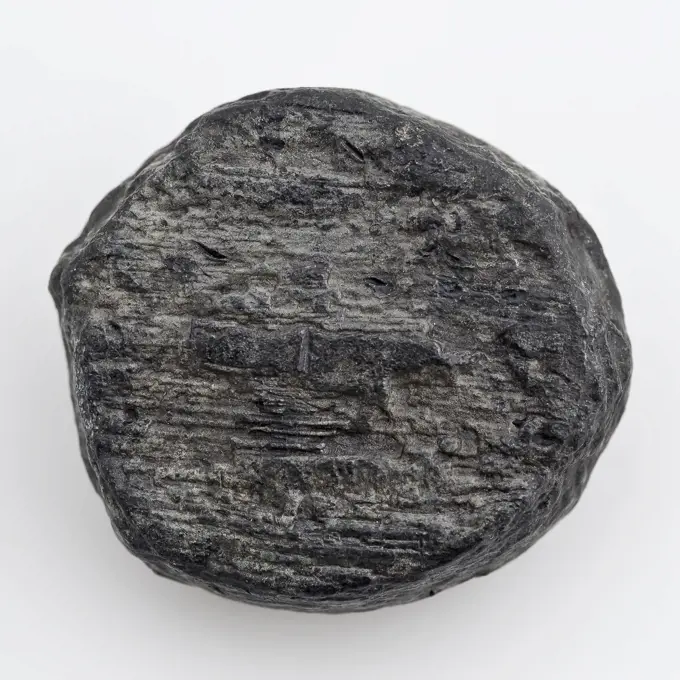
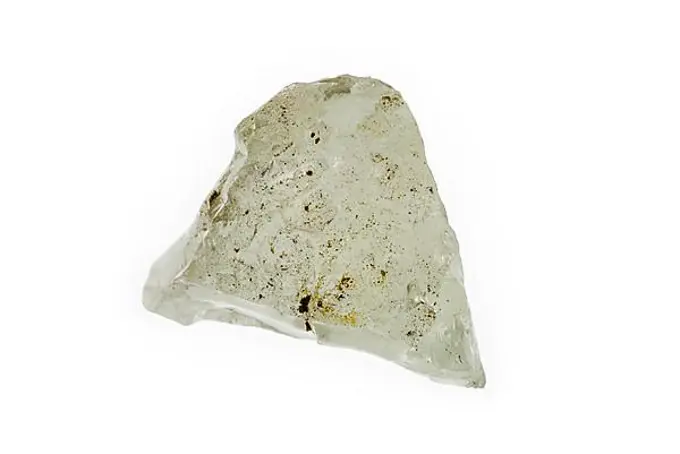
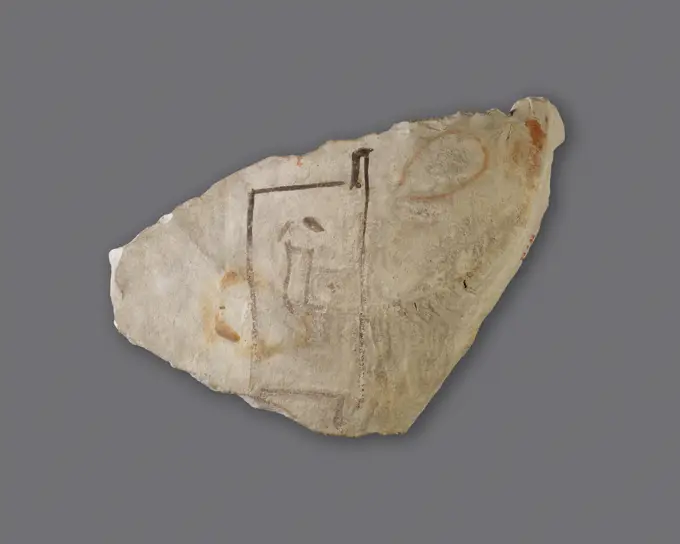
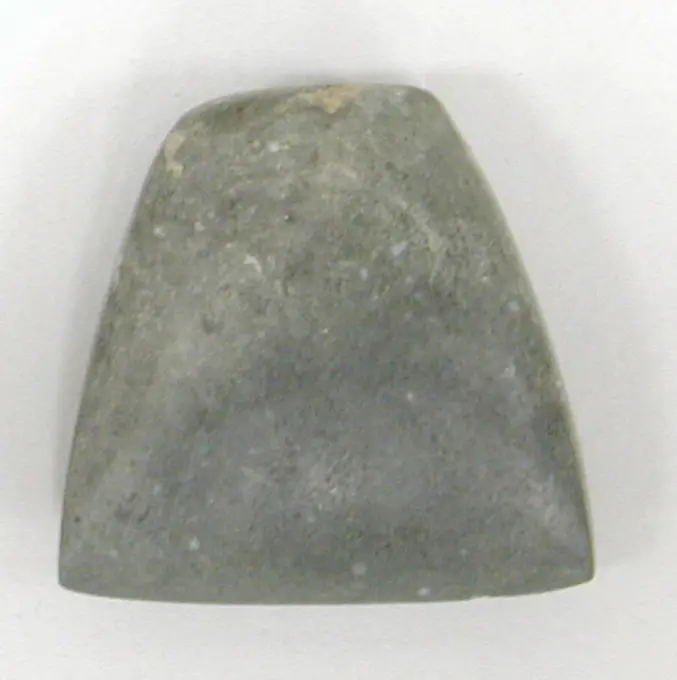
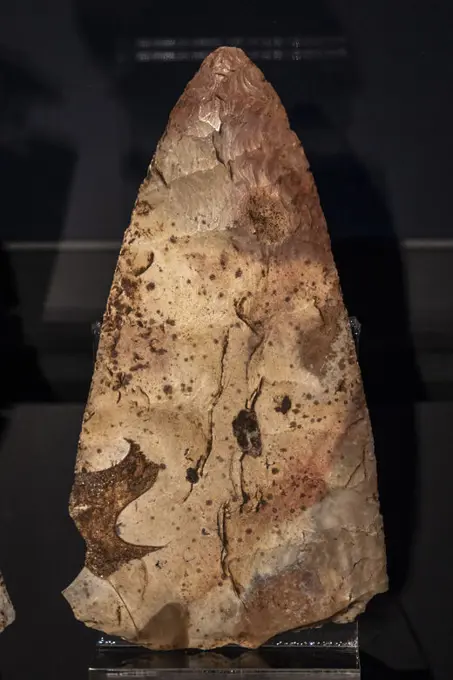
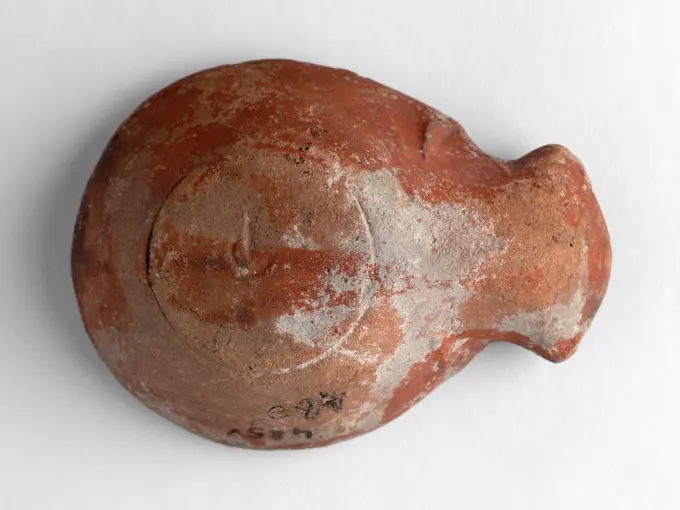
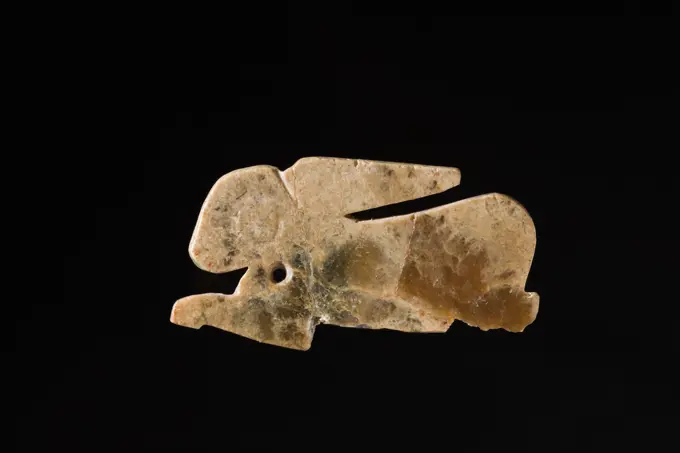
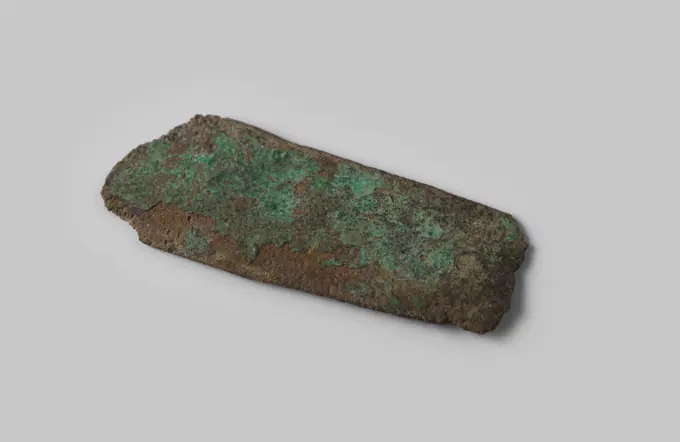
Grahal-Manzara. Carnavalet 2013-2016 collection sites. Numismatics.Fragment Leisteen from the wreck of the East Indiesman Hollandia. Parts or artifacts; eroded fragments: Materials; Slate.Fragment; (possibly) belonging to the retable of Soest, c. 1475 - c. 1499   wood (plant material)   wood (plant material)Hip bone of goat or sheep, part of the game of bibel, bickle game ground find leg, archeology Rotterdam Kralingen-Crooswijk Kralingen East Honey Dike game playing frogling Soil discovery: Honingerdijk 1982-05-23.Fragment; (possibly) belonging to the retable of Soest ..Fragment of a terracotta architectural tile 6th century B.C. Lydian Decorated terracotta tiles were fixed to the roof line and upper walls of Lydian houses.. Fragment of a terracotta architectural tile 252651 Lydian, Fragment of a terracotta architectural tile, 6th century B.C., Terracotta, Overall: 4 1/8 x 4 1/2 in. (10.5 x 11.4 cm). The Metropolitan Museum of Art, New York. Gift of The American Society for the Excavation of Sardis, 1926 (26.199.81)Terracotta vase fragment with floral decoration and bands ca. 1800-1700 B.C. Minoan From Knossos, CretePolychrome fragment with floral ornament in white and orange bands on dark ground.. Terracotta vase fragment with floral decoration and bands 248530Shard: Offerer ca. 4th-5th century Pakistan. Shard: Offerer 51251Mold or cover ca. 1295-1070 B.C. New Kingdom, Ramesside. Mold or cover. ca. 1295-1070 B.C.. Stone. New Kingdom, Ramesside. From Egypt, Memphite Region, Lisht North, MMA excavations. Dynasty 19-20Excerpt of copper from the wreck of the East Indians Hollandia, 1700 - in or before 1743  Parts of artefacts; eroded fragments: materials; copper. Netherlands copper (metal)   SecondFragment 9th century This object was excavated at Nishapur.Nishapur was a vital city in the early and middle Islamic periods, located along one of the main trajectories that connected Iran and West Asia Islamic lands with Central Asia and China. These itineraries are often referred to by the term Silk routes’ but were in fact crucial to the movement of constellations of materials and objects, as well as people and ideas. The diverse population of Nishapur and its surroundings, from the better-researched elite groups of merchants, land-owning aristocracy, and literates, to the less-known artisans, farmers, miners, and servants, were instrumental in adapting global cultural trends to create their own distinctive visual languages. This is seen in the material remains of everyday life in medieval Nishapur - from pots and pans to lighting devices, inkwells, textiles and trimmings, jewelry, games and toys, talismanic devices, weapons, coins, and architectural fragments.Nishapur lost its polVase fragment Roman Fragment of a green-glazed vase; part of a horse.. Vase fragment. Roman. Terracotta. VasesChisel. Paleolithic. Direct size. Coming from: Villejuif. Paris, Carnavalet museum. Goal Age Pierre Taillee, chisel, tool, paleolithic, prehistory, prehistoric, direct sizeOracle bone fragment China. Oracle bone fragment. China. Inscribed bone. Shang dynasty (ca. 1600-1046 B.C.). BoneEarring or spiral Cypriot. Earring or spiral 242694Relief fragment from the tomb of Meketre ca. 1981-1975 B.C. Middle Kingdom. Relief fragment from the tomb of Meketre 669023Wall casing 664-610 B.C. Late Period, Saite see 23.3.468. Wall casing 548145Carnavalet Museum, Medals CollectionBallastlood from the wreck of the East Indians Hollandia, Anonymous, 1700 - in or Before 1743  Ingot; (1) sim. NG 1979-268H, slightly curved (71l, 15.8w, 9h), corroded, no marks visible. Netherlands lead (metal)   Secondchemogenic Limestone mineral isolated on white macro shooting of sedimentary rock specimens - chemogenic Limestone mineral isolated on white background Copyright: xZoonar.com/ValeryxVoennyyx 9620072Belt Plate Fragment. Culture: Frankish. Dimensions: Overall: 1 3/16 x 1 1/8 x 2 3/8 in. (3 x 2.8 x 6 cm). Date: 4th-7th century. Museum: Metropolitan Museum of Art, New York, USA.Furniture element ca. 18th century B.C. Old Assyrian Trading Colony. Furniture element 329699Excerpt of copper from the wreck of the East Indians Hollandia, 1700 - in or before 1743  Parts of artefacts; eroded fragments: materials; copper. Netherlands copper (metal)   Secondpebble of Suevite impactite breccia stone macro shooting of specimen of natural mineral - pebble of Suevite impactite breccia stone isolated on white background Copyright: xZoonar.com/ValeryxVoennyyx 9927018Fragmentary ears cut. Cernuschi Museum, Asia Museum of Asia in the city of Paris.Bauxite, oxide.Anonymous, fragment (common name). White terracotta based on kaolin. Cernuschi Museum, Asia Museum of Asia in the city of Paris.Bowl 4th-7th century Coptic. Bowl 478510Closing from the wreck of the East Indies Hollandia, Anonymous, 1700 - in or before 1743 cap Fitting, cover; fragm, disc-shaped, circular, slightly domed, concentric circle engravings, vertical rim with circular holes. Netherlands copper (metal)   SecondNet floater ca. 1295-1070 B.C. New Kingdom, Ramesside. Net floater. ca. 1295-1070 B.C.. Wood. New Kingdom, Ramesside. From Egypt, Memphite Region, Lisht North, Cemetery, MMA excavations. Dynasty 19-20Encrusted Glass Pendant. Unknown 3rd-1st century B.C.Fragment of a Glass Bottle. Culture: Syrian. Dimensions: (b) L. 2 3/8 in. (6 cm). Date: 13th century. Museum: Metropolitan Museum of Art, New York, USA.Knife. China. Date: 1600 BC-1045 BC. Dimensions: 3 3/16 × 1 1/8 × 3/16 in. Jade. Origin: China. Museum: The Chicago Art Institute, Chicago, USA.rough Shale stone on dark background macro shooting of natural mineral rock specimen - rough Shale stone on dark granite background Copyright: xZoonar.com/ValeryxVoennyyx 11383805Fragment; (possibly) belonging to the Retable of Soest. .Fragment of a Porcelaneous Bowl 9th century. Fragment of a Porcelaneous Bowl 447651Fragments of Tin from the wreck of the East Indians Hollandia, Anonymous, 1700 - in Or Before 1743 fragment Varied parts or fragments, sheet metal fragments: worked; fragm, squashed, eroded; irregular rims, 3 circular holes, connected by engraved lines forming a pattern of squares. Netherlands tin (metal)   SecondFragment of red earthenware, partly with glaze, fragment crockery holder kitchen utensils earthenware ceramics pottery glaze lead glaze, hand-shaped hand-turned baked Fragments of red pottery Frying pans jugs pots of grass and soil of small jug Sparingly or only partially glazed with lead glaze archeology Rotterdam City center Stadsdriehoek Hoogstraat indigenous pottery water washing cooking nutrition food preparation handicraft pottery Soil discovery Hoogstraat Rotterdam June 15, 1983.Lid 4th-7th century Coptic. Lid. Coptic. 4th-7th century. Earthenware. Made in Kharga Oasis, Byzantine Egypt. CeramicsGreece, Sarmacja, Olmia, V The beginning of the 4th century BC, Dolphin money, AE MintBracelet, armlet. Bracelet, armlet 243869Point in chipped stone. Neolithic period. North Africa. 13,5 cm.Moldy slice of breadScherf of a jug of the wreck of the East Indians Hollandia, Anonymous, 1700 - in or Before 1743  Stoneware, Rhenish, Westerwald, jug; fragm of body with traces of blue paint, sim. NG 1980-27H2615. Westerwald stoneware   SecondVase fragment East Greek/Sardis, Lydian. Vase fragment 252618 East Greek/Sardis, Lydian, Vase fragment, Terracotta, width 2 1/16in. (5.2cm) length 2 7/16in. (6.2cm). The Metropolitan Museum of Art, New York. Gift of The American Society for the Excavation of Sardis, 1926 (26.199.22)Fragment; (possibly) belonging to the retable of Soest, c. 1475 - c. 1499   wood (plant material)   wood (plant material)Arrowhead with peduncle in cut stone. Neolithic period. North Africa. 2,9 cm.Limb () ca. 1353-1336 B.C. New Kingdom, Amarna Period. Limb (). ca. 1353-1336 B.C.. Indurated limestone. New Kingdom, Amarna Period. From Egypt, Middle Egypt, Amarna (Akhetaten), Great Temple of the Aten, pit outside southern wall, Petrie/Carter excavations, 1891-92. Dynasty 18Decorative batter from the wreck of the East Indies Hollandia, Anonymous, 1700 - in or Before 1743  Fitting, decorative fitting or fragment; fragm, id. NG 1980-27H1051, squashed, eroded. Netherlands lead (metal)   SecondAnthropomorphic Eccentric Flint. Belize, Guatemala, Honduras, or Mexico, Maya, 600-900 CE. Stone. ChertTerracotta rim of a vase. Culture: Helladic. Dimensions: Other: 1 5/8in. (4.2cm). Date: ca. 2000-1600 B.C..Matt-painted ware. Museum: Metropolitan Museum of Art, New York, USA.Beads 8th-13th century. Beads 458001Fragments Lead from the wreck of the East Indians Hollandia, 1700 - in Or Before 1743 fragment Parts of artefacts; eroded fragments: materials; lead. Netherlands lead (metal)   SecondDrawing 664-610 B.C. Late Period, Saite see 23.3.468. Drawing 548171Metamorphic rock , QuartziteLid 4th-7th century Coptic. Lid 478910Relief Fragment 6th-7th century Coptic. Relief Fragment 464700 Coptic, Relief Fragment, 6th7th century, Ivory, Overall: 1 7/16 x 13/16 x 1/4 in. (3.7 x 2.1 x 0.7 cm). The Metropolitan Museum of Art, New York. Gift of J. Pierpont Morgan, 1917 (17.190.86)Buckle, 600s. Merovingian, Burgundian, Migration period, 7th century. Iron with silver overlay; overall: 15.6 cm (6 1/8 in.).AZADA DE LANGA. EDAD DEL HIERRO CULTURA CELTICA. (DEPOSITO: MUSEO ARQUEOLOGICO NACIONAL).Blade - insert to the sickle;  4-3 thousand BC (-4000-00-00--2001-00-00);Culture Uruk (approDigit from cow's leg, part of throwing game: koot, koot game piece relaxant soil find leg, Bone on long side an unclear figure incised possible mark archeology Rotterdam rail tunnel play kootkoot fikkelen Soil discovery: trajectory rail tunnel Rotterdam.Playing Task from the wreck of the East India Hollandia. Rectangular, Square, Flat, Engraved Diagonal Cross on One Side, Game token.Poland, Kazimierz Jagiellończyk (1447 1492), Denar, 1455 1479, Town of Krakow Kazimierz Jagiello Czyk (1447 92)macro shooting of natural mineral rock specimen - raw Paragonite stone isolated on white background from Borisovskie Hills (Sopki) mine, Ural Mountains, RussiaOstrakon. Culture: Coptic. Dimensions: H: 3 3/8 in. (8.5 cm); W: 3 11/16 in. (9.3 cm); Depth: 9/16 in. (1.5 cm). Date: 4th-7th century. Museum: Metropolitan Museum of Art, New York, USA.Stamp Seal. Iran, Mesopotamia, Achaemenid Period, 6th-late 4th century B.C.. Tools and Equipment; seals. Burnt agateGlass Fragment 4th-early 5th century Coptic. Glass Fragment 477307Fragments from buyer from the wreck of the East India Hollandia.parts or artifacts; eroded fragments: Materials; Copper.Poland, Kazimierz Jagiellończyk (1447 1492), Denar, 1455 1479, Town of Krakow Kazimierz Jagiello Czyk (1447 92), Mint of KrakowBird Plaque Ornament 3rd century B.C.-A.D. 2nd century Vicús. Bird Plaque Ornament. Vicús. 3rd century B.C.-A.D. 2nd century. Copper, gilt. Peru. Metal-Ornamentsmacro shooting of natural mineral rock specimen - raw Paragonite muscovite stone isolated on white background from Borisovskie Hills (Sopki) mine, Ural Mountains, RussiaOracle bone fragment China. Oracle bone fragment. China. Inscribed bone. Shang dynasty (ca. 1600-1046 B.C.). BoneSunk relief fragment 664-610 B.C. Late Period, Saite see 23.3.468. Sunk relief fragment. 664-610 B.C.. Limestone, varnish. Late Period, Saite. From Egypt, Upper Egypt, Thebes, Deir el-Bahri, Tomb of Nespekashuty (TT 312, MMA 509), Lunette, 2nd chamber, MMA excavations, 1922-23. Dynasty 26Fragment ca. 1150-ca. 1250 European or Middle Eastern. Fragment 693775Decorative batter from the wreck of the East Indies Hollandia, Anonymous, 1700 - in or Before 1743  Fitting, decorative fitting or fragment; fragm of straight lower rim, scrolling cartouches of dot, floral and shell motifs, flat, squashed, eroded. Netherlands lead (metal)   Secondmacro shooting of natural mineral rock specimen - tumbled olivinite stone isolated on white background from Kovdor region, Kola Peninsula, RussiaFragment blowjob from the wreck of the East Indieschief Hollandia. Pipe, bowl, healermark illegible; fragment.Fragment of a Book Cover 5th-8th century. Fragment of a Book Cover 449183Fragment of a Bowl 11th-12th century. Fragment of a Bowl 450793Fire hose ring from the wreck of the East Indieschief Hollandia. Firehose, Fragm, ID. NG 1975-20H1271A, Squashed.Fragment of hipposandal (title awarded). Iron. Carnavalet museum, history of Paris.Lead disk, disc artefact foundations lead metal, gram cast Loden disc Smooth side and very rough silk with the structure of wood Function unknown archeology Rotterdam City triangle Kralingen-Crooswijk Struisenburg Admiraliteitskade Soil discovery: Admiraliteitskade.Beryl specimen, mineral composed of beryllium aluminium cyclosilicate on white backgroundOstracon with sketch of a door 664-610 B.C. Late Period, Saite The courtyard rubbish outside Nespekashuty's tomb reflects long periods of use, a situation which complicates the dating and understanding of the painted ostraka found there.. Ostracon with sketch of a door. 664-610 B.C.. Limestone, ink. Late Period, Saite. From Egypt, Upper Egypt, Thebes, Deir el-Bahri, Tomb of Nespakashuty (TT 312, MMA 509a), MMA excavations, 1922-23. Dynasty 26Celt before 16th century Maya () Greenstone axe heads, commonly known as “celts,” were some of the most important works of art across ancient Mesoamerica and Central America. Created from jadeite mined from the Motagua River Valley of southern Guatemala, or using local green stones from highland Mexico, celts were first created by the Olmec peoples of the Gulf Coast after 1000 B.C. The Olmec conceived of green celts as sprouts of maize and thus “planted” celts in dedicatory offerings, activating ceremonial spaces and perpetuating agricultural fertility. For the later Maya peoples, celts also served as dedicatory materials, but more so as adornments for the royal bodies of kings and queens. Often the celts would be thinned into celt-shaped plaques, strung together in pairs and triads in order to create belt assemblages that would have clinked with the sound of jades striking one another. Tombs from the Classic Period (ca. AD 250-900) contain celts of jadeite and various greenstones froGreece, Sarmacja, Olmia, V The beginning of the 4th century BC, Dolphin money, AE MintRelief fragments from tomb of Meketre. Dynasty: Dynasty 12. Reign: reign of Amenemhat I, early. Date: ca. 1981-1975 B.C.. Museum: Metropolitan Museum of Art, New York, USA.Stone Celt before 16th century Mexican. Stone Celt 317258Glass cameo cup fragment. Culture: Roman. Dimensions: Overall: 1 1/4 x 1 7/16 in. (3.2 x 3.7 cm). Date: end of 1st century B.C-beginning of 1st century A.D..Translucent cobalt blue with overlays in opaque white and translucent dark blue.Vertical rim with everted lip and beveled inner edge; cylindrical body with slightly convex curving side.On interior, horizontal groove below rim; on exterior, in relief female figure in white, probably standing, facing left and holding up in front of her in both hands a large oval object, perhaps a drum or tambourine; her head is in profile with her hair in blue overlay arranged in a fringe and thick hanging tresses at back; on the left are the tips of two leafy sprays or branches.Rim fragment with chip at left, broken at sides and bottom; dulling, slight pitting, whitish weathering on exterior, and faint iridescence.Rotary grinding marks on interior. Museum: Metropolitan Museum of Art, New York, USA.Tool Fragment ca. 90,000-5,000 B.C. Paleolithic to Neolithic. Tool Fragment. ca. 90,000-5,000 B.C.. Flint. Paleolithic to Neolithic. From Egypt, Western Desert; Kharga Oasis, Beledeh District, W and NW of Christian necropolis, surface find, MMA excavations, 1908-10halberd, flint, 3000-2500 BC, Casaínhos, Loures, Portugal, Huelva Museum, Huelva, Andalusia, Spain.Ornament in the form of fish (original title (lounge or exhibition)). Cernuschi Museum, Asia Museum of Asia in the city of Paris.Fragment 14th-15th century. Fragment 446358Oil lamp. Terracotta. High Empire. Lion running to the left. Capitan collection. Paris, Carnavalet museum. Below, high-Empire, oil lamp, terracottaGlass Fragment 14th-15th century European. Glass Fragment. European. 14th-15th century. Colorless glass. Glass-StainedPendant (Peishi) in the Form of a Rabbit. China, Late Shang dynasty, Anyang phase, or early Western Zhou dynasty, about 1100-950 B.C.. Jewelry and Adornments; pendants. Abraded jadeDisc -shaped fragment from the wreck of the East Indians Hollandia, Anonymous, 1700 - in Or Before 1743 fragment Varied parts or fragments, discs and disc-shaped fragments; fragm, eroded, circular. Netherlands iron (metal)   SecondExcerpt of copper from the wreck of the East Indians Hollandia, 1700 - in or before 1743 fragment Varied parts or fragments, strips and strip-shaped fragments; fragm. Netherlands copper (metal)   SecondFragment brick from the wreck of the East Indians Princesse Maria, Anonymous, 1682 - 1686 brick (clay product) Brick from the wreck of the East Industrial Princesse Mary. Netherlands brick (clay product)Vase fragment East Greek/Sardis, Lydian Incised lines.. Vase fragment 252702 East Greek/Sardis, Lydian, Vase fragment, Terracotta, Overall: 6 15/16 x 5 9/16in. (17.7 x 14.2cm). The Metropolitan Museum of Art, New York. Gift of The American Society for the Excavation of Sardis, 1926 (26.199.134)