Archaeological Finds

Unique artifacts from shipwrecks and historical significance, including buttons and fragments related to ancient cultures.
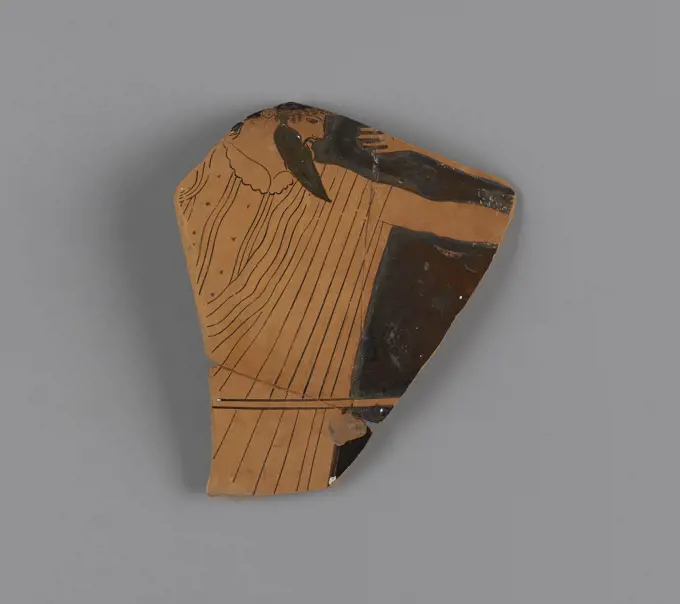
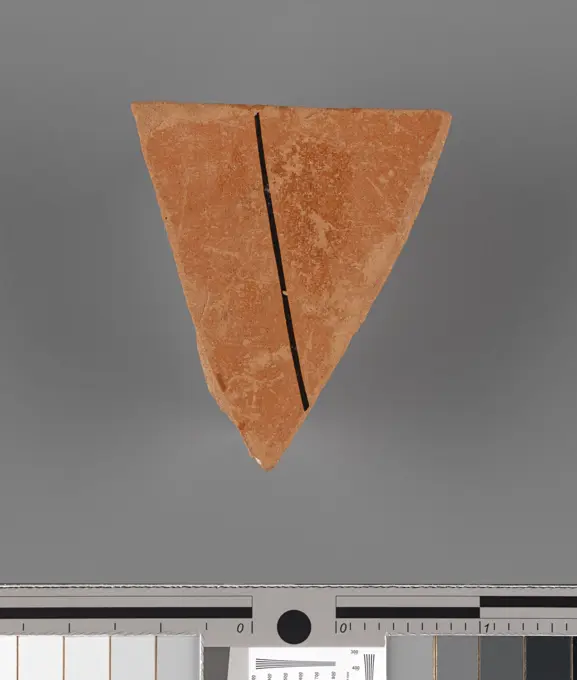
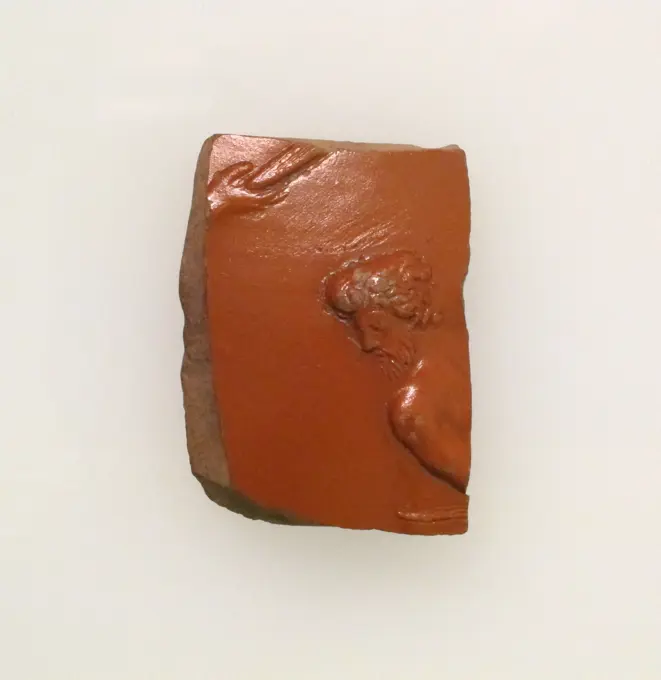
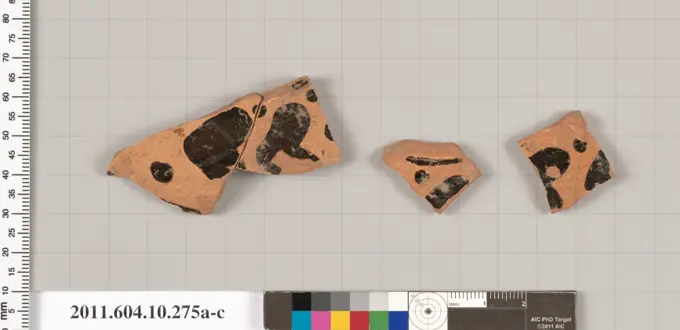
Attic Red-Figure Column Krater Fragment; Athens, Greece; about 460 B.C; Terracotta; 11 cm (4 5,16 in.)
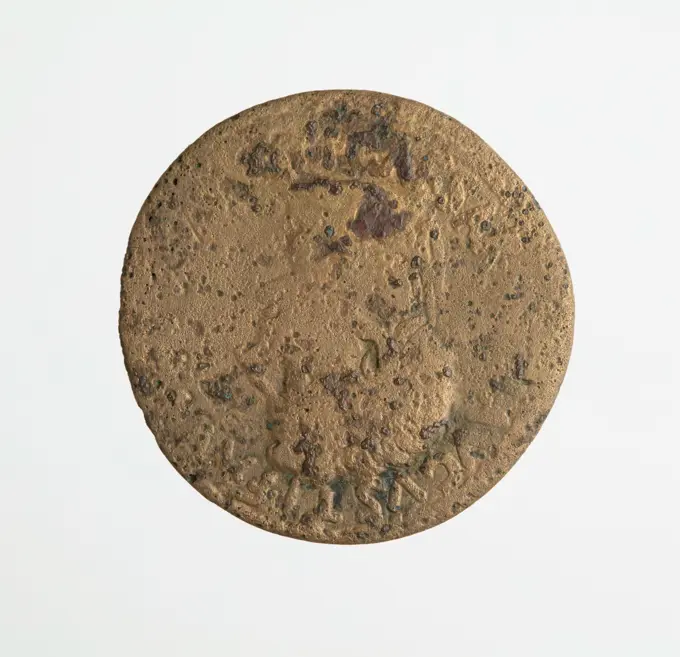
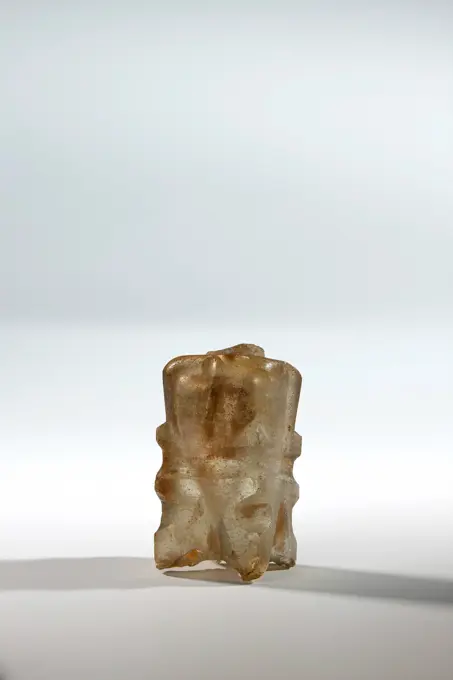
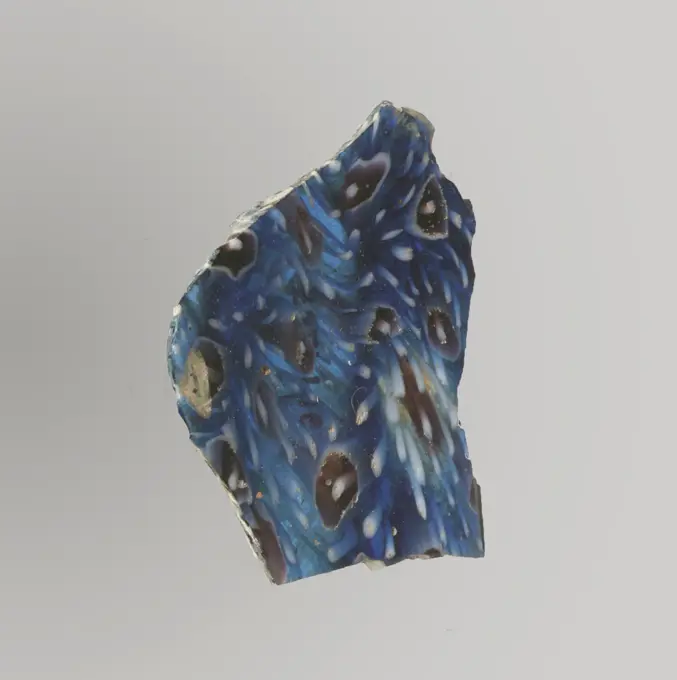
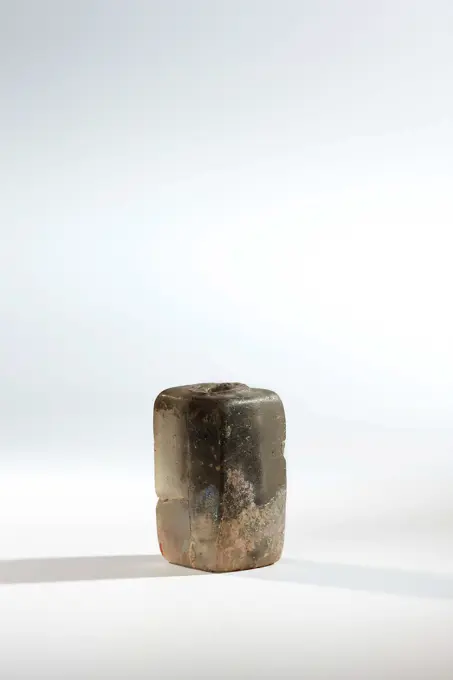
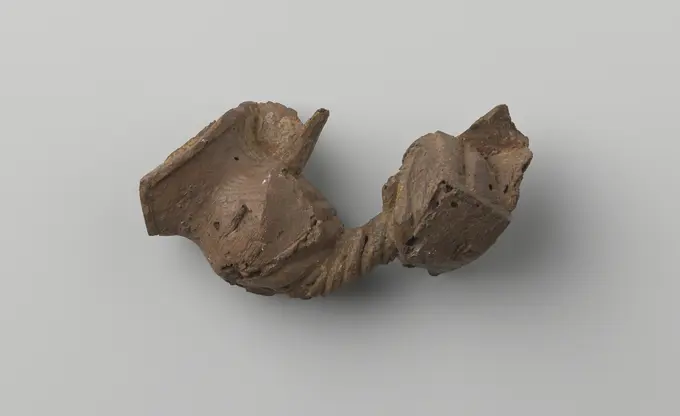
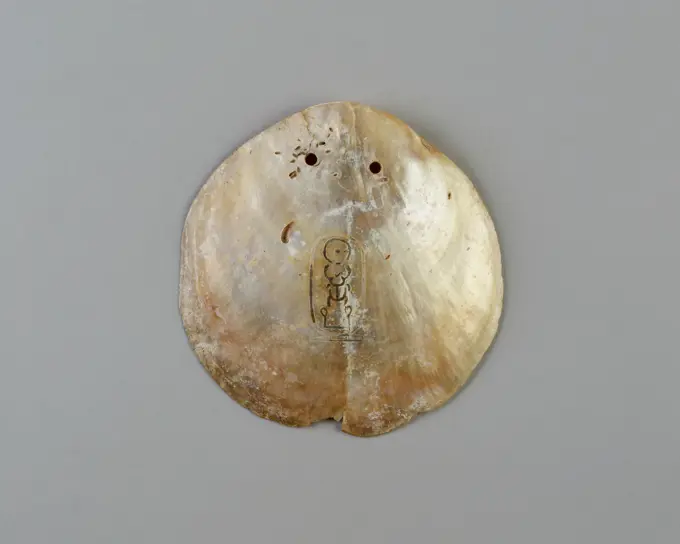
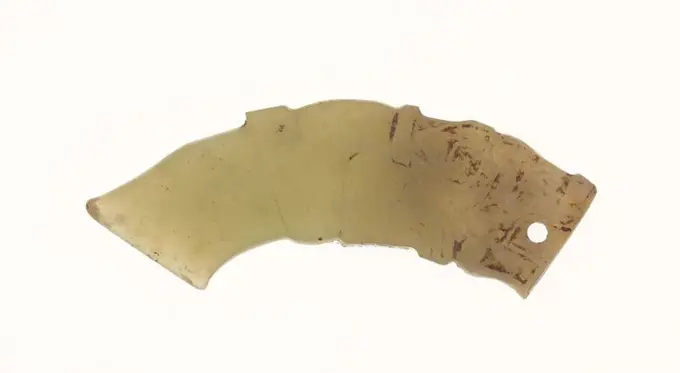
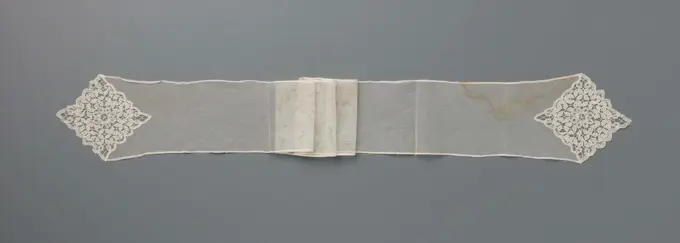
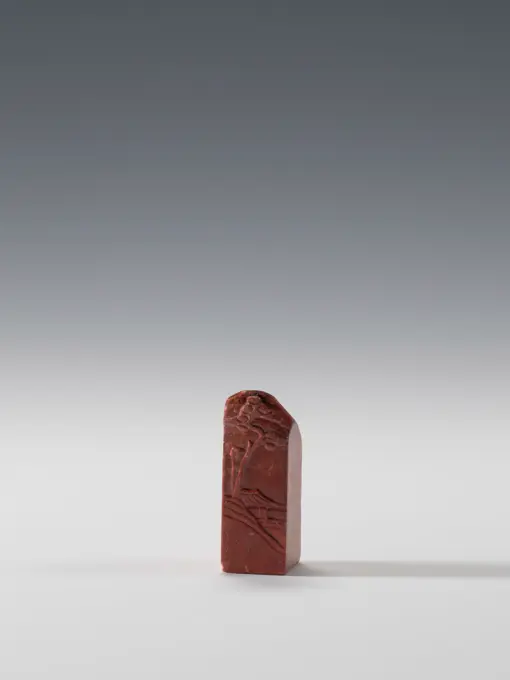
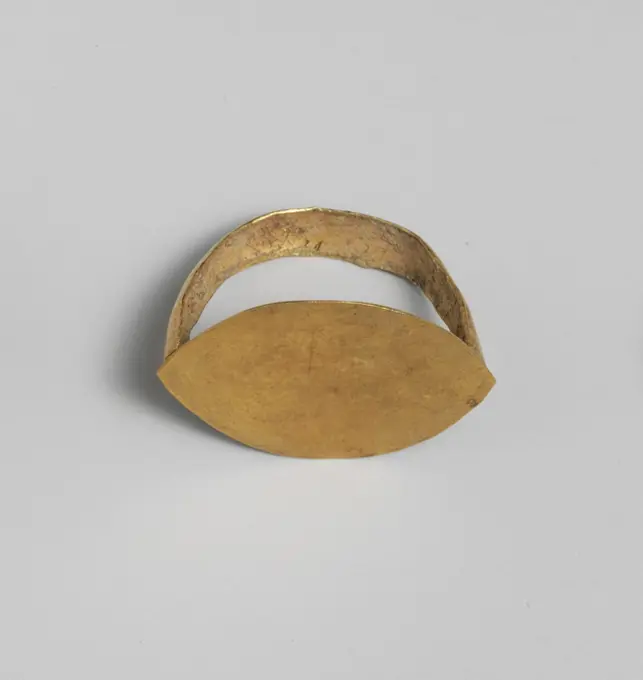
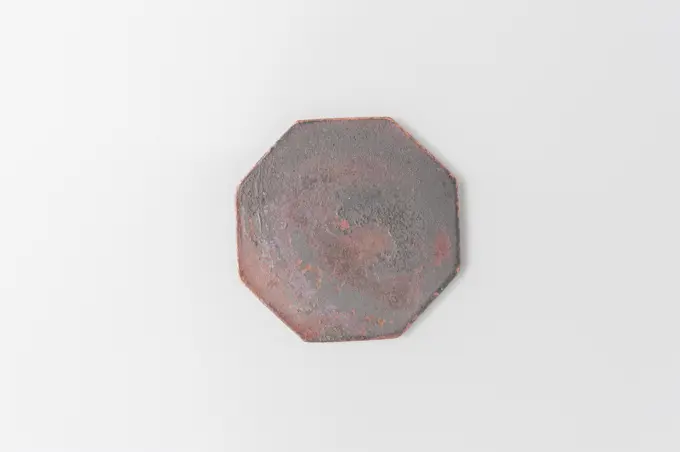
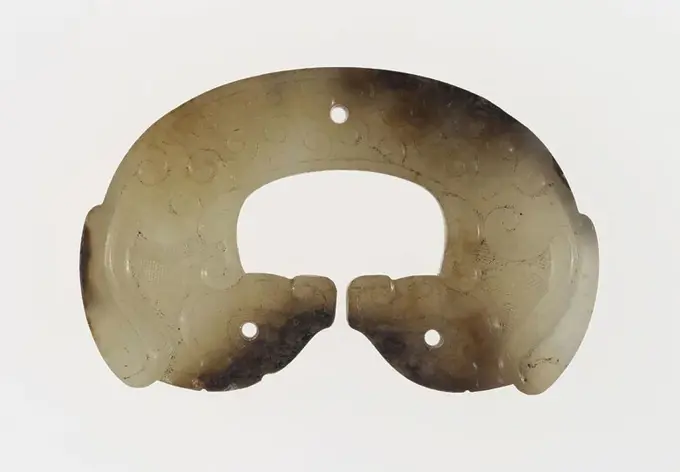
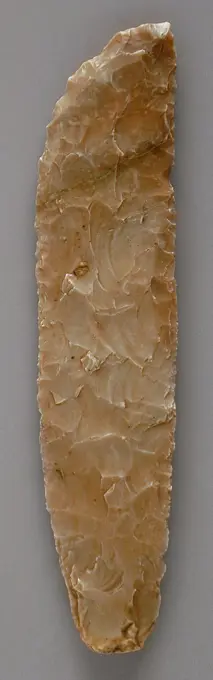
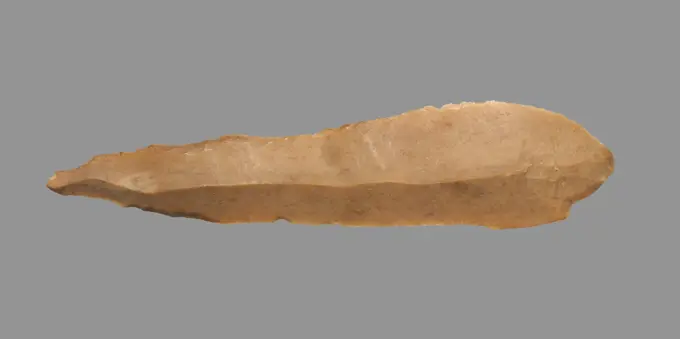
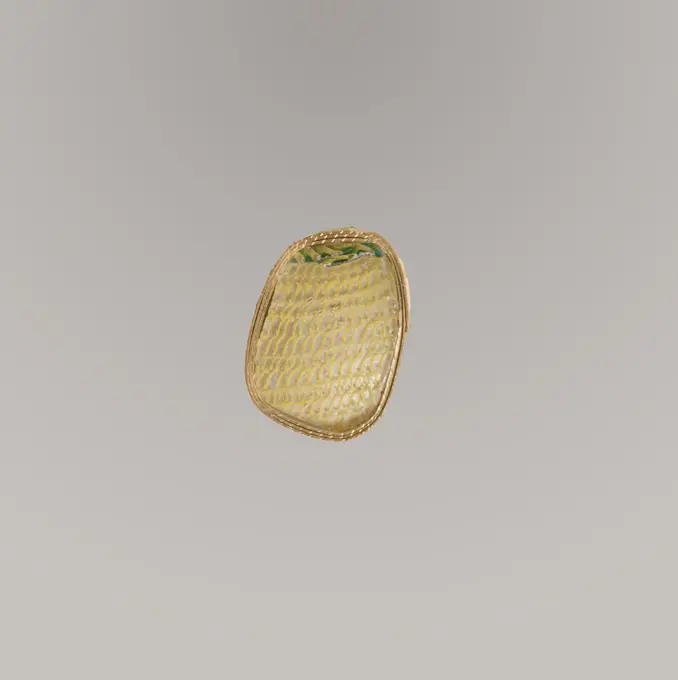
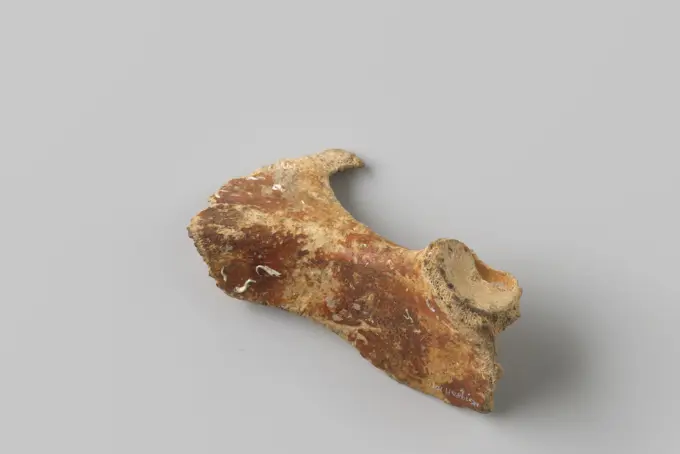
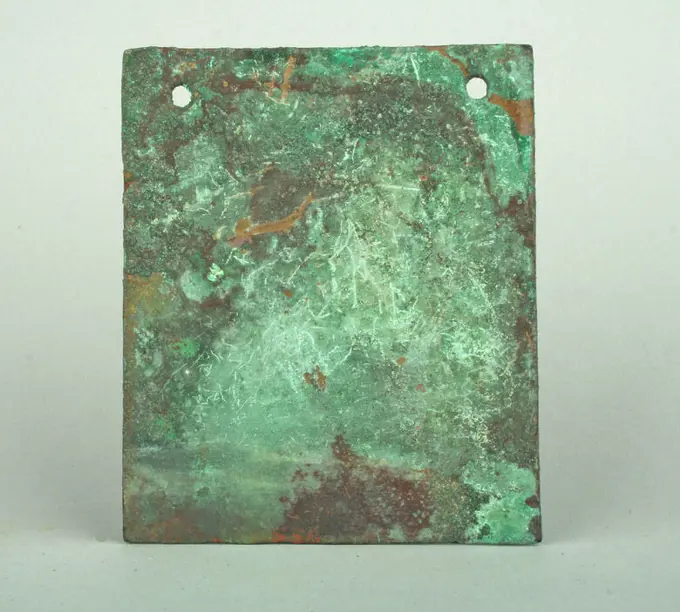
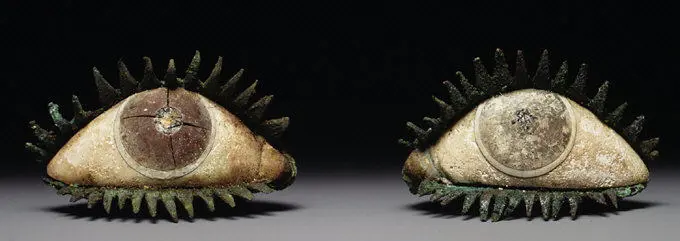
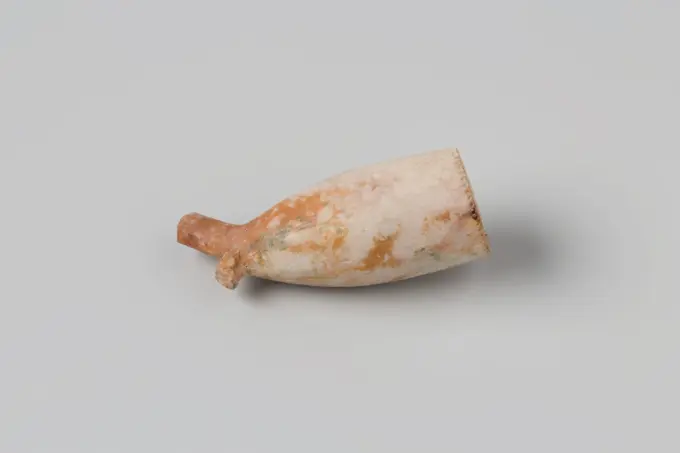
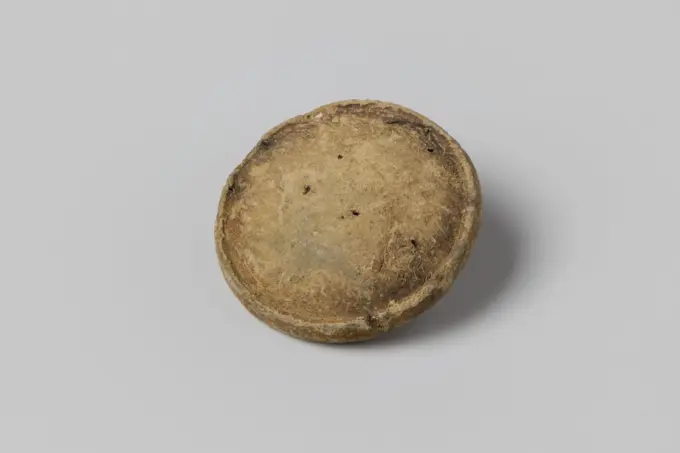
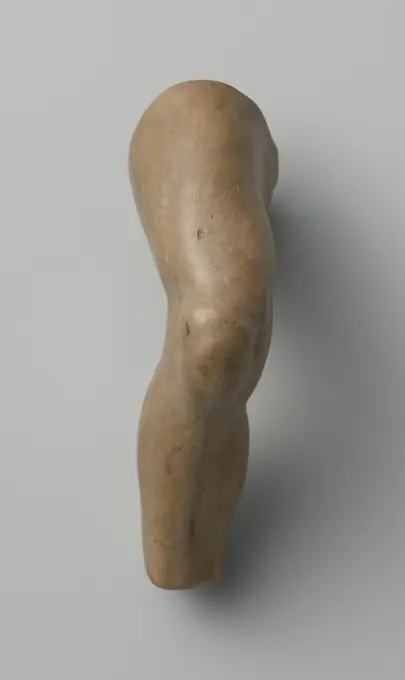
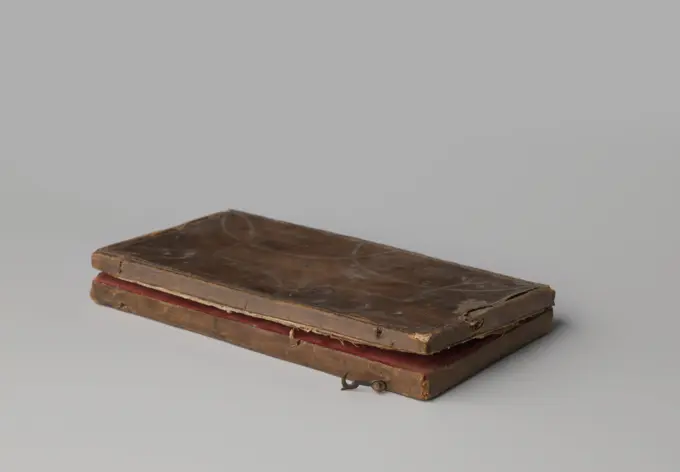
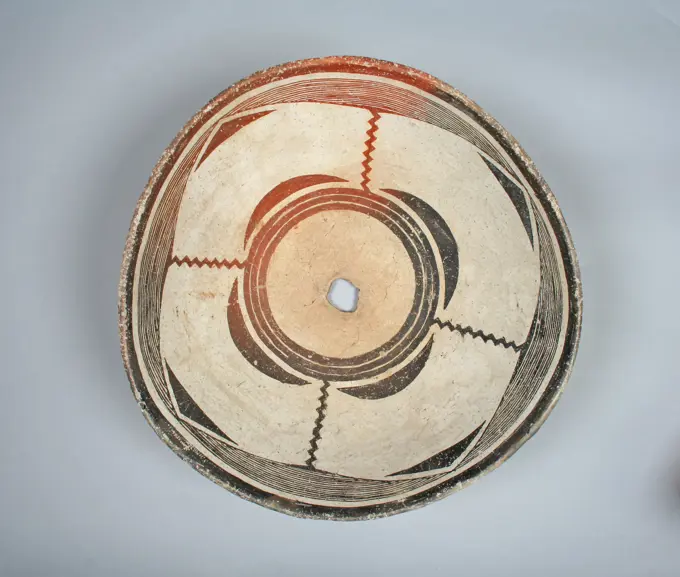
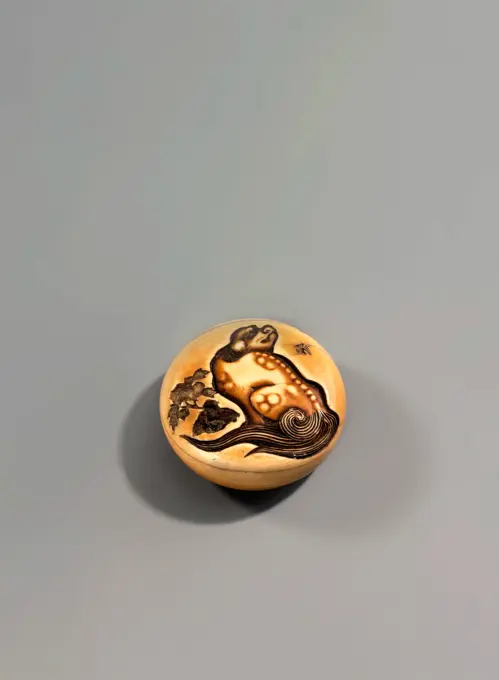
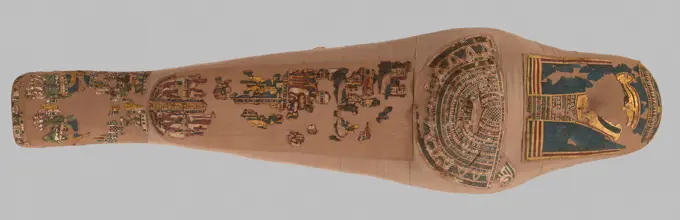
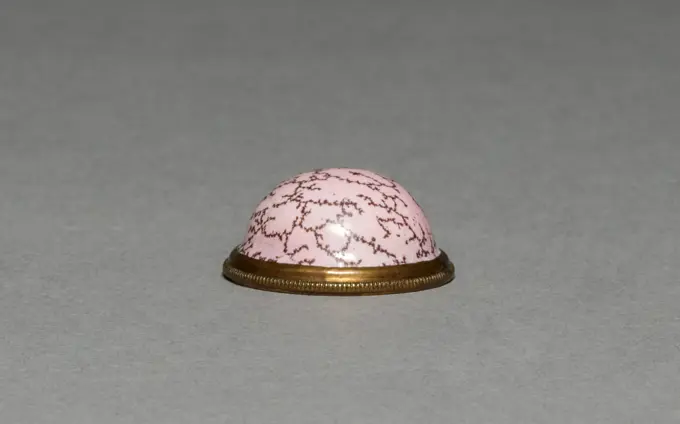
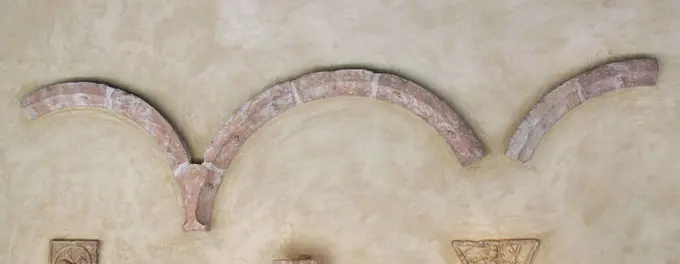
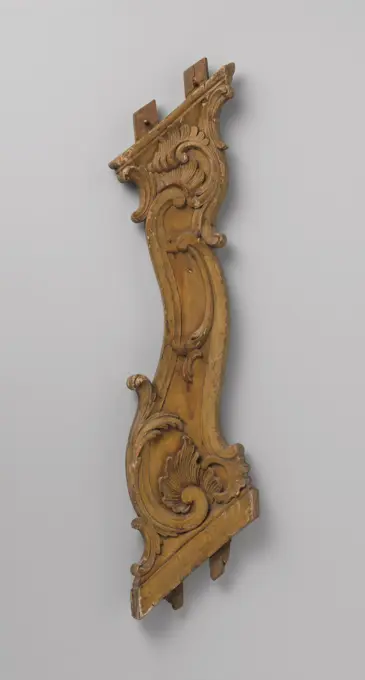
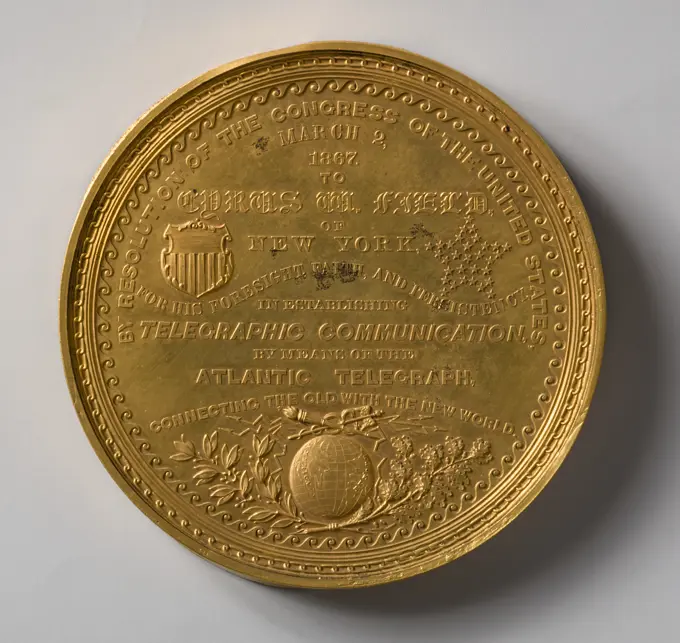
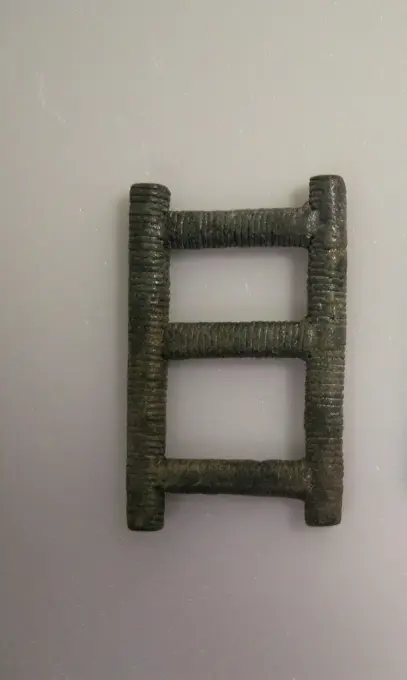
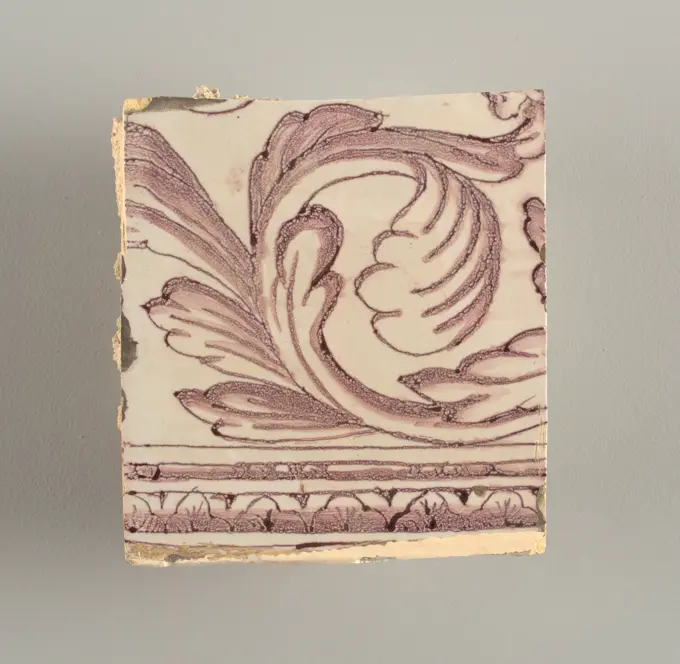
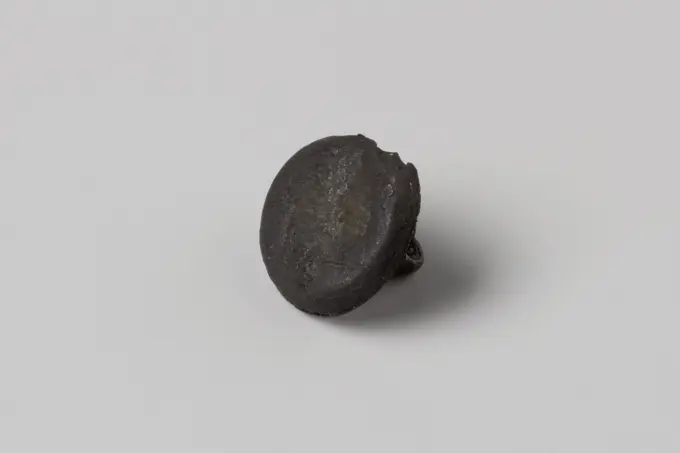
Button from the wreck of the East Indians Hollandia, Anonymous, 1700 - in or before 1743 button Knoop. Button; (1) slightly conical base, loop-shank, separate top, flat, bevelled rim, hollow (1.5d). Netherlands silver (metal)   SecondBliżej Kultury Tiberius (42 p.n.e. 37)Sketchbook (21 leaves, linencover).  Artist: Edwin Austin Abbey, American, 1852-1911, M.A. (HON.) 1897Planets-manager. Cornalet Collection Sites 2013-2016. Numismatic.Excerpt bowl of a flute glass from the wreck of the East Indians Hollandia, Anonymous, 1700 - in Or Before 1743 drinking glass. bowl Glass, stem glass, bowl; fragment of base, circular, with everted side, plain, on short straight shaft over an angular knop, stem broken off. Netherlands glass   SecondBottle. unknown, craftsmanVase fragment ca. 4000 B.C. Neolithic, Nemea. Vase fragment 253260 Neolithic, Nemea, Vase fragment, ca. 4000 B.C., Terracotta, length 2 1/8in. (5.4cm). The Metropolitan Museum of Art, New York. Anonymous Gift, 1930 (30.119.55)Glass mosaic ribbed bowl fragment late 1st century B.C.-early 1st century A.D. Roman Body fragment.Translucent cobalt blue, purple, and opaque white.Slightly outsplayed neck; deep, slightly convex curving side, tapering downward.Composite mosaic pattern formed from polygonal sections of a single cane in a blue ground with a circle of white rods around a white circle surrounding a purple ground with a central white rod; on exterior, two broad vertical ribs, fairly widely spaced, with flattened tops and rounded outer edges, tapering downward.Polished interior; pitting of surface bubbles and iridescent weathering in one chip on interior; dulling and iridescent weathering on exterior and jagged edges.. Glass mosaic ribbed bowl fragment. Roman. late 1st century B.C.-early 1st century A.D.. Glass; cast and tooled. Early Imperial. GlassBottle. unknown, craftsmanAttic Red-Figure Column Krater Fragment; Athens, Greece; about 460 B.C; Terracotta; 11 cm (4 5,16 in.)Hands of a Soldier with a Piece of Rope, from Christ Carrying the Cross, from the Soest Altarpiece..Shell Inscribed with the Cartouche of Senwosret I ca. 1981-1550 B.C. Middle Kingdom Polished down to its inner layer of nacre (mother of pearl), this iridescent oyster shell has been pierced with two holes so that it could be strung and hung around the neck. The royal name Senwosret has been incised into the surface. It is one of about fifty such shells known, most inscribed, like this example, with the nomen (birth name) Senwosret, or with the prenomen (throne name) Kheperkare. Since Kheperkare is the throne name of Senwosret I, it is generally assumed that it is this king (rather than another of the monarchs with the same name) who is meant here.Although few of these shells have archaeological contexts, several of those that do are connected with military personnel, and therefore may have been worn primarily by soldiers. However, there was no clear evidence of a military connection in the burial from which this example comes, and recent scholarship suggests that they may have been buMini concrete house model on the black background. Buy a house. Concept for property ladder, mortgage and real estate investment. Free space for text, copy space, modern layout. Mini concrete house model on the black background. Buy a house. Concept for property ladder, mortgage and real estate investment. Free space for text, copy space, modern layout.Dragon Pendant with Small Blade. China. Date: 1300 BC-1000 BC. Dimensions: 5.2 × 1.9 cm (2 1/16 × 3/4 in.). Jade. Origin: China. Museum: The Chicago Art Institute, Chicago, USA.Bowl;  around 1550 1069 BC ; New PADas van machinale tule met ruitvormige uiteinden van gemengde kant.Natural machining tie (machine tulle) with diamond-shaped ends of natural mixed side: ribbon side. The pattern of the ends consists in the middle of a round flower with eight petals (dump edge) with a star of four scooped flower heart in the opened flower heart (needle side). There are countless spitsoval leaves (dock edge) around the flower that are connected by a bars soil (needle side). The motifs are made with a ribbon of clust end, in linen stroke with contour wires. The sloping edge around the window is finished with picots. The long sides of the tie (machining tulle) are finished with a soil.Copper alloy spearhead ca. 2500-2000 B.C. Cypriot Leaf-shaped blade with a hooked tang.. Copper alloy spearhead. Cypriot. ca. 2500-2000 B.C.. Bronze. Early Bronze Age. BronzesTłok pieczętny. unknown, craftsmanGold ring with elliptical bezel 4th-3rd century B.C. or later Etruscan Flat hoop and flat bezel in the form of a pointed oval.. Gold ring with elliptical bezel. Etruscan. 4th-3rd century B.C. or later. Gold. Probably Classical. Gold and SilverCarnavalet museum, tokens collectionJade Ornament 500 BCE-400 BCE China. Jade .Excerpt of copper from the wreck of the East Indians Hollandia, 1700 - in or before 1743  Parts of artefacts; eroded fragments: materials; copper. Netherlands copper (metal)   SecondDragon Pendant. China. Date: 400 BC-200 BC. Dimensions: Diam. 2 1/16 in.; 1 1/4 × 3/8 in. Jade. Origin: China. Museum: The Chicago Art Institute, Chicago, USA.Half coconut filled with fat from v.o.c. ship De 'Witte Leeuw', 1613 coconut (fruit) Half coconut filled with fat from v.o.c. ship the 'Witte Leeuw'.  coconut shell. fat   Sint-HelenaStamper from the wreck of the East Indied Flying Heart. Copper pestle, massive globe in a stem that has broken down. Horizontal lines have been applied in the pestle.Glass monochrome dish fragment 1st half of 1st century A.D. Roman Opaque red.Flat bottom; integral, low base ring.Polished interior; pitting of surface bubbles on interior; thick green weathering on exterior and base ring; similar weathering on most edges.Part of the flat bottom of a dish with a low base ring on the exterior. The opaque red color was very popular and appears on numerous examples of Roman cast monochrome glass. The surface often appears as a weathered green color because the copper, added to the glass to give it its vivid red color, has leeched out over time.. Glass monochrome dish fragment. Roman. 1st half of 1st century A.D.. Glass; cast. Early Imperial, Julio-Claudian. GlassClay Ring, 400-999, 2 3/4 x 1 5/8 in. (6.99 x 4.13 cm), Earthenware, Mexico, 5th-10th centuryBifacial Stone Tool. Egypt, Neolithic Period (5500 - 3100 BCE). Tools and Equipment. Flint. Beverage of gold with six enamelled scenes, on which floral and vegetable sellers, children and two still lifes. In leather pouch; Green Dyed Roggen Skin ().Das of Machinale Tulle with diamond -shaped ends of mixed side, anonymous, c. 1900 - c. 1949 Tie of natural -colored machine side (machine tulle) with diamond -shaped ends of natural -colored mixed side: ribbon side. The pattern of the ends in the middle consists of a round flower with eight petals (bobbin) with a star of four founded threads (needle side) in the open worked flower heart. Around the flower there are countless rushed leaves (bobbin) that are connected to each other by a bar of land (needle side). The motifs are made with a ribbon from Kloskant, in linen battle with contour threads. The scrap edge around the window is finished with picots. The long sides of the tie (machine tulle) are finished with a zoompje. Belgium (possibly) cotton (textile). mixed lace / tape lace (mixed lace) / needle lace ground Tie of natural -colored machine side (machine tulle) with diamond -shaped ends of natural -colored mixed side: ribbon side. The pattern of the ends in the middle consists oFragment Pijpenkop from the wreck of the East Indians Hollandia, Anonymous, 1700 - in Or Before 1743  Pipe, Bowl, Hell Market: 17; Fragm, 1hSM1. Netherlands pipe clay   SecondLid of vascular work from the wreck of the East Indians Hollandia, Anonymous, 1700 - in Or Before 1743 lid Vessel part, lid; fragm, sim. NG 1980-27H596, finial eroded. Netherlands glass   SecondLamella. UnknownCarnavalet museum, tokens collectionSample of Linen with Pink Dye ca. 1070-945 B.C. Third Intermediate Period. Sample of Linen with Pink Dye 555505Rubbing Stone. Dimensions: l. 3-9.5 cm (1 3/16-3 3/4 in). Dynasty: Dynasty 18. Reign: Joint reign of Hatshepsut and Thutmose III. Date: ca. 1479-1458 B.C.. Museum: Metropolitan Museum of Art, New York, USA.Hand, right, votive 1st-3rd century A.D. later Roman With fingers held close together. The inner side is flat with a ring for suspension.. Hand, right, votive 246771Spectacle box of wood with lid, belonging to squeeze glasses of Rev. A. Geesteranus (1593-1658), c. 1610 - c. 1658  Spectacle box made of wood with lid. Model: flat with rounded corners. The box is cut out on the inside in the shape of the squeeze glasses and has a lining of red fabric. The lid is attached to the bottom by means of two copper eyes that are bent open on top of the lid and under the box like split pins. Originally a copper () Eye came from the bottom that was closed with a copper hook. The eye is missing. Decoration: The lid is decorated with incised oak leaves that form three four passes. Netherlands whole: Wood (plant material). Closure: Copper (Metal) cutting  NetherlandsMordant 1500-1525 Italian. Mordant. Italian. 1500-1525. Steel gilt. Miscellaneous-Buckles & OrnamentPair of Boxes, early 1700s. Bagard (French). Wood; each: 37.5 x 23.8 x 11.2 cm (14 3/4 x 9 3/8 x 4 7/16 in.).Fishtail Knife, 4500-4000 BC. Egypt, Predynastic Period, Naqada Ia-IIa period, 4500-3000 BC. Dark brown to a dark green colored flint; overall: 6 cm (2 3/8 in.).Ornament, stud or matrix for an ornament . Ornament, stud or matrix for an ornament  250270 Ornament, stud or matrix for an ornament , Bronze, H.: 1 3/16 in. (3 cm). The Metropolitan Museum of Art, New York. Gift of J. Pierpont Morgan, 1917 (17.194.1924)Play medal from the wreck of the East Indies Hollandia, Anonymous, 1700 - in Or Before 1743  Rectangular, square, flat, engraved diagonal cross on one side, game token. Netherlands lead (metal)   SecondInlay ca. 8th-7th century B.C. Assyrian. Inlay 324786Frontlet of gold leaf. Frontlet of gold leaf 242978Beautiful round wooden cake stand on a textured concrete background Beautiful round wooden cake stand on a textured concrete background. Kitchen utensil item Copyright: xZoonar.com/TetianaxChernykovax 21728387Weight for mint of four Spanish escudos, Jan Jansz. Kaan, 1623  Thick, square, lead mint weight, upwards on all sides tapered. Front: Reinruisted cross in Vierpas, with small leaf decorations inside pearl edge. Reverse: hammer between year and letters I and K within Bladerkrans. Amsterdam lead (metal) striking (metalworking)  AmsterdamSharf of a sign from the wreck of the East Indians Hollandia, Anonymous, 1700 - in Or Before 1743 plate (dishes) Porcelain, plate, type 3; fragm of rim, sim. NG 1980-27H3202c. Netherlands porcelain   SecondCandlestick And SocketVase fragment. Culture: Roman, Gaul. Dimensions: 3 1/16 × 3 3/16 in. (7.7 × 8.1 cm).Inscribed. Museum: Metropolitan Museum of Art, New York, USA.Sickle Blade, 1980-1801 BC. Egypt, Middle Kingdom, Dynasty 12. Flint; overall: 5 cm (1 15/16 in.).wooden top spin on gray backgroundBalus -shaped stem of a flute glass from the wreck of the East Indians Hollandia, Anonymous, 1700 - in Or Before 1743 drinking glass Glass, stem glass, steel, baluster-shaped; fragment, solid, consisting of flattened knop and angular knop with elongated tear, both ends broken off. Netherlands glass   SecondFragment (possibly Near East); silkAttic Red-Figure Hydria Fragment. Berlin Painter (Greek (Attic), active about 500 - about 460 B.C.)Glass network mosaic fragment late 1st century B.C.-early 1st century A.D. Roman Rim fragment.Translucent turquoise blue, opaque yellow, and colorless.Applied coil rim with thin vertical lip; convex side, curving inward at bottom. Rim in blue with yellow spiral thread; body decorated with eleven narrow horizontal colorless canes decorated with two spirally twisted yellow threads.Pinprick bubbles; polished exterior, with pitting of surface bubbles; dulling and creamy iridescence weathering on interior; iridescent weathering on jagged edges.. Glass network mosaic fragment. Roman. late 1st century B.C.-early 1st century A.D.. Glass; cast. Early Imperial. GlassFrontlet of gold leaf. Frontlet of gold leaf 242981Fedral for Snuifdoos, Henri La Pierre, 1752 Fedral for snuff box on the inside with red velvet. Cracks bottom upholstery exterior. goldsmith: Amsterdammaker: Netherlandspainter: France sharkskin. copper (metal). velvet (fabric weave) Fedral for snuff box on the inside with red velvet. Cracks bottom upholstery exterior. goldsmith: Amsterdammaker: Netherlandspainter: France sharkskin. copper (metal). velvet (fabric weave)Fragment Varkensbot from the wreck of the East Indians Hollandia, 1700 - in Or Before 1743  Faunal remains: bones; pig bones (Sus); fragm of pelvis, eroded.  bone (material)   SecondSquare Plaque. Culture: Vicús. Dimensions: Height 3-5/16 in. (8.4 cm). Date: 3rd century B.C.-A.D. 2nd century. Museum: Metropolitan Museum of Art, New York, USA.Loddereindoos van Zilver, A. Keun, 1825 Loddereindoos van Zilver, in the form of a book, the bottom of which is the hinged lid. A shield engraved at the front and back with the letters A. C. v. T.  silver (metal) Loddereindoos van Zilver, in the form of a book, the bottom of which is the hinged lid. A shield engraved at the front and back with the letters A. C. v. T.  silver (metal)Pair of eyes 5th century B.C. or later Greek Bronze, marble, frit, quartz, and obsidianGreek and Roman statues were designed to give a colorful lifelike impression. Marble and wood sculptures were brightly painted, and bronze statues were originally a pale fleshlike brown. Lips and nipples were often inlaid with copper, and teeth with silver. Eyes were usually made separately and set into prepared sockets. This pair, designed for an over-lifesize statue, gives a sense of the potent immediacy that ancient sculpture could convey. Listen to experts illuminate this artwork's story Listen Play or pause #1041. Pair of eyes Supported by Bloomberg Philanthropies We're sorry, the transcript for this audio track is not available at this time. We are working to make it available as soon as possible.. Pair of eyes 255977Pijpenkop from the wreck of the East Indians Hollandia, Anonymous, 1700 - in Or Before 1743  Pipe, bowl, heelmark: crowned 47; 2hsm1,2. Netherlands pipe clay   Second1 Shilling from Board of Revenue with George IV, King of GreatBritain.   Subject: George IV, King of Great Britain, British, 1762-1830, ruled 1820-30 Mint: Board of Revenue Artist: Unknown3D rendering of a computer model cat isolated in white background 3D rendering of a computer model of a house cat with arched back isolated in white background Copyright: xZoonar.com/HugoxKurkx 14152960Button from the wreck of the East Indians Hollandia, Anonymous, 1700 - in or before 1743 button Knoop. (1) sim. NG 1980-27H1185 (1.9d, 0.5h) Netherlands bone (material)   Secondcinerary urn, Carratiermes Necropolis, 4th-2nd century BC. Museum of the Tiermes Archaeological Site, Soria, Castile and Leon, Spain.Baluster with stabbed C and S-Voluten, Anonymous, c. 1740 - c. 1760 S-shaped baluster with stabbed C and S-Voluten with rocaille shells. Northern Netherlands wood (plant material) S-shaped baluster with stabbed C and S-Voluten with rocaille shells. Northern Netherlands wood (plant material)Carnavalet museum, tokens collectionVase fragment 1st century B.C.-1st century A.D. Roman Bound centaur.. Vase fragment 250321RutileTerminal (USA); wood, gildedPile of peanuts nuts close up for backgroundCarnavalet museum, tokens collectionraw crystal of xonotlite gemstone on white macro shooting of natural mineral rock specimen - raw crystal of xonotlite gemstone on white marble background from Norilsk district, Russia Copyright: xZoonar.com/ValeryxVoennyyx 11947391Study Models of Parts of the Body, Johan Gregor van der Schardt (attributed to), after Michelangelo, c. 1560 - c. 1570  Florence (possibly) terracotta (clay material) casting  Florence (possibly) terracotta (clay material) castingBeads ca. 9th century B.C. Iran. Beads 325041Vessel, plate; Unknown ASUA SKI workshop; 2 after. V-VI century (451-00-00-600-00-00);Hearing stone with representation of two climbing lions, c. 1875 - c. 1900 Hearing stone with representation of two climbing lions, placed in profiled window. The half windows at the top and bottom are filled with star motif. Netherlands earthenware Hearing stone with representation of two climbing lions, placed in profiled window. The half windows at the top and bottom are filled with star motif. Netherlands earthenwareFedral of the key to the city of Bremen, Anonymous, c. 1875 - c. 1925 Foedraal belonging to the symbolic key of the city of Bremen (BK-KOG-2349-1). Rectangular leather fedal, which is covered on the inside with silk and red velvet. There is a recess for the key.  leather. cardboard. velvet (fabric weave). silk Foedraal belonging to the symbolic key of the city of Bremen (BK-KOG-2349-1). Rectangular leather fedal, which is covered on the inside with silk and red velvet. There is a recess for the key.  leather. cardboard. velvet (fabric weave). silkBowl 8th-10th century Mimbres. Bowl 310576A kiwi placed in the middle in an old wooden tray on a background of old wooden floor.. A kiwi placed in the middle in an old wooden tray on a background of old wooden floorManju decorated with karashishi lion looking at two butterflies. Dôshô (Kagei Juzaemon) (1828 -1884), authorTerracotta fragments from a closed shape 500-480 B.C. Etruscan Three fragments from the shoulder of a closed shape, each parts of ivy and black dots. Terracotta fragments from a closed shape. Etruscan. 500-480 B.C.. Terracotta; black-figure. Archaic. VasesKartonaż Amenhotepa. unknown, authorFragment Pijpenkop size Steel from the wreck of the East Indians Hollandia, Anonymous, 1700 - in Or Before 1743  Pipe, bowl without heel: stamped decoration; fragment, imprint illegible. Netherlands pipe clay   SecondBible illustrations, c. 1550 - c. 1699    wood (plant material)Stack of blankets. A pile of three folded and tied up wool blankets () Bundled with linen band.Lid for a Thimble Container, mid-1700s. England, mid-18th century. Enamel on metal; overall: 3 x 2.3 cm (1 3/16 x 7/8 in.); thimble: 1.8 x 1.6 cm (11/16 x 5/8 in.).Spandrel with Sections of an Arch. Culture: Catalan. Dimensions: 25.120.603: 17 1/4 × 13 1/2 × 10 in. (43.8 × 34.3 × 25.4 cm)25.120.982: 7 3/4 × 29 1/4 in. (19.7 × 74.3 cm)25.120.983: 6 3/4 × 29 1/2 in. (17.1 × 74.9 cm)25.120.984: 6 1/4 × 27 1/4 in. (15.9 × 69.2 cm)25.120.985: 6 1/2 × 23 1/2 × 10 1/2 in. (16.5 × 59.7 × 26.7 cm)25.120.986: 6 1/2 × 18 1/2 × 10 in. (16.5 × 47 × 25.4 cm)25.120.987: 6 × 20 1/2 × 8 in. (15.2 × 52.1 × 20.3 cm)25.120.988: 6 3/4 × 31 1/4 × 7 1/2 in. (17.1 × 79.4 × 19.1 cm). Date: ca. 1130-40. Museum: Metropolitan Museum of Art, New York, USA.chopping board isolated on white backgroundBuckle ca. 100 B.C.-ca. 500 A.D. Ibero-Roman. Buckle. Ibero-Roman. ca. 100 B.C.-ca. 500 A.D.. Bronze, patina. Miscellaneous-Buckles & OrnamentFragments Pijpensteel from the wreck of the East Indians Hollandia, Anonymous, 1700 - in Or Before 1743  Pipe, stem; fragments, decorated. Netherlands pipe clay   SecondBaluster with stabbed C and S-Voluten, Anonymous, c. 1740 - c. 1760 S-shaped baluster with stabbed C and S-Voluten with rocaille shells. Northern Netherlands wood (plant material) S-shaped baluster with stabbed C and S-Voluten with rocaille shells. Northern Netherlands wood (plant material)Congressional Medal to Cyrus W. Field for the Successful Laying of the Atlantic Cable William Barber American 1867 View more. Congressional Medal to Cyrus W. Field for the Successful Laying of the Atlantic Cable. William Barber (1807-1879). American. 1867. Copper and gold leafFalse coin, IIthuanian shilIIng, John II Casimir (1649 1668)Goldweight Ladder, 19th-20th century, 1 7/8 x 1 1/8 x 1/4 in. (4.76 x 2.86 x 0.64 cm), Brass, Ghana, 19th-20th centuryTrendy composition of bark tree with moss on beige background. Abstract podium for organic cosmetic products. Minimal concept with copy space.Tile Wall Facing (Netherlands); tin-glazed earthenware, underglazeFragment of a Beaker 9th-10th century. Fragment of a Beaker 450907