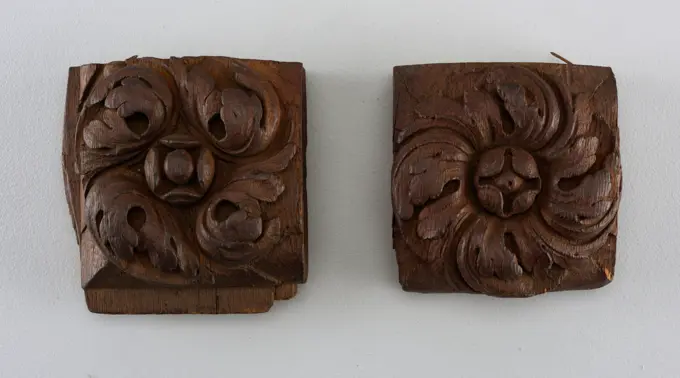
Archaeological Finds

Unique artifacts from shipwrecks and historical significance, including buttons and fragments related to ancient cultures.
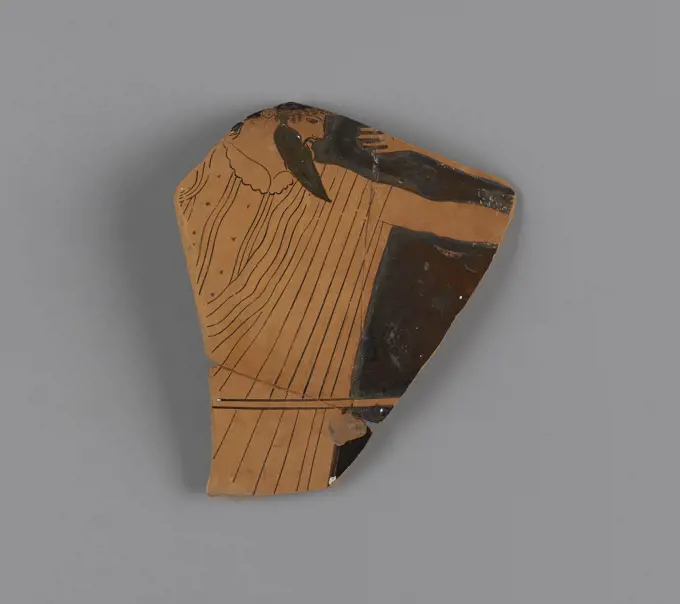
Attic Red-Figure Column Krater Fragment; Athens, Greece; about 460 B.C; Terracotta; 11 cm (4 5,16 in.)
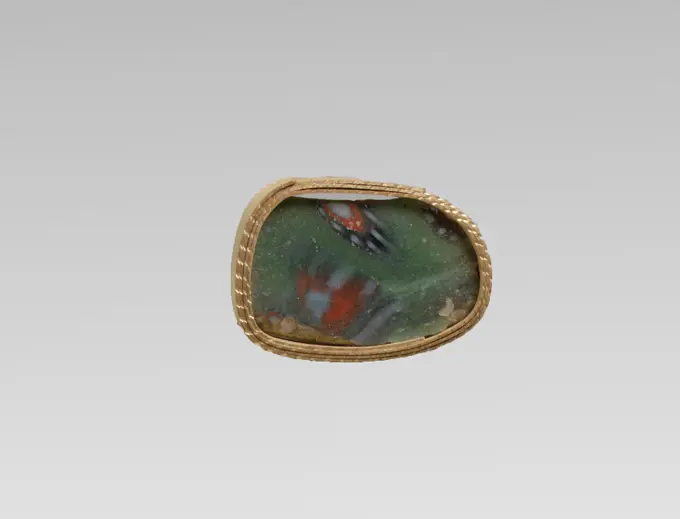
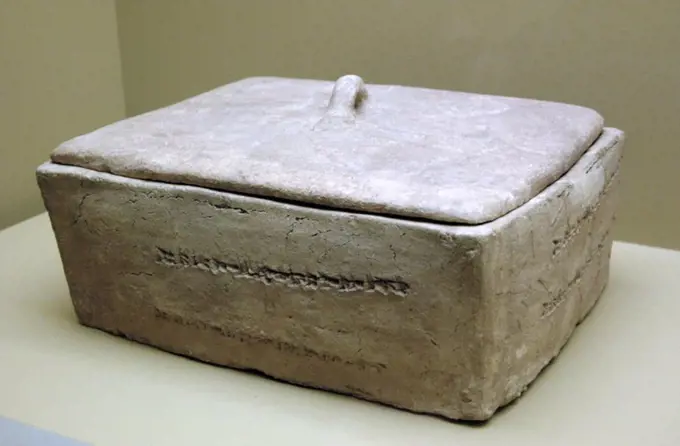
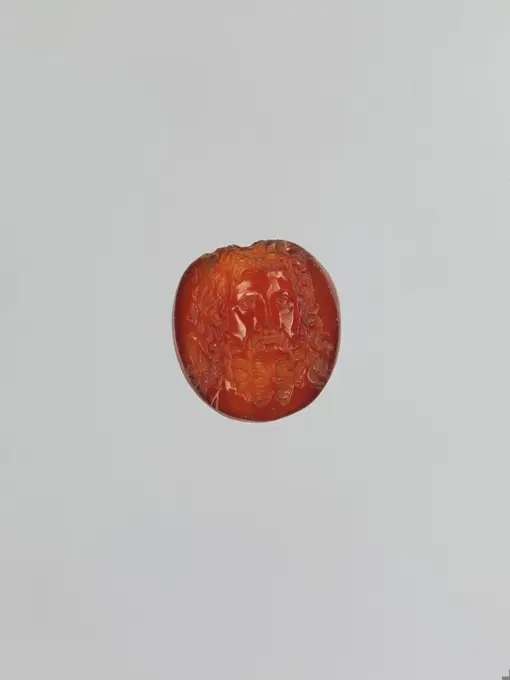
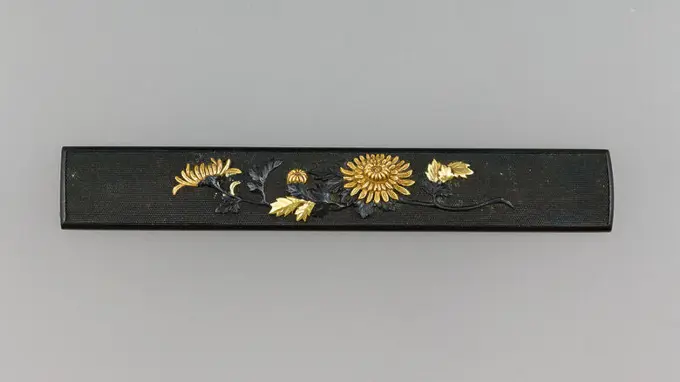
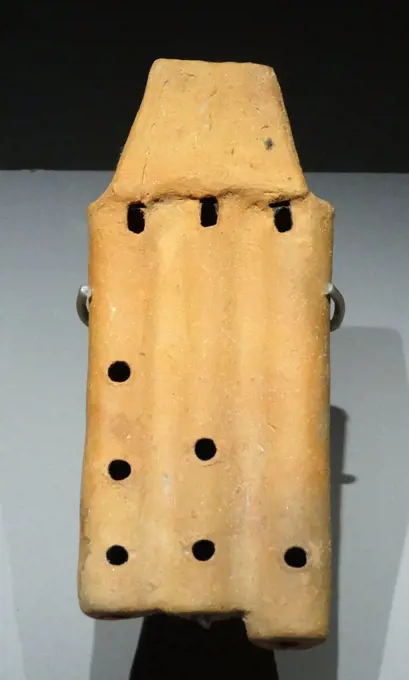
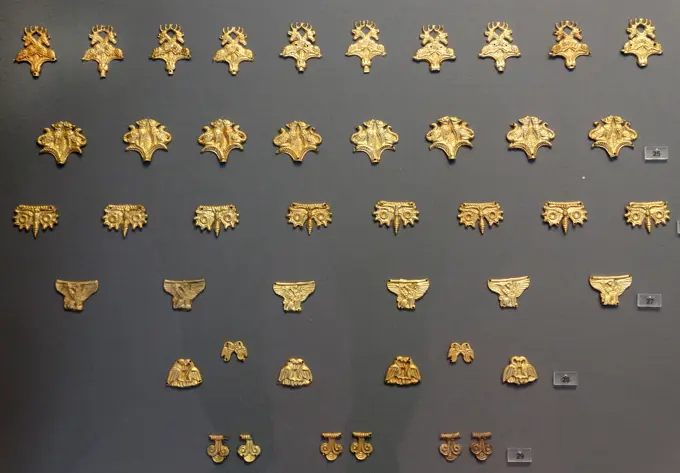
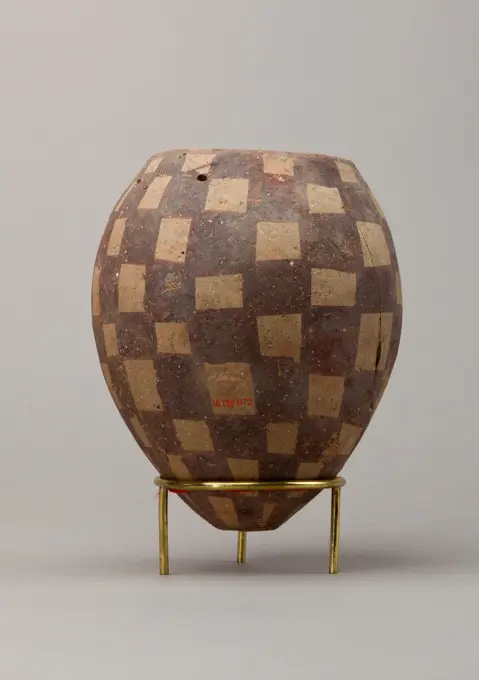
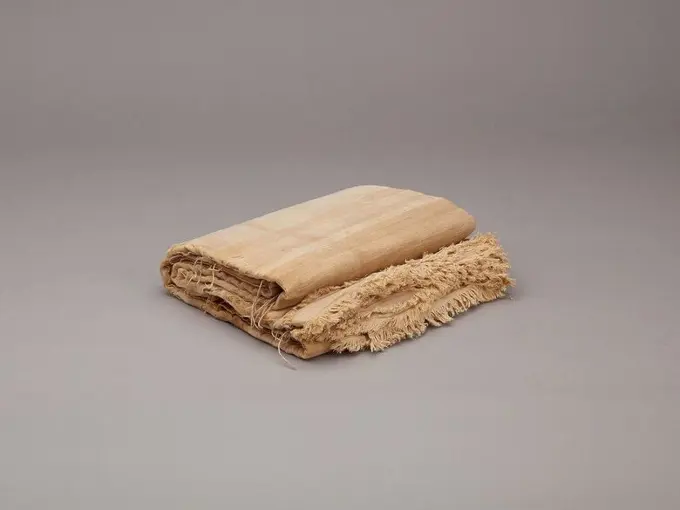
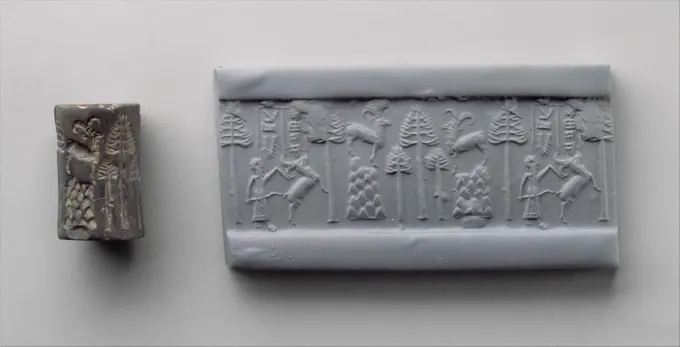
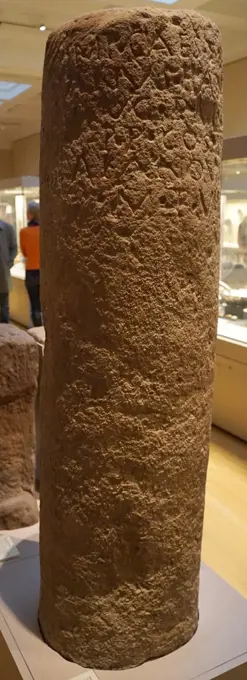
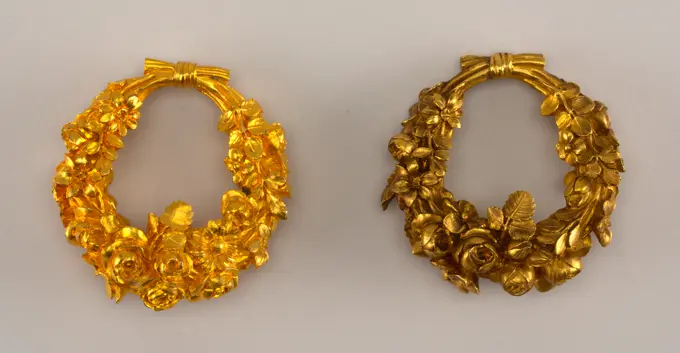
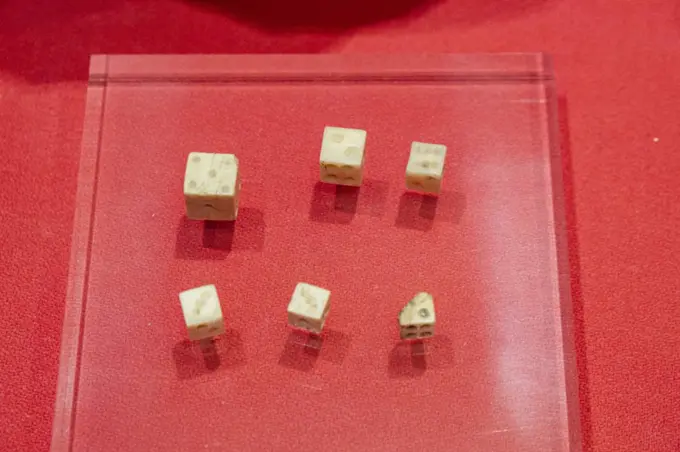
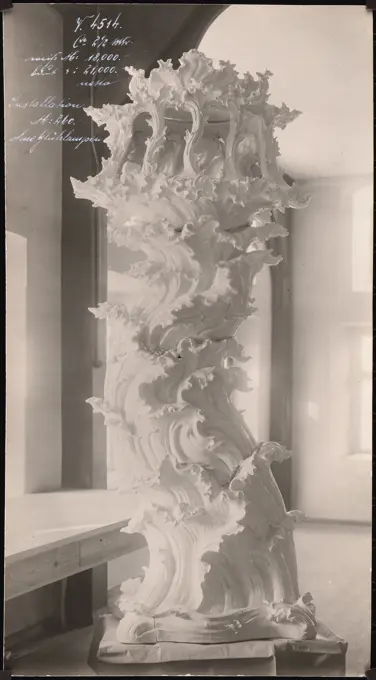
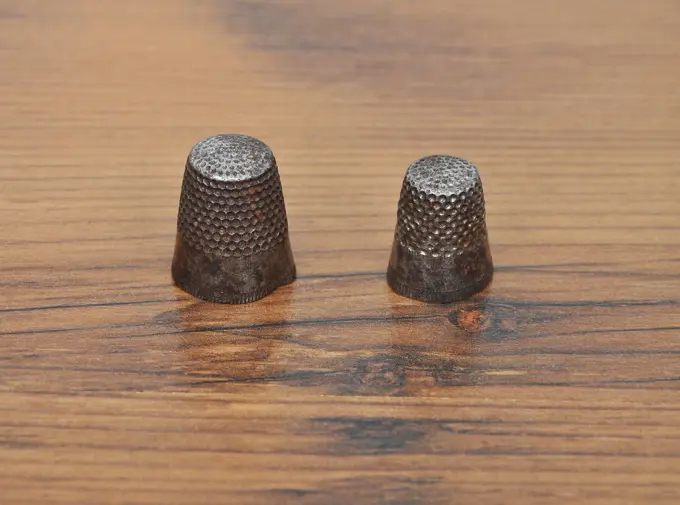
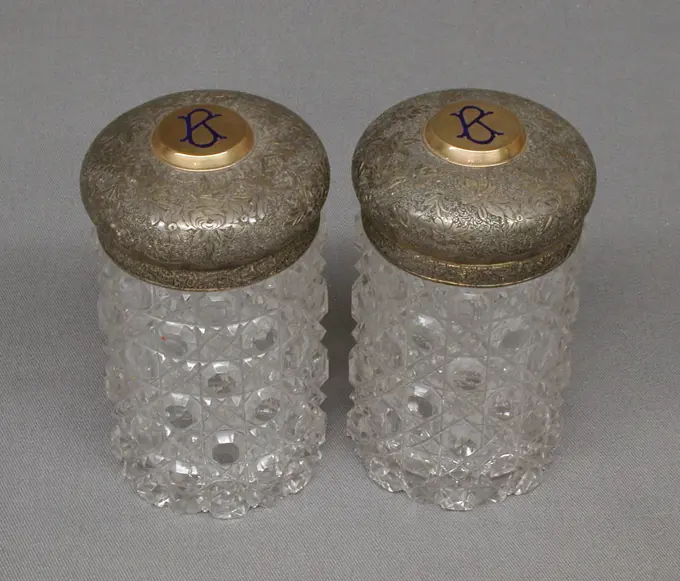
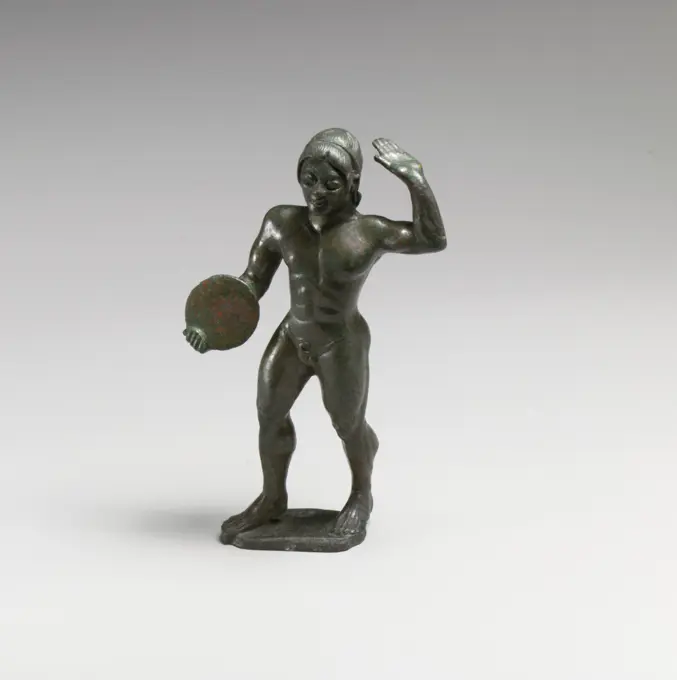
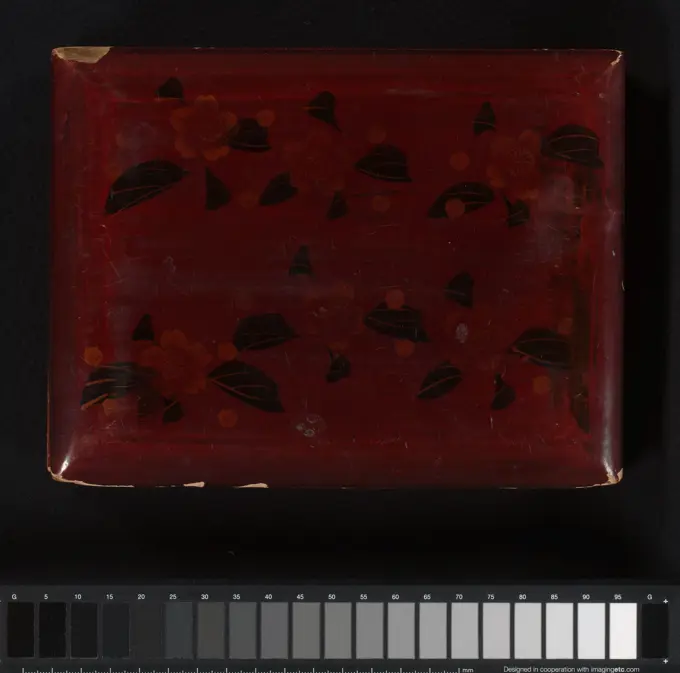
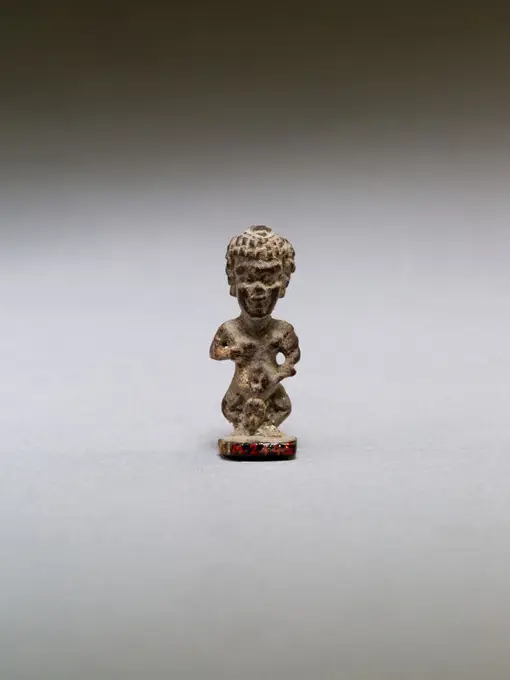
Pataikos or other dwarf god, with curly hair. Dimensions: H. 1.9 × W. 0.7 × D. 0.6 cm (3/4 × 1/4 × 1/4 in.). Date: 664-30 B.C..The small, finely detailed mulets 10.130.2439-.2445 are all made of wood. Wooden amulets are often gilded, but the only remaining gilding is on the goddess's sun disk. Museum: Metropolitan Museum of Art, New York, USA.Glass mosaic base fragment late 1st century B.C.-early 1st century A.D. Roman Solid base ring and thin-walled bottom fragment, probably from a carinated bowl.Translucent light blue appearing semi-opaque greyish green, deep purple appearing black, opaque white and red; base ring in green.Flat bottom, slanting inward; applied outsplayed base ring with edge ground flat.Composite mosaic pattern formed from polygonal sections of a single cane in a green ground surrounding a hollow band in a purple ground filled with a circle of white dots, and a central white rod within a red circle. Polished interior; pitting of surface bubbles on interior; dulling and creamy brown weathering on exterior, jagged edges, and all of base ring.. Glass mosaic base fragment. Roman. late 1st century B.C.-early 1st century A.D.. Glass; cast. Early Imperial. GlassBrok concretion from V.O.C. ship De 'Witte Leeuw', not applicable, Before 1613 concretionary stone Brok concretion. Probably formed around bullet.  concretionary stone. iron (metal)Flower-Shaped Clothing Plaque. Culture: China (Xinjiang Autonomous Region, Central Asia). Dimensions: Diam. 1 1/4 in. (3.2 cm). Date: 7th-9th century.The nomadic communities of Central Asia used such plaques to embellish clothing and horse trappings. As these nomadic cultures herded animals and were constantly moving, their artistic production was expressed in portable objects that marked the wearer's status and wealth. The outstanding preservation of these fragile ornaments suggests they were used in conjunction with burials, where the body was aggrandized with valuable textiles and augmented with gold. Although it is difficult to date and place these objects geographically, their presence in Central Asia and has a long, established history. Museum: Metropolitan Museum of Art, New York, USA.Canneted base of lacquered wood and brass cannelures and rings, belonging to a candlestick by Pierre Philippe Thomire, in Or Before 1935 Cannered base of lacquered wood and brass cannelures and rings, belonging to 'candlestick of partially gilded bronze, decorated with palmets, stylized flower vines, dancing putti with Garrande and a figure in the hand in hand in his hand'. The overhanging top is flat and contains two small holes. The top decreases due to the use of a few ridges. The round shaft is characterized by cannelures inlaid with brass. The plate is removed from the pedestal, because of another Butste (BK-NM-12069) that is placed on the base. The plinth -fined wood is enclosed by brass rings and ends in an octagonal pedestal. For Pendant see BK-14667-B-1. unknown sokkel: wood (plant material). sokkel: brass (alloy) cutting / gilding Cannered base of lacquered wood and brass cannelures and rings, belonging to 'candlestick of partially gilded bronze, decorated with palmets, styliPlanets-manager. Cornalet Collection Sites 2013-2016. Numismatic.Box within which the sun-god tablet and its covers were deposited by Nabopolassar. 620 BC-610 BC. Neo-Babylonian Dynasty. Abu Habba (Sippar). Middle East. British Museum. London, England, United Kingdom.Intaglio with head of Serapis (). Dimensions: Diam: 2 cm (13/16 in.). Date: 332-30 B.C..Serapis was a combined form of Osiris and Apis who existed apparently he became the god of the Ptolemaic Dynasty with Ptolemy I. With the Ptolemies he acquired a Greek appearance and certain characteristics of Zeus and Hades in particular. Museum: Metropolitan Museum of Art, New York, USA.White painted wall wiht a stone to use as backgroundKnife Handle (Kozuka). Culture: Japanese. Dimensions: L. 3 13/16 in. (9.7 cm); W. 9/16 in. (1.4 cm); thickness 1/4 in. (0.6 cm); Wt. 1.3 oz. (36.9 g). Date: mid-19th century. Museum: Metropolitan Museum of Art, New York, USA.Stone Oil Lamp. Dimensions: H. 1 3/8 in. (3.5 cm)L. 9 13/16 in. (25 cm)W. 4 13/16 in. (12.2 cm). Date: 9th century.This stone lamp's design accommodated several wicks, and its curved handle made it easier to carry. Museum: Metropolitan Museum of Art, New York, USA.Figure-celt Pendant 5th-12th century Guanacaste-Nicoya. Figure-celt Pendant. Guanacaste-Nicoya. 5th-12th century. Jadeite. Costa RicaMayan ceramic triple barrelled flute. 600-900 ADFragment of a Dish of Polychrome Mosaic Glass. Dimensions: L. 2 cm (13/16 in), w. 2.4 cm (15/16 in). Dynasty: Dynasty 18. Reign: reign of Amenhotep III. Date: ca. 1390-1353 B.C..Among the glass fragments found at the site of Malqata during the Museum's excavations from 1910-1912 were nine pieces of mosaic glass that probably come from the same dish (11.215.724-.732). The dish was made in a mold and, judging from a rim fragment (11.215.727) and a base fragment (11.215.729), it was about 15 cm (5 7/8 in) in diameter. Museum: Metropolitan Museum of Art, New York, USA.Gold decorations for a robe or dress, from Circle A, a 16th-century BC royal cemetery, of the Bronze Age citadel of Mycenae in southern Greece. Characteristic of the early phase of the Mycenaean civilizationTokens from Russell Street London. Great Russell Street is now where the British Museum is located. Dated 17th CenturyFalse coin, IIthuanian shilIIng, John II Casimir (1649 1668)Jar decorated with checkerboard pattern ca. 3850-2960 B.C. Predynastic Period. Jar decorated with checkerboard pattern. ca. 3850-2960 B.C.. Pottery, paint. Predynastic Period. From EgyptPortrait of a womanSheet, linen mark, fine spin, medium weave. Dimensions: L. 544 cm (214 3/16 in); w. 155 cm (61 in). Dynasty: Dynasty 18, early. Reign: reign of Thutmose II-Early Joint reign. Date: ca. 1492-1473 B.C.. Museum: Metropolitan Museum of Art, New York, USA.Flower-Shaped Clothing Plaque. Culture: China (Xinjiang Autonomous Region, Central Asia). Dimensions: Diam. 1 1/4 in. (3.2 cm). Date: 7th-9th century.The nomadic communities of Central Asia used such plaques to embellish clothing and horse trappings. As these nomadic cultures herded animals and were constantly moving, their artistic production was expressed in portable objects that marked the wearer's status and wealth. The outstanding preservation of these fragile ornaments suggests they were used in conjunction with burials, where the body was aggrandized with valuable textiles and augmented with gold. Although it is difficult to date and place these objects geographically, their presence in Central Asia and has a long, established history. Museum: Metropolitan Museum of Art, New York, USA.Cylinder seal and modern impression: hunting scene ca. 2250-2150 B.C. Akkadian In ancient Mesopotamia, a cylinder-shaped seal could be rolled on a variety of objects made of clay. When seals were impressed on tablets or tablet cases the seal impressions served to identify the authority responsible for what was written in the documents, much as a signature does today. When seals were impressed on sealings  lumps of clay that were used to secure doors and the lids of storage jars the seal impressions served to identify their owner and protect against unauthorized opening. Many cylinder seals have survived because they were made of durable materials, particularly stone, but also metal and fired clay. Perforated through the middle like a bead, seals were also believed to have apotropaic, or protective, functions and were worn as jewelry or pinned on garments.The modern impression of a seal is shown here so that the entire design can be seen. The scene is composed of two basic groupings tBracelet. Dated: c. 1936. Dimensions: overall: 29.7 x 22.9 cm (11 11/16 x 9 in.). Medium: watercolor, graphite, and gouache on paperboard. Museum: National Gallery of Art, Washington DC. Author: Gladys Cook.Limestone milestone, from Italy.Pull,wreathWall Facing (Netherlands); tin-glazed earthenware, underglazeSquare Plaque 3rd century B.C.-A.D. 2nd century Vicús. Square Plaque 315602Snuff box with portrait of nicolaas pancras. The scalloped golden box, with a straight back has a hinged lid. The box contains a sealed compartment, also with a hinged lid and has a spoon that fits into the compartment. In the underside of the bottom of the box, an oval cornaline has been set within a raised edge, which is enthusiasm with the growned weapon pancras in a frame of volutes and flowers. At the top, the bottom shows a bulging, creating the space for the stone. The wall of the box is clay by a profile edge; In this way he is somewhat sphere, rejuvenating to the bottom, then he is slightly nosed. The lid has a profiled edge with a standing shouted lip on the front. In the edge, a plate was caught, loving with asymmetrical frame of an oval medallion, made up of volutes, seed beads and flowers, on a punched soil. The medallion contains the painted portrait of Mr. inside a raised edge. Nicolaas Pancras, turnover with 28 diamonds. The portrait and diamonds are caught in silver sejewish dinner service, Prao de los Judíos, Museo Comarcal de Molina de Aragón, Guadalajara, Spain.Plejerko with a cover;  19th century (1801-00-00-1868-00-00);Ornament, Christmas (USA); doughRoof-end tile, 8th-10th century, Unknown Korean, 5 5/16 × 5 3/8 × 3 in. (13.49 × 13.65 × 7.62 cm), Stoneware, Korea, 8th-10th centuryBeads 8th-13th century. Beads. 8th-13th century. Glass. Excavated in Iran, Nishapur. GlassGilded statuette of Gemehsu as a falcon (konde), from the tomb of King Tutankhamen. Poelzig Hans (1869-1936), exhibition of porcelain Volkstedter models after designs by Poelzig and Moeschke in the Kunsthalle, Mannheim (without year): Kandelaber. Photo on paper, 22.5 x 12.5 cm (including scan edges)Top up view an antique water jug isolatedFingerhut - Thimble on wood Fingerhut - Thimble on wood Copyright: xZoonar.com/lantapixx 7220555Bead. UnknownCylinder Seal. Iran, Mesopotamia or Syria, about 3300-2900 B.C.. Tools and Equipment; seals. Brown serpentineBottle with cover 1874-75 Barnard Brothers The building of railroads during the first half of the nineteenth century led to a tremendous increase in travel, which stimulated the demand for the sumptuous dressing cases retailed by Frederick Jenner and Fabian James Knewstub and other London firms. This luxury case (61.78.1-.50), with its pivoting compartments, secret storage areas, and myriad fittings "which quite exhaust the requisites for the road or the boudoir," certainly made travel as comfortable as it was cumbersome.. Bottle with cover 238142Bronze Plaquette from France of Victory andIndustry. Artist: Ernest Révillon, French, 1854-1937Block, Corner; wood, carved, oakAerial view of artwork at Afrikaburn, Tankwa, South AfricaTwo loaves with grains and bread knifeSquare plate of email on copper with abstract-geometric decoration, c. 1950 - c. 1960 Square plate with rounded corners of email on copper with abstract geometric decoration in blue, green, rose and orange. Netherlands copper (metal). Square plate with rounded corners of email on copper with abstract geometric decoration in blue, green, rose and orange. Netherlands copper (metal).Bronze statuette of a diskos thrower ca.500-475 B.C. Etruscan The pose of this athlete is similar to that of the larger diskos thrower on the lid of the Campanian cinerary urn (40.11.3) displayed in this case. This example, with an oval plinth still preserved, may have been a finial for a candelabrum or a lid attachment for a small container, perhaps a cista (toiletries box).. Bronze statuette of a diskos thrower 255382Japanese woman edited rough side into a thread, anonymous, 1851 - c. 1900 photograph This photo is part of an album. Japan paper albumen print adult woman. special processes for silk fabric JapanAttic Black-Figure Plate Fragment. UnknownRed Toy car truck on a wooden backgroundTemplate of red copper, rectangular, with punched initials 'ee', very fine. Template of red copper, for initial 'ee'. Rectangular, explained with folding edges and the calligraphic letters at the bottom. Very nice.Anefo photo collection. Tin soldiers. Toys, tin. October 30, 1965Willemite. minerals. North America; USA; New Jersey; Sussex County; Franklin DistrictDecorated District KafelTooth of auroch aged 6250 BC, Amesbury History Centre, Wiltshire, England, UK