Archaeological Fragments

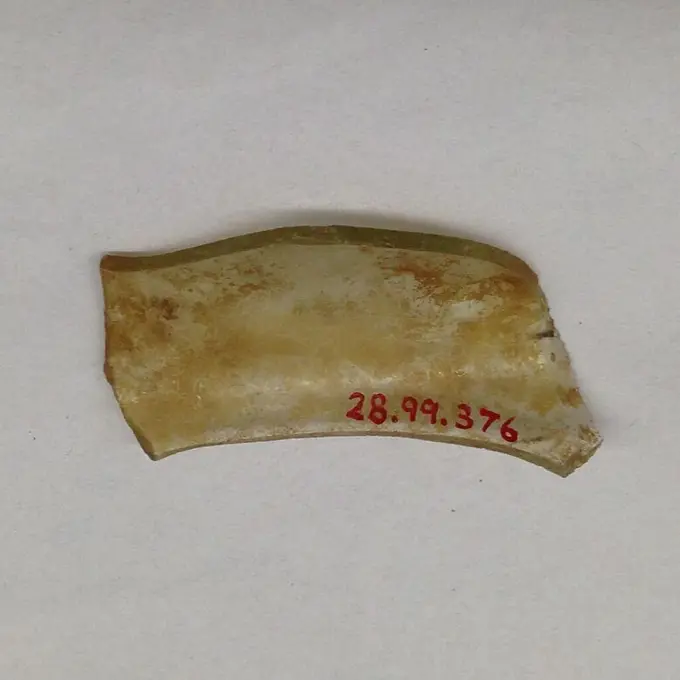
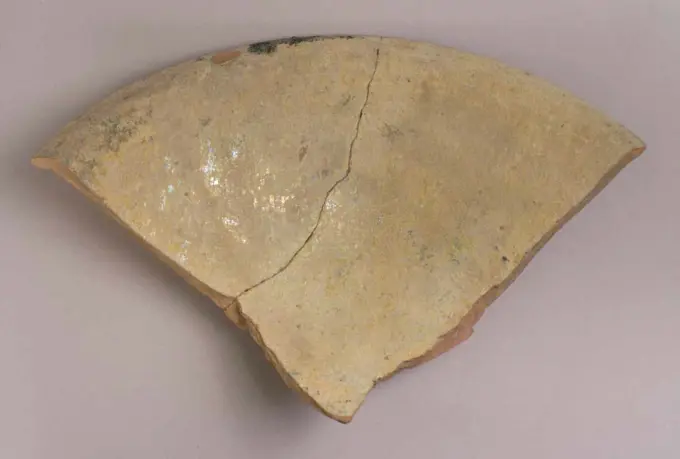
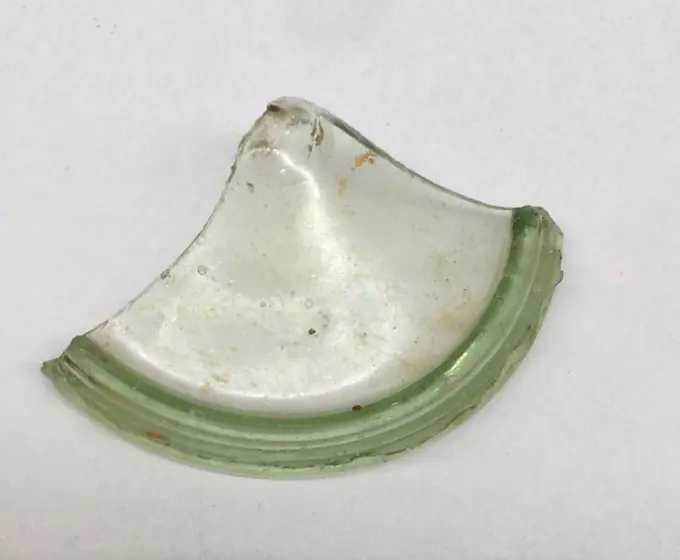
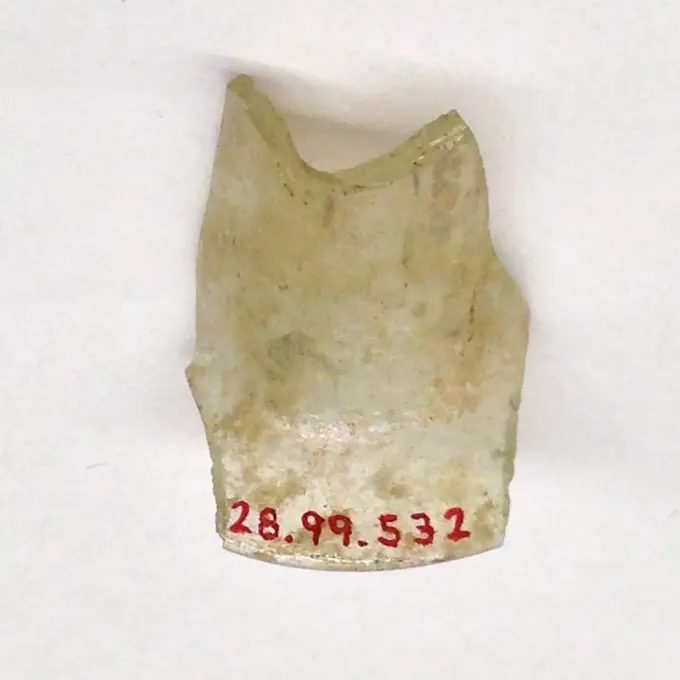
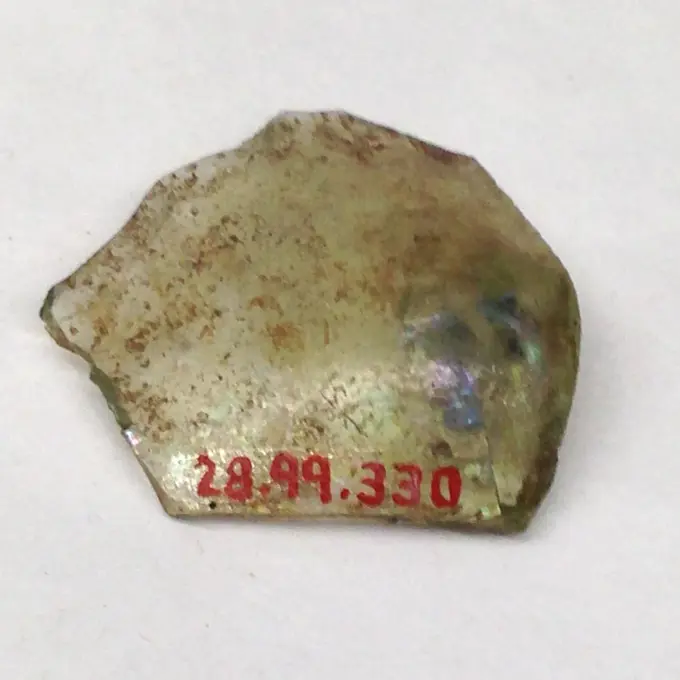
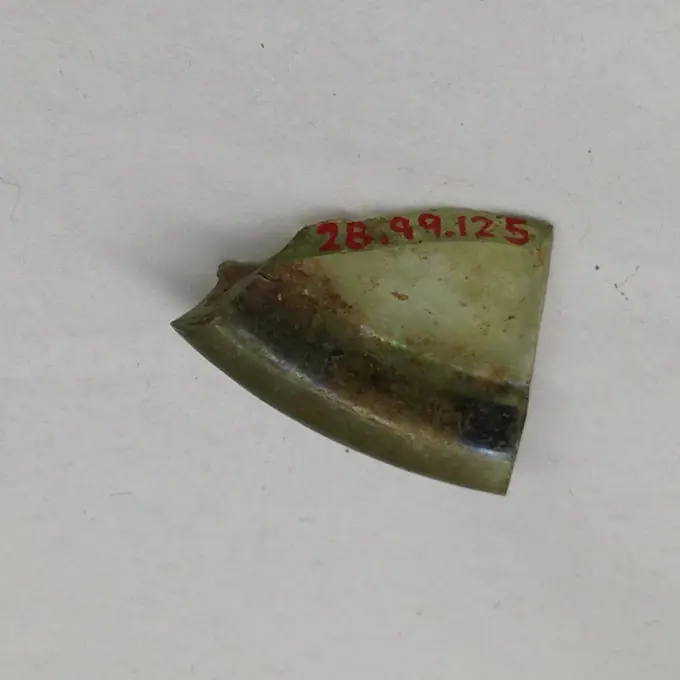
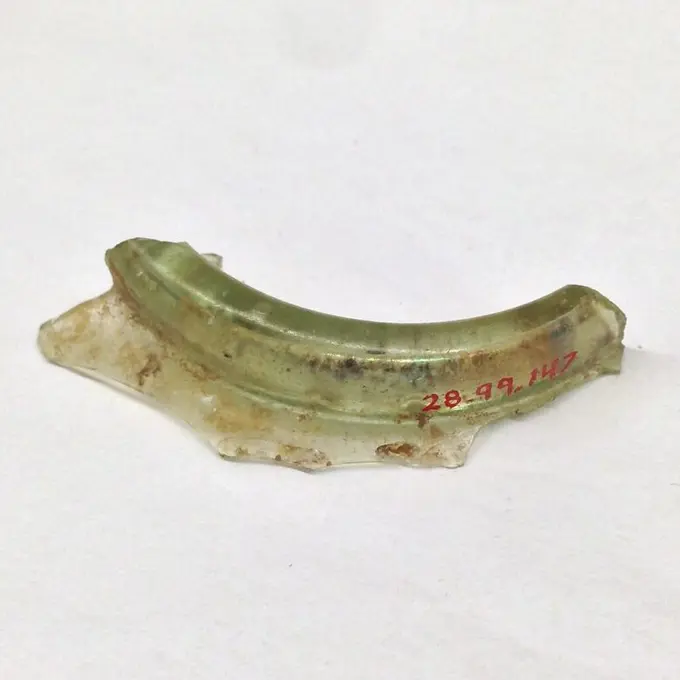
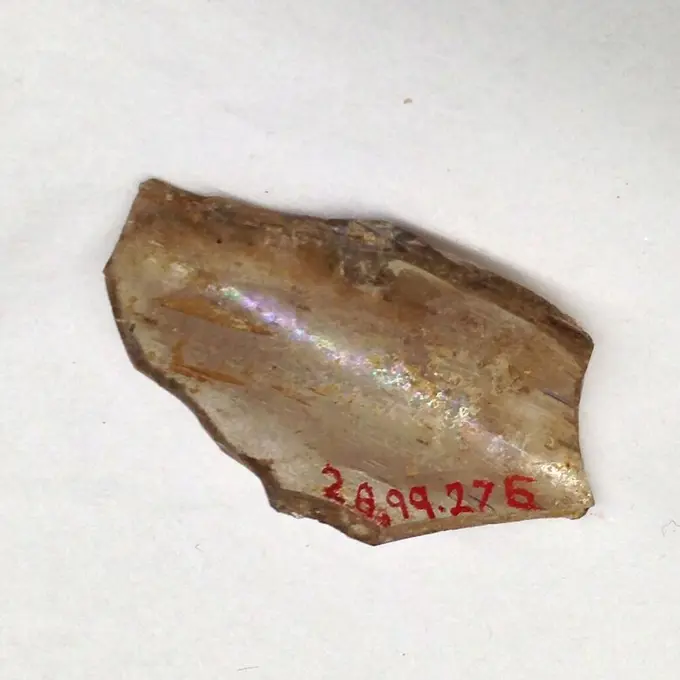
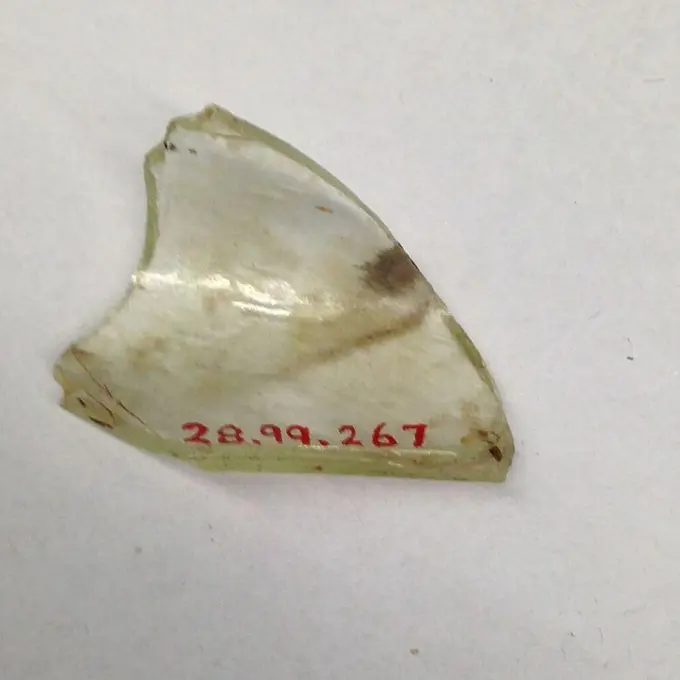
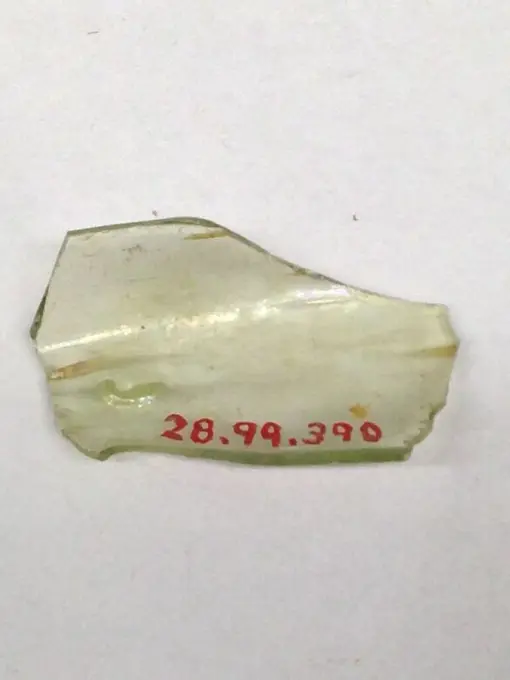
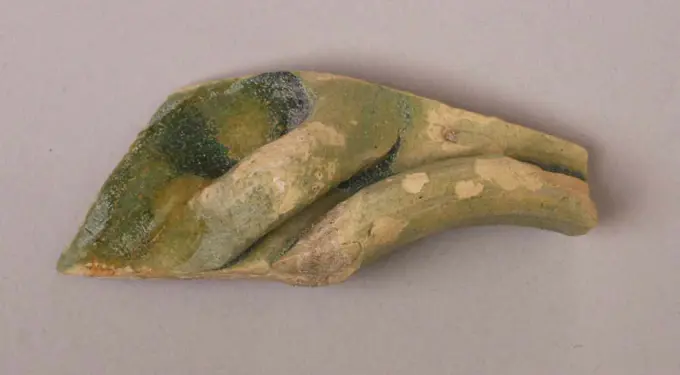
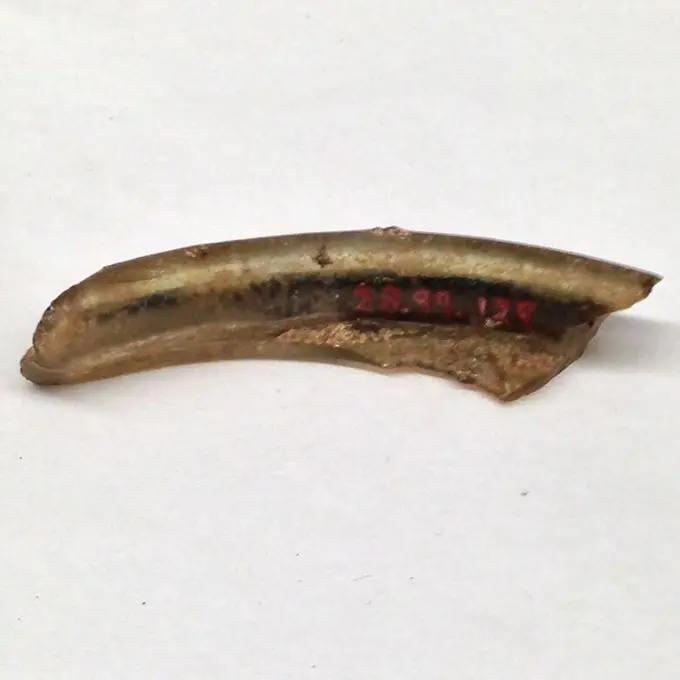
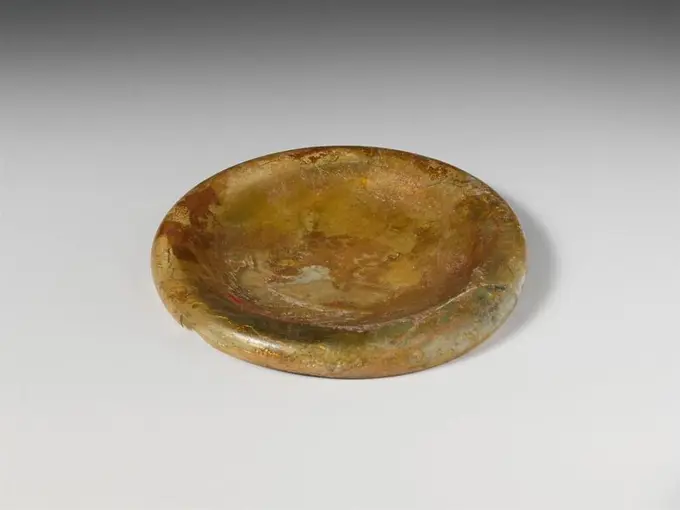
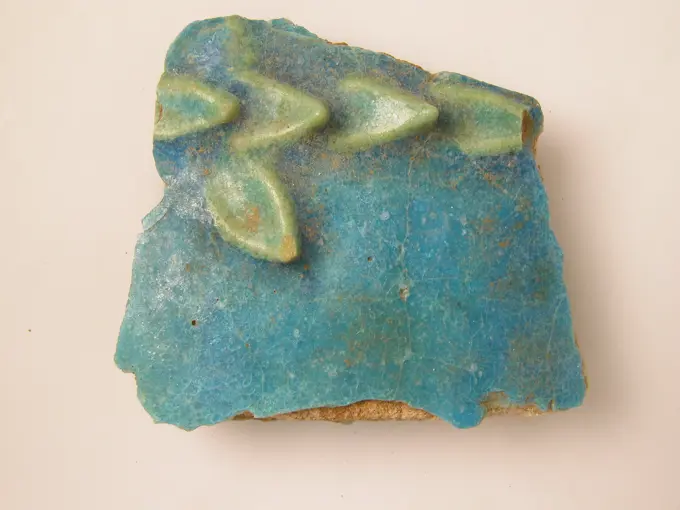
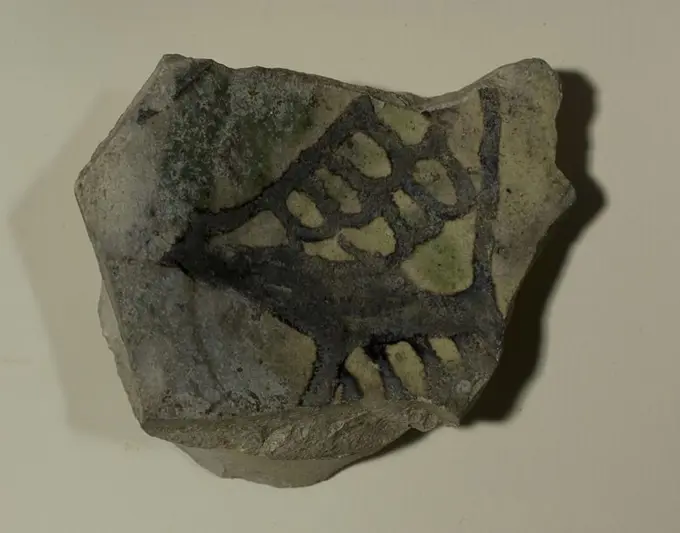
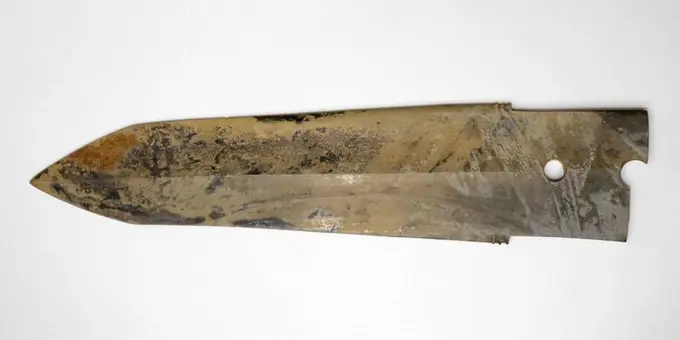
Various fragments from European or Middle Eastern origins, dated from the 8th to 13th centuries, illustrating historical artifacts in natural tones.
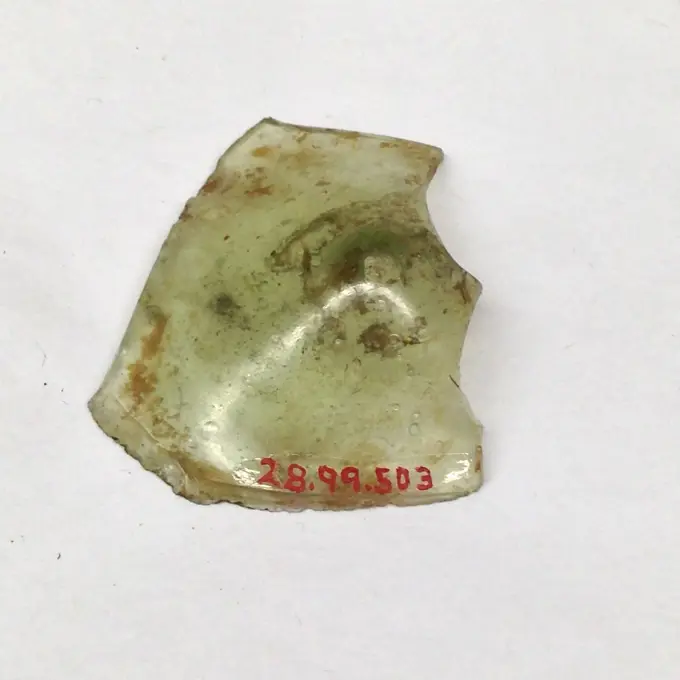
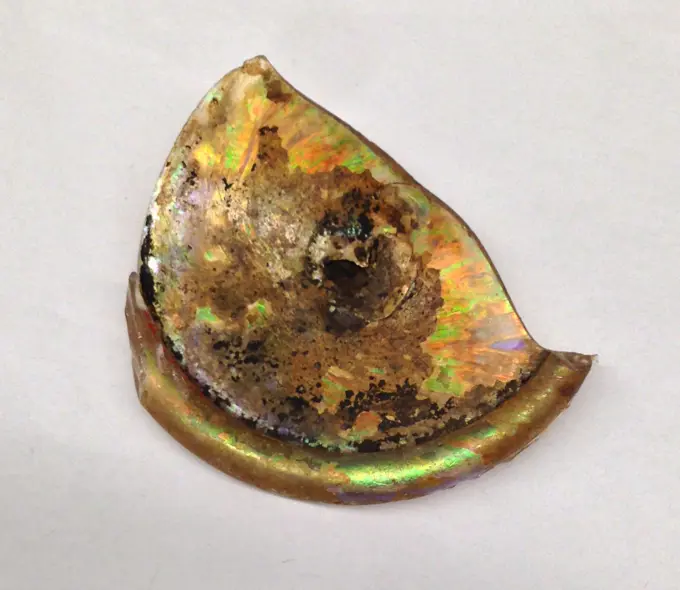
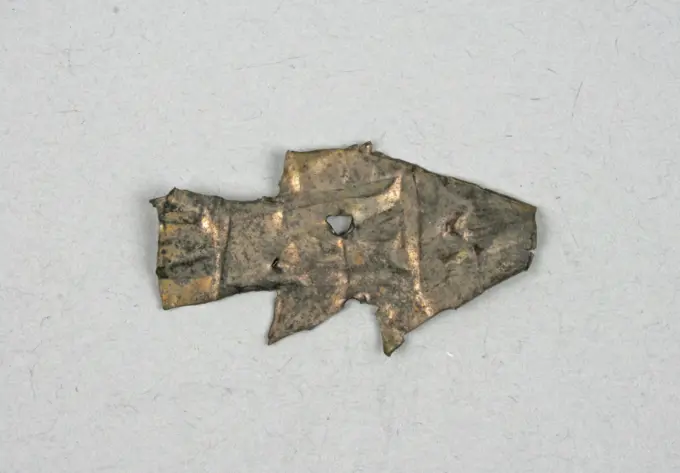
Fragment ca. 1150-ca. 1250 European or Middle Eastern. Fragment 696592
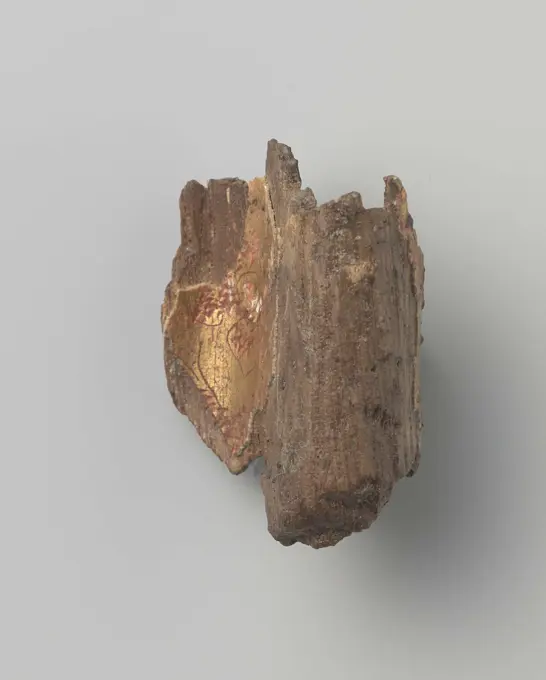
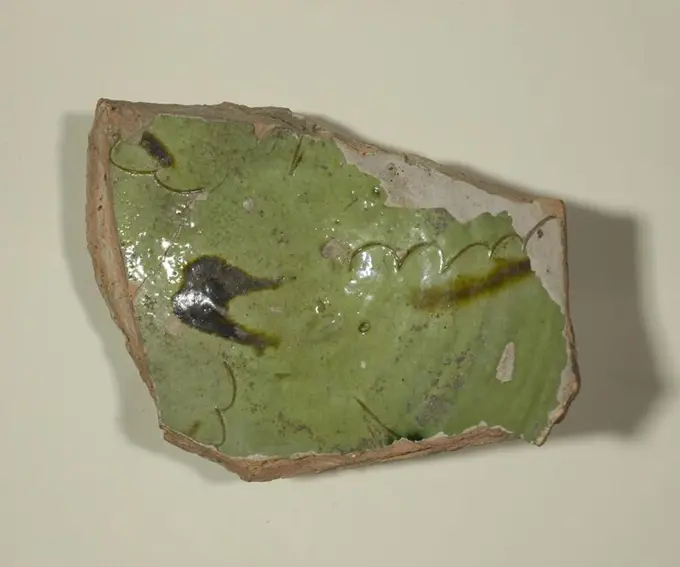
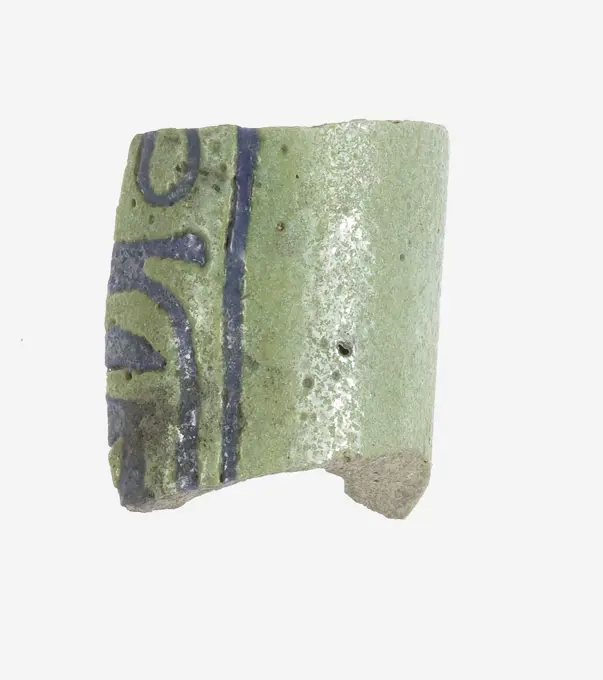
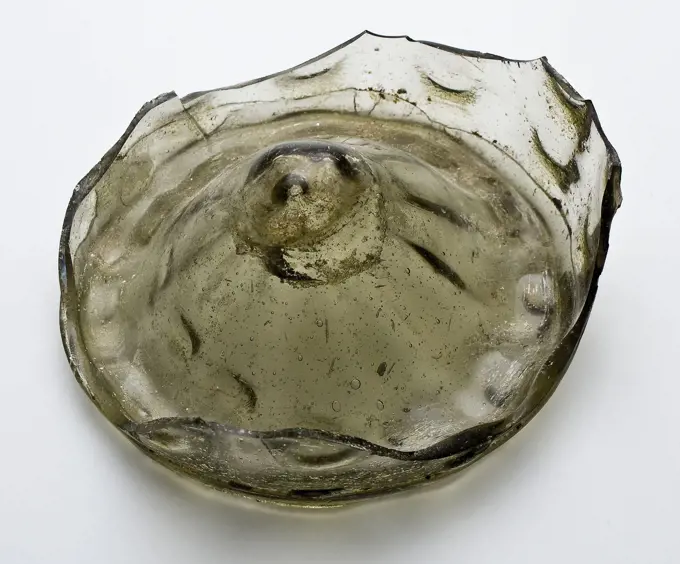
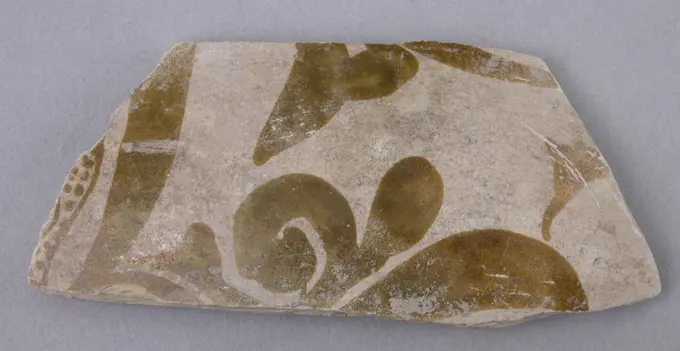
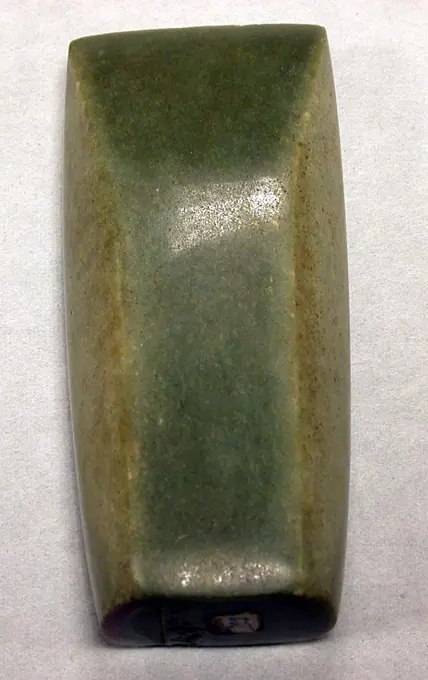
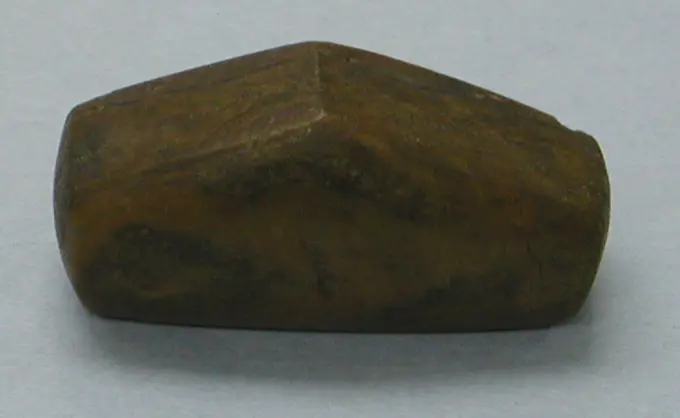
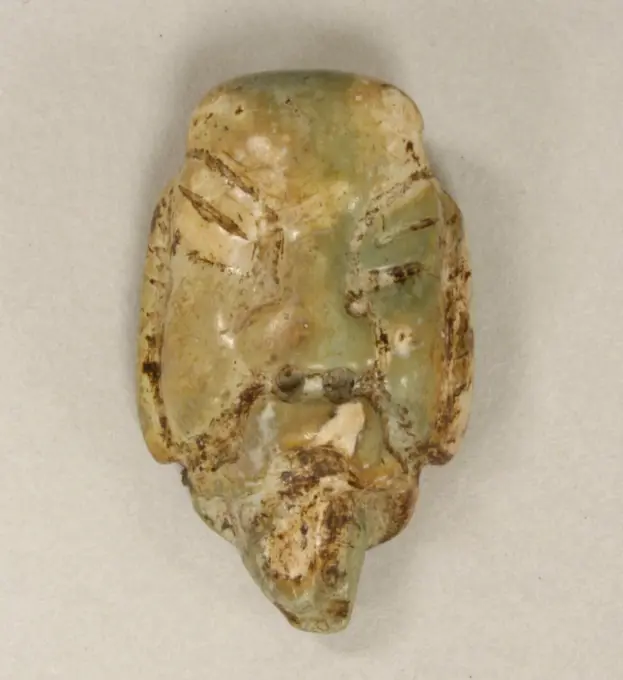
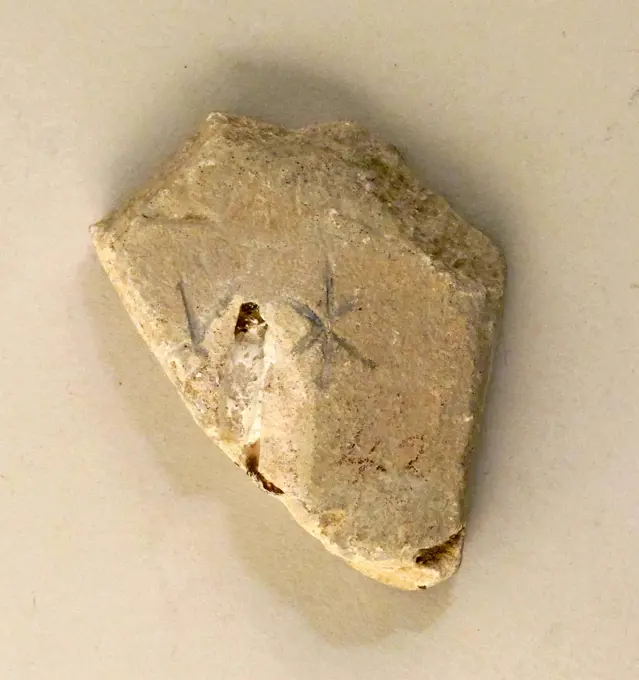
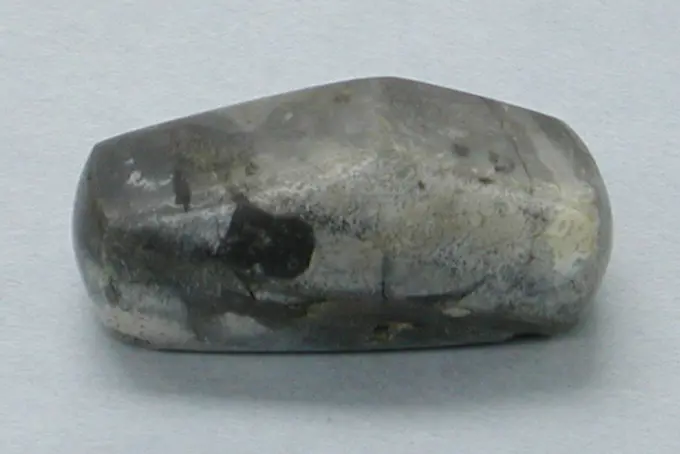
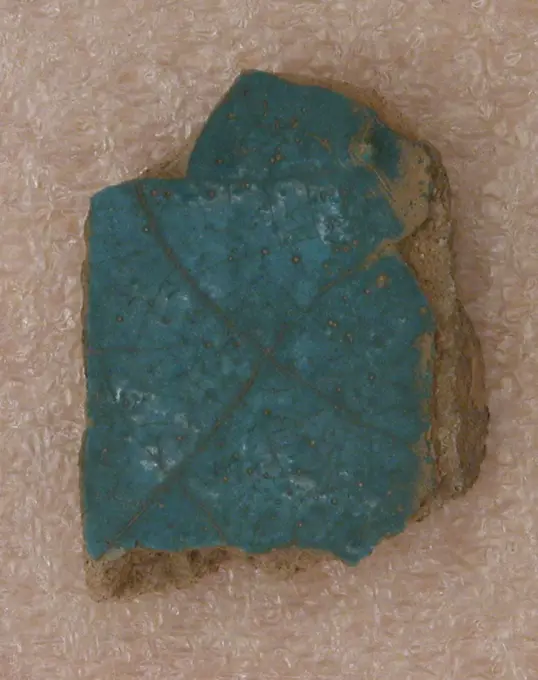
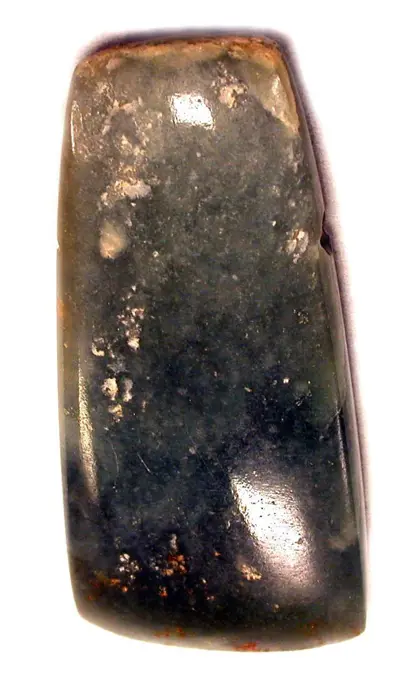
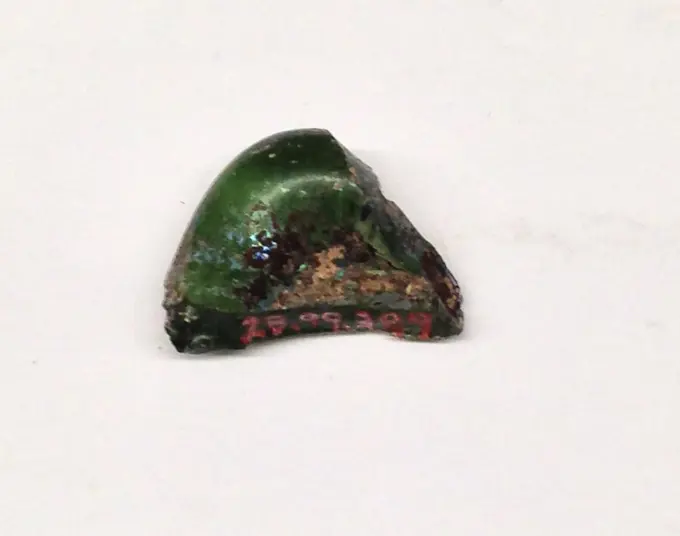
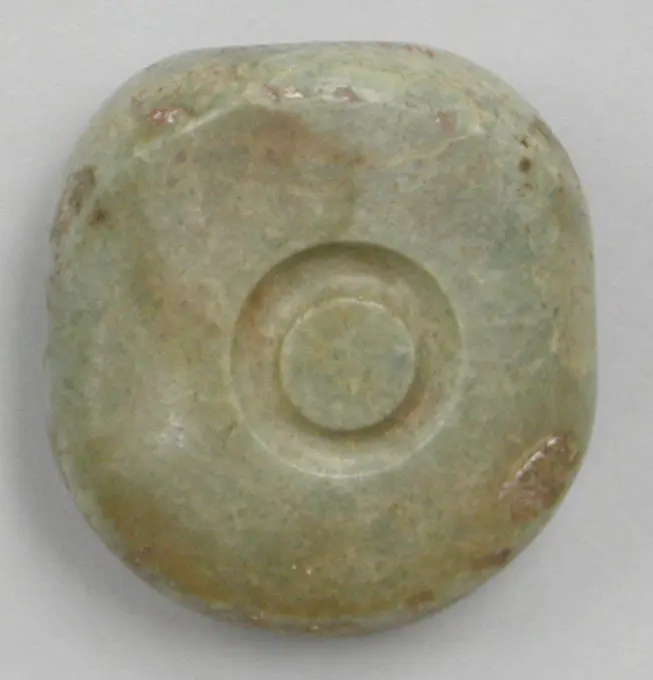
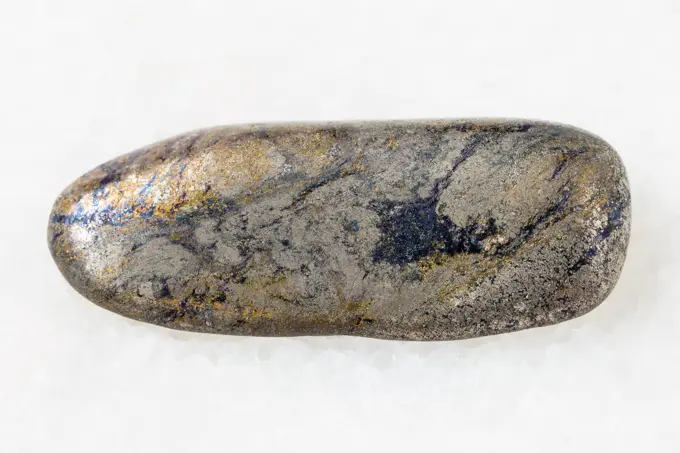
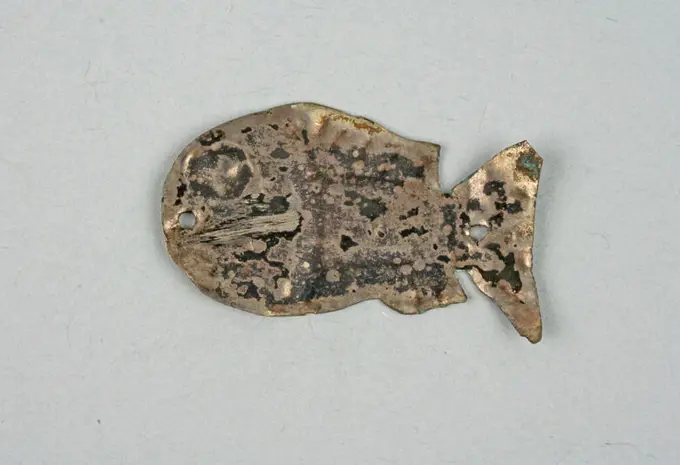
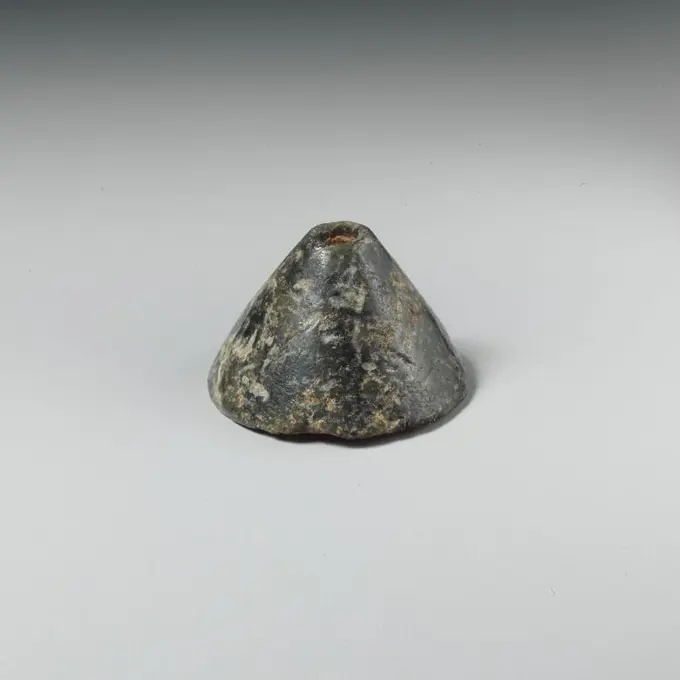
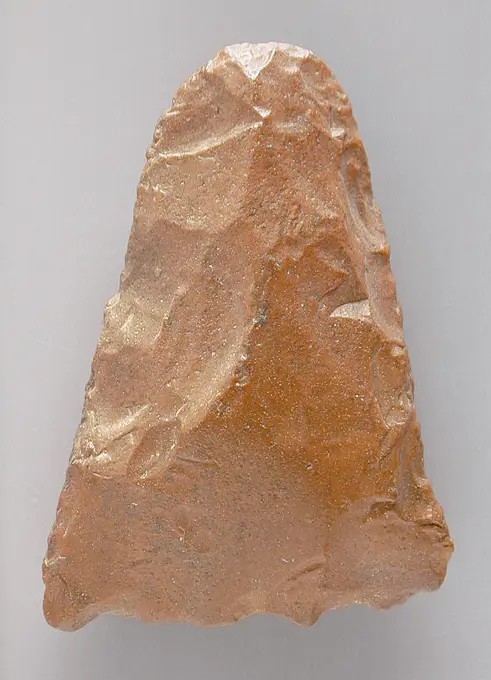
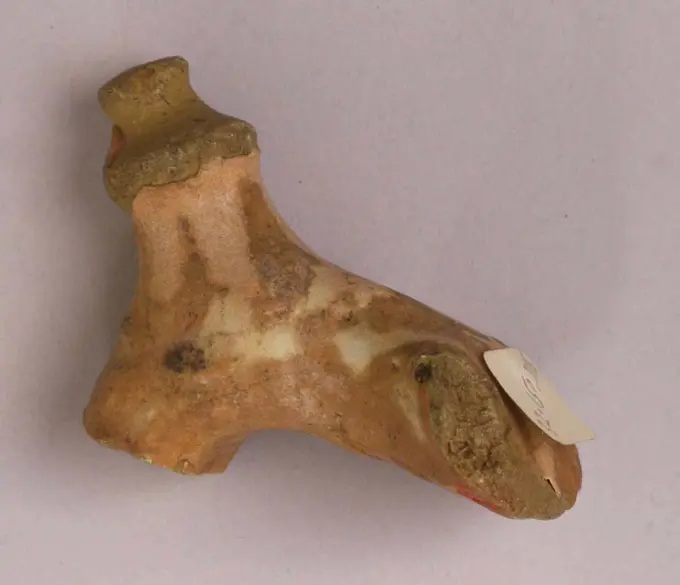
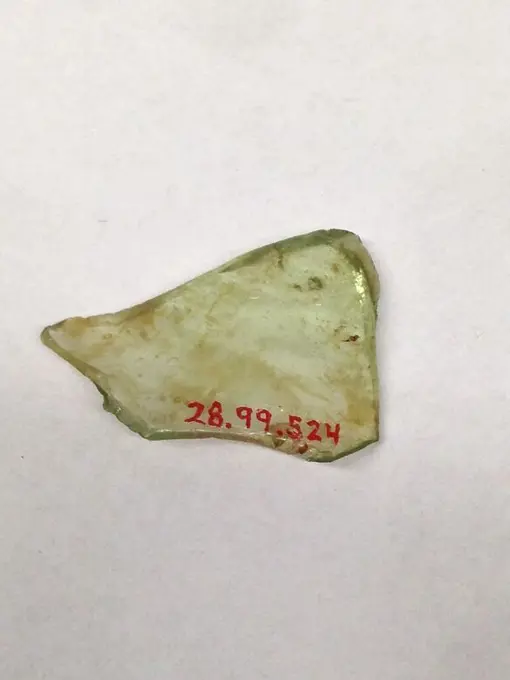
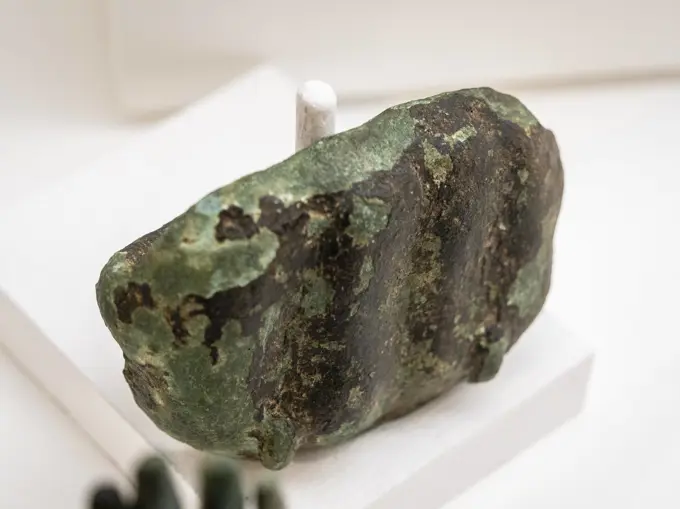
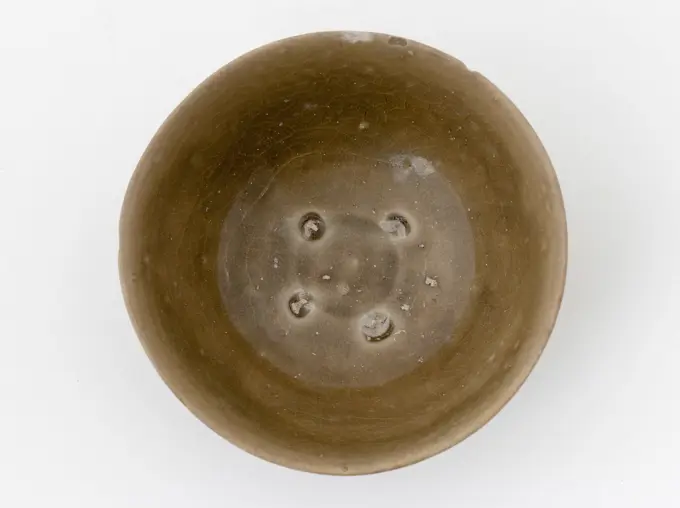
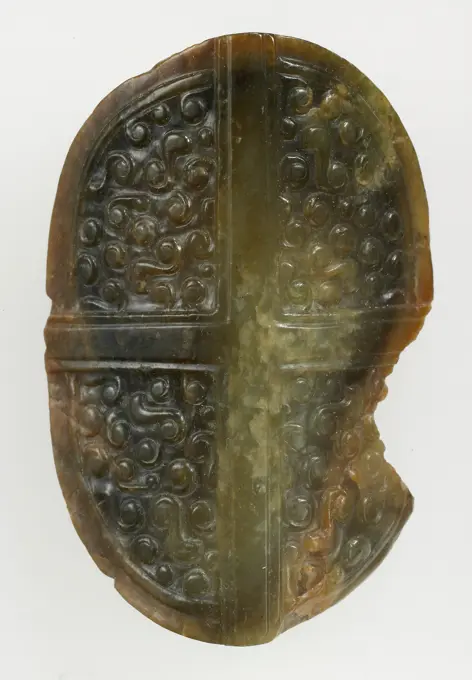
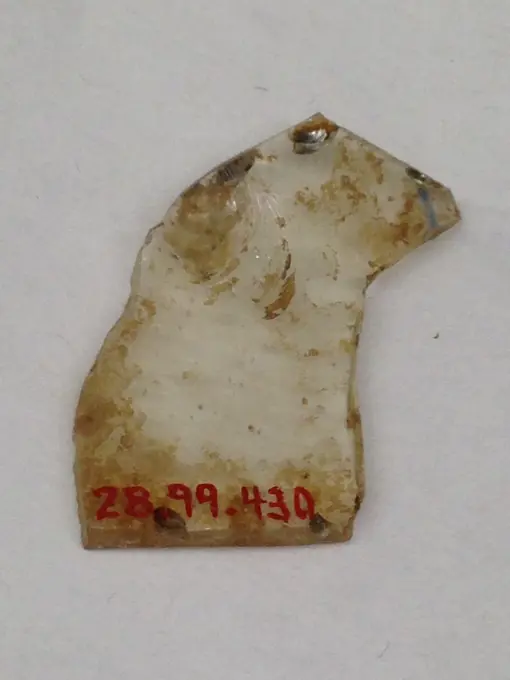
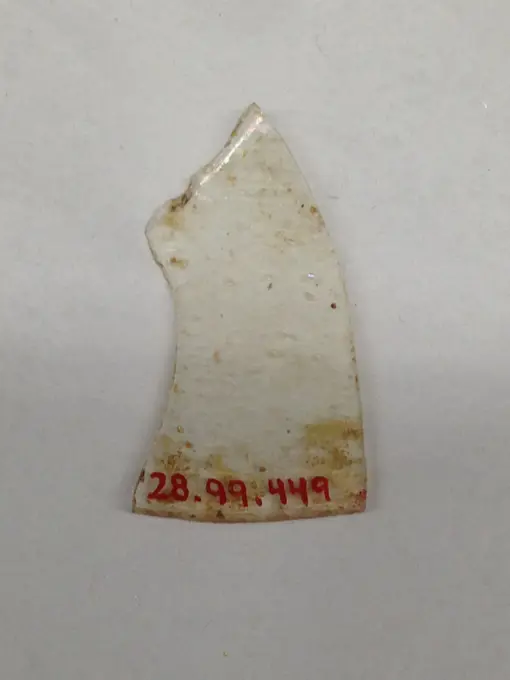
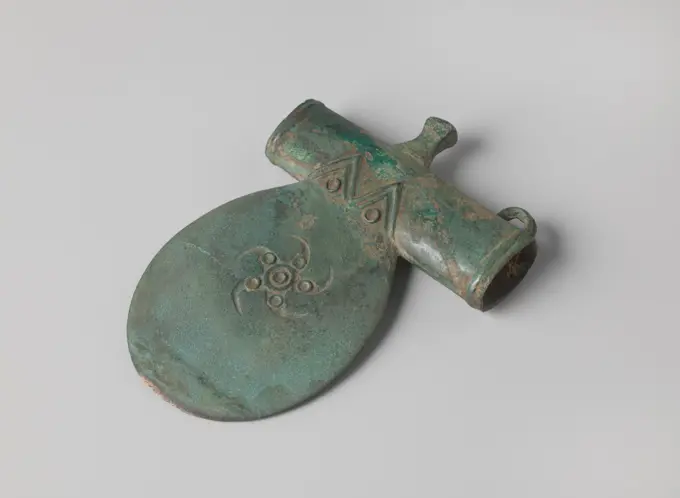
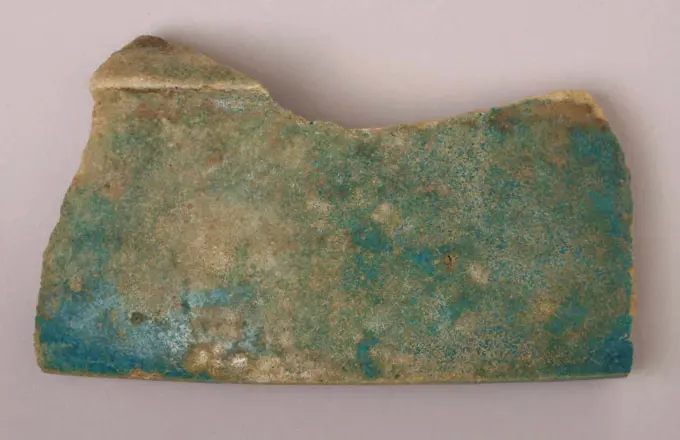
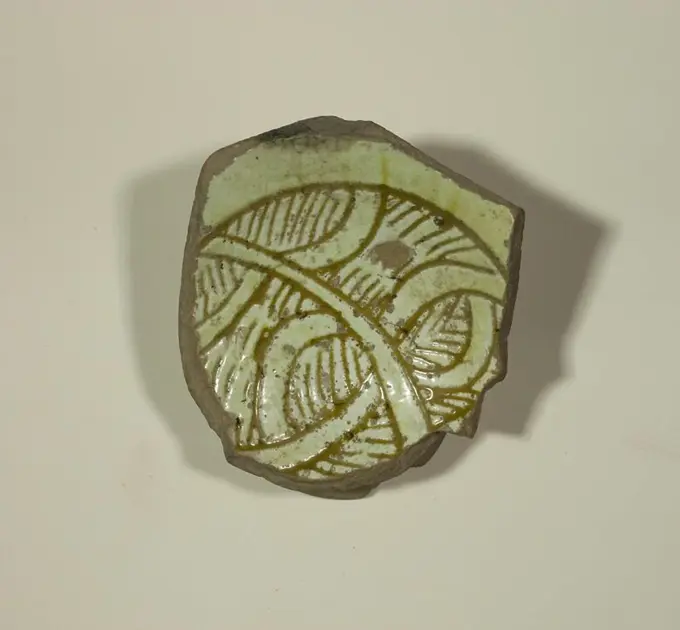
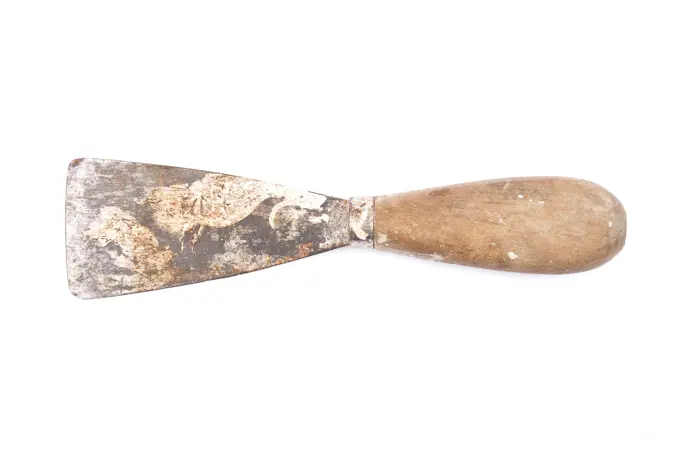
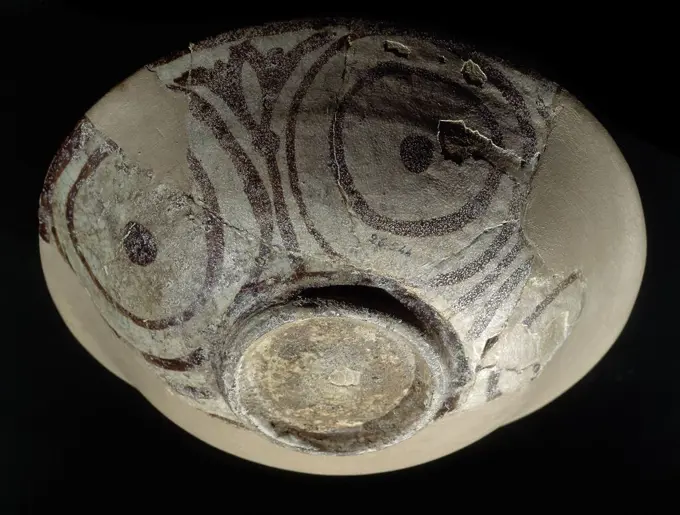
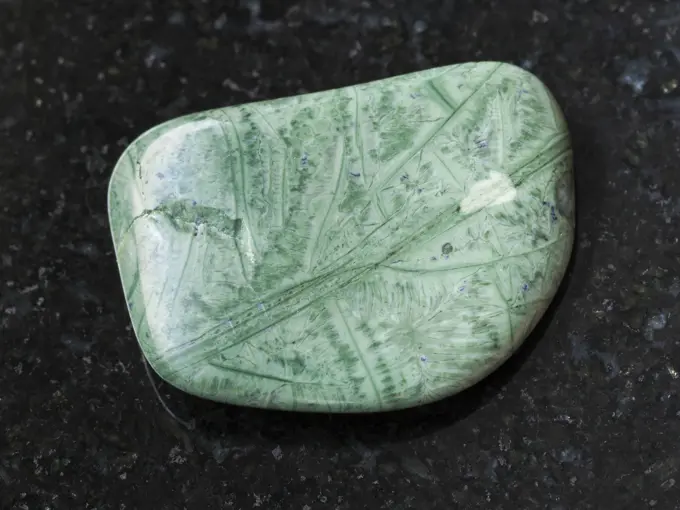
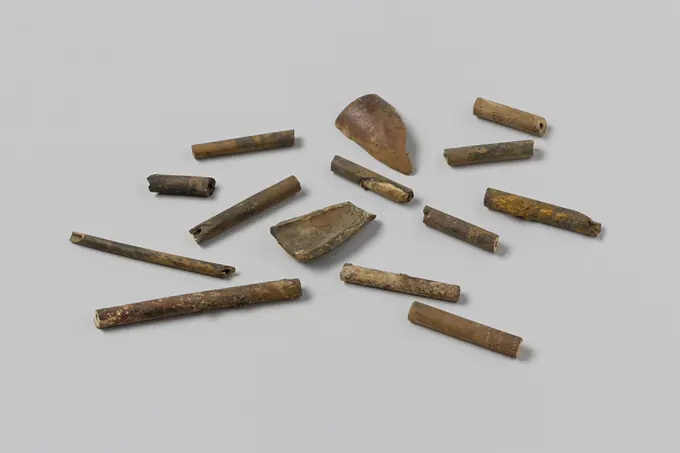
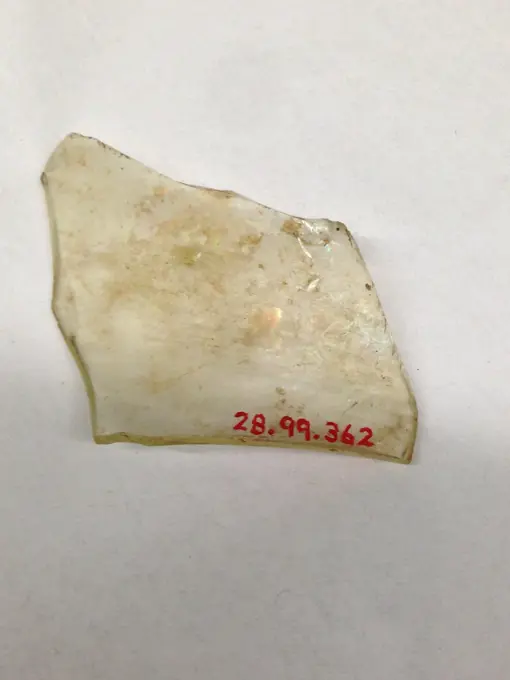
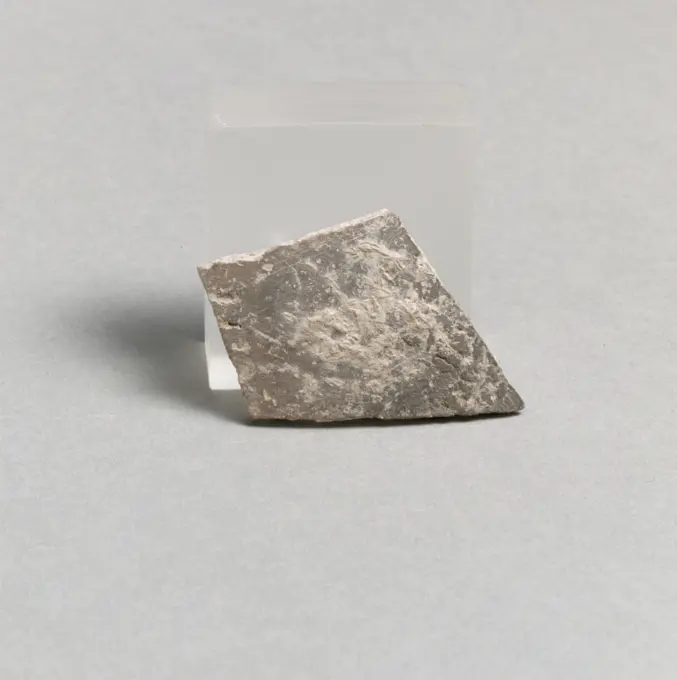
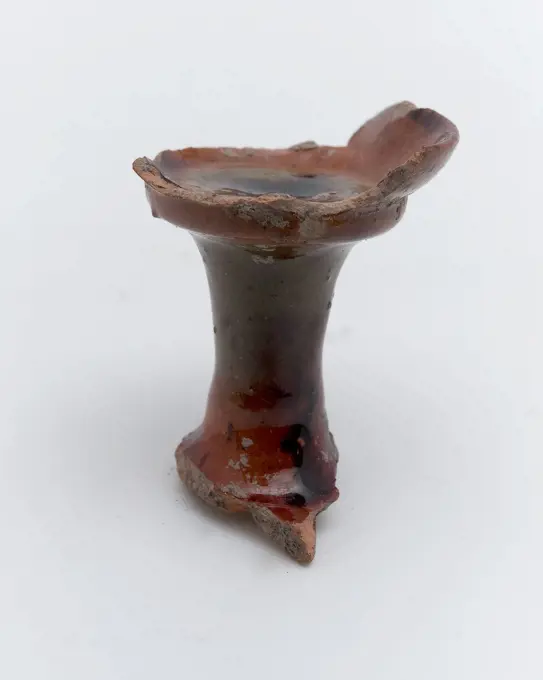
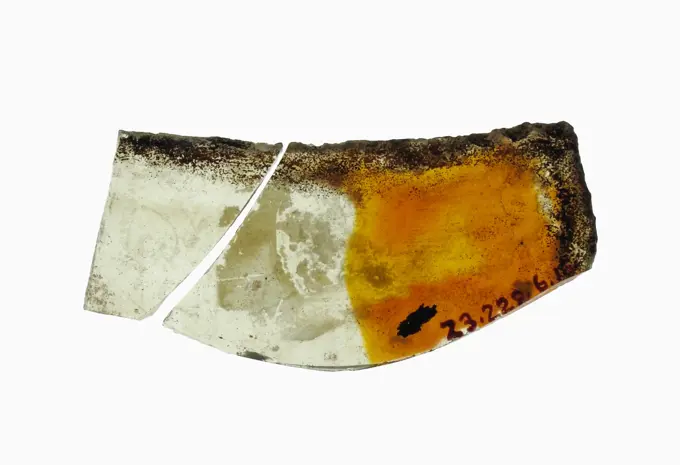
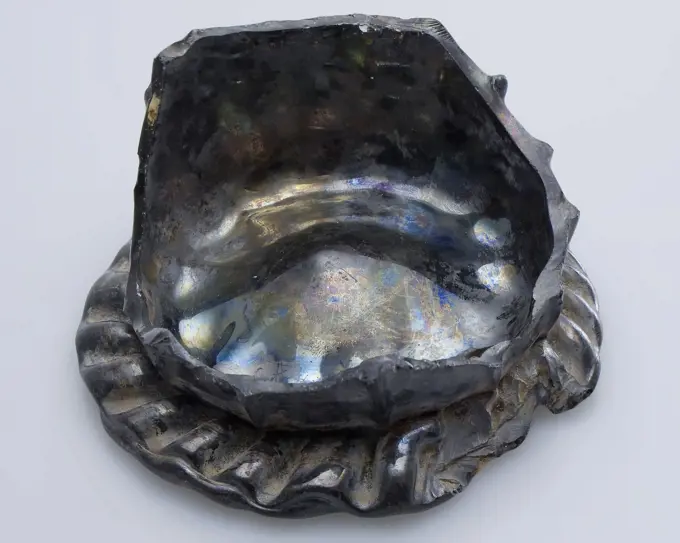
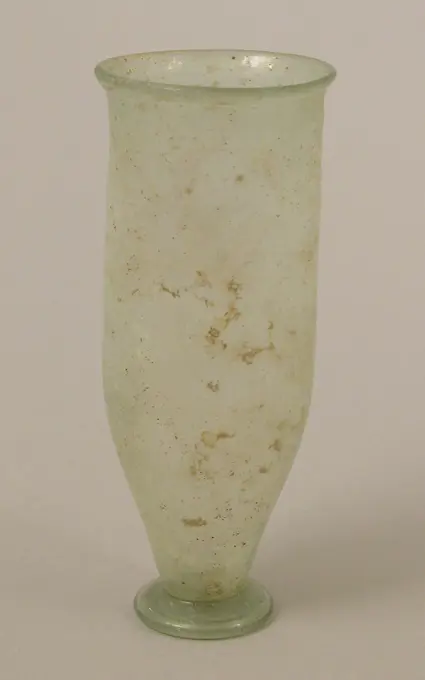
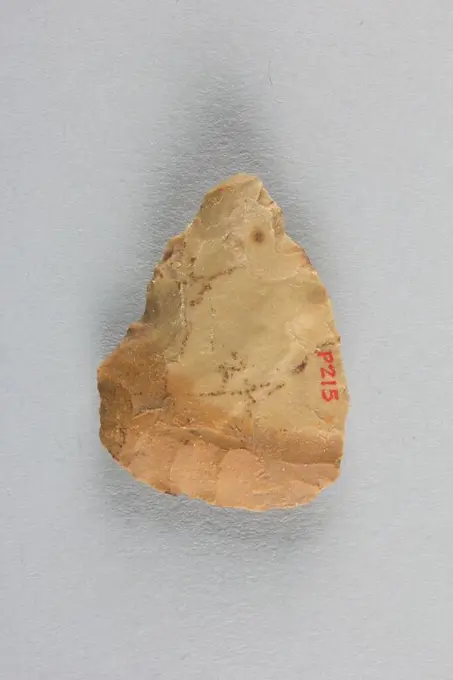
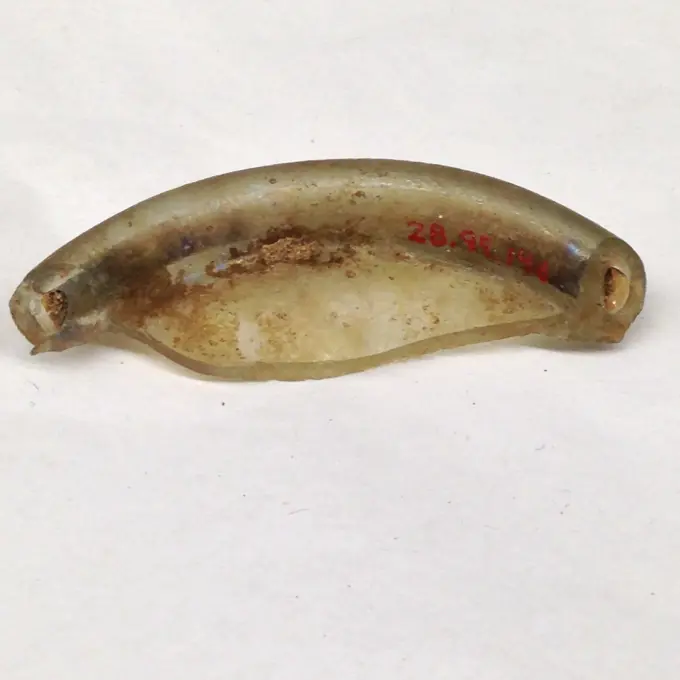
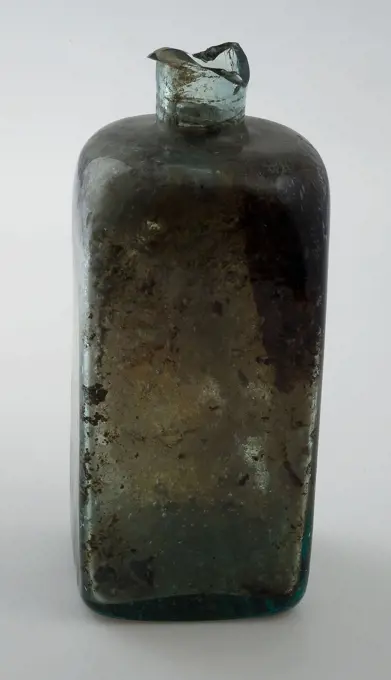
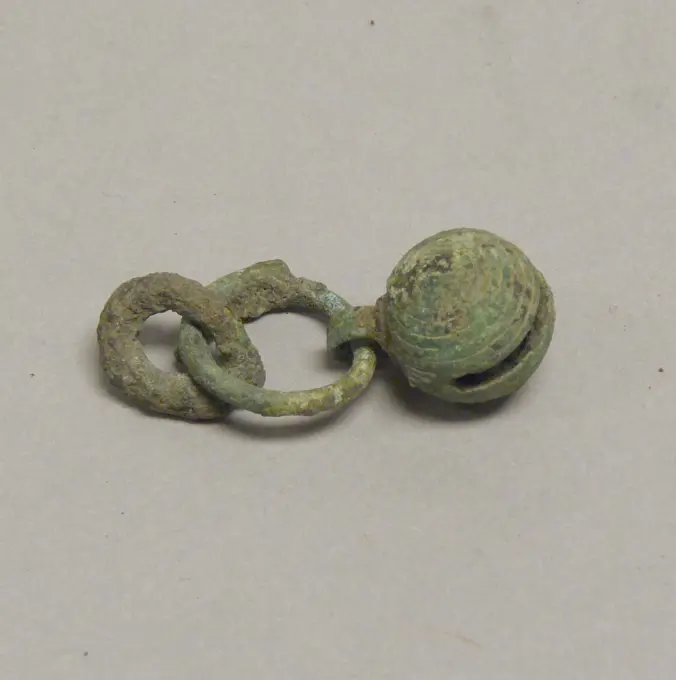
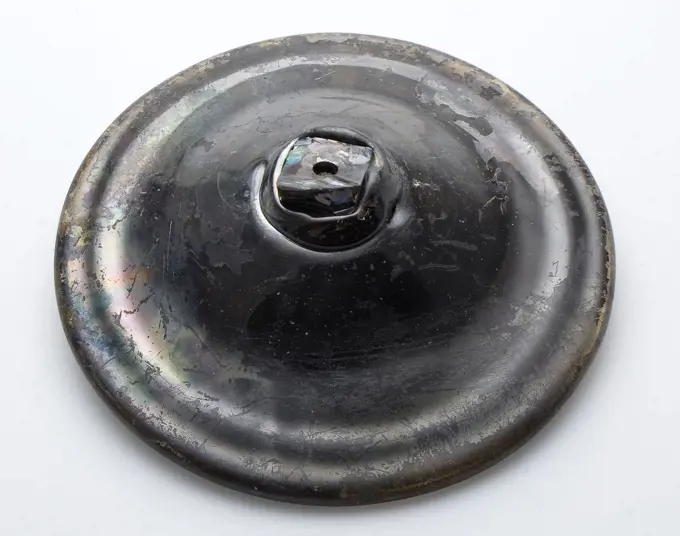
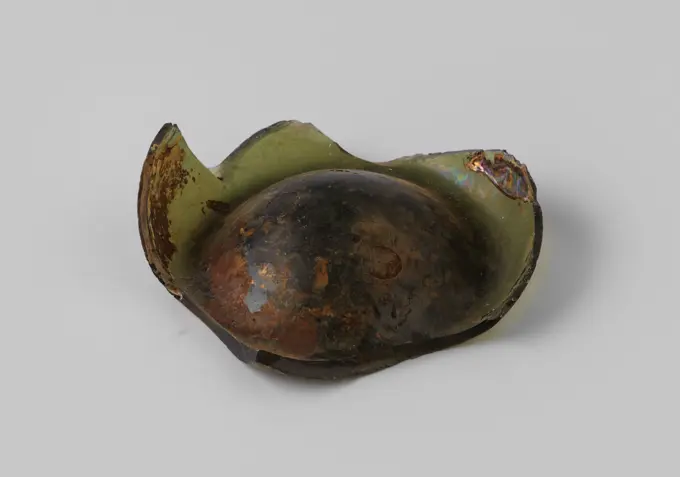
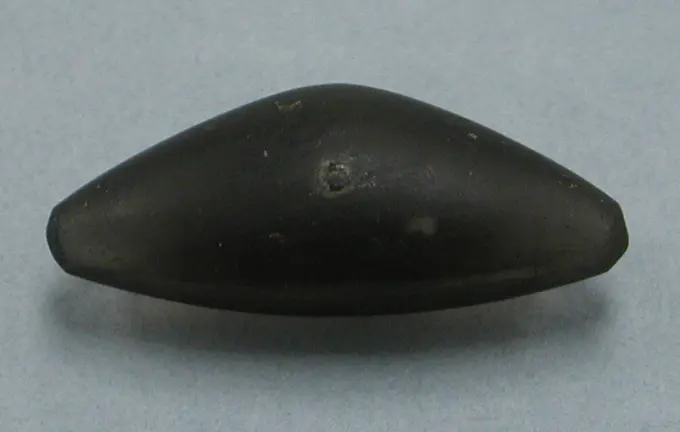
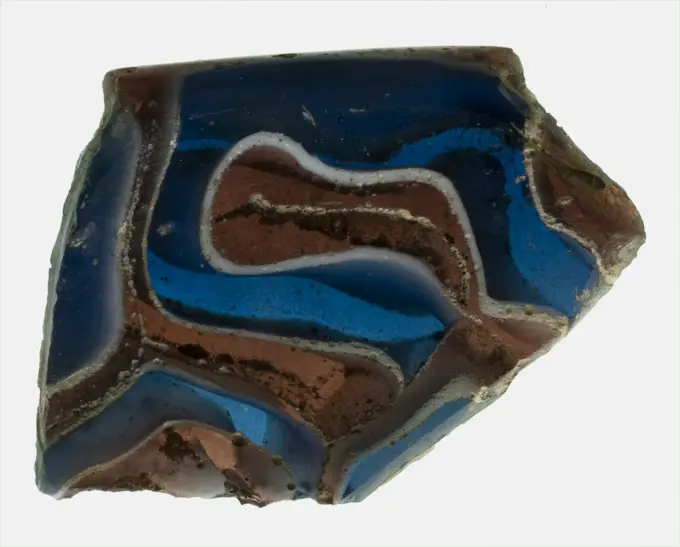
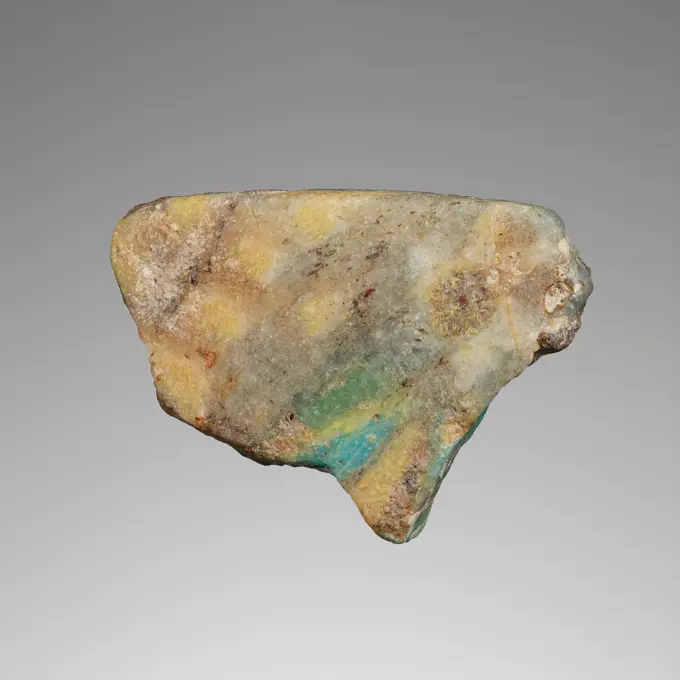
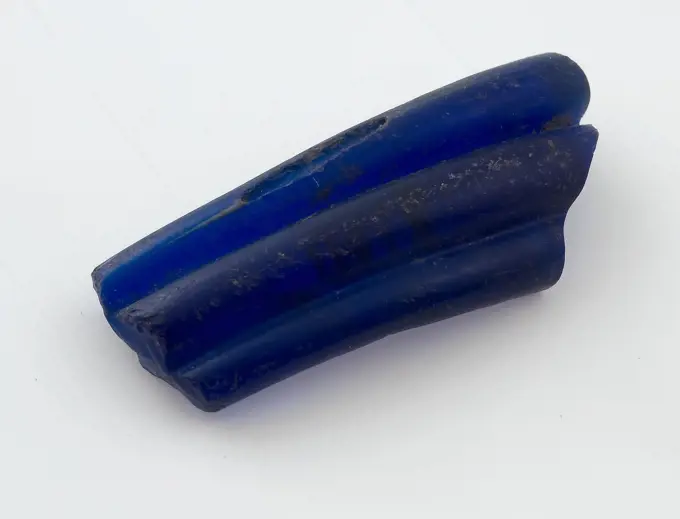
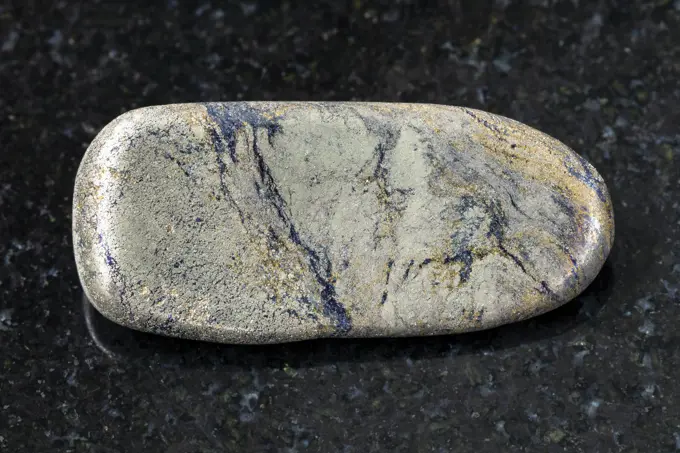
Fragment ca. 1150-ca. 1250 European or Middle Eastern. Fragment 695188Fragment. Culture: European or Middle Eastern. Dimensions: L. 1 7/8 in. (4.8 cm). Date: ca. 1150-ca. 1250. Museum: Metropolitan Museum of Art, New York, USA.Fragment ca. 1150-ca. 1250 European or Middle Eastern. Fragment 696592Fragment 8th-9th century. Fragment 448779Fragment ca. 1150-ca. 1250 European or Middle Eastern. Fragment 696638Fragment ca. 1150-ca. 1250 European or Middle Eastern. Fragment 694310Cicada pendant. China. Date: 1300 BC-900 BC. Dimensions: 1 1/2 × 3/4 × 3/8 in. Jade. Origin: China. Museum: The Chicago Art Institute, Chicago, USA.Fragment ca. 1150-ca. 1250 European or Middle Eastern. Fragment 696624Fragment; (possibly) belonging to the Retable of Soest. .Fragment of a Bowl. Byzantine; Greece, Corinth. Date: 1201-1400. Dimensions: 6 × 15.2 × 10.2 cm (2 3/8 × 6 × 4 in.). Ceramic, sgraffito design. Origin: Istanbul. Museum: The Chicago Art Institute, Chicago, USA.Fragment of Kohl Tube ca. 1390-1353 B.C. New Kingdom. Fragment of Kohl Tube. ca. 1390-1353 B.C.. Faience. New Kingdom. From Egypt, Upper Egypt, Thebes, Malqata, Palace of Amenhotep III, House B, MMA excavations, 1910-11. Dynasty 18Fragment of bottom and part wall of braid cup, drinking cup drinking utensils holder soil find glass h 2.2, hand-blown in the mold blow Fragment of bottom and small part of wall of braid cup in clear colorless glass. Pontil mark under raised bottom (h 2.3 cm). number of times the wall has been wound with glass wire, of which two windings are left. Next, the cup is blown into mold with twelve grooves. After that flat wide glass wire as stand ring under the soil laid out archeology Rotterdam rail tunnel drink Soil discovery: rail tunnel Rotterdam.Fragment ca. 1150-ca. 1250 European or Middle Eastern. Fragment 695235Fragment 8th-9th century. Fragment 448830Fragment ca. 1150-ca. 1250 European or Middle Eastern. Fragment 694228Adze before 16th century Maya () Greenstone axe heads, commonly known as “celts,” were some of the most important works of art across ancient Mesoamerica and Central America. Created from jadeite mined from the Motagua River Valley of southern Guatemala, or using local green stones from highland Mexico, celts were first created by the Olmec peoples of the Gulf Coast after 1000 B.C. The Olmec conceived of green celts as sprouts of maize and thus “planted” celts in dedicatory offerings, activating ceremonial spaces and perpetuating agricultural fertility. For the later Maya peoples, celts also served as dedicatory materials, but more so as adornments for the royal bodies of kings and queens. Often the celts would be thinned into celt-shaped plaques, strung together in pairs and triads in order to create belt assemblages that would have clinked with the sound of jades striking one another. Tombs from the Classic Period (ca. A.D. 250-900) contain celts of jadeite and various greenstones fStone Pulidor before 16th century Mexican. Stone Pulidor 317151Head 6th-2nd century B.C. Mexican. Head 316185Limestone inscribed box fragment Cypriot Fragment of an inscribed box; dedicated to the Lady of Paphos.. Limestone inscribed box fragment. Cypriot. Stone. Cesnola InscriptionsStone Pulidor before 16th century Mexican. Stone Pulidor 317135Fragment ca. 1150-ca. 1250 European or Middle Eastern. Fragment 695258Tile Fragment 1334-1434. Tile Fragment. 1334-1434. Stonepaste; glazed. From present-day Uzbekistan, Samarqand. Ceramics-TilesPlanets-manager. Cornalet Collection Sites 2013-2016. Numismatic.Celt-Form Pendant before 16th century Maya () Greenstone axe heads, commonly known as “celts,” were some of the most important works of art across ancient Mesoamerica and Central America. Created from jadeite mined from the Motagua River Valley of southern Guatemala, or using local green stones from highland Mexico, celts were first created by the Olmec peoples of the Gulf Coast after 1000 B.C. The Olmec conceived of green celts as sprouts of maize and thus “planted” celts in dedicatory offerings, activating ceremonial spaces and perpetuating agricultural fertility. For the later Maya peoples, celts also served as dedicatory materials, but more so as adornments for the royal bodies of kings and queens. Often the celts would be thinned into celt-shaped plaques, strung together in pairs and triads in order to create belt assemblages that would have clinked with the sound of jades striking one another. Tombs from the Classic Period (ca. A.D. 250-900) contain celts of jadeite and various Fragment ca. 1150-ca. 1250 European or Middle Eastern. Fragment 695330Fragment. Culture: European or Middle Eastern. Dimensions: L. 2 1/4 in. (5.7 cm). Date: ca. 1150-ca. 1250. Museum: Metropolitan Museum of Art, New York, USA.Pulidor before 16th century Olmec. Pulidor 317394tumbled Arsenopyrite stone on white macro shooting of natural mineral rock specimen - tumbled Arsenopyrite stone on white marble background from Transbaikalia Zabaykalye, Russia Copyright: xZoonar.com/ValeryxVoennyyx 11951206Fragment. Culture: European or Middle Eastern. Dimensions: L. 1 3/4 in. (4.5 cm). Date: ca. 1150-ca. 1250. Museum: Metropolitan Museum of Art, New York, USA.Costume Ornament. Culture: Peru; central coast (). Dimensions: L. 1 1/2 in. (3.8 cm). Date: 11th-12th century. Museum: Metropolitan Museum of Art, New York, USA.Steatite spindle whorl. Culture: Minoan. Dimensions: H. 7/16 in. (1.1 cm). Date: ca. 2400-1450 B.C..Spindle whorls aided in the making of cloth for garments and bedding. They were placed in tombs, perhaps so that the deceased could continue to spin wool in the afterlife. Museum: Metropolitan Museum of Art, New York, USA.Bifacial Stone Tool. Egypt, Neolithic Period (5500 - 3100 BCE). Tools and Equipment. FlintFragment of a Luster-Painted Handle with Thumb Rest 9th-11th century This ceramic fragment was excavated in Ctesiphon, the Sasanian metropolis and administrative capital conquered by Arab Muslim armies in 637. The city was known in Arabic as al-Madain, or "the cities", for its extended area. Arab historians indulge in describing al-Madain/Ctesiphons grand monuments, which obsessed Muslim rulers and may have acquired a symbolic meaning related to its imperial past. This was the case of the Taq-i Kisra, an impressively-sized ivan (a vaulted hall with one side open) partially dismantled to reuse its bricks in caliphal buildings in the new capital Baghdad. Finds like this fragment, which was excavated at a site named Selman Pak V, attest to the continued occupation of Ctesiphons urban area in the early Islamic period. The handle would have originally belonged to a ewer or a jug, glazed with an opacified white glaze, and luster-painted in a greenish-gold color. Thumb rests, sometimes inFragment ca. 1150-ca. 1250 European or Middle Eastern. Fragment 696625Coin from v.o.c.-ship the 'white lion'. Coin from v.o.c.-ship the 'white lion'. Chinese red copper mint from a barrel.Fragment. Culture: European or Middle Eastern. Dimensions: L. 1 1/2 in. (3.8 cm). Date: ca. 1150-ca. 1250. Museum: Metropolitan Museum of Art, New York, USA.Pendant 3rd-12th century. Pendant. 3rd-12th century. Bronze (). Found Egypt, Maghagha. JewelryDecorative door boss and nail, Wrought iron, Square type, pierced and embossed with wrought lines. Quadrant leaf design based on old examples. Round nail head on square shank., Spain, 16th-17th century, metalwork, Decorative Arts, Decorative door boss and nailFragment. Culture: European or Middle Eastern. Dimensions: L. 1 1/4 in. (3.2 cm). Date: ca. 1150-ca. 1250. Museum: Metropolitan Museum of Art, New York, USA.Plaque with Animal Head 1300 BCE-1000 BCE China. Jade .pugilate mitt pugilate mitt, bronze, Ibero-Roman era, 1st-3rd century AD. Riotinto, Huelva Museum, Huelva, Andalusia, Spain Copyright: xZoonar.com/BartomeuxBalaguerxRotgerx 21720811Bol ". GRS covered Cladon. Song. Paris, Muse Cernuschi. He was Asian art, extreme-East art, Vietnamese art, bowl, ceramic, gres, dishesPlaque, 475-221 BCE, 1 15/16 x 1 1/2 x 1/4 in. (4.92 x 3.81 x 0.64 cm), Mottled olive-green jade, China, 5th-3rd century BCEKnee Defense (Poleyn) ca. 1450-75 Italian This is part of a large find of medieval armor discovered in 1840 in the ruins of the fortress of Chalcis, on the Greek island of Euboea (then a Venetian colony called Negroponte). The fortress had been captured and destroyed by the Turks in 1470. Now divided largely between the Ethnological Museum, Athens, and The Metropolitan Museum of Art, the Chalcis hoard contains many rare and unusual elements of fourteenth- and fifteenth-century armor. Of particular importance are the variety of headpieces and the many fragments of brigandines (armor for the torso constructed of small plates riveted to layers of fabric), some of which retain portions of their original velvet covering. The Chalcis armor provides a unique picture of the armament used in the Aegean, one of the easternmost military outposts of the Venetian empire.. Knee Defense (Poleyn) 23286Terracotta vase fragment with white inlay ca. 1800-1700 B.C. Minoan From Knossos, CreteFragment with white inlay.. Terracotta vase fragment with white inlay 248544Fragment ca. 1150-ca. 1250 European or Middle Eastern. Fragment 695391Fragment ca. 1150-ca. 1250 European or Middle Eastern. Fragment 695417Fragment 3rd-8th century. Fragment 448817Ceremonial ax in Ordos style, Anonymous, -300 --200 Bijl with Ellips-shaped leaf is decorated with a five-pointed star with thorn-shaped points. Ordos area bronze (metal) Bijl with Ellips-shaped leaf is decorated with a five-pointed star with thorn-shaped points. Ordos area bronze (metal)Fragment. Culture: European or Middle Eastern. Dimensions: L. 1 1/2 in. (3.8 cm). Date: ca. 1150-ca. 1250. Museum: Metropolitan Museum of Art, New York, USA.Fragment. Culture: European or Middle Eastern. Dimensions: L. 1 1/4 in. (3.2 cm). Date: ca. 1150-ca. 1250. Museum: Metropolitan Museum of Art, New York, USA.Hammered Silver Drum Ornament 8th-mid-16th century Peru; north coast (). Hammered Silver Drum Ornament 309007Round Plaque 3rd century B.C.-A.D. 2nd century Vicús. Round Plaque 315523Sieciech 1079-1098 (1100), Penny, Sieciechów Near Kutno , Płock ; N.D. Sieciech palatyn, 1079-1098 (1100)Bliżej Kulturypebble of Irnimite gemstone isolated on white macro shooting of natural mineral rock specimen - pebble of Irnimite gemstone isolated on white background from Dzhavodinskoye mine, Khabarovsk Krai, Russia Copyright: xZoonar.com/ValeryxVoennyyx 11514947Fragment late 9th-10th century. Fragment 451508Fragment. Culture: European or Middle Eastern. Dimensions: L. 2 in. (5.1 cm). Date: ca. 1150-ca. 1250. Museum: Metropolitan Museum of Art, New York, USA.Fragment ca. 1150-ca. 1250 European or Middle Eastern. Fragment 696611Fragment 3rd-8th century. Fragment 448812Fragment from the Base of a Bowl. Byzantine; Constantinople or vicinity. Date: 1201-1400. Dimensions: H. 5.5 cm (2 1/4 in.); w. at widest point: 9 cm (3 1/2 in.). Glazed terra-cotta. Origin: Salonika. Museum: The Chicago Art Institute, Chicago, USA.Sickle Blade, 1980-1801 BC. Egypt, Middle Kingdom, Dynasty 12. Flint; overall: 5 cm (1 15/16 in.).Spachtel - Putty knife on white Spachtel - Putty knife on white Copyright: xZoonar.com/lantapixx 7042853Button or Bead 9th-10th century The dot-in-circle motif recalls designs presumed to be of magical significance, most likely an abstract eye to ward off the evil-eye, which serves an apotropaic function. Easily reproduced with a tool and visible in many cultures and times, this symbol may have lost its meaning, and become simply a decorative pattern, or may have one that we have not yet discovered.. Button or Bead 455213PLATO DE AL MUTAMID. Location: MUSEO ARQUEOLOGICO-COLECCION. CORDOBA. SPAIN.polished Tinguaite gemstone on dark background macro shooting of natural mineral rock specimen - polished Tinguaite gemstone on dark granite background from Khibiny Mountains, Kola Peninsula, Russia Copyright: xZoonar.com/ValeryxVoennyyx 11392266Fragments Pipe headheads and pipe stems of pottery from the wreck The East Indiesman Hollandia.Pipe Frags - 12 vote - 2 Bowl, Ceramic.Fragment ca. 1150-ca. 1250 European or Middle Eastern. Fragment 695291Vase fragment ca. 3000-2200 B.C.. Vase fragment 251321 Vase fragment, ca. 30002200 B.C., Terracotta, 1 5/16 x 1 5/16in. (3.4 x 3.4cm). The Metropolitan Museum of Art, New York. Gift of Gisela M. A. Richter, 1923 (23.121.21)Fragment earthenware toy oil lamp, brown and green glazed, oil lamp lamp lighting tool toy relaxing device earth discovery ceramic earthenware glaze lead glazing, w 3.0 hand turned glazed baked Fragment earthenware toy oil lamp brown and green glazed Very small size probably made for the decoration of dollhouse archeology Rotterdam railroad tunnel indigenous pottery play child room Soil discovery: rail tunnel Rotterdam.Glass Fragment 17th century German (). Glass Fragment. German (). 17th century. Colorless glass. Glass-StainedFragment of foot of pouring bottle, tazza or cup, artifact soil find glass, hand-blown glass application Fragment of bottom stand ring and part of wall of unknown object in clear colorless glass. Pontil mark under pointed bottom As stand ring placed around wide (1.5 cm) glass band at regular distances on both sides squeezed with tongs causing wavy affect Wall rises almost vertically Vertical on bottom and up to 2.5 cm wall mounted glass wires on tip pulled out in drop. Above this, horizontally laid on wall around thin glass wire of which about 4.5 cm remains. Archeology Soil discovery: loose find.Footed Glass Beaker 375-425 Frankish. Footed Glass Beaker 465072 Frankish, Footed Glass Beaker, 375425, Glass, Overall: 5 5/8 x 2 1/8 in. (14.3 x 5.4 cm). The Metropolitan Museum of Art, New York. Gift of J. Pierpont Morgan, 1917 (17.191.354)Bead ca. 9th century B.C. Iran. Bead 325037Arrowhead. Culture: Japan. Dimensions: W. 7/8 in. (2.2 cm); L. 1 1/8 in. (2.9 cm). Museum: Metropolitan Museum of Art, New York, USA.Vase fragment East Greek/Sardis, Lydian. Vase fragment 252833 East Greek/Sardis, Lydian, Vase fragment, Terracotta, Overall: 2 1/4 x 1 1/2in. (5.7 x 3.8cm). The Metropolitan Museum of Art, New York. Gift of The American Society for the Excavation of Sardis, 1926 (26.199.269)Shatamana from GhandaraKingdom. Artist: UnknownVase fragment Greek, Laconian. Vase fragment 251292 Greek, Laconian, Vase fragment, Terracotta, 2 1/8 x 1 13/16in. (5.4 x 4.6cm). The Metropolitan Museum of Art, New York. Gift of A. J. B. Wace, 1923 (23.119.16)Fragment ca. 1150-ca. 1250 European or Middle Eastern. Fragment 694275Square (medicine) Bottle with round shoulders and straight neck, medicine bottle bottle holder soil find glass, free blown in shape blown Square bottle in clear light green glass Square bottom with pontilemark and square body round shoulders and slightly flared neck with onset to flattened lip Very thick sturdy glass archeology Rotterdam Kralingen-Crooswijk Struisenburg Oostmaaslaan health care indigenous glassware packaging pharmacy transport storage craft Soil discovery: Oostmaaslaan Rotterdam October 1959.Circular Bell with Rings 500 B.C.-A.D. 300 Thailand. Circular Bell with Rings. Thailand. 500 B.C.-A.D. 300. Bronze. Bronze and Iron Age period. MetalworkGlass lid. Culture: Roman, Cypriot. Dimensions: 7/16 in. (1.1 cm)Diameter: 2 15/16 in. (7.5 cm). Date: 2nd-3rd century A.D..Colorless with greenish tinge.Knocked-off, inverted lip; rounded edge; broad, concave top.Intact, except for losses to part of lip; pinprick and large bubbles; deep weathering and brilliant iridescence; some red soil encrustation on inside under lip. Museum: Metropolitan Museum of Art, New York, USA.Pottery Fragment 4th-7th century Coptic. Pottery Fragment 479324Fragment of a Bowl. Byzantine; Greece, Cyprus. Date: 1201-1400. Dimensions: 3.8 × 9.5 × 8.3 cm (1 1/2 × 3 3/4 × 3 1/4 in.). Ceramic. Origin: Istanbul. Museum: The Chicago Art Institute, Chicago, USA.Dagger-Blade (ge). China. Date: 1300 BC-1000 BC. Dimensions: 25.7 × 5.9 × 0.5 cm (10 1/8 × 2 5/16 × 3/16 in.). Jade. Origin: China. Museum: The Chicago Art Institute, Chicago, USA.Costume Ornament 11th-12th century Central coast (). Costume Ornament 308667Earplug, one of 15, 15th century, 7/8 x 1 3/4 in. (2.22 x 4.45 cm), Jade, Mexico, 15th centuryFragment of foot and root stem of goblet, drinking glass drinking utensils tableware holder soil find glass, free blown and formed Fragment of foot and stem of goblet in clear colorless glass Under upright hollow base with downwards turned rim pontilmark. square trunk in Silesian form with probably hollow core archeology Rotterdam railway tunnel drug medicine Soil discovery: rail tunnel Rotterdam.Soil fragment wine bottle from the wreck of the East Indians Hollandia, Anonymous, 1700 - in or before 1743  Onion-shaped bottle or bottle with vertical side, base, cs-kick-up. Continental production. Netherlands .   SecondStone Pulidor before 16th century Mexican. Stone Pulidor 317062Bowl Fragment 100 BCE-100 CE Roman Empire. In ancient Rome, there was a high demand for colorful glass that could dazzle banquet guests alongside the expensive silver and gold serving wares meant to impress. Fragments like this one would have once been a part of larger mosaic dishes. The ribbon pattern was made by bundling rows of parallel rods of glass, which were then fused to create swirling patterns.. Glass . Ancient RomanFloral Plaque Fragment. Unknown 1st century B.C.Fragment bracelet of dark blue glass, profiled with three ribs, bracelet jewelery clothing accessory clothing soil find glass, melted drawn Part of glass bracelet from the late Iron Age or Roman period Dark blue glass or glass paste Wide bracelet with three ribs profiled. Created by placing several glass threads on top of each other archeology Vlaardingen late iron age prehistory roman time Soil discovery Vlaardingen.Egypt, Ptolemeusz II (285 246), Alexandria, before 265 BC; bronze (AE) Mint Alexandria, Ptolemeusz II Philadelfos (285 246)France, Montreres, two flint utensils from Abbervillerough Talc stone on dark g background macro shooting of natural mineral rock specimen - rough Talc stone on dark granite background Copyright: xZoonar.com/ValeryxVoennyyx 11380687Fragment ca. 1150-ca. 1250 European or Middle Eastern. Fragment 696676Floral Plaque Fragment. Unknown 1st century B.C.Sharf of red -baking earthenware, with blue glaze on the top with decoration of stripes in brown and yellow, anonymous, 1600 - 1650  Northern Netherlands earthenware. glaze majolica  Northern Netherlands earthenware. glaze majolicapolished Arsenopyrite stone on dark background macro shooting of natural mineral rock specimen - polished Arsenopyrite stone on dark granite background from Transbaikalia Zabaykalye, Russia Copyright: xZoonar.com/ValeryxVoennyyx 11391942