Archaeological Fragments

Various fragments from European or Middle Eastern origins, dated from the 8th to 13th centuries, illustrating historical artifacts in natural tones.
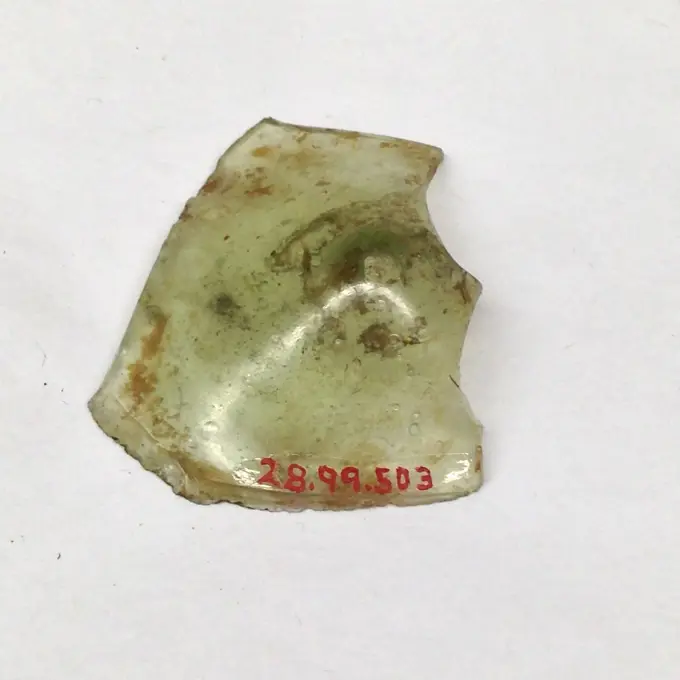
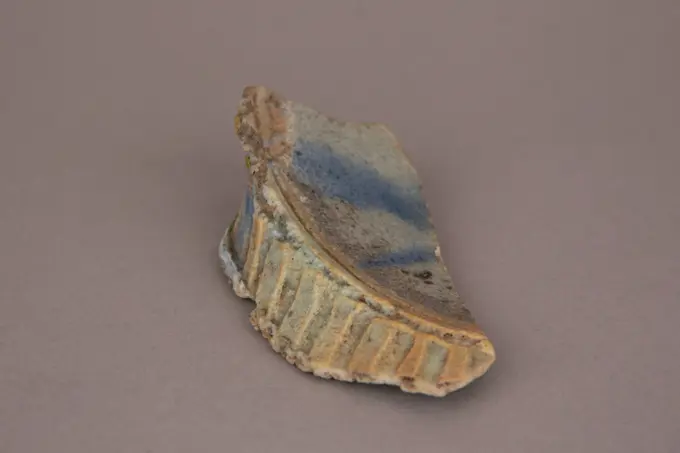
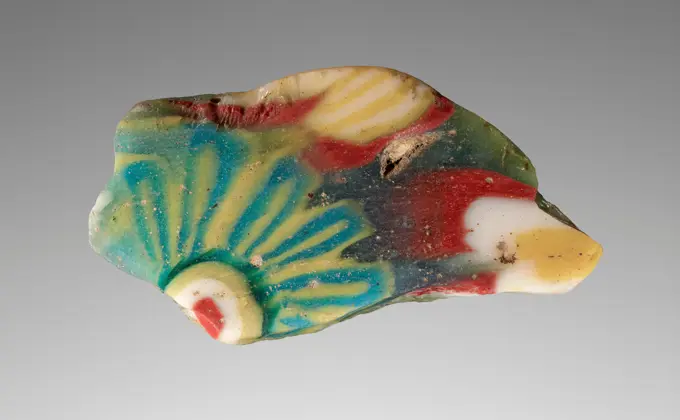
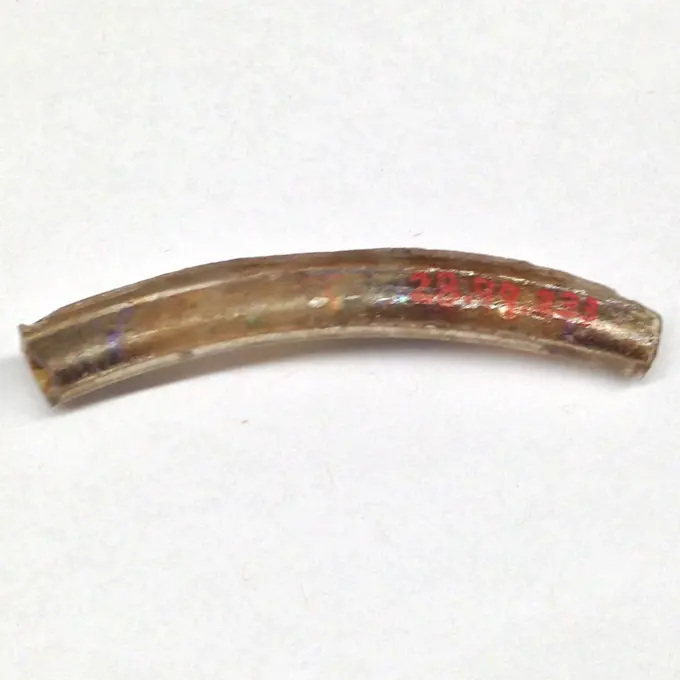
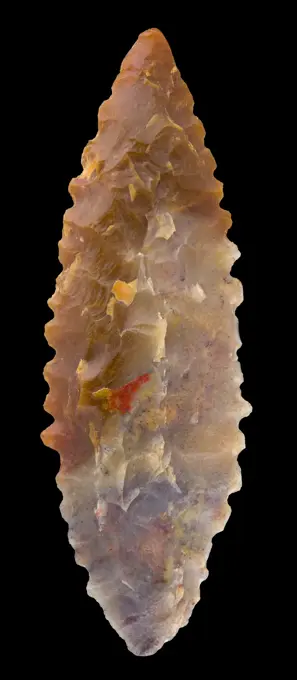
Fragment ca. 1150-ca. 1250 European or Middle Eastern. Fragment 696592
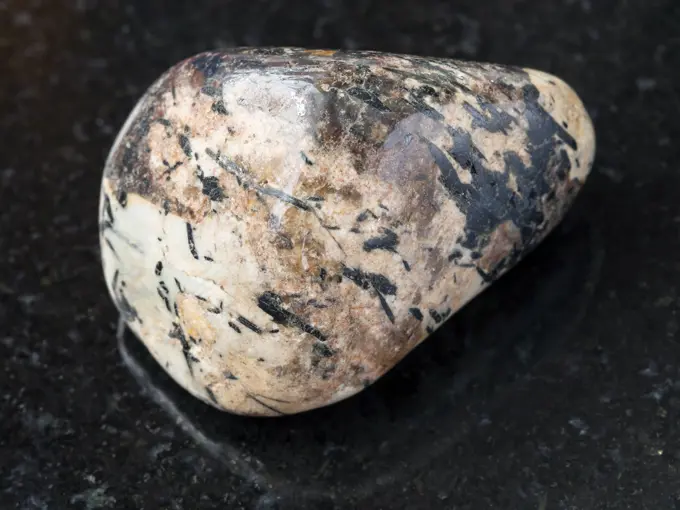
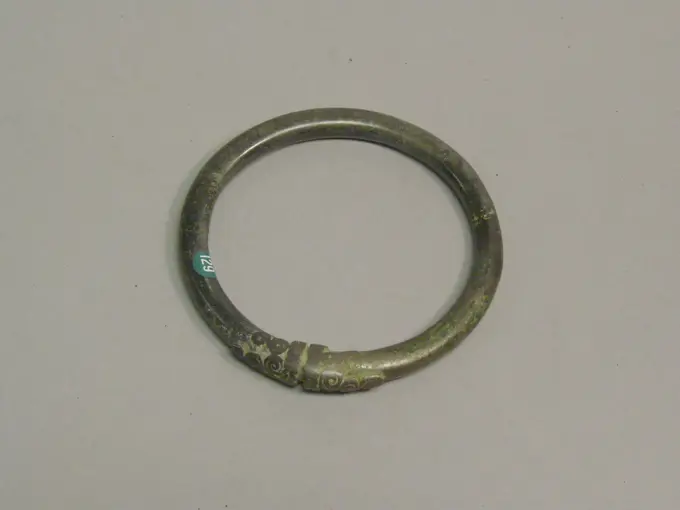
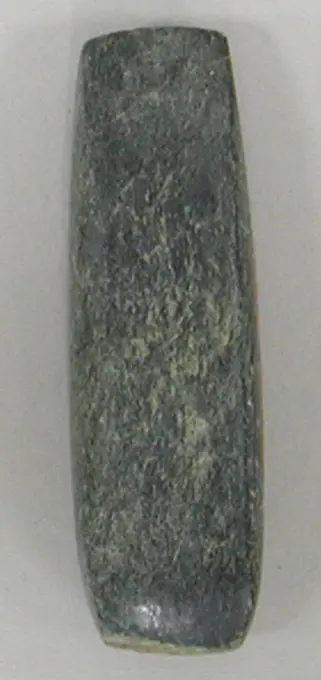
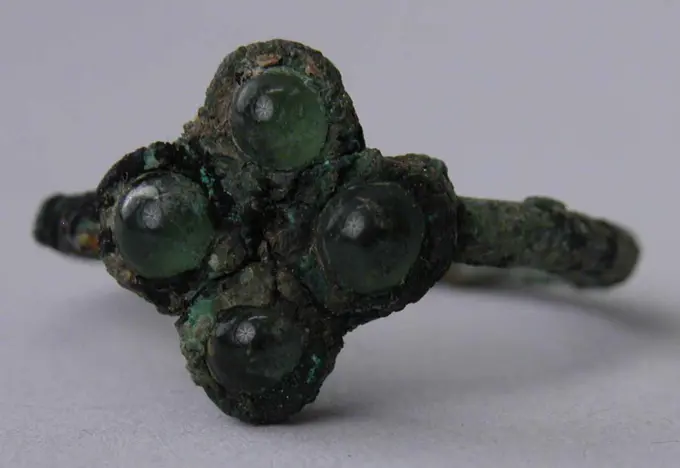
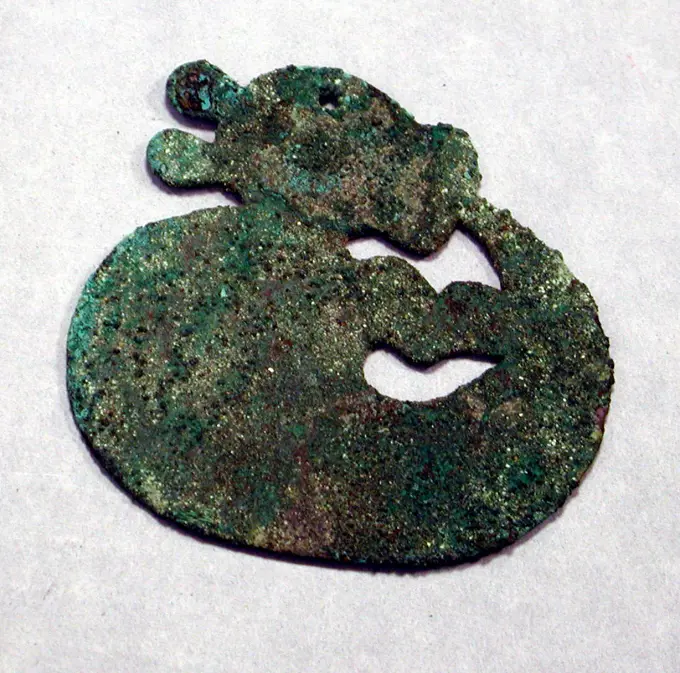
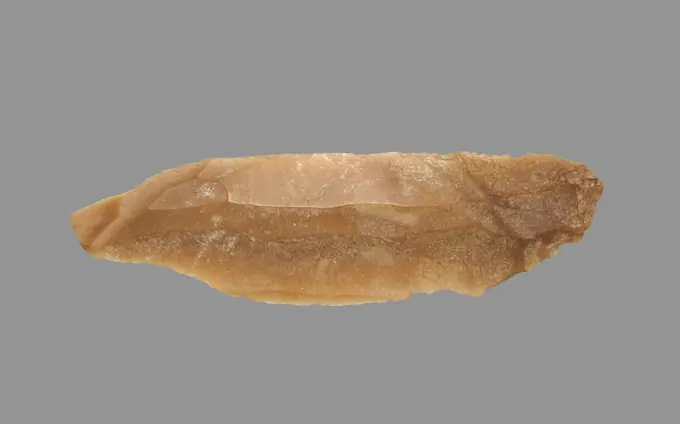
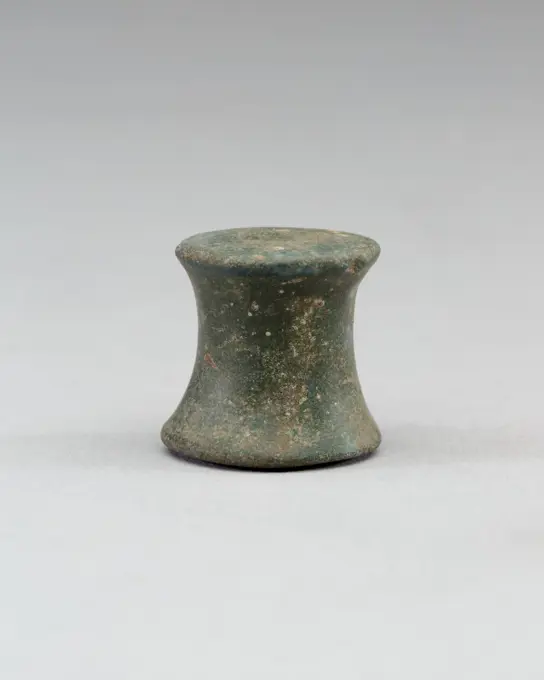
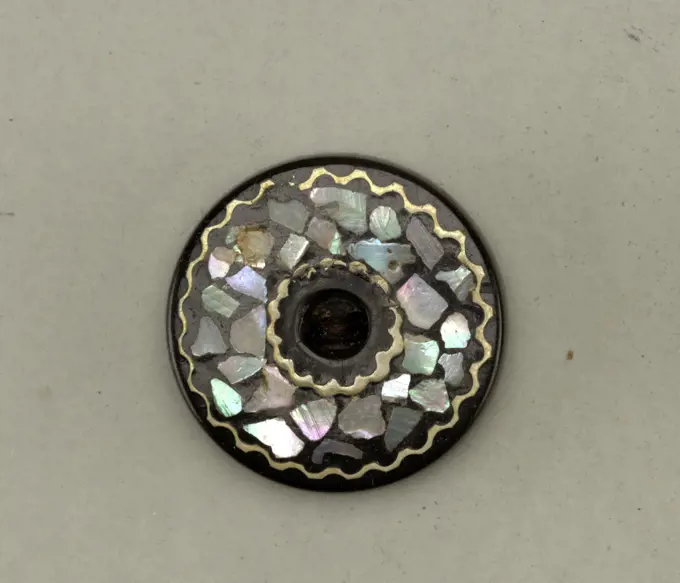
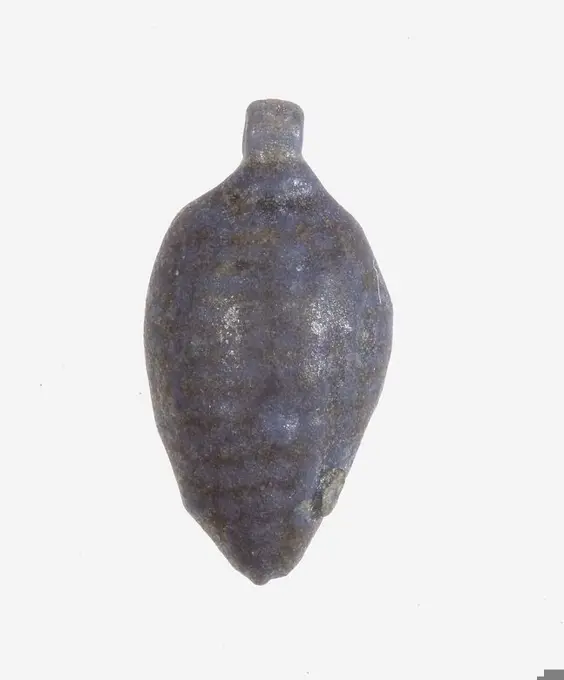
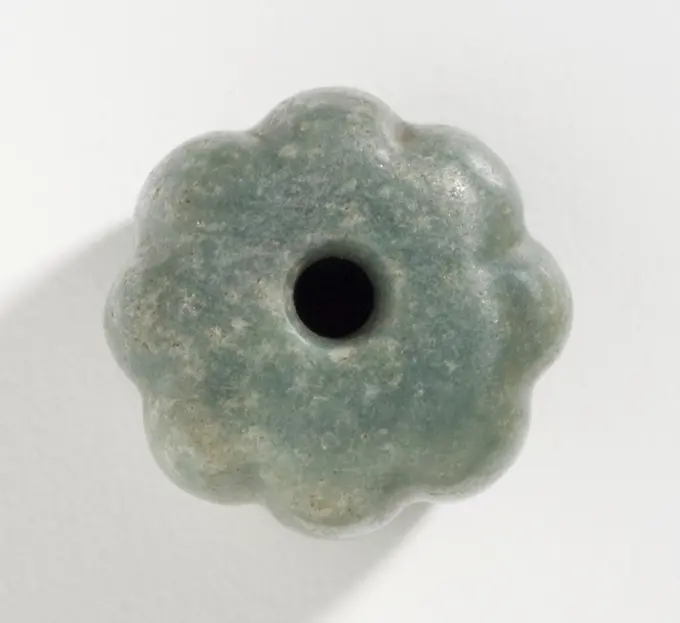
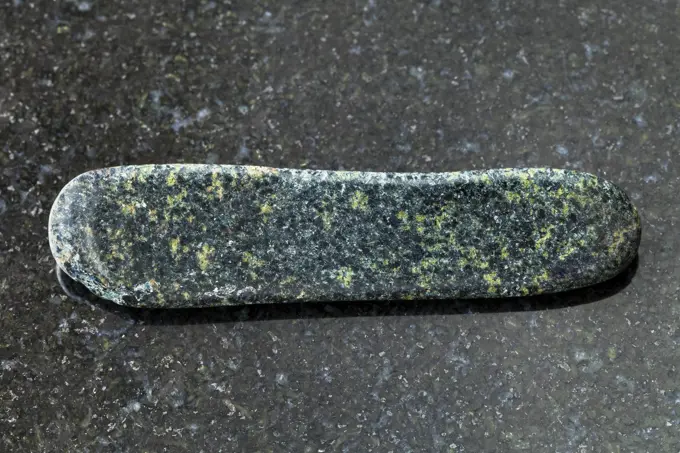
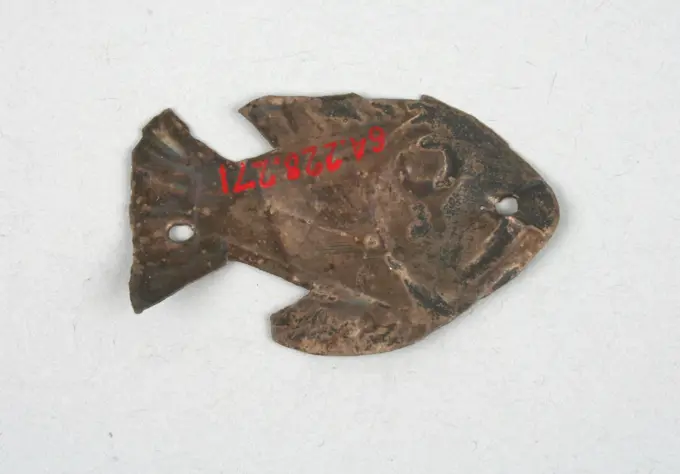
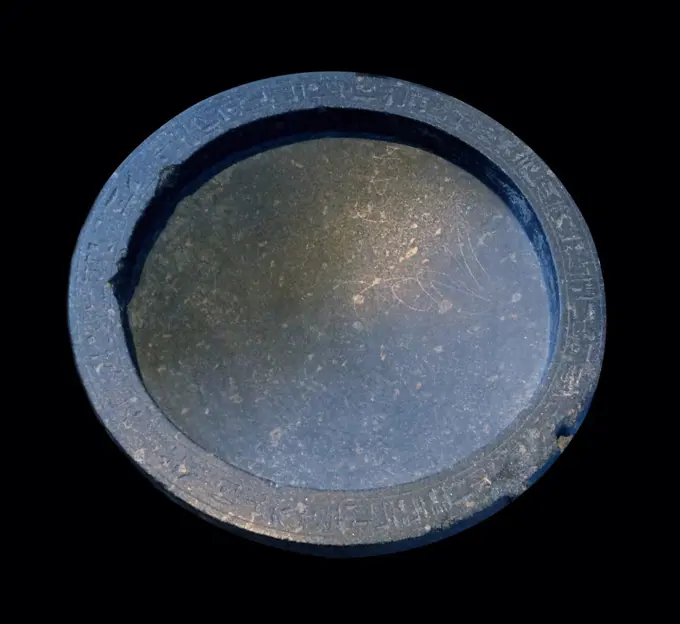
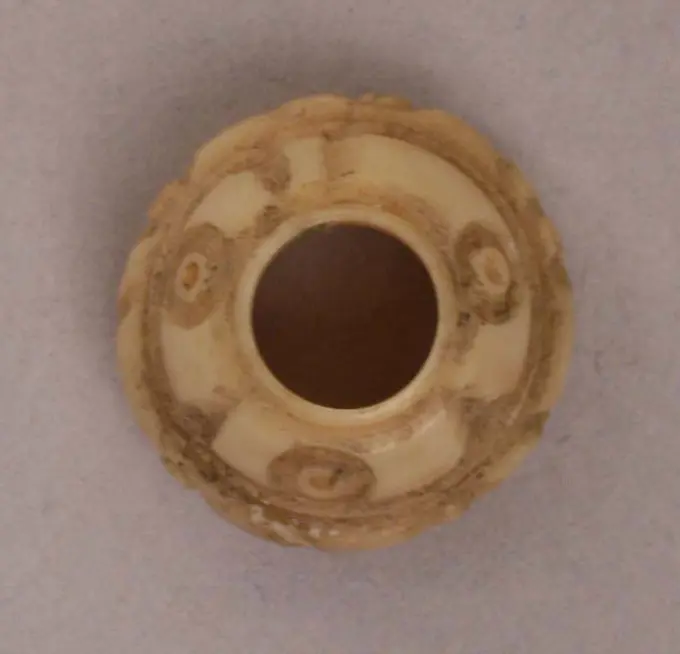
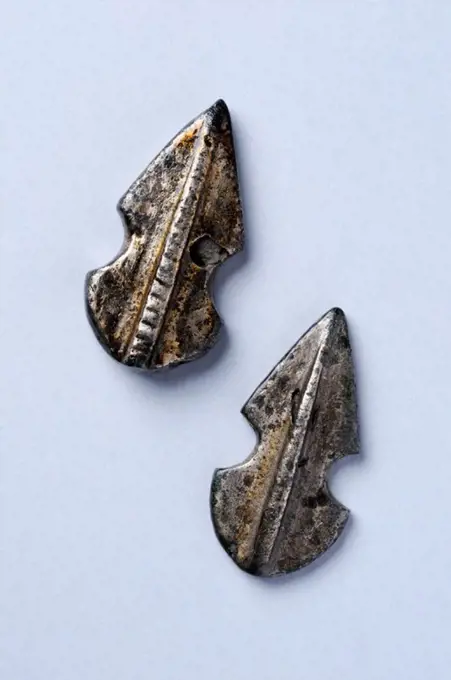
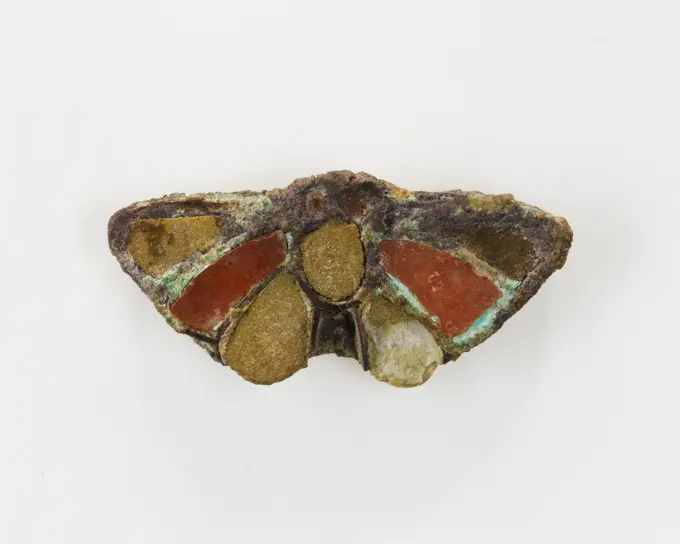
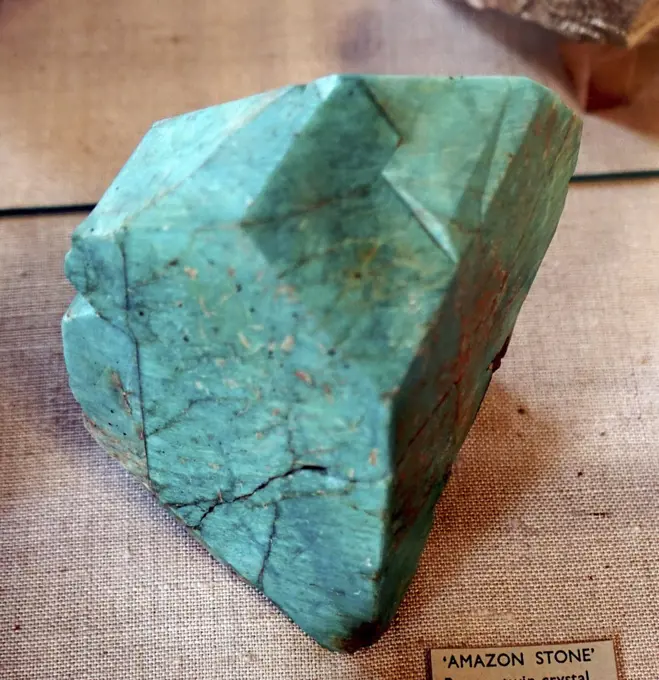
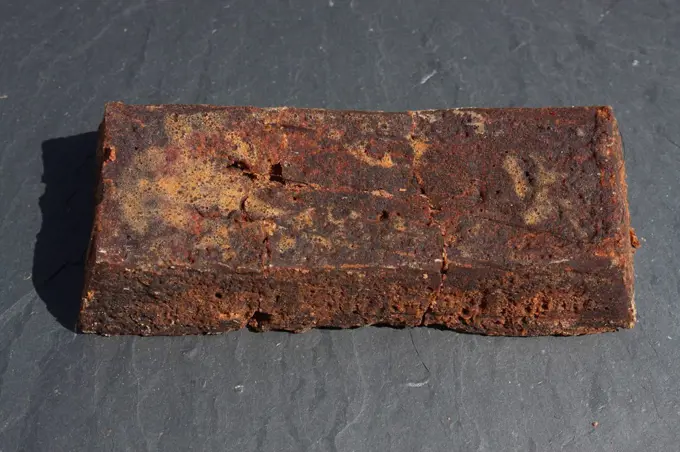
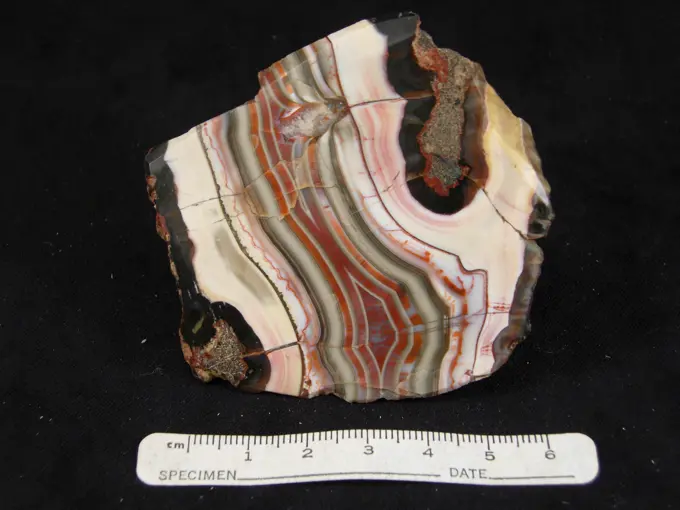
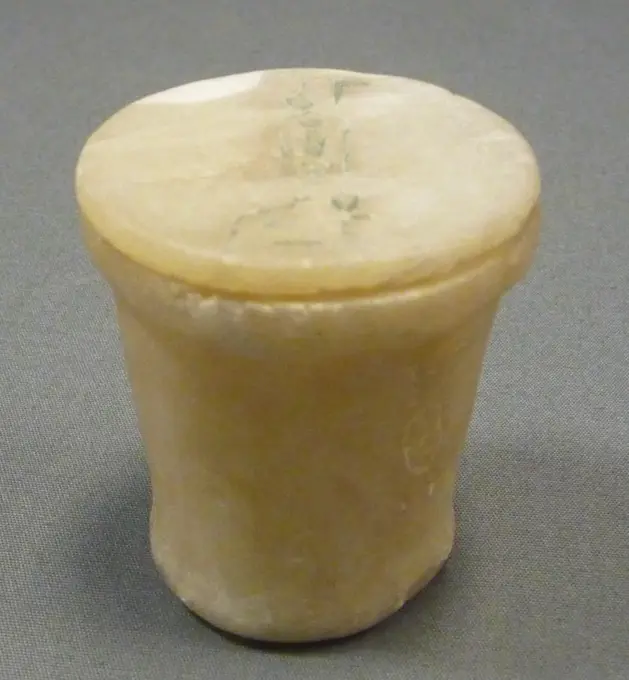
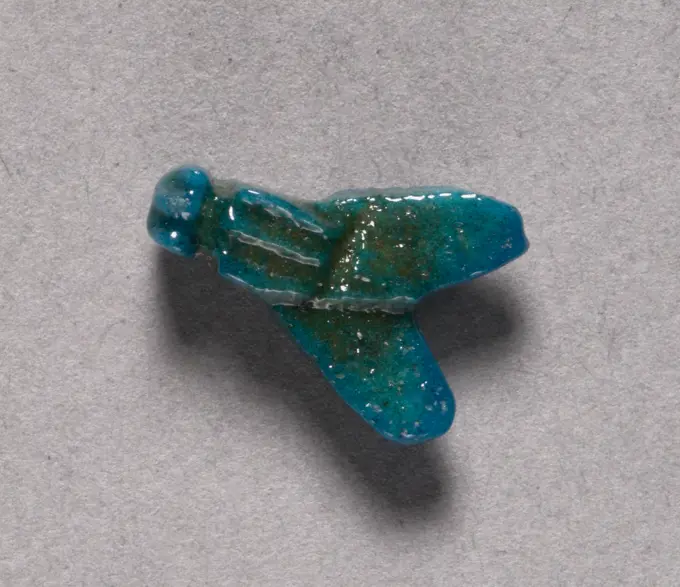
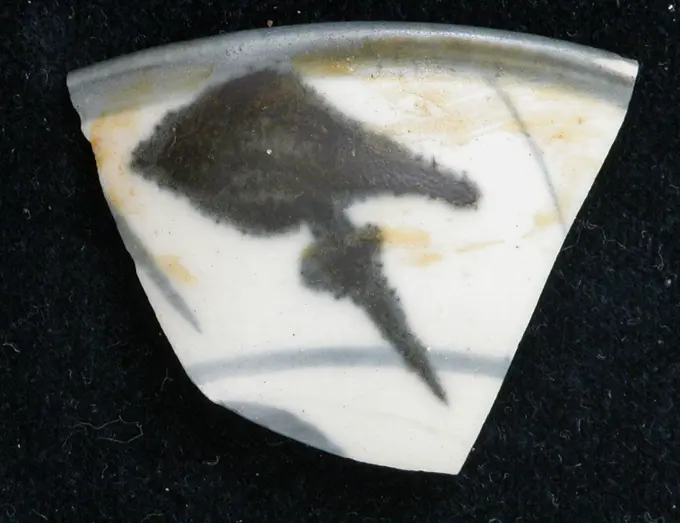
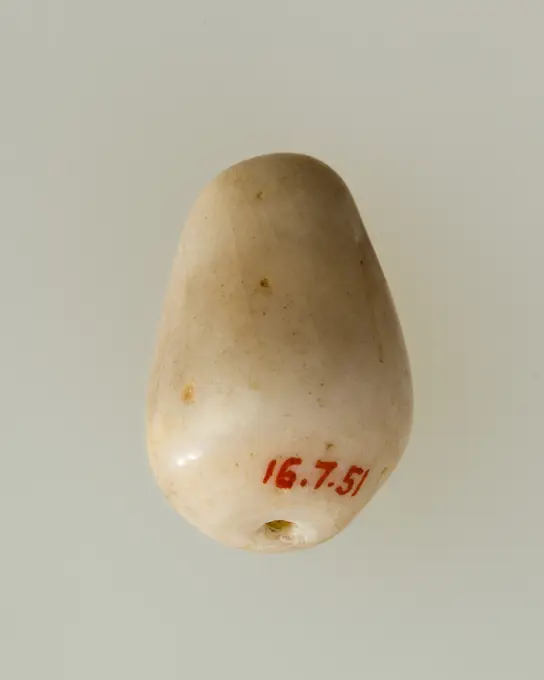
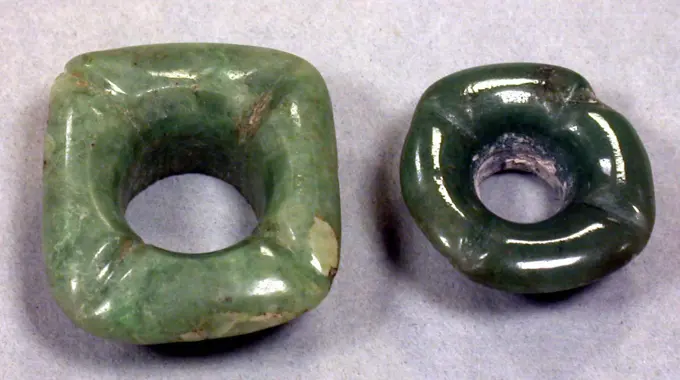
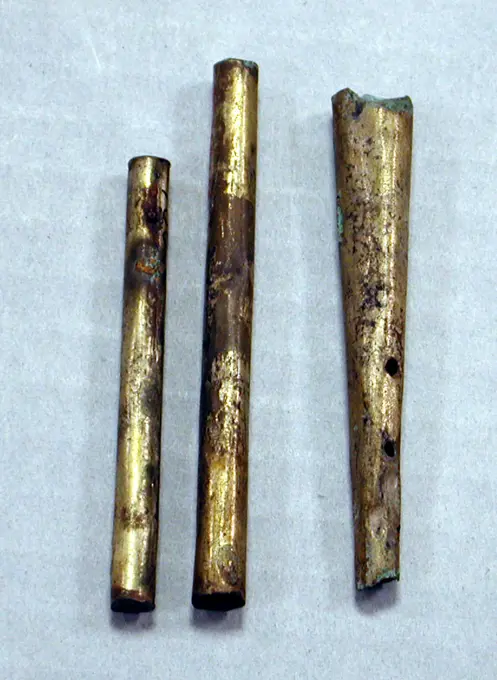
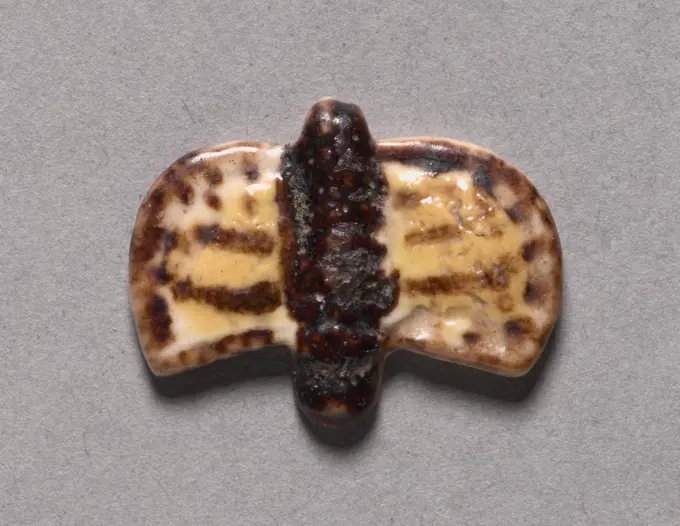
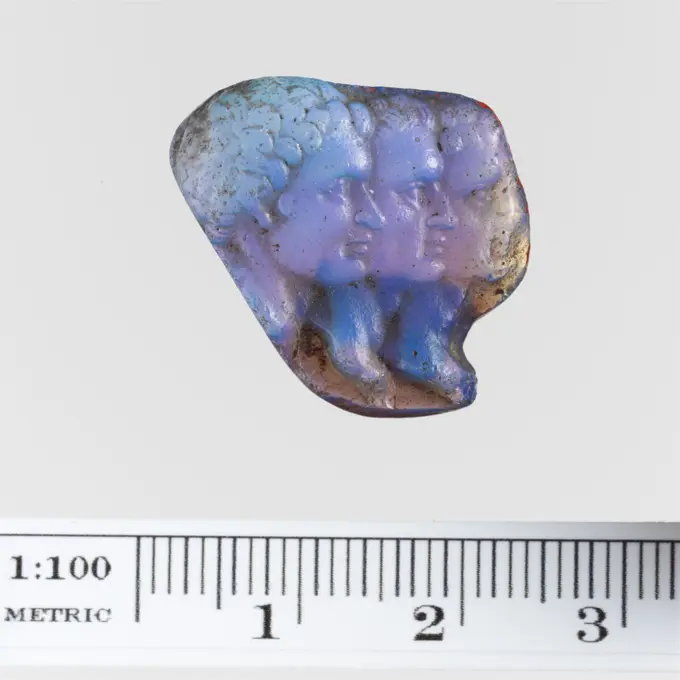
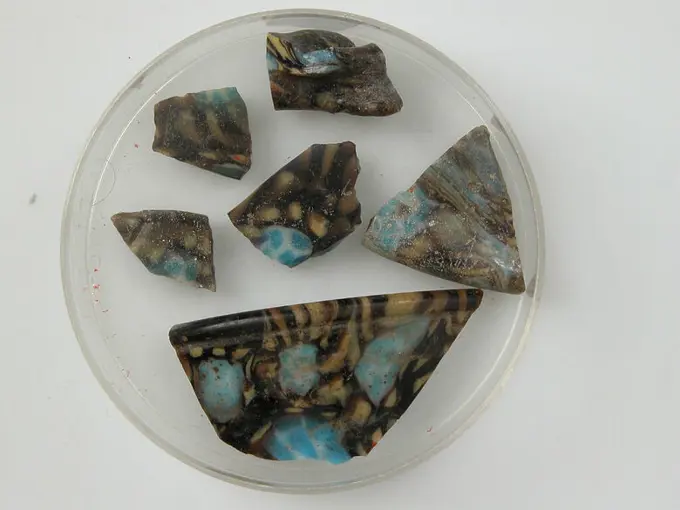
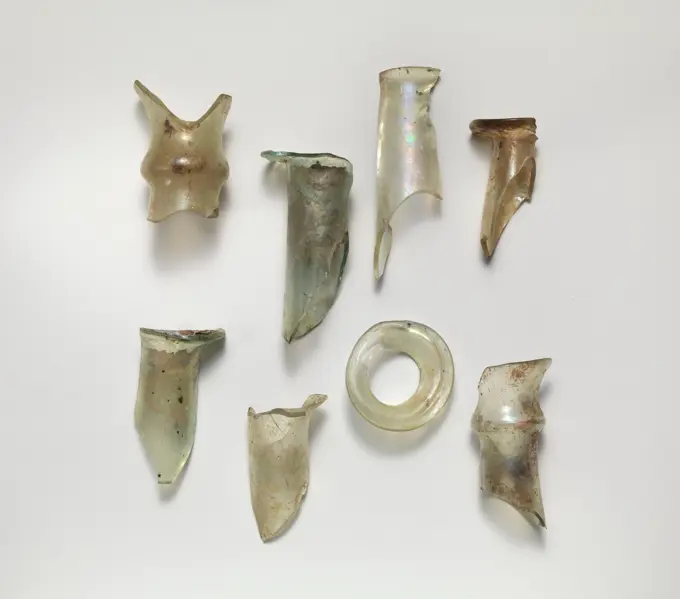
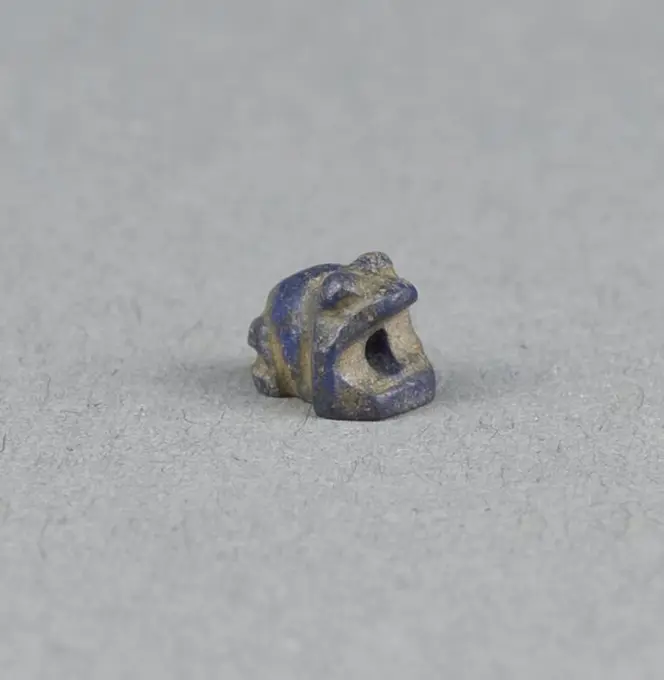
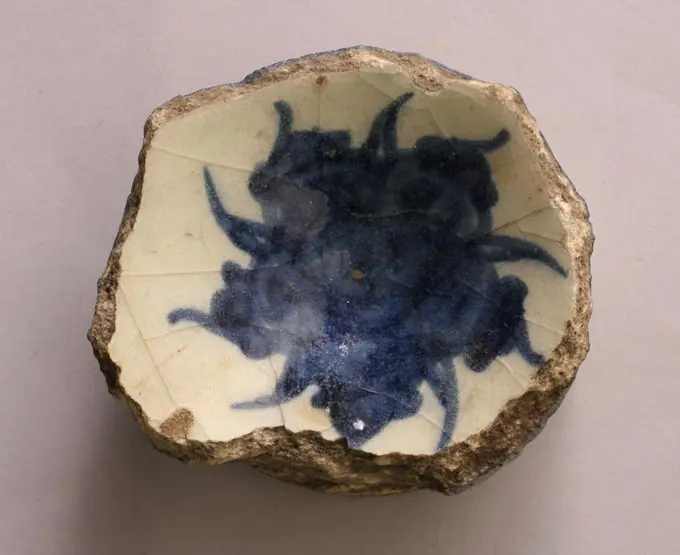
Bird Plaque Ornament. Culture: Vicús. Dimensions: H. 2 x W. 2 in. (5 x 5 cm). Date: 3rd century B.C.-A.D. 2nd century. Museum: Metropolitan Museum of Art, New York, USA.Fragment of a Waster 11th-12th century This object was excavated at Nishapur.Nishapur was a vital city in the early and middle Islamic periods, located along one of the main trajectories that connected Iran and West Asia Islamic lands with Central Asia and China. These itineraries are often referred to by the term Silk routes’ but were in fact crucial to the movement of constellations of materials and objects, as well as people and ideas. The diverse population of Nishapur and its surroundings, from the better-researched elite groups of merchants, land-owning aristocracy, and literates, to the less-known artisans, farmers, miners, and servants, were instrumental in adapting global cultural trends to create their own distinctive visual languages. This is seen in the material remains of everyday life in medieval Nishapur - from pots and pans to lighting devices, inkwells, textiles and trimmings, jewelry, games and toys, talismanic devices, weapons, coins, and architectural fragments.Nisaegirine in tumbled Sanidine and nepheline stone macro shooting of natural mineral rock specimen - black fibrous aegirine in tumbled Sanidine and nepheline stone on dark granite background from Lovozero Massif, Kola peninsula, Russia Copyright: xZoonar.com/ValeryxVoennyyx 11392023Dish 18th century. Dish 444467Solid Open Bangle with Decorated Ends 500 B.C.-A.D. 300 Vietnam (North, Highlands). Solid Open Bangle with Decorated Ends. Vietnam (North, Highlands). 500 B.C.-A.D. 300. Bronze. Bronze and Iron Age period. JewelryCelt before 16th century Maya () Greenstone axe heads, commonly known as “celts,” were some of the most important works of art across ancient Mesoamerica and Central America. Created from jadeite mined from the Motagua River Valley of southern Guatemala, or using local green stones from highland Mexico, celts were first created by the Olmec peoples of the Gulf Coast after 1000 B.C. The Olmec conceived of green celts as sprouts of maize and thus “planted” celts in dedicatory offerings, activating ceremonial spaces and perpetuating agricultural fertility. For the later Maya peoples, celts also served as dedicatory materials, but more so as adornments for the royal bodies of kings and queens. Often the celts would be thinned into celt-shaped plaques, strung together in pairs and triads in order to create belt assemblages that would have clinked with the sound of jades striking one another. Tombs from the Classic Period (ca. A.D. 250-900) contain celts of jadeite and various greenstones fFragment of a Bowl 8th-9th century. Fragment of a Bowl 448803Ox Pendant, 1122-722 BCE, 1 3/4 x 1 x 5/8 in. (4.45 x 2.54 x 1.59 cm), Highly calcified opaque white jade with little remnant of the original green color, China, 12th-8th century BCEFragment. Culture: European or Middle Eastern. Dimensions: L. 2 1/2 in. (6.4 cm). Date: ca. 1150-ca. 1250. Museum: Metropolitan Museum of Art, New York, USA.Fragment. Culture: European or Middle Eastern. Dimensions: L. 1 9/16 in. (4 cm). Date: ca. 1150-ca. 1250. Museum: Metropolitan Museum of Art, New York, USA.Fish Ornament 11th-12th century Peru; central coast (). Fish Ornament 308821Nephrite Pebble from New Zealand 20th century China. Nephrite Pebble from New Zealand 62112Fragment ca. 1150-ca. 1250 European or Middle Eastern. Fragment 695424Fragment of a Bowl or Cup 13th-16th century. Fragment of a Bowl or Cup. 13th-16th century. Stonepaste; painted under transparent glaze. Made in Egypt. CeramicsHammered Silver Peanut Ornament 8th-mid-16th century Peru; north coast (). Hammered Silver Peanut Ornament 308980Scarab: Uninscribed. Egyptian. Date: 1985 BC-1773 BC. Dimensions: 1 × 1.6 × 1.3 cm (3/8 × 5/8 × 1/2 in.). Amethyst. Origin: Egypt. Museum: The Chicago Art Institute, Chicago, USA. Author: Ancient Egyptian.Sickle Blade, 1980-1801 BC. Egypt, Middle Kingdom, Dynasty 12. Flint; overall: 5 cm (1 15/16 in.).Ring 3rd-12th centruy. Ring 446253Animal Disk A.D. 200-900 Peruvian. Animal Disk 314893Sickle Blade, 1980-1801 BC. Egypt, Middle Kingdom, Dynasty 12. Flint; overall: 5 cm (1 15/16 in.).Conical Gaming Piece from Neferkhawet's Tomb ca. 1504-1447 B.C. New Kingdom A family tomb, established by a man named Neferkhawet, was excavated by the Egyptian Expedition of the Metropolitan Museum of Art in 1935. One of the last people buried in the tomb was a woman whose name was not recorded on any of the objects in the tomb. Inside her wooden coffin was a set of ten gaming pieces, five conical like this one and five spool-shaped. These would have been used to play the games senet and 20-squares. No trace of an accompanying game box was recorded by the excavators. The coffin itself was badly damaged by rot and insects, so remains of a wooden game box may have been indistinguishable from the coffin.The five conical game pieces are quite uniform in shape, size, and color. Four of the spool-shaped pieces are also quite similar, but the fifth is different enough that it may have been a replacement piece.. Conical Gaming Piece from Neferkhawet's Tomb. ca. 1504-1447 B.C.. Faience. New KiFragment. Culture: European or Middle Eastern. Dimensions: L. 1 1/4 in. (3.2 cm). Date: ca. 1150-ca. 1250. Museum: Metropolitan Museum of Art, New York, USA.Anonymous, tea bowl (common name), 1100. sandstone. Earth reddened in fire. Covered Lièvre Fur .. Cernuschi Museum, Asia Museum of Asia in the city of Paris.Spool-Shaped Game Pieces from Neferkhawet's Tomb ca. 1504-1447 B.C. New Kingdom A family tomb, established by a man named Neferkhawet, was excavated by the Egyptian Expedition of the Metropolitan Museum of Art in 1935. One of the last people buried in the tomb was a woman whose name was not recorded on any of the objects in the tomb. Inside her coffin was an incomplete set of gaming pieces, five spool-shaped like this one and five conical. These would have been used to play the games senet and 20-squares. No trace of an accompanying game box was recorded by the excavators. The coffin itself was badly damaged by rot and insects, so remains of a wooden game box may have been indistinguishable from the coffin.The five conical game pieces are quite uniform in shape, size, and color. Four of the spool-shaped pieces are also quite similar, but the fifth is different enough that it may have been a replacement piece.. Spool-Shaped Game Pieces from Neferkhawet's Tomb. ca. 1504-1447 B.C.. FaiencBead in the Shape of an Elephant, 600-900, 1/2 x 1-1/8 x 1/2 in. (1.3 x 2.9 x 1.3 cm), Stone, Myanmar (Burma), 7th-10th centuryBeads 3rd-12th century. Beads 453620Rectangular Plaque middle of 6th century Frankish. Rectangular Plaque 465663 Frankish, Rectangular Plaque, middle of 6th century, Copper alloy, tinned surface, Overall: 11/16 x 5/8 x 3/16 in. (1.8 x 1.6 x 0.5 cm). The Metropolitan Museum of Art, New York. Gift of J. Pierpont Morgan, 1917 (17.193.327)Buttons, Rubber; mother of pearl, brass in tin, Two circular buttons each with two holes for sewing and ornamented on top with bits of mother of pearl between wavy lines of brass. These two buttons originally part of components making up 1941-91-2-a/f. See 1941-91-2-b,c and -e for other components which are deaccessioned., On card 2, USA, ca. 1880, costume & accessories, Decorative Arts, ButtonsSpindle Whorl A.D.1-500 Peruvian; north coast (). Spindle Whorl 308852Intaglio. Eastern Mediterranean, Roman, 332 B.C.-A.D.395. Tools and Equipment; seals. StoneRaw pie crustPendant: Bunch of Grapes. Dimensions: l. 1.6 cm (5/8 in). Dynasty: Dynasty 18. Reign: reign of Amenhotep III. Date: ca. 1390-1353 B.C.. Museum: Metropolitan Museum of Art, New York, USA.Amulet of a Plummet. Egyptian. Date: 664 BC-332 BC. Dimensions: 1.6 × 2.2 × 0.6 cm (5/8 × 7/8 × 1/4 in.). Hematite. Origin: Egypt. Museum: The Chicago Art Institute, Chicago, USA. Author: Ancient Egyptian.macro shooting of natural mineral rock specimen - tumbled Thulite gemstone on dark granite background from Leksvik, Norwaytumbled rhyolite gemstone on dark background macro shooting of natural mineral rock specimen - tumbled rhyolite gemstone on dark granite background from Madagascar Copyright: xZoonar.com/ValeryxVoennyyx 11392101Harness Ornament (Uzu) 7th century or earlier Japanese. Harness Ornament (Uzu). Japanese. 7th century or earlier. Iron, gold, bronze. Miscellaneous-Buckles & OrnamentOjime 19th century Japan. Ojime. Japan. 19th century. Edo period (1615-1868). OjimeFragment ca. 1150-ca. 1250 European or Middle Eastern. Fragment 695433Fragment ca. 1150-ca. 1250 European or Middle Eastern. Fragment 696609bracteate denarius. Zakon krzyżacki (1190-), issuerFluted Bead. Mexico, Gulf Coast or Guerrero, Olmec, 1000-400 BCE. Stone. JadeitePottery Fragment 4th-7th century Coptic. Pottery Fragment 479323Rosette Brooch 500-700 Frankish. Rosette Brooch 465011 Frankish, Rosette Brooch, 500700, Copper alloy, glass cabochon, iron pin, Overall: 7/8 x 9/16 in. (2.2 x 1.4 cm). The Metropolitan Museum of Art, New York. Gift of J. Pierpont Morgan, 1917 (17.191.300)Floral Plaque Fragment. Unknown 1st century B.C.polished tholeiite basalt stone on dark macro shooting of natural mineral rock specimen - polished tholeiite basalt stone on dark granite background from Sovdozero region, Kola Peninsula, Russia Copyright: xZoonar.com/ValeryxVoennyyx 11380384Fragment. Culture: European or Middle Eastern. Dimensions: Diam. 2 3/8 in. (6 cm). Date: ca. 1150-ca. 1250. Museum: Metropolitan Museum of Art, New York, USA.Fragment, Medium: silk Technique; woven (velvet) and printed, Velvet fabric printed with a small quatrefoil design with a floral motif., 16th-17th century, woven textiles, Fragmentpolished Tinguaite phonolite gemstone isolated macro shooting of natural mineral stone - polished Tinguaite phonolite gemstone isolated on white background Copyright: xZoonar.com/ValeryxVoennyyx 9078326Calcite. minerals. Asia; Russia; Murmansk Oblast; OlenitsaCostume Ornament 11th-12th century Central coast (). Costume Ornament 308664Libation bowl of Montuemhat from Upper Egypt, Thebes, South Karnak, Temple of Mut. Dated 26th DynastyButton or Bead 9th-10th century This object was excavated at Nishapur.Nishapur was a vital city in the early and middle Islamic periods, located along one of the main trajectories that connected Iran and West Asia Islamic lands with Central Asia and China. These itineraries are often referred to by the term Silk routes’ but were in fact crucial to the movement of constellations of materials and objects, as well as people and ideas. The diverse population of Nishapur and its surroundings, from the better-researched elite groups of merchants, land-owning aristocracy, and literates, to the less-known artisans, farmers, miners, and servants, were instrumental in adapting global cultural trends to create their own distinctive visual languages. This is seen in the material remains of everyday life in medieval Nishapur - from pots and pans to lighting devices, inkwells, textiles and trimmings, jewelry, games and toys, talismanic devices, weapons, coins, and architectural fragments.Nishapur lOrmer Or Abalone Or Ear Shell, Auris Maris, Shell On SandSilver belt ornaments with violin-shaped and striated central midrib.Length 3 cm Width 1, 5 cm Thickness 0, 4 cm (6 th - 7 th CE )- Visigoth period, from the "Afflicted Necropolis "- Archaeological site of Complutum in Alcalá de Henares ( Madrid ). SPAIN.Button or Bead 9th-10th century The dot-in-circle motif recalls designs presumed to be of magical significance, most likely an abstract eye to ward off the evil-eye, which serves an apotropaic function. Easily reproduced with a tool and visible in many cultures and times, this symbol may have lost its meaning, and become simply a decorative pattern, or may have one that we have not yet discovered.. Button or Bead 449224Butterfly amulet ca. 1900-1802 B.C. Middle Kingdom. Butterfly amulet. ca. 1900-1802 B.C.. Silver, carnelian, faience. Middle Kingdom. From Egypt, Memphite Region, Lisht North, Tomb of Senwosret (758), inside, Pit 756, upper east chamber C, MMA excavations, 1906-07. Dynasty 12, mid-lateCrystal of Amazonite, is a green variety of microcline feldspar. Found in Pike's Peak, Colorado. Dated 21st CenturyFragment ca. 1150-ca. 1250 European or Middle Eastern. Fragment 696583block of Indonesian palm sugarFragment 12th-13th century. Fragment 451569Quartz. mineralsModel Jar from the Foundation Deposit for Hatshepsut's Tomb ca. 1479-1458 B.C. New Kingdom This model jar was among the objects discovered in a foundation deposit in front of the tomb of Hatshepsut (KV 20) in the Valley of the Kings. For more information on this deposit, see 30.8.6.. Model Jar from the Foundation Deposit for Hatshepsut's Tomb. ca. 1479-1458 B.C.. Travertine (Egyptian alabaster). New Kingdom. From Egypt, Upper Egypt, Thebes, Valley of the Kings, Tomb of Hatshepsut (KV 20), Foundation deposit, Davis/Carter excavations, 1903-04. Dynasty 18Escutcheon 1580-1620 German. Escutcheon 186944 German, Escutcheon of lock, 15801620, Iron, 3 1/4 x 1 in. (8.3 x 2.5 cm). The Metropolitan Museum of Art, New York. Gift of Henry G. Marquand, 1887 (87.11.429)Fly Amulet, 2040-1648 BC. Egypt, Middle Kingdom. Deep turquoise green faience; overall: 1.4 cm (9/16 in.).Fragment 14th-15th century. Fragment 445158Fragments 8th-13th century. Fragments 450811Fragment probably 13th-14th century. Fragment 451583Inlay ca. 8th-7th century B.C. Assyrian. Inlay 324785Barrel-shaped bead 30 B.C.-A.D. 364 Roman Period. Barrel-shaped bead. 30 B.C.-A.D. 364. Agate. Roman Period. From EgyptOjime 19th century Japan. Ojime. Japan. 19th century. Edo period (1615-1868). OjimeBeads, string 18th century or later African, made in Europe. Beads, string 320980Shell pendant or bead ca. 3850-2960 B.C. Predynastic Period. Shell pendant or bead 571033Fragment. Culture: European or Middle Eastern. Dimensions: L. 1 3/8 in. (3.5 cm). Date: ca. 1150-ca. 1250. Museum: Metropolitan Museum of Art, New York, USA.Earflare Set 3rd-9th century Maya These two nesting ornaments represent one half of a pair of earflares (see 1994.35.590a, b for the mate). Set into a wide perforation in the wearers earlobe (as earspools are today), these ornaments would have been anchored in place in various ways. In some cases, a bead (or beads) were set into the front of the earflare, anchoring it with the help of a set of beaded counterweights that were threaded through the earflare and hung behind the earlobe. Another possibility is that an L-shaped plug (likely made of wood) was fitted through the earflares central opening, or stem, from the back, holding the entire assemblage in place, snug against the wearers ear.The smaller, deeper green insert fits perfectly inside the lighter green, larger earflare. Two sets of holes were drilled through the shafts of each nested pair, possibly so thread or string could be used to lash them together. Compared to other jade earflares found in the Maya world, these are relHammered Silver Tube Ornament 8th-mid-16th century Peru; north coast (). Hammered Silver Tube Ornament 309165Butterfly Inlay, 1350-1296 BC. Egypt, New Kingdom, late Dynasty 18 (1540-1296 BC). Polychrome faience with painted decoration; overall: 1.7 x 2.2 cm (11/16 x 7/8 in.).Flower-Shaped Plaque mid-7th-9th century Northwest China/Eastern Central Asia. Flower-Shaped Plaque. Northwest China/Eastern Central Asia. mid-7th-9th century. Gold. period of Tibetan rule. Metalworkcrystal of xonotlite gemstone on white macro shooting of natural mineral rock specimen - crystal of xonotlite gemstone on white marble background from Norilsk district, Russia Copyright: xZoonar.com/ValeryxVoennyyx 11947353Fragment. Culture: European or Middle Eastern. Dimensions: L. 1 3/8 in. (3.5 cm). Date: ca. 1150-ca. 1250. Museum: Metropolitan Museum of Art, New York, USA.Round Plaque. Culture: Vicús. Dimensions: Diameter 3-1/16 in. (7.8 cm). Date: 3rd century B.C.-A.D. 2nd century. Museum: Metropolitan Museum of Art, New York, USA.Gold spiral. Culture: Cypriot. Dimensions: Length: 1 in. (2.5 cm). Date: ca. 1600-1100 B.C..Of plain wire with two turns. Museum: Metropolitan Museum of Art, New York, USA.Common Limpet (Patella vulgata) on a rock, North SeaKarte von Venezuela auf rostigem Metall - Map of Venezuela on rusty metal Karte von Venezuela auf rostigem Metall - Map of Venezuela on rusty metal Copyright: xZoonar.com/lantapixx 11571439Cameo glass with three portrait heads 1st-2nd century A.D. Roman Three male portrait bustsThis cameo may date to the Flavian period (A.D. 69-96). The slight difference in the level of the heads is skillfully managed.. Cameo glass with three portrait heads 249511Fish Ornament 11th-12th century Peru; central coast (). Fish Ornament. Peru; central coast (). 11th-12th century. Silver. Peru. Metal-OrnamentsStone Pulidor before 16th century Mexican. Stone Pulidor 317148Glass Fragments from a Vessel. Culture: Coptic. Dimensions: Storage (petri dish diam.): 2 5/8 in. (6.6 cm). Date: 4th-early 5th century. Museum: Metropolitan Museum of Art, New York, USA.Fragment European or Middle Eastern ca. 1150-ca. 1250 View more. Fragment. European or Middle Eastern. ca. 1150-ca. 1250. Glass, ceramic. Glass-VesselsFragment European or Middle Eastern ca. 1150-ca. 1250 View more. Fragment. European or Middle Eastern. ca. 1150-ca. 1250. Glass, ceramic. Glass-VesselsFragment European or Middle Eastern ca. 1150-ca. 1250 View more. Fragment. European or Middle Eastern. ca. 1150-ca. 1250. Glass, ceramic. Glass-VesselsFragment ca. 1150-ca. 1250 European or Middle Eastern. Fragment 694391Large Piloncito Coin Second half of the 8th-second half of the 10th century Indonesia (Java). Large Piloncito Coin 50076Seal Stamp dated A.H. 1282/ A.D. 1865-66. Seal Stamp 452259Foliate and lacy point in cut stone. Neolithic period. North Africa. 4,8 cm.Scaraboid: Frog. Egyptian. Date: 1295 BC-1069 BC. Dimensions: 0.6 × 0.5 × 0.6 cm (1/4 × 3/16 × 1/4 in.). Lapis Lazuli. Origin: Egypt. Museum: The Chicago Art Institute, Chicago, USA. Author: Ancient Egyptian.Fragment of a Bowl or Cup 13th-16th century. Fragment of a Bowl or Cup 452442Backgrounds and textures: rusty screw in old weathered wooden plank. Rusty screw in old wooden plankGrahal-Manzara. Carnavalet 2013-2016 collection sites. Numismatics.Carnelian flat scaraboid 2nd half of the 4th century B.C. Greek quadriga (four-horse chariot) with prancing horses. Carnelian flat scaraboid 254461 Greek, Carnelian flat scaraboid, 2nd half of the 4th century B.C., Carnelian, H.: 1 1/16 in. (2.7 cm). The Metropolitan Museum of Art, New York. Purchase, Joseph Pulitzer Bequest, 1942 (42.11.18)Scarab Amulet 332 BCE-30 BCE Egypt. Hematite . Ancient Egyptian