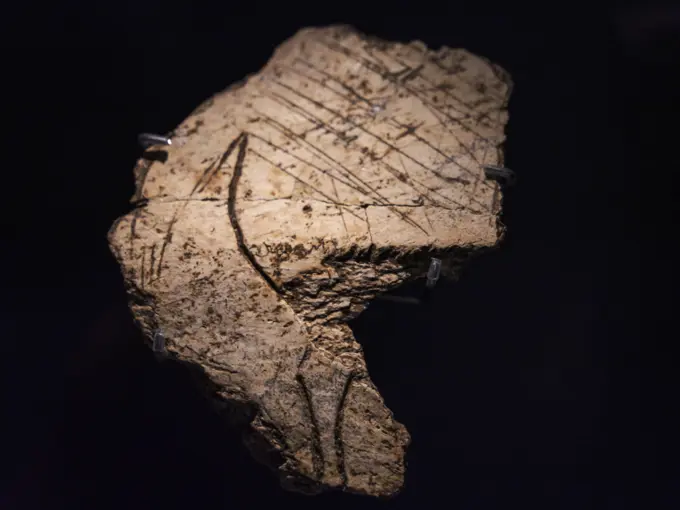
Archaeological Fragments

Various historical pottery and terracotta fragments showcasing ancient artistry, including texts and designs from different ancient cultures.
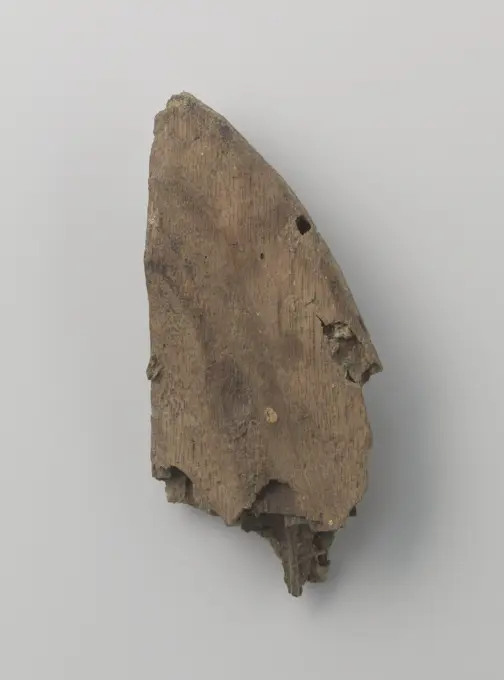
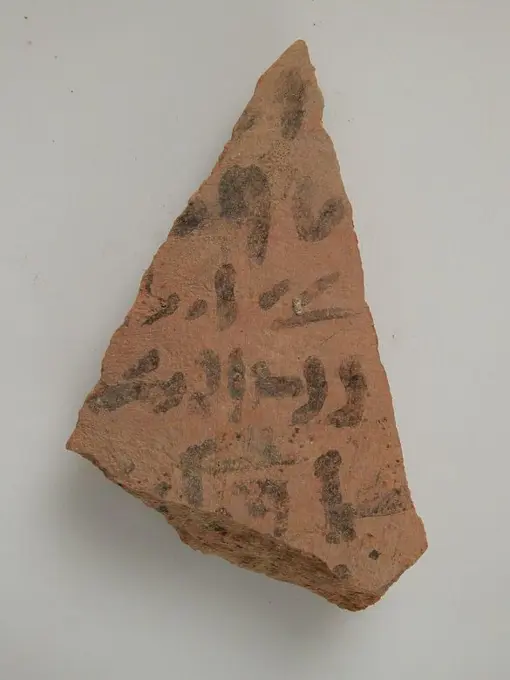
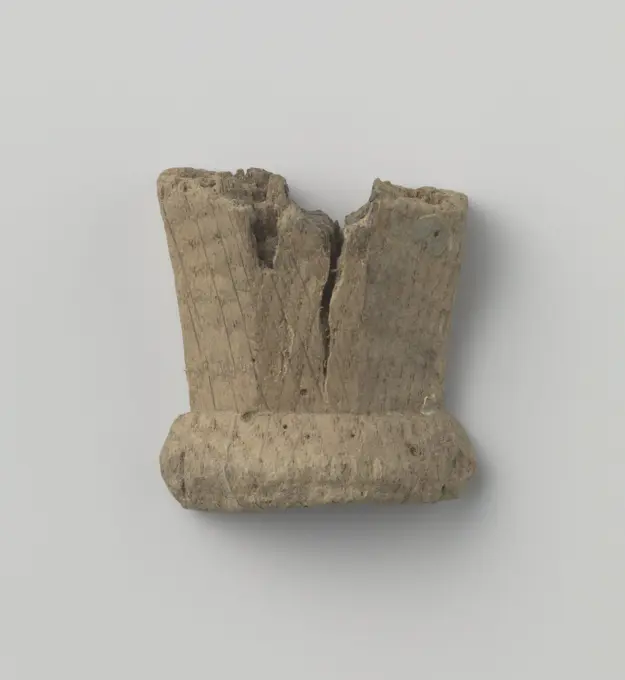
Fragment; (possibly) belonging to the retable of Soest, c. 1475 - c. 1499   wood (plant material)   wood (plant material)
Fragment; (possibly) belonging to the retable of Soest, c. 1475 - c. 1499 wood (plant material) wood (plant material)
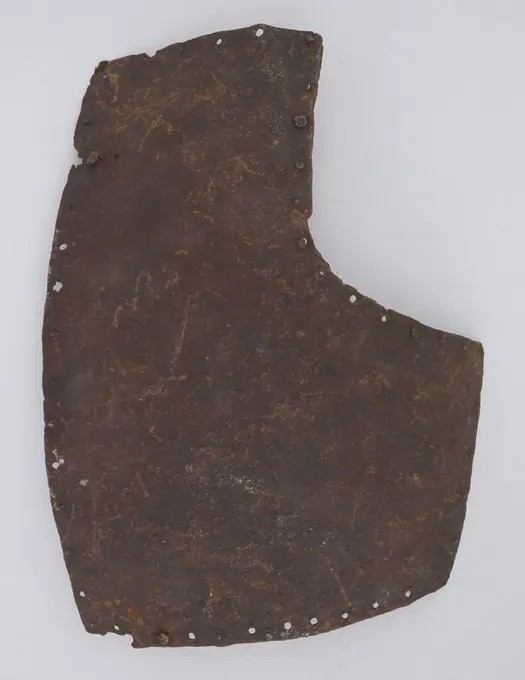
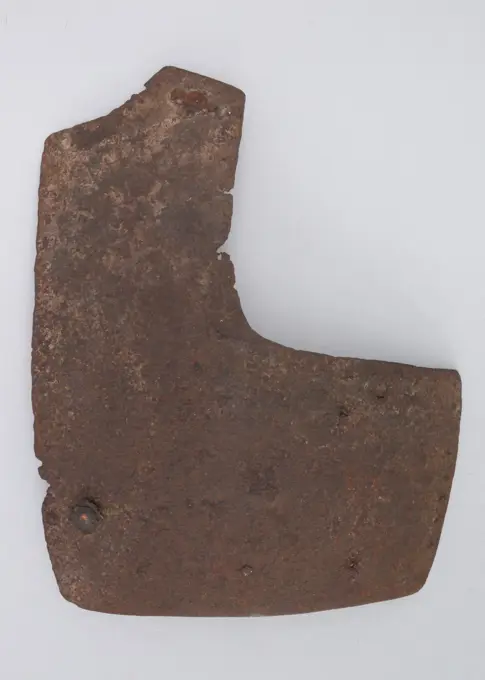
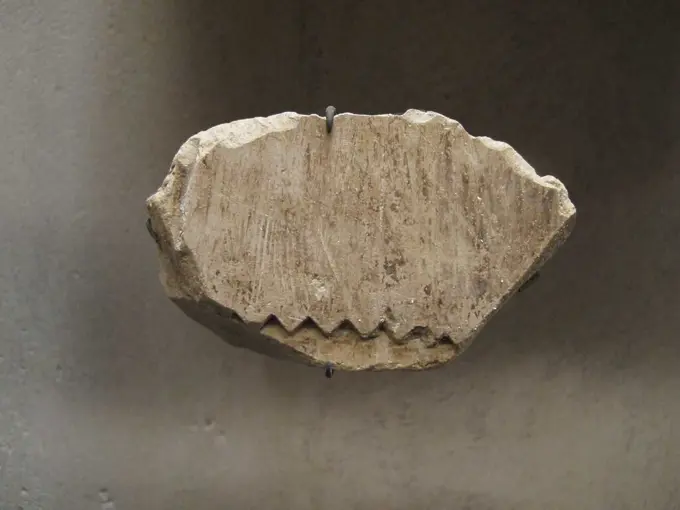
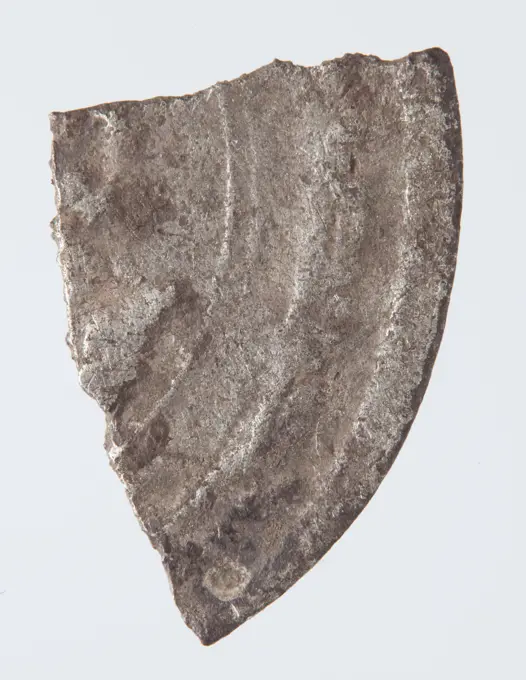
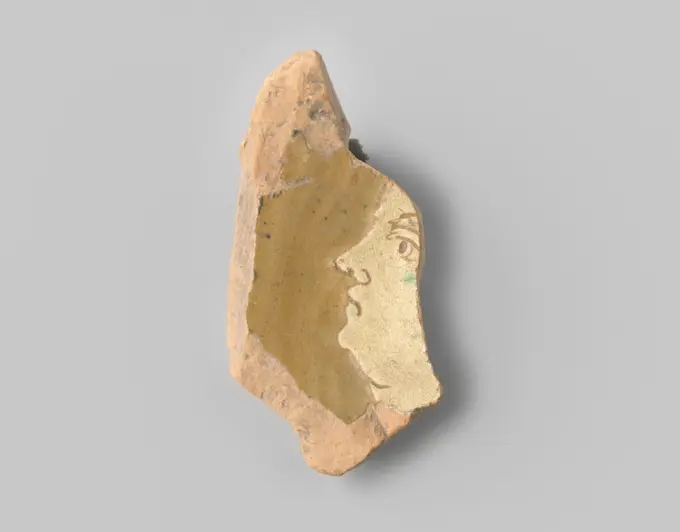
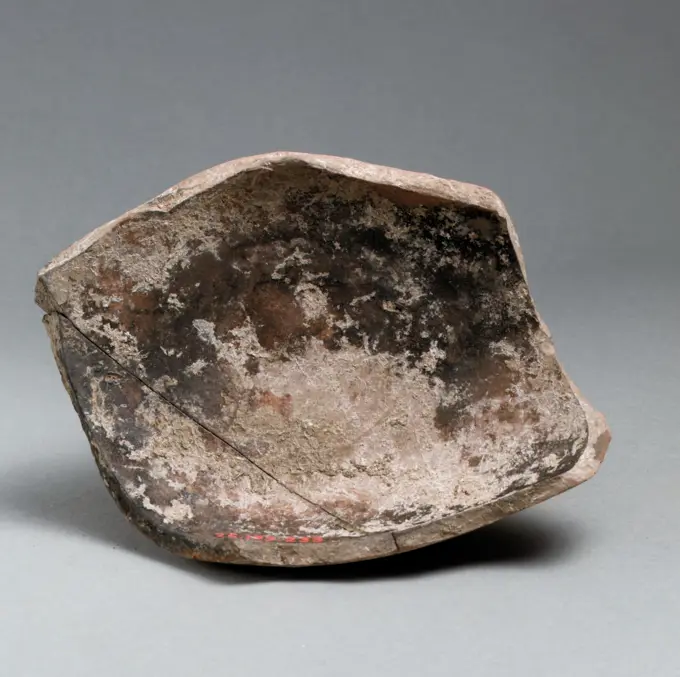
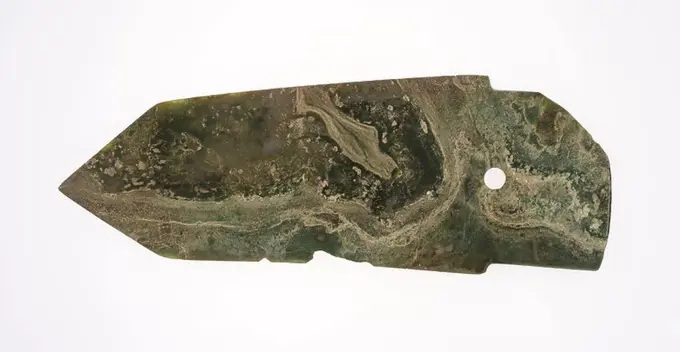
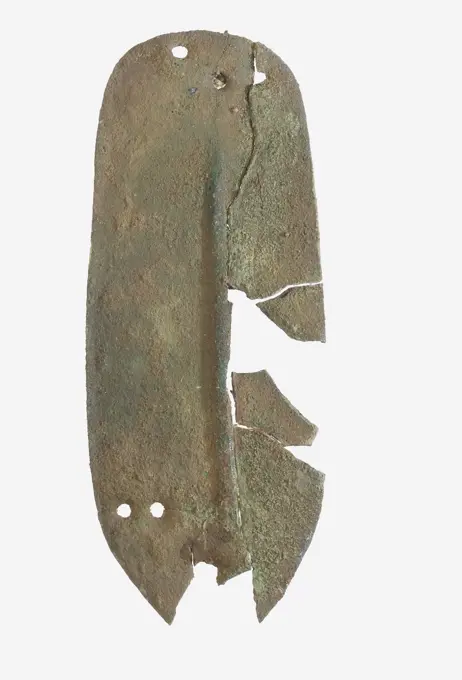
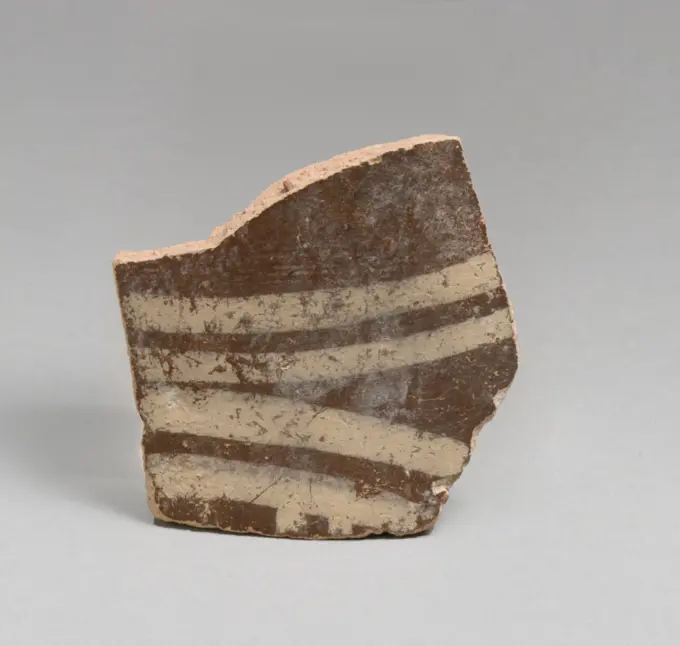
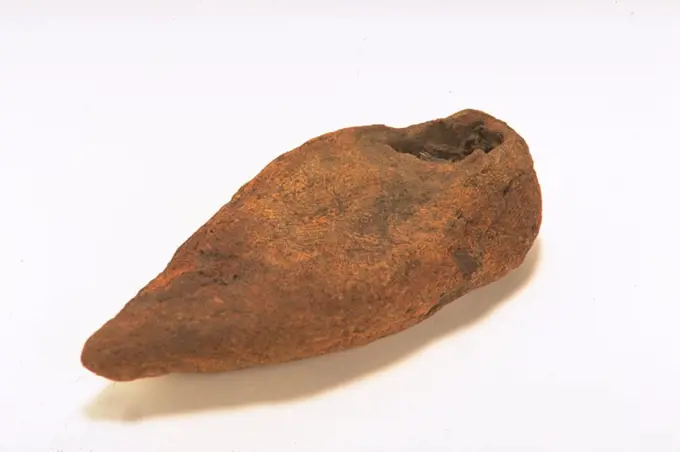
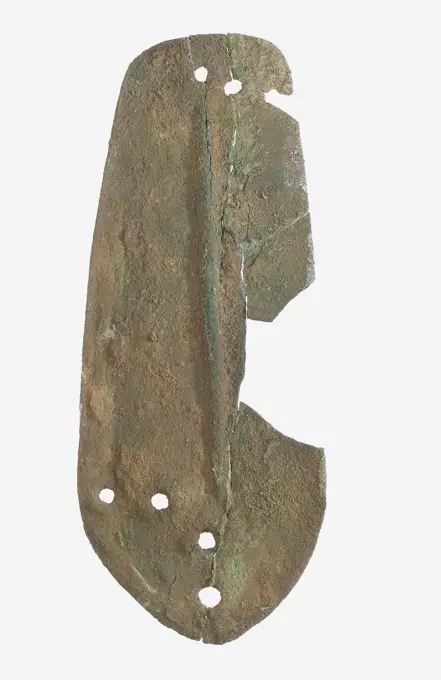
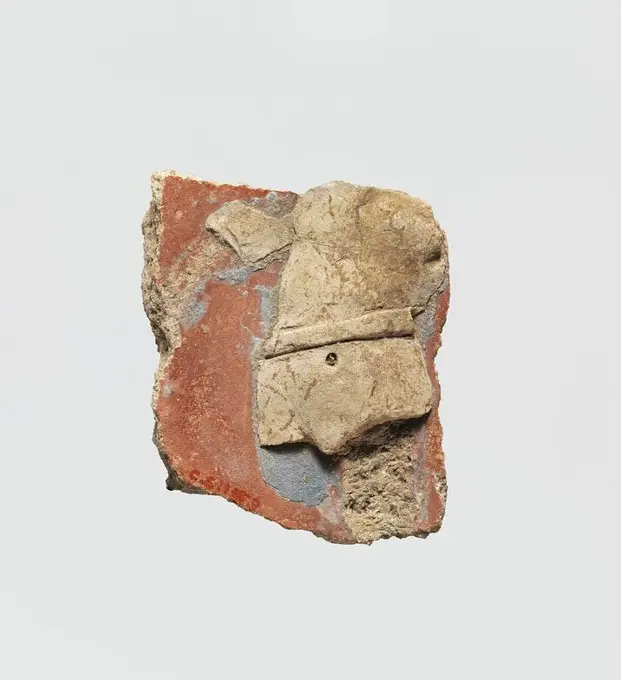
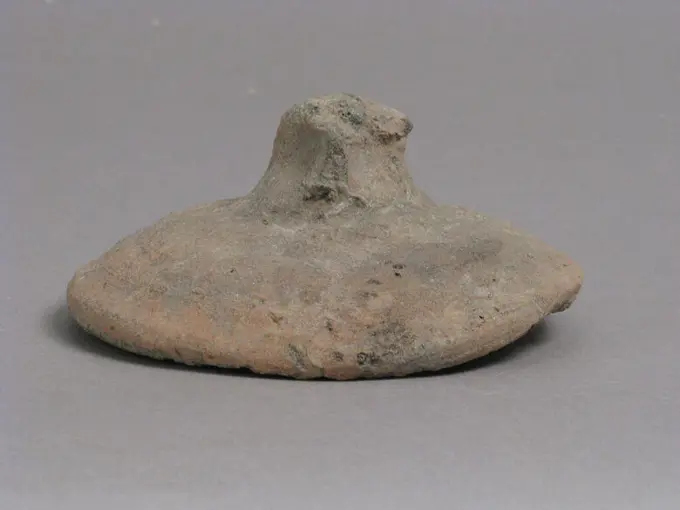
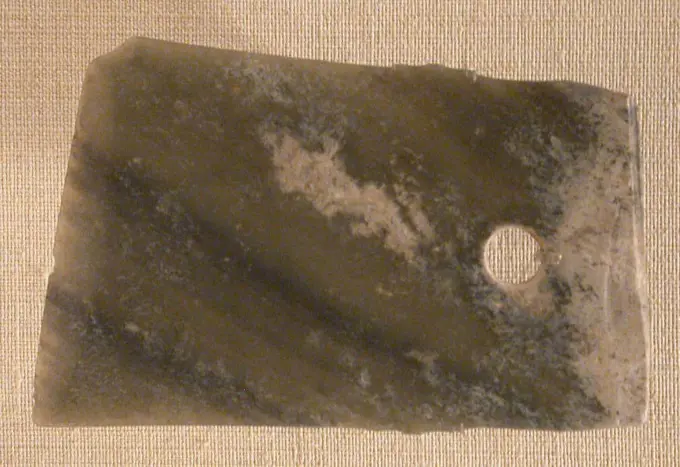
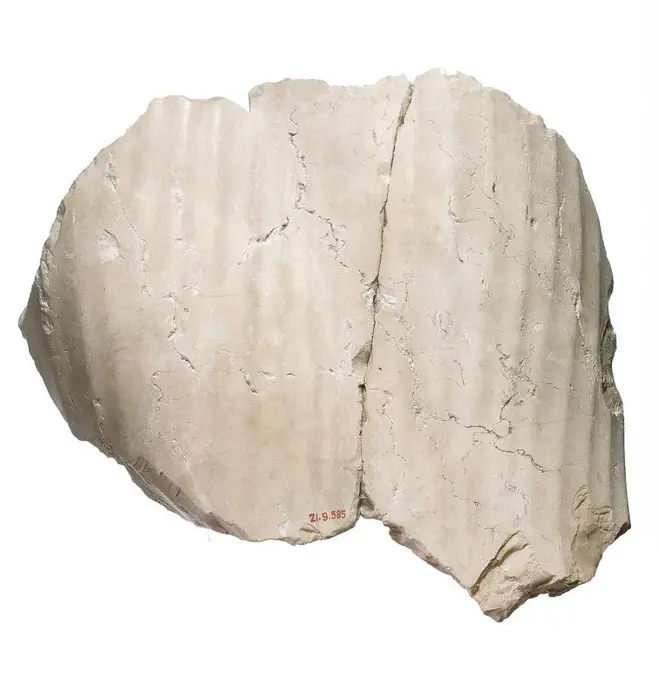
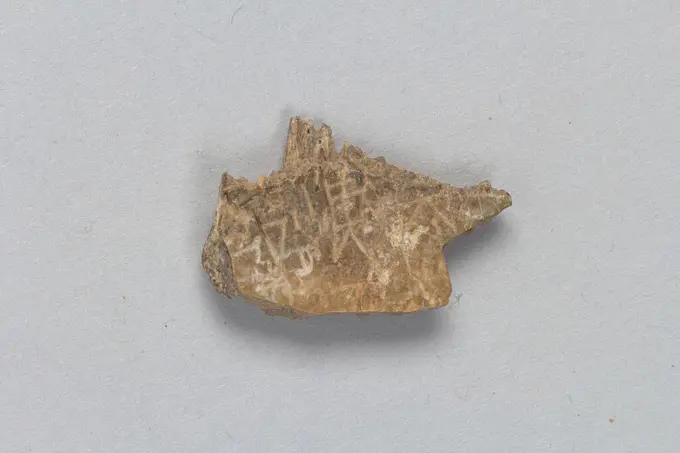
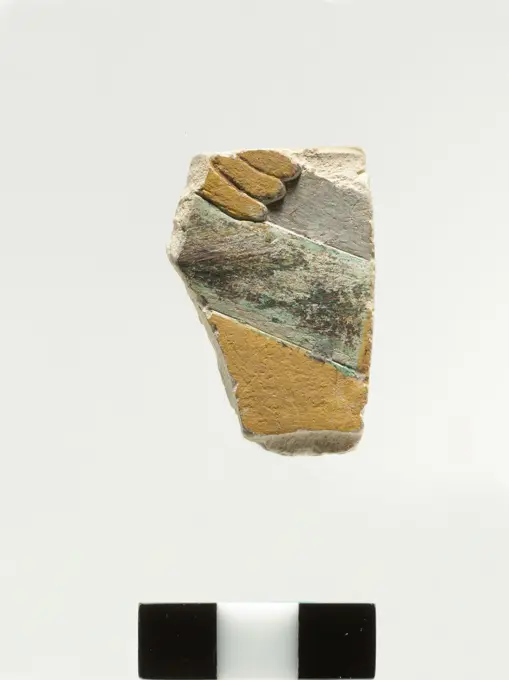
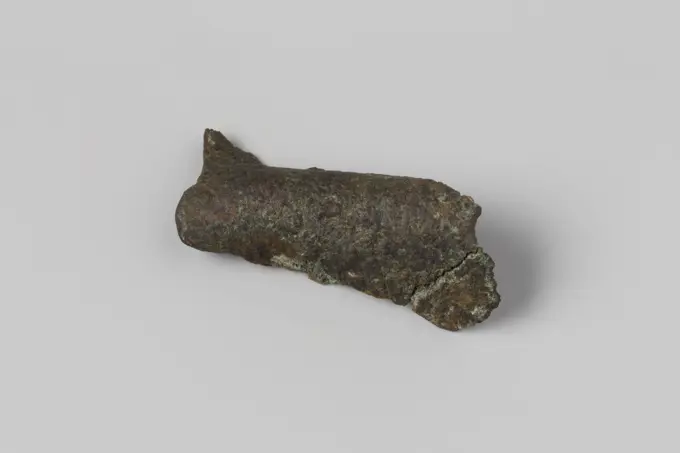
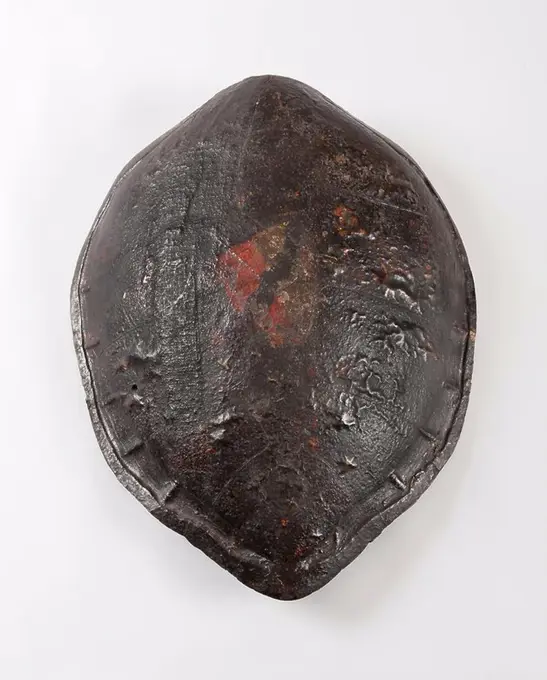
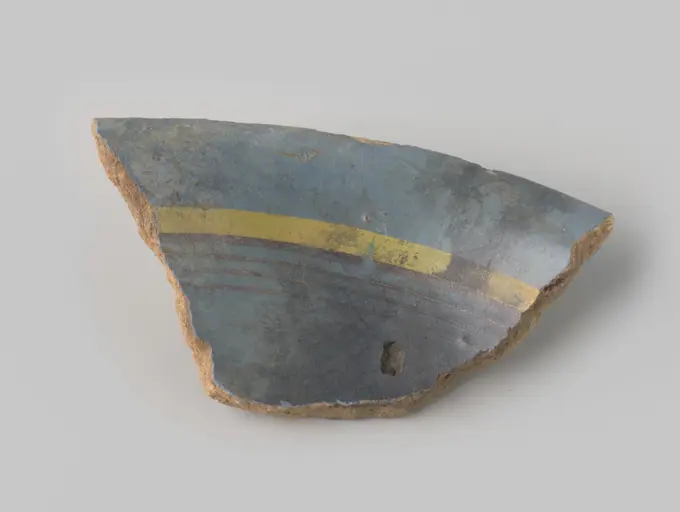
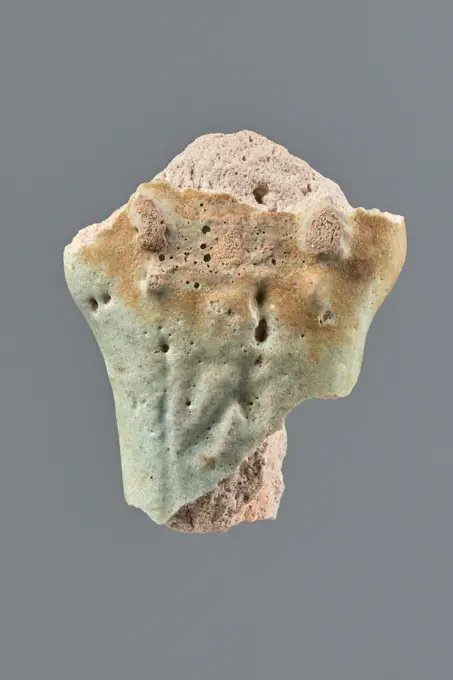
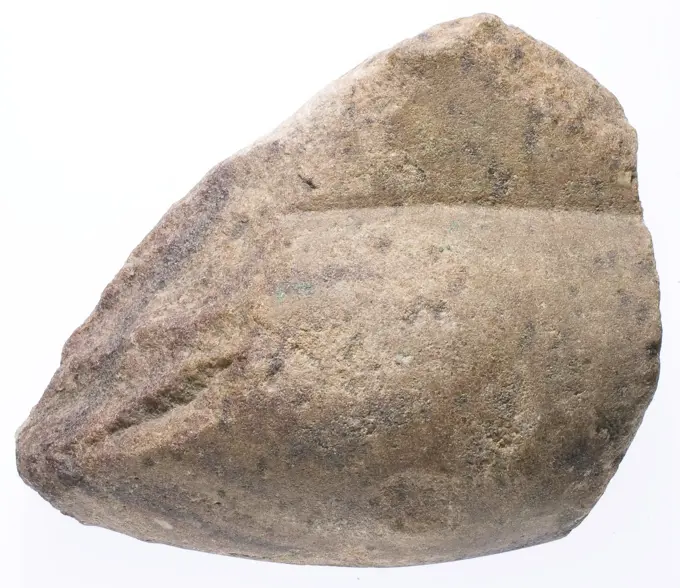
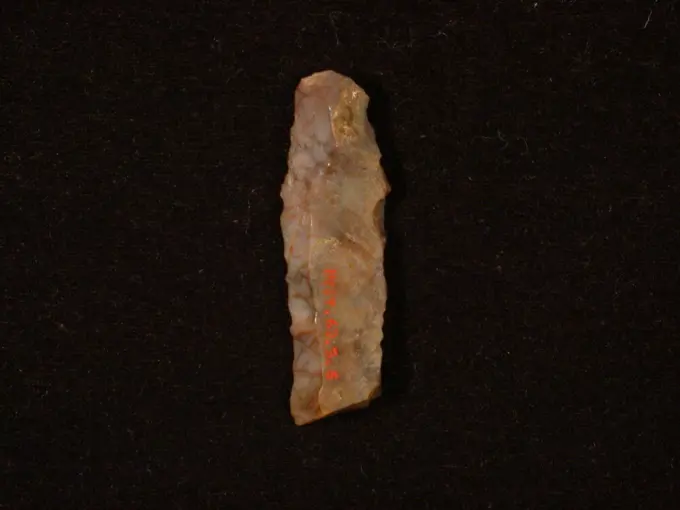
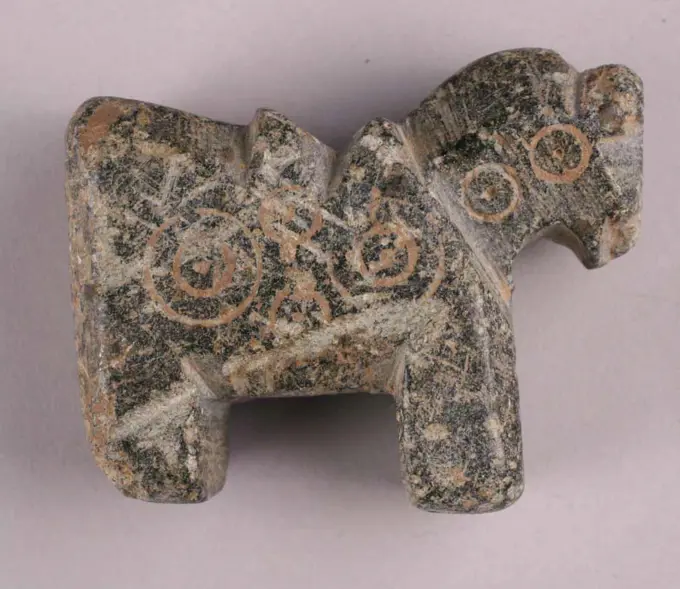
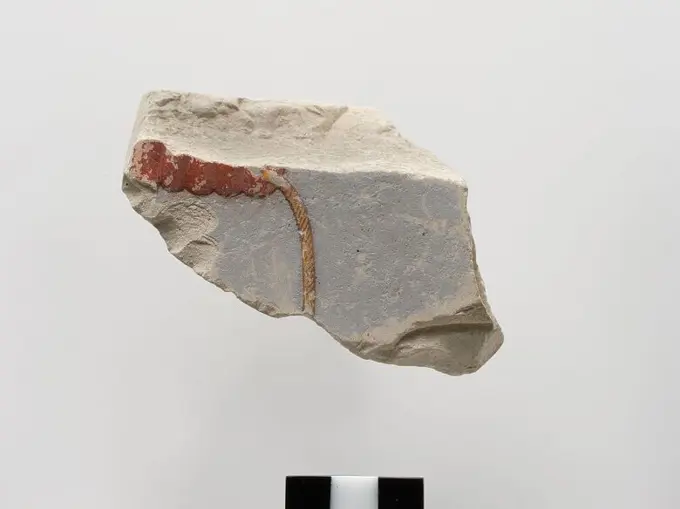
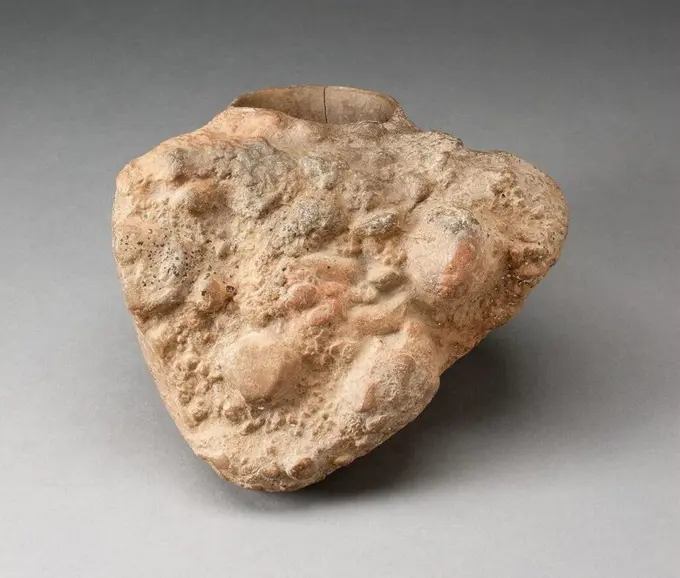
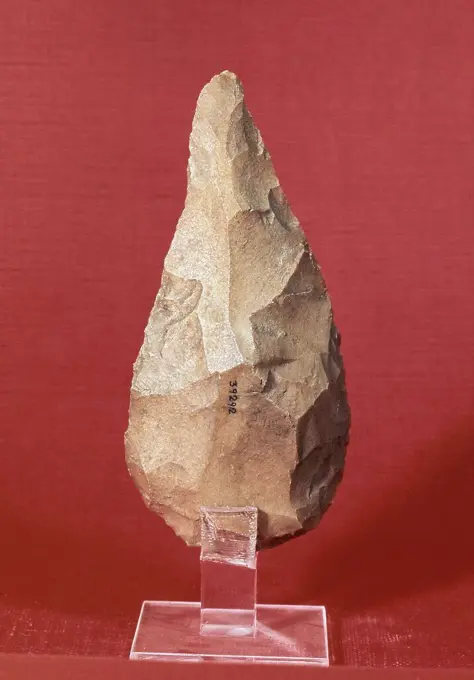
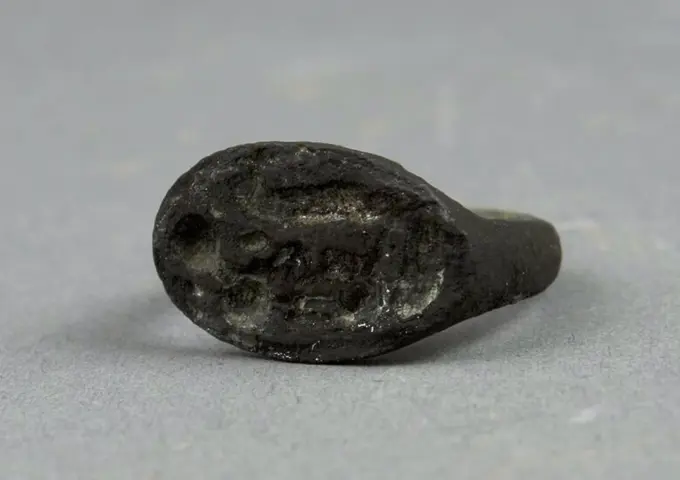
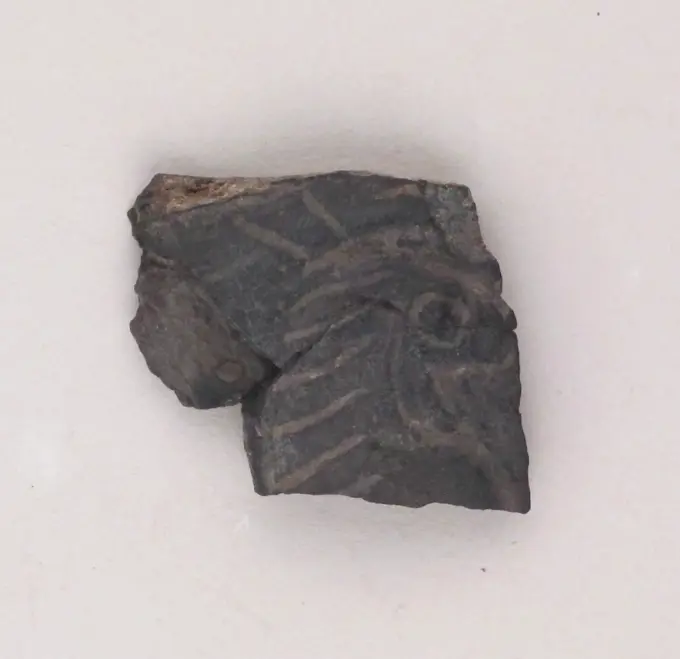
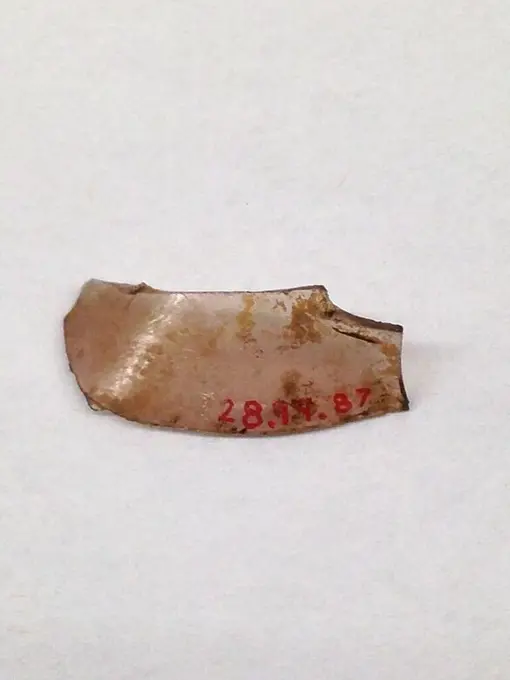
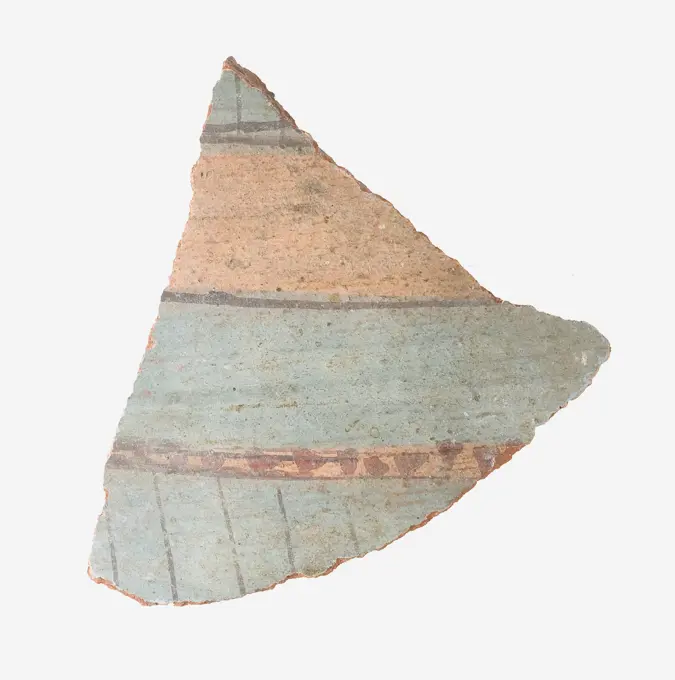
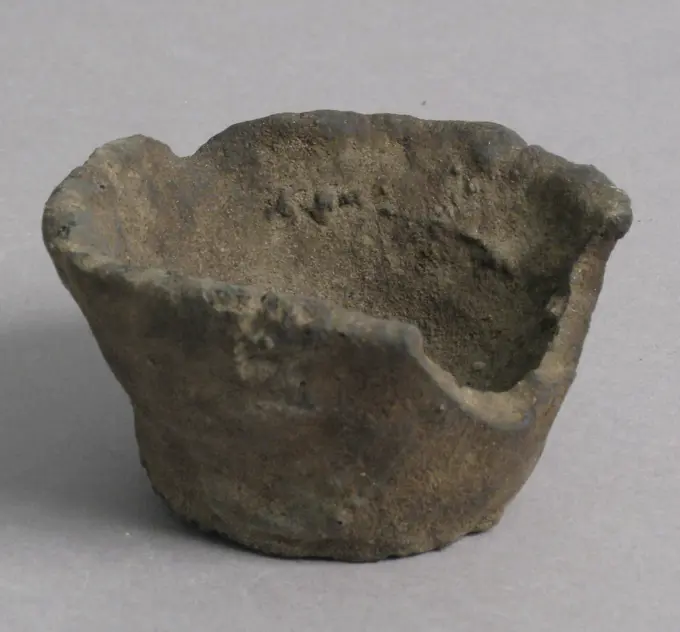
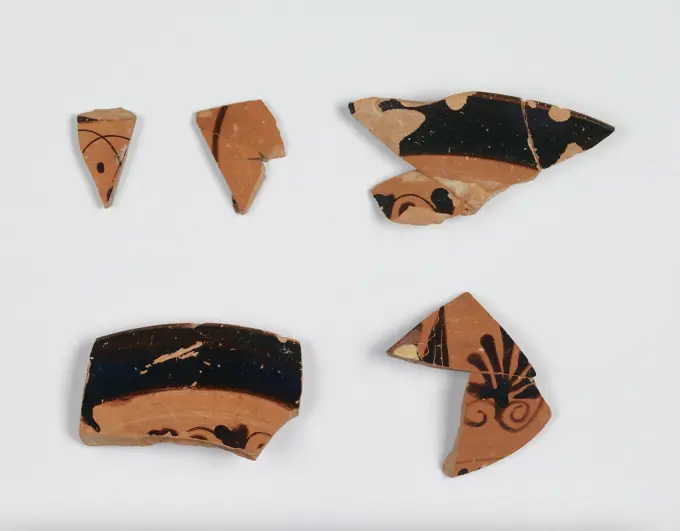
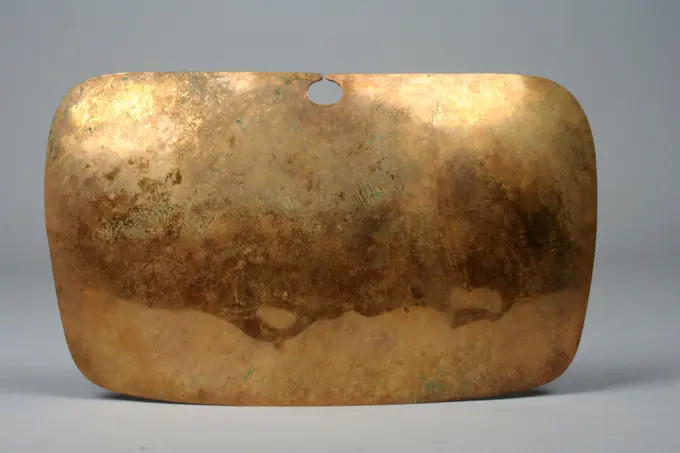
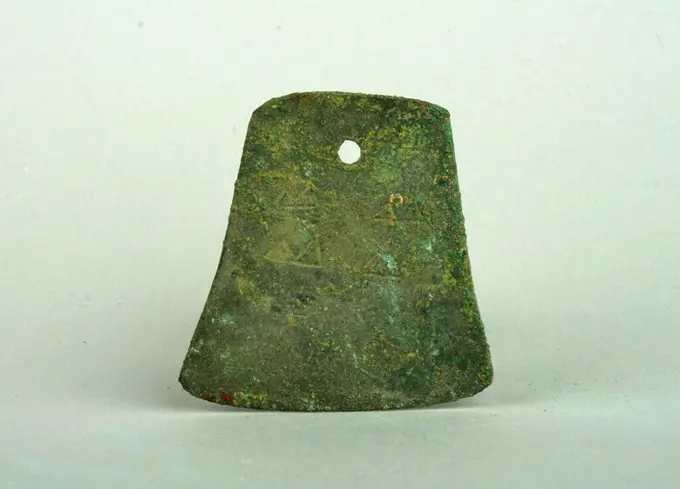
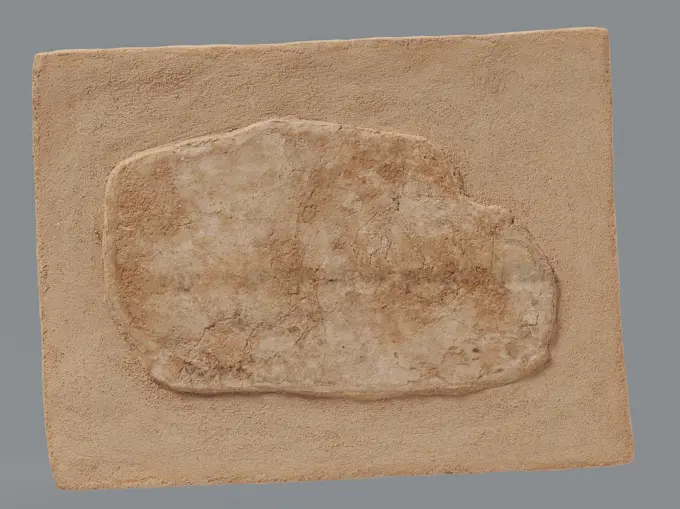
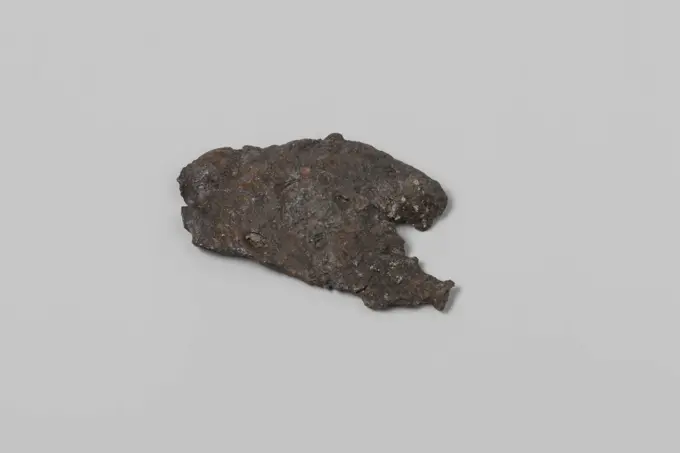
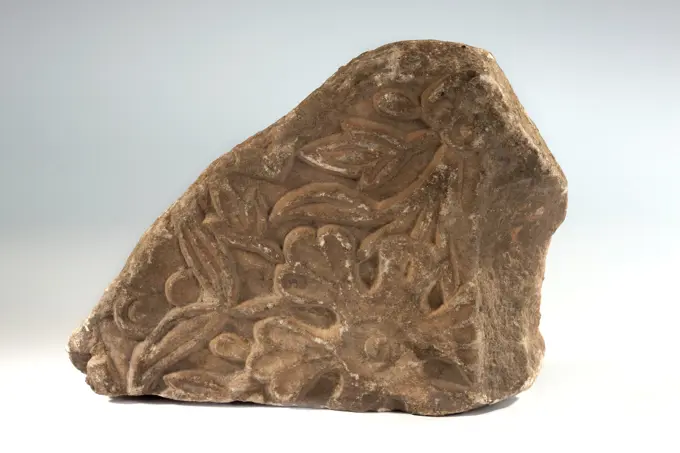
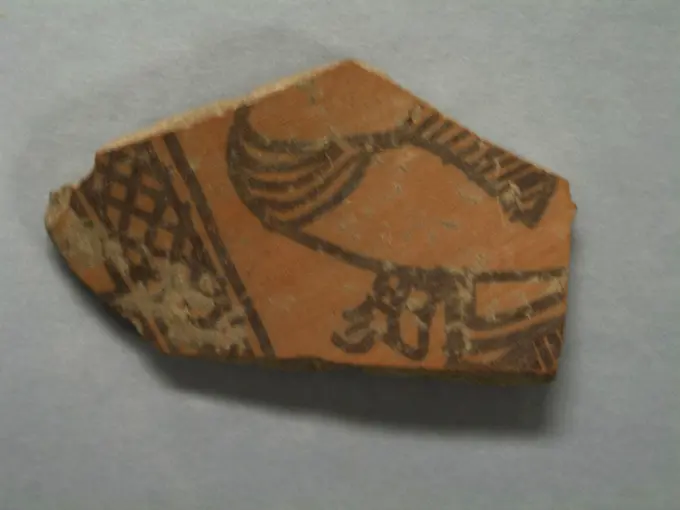
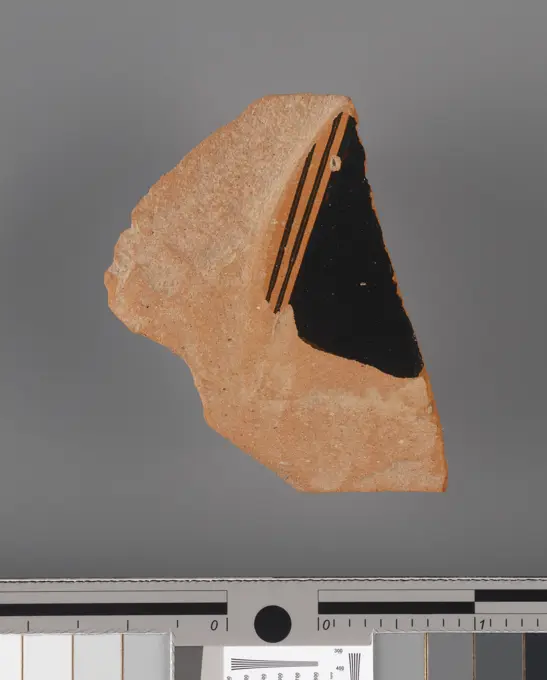
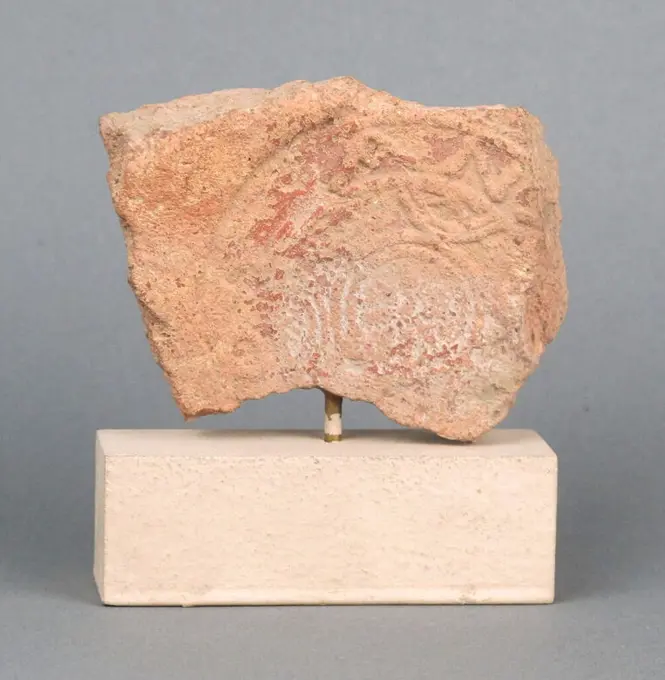
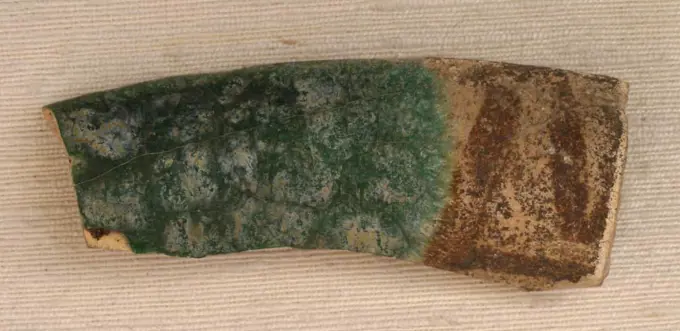
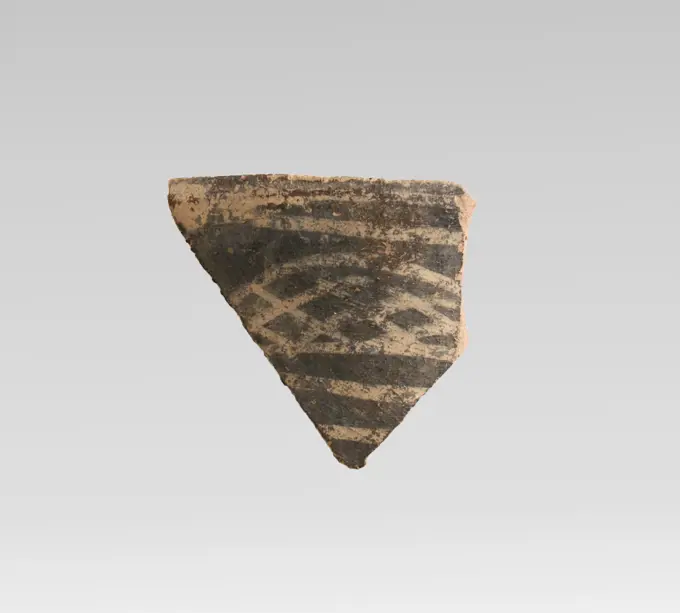
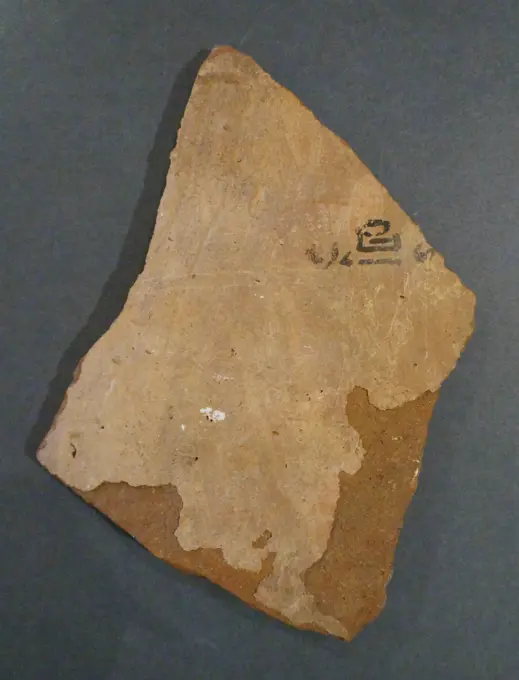
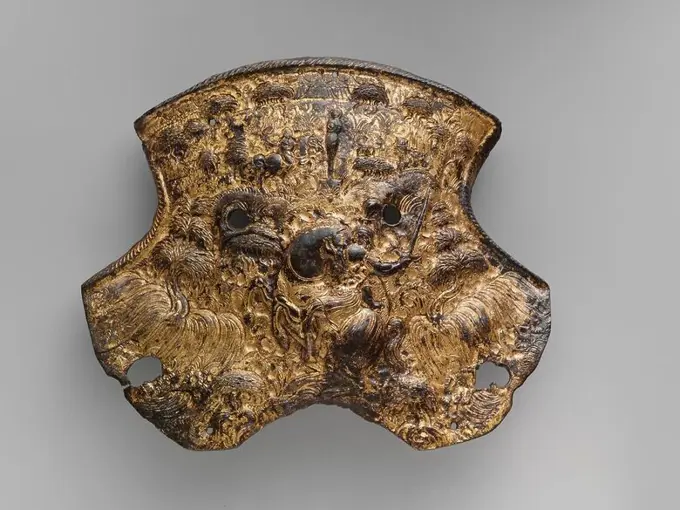
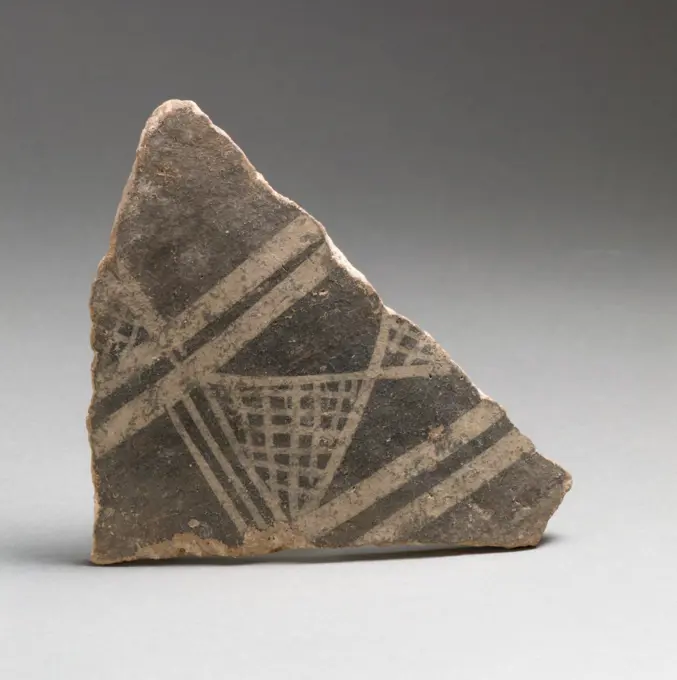
Fragment; (possibly) belonging to the retable of Soest, c. 1475 - c. 1499   wood (plant material)   wood (plant material)Ostracon. Dimensions: 4.6 x 7.2 x 1.4 cm (1 13/16 x 2 13/16 x 9/16 in.). Date: 400-30 B.C.. Museum: Metropolitan Museum of Art, New York, USA.Brigandine Plate. Culture: Italian. Dimensions: H. 11 1/4 in. (28.6 cm); W. 8 5/16 in. (21.1 cm); Wt. 1 lb. 5.4 oz. (606.7 g). Date: 1400-1450. Museum: Metropolitan Museum of Art, New York, USA.Vase fragment Roman Fragment of green-glazed vase; eight galloping horses.. Vase fragment. Roman. Terracotta. VasesFragment ca. 1150-ca. 1250 European or Middle Eastern. Fragment 694376Vase fragment Minoan. Vase fragment 247681Bowl;  around 1550 1069 BC ; New PAVase fragment East Greek. Vase fragment 252674 East Greek, Vase fragment, Terracotta, h 3 x 3 5/16in. (7.6 x 8.4cm). The Metropolitan Museum of Art, New York. Gift of The American Society for the Excavation of Sardis, 1926 (26.199.106)Fragment of a lead plate from the wreck of the East Indied Flying Heart. Piece lead plate with point-shaped soldering edge. The plate is hemisphere, without holes. Sheet fragments.Brigandine Plate 1400-1450 Italian This is part of a large find of medieval armor discovered in 1840 in the ruins of the fortress of Chalcis, on the Greek island of Euboea (then a Venetian colony called Negroponte). The fortress had been captured and destroyed by the Turks in 1470. Now divided largely between the Ethnological Museum, Athens, and The Metropolitan Museum of Art, the Chalcis hoard contains many rare and unusual elements of fourteenth- and fifteenth-century armor. Of particular importance are the variety of headpieces and the many fragments of brigandines (armor for the torso constructed of small plates riveted to layers of fabric), some of which retain portions of their original velvet covering. The Chalcis armor provides a unique picture of the armament used in the Aegean, one of the easternmost military outposts of the Venetian empire.. Brigandine Plate 27687Can from the wreck of the East Indiescher 't flying heart. One elongated bent shard that looks very cool and unused. From inside gray and from outside brown glazed.Uni-facial Stone Tool. Egypt, Nagada, Neolithic Period (5500 - 3100 BCE). Tools and Equipment. FlintRelief from the tomb of Queen Neferu: part of a sunshade (see 26.3.353-1). Dimensions: H. 6.5 x W. 9.5 cm (2 9/16 x 3 3/4 in.). Dynasty: Dynasty 11. Reign: reign of Mentuhotep II, early. Date: ca. 2051-2030 B.C.. Museum: Metropolitan Museum of Art, New York, USA.Sāmānidzi, nūḥ ibn naṣr (331 343 ah = AD 942/3 954), Dirham (fragm.) SA marqand, 942/3 954 n Ibn na (942/943-954), MenicFragment; (possibly) belonging to the Retable of Soest. .Fragment (foot) with reddish shard, in sgraffito technology a white women's head on beige soil, anonymous, 1200 - 1899  Italy earthenware  Italy earthenwareVase fragment East Greek/Sardis, Lydian. Vase fragment 252800 East Greek/Sardis, Lydian, Vase fragment, Terracotta, Overall: 3 3/4 x 1 1/2in. (9.5 x 3.8cm). The Metropolitan Museum of Art, New York. Gift of The American Society for the Excavation of Sardis, 1926 (26.199.233)Dagger-Blade (ge). China. Date: 1300 BC-1000 BC. Dimensions: 11 1/2 × 4 3/16 × 3/16 in. Jade. Origin: China. Museum: The Chicago Art Institute, Chicago, USA.Fragment of a lead plate from the wreck of the East Indied Flying Heart. Piece folded lead plate, corroded and buted. Sheet fragments.Relief of a head of a child Relief of a head of a child.. Relief of a head of a child. IvoryScale from Armor ca. 1390-1353 B.C. New Kingdom Although bronze and iron scales have been found in Egypt, body armoraforeign importwas probably not commonly worn there. Two sets of armorappear in a presentation scene in the tomb of Kenamun at Thebes, and a cuirassof leather scales was found in the tomb of Tutankhamun. The ten scales (11.215.452a-j) were excavated from the palace of Amenhotep III, but their position, embedded in an enclosure wall, does not allow us to speculate as to who might have worn them. The scales would have been sewn to a linen or leather backing. Although they vary, they still might have constituted the same armor.. Scale from Armor. ca. 1390-1353 B.C.. Bronze. New Kingdom. From Egypt, Upper Egypt, Thebes, Malqata, Palace of Amenhotep III, MMA excavations, 1910-11. Dynasty 18Fragment of a Male Torso 4th-7th century Coptic. Fragment of a Male Torso 478938Claw Fragment 4th-7th century Coptic. Claw Fragment 478756Shard: Shoulder of Vessel with Ornament of Mastif ca. 4th-5th century Pakistan. Shard: Shoulder of Vessel with Ornament of Mastif 51104Vase fragment Minoan. Vase fragment. Minoan. Terracotta. Early Minoan III. VasesShawabty of Ditamenpaankh, 715-656 BC. Egypt, Late Period, Dynasty 25. Terracotta; overall: 2.2 x 1.3 x 0.8 cm (7/8 x 1/2 x 5/16 in.).MOMIA DE HALCON. EGIPCIO. (DEPOSITO: MUSEO ARQUEOLOGICO NACIONAL).Vase fragment Minoan. Vase fragment 247864Scale from Armor ca. 1390-1353 B.C. New Kingdom Although bronze and iron scales have been found in Egypt, body armoraforeign importwas probably not commonly worn there. Two sets of armorappear in a presentation scene in the tomb of Kenamun at Thebes, and a cuirassof leather scales was found in the tomb of Tutankhamun. The ten scales (11.215.452a-j) were excavated from the palace of Amenhotep III, but their position, embedded in an enclosure wall, does not allow us to speculate as to who might have worn them. The scales would have been sewn to a linen or leather backing. Although they vary, they still might have constituted the same armor.. Scale from Armor. ca. 1390-1353 B.C.. Bronze. New Kingdom. From Egypt, Upper Egypt, Thebes, Malqata, Palace of Amenhotep III, MMA excavations, 1910-11. Dynasty 18Fragment of a Dish 11th-12th century. Fragment of a Dish. 11th-12th century. Earthenware; luster-painted. Made in probably Egypt. CeramicsStucco fragment with male torso. Dimensions: 3 3/16 × 2 5/8 × 1 1/8 in. (8.1 × 6.7 × 2.9 cm). Museum: Metropolitan Museum of Art, New York, USA.Lid. Culture: Coptic. Dimensions: Overall: 1 3/4 x 4 in. (4.5 x 10.1 cm). Date: 4th-7th century. Museum: Metropolitan Museum of Art, New York, USA.Ritual Axe 3rd millennium B.C. China. Ritual Axe 36441Pendant in the Form of a Hare, 1100-771 BCE, 1 1/2 x 2 1/16 x 1/8 in. (3.81 x 5.25 x 0.32 cm), Highly calcified, opaque tan jade, China, 11th-8th century BCEBelt Plate Fragment 4th-7th century Frankish. Belt Plate Fragment 469817Raised relief fragment 664-610 B.C. Late Period, Saite see 23.3.468. Raised relief fragment. 664-610 B.C.. Limestone. Late Period, Saite. From Egypt, Upper Egypt, Thebes, Deir el-Bahri, Tomb of Nespekashuty (TT 312, MMA 509), 1st chamber W. wall, MMA excavations, 1922-23. Dynasty 26Thighs of Nefertiti. Dimensions: H. 23.5 × W. 28 × D. 9 cm (9 1/4 × 11 × 3 9/16 in.). Dynasty: Dynasty 18. Reign: reign of Akhenaten. Date: ca. 1353-1336 B.C.. Museum: Metropolitan Museum of Art, New York, USA.Fragment of Lid 8th-13th century. Fragment of Lid. 8th-13th century. Earthenware; molded and glazed. Excavated in Iran, Nishapur. CeramicsStone knife. Neolithic period. North Africa. 10,2cm..Oracle bone fragment. Culture: China. Dimensions: 15/16 x 11/16 in. (2.4 x 1.7 cm). Museum: Metropolitan Museum of Art, New York, USA.Reliefs from the tomb of Meketre ca. 1981-1975 B.C. Middle Kingdom. Reliefs from the tomb of Meketre 668675Pottery Fragment. Culture: Coptic. Dimensions: Overall: 3 9/16 x 2 3/16 x 1 3/8 in. (9 x 5.6 x 3.5 cm). Date: 4th-7th century. Museum: Metropolitan Museum of Art, New York, USA.Fragment; (possibly) belonging to the retable of Soest, c. 1475 - c. 1499   wood (plant material)   wood (plant material)LASCA LEVALLOIS. PALEOLITICO. (DEPOSITO: MUSEO ARQUEOLOGICO NACIONAL).Excerpt of copper from the wreck of the East Indians Hollandia, 1700 - in or before 1743  Parts of artefacts; eroded fragments: materials; copper. Netherlands copper (metal)   SecondParade Shield in Form of Turtle Shell. Italian (Probably). Date: 1501-1550. Dimensions: 76.3 x 61.2 cm (30 x 24 in.)object should be weighed. Leather(?), canvas, and paint. Origin: Italy. Museum: The Chicago Art Institute, Chicago, USA.Bowl on foot from v.O.c.-ship the 'white lion'. Bowl on foot from v.O.c.-ship the 'white lion'.Fragment 9th-10th century. Fragment 451578Hand axe from Gargano, Apulia, Italy.Hearing stone with representation of two climbing lions, placed in two windows, Anonymous, 1634 Hearing stone with representation of two climbing lions, placed in two windows and accompanied by the year 1634. The half windows on the top and bottom are filled with diamond-shaped flowers. Southern Netherlands earthenware Hearing stone with representation of two climbing lions, placed in two windows and accompanied by the year 1634. The half windows on the top and bottom are filled with diamond-shaped flowers. Southern Netherlands earthenwareArrowhead Japan. Arrowhead 62398Sharf of ross -baking earthenware, with blue glaze at the top, decorated with a painting of stripes in dark brown and yellow, anonymous, 1600 - 1650  Northern Netherlands earthenware. glaze majolica  Northern Netherlands earthenware. glaze majolicaFragment uszebti. unknown, authorChess Piece, King 8th-10th century. Chess Piece, King 451937Lame. Bronze, China, Iv-Iie s. to. J.-C. Par musée musée malée. Asian art, Chinese art, bronze, Asian civilization, Chinese civilizationright elbow ca. 1353-1336 B.C. New Kingdom, Amarna Period. right elbow 561674Blade 5th millennium B.C.. Blade 327839Stand for a Spit probably 8th-12th century This object was excavated at Nishapur.Nishapur was a vital city in the early and middle Islamic periods, located along one of the main trajectories that connected Iran and West Asia Islamic lands with Central Asia and China. These itineraries are often referred to by the term Silk routes’ but were in fact crucial to the movement of constellations of materials and objects, as well as people and ideas. The diverse population of Nishapur and its surroundings, from the better-researched elite groups of merchants, land-owning aristocracy, and literates, to the less-known artisans, farmers, miners, and servants, were instrumental in adapting global cultural trends to create their own distinctive visual languages. This is seen in the material remains of everyday life in medieval Nishapur - from pots and pans to lighting devices, inkwells, textiles and trimmings, jewelry, games and toys, talismanic devices, weapons, coins, and architectural fragmentsRelief fragment, tomb of Meketre. Dynasty: Dynasty 12. Reign: reign of Amenemhat I, early. Date: ca. 1981-1975 B.C.. Museum: Metropolitan Museum of Art, New York, USA.Excerpt of copper from the wreck of the East Indians Hollandia, 1700 - in or before 1743  Parts of artefacts; eroded fragments: materials; copper. Netherlands copper (metal)   SecondHeart-Shaped Sculpture. Classic Veracruz; Veracruz, Mexico. Date: 100 AD-1000. Dimensions: 20.3 x 19.1 cm (8 x 7 1/2 in.). Ceramic and pigment. Origin: Veracruz state. Museum: The Chicago Art Institute, Chicago, USA.HACHA DE PIEDRA PALEOLITICO CHIETI. Location: MUSEO PIGORINI. Rome. ITALIA.Fragment (console of the altar cabinet); (possibly) belonging to the Retable of Soest. .Possibly a Pendant 8th-13th century The dot-in-circle motif recalls designs presumed to be of magical significance, most likely an abstract eye to ward off the evil-eye, which serves an apotropaic function. Easily reproduced with a tool and visible in many cultures and times, this symbol may have lost its meaning, and become simply a decorative pattern, or may have one that we have not yet discovered.. Possibly a Pendant 450885Ring: Nebmaatre is the Lord (Amunhotep III). Egyptian. Date: 1390 BC-1352 BC. Dimensions: 2.5 × 2.2 × 1.3 cm (1 × 7/8 × 1/2 in.). Bronze. Origin: Egypt. Museum: The Chicago Art Institute, Chicago, USA. Author: Ancient Egyptian.Anonymous, small asymmetrical ax blade (common name). Bronze. Cernuschi Museum, Asia Museum of Asia in the city of Paris.Vase fragment ca. 580-550 B.C. Etruscan Head of lion.. Vase fragment. Etruscan. ca. 580-550 B.C.. Terracotta; bucchero pesante. Archiac. VasesFragment. Culture: European or Middle Eastern. Dimensions: L. 1 3/16 in. (3 cm). Date: ca. 1150-ca. 1250. Museum: Metropolitan Museum of Art, New York, USA.Vessel fragment ca. 1390-1353 B.C. New Kingdom. Vessel fragment. ca. 1390-1353 B.C.. Pottery, paint. New Kingdom. From Egypt, Upper Egypt, Thebes, Malqata, Palace of Amenhotep III. Dynasty 18Dish 4th-7th century Coptic. Dish. Coptic. 4th-7th century. Earthenware. Made in Kharga Oasis, Byzantine Egypt. CeramicsAttic Black-Figure Neck Amphora Fragment. Unknown about 510 B.C.Egg-shaped spoon bowl of tin spoon, with small remnant of square stem, spoon cutlery soil find tin metal, w bin 5,7 Mark no longer legible archeology Valckensteyn Poortugaal Albrandswaard archaeological find in the soil Poortugaal Castle ValckensteynGypsum Alabaster variety Garden of the Gods, Colorado. USA     Date: Relief Fragment with Floral Design 6th-7th century Coptic. Relief Fragment with Floral Design 464682 Coptic, Relief Fragment with Floral Design, 6th7th century, Ivory, Overall: 2 1/2 x 7/8 x 3/8 in. (6.4 x 2.3 x 0.9 cm). The Metropolitan Museum of Art, New York. Gift of J. Pierpont Morgan, 1917 (17.190.83)Nose Ornament 1st-3rd century Moche. Nose Ornament 317811Bell-Shaped Copper Dangle. Culture: Vicús. Dimensions: Height 1-11/16 in. (4.3 cm). Date: 3rd century B.C.-A.D. 2nd century. Museum: Metropolitan Museum of Art, New York, USA.Fragment inskrypcji na tynku. unknown, authorFragment lead from the wreck of the East Indians Hollandia, 1700 - in or before 1743  Parts of artefacts; eroded fragments: materials; lead. Netherlands lead (metal)   SecondFragment of the stone around the thin;  15th century (1700-00-00-1710-00-00);gift (provenance), Islam (culture), art of IslamShard: Shoulder of Offerer with Crosshatching ca. 4th-5th century Pakistan. Shard: Shoulder of Offerer with Crosshatching 51266Fragment; (possibly) belonging to the retable of Soest, c. 1475 - c. 1499   wood (plant material)   wood (plant material)Remainder of clock with prints. Several fragments of prints.Attic Red-Figure Neck Amphora Fragment. Attributed to Berlin Painter (Greek (Attic), active about 500 - about 460 B.C.)Figured Ostracon ca. 1550-1295 B.C. New Kingdom. Figured Ostracon. ca. 1550-1295 B.C.. Pottery, ink, paint. New Kingdom. From Egypt, Upper Egypt, Thebes, Asasif, Temple of Hatshepsut, Carnarvon/Carter excavations. Dynasty 18Harness Ornament 4th-7th century Japanese. Harness Ornament. Japanese. 4th-7th century. Iron, gold. Equestrian EquipmentTel Dan Stele, 870-750 BCE. Museum: ISRAEL MUSEUM, JERUSALEM, ISRAEL.Terracotta stamped brick fragment. Culture: Cypriot. Dimensions: H.: 2 1/2 x 3 x 5/8 in. (6.4 x 7.6 x 1.6 cm).The stamp comprises concentric circles and lunettes decorated with floral sprays, surrounded by a circle containing an inscription in raised Greek letters. Museum: Metropolitan Museum of Art, New York, USA.Glazed Ceramic Fragments: Splashed, Opacified White, and Green Glazed 9th century. Glazed Ceramic Fragments: Splashed, Opacified White, and Green Glazed 853431pugilate mitt, bronze, Ibero-Roman era, 1st-3rd century AD. Riotinto, Huelva Museum, Huelva, Andalusia, Spain.Fragment 10th-11th century. Fragment 445620Terracotta rim fragment with cross-hatching and bands ca. 2300-2100 B.C Minoan From Gournia, CreteRim fragment with cross-hatching and bands.. Terracotta rim fragment with cross-hatching and bands. Minoan. ca. 2300-2100 B.C. Terracotta; White-on-dark ware. Early Minoan III. VasesCopper alloy spear heads corroded togetherInscribed Pot Fragment ca. 1580-1479 B.C. Second Intermediate Period-Early New Kingdom. Inscribed Pot Fragment. ca. 1580-1479 B.C.. Pottery, ink. Second Intermediate Period-Early New Kingdom. From Egypt, Upper Egypt, Thebes, Southern Asasif, unfinished temple area, Pit MMA 1017, embalming cache, MMA excavations, 1920-22. Dynasty 17-18Nose Ornament. Culture: Moche. Dimensions: H. 3 x W. 5 x D. 3/4 in. (7.6 x 12.7 x 1.9 cm)Weight: 0.0428lb. (0.0194kg). Date: 1st-3rd century. Museum: Metropolitan Museum of Art, New York, USA.Scale formed from a flat mother -of -shell., Anonymous, 1700 - 1800 Scale formed from a flat mother -of -shell.  mother of pearl Scale formed from a flat mother -of -shell.  mother of pearlFragment of a Bowl 15th century. Fragment of a Bowl 445425Fragment of a Bowl 14th-15th century. Fragment of a Bowl 445393Pommel Plate. Culture: French or Flemish. Dimensions: 8 3/4 x 7 in. (22.2 x 17.8 cm); Wt. 12 oz. (352 g). Date: ca. 1580.Very few saddle steels are decorated with embossed ornament including figural representations or narrative scenes. The densely detailed style of this pommel plate is a notable example, allowing it to be identified as part of a small group of rare parade armors that were made in France or Flanders in the last quarter of the sixteenth century.The subjects depicted are derived from Classical history and mythology. In the center of the Museum's pommel plate is a prominent figure wearing antique-style armor and mounted on a rearing horse, possibly representing the legend of the Roman hero Marcus Curtius. Museum: Metropolitan Museum of Art, New York, USA.Terracotta vessel fragment with cross-hatched triangles and broad bands ca. 2300-2100 B.C. Minoan From Gournia, CreteCross-hatched triangles and broad bands.. Terracotta vessel fragment with cross-hatched triangles and broad bands 247691bone engraved with deep engraving technique bone engraved with deep engraving technique, horse hindquarter, paleolithic furniture art, San Felices de Buelna, Museum of prehistory and archeology MUPAC, Santander, Cantabria, Spain Copyright: xZoonar.com/BartomeuxBalaguerxRotgerx 21880708