Archaeological Fragments

A collection of archaeological fragments from shipwrecks, including glass shards, pipe heads, vase fragments, and ancient stone tools, highlighting historical artifacts.

Handle of vascular work from the wreck of the East Indians Hollandia, Anonymous, 1700 - in or before 1743  Vessel part, handle; fragm, looped rod, lower end broken, circular in section. Netherlands glass   Second
Handle of vascular work from the wreck of the East Indians Hollandia, Anonymous, 1700 - in or before 1743 Vessel part, handle; fragm, looped rod, lower end broken, circular in section. Netherlands glass Second
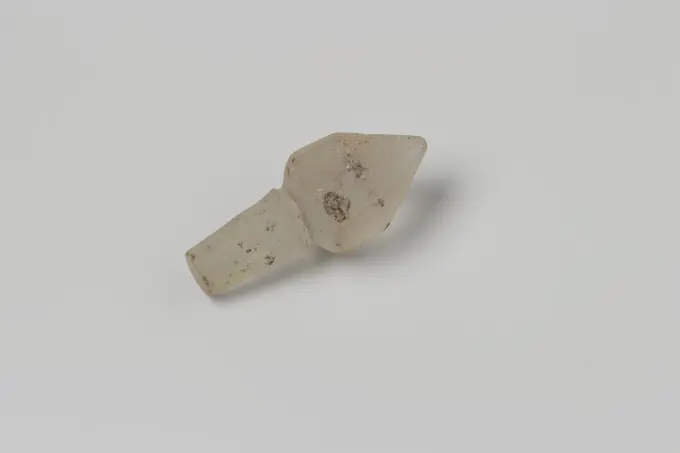
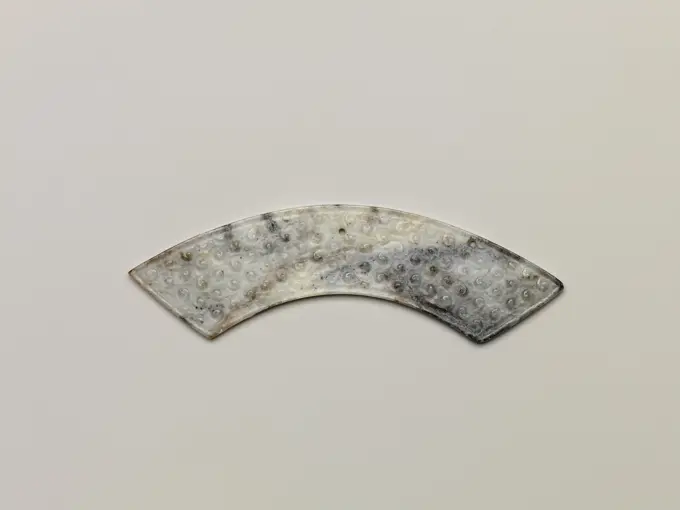
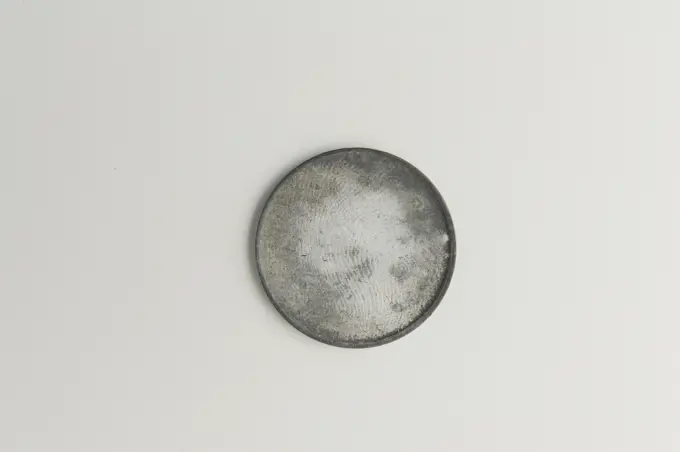
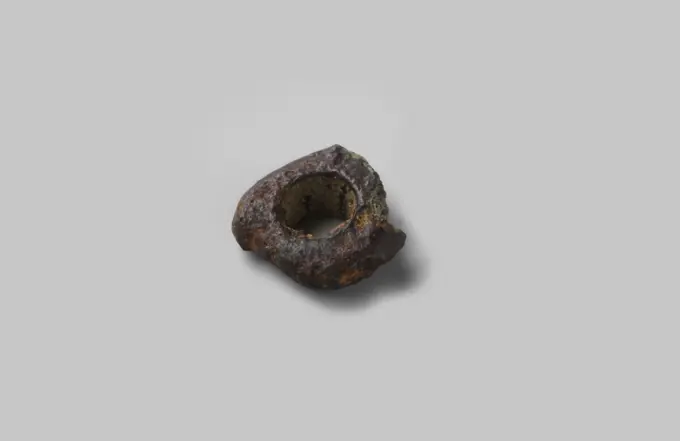
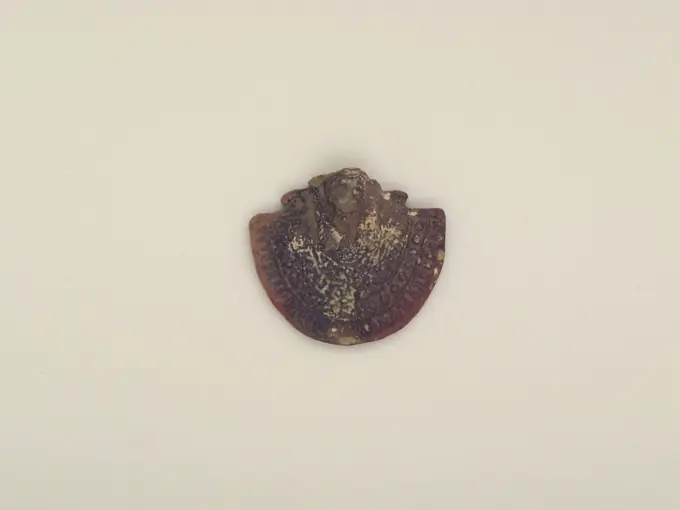
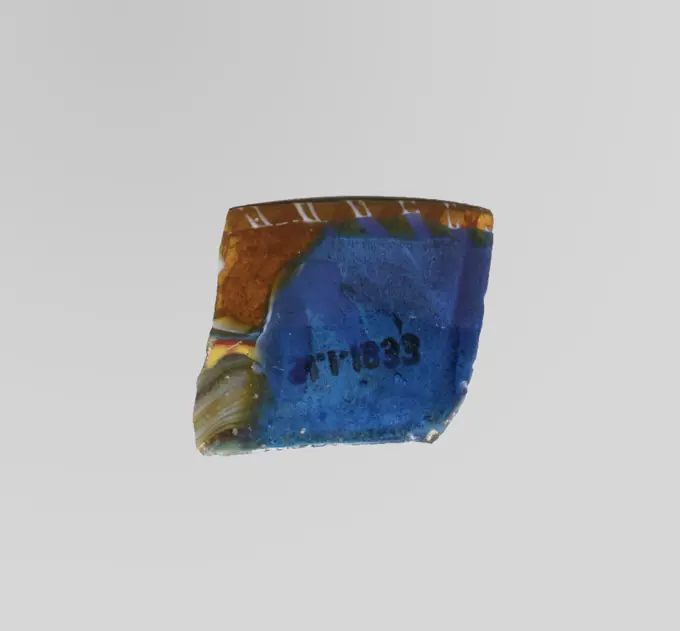
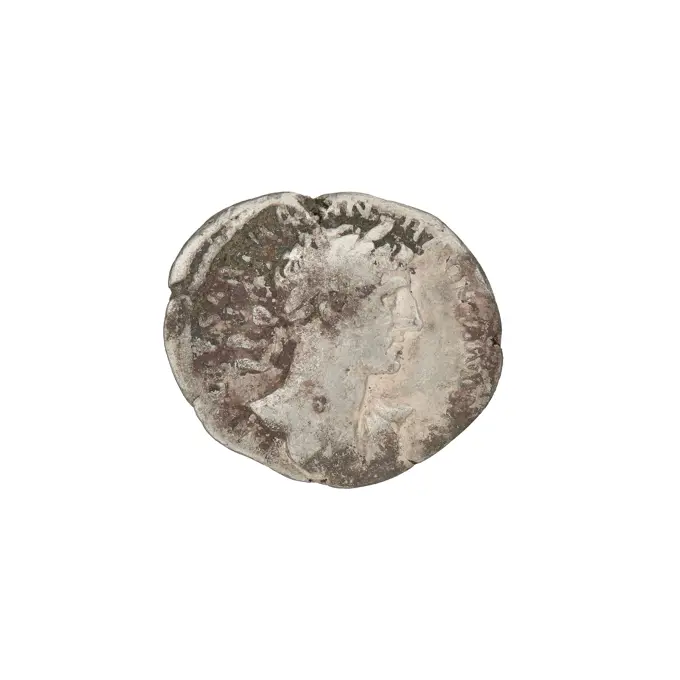
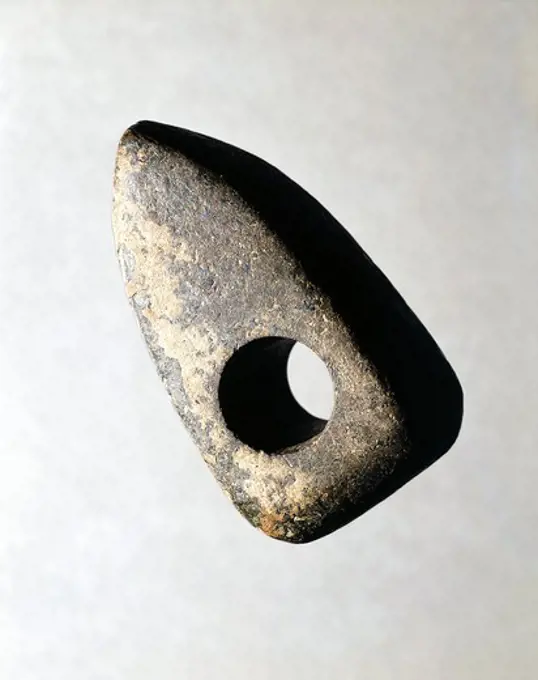
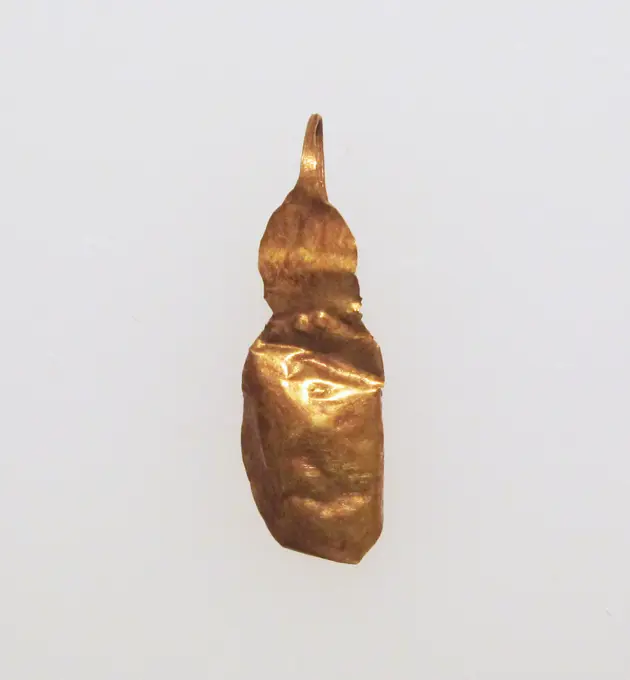
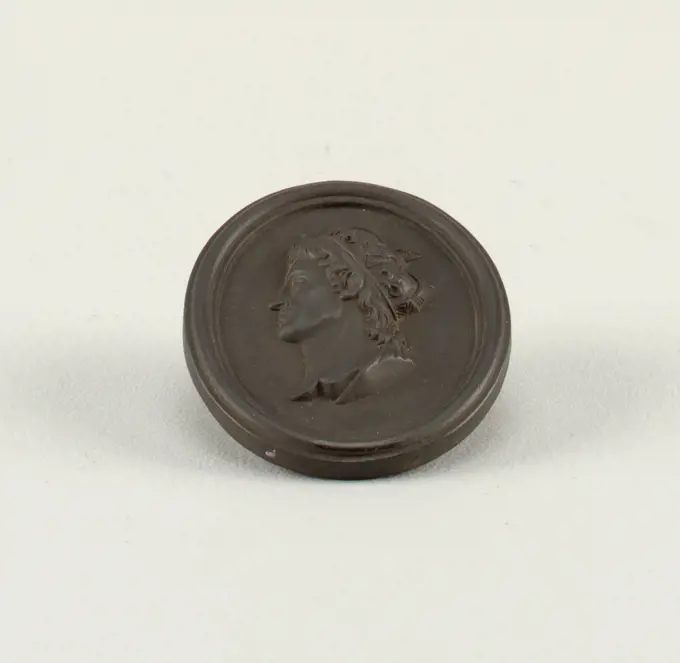
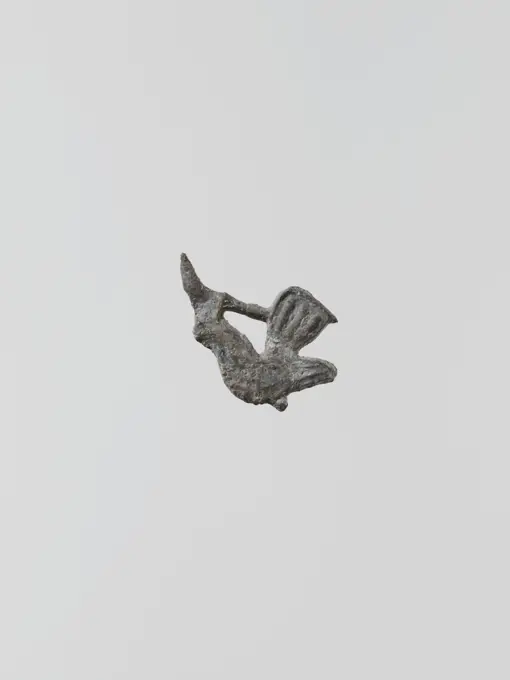
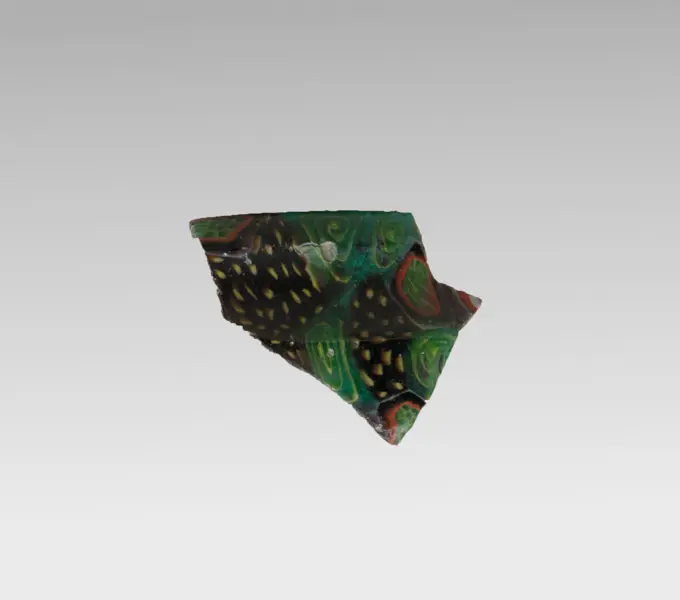
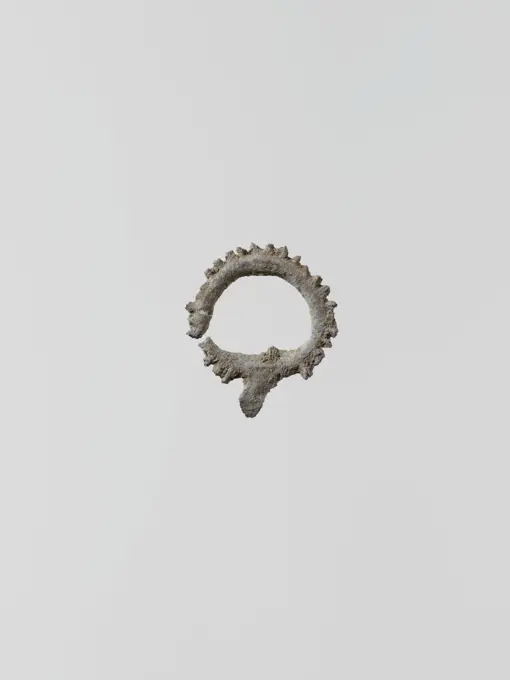
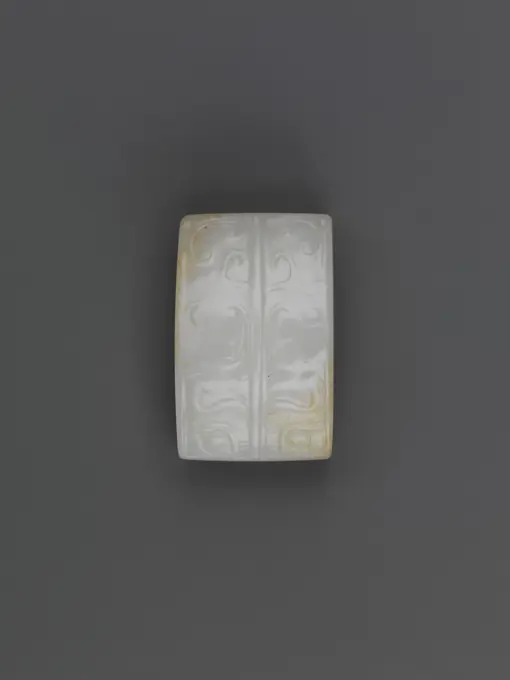
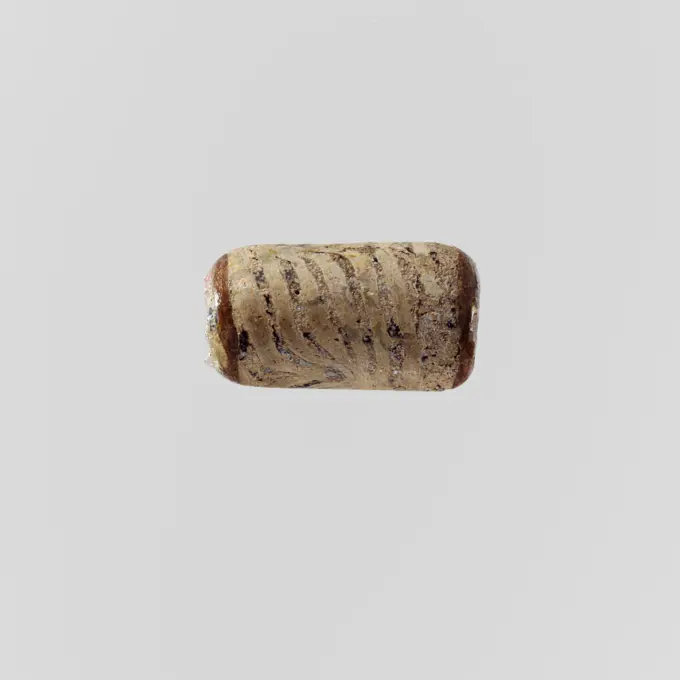
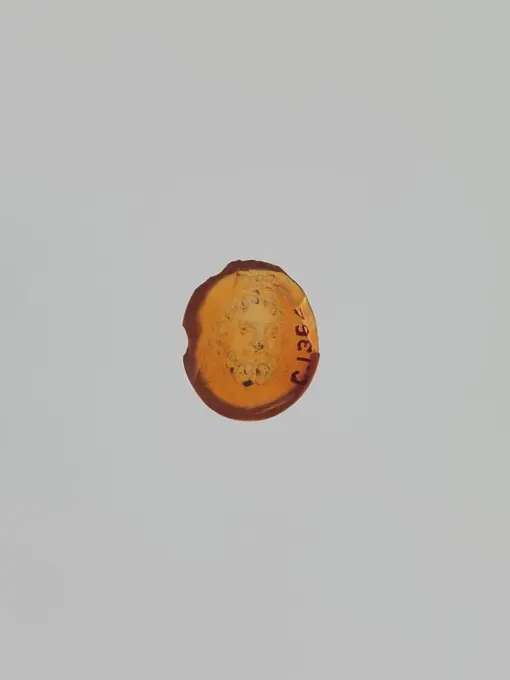
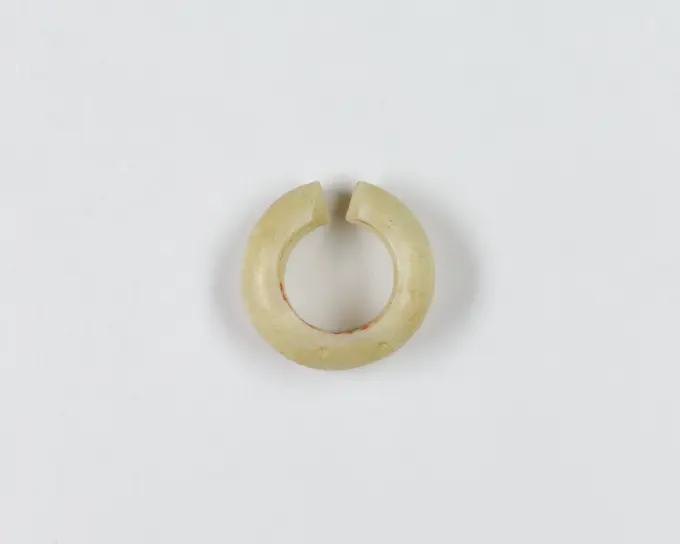
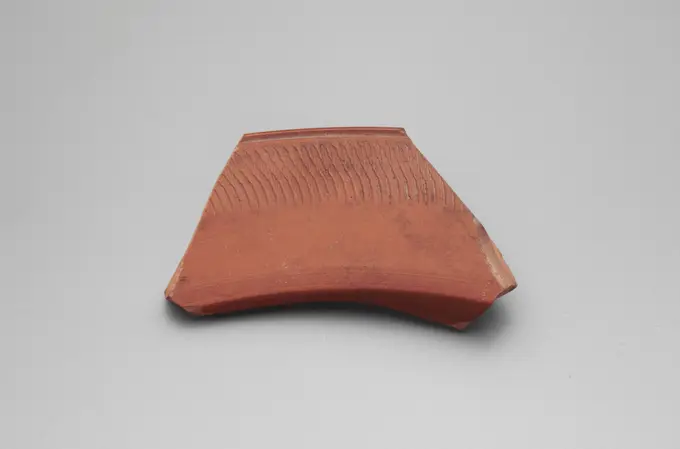
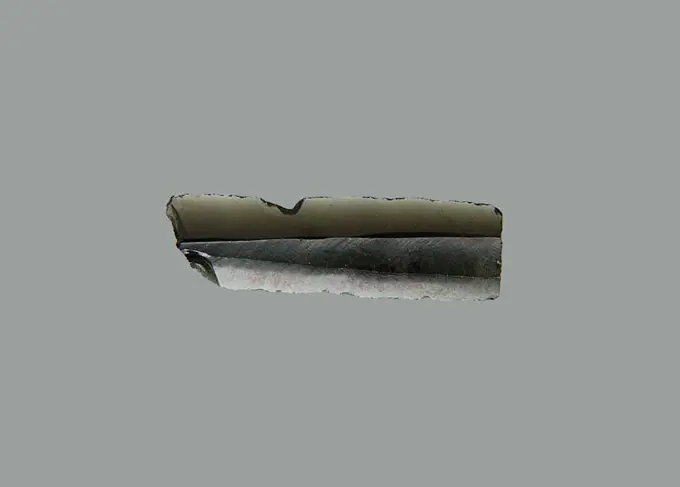
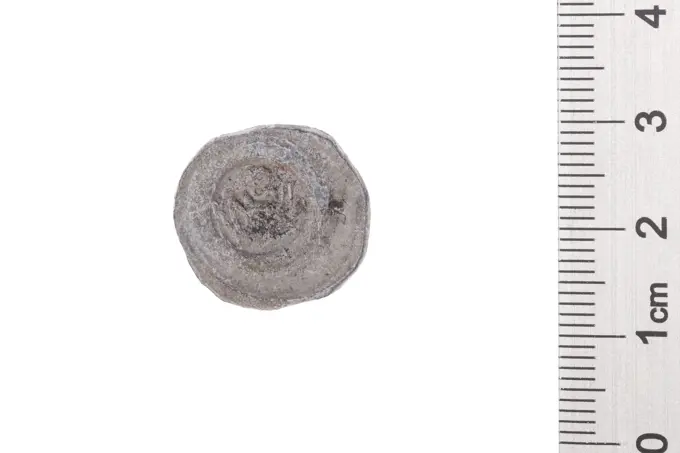
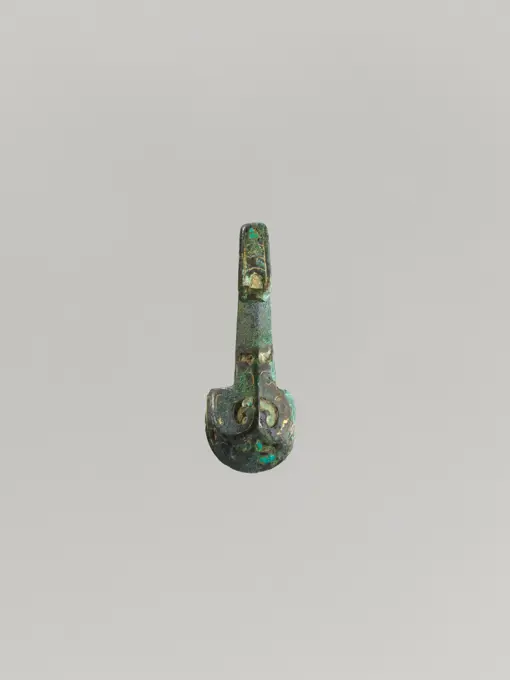
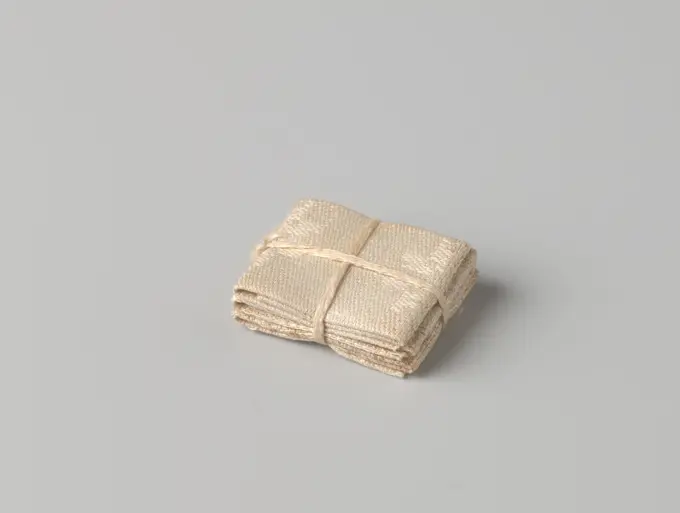
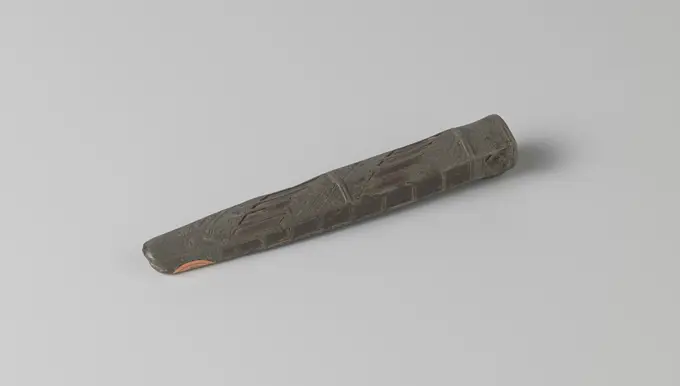
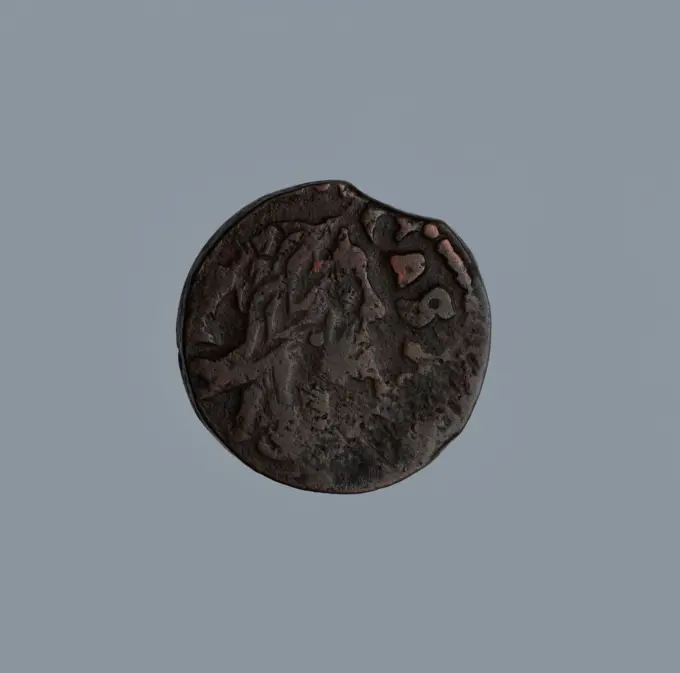
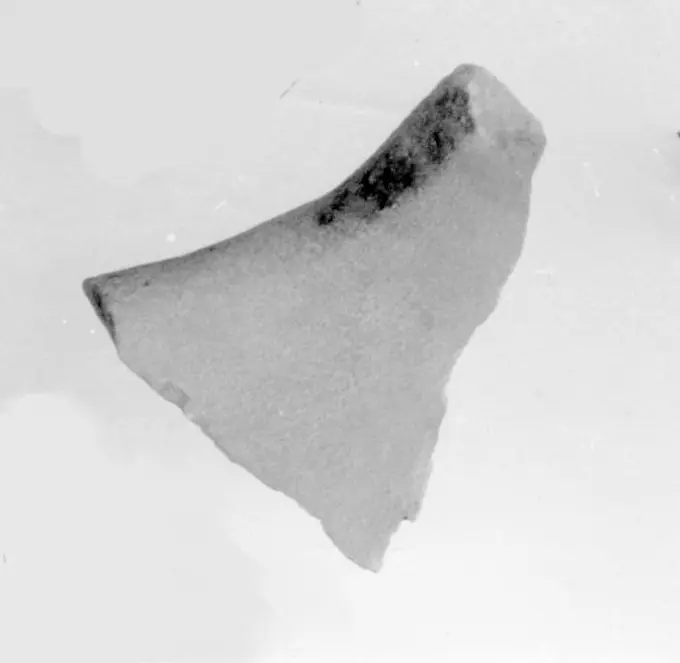
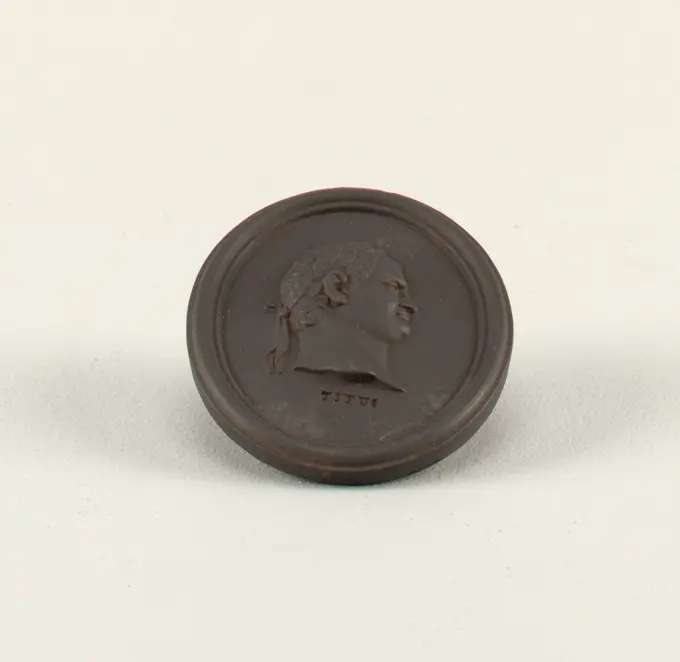
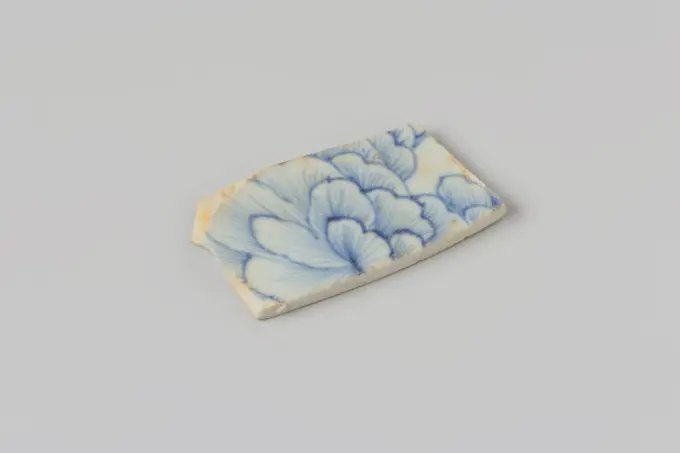
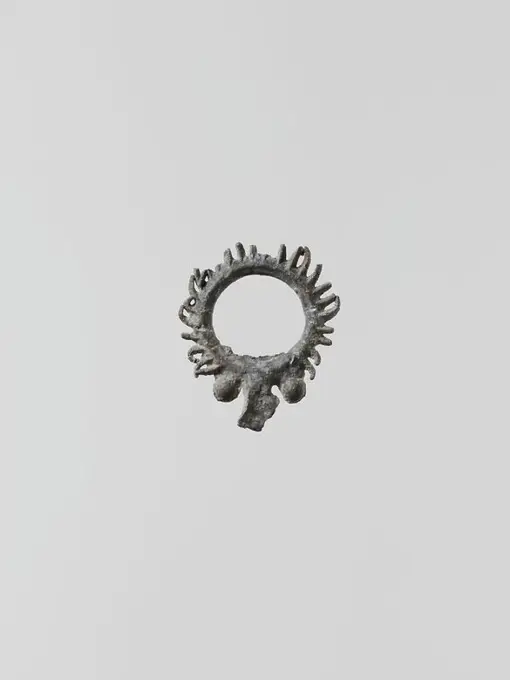
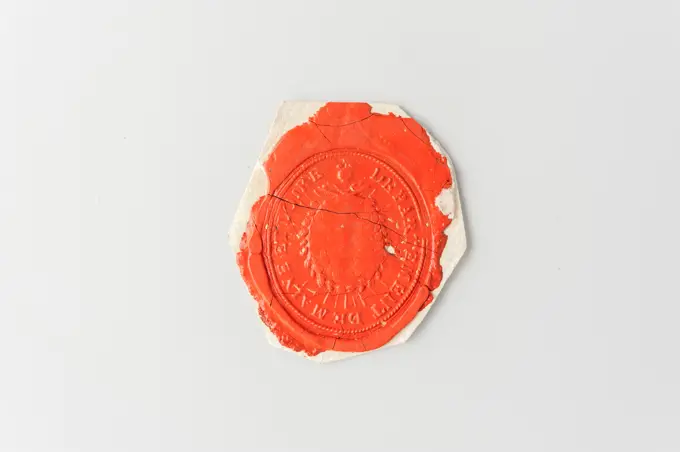
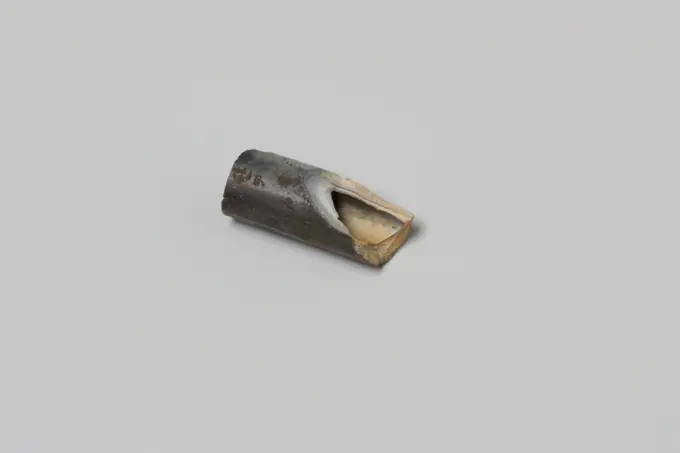
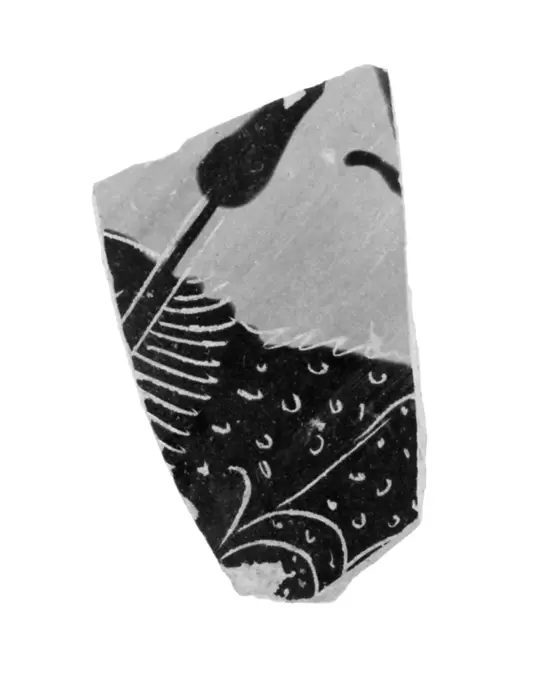
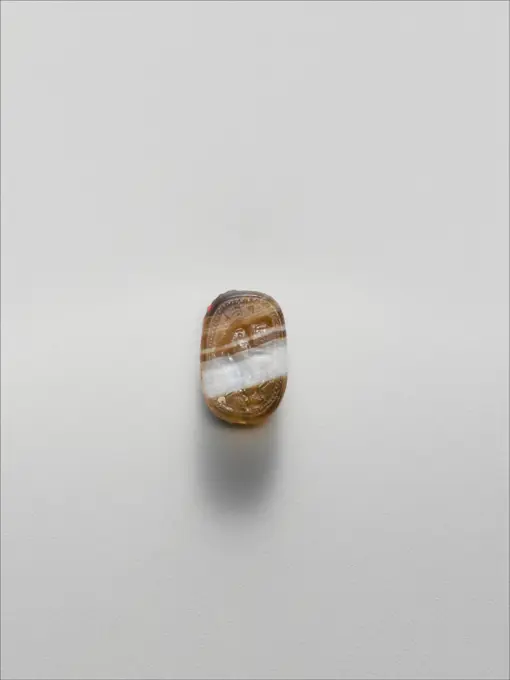
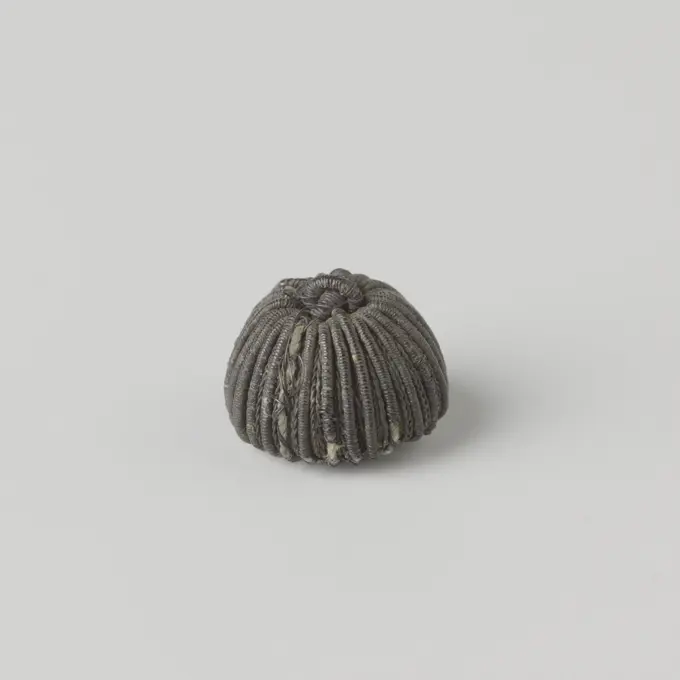
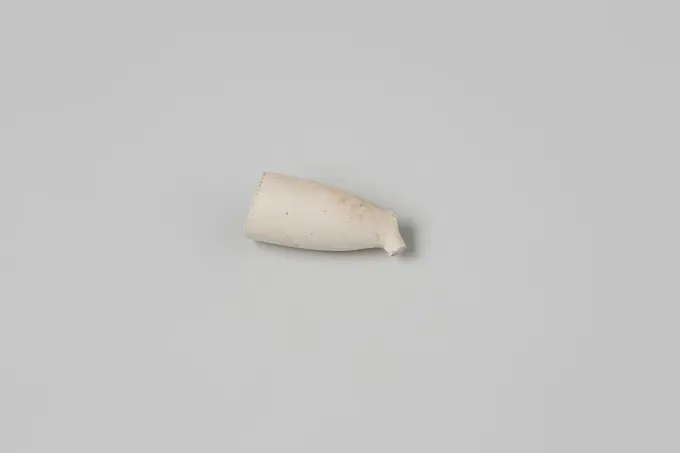
Fragment of a pipe head from the wreck of the East India Flying Heart. Cup without handle of an earthen Gouda pipe, blue-white color. Lightly damaged. Heel brand WS. Fragments or bowls and votes.Glass shard of a wine glass from the wreck of the East Indied Flying Heart. The thin glass fragment is translucent and white in color. It is rand fragment and presumably made it part of a wine glass. Wineglass.Stop of Vaatwerk from the wreck of the East Indians Hollandia, Anonymous, 1700 - in Or Before 1743  Vessel part, stopper; tapering cylinder with octagonal faceted conical (steeple-shaped) finial. Netherlands glass   SecondAttic Vase Fragment. UnknownSmall stone axe 5th-3rd millennium B.C. Greek Neolithic Celt.. Small stone axe. Greek Neolithic. 5th-3rd millennium B.C.. Stone. Neolithic. Miscellaneous-StoneArc-shaped pendant (Huang) 5th century B.C. China. Arc-shaped pendant (Huang). China. 5th century B.C.. Jade (nephrite). Eastern Zhou dynasty (770-256 B.C.). JadeGrahal-Manzara. Carnavalet 2013-2016 collection sites. Numismatics.Drohiczy seal;  XI-XIII century (1090-00-00-1110-00-00);guild seals, customs seals, touches, seals of customs chambers, official seals, seals with a cross, seal with an eagleHandle of vascular work from the wreck of the East Indians Hollandia, Anonymous, 1700 - in or before 1743  Vessel part, handle; fragm, looped rod, lower end broken, circular in section. Netherlands glass   SecondAttic Vase Fragment. UnknownPlanets-manager. Cornalet Collection Sites 2013-2016. Numismatic.Ring -shaped fragment copper from the wreck of the East Indians Hollandia, Anonymous, 1700 - in Or Before 1743 fragment Varied parts or fragments, sheet metal fragments: worked, with circular, rectangular or square holes; fragm, eroded, circular hole. Netherlands copper (metal)   SecondRing 4th-3rd century B.C. China. Ring 74534Attic Kylix Fragment. UnknownVase fragment 7th century B.C. East Greek Chalice fragment with concentric circles.. Vase fragment. East Greek. 7th century B.C.. Terracotta. Archaic. VasesHandle from crockery from the wreck of the East India Hollandia. Vessel part, handle; Fragm, runed Rod, Lower End Broken, Circular in Section.Pocisk do procy z przedstawieniami skorpiona i trójzębu. unknown, authorAmulet - zwierzę ofiarne (byczek). unknown, authorVoltaire Portrait Medallion; Manufactured by Wedgwood (United Kingdom); unglazed stoneware ("black basalt")Fragment glass from the wreck of the East Indieschief Hollandia. Parts or artifacts; eroded fragments: Materials; Glass.Pyramidal seal. UnknownAmulet, pectoral Symbolic objects used for amulets include a menat-pendant, the djed-sign, a papyrus capital are all common in Egyptian architecture. Also, a pectoral, such as is used on mummies, a bunch of grapes, or other clusters of fruit, and an inscribed bead are common shapes.. Amulet, pectoral. Clay, glazed. Gold and SilverGlass short-strip mosaic bowl fragment late 1st century B.C.-early 1st century A.D. Roman Rim fragment.Translucent honey brown, blue, opaque white, yellow, and brick red.Vertical rim with slightly inwardly-beveled edge; slightly convex curving side.Short-strip mosaic pattern formed from short lengths of two canes set in slanting lines: one cane consists of a brown ground with white rods and streaks; the other of parallel blue, red, and yellow stripes; a rectangular section of a third cane in blue; a brown network cane wound spirally with two parallel fine white threads is attached as a rim.Some bubbles; polished exterior; pitting of surface bubbles on exterior; dulling and creamy weathering on interior, rim, and jagged edges.Part of the same bowl as 91.1.1829.. Glass short-strip mosaic bowl fragment. Roman. late 1st century B.C.-early 1st century A.D.. Glass; cast. Early Imperial. GlassBeach sand with shells Beach sand with shells isolated over white background Copyright: xZoonar.com/IvonnexWierinkx 7863511denarius; Hadrian (76-138; Roman emperor 117-138); 118 (118-00-00-118-00-00);PAX (personification), branches, busts, laurel wreathsGrahal-Manzara. Carnavalet 2013-2016 collection sites. Numismatics.Italy, Friuli-Venezia Giulia region, Stone hammerSealing ca. 7th century A.D. Sasanian. Sealing 323405Earring-hook type with leaf form. Earring-hook type with leaf form 243434Attic Black-Figure Neck Amphora Fragment. UnknownRosette dated 1550 Italian. Rosette. Italian. dated 1550. Brass. Miscellaneous-Buckles & OrnamentEmergency coin from twenty-four batz, siege of Breisach by the Sweden. Diamond shaped silver emergency. Front: in round stamp: year above two coats of arms, separated by clover leaves above item; Below: Coat of arms between Roman numeral XXIIII. Reverse: In round stamp: inscription.Carnavalet Museum, Medals CollectionAttic Black-Figure Amphora Fragment. UnknownGrahal-Manzara. Carnavalet 2013-2016 collection sites. Numismatics.Mordant 15th-17th century European. Mordant. European. 15th-17th century. Bronze. Miscellaneous-Buckles & OrnamentJames II, Wedgwood, English, established 1759, Unglazed stoneware ('black basalt'), Oval, with molded border. Head in profile to left with crown, James II (1633-1701). Slot at top for suspension., England, 1767-1780, ceramics, Decorative Arts, Portrait medallion, Portrait medallionAttic Red-Figure Vase Fragment. UnknownBlack satin bag with velvet pattern, lined with salmon -colored silk, without closure, anonymous, c. 1915 - c. 1920 Pouch from a black side of a black side with velvet pattern. The model of the bag consists of two high -racked ovals, cut off from the top, the halves of which are sewn together. The decor is incomplete, the plumes in polar velvet are on a satin long distance. The lining is made of dark salmon -colored crepe de chine. West-Europa (possibly) whole: Silk. whole: Silk. Lining: Silk cutting Pouch from a black side of a black side with velvet pattern. The model of the bag consists of two high -racked ovals, cut off from the top, the halves of which are sewn together. The decor is incomplete, the plumes in polar velvet are on a satin long distance. The lining is made of dark salmon -colored crepe de chine. West-Europa (possibly) whole: Silk. whole: Silk. Lining: Silk cuttingPinhead 1st century B.C.-5th century A.D. Roman. Pinhead. Roman. 1st century B.C.-5th century A.D.. Glass. GlassSoap bowl. Soap bin with wearing eye. A line has been engraved along the edges. The soap dish has been marked: STK. = Amsterdam, MT. = Citroen 1975, no. 970.Lodderin box. Lodder ink of silver, smooth and swelling and swapping from circumference. On the lid in relief a shepherdess at a fountain.Statuette of a cock, 2 Greek, Laconian. Statuette of a cock, 2 251672 Greek, Laconian, Statuette of a cock, 2, Lead, Height: 7/8 in. (2.2 cm). The Metropolitan Museum of Art, New York. Gift of A. J. B. Wace, 1924 (24.195.106)Glass mosaic carinated bowl fragment late 1st century B.C.-early 1st century A.D. Roman Rim fragment.Translucent deep purple, deep turquoise blue partially mixed with opaque yellow and appearing green, opaque white, yellow, and red.Outsplayed rim with rounded edge; carinated side, with two convex curves, the upper being narrow and deeply curved, the lower being shallow, tapering downward.Composite mosaic pattern formed from polygonal sections of three canes: one in a purple ground with a scatter of yellow dots; the second in blue with a yellow spiral, and the third in purple outlined in white surrounding a red circle containing a honeycomb pattern of blue rods outlined in yellow.Polished interior; pitting of surface bubbles on interior; dulling, pitting, and weathering on exterior, outer edge of rim, and one jagged edge; the other jagged edge is unweathered.. Glass mosaic carinated bowl fragment. Roman. late 1st century B.C.-early 1st century A.D.. Glass; cast. Early Imperial. GlassWreaths, 11 Greek, Laconian. Wreaths, 11 251734 Greek, Laconian, Wreaths, 11, Lead, 3/4  11/16 in. (2  1.7 cm). The Metropolitan Museum of Art, New York. Gift of A. J. B. Wace, 1924 (24.195.168)Engraved Scaraboid. UnknownSharf of a sign from the wreck of the East Indians Hollandia, Anonymous, 1700 - in Or Before 1743 plate (dishes) Porcelain, plate, type 2; fragm of base, sim. NG 1980-27H507. Netherlands porcelain   SecondScabbard slide 3rd century B.C. China. Scabbard slide. China. 3rd century B.C.. Jade (nephrite). Eastern Zhou-Western Han dynasty (770 B.C.-A.D. 9). JadeAttic Red-Figure Vase Fragment. UnknownDenar - Brakteat; approx. 1277/1278-OK. 1287/1288 (1277-00-00-1288-00-00);Glass bead ca. 330-70 B.C. Greek Uncertain color, probably translucent deep purple, appearing black; trails in opaque red and white.Cylindrical, with rounded edges at both ends; pierced lengthwise; opaque red trail around each end; body covered with white trails in feather pattern.Intact; surface weathering.. Glass bead 239593Intaglio with head of Serapis. Dimensions: Diam. 1 cm. Date: 332-30 B.C..Serapis was a combined form of Osiris and Apis who existed apparently he became the god of the Ptolemaic Dynasty with Ptolemy I. With the Ptolemies he acquired a Greek appearance and certain characteristics of Zeus and Hades in particular. Museum: Metropolitan Museum of Art, New York, USA.Penannular Earring ca. 1550-1295 B.C. New Kingdom. Penannular Earring. ca. 1550-1295 B.C.. Shell. New Kingdom. From Egypt; Probably from Northern Upper Egypt, Deir el-Ballas. Dynasty 18Buckle 15th-16th century European. Buckle. European. 15th-16th century. Bronze, gold, patina. Miscellaneous-Buckles & OrnamentAttic Vase Fragment. UnknownRed Alexandrine WareFragmentsOstrze. unknown, authorbracteate heller and 3 hellers copy of two one-sided coins. Świdnica, issuerBelt hook 5th-4th century B.C. China. Belt hook. China. 5th-4th century B.C.. Bronze inlaid with gold. Eastern Zhou dynasty (770-256 B.C.). MetalworkAttic Black-Figure Cup Fragment. UnknownStack of four canvases, tied together with band, anonymous, c. 1750 - c. 1800 A pile of four folded and with linen band -tied cloths of linen with damask pattern. Netherlands linen (material) A pile of four folded and with linen band -tied cloths of linen with damask pattern. Netherlands linen (material)Foedraal voor een mes van hout en beslag van tin.Wooden case for a knife, where the blade can be inserted into the sheath. The tin attachment is decorated with ornaments and has openings, so that the wood is visible. At the opening of the case, half of a man at the front and a woman at the rear. On the image of the woman is an impetus to get a cord through it. The bottom of the capacity is decorated with dragon head.False coin, IIthuanian shilIIng, John II Casimir (1649 1668)Sign from V.O.C.-ship De 'Witte Leeuw', Before 1613 plate (dishes) Plate from V.O.C. ship the 'Witte Leeuw'. Jingdezhen bone china (material)   Sint-Helenaszel g; Pfahler, Ernest; 1628 (1628-00-00-1628-00-00);Buckle 15th-17th century European. Buckle. European. 15th-17th century. Bronze. Miscellaneous-Buckles & OrnamentSpindle whorl ca. 700 B.C. Iran This ceramic spindle whorl is decorated with incised concentric circles. It was excavated at Yarim Tepe in northeastern Iran, six miles south of the modern town of Gonbad-e Kavus. Yarim Tepe was a small settlement, inhabited from the Neolithic to the Parthian period, with many interruptions. This spindle whorl likely dates to the late Iron Age, though such objects are notoriously difficult to date.Spindle whorls were used to make thread. A dowel was inserted through the hole, to which plant fibers or wool were attached. The whorl was then spun in order to twist and compress the fibers into a thread.. Spindle whorl 325593Vessel, plate; Unknown ASUA SKI workshop; VI-VII century (501-00-00-700-00-00);Attic Black-Figure Eye Cup Fragment. UnknownBead ca. 9th century B.C. Iran. Bead 325209Fragment of the Top Surface of Siptah's Canopic Chest ca. 1194-1188 B.C. New Kingdom, Ramesside. Fragment of the Top Surface of Siptah's Canopic Chest. ca. 1194-1188 B.C.. Travertine (Egyptian alabaster). New Kingdom, Ramesside. From Egypt, Upper Egypt, Thebes, Valley of the Kings, Tomb of Siptah (KV 47), Davis excavations, 1912. Dynasty 19Button ca. early 1st millennium B.C. Assyrian. Button 324612Flavius Sabinus Vespasianus Titus Portrait Medallion; Manufactured by Wedgwood (United Kingdom); unglazed stoneware ("black basalt")Fragment straight steel of glass from the wreck of the East Indians Hollandia, Anonymous, 1700 - in Or Before 1743 drinking glass Glass, stem glass, stems, plain; fragm, circular, hollow core, eroded Netherlands glass   SecondSharf of a sign from the wreck of the East Indians Hollandia, Anonymous, 1700 - in Or Before 1743 plate (dishes) Porcelain, plate, type 2; fragm of centre, sim. NG 1980-27H2624h. Netherlands porcelain   SecondGrahal-Manzara. Carnavalet 2013-2016 collection sites. Numismatics.Pair of mules, c. 1800 - c. 1900 Shoe or muzzle with wooden soles that hinge in the bending of the foot. President and chop with leather, covered, square nose. Heel band and buckle are missing. Marked: 154. Children's model Netherlands schoen: leather. zool: wood (plant material). gesp: copper (metal) Shoe or muzzle with wooden soles that hinge in the bending of the foot. President and chop with leather, covered, square nose. Heel band and buckle are missing. Marked: 154. Children's model Netherlands schoen: leather. zool: wood (plant material). gesp: copper (metal)Wreaths, 11. Culture: Greek, Laconian. Dimensions: 7/8 × 11/16 in. (2.2 × 1.8 cm). Museum: Metropolitan Museum of Art, New York, USA.Pendant: Petals of Cornflower New Kingdom ca. 1390-1352 B.C. View more. Pendant: Petals of Cornflower. ca. 1390-1352 B.C.. Faience. New Kingdom. From Egypt, Upper Egypt, Thebes, Malqata, Palace of Amenhotep III, MMA excavations, 1910-11. Dynasty 18Grahal-Manzara. Carnavalet 2013-2016 collection sites. Numismatics.Menat fragment ca. 1479-1458 B.C. New Kingdom. Menat fragment. ca. 1479-1458 B.C.. Faience. New Kingdom. From Egypt, Upper Egypt, Thebes, Deir el-Bahri, Hatshepsut Hole, MMA excavations, 1922-23. Dynasty 18Drohiczyn seal. unknown, managerRound Applique with Eight-Pointed Star. UnknownLead wreath of lotos buds. Culture: Greek, Laconian. Dimensions: Height: 11/16 in. (1.7 cm). Date: 6th-5th century B.C.. Museum: Metropolitan Museum of Art, New York, USA.Sword Pommel (Kashira) ca. 1615-1868 Japanese A kashira is a pommel cap mounted at the end of a sword hilt, usually made as part of a set with a matching fuchi (hilt collar).. Sword Pommel (Kashira). Japanese. ca. 1615-1868. Iron, polychrome enamel. Sword Furniture-Fuchi-KashiraSpherical button of silver -plated copper, on which two crossed guns in relief; Part of an artillery uniform, P. Mansvelt & Zn, 1885 Marked as a margin: "P. Mansvelt & z. 'S Hage". The Hague copper (metal) Marked as a margin: "P. Mansvelt & z. 'S Hage". The Hague copper (metal)Excerpt of a pipe stalk from the wreck of the East Indians' tvaard Hart, Anonymous, 1700 - 1735 in 1735  The fragment was once part of a used pipe (pipe stalk) of white pipe earth. Gouda pipe clay   GoudaAttic black-figure fragment with part of skirt and foot of woman facingleftAttic Black-Figure Amphora Fragment. UnknownEarring-hook type with disc. Earring-hook type with disc 243408Gralen or end from the wreck of the East Indians Hollandia, Anonymous, 1700 - in Or Before 1743  Varied parts or fragments, end or finials; fragm, broken off, eroded; flat shaft, circular end with central rivet (hinge). Netherlands copper (metal)   SecondAttic Black-Figure Neck Amphora Fragment (comprised of 7 Joined Fragments). UnknownBanded agate scarab 5th century B.C. Etruscan. Banded agate scarab 253734Knoop, anonymous, c. 1590 - c. 1596 button Button which is walled with silk.  yarn. wood (plant material). metal thread braiding  Nova Zembla. Saving HuysTwenty -four Batz, emergency coin from Breisach, beaten during the siege by the Sweden, Anonymous, 1633 coin. siege coin Diamond -shaped silver emergency coin. Front: in round stamp: year above two coats of arms, separated by clovers over point; Below that: coat of arms between Roman numeral XXIIII. Reverse: in round stamp: inscription. Breisach silver (metal) striking (metalworking)  Breisach30 barrel beads in 2 rows ca. 1550-1295 B.C. New Kingdom. 30 barrel beads in 2 rows. ca. 1550-1295 B.C.. Carnelian. New Kingdom. From Egypt, Upper Egypt, Thebes, Wadi Gabbanat el-Qurud. Dynasty 18Grahal-Manzara. Carnavalet 2013-2016 collection sites. Numismatics.Ring 610 BCE-390 BCE China. Jade .Skyphos Fragment, undecorated. UnknownCup, cylindrical (inkstand) Roman, Cypriot. Cup, cylindrical (inkstand) 244472