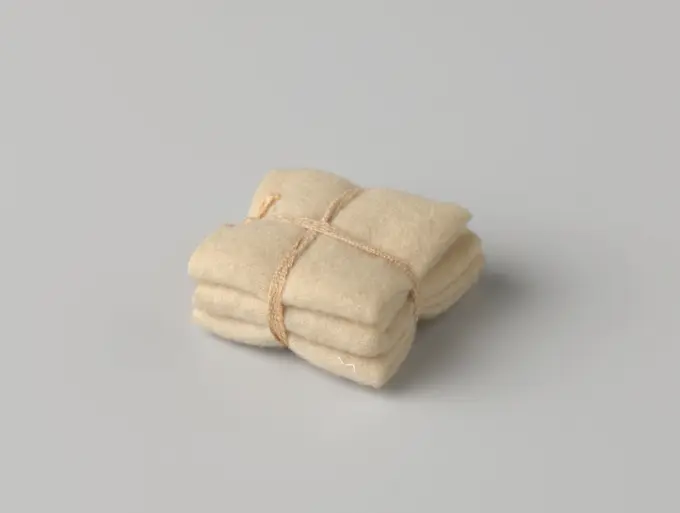
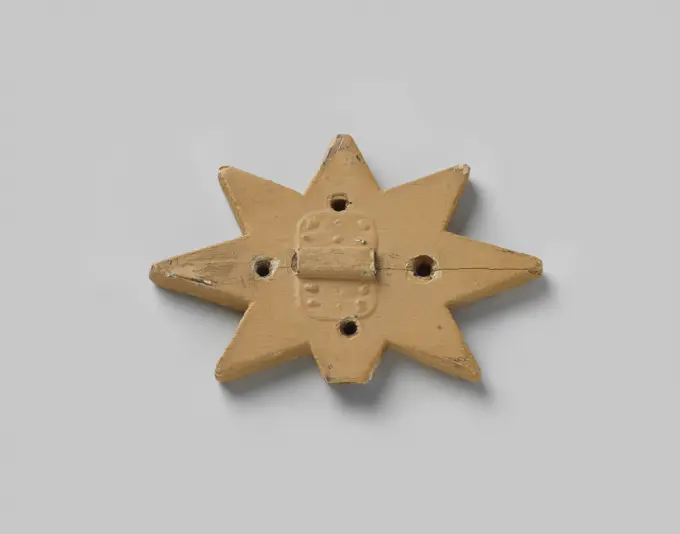
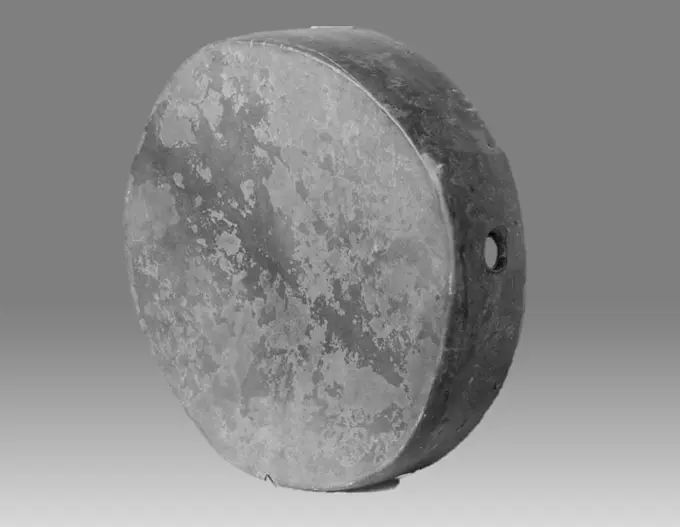
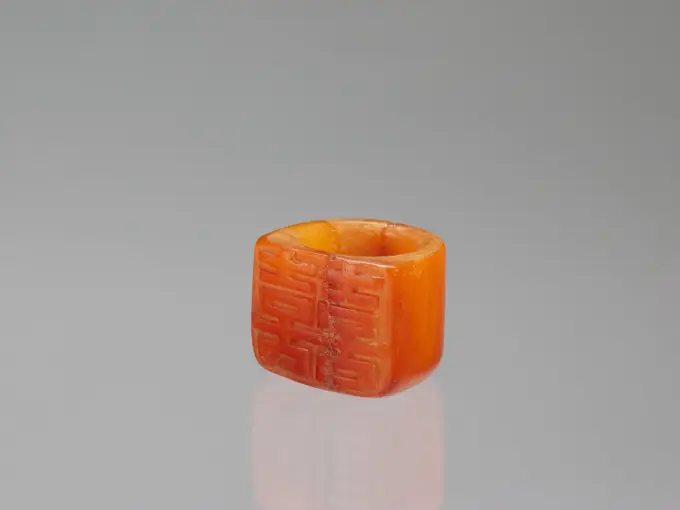
Archaeological Fragments

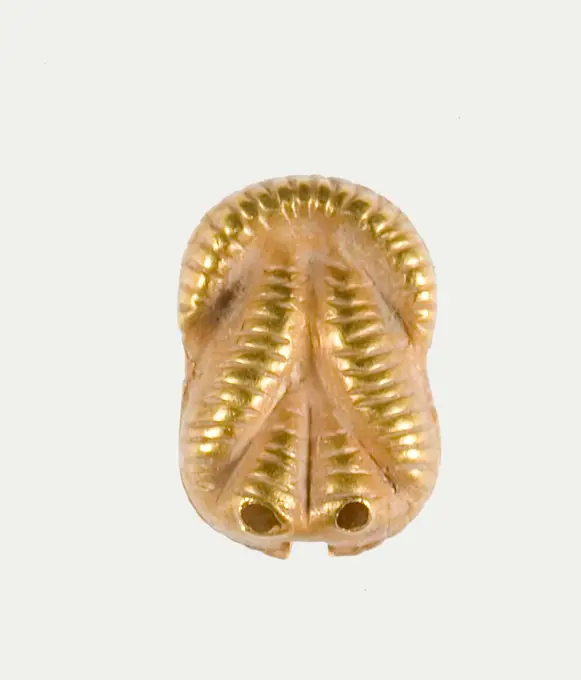
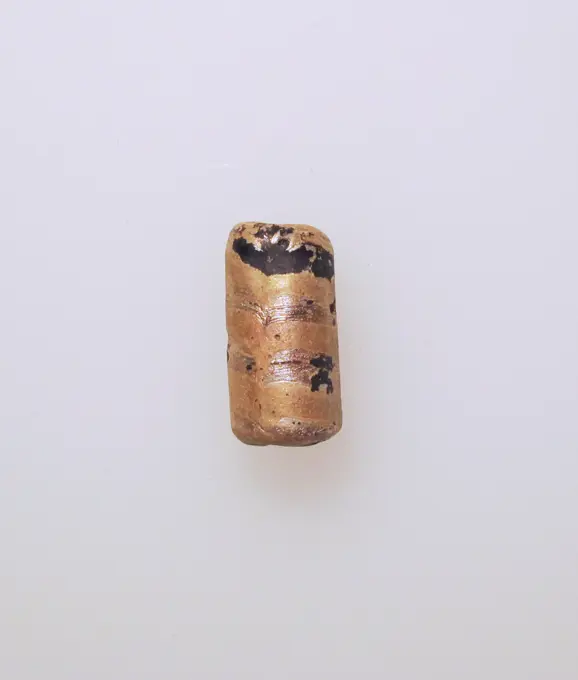
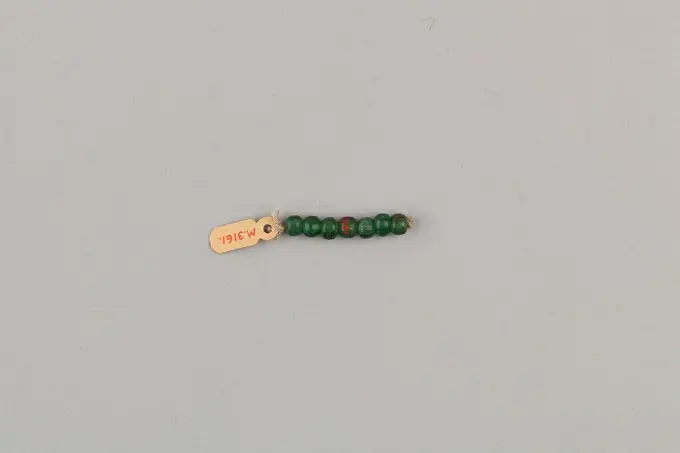
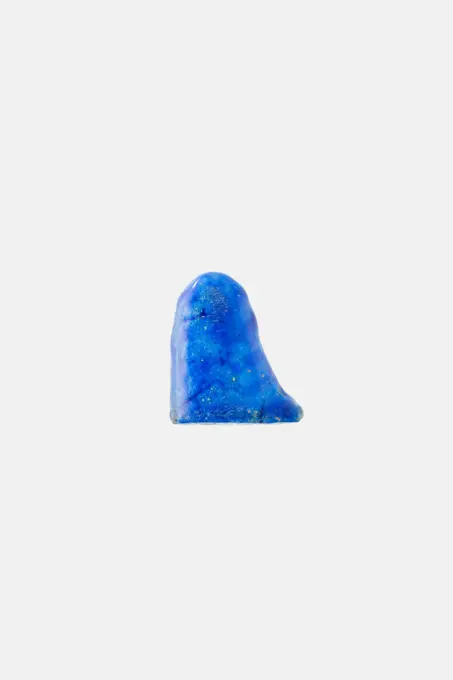
A collection of archaeological fragments from shipwrecks, including glass shards, pipe heads, vase fragments, and ancient stone tools, highlighting historical artifacts.

Handle of vascular work from the wreck of the East Indians Hollandia, Anonymous, 1700 - in or before 1743  Vessel part, handle; fragm, looped rod, lower end broken, circular in section. Netherlands glass   Second
Handle of vascular work from the wreck of the East Indians Hollandia, Anonymous, 1700 - in or before 1743 Vessel part, handle; fragm, looped rod, lower end broken, circular in section. Netherlands glass Second
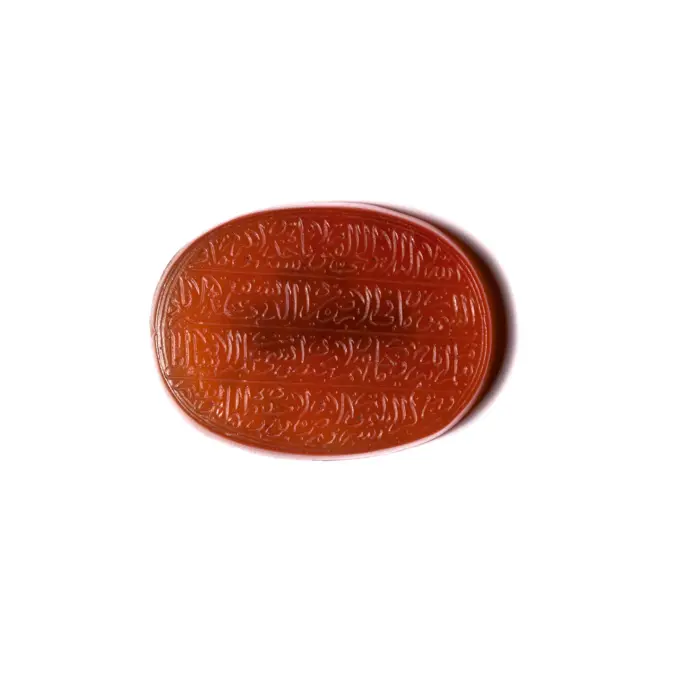
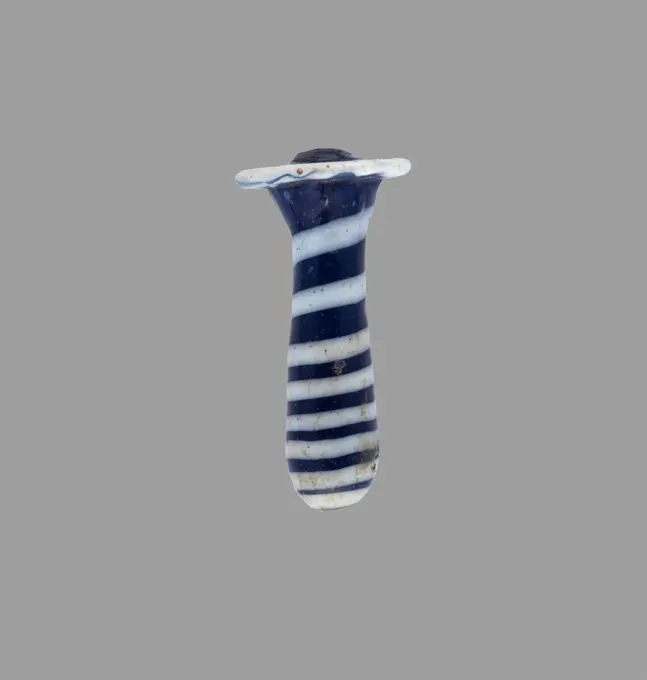
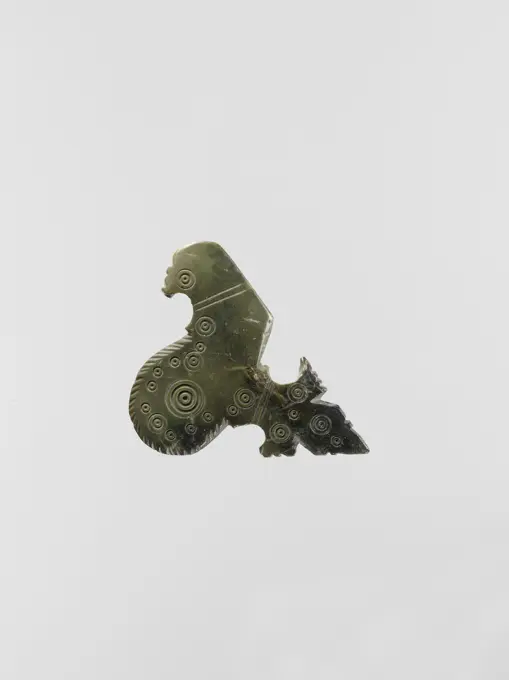
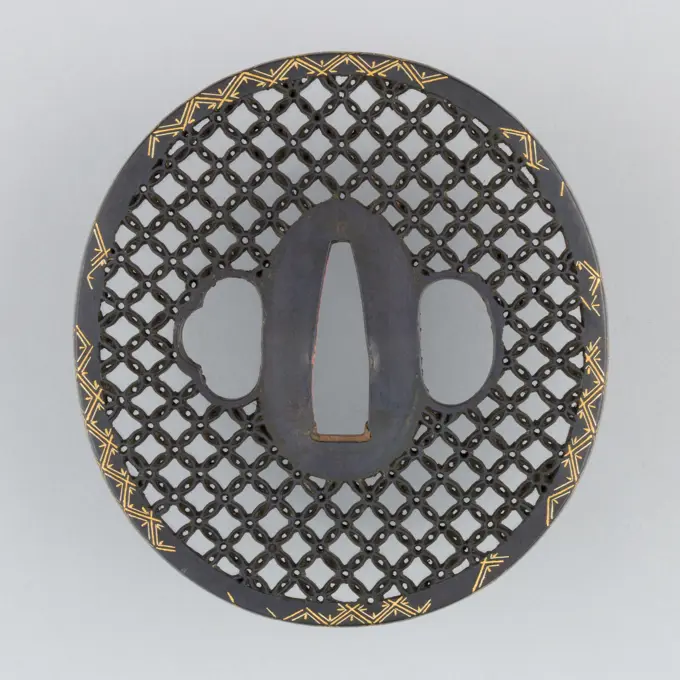
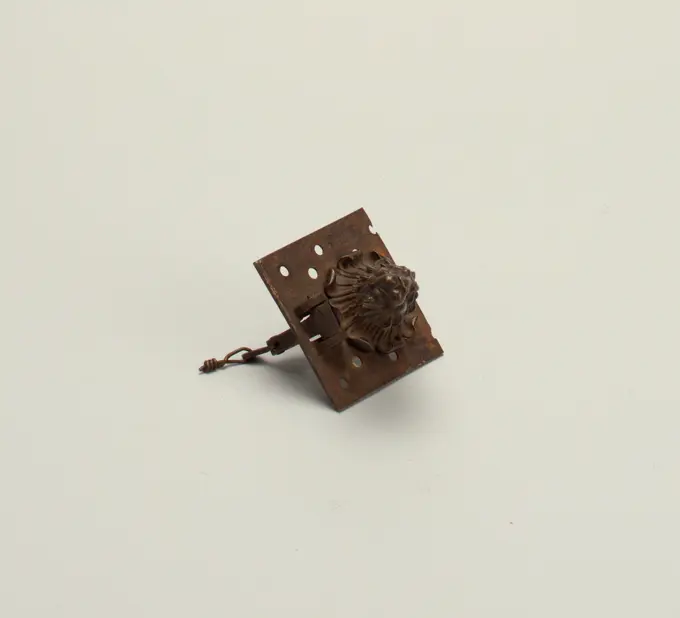
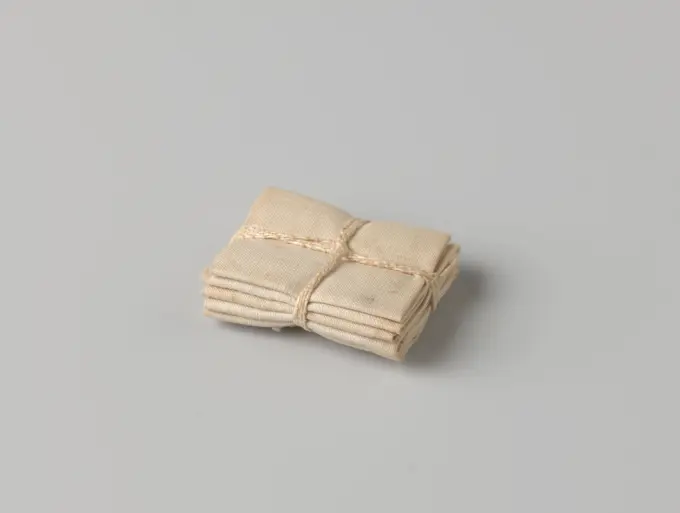
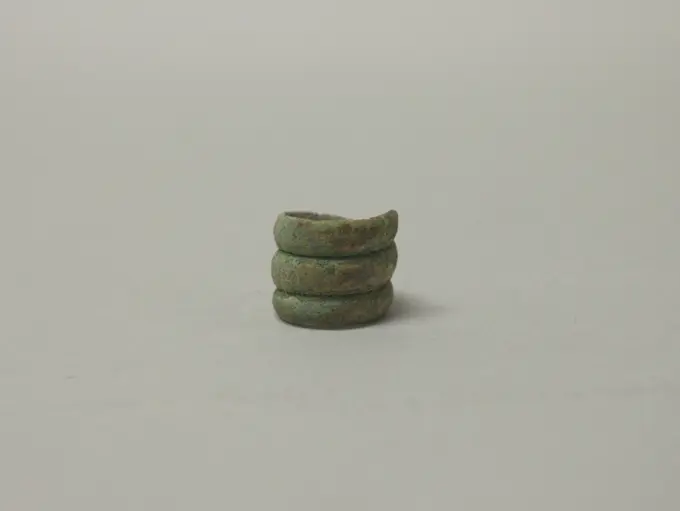
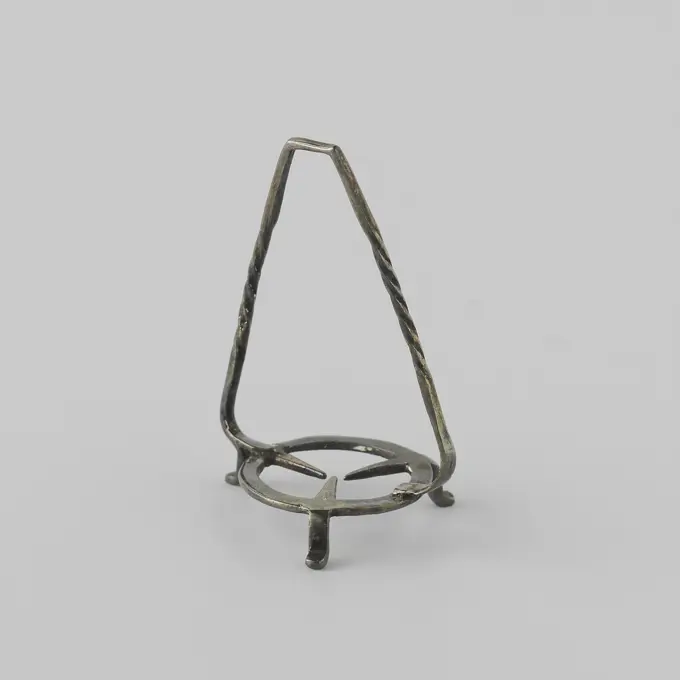
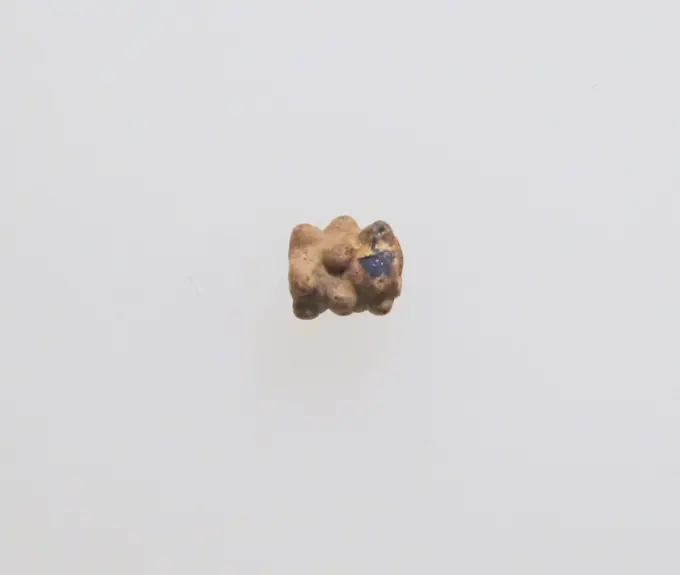
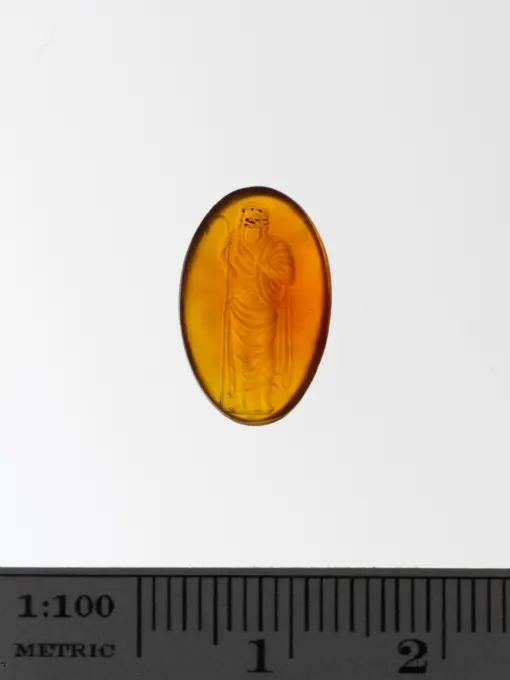
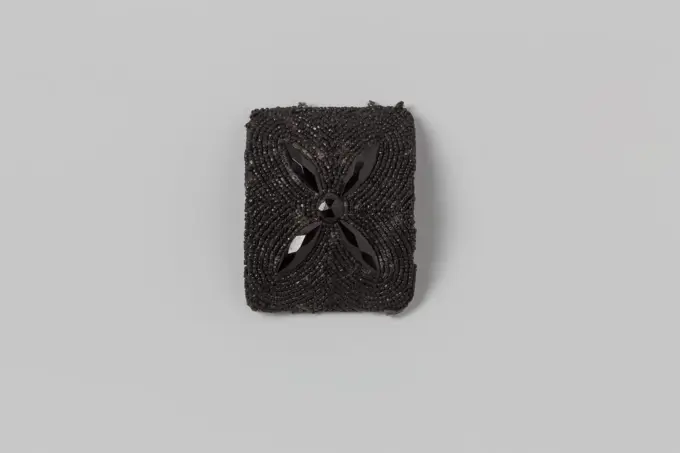
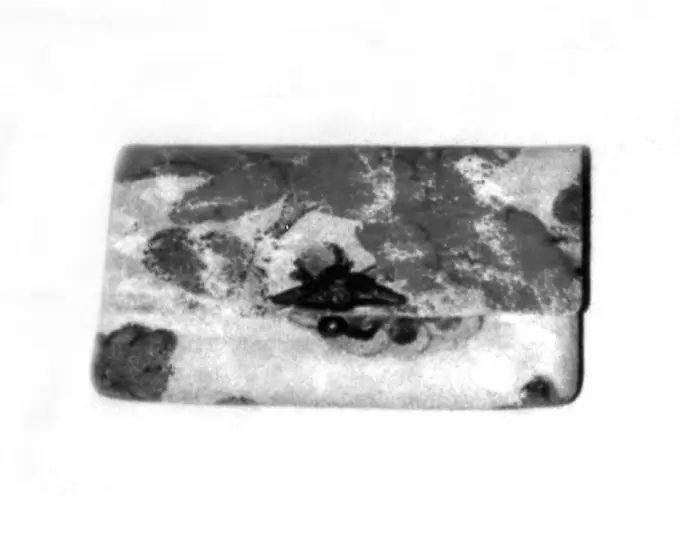
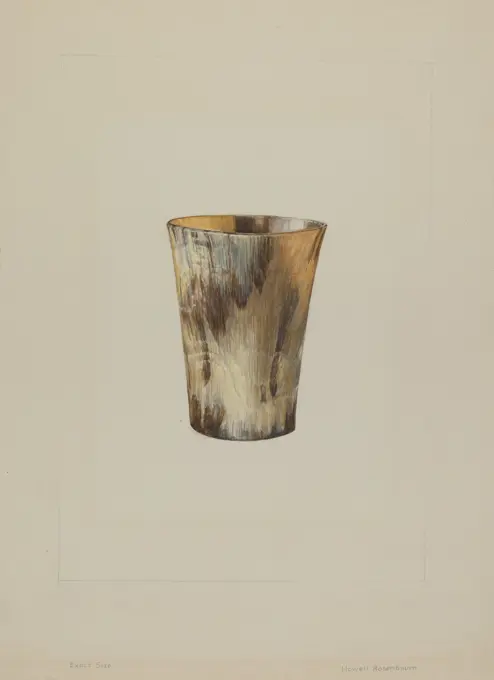
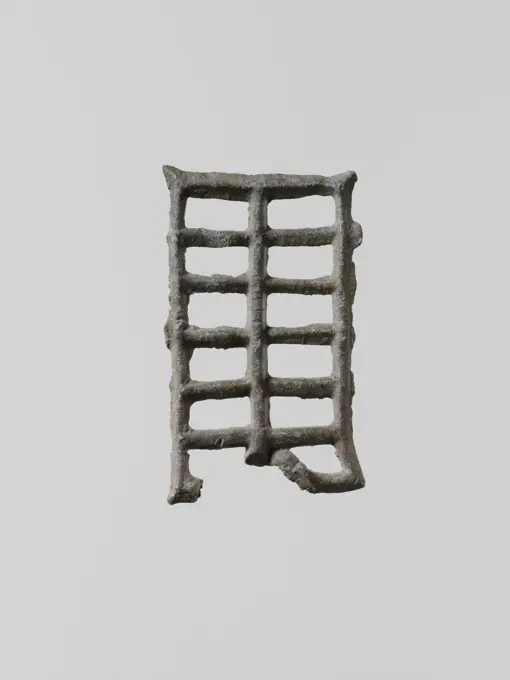
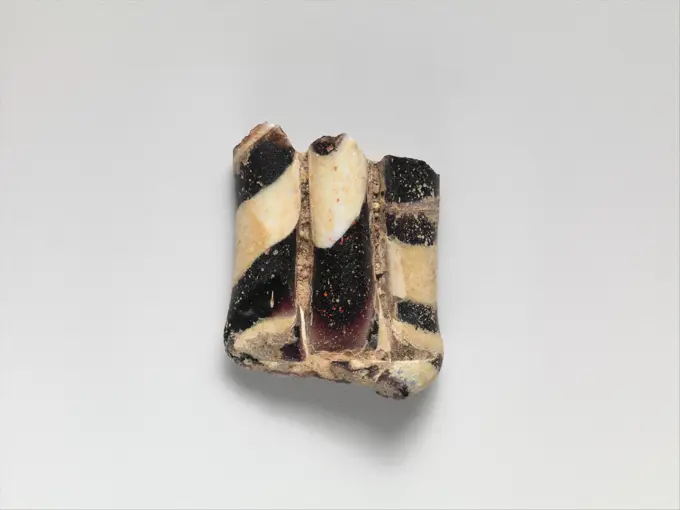
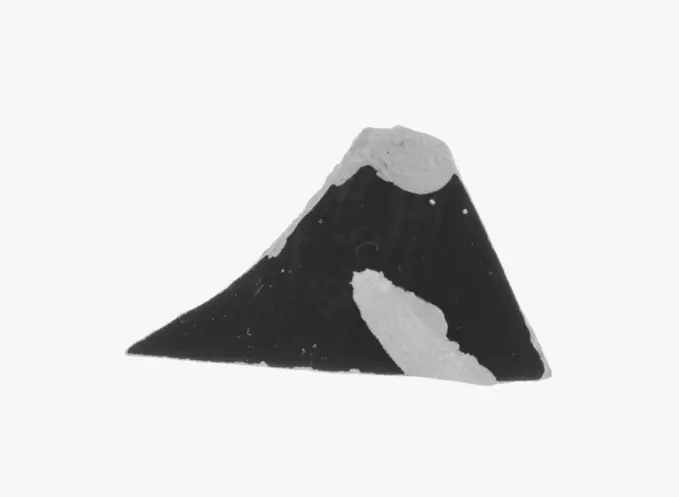
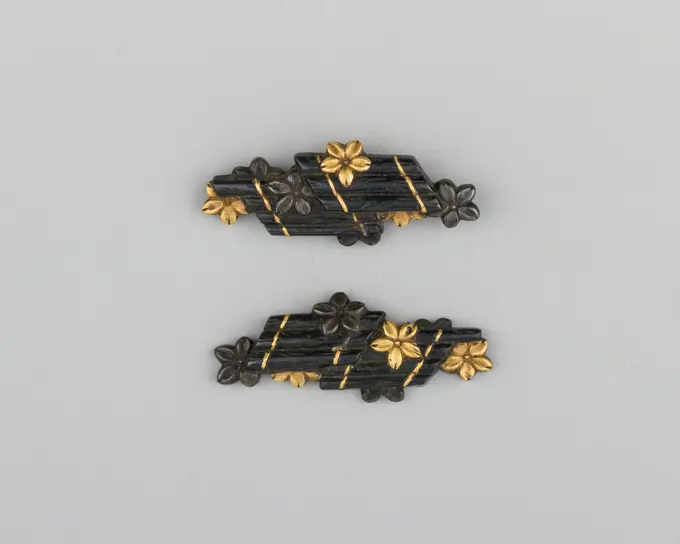
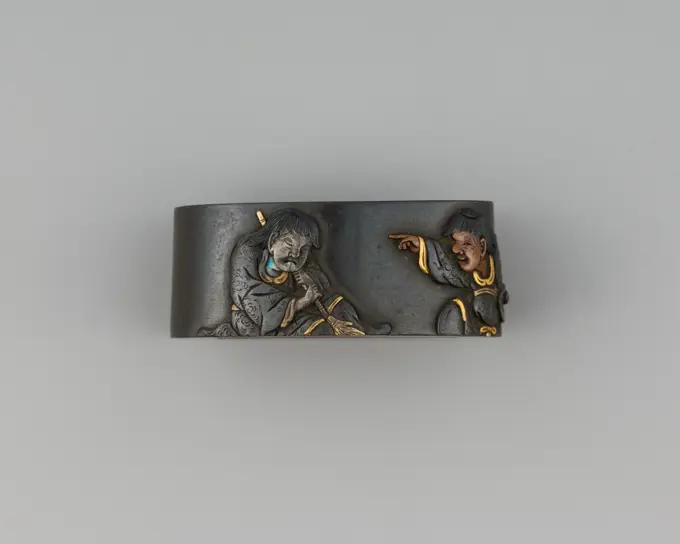
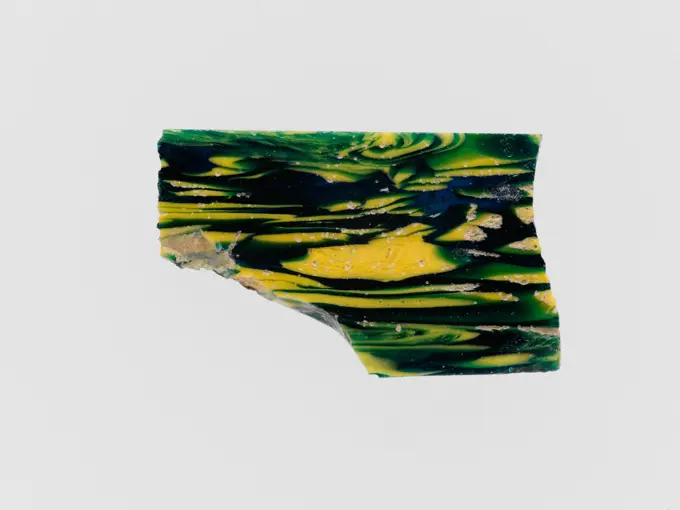
Glass mosaic inlay fragment late 1st century B.C.-early 1st century A.D. Roman Translucent deep turquoise blue, partially mixed with yellow appearing green, purple appearing brick red, and opaque yellow.Flat, triangular plaque, with part of one beveled edge; uneven underside with tooling indents.Marbled mosaic pattern in green ground with yellow streaks, swirls, and rods, with two minute areas in red.Large chip at one corner; polished upper side; pitting of surface bubbles; dulling and creamy weathering on underside and two edges; one straight edge ground flat.Part of a revetment plaque or inlay with marbled pattern. A combination of opaque yellow and translucent blue glass gives the bright green color.. Glass mosaic inlay fragment. Roman. late 1st century B.C.-early 1st century A.D.. Glass; cast. Early Imperial. GlassJade Ring China ca. 2400-2000 BCE View more. Jade Ring. China. ca. 2400-2000 BCE. Jade (Nephrite). Neolithic period. JadeEarring or spiral 5th century B.C. Cypriot With flower shaped pendant originally attached to it.. Earring or spiral 242813Drohiczyn seal. unknown, managerSkyphos Fragment. UnknownAttic Red-Figure Kylix Fragment. UnknownShoe Buckle. Dimensions: 2 3/4 x 2 3/4 in. (7 x 7 cm). Date: 1770-1810. Museum: Metropolitan Museum of Art, New York, USA.Amulet with inscription Koraniczn;  XVIII-XIX century (1701-00-00-1900-00-00);Amulets, Osman dynasty (1299-1922), Sura, Islamic art, Turkish (culture)Skarabeusz z głową sokoła. unknown, authorAmulet - przetyczka do uszu. unknown, authorRock crystal scaraboid seal. Culture: Greek. Dimensions: Length: 7/8 in. (2.2 cm). Date: ca. 450-400 B.C..Quail walking. Museum: Metropolitan Museum of Art, New York, USA.Kohl Flask probably 10th-12th century This charming object was designed to hold kohl, a black cosmetic powder applied around the eyes. In the past, kohl was widely used by men and children as well as women. It was thought not only to accentuate the beauty of the eyes, but also to guard against the glaring sun, ward off evil, and discourage eye disease. The narrow drill hole at the top of this flask would have accommodated a slender stick to collect the cosmetic.. Kohl Flask. probably 10th-12th century. Serpentine; carved, incised. Made in Iran or Central Asia. StoneGrahal-Manzara. Carnavalet 2013-2016 collection sites. Numismatics.Attic Black-Figure Vase Fragment. UnknownAbruzzo L'Aquila S. Giuliano (L'Aquila environs) Museo65. Hutzel, Max 1960-1990 Views of the four collections housed in museum: Roman coins; Pre-Columbian art brought from Central America in 17th century; Greek and Roman sculpture; Egyptian sculpture and minor arts. Museum Roman coins; Greek and Roman sculpture; Egyptian sculpture and minor arts; Pre-Columbian sculpture. German-born photographer and scholar Max Hutzel (1911-1988) photographed in Italy from the early 1960s until his death. The result of this project, referred to by Hutzel as Foto Arte Minore, is thorough documentation of art historical development in Italy up to the 18th century, including objects of the Etruscans and the Romans, as well as early Medieval, Romanesque, Gothic, Renaissance and Baroque monuments. Images are organized by geographic region in Italy, then by province, city, site complex and monument.Retro cartoon with texture. Isolated on White.Sword Guard (Tsuba) ca. 1615-1868 Japanese A tsuba is a sword guard and part of a sword mounting. It is mounted between the swords blade and grip to protect the users hands.. Sword Guard (Tsuba) 34440Lazio Roma Rome SS. Giovanni e Paolo, Museum42. Hutzel, Max 1960-1990 Medieval: Ceramic fragments, sculptural fragments, fresco fragments, inscribed tomb markers. Houses one of the best collections of Malagan medieval ceramics for casting wall monuments, copies of which are housed in campanile. Specific Location: Museum Antiquities: Ceramic fragments, sculptural fragments, architectural fragments Object Notes: Basilica has separate record and is filed separately. German-born photographer and scholar Max Hutzel (1911-1988) photographed in Italy from the early 1960s until his death. The result of this project, referred to by Hutzel as Foto Arte Minore, is thorough documentation of art historical development in Italy up to the 18th century, including objects of the Etruscans and the Romans, as well as early Medieval, Romanesque, Gothic, Renaissance and Baroque monuments. Images are organized by geographic region in Italy, then by province, city, site complex and monument.Bell Pull (Italy); bronzePerforated Disk (Bi) with Relief Spirals. China, Late Eastern Zhou dynasty, Warring States period, 481-221 B.C.. Sculpture. Abraded jadeSlit Ring (jue). China. Date: 800 BC-600 BC. Dimensions: Diam. 1 5/8 in.; W. 1/8 in. Jade. Origin: China. Museum: The Chicago Art Institute, Chicago, USA.two fake teeth closeup isolated on white Stack of five patches, tied together with band, anonymous, c. 1750 - c. 1800 A pile of five folded and linning tied rags of cotton. Netherlands linen (material). cotton (textile) A pile of five folded and linning tied rags of cotton. Netherlands linen (material). cotton (textile)Fragment zawieszki. nieznany warsztat północno mezopotamski, workshopSpiral Ring 300 B.C.-A.D. 400 Thailand. Spiral Ring 53396. Hair comb of imitation turtle with smooth, parabolic back in which two jobs in relief. Four teeth.Disc (bi). China. Date: 3000 BC-2000 BC. Dimensions: Diam. 18.7 cm (7 3/8 in.); thickness 1.9 cm (3/4 in.). Jade. Origin: China. Museum: The Chicago Art Institute, Chicago, USA.Vase fragment ca. 625-600 B.C. Greek, Laconian. Vase fragment 251772 Greek, Laconian, Vase fragment, ca. 625600 B.C., Terracotta, 13/16  1 3/8  3/16 in. (2.1  3.5  0.5 cm). The Metropolitan Museum of Art, New York. Gift of A. J. B. Wace, 1924 (24.195.206)Shards of jugs from the wreck of the East Indians Hollandia, Anonymous, 1700 - in Or Before 1743  Stoneware, Rhenish, Frechen-ware, jug; fragm of bellarmine mask-appliqué, sim. NG 1980-27H2024. Cologne stoneware   SecondLazio Latina Sezze Antiquarium Comunale00. Hutzel, Max 1960-1990 German-born photographer and scholar Max Hutzel (1911-1988) photographed in Italy from the early 1960s until his death. The result of this project, referred to by Hutzel as Foto Arte Minore, is thorough documentation of art historical development in Italy up to the 18th century, including objects of the Etruscans and the Romans, as well as early Medieval, Romanesque, Gothic, Renaissance and Baroque monuments. Images are organized by geographic region in Italy, then by province, city, site complex and monument.Hangsteft, Hendrik van der Star (attributed to), c. 1675 Strives on three legs bent out. The middle part of the handle is turned on both sides. The stray is marked: size = foot 106 and a boar head. Amsterdam silver (metal) Strives on three legs bent out. The middle part of the handle is turned on both sides. The stray is marked: size = foot 106 and a boar head. Amsterdam silver (metal)Grahal-Manzara. Carnavalet 2013-2016 collection sites. Numismatics.Pinangnut from v.o.c.-ship the 'white lion'. Pinangnut from v.o.c.-ship the 'white lion'.Buckle Ibero-Roman ca. 100 BCE-ca. 500 CE View more. Buckle. Ibero-Roman. ca. 100 BCE-ca. 500 CE. Bronze, patina. Miscellaneous-Buckles & OrnamentEqual-Arm Brooch ca. 650-750 Frankish. Equal-Arm Brooch 465638 Frankish, Equal-Arm Brooch, ca. 650750, Copper alloy, silvered, Overall: 1 1/4 x 9/16 x 1/2 in. (3.2 x 1.5 x 1.2 cm). The Metropolitan Museum of Art, New York. Gift of J. Pierpont Morgan, 1917 (17.193.305)Bead Roman. Bead. Roman. Glass. GlassBracelet;  19th century (1801-00-00-1900-00-00);Silver eyeshadow on white backgroundSard ring stone ca. 1st century B.C.-3rd century A.D. Roman Comic actor with mask.. Sard ring stone. Roman. ca. 1st century B.C.-3rd century A.D.. Sard. Late Republican or Imperial. GemsBuckle of gitten, anonymous, c. 1900 Gitten buckle. Rectangular closed model, filled with a four -pointed star, which is concentrically surrounded by smaller gitten. France (possibly) jet (coal) basting Gitten buckle. Rectangular closed model, filled with a four -pointed star, which is concentrically surrounded by smaller gitten. France (possibly) jet (coal) bastingGemma (Intaglio) with the presentation of Amork on the chariot; Unknown Italian workshop; 1st century (1-00-00-100-00-00);Alexander von (1806-1887), Alexander von (1806-1887)-collections, minutes, collectionDisk 6th-5th century B.C. Flat on one side and conical on the other; pierced in the centre.. Disk. 6th-5th century B.C.. Amber. Archaic. Miscellaneous-AmberVest button of metal, anonymous, c. 1900 - c. 1940 Round vest button of metal. Netherlands (possibly) metal Round vest button of metal. Netherlands (possibly) metalFunny figure, feetArrowheads, needles, hooks and harpoons. Culture: Japan. Dimensions: W. 3/4 in. (1.9 cm); L. 2 1/4 in. (5.7 cm).These implements--an arrowhead, fishhooks, needle, and harpoon--were skillfully carved from bone, a material worked by Japanese artisans since Paleolithic times. They were found in the Obara Shell Mound at Ofunato Bay in Iwate Prefecture. According to information gleaned from shell mounds, or middens, the people of the Jomon period relied on a variety of strategies to obtain food. The large number of fishhooks, fashioned with and without barbs, together with the rich array of marine remains found in these rubbish heaps since very early times indicate that some fifty species of fish and shellfish constituted an essential dietary staple. Toggle-head harpoons, a later innovation, facilitated the hunting of sea mammals. Attaching a line to the toggle allowed the hunter to draw in his prey once the toggle had broken away from the harpoon shaft. Further evidence gathered from thesOrange sign of the city of The Hague, Anonymous, 1900 - 1940  Silver one -sided, oval plaque under the crown, with two protrudes on both sides, which are bent back behind medal and where the Orange ribbon is stabbed. Front: standing on a leg, crowned stork, above coat of arms within the edge of fruit -bearing orange branches and roses under the crown. Reverse: Blanco. Back is a pin soldered. The Hague silver (metal). textile materials striking (metalworking) / sewing  The HagueOne single cloves on white backgroundShard of a cup from the wreck of the East India Hollandia.Porcelain, Cup, Type 6; Fragm or body with rim, curved.Tobacco Pouch Made 1850-1900 Japan. Leather; painted; lined with suede; printed; metal clasp and grommets .Howell Rosenbaum, Drinking Mug, c 1938 Drinking MugLead grille 6th-5th century B.C. Greek, Laconian Small flat votive figurines of cast lead have been found in great quantities at the ancient sanctuaries of Laconia; over one hundred thousand, dating from the seventh century B.C. to the Classical period, were dedicated to the goddess Artemis Orthia in Sparta.. Lead grille 251691 Greek, Laconian, Lead grille, 6th5th century B.C., Lead, Height: 1 1/2 in. (3.8 cm). The Metropolitan Museum of Art, New York. Gift of A. J. B. Wace, 1924 (24.195.125)Fragments of a cord from the wreck of the East Indies' t Vliegend Hart, 1700 - 1735 in 1735 lanyards The two pieces of cord are brown and knitted.  textile materialsBead in the Form of a Date (). Dimensions: L. 1.1 cm (7/16 in.); Diam. 0.3 cm (1/8 in.). Dynasty: Dynasty 18, early. Reign: reign of Thutmose I-early sole Thutmose III. Date: ca. 1504-1447 B.C..This bead in the shape of a date was found near the remains of a small basket inside the coffin of a man named Amenemhat. The basket had been placed near the head of Amenemhat's mummy and seems to have contained more some 400 mostly uninscribed scarabs and a variety of other beads. Museum: Metropolitan Museum of Art, New York, USA.Sherd China. Sherd. China. Stoneware (Yue ware). Song dynasty (960-1279). CeramicsCampania Napoli Naples S. Lorenzo Maggiore02. Hutzel, Max 1960-1990 Medieval: Sculpture, architecture, architectural sculpture (including Roman spolia) 13-14th century Chapter house; sarcophagi, gravestones; wall painting. Fragment of mosaic; sculptural fragments in the Sala Capitolare. Post-medieval: Architecture, architectural sculpture, ceiling painting fresco cycle; prints depicting Venice c. 1845 (4), sculpture; life-size creche figures dressed in original Neapolitan costume Church restored in 1882, 1926, 1944; excavations under the transept undertaken between 1958-1962, and in the cloister in 1976, have revealed remains of a Roman macellum (market), street, and the paleochristian basilica of the 6th c. AD. Antiquities: Pottery: black-glazed, archaic banded, domestic wares, bucchero; architectural terracottas, statuettes, lamps, sculpture fragments Object Notes: 3 color negatives with no prints at the end. General Notes: Most objects/paintings/frescoes unidentified. Three batches Attic Black-Figure Hydria Fragment. UnknownRelief fragments from tomb of Meketre ca. 1981-1975 B.C. Middle Kingdom. Relief fragments from tomb of Meketre 669015Fragment blowjob from the wreck of the East Indieschief Hollandia.Pipe, voice; fragment.Glass mosaic handle fragment Early 1st century A.D. Roman, probably northern Italian Handle in translucent purple and opaque white; body in translucent pale purple.Thick, straight strap handle tooled into three rounded ribs, with slight projection at bottom below horizontal tooled indent, attached to side of body.Mosaic pattern of irregular stripes in purple and white.Polished interior of handle; pitting of surface bubbles on interior; dulling, faint iridescent weathering, and soil encrustation on sides and exterior of handle and on interior of body.The handle belongs to a type of marbled blown glass ewer (olpa), found principally in northern Italy.. Glass mosaic handle fragment 257056Fragment ca. 1150-ca. 1250 European or Middle Eastern. Fragment 694225Parade Trumpet ca. 1700 German. Parade Trumpet. German. ca. 1700. Copper. probably Germany. Aerophone-Lip Vibrated-trumpet / tromboneStack of blankets, tied together with a band, anonymous, c. 1750 - c. 1800 A pile of three folded and tied woolen blankets () Bundled with linen band. Netherlands wool. linen (material) napping A pile of three folded and tied woolen blankets () Bundled with linen band. Netherlands wool. linen (material) nappingBurned paper holeProtective wrap Protective wrap against mechanical damage during shipping of goods through mail Copyright: xZoonar.com/ClaudioxDiviziax 5966416Skarabeusz z głową byka. unknown, authorAmulet - księżyc. unknown, authorPair of Earflares 10th-4th century B.C. Olmec (). Pair of Earflares 316287Silver grater. Silver grater.Statuette of a cock, 2. Culture: Greek, Laconian. Dimensions: Height: 1 1/16 in. (2.8 cm). Museum: Metropolitan Museum of Art, New York, USA.Attic Red-Figure Vase Fragment. UnknownStamp ca. 1295-1070 B.C. New Kingdom, Ramesside. Stamp. ca. 1295-1070 B.C.. Limestone. New Kingdom, Ramesside. From Egypt, Memphite Region, Lisht North, Cemetery, MMA excavations, 1913-14. Dynasty 19-20Golden Filigree Earring From Tradicion Zenu Tribe In The Gold Museum In La Candelaria, The Old Town Of Bogota, ColombiaVolcanic Pumice, black and white textured stone over whitePendant. Unknownold shield An illustration of a nice old shield Copyright: xZoonar.com/magannx 1168532Glass mosaic ribbed bowl fragment late 1st century B.C.-early 1st century A.D. Roman Body fragment.Translucent honey brown, partially mixed with white and appearing opaque yellow, blue, and opaque white.Almost straight side, tapering downward.Ribbon mosaic pattern formed from lengths of a single cane in a brown ground with zigzag bands of white and blue threads in parallel lines and plain bands in yellow; on exterior, parts of three vertical ribs, with flattened tops and rounded outer edges.Polished exterior; pitting of surface bubbles and some weathered chips on exterior; dulling and creamy iridescent weathering on interior and jagged edges.. Glass mosaic ribbed bowl fragment. Roman. late 1st century B.C.-early 1st century A.D.. Glass; cast and tooled. Early Imperial. GlassLissen or buttonholes of dark blue sheet, 13 pieces, around which is embroidered with silver thread, c. 1800 - c. 1825 Lissen or buttonholes of dark blue sheet, 13 pieces, around which is embroidered with silver wire. The lissen are different in size. Uniform fragment for livrei or militia () Netherlands cloth. silver thread embroidering Lissen or buttonholes of dark blue sheet, 13 pieces, around which is embroidered with silver wire. The lissen are different in size. Uniform fragment for livrei or militia () Netherlands cloth. silver thread embroideringVest button of plastic with relief rib, fixed eye and loose against clamp, anonymous, c. 1900 - c. 1940 Vest button of plastic with relief rib, fixed eye and loose against clamp. Netherlands (possibly) . Vest button of plastic with relief rib, fixed eye and loose against clamp. Netherlands (possibly) .Copper ring, semicircular cross-section, ring jewel clothing accessory clothing soil find copper bronze metal d 0.4, cast Copper or bronze ring Semicircular cross section. Smooth-wall archeology Rotterdam rail tunnel wear adorn prosperity status Soil discovery: railway tunnel 1988-1993.Mounting plate of wood from a silver wall arm. Star-shaped wall plate from a silver wall arm.Three LidsBendir (frame drum) late 19th century Moroccan A small thumbhole in the side provides a means of stabilizing this large drum when held upright in the hand. Two snares made of gut strings were attached on the inside of the drum next to the goatskin head to augment the percussive sound.. Bendir (frame drum). Moroccan. late 19th century. wood, parchment. Membranophone-single-headed / frame drumSygnet. unknown, craftsmanA drop of cosmetic product on a grey background. Texture of serum.Banded agate ring stone. Culture: Italic. Dimensions: Length: 1/2 in. (1.3 cm). Date: 3rd-2nd century B.C..Man writing on a tablet the auguries told by a head on the ground. Museum: Metropolitan Museum of Art, New York, USA.Ribs-Shaped Plaque ca. 1153-1147 B.C. New Kingdom, Ramesside Ramesses IV initiated several building projects and sent large expeditions to mining regions and quarries early on in his reign. His plans and ambitions were cut short by his death in the sixth year of his reign, but he had been able to complete and decorate his tomb in the Valley of the Kings. He also began work on a gigantic processional temple in Thebes, in which a number of intact foundation deposits were found with literally hundreds of plaques and other objects, like this plaque in the shape of ribs.. Ribs-Shaped Plaque. ca. 1153-1147 B.C.. Faience. New Kingdom, Ramesside. From Egypt, Upper Egypt, Thebes, Asasif, Temple of Ramesses IV, MMA excavations, 1915-16. Dynasty 20Double knot clasp of Sithathoryunet ca. 1887-1813 B.C. Middle Kingdom. Double knot clasp of Sithathoryunet. ca. 1887-1813 B.C.. Gold. Middle Kingdom. From Egypt, Fayum Entrance Area, Lahun, Tomb of Sithathoryunet (BSA Tomb 8), BSAE excavations 1914. Dynasty 12Glass cylindrical bead. Glass cylindrical bead. Glass. GlassEarring-loop type, hammered flat. Earring-loop type, hammered flat 243274Miniature baking tin heard at a dollhouse. Miniature baking tin, spiral of iron.String of 7 elongated disc beads. Dimensions: L. 2.2 cm (7/8 in.). Date: 1st Century B.C. to 5th Century A.D.. Museum: Metropolitan Museum of Art, New York, USA.Inlay, hieroglyph 664-610 B.C. Late Period, Saite A quantity of faience hieroglyphs and border elements was found in the tomb or courtyard of Nespekashuty. These are displayed in galleries 127 and 130. They are of similar size and manufacture, so seem to have belonged to a single object, likely of wood. Some of the signs belong to the standard offering formula, others mention Osiris and Anubis, so they certainly suggest an item of funerary furniture - a box, a screen, or a coffin although coffins are not usually inlaid in faience and remnants of Nespekashuty's were painted.Unfortunately, there are no signs indisputably pointing to Nespekashuty's names or titles. Although it seems likely that the fairly elaborate piece of equipment to which they testify belonged to the main burial of this tomb, and not to the Third Intermediate Period burials found in the courtyard or to the material apparently cleared from the Hathor Shrine at Deir el Bahri or to the other sets of late shabtis found inPair of Sword-Grip Ornaments (Menuki) 18th century Japanese Menuki are a pair of ornamental sword fittings attached to either side of a sword hilt.. Pair of Sword-Grip Ornaments (Menuki). Japanese. 18th century. Copper-gold alloy (shakud), gold, silver. Sword Furniture-MenukiStudio shot of Pea Seed on white backgroundFruit bowl with grape vines, fruits and birds in relief, Peter Regout, c. 1801 - c. 1879 Fruit bowl of granite pottery with vines, fruits and birds in relief. Maastricht earthenware Fruit bowl of granite pottery with vines, fruits and birds in relief. Maastricht earthenwareRings 9th-11th century. Rings. 9th-11th century. Bronze. Excavated in Iran, Nishapur. JewelryGrahal-Manzara. Carnavalet 2013-2016 collection sites. Numismatics.Sword-Hilt Collar (Fuchi) ca. 1615-1868 Japanese A fuchi is a collar that is mounted at the base of the grip of a sword hilt, usually made as part of a set with a matching kashira (pommel cap).. Sword-Hilt Collar (Fuchi). Japanese. ca. 1615-1868. Copper-silver alloy (shibuichi), copper-gold alloy (shakud), copper, gold, silver. Sword Furniture-Fuchi-KashiraSalad bowl;  the beginning of the 20th century (1901-00-00-2000-00-00);Mosaic glass fragment. The small glass fragment shows several flowers on a blue background. Around a core of a white point with red border are circularly several small yellow dots with black border. This particular glass technology is called Millefiori.In Roman Time, one used colored, ornamented glass for vessels, mosaics, wall decorations and furniture ornaments. For the production, different colored glasses were molded into tubes and rods. These were compressed and heated, causing a long bar. The glass sliced now had a wide variety of amorphous or floral patterns.