Archaeological Fragments

A collection of archaeological fragments from shipwrecks, including glass shards, pipe heads, vase fragments, and ancient stone tools, highlighting historical artifacts.

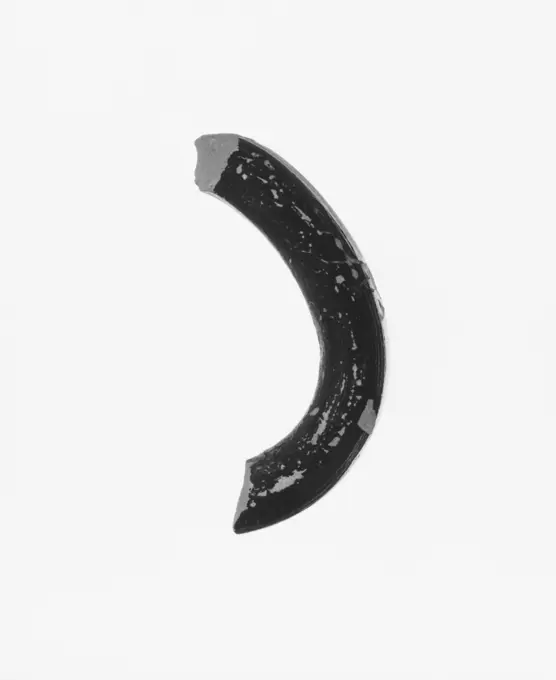
Handle of vascular work from the wreck of the East Indians Hollandia, Anonymous, 1700 - in or before 1743  Vessel part, handle; fragm, looped rod, lower end broken, circular in section. Netherlands glass   Second
Handle of vascular work from the wreck of the East Indians Hollandia, Anonymous, 1700 - in or before 1743 Vessel part, handle; fragm, looped rod, lower end broken, circular in section. Netherlands glass Second
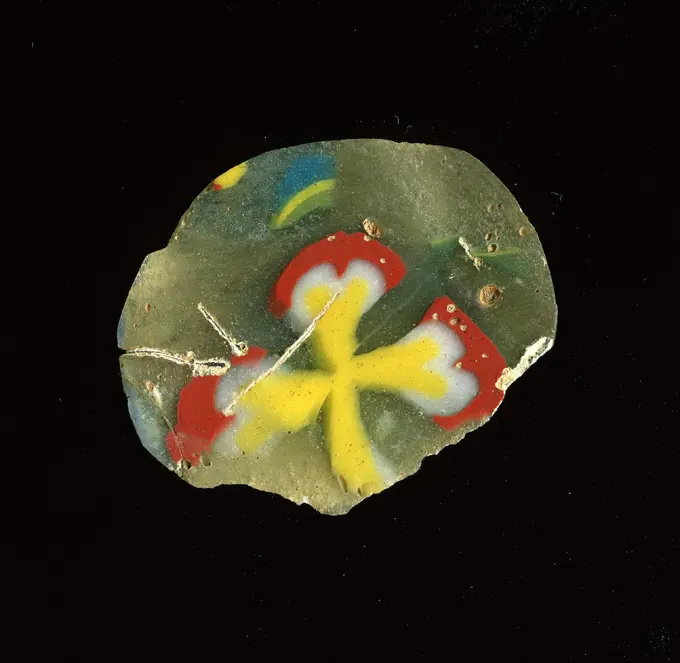
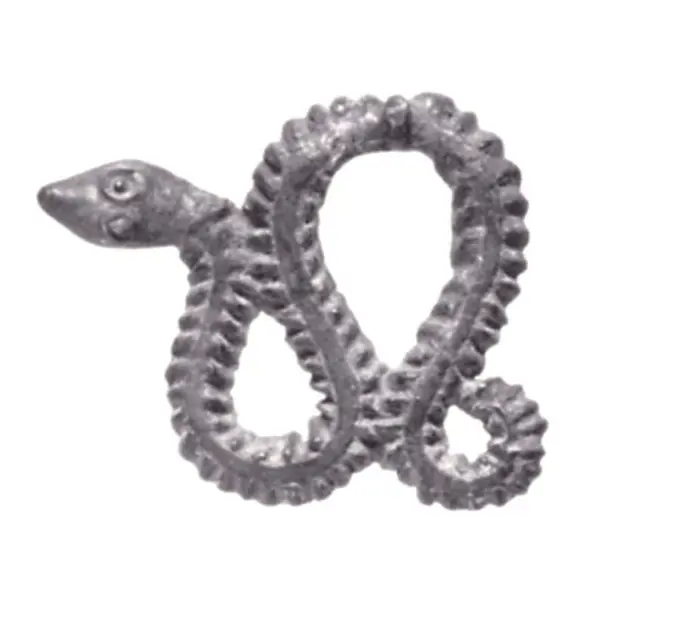
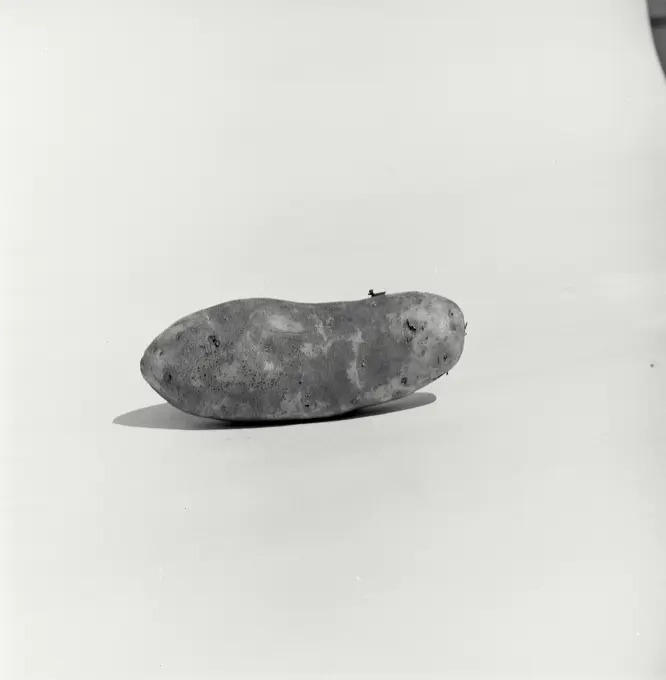
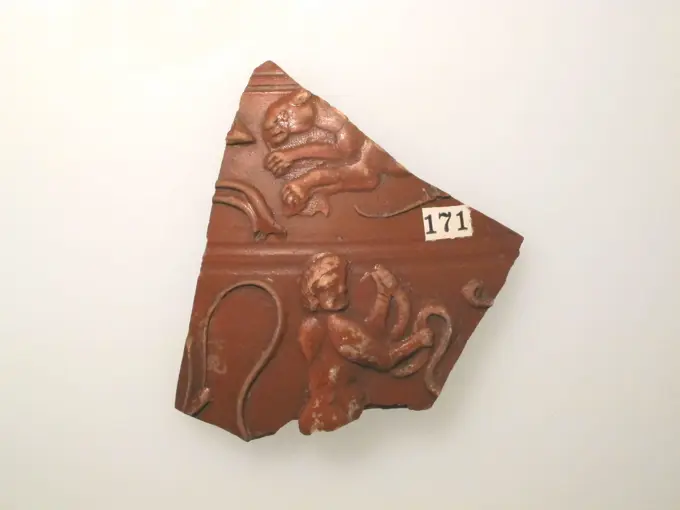
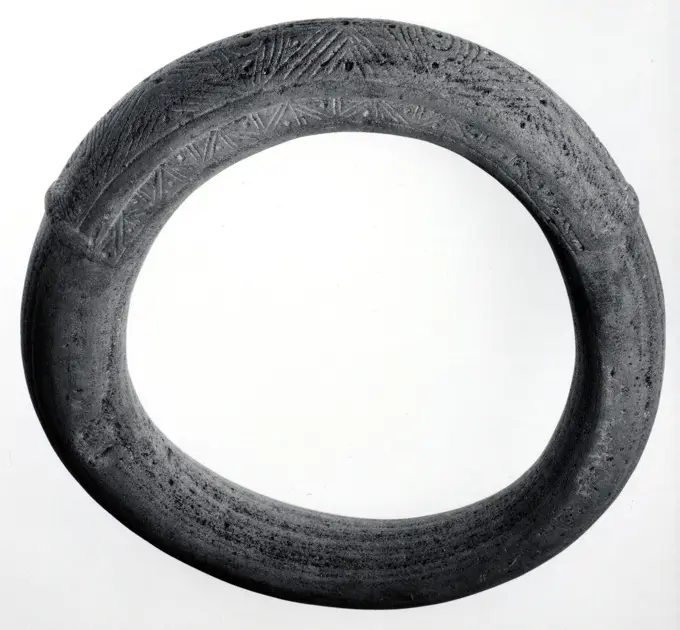
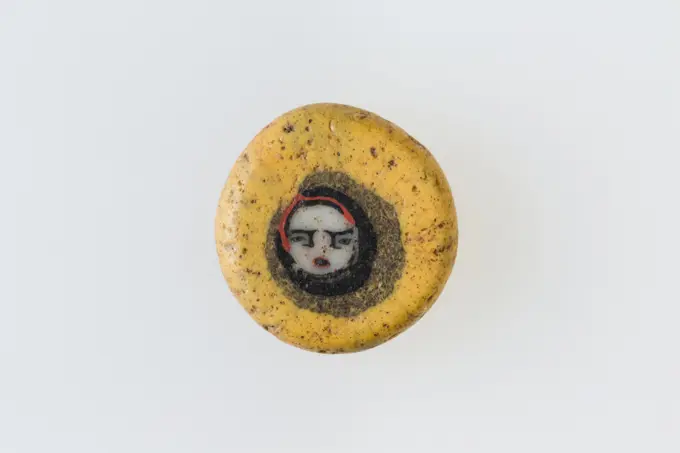
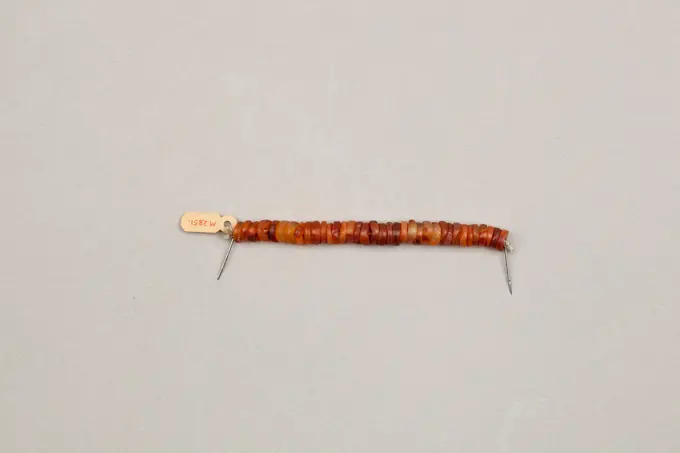
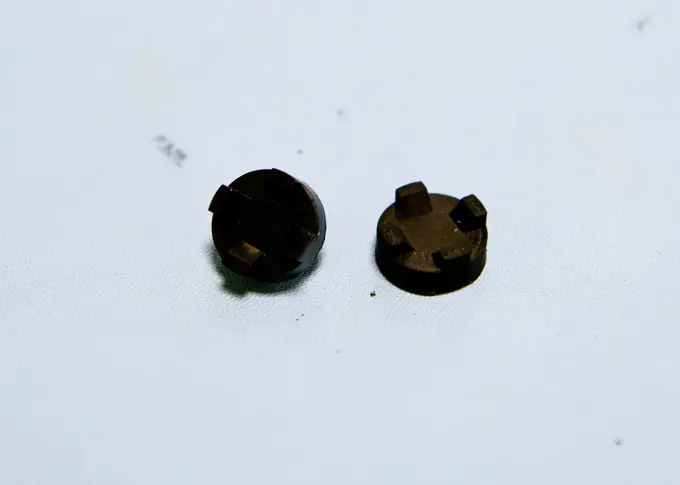
A Display Management Switch (DMS) knob for an F-16 Fighting Falcon sidestick is being 3D printed at Aviano Air Base, Italy, June 14, 2022. The F-16 Sidestick Control Grip is the main pilot and aircraft interface for flight, avionics and armament system and the DMS knob is used for avionics display manipulation and more.Attic Vase Fragment. UnknownBlue scarf folded origami styleMosaic glass fragment. The small glass fragment shows a four-leaved yellow flower with red and white ends in front of olive background. About it is a small strip of yellow, blue and green to see. In Roman times, one used colored, ornamented glass for vessels, mosaics, wall decorations and furniture ornaments. For the production, different colored glasses were shaped to tubes and rods. These were compressed and heated, causing a long bar. The glass sliced now had a wide variety of amorphous or floral patterns.Plaque in the Form of a Serpent 5th-3rd century B.C. China. Plaque in the Form of a Serpent 49489Retro cartoon illustration. On plain white background.Fragment of a vessel. A low curvature of the glass fragment as well as a kink of the wall allow the assignment to a vessel, probably a shell. On a red reason, blossoms of different sizes have been recognized, which were created in millefiori technology. They consist of a white point with red contour to which a violet band lays. In this, white dots are arranged circular as petals. For the production, different colored glasses were molded into tubes and rods. These were compressed and heated, causing a long bar. The glass sliced now had different amorphous or floral patterns. Thereafter, several of these platelets were folded, heated again and pressed into a vascular shape. Burry for the elaborate manufacturing process and its fragility was one of the luxury articles of antiquity.Paper bag lies open on the left 3d render on a gray background with a shadow Paper bag lies open on the left 3d render on a gray background with a shadow Copyright: xZoonar.com/OlegxLivinskyix 14163368Retro cartoon with texture. Isolated on White.Vintage Photograph. A still life of an Idaho potato.Tassel (Spain); silk, metal thread, wooden coreHat, model broken, on black silk, with purple ribbon and lace, anonymous, 1870 - 1880 Hat, Model Kapothoed, Black Silk, With Purple Ribbon and Lace. Belonging to POP 15444.  silk Hat, Model Kapothoed, Black Silk, With Purple Ribbon and Lace. Belonging to POP 15444.  silkPair of Sword-Grip Ornaments (Menuki). Culture: Japanese. Dimensions: L. of each 1 3/8 in. (3.5 cm); Wt. of each 0.2 oz. (5.7 g). Date: 18th century. Museum: Metropolitan Museum of Art, New York, USA.Stone font Letter H 3D Stone font Letter H 3D rendering illustration isolated on white background Copyright: xZoonar.com/MilicxDjurovicx 21521853Vase fragment Roman, Gaul Part of a human figure wrestling a snake; above, forepart of lion.. Vase fragment 250330Yoke 13th-15th century Taíno Stone elliptical collars are most likely part of an assemblage of works that served as regalia that affirmed and projected political power, used in public and restricted ceremonial activities. One such public ceremony may have been a ballgame played with rubber balls, such as was described by Spanish chroniclers in both the Antilles and the Mesoamerican mainland. The collars may contain abstracted or pars-pro-toto representations of zemí figures, featured in Taíno mythology. Zemí (or cemí) is a term used by Taíno peoples, the diverse societies that inhabited the Antilles archipelago before European contact, that linguistically relates to a quality akin to sweetness. Zemí refers not to an object or image but to an immaterial, spiritual, and vital force pertaining to deities and ancestors. There are several known zemí identities recorded by the Spanish, some of which have been linked to archaeological images.It is notable that none of the stone collars were rStrigil (1st-3rd AD), found in the Roman villa of La Salut. SPAIN. CATALONIA. BARCELONA. Sabadell. Sabadell History Museum. Proc: SPAIN. CATALONIA. BARCELONA. Sabadell.Skull of a gullOhio OH Road Map Pavement Construction Infrastructure 3d IllustrationStone font Letter M 3D Stone font Letter M 3D rendering illustration isolated on white background Copyright: xZoonar.com/MilicxDjurovicx 21521920Billy paper doll accessory , Hats. Phyllis Tyler Paper Doll CollectionCarnavalet museum, tokens collectionAttic Red-Figure Cup Fragment. Perhaps by the Epeleios Painter or in his Manner (Greek (Attic))Carnavalet museum, tokens collectionInlay / bead blank with face 100 BC-100 AD Ptolemaic Period-Roman Period A mosaic glass technique allowed multiples of an image to be created: a figural or design composition was made by bundling colored glass canes, which were then drawn out into a long bar. The bar was then sectioned at right angles, probably by striking the bar with appropriate tools, to produce small inlay tiles. The tile would then be smoothed and polished on the face intended to appear outwards.. Inlay / bead blank with face. 100 BC-100 AD. Glass. Ptolemaic Period-Roman Period. From EgyptString of beads ca. 3850-2960 B.C. Predynastic Period. String of beads 561762Spider Ornament 6th-7th century Moche (Loma Negra). Spider Ornament 315182