Archaeological Fragments

A diverse array of ancient artifacts including mosaic tiles, fragments of pottery, and metal objects, representing historical and archaeological significance.

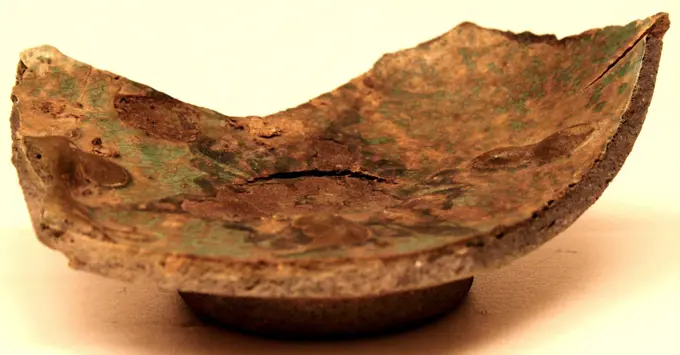
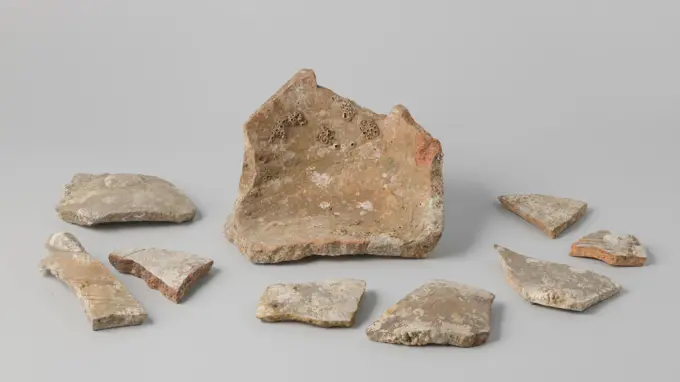
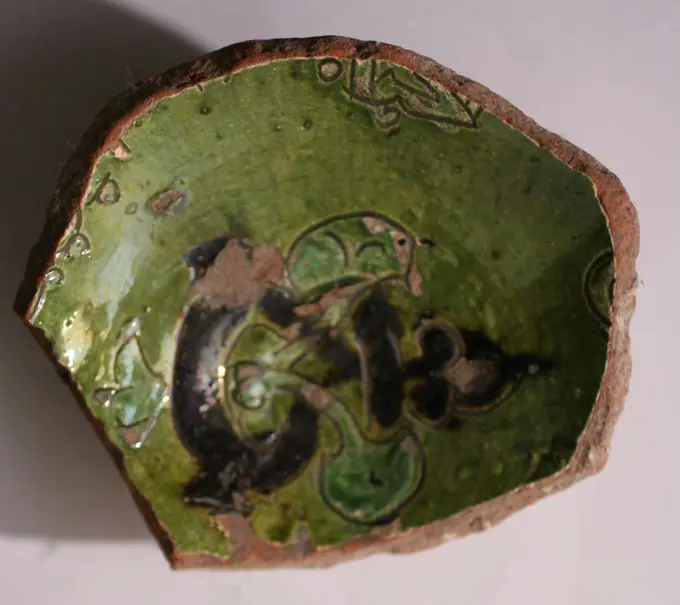
Fragment earthenware bowl with yellow surface, purple cross shape with green accents, bowl crockery holder soil find ceramic earthenware glaze lead glaze, hand turned decorated glazed fried Deep pottery bowl on stand. Bowl shaped mirror and sloping sidewall Outstanding and flat bowl edge. Gray shard internally glazed Decorated with cross pattern in manganese purple blurred leaf motif in the cross segments and green circles in the middle and along the edge Pottery discolored by heating soot spores on the bottom archeology food preparation serve serve
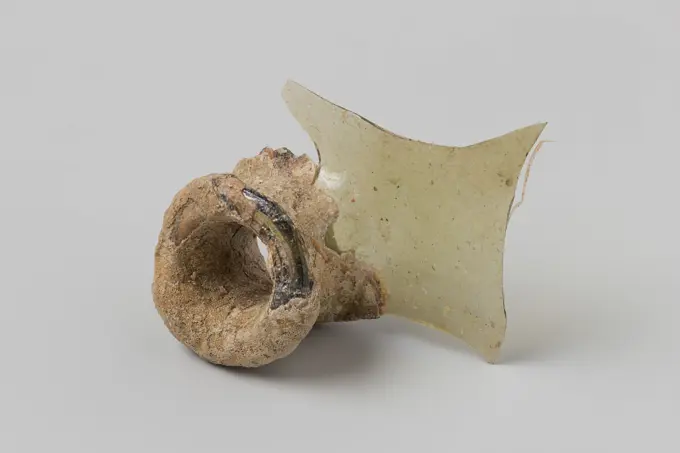
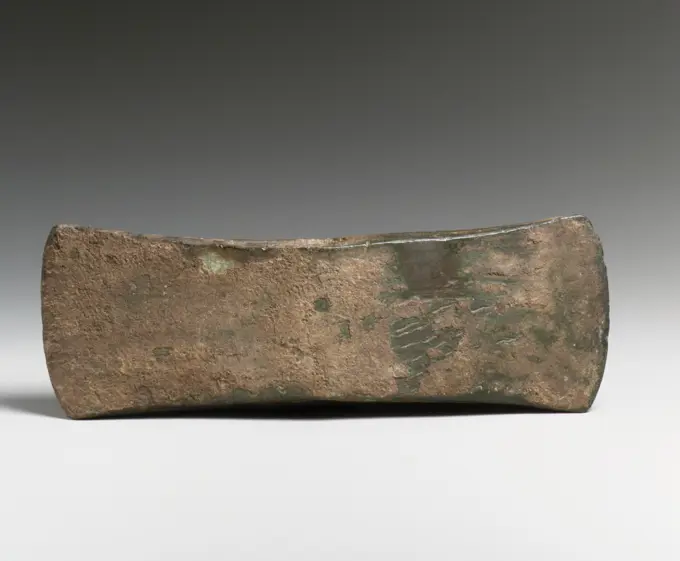
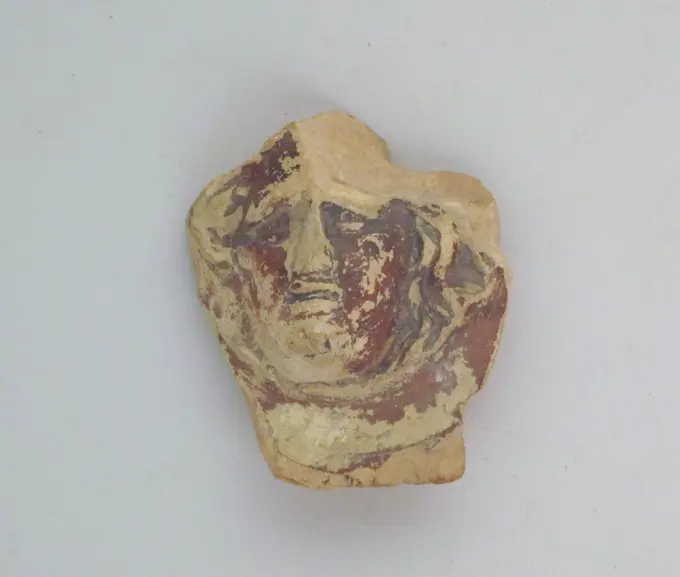
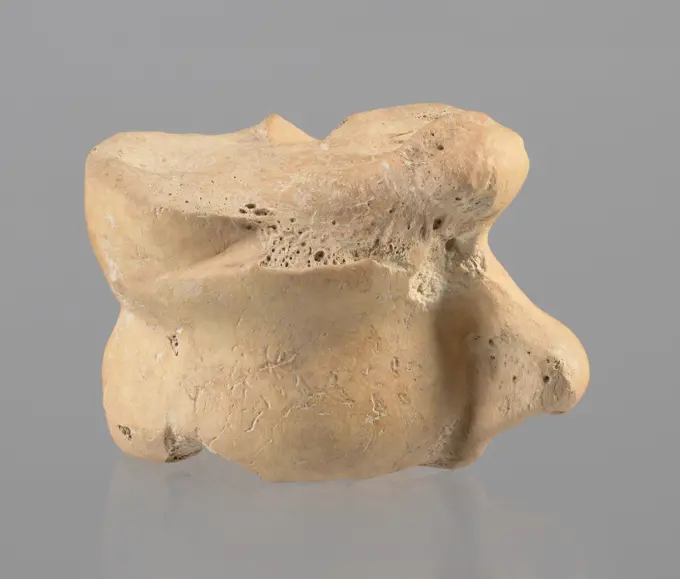
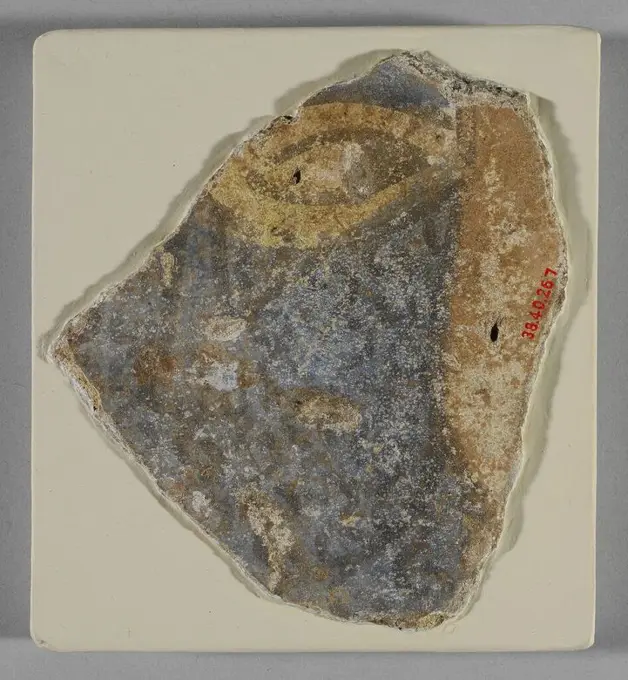
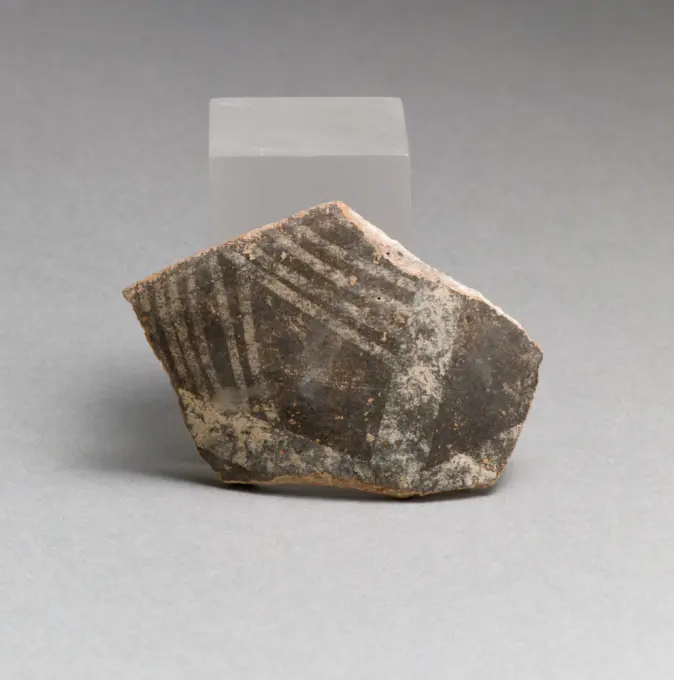
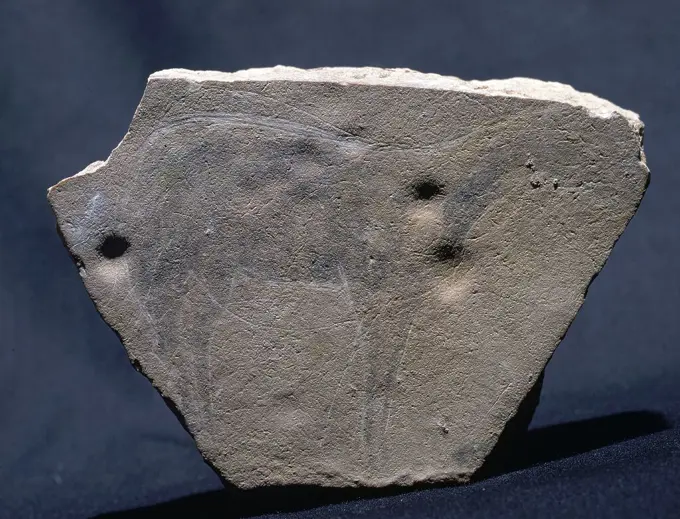
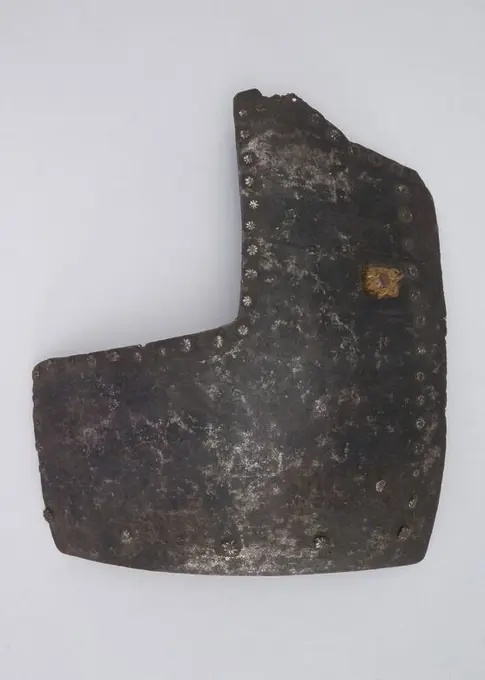
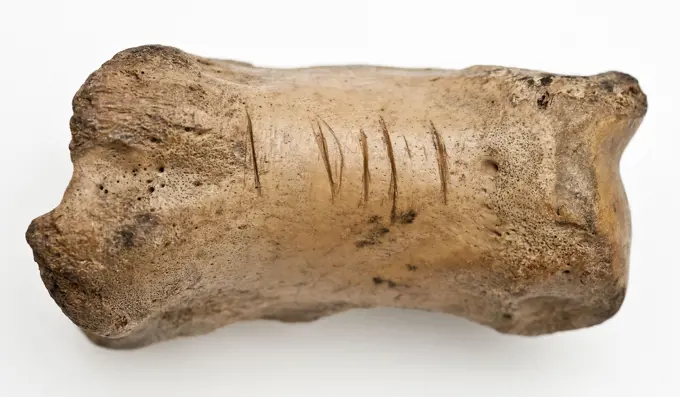
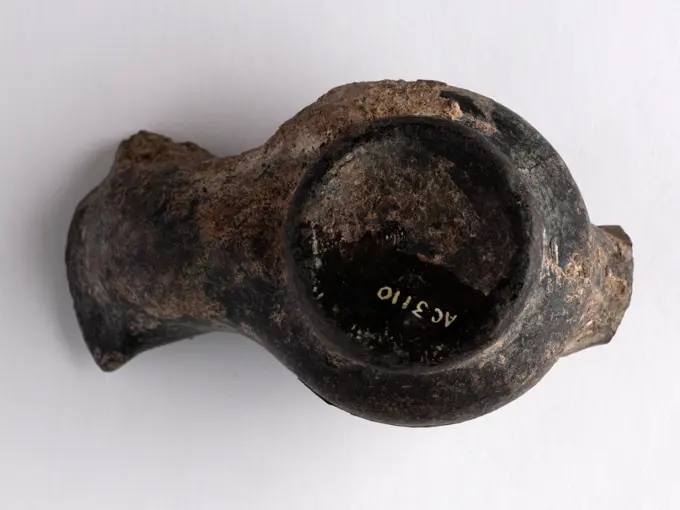
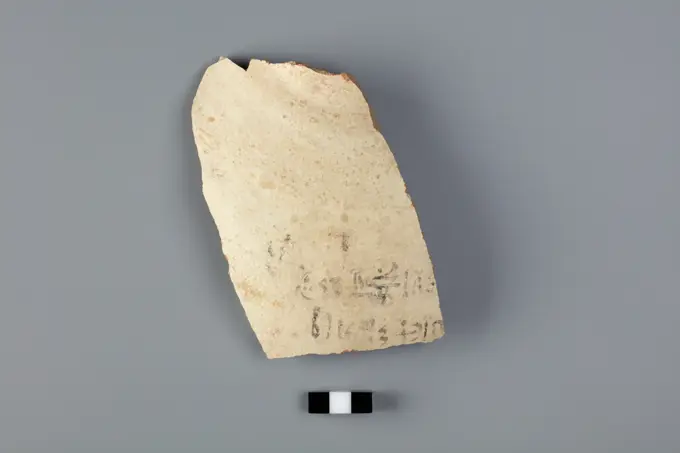
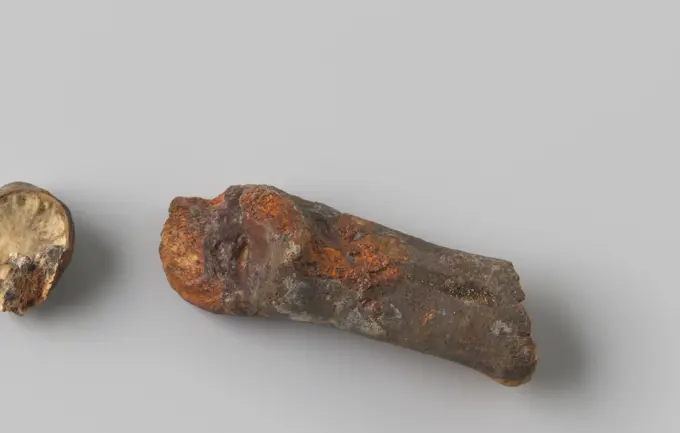
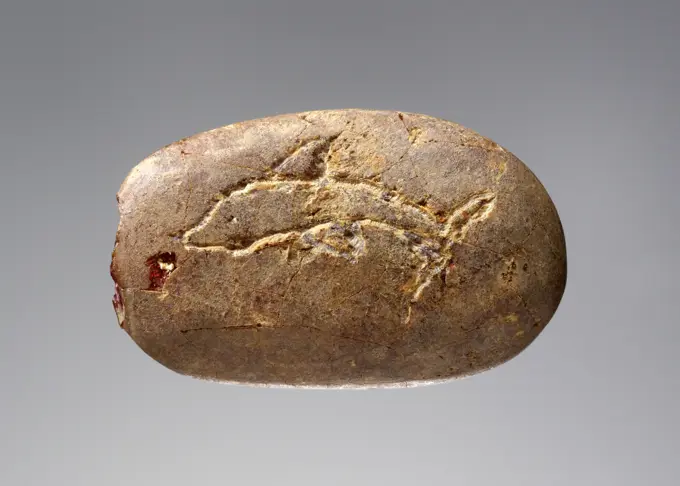
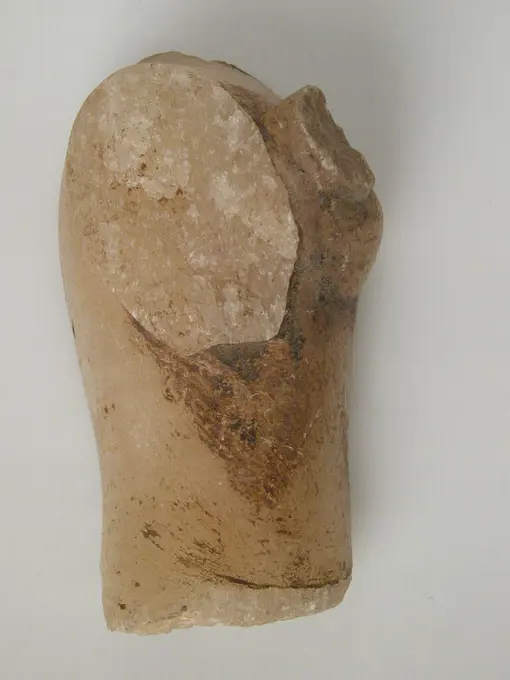
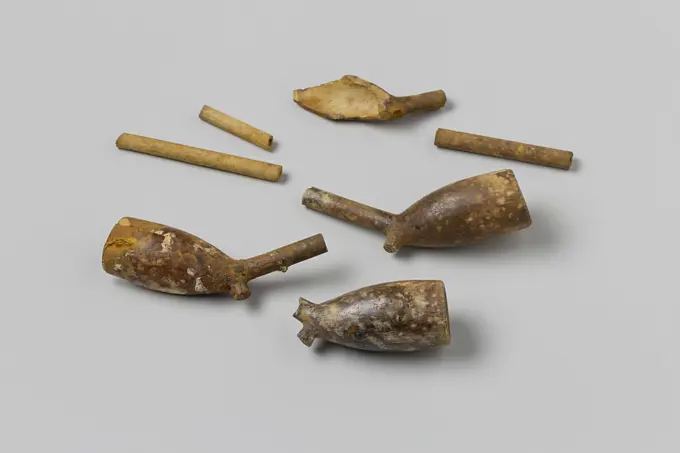
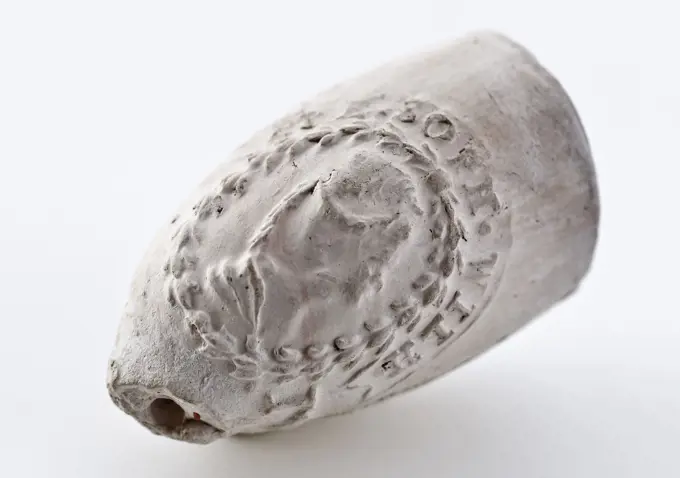
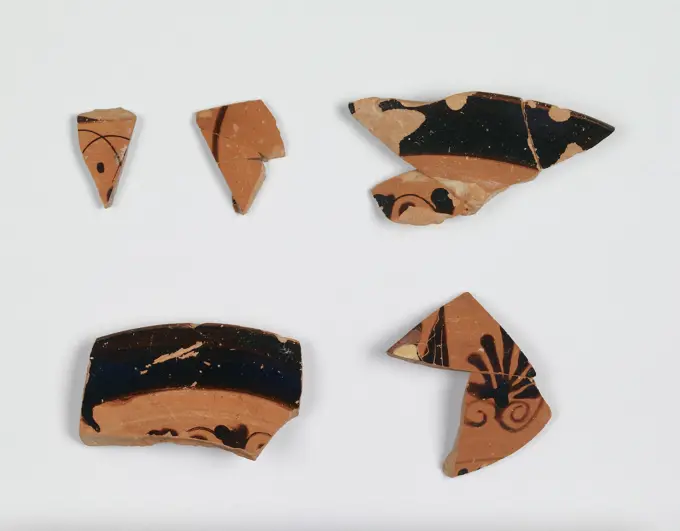
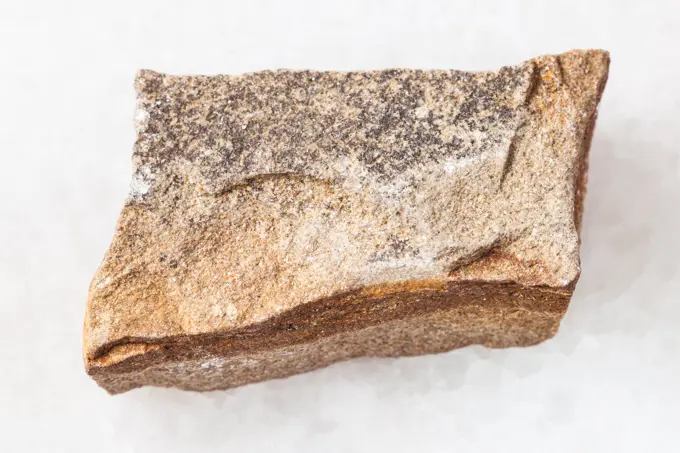
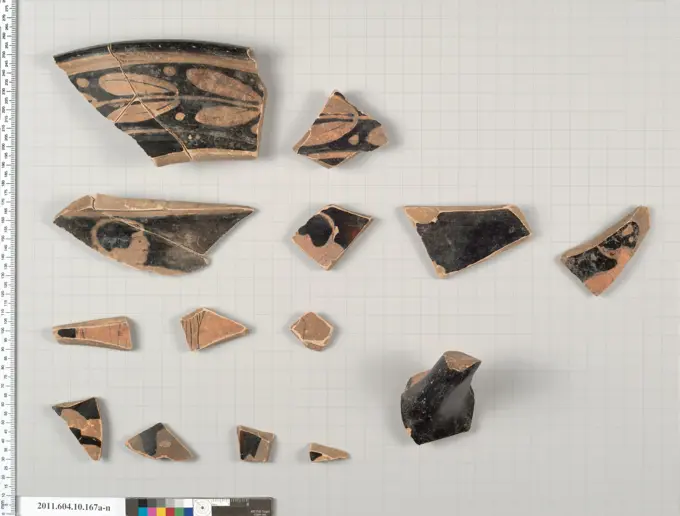
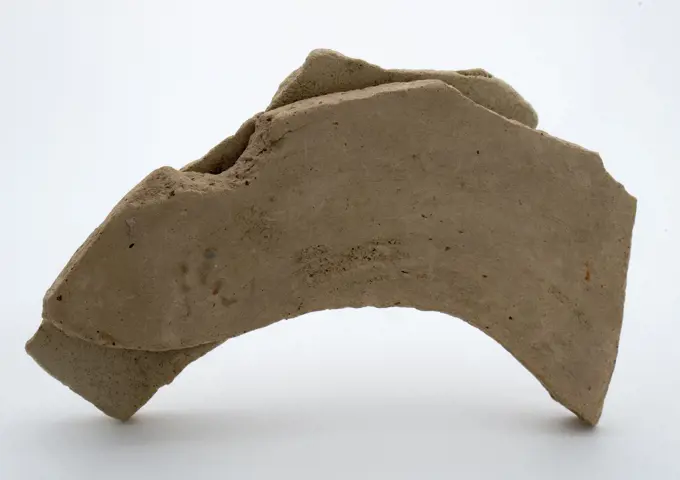
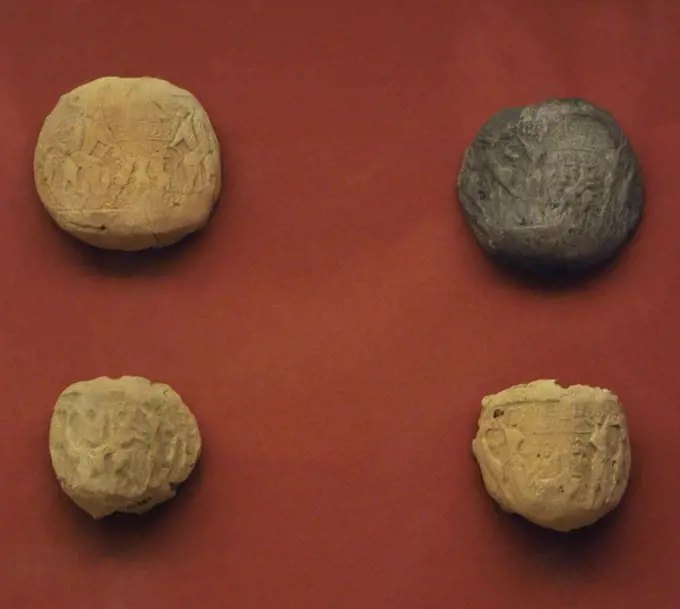
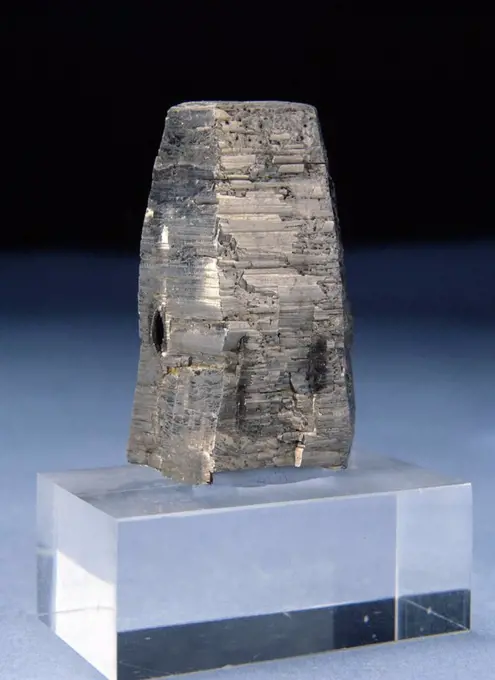
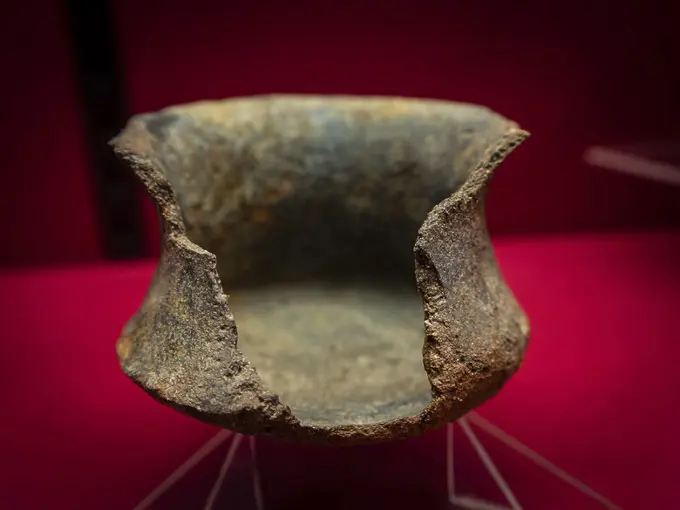
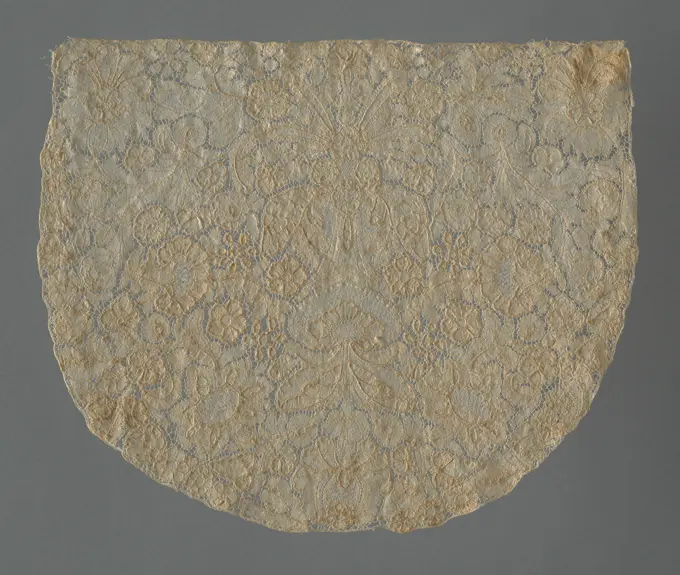
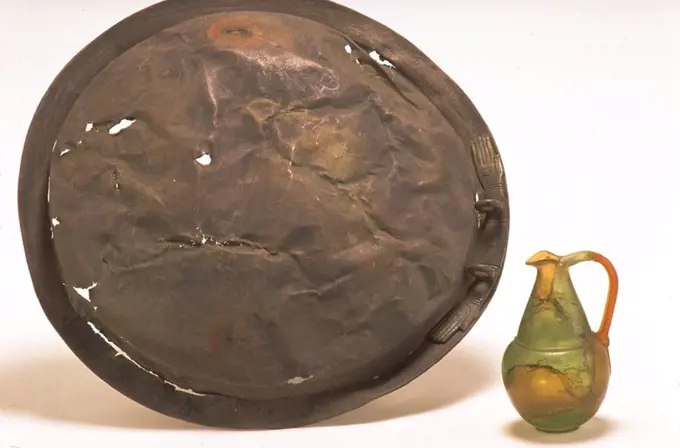
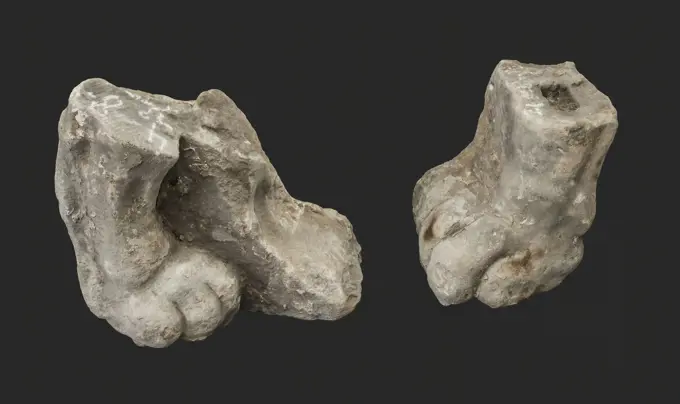
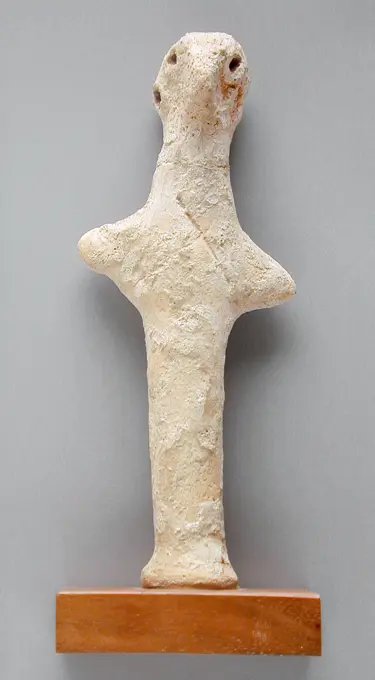
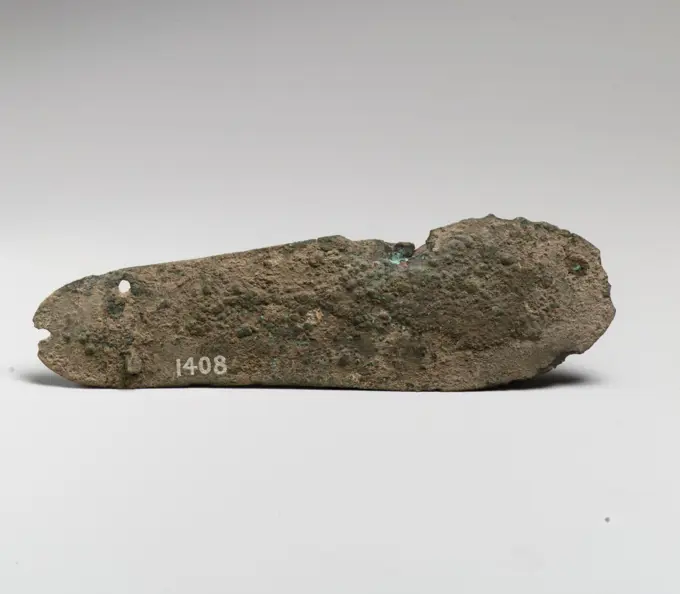
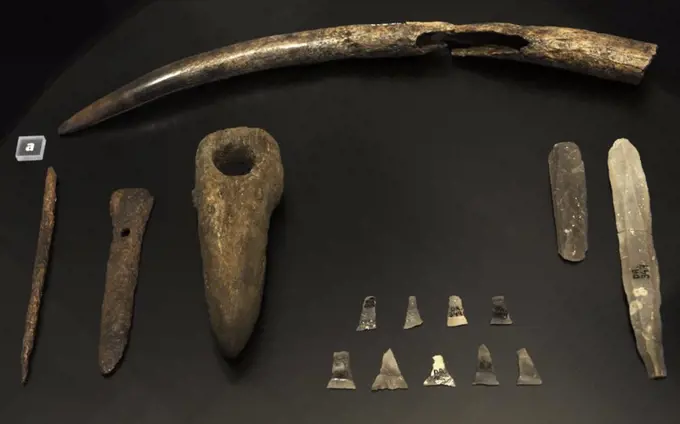
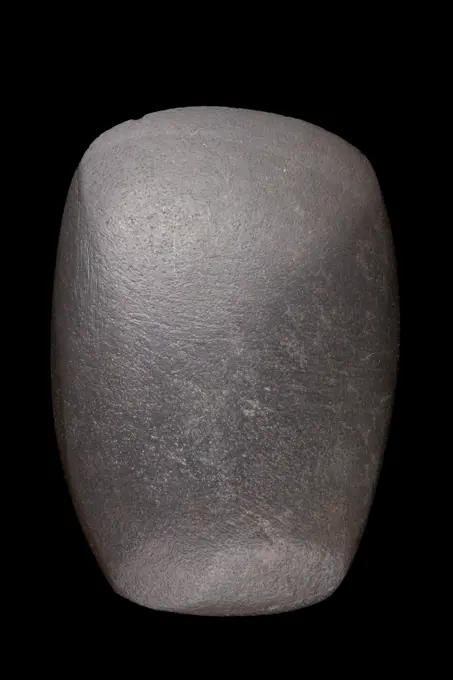
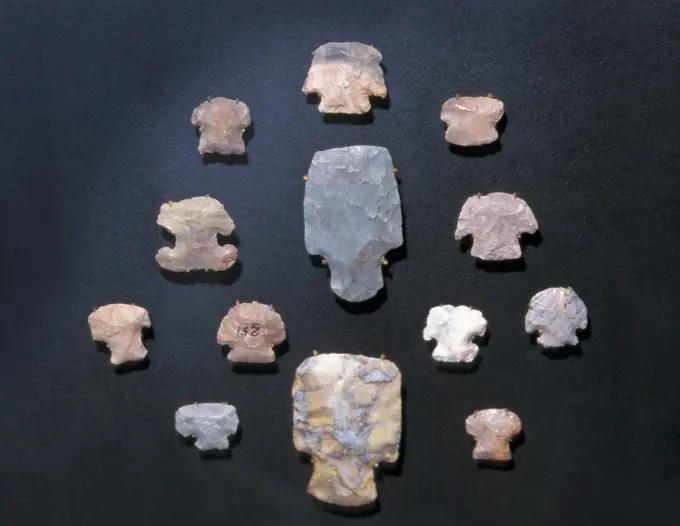
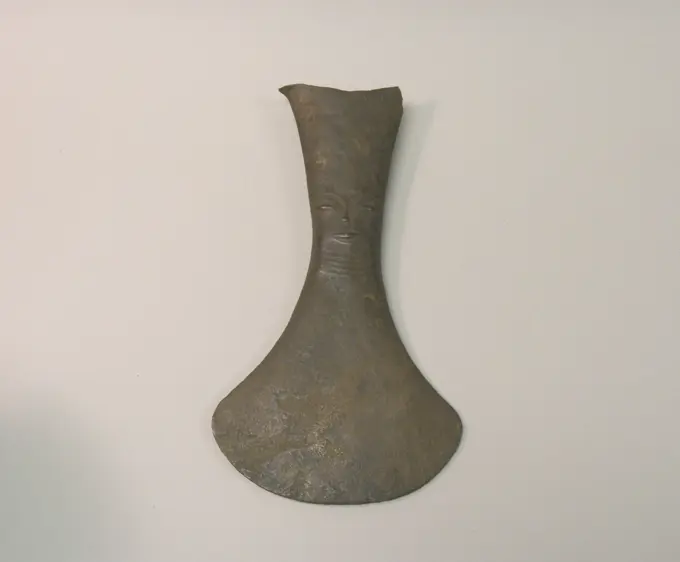
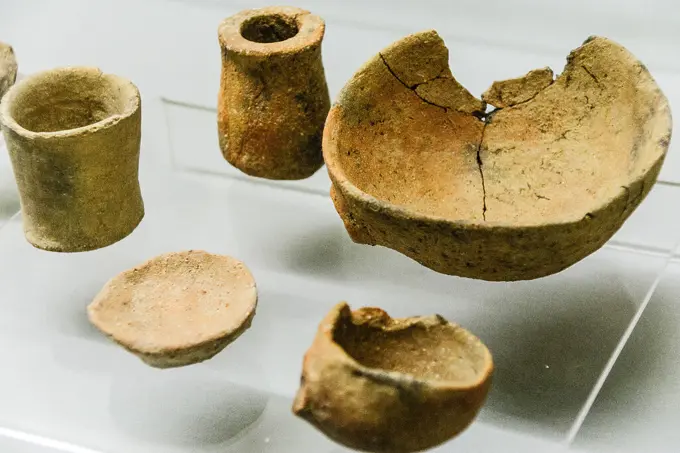
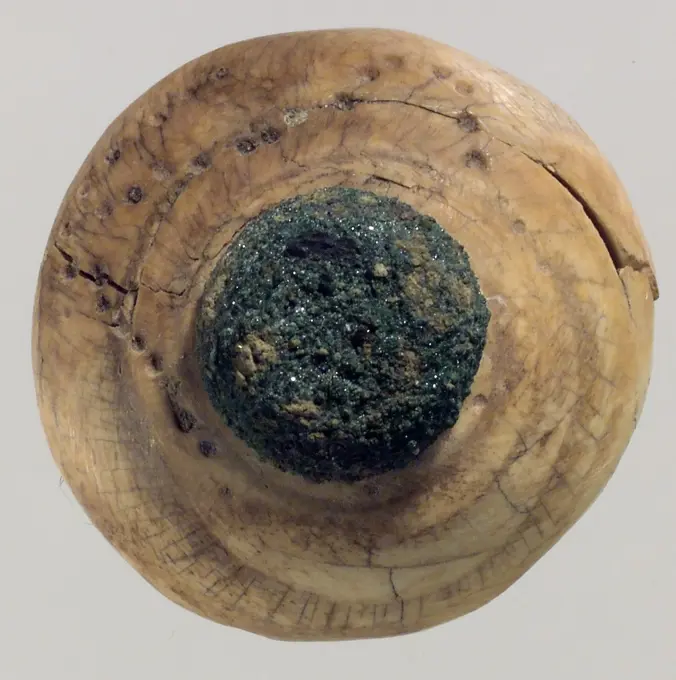
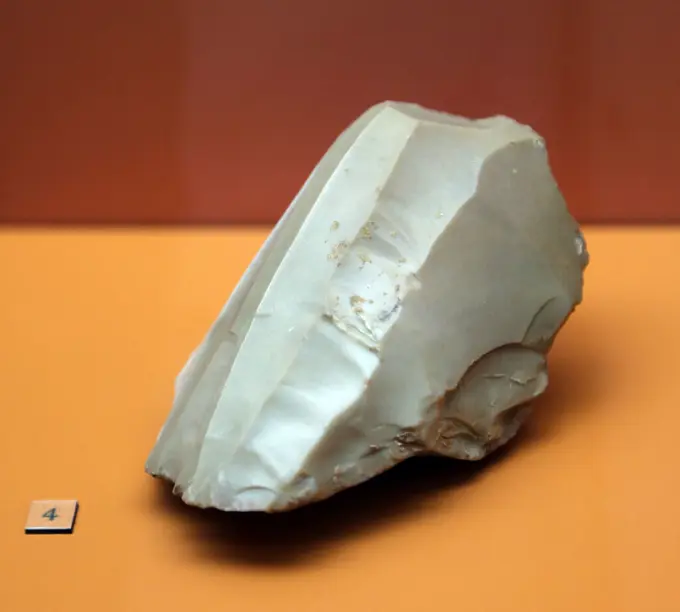
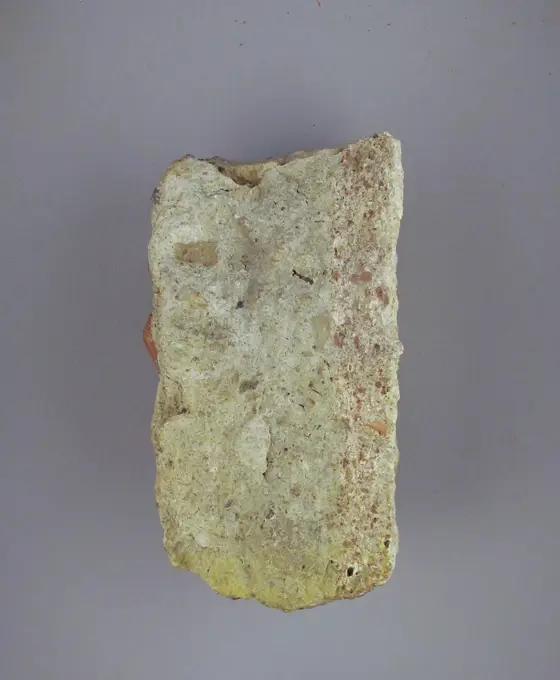
Mosaic floor bedding Roman. Mosaic floor bedding. Roman. Tile, mortar. Miscellaneous-MosaicShard of coffin from v.O.c.-ship the 'white lion'. Shard of coffin bottle from v.O.c.-ship the 'white lion', green glass bottle neck with coral-like attack.Bronze double axe ca. 1600-1050 B.C. Minoan Axehead.. Bronze double axe 251559 Minoan, Bronze double axe, ca. 16001050 B.C., Bronze, L. 8 5/16 in. (20.9 cm) W. 7.3 cm. The Metropolitan Museum of Art, New York. Funds from various donors, 1924 (24.150.11)Fragment of lead from the wreck of the East Indians Hollandia, Anonymous, 1700 - in Or Before 1743 fragment Varied parts or fragments, sheet metal fragments: worked; fragm, eroded, squashed; irregular shape, 1 square hole. Netherlands lead (metal)   SecondFragment earthenware bowl with yellow surface, purple cross shape with green accents, bowl crockery holder soil find ceramic earthenware glaze lead glaze, hand turned decorated glazed fried Deep pottery bowl on stand. Bowl shaped mirror and sloping sidewall Outstanding and flat bowl edge. Gray shard internally glazed Decorated with cross pattern in manganese purple blurred leaf motif in the cross segments and green circles in the middle and along the edge Pottery discolored by heating soot spores on the bottom archeology food preparation serve serveVase fragment in the form of a face Head in full face.. Vase fragment in the form of a face. Terracotta. VasesAstragal cow;  -323--30 (-323-00-00--30-00-00);Fragment of a Waster. Dimensions: H. 1 1/4 in. (3.2 cm)W. 2 1/8 in. (5.4 cm)L. 3 1/2 in. (8.9 cm)Wt. 1.4 oz. (39.7 g). Date: 11th-12th century. Museum: Metropolitan Museum of Art, New York, USA.Blue Figure, Possibly a Demon. Dimensions: Object without setting: H. 4 3/4 in. (12.1 cm)W. 4 1/8 in. (10.5 cm)Object in setting: H. 5 1/16 in. (12.9 cm)W. 4 5/8 in. (11.7 cm)D. 1 in. (2.5 cm)Wt. 23.2 oz. (657.783 g). Date: 9th-10th century.Colored with blue, yellow, black and traces of red, this fragment from a wall painting was excavated from the mound at Nishapur known as Sabz Pushan (the Green Covered). The excavations at Sabz Pushan revealed part of a residential neighborhood dating to the tenth century. This and several similar fragments were found deposited in the bottom of a well dug into the floor of what was likely a domestic unit after having been chipped off a wall and discarded, so their original location is not known. Several are now housed in the Metropolitan Museum, and include 38.40.268, 38.40.269, 38.40.270, 38.40.271. Museum: Metropolitan Museum of Art, New York, USA.Vase fragment Minoan. Vase fragment 247796LOSETA DE PARPALLO - CIERVA PINTADA Y CABALLO GRABADO - PALEOLITICO SUPERIOR. Location: MUSEO DE PREHISTORIA Y ARQUEOLOGIA. Valencia. SPAIN.Block of Wood ca. 1479-1458 B.C. New Kingdom. Block of Wood. ca. 1479-1458 B.C.. Wood. New Kingdom. From Egypt, Upper Egypt, Thebes, Deir el-Bahri, Temple of Hatshepsut, Foundation Deposit 7 (G), MMA excavations, 1926-27. Dynasty 18Brigandine Plate. Culture: Italian. Dimensions: H. 10 1/2 in. (26.7 cm); W. 9 1/16 in. (23 cm); Wt. 1 lb. 5.5 oz. (609.5 g). Date: 1400-1450. Museum: Metropolitan Museum of Art, New York, USA.Key 1st-7th century Roman. Key 462963Bowl 9th-10th century. Bowl 450717Fragment 9th century. Fragment 451137Pestle for grain, glazed terracotta model from a funeral, China. Chinese Civilisation, Eastern Han Dynasty, 1st-3rd century.ARTE PREHISTORICO. URNA CINERARIA. GETAFE. MADRID. EDAD DEL HIERRO. ETAPA I. MUSEO MUNICIPAL. MADRID.2000 A2.106.1. Iron Hammer, Mediaeval. Found at Weoley CastleChlorite pestle ca. 1600-1050 B.C. Cypriot Grinder.. Chlorite pestle. Cypriot. ca. 1600-1050 B.C.. Chlorite. Late Bronze Age. Miscellaneous-StoneRelief Fragment 6th-7th century Coptic. Relief Fragment. Coptic. 6th-7th century. Ivory. Made in Byzantine Egypt. IvoriesOstracon 400-30 B.C. Late Period-Ptolemaic Period. Ostracon. 400-30 B.C.. Pottery, ink. Late Period-Ptolemaic Period. From Egypt, Western Desert; Kharga Oasis, Hibis, MMA excavations, 1908-10Fragments or parts from the wreck of the East Indians Hollandia, Anonymous, Before 1743 fragment. part Varied parts or fragments, bar(-shaped) fragments; fragm, heavily eroded, broken, sim. 80H1763. Netherlands iron (metal)   SecondPorcelain Shards from V.O.C. ship De 'Witte Leeuw', Anonymous, Before 1613  Porcelain shards with cakes of the seabed from V.O.C. ship De 'Witte Leeuw'.  porcelain. coral (material).Face Fragment. Culture: Coptic. Dimensions: Overall: 1 3/16 x 1 x 1 in. (3 x 2.5 x 2.5 cm). Date: 4th-7th century. Museum: Metropolitan Museum of Art, New York, USA.Digit from cow's leg, part of throwing game: flocks, koot game piece relaxant soil find leg, Bone marked, five lying grooves slightly oblique archeology Rotterdam rail tunnel play kootkoot fikkelen Soil discovery: trajectory rail tunnel Rotterdam.Oil lamp. Rue d'Enfer (1881), Don Albert Callet in 1922. Terracotta. Late Antiquity. Paris, Carnavalet museum. 50034-10 Late antiquity, high-empire, oil lamp, terracottaJar Label ca. 1390-1352 B.C. New Kingdom. Jar Label. ca. 1390-1352 B.C.. Pottery and ink, paint. New Kingdom. From Egypt, Upper Egypt, Thebes, Malqata, Palace of Amenhotep III, MMA excavations. Dynasty 18Fragments Hielbot of a pig from the wreck of the East Indians Hollandia, 1700 - in Or Before 1743  Faunal Remains: Bones; Pig bones (pig); Ragm of heel (heel-bone), tuber infused.  bone (material)   SecondPendant with Engraved Fish and Papyrus. UnknownFragments of Romanesque decorative stuccoes, after restoration, verso, basilica of Santa Maria Maggiore, Lomello, Lombardy. Italy, 11th century.Fragment; (possibly) belonging to the retable of Soest, c. 1475 - c. 1499   wood (plant material)   wood (plant material)Sculpture Fragment. Culture: Coptic. Dimensions: Overall: 3 3/8 x 1 15/16 x 7/8 in. (8.6 x 5 x 2.3 cm). Date: 4th-7th century. Museum: Metropolitan Museum of Art, New York, USA.Fragments Pipes headheads and pipe stems from the wreck of the East India Hollandia.Pipe, Bowl, Healmar: Crowned 57; 2HSM3, Fragm, no HSM.Prehistory, Albania, Neolithic. Stylized female figure in ceramic. From MaliqiJan van Erp, White pipe cup with embossed medallions from Stadholder William V and Princess Sophie, clay pipe smoking equipment smoke floor earthenware ceramic pottery, pressed baked White pipe head with embossed two medallions as decoration On the left in laurel wreath portrait of Princess Sophie and streamer with text On the right in laurel wreath portrait of Stadholder William V and streamer with text On the welding seam initials of the maker around the medallion on the left FRE. SOPH. WILH. archeology indigenous product smoking tobacco Oranjehuis Oranje Willem V stadholderAttic Black-Figure Neck Amphora Fragment (comprised of 3 Joined Fragments). Unknown about 510 B.C.Saint-Germain-en-Laye, France , 1921 - Seine -et -Oise - Auguste Léon - (June) (French - Saint-Germain-en-Laye , France). Museum, animal represented , fantastic animal, picking , hunting, archaeological vestige, sculpture, accessory, prehistory, weapon, jewelry, sculpted decor, Animal, economic activity, housing , architecture, art, clothing, France, St Germain-en-Laye, Museum: Propulser fragment (bison) Mas of Azil 46381-Bird bone with engraving representing flowers (M. D 'Azil France, St Germain-en-Laye, Museum: 47354 Pendeloque with hole the serious suspension of Mas of Azil, 3 heads of bouquetins 46487, point fragm with property marks (Mas of Azil 47421.Vase fragment Neolithic. Vase fragment. Neolithic. Terracotta. VasesInscription with the stonemason's mark on a fragment of a column base. It indicates the imperial ownership DNTH (Domini Nostri Theodosi). Marble. 4th century. From the Roman villa of Carranque (province of Toledo, Spain). Museum of Visigoth Councils and Culture. Toledo, Castile-La Mancha, Spain.Lid 4th-7th century Coptic. Lid 478911Double-Sided Comb 7th century Frankish. Double-Sided Comb 465593 Frankish, Double-Sided Comb, 7th century, Bone, iron pins, Overall: 3 3/8 x 1 3/8 x 1/2 in. (8.6 x 3.5 x 1.2 cm). The Metropolitan Museum of Art, New York. Gift of J. Pierpont Morgan, 1917 (17.193.267)Fragment Martavaan from V.O.C. ship De 'Witte Leeuw', Anonymous, Before 1613  Fragment Martavaan from V.O.C. ship De 'Witte Leeuw'. Mouth, neck, ears. southeast Asia porcelain. stoneware   Sint-HelenaFragmentary Bottle 3rd-7th century. Fragmentary Bottle 448713Fragment of a terracotta architectural tile. Culture: Lydian. Dimensions: Overall: 8 7/8 x 5 1/4 in. (22.5 x 13.3 cm). Date: 6th century B.C..Fragment, egg and dart pattern. Museum: Metropolitan Museum of Art, New York, USA.Vase fragment ca. 575-550 B.C. Etruscan Lion and human figure in relief.. Vase fragment. Etruscan. ca. 575-550 B.C.. Terracotta; bucchero pesante. Archaic. VasesStove 25 CE-220 CE China. Under Han rule, tombs came to represent earthly dwellings whose furnishings illuminate many aspects of domestic life. Burial models of stoves may have carried additional significance, as offerings were made to the hearth god during seasonal rites and festivities. This model is particularly well equipped. One end shows a fire door; the top has holes for caldrons or steamers and molded decoration of seafood, dishes, and cooking utensilsótrays, bowls, eared cups, and skewers.. Gray earthenware with molded relief decoration .rough polymictic sandstone stone on white macro shooting of natural mineral rock specimen - rough polymictic sandstone stone on white marble background Copyright: xZoonar.com/ValeryxVoennyyx 11949858Mirror Decoration. Egyptian. Date: 301 AD-700 AD. Dimensions: 7.5 × 7.5 × 2 cm (3 × 3 × 3/4 in.). Glass. Origin: Egypt. Museum: The Chicago Art Institute, FLORENCIA, USA. Author: Ancient Egyptian.Waster 15th-16th century This fragment of a bowl was labeled by the Met archaeologists in 1938 as "brought in from town". The glazed surface shows different traces of misfiring, including a collapse of the cavetto resulting in a "pierced" vessel. The shape and decoration of the bowl, with underglaze painted floral motifs, point to a date in the early modern period. While this may be slight evidence of the continuity in the urban life of Nishapur well after the arrival of the Mongols in the 13th century, recent surveys by Iranian archaeologists have documented many traces of the multi-period occupation of the area.. Waster 450313Brick from the wreck of the East Indians Princesse Maria, Anonymous, 1682 - 1686 brick (clay product) Brick from the wreck of the East Industrial Princesse Mary. Netherlands brick (clay product)Terracotta fragments of a bell-krater (deep bowl) late 5th century B.C./early 4th century B.C. Etruscan Two fragments depict the band of laurel from below the rim; a third fragment has the head and upper arm of a youth to right; a fourth fragment depicts part of the head and neck of a draped figure to left; a fifth fragment has the back of the head, neck, and shoulder of a figure to right; two fragments have parts of draped figures; five fragments have unidentified subjects; another fragment has black glaze, and there is a fragment from part of the handle. Terracotta fragments of a bell-krater (deep bowl). Etruscan. late 5th century B.C./early 4th century B.C.. Terracotta; Praxian technique. Classical. VasesShards of wine bottles from the wreck of the East Indians' t Vliegend Hart ,, 1700 - 1735  Shards of onion -shaped wine bottles of green glass that has been in red (port) wine. Netherlands .Amulet Seal. Eastern Anatolia, 4th-3rd millenium B.C.. Jewelry and Adornments; amulets. StoneFragments of baked dish and tile, unglazed, biscuit earthenware, tile image dish dishware holder soil find ceramic pottery, hand turned in shape made baked Fragment dish baked on fragment tile. Half-products misbaksel. Yellow shard. Shaved pottery. Unglazed archeology City center Stadsdriehoek Rotterdam Town hall Town hall indigenous pottery serve serving pottery earthenware tile bakery Soil discovery found in 1914 at the Rotterdam Council House.Soil of a Martavan from V.O.C. ship De 'Witte Leeuw', Anonymous, Before 1613  Soil of a martavan from V.O.C. ship the 'Witte Leeuw'. southeast Asia porcelain. stoneware   Sint-HelenaBack of shoulder with shawl ca. 1353-1336 B.C. New Kingdom, Amarna Period. Back of shoulder with shawl 549965Shards of Martavanen from V.O.C. ship De 'Witte Leeuw', Anonymous, Before 1613  Shards of Martavanen from V.O.C. ship De 'Witte Leeuw'. Martaban (possibly) stoneware. porcelain   Sint-HelenaNear East. Mesopotamia. Sumer. Bulla (seal). Inscribed pieces of clay by used by the Sumerians in 8th millennia BC. Used for agricultural transaction as a form of identification and for tamper-proofing. Bullae with seal impressions. Lagash. Presargonic Period. Iraq. The State Hermitage Museum. Saint Petersburg. Russia.MINERALOGIA. MINERALES. TITANITA. INSTITUTO GEOMINERO. MADRID.Standing FigureOstracon 400-30 B.C. Late Period-Ptolemaic Period. Ostracon 588357carinated glass of funerary trousseau, Eras del Alcazar, Iberian culture,, Archeological Museum. Úbeda, Jaén province, Andalusia, Spain.Spindle Whorl 10th-16th century () Peruvian. Spindle Whorl. Peruvian. 10th-16th century (). Ceramic. Peru. Ceramics-ImplementsFragment of the upper part of a niche plate, with a fairly complete scallop. Limestone. 7th century. From Santa Cruz Hospital, Toledo, Spain. Museum of Visigoth Councils and Culture. Toledo, Castile-La Mancha, Spain.Parts Click sprayer from the wreck of the East Indians Hollandia, Anonymous, 1700 - in Or Before 1743  Tools and instruments, medical, enema syringe; fragm of pump system: flat lower end of cylinder with tube-shaped extension underneath broken off, 1 piston, id. NG 1980-27H1633. Netherlands tin (metal)   SecondItalic civilizations, Piceni, 9th century b.C. Decorated handles in bone and tusk of wild boar.Fragments of Romanesque decorative stuccoes, after restoration, verso, basilica of Santa Maria Maggiore, Lomello, Lombardy. Italy, 11th century.Animal (). Culture: Coptic. Dimensions: Overall: 11/16 x 15/16 x 1/2 in. (1.7 x 2.4 x 1.3 cm). Date: 4th-7th century. Museum: Metropolitan Museum of Art, New York, USA.Cap Crown Made 1725-1745 Brussels. Linen, bobbin part lace of a type known as Brussels with a twisted bar ground .Column Base late 12th century French. Column Base. French. late 12th century. Stone. Made in Languedoc, France. Sculpture-ArchitecturalJARRO Y BANDEJA. TARTESICO. (DEPOSITO: MUSEO ARQUEOLOGICO NACIONAL).Riq رق (Tambourine) late 19th century Egyptian. Riq رق (Tambourine) 500950Shards of stoneware and earthenware from the wreck of the East Indians Hollandia, Anonymous, 1700 - in or Before 1743  Shards of stoneware and red -baked pottery with glaze.  stoneware. earthenware. glaze   SecondQuartz. mineralsFragments of facing brick from the brewery De Twee Klimmende Leeuwen: two fragments of lion's leg, facing brick fragment sculpture sculpture building component sandstone stone , sculpted Leuvehaven Rotterdam City center Stadsdriehoek Leuvehaven east side RotterdamShards of Martavanen from V.O.C. ship De 'Witte Leeuw', Anonymous, Before 1613  Shards of Martavanen from V.O.C. ship De 'Witte Leeuw'. Chinezizid-China stoneware. porcelain   Sint-HelenaFigurine. Anatolia, Syro-Hittite, 2500-800 B.C.. Sculpture. CeramicFireplace with presentation of two climbing lions, placed in two windows. Fireplace with presentation of two climbing lions, placed in two windows.Conus ammiralis shell from the wreck of the Dutch East India ship Witte Leeuw, before 1613  Shell from V.O.C. ship the 'Witte Leeuw'.  .   Sint-HelenaMirror Decoration 301 CE-700 CE Egypt. Glass . Ancient EgyptianBird, before 1500, 5/8 x 2 3/16 x 11/16 in. (1.59 x 5.56 x 1.75 cm), Ivory, United States, 15th centuryBird, before 1500, 3/4 x 1 3/8 x 9/16 in. (1.91 x 3.49 x 1.43 cm), Ivory, United States, 15th centuryBird, before 1500, 9/16 x 1 7/8 x 3/4 in. (1.43 x 4.76 x 1.91 cm), Ivory, United States, 15th centuryFragment 13th-14th century. Fragment. 13th-14th century. Earthenware; incised decoration through white slip and coloring under transparent glaze. Attributed to Egypt. CeramicsBronze spatulate knife ca. 1600-1450 B.C. Minoan Knife blade, much incrusted with a rivet remaining.. Bronze spatulate knife 247623Amulet - IsisFunerary trappings of a man's grave. From left to right: Deer antler point, bone pin, wristguard of bone, battle axe of stone, arrowheads of flint and flint blades. Early Neolithic Period. 3800 BC. From Dragsholm, western Zealand. National Museum of Denmark. Copenhagen. Denmark.Fireplace, on which Andromeda or Sint Joris. Fireplace, on which Andromeda or Sint Joris. Of fine baked earth.Ax polished in hematite (). Neolithic period. North Africa, Neolithic. 5cm.Fragment of a Dish 14th-15th century. Fragment of a Dish 455240Assorted display of various stone hafted scrapers used by the Shawnee IndiansHafted Ax with Face 500 B.C.-A.D. 300 Indonesia. Hafted Ax with Face. Indonesia. 500 B.C.-A.D. 300. Bronze. Bronze and Iron Age period. MetalworkCeramic cups and mugs, late Neolithic, 4000-3000 BC, Evora Museum, Evora, Alentejo, Portugal, Europe.Fragments of copper from the wreck of the East Indians Hollandia, 1700 - in Or Before 1743  Parts of artefacts; eroded fragments: materials; copper. Netherlands copper (metal)   SecondFragment of a terracotta architectural tile 6th century B.C. Lydian Fragment, egg and dart pattern.. Fragment of a terracotta architectural tile 252641 Lydian, Fragment of a terracotta architectural tile, 6th century B.C., Terracotta, Overall: 8 7/8 x 5 1/4 in. (22.5 x 13.3 cm). The Metropolitan Museum of Art, New York. Gift of The American Society for the Excavation of Sardis, 1926 (26.199.71)Tin handle from the wreck of the East Indies Fleet in 1735 't Vliegend Hart ,, 1700 - 1735  Unserved black-gray curved handle that widens at the ends. Middelburg tin (metal)Stud ca. 9th century B.C. Iran. Stud 325301Bracelet 6th-8th century. Bracelet 446225Silex core. Middle Neolithic. Bobila Bellsola, Catalonia, Spain. Archaeology Museum of Catalonia. Barcelona. Spain.