Archaeological Fragments

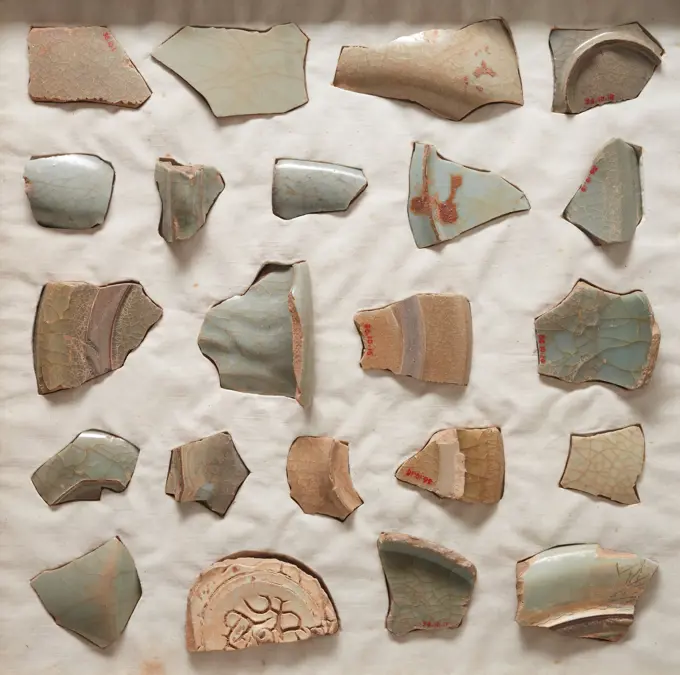
A diverse array of ancient artifacts including mosaic tiles, fragments of pottery, and metal objects, representing historical and archaeological significance.

Fragment earthenware bowl with yellow surface, purple cross shape with green accents, bowl crockery holder soil find ceramic earthenware glaze lead glaze, hand turned decorated glazed fried Deep pottery bowl on stand. Bowl shaped mirror and sloping sidewall Outstanding and flat bowl edge. Gray shard internally glazed Decorated with cross pattern in manganese purple blurred leaf motif in the cross segments and green circles in the middle and along the edge Pottery discolored by heating soot spores on the bottom archeology food preparation serve serve
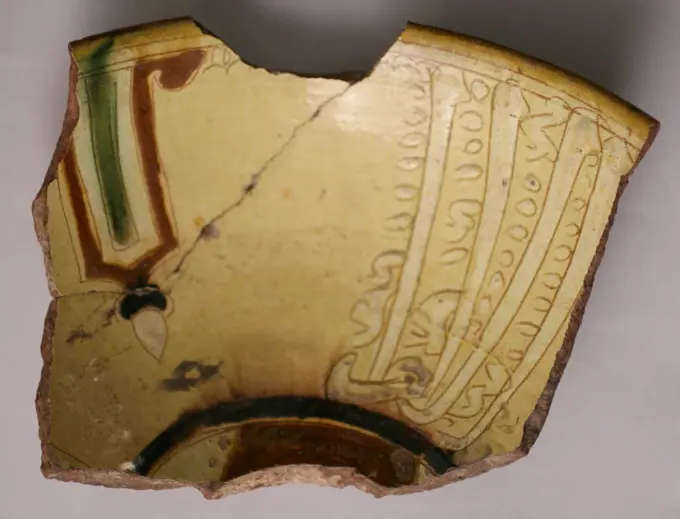
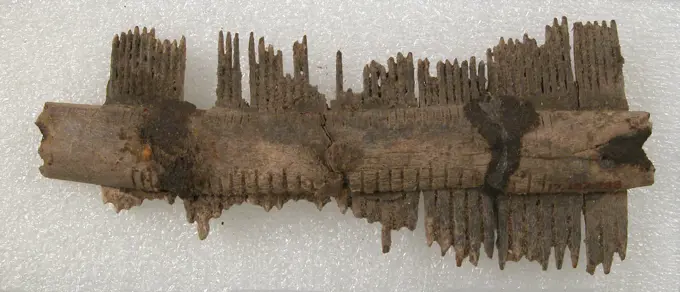
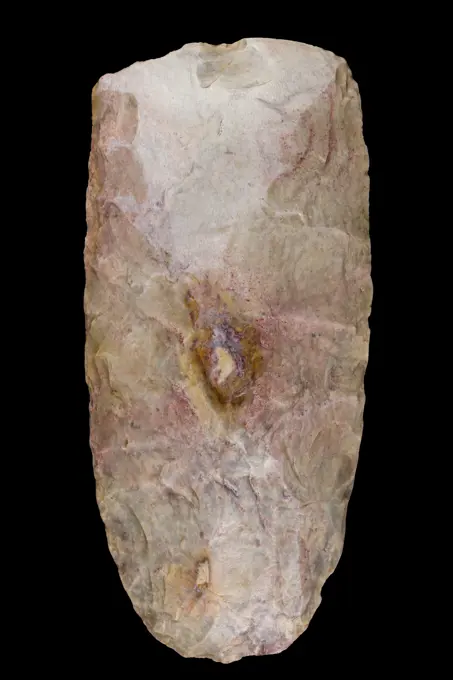
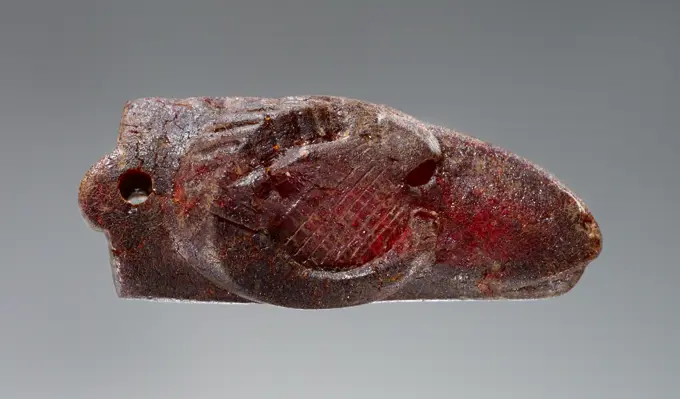
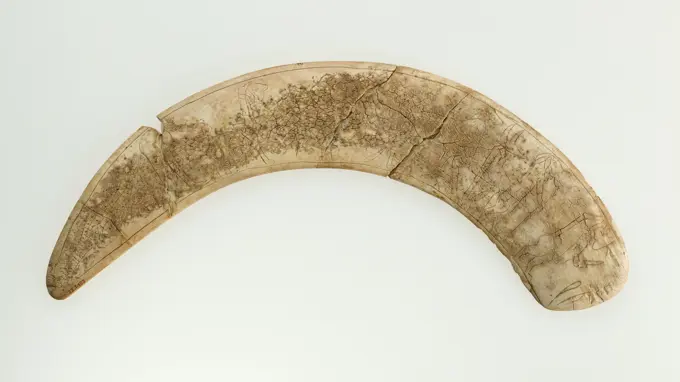
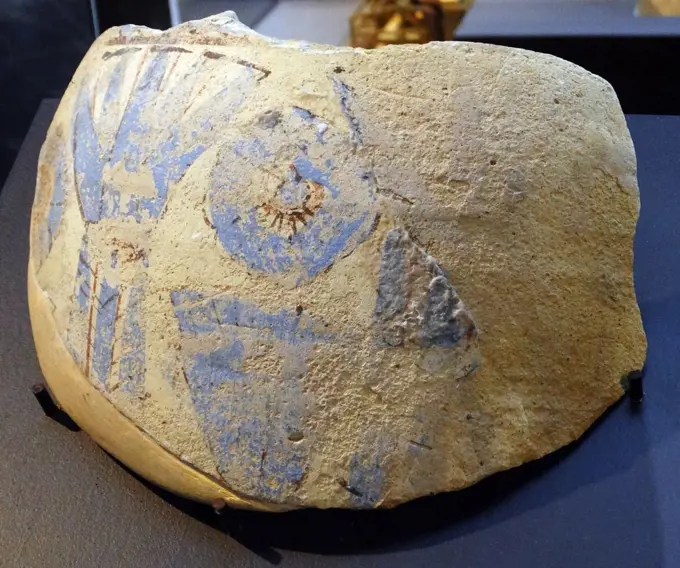
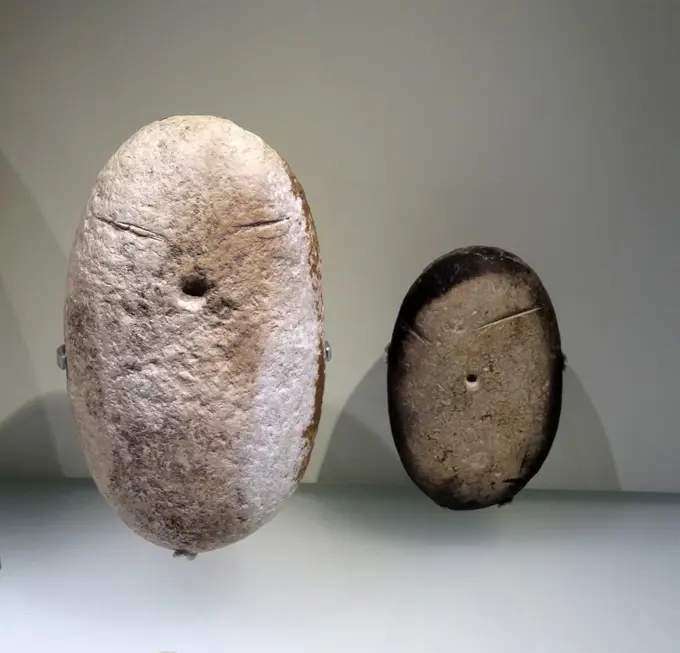
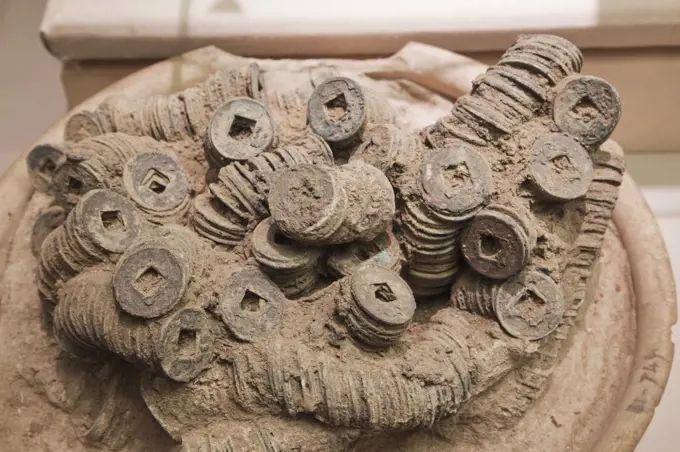
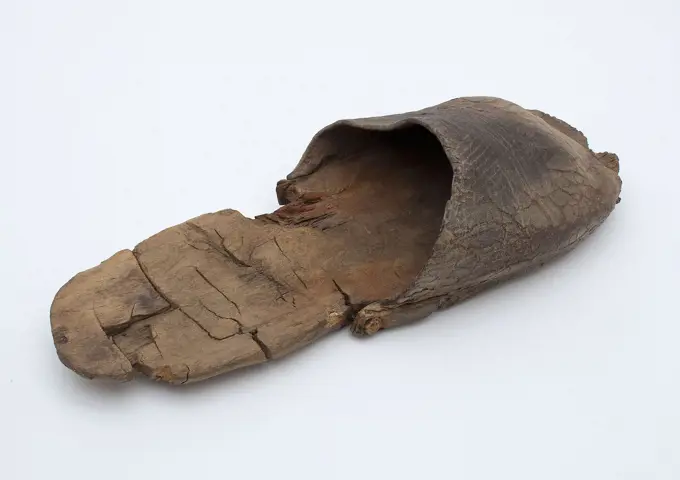
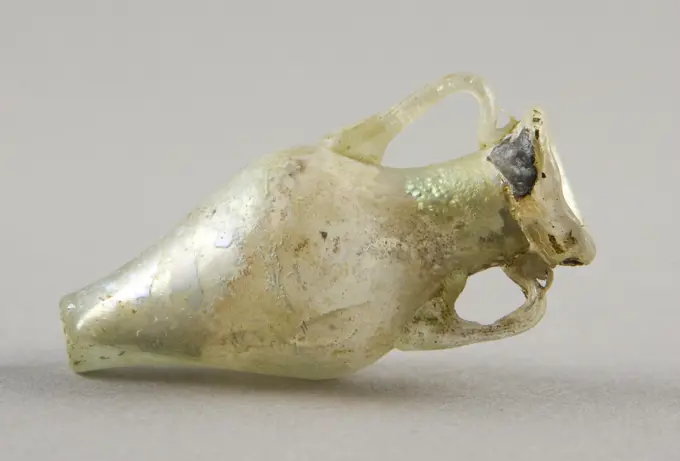
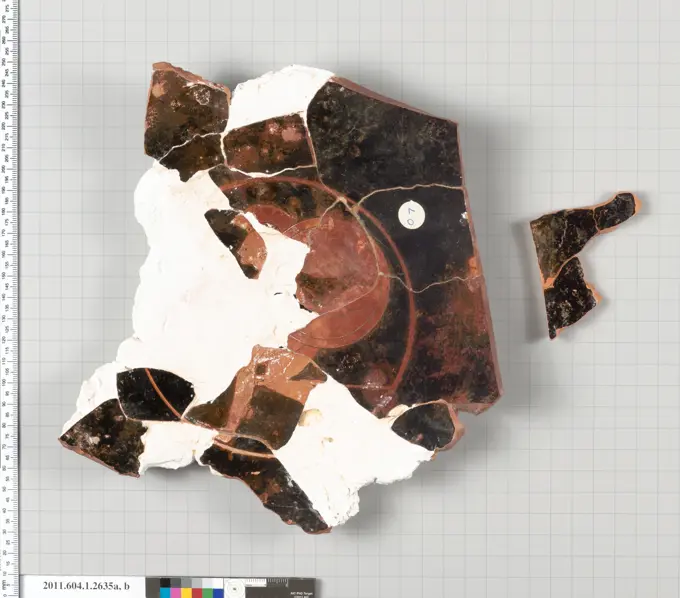
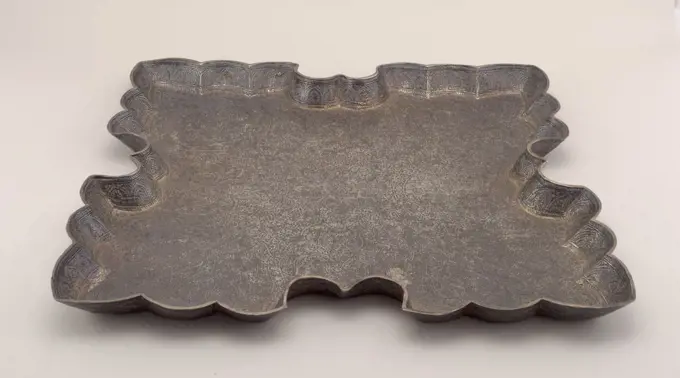
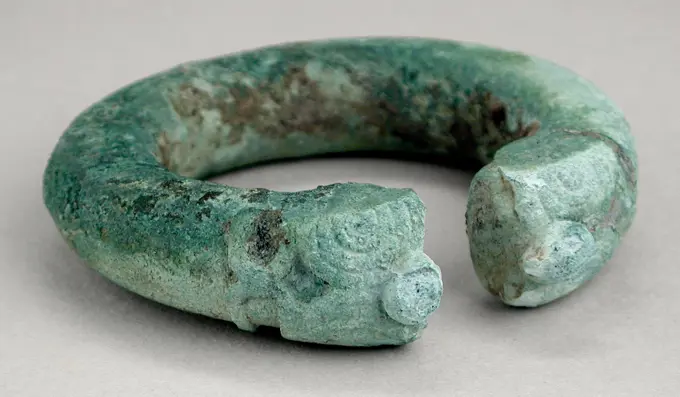
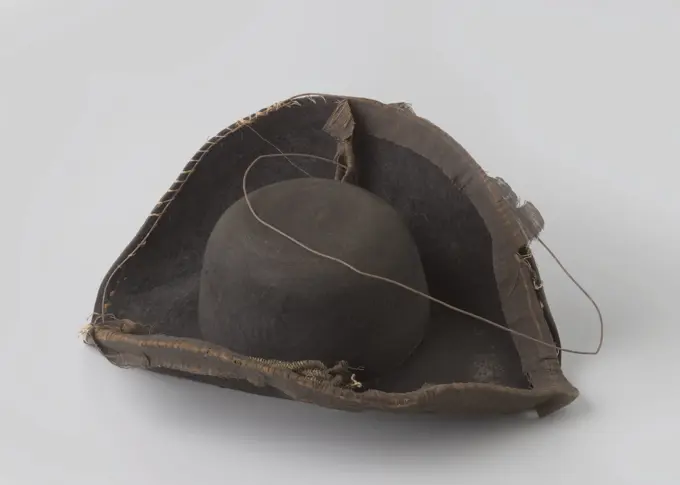
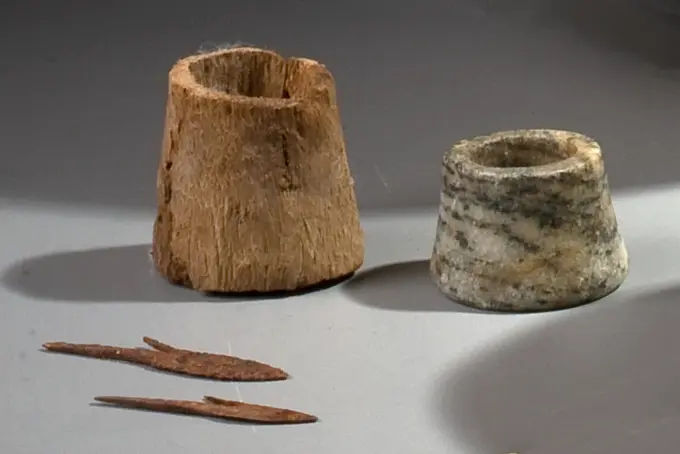
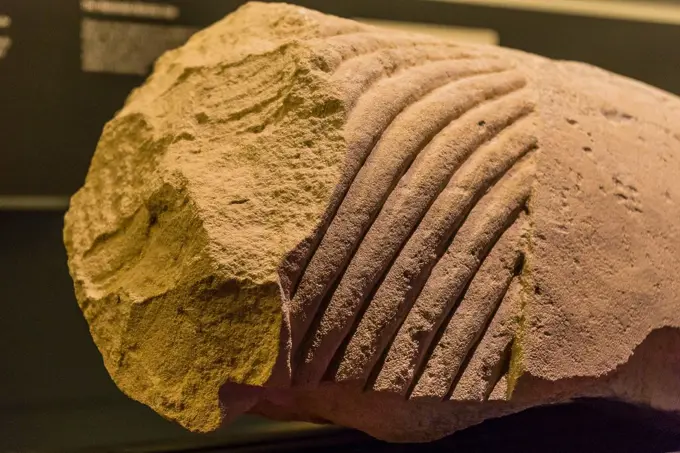
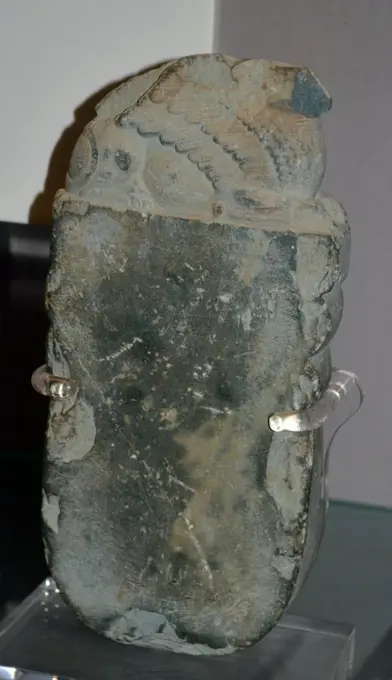
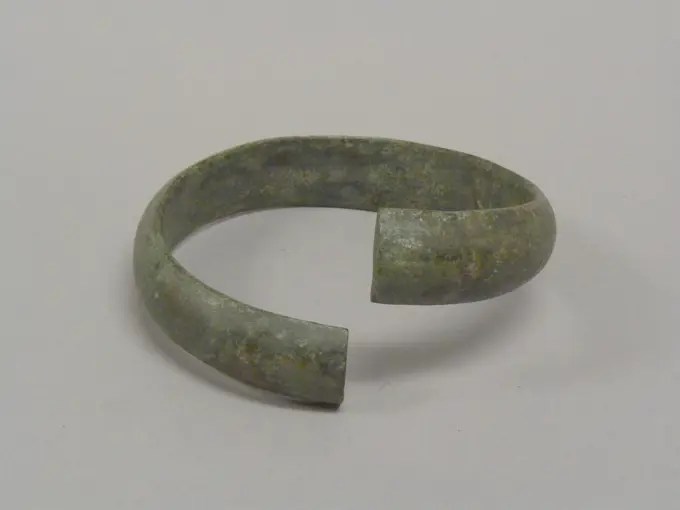
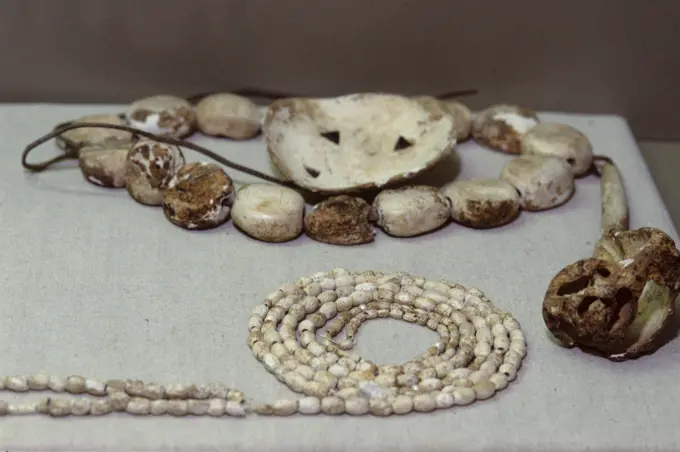
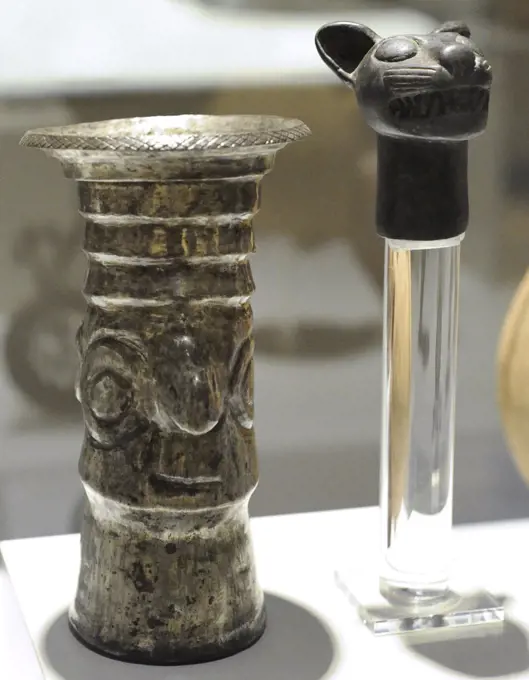
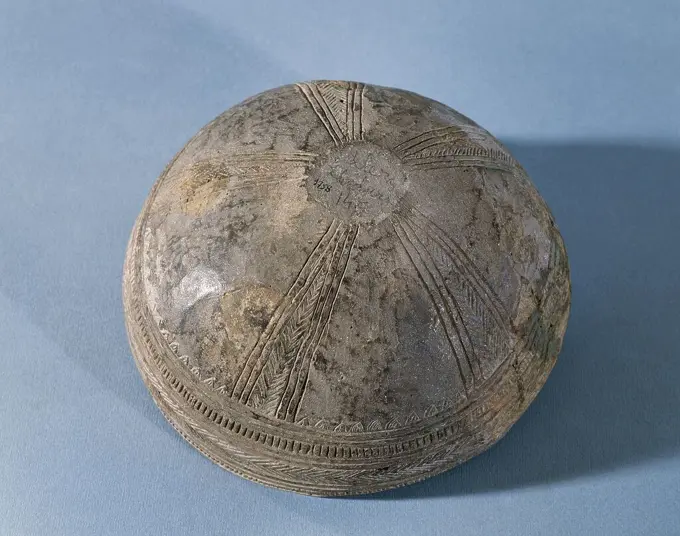
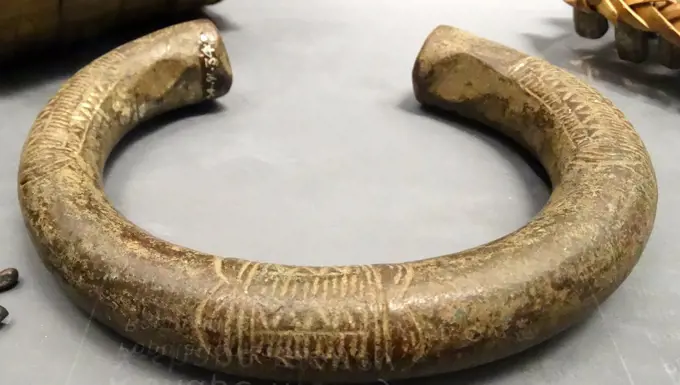
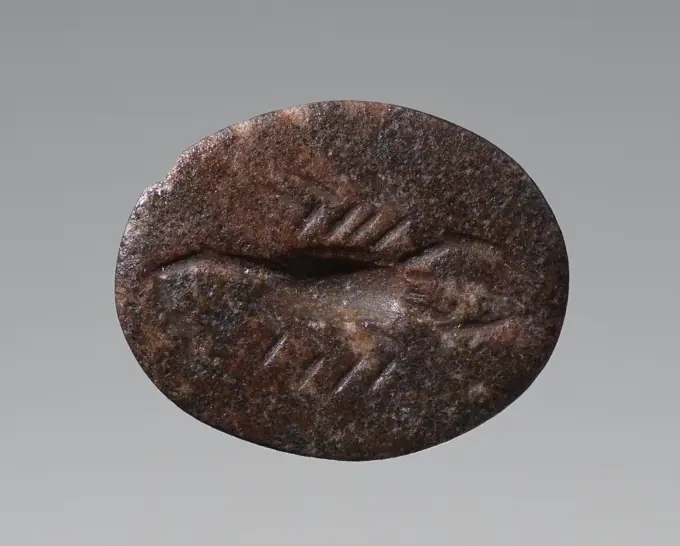
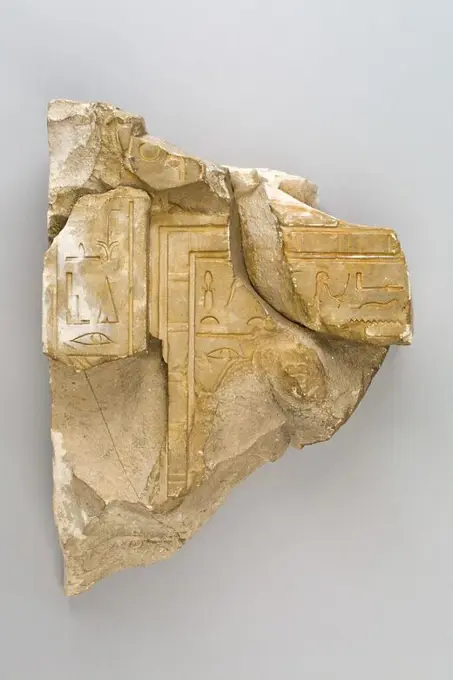
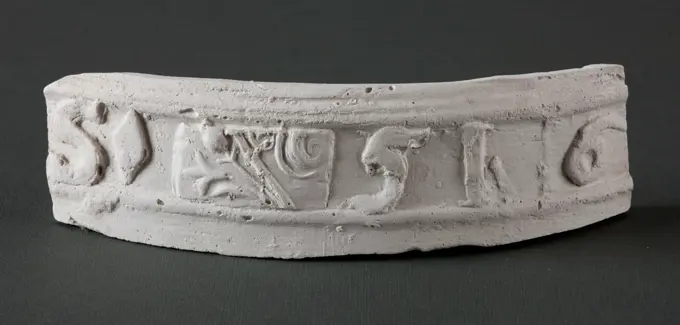
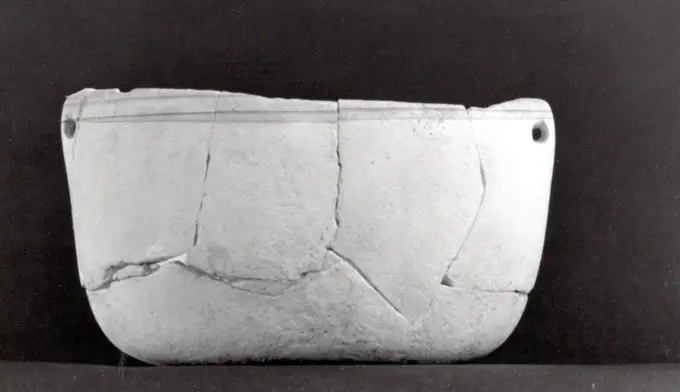
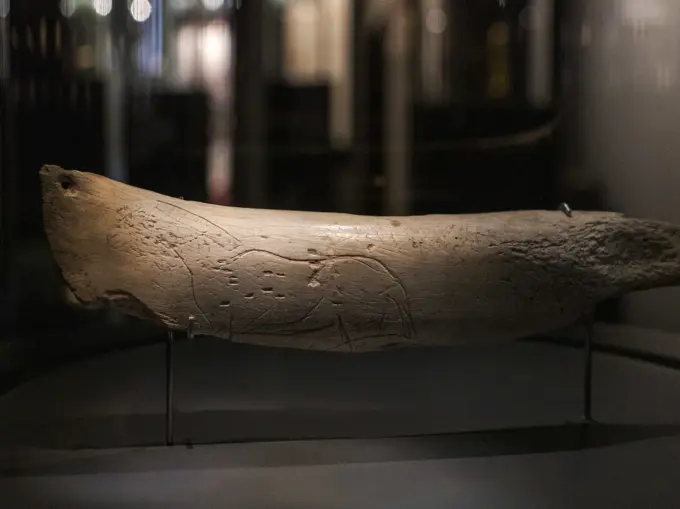
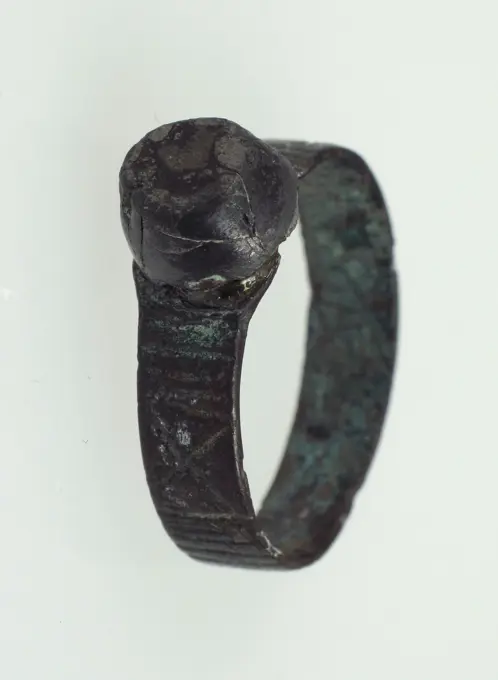
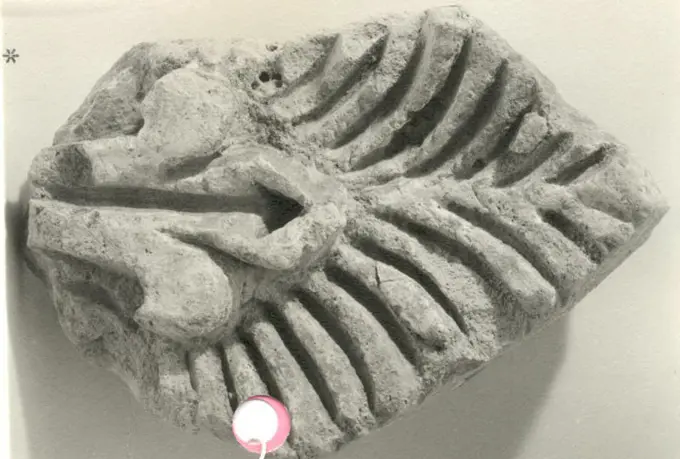
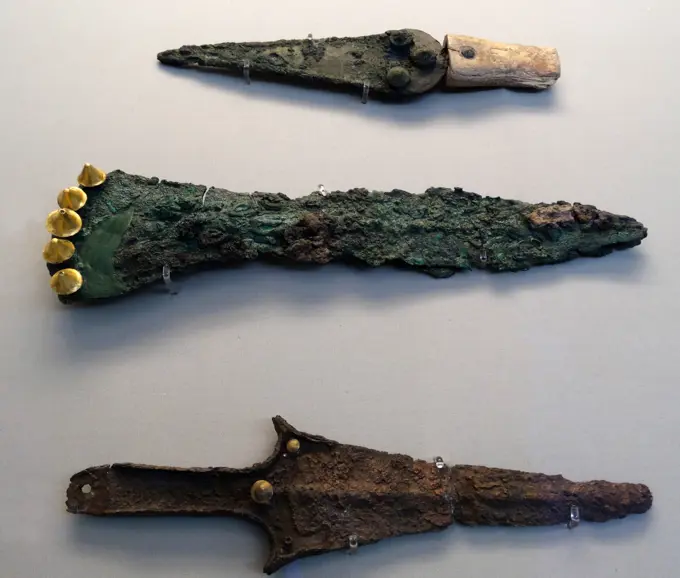
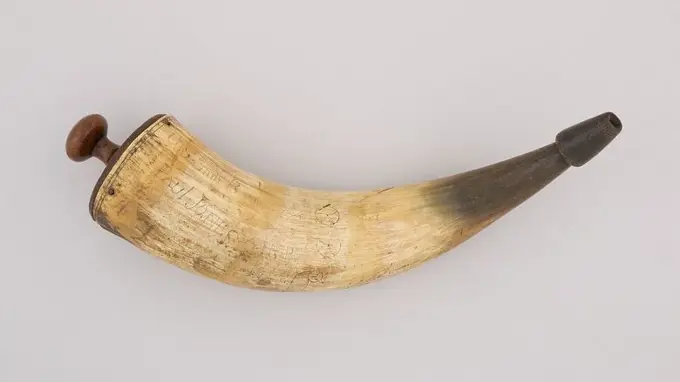
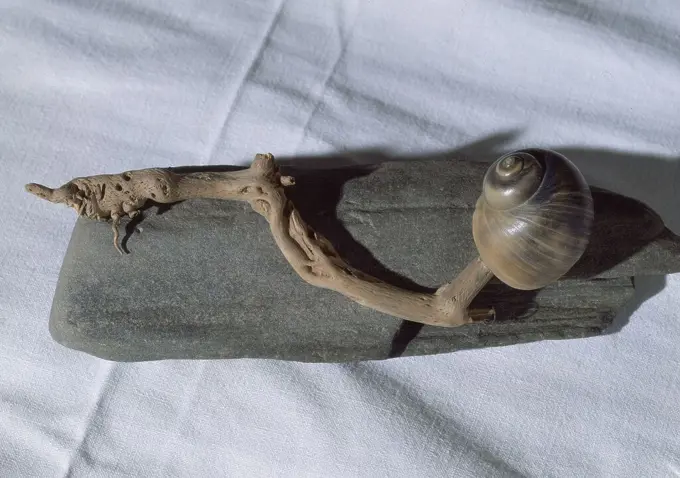
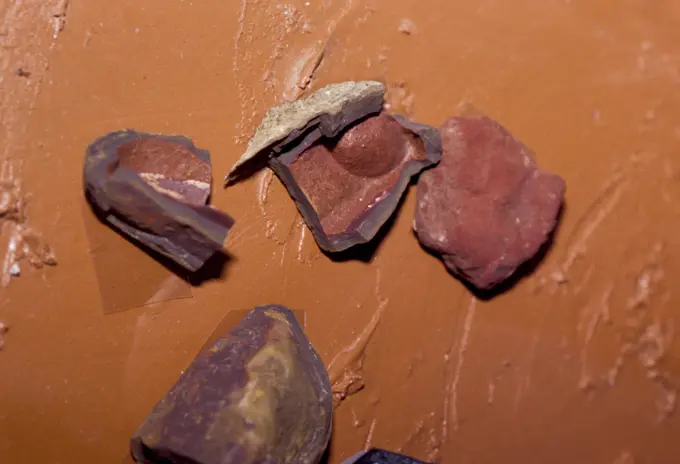
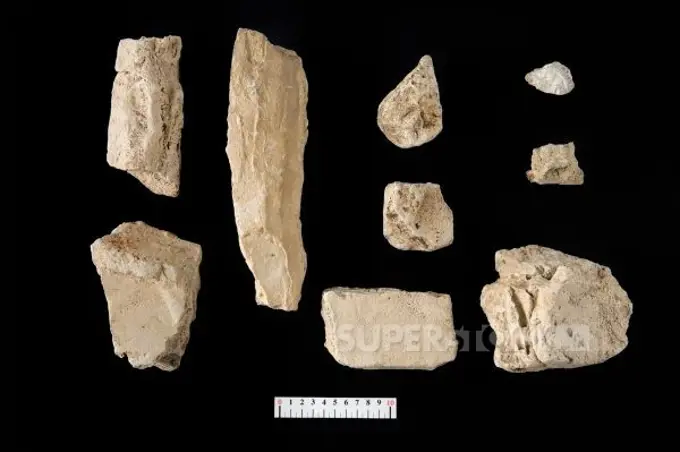
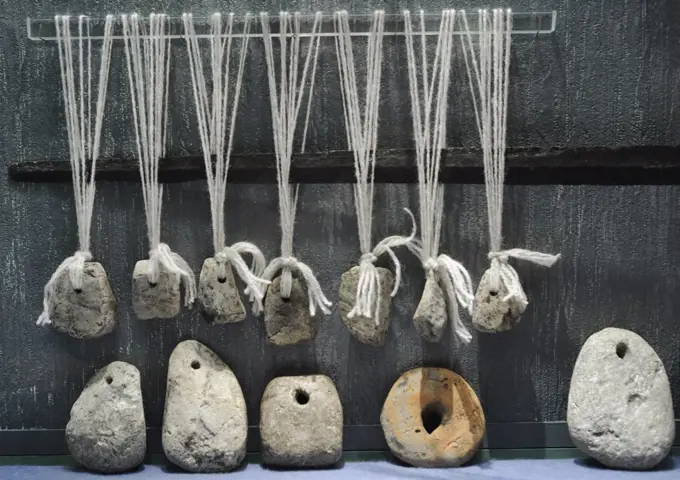
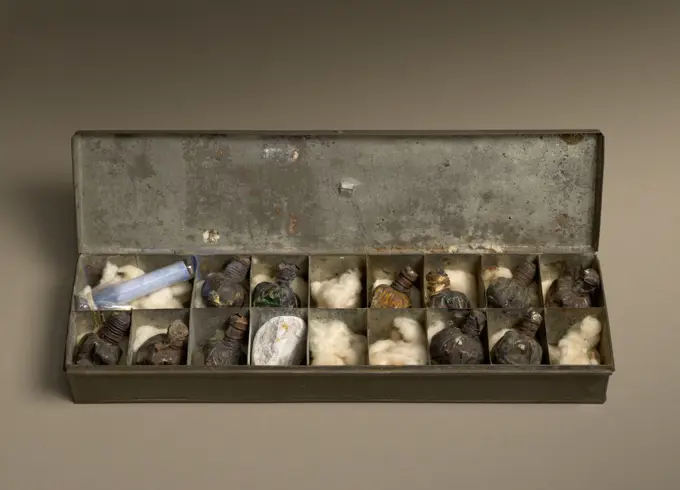
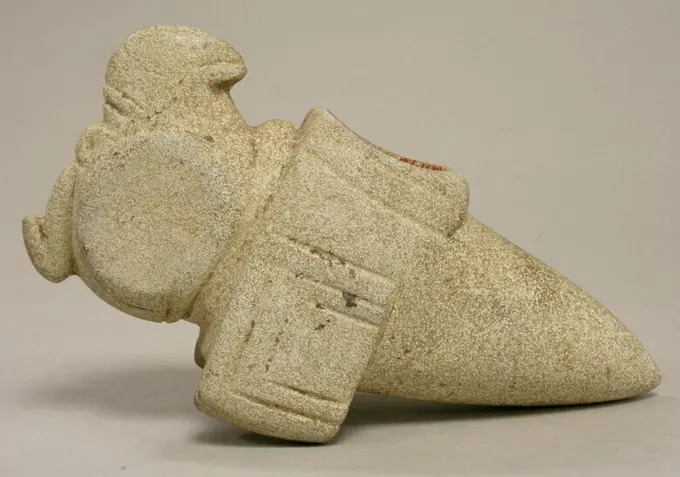
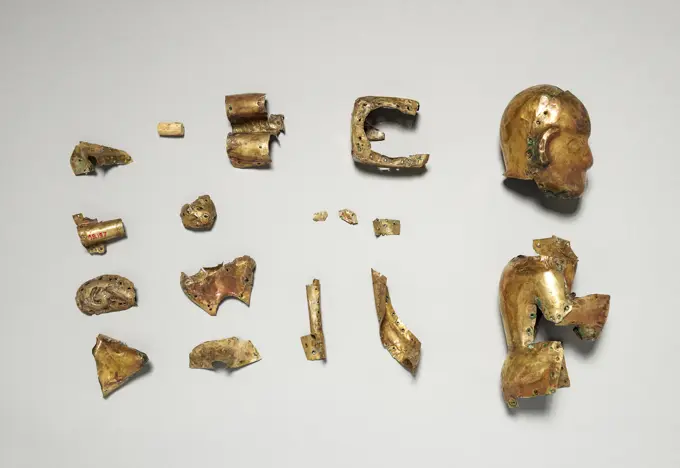
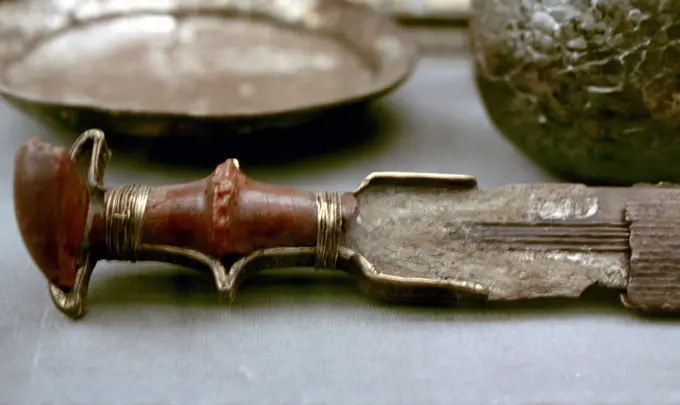
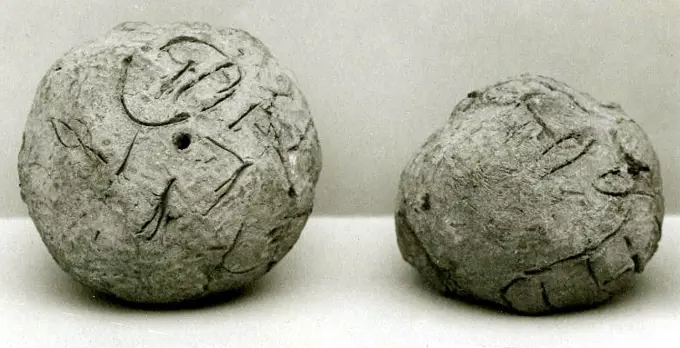
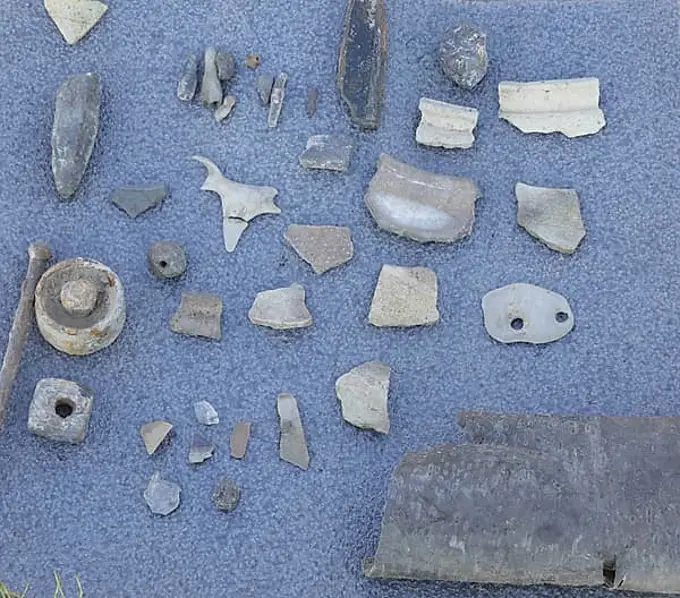
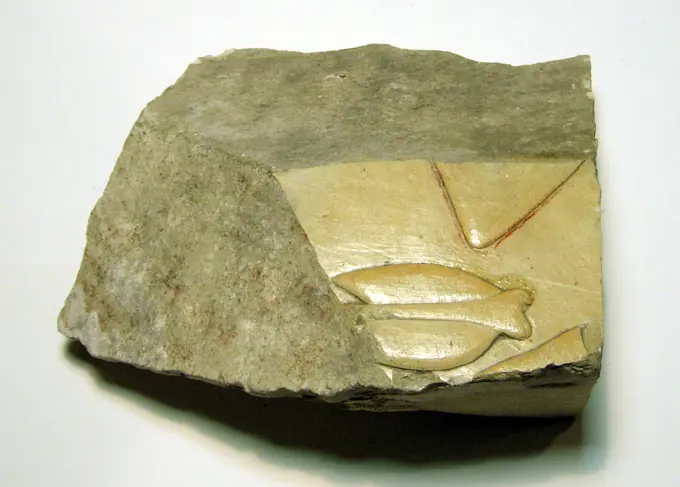
Raised relief fragment 664-610 B.C. Late Period, Saite see 23.3.468. Raised relief fragment. 664-610 B.C.. Limestone, varnish. Late Period, Saite. From Egypt, Upper Egypt, Thebes, Deir el-Bahri, Tomb of Nespekashuty (TT 312, MMA 509), 1st chamber E. wall; 3rd register, MMA excavations, 1922-23. Dynasty 26Fragment of a Bowl 14th-15th century. Fragment of a Bowl 445382ENVASE URNA FUNERARIA (PLOMO). Location: MUSEO DE CADIZ-ARQUEOLOGIA. Cadiz. SPAIN.Double-Sided Comb 7th century Frankish. Double-Sided Comb 465628 Frankish, Double-Sided Comb, 7th century, Bone, iron pins, Overall: 4 13/16 x 1 15/16 x 9/16 in. (12.3 x 5 x 1.5 cm). The Metropolitan Museum of Art, New York. Gift of J. Pierpont Morgan, 1917 (17.193.298)Ax cut in jasper. Neolithic period. North Africa. 15.2cm.Scarab: Two Seated Deities. Egyptian. Date: 1295 BC-1069 BC. Dimensions: 1 × 1.3 × 1 cm (3/4 × 1/2 × 3/8 in.). Stone. Origin: Egypt. Museum: The Chicago Art Institute, Chicago, USA. Author: Ancient Egyptian.Pendant: Ram's Head. UnknownPyroxene. minerals. North America; USA; New York; Jefferson County; OxbowCollection of sea urchins, which are small, spiny, globular animals from Morocco.Pediform ax blade (common name). Bronze. Cernuschi Museum, Asia Museum of Asia in the city of Paris.Fragment of pottery drink, unglazed, on small stand, pouring cup cup drinking utensils tableware holder foundations pottery earthenware, hand-turned baked Pottery drinkuyt pouring cup orange red shard unglazed small stand plate Rotary bends archeology indigenous pottery beer wine drinkMagic Wand ca. 1900-1640 B.C. Middle Kingdom. Magic Wand 54424718th Dynasty (Tutankhamun) ceramic fragments decorated with patterns circa 1350 BCChunks of concretion with fragments of bowls from the wreck of the East Indians Hollandia, 1700 - in or before 1743 concretionary stone. bowl Parts of artefacts; eroded fragments: materials; lumps, containing fragm of porcelain. Netherlands concretionary stone. porcelain   SecondDivine images in clay and stone. Goddess figurines from Sha'ar Hagolan made from clay and pigments and pebble figurines from Sha'ar Hagolan and Munhata made from limestone and basalt. From the Yarmukian culture over 8,000 years ago.Bronze funerary urn with coins, National History Museum, Hanoi, VietnamLeather mules, footwear with leather nose piece and wooden sole, shoe footwear clothing soil find leather wood, w 7.7 tanned cut Leather muzzle Half-round nosepiece. Wooden sole archeology Capelle aan den IJssel footwear walking Botteldvondst Capelle aan den IJssel.Amphoriskos (Container for Oil) 600 BCE-401 BCE Mediterranean Region. Initially affordable only among the wealthy, glass was used in ancient Rome to create tableware and containers for oils and perfume. The word amphoriskos, Greek for ìsmall amphora,î refers to this objectís shape, a miniature version of the two-handled vessels that contained oil or wine. In the ancient Mediterranean world, scented oils, usually olive oil based, were used rather than alcohol-based perfumes.. Glass . Ancient MediterraneanMould, Kaupang, Larvik k., Vestfold. 9th-10th century. Ingot (in a mould). Store Husum, Stokke k., Vestfold. 10th century. Leas weight and debris from lead casting. Kaupang, Larvik k., Vestfold. 9th century. Historical Museum. Oslo. Norway.Fragment of fired clay glazed brick. Circular motif in yellow (rosette) with blue background. 858-824 Bc. Nimrud, Iraq. British Museum. London. GBR.Terracotta fragments of a kylix (drinking cup) 520-500 B.C. Greek, Attic Interior, warrior with helmet and greaves, holding a shield in his left hand, and a spear in his right; part of an inscription, KALOS. Terracotta fragments of a kylix (drinking cup) 687013Fragment Double folded sheet metal from the wreck of the East Indies Hollandia, 1700 - in Or Before 1743  Parts of artefacts; eroded fragments: materials; copper. Netherlands copper (metal)   SecondTray, Silver, Four-lobed square form composed of flat base with slightly out-curved, raised scalloped rim; floor of tray and inner and outer rim decorated overall with conventionalized hammered floral motives., India, 1801-50, metalwork, Decorative Arts, TrayFragment of a Pin 10th century. Fragment of a Pin 449945Bliej Kultury unknownBracelet. Northeastern Thailand, Ban Chiang culture, 300 B.C.-A.D. 150. Jewelry and Adornments; bracelets. Copper alloyStick anonymous, c. 1800 - c. 1849 bicorne Black stitch with fragment of a silver cooked.  silk. iron (metal). ropeDisk pendants, found in Tel Mevorakh and Near East, from the late 16th-13th century.Sling stones, with modern sling From the main gate, Assyrian, about 700-692 BC From Nineveh,Double Body Lion unknownPierścień łuczniczy (zekier). unknown, craftsmanleon de la hacienda Botella, encontrado en la necropolis de la misma hacienda, museo arqueologico y de historia de Elche Alejandro Ramos Folqués, Elche, Alicante, comunidad Valenciana, Spain, Europe.Fragment, 1127-1279, H.2 -1/2 x W.2-1/8 in, glazed pottery, China, 12th-13th centuryShards of wine bottles from the wreck of the East Indians' t Vliegend Hart ,, 1700 - 1735  Shards of onion -shaped wine bottles of green glass that has been in red (port) wine. Calls with cork. Netherlands cork (bark).child burial in amphora, El Eucaliptal, Roman necropolis of fishermen (Punta Umbría, Huelva), Huelva Museum, Huelva, Andalusia, Spain.Winged Lion 800 B.C. Supposedly part of a board game. From the Shamash Temple. One from a Pair of Undecorated Torqued Anklets 1000 B.C.-A.D. 400 Thailand. One from a Pair of Undecorated Torqued Anklets 53308Stock Lance Knife. Dated: c. 1936. Dimensions: overall: 30.2 x 22.8 cm (11 7/8 x 9 in.). Medium: watercolor and graphite on paper. Museum: National Gallery of Art, Washington DC. Author: Henry Meyers.Quartz. minerals. Asia; Israel; Mt. Efrayimgoverning element and decoration of a horse cart, 4th-3rd century BC, Ategua (Cordoba), Iberian culture, Iberian Museum of Jaén, Andalusia, Spain.The Mississippian Culture made beads from shells that would be made into necklaces for adornment. 1000-1500 A.D. Etowah Indian Mounds State Historic Site, Cartersville GeorgiaCephalomorphic vessel. Culture Chimu. Silver Chimu beaker. Metal hammering. Late Intermediate period (1100-1400 AD). Peru. Feline head walking stick. Bronze. Chimu-Inca culture. Late Horizon (1400-1533 AD). Peru. Museum of the Americas. Madrid, Spain. Gilt bronze head of Sulis Minerva from a cult statue in the temple at the Roman baths. Circa 1st-4th century AD. Roman. Found in Somerset, England.Fragment of the carton;  indefinite (0-00-00-0-00-00);cinerary urns, Castellones de Ceal, Hinojares, Iberian culture, Archeological Museum. Úbeda, Jaén province, Andalusia, Spain.Prehistory. Eneolithic. Vessel. Megalithic cist of Llera, Lladurs, Solsones, Lleida, Spain. Diocesan and Regional Museum of Solsona. Catalonia, Spain.Ink palette 19th century China. Ink palette. China. 19th century. Jade (nephrite), silver (case). Qing dynasty (1644-1911). JadeLeg bracelet carved with symbols. From Gabon. Made from copper alloy.Fragment of a Bowl 9th century. Fragment of a Bowl 451123Engraved Gem. Unknownmedieval architectural fragment medieval architectural fragment, old church of Santo Tomas, Archeological Museum. Úbeda, Jaén province, Andalusia, Spain Copyright: xZoonar.com/BartomeuxBalaguerxRotgerx 21702704Bracelet fragments. Culture: Cypriot. Dimensions: Other (A): 15/16 x 1/8 x 1 3/8 in. (2.4 x 0.3 x 3.4 cm)Other (B): 15/16 x 1/8 x 2 1/4 in. (2.4 x 0.3 x 5.8 cm)Other (C.): 1 x 1/8 x 1 in. (2.6 x 0.3 x 2.5 cm)Other (D.): 15/16 x 1/8 x 1 7/16 in. (2.4 x 0.3 x 3.6 cm). Museum: Metropolitan Museum of Art, New York, USA.Attic Red-Figure Cup Fragment. UnknownRound Plaque 3rd century B.C.-A.D. 2nd century Vicús. Round Plaque 315573Fragments from the Stela of the Chief Steward Henenu. Dimensions: H. 37.5 cm (14 3/4 in.); W. 27 cm (10 5/8 in.); D. 9.3 cm (3 11/16 in.). Dynasty: Dynasty 11. Reign: reign of Mentuhotep II, late. Date: ca. 2030-2000 B.C.. Museum: Metropolitan Museum of Art, New York, USA.Tile. Africa, Morocco, last quarter of 16th century (). Ceramics. Earthenware, glazedNose Ornament 1st-3rd century Moche. Nose Ornament 317810Emilia-Romagna Ferrara Ferrara Museo Civico di Schifanoia46. Hutzel, Max 1960-1990 General Notes: INCOMPLETE RECORD--NEGATIVES PROCESSED, PRINTS FILED German-born photographer and scholar Max Hutzel (1911-1988) photographed in Italy from the early 1960s until his death. The result of this project, referred to by Hutzel as Foto Arte Minore, is thorough documentation of art historical development in Italy up to the 18th century, including objects of the Etruscans and the Romans, as well as early Medieval, Romanesque, Gothic, Renaissance and Baroque monuments. Images are organized by geographic region in Italy, then by province, city, site complex and monument.Bell (fragm dates: p. 516)  parish church Saint. Jakub St., Powroźniki near KrynicaHalf of a Food Case Containing a Preserved Goose ca. 1550-1479 B.C. New Kingdom. Half of a Food Case Containing a Preserved Goose 555905Trees cut into thin piecesBronze toes and instep of an over-lifesized right foot 1st or 2nd century A.D. Roman A hollow cast including toes and instep.. Bronze toes and instep of an over-lifesized right foot. Roman. 1st or 2nd century A.D.. Bronze. Imperial. BronzesScarab Amun-Ra and Hieroglyphs 1550 BCE-1069 BCE Egypt. Faience, gold . Ancient EgyptianPoland. Prehistory. Iron Age. From left to right: grain from Pruszcz Gdanski; iron axe from Zukczyn; whetstones from Rozyn and copy of two iron sickles. Archaeological Museum. Gdansk. Poland.Bowl ca. late 8th millennium B.C.. Bowl 327122bone compressor engraved with horse, upper Magdalenian, San Pantaleón cave, Escobedo, Museum of prehistory and archeology (MUPAC), Santander, Cantabria, SpainIndian arrowhead from Georgia and North & South Carolina , Archaeological assemblages, Charles F. Walcott Archaleogical CollectionFinger Ring 7th century Frankish. Finger Ring 465292 Frankish, Finger Ring, 7th century, Silvered Bronze, Overall: 7/8 x 13/16 x 5/16 in. (2.3 x 2 x 0.8 cm) bezel: 5/16 x 3/16 in. (0.8 x 0.5 cm). The Metropolitan Museum of Art, New York. Gift of J. Pierpont Morgan, 1917 (17.192.225)Relief fragment ca. 6th-8th century A.D. Sasanian or Islamic. Relief fragment 322699Prehistory, Italy, Bronze Age. Terracotta spindle whorls. From Toscanella Imolese, province of Bologna.Neolithischer Kern von Siles Neolithischer Kern von Siles Copyright: xZoonar.com/BartomeuxBalaguerxRotgerx 22556806domestic idols, Alto de la Cruz, Cortes, first iron age, Museum of Navarra, Pamplona, Navarra,Spain.Fresco Fragment. UnknownNecklace of stone beads 10th-early 16th century Guerrero. Necklace of stone beads 307731Dagger made from bronze with gilded attributes, from Circle A, a 16th-century BC royal cemetery, of the Bronze Age citadel of Mycenae in southern Greece. Characteristic of the early phase of the Mycenaean civilizationEccentric Flint. Belize, Guatemala, Honduras, or Mexico, Maya, 600-900 CE. Stone. ChertItalic Lamp Fragment. UnknownItalic Lamp Fragment. UnknownItalic Lamp Fragment. UnknownPowder Horn. Culture: Colonial American. Dimensions: L. 13 in. (33 cm); Diam. 3 1/2 in. (8.9 cm); Wt. 9.9 oz. (280.7 g). Date: 1776. Museum: Metropolitan Museum of Art, New York, USA.EXTRAÑO CARACOL - ESCULTURA EN MADERA. Author: ANGEL FERRANT (1890-1961). Location: PRIVATE COLLECTION. MADRID. SPAIN.Silver bars from the wreck of the East Indies Slot ter Hooghe, Anonymous, c. 1650 - Before 1724  Silver Staves Slot ter Hooghe, 9 silver bars from the Schip Ter Hooghe. Netherlands silver (metal) casting  MadeiraStone or bronze relics. 1898, Middle East, Israel and/or PalestineItaly, Emilia Romagna region, Terramare di Monte Venera, Spear pointsRed ochre paints, an earth clay mixed containing ferric oxide, in natural paintpots were used for spiritual purposes and face paint by many Native American tribes.Fragments of Romanesque decorative stuccoes, after restoration, recto, basilica of Santa Maria Maggiore, Lomello, Lombardy. Italy, 11th century.Spijkers from the wreck of the East Indies Hollandia, 1700 - in Or Before 1743  Barrel of nails; concreted: nails packed in star shaped pattern, varying sizes: suqare tapering pouinted shafts, four-faceted heads. Netherlands iron (metal)Scandinavia. Loom weights. Kaupang, Larvik k., Vestfold. 9th-10th century. Loom weights. Ostensjo, Oslo. Uncertain. Historial Museum. Oslo. Norway.John Constable, Paint Box, tin box with hinged lid, and seventeen compartments containing oil paints and varnishes.Mace Head, Bird. Culture: Atlantic Watershed. Dimensions: L. 5 15/16 in. (15.2 cm). Date: 5th-12th century. Museum: Metropolitan Museum of Art, New York, USA.Monkey Finial, c. 800-1470. Peru, North Coast, Sicán or Chimú, 9th-15th Century. Hammered and embossed gold alloy; overall: 36.9 cm (14 1/2 in.). This three-dimensional sculpture constructed of sheet gold may have served as the finial for a staff or baton. It represents a monkey holding a fruit.Etruscan gold handled sword 4-5th century BC. The Etruscan Museum of Villa Giulia, Rome.Ball ca. 2649-2465 B.C. Old Kingdom. Ball. ca. 2649-2465 B.C.. Clay or mud. Old Kingdom. From Egypt, Northern Upper Egypt, Reqaqna, Tomb R50, in hole bored in top of mastaba wall, Garstang excavations 1901-1902. Dynasty 3-4Greek Art. Archaeological remains of terracotta from different buildings of the sanctuary of Olympia. Archaeological Museum of Olympia. Greece.Bowl in the Shape of a Frog 5th-3rd century B.C. Paracas. Bowl in the Shape of a Frog 308589Archaeological method of raising artefacts. On Volkhov River bank, Novgorod artifacts found: flakes, vessel shards 12th-17th., fishing sinkers, terra cotta, cow shale figurine, metalwork of 20th centMorocco, Marrakech, Leather goods, animal skins,Fragment blowjob heads and pipe stems from the wreck of the East Indians Hollandia, Anonymous, 1700 - in Or Before 1743  Pipe, bowl, heelmark: crowned 57; no hsm, 1hsm1, 2hsm1,2. Netherlands pipe clay   SecondPrehistory, Italy, Eneolithic. Axes. From the necropolis of the Cumarola, province of Modena.Love icon and Valentine’s day wording on torn paper