Archaeological Fragments

A diverse array of ancient artifacts including mosaic tiles, fragments of pottery, and metal objects, representing historical and archaeological significance.

Fragment earthenware bowl with yellow surface, purple cross shape with green accents, bowl crockery holder soil find ceramic earthenware glaze lead glaze, hand turned decorated glazed fried Deep pottery bowl on stand. Bowl shaped mirror and sloping sidewall Outstanding and flat bowl edge. Gray shard internally glazed Decorated with cross pattern in manganese purple blurred leaf motif in the cross segments and green circles in the middle and along the edge Pottery discolored by heating soot spores on the bottom archeology food preparation serve serve
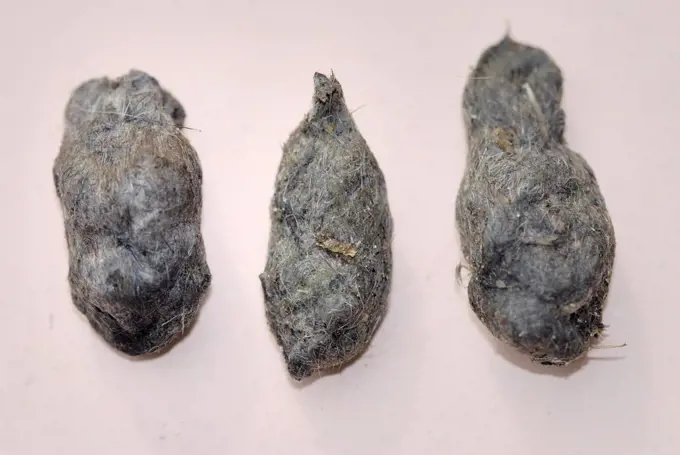
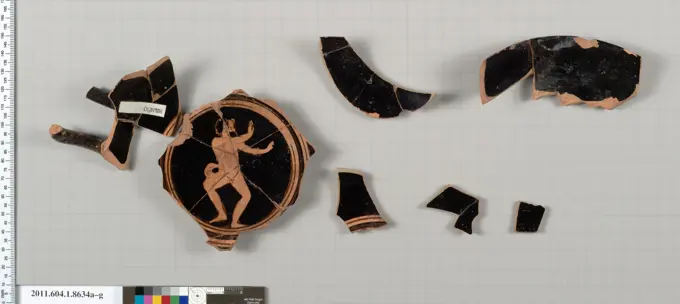
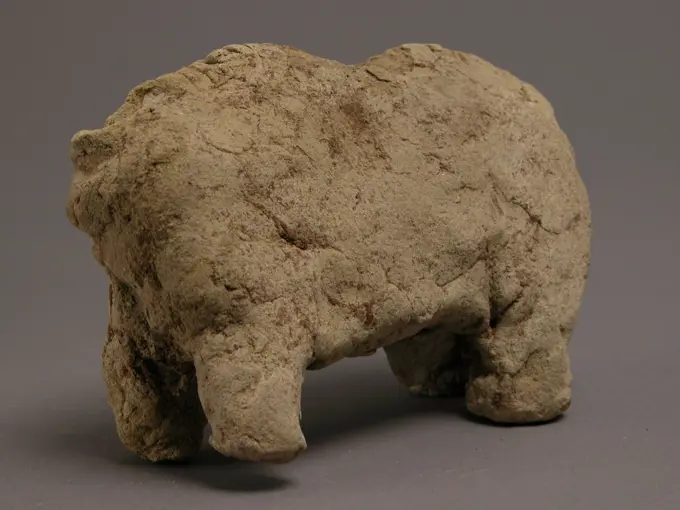
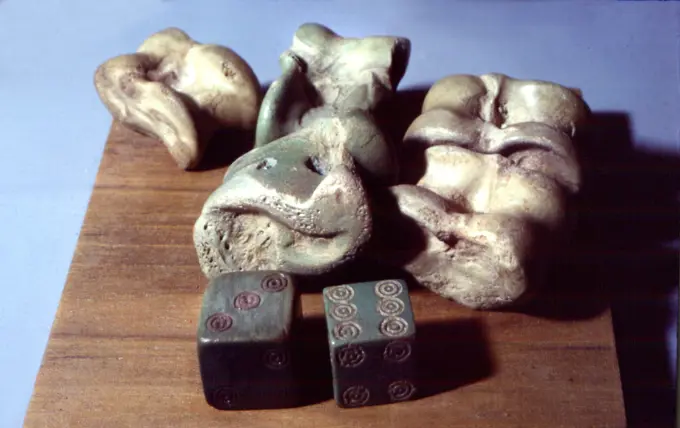
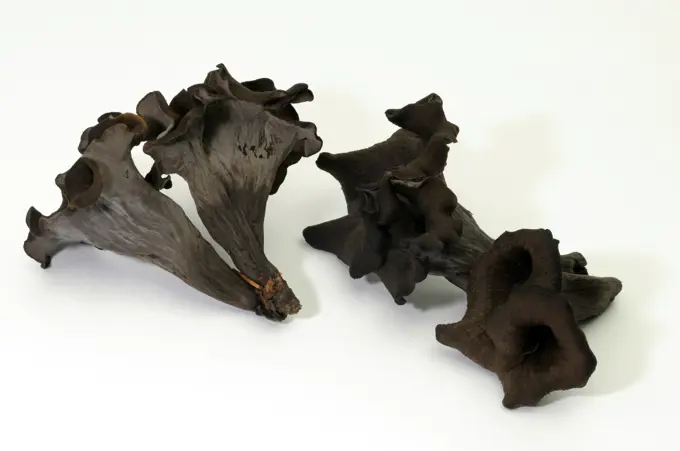
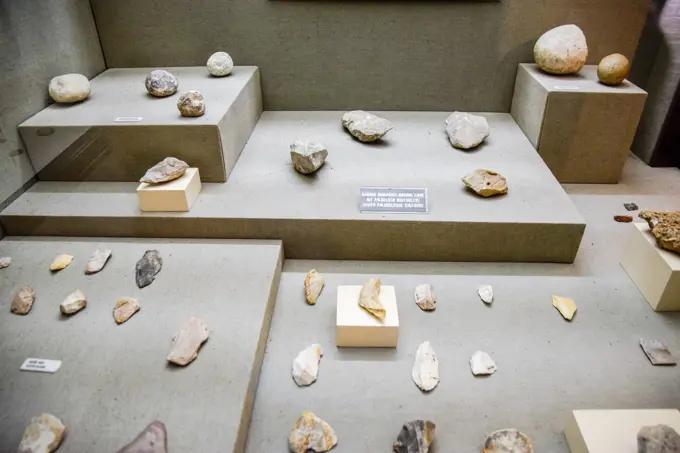
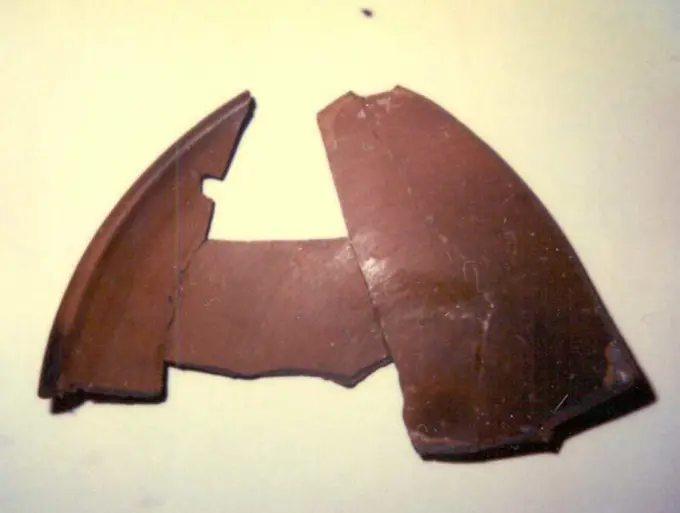
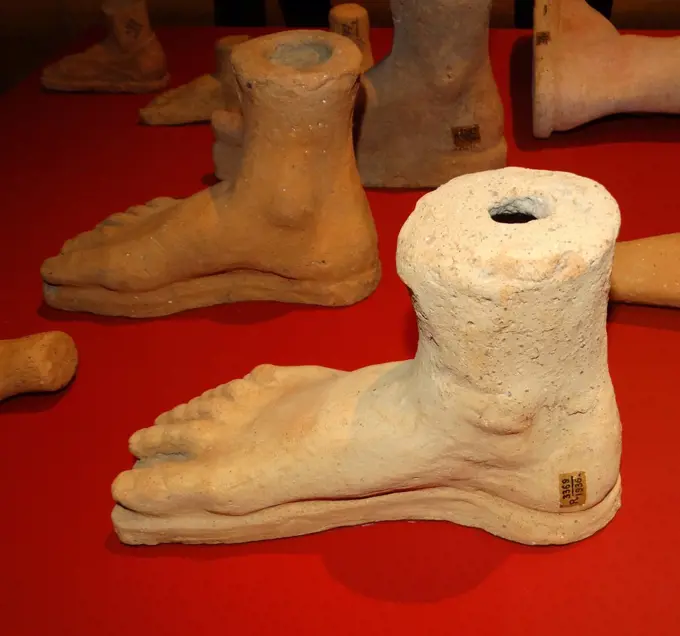
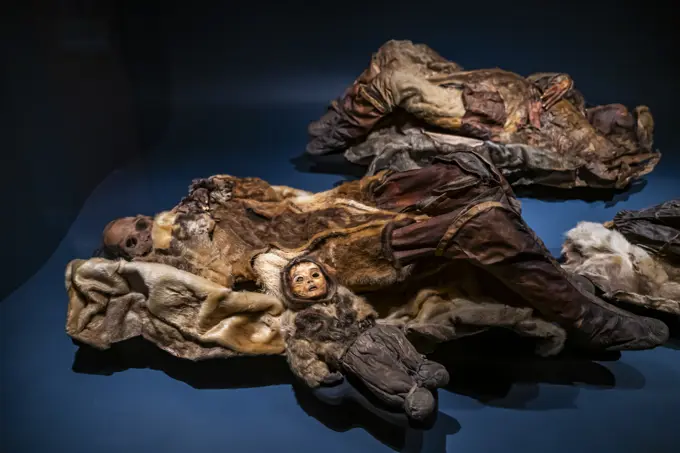
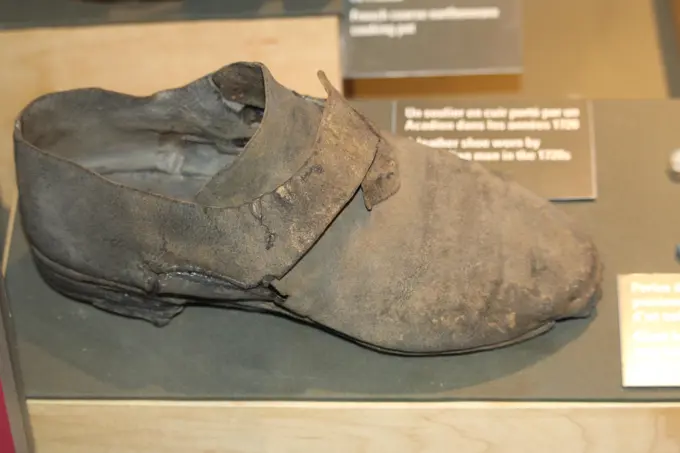
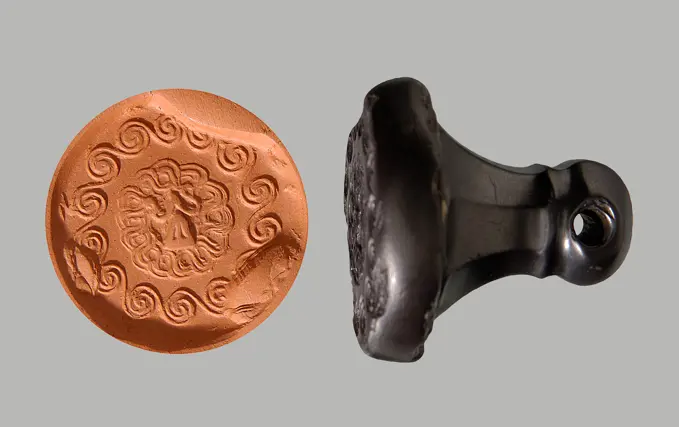
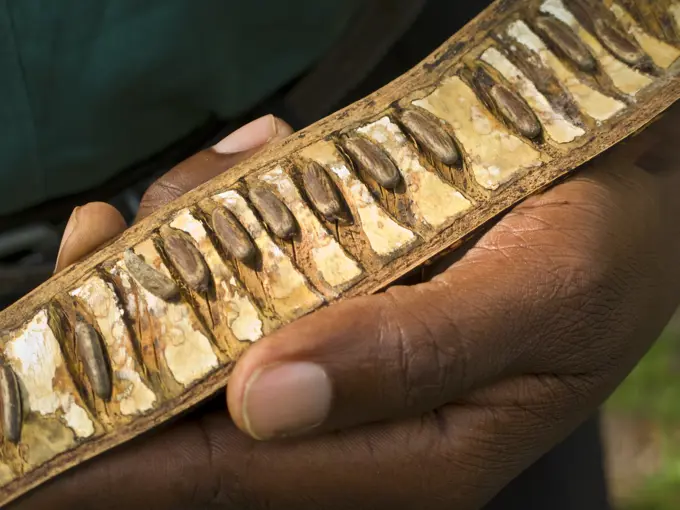
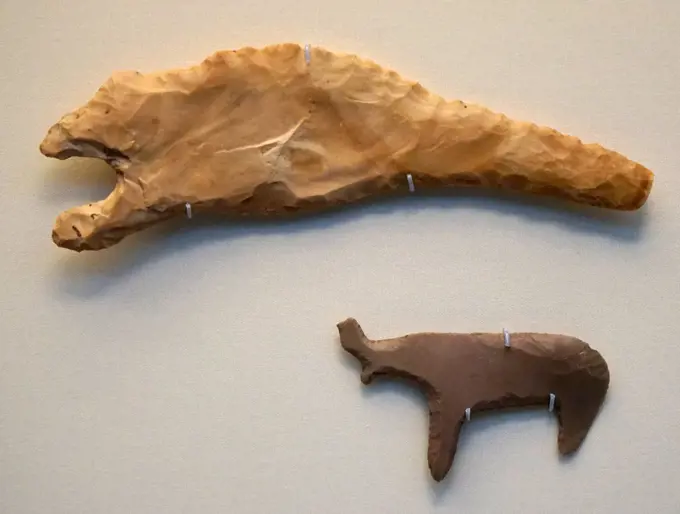
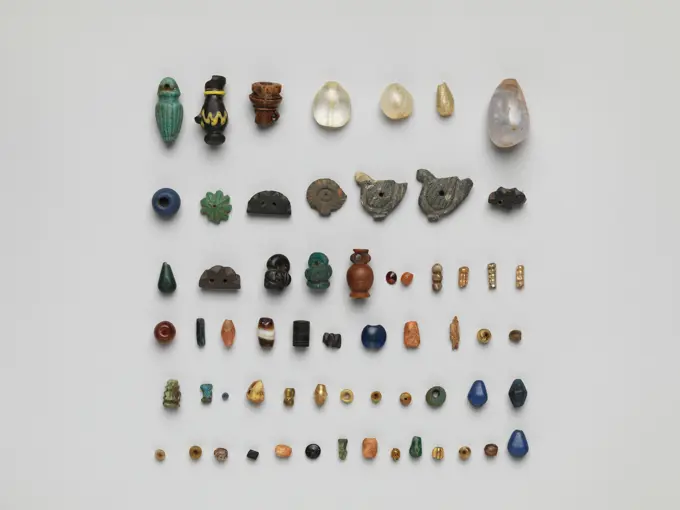
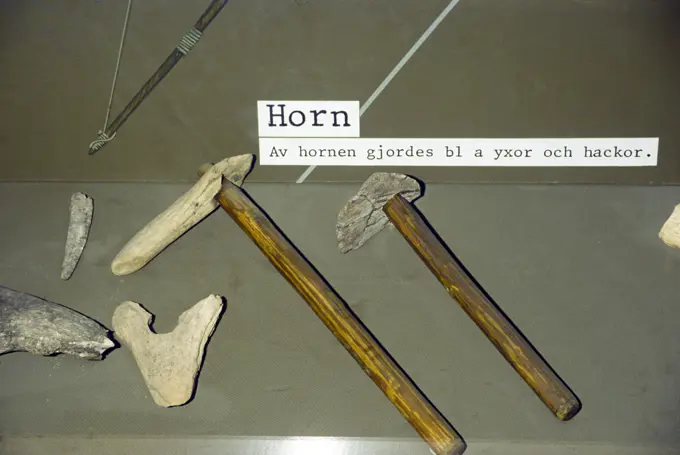
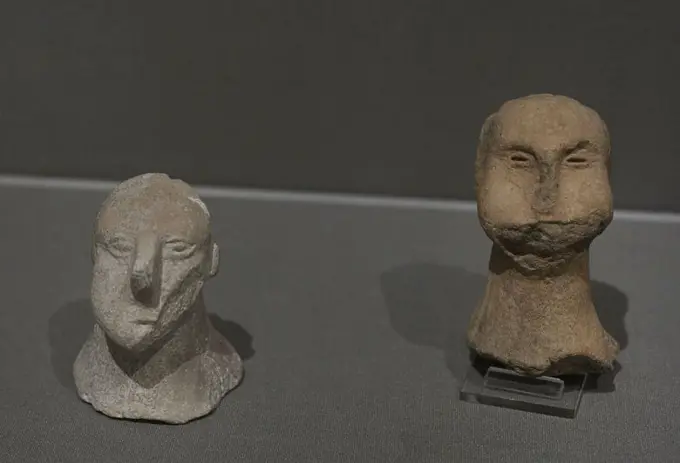
Neolithic Period. Temple Period (3600 to 2500 BC). Malta. Clay and stone heads that either broke off from their sculptures or were made with peg-like necks to fit into acephalous statues. From Tarxien. National Museum of Archaeology. Valletta. Malta.Anubis god of the underworld; Egyptian made from wood late Amarna period; 18th Dynasty circa 1334 BCGlass Fragments 4th-early 5th century Coptic. Glass Fragments 477120Pelota of rejection of Kestrel falcon Ile de FranceTerracotta fragments of a stemless kylix (drinking cup) 460-450 B.C. Greek, Attic Interior, satyr with his arms extended; Exterior, profiled ring foot; the underside of the foot is reserved; the inner wall of the foot is glazed; the underside of the floor is decorated in concentric circles; the outer edge is in reserve, followed by a band of black glaze, and another band of reserve; a thin band of black glaze borders the center circle which is reserved; the inner black glaze band is concave and bordered at the inside by a chamfered edge; in the center is a reserve circle that has a smaller black circle inside of it; in the center is an even smaller circle with a dot in the middle; there are six other fragments: a large black glaze rim fragment has part of the left handle root on the exterior; a second rim fragment has black glaze on the interior and exterior; a third fragment has a bit of the tondo border on the interior and on the exterior, part of the handle; a fourth fragment has paFragment European or Middle Eastern ca. 1150-ca. 1250 View more. Fragment. European or Middle Eastern. ca. 1150-ca. 1250. Glass, ceramic. Glass-VesselsFragment European or Middle Eastern ca. 1150-ca. 1250 View more. Fragment. European or Middle Eastern. ca. 1150-ca. 1250. Glass, ceramic. Glass-VesselsFragment of an Animal 4th-7th century Coptic. Fragment of an Animal. Coptic. 4th-7th century. Earthenware. Made in Kharga Oasis, Byzantine Egypt. CeramicsQuartz. minerals. Africa; Egypt; DenderahKnuckle bones and dice game. GREECE.Large American dressing model ("Large First Aid Dressing US Army, Carlisle Model Sterilized"). Cardboard, 1941-1945. General Leclerc Museum of Hauteclocque and the Liberation of Paris, Jean Moulin Museum.DEU, 2008: Horn of Plenty (Craterellus cornucopioides), mushrooms, studio picture.IDOLO GINEMORFO DE BRONCE MEDITERRANEO. Location: MUSEO ARQUEOLOGICO-COLECCION. Oviedo. ASTURIAS. SPAIN.Wooden Spoon and Fork. Dated: c. 1939. Dimensions: overall: 24.7 x 35.7 cm (9 3/4 x 14 1/16 in.). Medium: watercolor, graphite, and colored pencil on paperboard. Museum: National Gallery of Art, Washington DC. Author: John Cutting.Necklace probably 19th century African (Pokot peoples) This collection of largely ethnographic jewelry includes examples from cultures in South America, North America, Europe, Asia, and Africa and dates from the Pre-Columbian period to the twentieth century. Owned by renowned art collector and fashion enthusiast Muriel Kallis Newman, the collection represents her knowledge and appreciation of a wide range of jewelry design and making traditions. Numerous items in her collection are composite artifacts made from various cultures and time periods reappropriated as modern jewelry creations by or for Muriel. It is important to note that Newman wore many of the pieces in the collection, interpreting them to suit and express her own singular, often avant-garde style.. Necklace 141551Exhibits of Antalya Museum of Antiquities, stone tools and knives with scrapers. Antalya, Turkey - May 20, 2019: stone tools and knives with scrapers. Exhibits of the Antalya Museum of Antiquities, stone scrapers and knives and pottery. Copyright: xZoonar.com/LeonidxEremeychukx 14003164Bowl ca. 1st century B.C.-1st century A.D. Parthian These sherds were once part of a shallow bowl with a concave base. They are made of reddish-brown clay which has been burnish, and wheel marks indicate the bowl was made on a potters wheel. They were excavated at Tepe Nush-i Jan, an Iron Age hilltop site about 60 km sound of Hamadan in western Iran. Nush-i Jan is generally associated with the Medes, an Iranian people known from Assyrian, Achaemenid and Biblical sources. However, the site was evidently reoccupied in the Parthian period, probably between the 1st century B.C. and the 1st century A.D., to period to which this bowl dates. It is a distinctive type of Parthian pottery, known from other sites in Mesopotamia and iran, to which archaeologists have given the charming name of ‘cinnamon ware.. Bowl 326000Terracotta votive offering. From an Etruscan or Etrusco-Campanian selection once featured in Henry Welcome's museum. 4th-2nd Century BC.Reed balls used for children's games, New Kingdom or later 1500-300 BC.Fragment of Manueline style column, 16th century. Unknown provenance. Carmo Archaeological Museum. Lisbon, Portugal.Terracotta fragments of a kylix (drinking cup) late 6th century B.C. Greek, Attic Interior, youth holding basket and sprigs, psykter in field. Terracotta fragments of a kylix (drinking cup) 667510Empty wooden cutting board with copy space with gingerbread cookies and Christmas decor Empty wooden cutting board with copy space with gingerbread cookies and Christmas decor on dark texture background Copyright: xZoonar.com/TetianaxChernykovax 22210797Tomb of rabbi Daniel Farhi, Bagneux, FranceGreenland National Museum, Nuuk, capital of Greenland, Denmark, Polar RegionsArtifact of an Acadian shoe / Artefact d'un soulier AcadienQuartz for arrows , Archaeological assemblages, Charles F. Walcott Archaleogical CollectionThe Wichita Indians used tools made from animal bones and a variety of stones such as this bone scapula hoe, a flake tool made from obsidian and a stone knife.South Georgia Island. Grytviken whaling station. South Georgia Museum (aka Whaling Museum) est. 1992.Bake  stamp; Unknown Oldhetetic workshop; XVII-XIV century BC ; Oldhethical period (-1700-00-00--1301-00-00);Czartoryska, Maria Ludwika (1883-1958), Czartoryska, Maria Ludwika (1883-1958)-collection, Działyńska, Izabela (1830-1899), Działyńska, Izabela Elżbieta née Czartoryski (1830-1899)-collection, Hittites, Karahöyük, seal Oldhetetic, stamp seals, braids, message (provenance), Hittite artfishing and whaling artifacts in the Herschel Island museum off the Mackenzie River delta Yukon Territory CanadaChocolate Christmas Trees. Brown chocolate. BulgariaA seed pod of a Mother in law's tongue (Leucaena leucocephala); JamaicaHelmet from Novilara, Marche, Italy. Piceno Civilization, 7th Century BC.Pair of flint animals from the Osiris Temple in the ancient city of Abydos. Dated 30th Century BCDried apples on a white backgroundBeads and Amulets 4th century Coptic. Beads and Amulets 477770Bones found at the site of the Sustainability Base N-232. Later determined to be from a domestic animal, possibly a donkey or horse.Europe, Sweden. Stone Age axes with new wooden shafts.