Archaeological Fragments

Various fragments from European or Middle Eastern origins, dated from the 8th to 13th centuries, illustrating historical artifacts in natural tones.
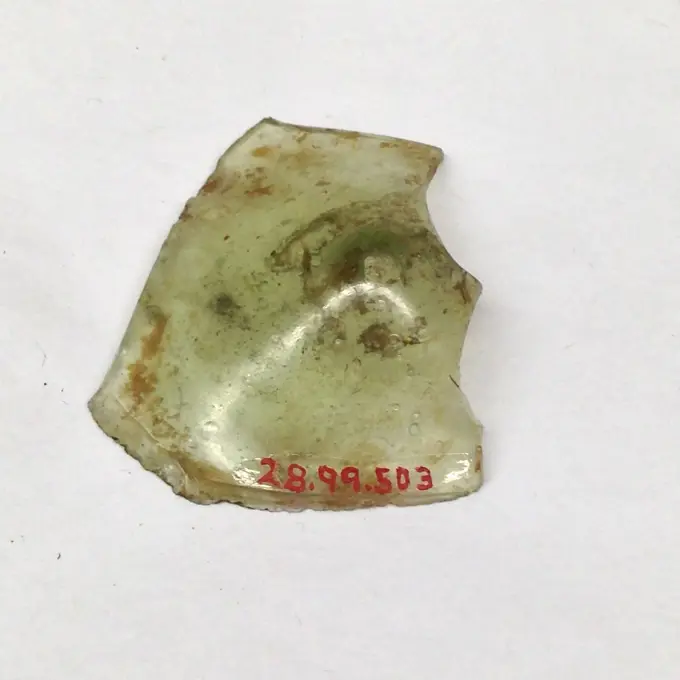
Fragment ca. 1150-ca. 1250 European or Middle Eastern. Fragment 696592
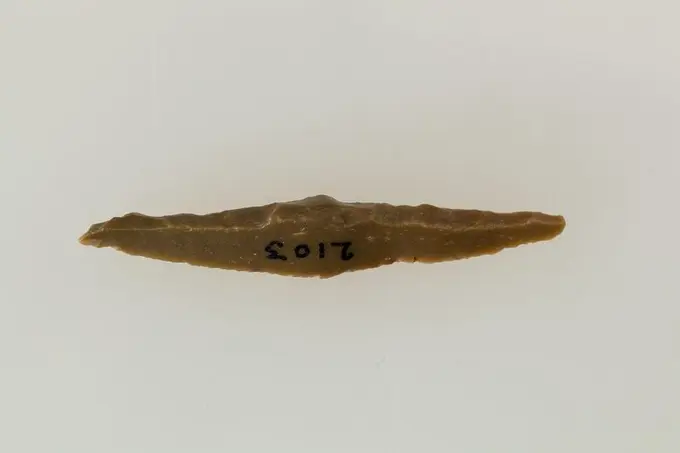
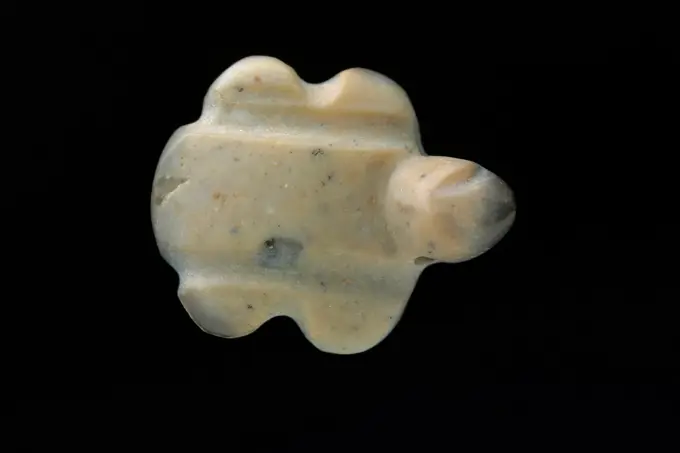
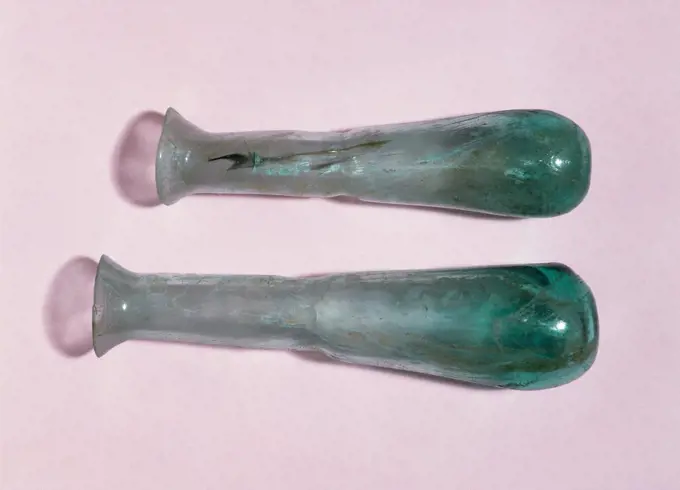
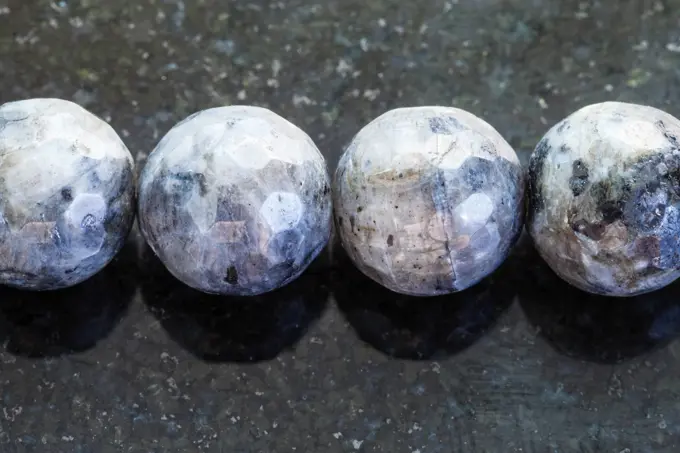
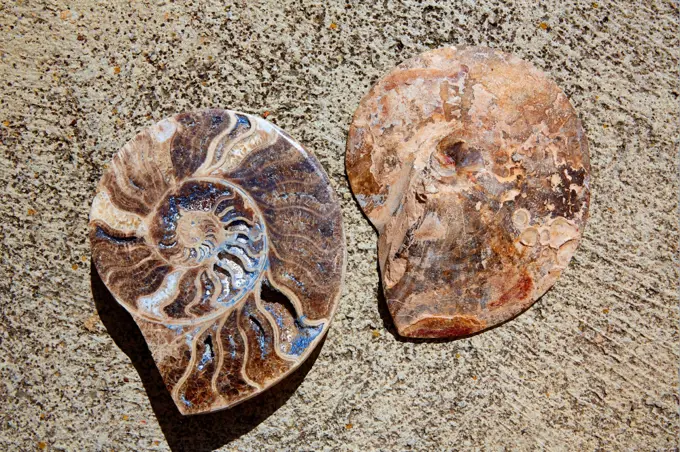
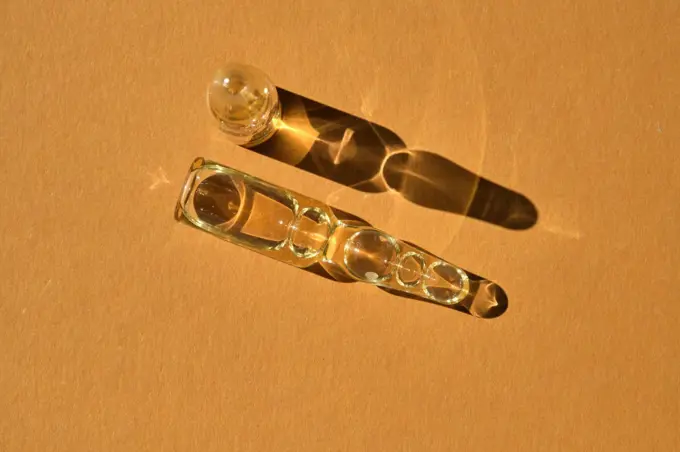
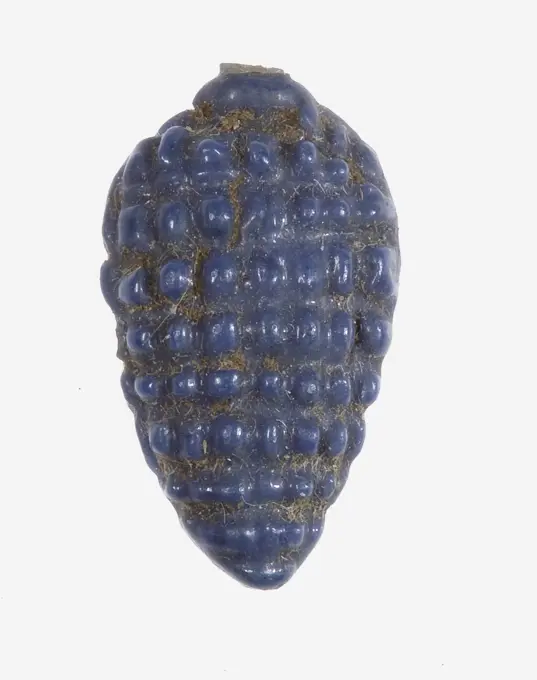
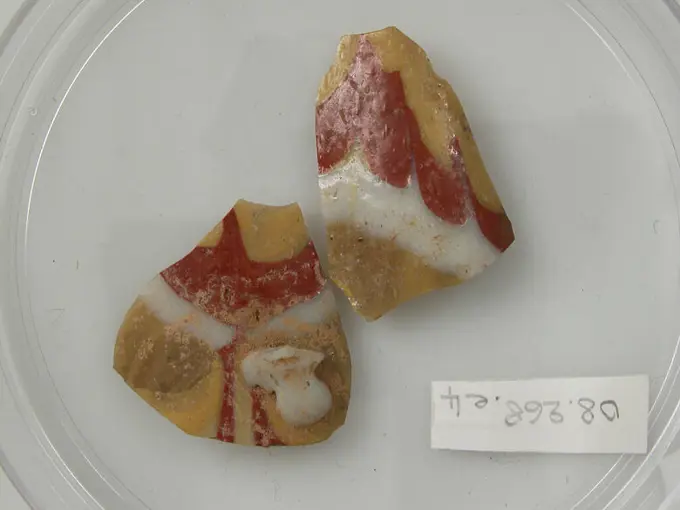
Glass Fragments 4th century Coptic. Glass Fragments 477313Tool. Date: ca. 3850-2960 B.C.. Museum: Metropolitan Museum of Art, New York, USA.closeup of sample of natural mineral from geological collection - polished Leopard skin jasper (Jaguar Stone) gem stone isolated on white background. polished Leopard skin jasper gem stone isolatedBead in the Shape of a Tortoise, c. 6th-8th century, 5/16 x 5/8 x 1/2 in. (0.8 x 1.6 x 1.3 cm), Stone, Myanmar (Burma), 6th-9th centuryGold Nose Ornament 6th-7th century Moche (Loma Negra). Gold Nose Ornament 315118Stone Pulidor before 16th century Mexican. Stone Pulidor 317029Small jar for ointments. Roman. Clear blown glass. From Necropolis of Corca, province of Girona. Catalonia. Episcopal Museum of Vic. Spain.necklace from gray Labradorite gemstone on dark macro shooting of natural mineral rock specimen - necklace from gray Labradorite gemstone on dark granite background Copyright: xZoonar.com/ValeryxVoennyyx 11380790Bottom and Foot of a Vessel 4th-early 5th century Coptic. Bottom and Foot of a Vessel 479094SeashellAmmonites fossil snail cut found in Teruel Sierra Albarracin of SpainAmpoules on a beige-orange background.. Glass ampoules on a beige orange background.Pendant: Bunch of Grapes ca. 1390-1353 B.C. New Kingdom. Pendant: Bunch of Grapes. ca. 1390-1353 B.C.. Faience. New Kingdom. From Egypt, Upper Egypt, Thebes, Malqata, Palace of Amenhotep III, MMA excavations, 1910-11. Dynasty 18Fish Ornament 11th-12th century Peru; central coast (). Fish Ornament. Peru; central coast (). 11th-12th century. Silver. Peru. Metal-OrnamentsTreasure of Tod. 1898 BC - 1866 BC. This treasure of precious materials, imported to Egypt by trade or politic relationships, was dedicated to the god Montu, Lord of Tod, by Pharaoh Amenemhat II. Silver, lapis lazuli, gold, bronze caskets. Egyptian art. Middle Kingdom. Jewelry. FRANCE. ëLE-DE-FRANCE. Paris. Louvre Museum. Proc: EGYPT. QUENA. Tod.HoldbackCarnelian ring stone 1st-2nd century A.D. Roman Serapis-Hades with Isis before him and Kerberos by his side.Adaptation of a Greek work of the 4th century B.C.. Carnelian ring stone. Roman. 1st-2nd century A.D.. Carnelian. Imperial. GemsGlass Fragments. Culture: Coptic. Dimensions: Storage (petri dish diam.): 3 7/16 in. (8.8 cm). Date: 4th-early 5th century. Museum: Metropolitan Museum of Art, New York, USA.Perforated teeth, Bolinkoba cave, Abadiño, Arkeologi Museoa, Aqueologico museum, Bilbao, Bizkaia, Basque Country, Spain.