Artifact Fragments

Various historical artifacts including ceramic shards and metal fragments from shipwrecks, showcasing erosion and ancient designs.

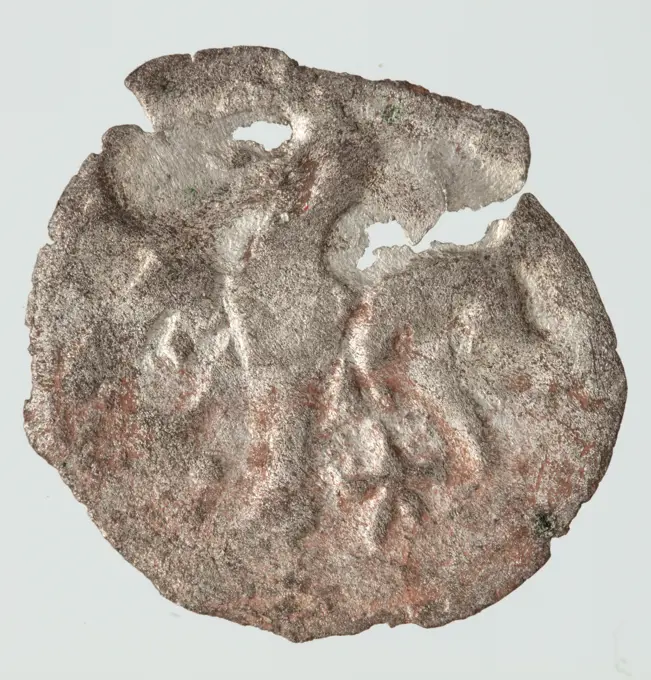
Bliżej Kultury Władysław Jagiełło (CA 1351 1434), Mint of Kraków
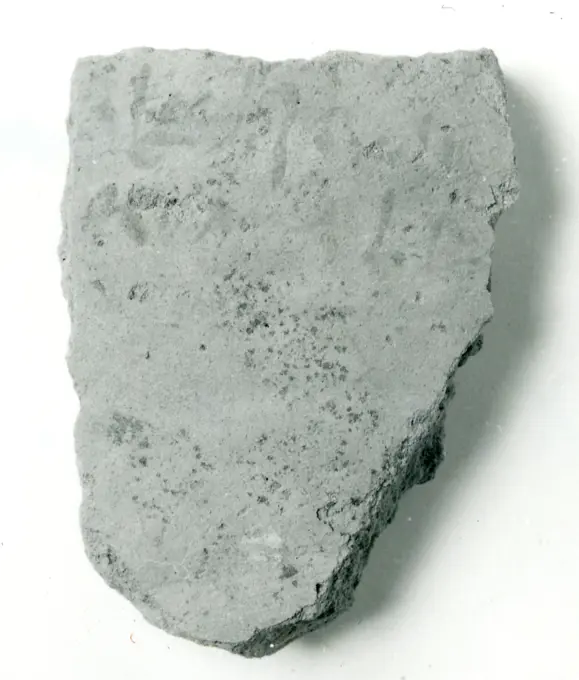
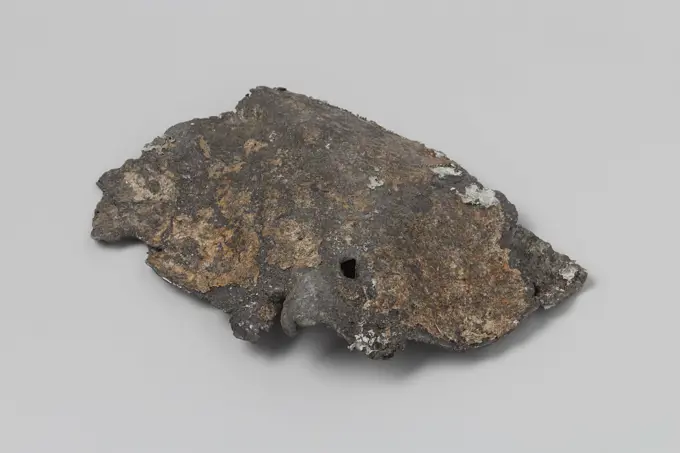
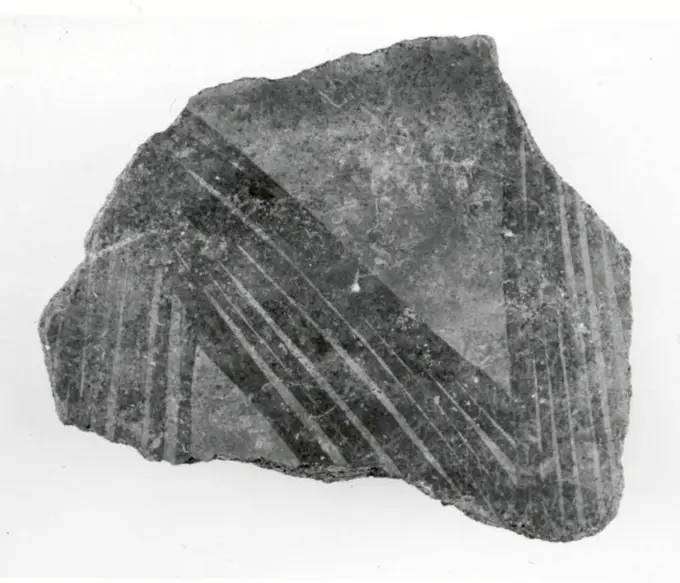
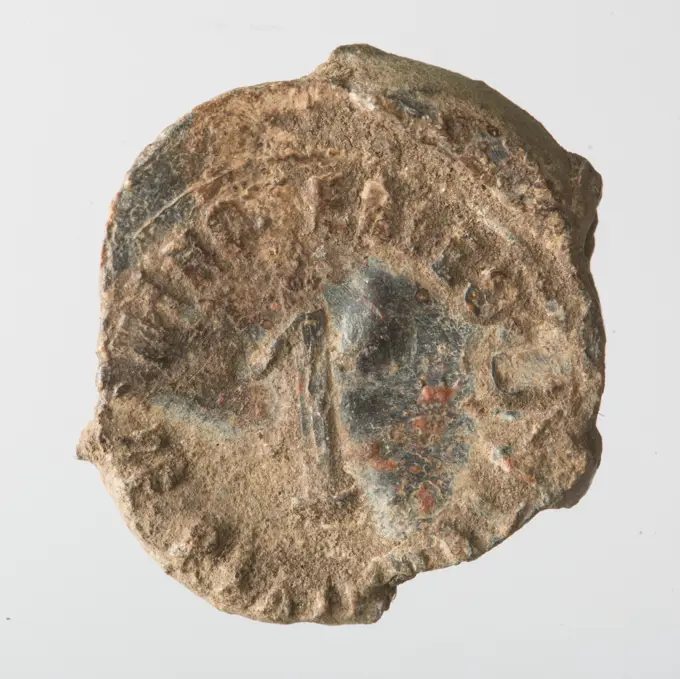
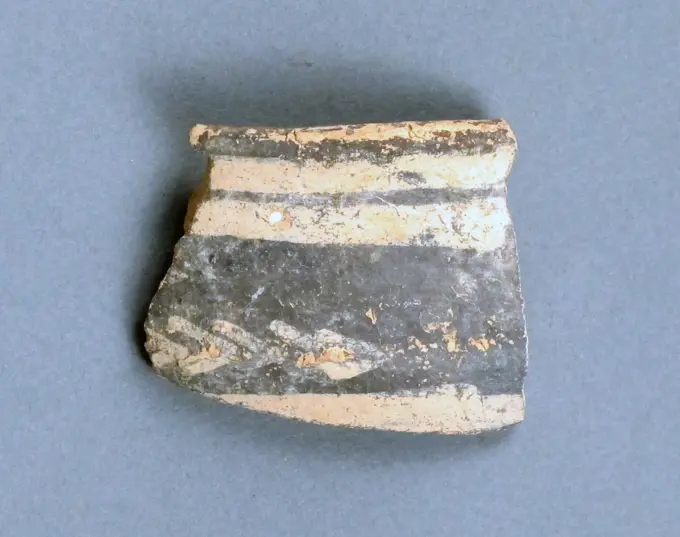
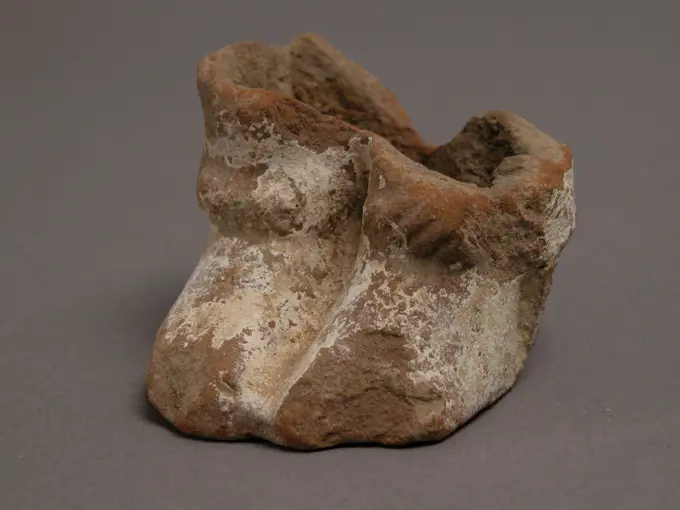
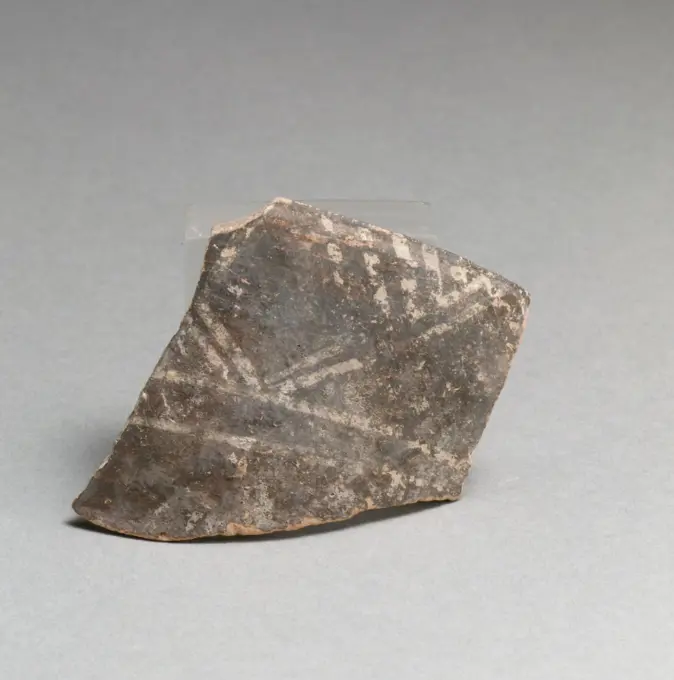
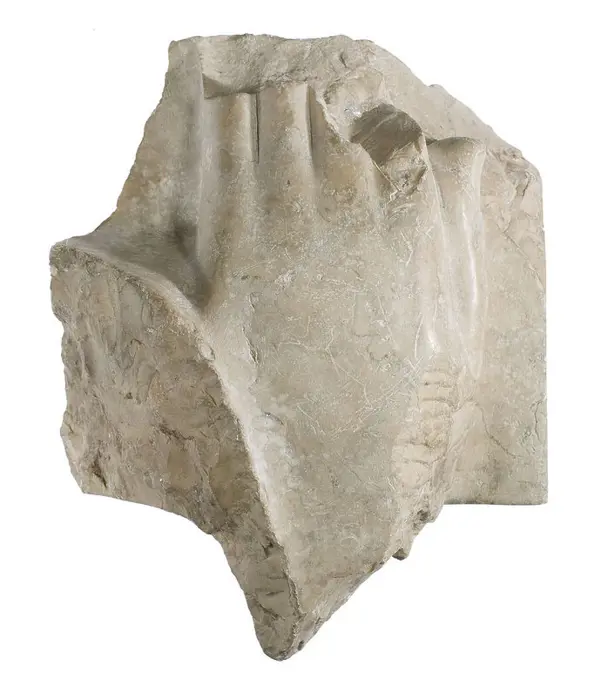
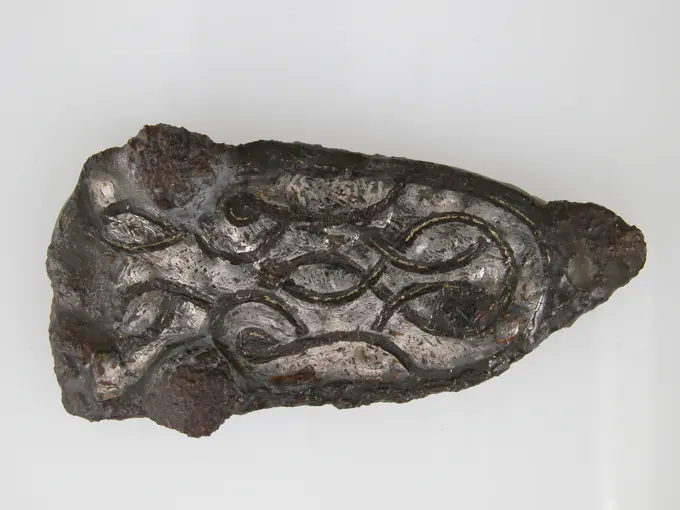
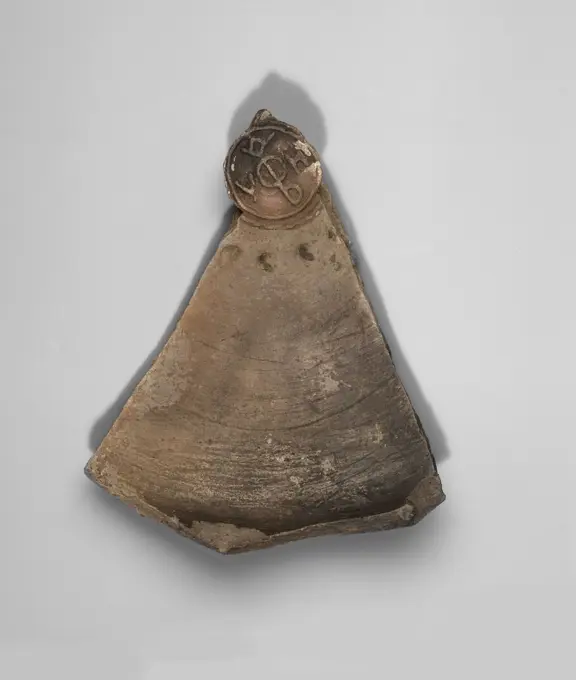
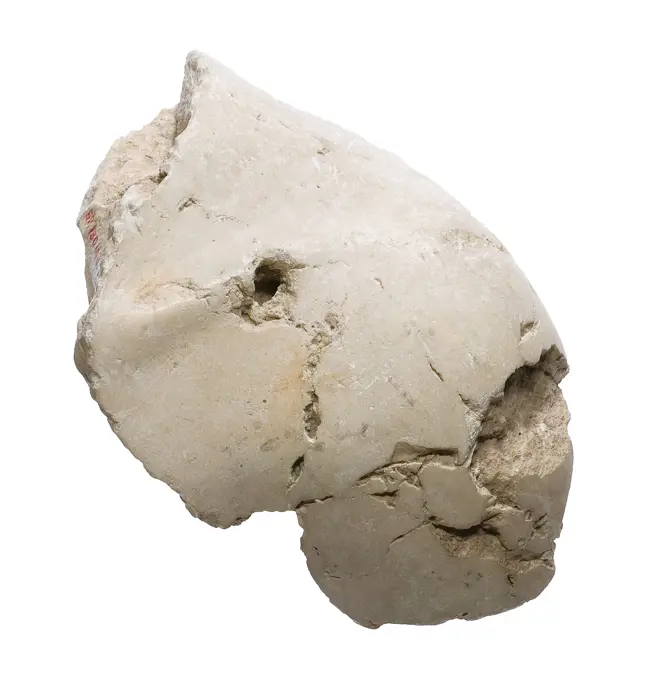
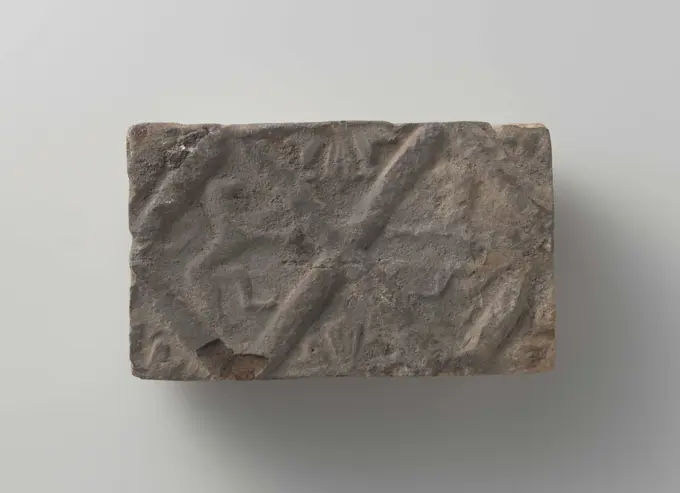
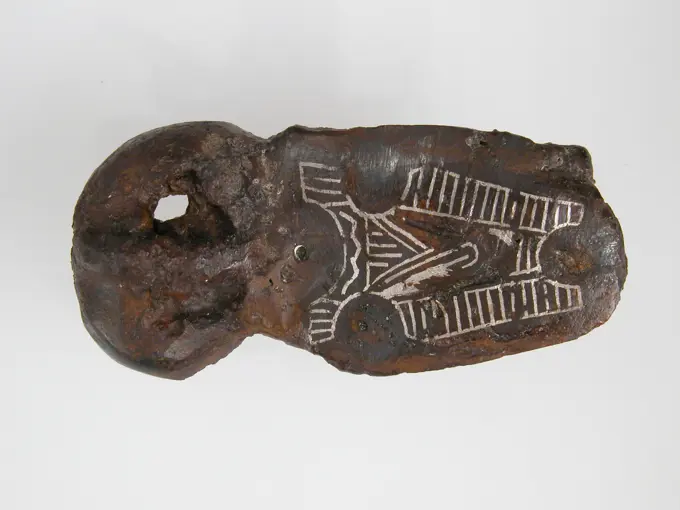
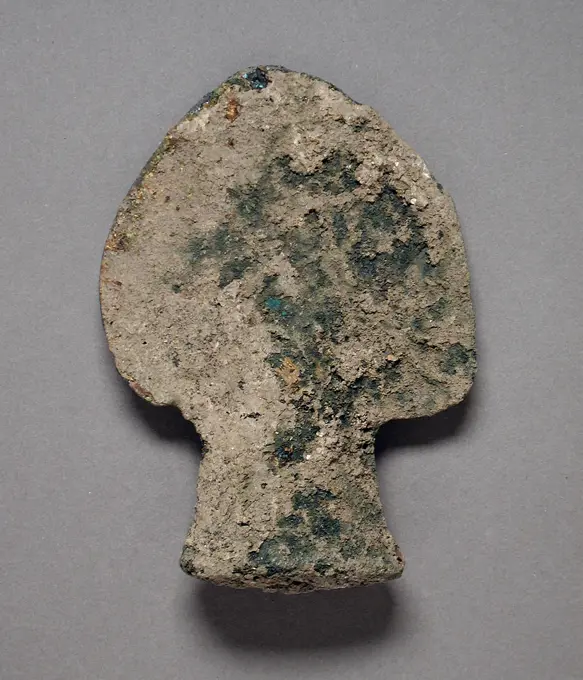
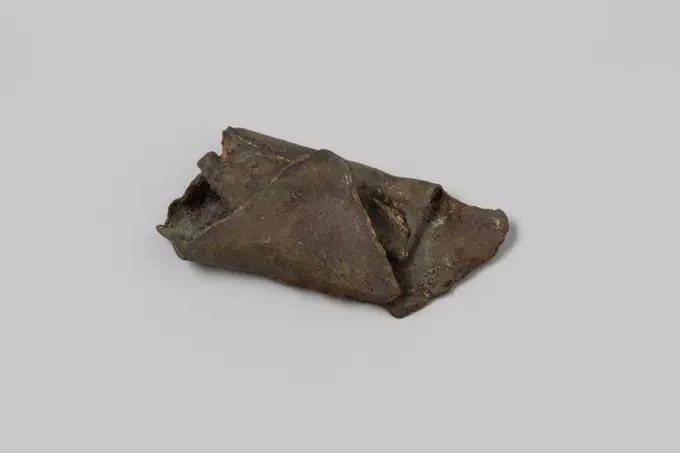
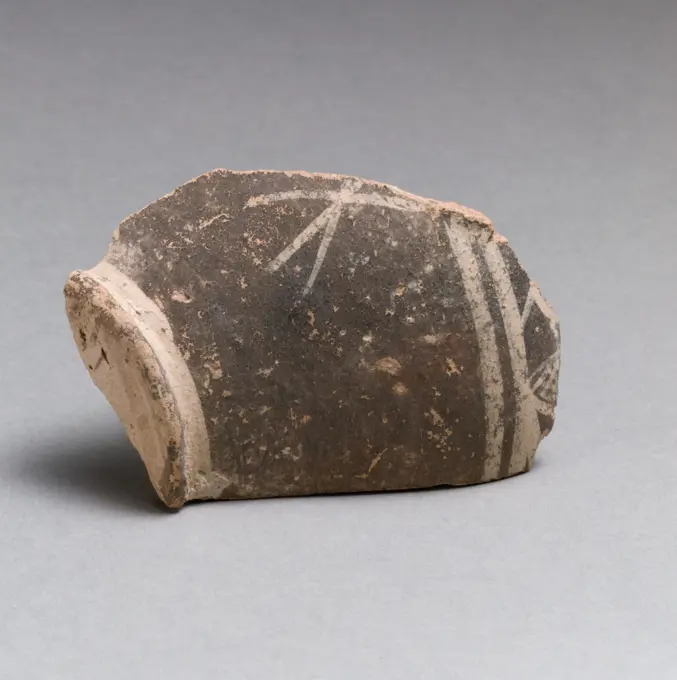
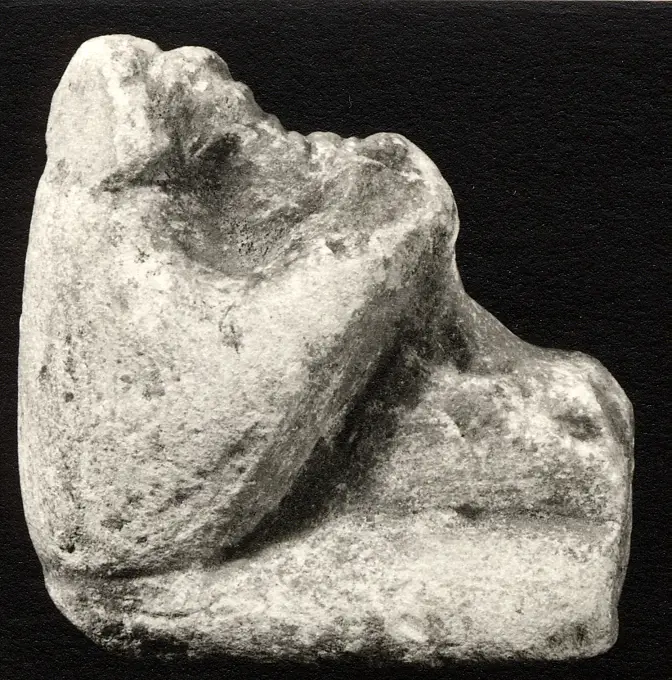
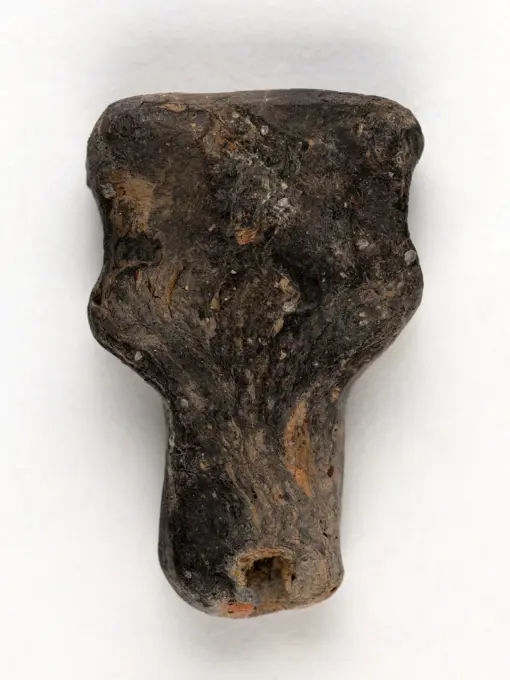
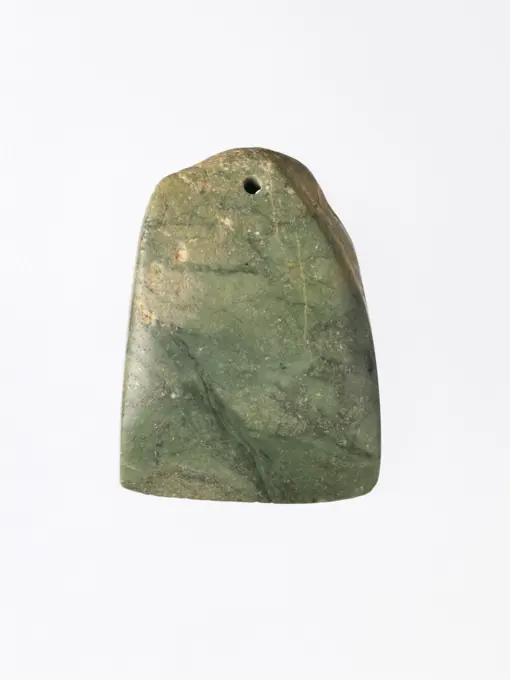
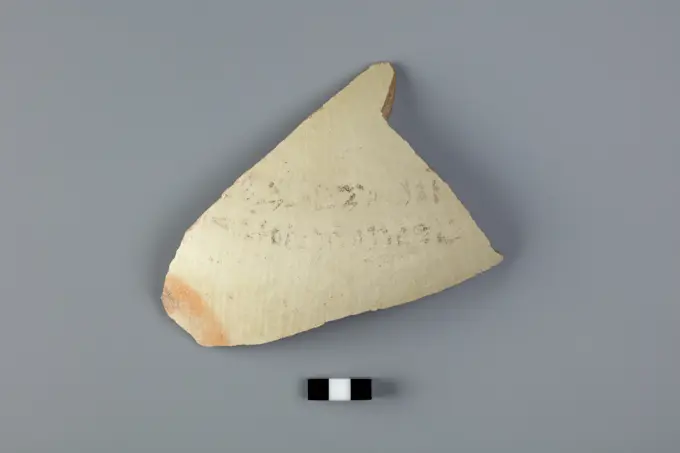
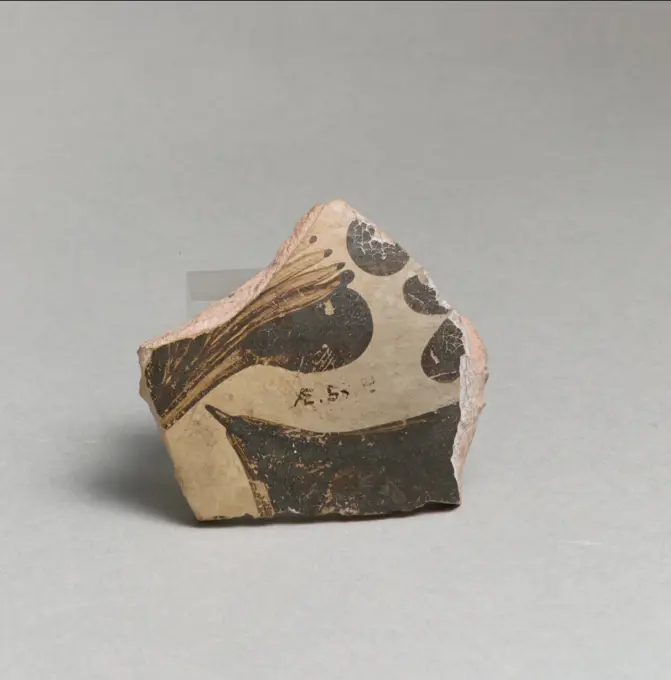
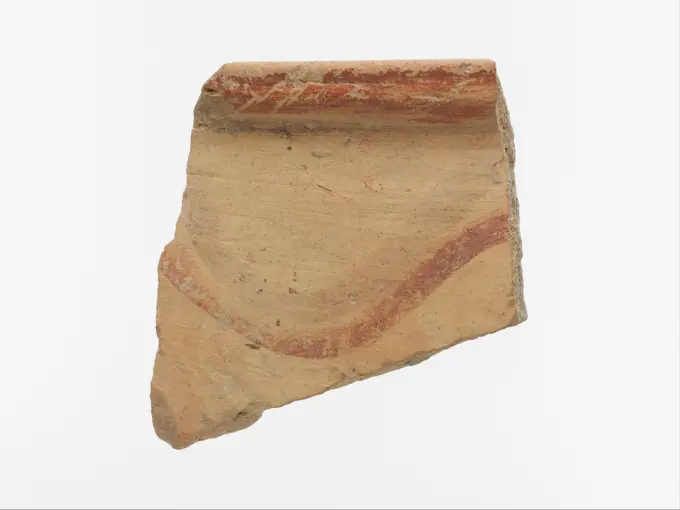
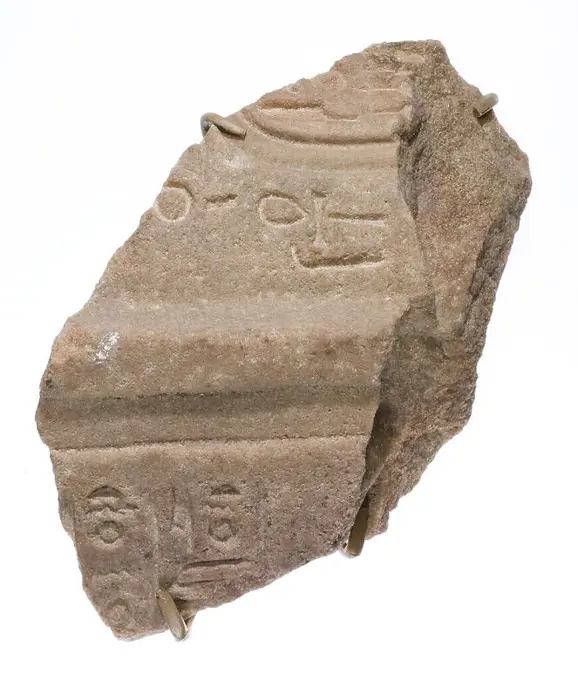
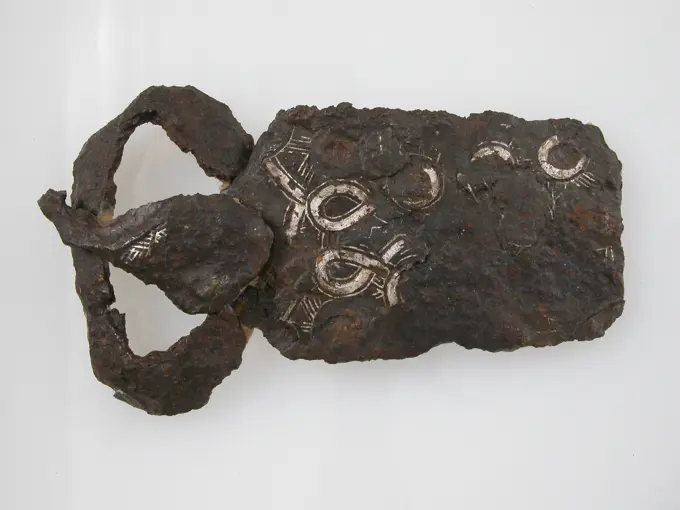
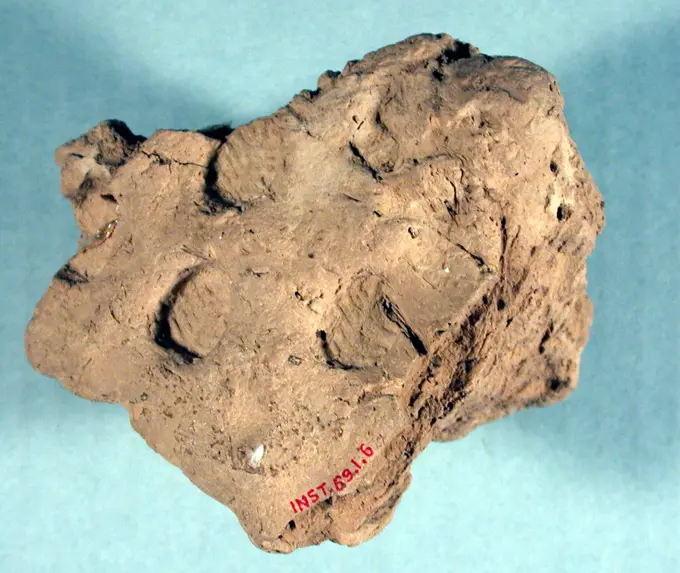
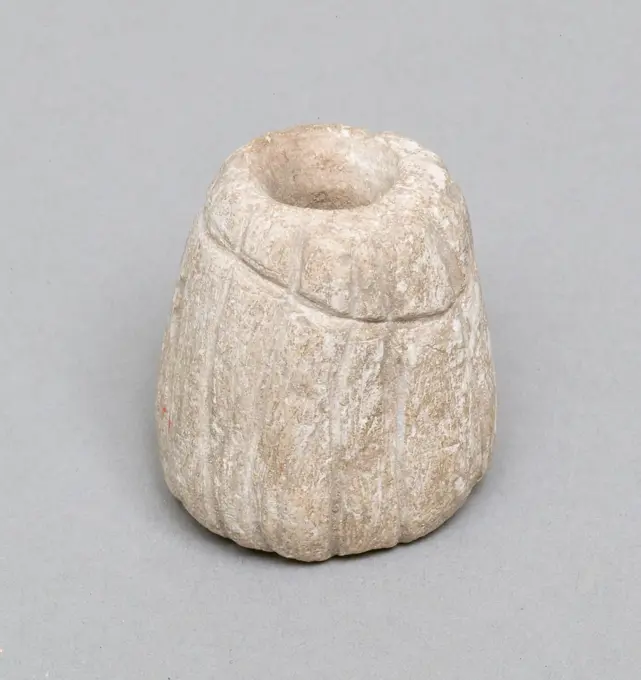
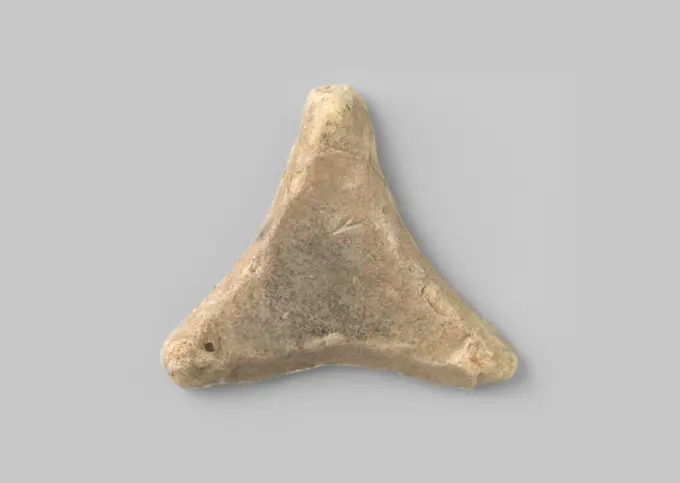
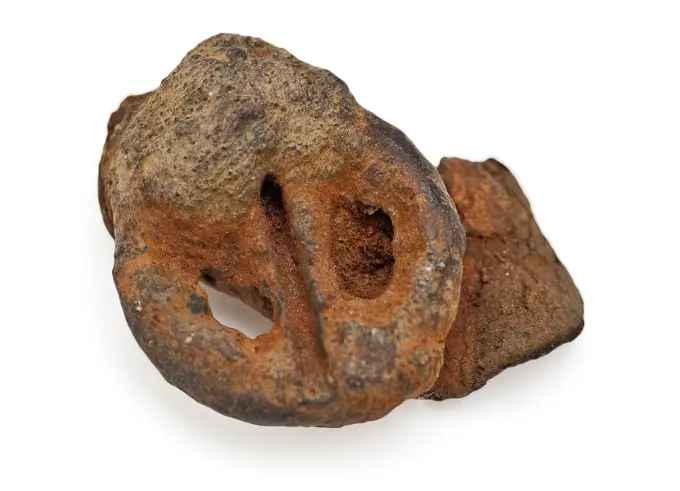
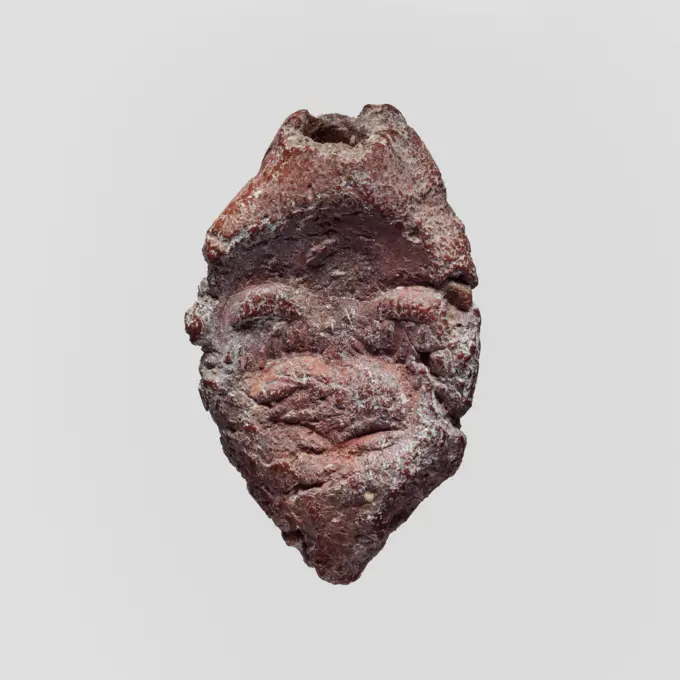
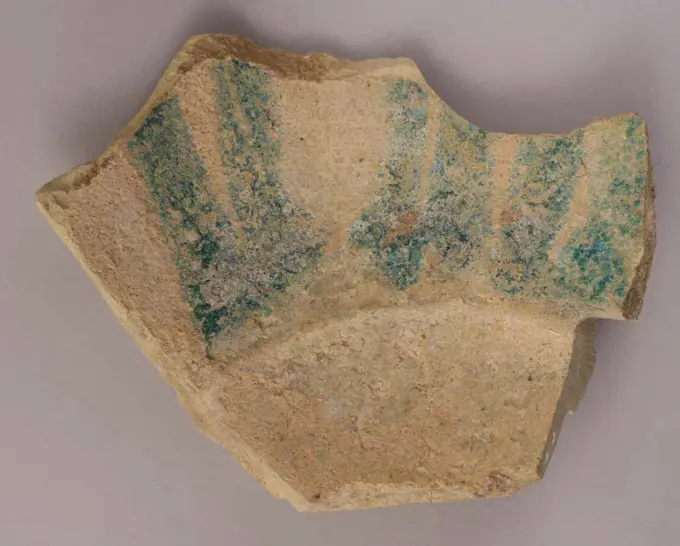
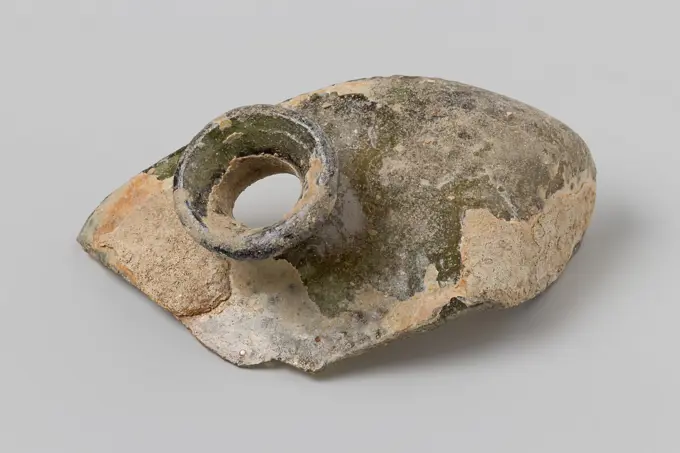
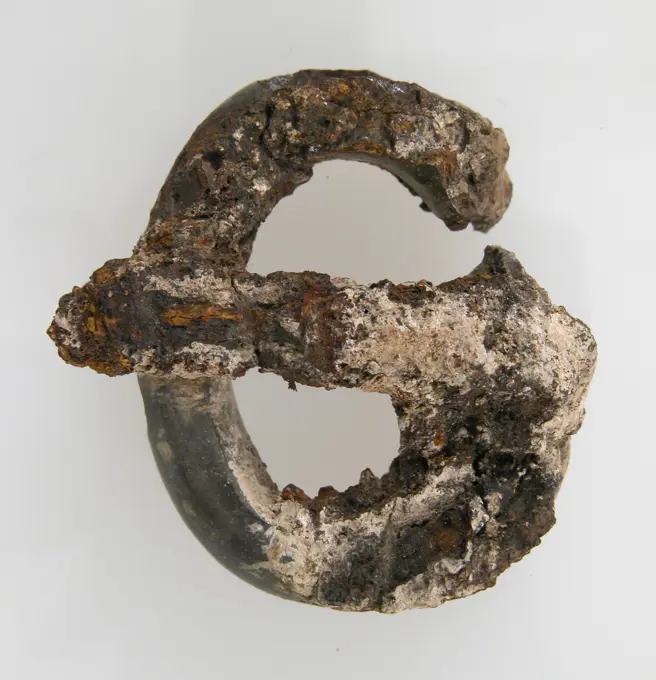
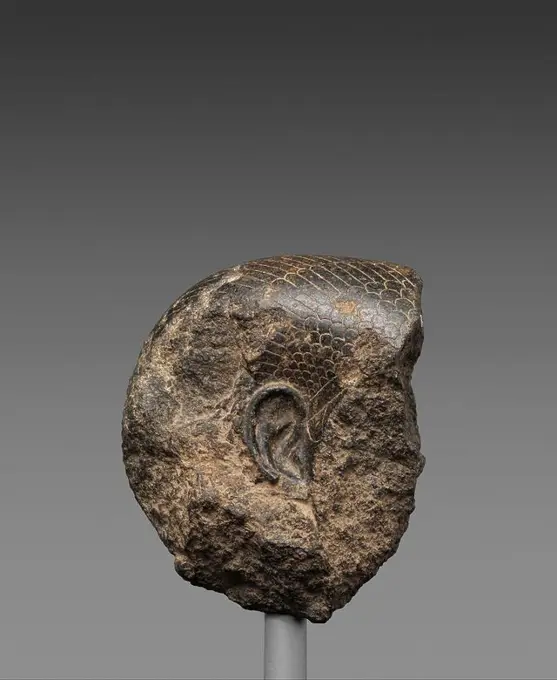
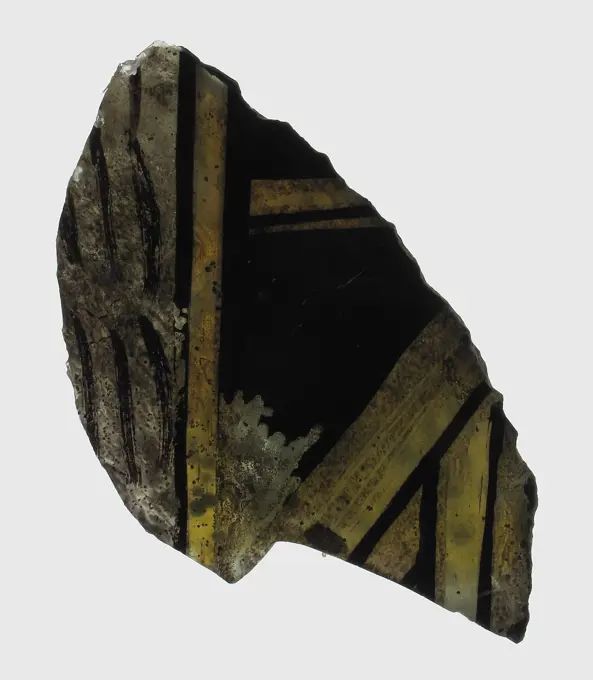
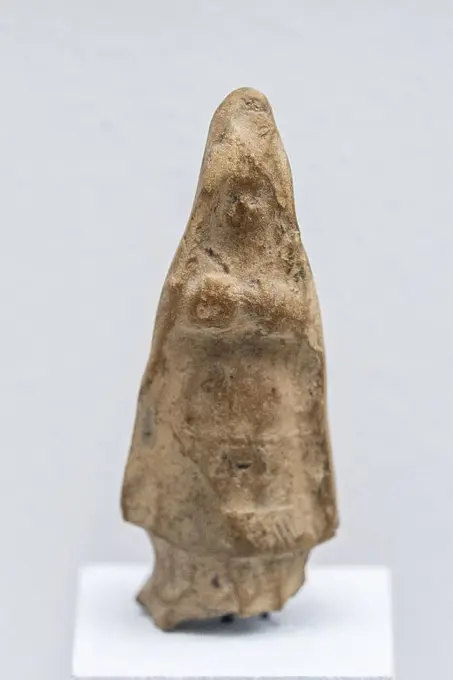
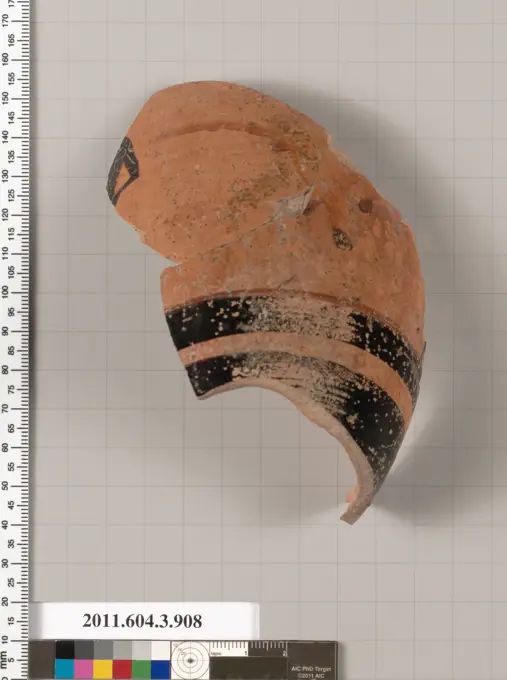
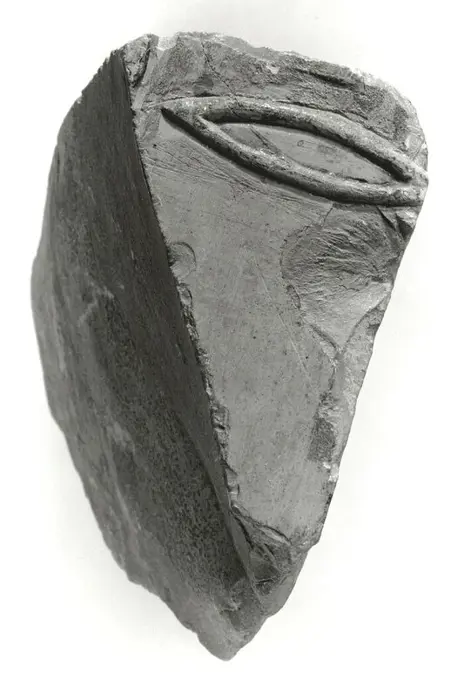
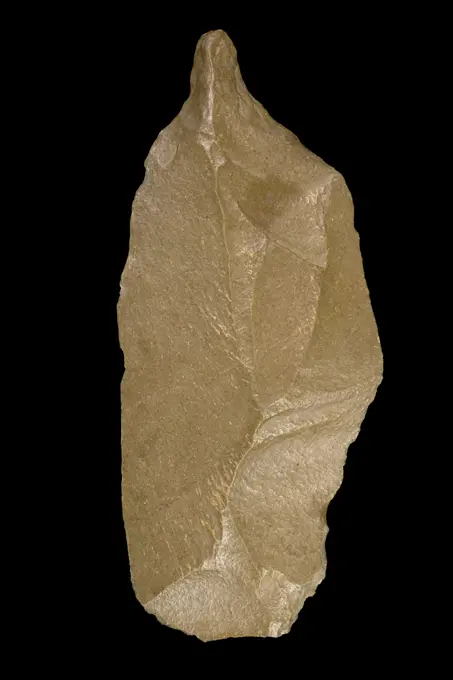
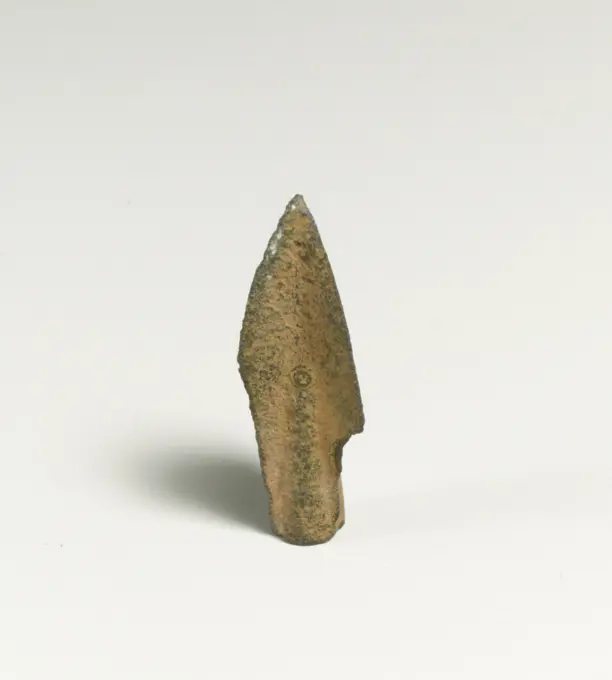
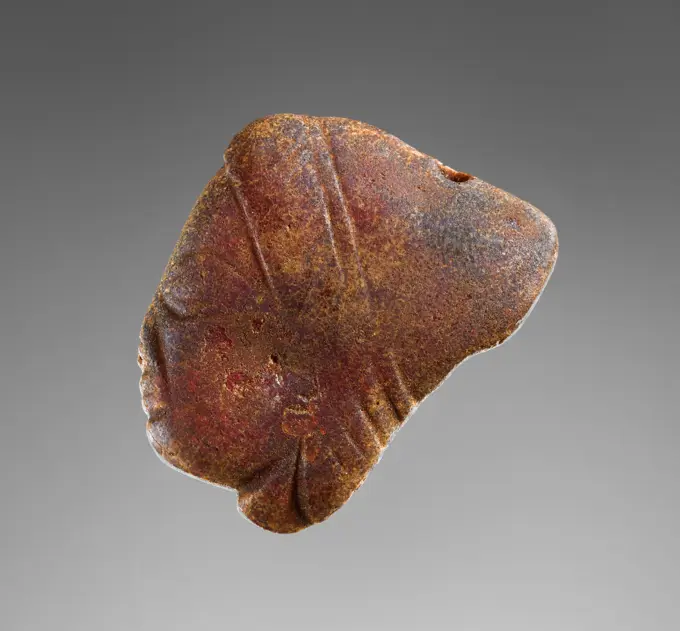
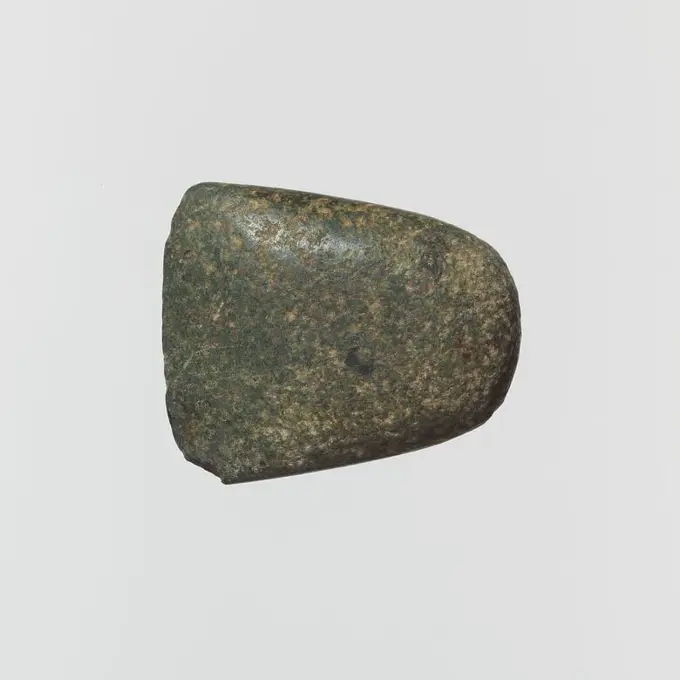
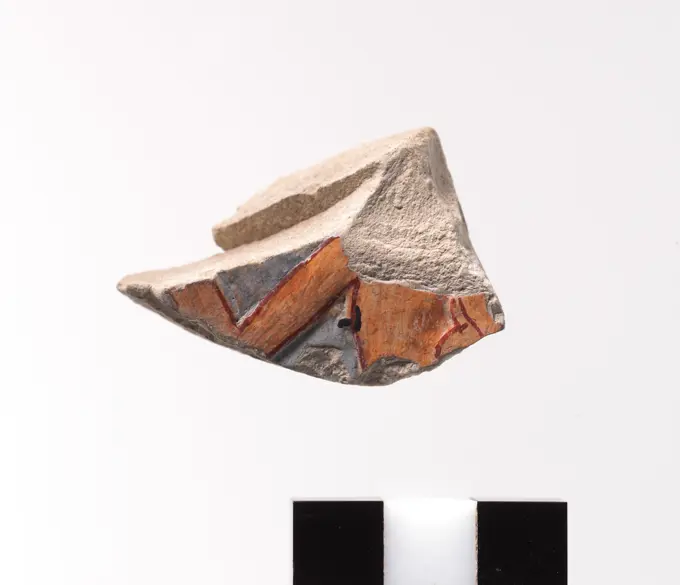
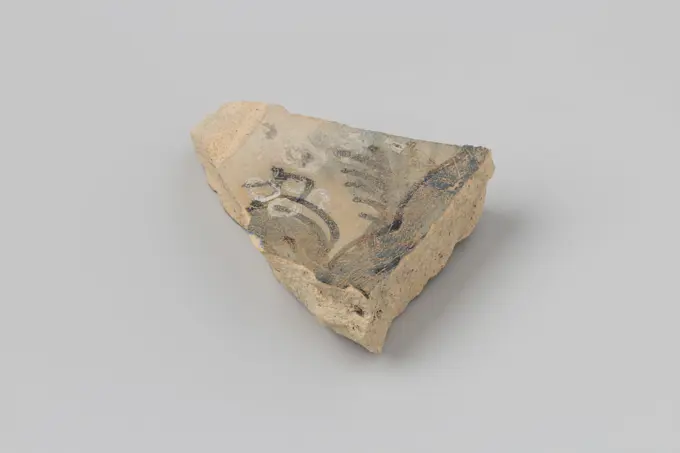
Shard of a plate from the wreck of the East India Flying Heart. Thick shard yellow-baking pottery that has been part of a plate, yellow white with blue drawing.Fragment buyer from the wreck of the East Indieschief Hollandia. Parts or artifacts; eroded fragments: Materials; Copper.Ostracon 400-30 B.C. Late Period-Ptolemaic Period. Ostracon 588358Pendant with geometric ornament Cypriot. Pendant with geometric ornament 242702Fragment of a lead plate from the wreck of the East Indied Flying Heart. Put plate with one hole, roughly shaped. Sheet fragments.Sherd ca. 3500-3100 B.C. Iran This sherd is made of a red clay, with black painted decoration. It is typical of Namazga II ceramics from Turkmenistan, dating to ca. 3500-3100 B.C. It was excavated in 1937 at a prehistoric site in the vicinity of Nishapur in northeastern Iran. While Nishapur itself was founded by the Sasanian king Shapur I (reigned ca. A.D. 241-272), this sherd shows that human habitation there goes back to the prehistoric period. Furthermore, the prehistoric pottery from Nishapur has close affinities with ceramic materials from Central Asia rather than with contemporary sites in Iran, meaning that in this period its inhabitants were likely culturally linked to their neighbors to the east. At the same time, Nishapurs location on what later became known as the Great Khorasan Road suggests that it was part of the trade network that facilitated the import of precious stones such as lapis lazuli, carnelian and turquoise from Central Asia to Mesopotamia.. Sherd 323646Fragment of lead from the wreck of the East Indians Hollandia, Anonymous, 1700 - in Or Before 1743 fragment Varied parts or fragments, sheet metal fragments: worked; eroded; flat, 2 straight parallel rims, 2 rims tapering. Netherlands lead (metal)   SecondLead seal: 1/14 unknownBliżej Kultury Władysław Jagiełło (CA 1351 1434), Mint of KrakówLimestone votive vase fragment 4th century B.C.  Cypriot The fragment, from the belly of a large vase, bears a syllabic inscription: a dedication of Timokretes to (Apollo) Magirios.. Limestone votive vase fragment 241894Shard ca. 4th-5th century Pakistan. Shard 50873Fragment; (possibly) belonging to the retable of Soest, c. 1475 - c. 1499   wood (plant material)   wood (plant material)Terracotta rim fragment with linear motifs ca. 2300-2100 B.C. Minoan From Gournia, CreteRim fragment with horizontal motifs.. Terracotta rim fragment with linear motifs. Minoan. ca. 2300-2100 B.C.. Terracotta; White-on-dark ware. Early Minoan III. VasesExcerpt from a lead plate from the wreck of the East Indians' t Vliegend Hart ,, 1729 - 1735 sheet lead Piece of lead plate with one hole, rough shaped. Sheet fragments. Middelburg lead (metal)Feet Fragment 4th-7th century Coptic. Feet Fragment 478465Vase fragment Minoan. Vase fragment 247792Offering table, hand. Dimensions: L. 19 × W. 15 × Th. 9.2 cm (7 1/2 × 5 7/8 × 3 5/8 in.); table: Th. 4.4 cm (1 3/4 in.); estimated cartouche: W. 2.5 cm (1 in.). Dynasty: Dynasty 18. Reign: reign of Akhenaten. Date: ca. 1353-1336 B.C.. Museum: Metropolitan Museum of Art, New York, USA.Anonymous, small fragmentary hoe (common name). Cernuschi Museum, Asia Museum of Asia in the city of Paris.Fragment 8th-9th century. Fragment 448767SealPendant: head of a woman 5th century B.C. South Italian. Pendant: head of a woman. South Italian. 5th century B.C.. Amber. Classical. Miscellaneous-AmberVase fragment Minoan. Vase fragment 247799Female Head. UnknownFragment of a Bowl 13th-14th century. Fragment of a Bowl 447218Fragment; (possibly) belonging to the retable of Soest, c. 1475 - c. 1499   wood (plant material)   wood (plant material)Fragment ship bell from the wreck of the East Indieschief Hollandia. Acoustic, BELL (SHIPs); Fragment, SIM. NG 1980-27H2954.Betafite, oxide.Buckle Plate 4th-7th century Frankish. Buckle Plate 465052 Frankish, Buckle Plate, 4th7th century, Iron, gold, brass or latten inlay, silver overlay,, Overall: 2 7/8 x 1 7/16 x 3/8 in. (7.3 x 3.7 x 1 cm). The Metropolitan Museum of Art, New York. Gift of J. Pierpont Morgan, 1917 (17.191.337a)Fragment 3rd-8th century. Fragment 448810Bliżej Kultury Władysław Jagiełło (CA 1351 1434), Mint of KrakówNegative painting;  IX W.-1. after. 10th century (801-00-00-920-00-00);Fragment miseczki z monogramem Archanioła Rafała. warsztat nubijski, factoryAkhenaten shoulder ca. 1353-1336 B.C. New Kingdom, Amarna Period. Akhenaten shoulder 549959Fragment of Roman vessel, 1st century BC, in the Roman Villa of Torre Llauder or Can Llauder, Mataró, Barcelona, Catalonia, Spain. Museum: Museo de Mataró, Mataró, Barcelona, Cataluña, España.Fireplace with presentation of two climbing lions, placed in two windows. Fireplace with a show of two climbing lions, placed in two windows and accompanied by the year 1634. The half windows at the top and bottom are filled with diamond-shaped flowers.Brok from V.O.C. ship De 'Witte Leeuw', Before 1613  Brok from V.O.C. ship the 'Witte Leeuw', Lead White, Raw material for paint.  lead white   Sint-HelenaCostume Ornament 11th-12th century Peru; central coast (). Costume Ornament 308677Poland, Władysław Jagiełło (1386 1434), Denar, Town of Kraków, After 1396 W ADYS AW JAGIECH (CA 1351 1434), Mint of KrakówBelt Buckle 7th century Frankish. Belt Buckle 465589 Frankish, Belt Buckle, 7th century, Iron, silver inlay, Overall: 2 3/8 x 1 1/8 x 11/16 in. (6.1 x 2.9 x 1.8 cm). The Metropolitan Museum of Art, New York. Gift of J. Pierpont Morgan, 1917 (17.193.263)Adze. Thailand, Ban Chiang culture, 300 B.C.-A.D. 150. Tools and Equipment; adzes. Copper alloyFemale Head and Shoulders Fragment. UnknownExcerpt copper from the wreck of the East Indies Hollandia, 1700 - in or before 1743 fragment Parts of artefacts; eroded fragments: materials; copper. Netherlands copper (metal)   SecondTerracotta base of a small vase with linear decoration ca. 2300-2100 B.C. Minoan From Gournia, CreteBottom of cup, linear decoration.. Terracotta base of a small vase with linear decoration 247695MaskFigurine of monkey ca. 1981-1640 B.C. Middle Kingdom. Figurine of monkey 558011Female anthropomorphic statuette. Terracotta. Neolithic. Paris, Carnavalet museum. Anthropomorphic, feminine, neolithic, statuette, terracotta, archeological vestigeAdze head () ca. 2700-2600 B.C. Sumerian. Adze head (). Sumerian. ca. 2700-2600 B.C.. Quartz or jasper. Early Dynastic II. Mesopotamia, NippurJar Label ca. 1390-1352 B.C. New Kingdom. Jar Label. ca. 1390-1352 B.C.. Pottery and ink, paint. New Kingdom. From Egypt, Upper Egypt, Thebes, Malqata, Palace of Amenhotep III, MMA excavations. Dynasty 18Terracotta vessel fragment with floral design ca. 1600-1450 B.C. Minoan From Phylakopi, MelosFragment with floral () design.. Terracotta vessel fragment with floral design 248559Fragment of buyer from the wreck of the East India Hollandia.parts or artifacts; eroded fragments: Materials; Copper.Bliżej Kultury PhraseOstracon 400-30 B.C. Late Period-Ptolemaic Period. Ostracon 588375Terracotta rim of a vase ca. 2000-1600 B.C. Helladic Matt-painted ware.. Terracotta rim of a vase 253315 Helladic, Terracotta rim of a vase, ca. 20001600 B.C., Terracotta, Other: 1 5/8in. (4.2cm). The Metropolitan Museum of Art, New York. Anonymous Gift, 1930 (30.119.110)Balustrade fragment with cartouche of Nefertiti. Dimensions: H. 21 × W. 16.5 × D. 7.5 cm (8 1/4 × 6 1/2 × 2 15/16 in.). Dynasty: Dynasty 18. Reign: reign of Akhenaten. Date: ca. 1352-1336 B.C.. Museum: Metropolitan Museum of Art, New York, USA.Belt Buckle Loop 4th-7th century Frankish. Belt Buckle Loop 469807Capital ca. 1130-40 Catalan. Capital. Catalan. ca. 1130-40. Marble. Made in present-day France. Sculpture-ArchitecturalVase fragment ca. 575-550 B.C. Etruscan Part of head of lion () in relief with curved ornament (tail).. Vase fragment. Etruscan. ca. 575-550 B.C.. Terracotta; bucchero pesante. Archaic. VasesSealing on jar stopper () ca. 1st century B.C.-3rd century A.D. Parthian This lump of clay, called a ‘bulla,’ bears four impressions of the same stamp seal, featuring an image of a stylized tree. Based on its shape, this bulla seems to have been a stopper in the mouth of a jar. Seals were ancient accounting tools, used for example to indicate who supplied a commodity, who was responsible for its disbursement, or who received it. In this case, the seal impressions may indicate who supplied the contents of the jar. Once the jar was opened, the bulla was discarded.This bulla was excavated at Shahr-i Qumis in northern Iran, which has been identified as the ancient city of Hecatompylos, established by the Parthians as the capital of their empire by about 200 B.C. In Greek Hecatompylos means ‘a hundred gates,’ suggesting that the city was quite large. Indeed, the modern archaeological site includes several mounds, only a few of which have been excavated, and a vast area covered with potsherBLIŻEJ KULTURY Mint of Kraków, Władysław Jagiełło (CA 1351 1434)Spindle whorl ca. 1295-1070 B.C. New Kingdom, Ramesside. Spindle whorl. ca. 1295-1070 B.C.. Limestone. New Kingdom, Ramesside. From Egypt, Memphite Region, Lisht North, Cemetery, MMA excavations, 1913-14. Dynasty 19-20Two proenen, anonymous, c. 1500 - c. 1700 Two pronen of earthenware, excavated at the construction of the town hall in Rotterdam.  earthenware Two pronen of earthenware, excavated at the construction of the town hall in Rotterdam.  earthenwareszel g; Pfahler, Ernest; 1628 (1628-00-00-1628-00-00);Small shoe buckle with leather fragment, buckle fastener component soil find brass leather metal, archeology Rotterdam City Triangle Mariniersweg shoe Soil discovery: Mariniersweg Rotterdam 1983.MillstoneJug beak Minoan. Jug beak 247660Clay Sealing ca. 1600-1450 B.C. Minoan bird-woman; bird; lion headflanked by two human legs. Clay Sealing 252335 Minoan, Clay Sealing, ca. 16001450 B.C., Clay, Other: 3/4 x 1 5/16 in. (1.9 x 3.4 cm). The Metropolitan Museum of Art, New York. Bequest of Richard B. Seager, 1926 (26.31.409)Bliżej Kultury PhraseFragment of a Bowl 9th century. Fragment of a Bowl. 9th century. Earthenware; glazed. Found Iraq, Basra. CeramicsOne of Three Hundred Sixty Heads, Five Molds, Fifteen Oscilla and Other Figural and Vase Fragments. UnknownShard of coffin from v.O.c.-ship the 'white lion'. Shard of coffin from v.O.c.-ship the 'white lion', green glass bottle neck with beigle and coral-like attack.Bucket with attachments and handle ca. 9th century B.C. Iran. Bucket with attachments and handle. Iran. ca. 9th century B.C.. Bronze. Iron Age II, Hasanlu Period IV. Iran, HasanluAthenian red-figure vase fragment of a womans head wearing a diadem.  Artist, attributed to: Niobid Painter, Greek, Attic, active ca. 470-ca. 445 B.C.Vase fragment Minoan. Vase fragment 247768Hamer whose stem has been demolished. Hamer whose stem has been demolished.Buckle Loop and Tongue 6th-7th century Frankish. Buckle Loop and Tongue 465053 Frankish, Buckle Loop and Tongue, 6th7th century, Silvered or tinned copper alloy, Overall: 1 3/8 x 1 5/16 x 1/2 in. (3.5 x 3.4 x 1.3 cm). The Metropolitan Museum of Art, New York. Gift of J. Pierpont Morgan, 1917 (17.191.337b)Fragment from the Head of a Queen's Statue. Dimensions: h. 25.4 cm (10 in). Dynasty: Dynasty 12. Date: ca. 1981-1802 B.C.. Museum: Metropolitan Museum of Art, New York, USA.Glass Fragment 15th century European. Glass Fragment. European. 15th century. Colorless glass. Glass-StainedEye of Horus Amulet. Egypt, Late Period - Ptolemaic Period (724 - 30 BCE). Jewelry and Adornments; amulets. WoodBliżej Kultury Julianus, Mint of Romeoffering lady, Niebla-Lucena, V-III BC, anthropomorphic terracotta figure, post colonial era, Huelva Museum, Huelva, Andalusia, Spain.Fragments of copper from the wreck of the East Indians Hollandia, 1700 - in Or Before 1743  Parts of artefacts; eroded fragments: materials; copper. Netherlands copper (metal)   SecondFragment of Statesbti;  332-30 BC ; Ptolemean period (-332-00-00--30-00-00);Belt Plate. Culture: Frankish. Dimensions: Overall: 3 1/2 x 1 3/4 x 5/8 in. (8.9 x 4.5 x 1.6 cm). Date: 6th century (). Museum: Metropolitan Museum of Art, New York, USA.Terracotta fragment of a lekythos (oil flask) late 6th/early 5th century B.C. Greek, Attic Lower leg of a figure to right; part of the neck, upper torso, and bent left arm of a male to right. Terracotta fragment of a lekythos (oil flask). Greek, Attic. late 6th/early 5th century B.C.. Terracotta; black-figure. Archaic. VasesRaised relief fragment. Dimensions: 9.5 x 5.7 x 9.6. Dynasty: Dynasty 26. Reign: reign of Psamtik I. Date: 664-610 B.C.. Museum: Metropolitan Museum of Art, New York, USA.Fragment 9th century. Fragment 451529Stone punch. Neolithic period. North Africa. Algeria. 13.4cm.Plaque ca. 2700-2350 B.C.. Plaque. ca. 2700-2350 B.C.. Ceramic. Early Dynastic II-III. Mesopotamia, NippurFragments buyer from the wreck of the East Indieschief Hollandia. Parts or artifacts; eroded fragments: Materials; Copper.Arrowhead ca. 480-330 B.C. Cypriot. Arrowhead 244200Pendant: Female Head in Profile. UnknownSmall stone axe. Culture: Greek Neolithic. Dimensions: 1 7/8 in. (4.7 cm.)W. 1 1/2 in. (3.8 cm.). Date: 5th-3rd millennium B.C..Celt. Museum: Metropolitan Museum of Art, New York, USA.Relief Fragment with Part of a Hieroglyph ca. 1981-1975 B.C. Middle Kingdom The fragment probably belongs to a vertical column of inscription reading from left to right, carved in extremely low relief, and painted with exquisite detail. Preserved is a portion of the seated-man-sign, with parts of his angled right arm, fisted left hand, and breast; the surface of the fist is slightly raised above the body. The figure is painted a pinkish color with a darker red outline, while the breast has a black nipple and areola. The fragment likely belongs to inscriptions with the titles and epithets of the tomb owner that were placed near representations of him. The background is painted gray. The fragment may be related to 20.3.470, 20.3.451, 20.3.569, but they cannot be directly joined.. Relief Fragment with Part of a Hieroglyph. ca. 1981-1975 B.C.. Limestone, paint. Middle Kingdom. From Egypt, Upper Egypt, Thebes, Southern Asasif, Tomb of Meketre (TT 280, MMA 1101), MMA excavations, 1920. DynasInscribed terracotta pottery, 5th century collected at Muttom near Boluvampatti, Coimbatore, Tamil Nadu, South India, India, AsiaA fragment of the Clave stroke;  6,000 BC ; Halaf culture (-6000-00-00--5001-00-00);Halaf ceramics, painted ceramics, cups, gift (provenance), Halaf culture (approx. 6500-OK. 5500 BC)Fragment slate from the wreck of the East Indians Hollandia, 1700 - in Or Before 1743  Parts of artefacts; eroded fragments: materials; slate. Netherlands slate (rock)   SecondExcerpt of copper from the wreck of the East Indians Hollandia, 1700 - in or before 1743  Parts of artefacts; eroded fragments: materials; copper. Netherlands copper (metal)   SecondRaised relief fragment 664-610 B.C. Late Period, Saite see 23.3.468. Raised relief fragment. 664-610 B.C.. Limestone. Late Period, Saite. From Egypt, Upper Egypt, Thebes, Deir el-Bahri, Tomb of Nespekashuty (TT 312, MMA 509), 1st chamber E. wall; 7th register, MMA excavations, 1922-23. Dynasty 26Grapes and Grape Leaf 3rd century Coptic. Grapes and Grape Leaf 475421Fragment of a Bowl 15th century. Fragment of a Bowl 445388