Artifact Fragments

Various historical artifacts including ceramic shards and metal fragments from shipwrecks, showcasing erosion and ancient designs.

Bliżej Kultury Władysław Jagiełło (CA 1351 1434), Mint of Kraków
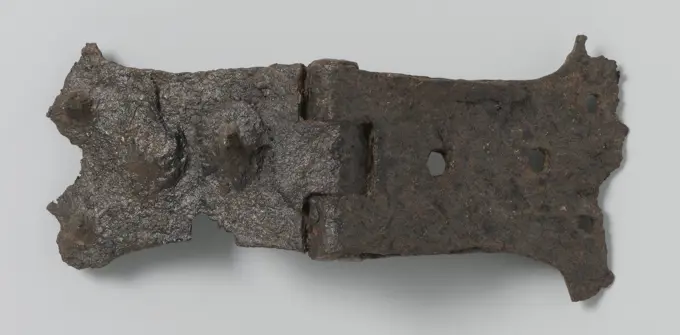
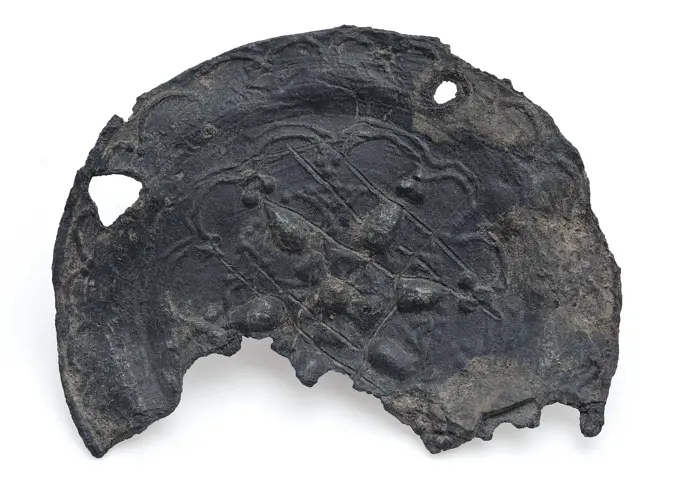
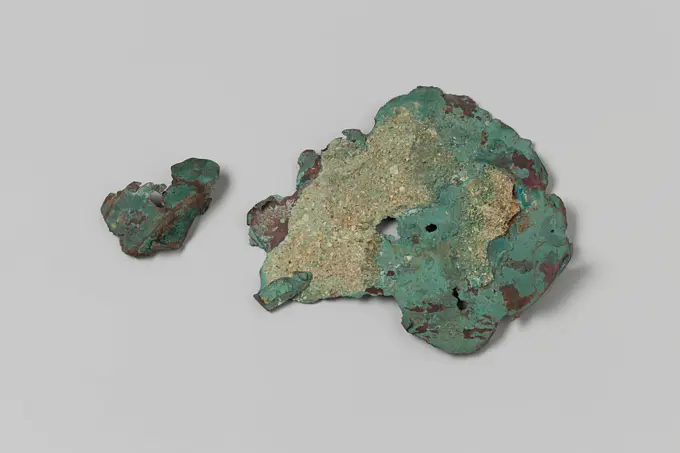
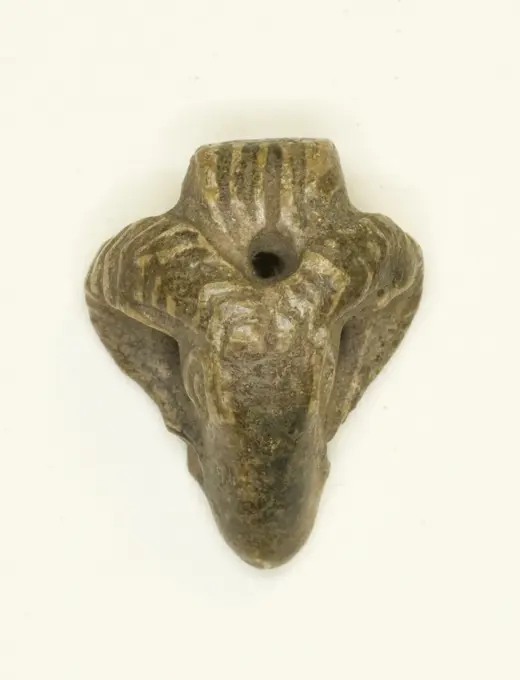
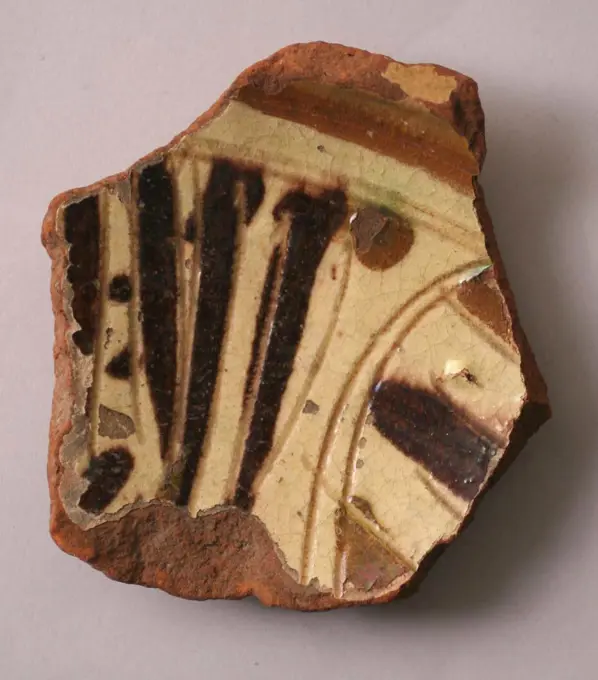
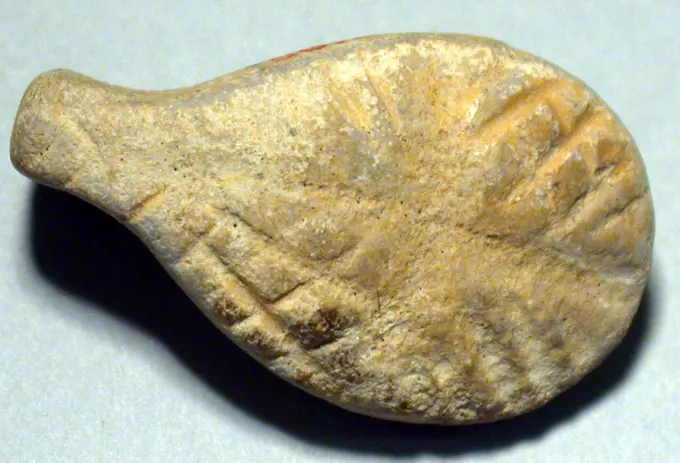
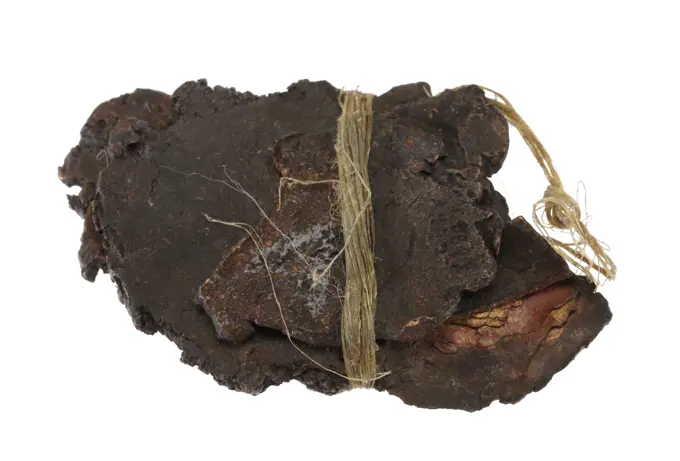
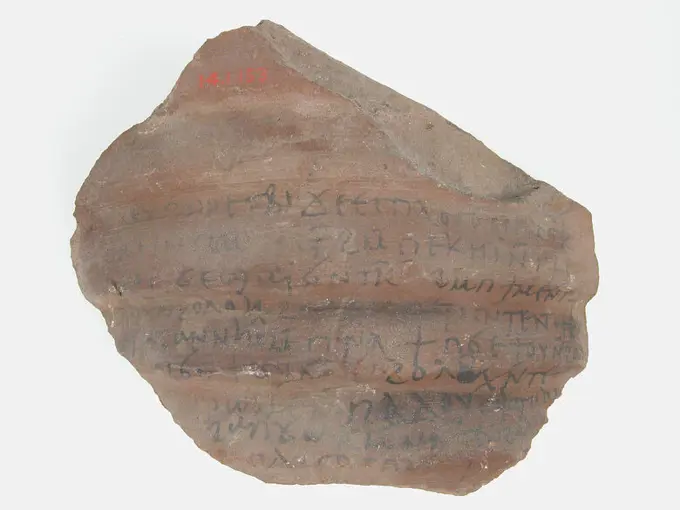
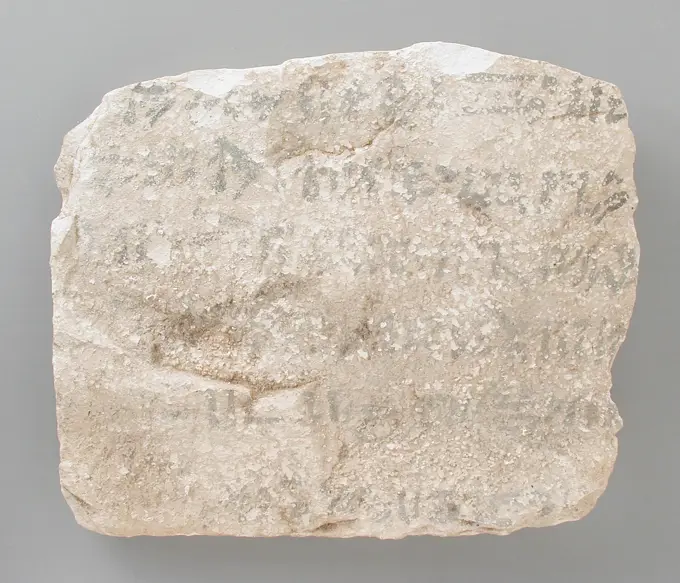
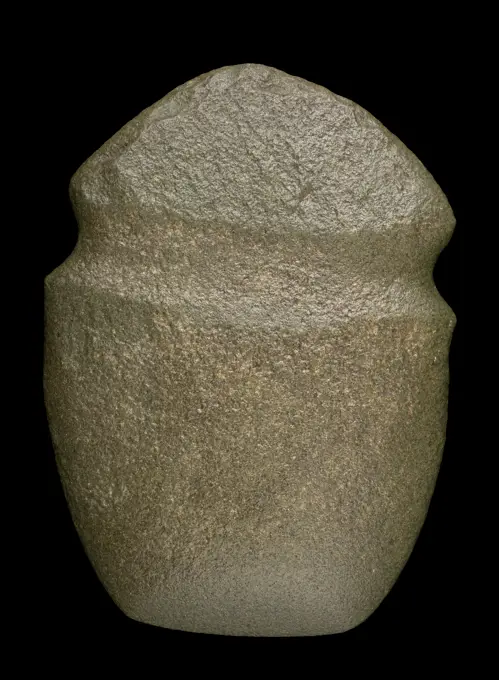
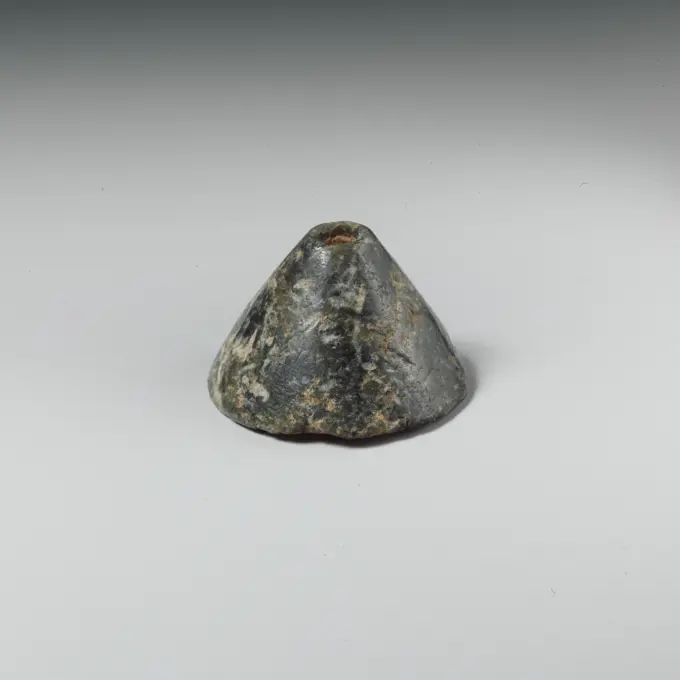
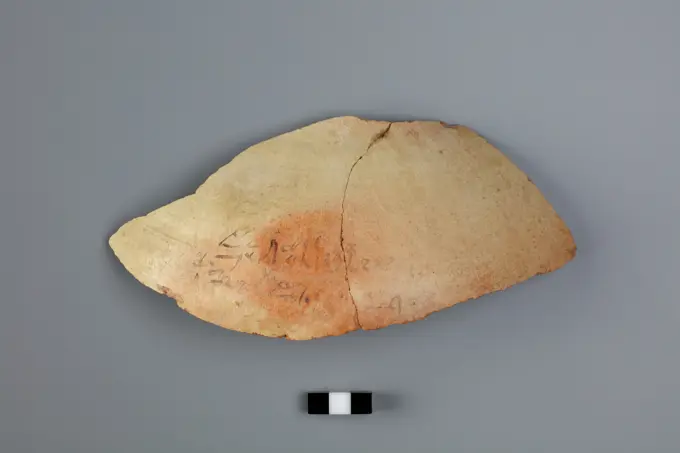
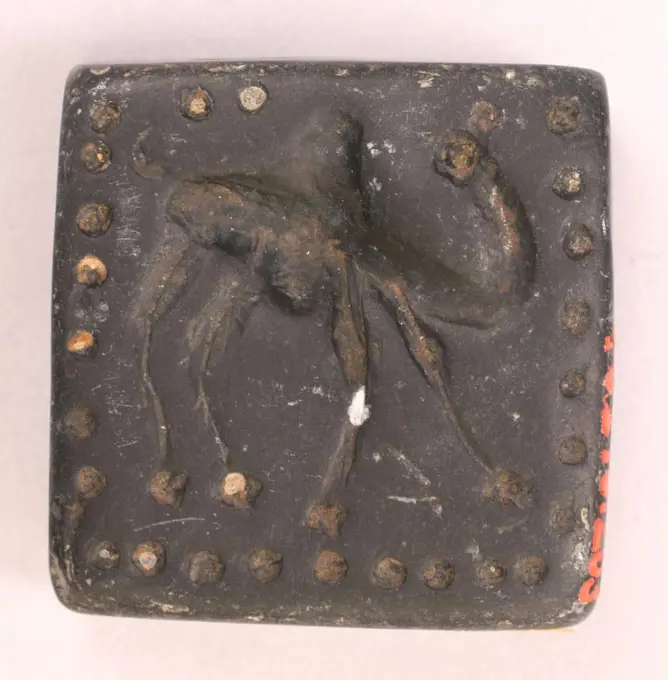
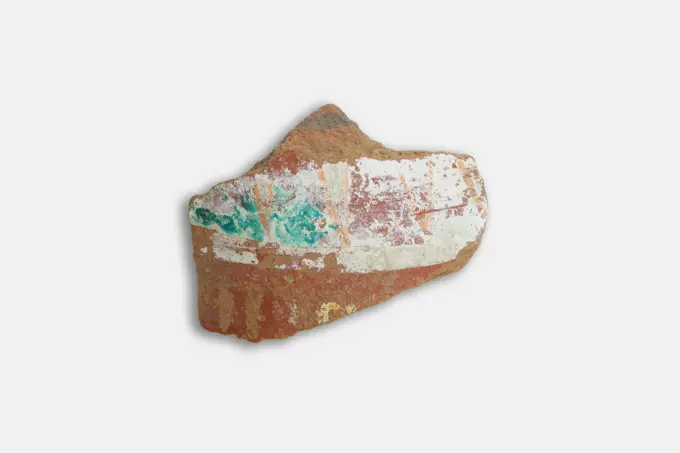
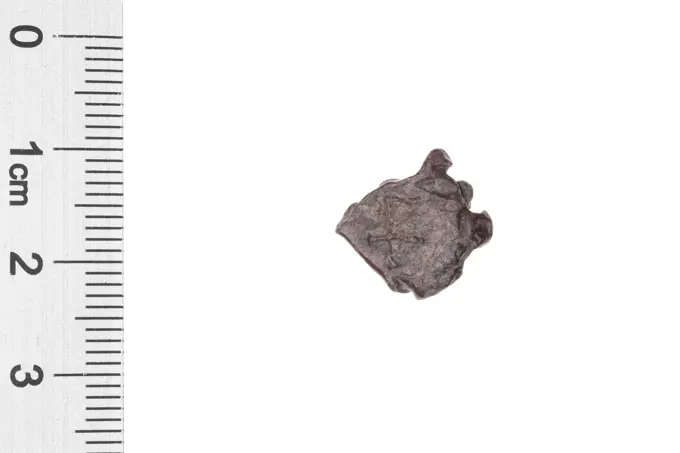
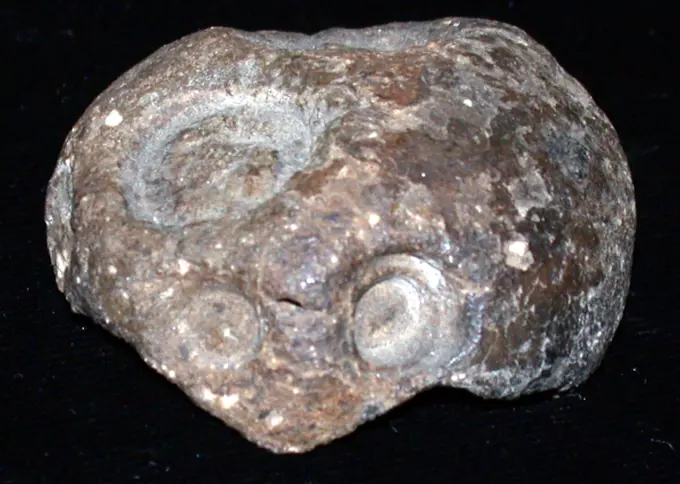
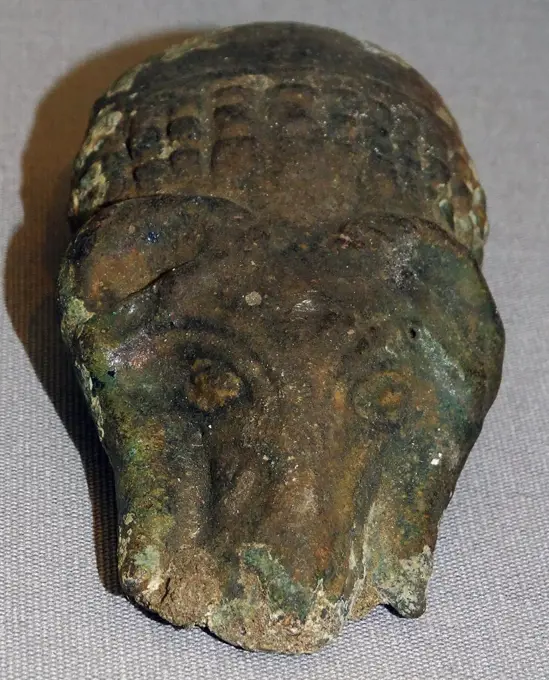
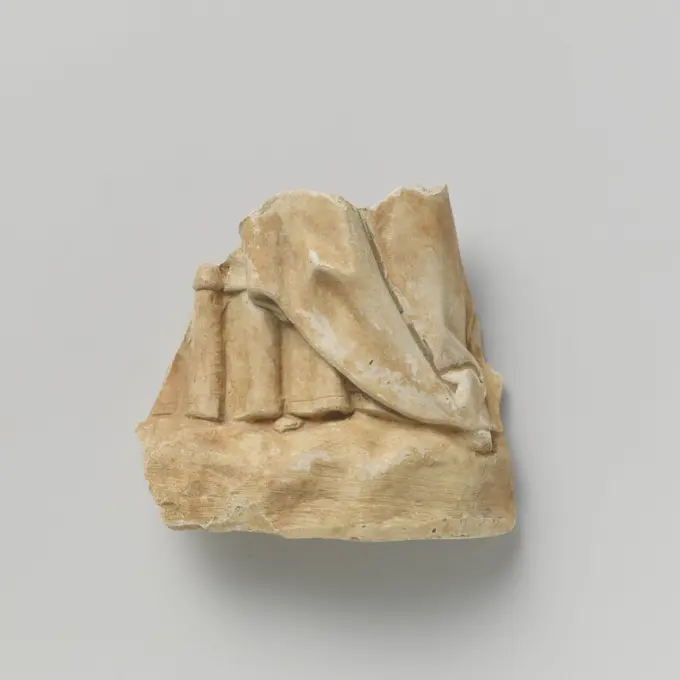
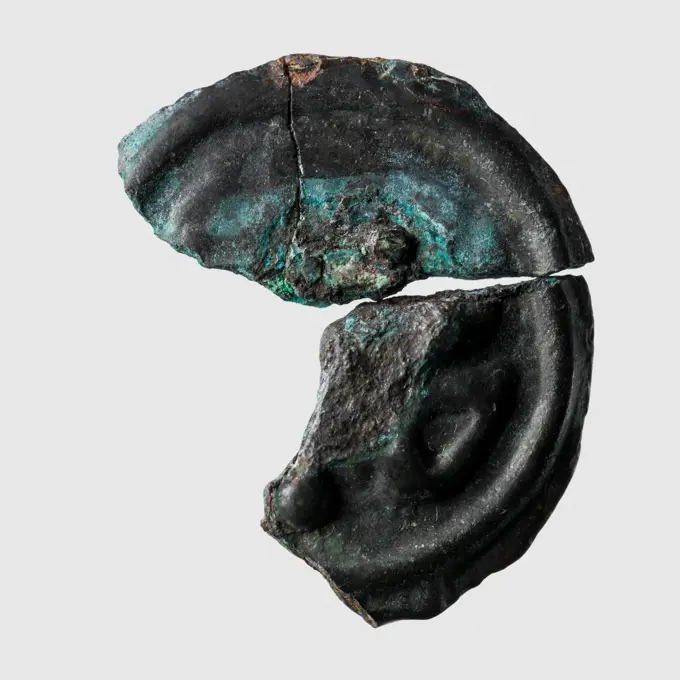
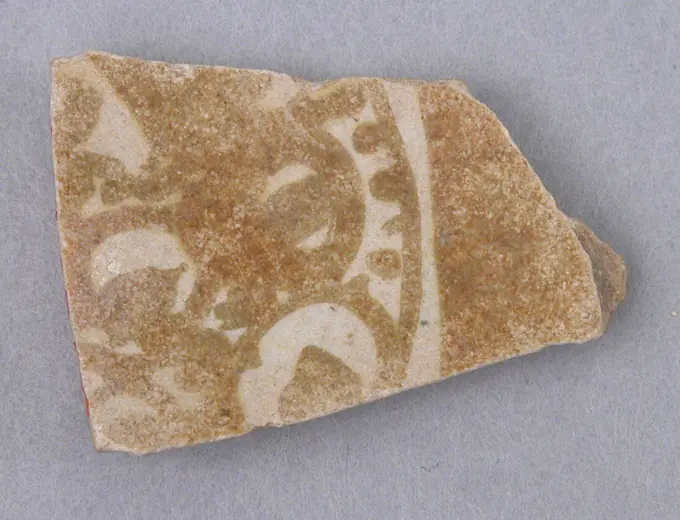
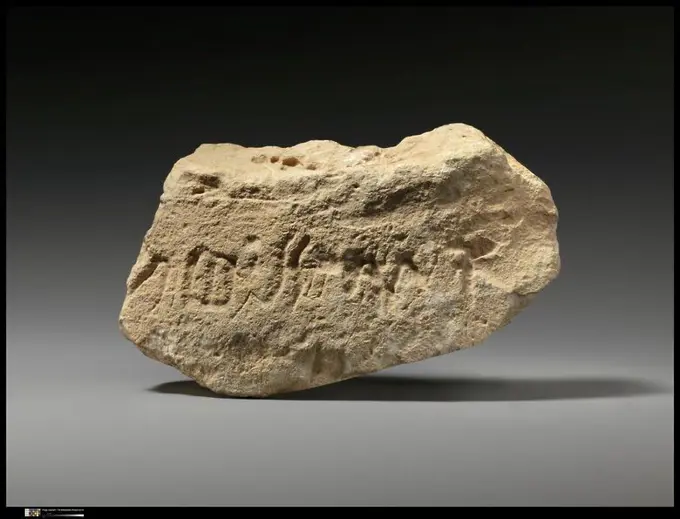
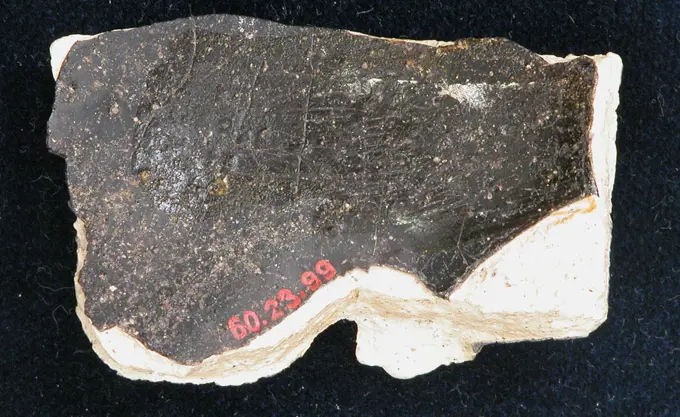
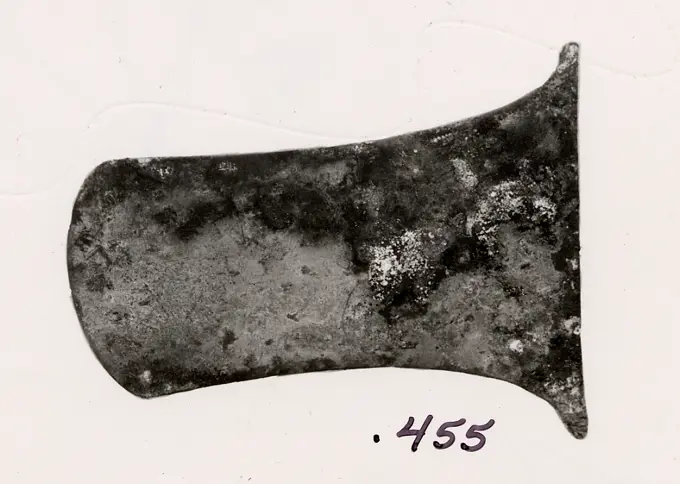
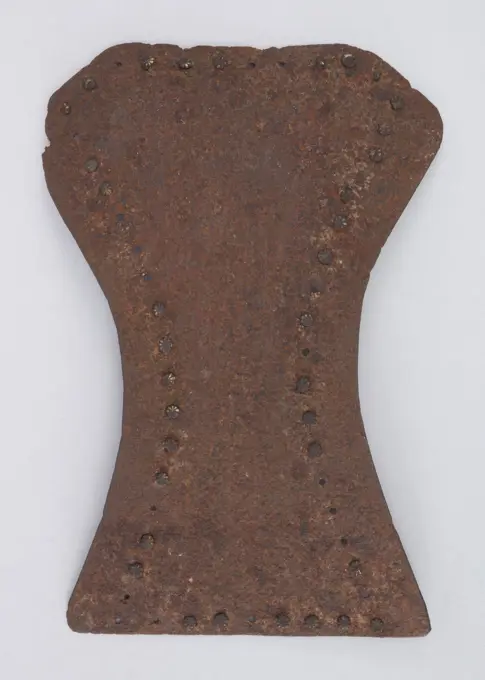
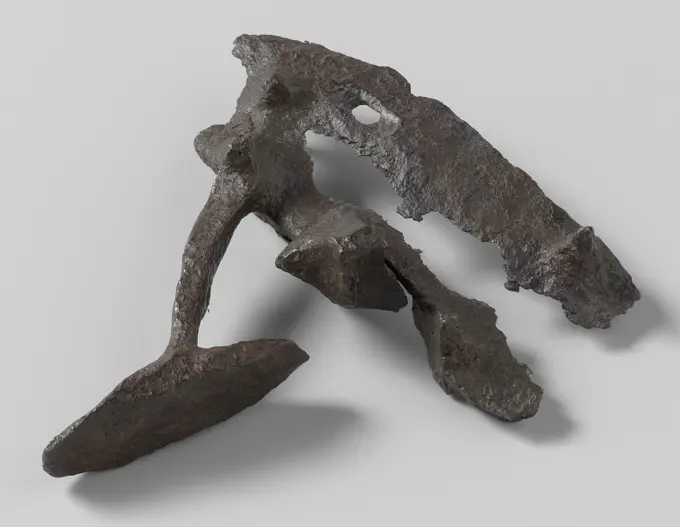
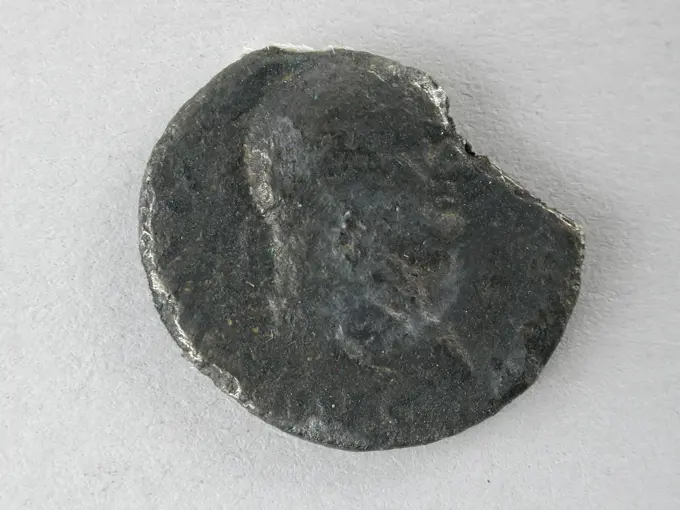
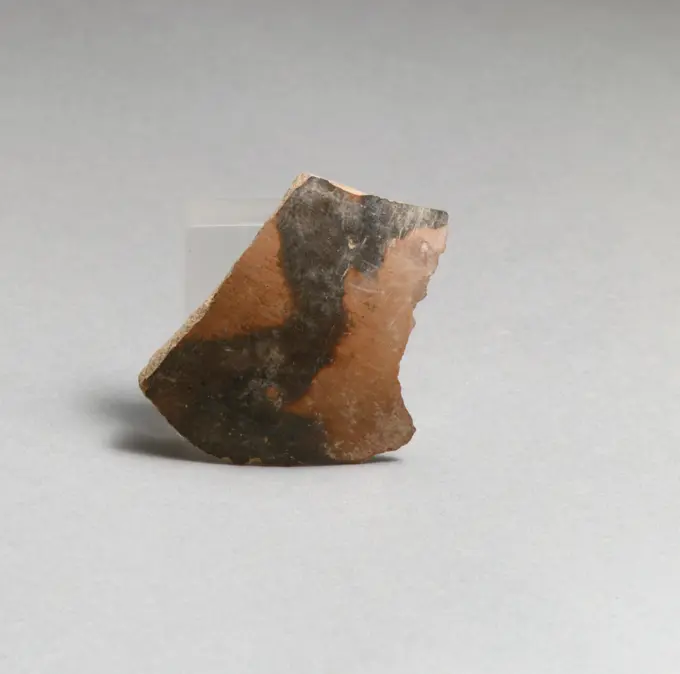
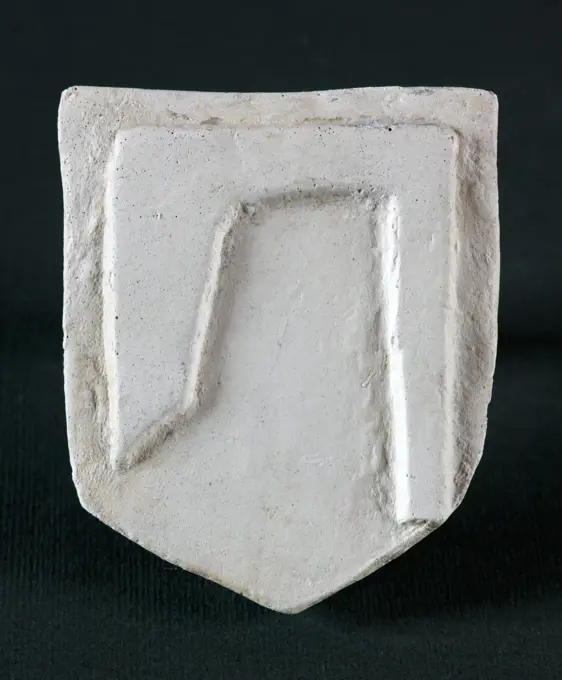
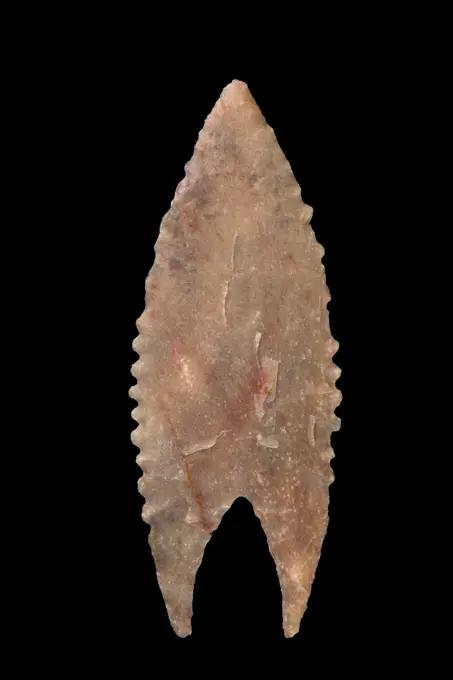
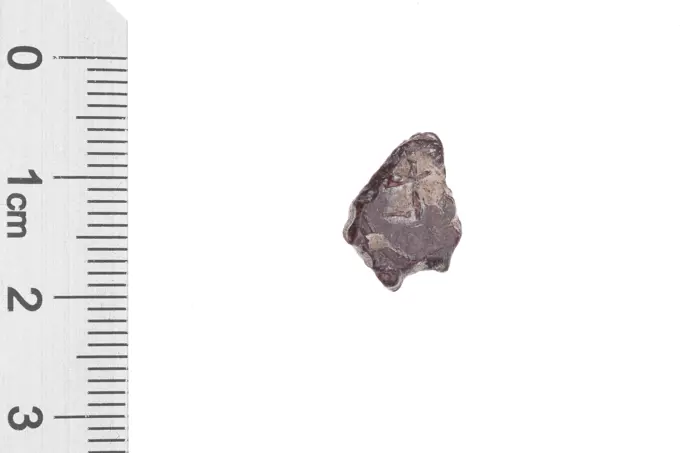
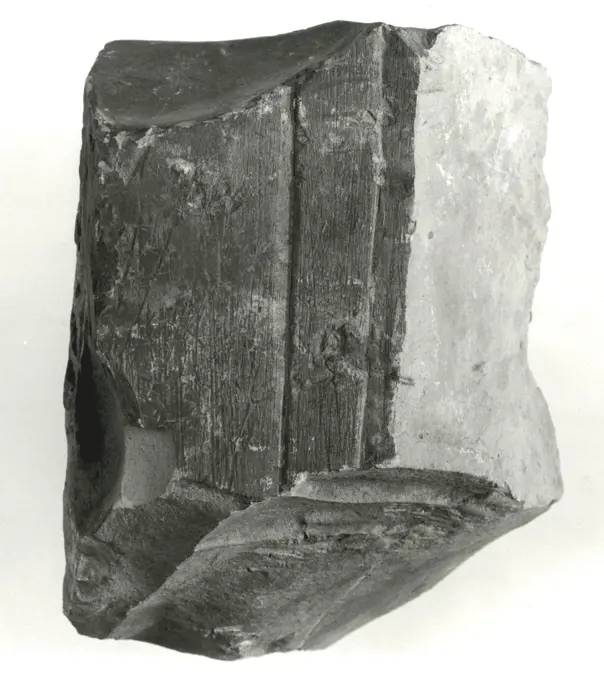
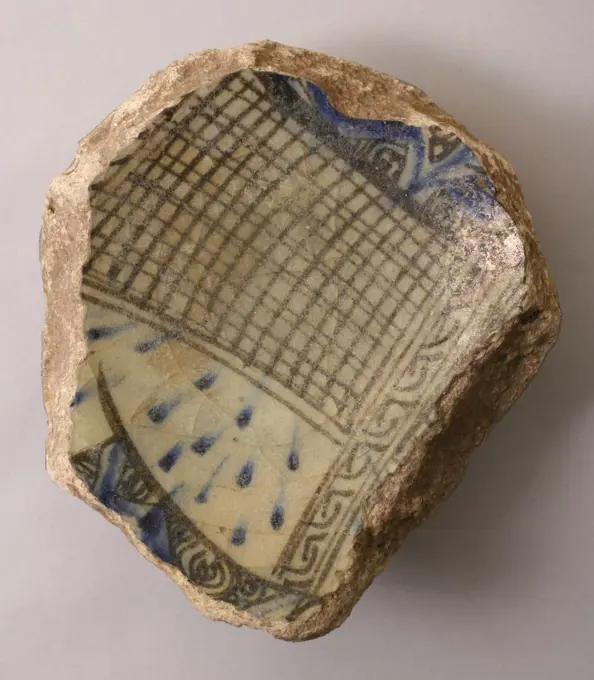
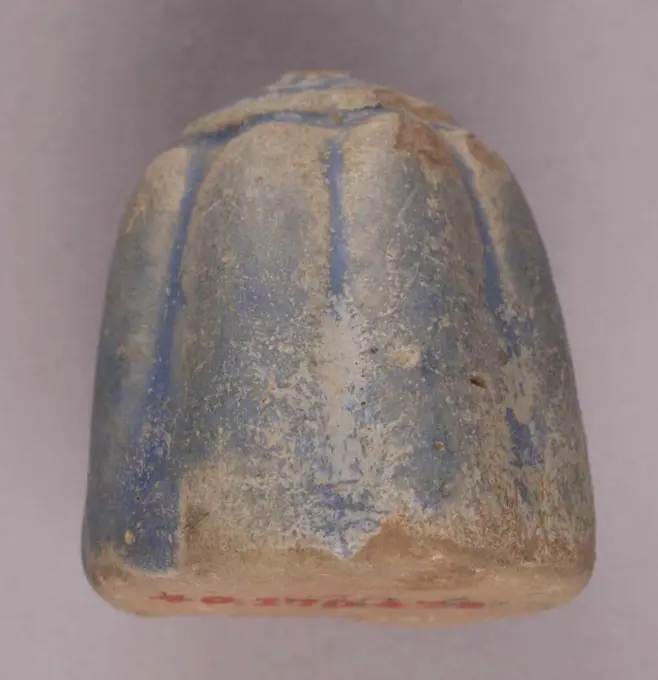
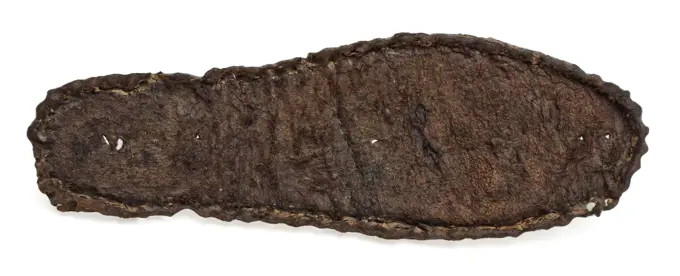
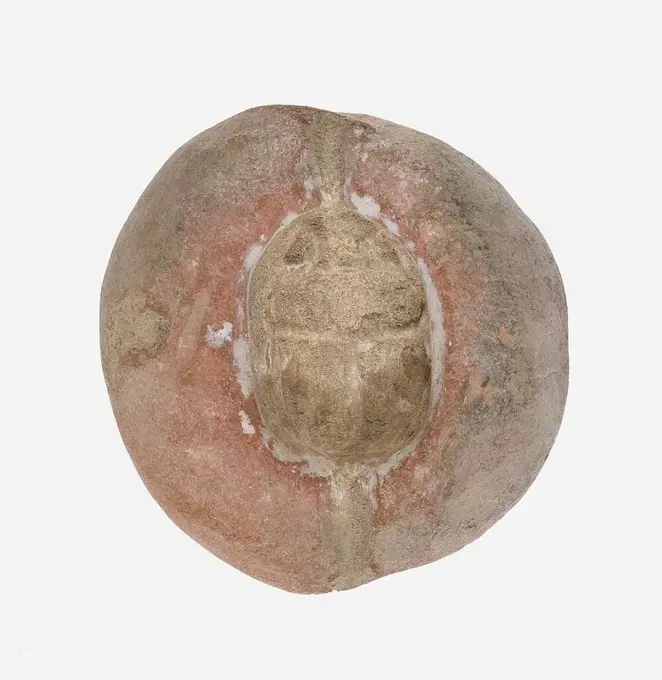
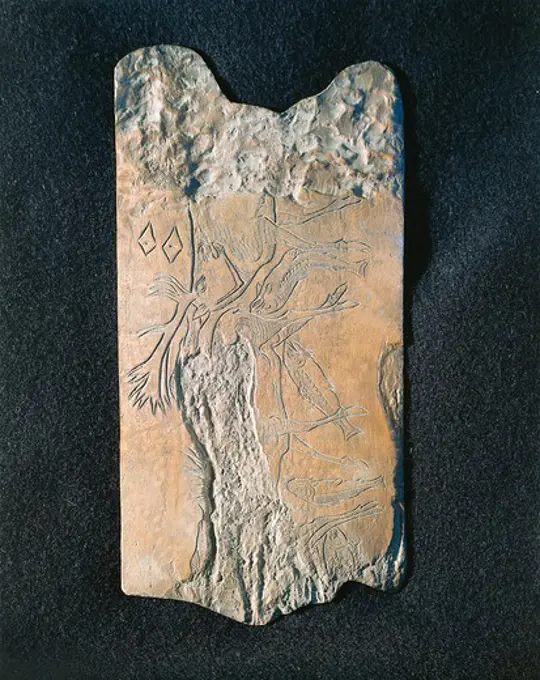
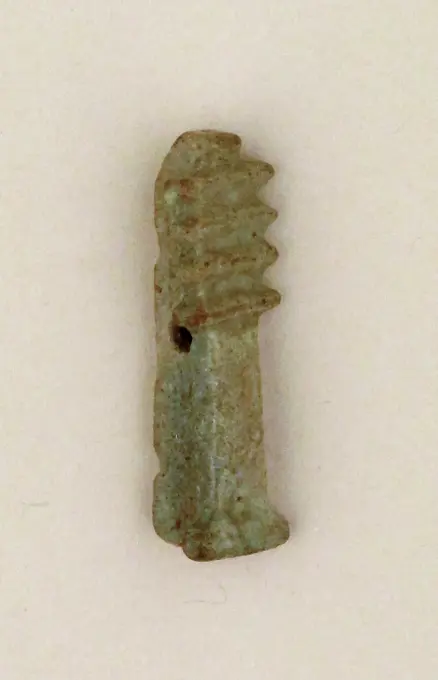
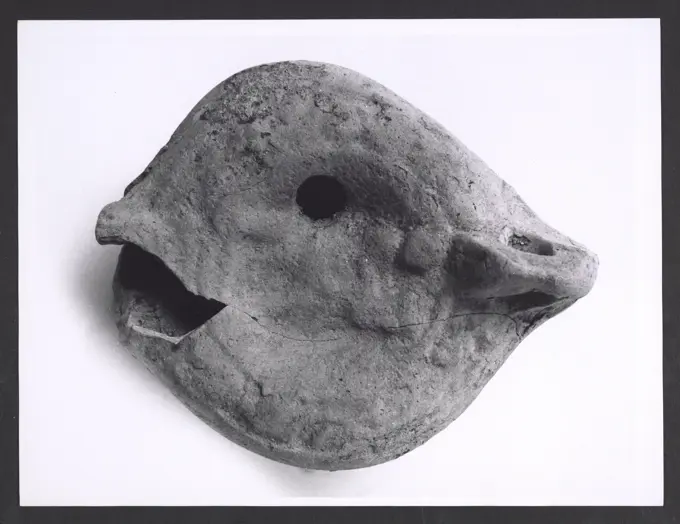
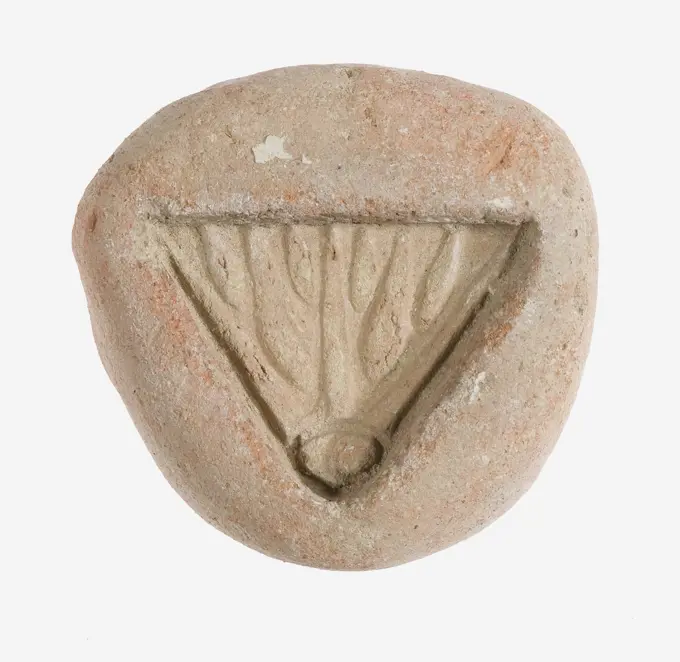
Bracelet fragments Cypriot. Bracelet fragments 242709Coin 5th-14th century. Coin. 5th-14th century. Copper. Excavated in Iran, Nishapur. CoinsMold. Ceramic. Paris, Cernuschi museum. 78844-23 Asian art, ancient ceramic, containerScarier, Anonymous, c. 1590 - c. 1596  Hinge, swallow tail hanging.  iron (metal) forging  Nova Zembla. Saving HuysFragments tin toy plate, decorated, plate crockery holder toy relaxant miniature soil find tin metal, cast Fragment of tin toy plate Decorated with cast rose in the middle of the mirror around it star figure and bands of curved lines. Deep scratches of cutting movements on the board archeology Rotterdam rail tunnel child play child's play dolls Soil discovery: trajectory rail tunnel Rotterdam.Fragments from buyer from the wreck of the East India Hollandia.parts or artifacts; eroded fragments: Materials; Copper.Fire hose ring from the wreck of the East Indieschief Hollandia. Firehose, Fragm, ID. NG 1975-20H1271A, Squashed.Drohiczyn seal. unknown, managerLarge CatapultBallFragment; (possibly) belonging to the Retable of Soest. .Amulet of a Ram's Head Made 1550 BCE-664 BCE Egypt. Steatite . Ancient EgyptianHatchet Switzerland. Hatchet. Switzerland. Chloromelanite. JadeModel shell ca. 1981-1640 B.C. Middle Kingdom. Model shell. ca. 1981-1640 B.C.. Blue faience. Middle Kingdom. From Egypt, Memphite Region, Lisht North, Cemetery, MMA excavations, 1920-22. Dynasty 12-13Fragment 14th-15th century. Fragment 445572Fragment 13th-16th century. Fragment 452871Amulet ca. 4200 B.C. Halaf. Amulet 324568Material sample -Ostrakon. Culture: Coptic. Dimensions: 4 1/4 x 5 1/8 in. (10.8 x 13 cm). Date: 600. Museum: Metropolitan Museum of Art, New York, USA.Sherds ca. mid-7th millennium B.C. Samarra. Sherds 329630Inlay. Inlay. BonePlaque in the Shape of a Bird 12th-11th century B.C. China. Plaque in the Shape of a Bird. China. 12th-11th century B.C.. Jade (nephrite). Shang (ca. 1600-1046 B.C.)-Western Zhou (1046-771 B.C.) dynasty. JadeDrohiczyn seal. unknown, managerIron helmet Iron helmet of the medieval knight. Very heavy headdress. Copyright: xZoonar.com/ValeryxxSibrikovx 6496716Cap Crown. Flanders, Brussels. Date: 1725-1745. Dimensions: 17.8 × 21.9 cm (7 × 8 5/8 in.). Linen, bobbin part lace of a type known as "Brussels" with a twisted bar ground. Origin: Brussels. Museum: The Chicago Art Institute, Chicago, USA.shard, Earthenware, Two pottery shards, a) Irregular fragment with roughly concentric incitions. Pale buff clay., b) Irregular fragment of buff clay covered with slip and painted with two parallel lines and cross hatching in dark brown., 2nd-3rd century, ceramics, Decorative Arts, shardOstracon Inscribed on Both Sides with a Letter. Egypt, New Kingdom, 19th Dynasty (1315 - 1201 BCE). Tools and Equipment; ostraka. LimestoneAx with trapezoidal throat in basalt. Neolithic period. North Africa. 13,6cm.Relief fragment from the tomb of Meketre ca. 1981-1975 B.C. Middle Kingdom. Relief fragment from the tomb of Meketre 668876Bull Head Amulet. Egypt, New Kingdom (circa 1569 - 1081 BCE). Jewelry and Adornments; amulets. FaienceSpheroconical Vessel 9th-10th century. Spheroconical Vessel 449923Relief fragment probably from the tomb of Khety ca. 2030-1640 B.C. Middle Kingdom. Relief fragment probably from the tomb of Khety. ca. 2030-1640 B.C.. Limestone, paint. Middle Kingdom. From Egypt, Upper Egypt, Thebes, Deir el-Bahri, Tomb of Neferu or Khety (TT 319/311, MMA 31/508), MMA excavations, 1923-24. Dynasty 11Dish Fragment. Egypt (Abu Kebir), New Kingdom (1569 - 1081 BCE). Furnishings; Serviceware. LimestoneSealing ca. 7th century A.D. Sasanian. Sealing 323434Steatite spindle whorl ca. 2400-1450 B.C. Minoan Spindle whorls aided in the making of cloth for garments and bedding. They were placed in tombs, perhaps so that the deceased could continue to spin wool in the afterlife.. Steatite spindle whorl 252435 Minoan, Steatite spindle whorl, ca. 24001450 B.C., Steatite, H. 7/16 in. (1.1 cm). The Metropolitan Museum of Art, New York. Bequest of Richard B. Seager, 1926 (26.31.516)Arrowhead Japan. Arrowhead 62439Sealing ca. 7th century A.D. Sasanian. Sealing 323387Stone Pulidor before 16th century Mexican. Stone Pulidor. Mexican. before 16th century. Stone. Mexico, Mesoamerica. Stone-ImplementsFragment of a Bowl. Dimensions: H. 7/8 in. (2.2 cm)W. 1 1/2 in. (3.8 cm)L. 3 in. (7.6 cm). Date: 11th-12th century. Museum: Metropolitan Museum of Art, New York, USA.Throne block with Nefertiti titulary, border pattern ca. 1353-1336 B.C. New Kingdom, Amarna Period. Throne block with Nefertiti titulary, border pattern 549873Jar Label ca. 1390-1352 B.C. New Kingdom. Jar Label. ca. 1390-1352 B.C.. Pottery and ink, paint. New Kingdom. From Egypt, Upper Egypt, Thebes, Malqata, Palace of Amenhotep III, MMA excavations. Dynasty 18Shards of earthenware from V.O.C. ship De 'Witte Leeuw', Before 1613  Shards of earthenware from V.O.C. ship the 'Witte Leeuw'. With decoration of diagonal stripes under the edge of the mouth.  earthenware   Sint-HelenaSeal 5th-12th century This object was excavated at Nishapur.Nishapur was a vital city in the early and middle Islamic periods, located along one of the main trajectories that connected Iran and West Asia Islamic lands with Central Asia and China. These itineraries are often referred to by the term Silk routes’ but were in fact crucial to the movement of constellations of materials and objects, as well as people and ideas. The diverse population of Nishapur and its surroundings, from the better-researched elite groups of merchants, land-owning aristocracy, and literates, to the less-known artisans, farmers, miners, and servants, were instrumental in adapting global cultural trends to create their own distinctive visual languages. This is seen in the material remains of everyday life in medieval Nishapur - from pots and pans to lighting devices, inkwells, textiles and trimmings, jewelry, games and toys, talismanic devices, weapons, coins, and architectural fragments.Nishapur lost its poDecorated jar fragment ca. 1390-1352 B.C. New Kingdom. Decorated jar fragment. ca. 1390-1352 B.C.. Pottery and ink, paint. New Kingdom. From Egypt, Upper Egypt, Thebes, Malqata, Palace of Amenhotep III, MMA excavations. Dynasty 18Relief fragment, tomb of Meketre ca. 1981-1975 B.C. Middle Kingdom. Relief fragment, tomb of Meketre 562283raw Volkonskoite stone on dark background macro shooting of natural mineral rock specimen - raw Volkonskoite stone on dark granite background from Ural Mountains, Perm Krai of Russia Copyright: xZoonar.com/ValeryxVoennyyx 11383454Drohiczyn seal. unknown, managerRocker used to move large blocks of stone. From Deir el-Bahri during the reign of Queen Hatshepsut. Dated 1470 BCRelief fragment from the tomb of Meketre ca. 1981-1975 B.C. Middle Kingdom. Relief fragment from the tomb of Meketre 668650Sealing ca. 7th century A.D. Sasanian. Sealing 323329Egyptian Faience ram's head from a tomb at Kawa, 700-300 BCStanding Saint, Fragment of the Lower Section, anonymous, c. 1425 - c. 1550  Northern Netherlands pipe clay  Northern Netherlands pipe clayChain in concretion from the wreck of the East Indied Flying Heart. The chunks of concretion have chain links enclosed.Catalani bronze gossip (Chlons-en-Champagne) Catalani Bronze Potin (Chlons-en-Champagne). Bronze. Around 100 av.j.-c.Pin 100-300 Roman. Pin 465836 Roman, Pin, 100300, Champlev enamel, copper alloy, Overall: 9/16 x 2 1/16 x 3/8 in. (1.5 x 5.2 x 1 cm). The Metropolitan Museum of Art, New York. Gift of J. Pierpont Morgan, 1917 (17.194.1910)Fragment of a Luster-Painted Open Vessel 9th-10th century This ceramic fragment was excavated in Ctesiphon, the Sasanian metropolis and administrative capital conquered by Arab Muslim armies in 637. The city was known in Arabic as al-Madain, or "the cities", for its extended area. Arab historians indulge in describing al-Madain/Ctesiphons grand monuments, which obsessed Muslim rulers and may have acquired a symbolic meaning related to its imperial past. This was the case of the Taq-i Kisra, an impressively-sized ivan (a vaulted hall with one side open) partially dismantled to reuse its bricks in caliphal buildings in the new capital Baghdad. Finds like this fragment attest to the continued occupation of Ctesiphons urban area in the early Islamic period. Luster was an innovative technology developed by Iraqi-based craftsmen in the 9th century, as was this kind of opacified glaze. The glaze was obtained with different techniques, such as the addition of tin oxide, through undissolvedBottle ca. 3rd-7th century A.D. Sasanian. Bottle 323021PIEDRA MAMARIA DEL CARIBE. Location: MUSEO NAVAL / MINISTERIO DE MARINA. MADRID. SPAIN.Limestone votive vase fragment. Culture: Cypriot. Dimensions: Overall: 4 1/2 x 7 5/8 x 1 7/8 in. (11.4 x 19.4 x 4.8 cm). Date: 4th or 3rd century B.C..The fragment of a vase has a syllabic inscription that is impossible to interpret. Museum: Metropolitan Museum of Art, New York, USA.Fragment 9th-10th century. Fragment 451592Ax blade ca. 1550-1458 B.C. New Kingdom. Ax blade 545560MINERAL-LINARITA.Pork ChopDrohiczyn seal. unknown, managerBelt Buckle Fragment 4th-7th century Frankish. Belt Buckle Fragment 469772Fragment of a Bowl 9th-10th century This ceramic fragment was excavated at the site of Tepe Madrasa in Nishapur.Nishapur was a vital city in the early and middle Islamic periods, located along one of the main trajectories that connected Iran and West Asia Islamic lands with Central Asia and China. These itineraries are often referred by the term Silk routes but were in fact crucial to the movement of constellations of materials and objects, as well as people and ideas. The diverse population of Nishapur and its surroundings, from the better-researched elite groups of merchants, land-owning aristocracy, and literates, to the less-known artisans, farmers, miners, and servants, were instrumental in adapting global cultural trends to create their own distinctive visual languages. This is seen in the material remains of everyday life in medieval Nishapur - from pots and pans to lighting devices, inkwells, textiles and trimmings, jewelry, games and toys, talismanic devices, weapons, coins, aBrigandine Plate 1400-1450 Italian This is part of a large find of medieval armor discovered in 1840 in the ruins of the fortress of Chalcis, on the Greek island of Euboea (then a Venetian colony called Negroponte). The fortress had been captured and destroyed by the Turks in 1470. Now divided largely between the Ethnological Museum, Athens, and The Metropolitan Museum of Art, the Chalcis hoard contains many rare and unusual elements of fourteenth- and fifteenth-century armor. Of particular importance are the variety of headpieces and the many fragments of brigandines (armor for the torso constructed of small plates riveted to layers of fabric), some of which retain portions of their original velvet covering. The Chalcis armor provides a unique picture of the armament used in the Aegean, one of the easternmost military outposts of the Venetian empire.. Brigandine Plate 34347Belt Plate 6th-7th century Frankish. Belt Plate 465043 Frankish, Belt Plate, 6th7th century, Iron, silver and brass inlay, Overall: 1 3/8 x 1 1/8 x 3/16 in. (3.5 x 2.9 x 0.4 cm). The Metropolitan Museum of Art, New York. Gift of J. Pierpont Morgan, 1917 (17.191.329)Fragment 8th-9th century. Fragment 448760stone tablet panels or signpost isolated on whiye backgroundCostume Ornament 11th-12th century Central coast (). Costume Ornament 308791Fragment of slot plate with pan and steel from a snaphan lock of a musket, anonymous, c. 1590 - c. 1596  Part of the lock plate with pan and steel of a snaphan lock. The highly corroded fragment shows the remains of a pan with turning lid, the steel rotating around an axle in the locking plate and the remains of the mounting spring and the steel spring. This excerpt is part of another excerpt on which the rooster of this lock is located (RM NM-7762). In comparison with the other firearms found on Nova Zembla, this is a very modern weapon. As of the Radslot, the feathers of this Snaphaanslot apparently collapsed in the extreme cold, making the lock worthless.  iron (metal) forging  Nova Zembla. Saving HuysDenarius, 74; Emperor Vespasian, 69-79, denarius currency money swap fund discovery silver, minted Silver denarius minted under Emperor Vespasian archeology New Waterway Village Hook of Holland Rotterdam pay Roman Soil discovery New Waterway area 1977.Vase fragment Minoan. Vase fragment 247764Bell Half zygmunt (Small Herb Topór)  Zygmuntów Tower, Wawel Cathedral, KrakówScribe's paint dish ca. 1981-1640 B.C. Middle Kingdom. Scribe's paint dish. ca. 1981-1640 B.C.. Basalt. Middle Kingdom. From Egypt, Memphite Region, Lisht North, Cemetery, MMA excavations, 1920-22. Dynasty 12-13Hammered Silver Drum Ornament 8th-mid-16th century Peru; north coast (). Hammered Silver Drum Ornament 309008Toothed shape. Arrowhead in chipped stone. Neolithic period. Found between 1970 and 1980 in the southern Sahara at El Golea Timimoun, eastern erg. Algeria. 2,5 cm.Conical Game Piece ca. 1504-1447 B.C. New Kingdom The first room that the Museum's excavators cleared in the family tomb of Neferkhawet was the east chamber. In the northwest corner of this room they found a mismatched partial set of gaming pieces. The two types, conical and spool-shaped, are common components of the board games senet and 20-squares which were usually combined in a single game box with the game boards on opposite sides, and a drawer for the gaming pieces and the throw sticks or knuckle bones that were used like dice to determine how the pieces were moved on the boards. The eight gaming pieces, five conical and three spool-shaped, were lying on their sides next to the outlined remains of an insect-eaten game box.. Conical Game Piece. ca. 1504-1447 B.C.. Faience. New Kingdom. From Egypt, Upper Egypt, Thebes, Asasif, Tomb of Neferkhawet (MMA 729), east chamber, northwest corner, MMA excavations, 1934-35. Dynasty 18, earlyPrehistory, Syria, 3rd millennium b.C. Ax and spearhead.Drohiczyn seal. unknown, managerJar Fragment ca. 1194-1188 B.C. New Kingdom, Ramesside. Jar Fragment. ca. 1194-1188 B.C.. Travertine (Egyptian alabaster). New Kingdom, Ramesside. From Egypt, Upper Egypt, Thebes, Valley of the Kings, Tomb of Siptah (KV 47), Davis excavations, 1912. Dynasty 19Fragment 13th-16th century. Fragment 451555Raised relief fragment 664-610 B.C. Late Period, Saite see 23.3.468. Raised relief fragment. 664-610 B.C.. Limestone. Late Period, Saite. From Egypt, Upper Egypt, Thebes, Deir el-Bahri, Tomb of Nespekashuty (TT 312, MMA 509), MMA excavations, 1922-23. Dynasty 26Shard: Forepaws of Carnivore ca. 4th-5th century Pakistan. Shard: Forepaws of Carnivore 51097Copper Animal Plaque 3rd century B.C.-A.D. 2nd century Vicús. Copper Animal Plaque 315647engraved plates, late neolithic, 4000-3000 BC, Evora museum, Evora, Alentejo, Portugal, Europe.Fragment 8th-9th century. Fragment 448829Fragment 14th century. Fragment 446361Chess Piece, Pawn 9th-12th century This chess piece was excavated at Nishapur, Iran, at the site of Sabz Pushana thriving residential neighborhood throughout the 9th and 12th centuries. Made from glazed pottery, the formal elements of this object, such as its eight-sided base, elongated domical shape, and the small knob on its top (which no longer remains), suggest that it likely functioned as a pawn. It is one of many objects excavated at Nishapur, Iran in 1939 and was acquired by the Museum through a division of finds with the Iranian government.. Chess Piece, Pawn. 9th-12th century. Earthenware; molded, pale blue glaze. Excavated in Iran, Nishapur. Gaming piecesDrohiczyn seal. unknown, managerMold for a Fox Head Amulet. Dimensions: H. 4.1 cm (1 5/8 in); w. 3.8 cm (1 1/2 in). Dynasty: Dynasty 18. Reign: reign of Amenhotep III. Date: ca. 1390-1353 B.C.. Museum: Metropolitan Museum of Art, New York, USA.Seated Female Figure. UnknownLeather sole in children's shoes, round heel, round nose, around sewing holes from the side, shoe footwear children's clothing clothes soil find leather, archeology child underground pit Rotterdam Stadscentrum Stadsdriehoek Groenendaal Soil discovery: underground pit Groenendaal 11 September 1975 15th century cesspool.Mold for a Scarab. Dimensions: Diam. 3.2 cm (1 1/4 in.). Dynasty: Dynasty 18. Reign: reign of Amenhotep III. Date: ca. 1390-1353 B.C.. Museum: Metropolitan Museum of Art, New York, USA.Red Copper elongated piece of fittings from the wreck of the East Indied Flying Heart. Redhead elongated piece of batter with one long side holes for attachment, corroded and buted. The picture challenges a piece of wood. Sheet fragments.Paleolithic reindeer horn with carvings representing deers and salmons, dating back to Upper Magdalenian, from Lortet, Midi-PyreneesAmulet pendant, djed sign Symbolic objects used for amulets include a menat-pendant, the djed-sign, a papyrus capital are all common in Egyptian architecture. Also, a pectoral, such as is used on mummies, a bunch of grapes, or other clusters of fruit, and an inscribed bead are common shapes.. Amulet pendant, djed sign. Clay, glazed. Gold and SilverEmilia-Romagna Ferrara Ferrara Museo Civico di Schifanoia82. Hutzel, Max 1960-1990 General Notes: INCOMPLETE RECORD--NEGATIVES PROCESSED, PRINTS FILED German-born photographer and scholar Max Hutzel (1911-1988) photographed in Italy from the early 1960s until his death. The result of this project, referred to by Hutzel as Foto Arte Minore, is thorough documentation of art historical development in Italy up to the 18th century, including objects of the Etruscans and the Romans, as well as early Medieval, Romanesque, Gothic, Renaissance and Baroque monuments. Images are organized by geographic region in Italy, then by province, city, site complex and monument.Head of bull ca. 9th century B.C. Iran. Head of bull 325795Mold: Lotus Terminal ca. 1390-1353 B.C. New Kingdom. Mold: Lotus Terminal. ca. 1390-1353 B.C.. Pottery. New Kingdom. From Egypt, Upper Egypt, Thebes, Malqata, Palace of Amenhotep III, MMA excavations, 1910-11. Dynasty 18