Artifact Fragments

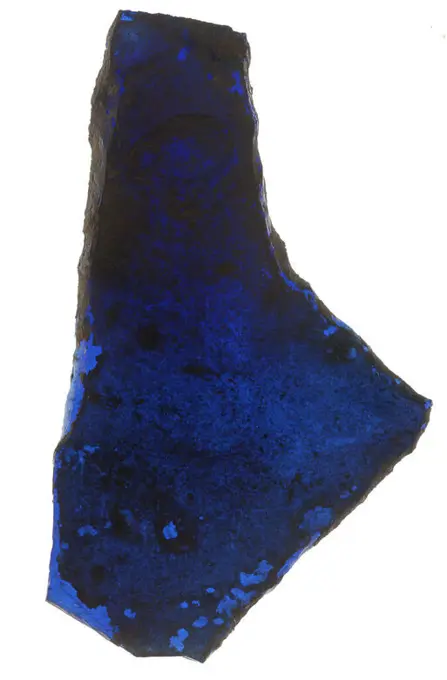
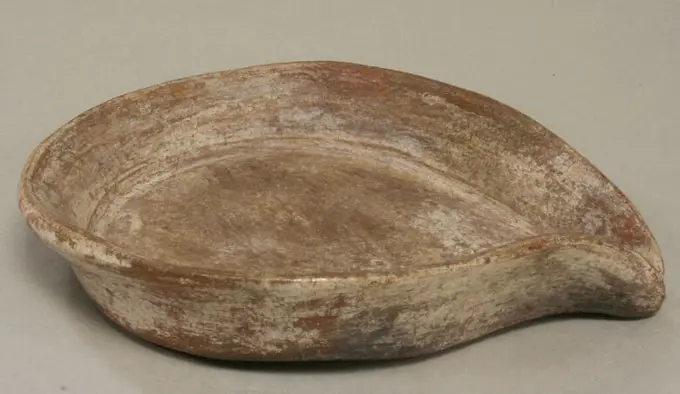
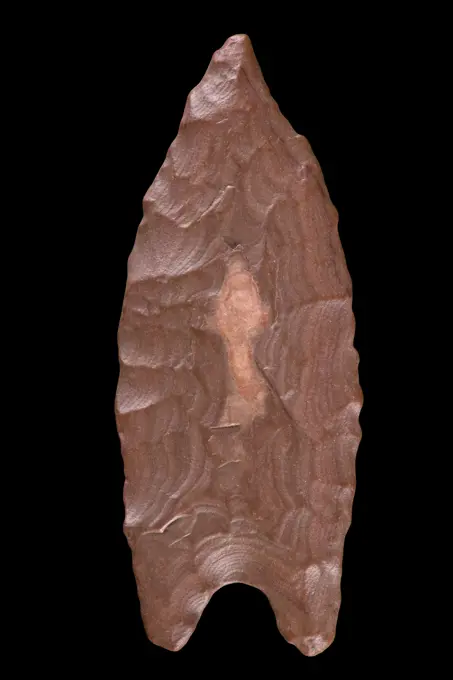
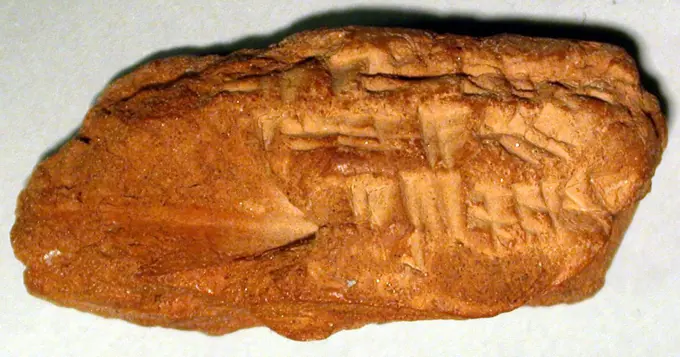
Various historical artifacts including ceramic shards and metal fragments from shipwrecks, showcasing erosion and ancient designs.

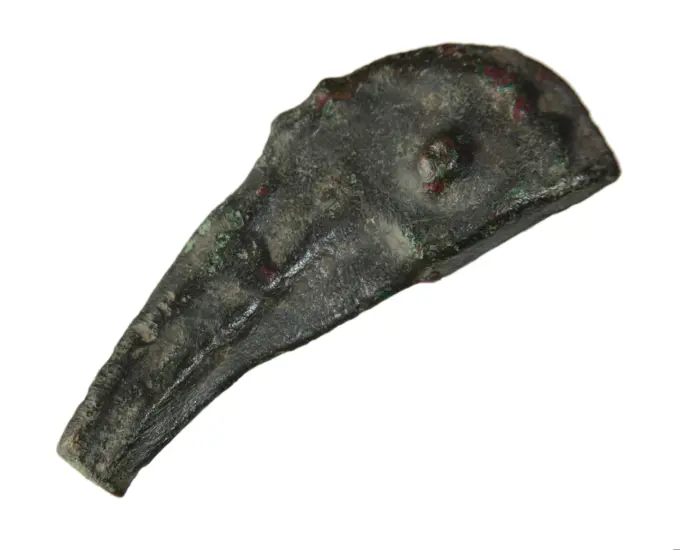
Bliżej Kultury Władysław Jagiełło (CA 1351 1434), Mint of Kraków
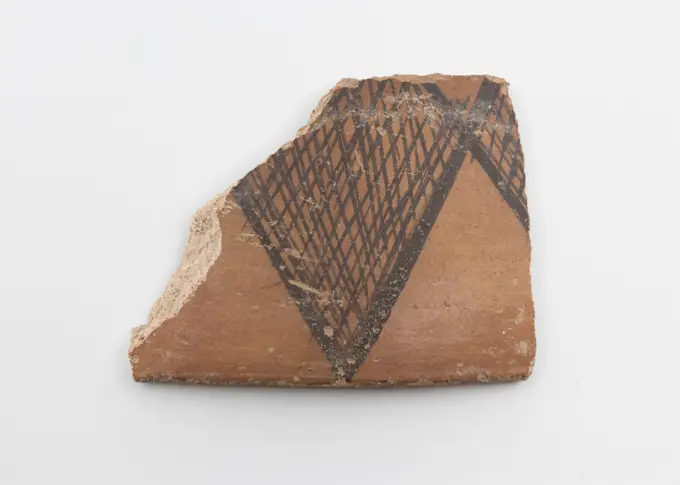
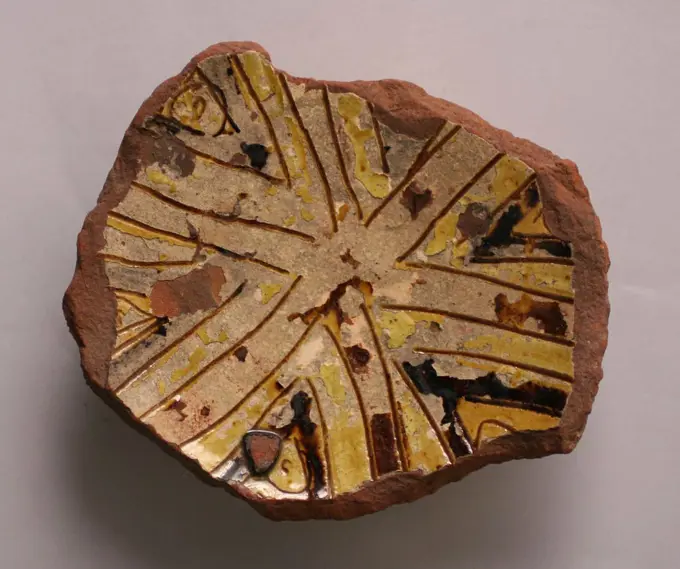
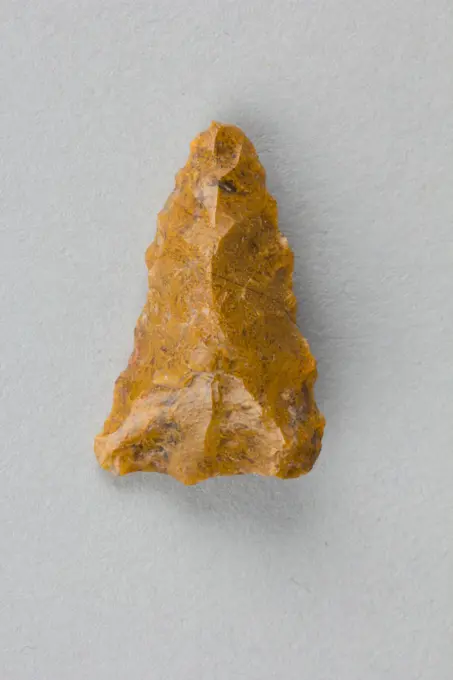
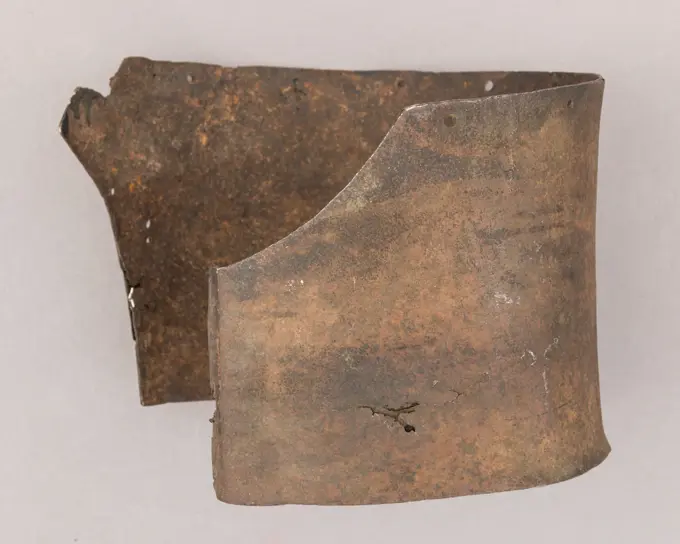
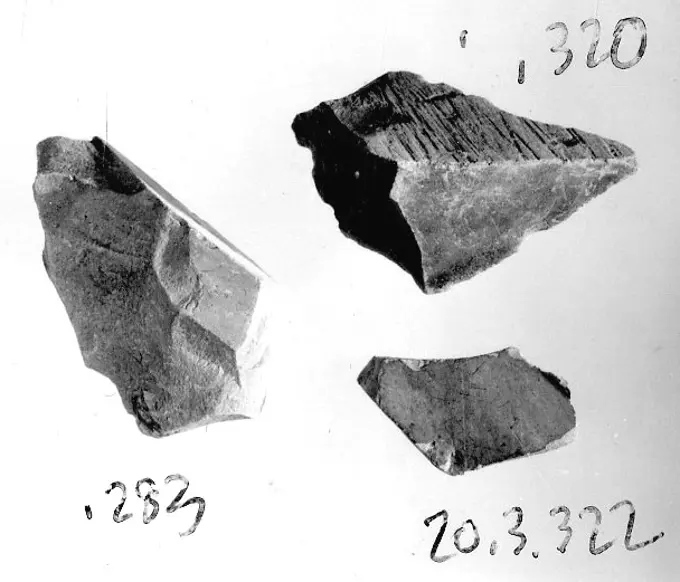
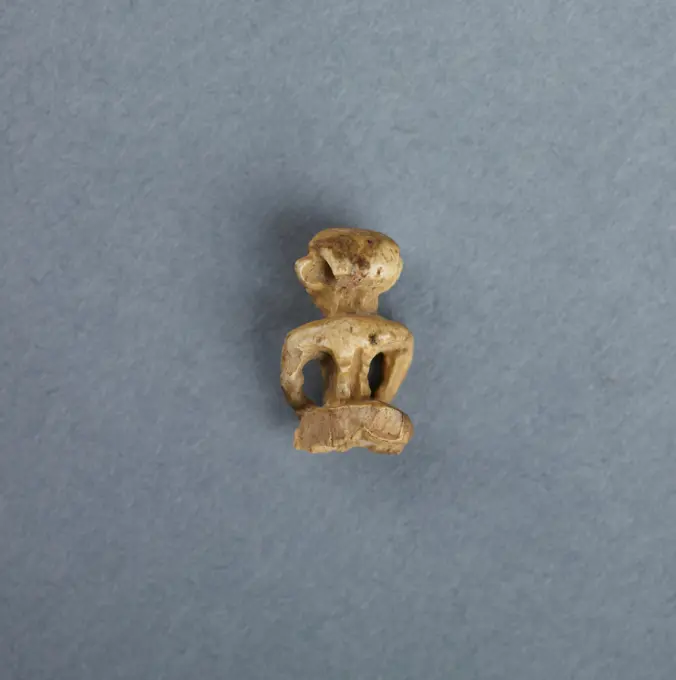
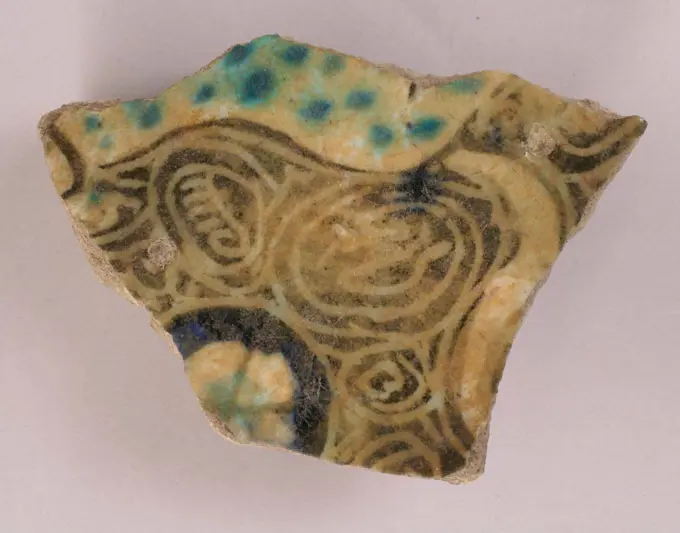
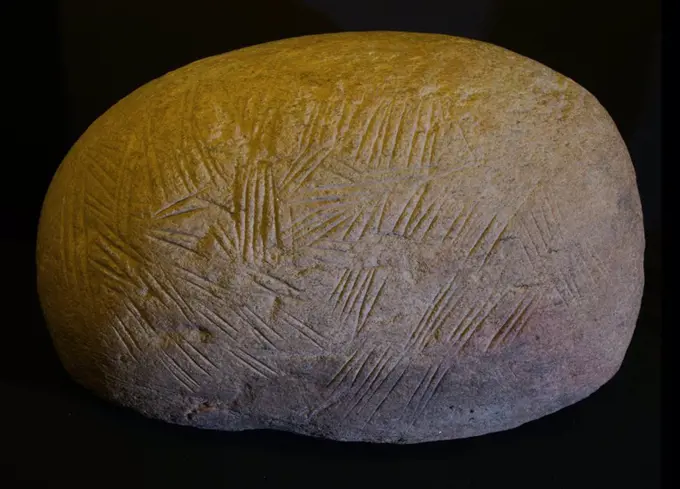
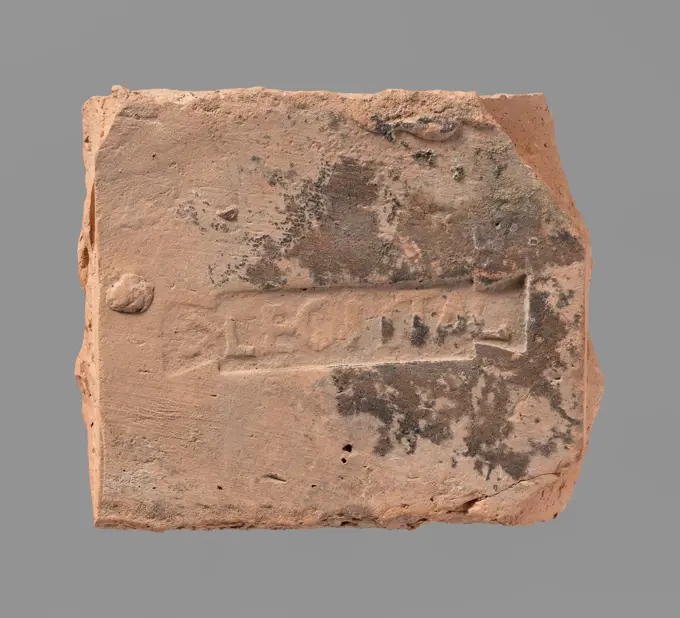
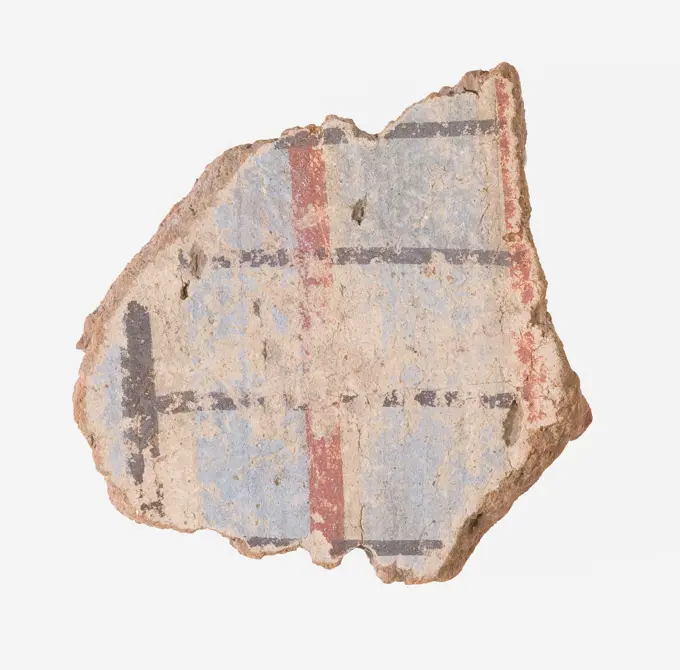
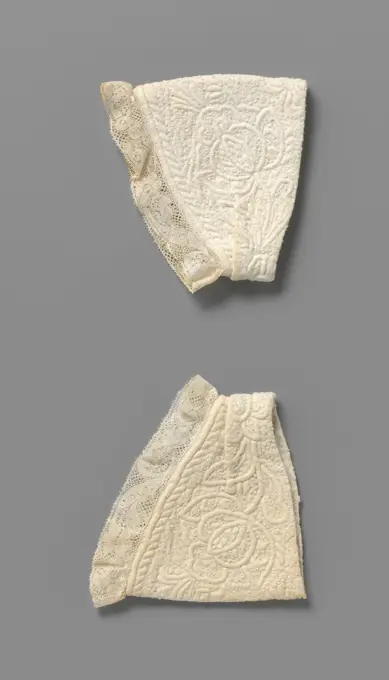
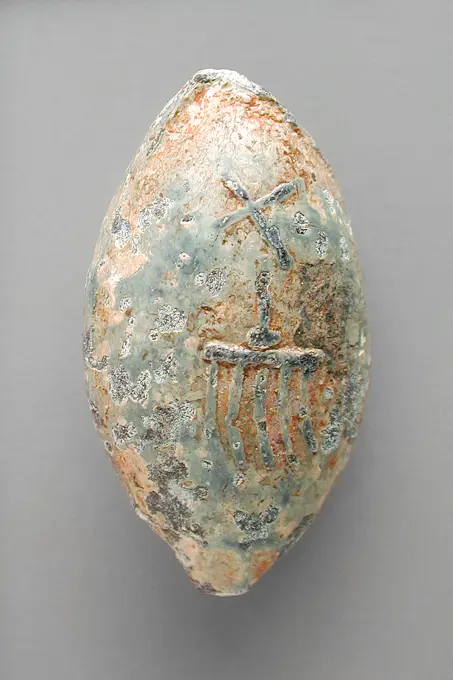
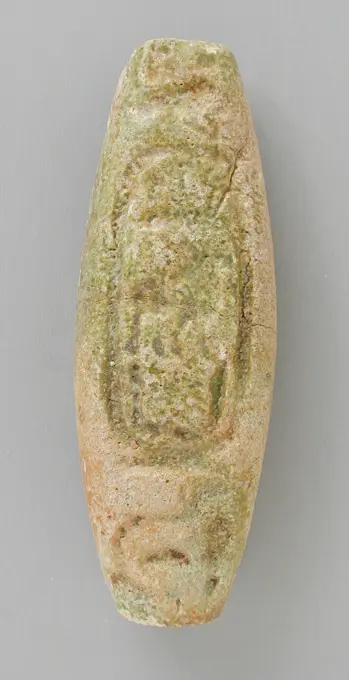
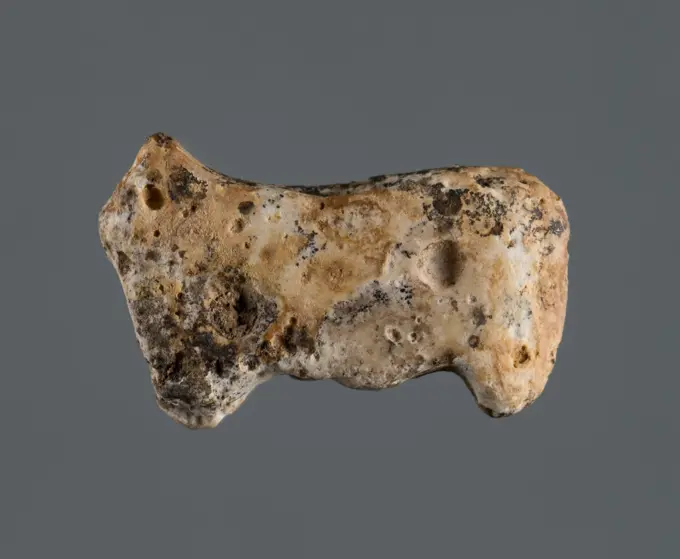
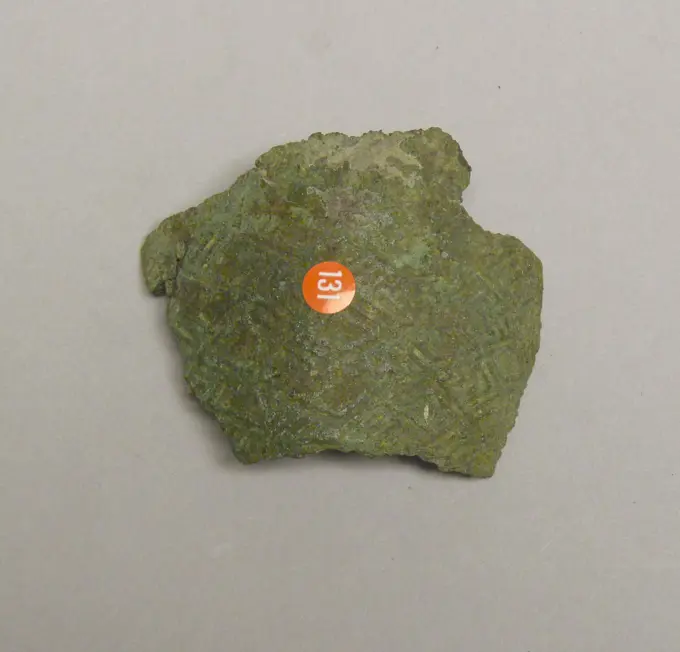
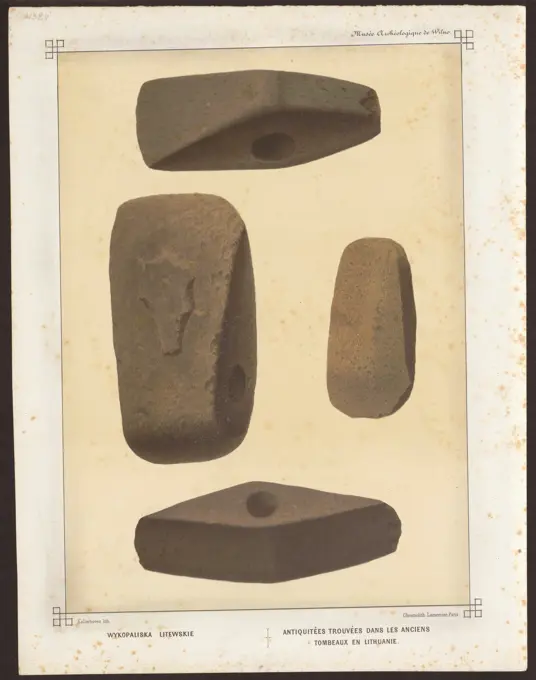
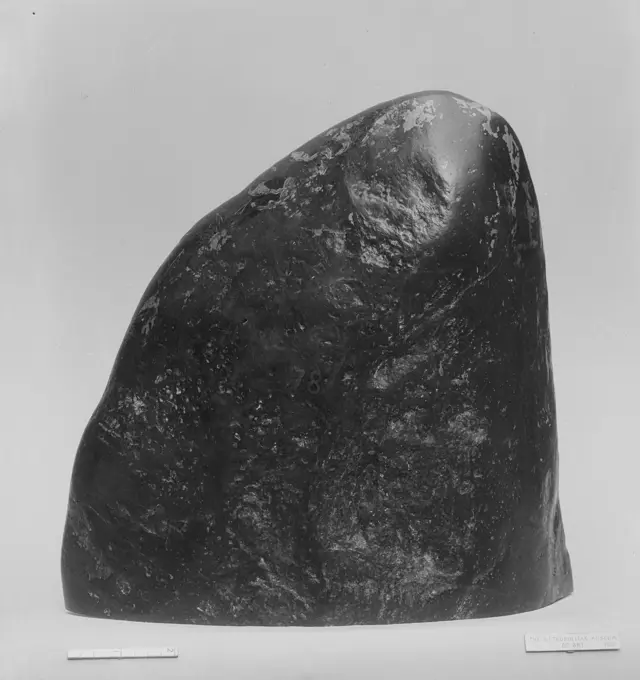
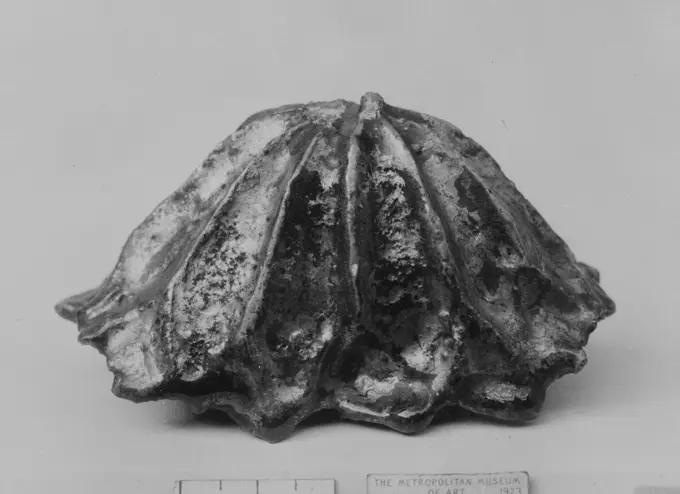
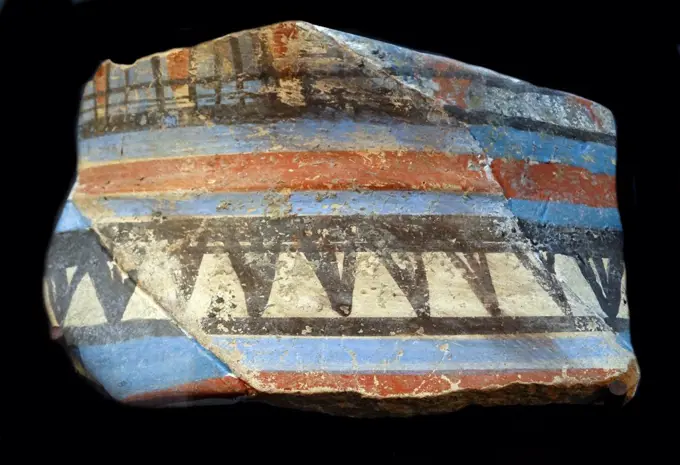
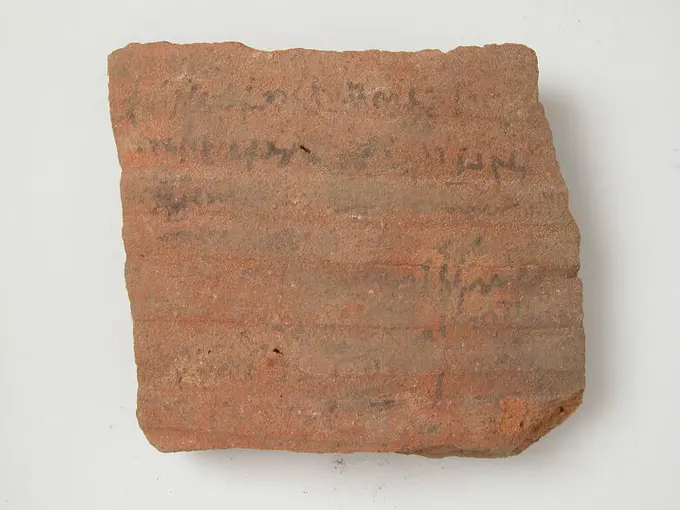
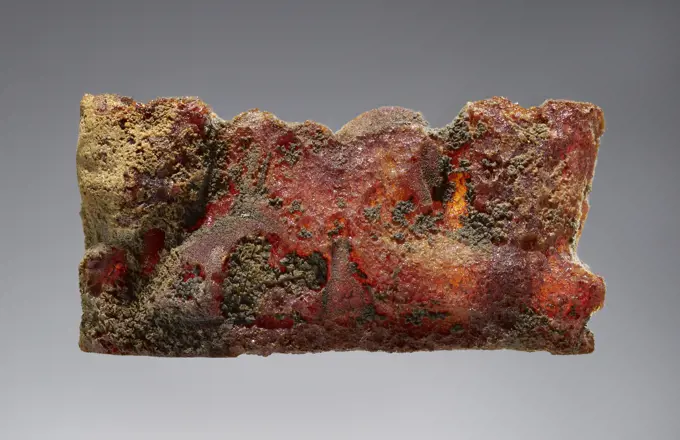
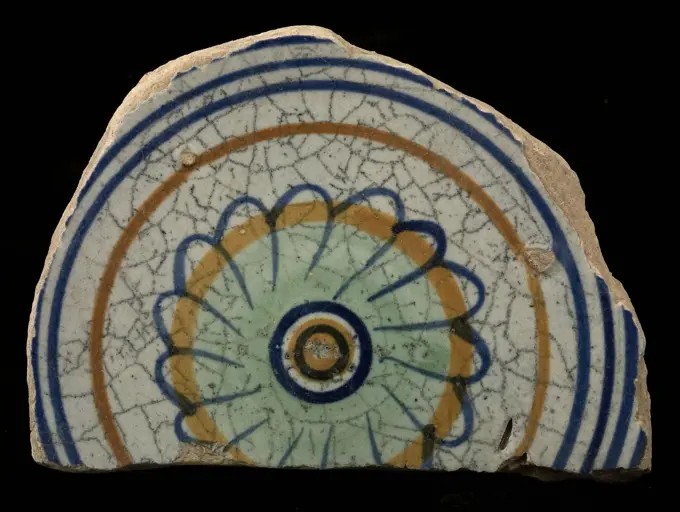
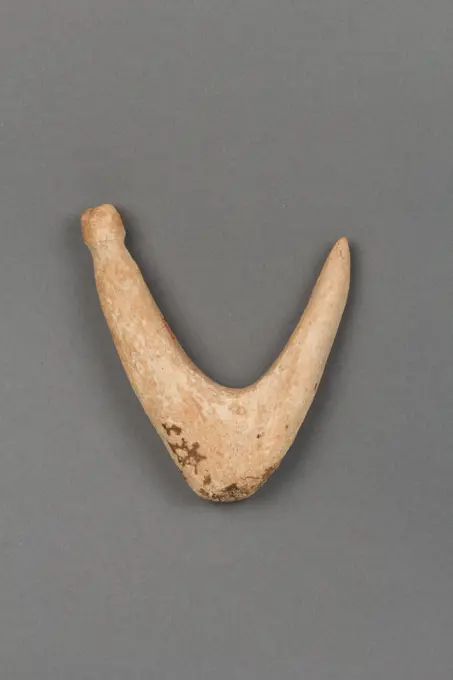
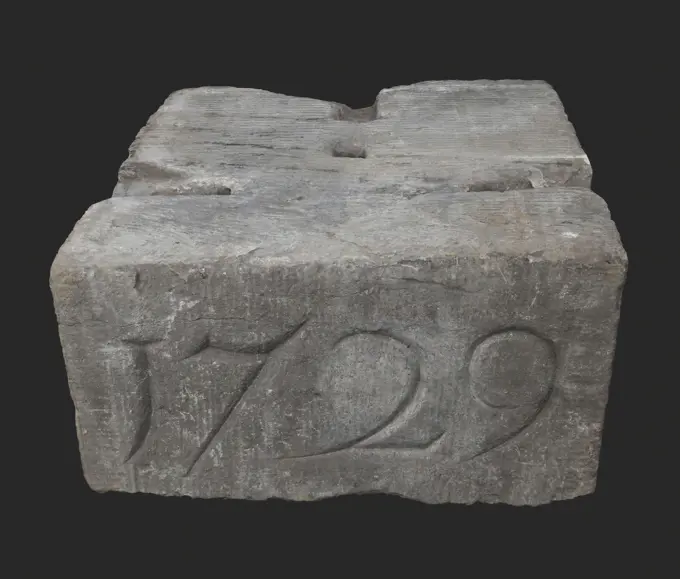
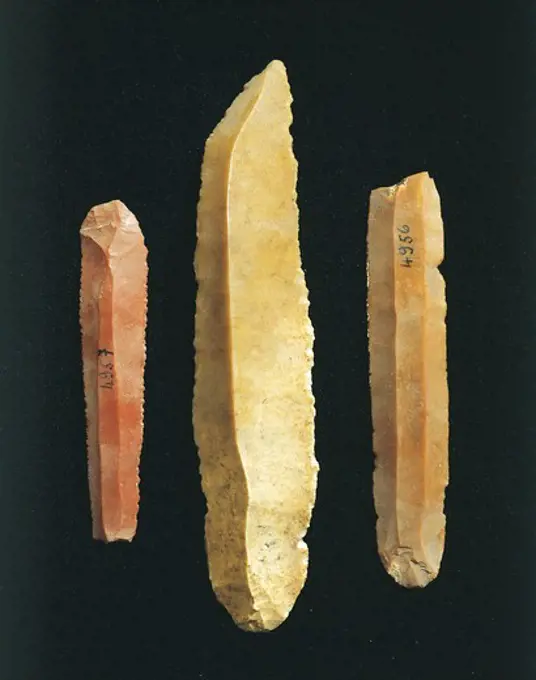
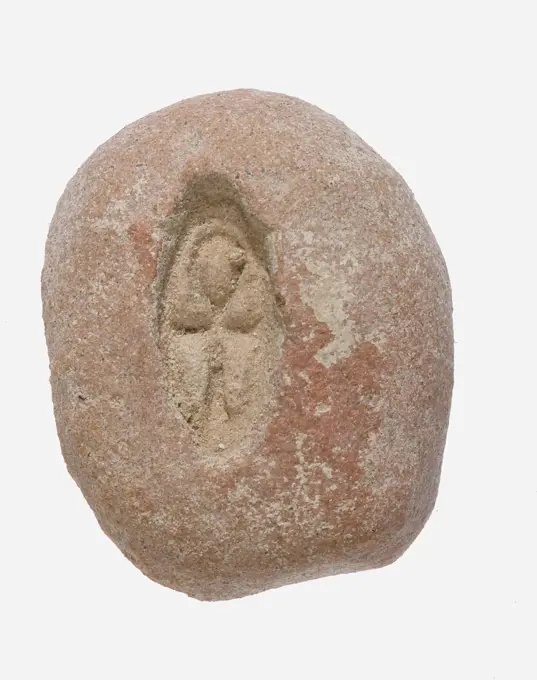
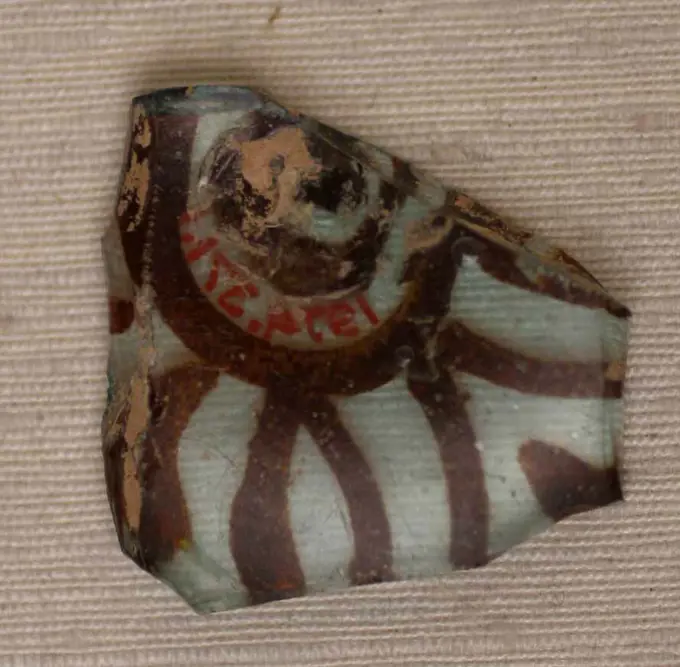
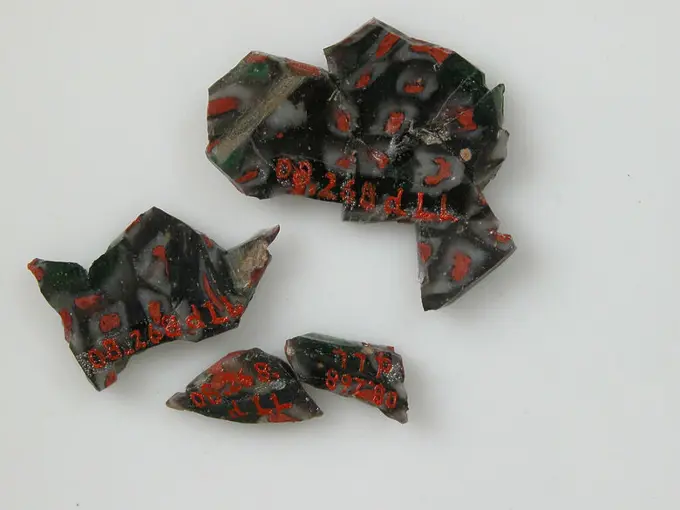
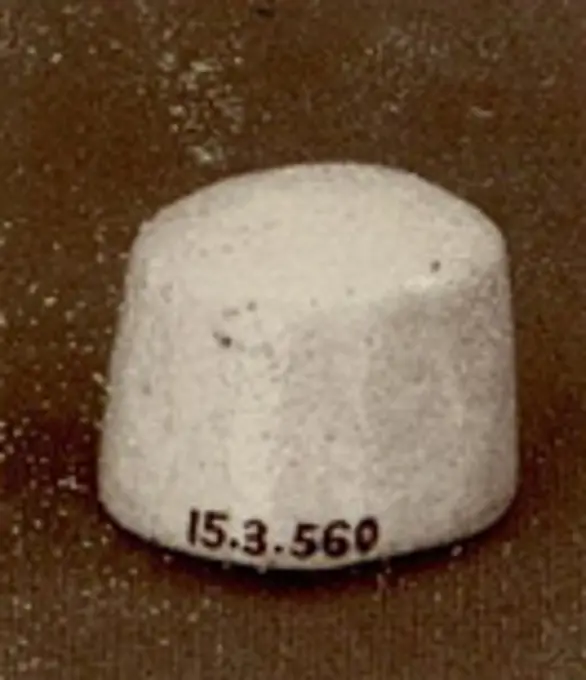
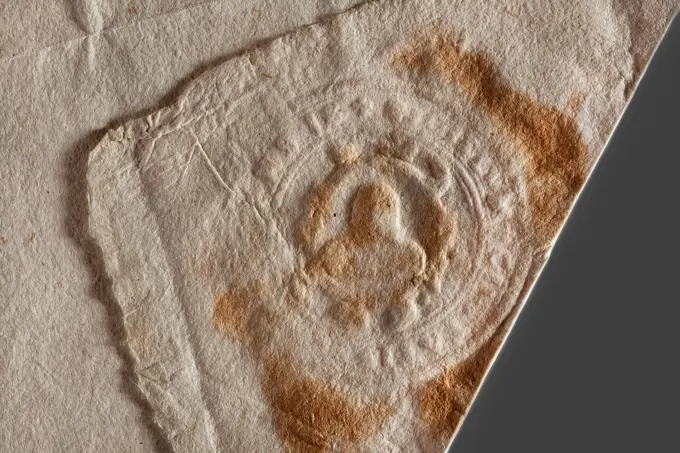
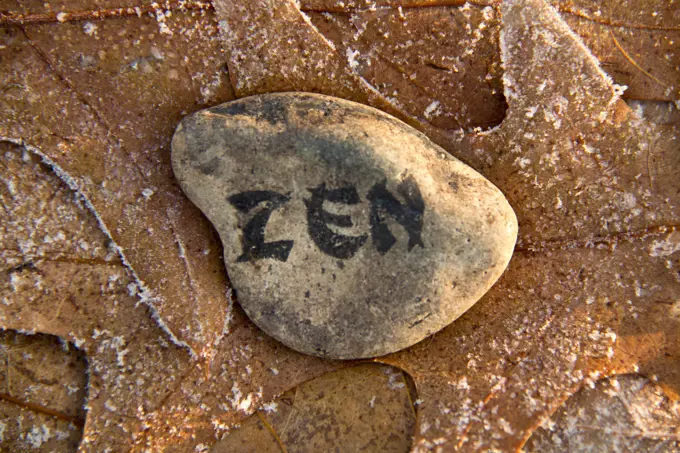
Excerpt (foot) with yellow -red shard, in sgraffito drawing with ocher -colored glaze a building, anonymous, 1200 - 1899  Italy earthenware  Italy earthenwareSherd ca. 1500-1000 B.C. Iran This sherd is made of a red clay, with brown painted decoration. It is typical of Yaz I ceramics from Turkmenistan, dating to ca. 1500-1000 B.C. It was excavated in 1937 at a prehistoric site in the vicinity of Nishapur in northeastern Iran. While Nishapur itself was founded by the Sasanian king Shapur I (reigned ca. A.D. 241-272), this sherd shows that human habitation there goes back to the prehistoric period. Furthermore, the prehistoric pottery from Nishapur has close affinities with ceramic materials from Central Asia rather than with contemporary sites in Iran, meaning that in this period its inhabitants were likely culturally linked to their neighbors to the east. At the same time, Nishapurs location on what later became known as the Great Khorasan Road suggests that it was part of the trade network that facilitated the import of precious stones such as lapis lazuli, carnelian and turquoise from Central Asia to Mesopotamia.. Sherd. Iran. ca. 1500-1Fragment 14th-15th century. Fragment 446393Dish fragment ca. 3rd-7th century A.D. Sasanian. Dish fragment 322812Arrowhead Japan. Arrowhead. Japan. Sandstone, chert or flint. Late Jmon period (ca. 1500-1000 B.C.). StoneGreece, Sarmacja, Olmia, V The beginning of the 4th century BC, Dolphin money, AE MintLower Plate of a Bascinet early 15th century Italian This is part of a large find of medieval armor discovered in 1840 in the ruins of the fortress of Chalcis, on the Greek island of Euboea (then a Venetian colony called Negroponte). The fortress had been captured and destroyed by the Turks in 1470. Now divided largely between the Ethnological Museum, Athens, and The Metropolitan Museum of Art, the Chalcis hoard contains many rare and unusual elements of fourteenth- and fifteenth-century armor. Of particular importance are the variety of headpieces and the many fragments of brigandines (armor for the torso constructed of small plates riveted to layers of fabric), some of which retain portions of their original velvet covering. The Chalcis armor provides a unique picture of the armament used in the Aegean, one of the easternmost military outposts of the Venetian empire.. Lower Plate of a Bascinet. Italian. early 15th century. Iron. Helmets PartsRelief fragment, tomb of Meketre ca. 1981-1975 B.C. Middle Kingdom. Relief fragment, tomb of Meketre. ca. 1981-1975 B.C.. Limestone, paint. Middle Kingdom. From Egypt, Upper Egypt, Thebes, Southern Asasif, Tomb of Meketre (TT 280, MMA 1101), MMA excavations, 1920. Dynasty 12ArrowheadStamp Seal, Gabled. Northern Syria or southeast Anatolia, circa 3500 - 3100 B.C.. Tools and Equipment; seals. Black chloriteFragment of an amulet  hitKnee Defense (Poleyn). Culture: Italian. Dimensions: H. 6 1/2 in. (16.5 cm); W. 5 1/2 in. (14 cm); D. 7 1/2 in. (19.1 cm); Wt. 7.8 oz. (221.1 g). Date: ca. 1430-40. Museum: Metropolitan Museum of Art, New York, USA.Ceramic Fragment 13th-16th century. Ceramic Fragment 452472Misa. unknown, authorOstrakon. Culture: Coptic. Dimensions: 3 3/8 x 3 7/16 in. (8.5 x 8.8 cm). Date: 600. Museum: Metropolitan Museum of Art, New York, USA.PIEZAS DE LA EXPOSICION "ARTE SIN ARTISTAS": CANTO GRABADO PROTOMAGDALENIENSE DEL ABRIGO DE LAUGERIE-HAUTE. LES-EYZIES-DE-TAYAC, DORDOÑA (FRANCIA).Brick;  1. W. III century (201-00-00-225-00-00);Vessel fragment ca. 1390-1353 B.C. New Kingdom. Vessel fragment. ca. 1390-1353 B.C.. Pottery, paint. New Kingdom. From Egypt, Upper Egypt, Thebes, Malqata, Palace of Amenhotep III. Dynasty 18Fragment 8th-10th century. Fragment 451568Spindle Whorl 10th-16th century () Peruvian. Spindle Whorl 308375Counter Plate of a Belt Buckle. Culture: Frankish. Dimensions: Overall: 2 1/2 x 2 5/8 x 7/16 in. (6.3 x 6.6 x 1.1 cm). Date: 7th century. Museum: Metropolitan Museum of Art, New York, USA.Sleeve with Zaans Sticwork and Flemish side, Anonymous, c. 1775 - c. 1800 Leftover of white linen with Zaans stitching in large floral motifs and trimmed with a Flemish side in flower pattern for child. Netherlands whole: Linen (Material). edge: embroidering / Flanders lace Leftover of white linen with Zaans stitching in large floral motifs and trimmed with a Flemish side in flower pattern for child. Netherlands whole: Linen (Material). edge: embroidering / Flanders laceWeight ca. 1981-1640 B.C. Middle Kingdom. Weight. ca. 1981-1640 B.C.. Limestone. Middle Kingdom. From Egypt, Memphite Region, Lisht North, Cemetery, MMA excavations, 1920-22. Dynasty 12-13Drohiczyn seal. unknown, managerGrahal-Manzara. Carnavalet 2013-2016 collection sites. Numismatics.Sling Bullet with Greek Inscription (). Egypt, Late Period - Greco-Roman Period (525 BCE - 395 CE). Jewelry and Adornments; amulets. LeadVase fragment ca. 3000-2200 B.C.. Vase fragment 251311 Vase fragment, ca. 30002200 B.C., Terracotta, 1 3/4 x 1 9/16in. (4.5 x 3.9cm). The Metropolitan Museum of Art, New York. Gift of Gisela M. A. Richter, 1923 (23.121.11)Molded Faience Amuletic Tube with Birth Name of Shabaka. Egypt, Late Period, 25th Dynasty, reign of Shabaka (712 - 698 BCE). Jewelry and Adornments; amulets. FaienceFragment naczynia z inskrypcją. warsztat nubijski, factoryDrohiczyn seal. unknown, managerUnfinished stone axe hammer, from MaliqiMelted metallicGlass cameo: Eros holding a torch. Culture: Roman. Dimensions: Length: 5/8 in. (1.6 cm). Date: 1st century B.C.-3rd century A.D..Eros holding an inverted flaming torch. Museum: Metropolitan Museum of Art, New York, USA.Fragment of two stuck faience signs, blue on white, brushstroke motifs, plate crockery holder earth discovery ceramic earthenware glaze tin glaze, Cooked archeology City Triangle Rotterdam Town Hall indigenous earthenware craft steward Bakery Probably finds Rotterdam Council House.Pendant; Unknown Night -Tamanian workshop; approx. 2600 2350 BC ; Early period D Azira III (-2600-00-00--2350-00-00);Fragment of a Bowl 14th-15th century. Fragment of a Bowl 445508Fragment with Basketweave Motif 500 B.C.-A.D. 300 Indonesia (Java). Fragment with Basketweave Motif. Indonesia (Java). 500 B.C.-A.D. 300. Bronze. Bronze and Iron Age period. MetalworkFragment. Culture: Crusader. Dimensions: 3 5/16 × 1 15/16 × 5/16 in. (8.4 × 4.9 × 0.8 cm). Date: 13th century. Museum: Metropolitan Museum of Art, New York, USA.Spouted Bowl. Culture: Tlatilco. Dimensions: H x W: 4 3/4 x 6in. (12.1 x 15.2cm). Date: 12th-9th century B.C.. Museum: Metropolitan Museum of Art, New York, USA.Winged arrowhead in carved stone. Neolithic period. North Africa. 4,2 cm.Drohiczyn seal. unknown, managerFragment of an Inlay 100 BCE-100 CE Italy. In ancient Rome, there was a high demand for colorful glass that could dazzle banquet guests alongside the expensive silver and gold serving wares meant to impress. Fragments like this one would have once been a part of larger mosaic dishes. The mosaic pattern was made by sagging molten glass into bowl-shaped molds, a technique used on many of these fragments is similar to millefiori, ìthousand flowersî in Italian, a modern glass-making method in which tiny rods of colored glass are bundled together, wrapped in a sheet of glass, fused, and then thinly sliced to reveal swirls of a flower-like patterns. They were arranged side by side, sometimes together with bits of colored glass, and fused together with heat.. Glass, mosaic glass technique . Ancient RomanFragment multicolored brocatel, 1775 - 1800 Five fragments of a silk tissue. Brown silk warp with impacts of silver wire and of white, green, pink and red-brown side. The drawing consists of large diamond-shaped medallions in which leaf and fruit motifs. Note: Self -sides; put together small fragment; twill, satin, 1 cm wide. Different types and colors silk.  silk. linen (material). metal thread broach Five fragments of a silk tissue. Brown silk warp with impacts of silver wire and of white, green, pink and red-brown side. The drawing consists of large diamond-shaped medallions in which leaf and fruit motifs. Note: Self -sides; put together small fragment; twill, satin, 1 cm wide. Different types and colors silk.  silk. linen (material). metal thread broachCampania Caserta Capua Museo Campano98. Hutzel, Max 1960-1990 Medieval: Byzantine architectural fragments; parchment fragments with miniatures (12th century) from Montecassino; painted wooden crucifix (13th century); Carolingian crucifixes; Bishop's miter (11th century) of gold and silver damask; fresco (13th century). Post-medieval: Architecture (15th century). Formerly the Palazzo Antignano. Unusual Catalan/Moorish-style portal; Paintings on panel and canvas (15th-18th centuries); marble intarsia (16th century); marble sculpture: busts of Christ and Mary (17th century); sculpture of saints in marble and in wood (15th century); painted and gilded sculpture in wood; marble grave sculpture (16th century); sarcophagus with allegorical carvings; gold reliquary "Rosa d'Oro"; crucifix made of elephant tusk Specific Location: Pianterreno Antiquities: Italic sculpture (seated women holding babies); inscription. Photo campaign #1: 533 photos. Roman relief and sculpture; cinerary urns; Greek anStone Turtle Pendant before 16th century Mexican. Stone Turtle Pendant 317356Cuneiform tablet: fragment of a promissory note for dates, Esagilaya archive ca. 569 B.C. Babylonian. Cuneiform tablet: fragment of a promissory note for dates, Esagilaya archive. Babylonian. ca. 569 B.C.. Clay. Neo-Babylonian. Mesopotamia, probably from Babylon (modern Hillah)Lazio Roma Rome SS. Giovanni e Paolo, Museum9. Hutzel, Max 1960-1990 Medieval: Ceramic fragments, sculptural fragments, fresco fragments, inscribed tomb markers. Houses one of the best collections of Malagan medieval ceramics for casting wall monuments, copies of which are housed in campanile. Specific Location: Museum Antiquities: Ceramic fragments, sculptural fragments, architectural fragments Object Notes: Basilica has separate record and is filed separately. German-born photographer and scholar Max Hutzel (1911-1988) photographed in Italy from the early 1960s until his death. The result of this project, referred to by Hutzel as Foto Arte Minore, is thorough documentation of art historical development in Italy up to the 18th century, including objects of the Etruscans and the Romans, as well as early Medieval, Romanesque, Gothic, Renaissance and Baroque monuments. Images are organized by geographic region in Italy, then by province, city, site complex and monument.Coin Depicting a Goat 308 BCE Ancient Greece. Bronze . Ancient GreekArrowhead Japan. Arrowhead 62441Wykopaliska litewskie. Lemercier, Rose Joseph (Paryż ; zakład litograficzny ; 1827-post 1899), lithography atelier, Kellerhoven, Franz (ca 1814-1872), graphic artist, Wilczyński, Jan Kazimierz (1806-1885), publisherFragment China, Turkestan. Fragment. China, Turkestan. Nephrite. JadeCovered Vessel with Design of Horizontal Bands of Diaper Patterns 1830 Japan. Covered Vessel with Design of Horizontal Bands of Diaper Patterns. Japan. 1830. Faience covered with enamels (Raku ware). Edo period (1615-1868). Ceramics18th Dynasty (Tutankhamun) ceramic fragments decorated with patterns circa 1350 BCDrohiczyn seal. unknown, managerStamp ca. 1295-1070 B.C. New Kingdom, Ramesside. Stamp. ca. 1295-1070 B.C.. Limestone. New Kingdom, Ramesside. From Egypt, Memphite Region, Lisht North, Cemetery, MMA excavations, 1913-14. Dynasty 19-20Mold 4th-7th century Coptic. Mold 478935Ostrakon. Culture: Coptic. Dimensions: H: 2 15/16 in. (7.5 cm); W: 3 7/16 in. (8.7 cm); Depth: 7/16 in. (1.1 cm). Date: 4th-7th century. Museum: Metropolitan Museum of Art, New York, USA.Brick;  1. W. III century (201-00-00-225-00-00);Sealing ca. 1850-1700 B.C. Late Middle Kingdom Small lumps of clay or mud were often used to seal goods, doors, or documents. They are called sealings. On one side they often bear an impression of the seal used, while another side can show an impression of the object itself or of its closing mechanism (such as a string). The sealing here bears the impression of what was probably a scarab. The flat and oval-shaped underside of the seal amulet used was incised with a scroll motive that surrounds an ankh- and a nefer-hieroglyph.. Sealing. ca. 1850-1700 B.C.. Mud. Late Middle Kingdom. From Egypt, Memphite Region, Lisht North, cemetery south of pyramid below House A1:2, Pit 884, MMA excavations, 1920-21. Dynasty 12, late - 13 up to 1700Plaque: Addorsed Sphinxes; Italy; 625 - 600 B.C; Amber; 29 × 62 × 15 mm (1 1,8 × 2 7,16 × 9,16 in.)Ring Cowroid with Sistrum and Pendant Uraeui 1350 BCE Egypt. Electrum, steatite . Ancient EgyptianSherds ca. 3rd-7th century A.D. Sasanian. Sherds 328948Fragment majolica dish, polychrome, in the middle rosette, surrounded by circles, plate crockery holder soil find ceramic earthenware glaze, baked underside covered with milky lead glaze. Italian Dutch decor Polychrome archeology Rotterdam serving Italian food decorate Rotterdam 1916.Fragment 12th-15th century () European. Fragment. European. 12th-15th century (). Glass. Glass-StainedFish hook Japan The Jmon period is the earliest period in Japanese history, lasting from roughly 14,000 to 300 BCE. The Jmon people were primarily hunter-gatherers, hunting land animals and gathering vegetables and nuts on the land as well as hunting and fishing at sea. Using implements such as this fishhook, Jmon communities, especially those close to the sea, were able to consume a variety of fish. Fish bones found at Jmon archaeological sites indicate that the Jmon hunted fish not only close to the shore but also farther out in the open sea, where larger fish such as tuna could be caught. There is even evidence that the Jmon ate pufferfish, a poisonous fish considered a delicacy in modern Japan.. Fish hook. Japan. Bone. Final Jmon period (ca. 1000-300 B.C.). BoneFacing brick with date 1729 of the Soetenbrug, facing brick foundation stone building component slate stone, minced Rectangular year in bas-relais Top connection holes minced 1729 Rotterdam Soeten bridge Leuve bridge bridge connection from the former Soeten bridge.Fragment. Dimensions: L 15.5 cm x W 10.5 cm x D 5cm. Date: probably 8th-12th century. Museum: Metropolitan Museum of Art, New York, USA.Blades and scrapers, from EriceFragment. Culture: European or Middle Eastern. Dimensions: L. 2 in. (5.1 cm). Date: ca. 1150-ca. 1250. Museum: Metropolitan Museum of Art, New York, USA.Head of Bodhisattva ca. 6th-7th century () China (Xinjiang Uyghur Autonomous Region). Head of Bodhisattva 51677hyena jaw (crocuta crocuta), Cofresnedo, Museum of prehistory and archeology (MUPAC), Santander, Cantabria, SpainCostume Ornament 11th-12th century Central coast (). Costume Ornament 308795Fragment. Dimensions: L 16 x W 13.5 x H 6. Date: probably 8th-12th century. Museum: Metropolitan Museum of Art, New York, USA.Mold for a Ring Bezel with an Ankh Hieroglyph ca. 1390-1353 B.C. New Kingdom. Mold for a Ring Bezel with an Ankh Hieroglyph. ca. 1390-1353 B.C.. Pottery. New Kingdom. From Egypt, Upper Egypt, Thebes, Malqata, Khor west of camp or E. side of S. Village, MMA excavations, probably 1911-12. Dynasty 18Karte von Zentralamerika auf rostigem Metall - Map of Central America on rusty metal Karte von Zentralamerika auf rostigem Metall - Map of Central America on rusty metal Copyright: xZoonar.com/lantapixx 11717685Pit from a Balanites tree with a hole caused by a rodent ca. 2381-2323 B.C. Old Kingdom. Pit from a Balanites tree with a hole caused by a rodent. ca. 2381-2323 B.C.. Plant Remains ("Balanites Aegyptiaca"). Old Kingdom. From Egypt, Memphite Region, Saqqara. Dynasty 5Complete arrowheads , Archaeological assemblages, Charles F. Walcott Archaleogical CollectionCeramic fragment. Dimensions: D 30 cm. Date: 8th-12th century. Museum: Metropolitan Museum of Art, New York, USA.Fragment 9th century. Fragment 452685Ring ca. 9th century B.C. Iran. Ring 324998Ceramic fragment. Date: 8th-12th century. Museum: Metropolitan Museum of Art, New York, USA.Manistein Manistein in the area of ​​Mustang, NepalGlass Fragments from a Vessel. Culture: Coptic. Dimensions: Storage (petri dish diam.): 2 1/8 in. (5.4 cm). Date: 4th-early 5th century. Museum: Metropolitan Museum of Art, New York, USA.Fragment imadła amfory ze stemplem. Aristokrates II (ok. 234-161 p.n.e.), potter's workshopGame piece ca. 1981-1640 B.C. Middle Kingdom. Game piece. ca. 1981-1640 B.C.. White faience. Middle Kingdom. From Egypt, Memphite Region, Lisht North, Cemetery, MMA excavations, 1920-22. Dynasty 12-13Kłobuck town seal. Kłobuck, signatoryPick hair from Piet Hein ,, c. 1629  A small lure hair. Netherlands human hair   NetherlandsZEN ZEN stone lying on autumn leaves with frost Copyright: xZoonar.com/PIXELROHKOSTx 3214506Map of Mexico on rusty metal