Artifacts and Ancient Objects

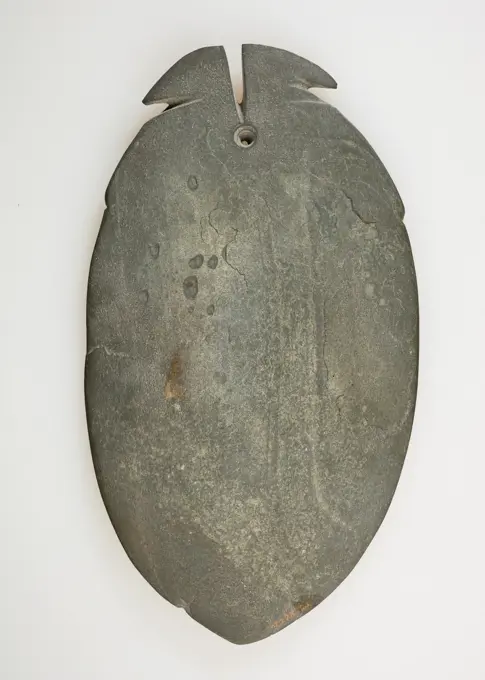
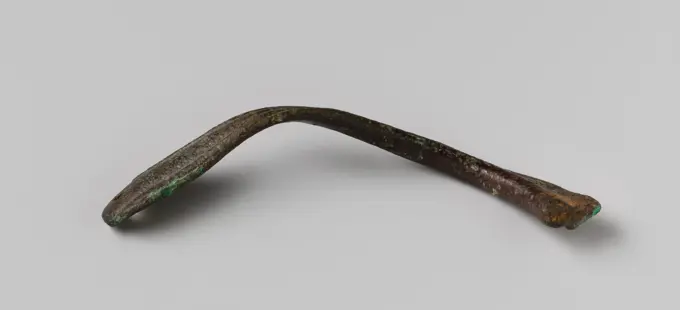
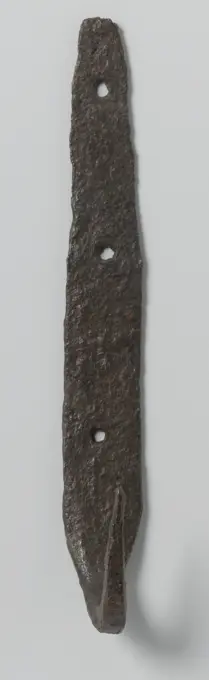
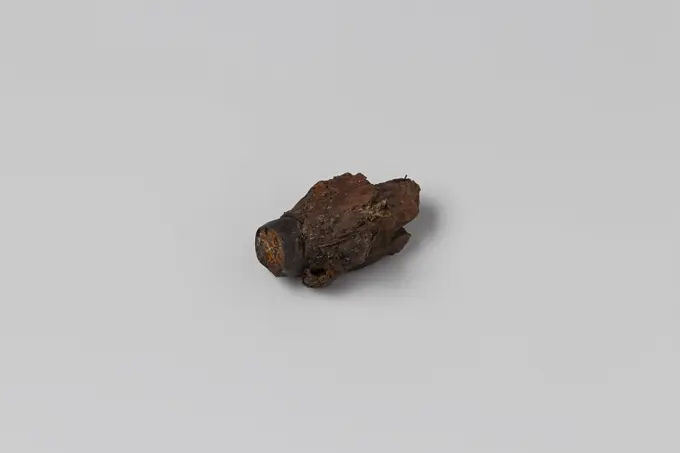
Various ancient fragments including bone inscriptions and wooden utensils from historic periods, showcasing archaeological findings.
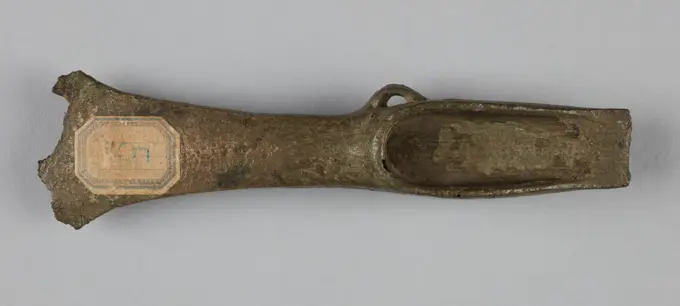
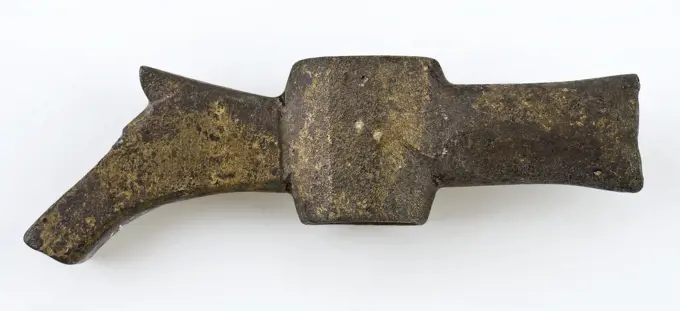
Talon ax (title awarded). Bronze. Carnavalet museum, history of Paris.
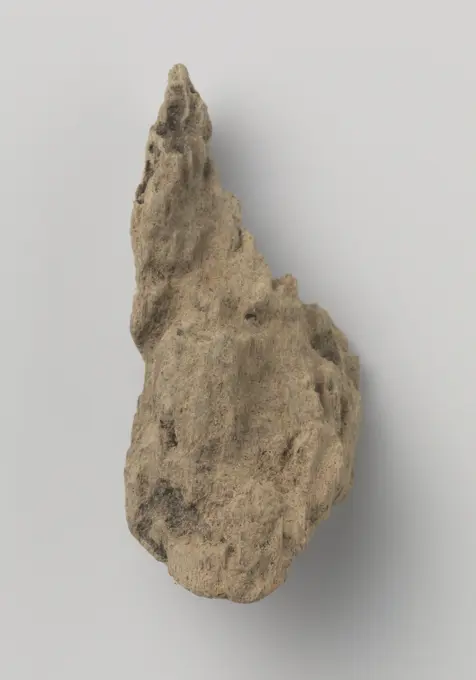
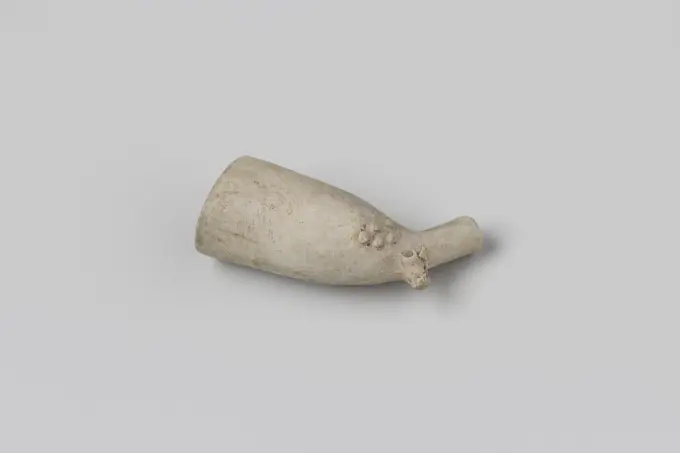
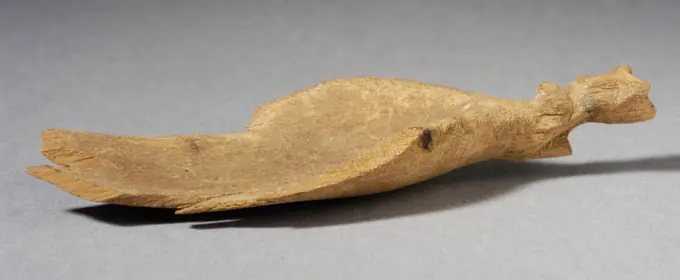
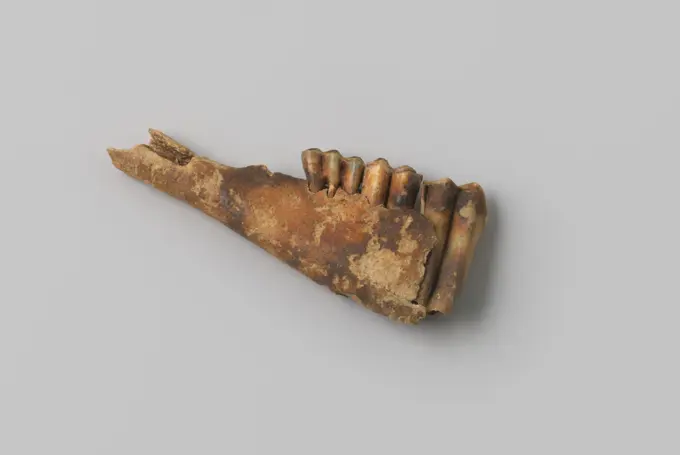
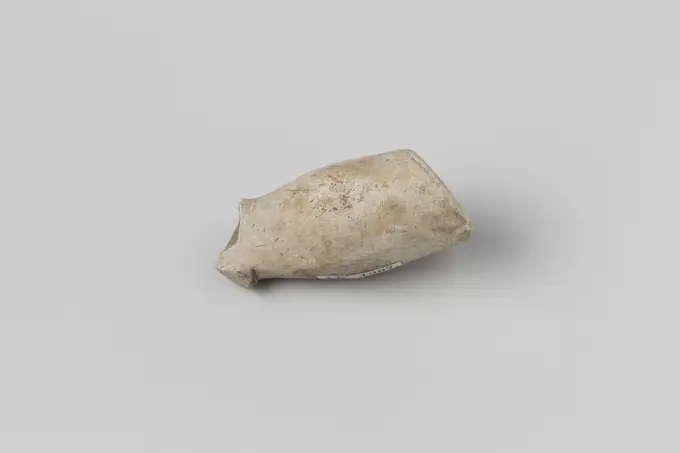
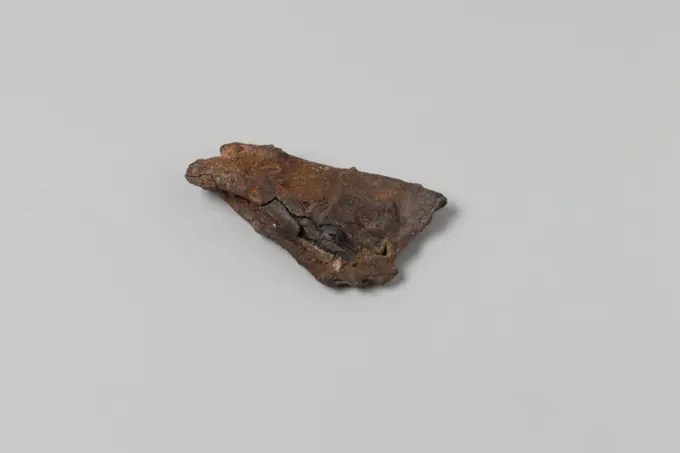
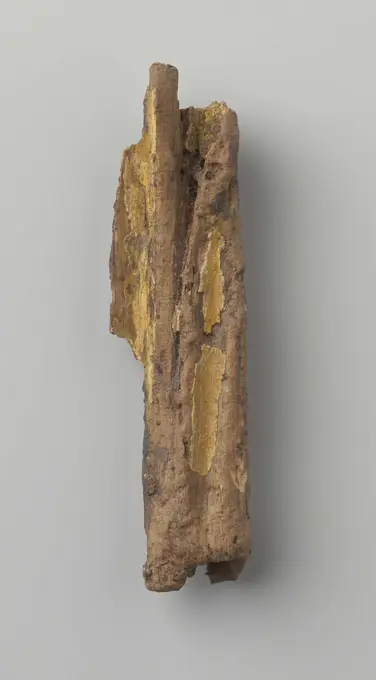
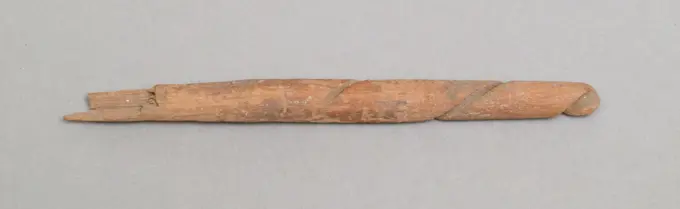
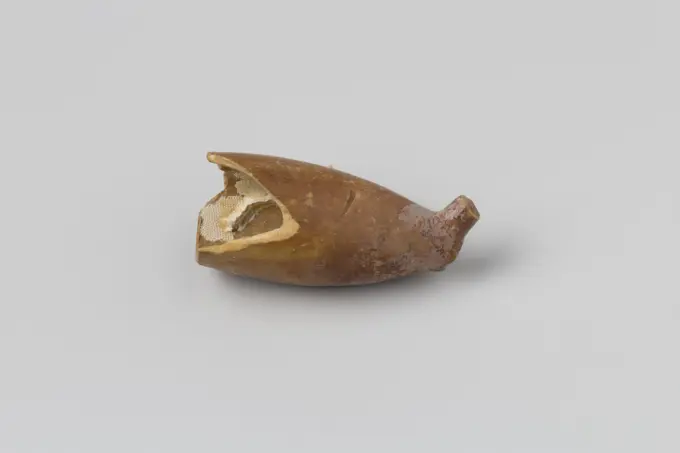
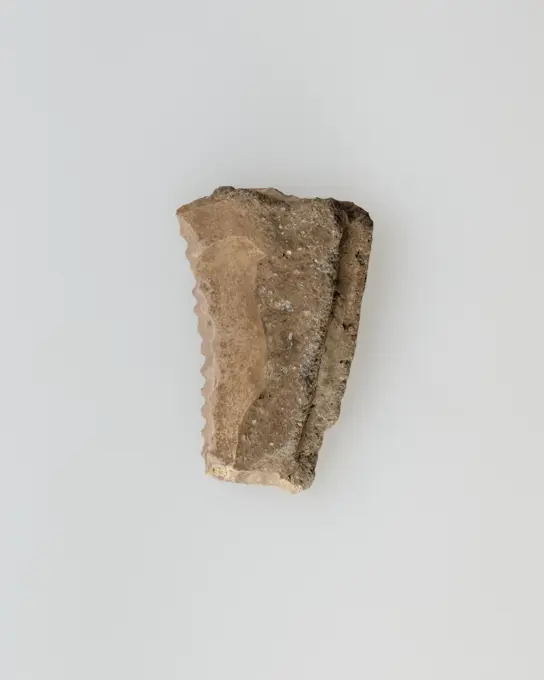
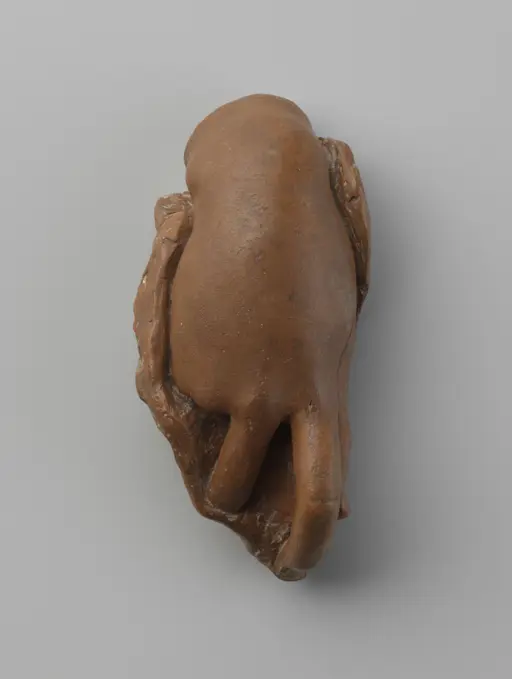
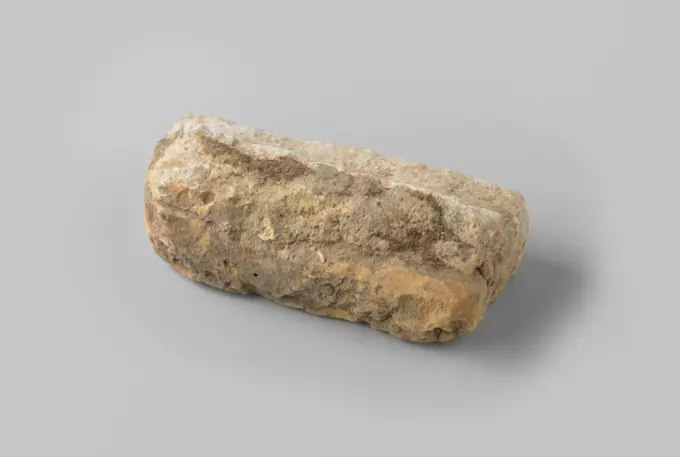
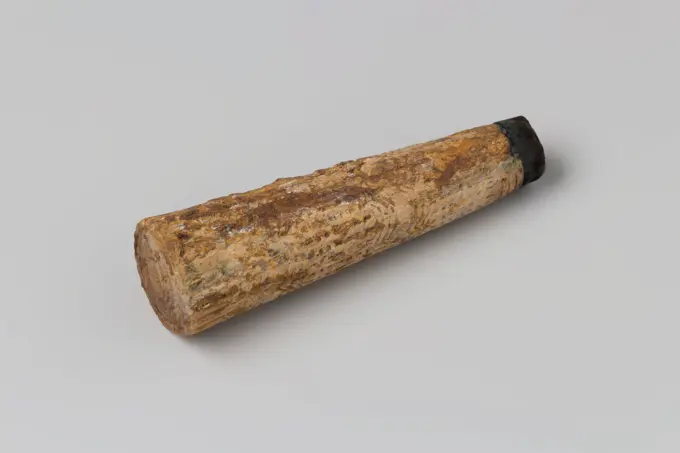
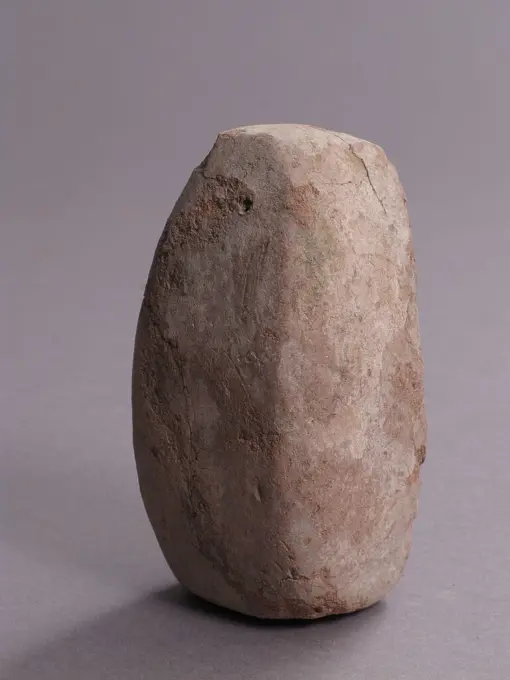
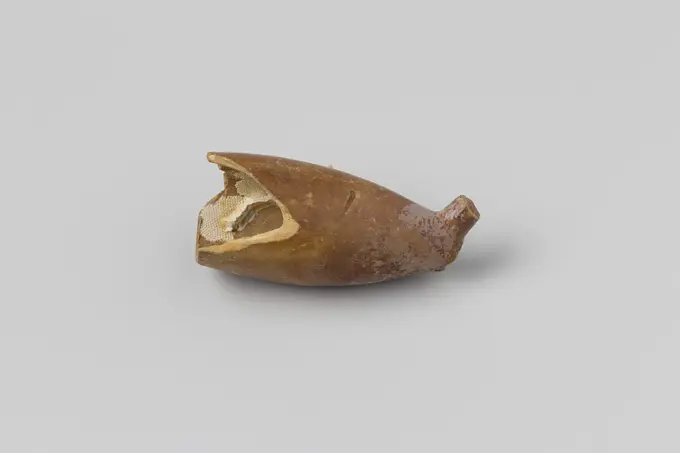
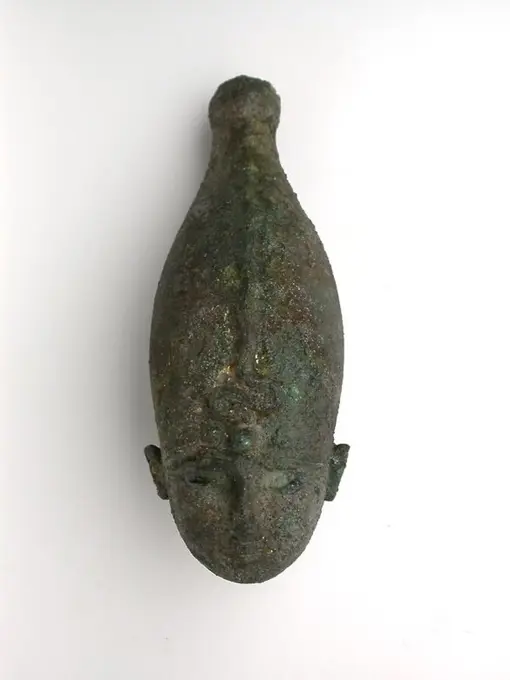
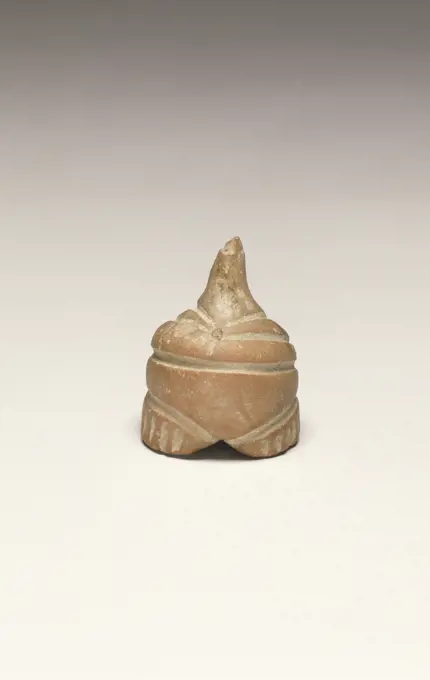
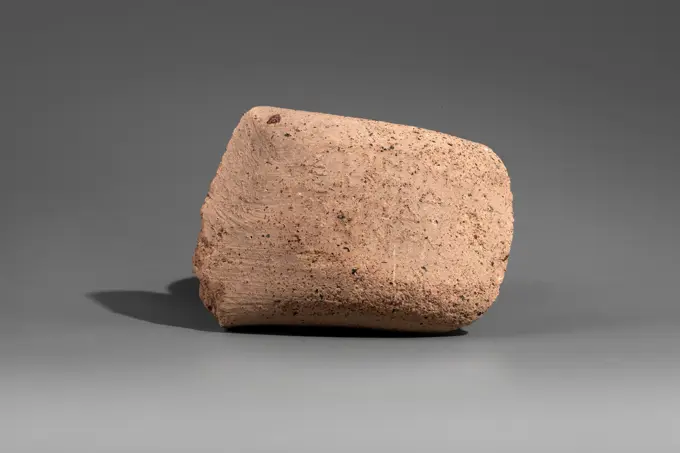
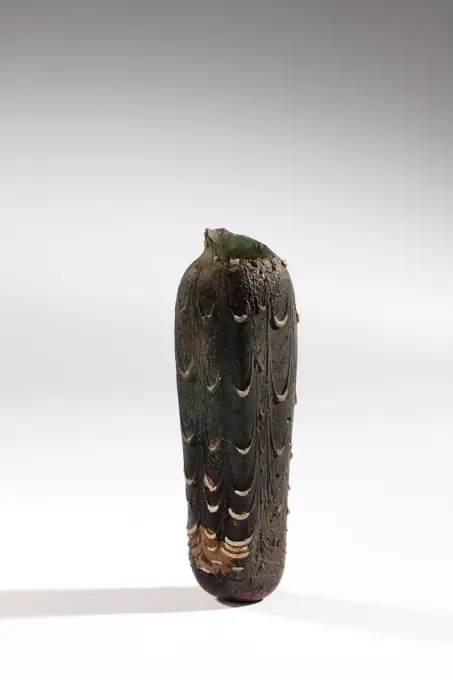
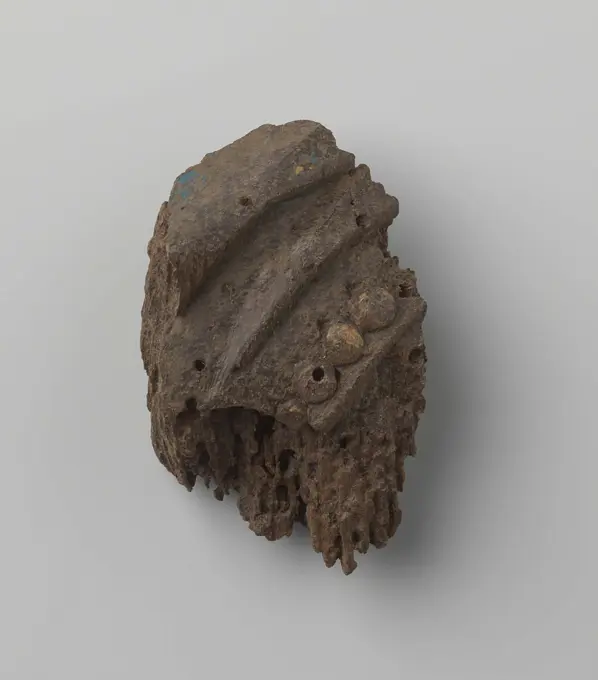
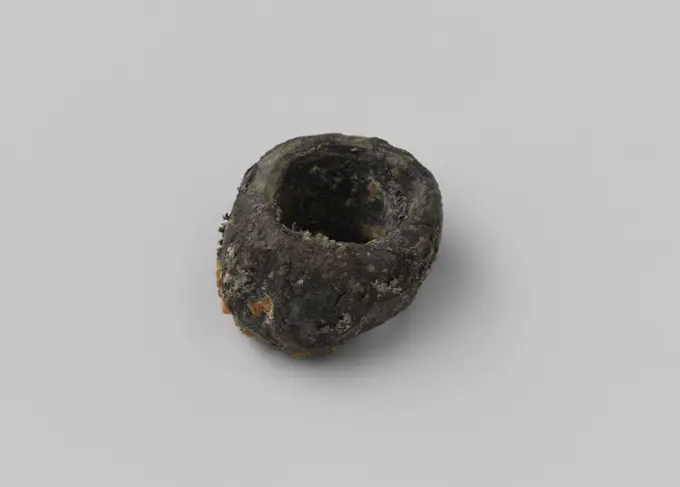
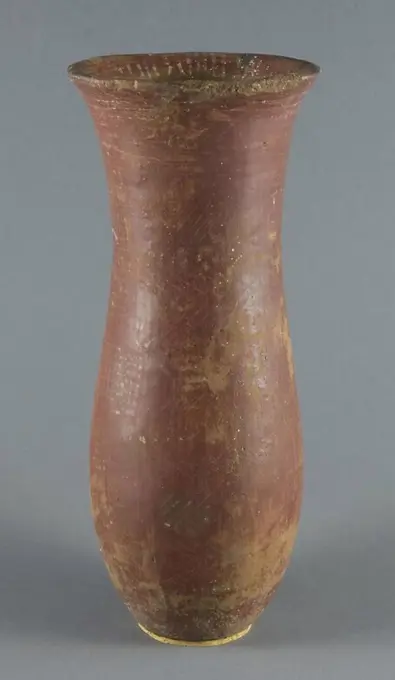
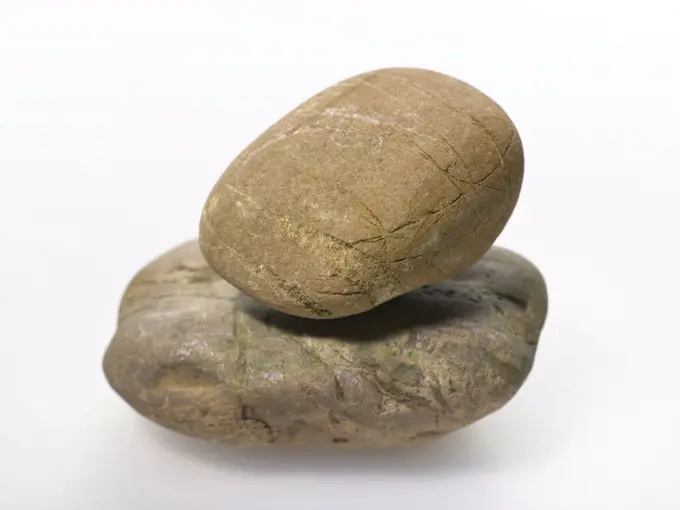
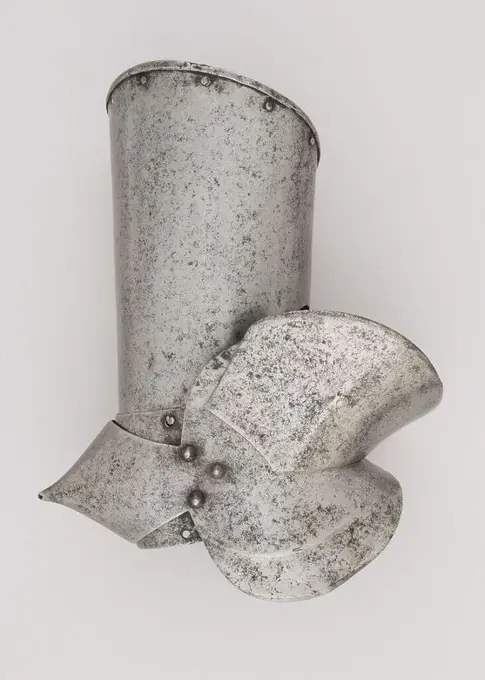
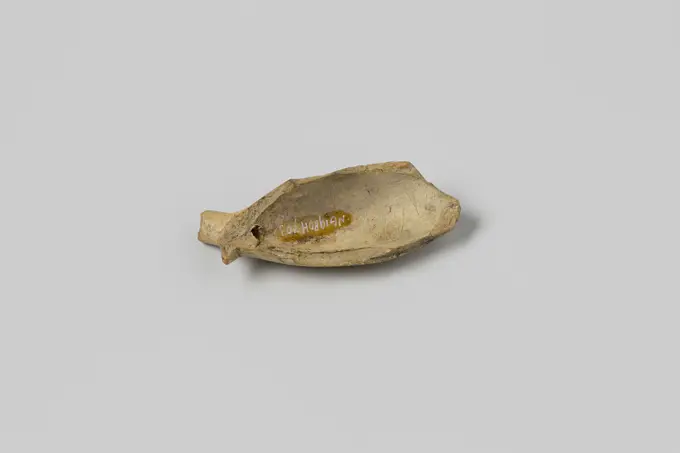
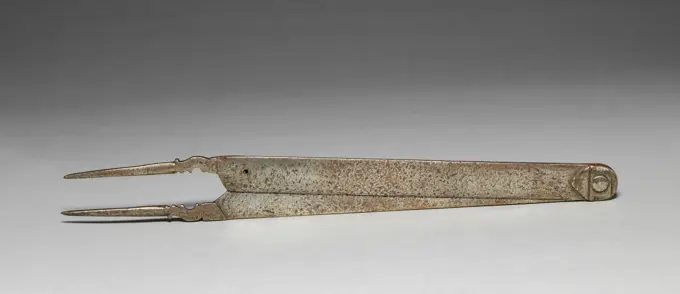
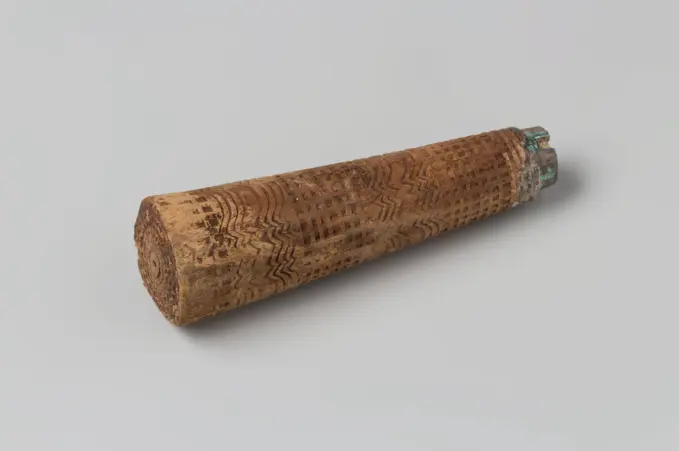
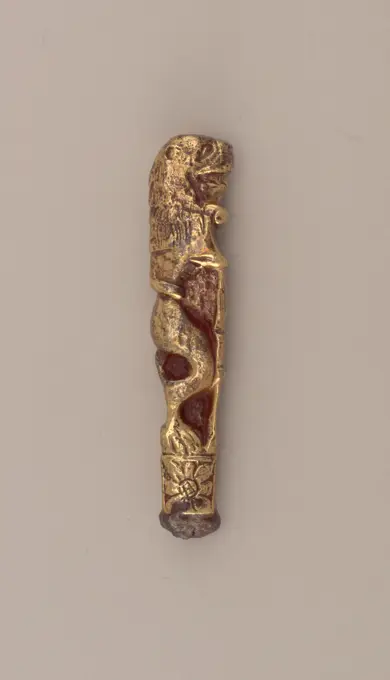
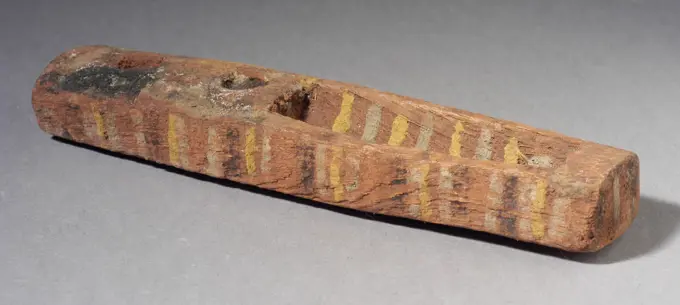
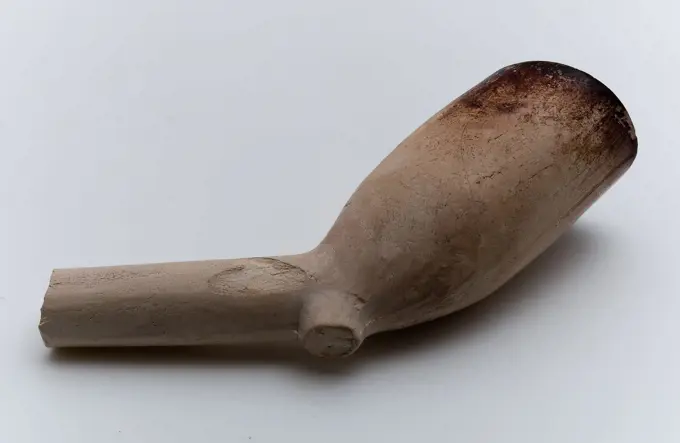
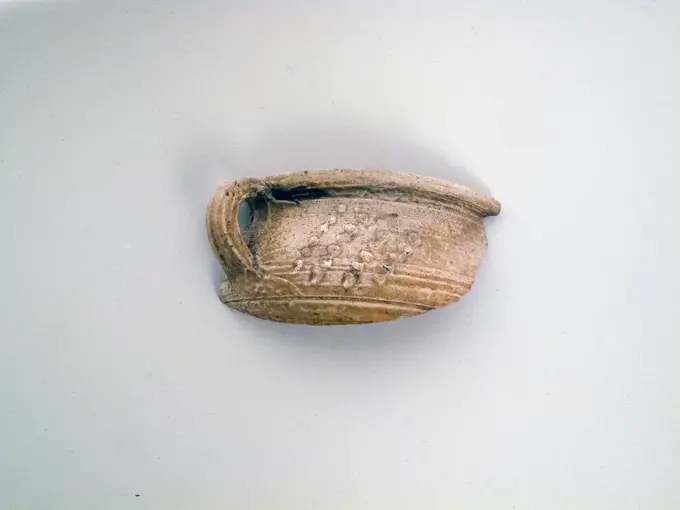
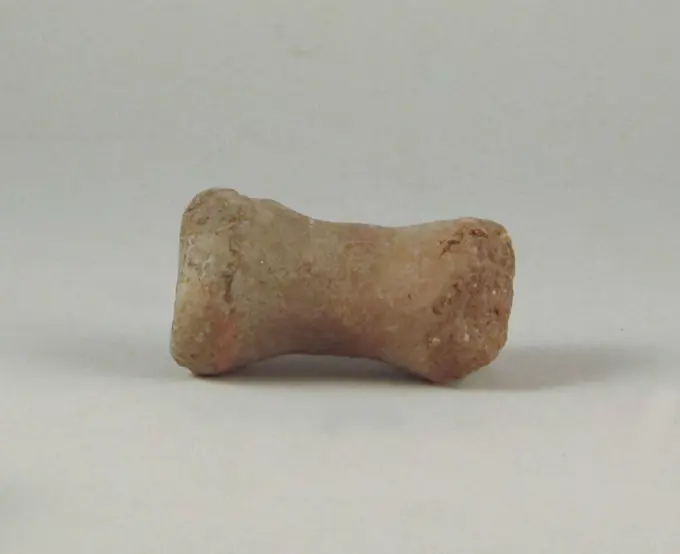
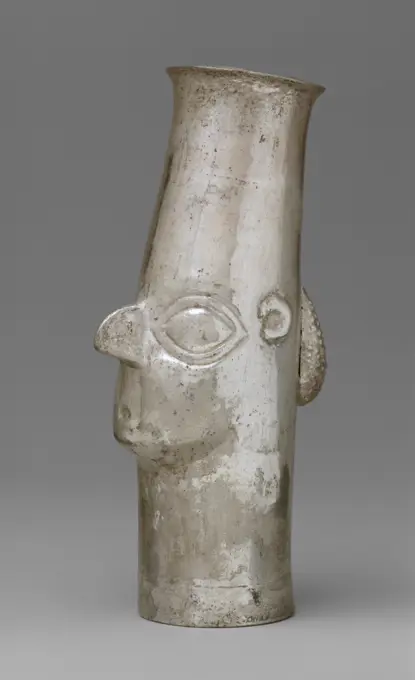
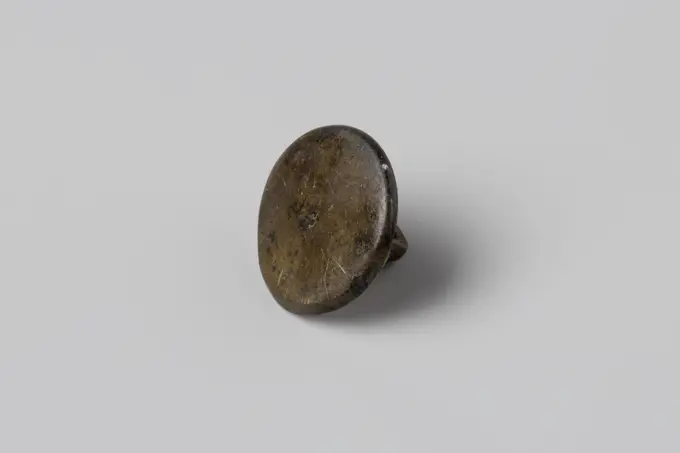
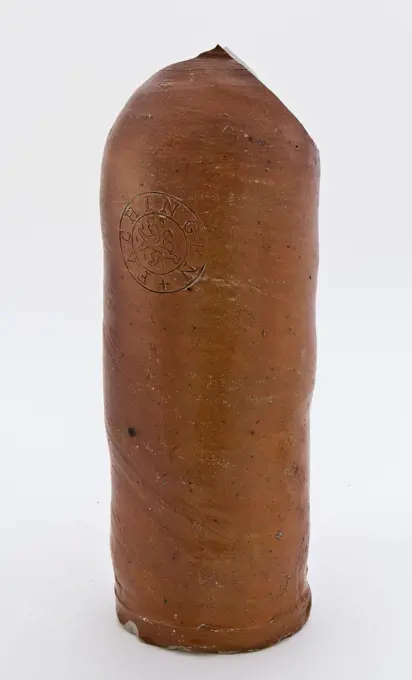
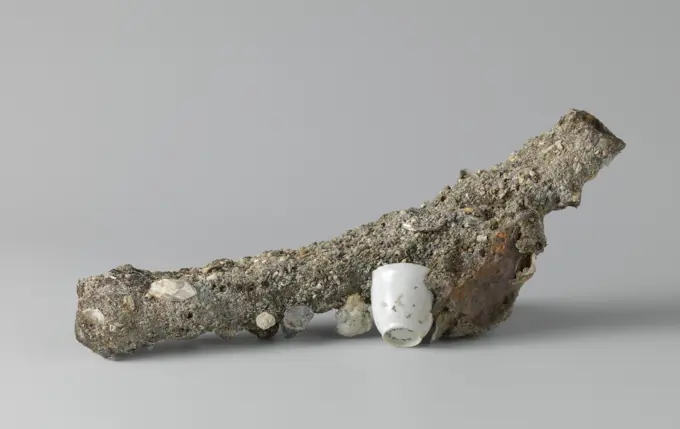
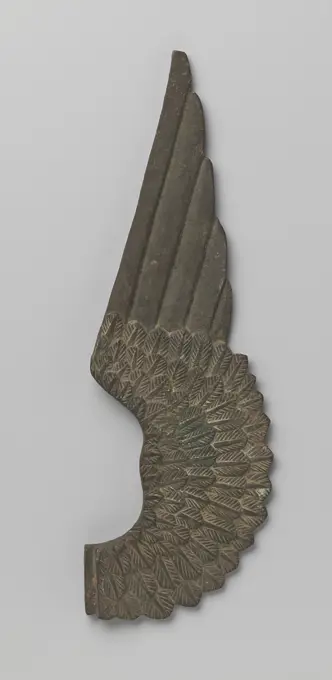
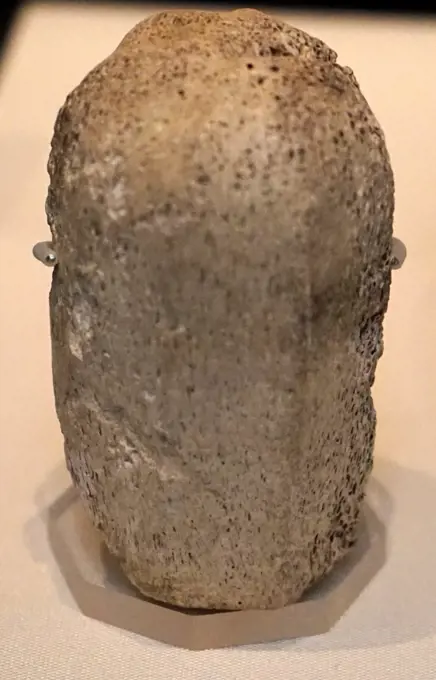
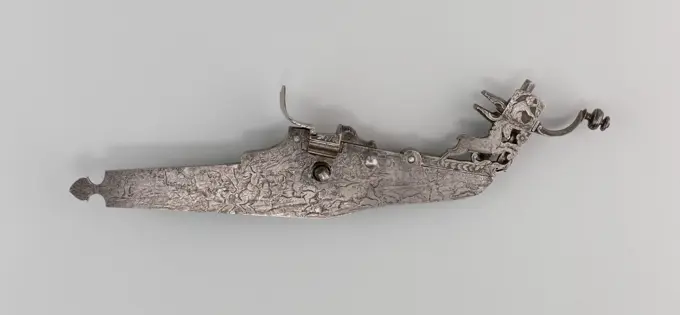
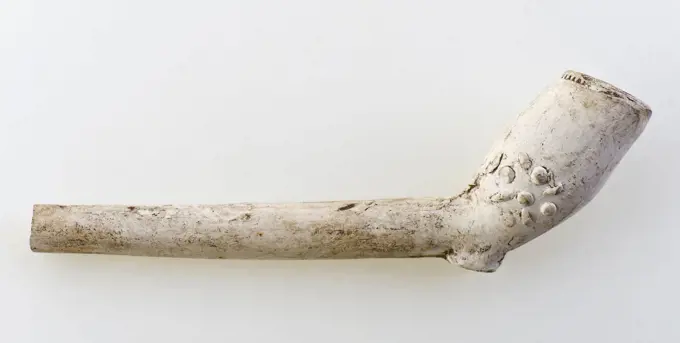
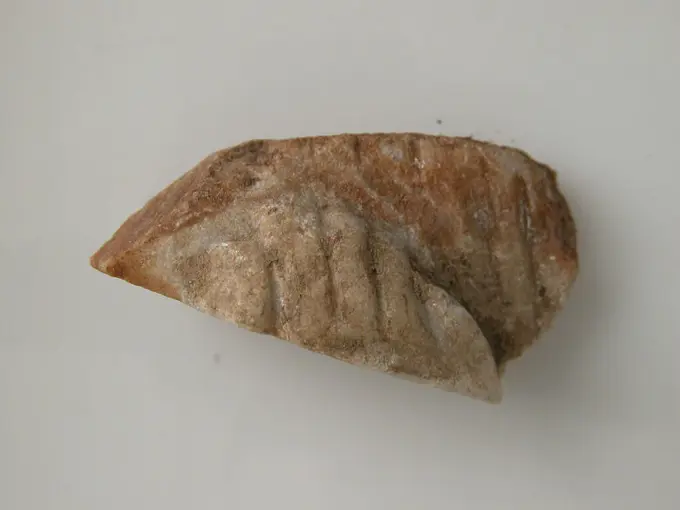
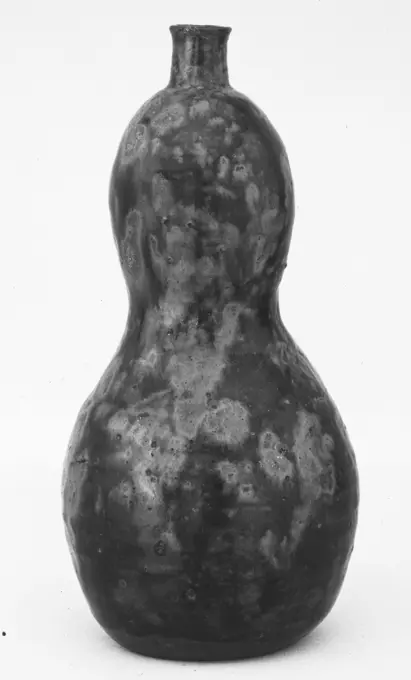
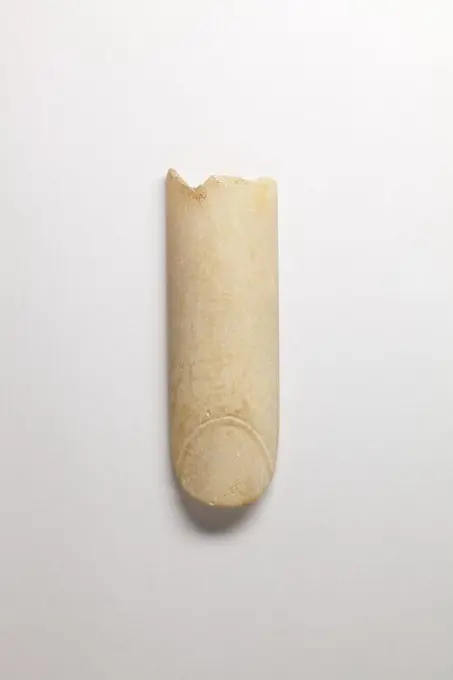
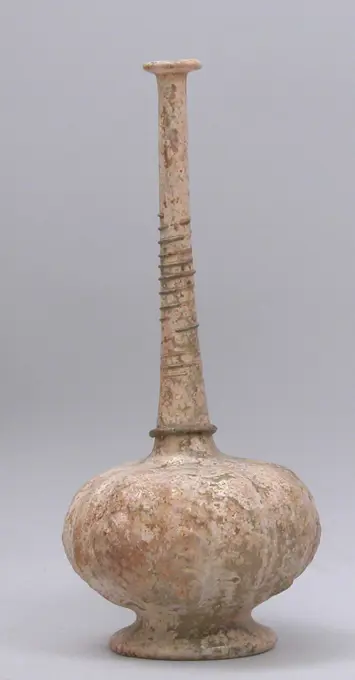
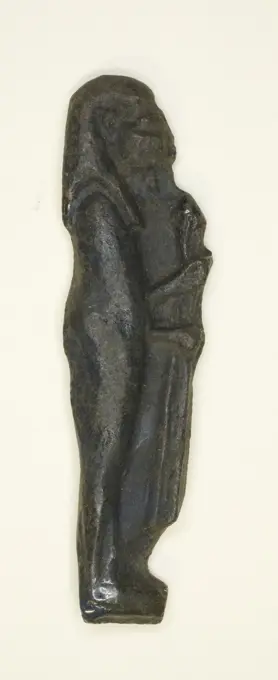
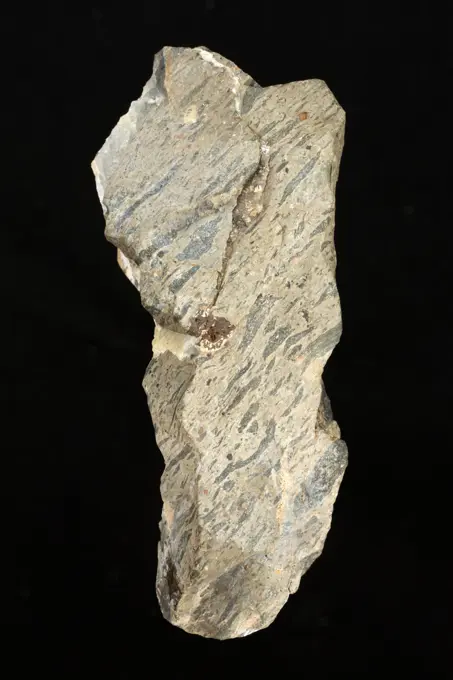
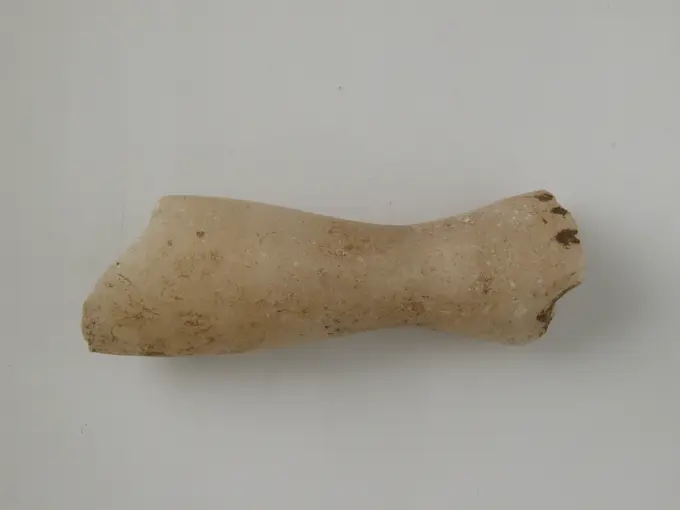
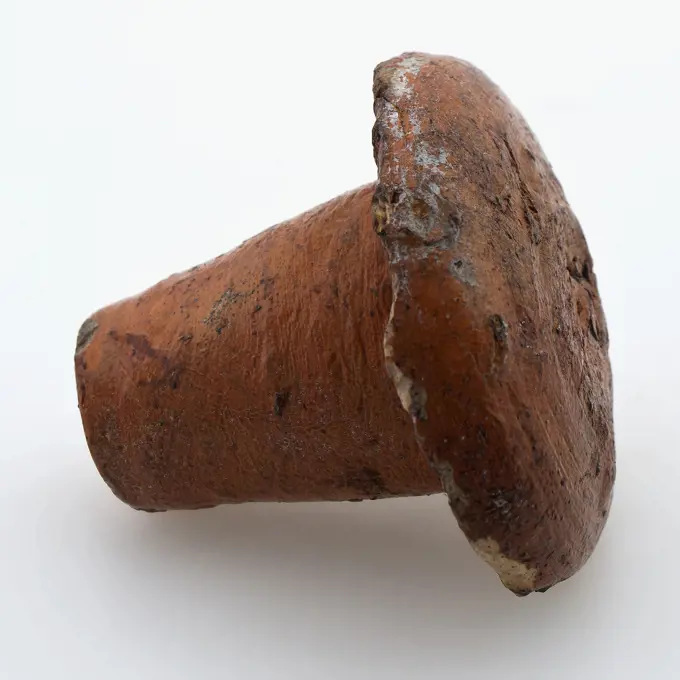
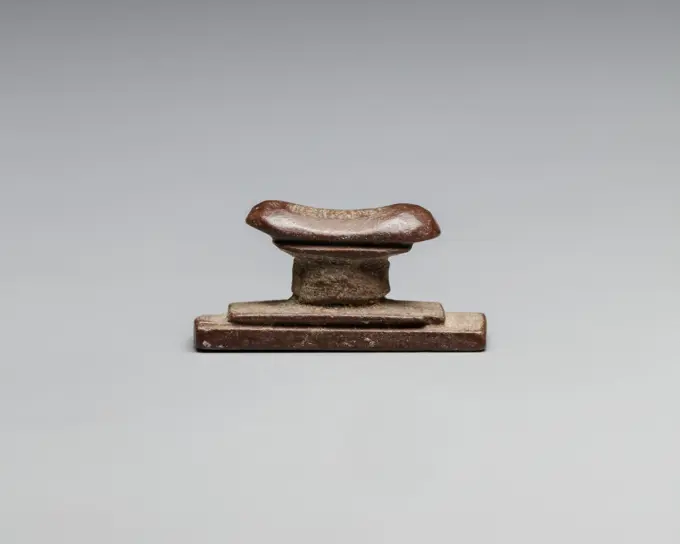
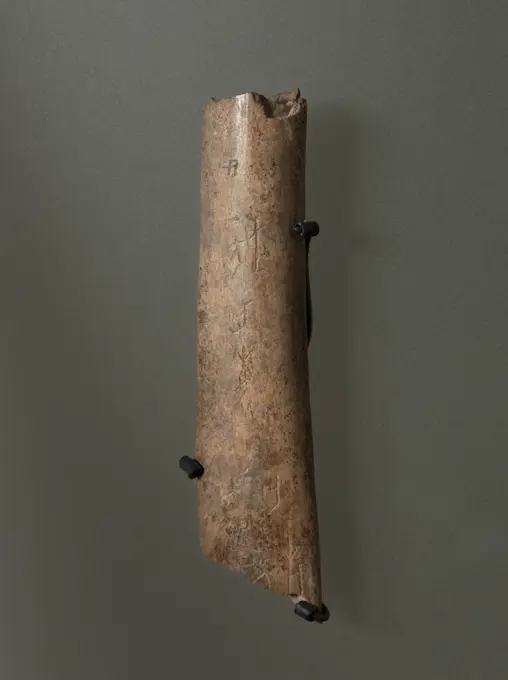
Fragment of bone ". Os. China, Shang dynasty. Paris, Cernuschi museum. 72198-44 Shang dynasty, bone fragment, inscriptionFragment; (possibly) belonging to the retable of Soest, c. 1475 - c. 1499   wood (plant material)   wood (plant material)Talon ax (title awarded). Bronze. Carnavalet museum, history of Paris.Fragment tobacco pipe, anonymous, 1720 - 1740 Fragment tobacco pipe with two dotted flowers. Of the excavations on the Hofstede Arentsburg 1827-1831 under the supervision of Professor Reuvens. Netherlands pipe clay Fragment tobacco pipe with two dotted flowers. Of the excavations on the Hofstede Arentsburg 1827-1831 under the supervision of Professor Reuvens. Netherlands pipe clayWooden Spoon Fragment with the Head of a Feline. Egypt, New Kingdom (1569 - 1081 BCE). Furnishings; Serviceware. WoodFragment lower jaw with teeth of sheep or goat from the wreck of the East Indians Hollandia, 1700 - in Or Before 1743  Faunal remains: bones; sheep/ goat bones (Ovis/ Capra); fragm of mandibula (lower jaw) containing 3 teeth (P4, M1, M2) (age c. 1 year), eroded.  bone (material)   SecondDecorated spoon. Dimensions: L. 19 cm (7 1/2 in). Dynasty: Dynasty 19-20 or later. Date: ca. 1295-1070 B.C. or later.Decorated spoons in the form of an arm and hand holding a shell have a long history in Egyptian Art. The Late New Kingdom and Third Intermediate Period through Saite Period has produced a number of spoons consisting of a large shell-shaped bowl gripped by a long-fingered hand provided with only a wrist and lower forearm. Faience and fine grained stones are generally used. A number of examples of this kind are inscribed with names of gods and donors.This example and one other are the only examples of the numerous preserved examples of decorated spoons of any type that retain any signs of contents. This one has traces of a red pigment, which has suggested to some it may have been reused. Museum: Metropolitan Museum of Art, New York, USA.Pipes head. Pipes head. Of the excavations at the Hofstede Arentsburg 1827-1831 under the supervision of professor Reuvens.Excerpt tin from the wreck of the East Indians Hollandia, 1700 - in or before 1743 fragment Parts of artefacts; eroded fragments: materials; tin. Netherlands tin (metal)   SecondFragment; (possibly) belonging to the retable of Soest ..Spindle stick ca. 1295-1070 B.C. New Kingdom, Ramesside. Spindle stick. ca. 1295-1070 B.C.. Wood. New Kingdom, Ramesside. From Egypt, Memphite Region, Lisht North, Late New Kingdom Settlement, MMA excavations. Dynasty 19-20Fragment Pijpenkop from the wreck of the East Indians Hollandia, Anonymous, 1700 - in Or Before 1743  Pipe, bowl, heelmark: fish, flounder; fragm, 2hsm1,5. Netherlands pipe clay   SecondSickle Insert ca. 1184-664 B.C. Probably New Kingdom, Ramesside-Third Intermediate Period This small piece of flint was a key element to a successful agricultural season in ancient Egypt. Grain was a staple of the economy, as bread and beer made from grain were consumed daily. They also formed the foundation of eternal sustenance, as funerary offerings. Ancient Egyptians used sickles made from flint and wood to reap grain. Pieces of flint such as this one were shaped to fit into a wooden haft along with a number of other such inserts, and secured with an adhesive. The flint pieces provided a sharp edge to cut the grain stalks. With use, the flint would wear down and develop a shiny gloss. The flint inserts could be re-sharpened or replaced as needed.Sickle inserts could be made in a variety of ways. The earliest were fully bifacially retouched, then later they were made on blades (long narrow pieces of flint). Starting in the 2nd millennium BC, some sickle inserts were made on large flStudy Models of Parts of the Body. This group of small models of parts of the body are carefully copied after famous sculptures, in particular by Michelangelo, in Florence and Rome. They came from the workshop of the Nijmegen sculptor Johan Gregor van der Schardt, who had a successful career in Italy, Nuremberg, and Copenhagen. They are extremely rare examples of the, in part autograph, study material of a 16th-century sculptor.Brick from the wreck of the East Indians Princesse Maria, Anonymous, 1682 - 1686 brick (clay product) Brick from the wreck of the East Industrial Princesse Mary. Netherlands brick (clay product)Horses Leg with Hoof, from a Calvary, from the Soest Altarpiece. .Lamp in the Form of a Thyrsos or Torch. UnknownYeah dessert; Würtembergische metallwarefabrik - WMF (Germany; Wytwónia Z Otnarz; 1880-1914); after 1880 (1880-00-00-1905-00-00);Messenheft from the wreck of the East Indians Hollandia, Anonymous, 1700 - in Or Before 1743  Knife, handle, cylindrical: tapering; id. NG 1979-403H, ferrule id.NG 1980-27H426. Netherlands wood (plant material). copper (metal)   SecondBronze dagger blade ca. 2000-1650 B.C. Cypriot Leaf-shaped blade with tang; three rivet-holes, two in base of blade.. Bronze dagger blade 244173Loom Weight. Culture: Coptic. Dimensions: Overall: 3 11/16 x 1 15/16 x 1 13/16 in. (9.3 x 5 x 4.6 cm). Date: 580-640. Museum: Metropolitan Museum of Art, New York, USA.Fragment blowjob from the wreck of the East India Hollandia.Pipe, Bowl, Healmar: Fish, Flounder; Fragm, 2HSM1.5.Head of the God Osiris. Egyptian. Date: 1069 BC-664 BC. Dimensions: 15.9 × 6 × 8.6 cm (6 1/4 × 2 3/8 × 3 3/8 in.). Bronze. Origin: Egypt. Museum: The Chicago Art Institute, Chicago, USA. Author: Ancient Egyptian.Grenade, anonymous, c. 1599 - c. 1899 grenade (ammunition) Grenade with later wooden stop. Netherlands iron (metal). wood (plant material) casting  Slot LoevesteinStanding Female Figure with Conical Head; Thessaly, Greece; 6th - 5th millennium B.C; Terracotta; 4.7 x 3.5 cm (1 7,8 x 1 3,8 in.)Vase 4th-7th century Coptic. Vase 475760Meiping vase 18th century China. Meiping vase. China. 18th century. Porcelain with copper red glaze (Jingdezhen ware). Qing dynasty (1644-1911). CeramicsFragment of the stamp -stamp amphora; Kefalion (CA 260-205 A.C.); 2. PO. III century BC (-251-00-00--200-00-00);Myrmekion, resource amphora, Hellenistic period, patronimikum, synopian stamps, imprints, stamping vice, Polish excavations, Polish excavations in MyrmekionCover with concretion by Martavaan from V.O.C.-ship De 'Witte Leeuw', Anonymous, Before 1613 lid Cover with concretion by Martavaan from V.O.C. ship De 'Witte Leeuw', 60 present. southeast Asia earthenware   Sint-HelenaBottle. unknown, craftsmanFragment; (possibly) belonging to the Retable of Soest. .Ring -shaped fragment from the wreck of the East Indians Hollandia, Anonymous, 1700 - in Or Before 1743 fragment Varied parts or fragments, rings and ring-shaped fragments; id. 80H787. Netherlands lead (metal)   SecondVessel. Egyptian. Date: 4000 BC-3500 BC. Dimensions: H. 18.5 cm (7 1/4 in.); diam. 12 cm (4 11/16 in.). Terra-cotta. Origin: Egypt. Museum: The Chicago Art Institute, Chicago, USA. Author: Ancient Egyptian.Shell pendant or bead. Date: ca. 3850-2960 B.C.. Museum: Metropolitan Museum of Art, New York, USA.Button from the wreck of the East India hollandia.knoop. (1) Flat, Plain (1.5D, 0.2T)Retouched Blade ca. 300,000-90,000 B.C. Lower Paleolithic Period (). Retouched Blade. ca. 300,000-90,000 B.C.. Flint. Lower Paleolithic Period (). From Egypt, Upper Egypt, Thebes, Libyan DesertStack of pebblesSpoon Coptic 580-640Spanish wine jug from V.O.C. ship De 'Witte Leeuw', Before 1613  Spanish wine jug from V.O.C. ship De 'Witte Leeuw', 100 present. Spain earthenware   Sint-Helena. SpainTabakspijp., anonymous, c. 1400 - c. 1950 Tobacco pipe. The steel tors -shaped.  earthenware. pipe clay Tobacco pipe. The steel tors -shaped.  earthenware. pipe claySteel van Fork or Spoon from the wreck of the East Indians Hollandia, Anonymous, 1700 - in or before 1743 spoon Cutlery, fragment: stem of fork or spoon; fragm, end, sim. NG 1980-27H2909/2608, with traces of coat of arms of van Imhoff-Bentinck. Netherlands silver (metal)   SecondUpper Right Arm Defense (Vambrace) and Elbow Defense (Couter). Culture: Italian, Milan. Dimensions: H. 12 1/4 in. (31.1 cm); W. 4 3/4 in. (12.1 cm); D. 10 in. (25.4 cm); Wt. 2 lb. 3.3 oz. (1000.7 g). Date: ca. 1450-60. Museum: Metropolitan Museum of Art, New York, USA.Fragment blowjob from the wreck of the East Indieschief Hollandia. Pipe, bowl, healermark illegible; Fragment, no HSM.Pendant: female head 5th-4th century B.C. Italic Large female head in profile facing left. She has very large almond-shaped eyes and small lips and nose. She wears a pointed hat with a wide band at her forehead.. Pendant: female head 256092Dividers, 1600s. Germany or France, 17th century. overall: 52.1 x 5.8 cm (20 1/2 x 2 5/16 in.).Idol kobiecy. warsztat mykeński, workshopMessenheft from the wreck of the East Indians Hollandia, 1700 - in or before 1743  Knife, handle, cylindrical: tapering; id. NG 1979-403H, ferrules, id. NG 1980-27H426. Netherlands wood (plant material)   SecondKnife Handle (England); brass; L x W: 7.7 x 1.6 cm (3 1/16 x 5/8 in.); The Robert L. Metzenberg Collection, gift of Eleanor L. Metzenberg; 1985-103-7Scribal Palette. Egypt, 2687 - 31 BCE. Tools and Equipment; palettes. Wood with polychromePipe head, white baking clay, pipe head soil found ceramic pipe earth h 3.5 (approx.) Pressed in mold pressed through pierced Pipes heads of whitewashing clay different size and age various specimens have heel marks or markings on the boiler archeology Rotterdam City center Stadsdriehoek Oudehaven indigenous pottery smoking tobacco room archaeological find in the soil Oude Haven Rotterdam 1980.Vase fragment Roman Fragment of blue enamelled vase with raised scale pattern.. Vase fragment. Roman. Terracotta. VasesSpindle whorl, reel. Dimensions: Other: 1 13/16 × 1 1/16 in. (4.6 × 2.6 cm). Museum: Metropolitan Museum of Art, New York, USA.Excerpt stem from a candlestick from the wreck of the East Indians Hollandia, Anonymous, 1700 - in or before 1743 candlestick Candlestick, stem; fragm of flattened knop of stem, eroded, triple faceted, hollow. Netherlands silver (metal)   SecondPULPERA DE CERAMICA SIN VIDRIAR - ARTE POPULAR - SIGLO XX. Location: ALFARERIA. SAN CARLOS DE LA RAPITA. TARRAGONA. SPAIN.Sword button or pommel from a wealthy from the wreck of the East Indies Fleet, Anonymous, c. 1700 - c. 1735  The oval pommel or Zwaaard button is made of copper and shows an iconographic representation on two sides. Front: three figures, all used to left. The person in the middle seems to be on something and makes a movement as if this arrow and bow are shooting. Back: Figure in the middle, sitting, with hand under the head to support. On the side of the button two masks. The button has been broken down above the hog; The top is also damaged. Hilt.  copper (metal) engravingCopper fittings with wide hook and hole, fitting closure soil found brass metal, Elongated piece of fitting part of closure Wide hook and elongated hole in diamond-shaped tip for transfer closure archeology Rotterdam railroads Soil discovery: trajectory rail tunnel Rotterdam.Face Beaker 14th-16th century Inca Beakers with human faces on one side made of precious metals were worked in Peru from about the ninth to the early sixteenth century. Those with pronounced noses, resembling bird beaks, are said to have been found in many parts along the Central and South Coasts. Because none were excavated by archaeologists, their cultural attribution is uncertain. In the literature they are variously called Chimú, Chincha, Ica, and Inca. The more naturalistic rendering of the facial features on Chimú beakers, particularly the eyes and noses, would argue against their attribution to that culture. The beakers were made in different sizes, from two to sixteen inches in height. Some are straight-sided, while others have flared bases and stepped tops. Many were made from a single sheet of silver by hammering the metal over carved wood molds that are flat in back and held in place by a wedge during hammering; others have soldered seams along the back and bottom. Although Incomplete, brass tap with stylized spout without stopper, tap part soil found brass metal, cast Yellow-metal tube with stylized animal head at the front of which the upper part is partly missing. In the middle tube is placed perpendicular to the tube where stop belongs. The back is broken off and deformed. An old repair can be seen on the right side of the spout. Archeology Rotterdam City Triangle Groenendaal underground pit crane container component barrel of wine Soil discovery: underground pit Rotterdam Groenendaal black layer at 20 meters from Mariniersweg 1 meter -NAP 1975-09-09.Needle Cypriot. Needle. Cypriot. Bronze. BronzesButton from the wreck of the East Indians Hollandia, Anonymous, 1700 - in or before 1743 button Knoop. (1) ID. Of 1979-176H1189 (1.5D) Netherlands copper (metal)   SecondStoneware mineral pitcher, cylindrical with round shoulder, sausage ear and short neck, mineral water pitcher jar product packaging container soil find ceramic stoneware glaze salt glaze approx., hand turned glazed baked Stoneware mineral pitchers cylindrical with round shoulder short neck and sausage ear. Stand area with traces of deduction and soul. Glazed. Marked under the ear and marked on the front with medallion Medallion in the medallion: FACHINGEN in the midfield left clawing lion archeology Rotterdam Kralingen-Crooswijk Struisenburg Oostmaaslaan Boslaan Buizengat advertising indigenous pottery import drinking water drinking medicine packaging Soil discovery: Buizengat Oostmaaslaan Boslaan Rotterdam an old landfill of urban waste.Porcelain and pepper from the VOC trading ship the Witte Leeuw, anonymous, before 1613  Wine head from V.O.C. ship De 'Witte Leeuw', fully preserved. The wine head has a very thin wall but is nevertheless very heavy. It has a white shard and has no impurities. The glaze is very thin and transparent. The wine head is undecorated. No oven sand was found. Jingdezhen porcelain. iron (metal)   Sint-HelenaAngel wing of brass. Gutted right wing, with a row of five feathers, with five long feathers above. Numbered on the fastener I.Whalebone chess pieces from Anglo-Saxon England. Dated 9th CenturyToilet box Cypriot. Toilet box. Cypriot. BoneModel Hoe ca. 1550-1295 B.C. New Kingdom. Model Hoe. ca. 1550-1295 B.C.. Bronze or copper alloy. New Kingdom. From Egypt, Upper Egypt, Thebes, Khokha, near the Tomb of Nebamun and Ipuky (TT 181), MMA excavations 1910. Dynasty 18Wheellock from a Rifle Made 1670-1690 Europe. Steel .Messenheft from the wreck of the East Indians Hollandia, Anonymous, 1700 - in Or Before 1743  Knife, handle, cylindrical: tapering; id. NG 1979-403H, ferrule, id. NG 1980-27H426. Netherlands wood (plant material). copper (metal)   SecondTextile (USA); cottonClay pipe with embossed two stylized tudor roses on the kettle, clay pipe smoking equipment smoke floor pottery ceramics pottery, pressed finished baked Clay pipe with two stylized tudor roses in the kettle. Unnoticed Decoration consists of circle of four dots and four oval dots around center spot archeology smoking tobaccoFoot Fragment. Culture: Coptic. Dimensions: Overall: 13/16 x 1 9/16 x 11/16 in. (2.1 x 3.9 x 1.8 cm). Date: 4th-7th century. Museum: Metropolitan Museum of Art, New York, USA.Bowl Fragment. Culture: Coptic. Dimensions: Overall: 1 1/2 x 7 13/16 x 4 9/16 in. (3.8 x 19.8 x 11.6 cm). Date: 4th-7th century. Museum: Metropolitan Museum of Art, New York, USA.Ornament. Cernuschi Museum, Asia Museum of Asia in the city of Paris.Crocodile Figurine. Egypt, Late Period - Roman Period (711 BCE - 150 CE). Sculpture. BronzeWine Bottle 18th century Japan. Wine Bottle 62630Finger-shaped Cosmetic Scoop. Dimensions: l. 7.8 cm (3 1/16 in). Dynasty: Dynasty 12-13. Date: ca. 1981-1640 B.C.. Museum: Metropolitan Museum of Art, New York, USA.Radellak from the wreck of the East Indiescher's Flying Heart. Rod sealing rozer-made of color with the print of a stamp to one end: under a crown is 'PRINCE // .... illegible'. Sealing wax.Spoon (England); brass; L x W x D: 17 × 4.9 × 1.9 cm (6 11/16 × 1 15/16 × 3/4 in.)Stone Temple Model. Culture: Mezcala. Dimensions: H. 3 3/4 × W. 2 3/8 in. (9.5 × 6 cm). Date: 1st-8th century. Museum: Metropolitan Museum of Art, New York, USA.Bottle with Applied Decoration on the Neck 11th-13th century This gracious bottle was executed using the technique of blowing glass in a mold, widely exploited in the regions of the eastern Mediterranean since the first century B.C. The thin spiral that embellishes its tapered neck adds another ornamental detail to the decorative effect of its fluted body.. Bottle with Applied Decoration on the Neck 451766Grahal-Manzara. Carnavalet 2013-2016 collection sites. Numismatics.Bowl. Eastern Mediterranean, 1050 - 700 BCE. Furnishings; Serviceware. TerracottaPalette ca. 4500-4000 B.C. () Predynastic Period. Palette. ca. 4500-4000 B.C. (). Stone. Predynastic Period. From EgyptFragment of a copper stem from the wreck of the East Indians Hollandia, 1700 - in Or Before 1743 fragment Varied parts or fragments, unidentified and miscellaneous parts or fragments; fragm. Netherlands copper (metal)   SecondIron concretion with a ball of pitch from the wreck of the East Indians' t Vliegend Hart, c. 1700 - c. 1735  The object is probably a Pek. Pek was obtained from teriadic. Boiling pitch that falls into water takes on a round shape. Pek was part of Harpuis. Harpuis is a mixture of linseed oil, resin, sulfur and fat. Mixed with pitch it was used to bring bullies. Breuwen is the process in which the seam between e.g. Two boards are made watertight. Tar, pitch.  .Hook, flat with three nails, anonymous, c. 1590 - c. 1596 hook Hook, flat in shape with three nails.  iron (metal) forging  Nova Zembla. Saving HuysVest 1780-93 American or European. Vest 90733Spoon with egg-shaped bowl and hexagonal handle, marked, spoon cutlery soil find tin metal, w bin 5.5 Marked in the spoon blade for the attachment of the stem tin mark: crowned Tudor rose in the crown the letters: AA not sure archeology Valckensteyn Poortugaal Albrandswaard archaeological find in the soil Poortugaal Castle ValckensteynFragment Messenheft from the wreck of the East India Hollandia.knife, Handle, Cylindrical: tapering; Fragm, ID. NG 1979-403H, Ferrule, ID. NG 1980-27H426.Jar fragment ca. 1981-1640 B.C. Middle Kingdom. Jar fragment 556887Amulet of the God Imsety (one of the four Sons of Horus) 780 BCE-343 BCE Egypt. Glass . Ancient EgyptianFragments straight stem from glass from the wreck of the East Indiesman Hollandia. Glass, Voice Glass, votes, Plain; Fragm of Lower End, Circular, Solid.Emilia-Romagna Ferrara Ferrara Museo Civico di Schifanoia19. Hutzel, Max 1960-1990 General Notes: INCOMPLETE RECORD--NEGATIVES PROCESSED, PRINTS FILED German-born photographer and scholar Max Hutzel (1911-1988) photographed in Italy from the early 1960s until his death. The result of this project, referred to by Hutzel as Foto Arte Minore, is thorough documentation of art historical development in Italy up to the 18th century, including objects of the Etruscans and the Romans, as well as early Medieval, Romanesque, Gothic, Renaissance and Baroque monuments. Images are organized by geographic region in Italy, then by province, city, site complex and monument.Temple 1st-8th century Mezcala. Temple 317480Welded Tuff Mexico     Date: Spindle ca. 1295-1070 B.C. New Kingdom, Ramesside. Spindle. ca. 1295-1070 B.C.. Limestone. New Kingdom, Ramesside. From Egypt, Memphite Region, Lisht North, Cemetery, MMA excavations, 1913-14. Dynasty 19-20Lower Arm Fragment 4th-7th century Coptic. Lower Arm Fragment 478554Stoneware stopper to seal jug, glazed, stop closure component earth find ceramic stoneware glaze salt glaze, hand turned glazed baked Stoneware stop tapered model with rounded top Orange-brown glazed archeology Rotterdam City Triangle Groenendaal indigenous pottery import store transport transport Soil discovery: Mariniersweg Groenendaal Rotterdam 1983 .Detail of a leg belonging to a statue created to decorate a public space. 1st century AD. Bronze. National Archaeological Museum. Madrid. Spain.Headrest amulet 664-332 B.C. Late Period This miniature headrest-less than one inch long-is an amulet. Full-size headrests supported the neck of a sleeping person and were often decorated with protective symbols; examples were also placed in the tomb. Headrest amulets were exclusively used as funerary amulets. In addition to their protective function, further meaning derived from the formal resemblance between the round head on the curved headrest and the sun rising between two hills, a powerful symbol of resurrection and rebirth for the ancient Egyptians. Headrest amulets were meant to protect the head of the deceased and to reinsure his or her rebirth.. Headrest amulet. 664-332 B.C.. Stone. Late Period. From Egypt