Artifacts and Ancient Objects

Various ancient fragments including bone inscriptions and wooden utensils from historic periods, showcasing archaeological findings.
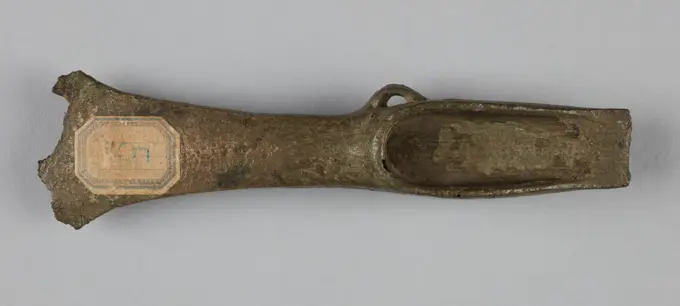
Talon ax (title awarded). Bronze. Carnavalet museum, history of Paris.
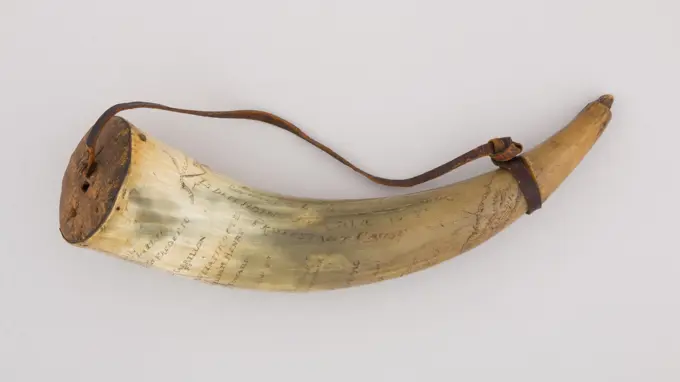
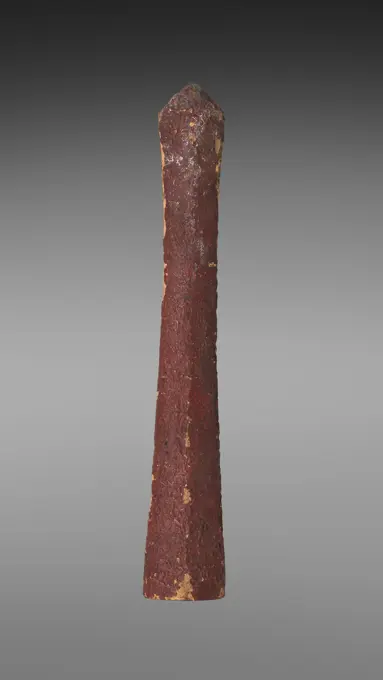
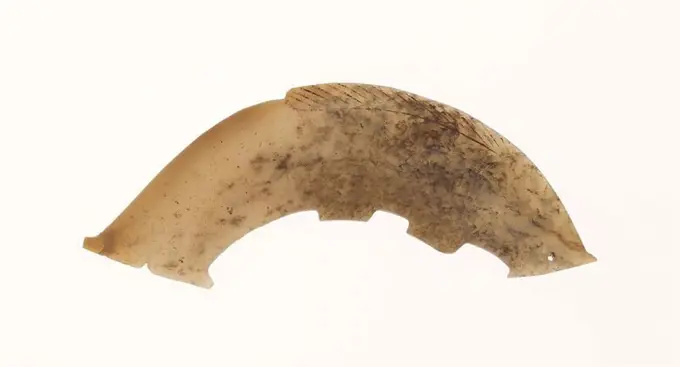
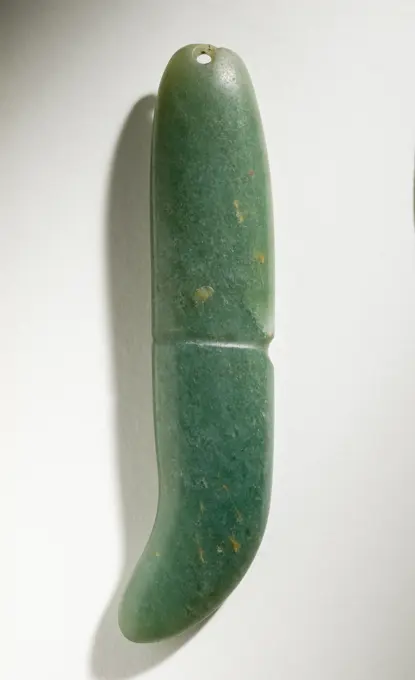
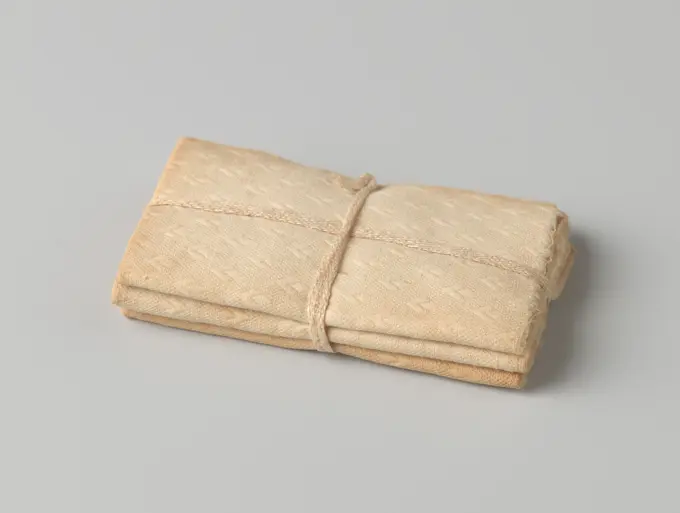
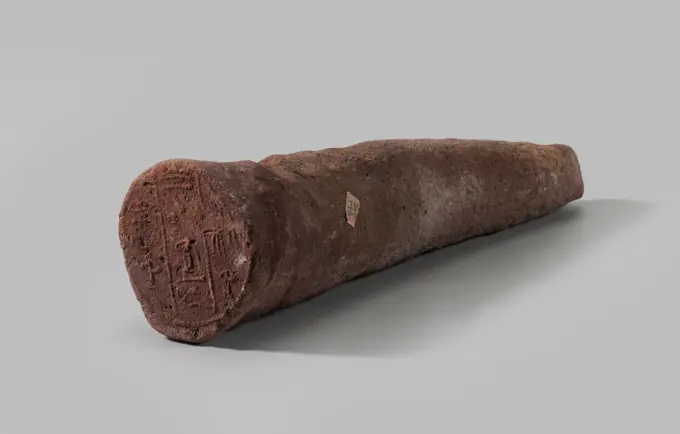
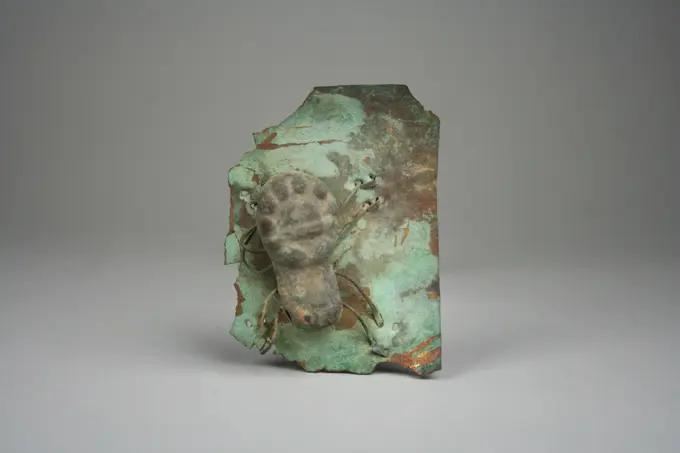
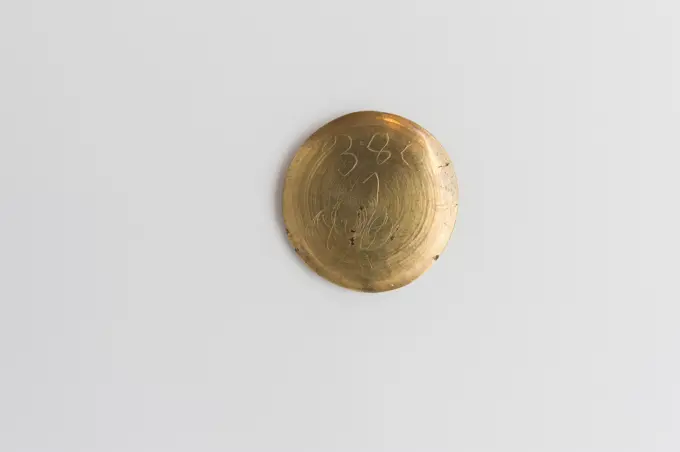
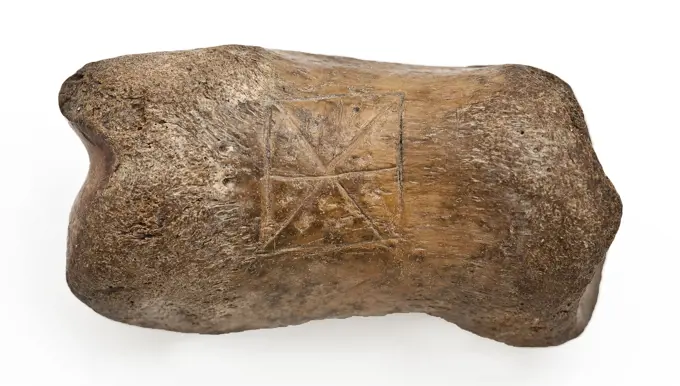
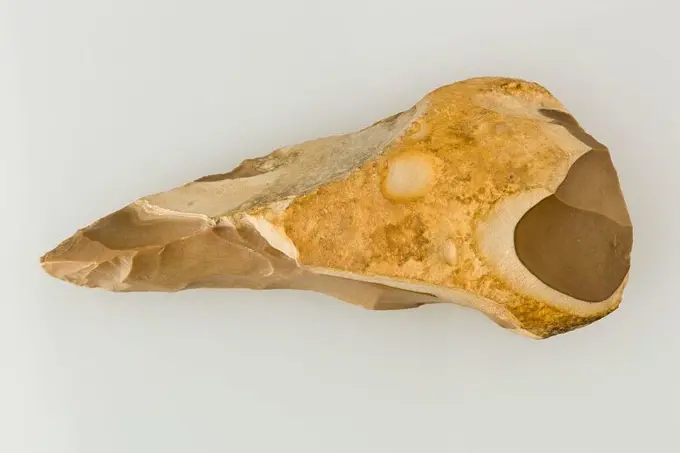
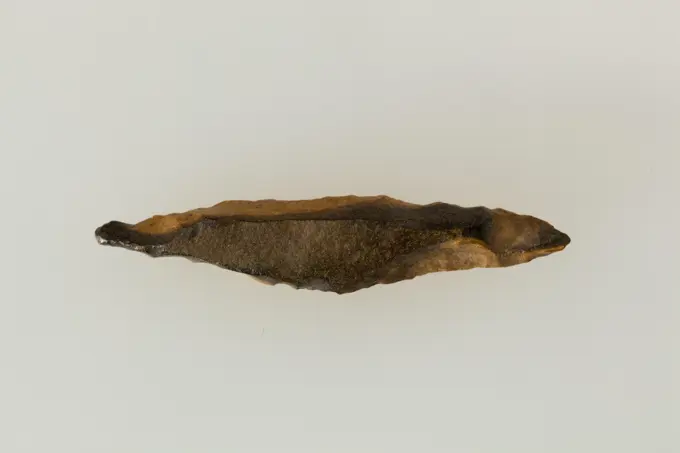
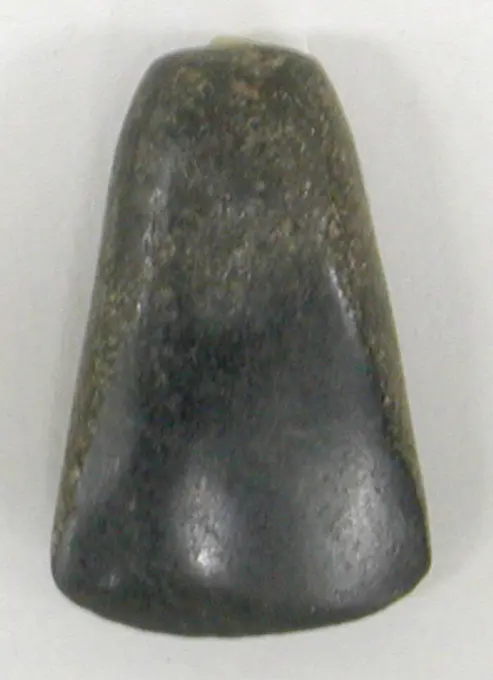
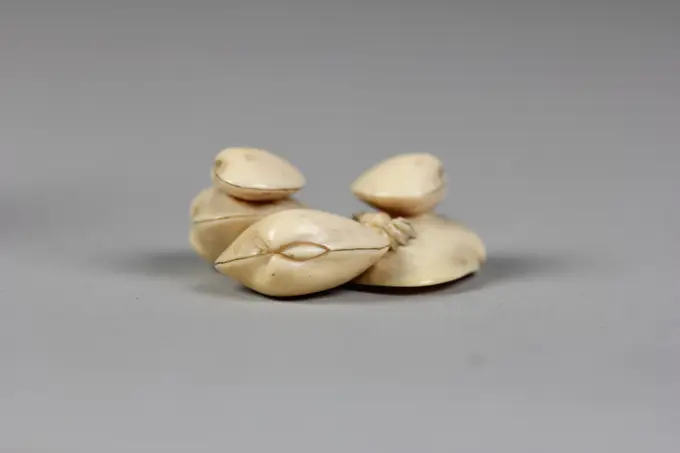
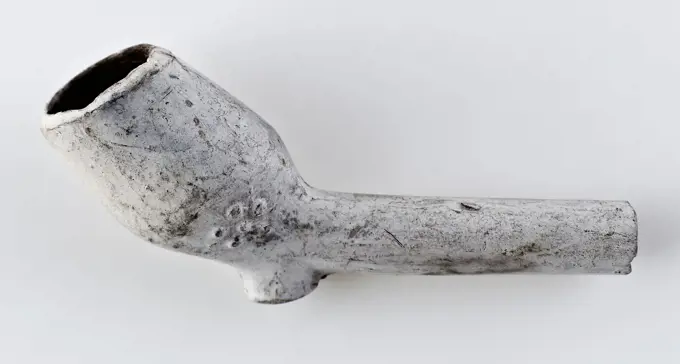
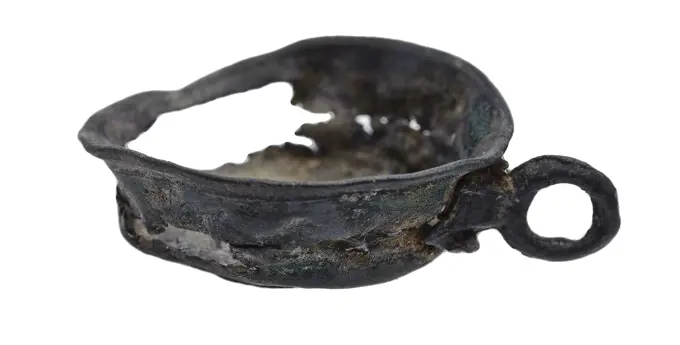
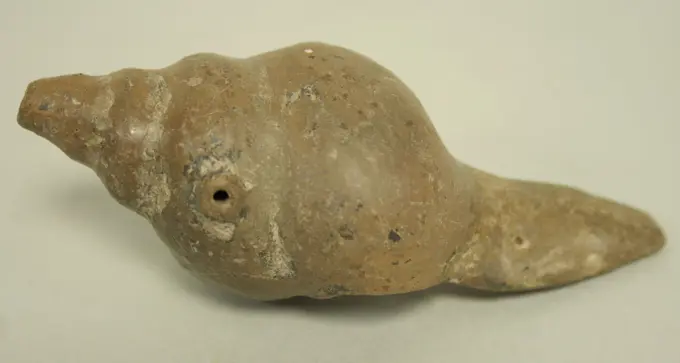
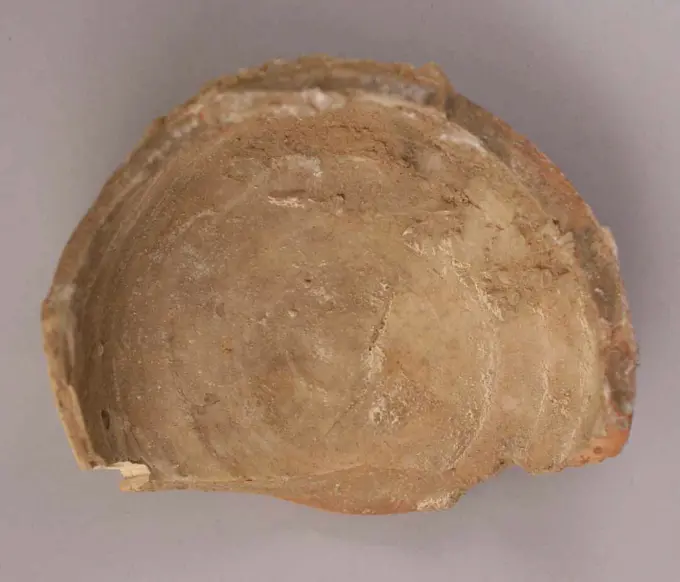
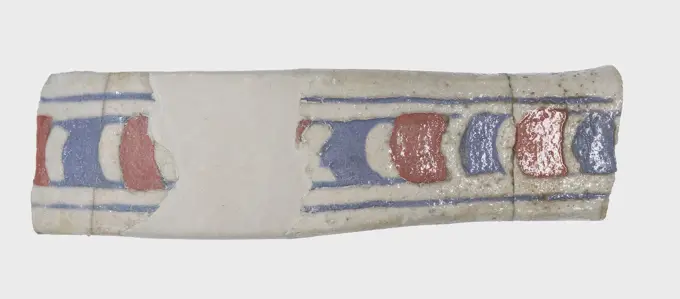
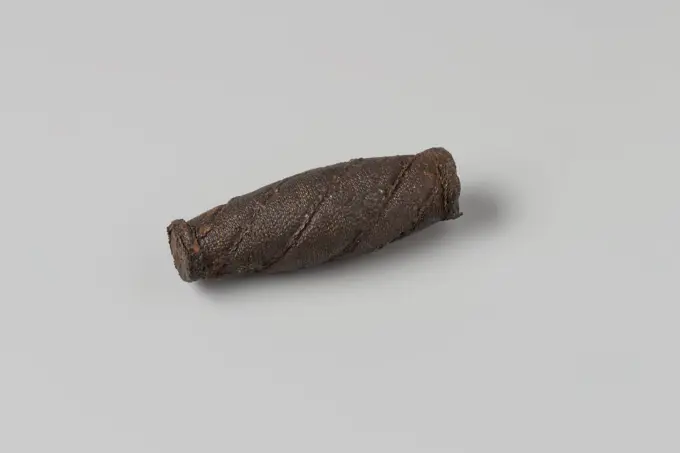
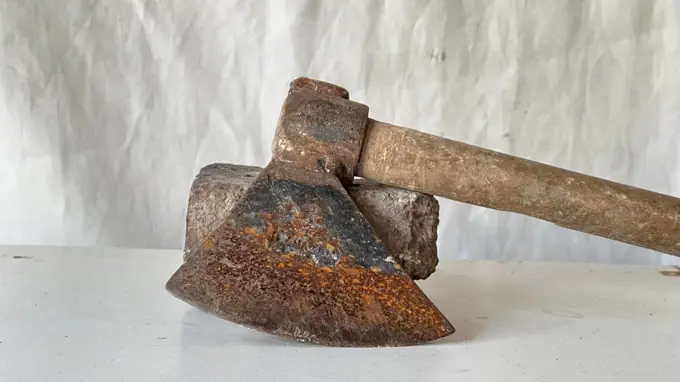
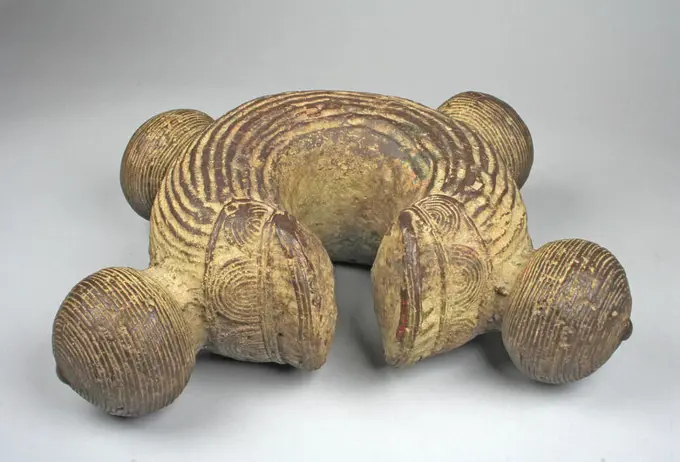
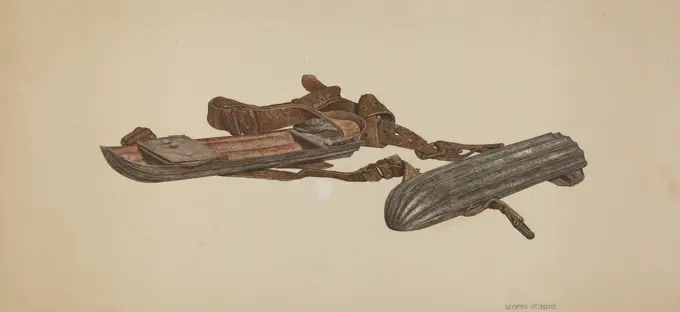
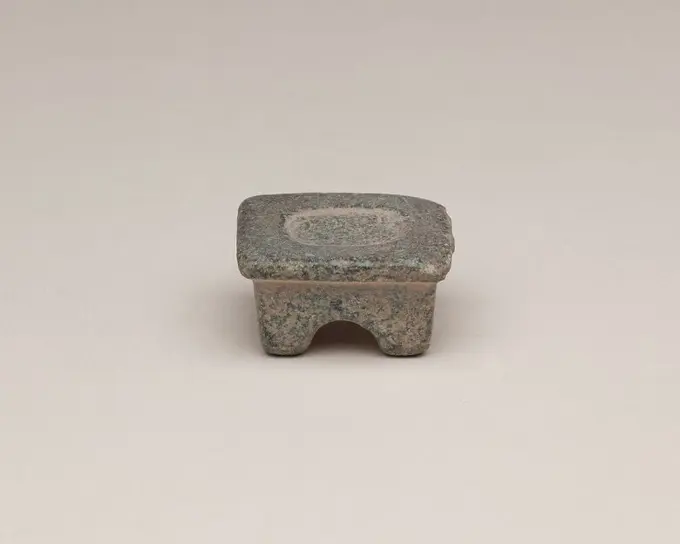
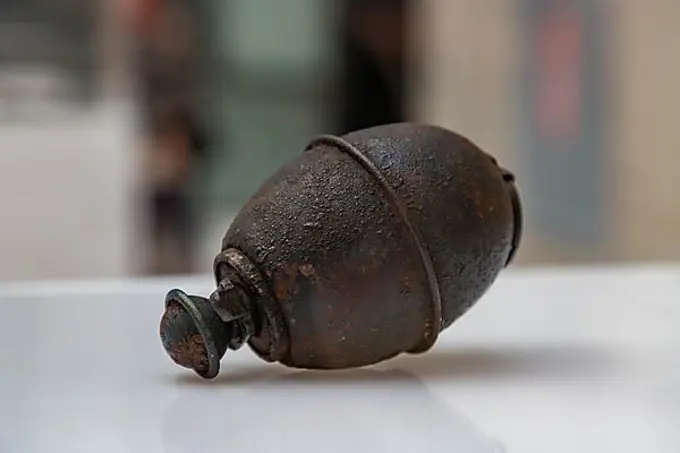
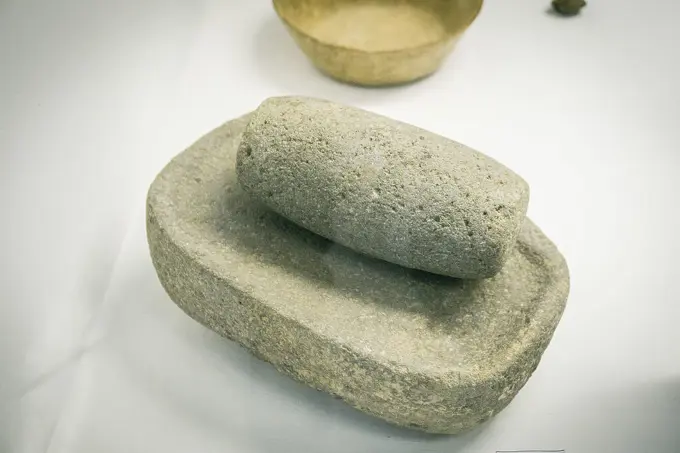
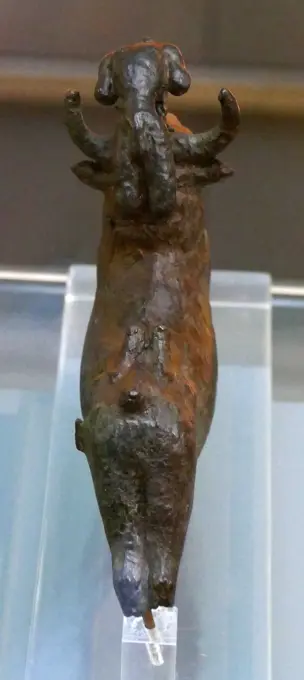
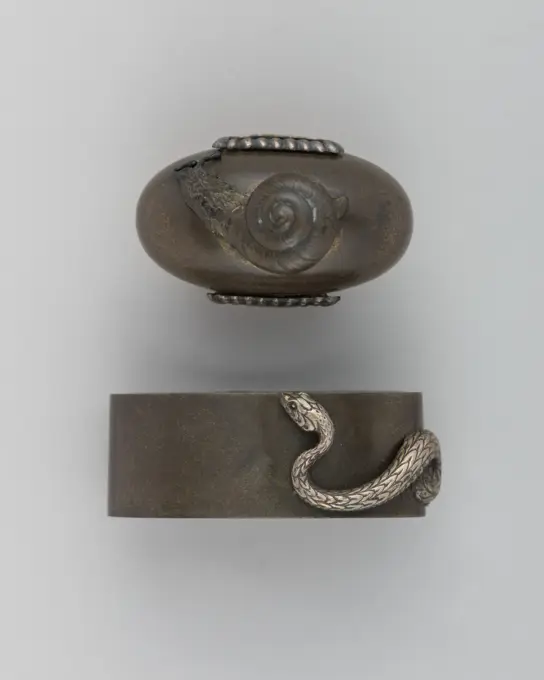
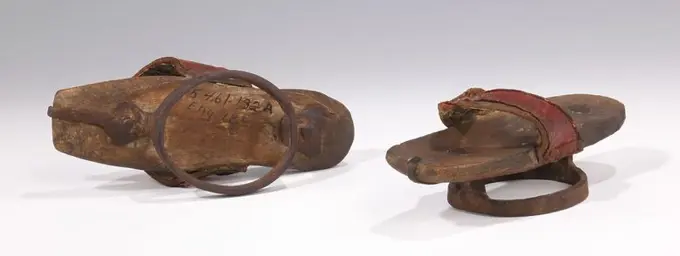
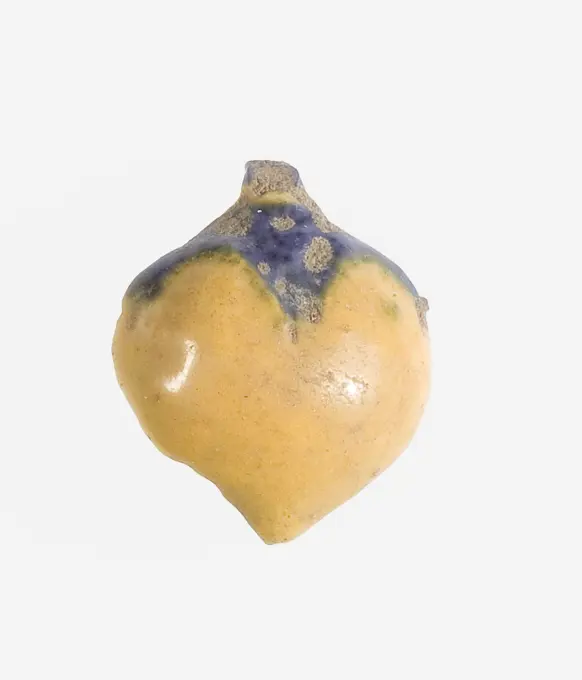
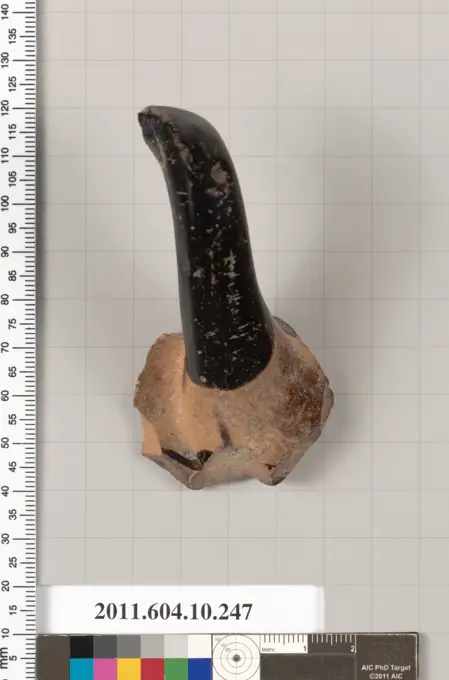
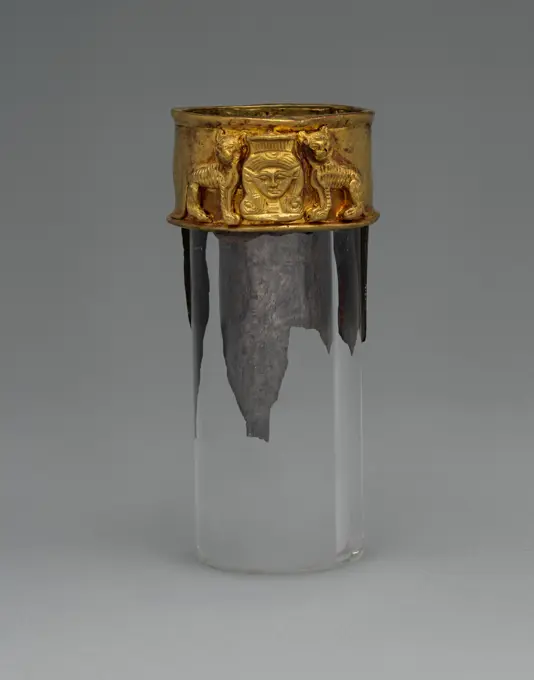
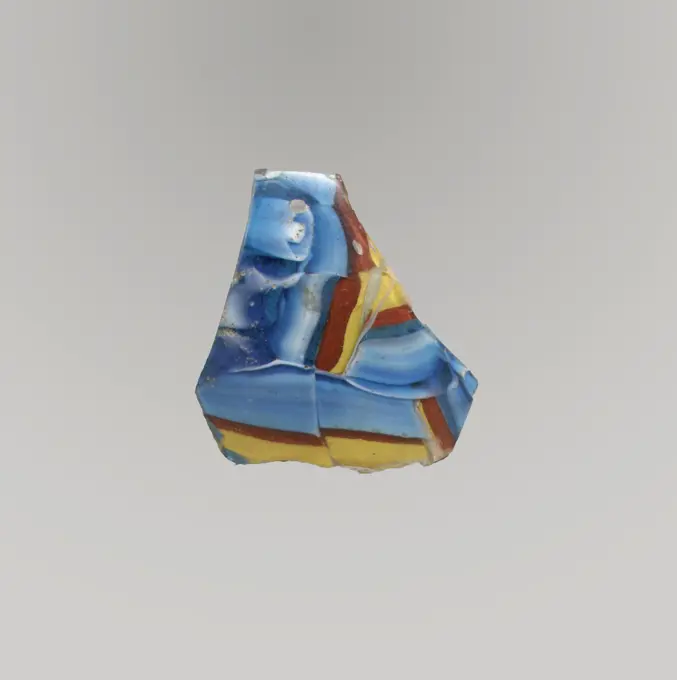
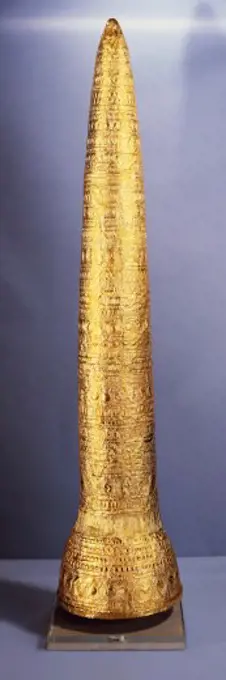
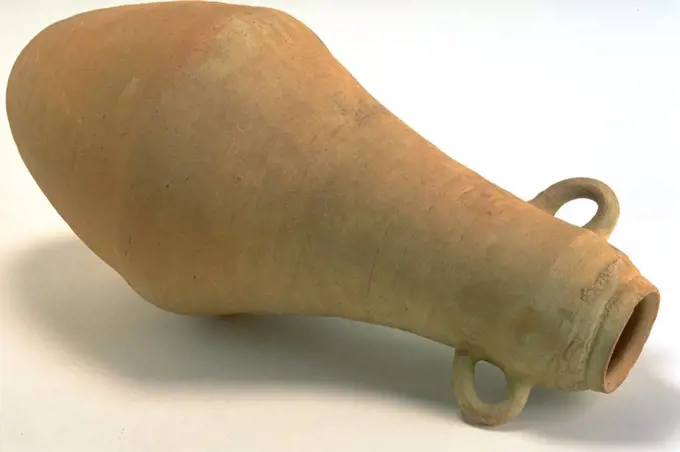
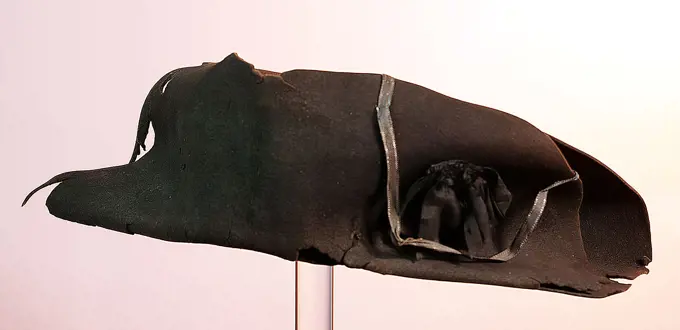
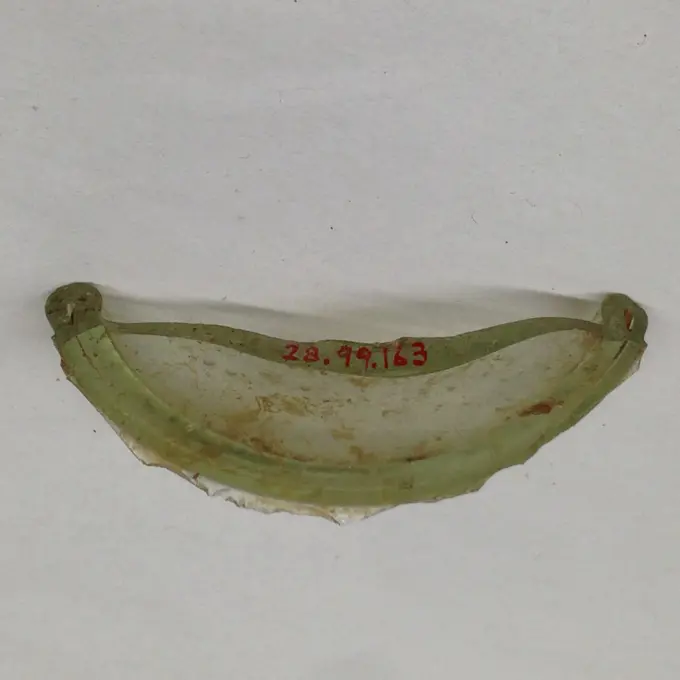
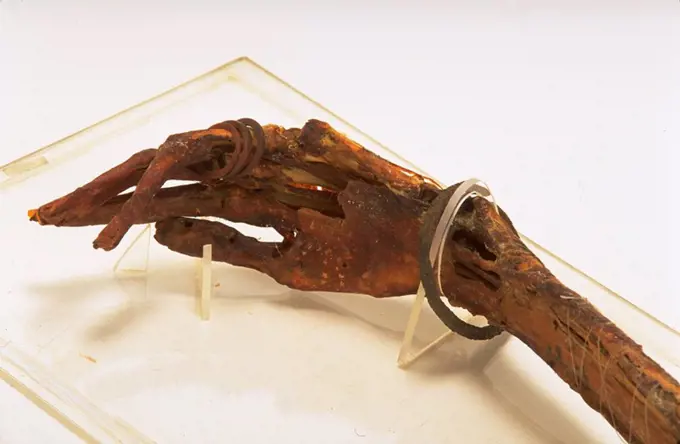
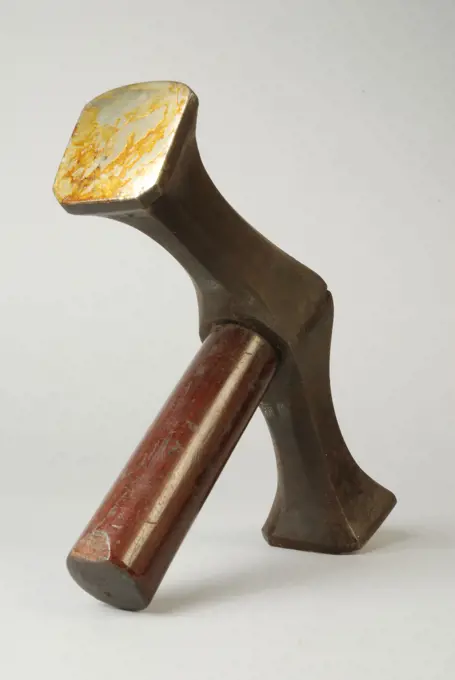
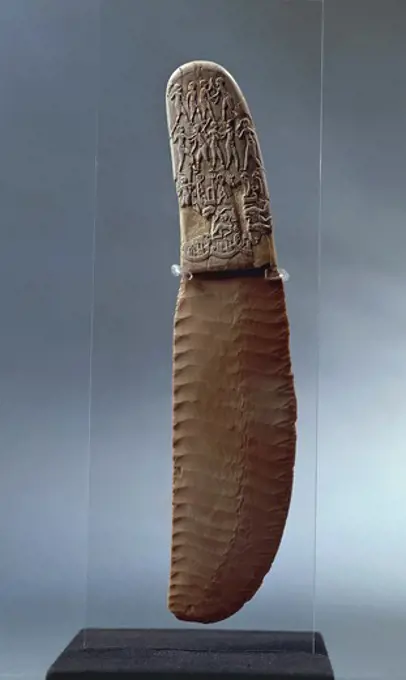
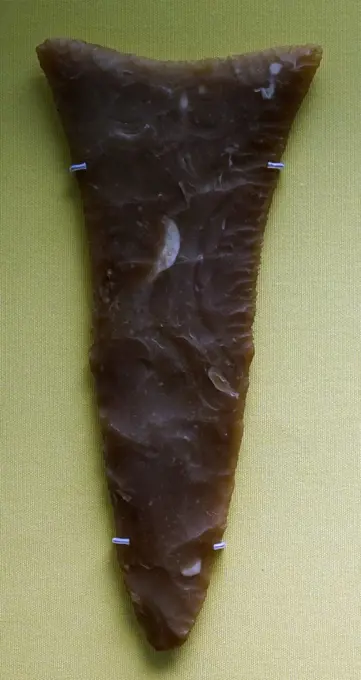
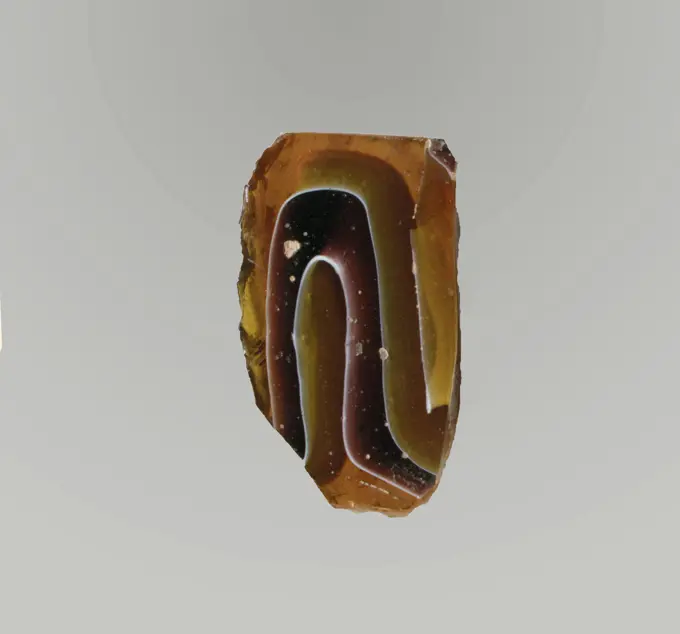
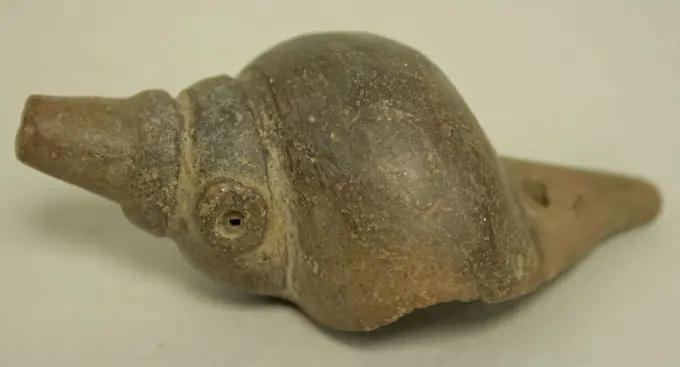
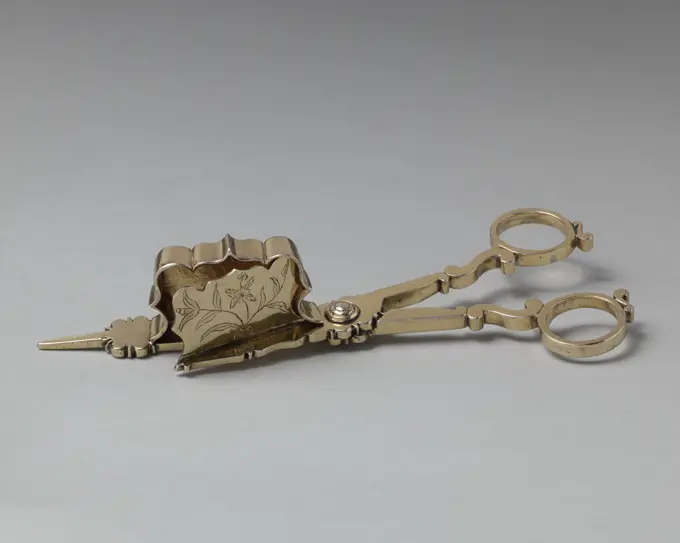
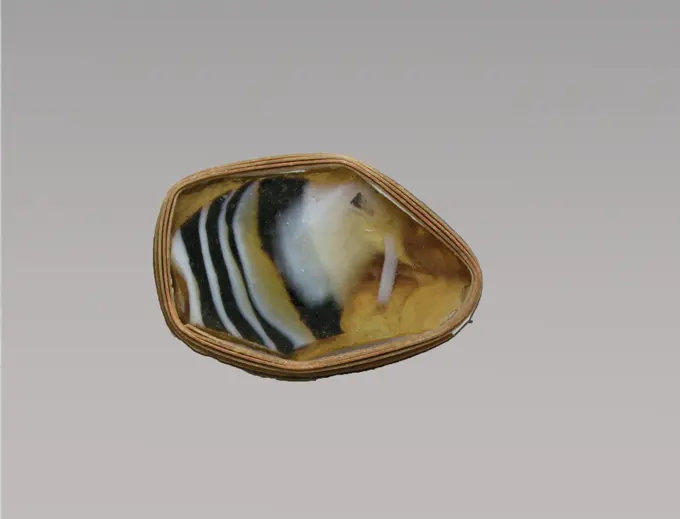
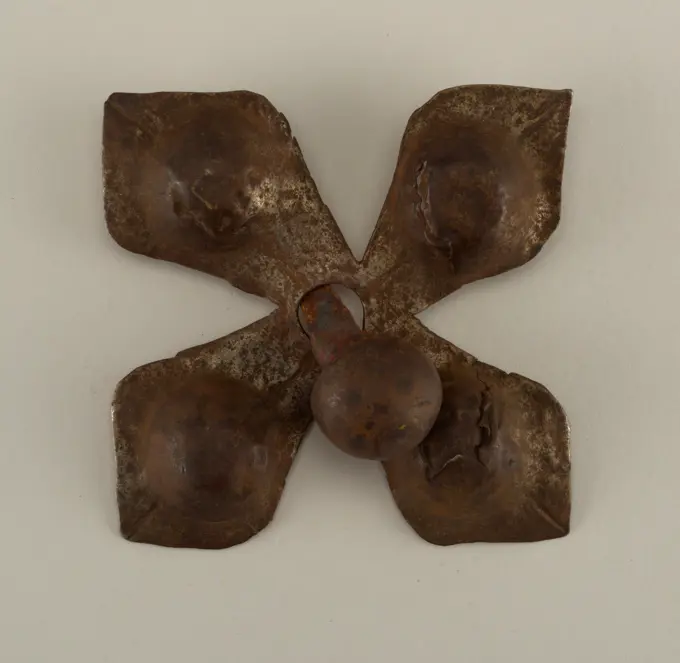
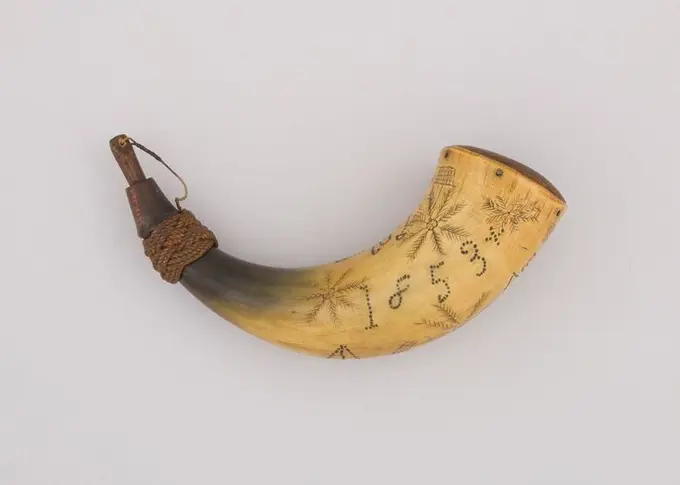
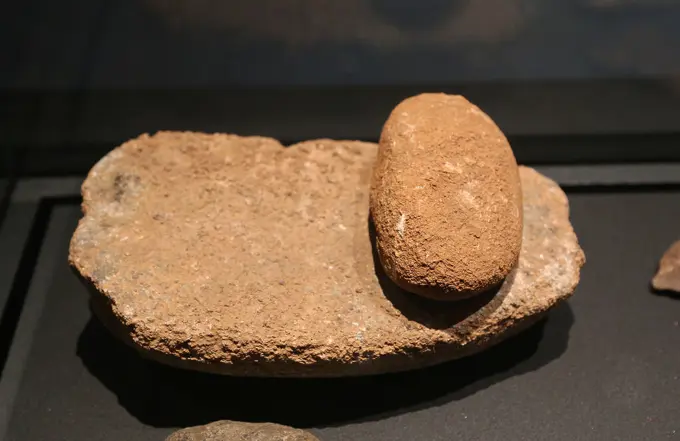
Neolithic period. Hand mill. 5500-4000 BC. Spain. Catalonia. Museum of the History of Catalonia, Barcelona. Spain.Dagger ca. 10th-9th century B.C. Iran. Dagger. Iran. ca. 10th-9th century B.C.. Bronze. Iron Age II. Northwestern Iran, Caspian regionPowder Horn 18th century American This powder horn is engraved with a map of the Hudson River Valley and the royal arms of Great Britain.. Powder Horn 29502Sheath, 1700s. Japan, Edo period (1615-1868). overall: 252.7 cm (99 1/2 in.); blade: 30.5 cm (12 in.).Terracotta oil lamp 1st century B.C.-1st century A.D. Roman Loeschcke Type 4. Mold-made. Discus: a bird (an eagle or parrot), facing right, holding a ribbon in its curved beak, standing in front of a winged caduceus, slanting obliquely to left; filling holelling hole at lower left behind the bird's tail, and a band of lines and grooves toward edge. Small volutes flanking nozzle, with off-center wick hole. Incised base ring, and concave base.Hole and extensive chipping to shoulder and top of body at back.. Terracotta oil lamp. Roman. 1st century B.C.-1st century A.D.. Terracotta. Early Imperial. TerracottasChildren's hat made of white cotton with flat sphere and wide edge, decorated with cotton flour and ditto pleated, serrated ribbon with hanging ends, anonymous, c. 1910 - c. 1912 Children's hat, summer hat, white cotton with flat sphere and wide edge, decorated with cotton flour and ditto pleated, serrated ribbon with hanging ends. Model: Spacious flat ball consisting of a raised edge and a round center, both stitched through in narrow edges. Rand has seam in the middle before that is camouflaged by a cotton flower (carnation). The loose wide edge is stitched on the ball and decorated for camouflage with a wrinkled ribbon, which is partly flat on the hat edge. The edge is stitched and ends scumbed. Unsurbed. Decoration: Cotton passion along the scallops. Amsterdam whole: Cotton (textile). Cords: Cotton (textile). Lint: Cotton (textile). Passement: Cotton (textile) snipping Children's hat, summer hat, white cotton with flat sphere and wide edge, decorated with cotton flour and ditto pleLifts with sculpture .. hand of huzenhorn, from above a head with neck collar.Fish Pendant. China. Date: 1100 BC-900 BC. Dimensions: 3 3/8 × 1 1/16 × 1/16 in. Jade. Origin: China. Museum: The Chicago Art Institute, Chicago, USA.Pendant. Mexico, probably Guerrero, Olmec, 1000-600 BCE. Stone. JadeitePile of three blankets, tied together with tire. A pile of three folded and blankets together with linen band () Made from cotton double tissue with woven diamond pattern. The back is roughened.Marble foot of a statue. Culture: Roman. Dimensions: 8 x 3 3/4 x 8 3/4 in. (20.3 x 9.5 x 22.2 cm).Right foot wearing sandle. Museum: Metropolitan Museum of Art, New York, USA.A hundred funeral of Nebiems ();  around 1550-1069 BC ; New PADeposit of the University of Warsaw from 1937-1939, Hormes (CA 1550-1069 A.C.), Nebiems (CA 1550-1069 A.C.), Hieroglyphs, French excavations in Deir El-Medina (Egypt)Spider Ornament 6th-7th century Moche (Loma Negra). Spider Ornament 315171Planets-manager. Cornalet Collection Sites 2013-2016. Numismatic.Digit from cow's leg, part of throwing game: chaps, koot game piece relaxant soil find leg, Leg on the long side marked: square divided by cross into six planes points in the created fields archeology Rotterdam rail tunnel play koten kootspel fikkelen Soil discovery, Rotterdam tunnel trajectory.Painted wooden toy horse (200 AD) and pottery horse (100 AD). Roman. From Egypt.Implement. Date: ca. 3850-2960 B.C.. Museum: Metropolitan Museum of Art, New York, USA.Vase fragment ca. 4000-3000 B.C. Neolithic, Thessaly. Vase fragment. Neolithic, Thessaly. ca. 4000-3000 B.C.. Terracotta. Neolithic, second period. VasesPottery ointment jar, conical model, red shard, internally green glazed, ointment jar pot holder soil find ceramic earthenware glaze lead glaze, hand-turned glazed baked Pottery ointment jar conical model red shard internal green glazed Oblique inward-facing upper edge Stand surface. Conical just above the foot narrowing of the kettle archeology health care indigenous pottery pharmacy store sell craftTool ca. 3850-2960 B.C. Predynastic Period. Tool. ca. 3850-2960 B.C.. Flint. Predynastic Period. From Egypt, Fayum, BSAE/Caton-Thompson excavations, 1924-26Celt before 16th century Maya () Greenstone axe heads, commonly known as “celts,” were some of the most important works of art across ancient Mesoamerica and Central America. Created from jadeite mined from the Motagua River Valley of southern Guatemala, or using local green stones from highland Mexico, celts were first created by the Olmec peoples of the Gulf Coast after 1000 B.C. The Olmec conceived of green celts as sprouts of maize and thus “planted” celts in dedicatory offerings, activating ceremonial spaces and perpetuating agricultural fertility. For the later Maya peoples, celts also served as dedicatory materials, but more so as adornments for the royal bodies of kings and queens. Often the celts would be thinned into celt-shaped plaques, strung together in pairs and triads in order to create belt assemblages that would have clinked with the sound of jades striking one another. Tombs from the Classic Period (ca. AD 250-900) contain celts of jadeite and various greenstones froNetsuke of Clam Shells 18th century Formerly Attributed to Garaku Japanese. Netsuke of Clam Shells. Formerly Attributed to Garaku (Japanese, active second half of the 18th century). Japan. 18th century. Ivory. Edo period (1615-1868). NetsukeHead of club, bearing name of NarmerWhite clay pipe, unnoticed, with smooth handle and stylized Tudor rose on the kettle, clay pipe smoking equipment smoke floor pottery ceramics pottery, pressed finished baked White clay pipe unnoticed with smooth handle and stylized Tudor rose on kettle Decoration consists of circle of five dots and four stripes around dot in the middle archeology smoking tobaccoShoe sole from the wreck of the East Indies Hollandia, Anonymous, 1700 - in Or Before 1743  Shoe; fragm, sole, dried, curved. Netherlands leather   SecondPewter porridge on stand, toys, papkom holder toy relaxant soil find tin metal, cast soldered Pewter papkom with one upright ear. Standring. Toy archeology Rotterdam rail tunnel indigenous tin child child play game play Soil discovery: trajectory rail tunnel Rotterdam.Spheroconical Vessel 9th-10th century. Spheroconical Vessel. 9th-10th century. Earthenware; slip covered, incised and polychrome decoration, unglazed. Excavated in Iran, Nishapur. CeramicsRag fragment from the wreck of the East Indians Hollandia, Anonymous, 1700 - in Or Before 1743 lid Parts, various, lid; circular, overhanging bevelled rim, vertical rim underneath, relieved decoration of concentric circles with circular boss in centre. Netherlands bone (material)   SecondTassel French 19th century View more. Tassel. French. 19th century. Metal thread. Textiles-TrimmingsScarab, ram head ca. 713-698 B.C. Third Intermediate Period. Scarab, ram head. ca. 713-698 B.C.. Faience. Third Intermediate Period. Possibly from Nubia; From Egypt and Sudan. Dynasty 25 (Kushite)Ceramic Whistle in the Form of a Shell 5th-15th century Ecuadorian. Ceramic Whistle in the Form of a Shell 314641Oracle bone fragment China. Oracle bone fragment. China. Inscribed bone. Shang dynasty (ca. 1600-1046 B.C.). BoneBowl -Key, c. 1400 - c. 1950 Key with acorn eye with uprising. One of the four teeth of the beard is missing. Rome bronze (metal) Key with acorn eye with uprising. One of the four teeth of the beard is missing. Rome bronze (metal)Ball. Unknown 4th century B.C.Arrowhead. Arrowhead 246799Pottery Shard. Nepal, circa 330-880. Fragments; shards. Unbaked () clay with red slipKadzielnica (kôro);  XVIII-XIX century (1701-00-00-1900-00-00);Fragment sent with "Dancing Lady": Small Section of a Forearm, c. 50 BC. Greece, Alexandria (), 1st century B.C.. Marble; overall: 85.4 cm (33 5/8 in.).Bracelet (common name). Bronze. Cernuschi Museum, Asia Museum of Asia in the city of Paris.Fragment of a Bowl 9th century. Fragment of a Bowl 451132Part of Vase Handle ca. 1390-1353 B.C. New Kingdom. Part of Vase Handle. ca. 1390-1353 B.C.. Faience, white with red and blue decoration. New Kingdom. From Egypt, Upper Egypt, Thebes, Malqata, Green Buildings, MMA excavations, 1910-11. Dynasty 18Architectural Fitting (Gong) Made 770 BCE-481 BCE China. This is one of sixteen hollow bronze fittings in the museumís collection that together comprise rectangular, L-shaped, and cylindrical pieces. In 1973, fittings of similar shape and design were excavated from the site of a palace of the 7th century B.C. in modern-day Fengxiang, Shaanxi province in north China. Most show tightly interlaced surface patterns like those cast in this piece. Archaeologists have conjectured that these fittings, some of which preserve traces of wood, originally served as collars and sleeves that had been socketed over a framework of timber columns and tie beams embedded into the earthen walls. Some of these pieces may originally have been stuffed with silk to tighten them.. Bronze .one loaf of bread close-up on a white background with reflection. bread on a white backgroundGrasp of an hilt from the wreck of the East Indians Hollandia, Anonymous, 1700 - in Or Before 1743  Hilt, grip; id. H2582. Netherlands wood (plant material). copper (metal)   SecondConical Gaming Piece from Neferkhawet's Tomb ca. 1504-1447 B.C. New Kingdom A family tomb, established by a man named Neferkhawet, was excavated by the Egyptian Expedition of the Metropolitan Museum of Art in 1935. One of the last people buried in the tomb was a woman whose name was not recorded on any of the objects in the tomb. Inside her wooden coffin was a set of ten gaming pieces, five conical like this one and five spool-shaped. These would have been used to play the games senet and 20-squares. No trace of an accompanying game box was recorded by the excavators. The coffin itself was badly damaged by rot and insects, so remains of a wooden game box may have been indistinguishable from the coffin.The five conical game pieces are quite uniform in shape, size, and color. Four of the spool-shaped pieces are also quite similar, but the fifth is different enough that it may have been a replacement piece.. Conical Gaming Piece from Neferkhawet's Tomb. ca. 1504-1447 B.C.. Faience. New KiFragment of the Oranjeboom, 1874 Fragment. Part of a model in plaster of a non -executed environment De Table for William III.  gypsum Fragment. Part of a model in plaster of a non -executed environment De Table for William III.  gypsumSpoke. Short spoke of iron, belonging to NG-NM-7662-2 together formed one. This spoke was cut down in Hammerfest, because it was meant that it was the course of a fire parent, the spoke was found to be solid iron. According to B. Kist, this is a hand spoke.Plaque, thin gold leaf Cypriot. Plaque, thin gold leaf 242629Rusty ax on a stone block in a workshop lies rusty ax, which lies on a stone block in a workshopCurrency. Culture: Kru peoples. Dimensions: Height 4 in.. Date: probably 19th century. Museum: Metropolitan Museum of Art, New York, USA.Half coconut shell from the wreck of the Dutch East India ship Witte Leeuw, before 1613 coconut (fruit) Half coconut from V.O.C. ship De 'Witte Leeuw'. The underside, with hole.  coconut shell   Sint-HelenaErosaria Spurca from v.O.C.-ship the 'White Lion'. Shell from v.o.c.-ship the 'white lion'.Raymond Neumann, Snow Skates, c 1940 Snow SkatesRubbing Stone () ca. 1479-1458 B.C. New Kingdom. Rubbing Stone (). ca. 1479-1458 B.C.. Gritstone. New Kingdom. From Egypt, Upper Egypt, Thebes, Deir el-Bahri, Tomb of Senenmut (TT 353), Foundation deposit 3 and 5a, MMA excavations, 1926-27. Dynasty 18Kohl pot stand. Dimensions: h. 1.8 cm (11/16 in); w. 3.3 cm (1 5/16 in). Dynasty: Dynasty 12-13. Date: ca. 1981-1640 B.C.. Museum: Metropolitan Museum of Art, New York, USA.Borer 1600-1699 France. Turned steel, ivory, brass, and wood .A picture of an old grenade used by Germany on World War 2Millstone, classic, Santa María Nebaj,Museum of Anthropology, El Quiché Department, Guatemala, Central America.Campania Napoli Naples S. Lorenzo Maggiore63. Hutzel, Max 1960-1990 Medieval: Sculpture, architecture, architectural sculpture (including Roman spolia) 13-14th century Chapter house; sarcophagi, gravestones; wall painting. Fragment of mosaic; sculptural fragments in the Sala Capitolare. Post-medieval: Architecture, architectural sculpture, ceiling painting fresco cycle; prints depicting Venice c. 1845 (4), sculpture; life-size creche figures dressed in original Neapolitan costume Church restored in 1882, 1926, 1944; excavations under the transept undertaken between 1958-1962, and in the cloister in 1976, have revealed remains of a Roman macellum (market), street, and the paleochristian basilica of the 6th c. AD. Antiquities: Pottery: black-glazed, archaic banded, domestic wares, bucchero; architectural terracottas, statuettes, lamps, sculpture fragments Object Notes: 3 color negatives with no prints at the end. General Notes: Most objects/paintings/frescoes unidentified. Three batches Bronze statuette of a bull and an acrobat. Minoan, Greek; Minoan, 1550-1450 BCSword-Hilt Collar and Pommel (Fuchigashira) first half 19th century Japanese A fuchigashira is a pair of matching sword fittings comprising the fuchi (collar at the base of the grip of the sword hilt) and kashira (pommel cap at the end of a sword hilt).. Sword-Hilt Collar and Pommel (Fuchigashira). Japanese. first half 19th century. Copper-silver alloy (shibuichi), silver, copper, gold. Sword Furniture-Fuchi-KashiraAnimal head. unknown, craftsmanPart of gaming board for "hneftalfl", a game of siege already popular in the Viking Age. Chessmen of baked clay, 15th century. Dice made of walrus tusk, wooden chessman (King). Historical Museum. Oslo. Norway.Bronze statuette of a warrior 6th to 5th century B.C. Etruscan The warrior was a popular subject in 6th and 5th c. B.C. statuettes in Etruria and Umbria. Likely a votive offering, it is not known whether the figure represented a divine or human warrior.. Bronze statuette of a warrior 330034Pattens. Culture: British. Date: 1830-50.Women's shoes of the early 19th century were notoriously thin and flimsy, so some sort of overshoe was necessary to keep the shoes clean and dry when walking outdoors. One option was the patten, which consisted of a wooden sole with straps, raised on an iron ring. Pattens were not considered particularly genteel or refined, and this reputation is confirmed by the coarse construction of many surviving examples. These pattens from the collection, in a scarcely found child's size, are typical of the type worn in the 1830s and 1840s. Pattens fell out of use in the 1850s, when vulcanized rubber galoshes became widely available. Museum: Metropolitan Museum of Art, New York, USA.Fragment lead from the wreck of the East Indians Hollandia, 1700 - in or before 1743  Parts of artefacts; eroded fragments: materials; lead. Netherlands lead (metal)   SecondPersea fruit pendant ca. 1390-1353 B.C. New Kingdom. Persea fruit pendant. ca. 1390-1353 B.C.. Faience, violet and yellow. New Kingdom. From Egypt, Upper Egypt, Thebes, Malqata, Palace of Amenhotep III, MMA excavations, 1910-11. Dynasty 18Terracotta fragment of a krater (deep bowl) 5th/4th centuries B.C. Etruscan Part of the handle of a krater. Terracotta fragment of a krater (deep bowl). Etruscan. 5th/4th centuries B.C.. Terracotta; Black glaze. Classical. VasesNeck from a vessel depicting the goddess Hathor flanked by felines ca. 1279-1213 B.C. New Kingdom, Ramesside Though fragmentary, the decoration on this gold band from the neck of a mostly missing silver vessel suggests the vessel held intoxicating drink. The Hathor heads point to the vessel's close association with Hathor, daughter of the sun-god Re, and the flanking animals, in this case lion cubs rather than the usual cats, are a reference to Sakhmet / Bastet. All these goddesses are associated with the tale of the Distant Goddess. The Distant Goddess myth subsumes that of the Destruction of Mankind - a tale of the rampaging goddess who was only halted by intoxication. Additionally, particular festivities associated with Eye of Re goddesses seem to encourage drunkenness as a way of transcendence and association with divinity.. Neck from a vessel depicting the goddess Hathor flanked by felines. ca. 1279-1213 B.C.. Silver, gold. New Kingdom, Ramesside. From Egypt, Eastern Delta, Tell BEye from a Coffin. Egypt, Late Period, 21st - 26th Dynasty (1081 - 525 BCE). Sculpture. Bronze with inlaid bone sclerotica and black stone irisPijpenkop., Anonymous, c. 1400 - c. 1950 Pijpenkop decorated with praise and the IB brand.  pipe clay Pijpenkop decorated with praise and the IB brand.  pipe clayVintage Photograph. Tennis ball against a white background.Copper molded thimble with waffle pattern, thimble sewing kit soil find copper metal, cast Copper molded thimble with square wells in lines on the top waffle pattern with groove as transition to the shaft with pits fitted with wheel punch and blank board with two grooves archeology Rotterdam Kralingen-Crooswijk Kralingsche Bos Kralingse Plas seamstress tailor sewing textile processing clothing needle and thread repair Soil discovery: collected in 1972 at the Kralingse Plas from sprayed dredge: metal detector finds and sight finds.Large stoneware marble with salt glaze, almost round, marble ball toy relaxant soil find ceramic stoneware glaze salt glaze, hand-turned glazed baked Large stoneware marble covered with gray salt glaze, here and there light brown flamed. Almost round marble slightly ovoid Blutsen indicate possible use as marble archeology Rotterdam Kralingen-Crooswijk Struisenburg Bosland indigenous pottery import child play marbles child's play militaria militia to excercise Soil discovery: found in Bosland Rotterdam.. Image of dark stoneware, unglazed. The image is in the form of a landscape shishi (lion dog) with an open mouth on a leaf; Some characteristics, such as eyes and nails, are inlaid with a white material.Glass mosaic bowl fragment late 1st century B.C.-early 1st century A.D. Roman Body fragment.Translucent blue, purple layered with white appearing opaque brick red, opaque yellow, white, and colorless.Sharply curving side.Body decorated with short-strip mosaic pattern formed from rectangular lengths of two canes set randomly or at right angles to one another: one in blue with white circle and central dot, the other in bands of blue streaked with white, red, yellow, white, and colorless.Exterior polished, with pitting of surface bubbles; dulling and creamy weathering on interior, and some iridescent weathering on edges.. Glass mosaic bowl fragment. Roman. late 1st century B.C.-early 1st century A.D.. Glass; cast. Early Imperial. Glassfine arts, ancient world, bronze age, sculpture, cultic cone, gold, Ezelsdorf, Burgthann, Germany, urnfield culture, 1300 - 1200 BC, Munich Prehistoric Collection,Blowjob from the wreck of the East Indieschief Hollandia. Pipe, Bowl, Healmar: Crowned 91; 1HSM1.Blade before 16th century Mexican. Blade 307736Loom weight ca. 3rd-7th century A.D. Sasanian. Loom weight 322766ANFORA. PUNICA. (DEPOSITO: MUSEO ARQUEOLOGICO NACIONAL).Black felted two-sided stitch, bicorne, with ribbon and black cockade, three bullet holes in upright front and back flap, bicorne stitch hat headgear men's clothing wool felt metal leather, to 124.0 textile dress man lieutenant at sea Pieter Bezemer naval battle England militaria head cover Stitch worn by Sea Officer (lieutenant at sea) Pieter Bezemer in defense of the wigantijnschip de Maasnymph on 18 August 1800 at Zeewug in the battle against an English barge and two sloops. Pierced by three bullets.Fragment ca. 1150-ca. 1250 European or Middle Eastern. Fragment 694317MANO DE MOMIA CON BRAZALETE Y ANILLOS. EGIPCIO. (DEPOSITO: MUSEO ARQUEOLOGICO NACIONAL).Fibula, fragment. Fibula, fragment. Bronze. BronzesApparel from a Dalmatic, early 1500s. Italy, early 16th century. Embroidery; silk and metallic threads; overall: 5 x 48.7 cm (1 15/16 x 19 3/16 in.).Frontlet of gold leaf. Frontlet of gold leaf 242969Pewter hammer, hammer from casting, hammer tool kit metal iron wood varnish, forged Hammer Short round wooden handle. Elongated and curved head with two striking surfaces constricted on both sides of the handle. The striking surfaces have bevelled corners and are slightly round at the top. Decorated with double grooves over the head. Struck marks struck initials of the owner: TG tingieterij tin pewter craft craft driving hammer polishing hammer metal processing Meeuws Originating from collection Meeuws.Naqada II Period, Gebel el-Arak knife, with flint blade and ivory handle carved with scene of battle between warriors armed with axes, clubs and knives, and naval fleet, Predynastic PeriodFish-tail knife blades, that have been used to cut the umbilical cord at birth, and symbolically during rebirth in the afterlife. From the Presynaptic period.collection of various adhesive tape pieces on white background.Glass mosaic inlay fragment late 1st century B.C.-early 1st century A.D. Roman Translucent honey brown, purple, and opaque white.Thick-walled panel, flat on both sides, with one straight edge.Spiral mosaic pattern formed from lengths of one or more canes in a brown ground with wavy purple and white threads.Polished on upper side , with pitting and weathering of surface bubbles; dulling and creamy iridescent weathering on underside, straight and jagged edges.. Glass mosaic inlay fragment. Roman. late 1st century B.C.-early 1st century A.D.. Glass; cast. Early Imperial. GlassCeramic Whistle in the Form of a Shell. Culture: Ecuador. Dimensions: Length 3-1/8 in. (7.9 cm). Date: 5th-15th century. Museum: Metropolitan Museum of Art, New York, USA.Snuffers (part of a toilet service) late 17th century W. B., London. Snuffers (part of a toilet service). British, London. late 17th century. Silver gilt. Metalwork-SilverGlass mosaic ribbed bowl fragment late 1st century B.C.-early 1st century A.D. Roman Body fragment.Translucent honey yellow, deep purple appearing black, and opaque white.Almost straight side.Ribbon mosaic pattern formed from sections of a single cane in yellow ground with irregular wavy purple and white threads and streaks in parallel lines; on exterior, single vertical rib with rounded outer edge.Pinprick bubbles; polished interior; pitting of surface bubbles on interior; dulling and creamy iridescent weathering on exterior and jagged edges.. Glass mosaic ribbed bowl fragment. Roman. late 1st century B.C.-early 1st century A.D.. Glass; cast and tooled. Early Imperial. GlassBead 400 BCE-200 BCE China. Jade .Decorative Door Boss And Nail; wrought ironRoman Empire. Facula vieatica. Iron sickle. Used to work in vineyard. 1st c. AD. City History Museum. Barcelona. Catalonia. Spain.Powder Horn. Culture: American. Dimensions: L. 6 5/8 in. (16.8 cm); Diam. 2 1/4 in. (5.7 cm); Wt. 2.5 oz. (70.9 g). Date: 1853. Museum: Metropolitan Museum of Art, New York, USA.